Electrical Tools and Supplies Study Guide
 Call Kai
 Learn
Learn Practice Test
 Spaced Repetition
 Match
Match Flashcards
1/63

There's no tags or description
Looks like no tags are added yet.
Name | Mastery | Learn | Test | Matching | Spaced | Call with Kai |
|---|
No analytics yet
Send a link to your students to track their progress
64 Terms
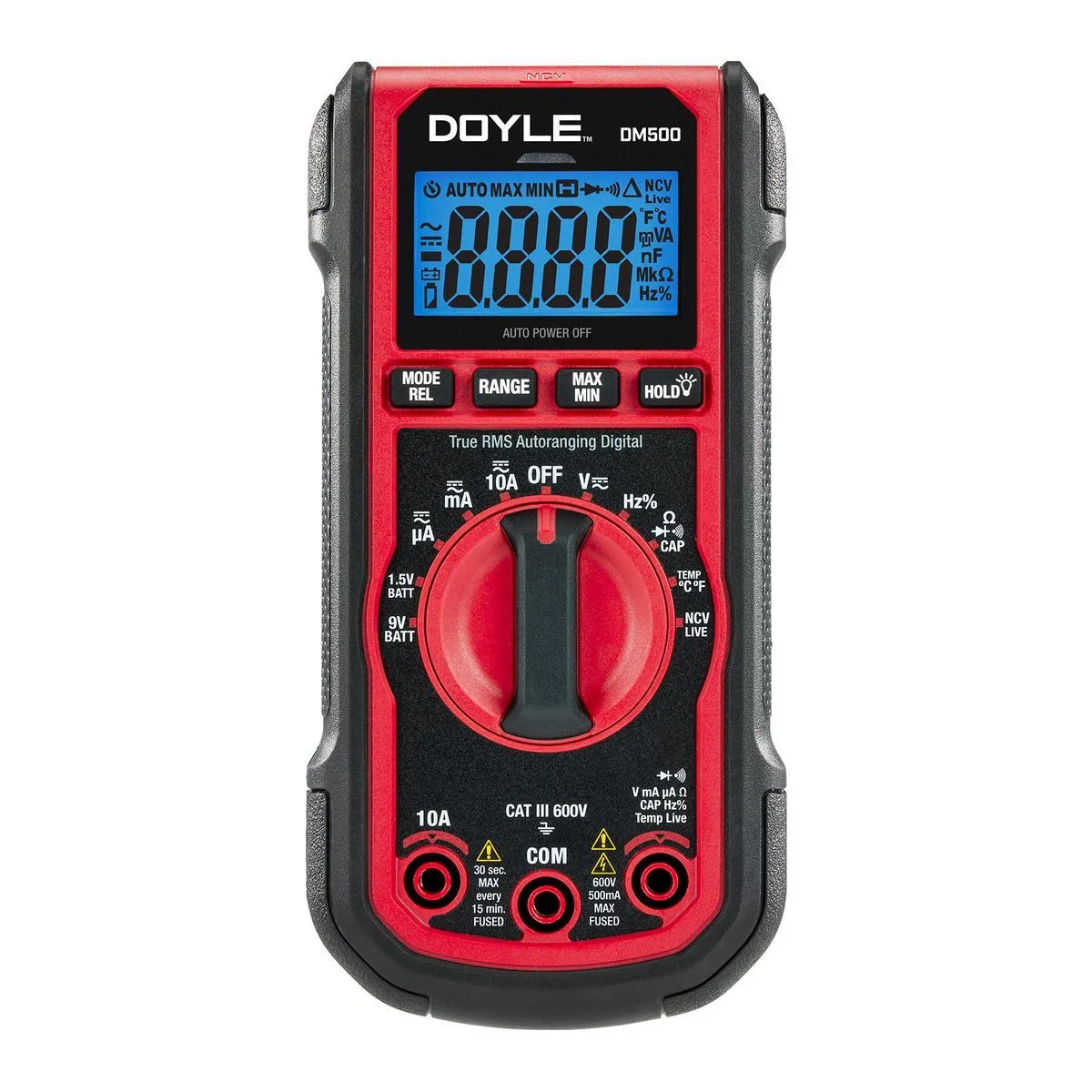
Digital Multimeter
A handheld electronic instrument with a digital display that measures AC/DC voltage, resistance, and current by using test probes to analyze electrical signals.
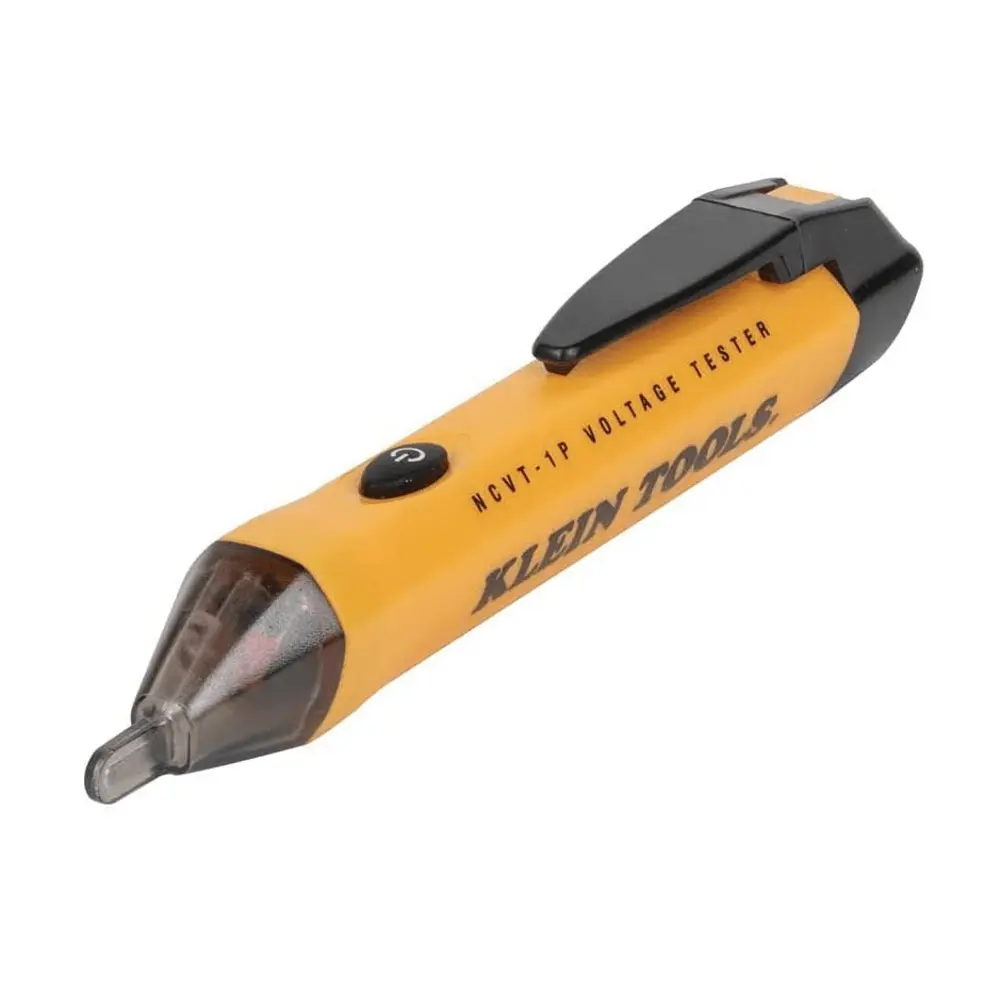
Non-Contact Voltage Tester
A pen-shaped device used to safely detect live electrical wires and outlets without contact, using sensors to identify electric fields.
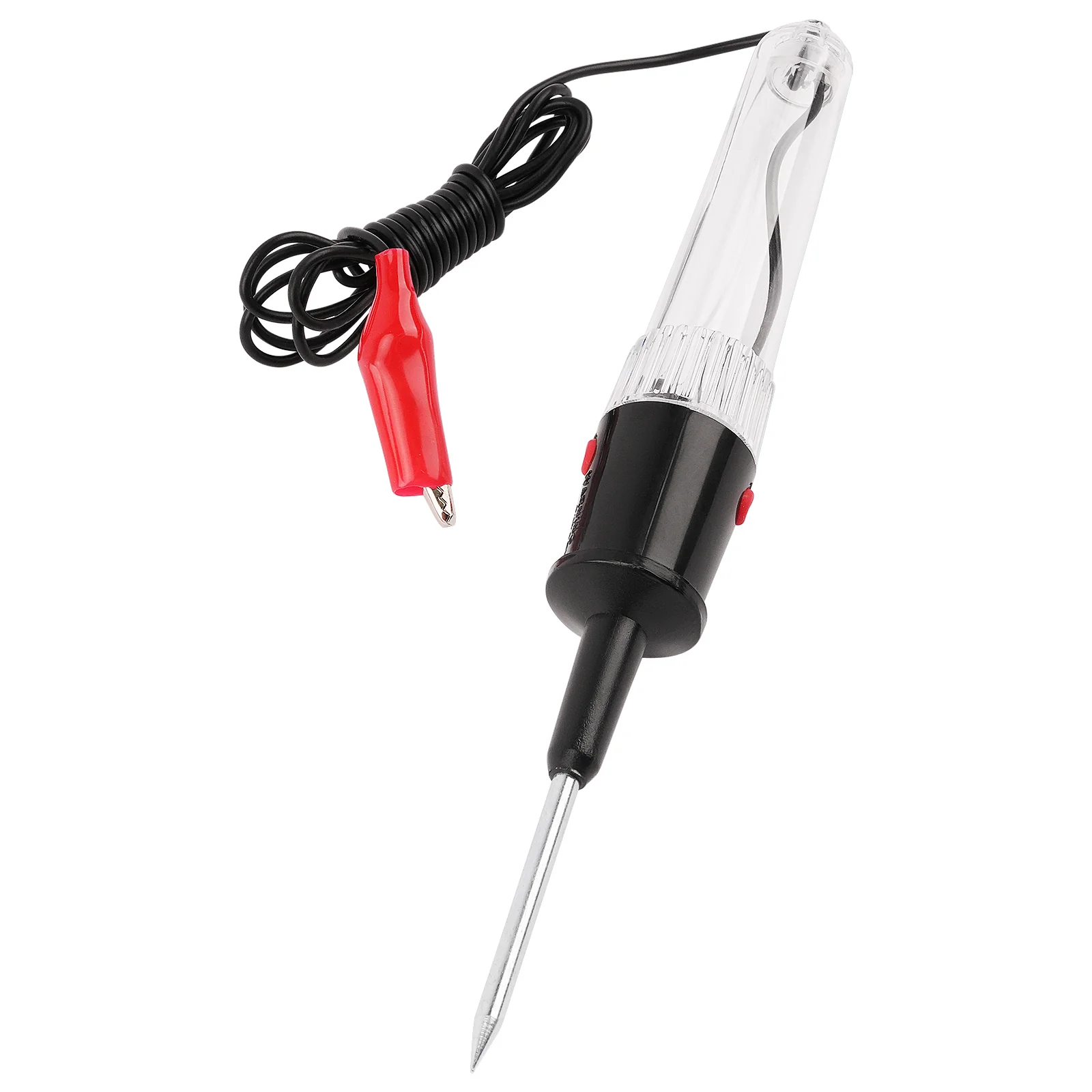
LED Circuit Tester
Handheld electronic diagnostic tool with probes or leads used to test LED circuits for voltage, continuity, and proper polarity.
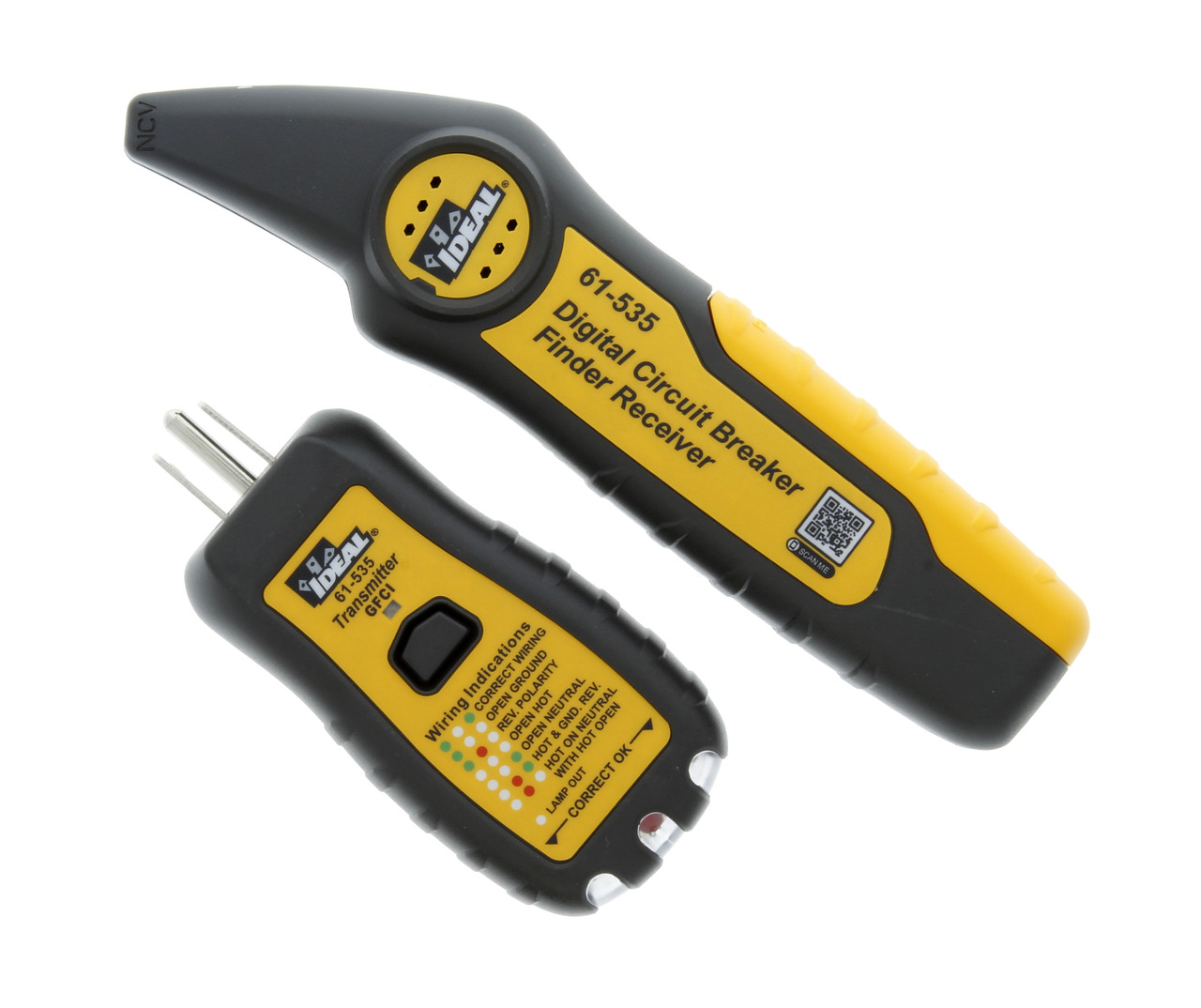
Circuit Breaker Finder
A kit with a plug-in transmitter and a handheld receiver with lights or beeps, used to locate breakers and trace wires.
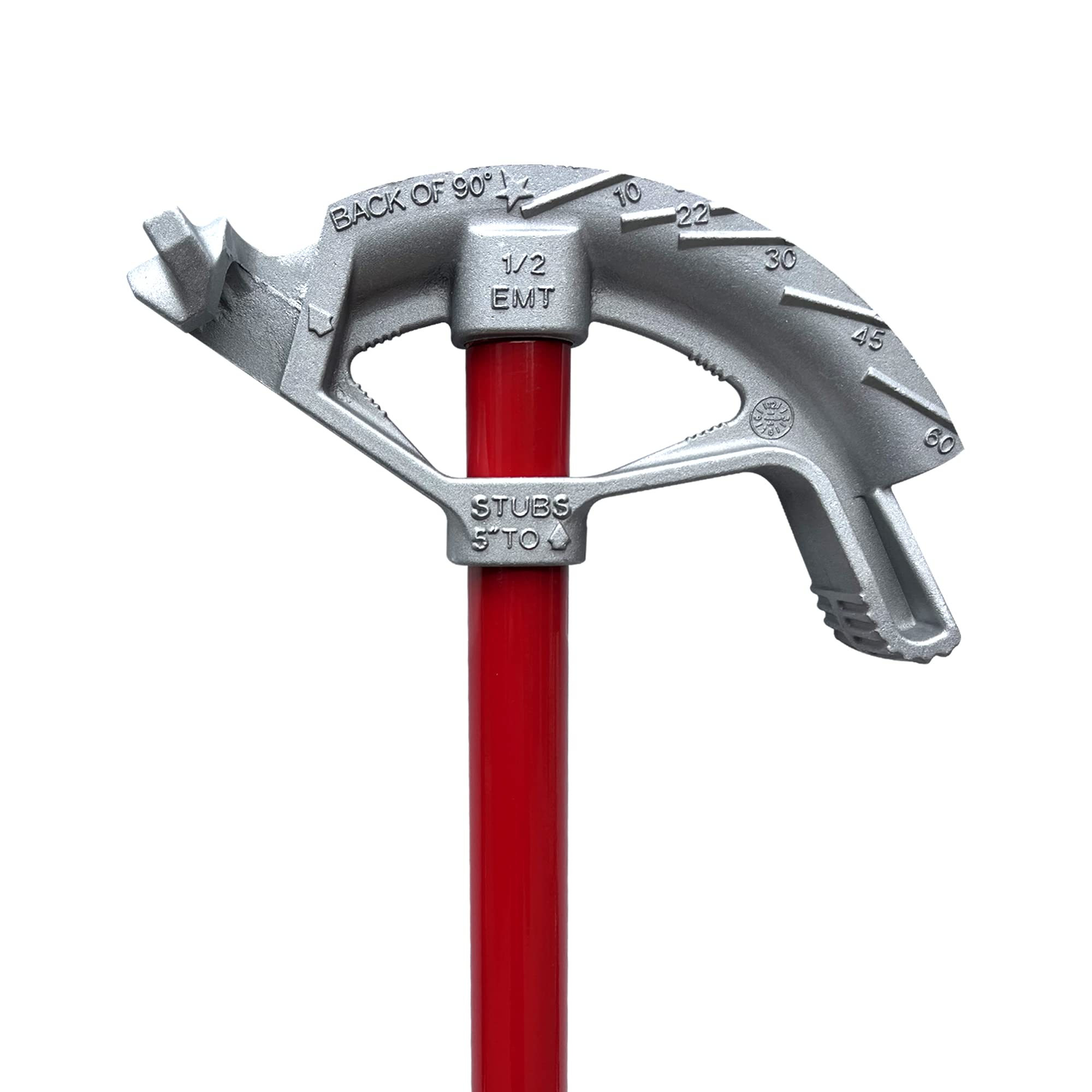
Conduit Bender (EMT Bender)
A long-handled tool with a curved metal bending head, used to make accurate 45° and 90° bends in electrical conduit.
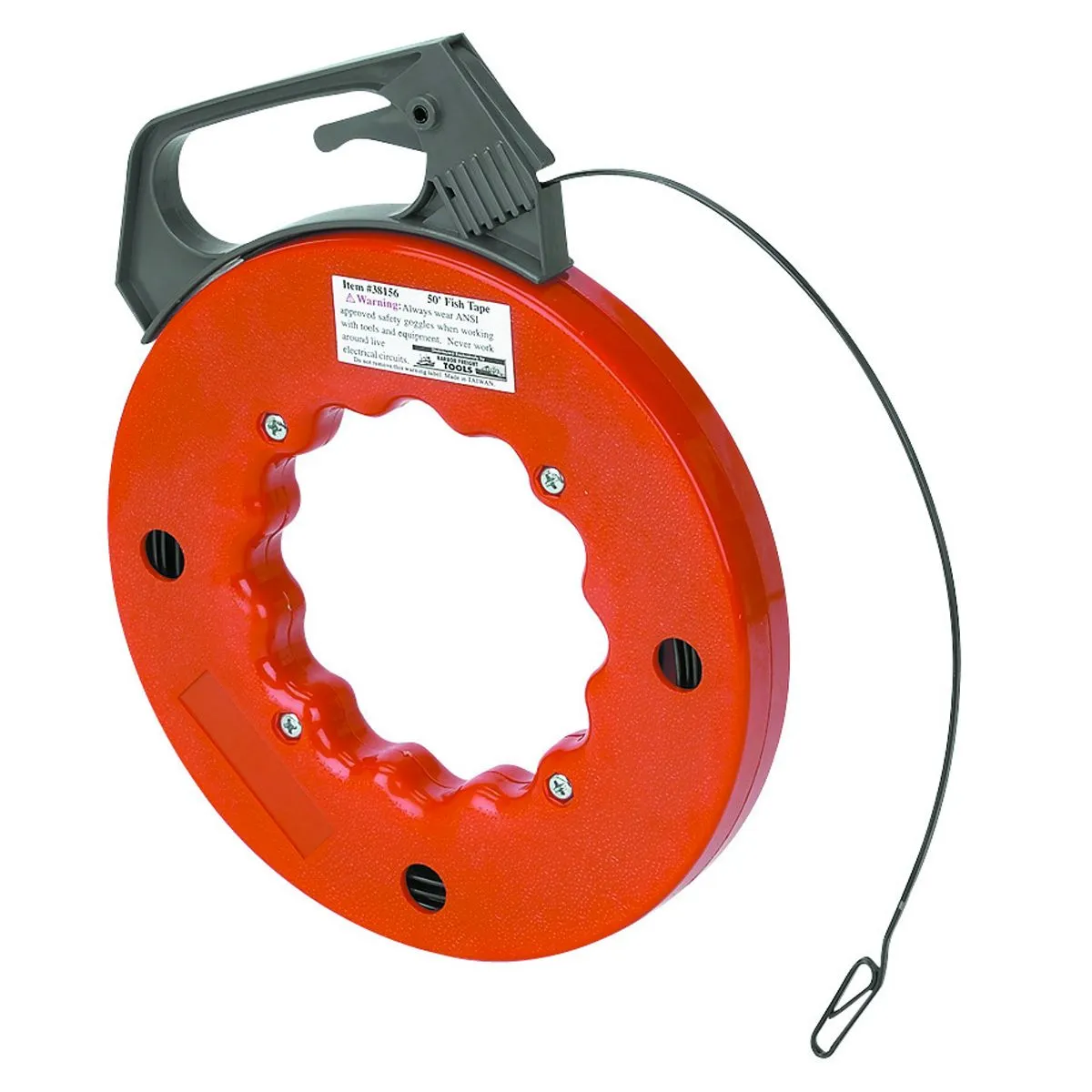
Fish Tape
A long, flexible steel or fiberglass tape stored in a reel, used to pull electrical wires through conduit and enclosed spaces.
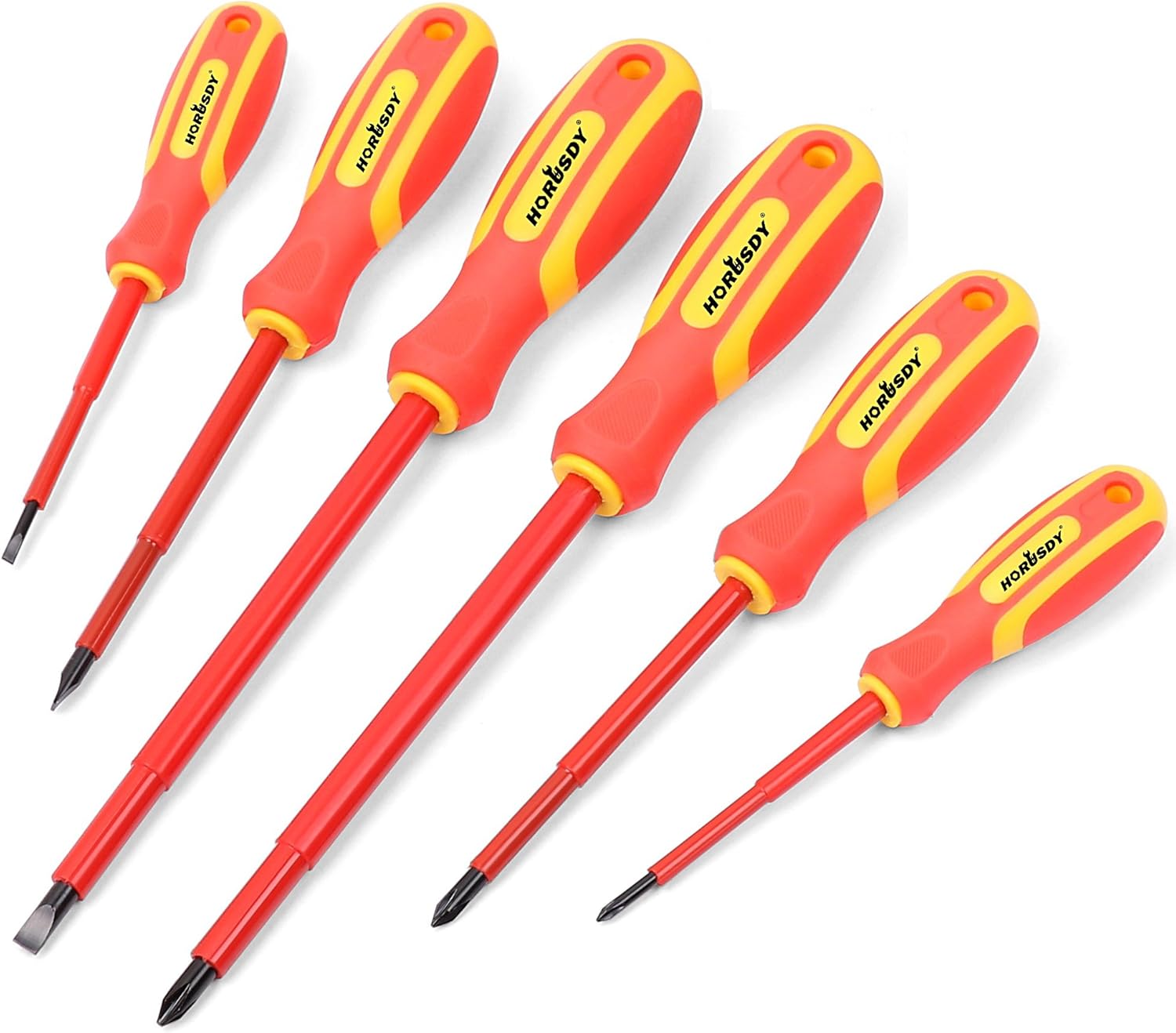
Insulated Screwdrivers
Hand tools with metal shafts coated in thick plastic insulation and rubberized handles, designed to safely tighten or loosen screws.
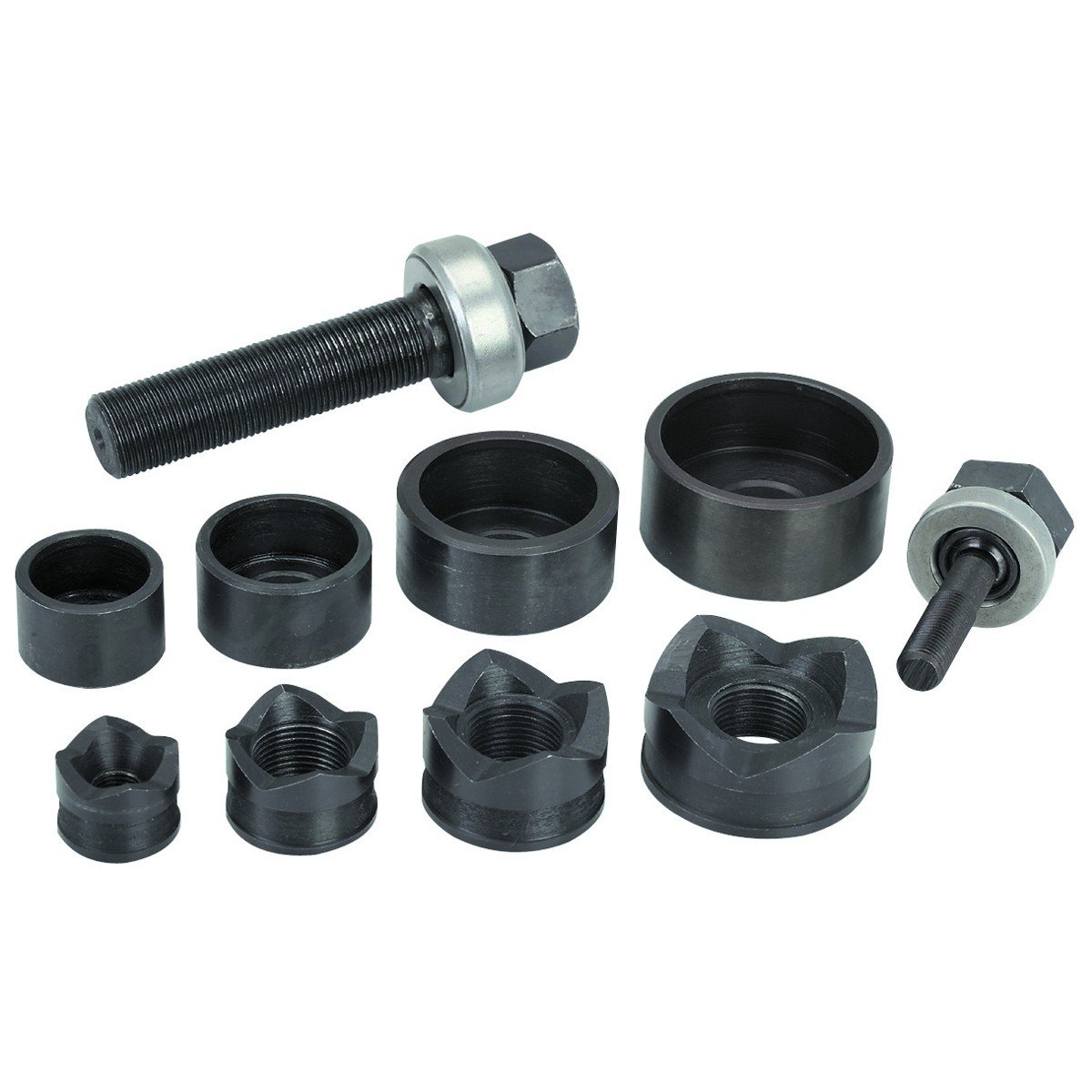
Knockout Punch
A metal cutting tool with dies and a draw bolt that pulls a cutting head through panels, creating clean holes for conduit connections.
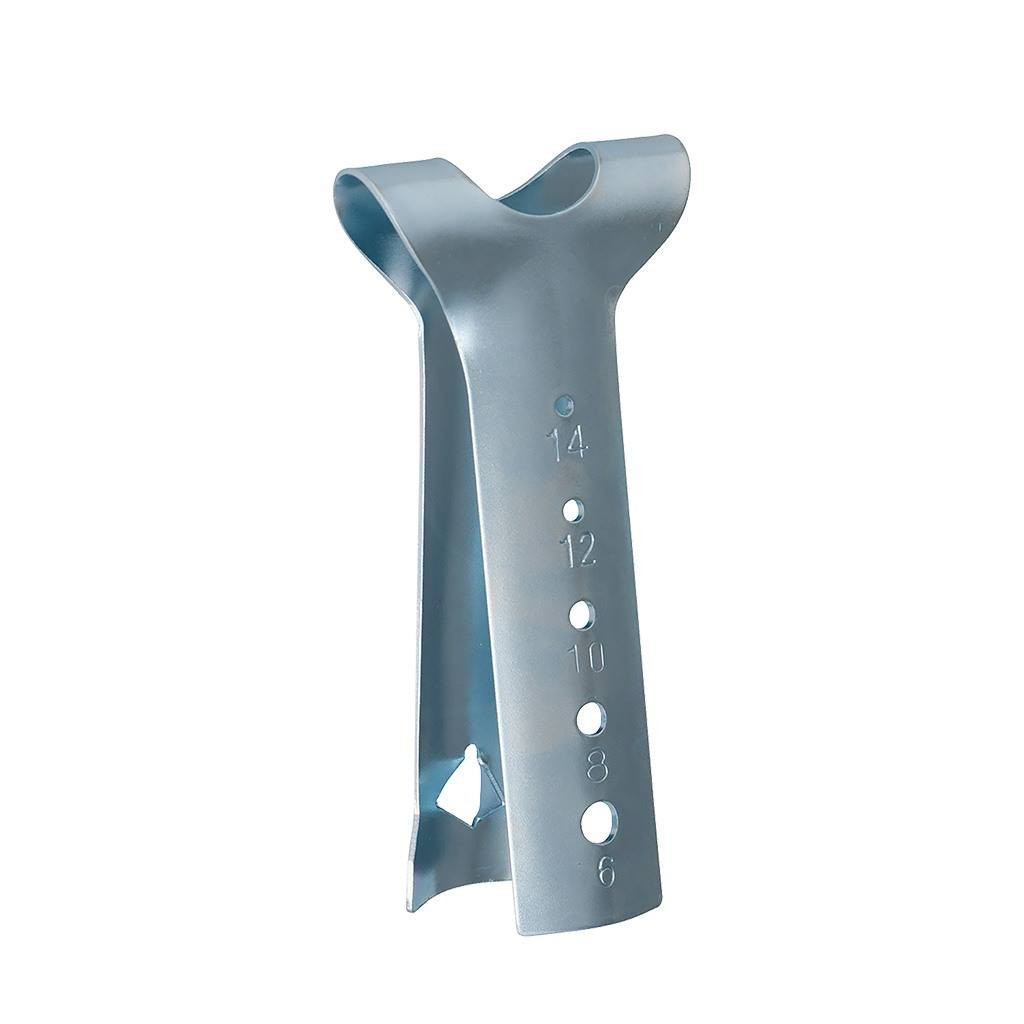
Non-Metallic Cable Ripper
A thin U-shaped metal hand tool used to safely slit NM cable sheathing without damaging internal conductors.
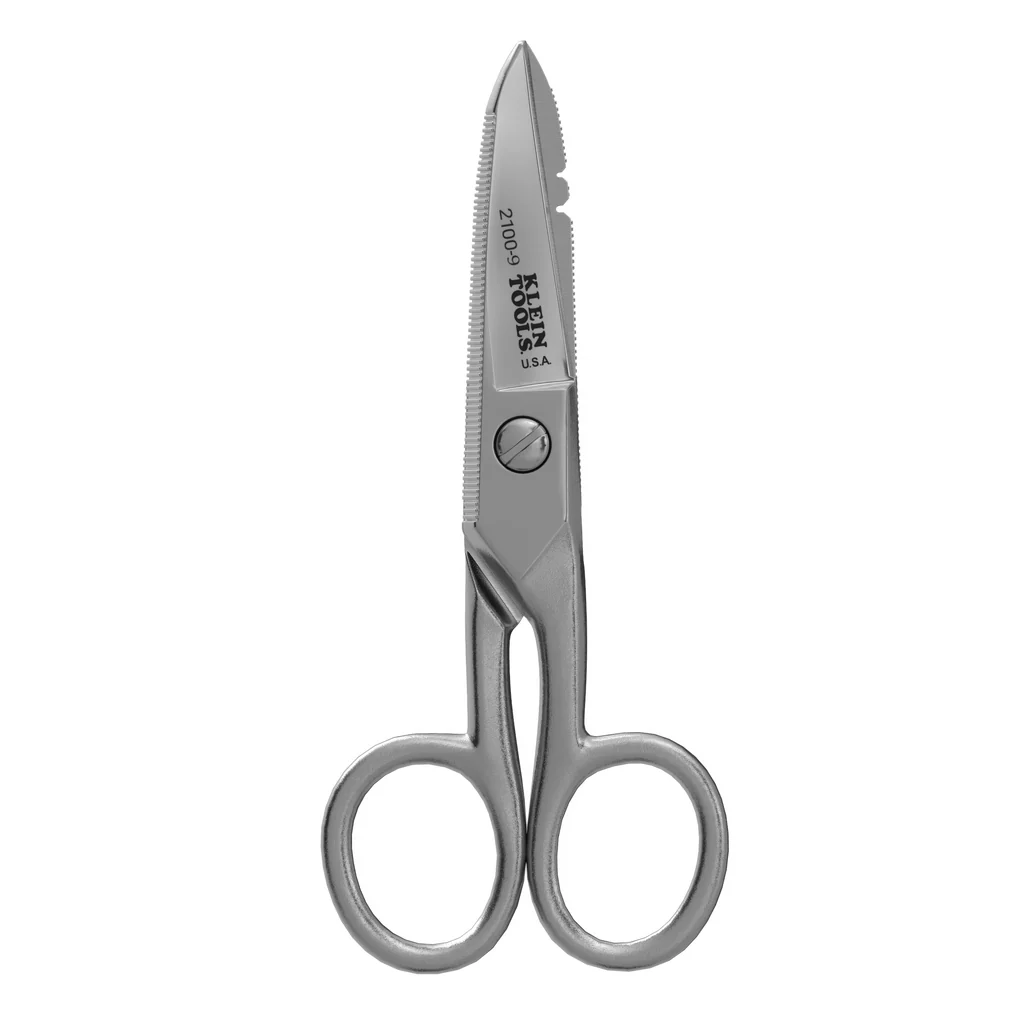
Electricians Scissors
Compact, heavy-duty metal scissors with sharp, notched blades and sometimes insulated handles, used to cut wire, cable, and strip insulation.
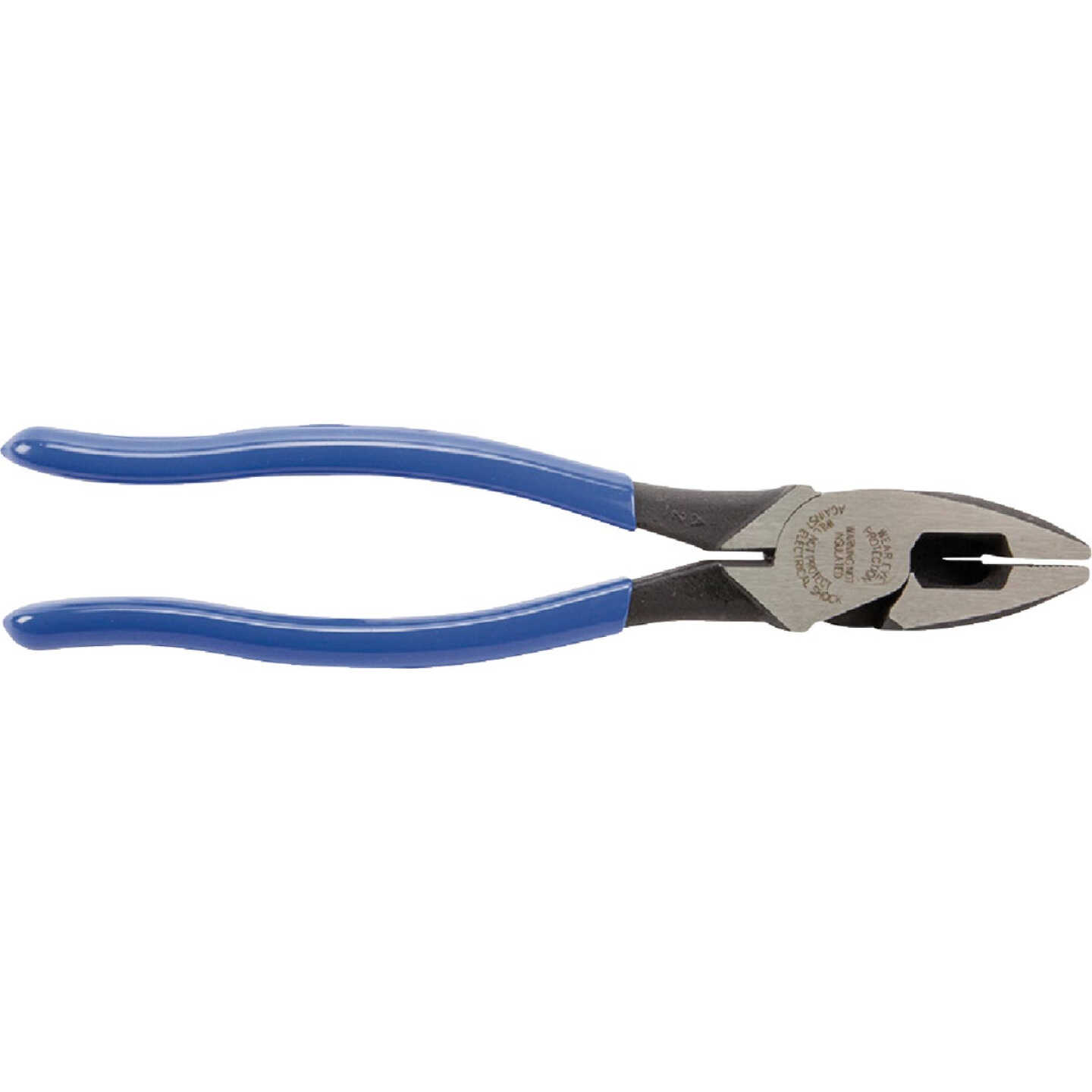
Linesman Pliers
Heavy-duty hand tools with flat gripping jaws and cutting edges, used for twisting, cutting wire.
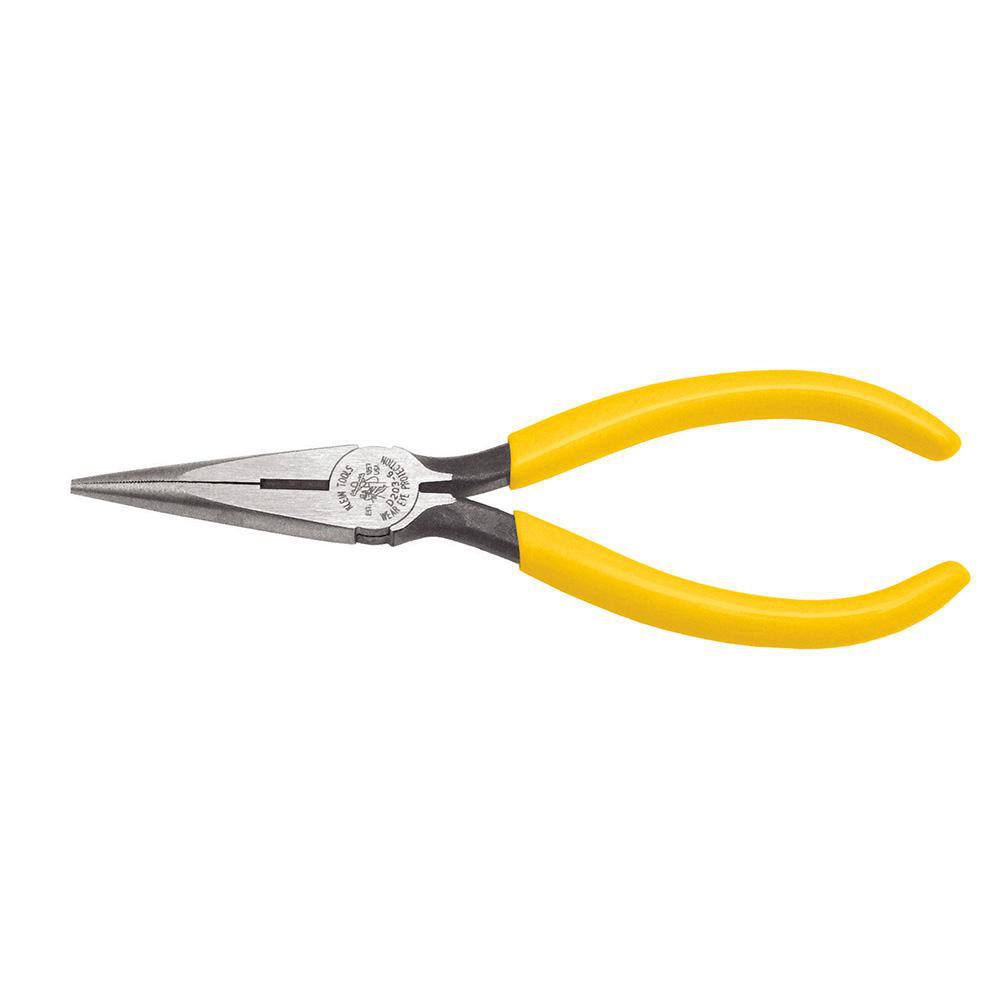
Long Nose Pliers
Slim, pointed hand tools with elongated jaws, used for gripping tight spaces, stripping wire, forming loops, and holding wire.
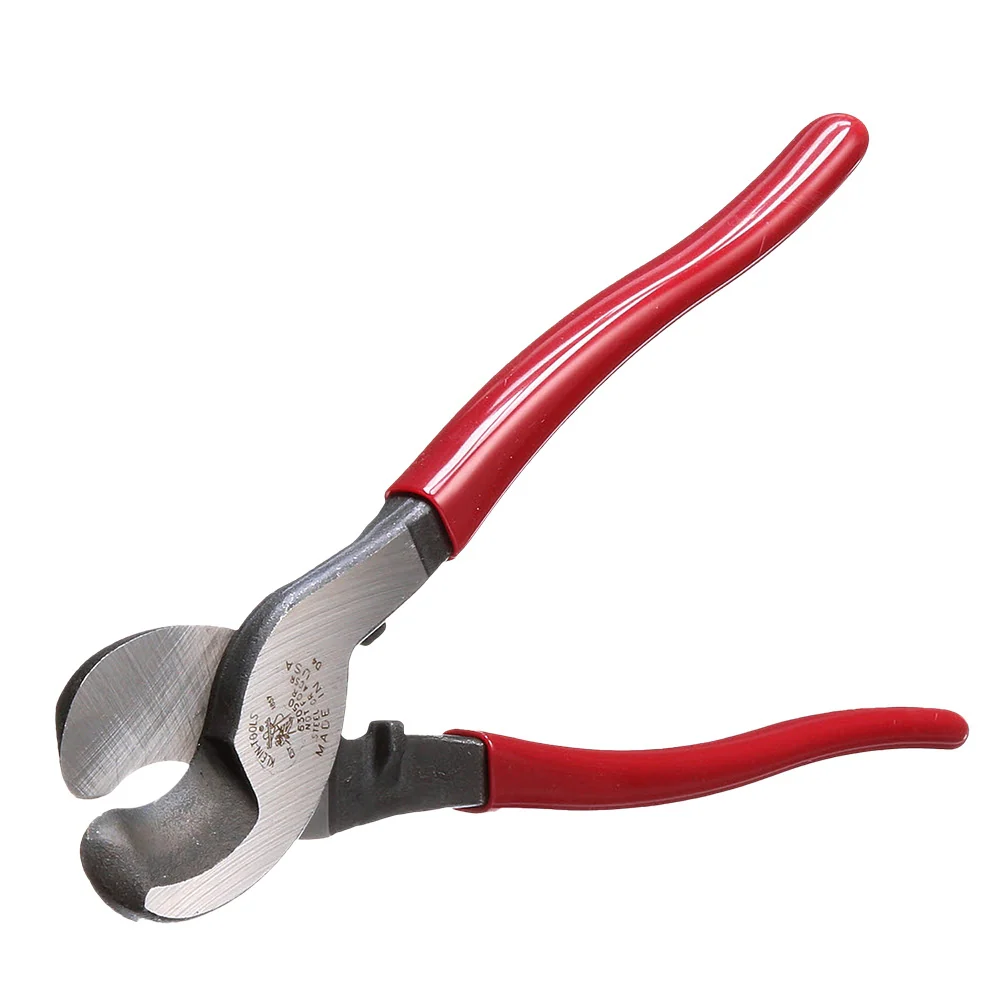
Cable Cutters
Heavy-duty, scissor-like hand tools with sharp, curved blades designed to cleanly cut thick electrical cables and large-gauge conductors.
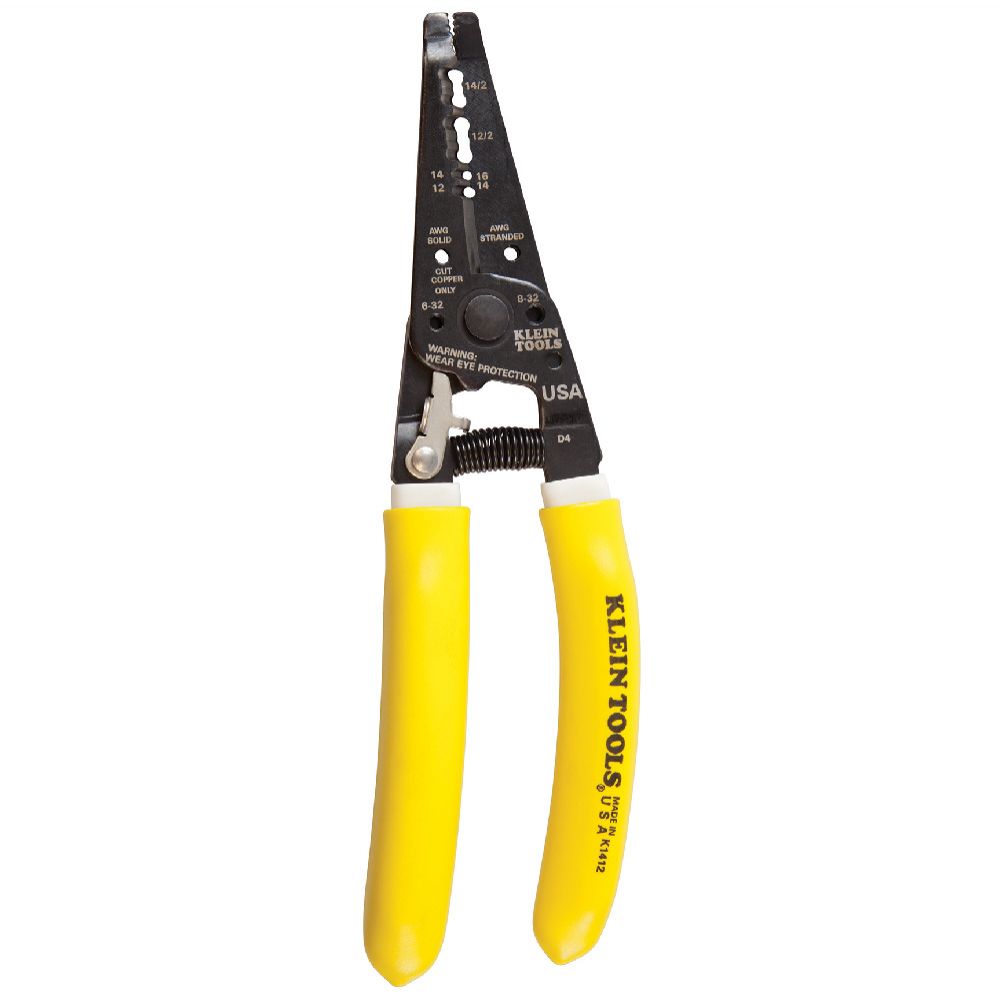
NM Cable Cutter
A compact, scissor-like hand tool with sharp blades, used to cleanly cut non-metallic (NM) electrical cable.
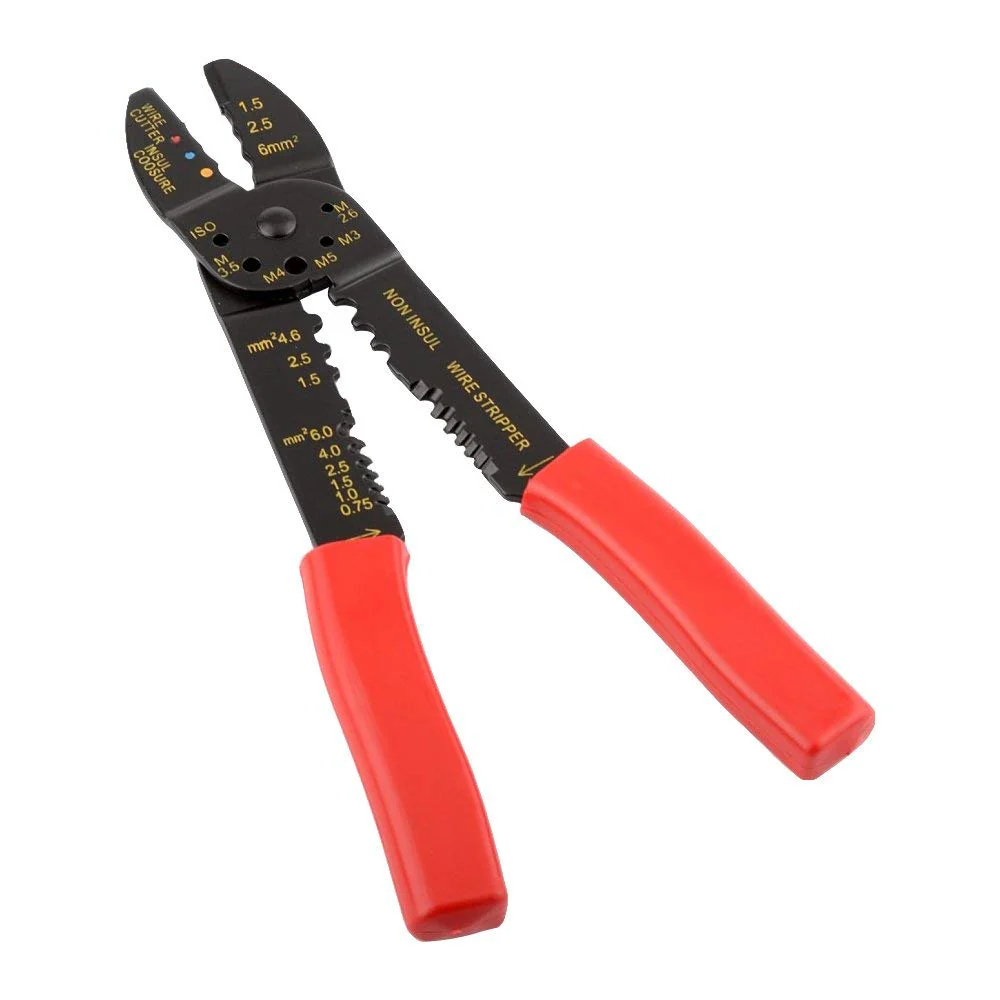
Wire Stripper (with Crimping
Function)
A multi-purpose hand tool with notched jaws, used to strip insulation, cut wire, and crimp terminals.
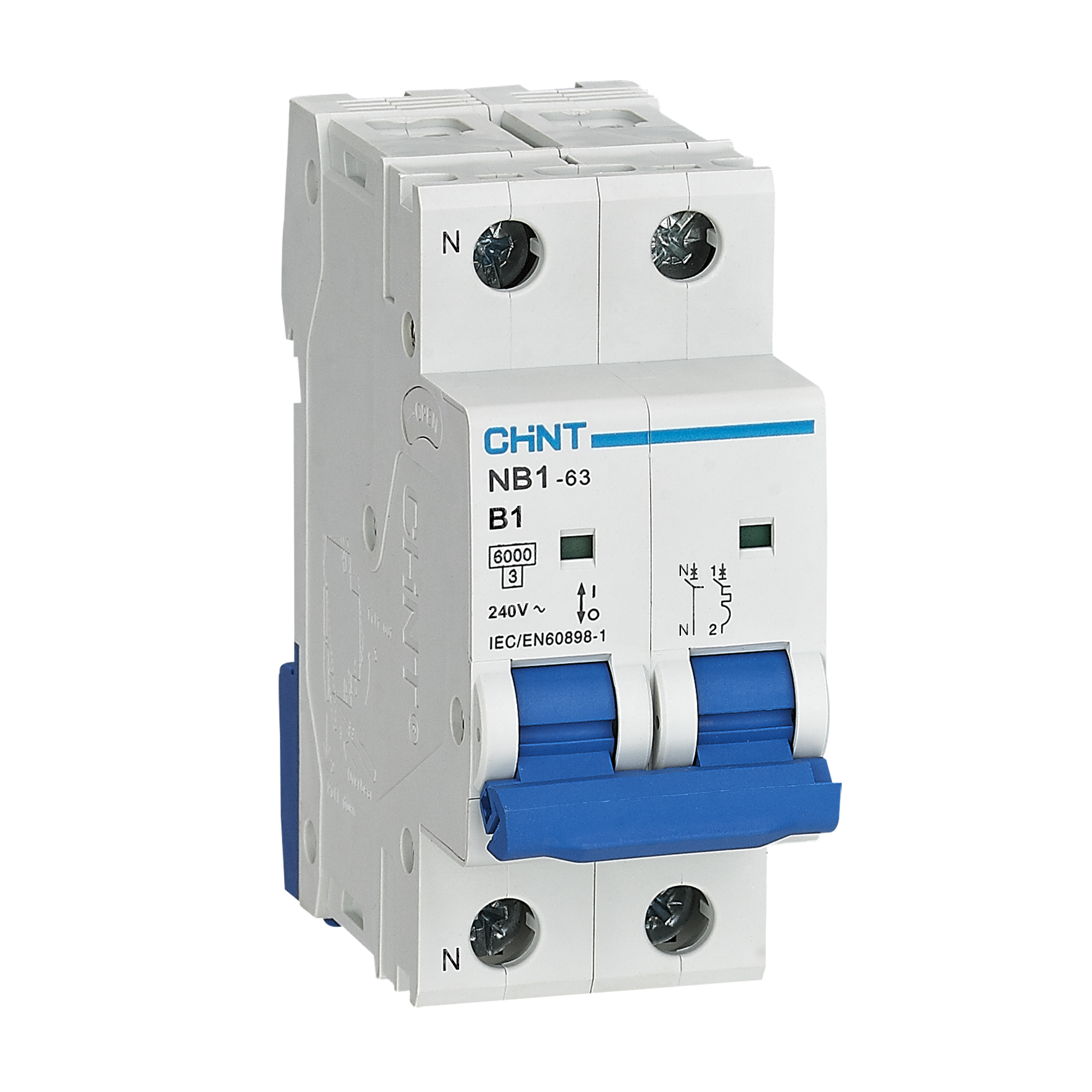
Circuit Breaker
Protective electrical device rated in amps, housed in a panel, that automatically trips to interrupt current flow and protect wiring from overloads or short circuits.
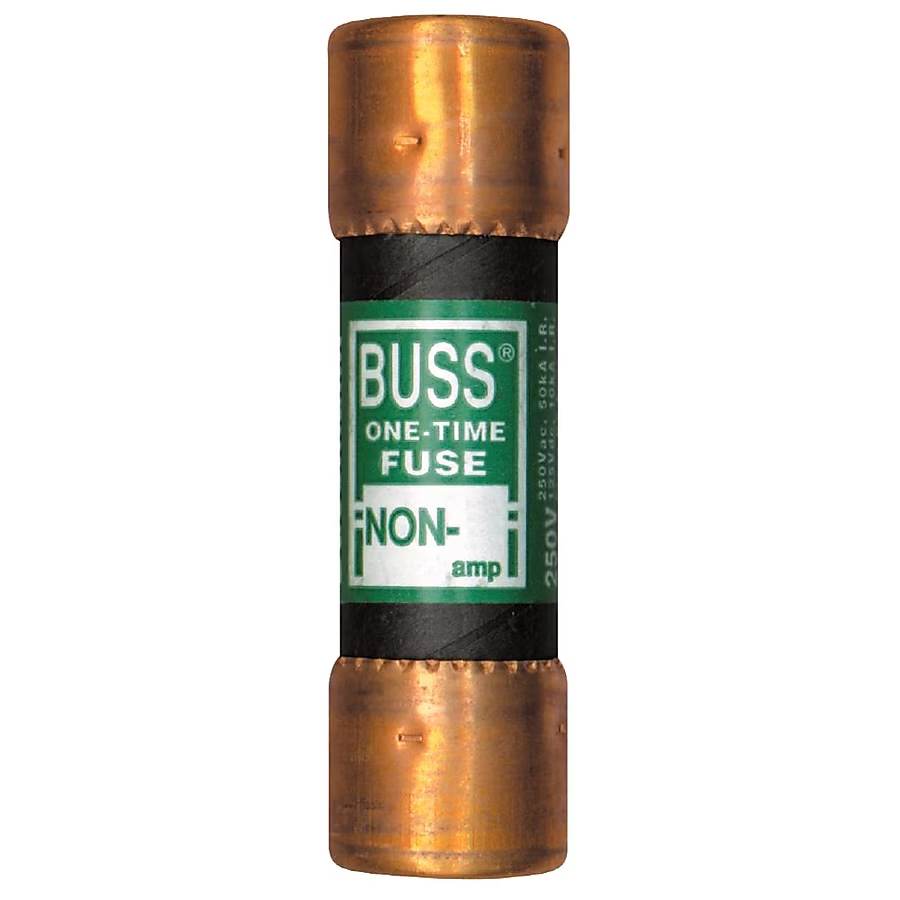
Cartridge Fuse
Cylindrical electrical fuse with metal end caps and internal fusible element, designed to protect circuits by melting under overload and interrupting current flow.
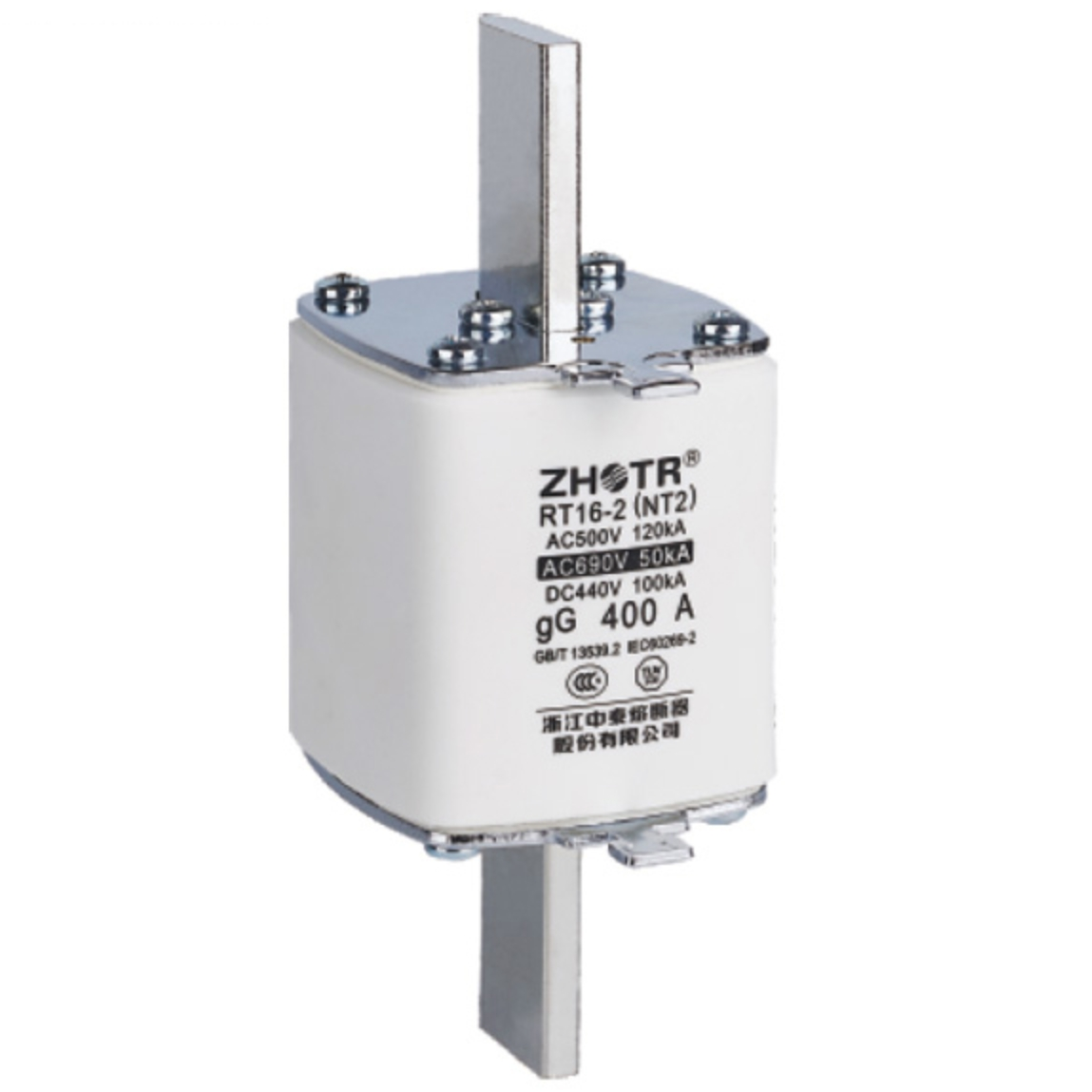
Knife Fuse
High-amperage electrical fuse with flat blade contacts, rated 60–600 amps, designed for heavy service panels and not interchangeable with other fuse types or ratings.
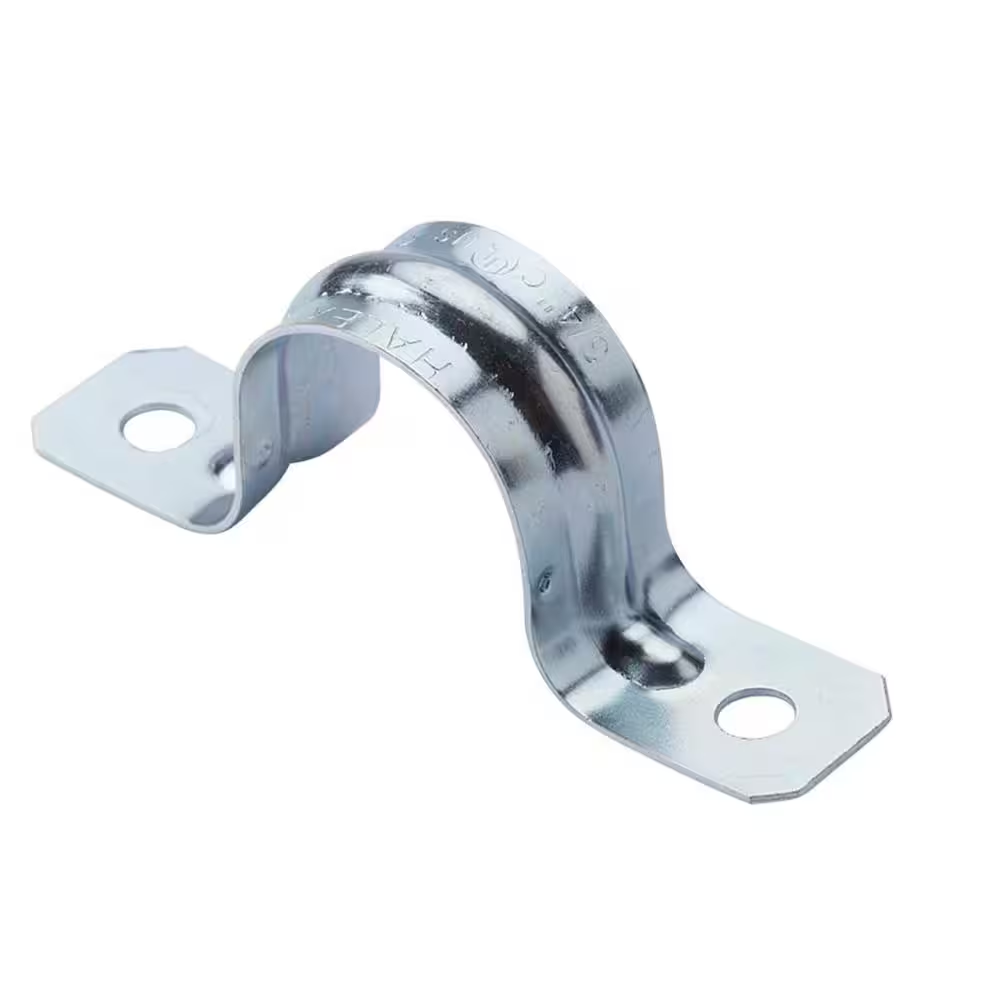
Conduit Straps
Metal fastening straps used to secure conduit to surfaces, with single or double foot designs that wrap around EMT, rigid, or PVC conduit.
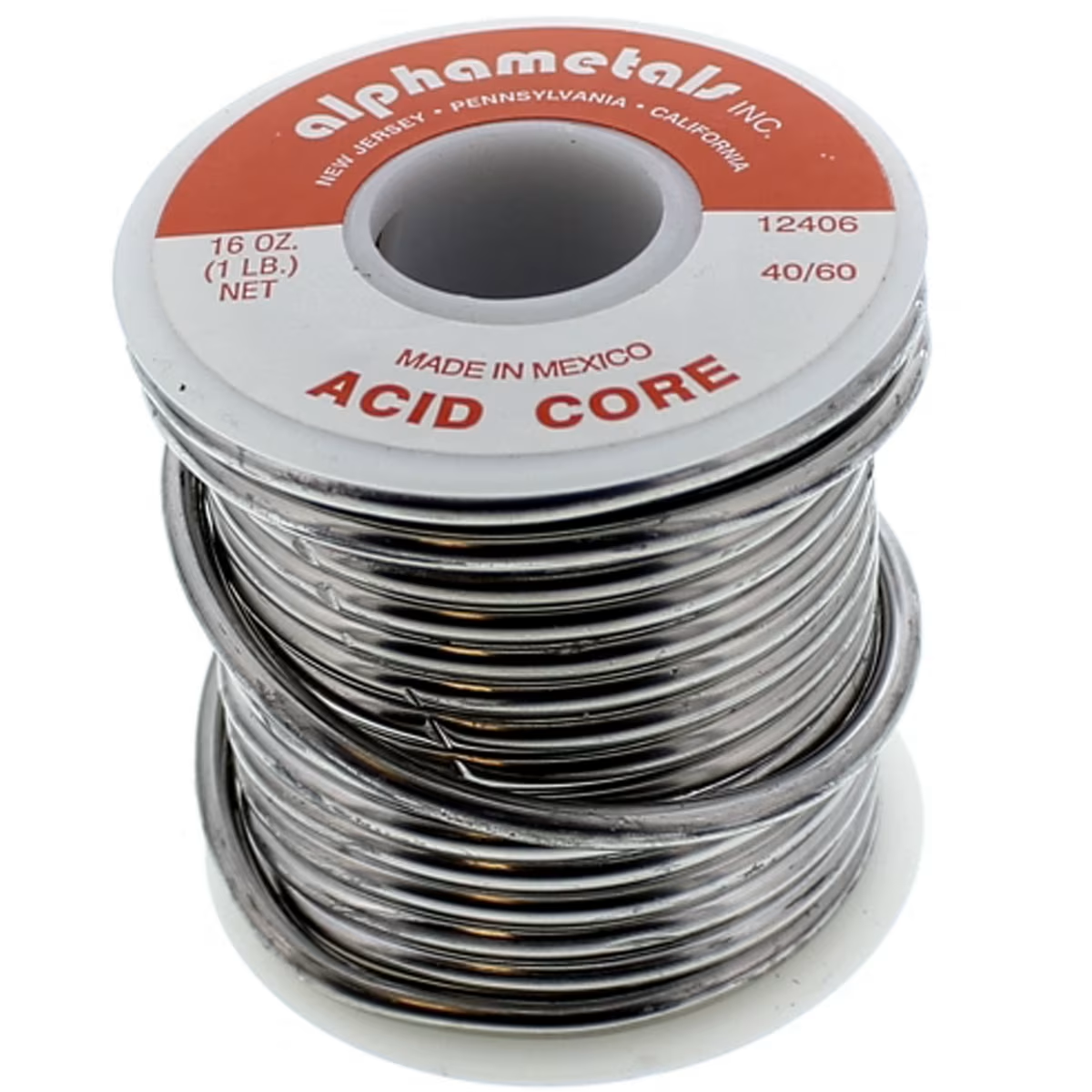
Core Solder
Spool-wound solder wire with internal flux core (rosin or acid) used to join metals, with rosin for electrical wiring and acid core for sheet metal.
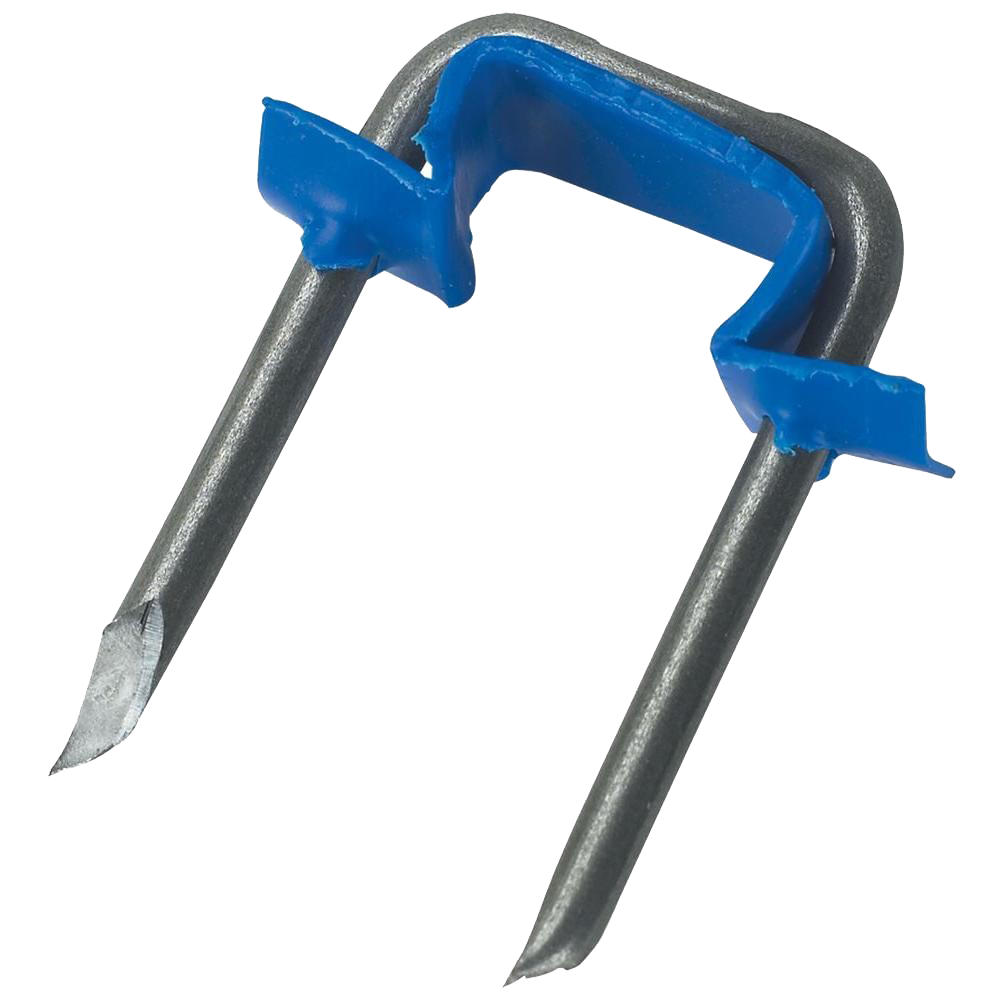
Insulated Staple
Plastic-coated staple used to secure low-voltage electrical wiring to surfaces, commonly for doorbells or controllers, and not rated for 120-volt circuits.
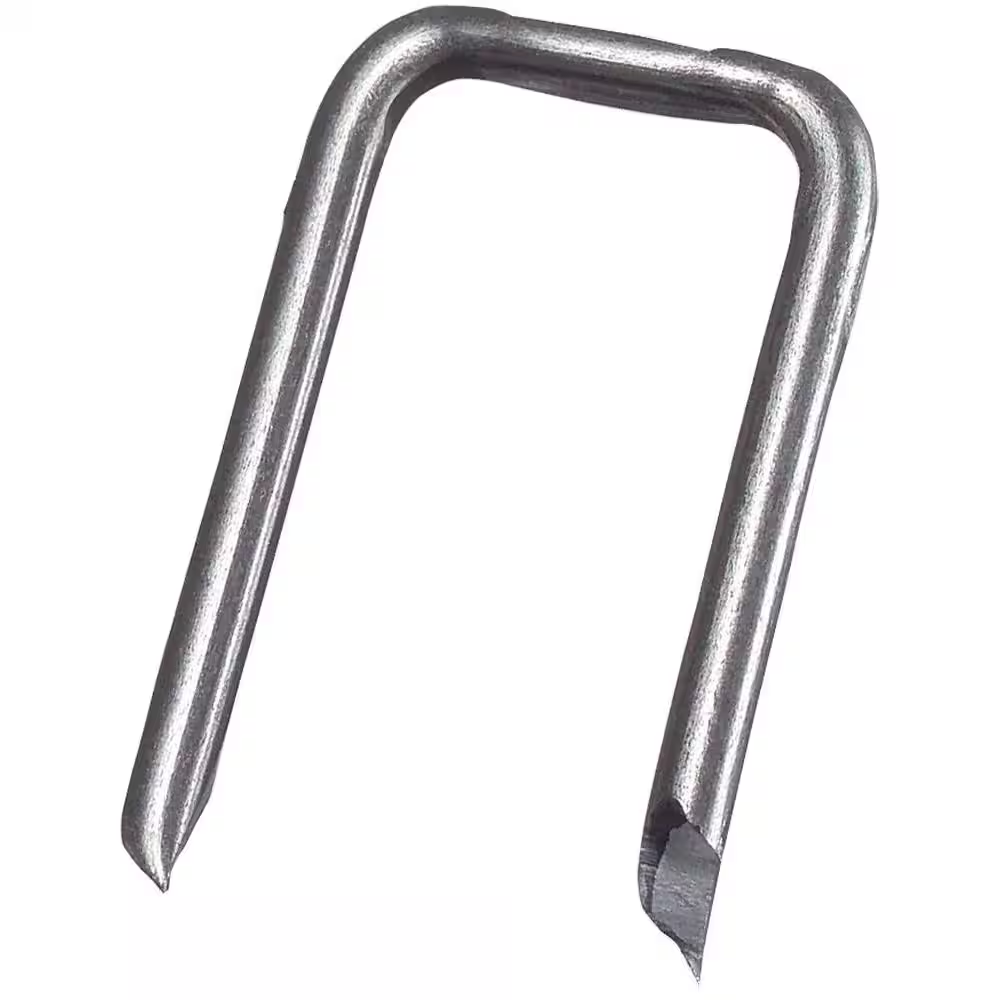
Non-Metallic Cable Staples
Plastic or insulated staples used to secure non-metallic (NM) electrical cable to wood framing, holding wiring safely in place without damaging insulation.
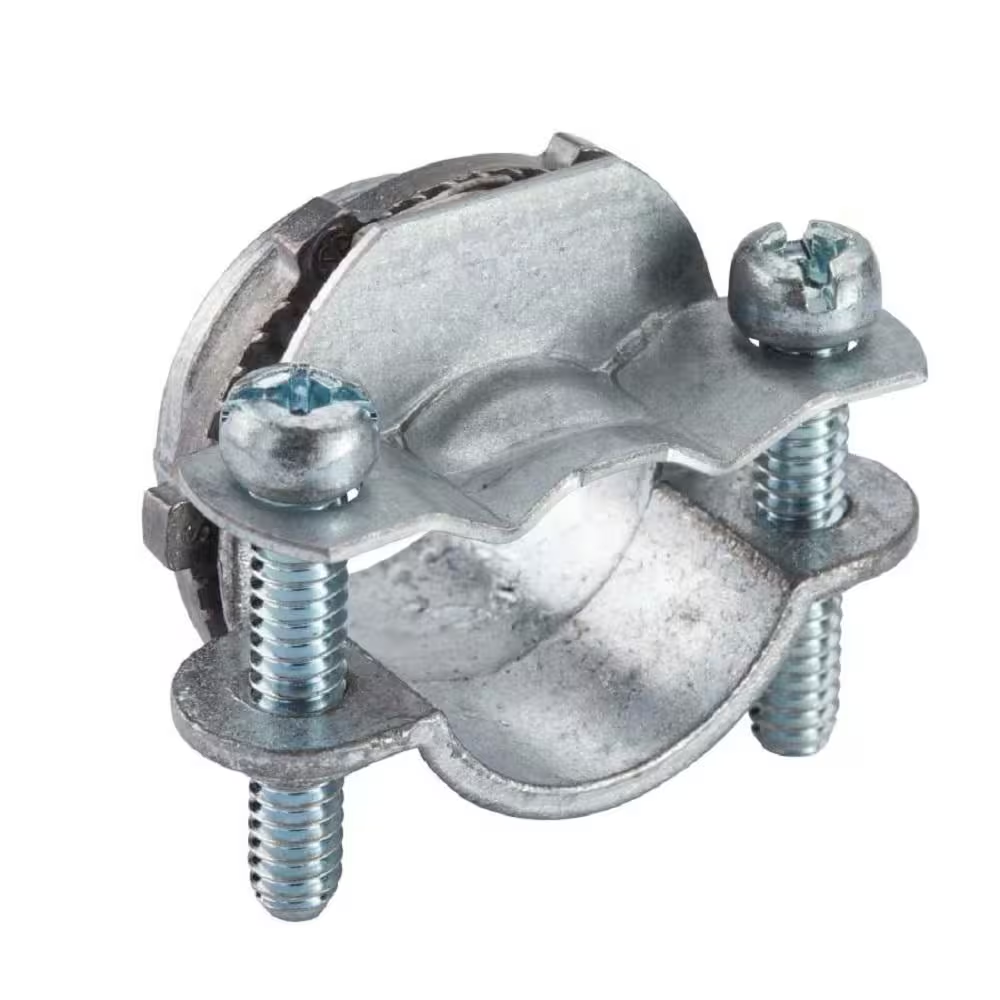
Non-Metallic Clamp Connector
Screw-tightened bracket used to secure non-metallic (NM) electrical cable to a junction or outlet box, providing strain relief and cable protection.
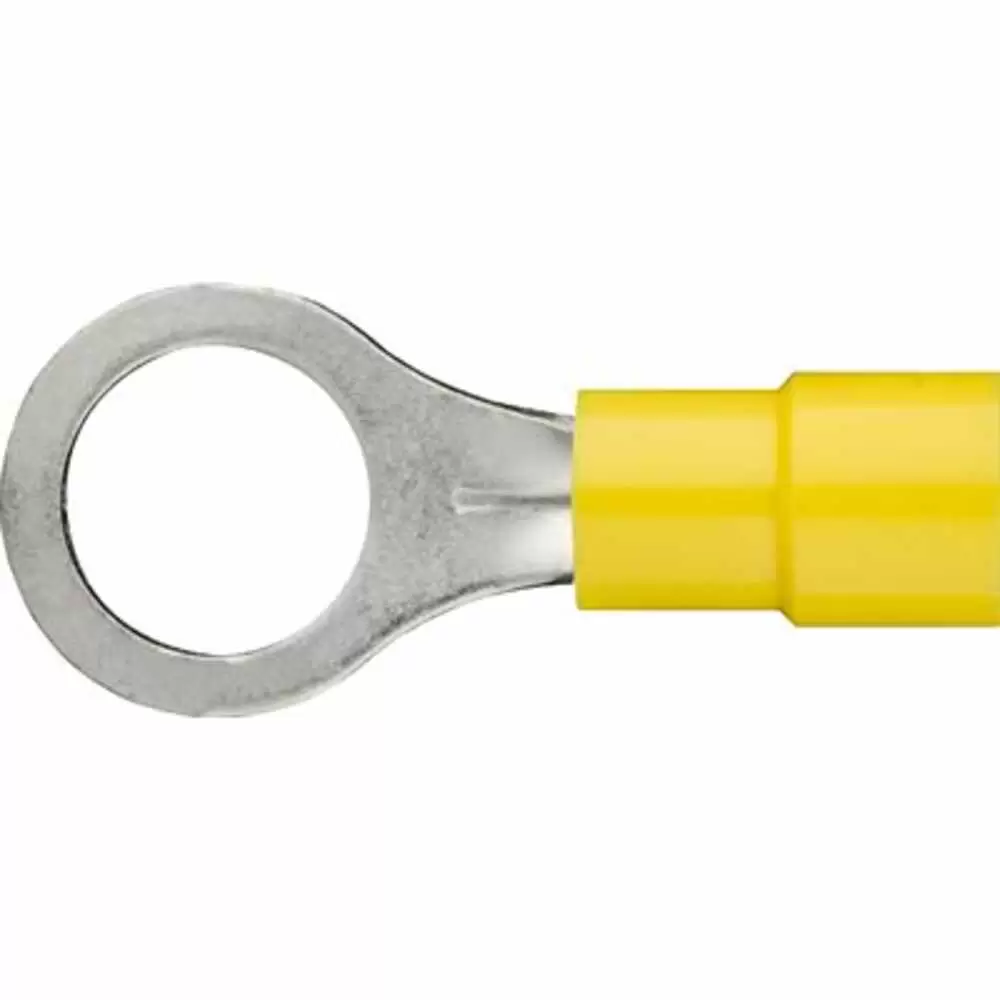
Solderless Connector
Crimp-style electrical connector used to join wires without soldering, available insulated or uninsulated, commonly used for durable mobile equipment wiring
connections.
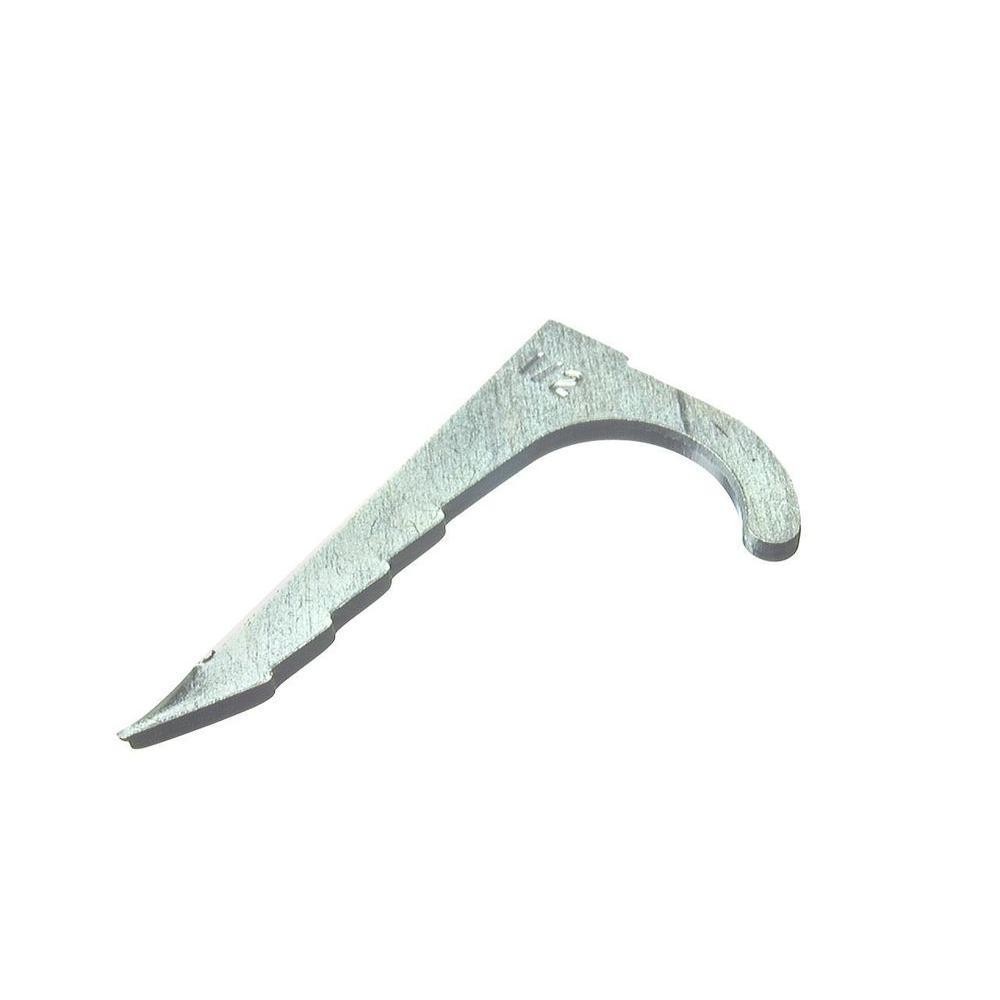
Strap Nail Drive
Die-cast zinc fastening strap driven into wood with a hammer, featuring a curved cradle that holds conduit securely in place.
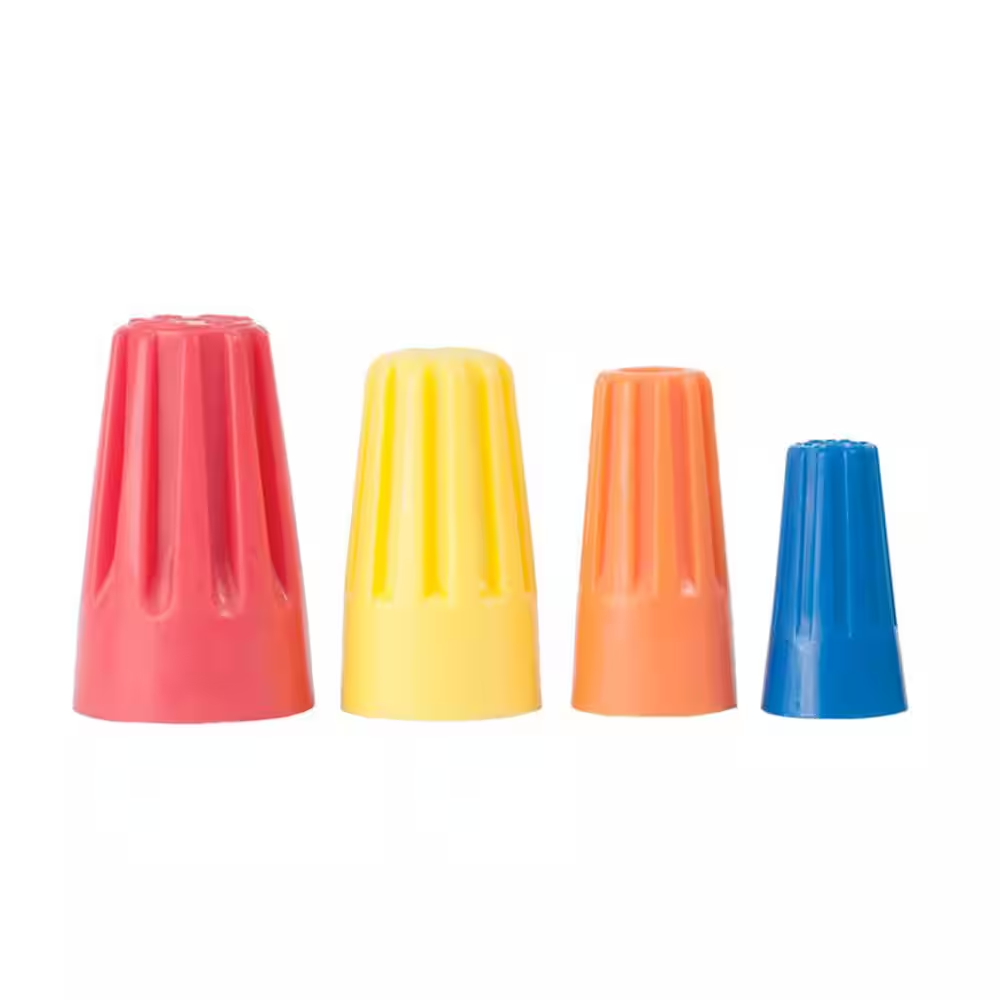
Wire Nut
Twist-on electrical connector used to join AC wires, with color coding to indicate wire capacity and ensure safe, secure connections.
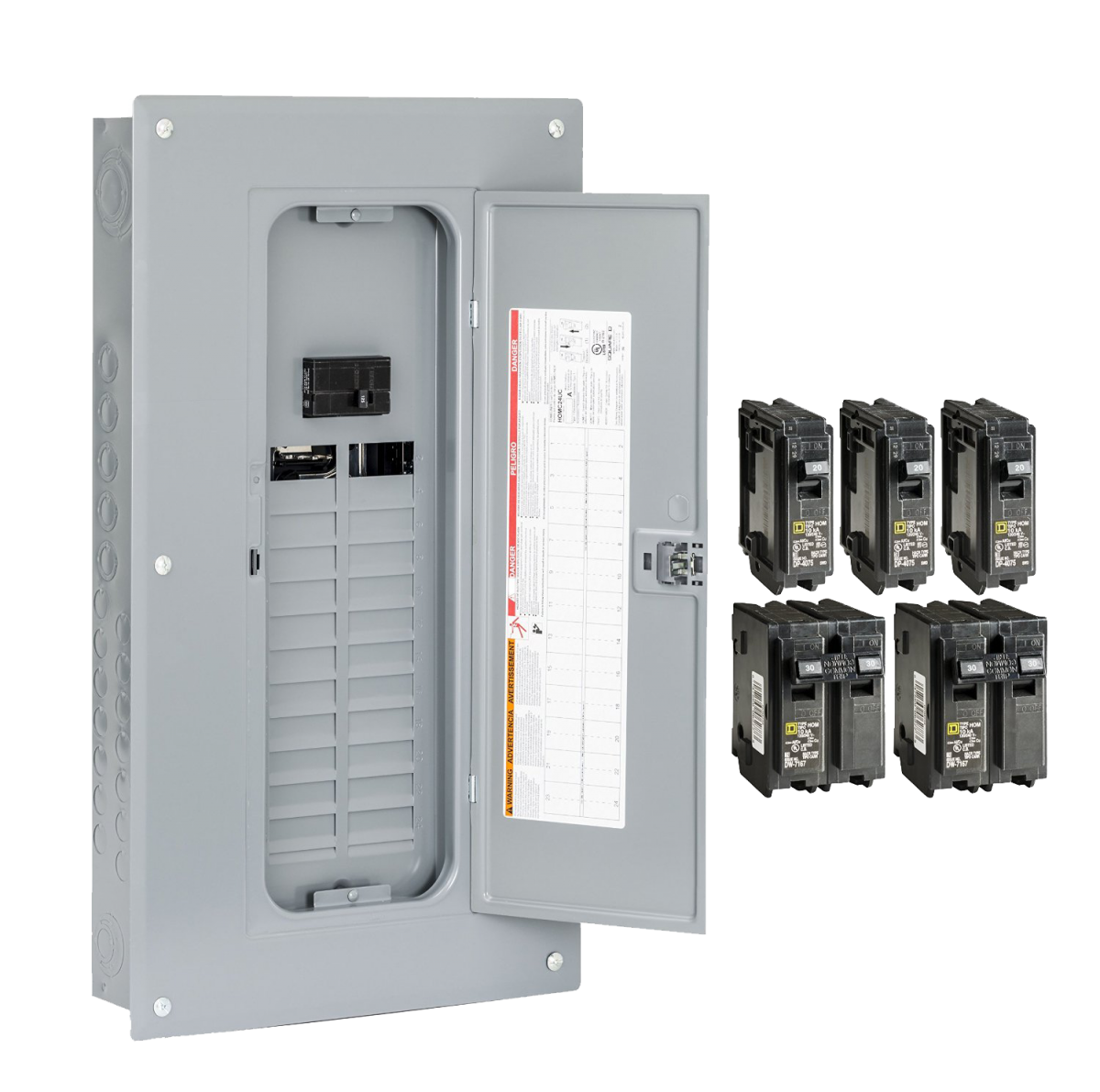
Service Panel
Main electrical distribution panel that receives incoming power and routes it through circuit breakers, providing overcurrent protection and control for building circuits.
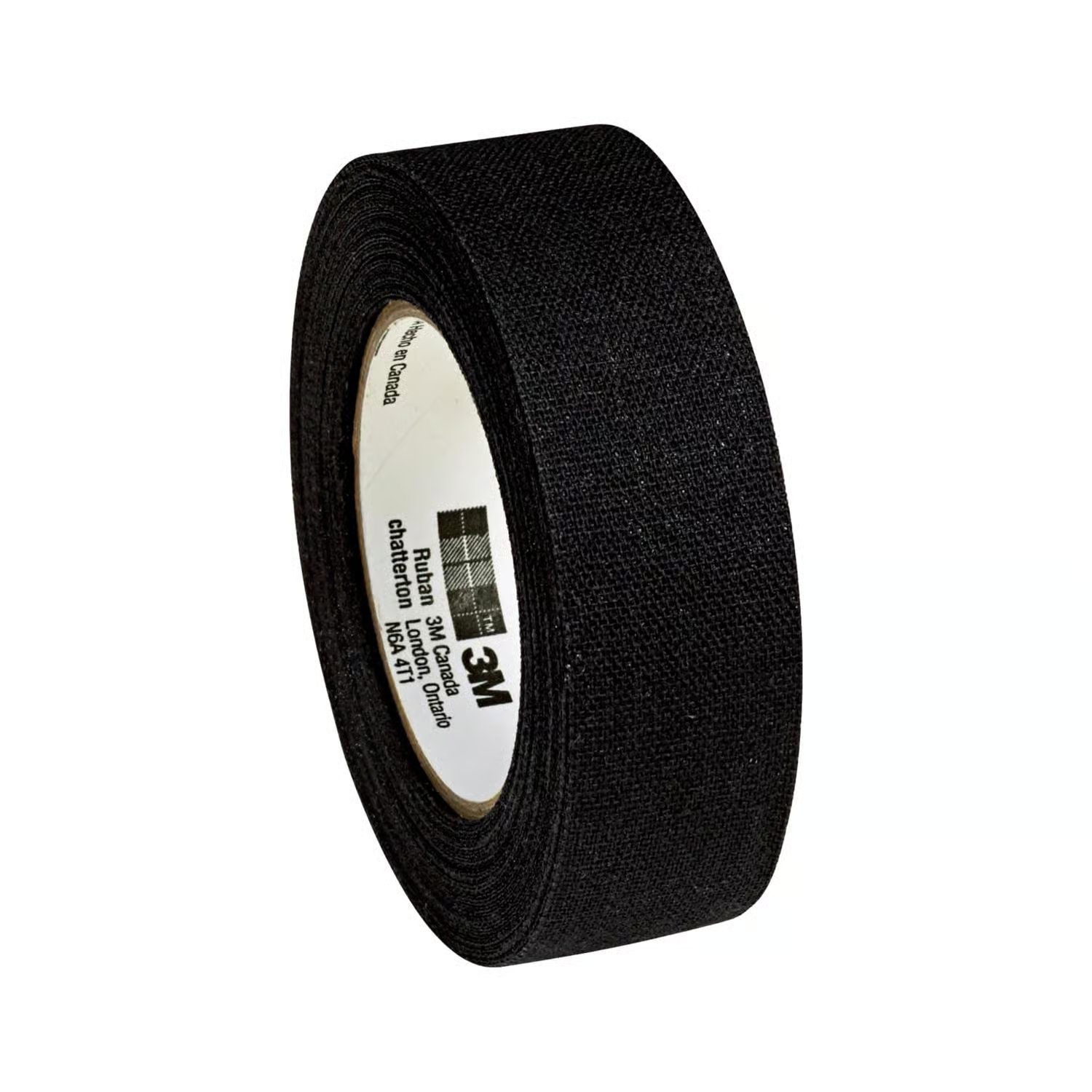
Friction Tape
Cloth-based adhesive electrical tape used over rubber insulating tape on wire splices, providing abrasion protection and replacing outer braid insulation.
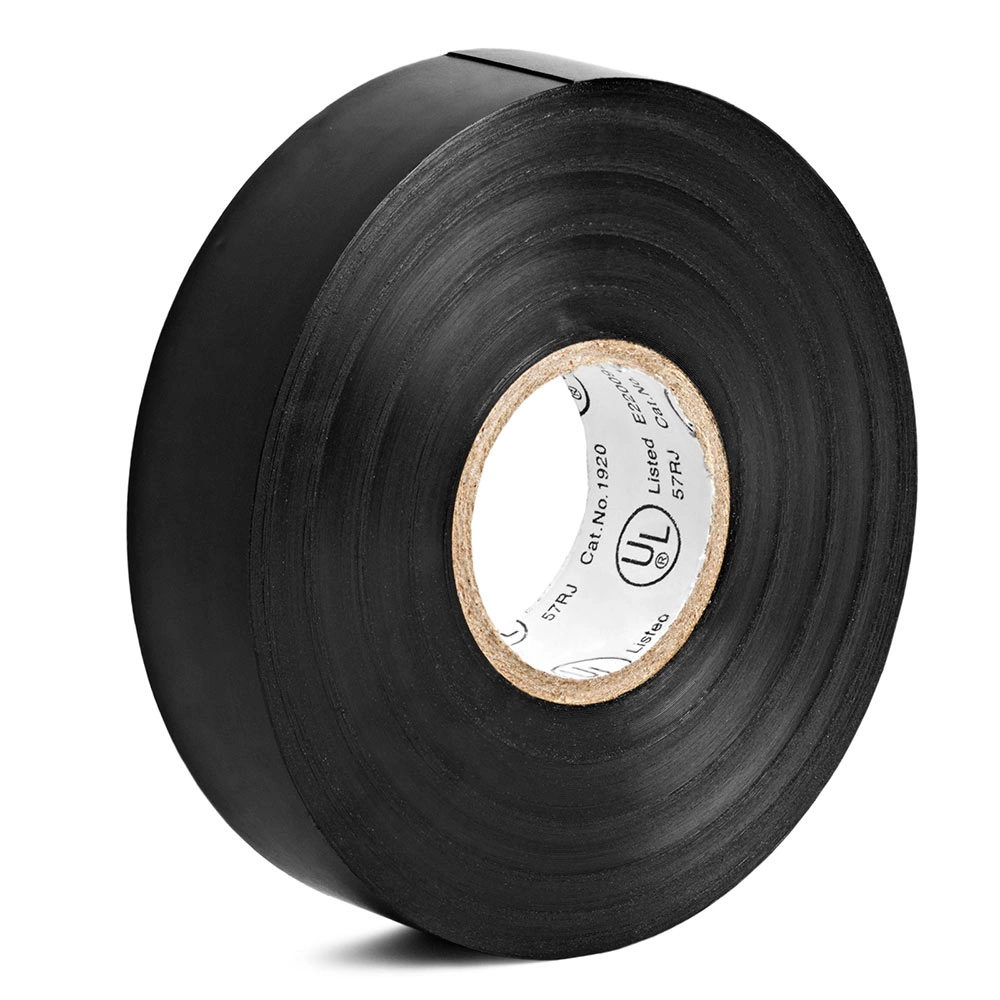
Plastic Tape
Vinyl electrical insulating tape used to wrap and protect wire splices and connections, providing moisture resistance and electrical insulation. Used without friction tape.
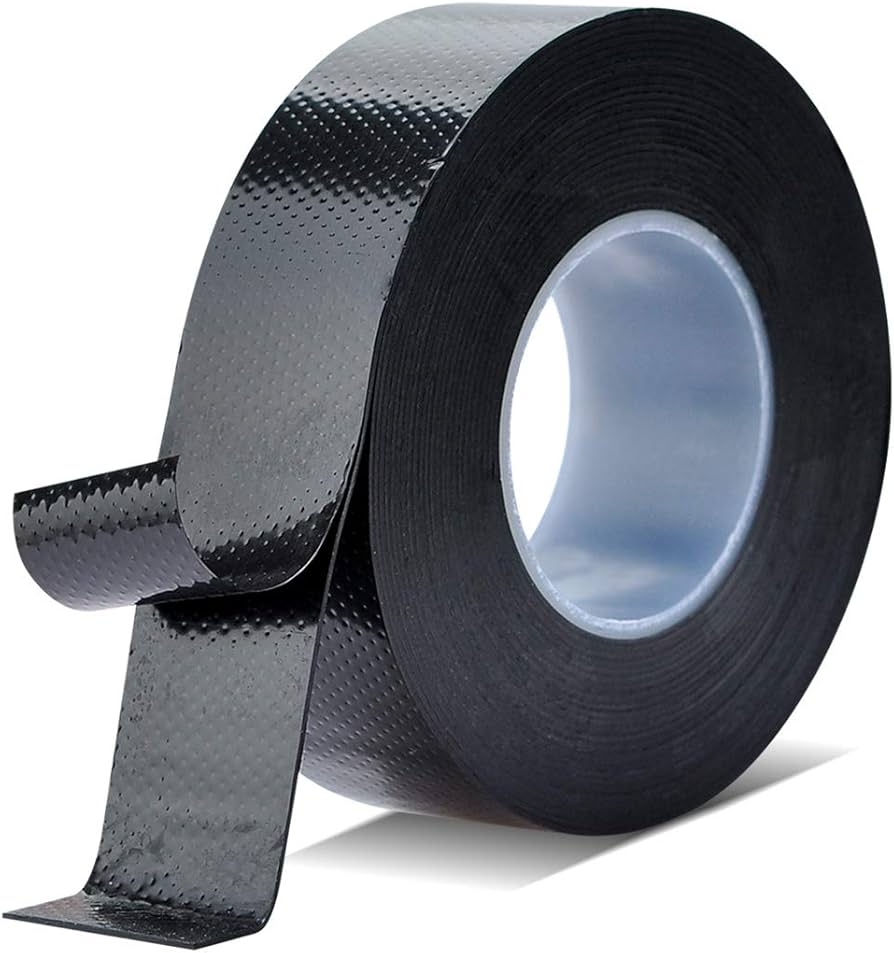
Rubber Tape
Self-fusing rubber electrical tape used to insulate high- voltage connections, typically layered beneath friction or plastic tape for added protection and sealing.
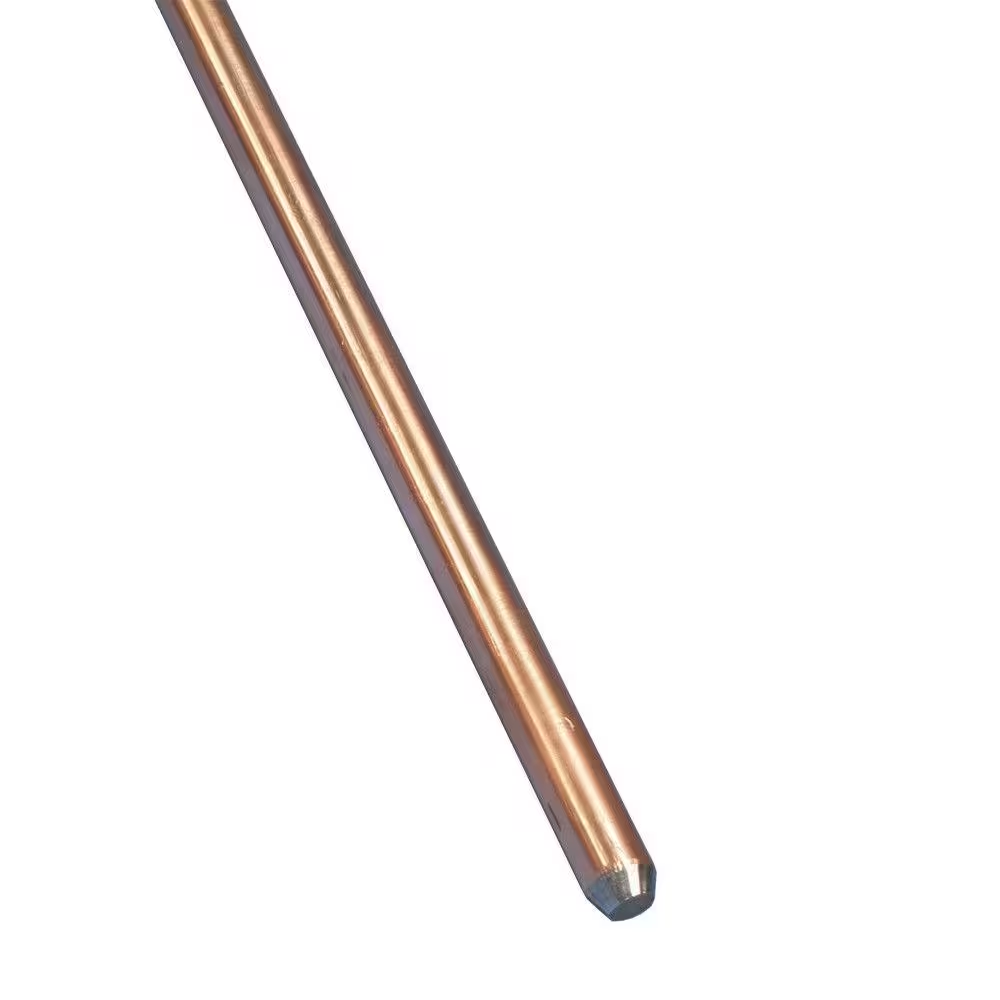
Ground Rod
Metal rod driven into the earth to provide grounding for electrical systems, connected to service panel with a grounding wire and clamp for safety.
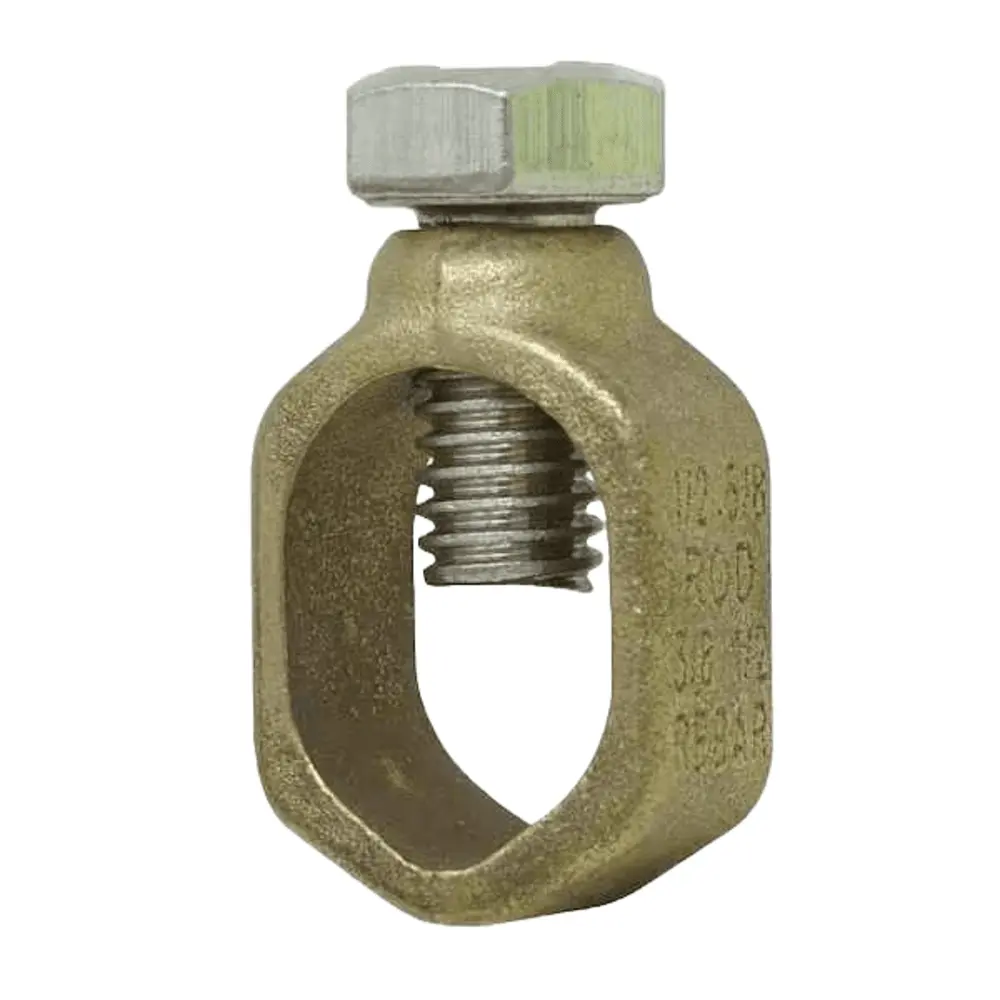
Ground Rod Clamp
Metal clamp used to securely attach a grounding wire to a ground rod, reinforcing bar, or metal water pipe, ensuring safe electrical grounding.
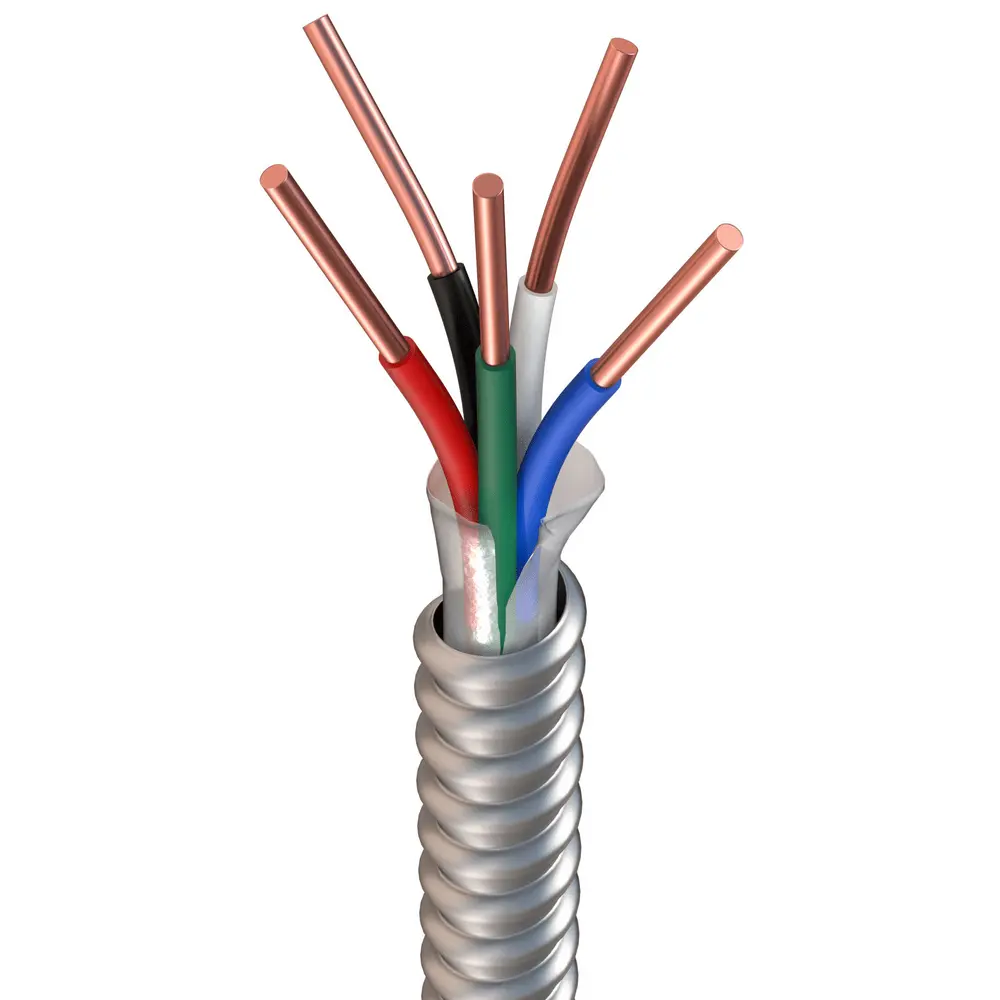
Armored Cable
Electrical cable with flexible metal armor surrounding insulated conductors, designed to run continuously from box to box without splices.
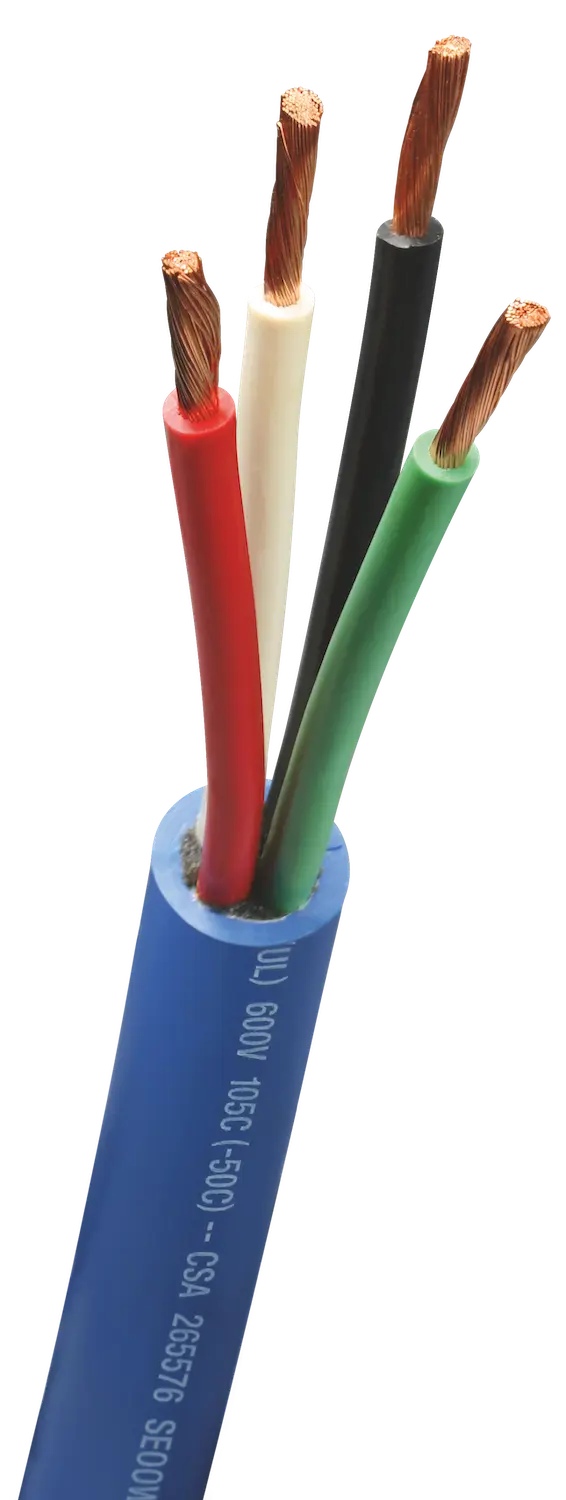
Electric Cord
Flexible insulated electrical cable used for extension cords and portable tools, available in plastic or rubber jacketed types such as SJ for durability and safety.
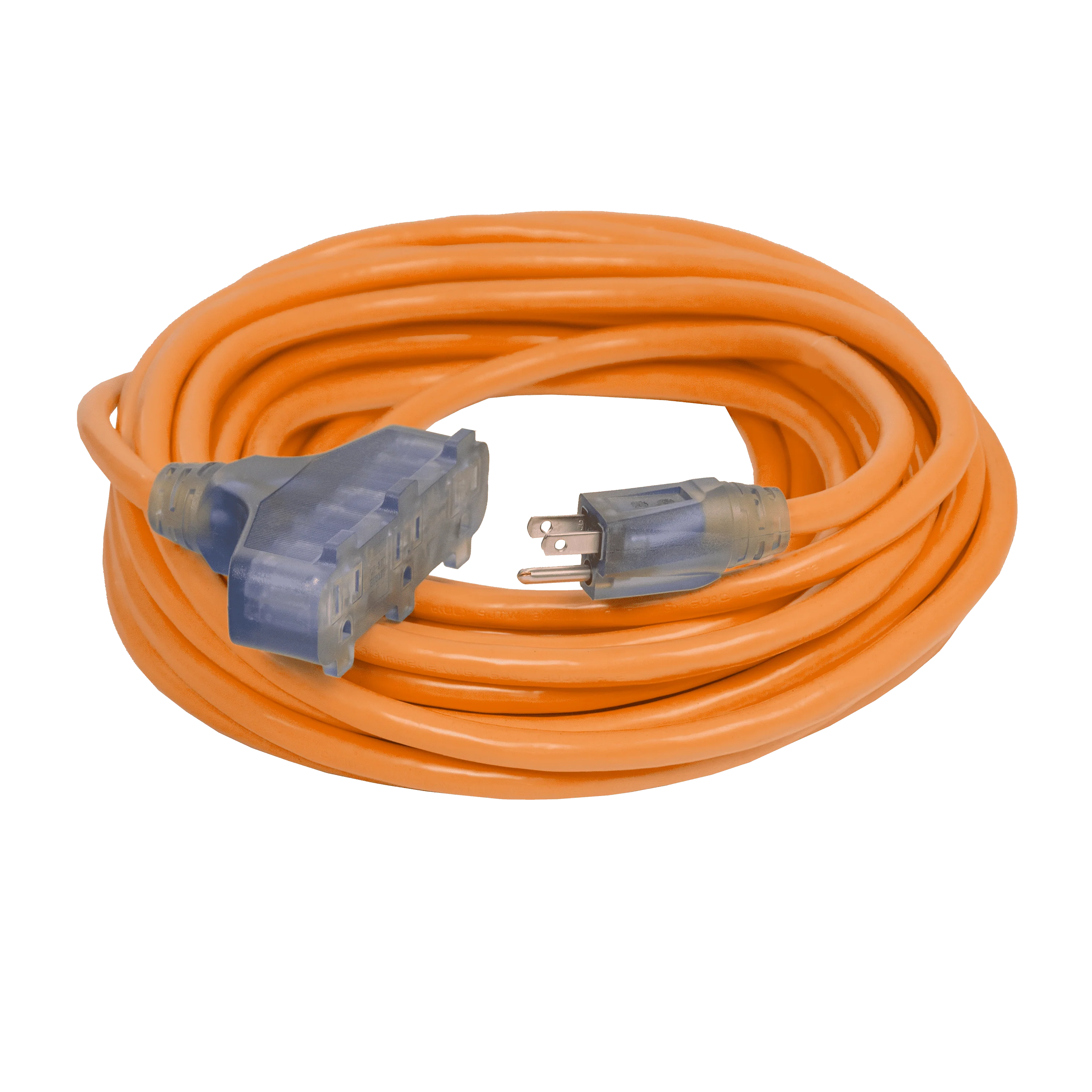
Extension Cord
Flexible insulated electrical cable with plug and receptacle ends, used to extend power supply from an outlet to portable tools or devices.
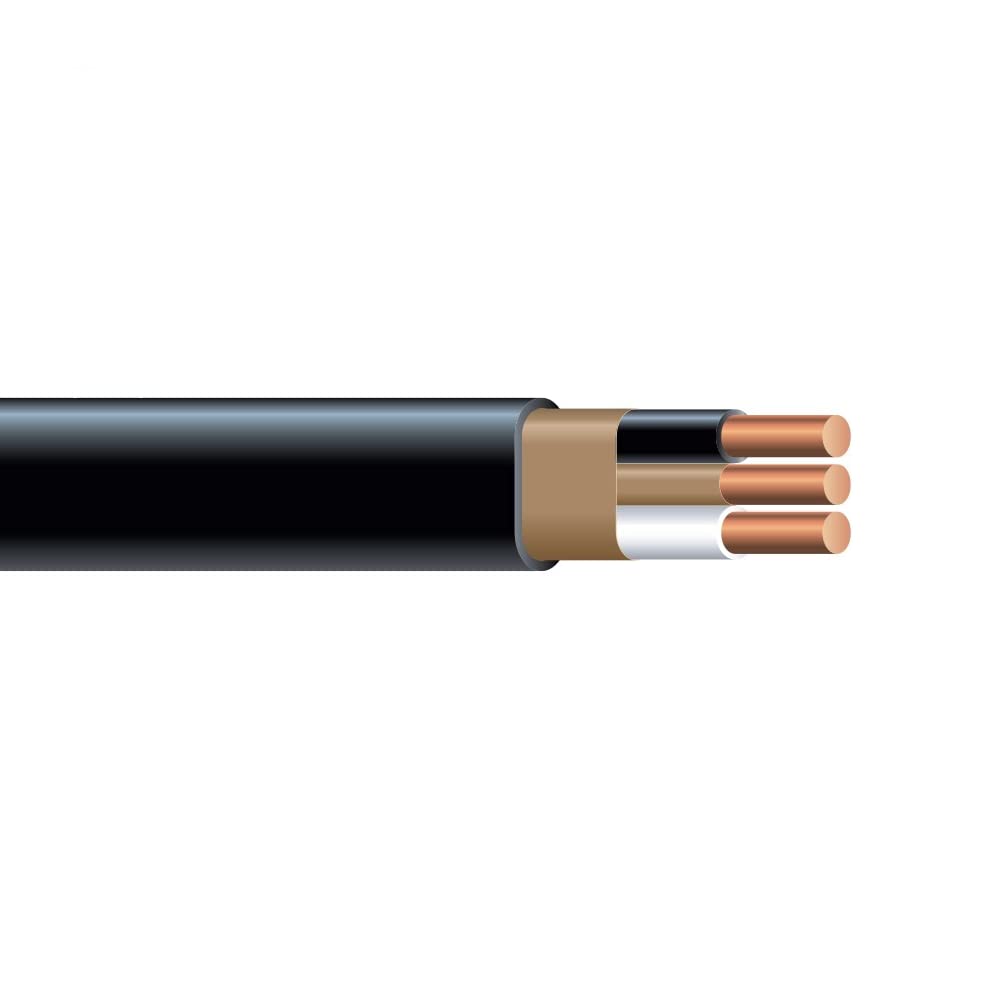
Non-Metallic Cable
Plastic-sheathed electrical cable used for residential indoor wiring, containing 2–4 conductors in common sizes 14–6 for branch circuit installations.
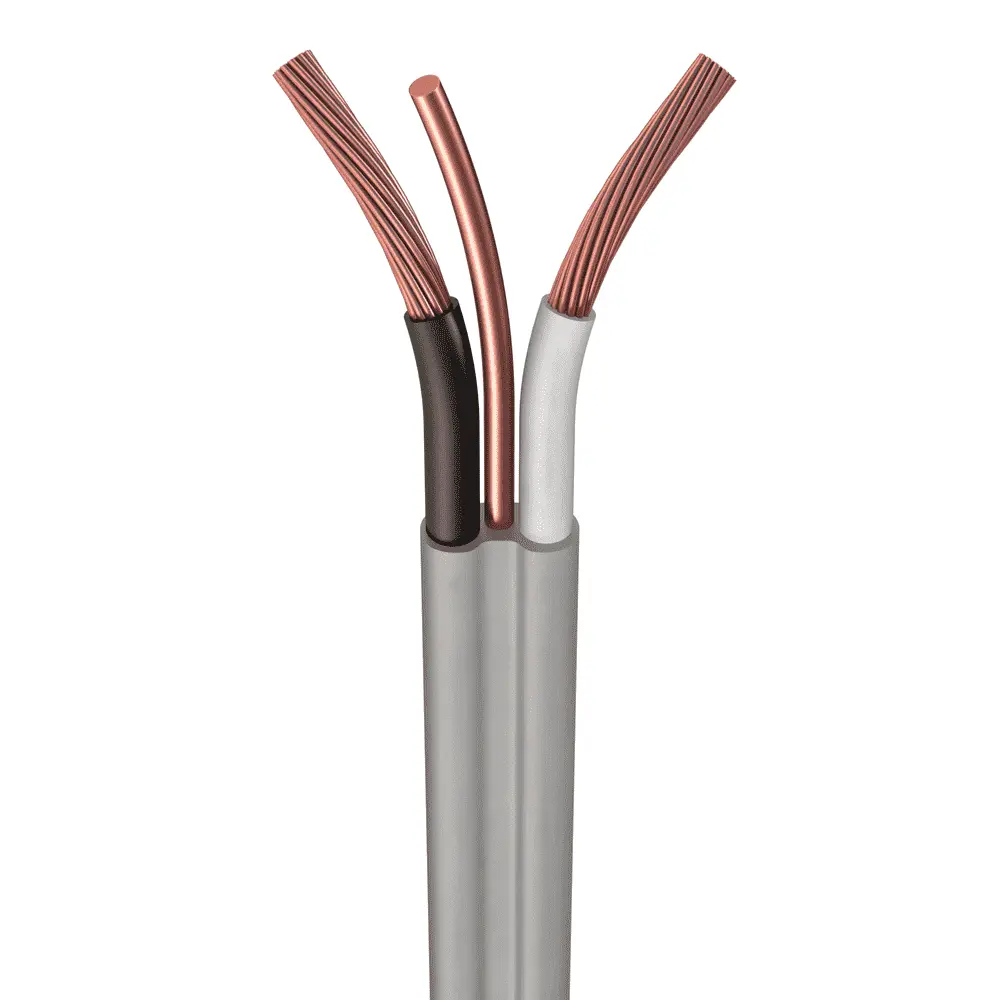
Plastic Covered Electric Wire
Insulated electrical wire with protective plastic coating, used in wiring circuits, with gauge size indicating conductor thickness (higher number means smaller wire).
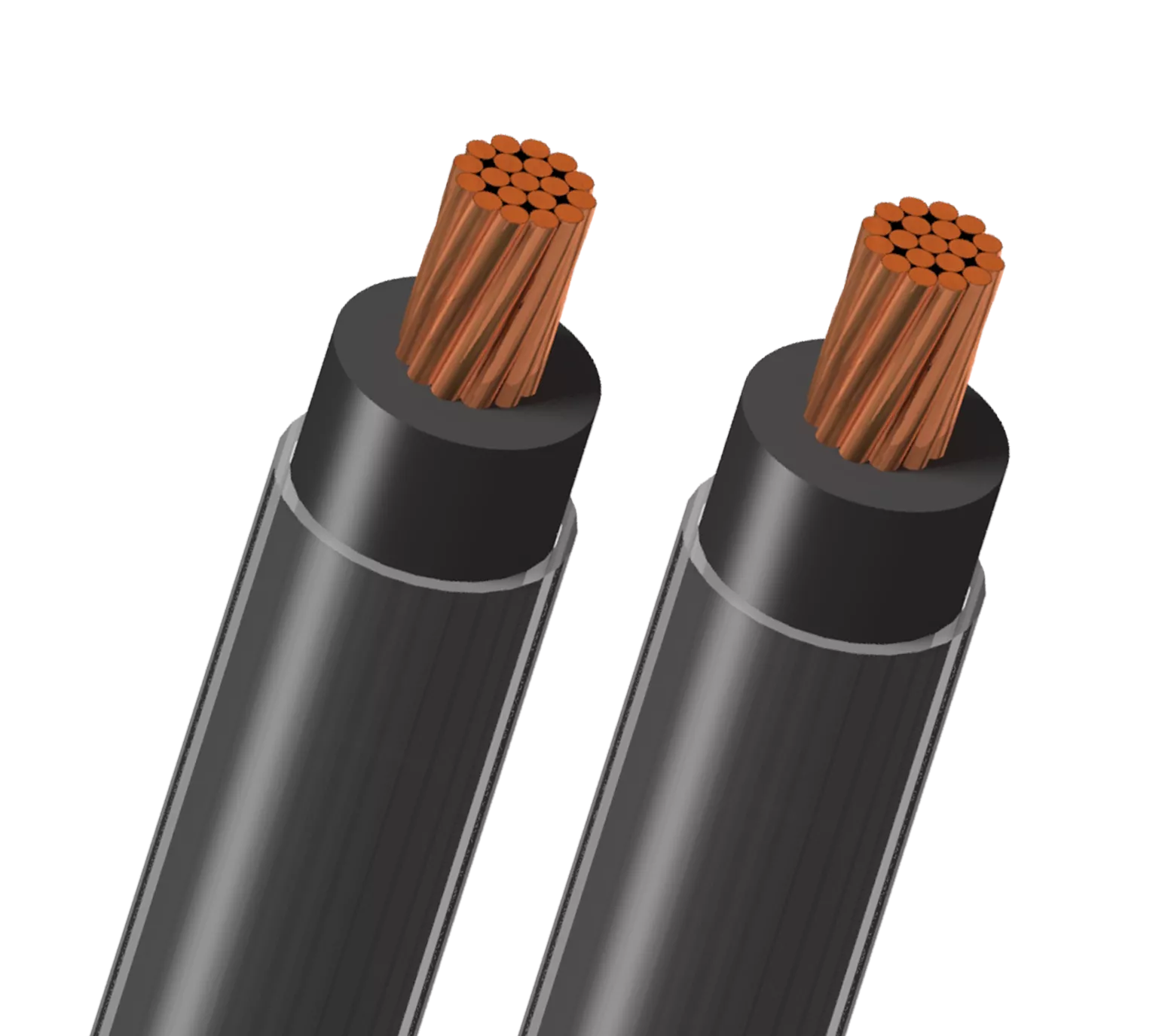
Single Conductor
Single insulated electrical conductor, solid or stranded, with thermoplastic insulation (e.g., TW or THHN), used in conduit wiring from 14 to 0 AWG sizes.
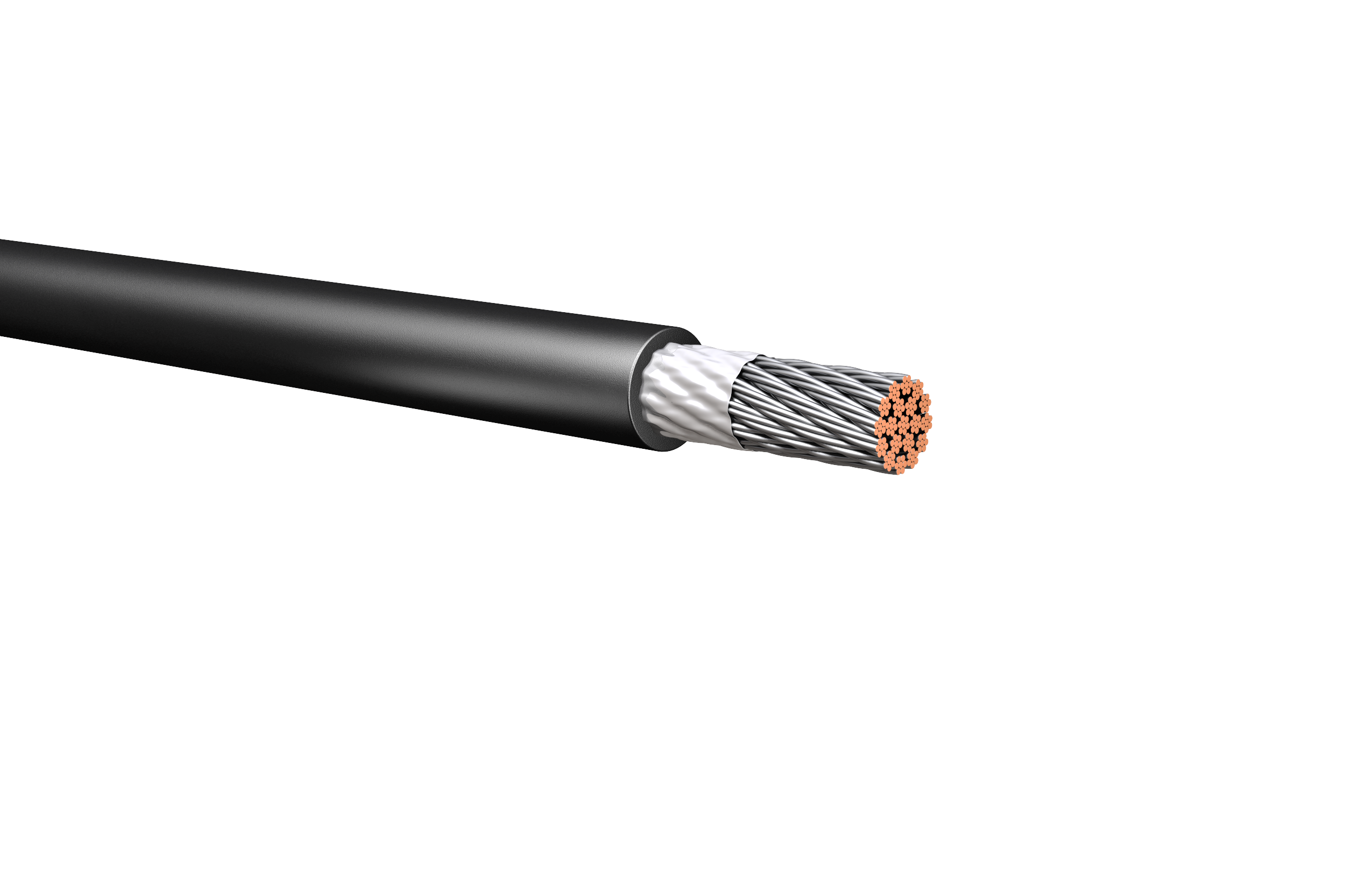
UF Cable
Moisture-resistant underground feeder cable with solid plastic insulation and jacket, designed for direct burial and outdoor electrical wiring applications.
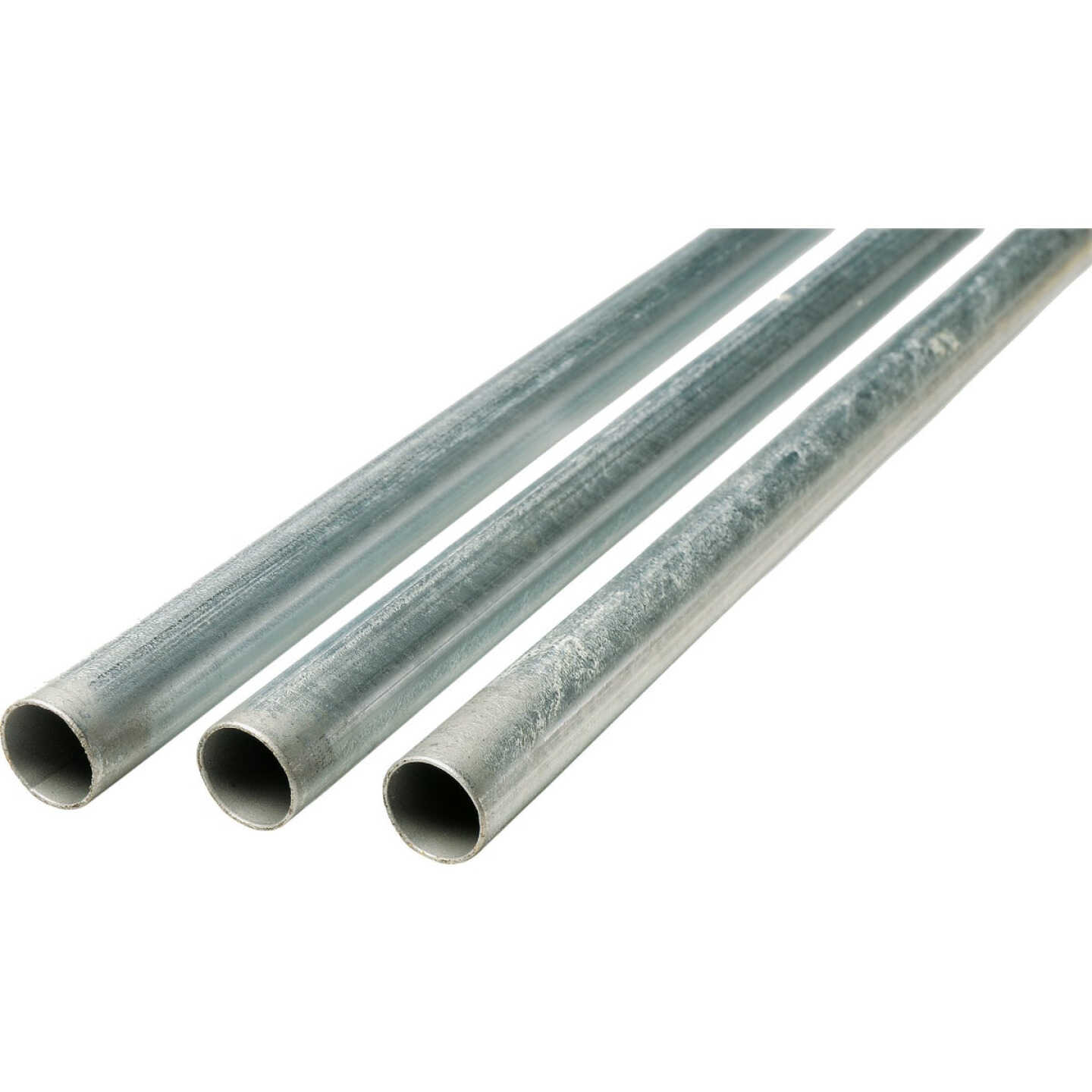
Electrical Metallic Tubing
Thin-walled, rigid steel conduit (EMT) with smooth interior, sold in 10-foot lengths and ½–2 inch sizes, joined with fittings to protect indoor electrical wiring.
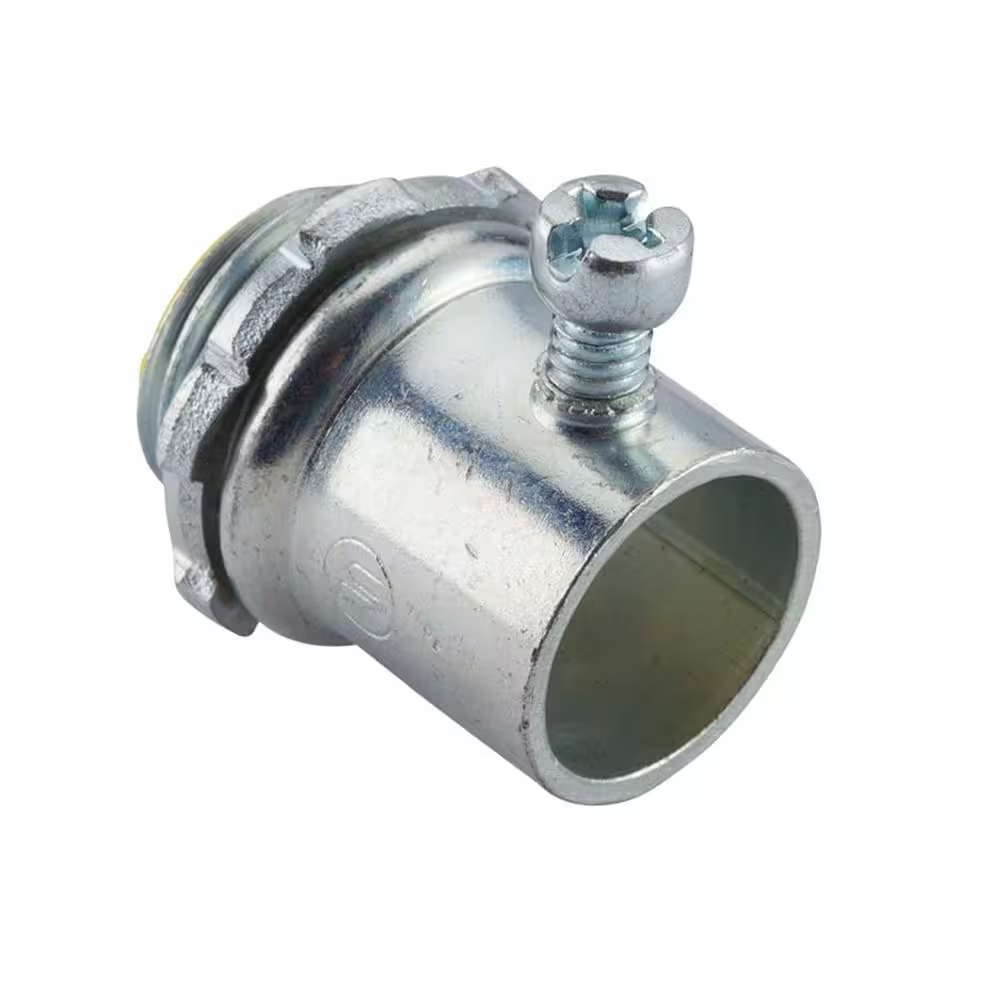
EMT Connector
Small cylindrical metal fitting with a threaded or set-screw end and locknut, used to join EMT conduit to electrical boxes or panels.
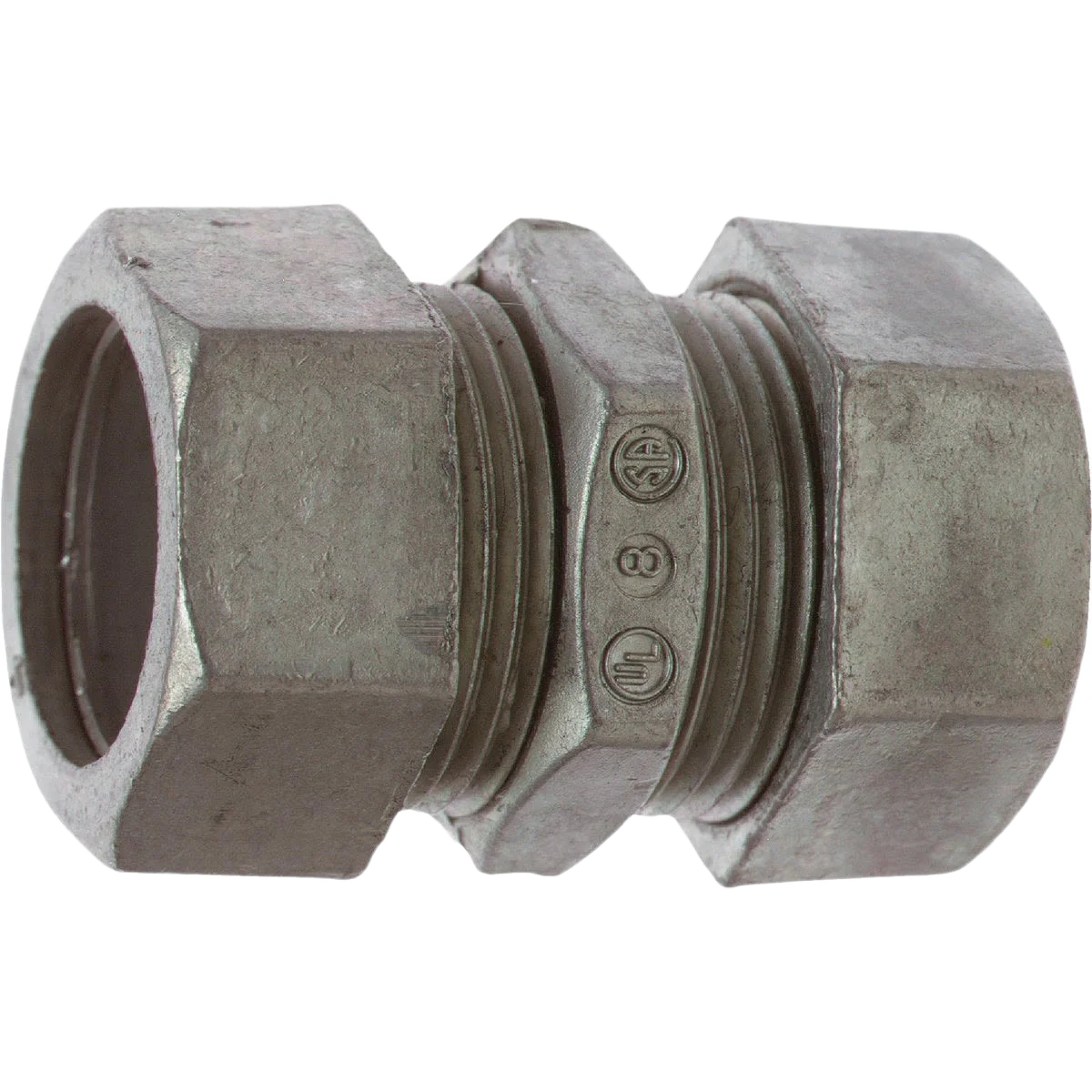
EMT Coupling
Short cylindrical metal fitting with compression or set-screw ends used to securely join two EMT conduit sections, maintaining alignment, continuity, and
electrical grounding.
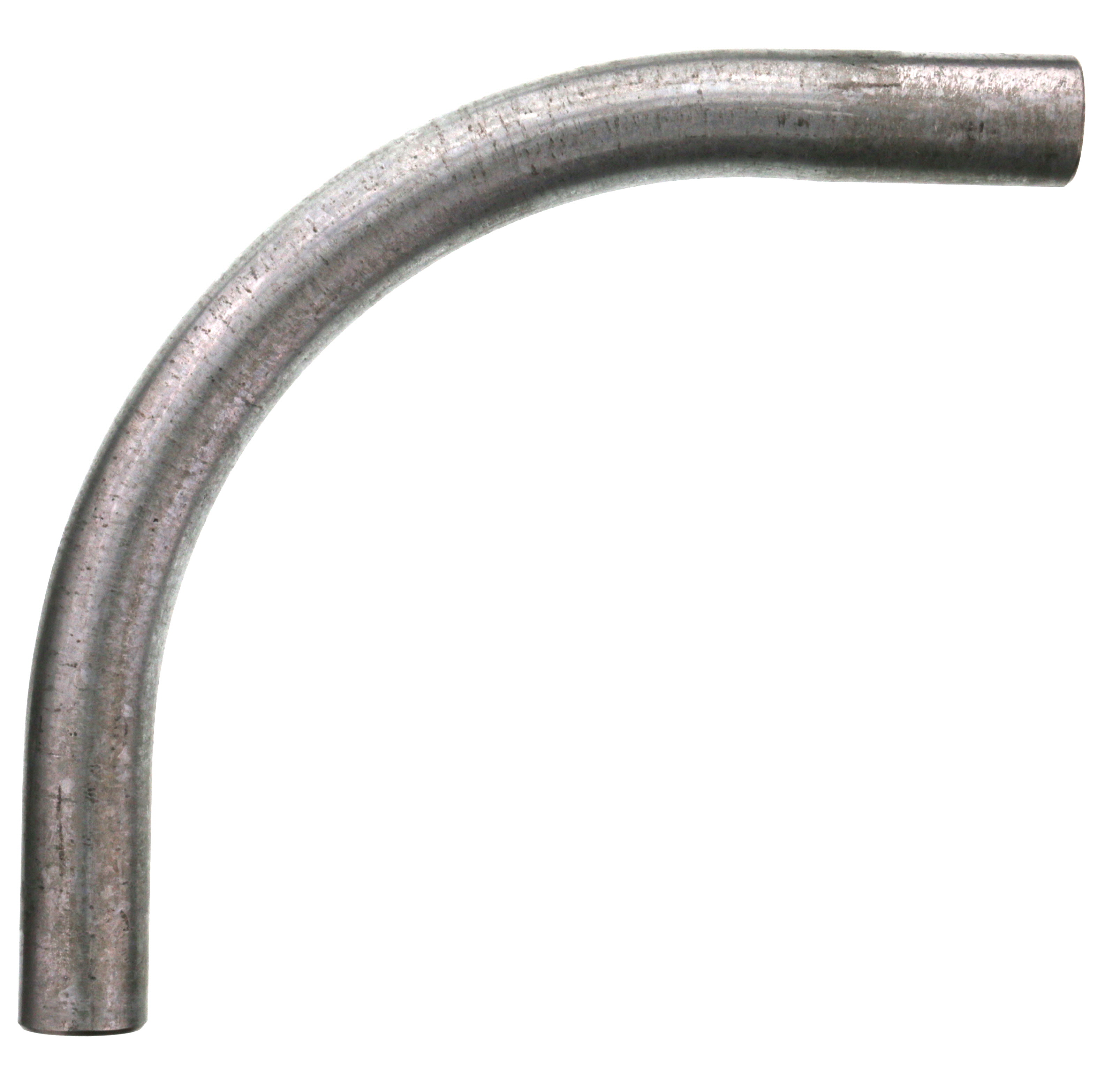
EMT Sweep
Pre-bent, smooth-radius EMT conduit section with no threads, used to change direction of wiring runs while maintaining cable protection and easy wire pulling.
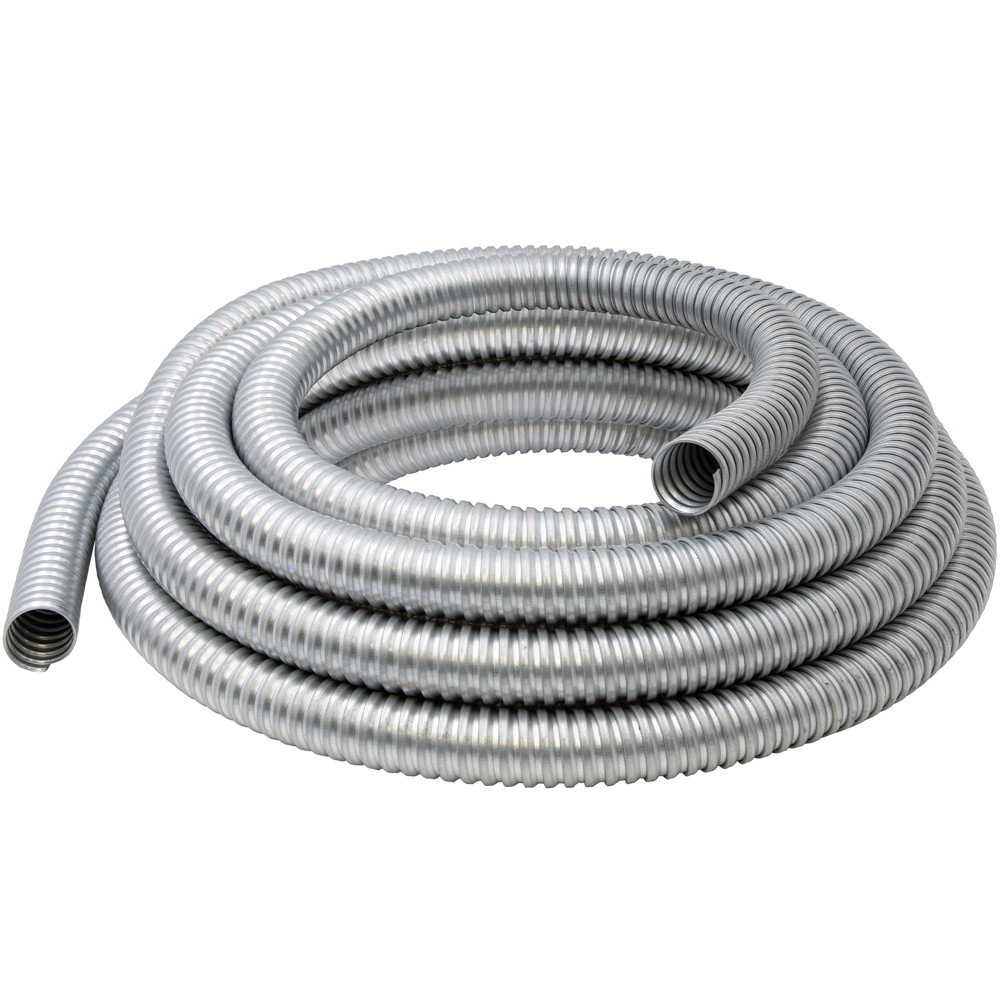
Flexible Conduit
Flexible conduit made of interlocked, heavily zinc- coated steel strip wound in a spiral, used to protect and route electrical wiring where movement or bending is required.
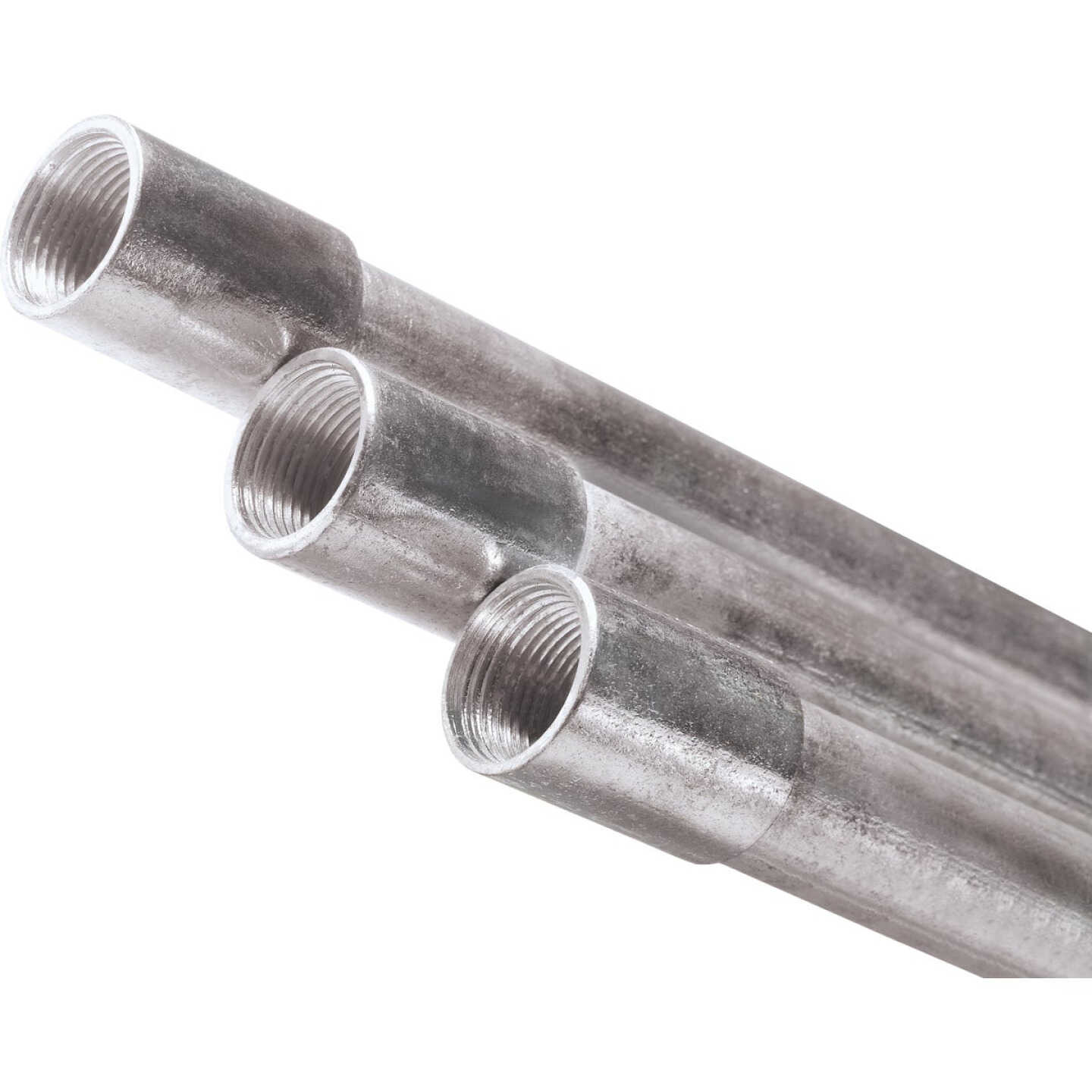
Rigid Conduit
Heavy-duty steel electrical conduit with threaded female ends, available in galvanized or enamel finishes, used to protect wiring in exposed or harsh environments.
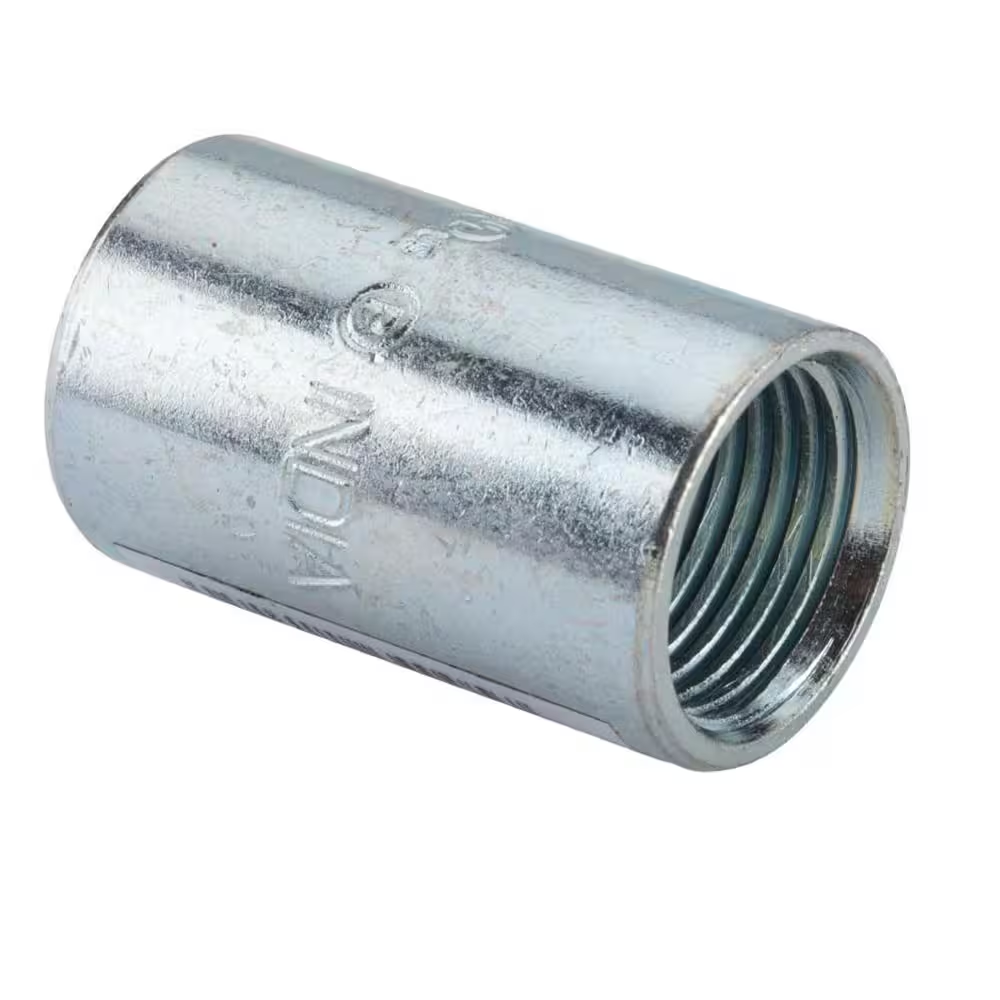
Rigid Coupling
Threaded steel fitting used to join two sections of rigid conduit, ensuring a secure, grounded, and continuous protective path for electrical wiring.
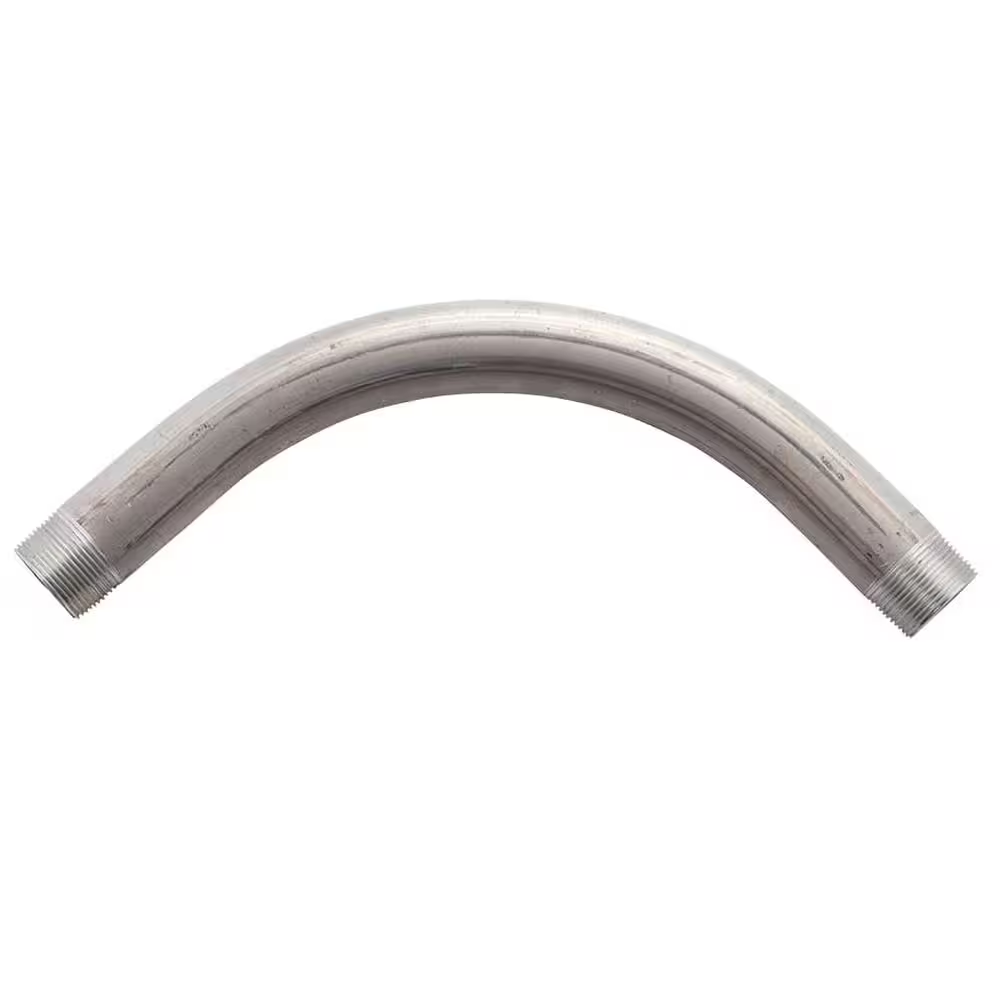
Rigid Elbow or Sweep
Threaded male rigid metal conduit fitting with a curved 90-degree or sweep bend, used to change wiring direction while maintaining protection and alignment in conduit runs.
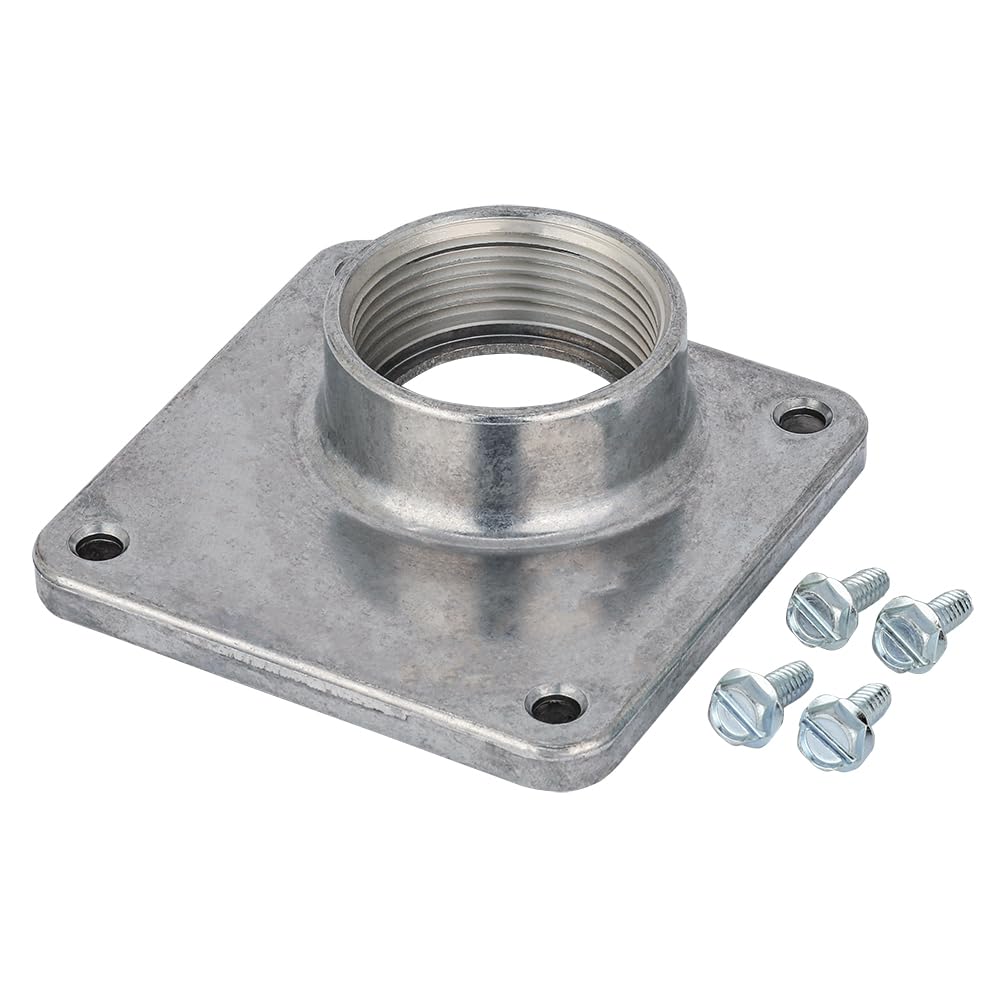
Raintight Hub
Cast aluminum conduit fitting with mounting flange and threaded inlet, used to securely attach conduit to panels while providing a rain-tight, weather-resistant seal.
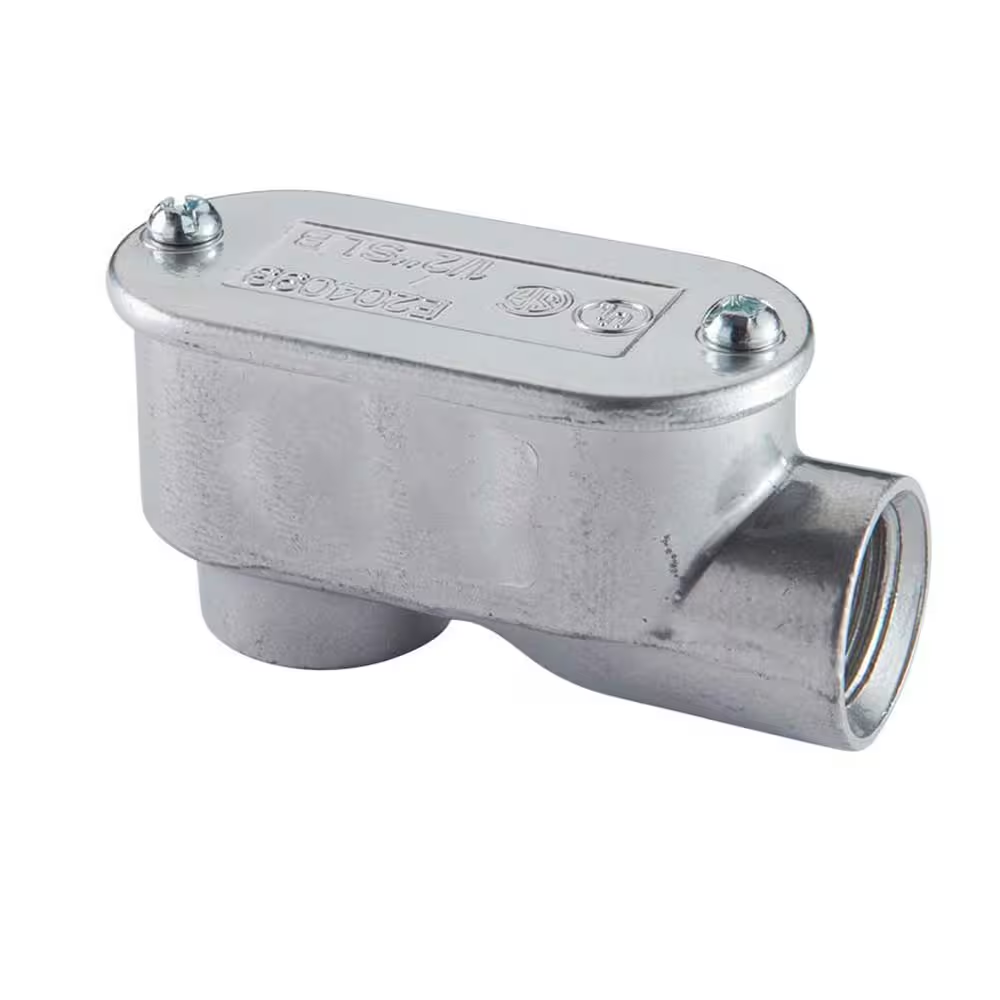
Service Entrance Elbow
Threaded rigid conduit elbow with female ends and removable cap, used at service entrances to change direction and provide access for wire pulling or splicing.
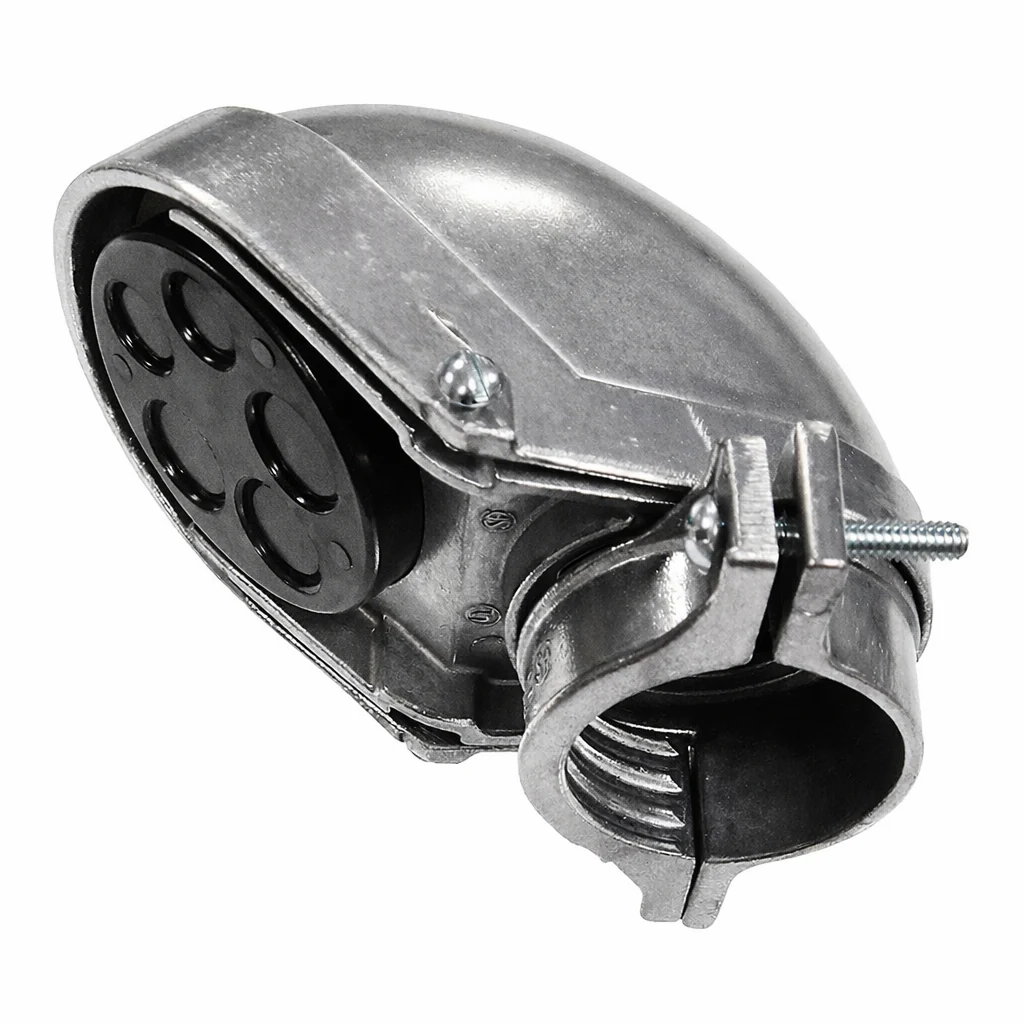
Service Entrance Cap
Weatherproof hooded fitting made of cast aluminum or PVC with downward-facing openings, used to cap service entrance conduit and protect conductors from moisture.
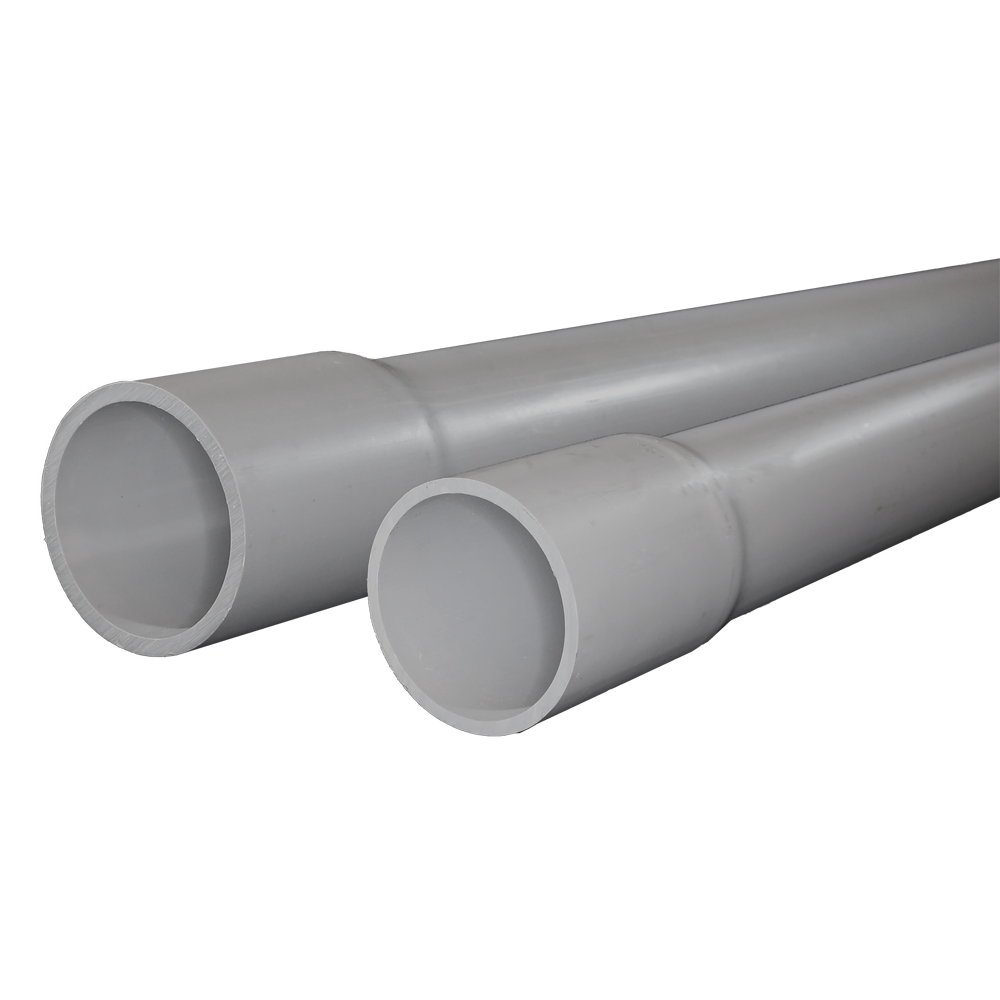
PVC Conduit
Rigid gray plastic electrical conduit used indoors, outdoors, or underground, joined with solvent cement for waterproof protection of electrical wiring.
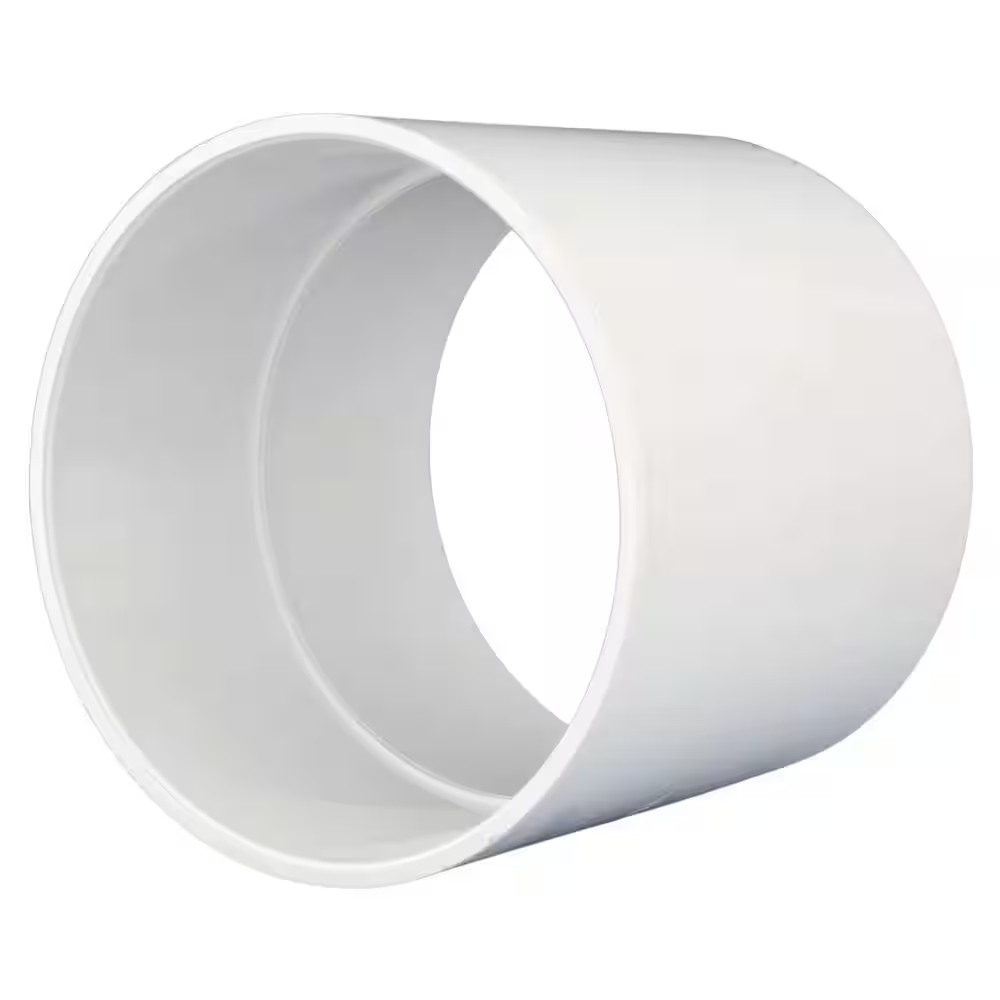
PVC Coupling
PVC fitting used to join two sections of conduit, solvent- welded with cement to create a permanent, waterproof, and rigid electrical conduit connection.
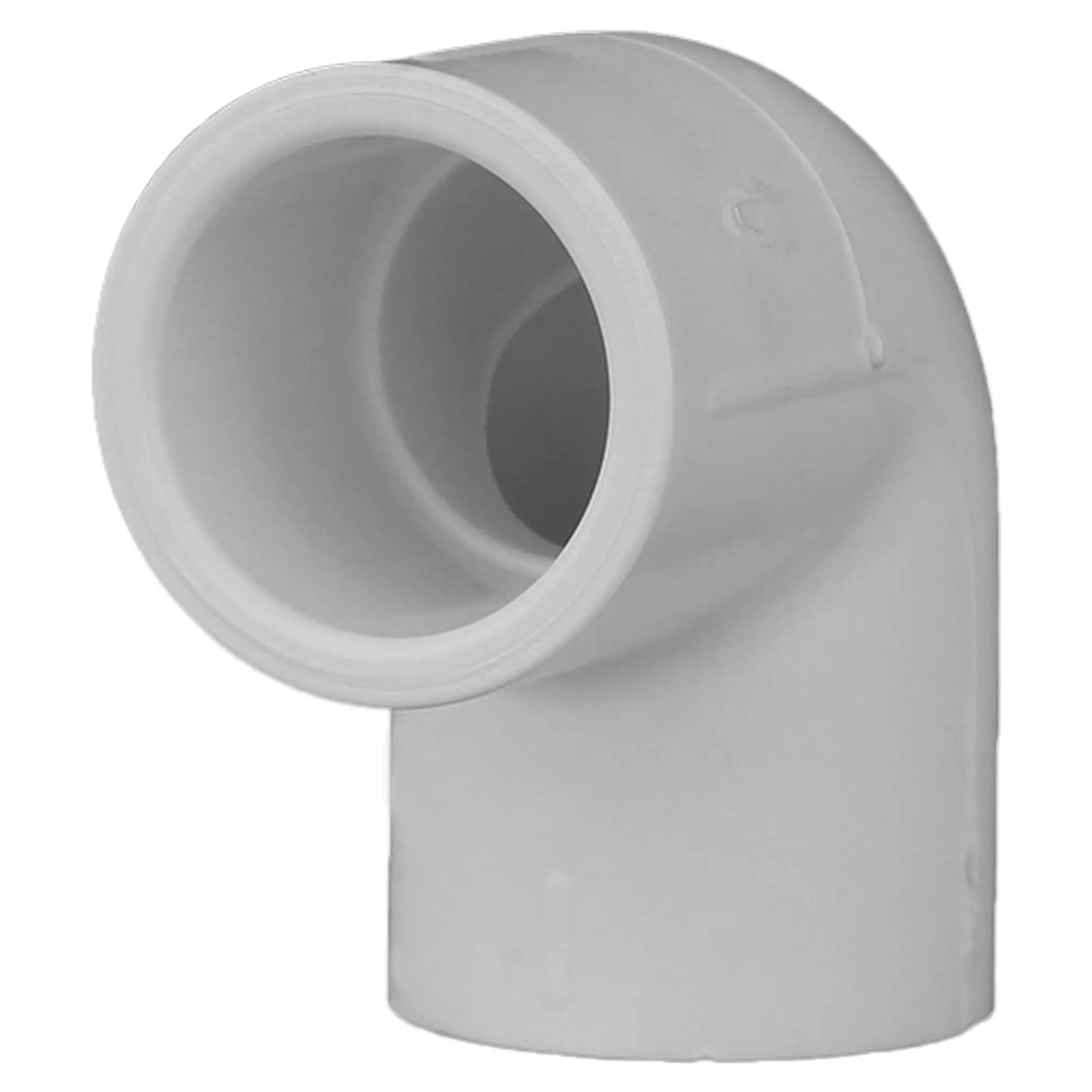
PVC Elbow or Sweep
Curved PVC conduit fitting with long radius bend, solvent-welded to pipe sections, used to smoothly change wiring direction while reducing cable stress.
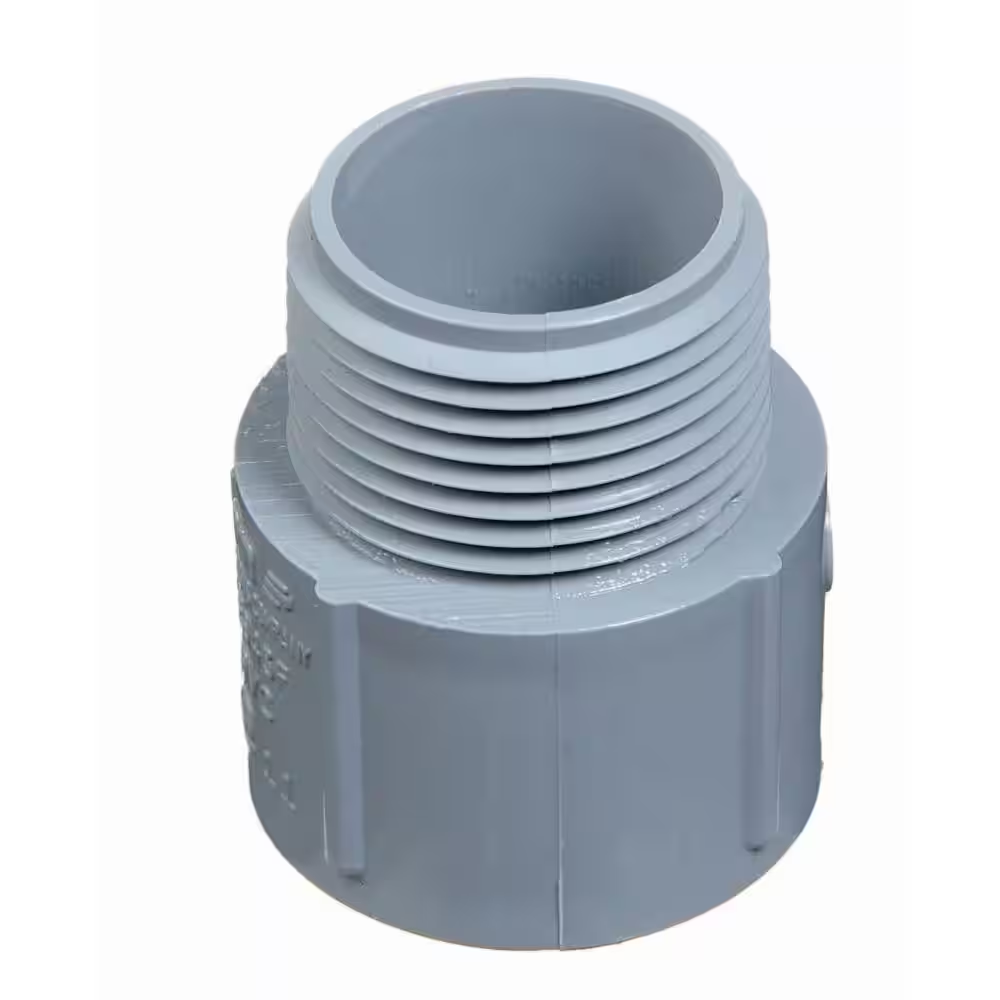
PVC Male Adapter
PVC conduit fitting with solvent-weld end and male threaded end, used to connect PVC conduit to boxes, panels, or other threaded electrical components.
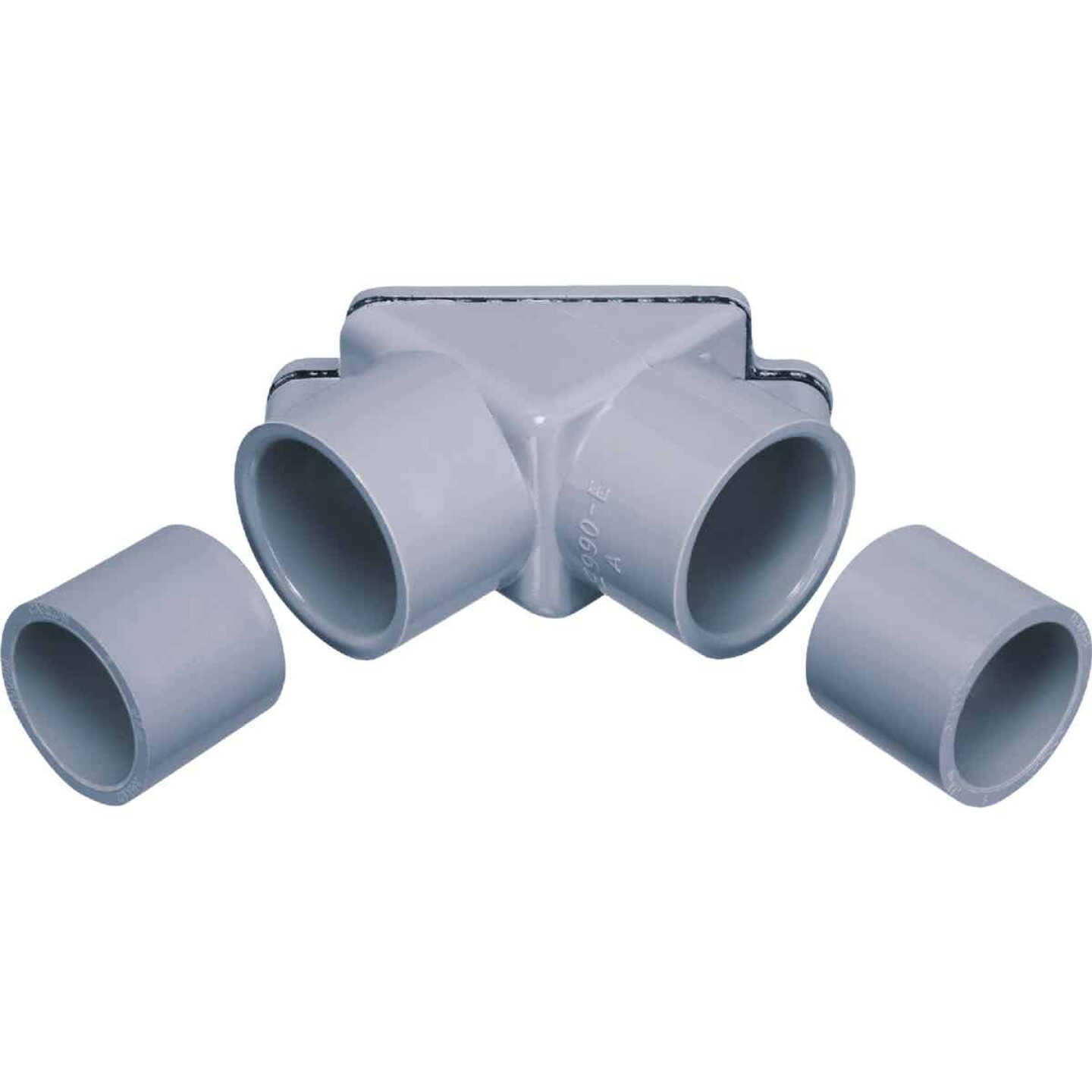
PVC Pull Elbow
PVC 90-degree conduit elbow with removable cover for wire pulling or splicing access, solvent-welded to conduit and identified by LB or LR configurations.
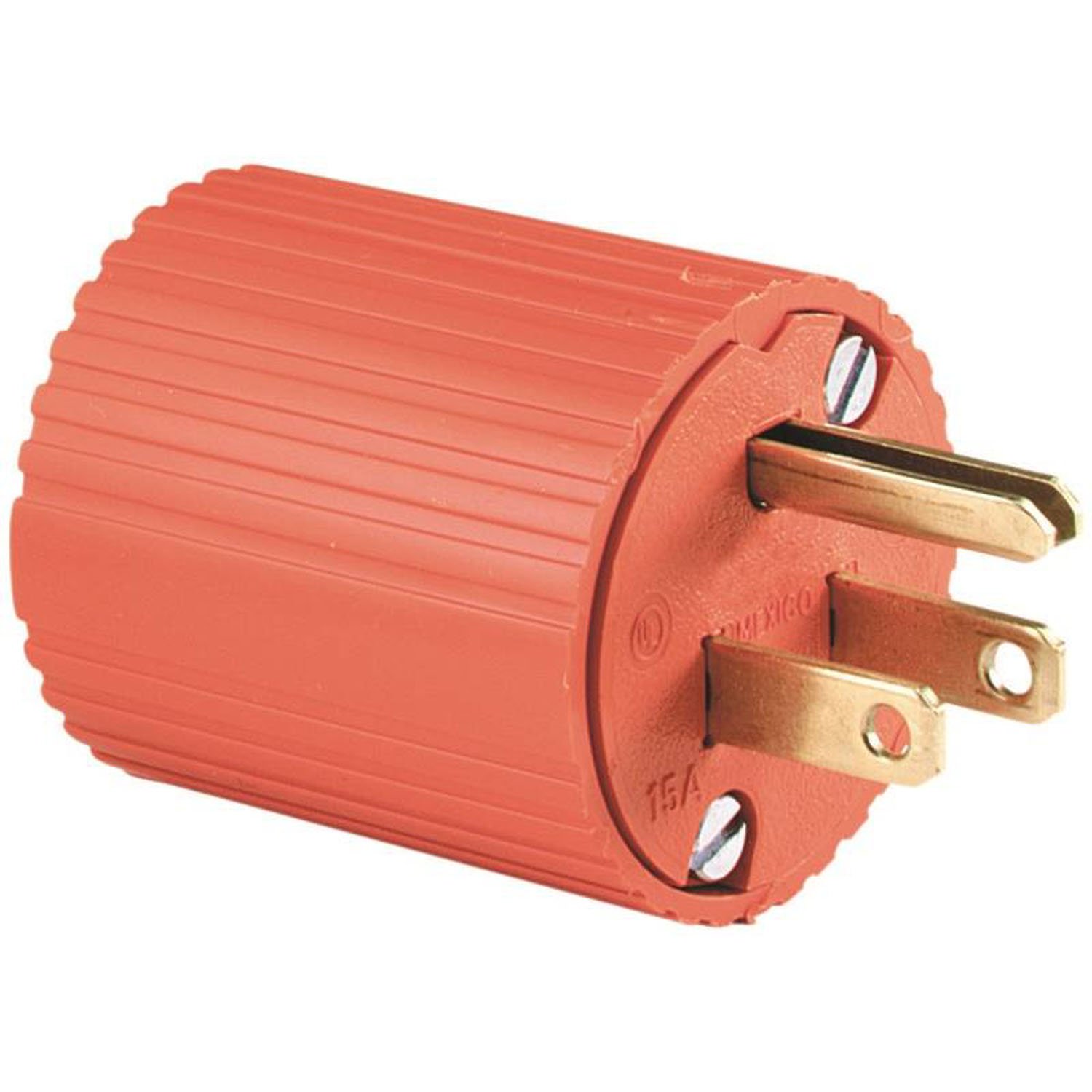
Cord Cap
Male electrical plug attached to the end of extension or power tool cords, used to connect flexible cords to receptacles for power supply.
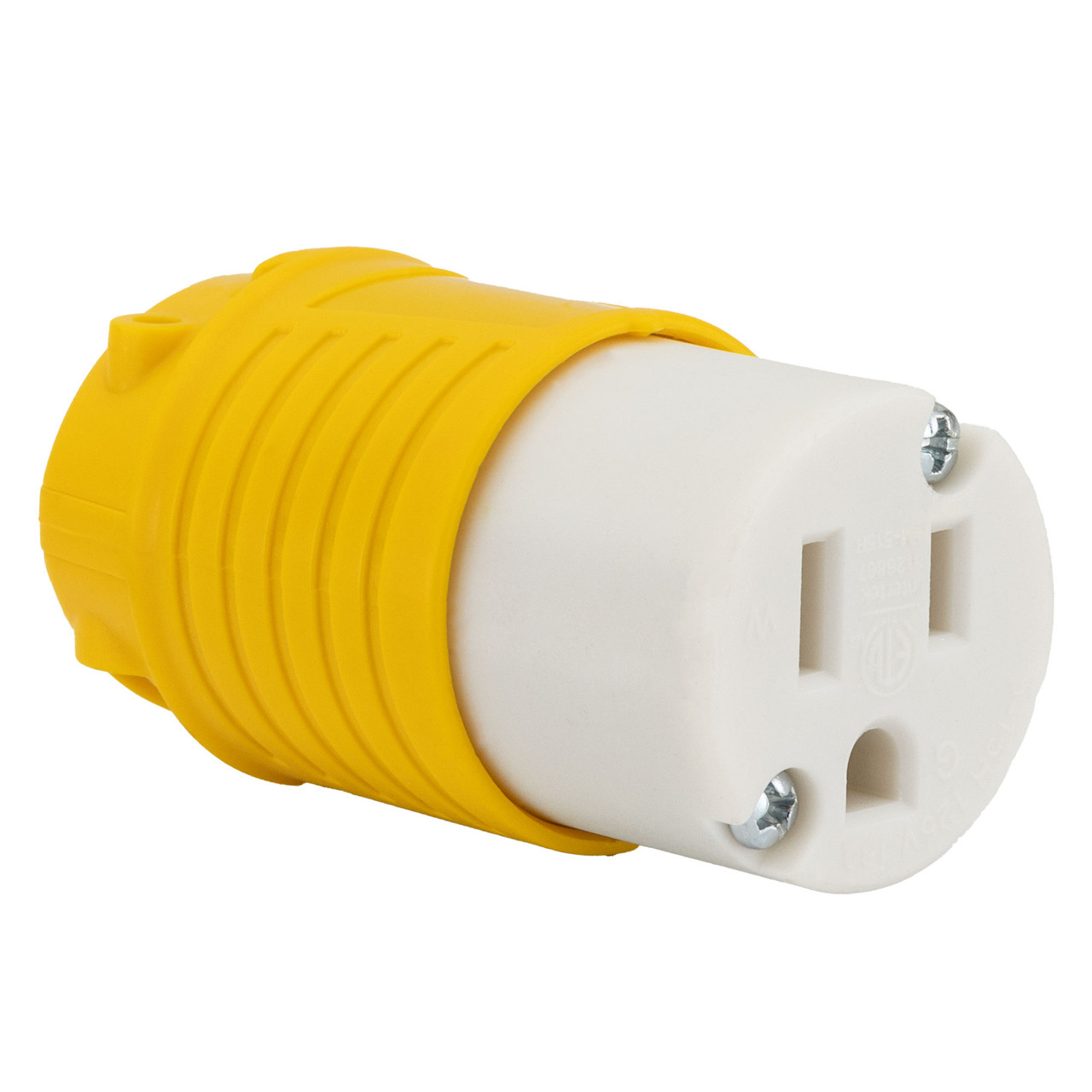
Cord Connector
Female electrical connector designed to receive a cord cap (male plug), providing a safe receptacle interface for extension cords and power tool connections.
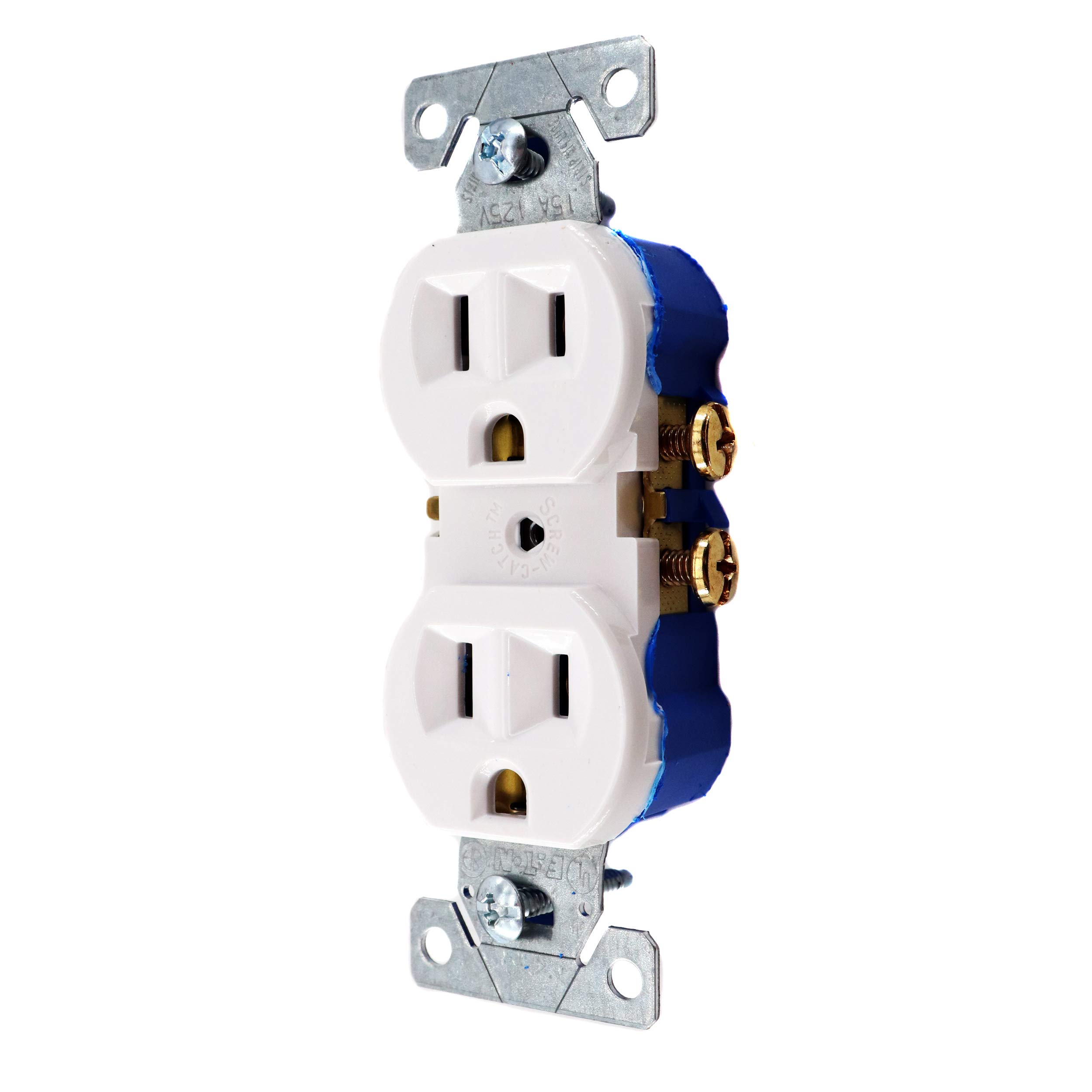
Duplex Receptacle
Wall-mounted electrical outlet with two sockets, installed in flush or surface boxes, providing convenient power access for standard plug-in devices.
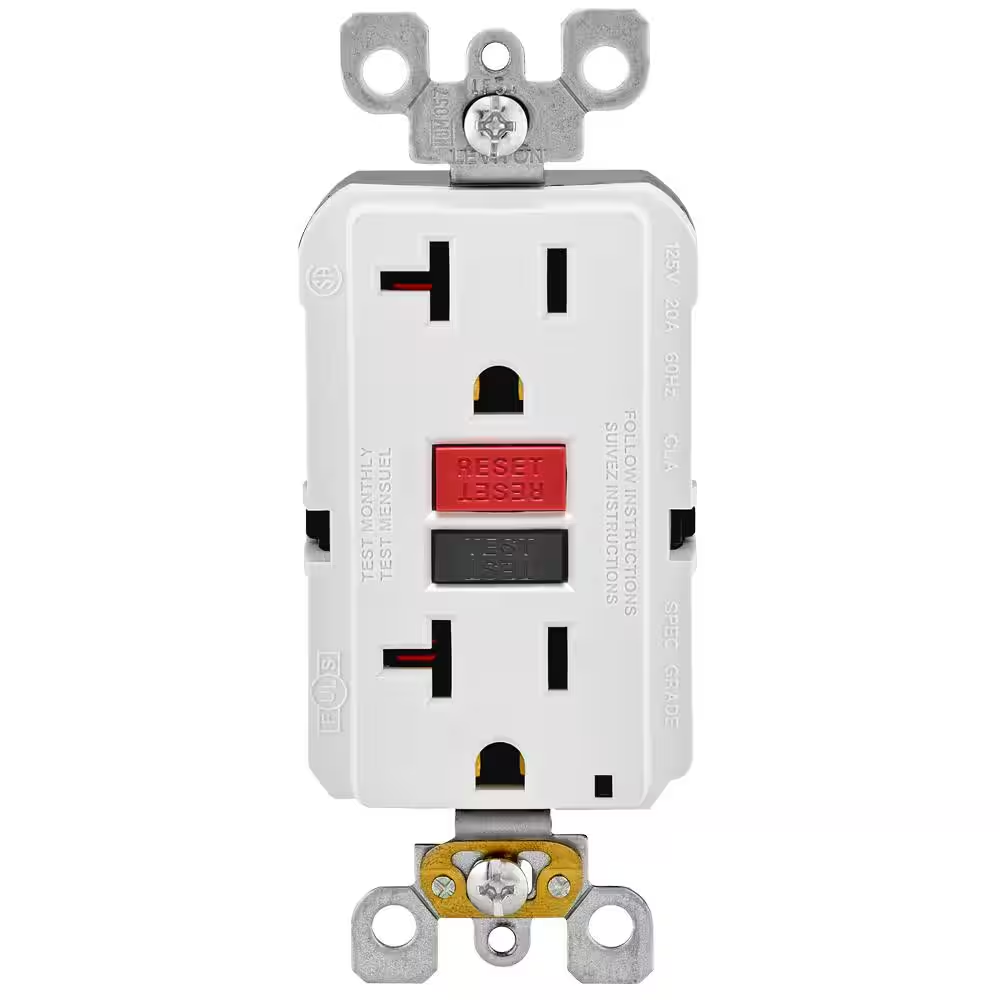
GFCI Receptacle
Electrical outlet with test and reset buttons that monitors current flow, automatically shutting off power to prevent shock from ground faults in wet or hazardous locations.
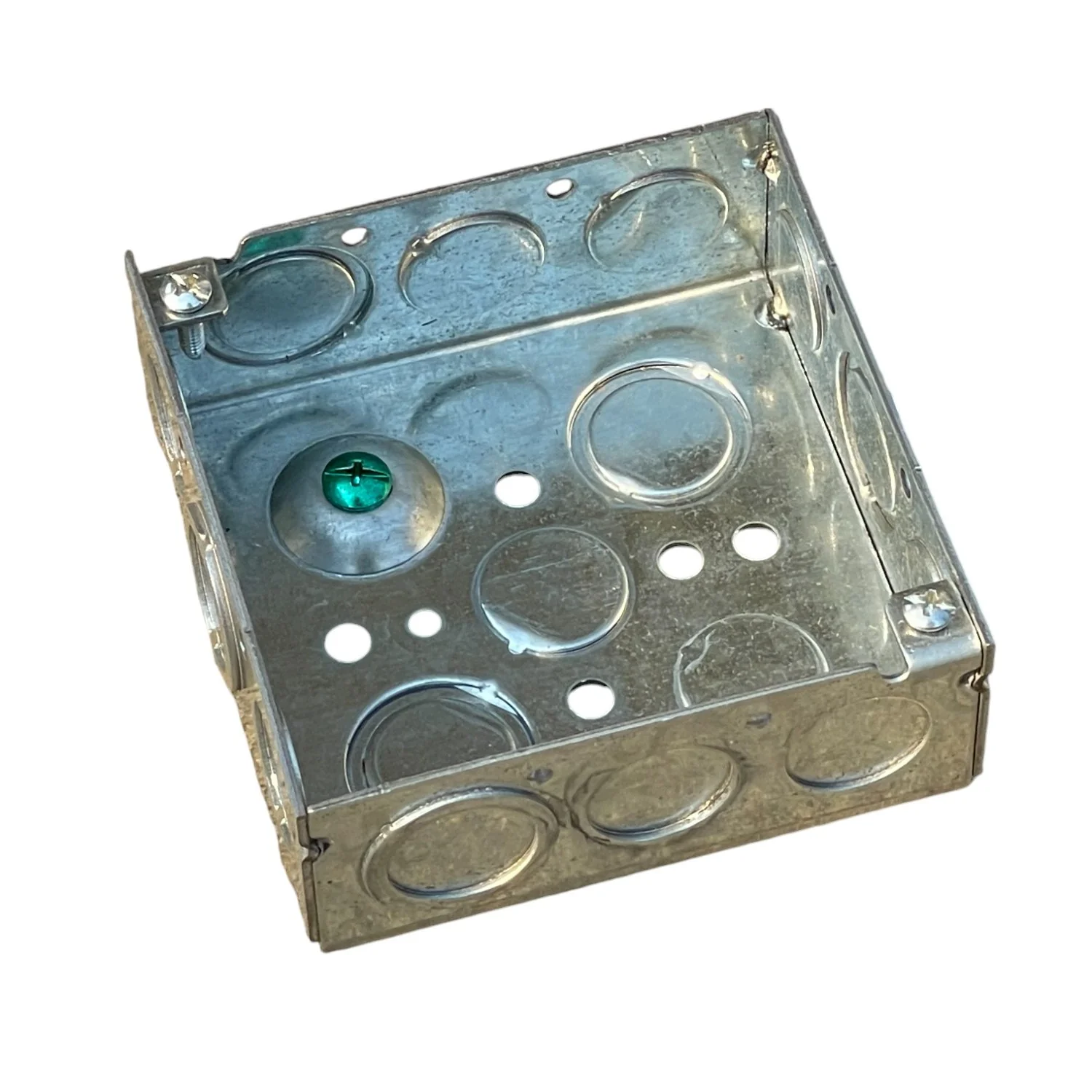
Junction Box
Metal enclosure, typically square or octagonal, used to house and protect electrical wire connections and splices.
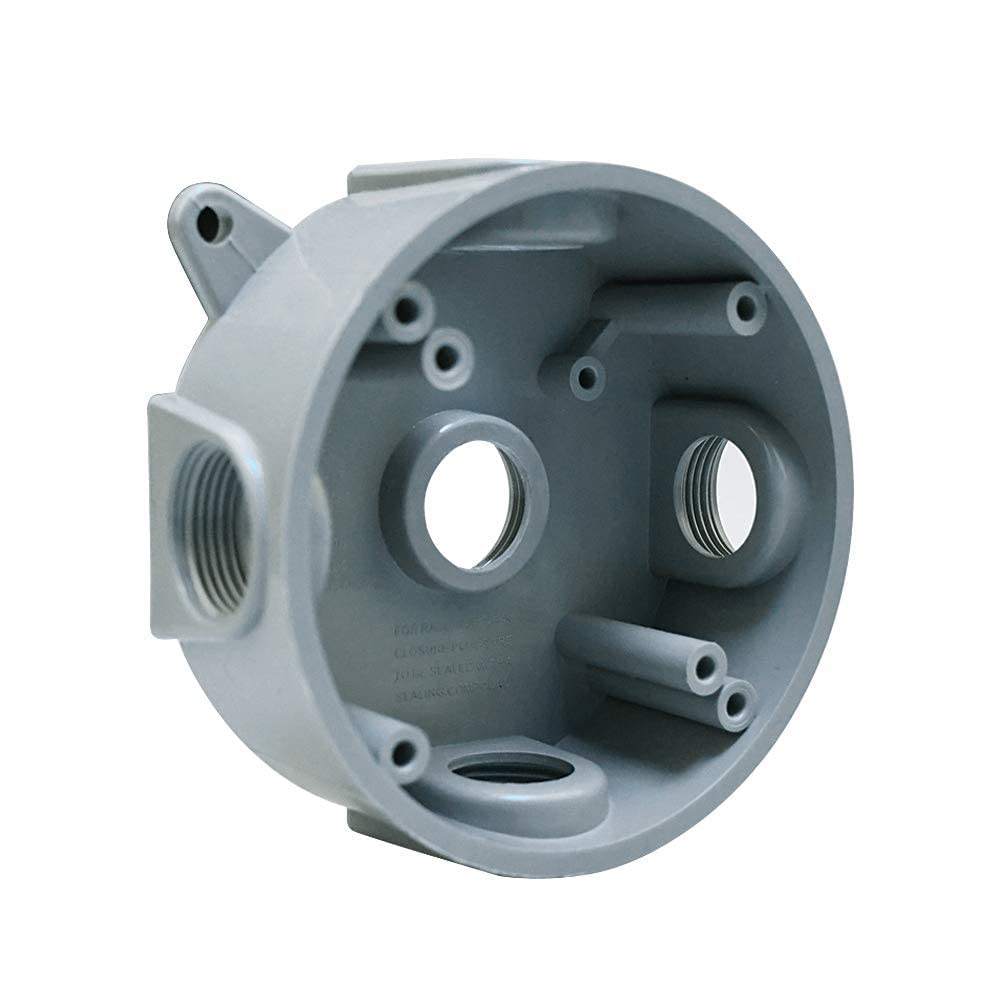
Round Box
Round electrical junction box used for ceiling fixtures or light installations, designed to house and protect wire connections while supporting lighting devices.
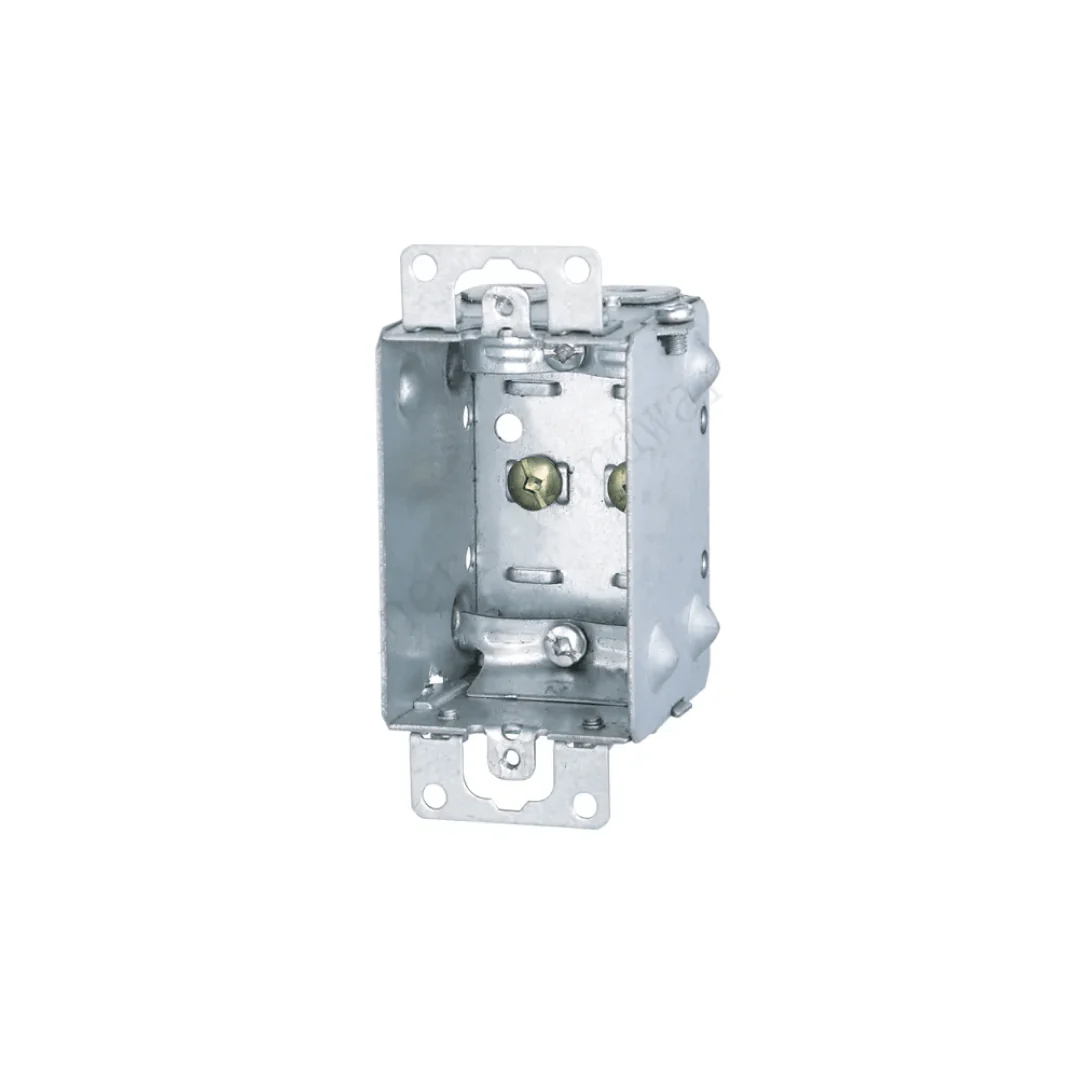
Switch Box
Metal or plastic electrical box with knockouts for conduit or NM cable, used to house switches and protect wiring connections.
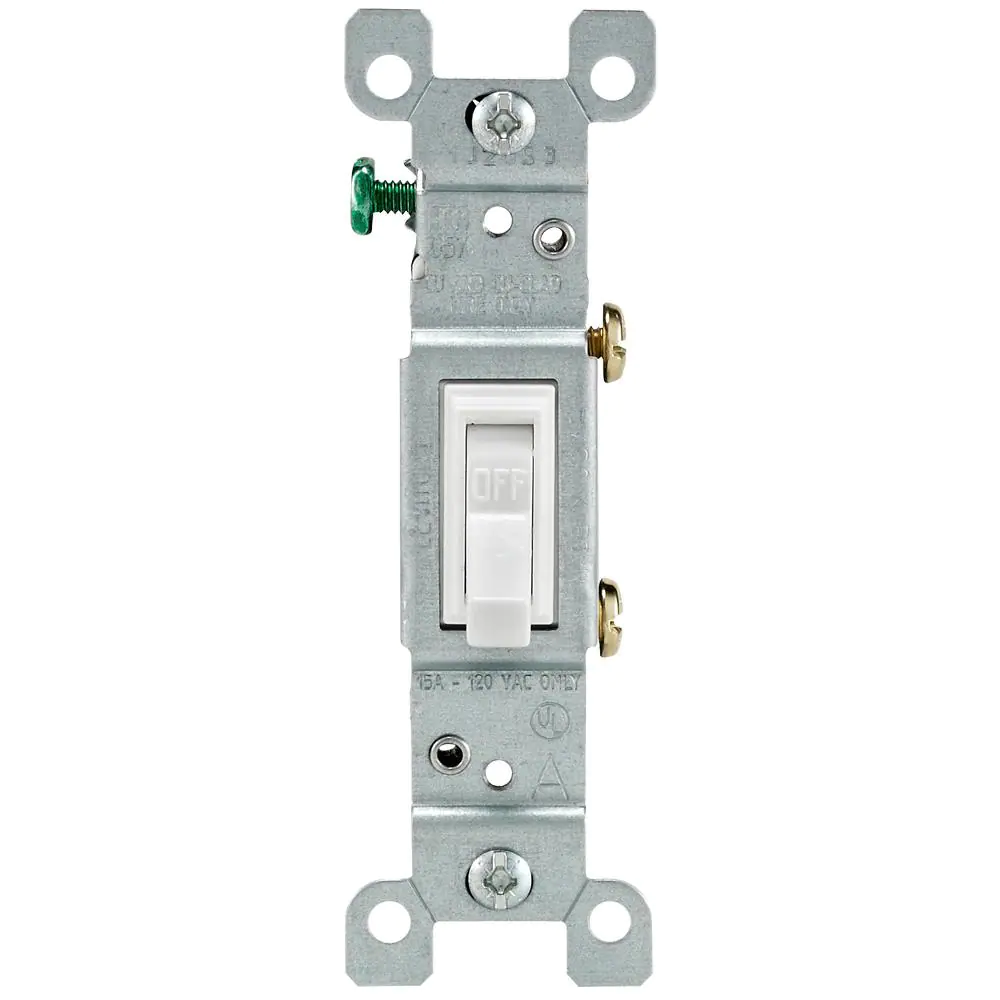
Single-Pole Toggle Switch
Basic on/off electrical switch with two terminals and a single toggle, controlling one circuit from one location by opening or closing the electrical connection.
Three-Way Toggle Switch
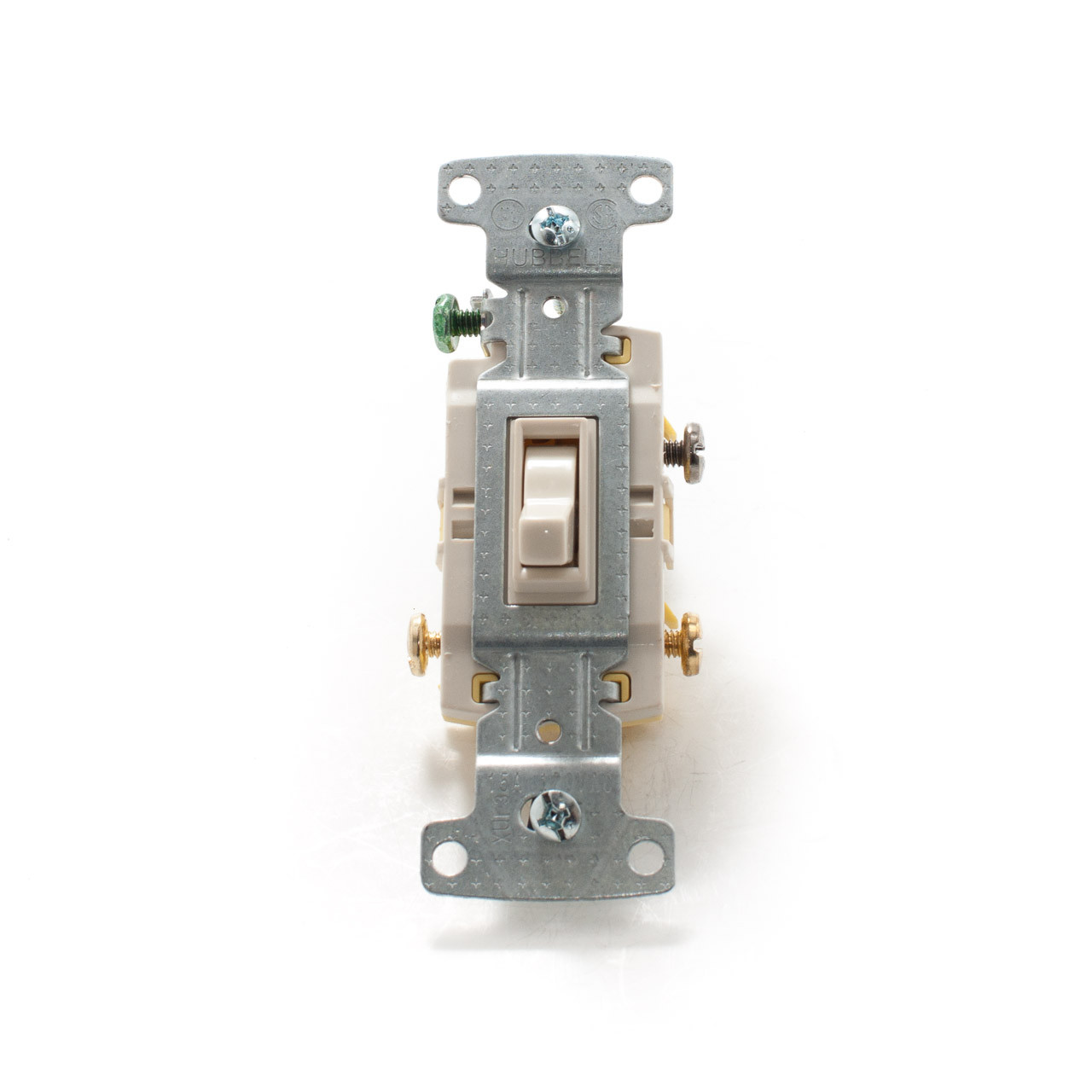
Toggle switch with three terminals—one dark common screw and two lighter brass traveler screws—used to control a circuit from two locations, unlike single-pole switches.