Business 4.4-5
 Call Kai
 Learn
Learn Practice Test
 Spaced Repetition
 Match
Match Flashcards
 Knowt Play
1/32

There's no tags or description
Looks like no tags are added yet.
Name | Mastery | Learn | Test | Matching | Spaced | Call with Kai |
|---|
No analytics yet
Send a link to your students to track their progress
33 Terms
market research + why done
Market research is the process of gathering, analyzing, and interpreting data about a target market, consumers, and competitors to inform business decisions.
identify consumer needs wants
reduce risk of product failures
measure effectiveness of market actions
keep up w trends to find opportunties to be first
primary market research/field research + types
new data no one has access to
very fullfilling
but expensive + time consuming
surveys
interviews
focus groups
observations
primary market research/field research: surveys
advantages:
collect large data quantity
quickly compelte
disadvantages:
response rates low
need enough care for valuable questions
primary market research/field research: interviews
advantages:
easy to ask in depth questions
high response rate
disadvantages:
time consuming for analyzing results
very expensive
primary market research/field research: focus groups
small groups representing particular product or idea, consumer base of business
advantages:
in depth questions
detailed info gained directly from target market
disadvantges:
might get ungeneralizable data if only 1 person expreses bias
very expensive
primary market research/field research: observations
ex. how long it takes people to notice a display in-store
advantages: cost effective
not dependent on respondents
no interview bias
disadvantages:
cant get hard, written data
ethics in market research
coercing volunteers to alter answers
conducting research without informed consent
secondary market research/desk research
already exists, quick and cheap
market analysis
academic journals
gov publications
media articles
online content
secondary market research/desk research: market analysis
in depth reports about markets, trends, business issues
advantages: carried out by professionals + detailed
disadvantages: very costly
secondary market research/desk research: academic journals
scholarly publications, well referenced by professors, field experts
advantages: highly reliable due to peer review, quick publication
disadvantages: very specific, technical
secondary market research/desk research: gov publications
provide info on demogrpahics, econ, social trends
advantages: free, large range of topics
disadvantages: difficult to access sometimes
secondary market research/desk research: media articles
advantages: widely available, many sources free + easy to use
disadvantages: most have some bias
secondary market research/desk research:online content
advantages: large vareity, easily accessible
disadvantages: info can be inaccurate, biased
Sampling: Qouta
segmenting targets on quantity,
ex. 23 freshman, 12 seniors, 1 junior
quick and easy when segments are known,
disadvantages: not representative bc not random
7 ps of marketing
people, product, place, price, promotion, processes, physical evidence
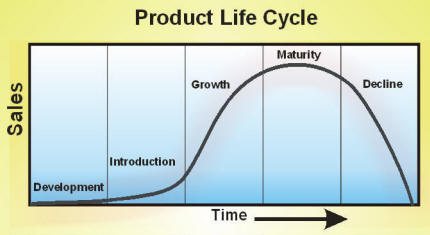
product lifecycle
stages of a product going from r&d to decline and removal
5 stages: development, introduction, growth, maturation, decline
product lifecycle: development
idea is tested, expensive bc no income generated
product lifecycle: introduction
product launched, and on sale, lots of promotion, no profit bc high cash flow out
product lifecycle: growth
making profit, product well known $$
product lifecycle: maturity
sales slow, but high profit, likely many comeptitor’s and changing trends
product lifecycle: decline
sales fall, price cuts and more promotion to stay relevant
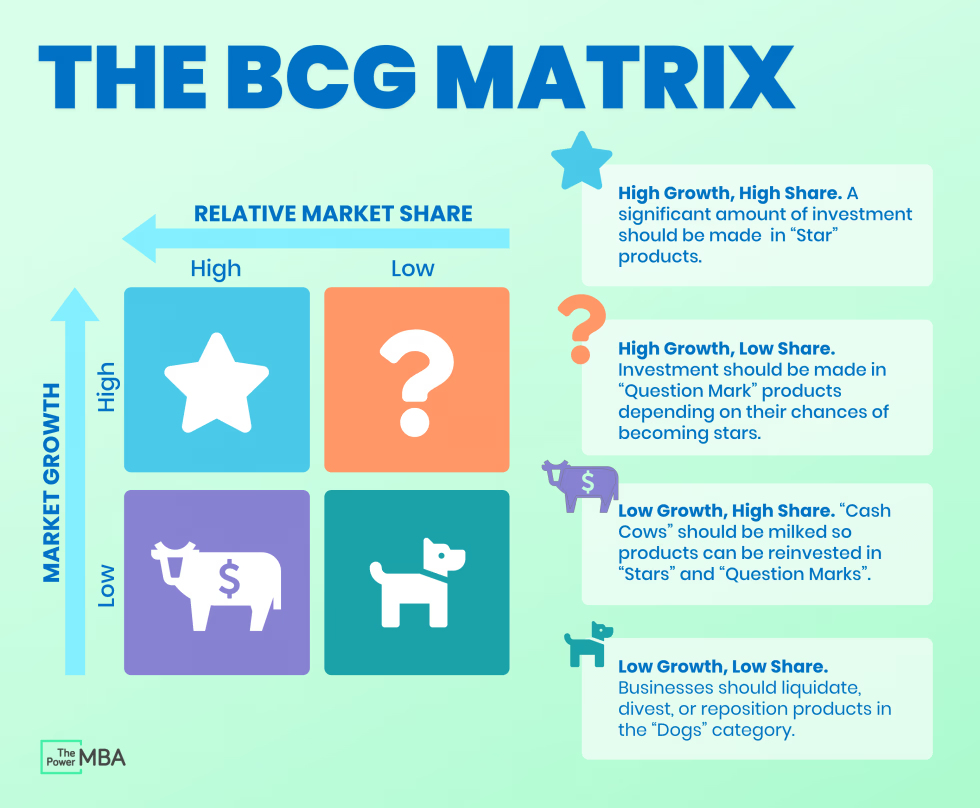
Product Portfolio: BCG Matrix
analyzes product based on market share + growth of whole market
helps makes decisions on new products, promotion, removal
BCG Matrix: star
high market growth, share
most succesful and $$ product, typically in growth PLC stage
BCG Matrix: Cash cows
high market share, low market growth
very profitable, well-established with customer loyality
typically in PLC maturity stage,
BCG Matrix: Question mark
low market share, high growth: wishy washy bc can be star but also flop eventually
requires lots of investment to differntiate in comeptitive market, growth stage
BCG Matrix: Dog
low share, low growth
operates in slow declining marketws, little $, needs to be rplaced or removed, decline stage
BCG Matrix Extension Strategies
prolong life cycle of product:
raise prices
change packaging
more promotion
change target market
4 aspects of branding:
Branding is a clear iamge of what business is about, valued at
brand awareness: abiltiy of customers to remember brand, differentiate from competition
Brand development: brand power, increase sales and relevance through CSR or free samples
Brand loyalty: comitted customers choosing this over competitors
brand value: worth in terms of reputation, market value (highest price consumers will buy product)
Pricing Strategies: Cost-plus pricing
NO EXTERNAL FACTORS CONSIDERED
divide total number of product costs/# of units produced, then markup
Pricing Strategies: Penetration pricing
setting low initial price with aim of getting customer loyalty and market share quickly
..needs lots of promotion
best work in mass market
short -term, slowly bring price up
Pricing Strategies: Loss- leader pricing
long-term in comparison to penetration pricing
in hopes of attracting large number of customers towards their brand, set prices usually below average costs
EX. helps keep relevance, idea is that consumers will buy other items to compliment loss leader which makes up for loss
Pricing Strategies: Predatory pricing
when a business sets very low pricing to drive out competition
once comeptition leaves market, business raises prices
Pricing Strategies: premium pricing
business sets high price over competitors to give impression of quality