Unit 2.2 Structure of Prokaryotic and Eukaryotic Cells
 Call Kai
 Learn
Learn Practice Test
 Spaced Repetition
 Match
Match Flashcards
 Knowt Play
1/21

There's no tags or description
Looks like no tags are added yet.
Name | Mastery | Learn | Test | Matching | Spaced | Call with Kai |
|---|
No analytics yet
Send a link to your students to track their progress
22 Terms
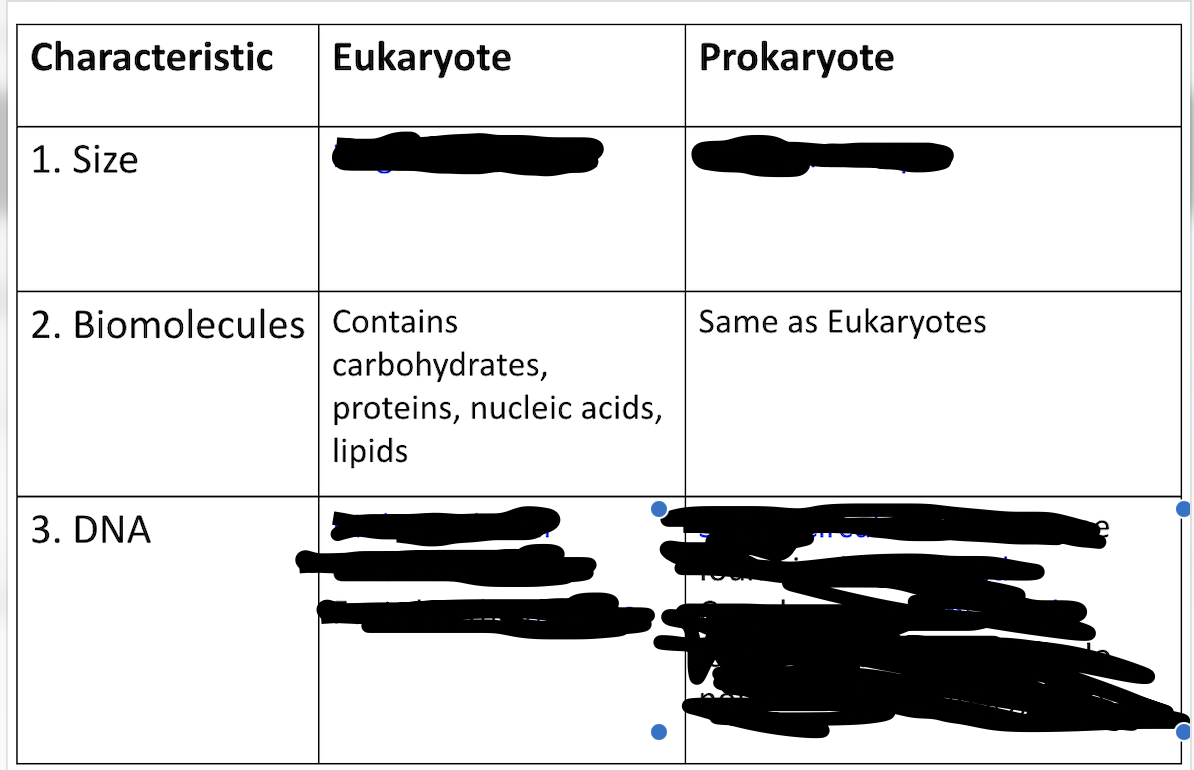
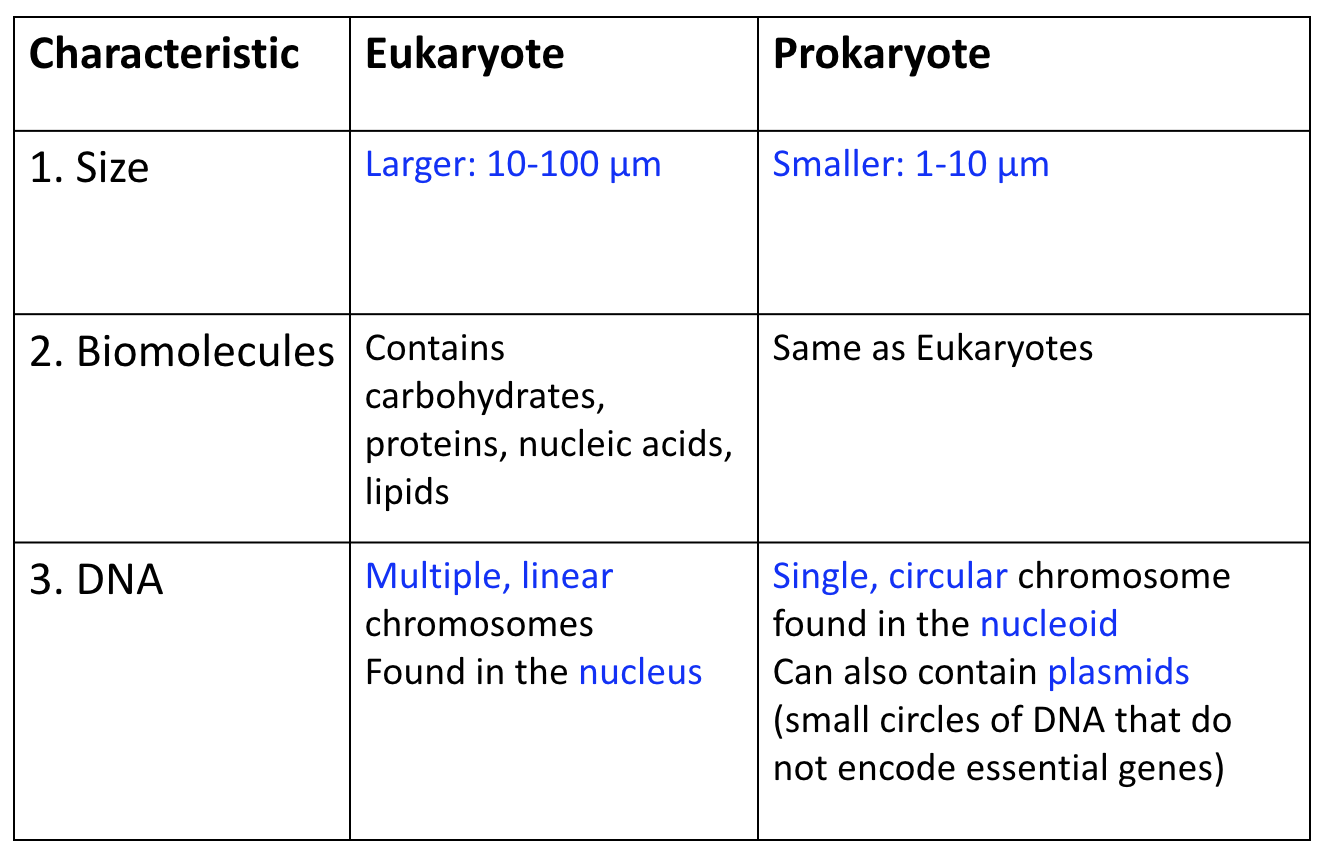
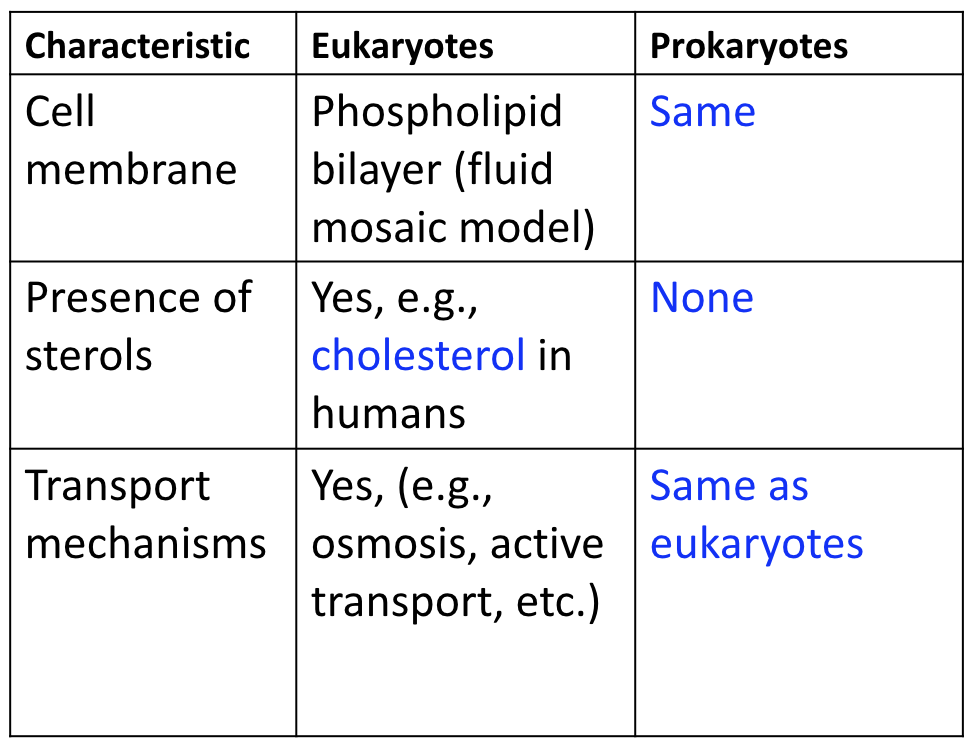
Comparing Eukaryotes and Prokaryotes
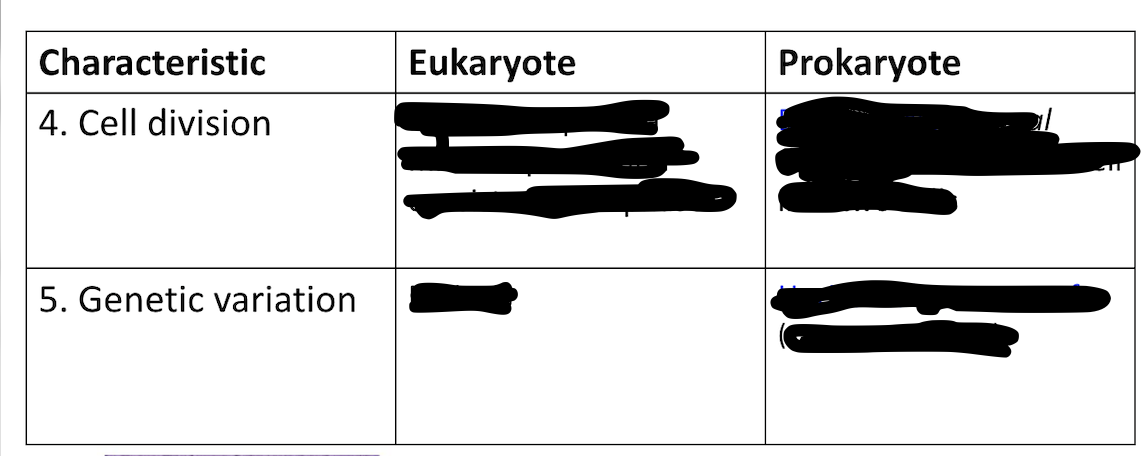
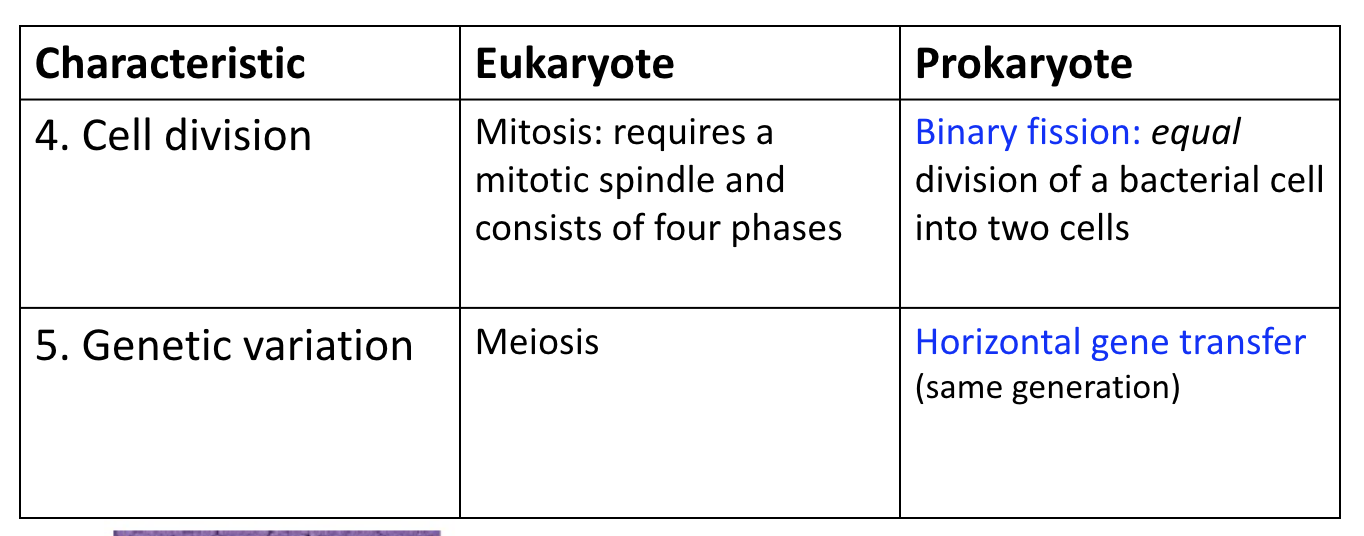
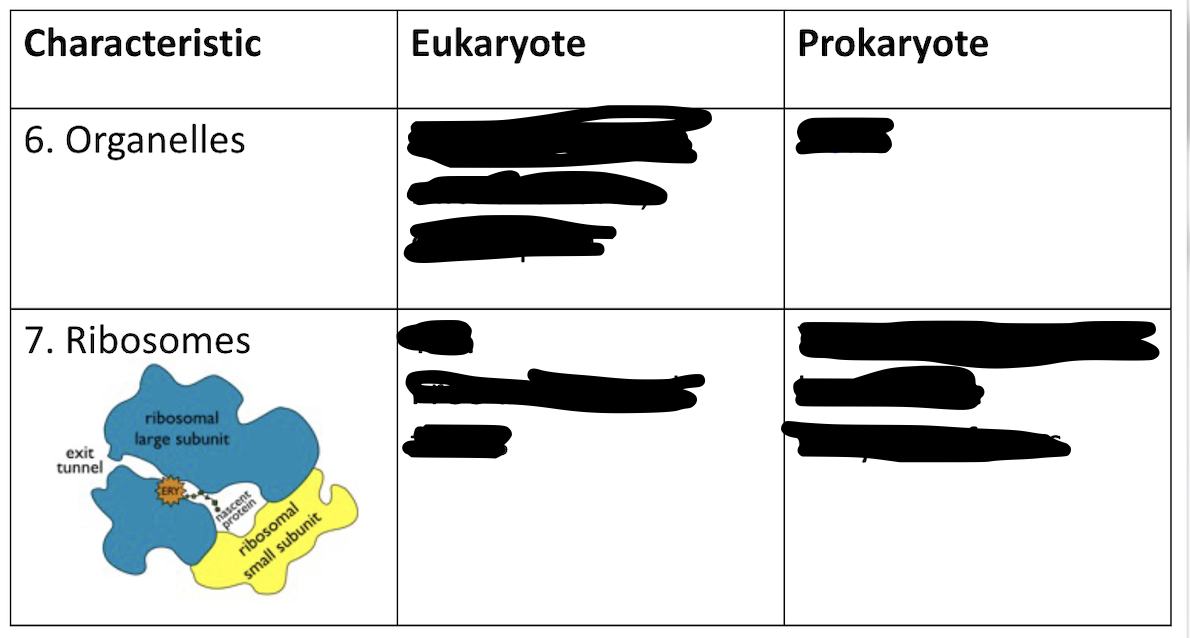
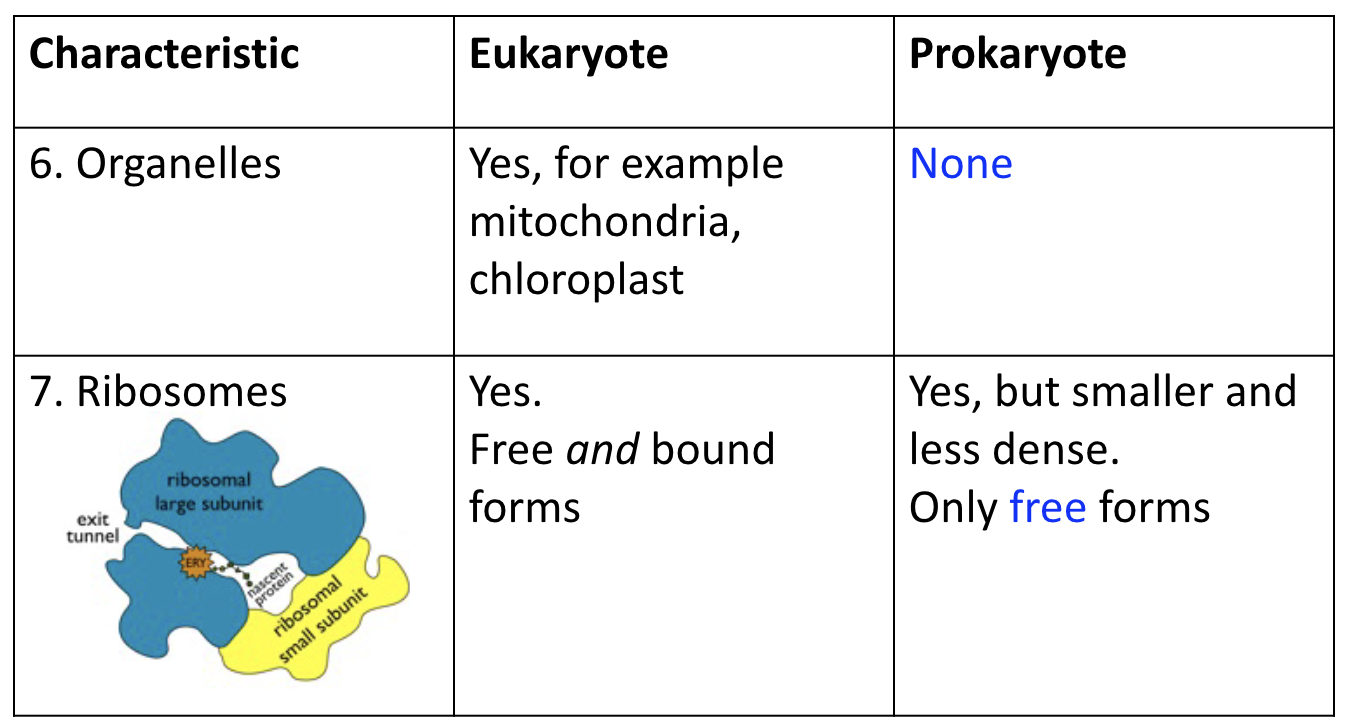
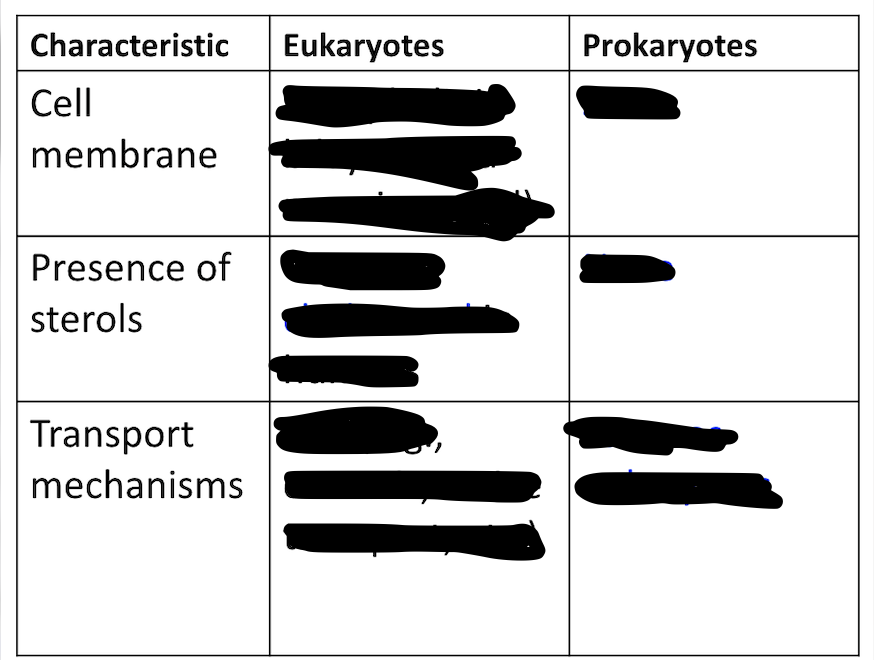
What is transformation? (prokaryotic horizontal gene transfer)
Transformation: bacteria picks up DNA fragments from their environment and integrate them into their own chromosomes
What is transduction? (prokaryotic horizontal gene transfer)
Transduction: genetic transfer between bacteria using a bacteriophage (viruses that affect bacteria)
What is conjugation? (prokaryotic horizontal gene transfer)
Conjugation: DNA is directly transferred from one bacterium to another via pilus or mating bridge
What does bacteria require for horizontal gene transfer?
Antibiotic resistance
Toxins
Ability to use different nutrients
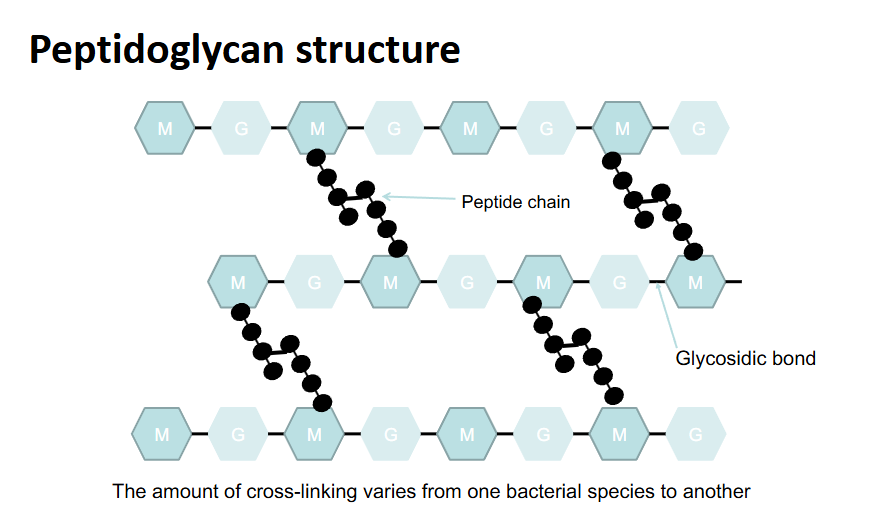
What is the Petidoglycan structure?
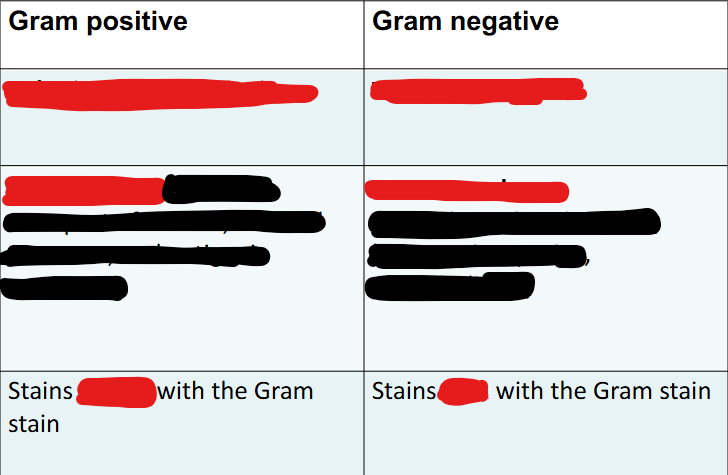
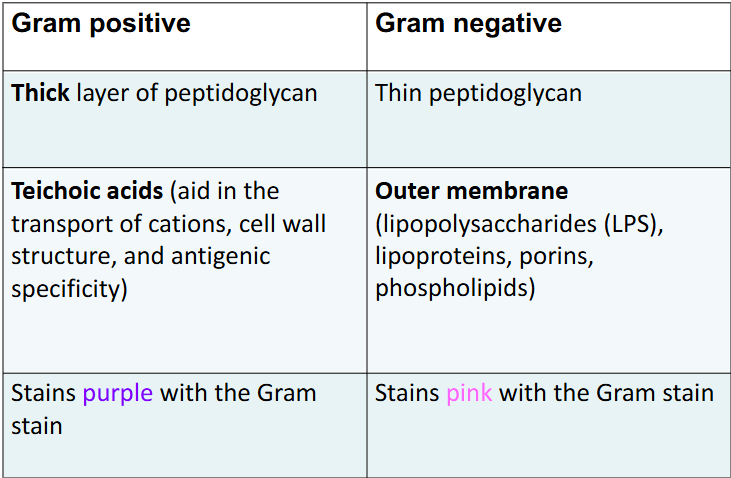
Differentiate Gram Positive bacteria vs. Gram Negative bacteria
Which Gram Bacteria is more susceptible to antibiotics and disinfectants?
Gram Positive bacteria
Describe glyococalyx’s role (sticky carbohydrate layer) in Eukaryotes
In eukaryotes, carbohydrates are bonded to proteins and lipids in the plasma membrane
Glycocalyx functions to strengthen the cell’s surface and attach cells together
Describe glyococalyx’s role (sticky carbohydrate layer) in Prokaryotes
In prokaryotes, carbohydrates are outside the cell wall
Has two layers:
Capsule: helps bacteria avoid phagocytosis
Slime layer
What does taxis mean and what are the three taxis?
Taxis means movement of a cell
Phototaxis: response to light
Thermotaxis: response to temperature
Chemotaxis: response to a chemical or nutrient
Describe Positive Taxis vs. Negative Taxis
Positive taxis: cell moves towards the stimulus
Negative taxis: cell moves away from the stimulus
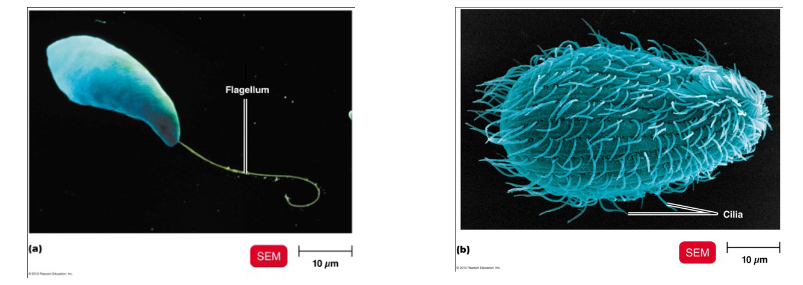
Eukaryotic Cell Movement
Consists of a flagella which is a long flexible tail and cilia which are small projections around the cell
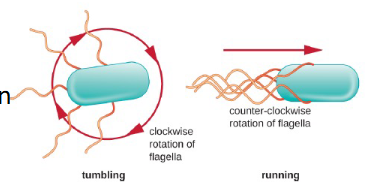
Prokaryotic movement
If the bacteria wants to run/swim in a direction, it will move its flagella counter-clockwise
If the bacteria wants to prevent movement, it will move its flagella clockwise
Swarming is rapid-like movement
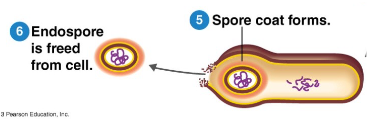
What are endospores? (things that only prokaryotes have)
A coat that protects prokaryotes from harsh conditions, only present in gram positive cells. In the right conditions, the endospore can revert to a vegetative state (growing)
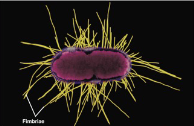
What are fimbriae? (things that only prokaryotes have)
Bristle-like structures that enable attachment, numbering from a few to several hundred
What are pilus? (things that only prokaryotes have)
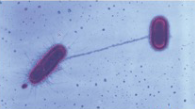
Longer hair-like structures that are used for motility and DNA transfer
Only one or two per cell
What are inclusions? (things that only prokaryotes have)
Reserve nutrients in the cell when other nutrients cannot be found in the environment
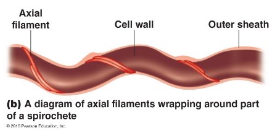
What are axial filaments? (things that only prokaryotes have)
Found mostly inside spiral-shaped bacteria, where it causes the bacteria to move in a spiral motion