price discrimination
 Call Kai
 Learn
Learn Practice Test
 Spaced Repetition
 Match
Match Flashcards
 Knowt Play
1/17

There's no tags or description
Looks like no tags are added yet.
Name | Mastery | Learn | Test | Matching | Spaced | Call with Kai |
|---|
No analytics yet
Send a link to your students to track their progress
18 Terms
conditions for price discrimination
market power
identifiable groups
difficult or non transferable
price differences and price discrimination
different price means a there is a difference in the good that means the price is different rather that discriminating against a group with a different price
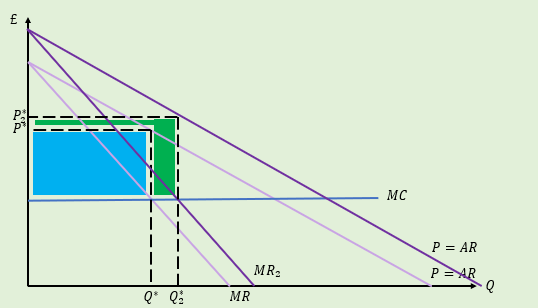
first degree price discrimination
consumers charge reservation price (maximum willingness to pay, price change based on unit and consumer).
this is charging on the demand curve to capture maximum consumer surplus
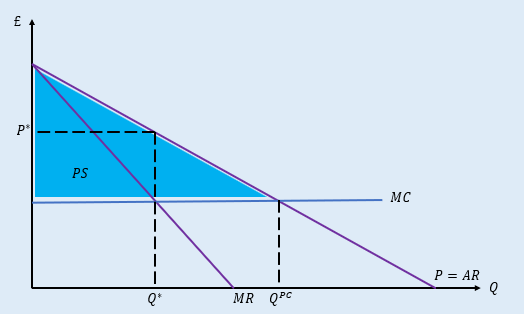
perfect price discrimination and efficiency
PPD is very efficient, captures all surplus and there is no deadweight loss
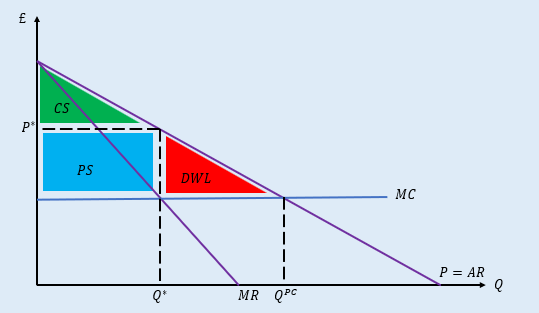
issues with PPD
it is not realistic to know every consumers demand curve
group price discrimination
charging different prices to different groups of consumers, this is more practical compared to PPD
determining price for group discrimination
split market into two groups
then maximise profit for both groups
MRa = C
MRb = C

charging prices to different groups
maximise profit separately
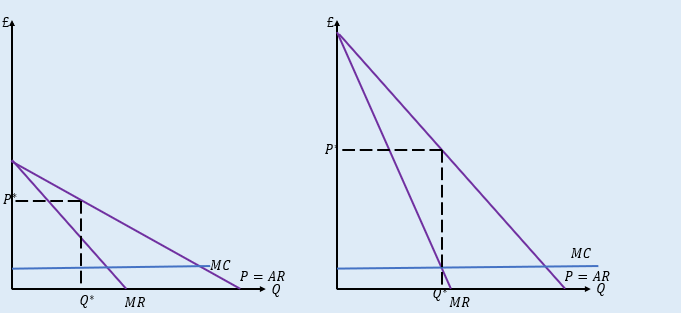
kink in the demand curve when charging different price
this is where both groups start to demand the good, add both demand functions together
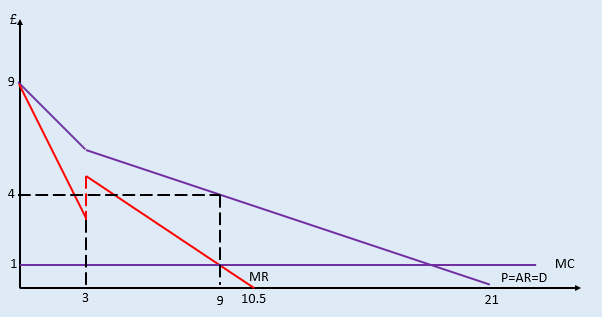
non linear price discrimination
charging different prices at different quantities, people are often more willing to pay more for the first unit compare to the next
2 part pricing
consumers are charged in two parts, an access fee to purchase and a lower price for each unit of the good
TE = access fee + price * quantity
profit maximising in 2 part pricing
•Will purchase if CS≥0
•Q=10-P,TC=Q
•Q^∗=4.5,P=5.5
•π=5.5∗4.5-4.5=20.25
•CS=0.5(10-5.5)(4.5)=10.125
•Consumer Surplus could be charged away and consumers will still purchase
•We could do this and gain more profits
•π_2PART=CS+20.25=10.125+20.25=30.375
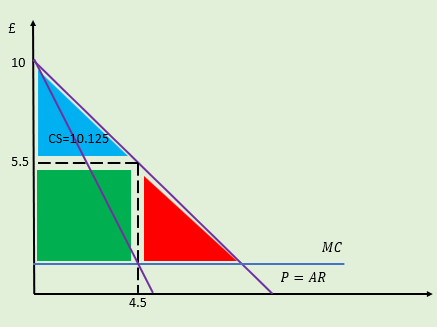
2 part pricing with identical consumers
charge a price equal to marginal cost
charge consumer surplus at this quantity as the access fee
•Q=10-P, TC=Q
•Will charge Price of 1 (9 units demanded)
•Access fee= Consumer Surplus = 1/2∗9∗(10-1)=40.5
•π=40.5+1∗9-9=40.5
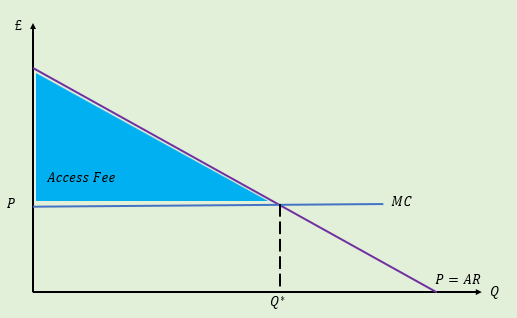
no identical consumers in 2 part pricing
more difficult
perfect discrimination but with different access fee per person
maximise profits across both consumers
charging price above MC in discrimination
P>MC
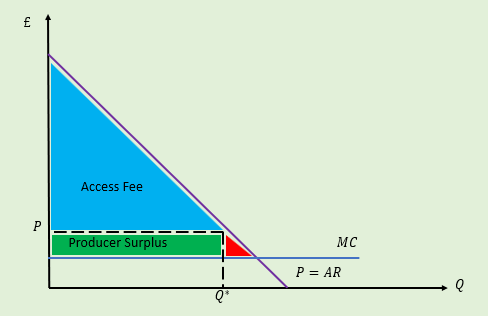
optimal price in price discrimination
compare two cases → charging p > MC then focus on the group with higher payments
profits from low demand → charge their CS as access fee + profits from sales
profits from high demand → access fee low demand faces + profit from sales
IN TERMS OF P
tie in sales
can only purchase if they buy another product too, can be illegal in some cases but often a warranty works around this
advertising
can be used to increase profits, firm spends X on advertising this will increase demand. only is advertising is less than profits gained