DK Ching VD - History
 Call Kai
 Learn
Learn Practice Test
 Spaced Repetition
 Match
Match Flashcards
 Knowt Play
1/167

There's no tags or description
Looks like no tags are added yet.
Name | Mastery | Learn | Test | Matching | Spaced | Call with Kai |
|---|
No analytics yet
Send a link to your students to track their progress
168 Terms
civilization
an advanced state of human society marked by a relatively high level of cultural, technical, and political development
society
an enduring and cooperating large-scale community of people having common traditions, institutions, and identity, whose members have developed collective interests and beliefs through interaction with one another
culture
the integrated pattern of human knowledge, beliefs, and behaviors built up by a group of human beings and transmitted from one generation to the next
style
a particular or distinctive form of artistic expression characteristic of a person, people, or period
expression
the manner in which meaning, spirit, or character is symbolized or communicated in the execution of an artistic work
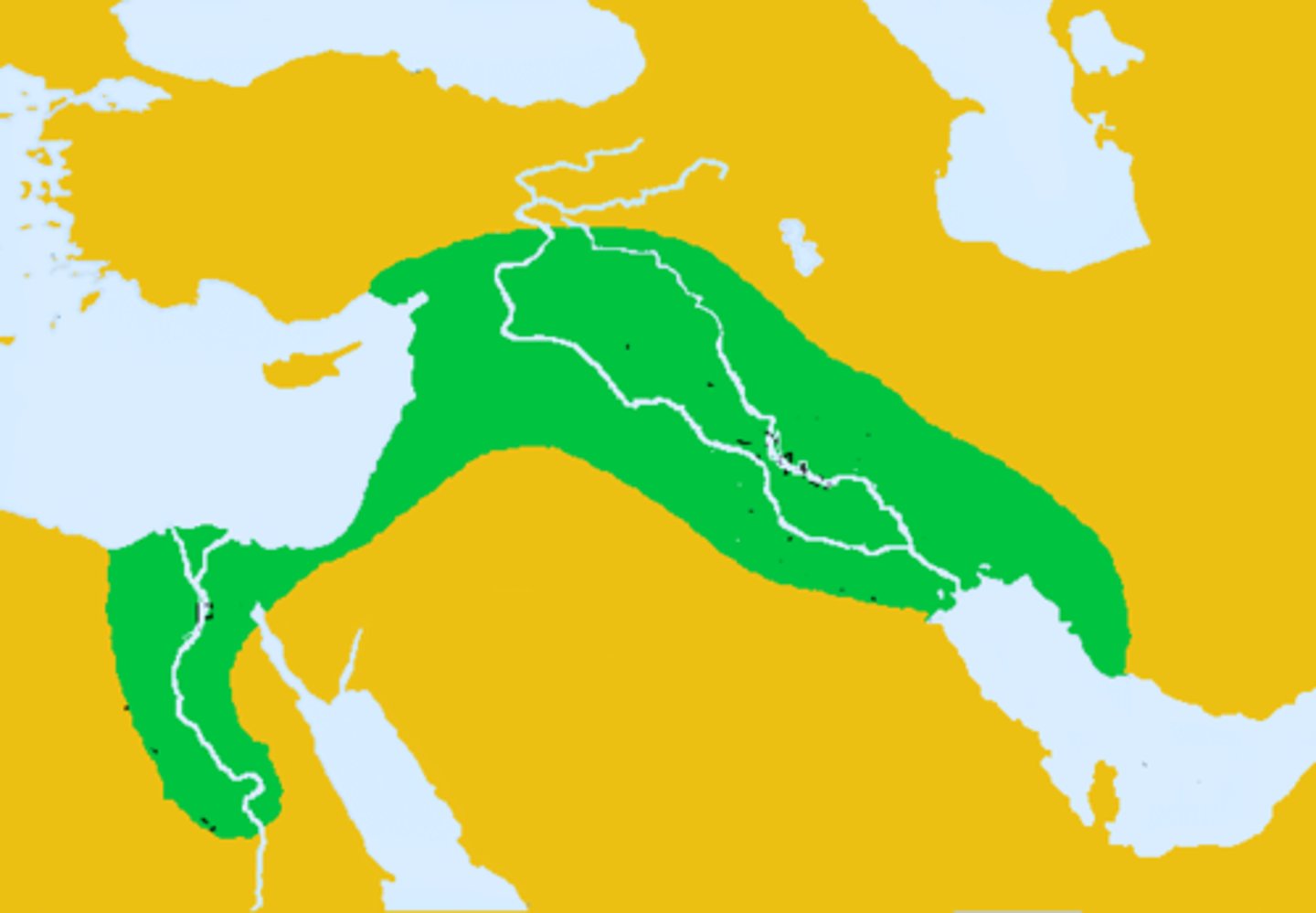
fertile crescent
an agricultural region arching from the eastern shores of the Mediterranean Sea in the west to Iraq in the east, the location of humankind's earliest cultures
Sumerian architecture
the architecture developed by the Sumerians, who dominated southern Mesopotamia; characterized by monumental temples of sun-dried brick faced with burnt or glazed brick
tell
an artificial mound accumulated from the remains of one or more ancient settlements
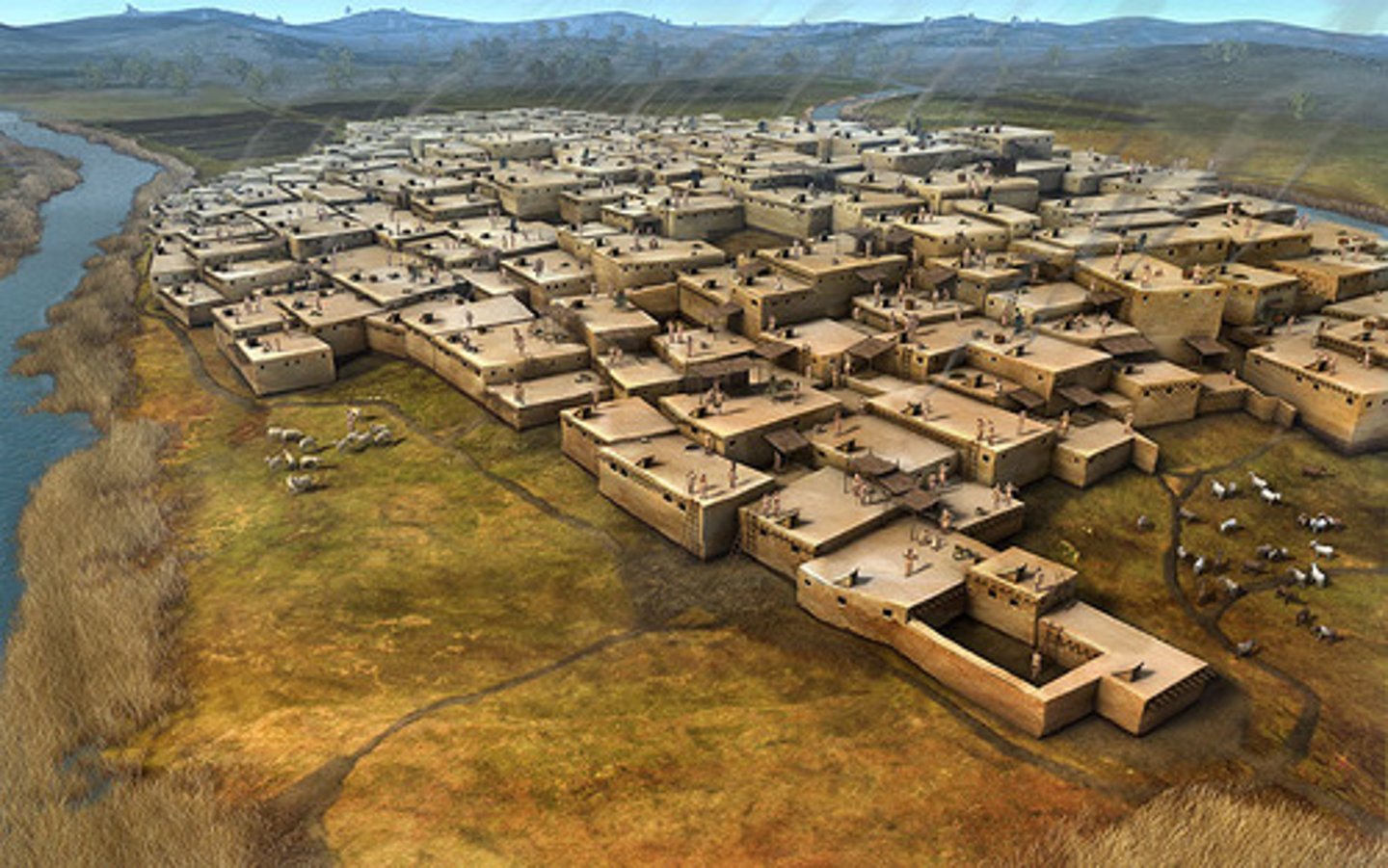
Catal Huyuk
a neolithic settlement in Anatolia, dated 6500-5000 BCE; it had mud-brick fortifications and houses, frescoed shrines, a fully developed agriculture and extensive trading in obsidian, the chief material for tool-making
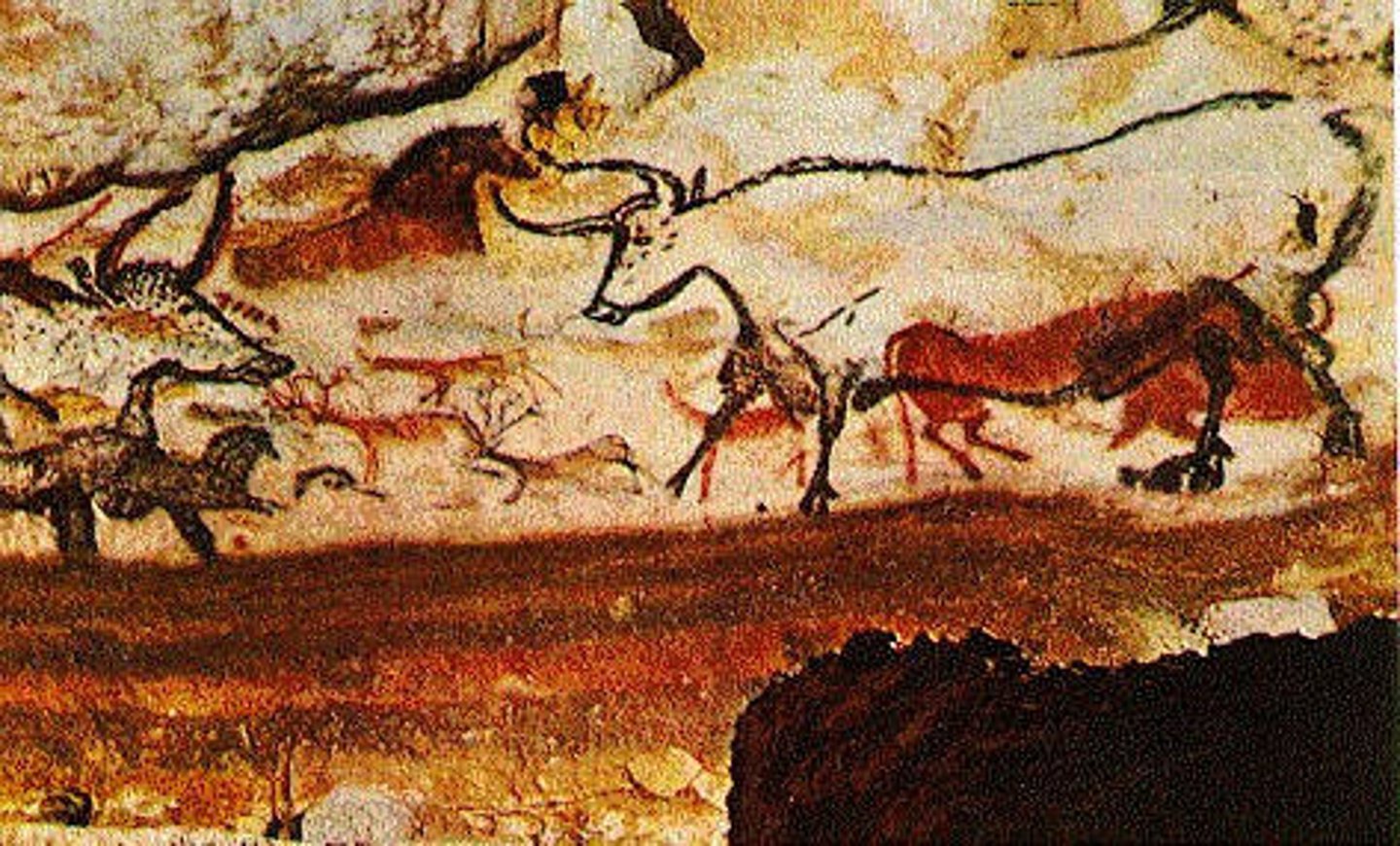
Lascaux Cave
a cave in Lascaux, France, containing wall paintings and engravings thought to date from c. 13,000-8500 BCE
prehistoric
of, or pertaining to, or existing in the time prior to the recording of human events
stone age
the earliest known period of human culture, preceding the bronze age and the iron age and characterized by the use of stone implements and weapons
neolithic
of or relating to the last phase of the stone age, characterized by the cultivation of grain crops, domestication of animals, settlement of villages, manufacture of pottery and textiles, and use of polished stone implements
bronze age
a period of human history that began c. 4000-3000 BCE, following the stone age and preceding the iron age, characterized by the use of bronze implements
harappa
a bronze age culture that flourished in the indus valley c. 2300-1500 BCE
yang-shao
a neolithic culture in china centered around the fertile plains of the yellow river, characterized by pit dwellings and fine pottery painted in geometric designs
Chinese architecture
the indigenous architecture of a vast country in eastern asia whose civilization has continually evolved and survived longer than any other nation in the world
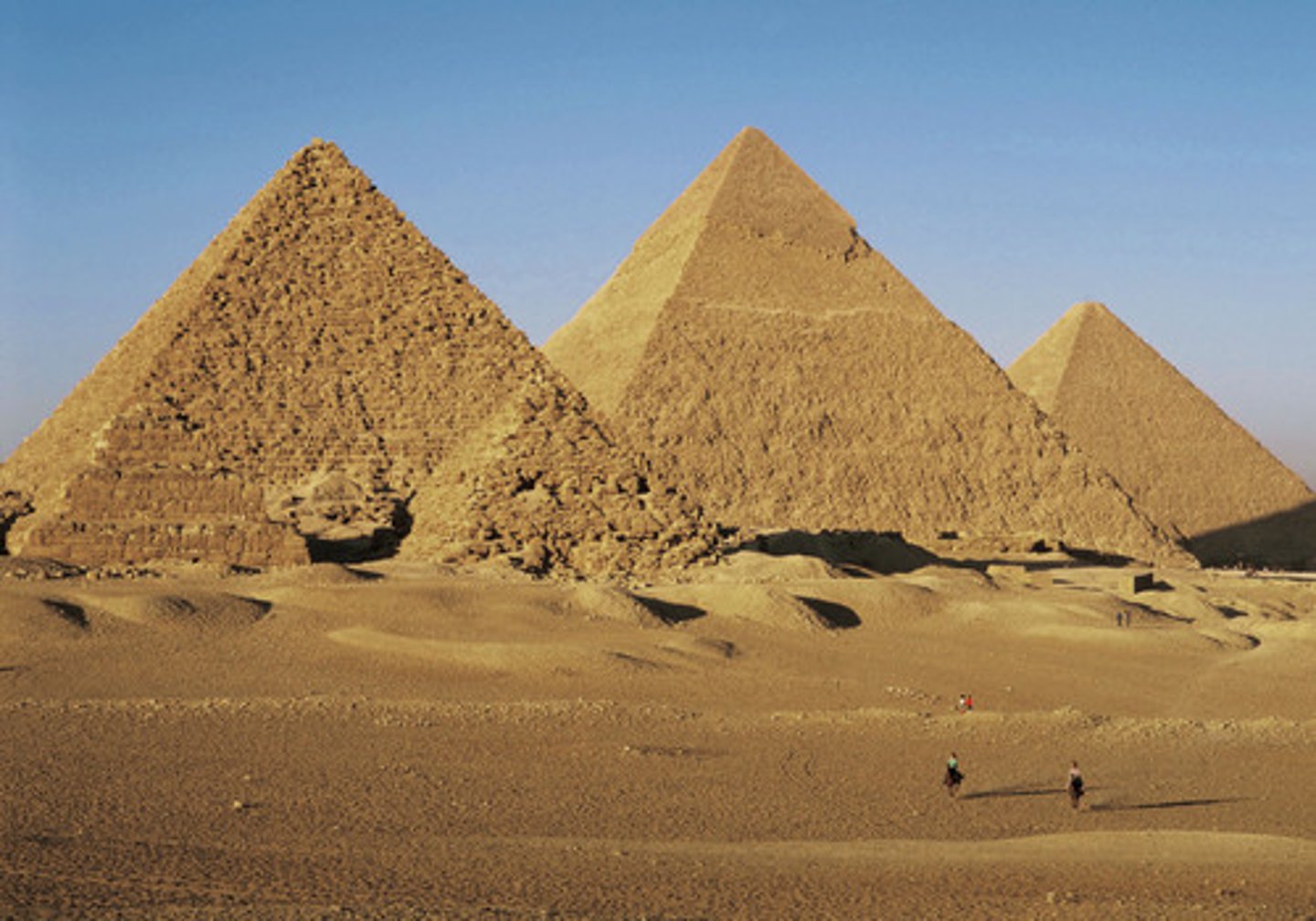
Egyptian architecture
the architecture of the ancient civilization that flourished along the nile river in northwest africa from before 3000 BCE to its annexation by rome in 30 BCE, characterized esp. by the axial planning of massive masonry tombs and temples, the use of trabeated construction with precise stonework, and the decoration of battered walls with pictographic carvings in relief
Hittite architecture
the architecture of the hittite empire, which dominated asia minor and northern syria from about 2000 to 1200 BCE, characterized by fortifications cyclopean stone masonry and gateways with portal sculptures
Assyrian architecture
the mesopotamian architecture developed under the assyrian king-emperors of the 9th to 7th centuries BCE; within city walls strengthened by towers with crenelated battlements
Code of Hammurabi
a babylonian legal code instituted by hammurabi in the mid-18th century BCE, based on principles absorbed from Sumerian culture
Minoan architecture
the architecture of the bronze age civilization that flourished on crete from about 3000 to 1100 BCE; characterized by the elaborate palaces at knossus and phaetus
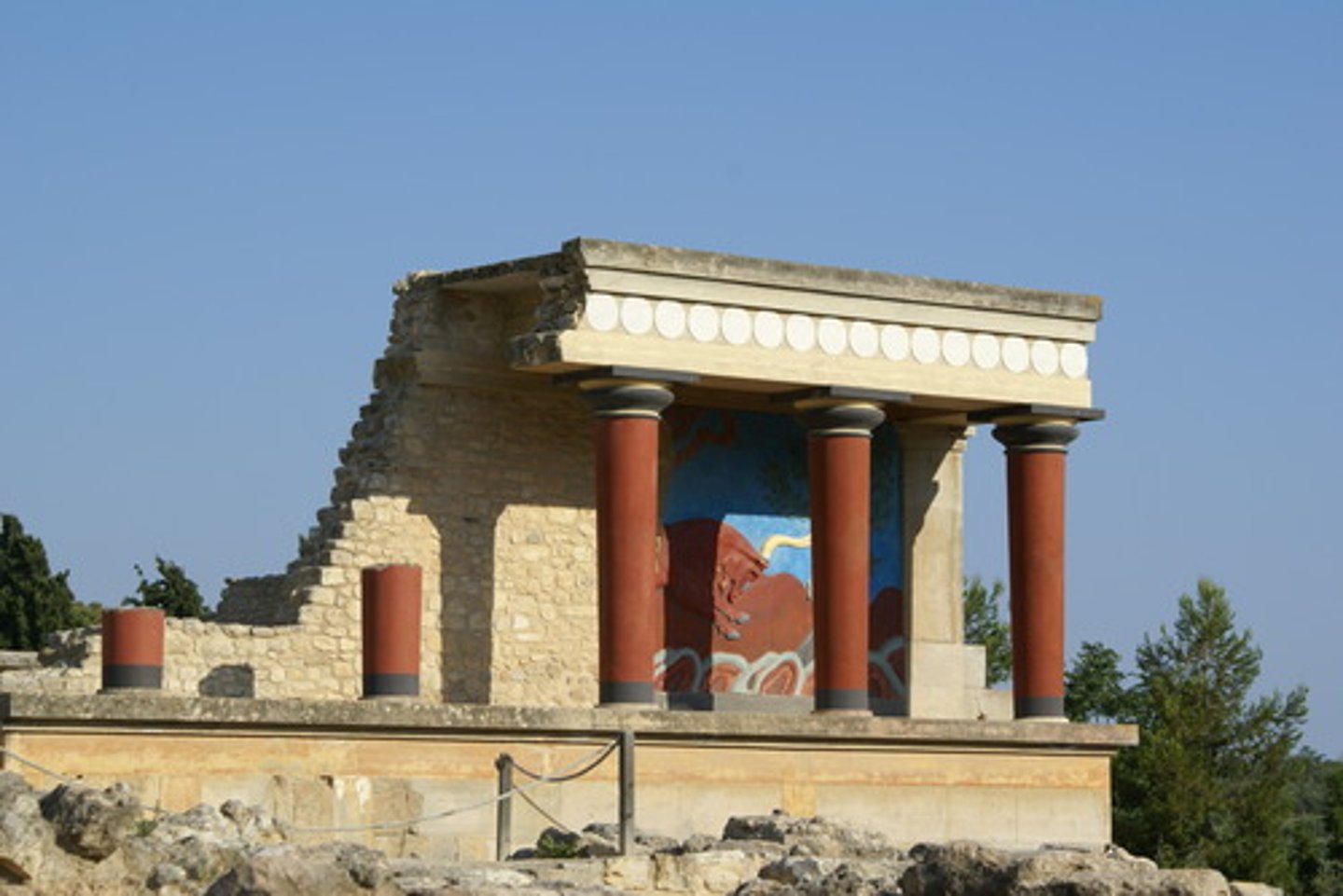
Mycenaean architecture
the architecture of the aegean civilization that spreads its influence from mycenae in southern greece to many parts of the mediterranean region from about 1600 to 1100 BCE, characterized by shaft graces, monumental beehive tombs, and palaces fortified with cyclopean walls
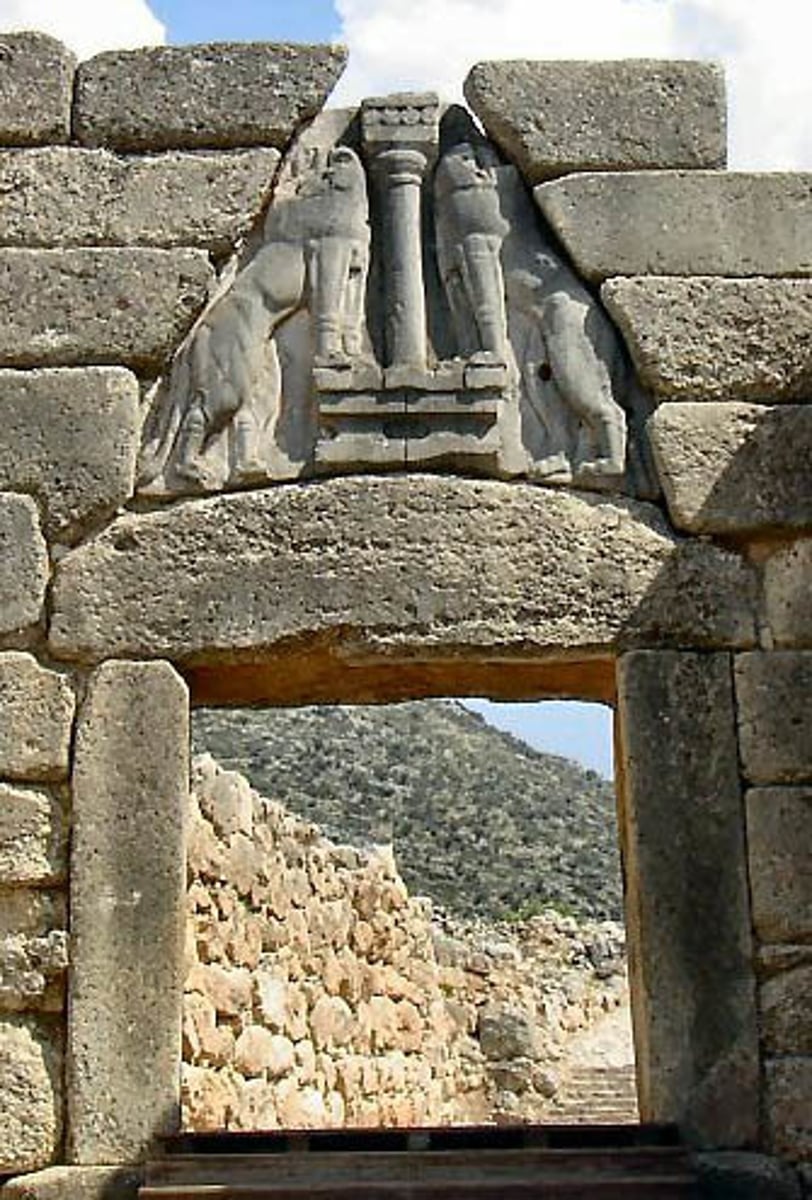
Greek architecture
the architecture of the civilization that flourished on the greek peninsula; characterized by a system of construction based on rules of form and proportion; temples of post-and-lintel construction
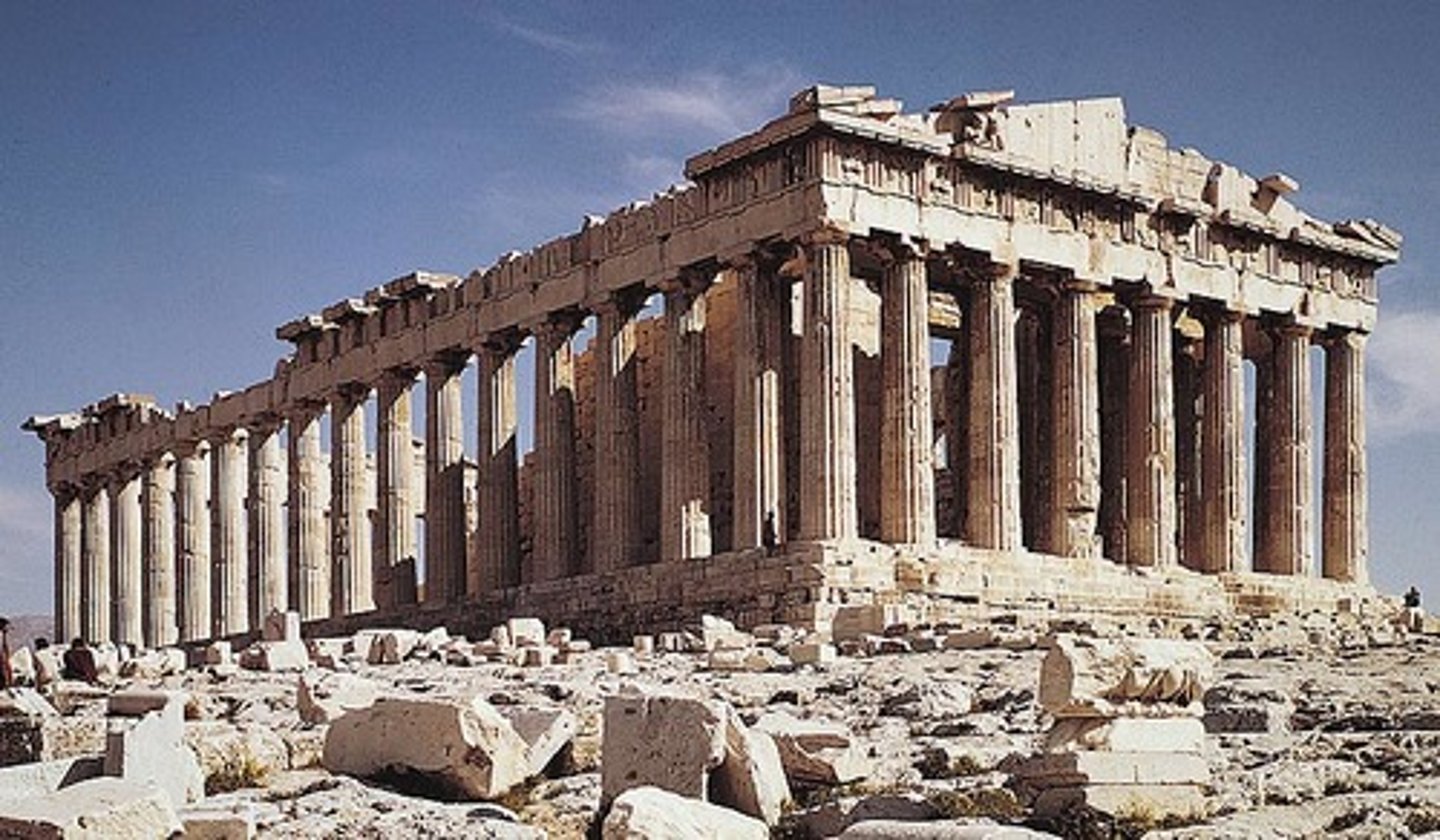
mingtang
bright hall; a ritual structure in chinese architecture that serves as the symbolic center of imperial power
biyong
jade ring moat; a ritual structure in chinese architecture enclosing a space in the shape of the bi, a flat jade ceremonial disk
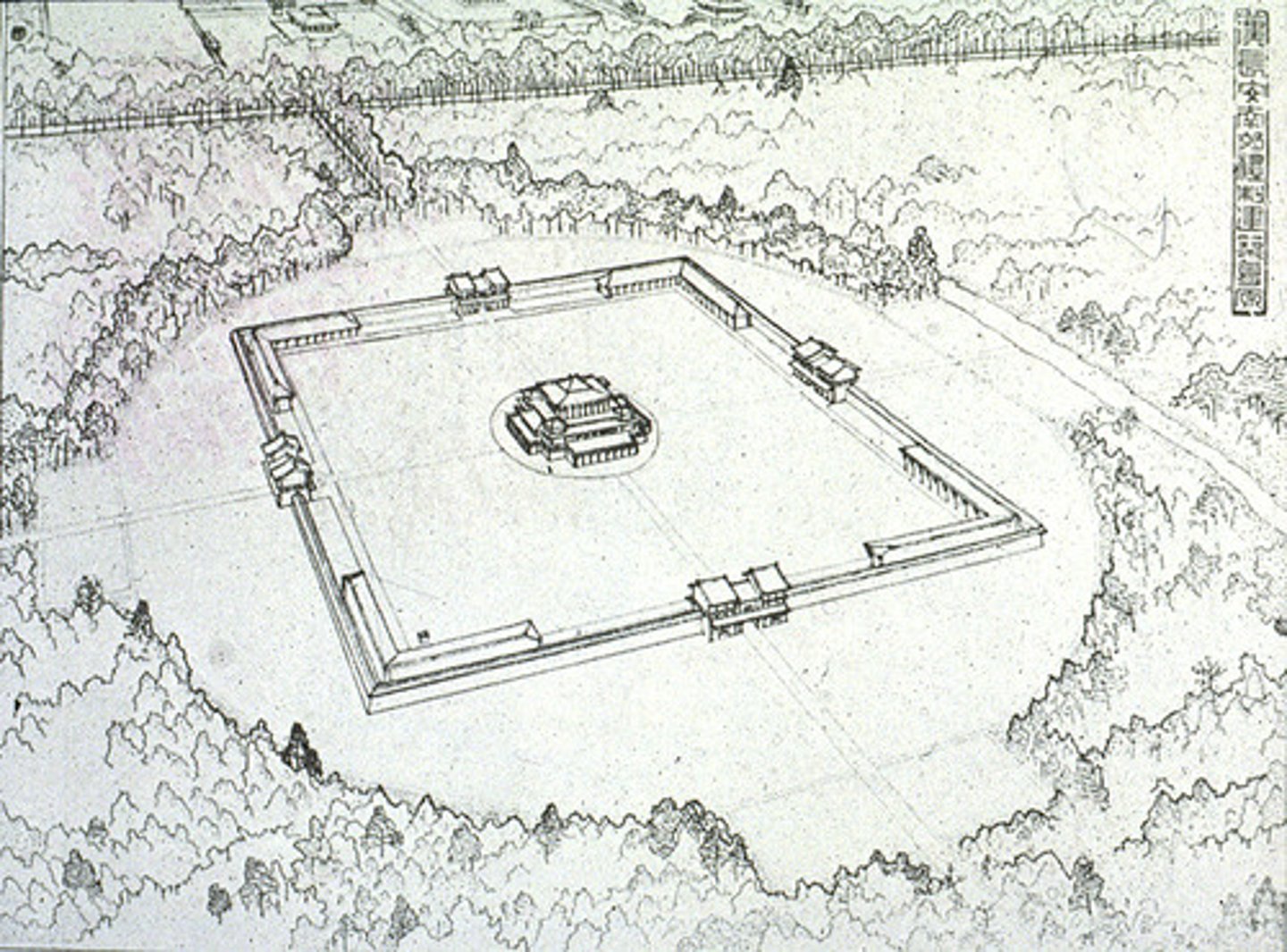
lingtai
spirit altar; a raised astronomical observatory in chinese architecture, usually the central, circular upper story of the mingtang
jian
a standard unit of space in chinese architecture, marked by adjacent frame supports
preclassic
of or pertaining to mesoamerican culture from 2200 BCE to 100 CE
Persian architecture
the architecture developed under the achaemenid dynasty of kings who ruled ancient persia; characterized by a synthesis of architectural elements of surrounding countries, such as assyria, egypt, and ionian greece
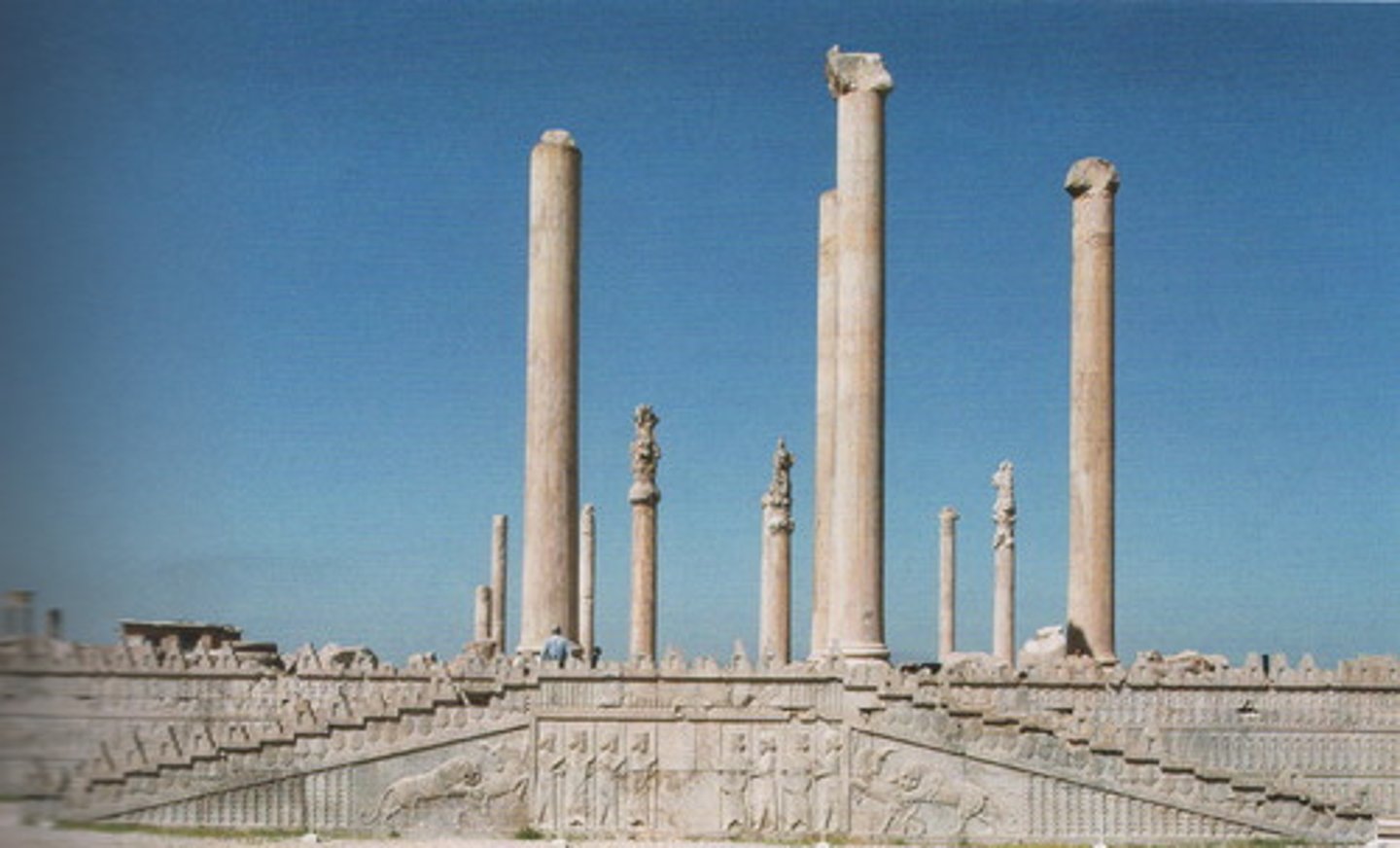
apadana
the grand columnar audience hall in a persian palace
Parthian architecture
the architecture developed under parthian rule in iran and western mesopotamia; combining classical with indigenous features
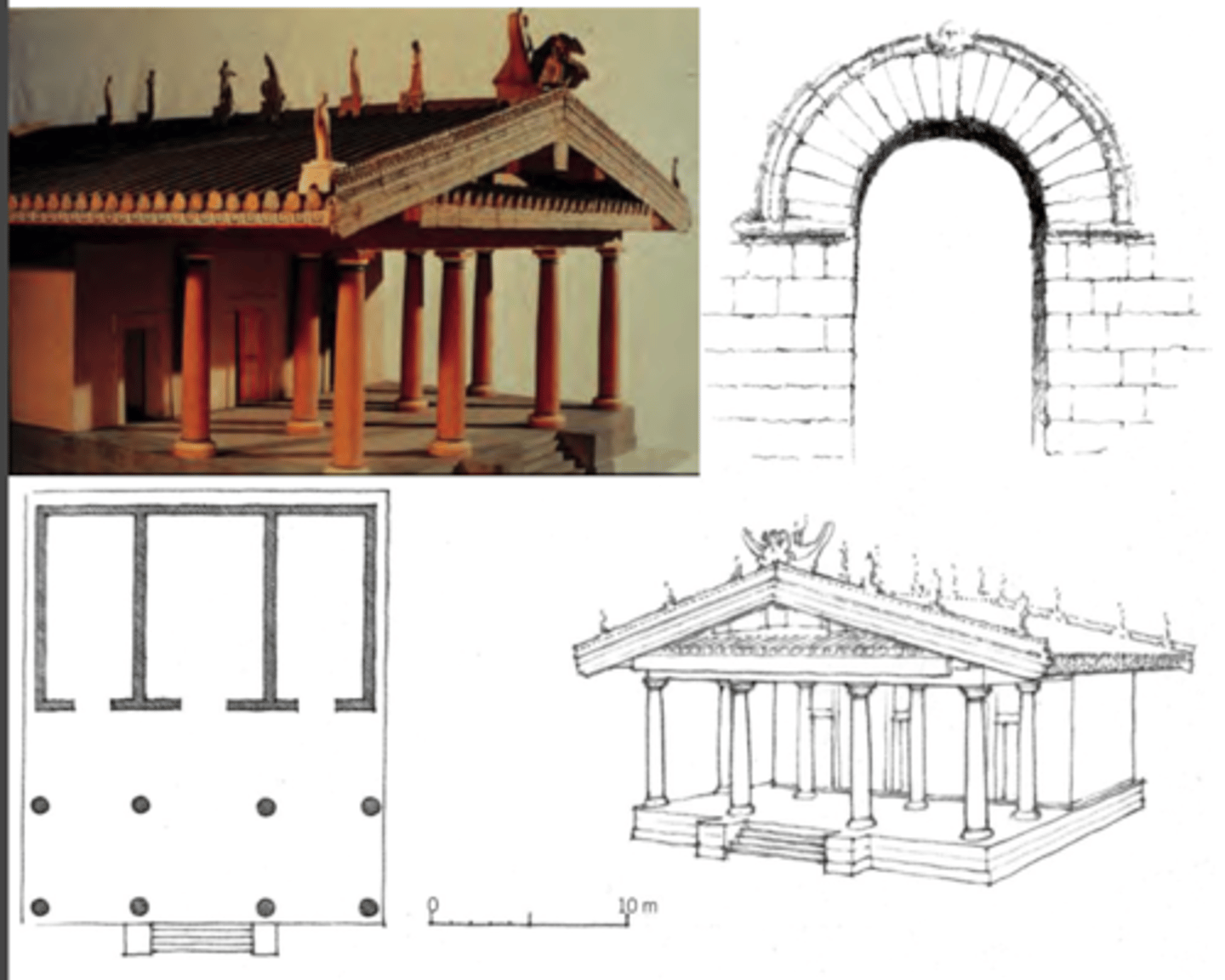
Etruscan architecture
the architecture of the etruscan people in west-central italy from the 8th to 3rd centuries BCE, before the rise of rome; its construction methods, esp. that of the true stone arch, influenced later roman architecture
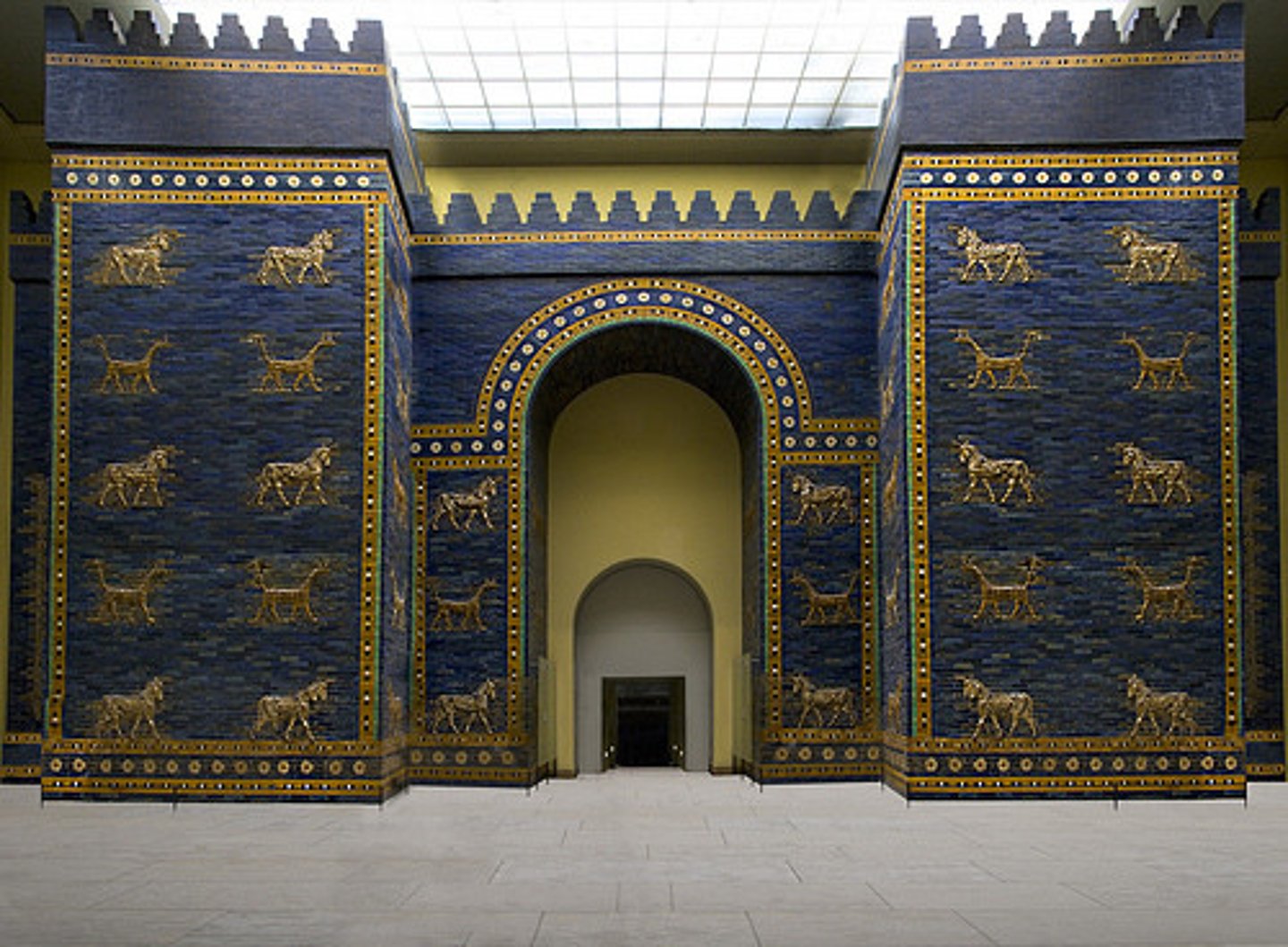
Neo-Babylonian architecture
the mesopotamian architecture that developed after the decline of the assyrian empire, deriving much from assyrian architecture and enhanced by figured designs of heraldic animals in glazed brickwork
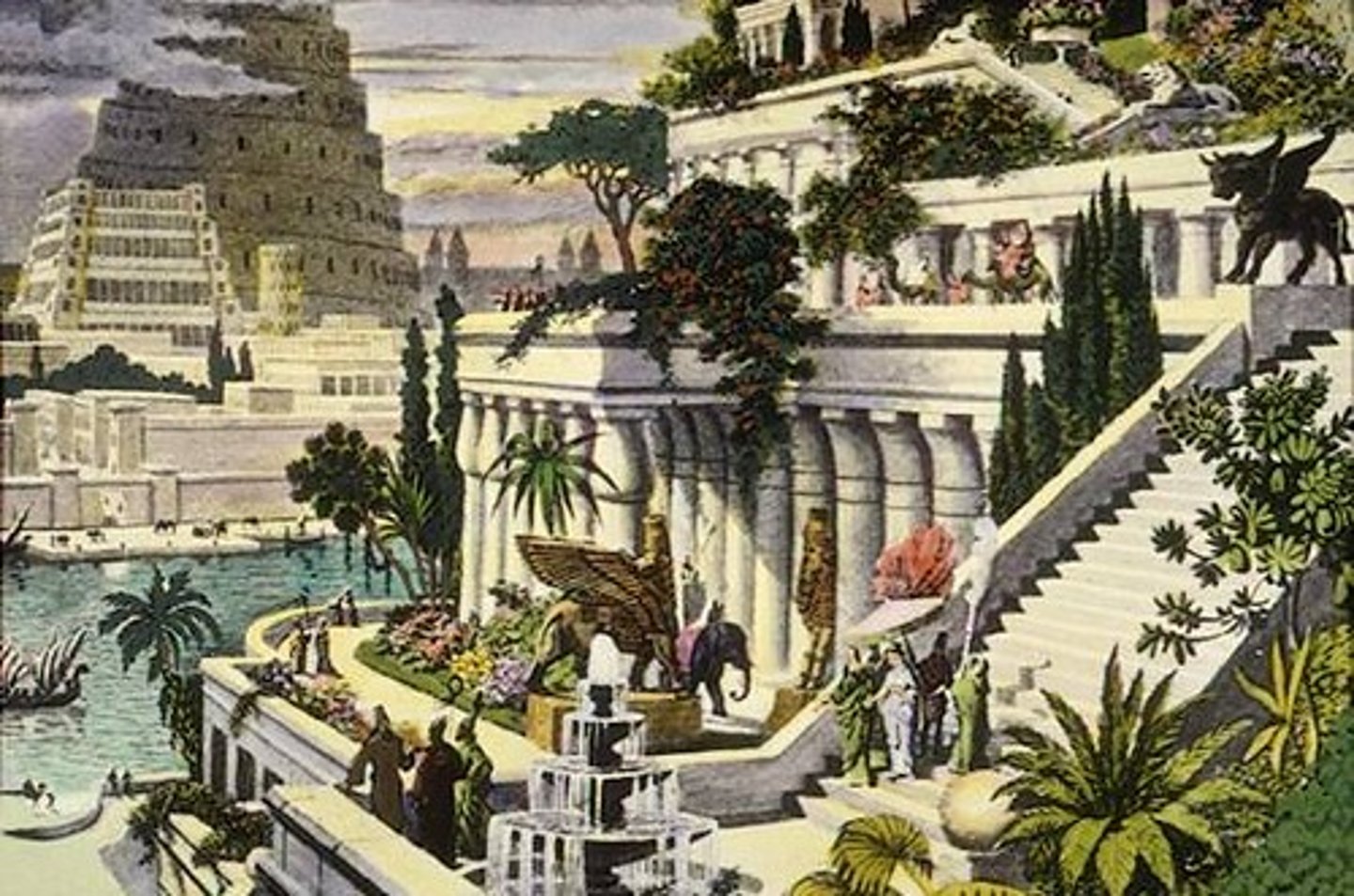
Hanging Gardens of Babylon
a series of irrigated ornamental gardens planted on the terraces of the citadel
Hellenic
of or pertaining to ancient greek history, culture, and art, esp. before the time of alexander the great
Hellenistic
of or pertaining to greek history, culture, and art from the time of alexander the great's death in 323 BCE through the 1st century BCE
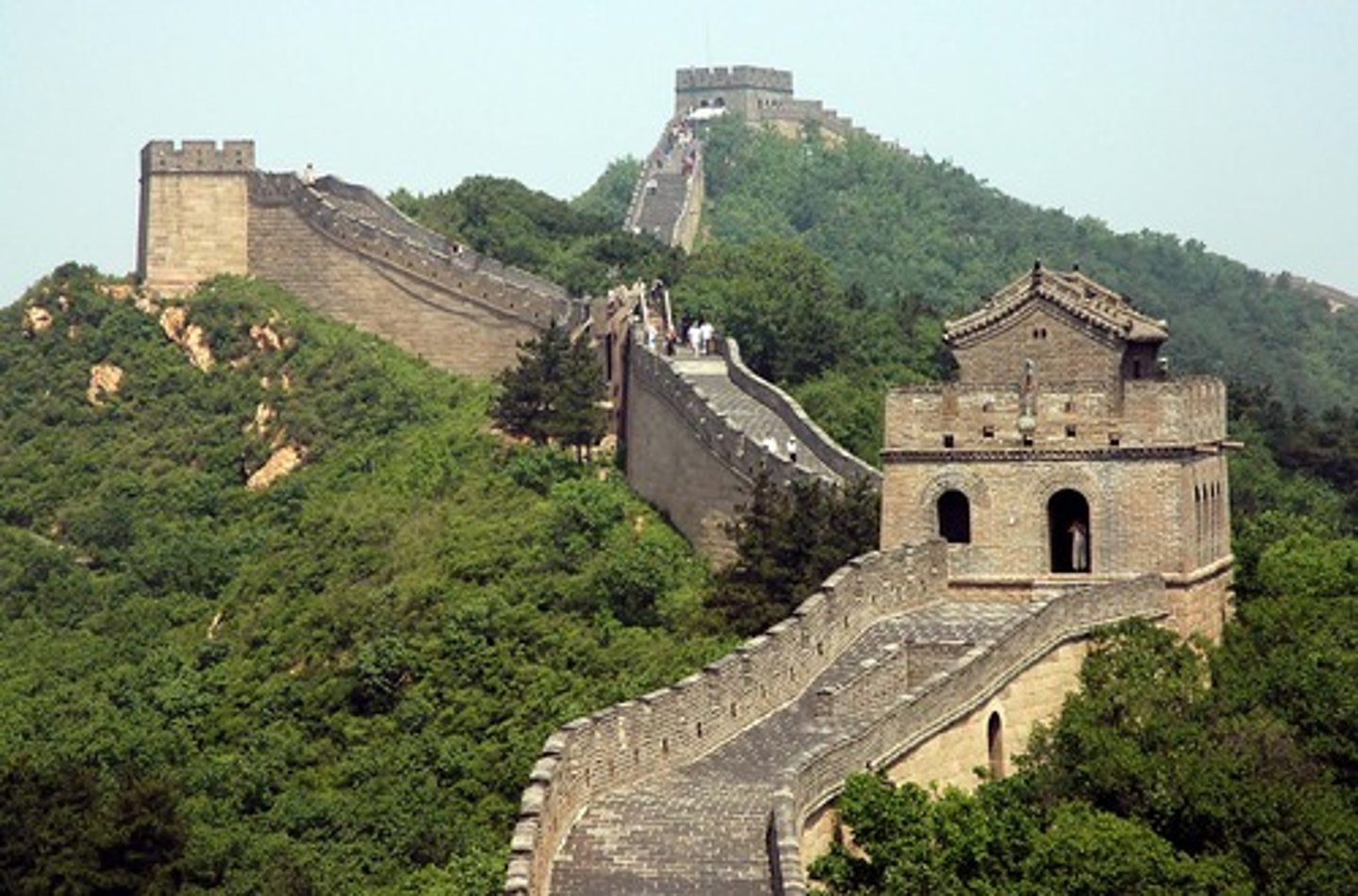
Great Wall of China
a fortified wall commenced under the zhou dynasty to protect china against nomads from the north and serve as a means of communication; extended for 1,500 miles (2,415 km), from the southern kansu province to the coast east of beijing
Mochica
a pre-incan culture that flourished on the northern coast of peru from c. 200 BCE to 700 CE, noted for its fine pottery and the colossal temple of the sun, a terraced pyramid made entirely of adobe bricks
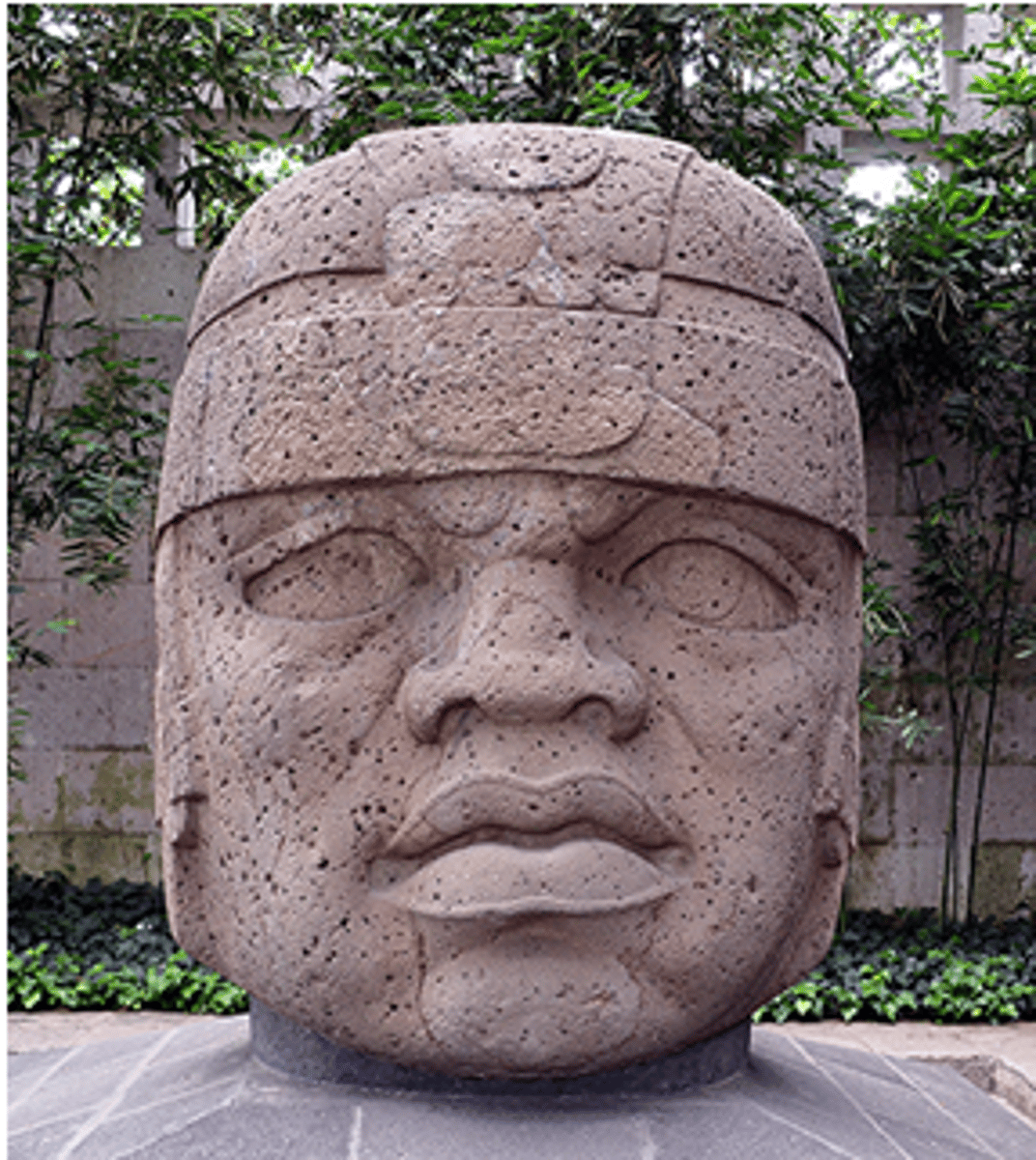
Olmec architecture
the architecture of the mesoamerican civilization, which flourished c. 1200-500 BCE in the tropical lowlands of the mexican gulf coast, characterized by temple-pyramids and large ceremonial centers
Indian architecture
the architecture of the indian subcontinent, from the indus valley culture of the harappa to the mauryan era; characterized esp. by hindu and buddhist monuments, sometimes sharing the same site, and rhythmic, stratified multiplication of motifs and profuse carved ornamentation, often combining the religious and the sensous
Chavin
a peruvian culture lasting from c. 1000 BCE to c. 200 BCE, based on the worship of the jaguar god and characterized by excellent stone sculpture, elaborate gold work, and remarkable ceramics
Chavin architecture
the architecture of the chavin civilization that developed in the northern andean highlands from 900 BCE to 200 BCE, characterized chiefly by the chavin de huantar temple complex
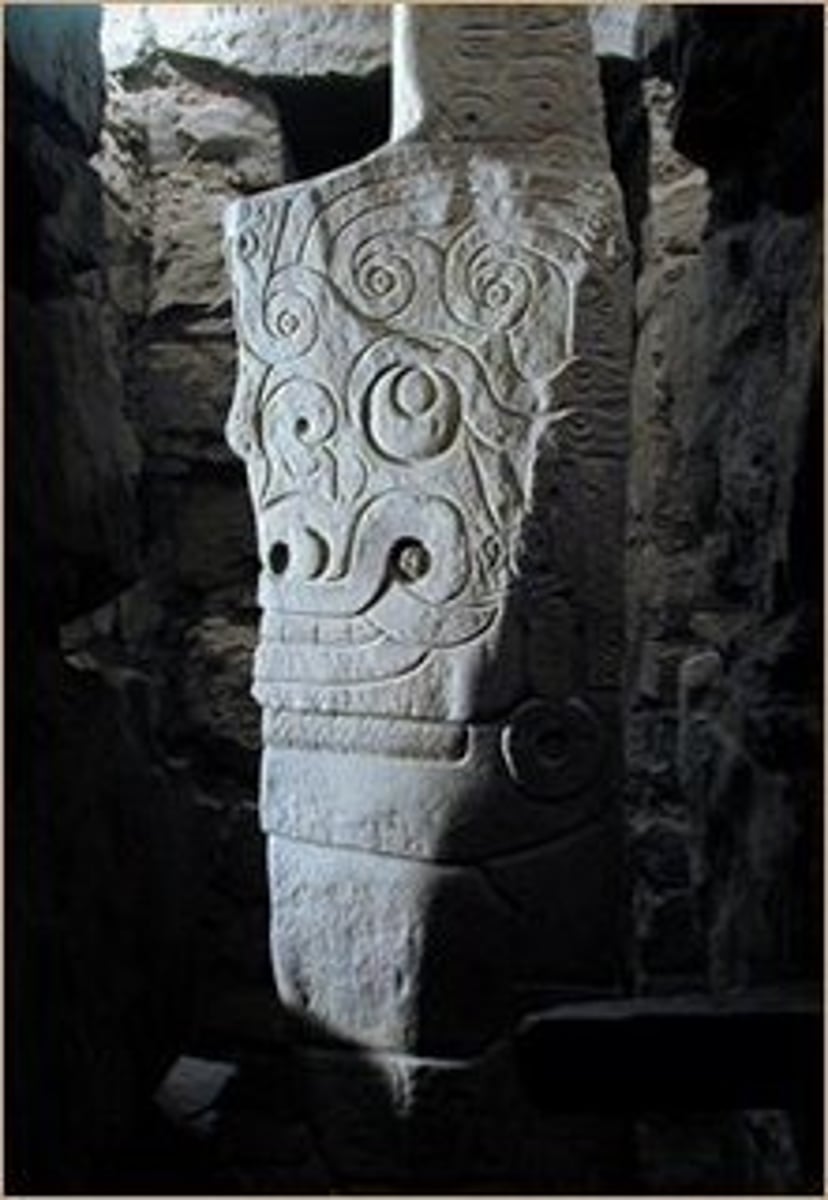
Lanzon
a column of rock portraying a chavin mythical being who provided the god's oracular declamations
Classical architecture
the architecture of ancient greece and rome, on which the italian renaissance and subsequent styles, such as the baroque and the classic revival, based their development
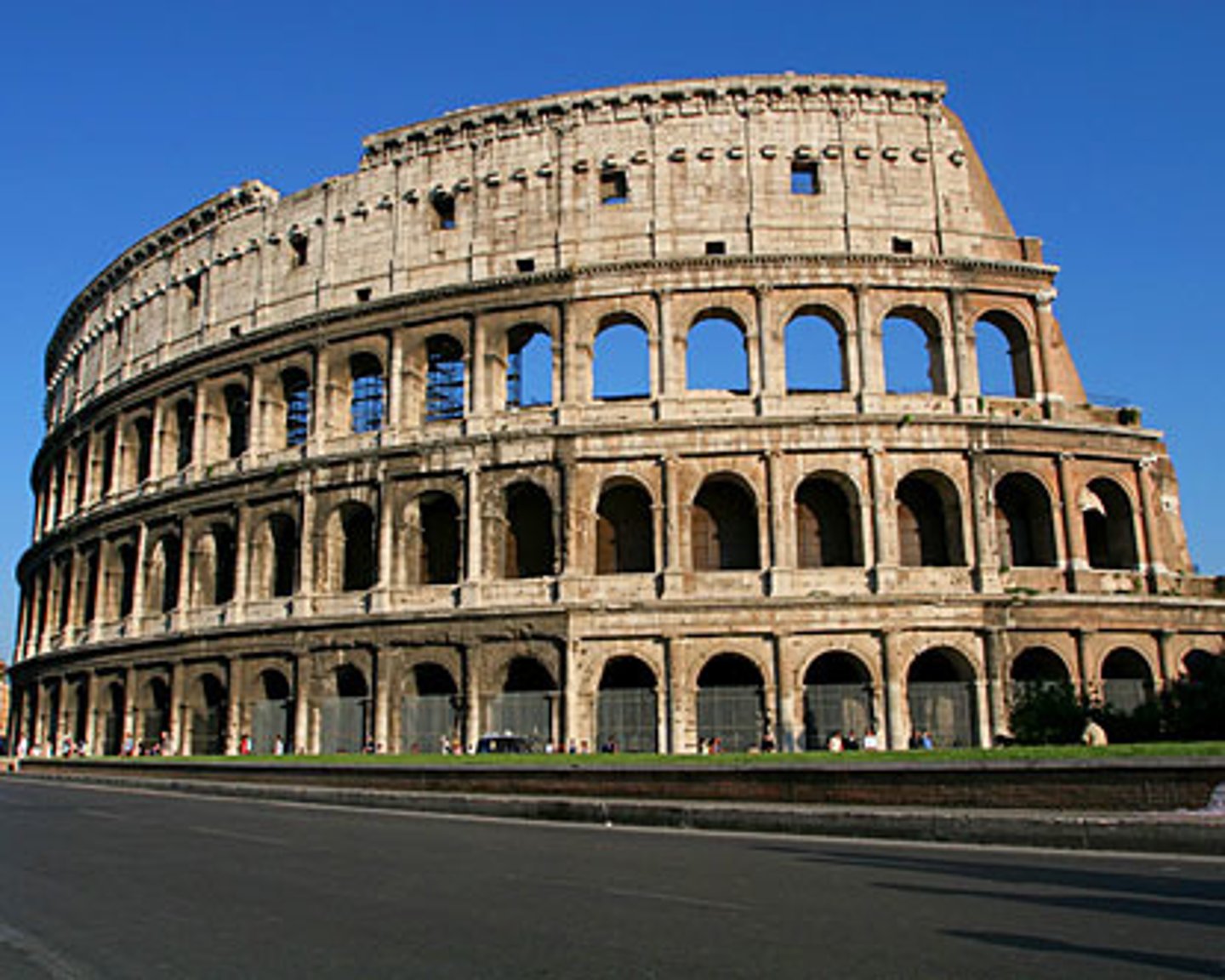
Roman architecture
the architecture of the ancient roman people, characterized by massive brick and concrete construction employing such features as the semicircular arch, the barrel and groin vaults, and the dome
cardo
the main north-south route in an ancient roman town or military camp
decumanus
the main east-west route in an ancient roman town or military camp
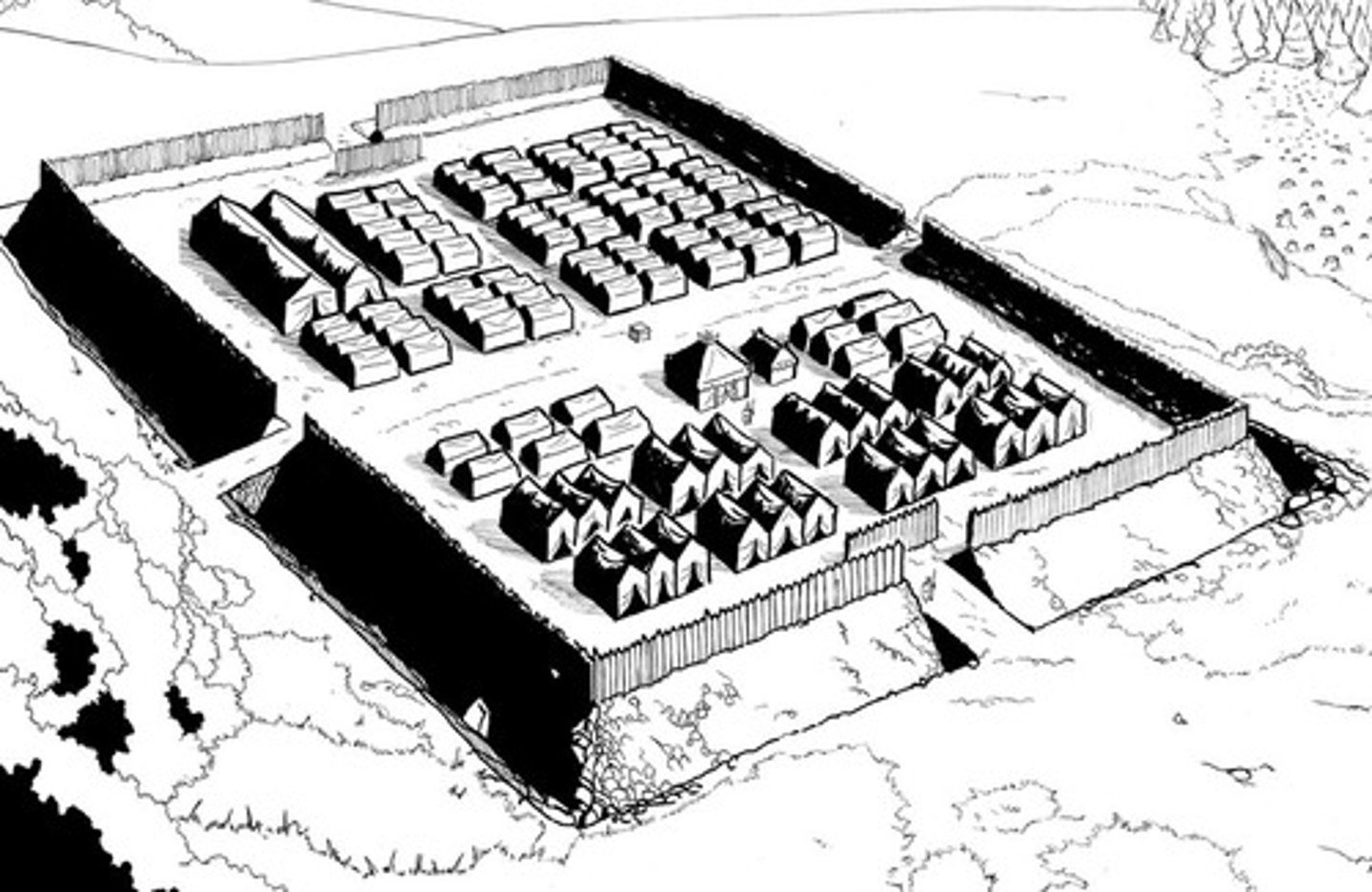
castrum
an ancent roman military camp having streets laid out in a grid pattern
thermae
an elaborate public bathing establishment of the ancient Greeks and Romans
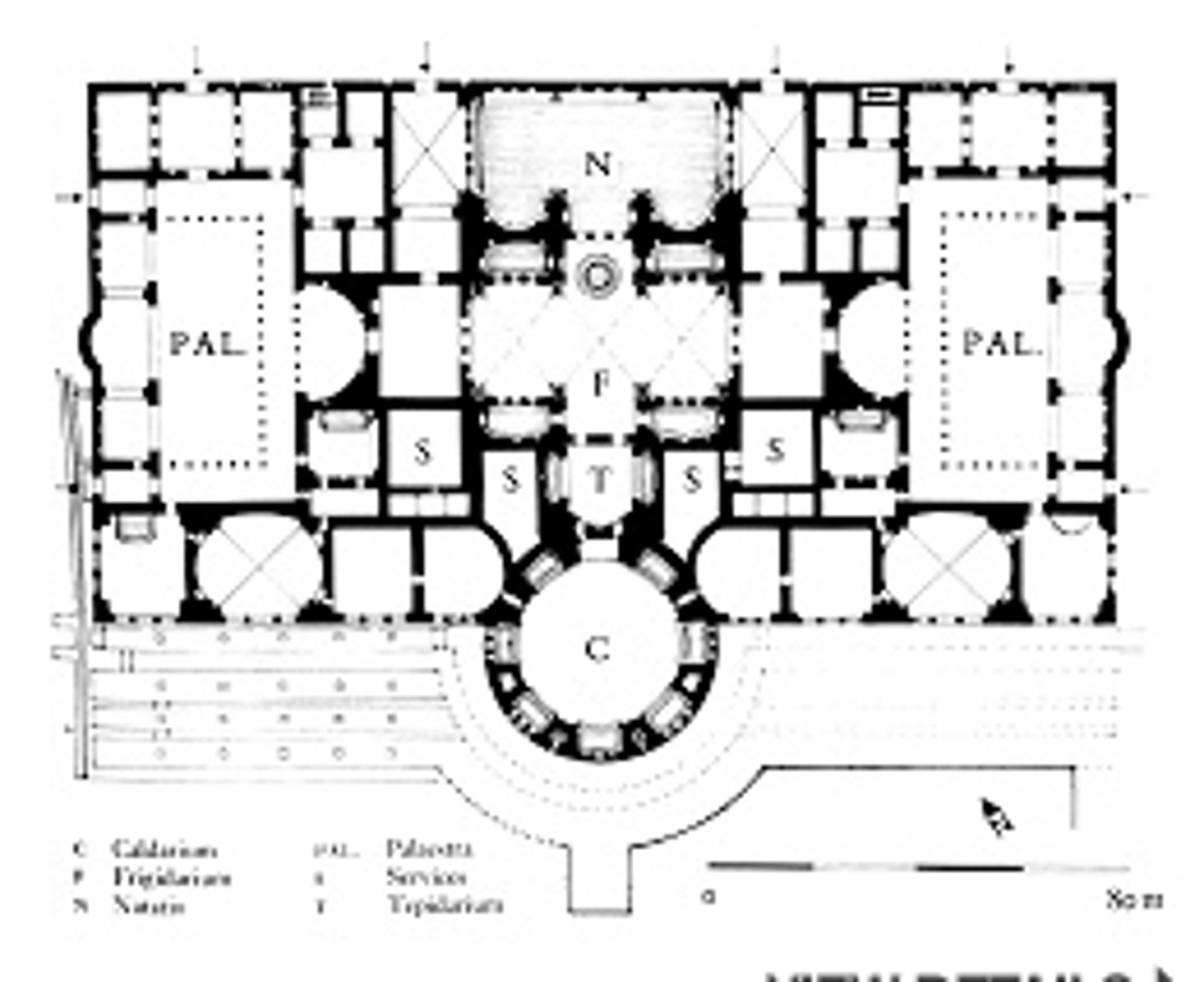
caldarium
the room in an ancient roman thermae containing hot water for bathing
tepidarium
a room containing a bath of moderately warm water in an ancient roman thermae, located between the frigidarium and caldarium
frigidarium
the room in an ancient roman thermae containing a bath of unheated water
hypocaust
a system of flues in the floor or walls of ancient roman buildings, especially baths, that provided central heating by receiving and distributing the heat from a furnace
catacombs
an underground cemetery consisting of linked galleries and chambers with recesses for coffins and tombs
Dravidian
a style of indian architecture in the pallava period, named after the language spoken in southern india
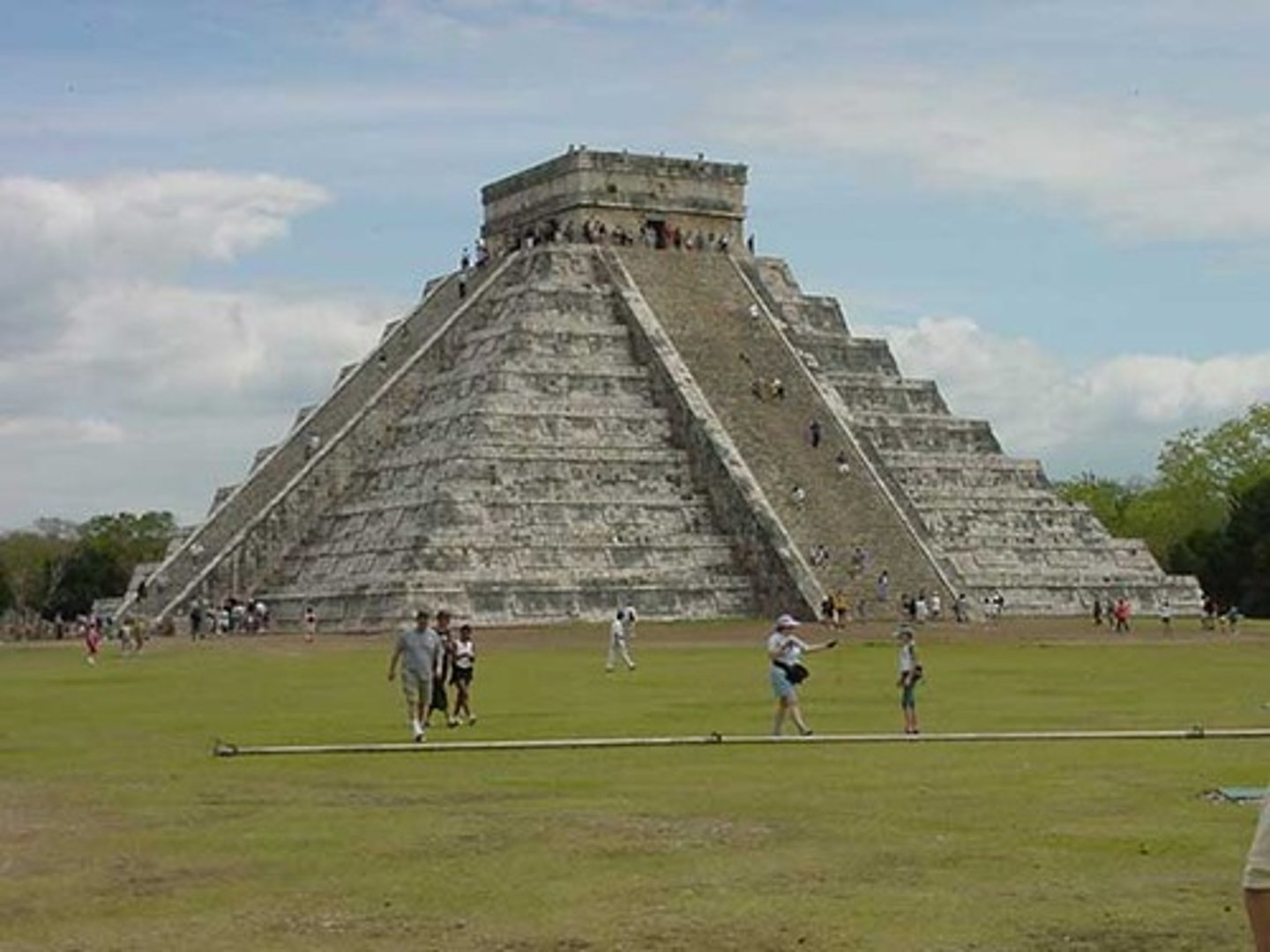
Mayan architecture
the architecture of the mesoamerican civilization of the yucatan peninsula, guatemala; characterized by magnificent ceremonial centers with temple-pyramids, ritual ball courts, spacious plazas, and palaces with sculptured facades
cenote
mayan word for the deep water-filled sink holes that the itza associated with the underworld
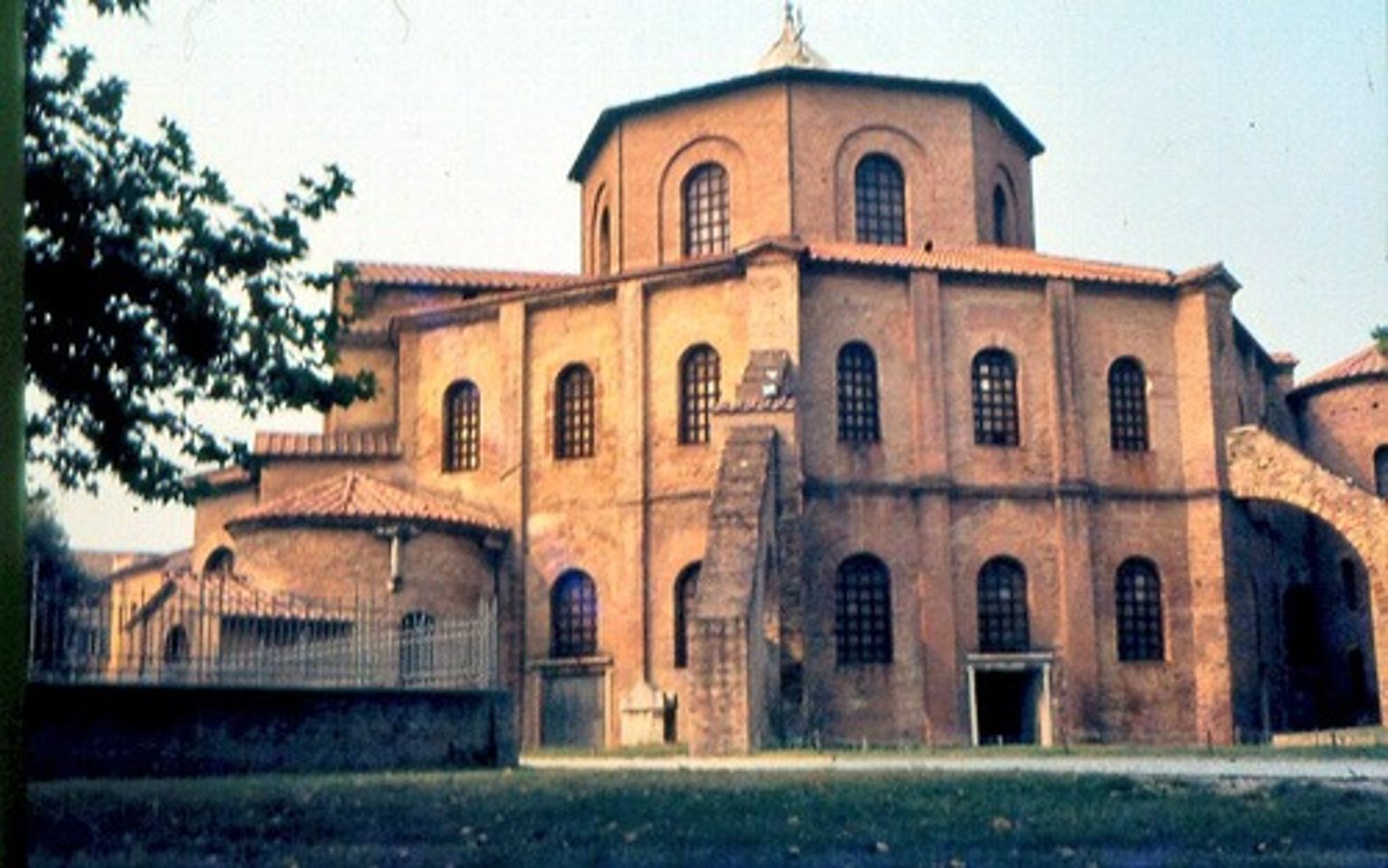
Byzantine architecture
the architecture of the eastern sphere of the later roman empire; characterized by masonry construction, round arches, shallow domes carried on pendentives, and the extensive use of rich frescoes, colored glass mosaics, and marble revetments to cover whole interiors
Early Christian architecture
the final phase of roman architecture; characterized by churches planned for congregational worship, esp. the basilica
Medieval architecture
the architecture of the european middle ages, comprising the architecture of the byzantine, pre-romanesque, romanesque, and gothic periods
Middle Ages
the time in european history between classical antiquity and the renaissance
Dark Ages
the early part of the middle ages, from about 476 CE to c. 1100
Sassanian architecture
the architecture prevalent in persia under the sassanian dynasty that ruled 226-651 CE; characteried by palaces with elliptical vaults and domes set on squinches and stuccoed masonry walls articulated by pilasters and cornices
Romanesque architecture
a style of architecture emerging in italy and western europe in the 9th century and lasting until the advent of gothic architecture in the 12th century; characterized by heavy, articulated masonry construction with narrow openings, the use of the round arch and barrel vault, the development of the vaulting rib and shaft, and the introduction of central and western towers for churches
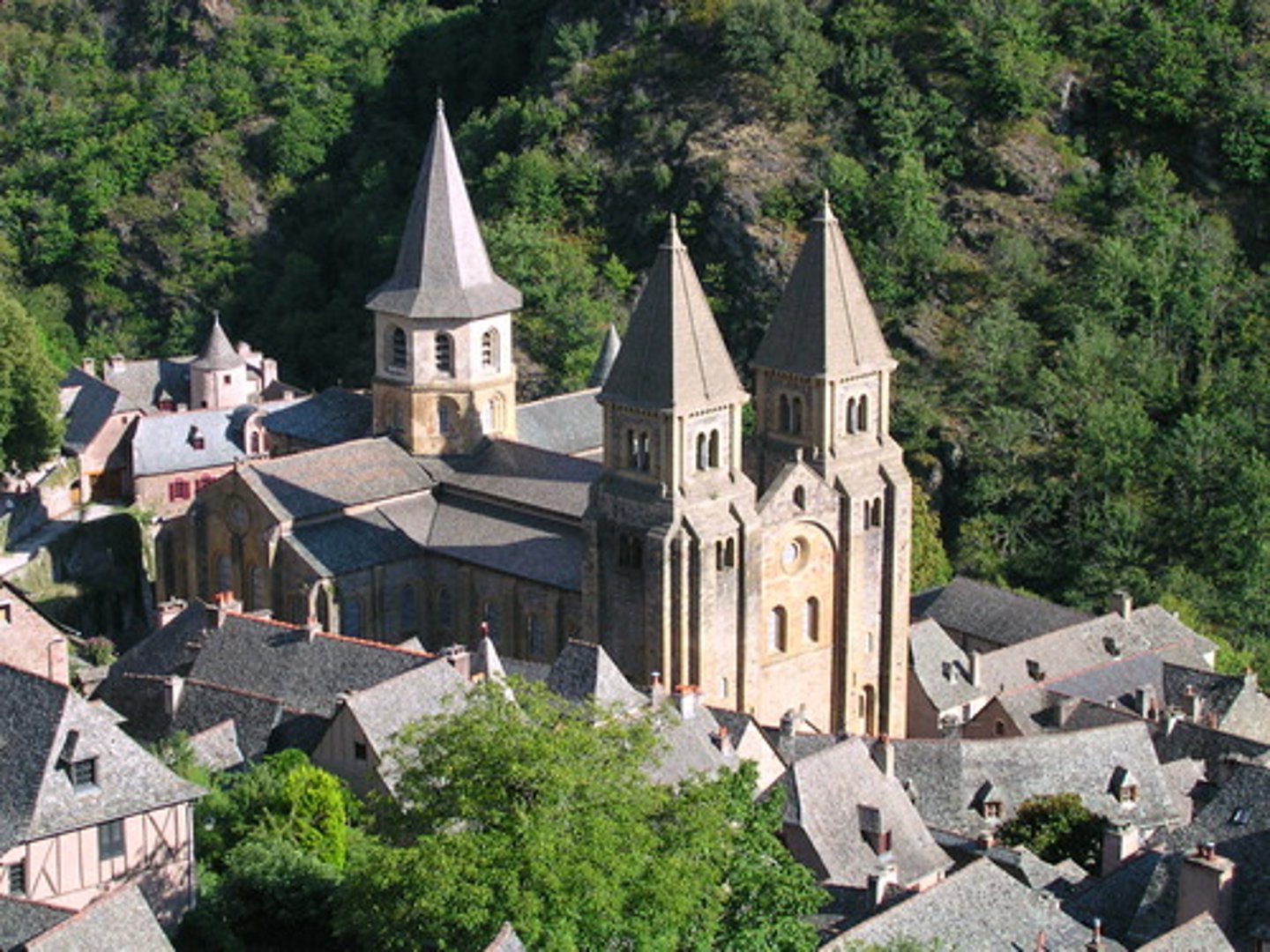
Carolingian architecture
the early romanesque architecture of the frankish dynasty; characterized by a revival of the forms of classical antiquity modified by ecclesiastical requirements
Lombard architecture
the early romanesque architecture of northern italy during the 7th and 8th centuries; characterized by the use of early christian and roman forms and the development of the ribbed vault and vaulting shaft
Ottonian architecture
the early romanesque architecture of the german dynasty that ruled as emperors of the holy roman empire from 962 to 1002 CE, characterized by the development of forms derived from carolingian and byzantine concepts
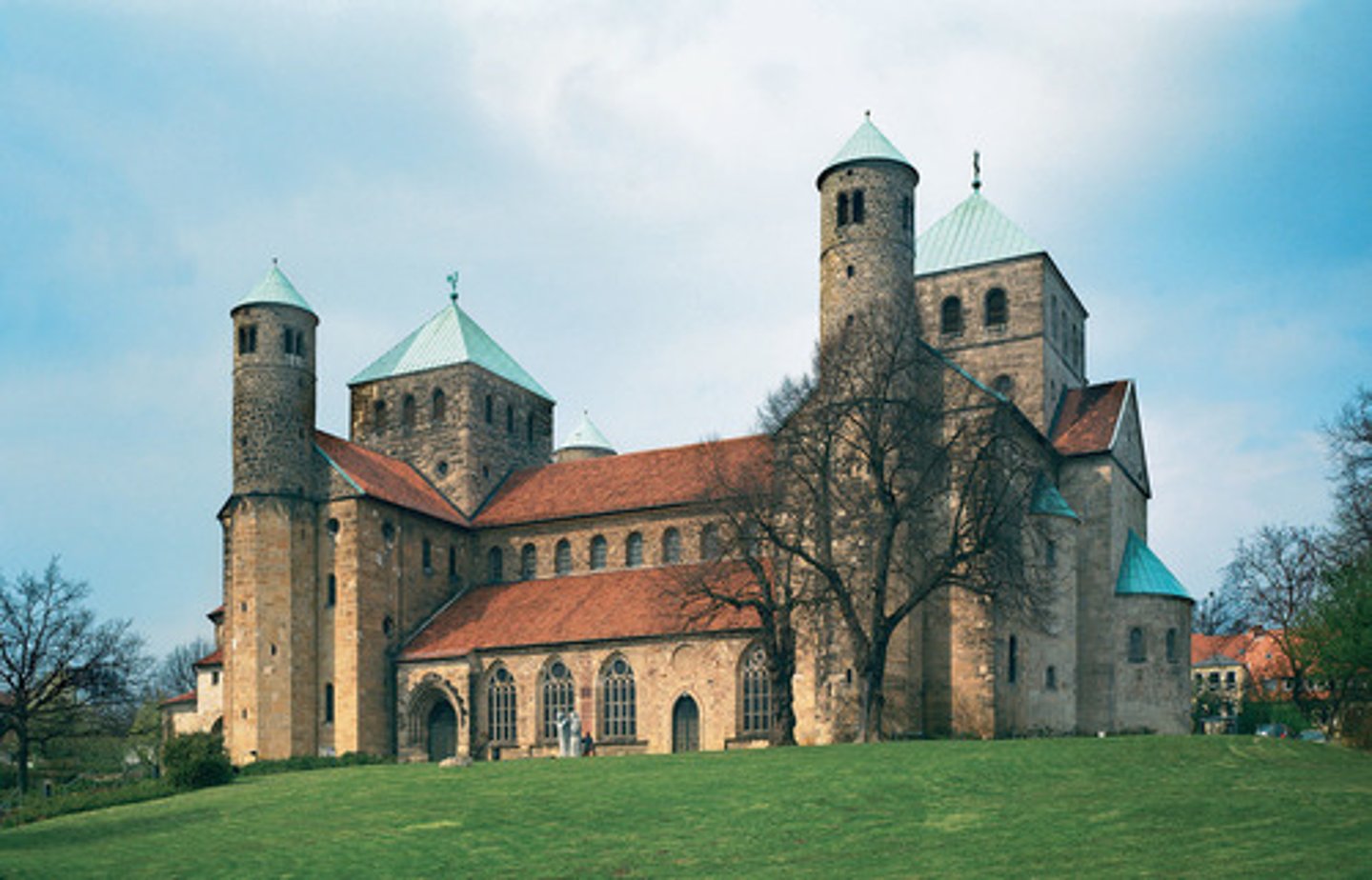
Anglo-Saxon architecture
the early romanesque architecture of england before the norman conquest in 1066, characterized by the translation of timber prototypes into stone
Norman architecture
the romanesque architecture inroduced from normandy into england before the norman conquest and flourishing until the rise of gothic architecture c. 1200; characterized by the building of great benedictine abbeys, the two-tower facade supplementing a central tower over the crossing, and the use of geometric ornamentation
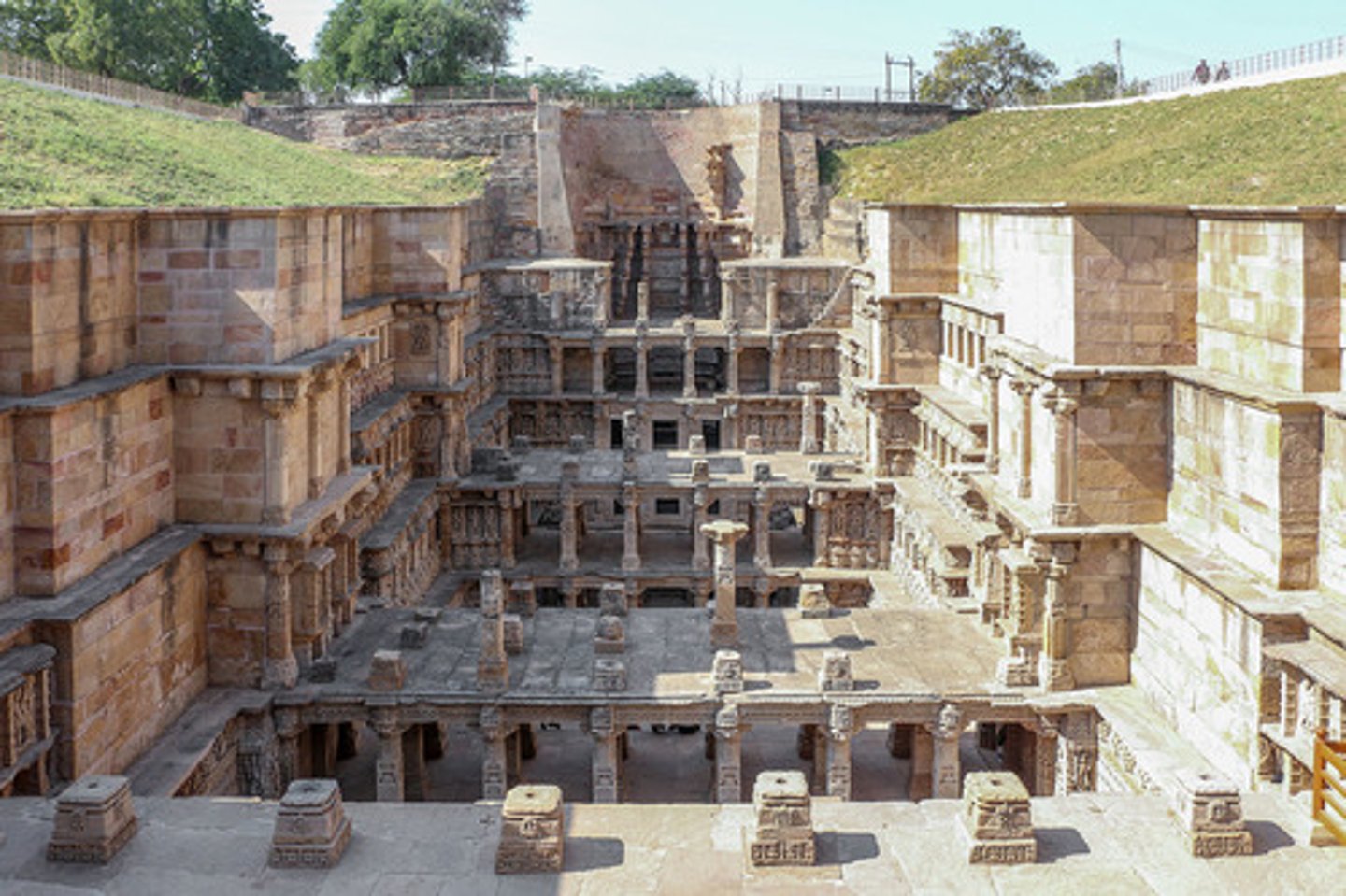
stepwell
a well commonly found in western india, often several stories deep and having architectural features, esp. long staircases that reach down to a dependable, year-round supply of water from underground aquifers; also called "baoli", "bawdi", "vaav", "vav"
Zapotec architecture
the eclectic architecture of the amerindian civilization; assimilating influences from the olmecs and from teotihuacan during the classic period
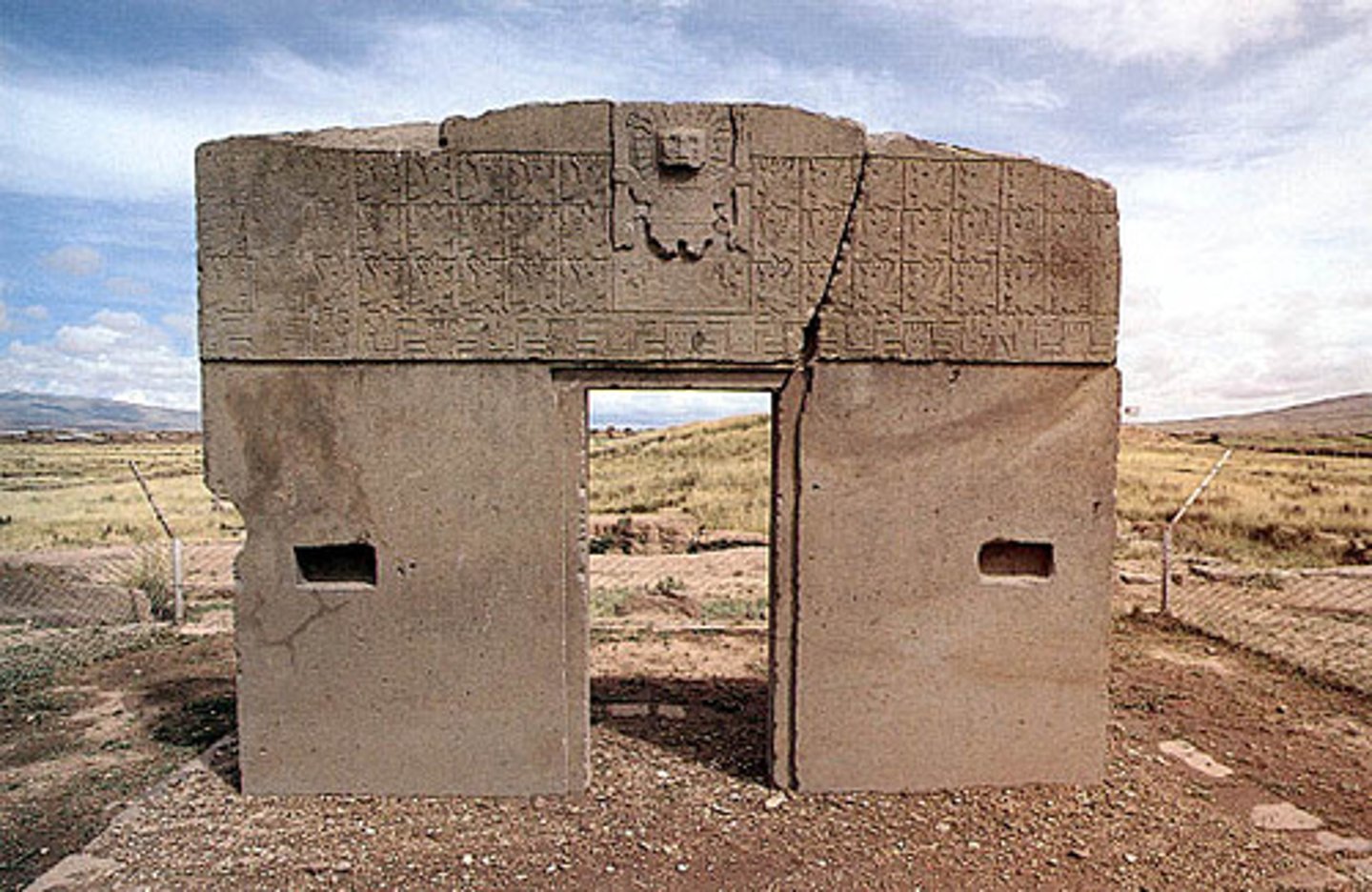
Tiahuanaco
a pre-incan culture; characterized by monolithic stone carving, polychrome pottery, and bronze artifacts
Islamic architecture
the architecture of the Muslim people; characterized by the development of the mosque as a distinct building type, domes and tunnel vaults of brick and stone, round and horseshoe arches, and rich surface decorations incorporating calligraphy and floral motifs in a geometric framework because of the ban on human and animal representations; also called
"Saracenic architecture"
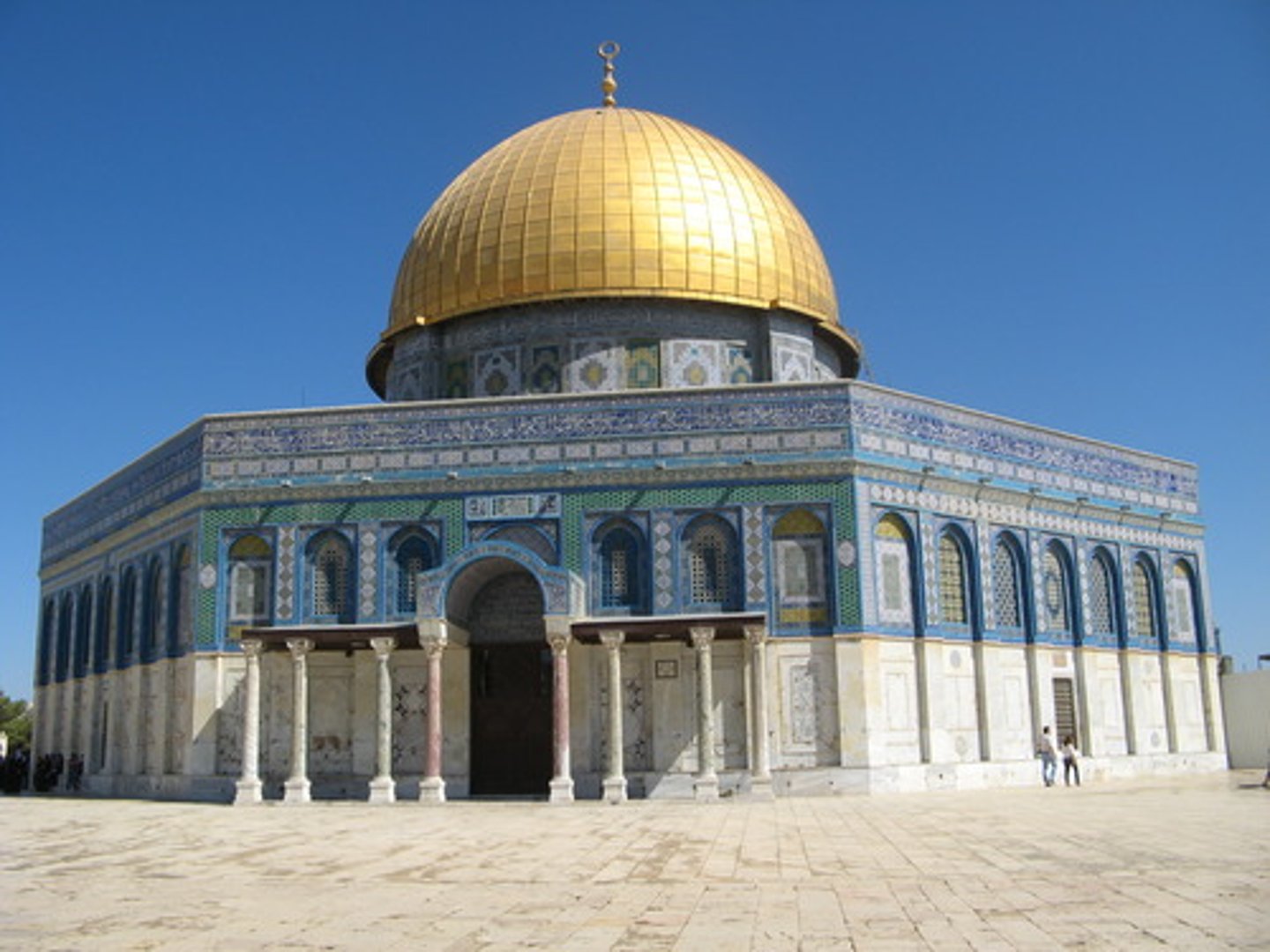
Moorish architecture
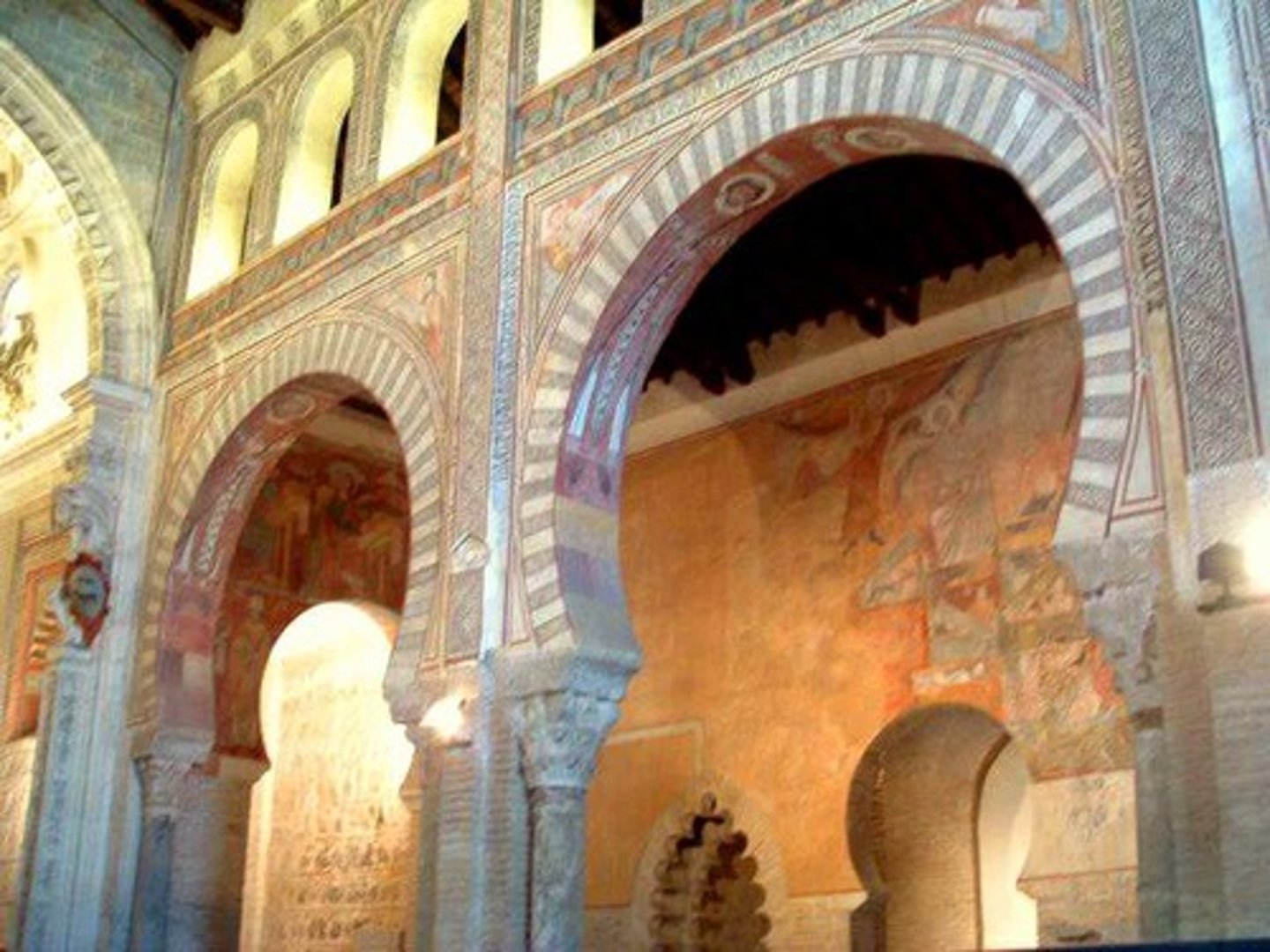
the islamic architecture of north africa and esp. of the regions of spain under moorish domination, characterized by the building of large mosques and elaborate fortress-palaces
Mozarabic style
a style of spanish architecture produced from the 9th to 15th centuries by christians under moorish influence, characterized by the horseshoe arch and other moorish features
Alcazar
a castle or fortress of the spanish moors, specifically, the palace of the moorish kings in seville, spain, which was later used by spanish kings
Japanese architecture
the architecture of the civilization that emerged on the japanese archipelago; characterized by a synthesis of seminal ideas from china and native conditions producing a distinctive style characterized by lightness, delicacy, and refinement
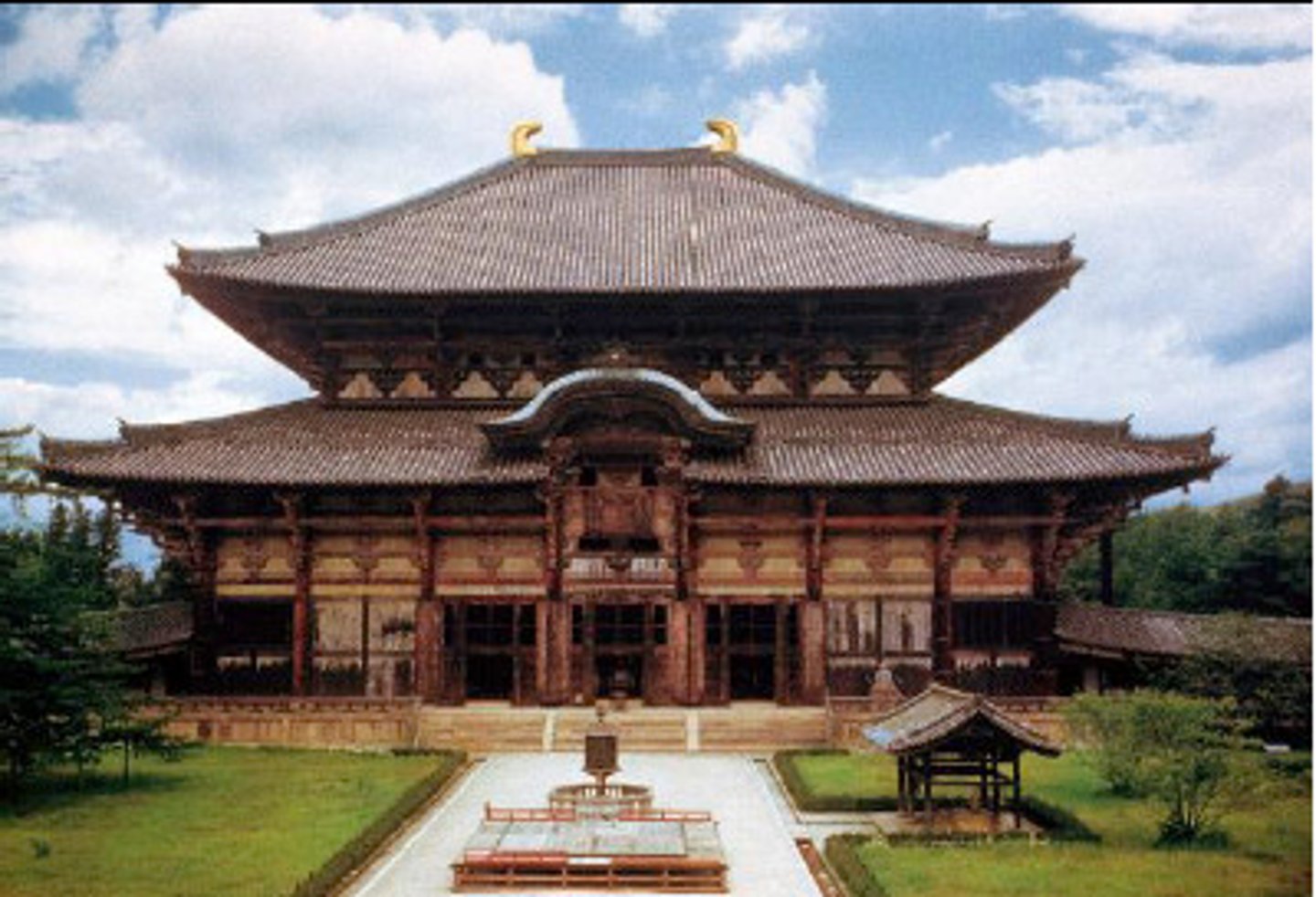
Nara
a period in japanese history, 710-794 CE, characterized by the adoption of chinese culture and form of government
Heian
of or pertaining to the period in japan, 785-1185 CE, characterized by the modification and naturalization of ideas and institutions that were earlier introduced from china
Xanadu
a place of idyllic beauty and contentment
Zen
a japanese school of mahayana buddhism that emphasizes experimental wisdom, meditation, and intuition in the attainment of enlightment
ma
a japanese term - variously translated as a gap, interval, or pause in time and space; can refer to the voids in sculpture, the intervals of space in architecture, the spacing of notes in a song, or the pauses in a spoken phrase
Gothic architecture
the style of architecture originating in france in the 12th century; characterized by the building of great cathedrals, a progressive lightening and heightening of structure, and the use of the pointed arch, ribbed vault, and a system of richly decorated fenestration
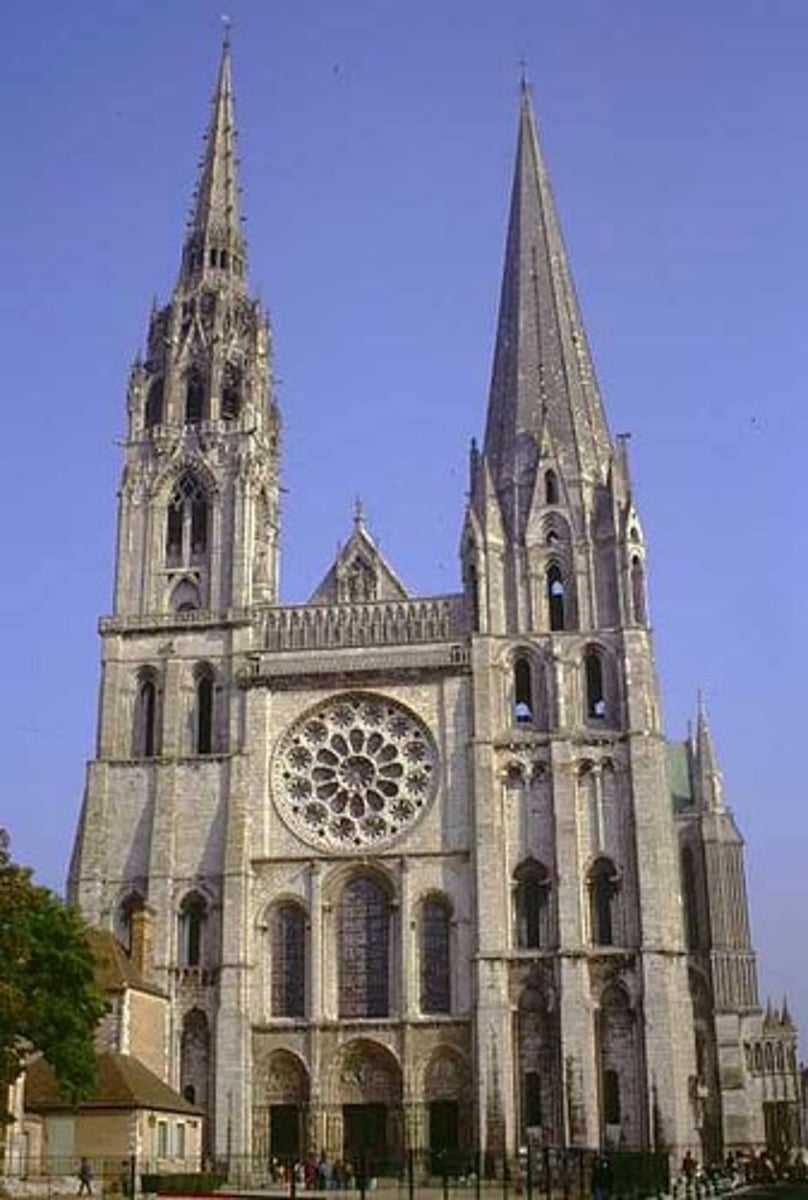
Early French style
the first of the three phases of french gothic architecture; characterized by the pointed arch and geometric tracery
Rayonnant style
the middle phase of french gothic architecture; characterized by circular windows with radiating lines of tracery
Geometric style
the early development of the decorated style; characterized by the use of geometric tracery
Flamboyant style
the final phase of french gothic architecture; characterized by flamelike tracery, intricacy of detailing, and frequent complication of interior space
Early English style
the first of the three phases of english gothic architecture; characterized by the lancet window and plate tracery
Decorated style
the second of the three phases of english gothic architecture; characterized by rich tracery, elaborate ornamental vaulting, and refinement of stonecutting techniques
Curvilinear style
the later development of the decorated style; characterized by use of curvilinear tracery
Perpendicular style
the final phase of english gothic architecture; characterized by perpendicular tracery, fine intricate stonework, and elaborate fan vaults; also called "rectilinear style"
minster
originally, a monastery church; later, any large or important church, such as a cathedral or the principal church of a town
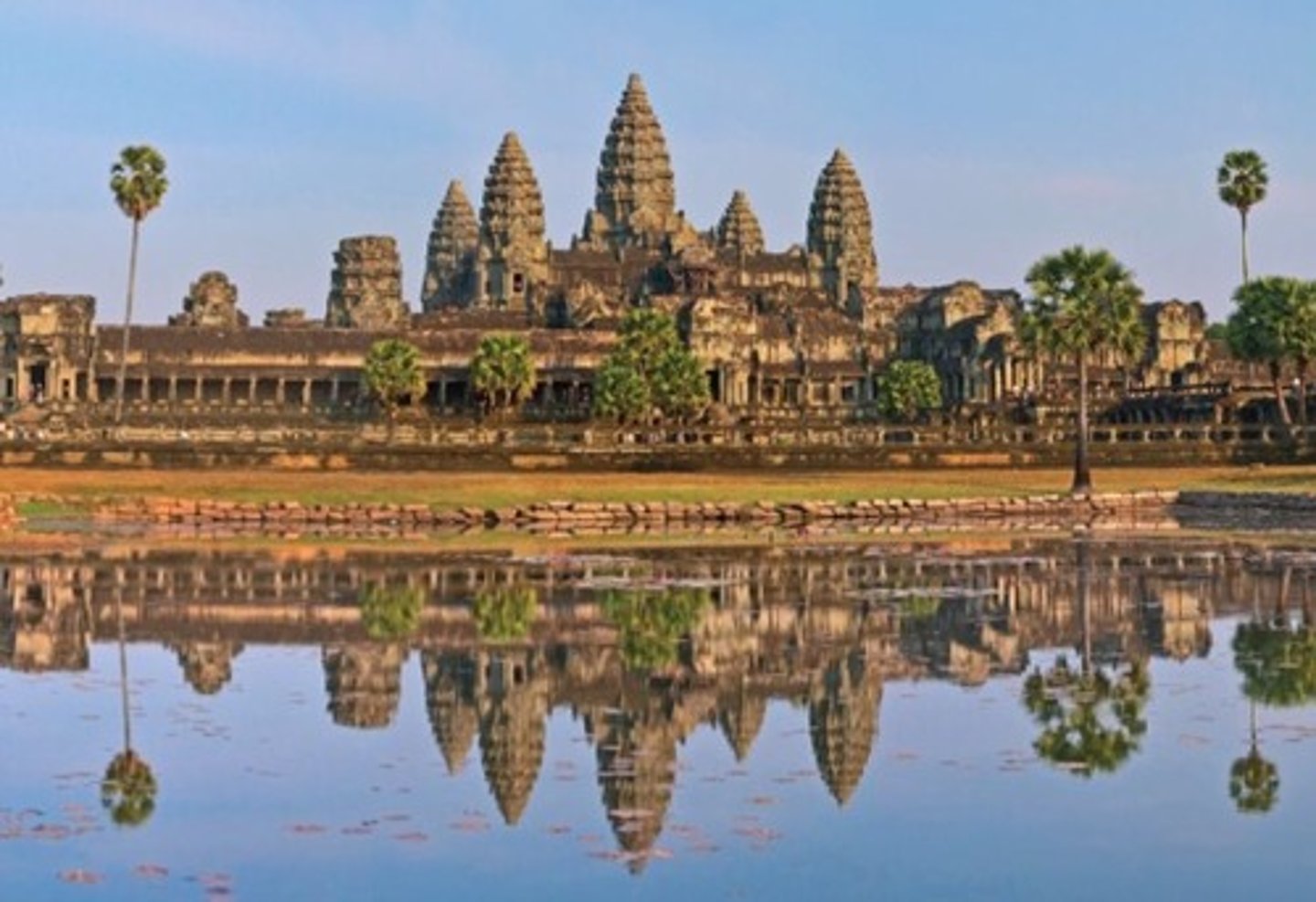
Khmer architecture
characterized by temple complexes consisting of four towers connected by covered galleries to a central dominant tower that represents mount meru
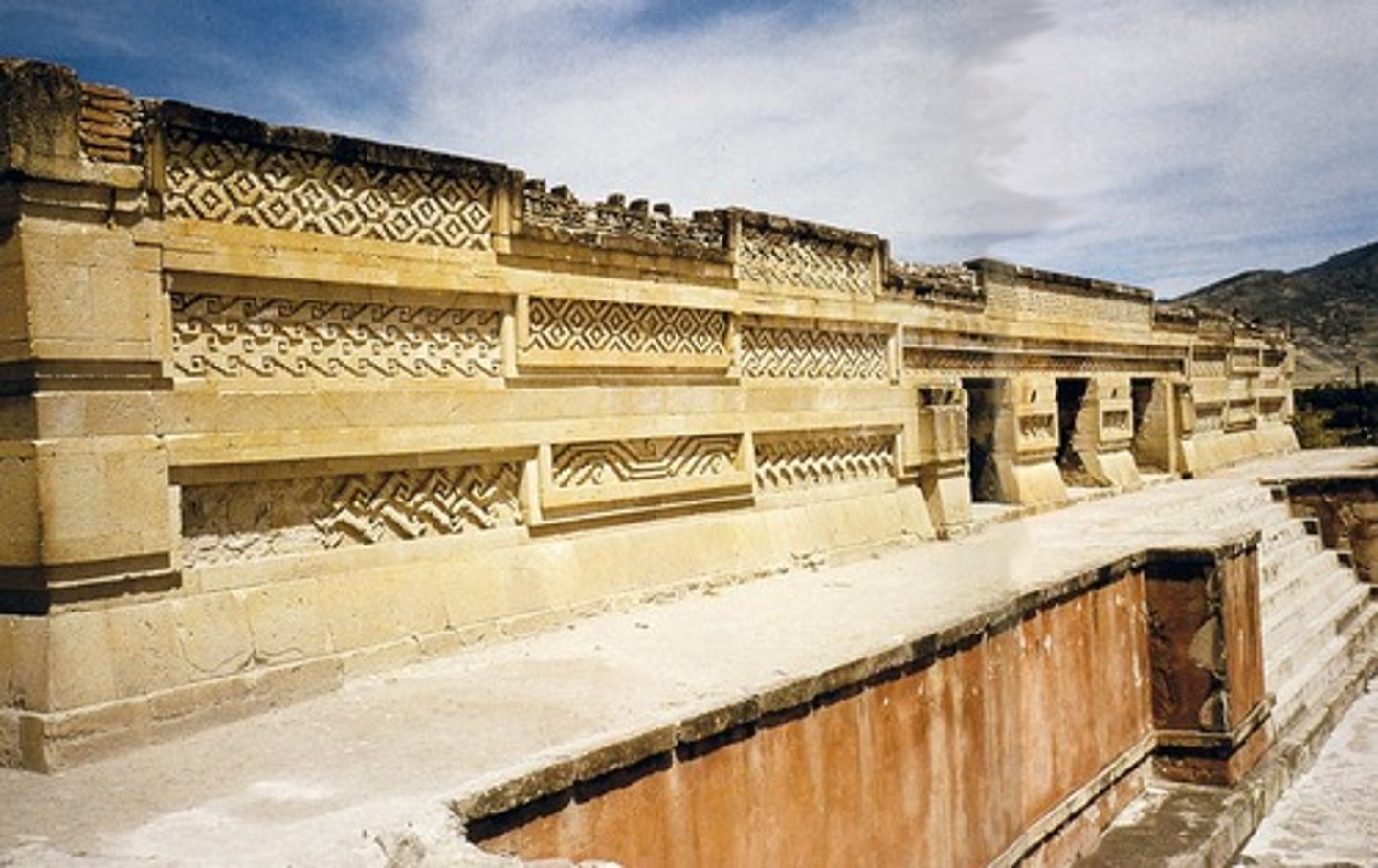
Mixtec architecture
the architecture of the amerindian culture centered in the oaxaca valley of mexico; characterized by great stone masses, the use of interior stone columns, and the highly detailed fretwork of interior and exterior friezes
Toltec architecture
the architecture of the amerindian people who settled in central mexico; traditionally credited with laying the foundation of aztec culture; characterized by colossal basalt telemones of toltec warriors, colonnades several ranks deep, and stone panels carved with human-headed jaguars and symbols of quetzatlcoatl, set in plain wall surfaces
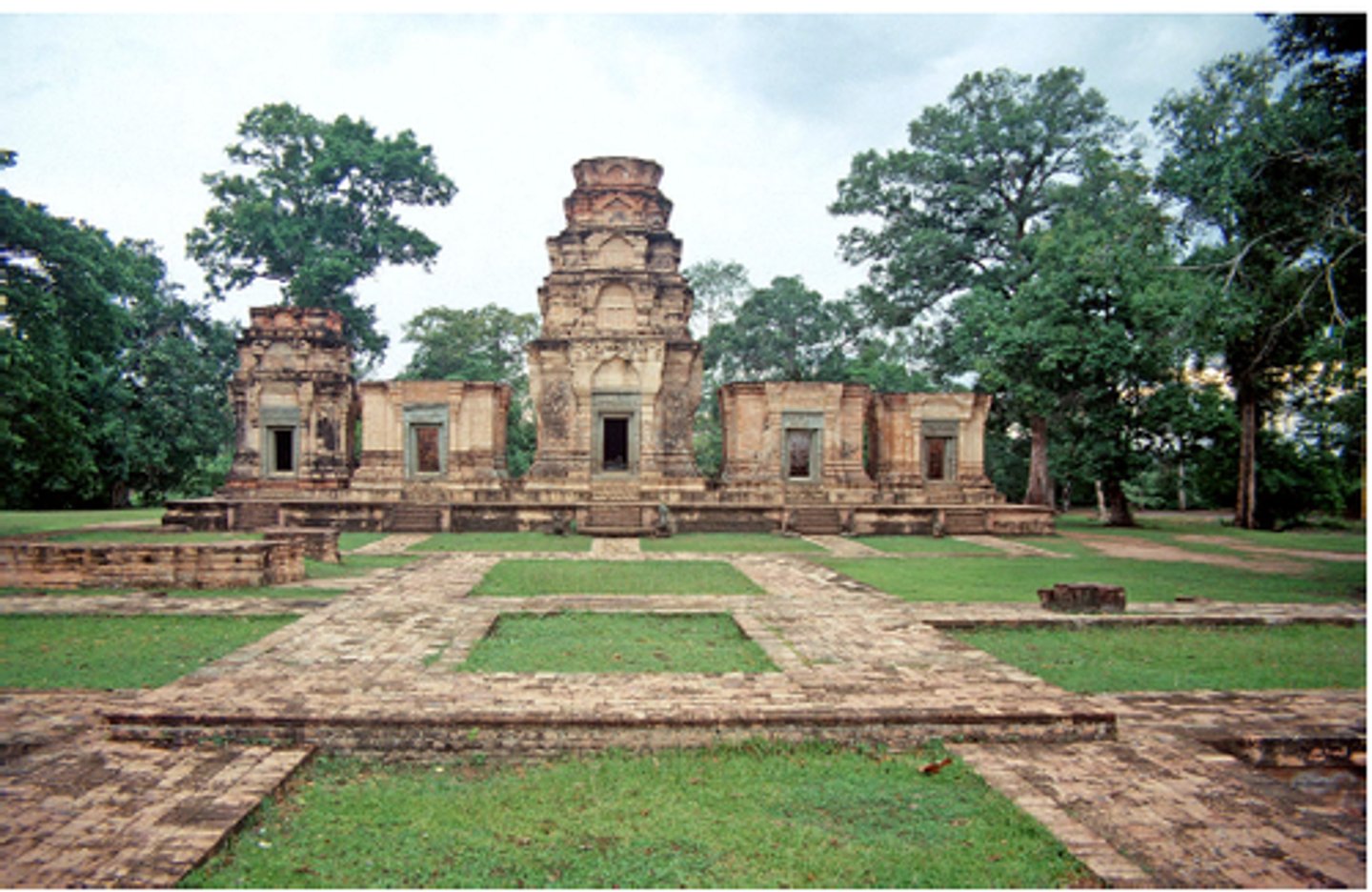
prasat
a temple tower in Khmer architecture constructed of stone and richly carved with bas-reliefs depicting epic tales and important events of Khmer history
baray
a large, shallow water tank in the architecture of the Khmer Empire, holding water for irrigation and symbolizing the font of the Hindu cosmos
Renaissance architecture
the various adaptations of italian renaissance architecture that occurred throughout europe until the advent of mannerism and the baroque; characterized by the use of italian renaissance forms and motifs in more or less traditional buildings
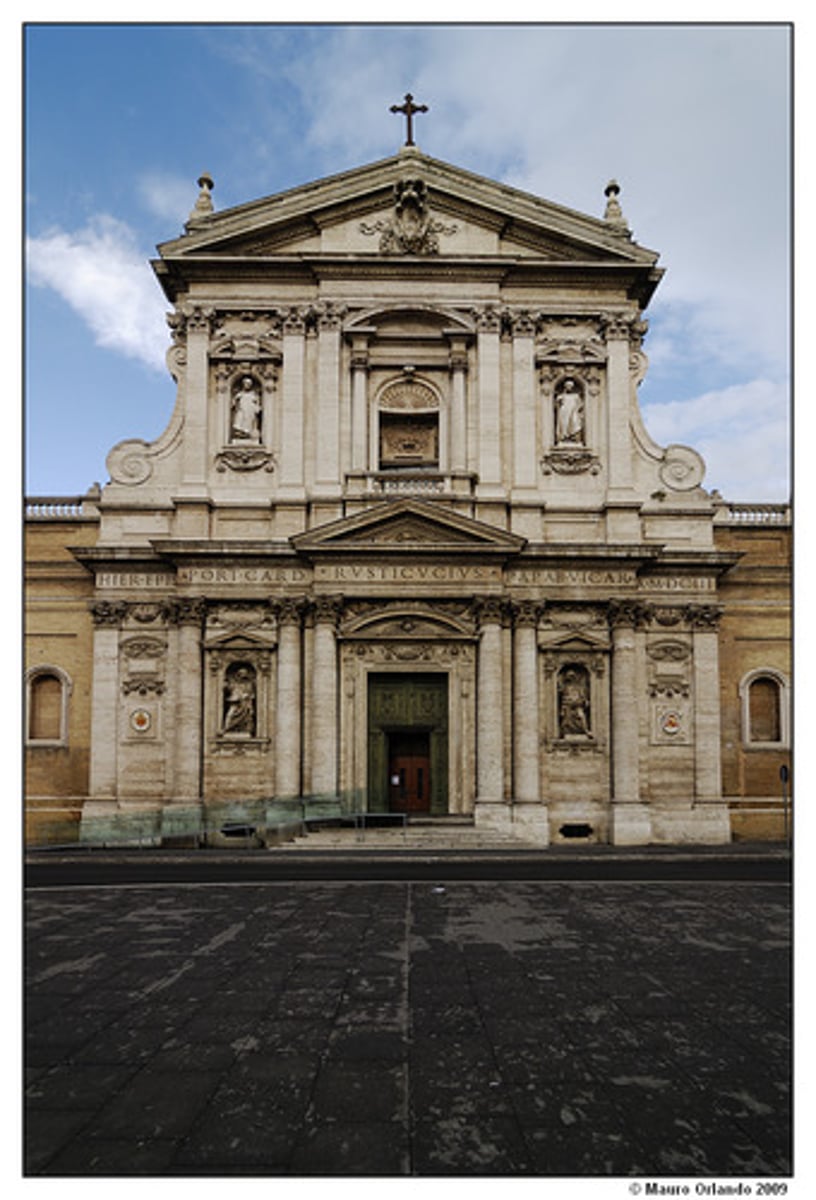
Italian renaissance architecture
the group of architectural styles that originated in italy; characterized by an emphasis on symmetry, exact mathematical relationships between parts, and an overall effect of simplicity and repose