Microbio - Module 3: Viruses and Prions
 Call Kai
 Learn
Learn Practice Test
 Spaced Repetition
 Match
Match Flashcards
 Knowt Play
1/96

There's no tags or description
Looks like no tags are added yet.
Name | Mastery | Learn | Test | Matching | Spaced | Call with Kai |
|---|
No analytics yet
Send a link to your students to track their progress
97 Terms
Virion
A complete virus particle that is the extracellular infectious form
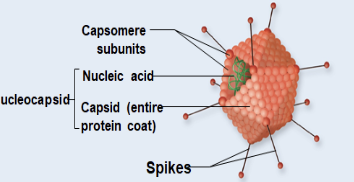
Non-enveloped/Naked Virus
Viruses that do not have an envelope around them; has a nucleocapsid and spikes
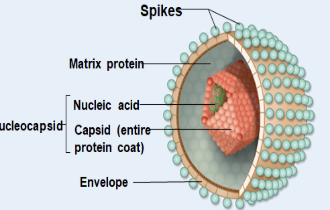
Enveloped Virus
Virus that contains a membrane wrapped around its capsid; are not very stable in the environment; has a nucleocapsid, matrix protein, envelope, and spikes
Nucleocapsid
Refers to the nucleic acid genome plus the protein coat (capsid)
Capsid
Serves as protection and is an enzyme carrier; consists of protein units called capsomeres
Spikes
Need to attach to surface of cell to infect it and it is for infectivity and specificity
Infectivity
The ability of a pathogen to enter, survive, and multiply within a host, thereby establishing an infection
Specificity
Ability to accurately identify and exclude specific micro organisms without producing false-positive results
Matrix Protein
Holds membrane to capsid (anchor); links envelope to viral core
Bacteriophage
Viruses that infect bacteria
Lysogenic Bacteriophage Cycle
Bacteriophage can infect their E. coli host cells and a phage genome is integrated into the genome of the bacterial cell → the integrated phage genome is a prophage and it replicates as a prophage with the cellular chromosomal DNA, no infectious virions are produced
Phage DNA circularizes and enters lytic or lysogenic cycle
Label A (Lysogenic Cycle)
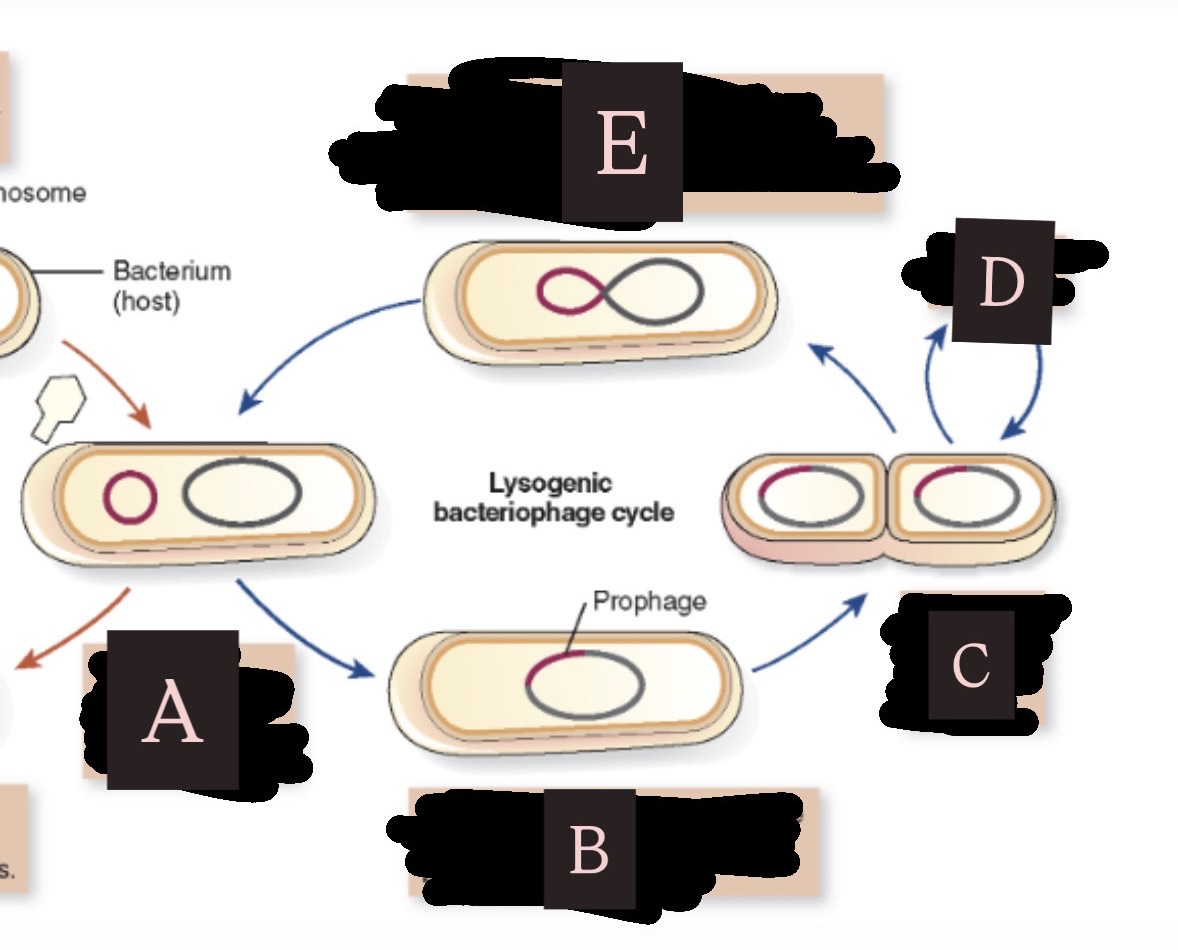
Phage DNA integrates within the chromosome by recombination, becoming a prophage
Label B (Lysogenic cycle)
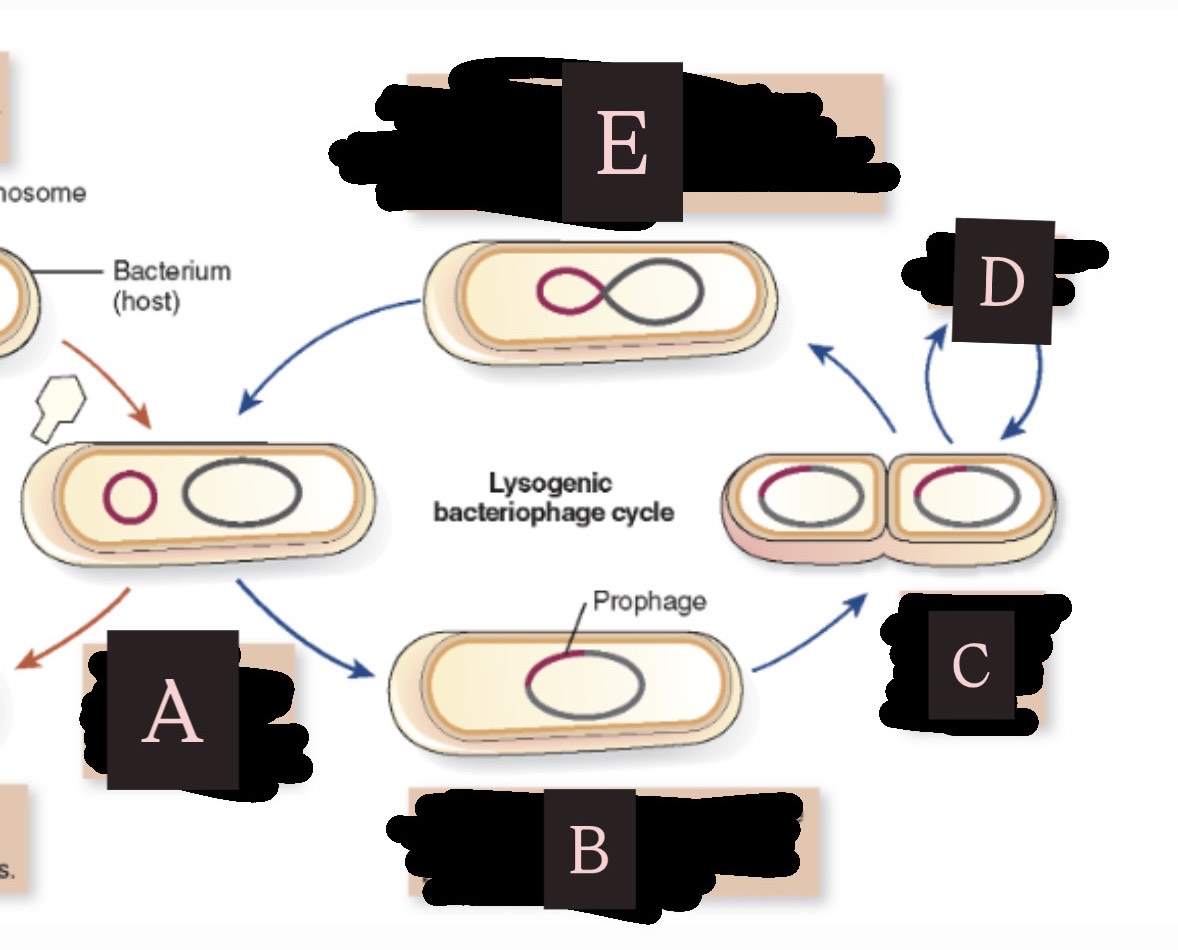
Lysogenic bacterium multiplies normally
Label C (Lysogenic cycle)
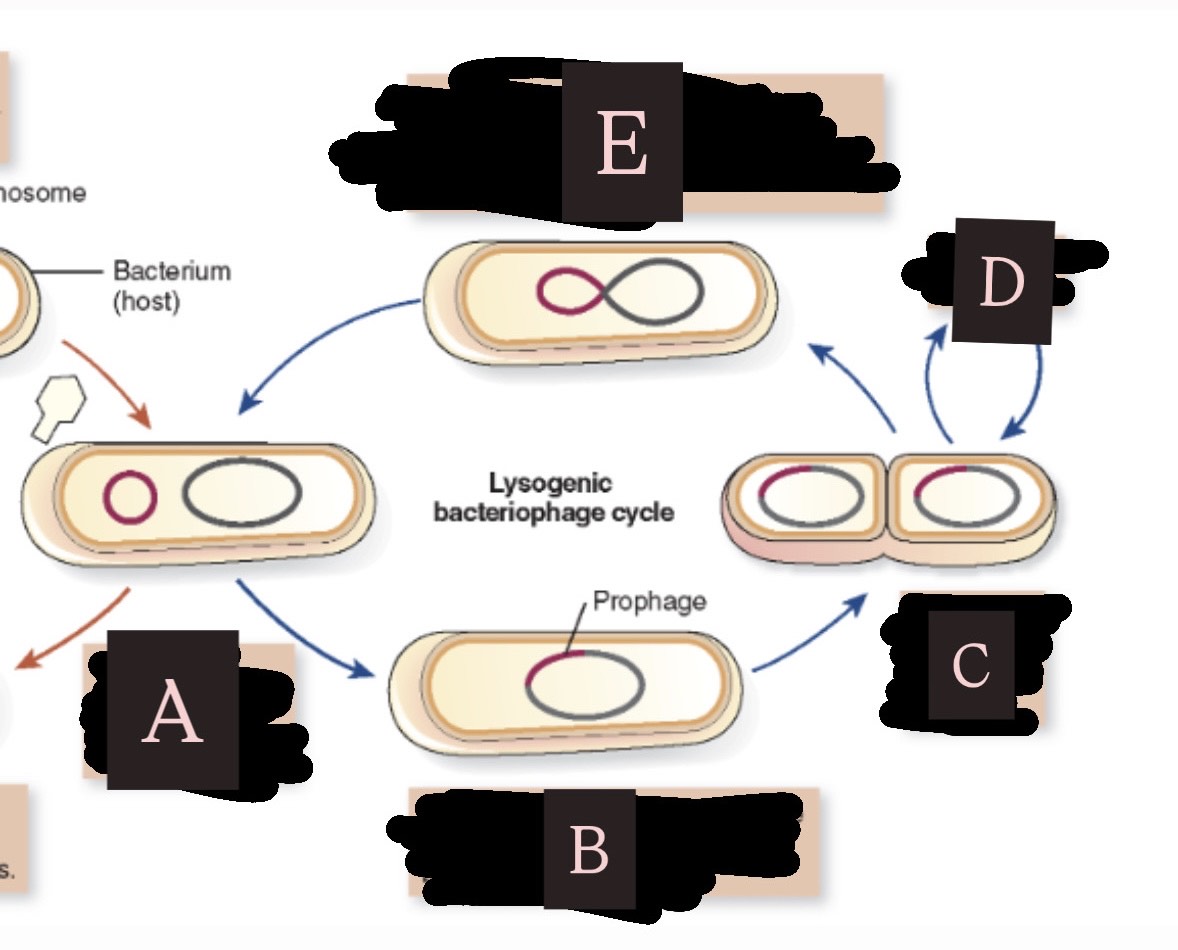
Many cell divisions
Label D (Lysogenic cycle)
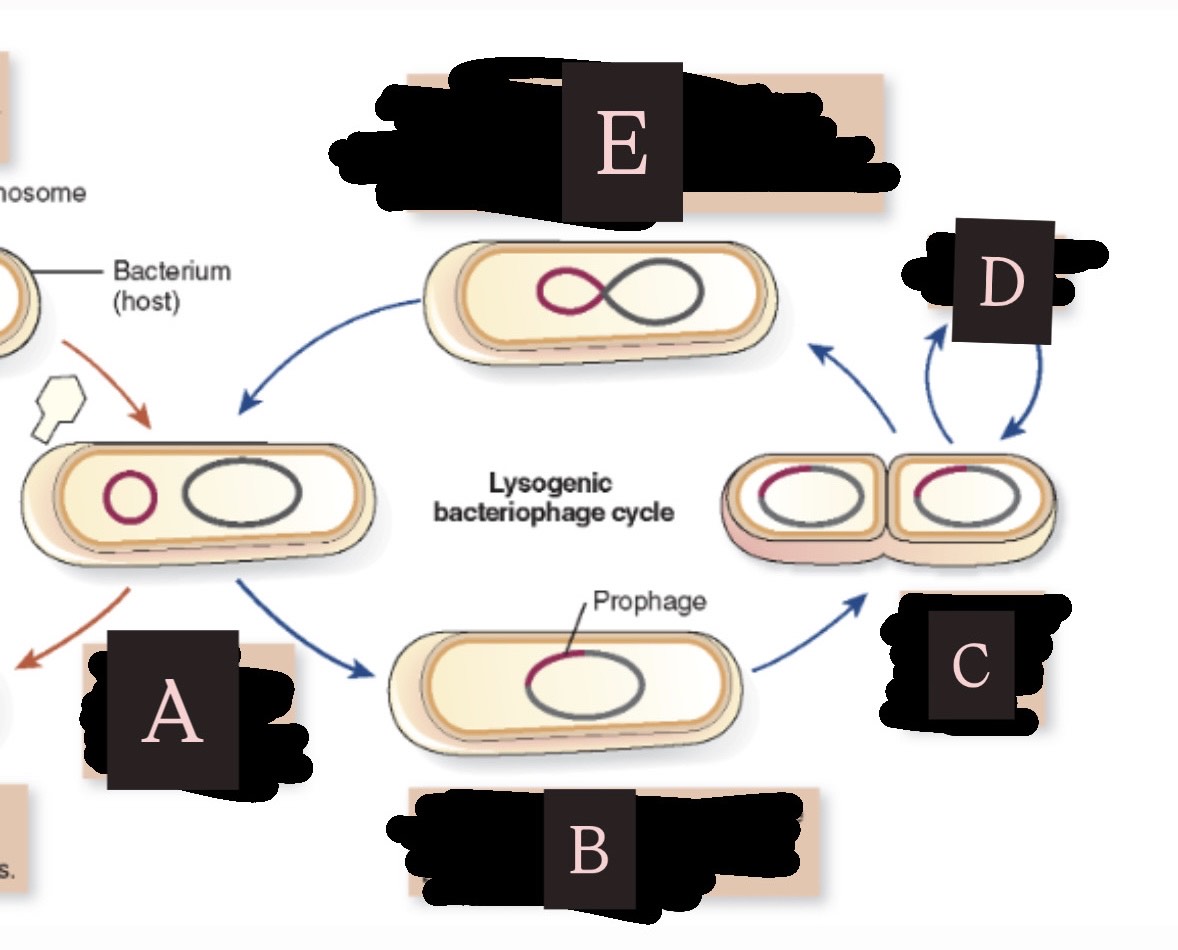
Occasionally, the prophage may excise from the chromosome by another recombination event, initiating a lytic cycle
Label E (Lysogenic Cycle)
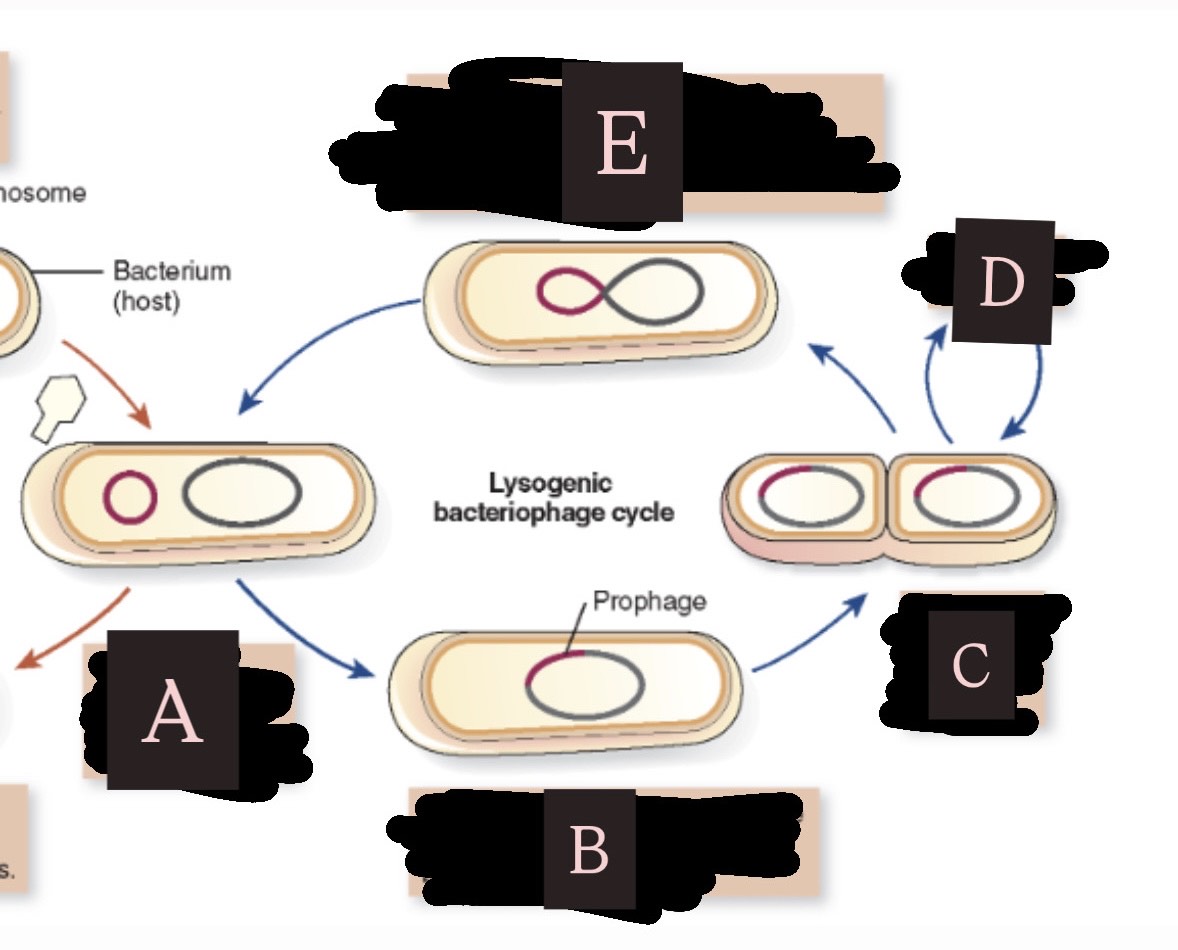
Phage DNA circularizes and enters lytic or lysogenic cycle
Label A (Lytic Cycle)
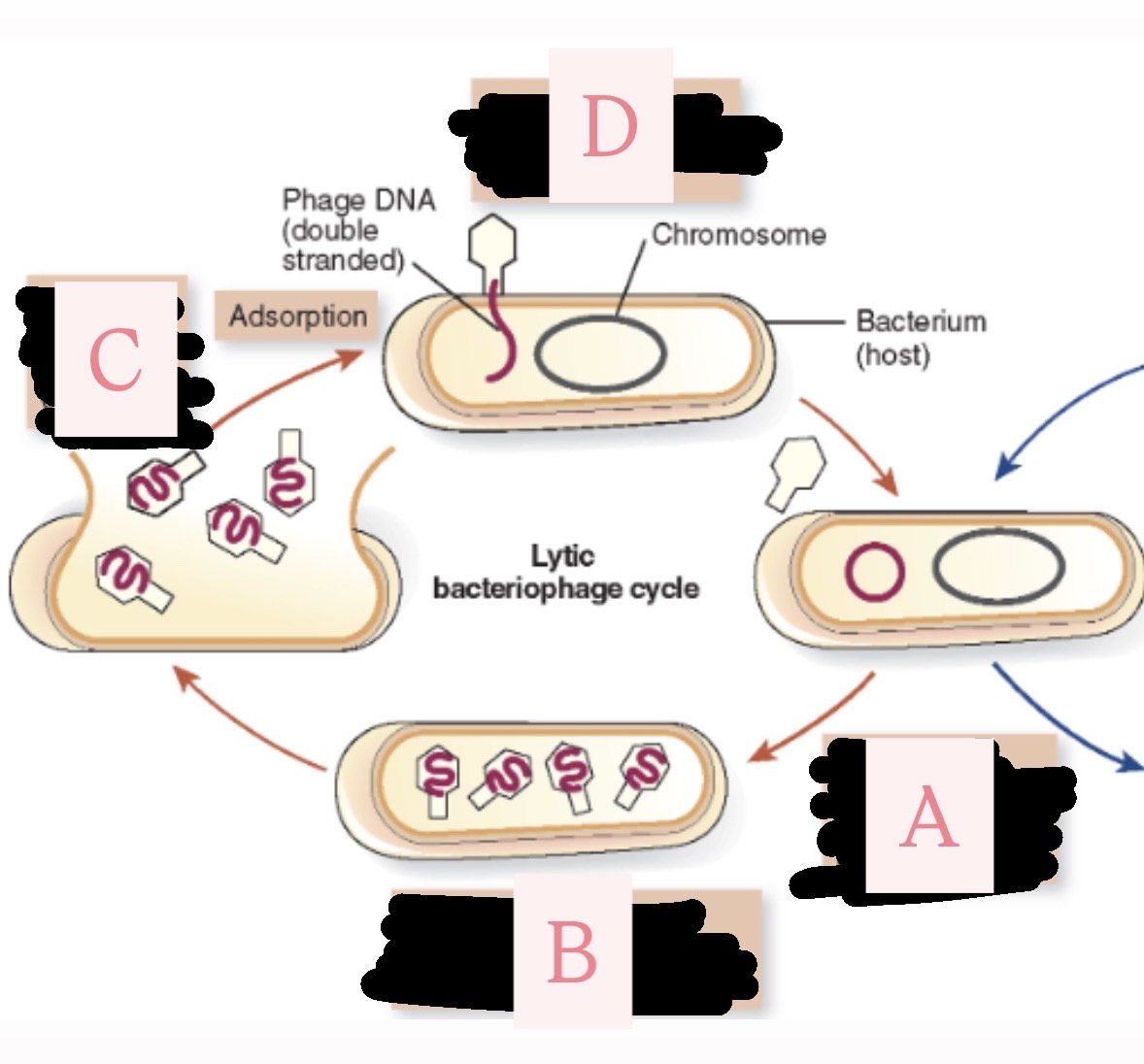
New phage DNA and proteins are synthesized and assembled into virions
Label B (Lytic Cycle)
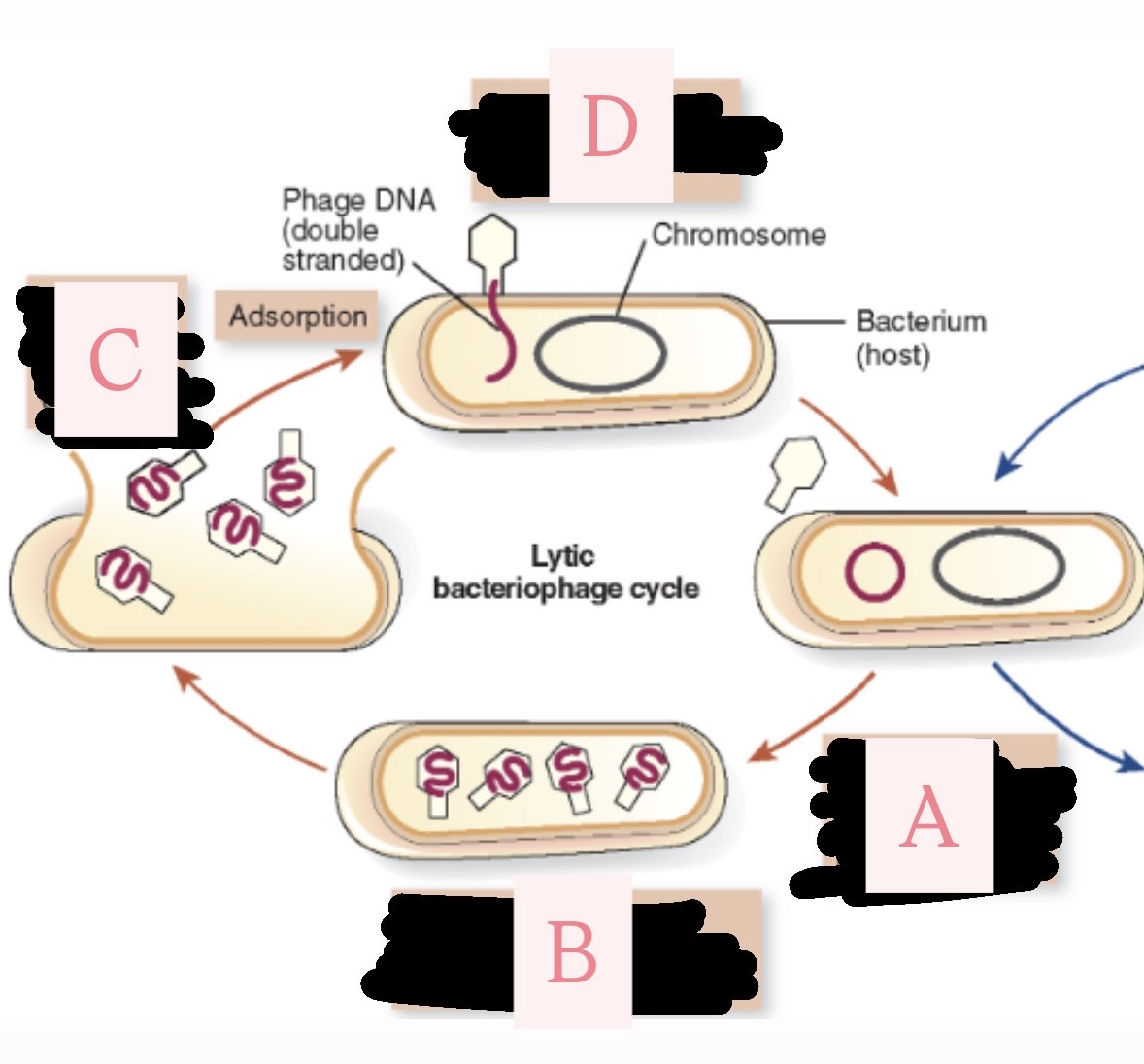
Cell lyses, releasing phage virions
Label C (Lytic cycle)
Phage attaches to host cell and injects DNA
Label D (Lytic Cycle)
Lytic Bacteriophage Cycle
The T4 phages enter the E. coli cell and use the bacterium’s metabolic machinery to produce a large number of new T4 phages, which are released by causing the lysis of their bacterial hosts; the new virions are then capable of infecting other E.coli bacteria
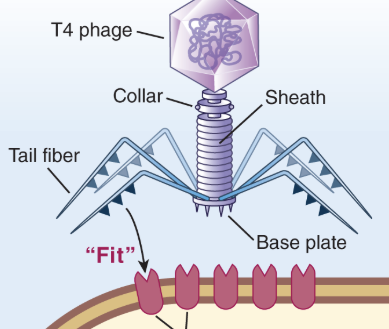
Receptors
Are comprised of proteins and viruses have evolved to attach to these cellular things, thus facilitating viral entry into a living host cell in order to replicate; Bacterial cells have these on their cell wall that serve as sites of attachment
Host Range
The variety of species and types of host cells that a virus can infect and replicate in
Endocytosis
When the virus will stick to the surface and plasma membrane will take it inside; some enveloped viruses will enter the cell by this process in which the complete virion is engulfed by the host cell and subsequently contained within a vesicle
Membrane Fusion
A mechanism host cell entry employed by enveloped viruses in which there is contact between the viral envelope and the host cell plasma membrane
Exocytosis
Where a cell expels bulky materials like waste products, proteins, signaling molecules by enclosing them in a vesicle
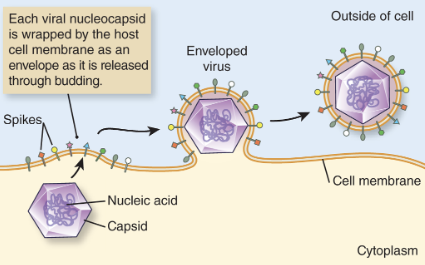
Budding
Is the reverse of endocytosis, the virus pushes its way through the plasma membrane and pinches off a piece of the plasma membrane — spike complex, which now envelopes the nucleocapsid
RNA Dependent RNA Polymerase
Is a vital enzyme found in most RNA viruses that catalyzes the replication of RNA directly from an RNA template; because host cells lack the machinery to synthesize RNA from an RNA template, this is essential for these viruses to transcribe messenger RNA and replicate their genomes
Reverse Transcription
Is a molecular process where an enzyme converts RNA into a complementary DNA
Reverse Transcriptase
Is an enzyme that converts single-stranded RNA into complementary DNA; found in retroviruses like HIV, this enzyme defies the traditional biological rule of DNA to RNA flow, allowing viruses to integrate their genetic material into a host cell’s DNA
Transformation
Is a form of horizontal gene transfer where a bacterial cell directly takes up and incorporates foreign, naked DNA from its surrounding environment; this process permanently alters the cell’s genetic makeup, allowing it to acquire new traits, such as antibiotic resistance
Latent Infection
A type of infection where a pathogen (such as a virus or bacterium) hides in the body in a dormant or inactive state; during this time, the infected person experiences no symptoms and cannot spread the pathogen to others, but it remains capable of reactivating later
Chronic Slow Infection
A type of persistent infection characterized by a prolonged incubation period, lasting months or years, followed by a gradual onset of progressive, severe, and frequently fatal diseases
Cell Culture
Is the process of growing and maintaining cells— such as animal, plant, or microbial cells— outside of their natural environment in an artificial, highly controlled lab setting
ELISA
Is an enzyme linked immunosorbent assay, it is a highly sensitive lab technique to detect and measure specific substances such as antigens or antibodies; target molecules (antigens or antibodies) in a patient sample are immobilized on a plastic microtiter plate, a secondary enzyme-linked antibody is introduced that binds to the target, and a substrate is added that causes the enzyme to produce a visible color change, the intensity of the color corresponds to the amount of the target substance in the sample
Rapid Test
Is an assay designed to identify microorganisms or their byproducts within minutes to a few hours; have a lower sensitivity than traditional lab cultures → they may occasionally miss low levels of a pathogen, sometimes requiring a follow-up lab test to confirm a negative result
Nucleic Acid-Based Test/PCRPrion
Is a molecular diagnostic method used to directly detect the presence of a specific microorganism by identifying its unique genetic material (DNA or RNA) rather than relying on antibodies or antigens
Participate in HGT (horizontal gene transfer)
Evidence of ancient viral genomes in our DNA
Human, animal, and agricultural health
Influence history
Why is it important to study viruses?
They are subcellular (simpler than a cell) and are obligate intracellular parasites where they have to infect a cell in order to reproduce
What are the main characteristics that dictate that viruses are not living beings?
Virus size ranges from 20-350 nm and is much smaller than a eukaryotic cell and are smaller than a bacterial cell
Describe viral size in comparison to a bacterial cell and a eukaryotic cell.
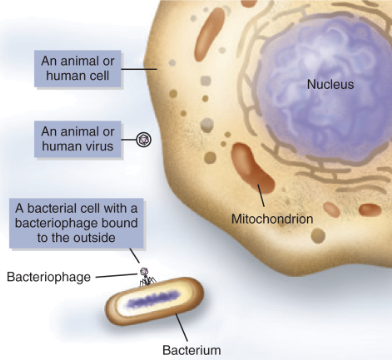
Consist of a series of rod-shaped capsomeres that during assembly form a continuous helical tube containing the nucleic acid characteristic of the particular virus; Tobacco mosaic virus is an example
Describe the morphology for Helical and give an example.
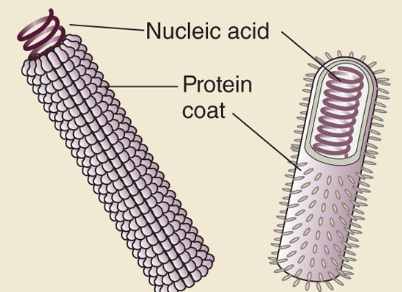
3-dimensional, 20-sided triangular structures that confer a geodesic-appearing shape to the virus; Described as spherical viruses; herpes simplex virus is an example
Describe the morphology for Icosahedral Viruses and give an example.
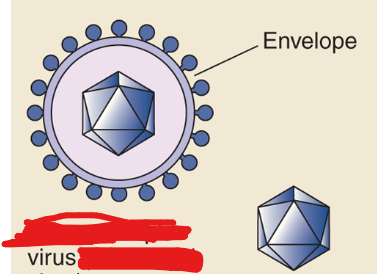
They consist of a polyhedral head, helical tail, and tail fibers; Variola virus is an example
Describe the morphology for Complex Viruses and give an example.
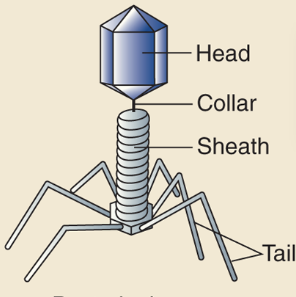
Helical, Icosahedral, Complex
What are the 3 types of Viral morphology?
Virion
Is a complete virus particle that is the extracellular infectious form
Nucleic acid and capsid
What two components make up the nucleocapsid of a virus?
Protection and enzyme carrier and capsomeres
What are the two functions of a viral capsid? What is the capsid composed of?
Double stranded DNA, Single stranded DNA, Double stranded RNA, Single stranded RNA
What are the 4 types of nucleic acid that a virus can have?
Is for infectivity and specificity
What is the purpose of the spikes on a virus?
Links envelope to viral core
What is the function of the matrix protein in an enveloped virus?
Phospholipid bilayer, viral glycoproteins, and matrix proteins
What is a viral envelope composed of?
Matrix protein and envelope
What two structural components do enveloped viruses have that naked viruses do not?
Helical, Icosahedral, Enveloped, Complex
Name four of the possible ways to classify viruses.
Adsorption, Penetration, Replication, Assembly, Release
What is the viral replication cycle?
Adsorption (Attachment)
Viruses attach to cell surface receptor molecules by spikes or fibrils, capsids, or envelope
Penetration
Entire viral particle or only nucleic acid genome enters via endocytosis or by fusion with the cellular plasma membrane
Replication
Process is complex and details depend on the particular virus and its genome structure; replication of the viral genome may occur in the nucleus or cytoplasm; once replicated, genes are expressed, leading to production of viral components
Assembly
Components are assembled into mature viruses
Release
Viruses are extruded from host cell by budding or lysis of host cell plasma membrane
It drives bacterial evolution, spreads virulence factors, and influences global disease dynamics
Explain the importance of lysogenic conversion.
They act as the molecular “locks” that specific viral attachment proteins “keys” must bind to in order to invade a host cell
What role do receptors play in the attachment step of Eukaryotic viral replication?
Eukaryotic viruses typically internalize the entire viral capsid into the cell before releasing the nucleic acid
Explain nucleic acid entry only of penetration during eukaryotic viral replication:
Primarily used by enveloped viruses, viral envelope glycoproteins bind to cell-surface receptors, prompting the viral lipid membrane to fuse directly with the host plasma membrane; this releases the nucleocapsid directly into the host cytoplasm
Explain membrane fusion of penetration during eukaryotic viral replication:
Used by both enveloped and non-enveloped viruses, the host cell recognizes the virus and engulfs it into a vesicle; once inside, dropping pH levels trigger a conformational change and the virus either fuses with the endosome membrane or disrupts it, releasing the nucleic acid into the cytoplasm
Explain Endocytosis of penetration during eukaryotic viral replication:
Protein and nucleic acid
What two main viral components need to be reproduced during the replication process of eukaryotic viruses?
mRNA
What is the genome of a positive sense (+ stranded) RNA virus equivalent to?
(-) Sense RNA
Use the enzyme RNA dependent RNA polymerase and this is the pathway:
___ RNA → Transcription with virus RNA dependent RNA polymerase → + RNA → Translation → Structural proteins and enzymes
(+) Sense RNA
Use the enzyme RNA dependent RNA polymerase and this is the pathway:
__ RNA → Translation → Structural proteins and enzymes
Retrovirus
Uses reverse transcriptase and is a (+) sense RNA virus and this is the pathway:
+RNA → Reverse transcription → DNA → Transcription → mRNA → Translation → Structural proteins and enzymes
DNA
From DNA to RNA (transcription) to protein (translation)
Is the primary enzyme responsible for the transcription and replication of (-) sense RNA virus genomes, because host cells lack this specific enzyme, the virus must carry it within the viral particle
What is the role of RNA dependent RNA polymerase in the replication of negative sense RNA viruses?
To convert the virus’s RNA genome into DNA and permanently insert it into the host’s chromosomal DNA
What are the roles of reverse transcriptase and integrase in the replication of retroviruses?
Non-enveloped viruses and bacteriophages
What type of virus uses cell lysis?
Enveloped viruses
What type of virus uses exocytosis?
Enveloped viruses
What type of virus uses budding?
Death, Transformation, Latent Infection, and Chronic Slow Infection
What are the four possible host cell outcomes of viral infection?
Death (Lysis)
Host cell function shuts down as a result of the cell being used for viral replication
Transformation
Infection activates or introduces genes that result in uncontrolled cell growth (resulting in cancer)
Latent Infection
Virus survives in a “sleeping” state and does not produce signs of a clinical infection until viral reactivation
Chronic Slow Infection
Causes disease after many years of slowly developing
Cell culture and embryonated chicken eggs; because of ethics for animal welfare, cost for animal housing, and biological relevance as animals differ from humans physiologically and genetically meaning animal immune response and infection pathways often do not accurately reflect human disease
Describe some of the ways that viruses can be grown in the lab. Why have we tried to move away from using live animals to culture viruses?
Identifies viruses by utilizing the highly specific binding between antibodies and viral proteins (antigens); depending on the test, it either detects the physical virus in a patient sample or identifies the specific antibodies the body created to fight the viral infection
Describe the following techniques to identify viruses: ELISAs
By finding and making millions of copies of their unique genetic material (DNA or RNA); because viral samples are often too small to detect on their own, PCR “amplifies” the specific viral sequence so they become highly visible and identifiable
Describe the following techniques to identify viruses: PCR
Too difficult, expensive, and time consuming
Why are viruses not usually cultured for diagnostic purposes?
Proteins
What are prions composed of?
Both normal and abnormal proteins are present
Abnormal proteins interacts with normal proteins
Normal proteins is converted into abnormal proteins
Conversion continues and abnormal proteins accumulates
Some of the symptoms associated are psychiatric and cerebellar
Explain the replication cycle of prions and some of the symptoms associated with prion infection.
Inoculation of contaminated neural tissue, oral, kuru epidemic
Name three of the possible transmission routes for prions.
A, B, C, D
COVID-19 is an enveloped virus. You are creating a new vaccine for COVID 19 that includes the viral nucleocapsid that will help provide immunity against the disease. Given that the vaccine includes the nucleocapsid, check all the viral components that will be present in the vaccine.
A) Nucleic Acid
B) Capsid proteins
C) Spike protein
D) Membrane envelope
D and E
If a mutation were to occur that affected the spike proteins of a virus, what would be affected?
A. Viral Genome
B. Capsid Structure
C. Enzyme
D. Infectivity
E. Specificity
C
You are examining a bacteriophage replicating under an electron microscope. If the phage is a lysogenic phage, what stage of viral replication would you expect to see that you would NOT observe with a lytic phage?
A. Adsorption
B. Penetration
C. Prophage
D. Replication
E. Assembly
F. Release
A
The wild type VSV (Vesicular stomatitis virus) is an enveloped, negative-stranded RNA virus. It’s spike protein binds to LDL-receptor to gain entry into human cells. The spike proteins of VSV can be removed, and replaced with spike proteins from other viruses. Which of the following types of VSV will be capable of infecting cells that have LDL receptors on their cell surface?
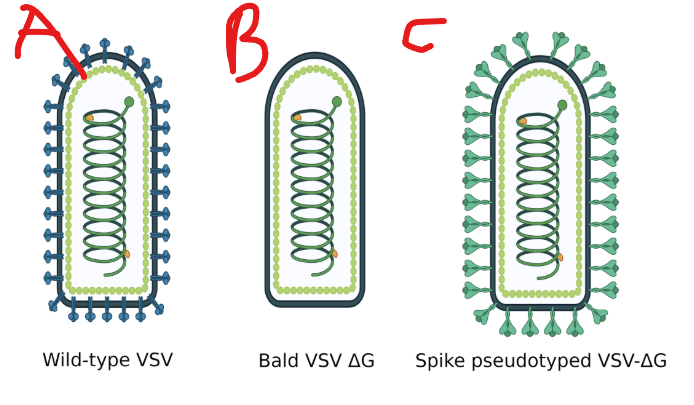
A, B, C
Which of the following statements is true regarding the penetration stage of eukaryotic viral replication? Check all that apply
A. Only the genome enters the host cell and the capsid remains outside
B. Viral lipid envelope fuses with the host cell’s membrane to release the nucleocapsid into the host cell cytoplasm
C. The entire virus with the envelope enters the host cell by endocytosis
D. None of the above
D
You are attempting to isolate an enzyme from a virus that is capable of creating DNA from RNA to use in biotechnology applications. What type of virus should you isolate this enzyme from?
A. Double stranded DNA virus
B. Single stranded DNA virus
C. (+) Strand RNA virus that uses +strand for translation of proteins
D. (+) strand RNA virus that first reverse transcribe +RNA to DNA
E. (-) strand RNA Virus
C
_____ viruses are able to begin translation immediately upon entering the host cell because their genome resembles ____________
A. dsDNA virus —————— DNA
B. ssDNA virus —————- DNA
C. (+) Strand RNA virus ————- mRNA
D. (+) Strand RNA retrovirus —————- mRNA
E. (-) Strand RNA virus ——————— DNA
B
One of the diagnostic tests used to detect COVID-19 in patients involves identifying the gene for the COVID-19 spike proteins. This would be an example of what type of diagnostic test?
A. ELISA
B. PCR
C. Rapid antigen test
B and E
Several medically important species of bacteria are capable of producing toxins due to genes encoded by phage that have been incorporated into their DNA by the process of _________, which is a consequence of _______ infection. Choose two answers
A. Lytic cycle
B. Lysogeny/Lysogenic conversion
C. Penetration into host cell
D. Replication
E. Bacteriophage