Early Childhood Development: Brain, Motor Skills, and Safety
 Call Kai
 Learn
Learn Practice Test
 Spaced Repetition
 Match
Match Flashcards
 Knowt Play
1/25

There's no tags or description
Looks like no tags are added yet.
Name | Mastery | Learn | Test | Matching | Spaced | Call with Kai |
|---|
No analytics yet
Send a link to your students to track their progress
26 Terms
What impact does socioeconomic status (SES) have on brain development?
Lower SES is associated with reduced volume of the hippocampus and amygdala, influencing brain development through proximal factors.
What are proximal influences on brain development?
Proximal influences are factors in the child's immediate environment, such as nutrition and cognitive stimulation.
What are executive functions in early childhood?
Executive functions include working memory, inhibition of responses, and shifting between mental states, crucial for school performance.
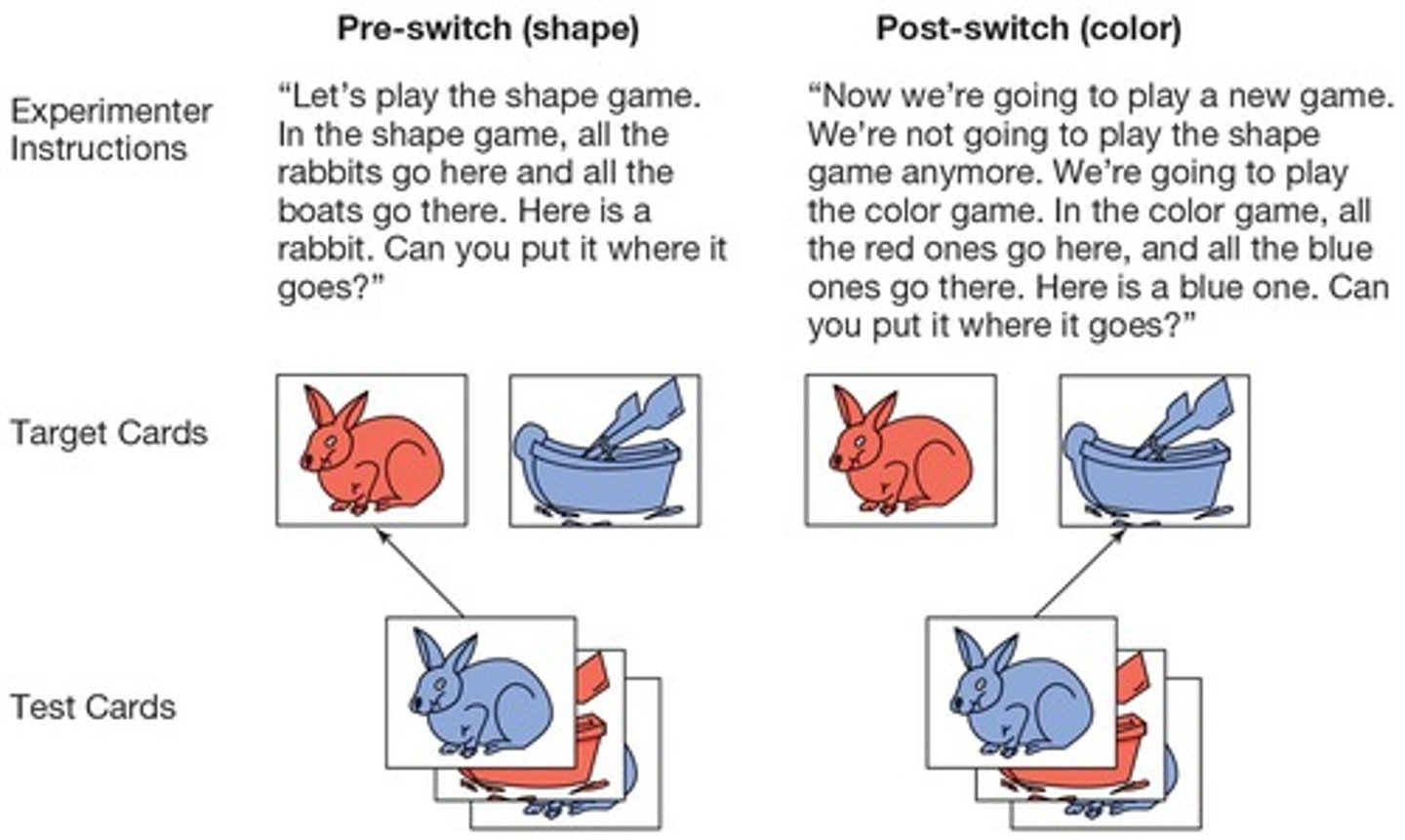
What is the Dimensional Change Card Sort Task used to assess?
It assesses children's ability to shift their thinking and apply rules, reflecting their executive functioning.
At what age do children typically learn to walk efficiently?
By age 2 to 2 ½ years.
What gross motor skills develop after a child learns to walk?
Running, hopping, skipping, climbing, throwing, catching, and kicking.
When do fine motor skills such as writing and drawing typically develop?
Between ages 2 ½ and 5.
What grip do children use to hold writing instruments by age 4?
They typically use a power grip.
What is a significant predictor of cognitive abilities in children?
Fine motor skills, particularly skills like writing letters, correlate with future language skills.
How many hours do toddlers sleep per day?
Toddlers ages 1 to 2 sleep about 12 to 14 hours a day.
What sleep difficulties may arise in children between ages 2 and 5?
Stalling before bedtime, nightmares, and sleep terrors.
What food preferences do children develop between ages 2 and 5?
They prefer foods high in sugar, salt, protein, and fat and are influenced by exposure.
What is food insecurity?
A condition where a child or family lacks a regular supply of nutritious food, often due to poverty.
What are the most common sources of injuries among children under 5?
Unintentional injuries, which are twice as common in this age group compared to children ages 6 to 11.
What is the relationship between cognitive development and injury rates in young children?
Variations in injury rates can be attributed to cognitive development, parental involvement, and cultural factors.
At what age is a child likely to print their name independently?
Around age 4 to 5.
What is a common characteristic of fine motor skills at ages 3-4?
Children can put basic shapes together, such as using circles to draw a face.
What does the game 'Simon Says' require from children?
Heavy reliance on executive functions to follow commands only when preceded by 'Simon says.'
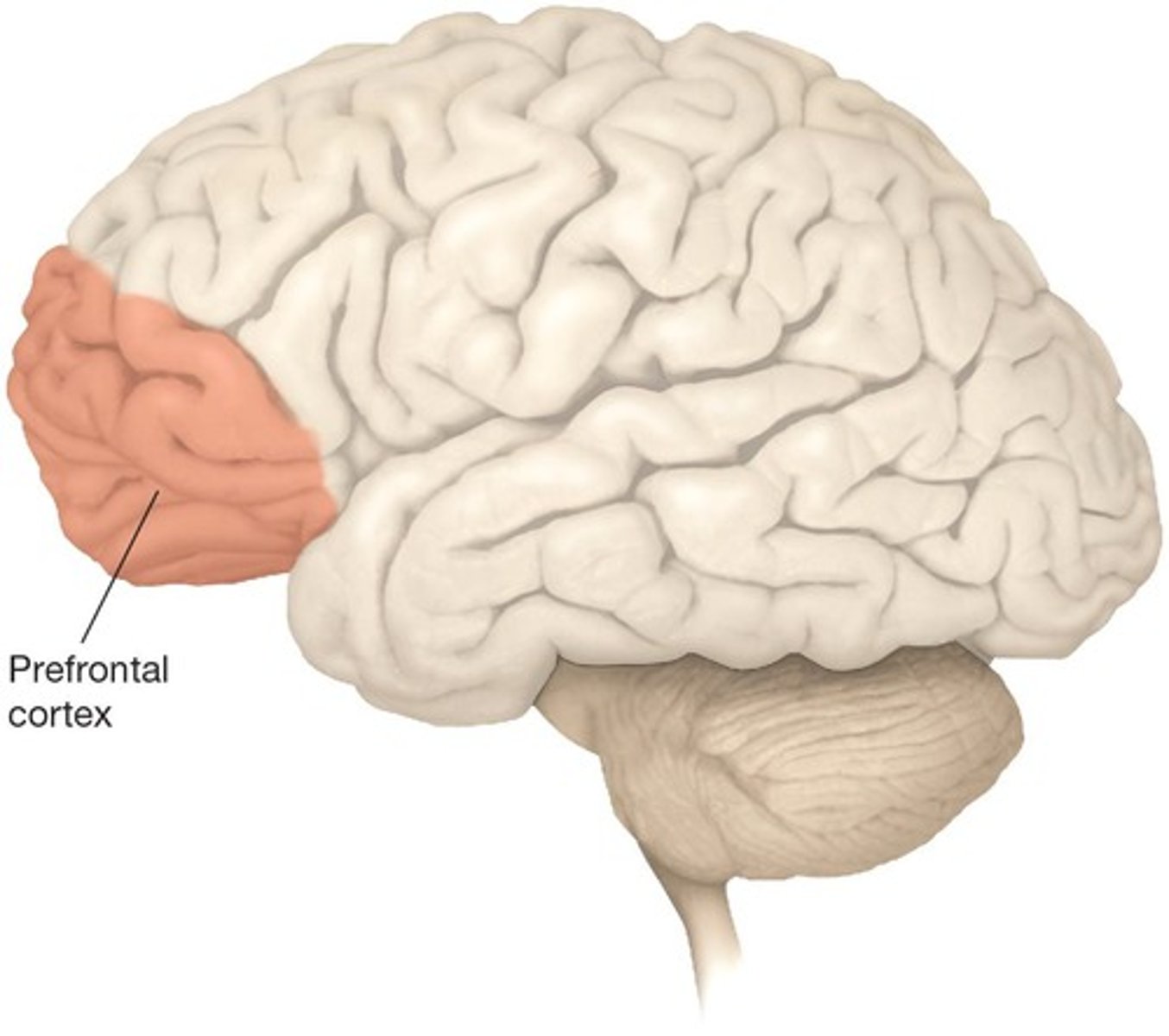
What is the significance of the prefrontal cortex in early childhood?
It is crucial for the development of executive functions, which are important for self-regulation and school performance.
What is the typical progression of drawing skills in early childhood?
Children start with straight and curved lines, progress to basic shapes, and then combine shapes into recognizable drawings.
What is the role of environmental factors in children's food preferences?
Children tend to prefer foods they are exposed to most often, which can shape their dietary choices.
What age range is associated with the development of handedness?
Handedness typically develops in the first 6 years of life.
What is the recommended sleep duration for children ages 3 to 5?
Children ages 3 to 5 generally sleep less than toddlers, often around 10-12 hours.
What is a key factor influencing the development of executive functions?
Brain development and environmental stimulation play significant roles.
What is the expected outcome of improved fine motor skills in early childhood?
Improved fine motor skills correlate with better cognitive abilities, such as reading and math skills.

What is a common challenge for children aged 3 regarding safety rules?
They may forget the rules or fail to think about them before acting, requiring reminders from parents.