Nonchordate Lab
 Call Kai
 Learn
Learn Practice Test
 Spaced Repetition
 Match
Match Flashcards
 Knowt Play
1/25

There's no tags or description
Looks like no tags are added yet.
Name | Mastery | Learn | Test | Matching | Spaced | Call with Kai |
|---|
No analytics yet
Send a link to your students to track their progress
26 Terms
Phylum Arthropoda
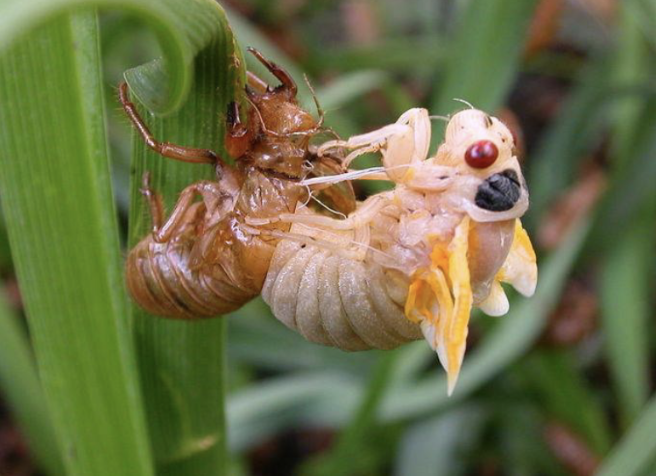
triploblastic; coelomates; cephalization present; bilateral symmetry; complete digestive system; true segmentation; protostomes; perform ecdysis
are subdivided into 4 groups
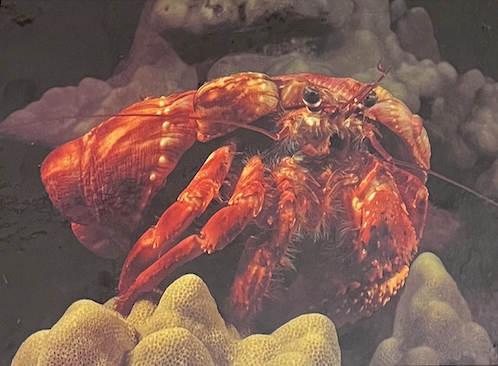
ecdysis
process of shedding/molting the cuticle, used by Nematoda & Arthropoda
cuticle
a tough coat that covers Ecdysozoans (Nematoda & Arthropoda)
Chelicerata/Chelicerates
2 body segments; have chelicerae not mandibles; no antenna present; horseshoe crabs, spiders, ticks (arachnids)
chelicerae
clawlike feeding appendages on Chelicerates
Myriapoda/Myriapods
many body segments; have mandibles; have antenna; centipedes, millipedes
Crustacea/Cristaceans
2 body segments; have mandibles; have antenna; crabs, barnacles
Insects/Hexapoda
3 body segments; have mandibles; have 1 antennae pair; lady bugs, grasshoppers, lice
Phylum Echinodermata
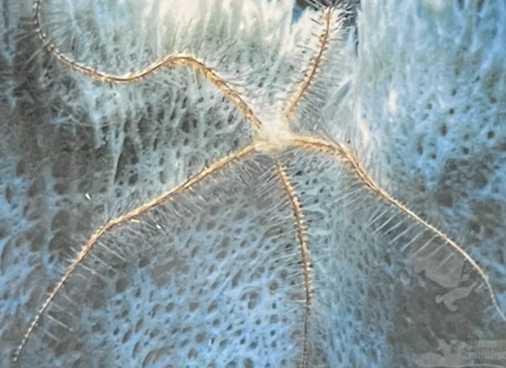
larvae are bilaterally symmetrical; coelomates; deuterostomes; adults have pentamerous body plan/nonsegmented; endoskeleton of calcareous plates; water vascular system; marine
(ex: sea urchins, sea biscuits, sand dollars, starfish)
water vascular system
network of hydraulic canals that branch into tube feet, present in Echinoderms
tube feet
assist in Echinoderm locomotion and feeding
Phylum Porifera
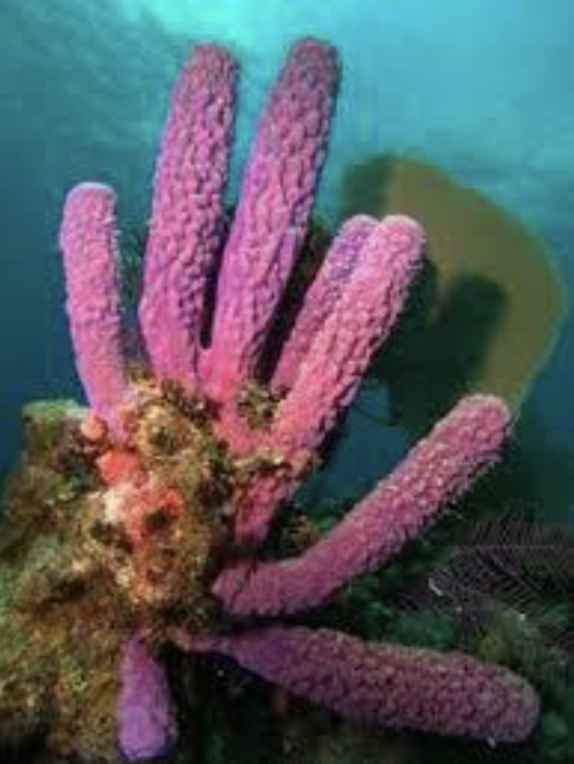
asymmetrical; filter feeders; cells not differentiated into true tissues; lack true organs; triploblastic
(ex: sponges, Grantia)
hermaphrodites
fiction first as one sex then as the other (most sponges)
Phylum Cnidaria
only diploblastic phylum; radially symmetric; divide into Medusozoa/jellies, Anthozoa/sea anemones; use cnidocytes
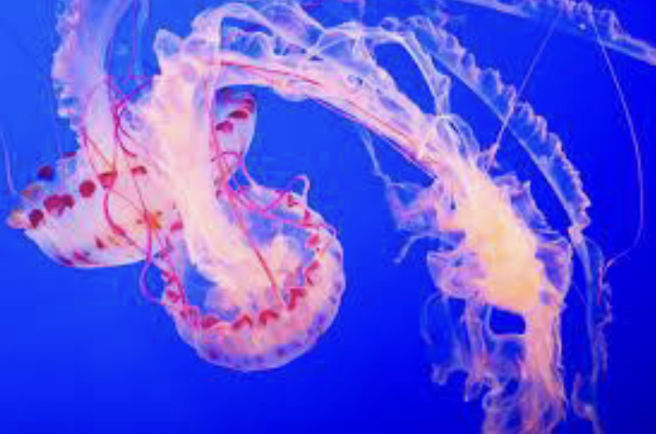
cnidocytes
unique cells that function in defense and capture of prey in Cnidarians
nematocysts
specialized organelles within cnidocytes that eject a stinging thread
Phylum Platyhelminthes
triploblastic; acoelomates; tissues arranged into organ systems; bilateral symmetry; have cephalization; have a gastrovascular cavity; they are otherwise known as “flatworms”
(ex: planarians, flukes, tapeworms)
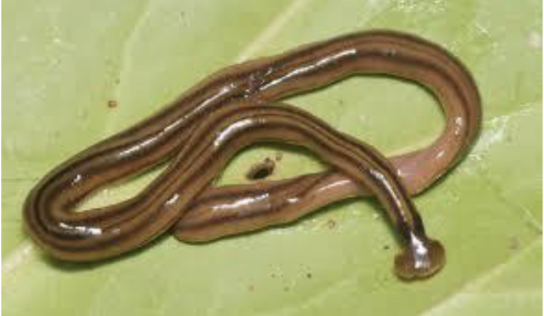
cephalization
concentration of nervous tissue at the anterior end
Phylum Mollusca
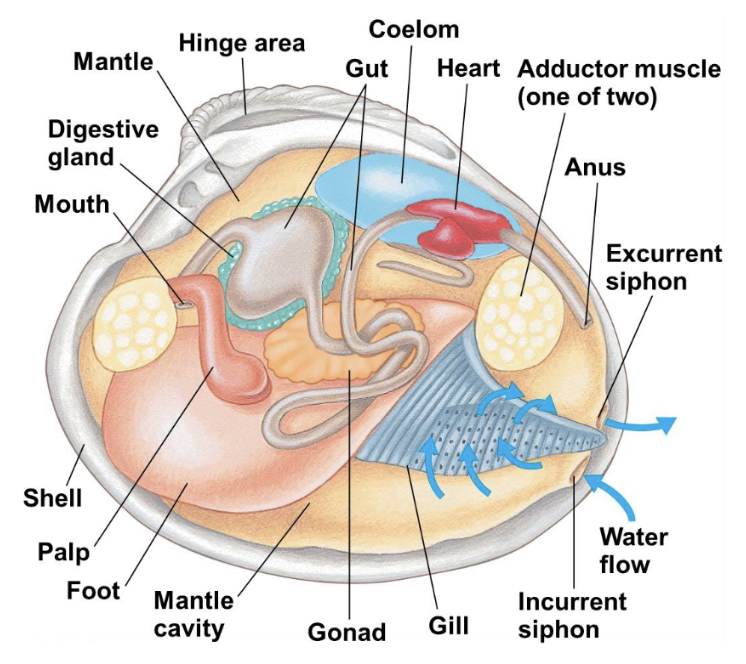
coelomates; unsegmented body divided into mantle, visceral mass, and foot; external/internal shell; triploblastic; protostomes; divided into 4 subgroups
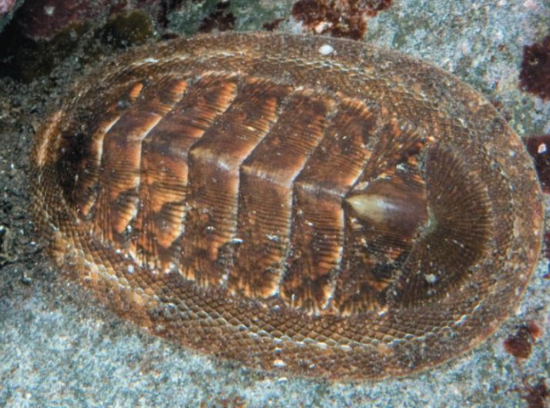
Chitons
use radula to eat algae, use foot as suction, protected by 8 dorsal plates
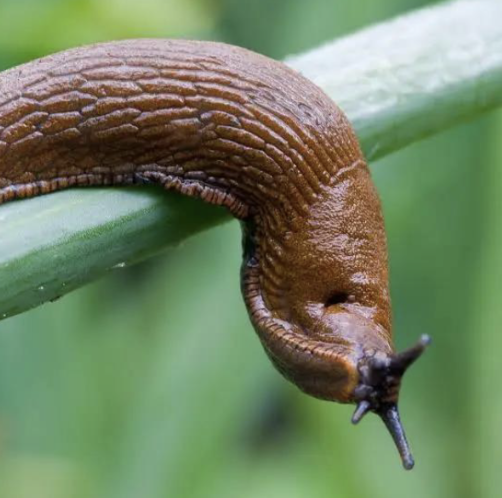
Gastropods
move slowly by rippling motion of foot; eat by radula; protected by spiral shell; snails, slugs
Bivalves
use gills to filter food; move by foot/adductor muscles; have shells; clams, oysters, mussels
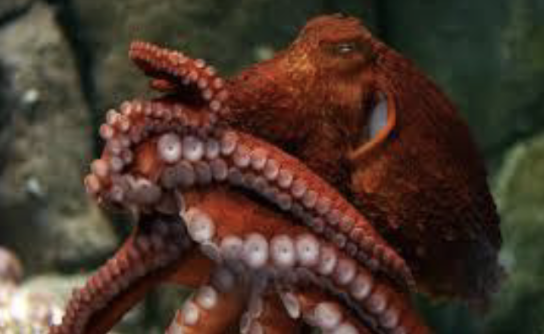
Cephalopods
use beak to feed; shoot water out to move; internal/reduced shell
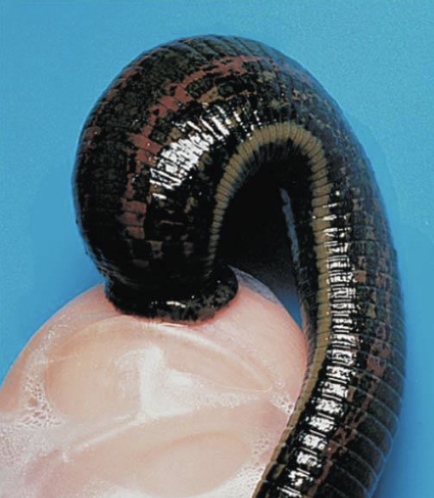
Phylum Annelidia
segmented worms; coelomates; series of fused rings; triploblastic; protostomes; bilateral symmetry
(leeches, worms)
Ecdysozoans
coverered in a tough coat called cuticle and carry out ecdysis
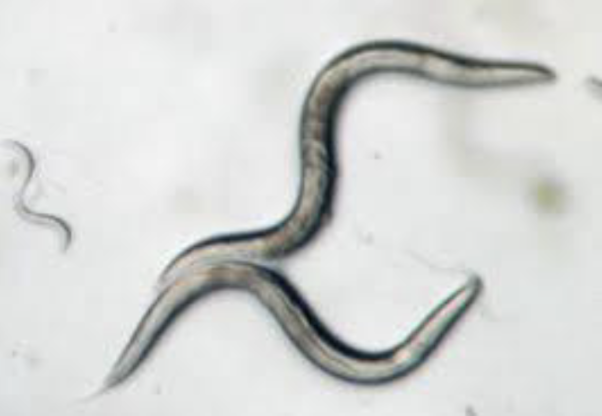
Phylum Nematoda/Nematodes
roundworms; found in body fluids/animal tissue; only psuedocoelomates; cephalization; bilaterally symmetric; protostome; complete digestive tract