Week 15 - Epigenetics, microsatellites, ministallites
 Call Kai
 Learn
Learn Practice Test
 Spaced Repetition
 Match
Match Flashcards
 Knowt Play
1/100

There's no tags or description
Looks like no tags are added yet.
Name | Mastery | Learn | Test | Matching | Spaced | Call with Kai |
|---|
No analytics yet
Send a link to your students to track their progress
101 Terms
Some strains of mice have:
Agouti allele (A)
Agouti Viable Yellow (Avy)
Agouti Viable Yellow (Avy) allele
helps scientists see how epigenetics works
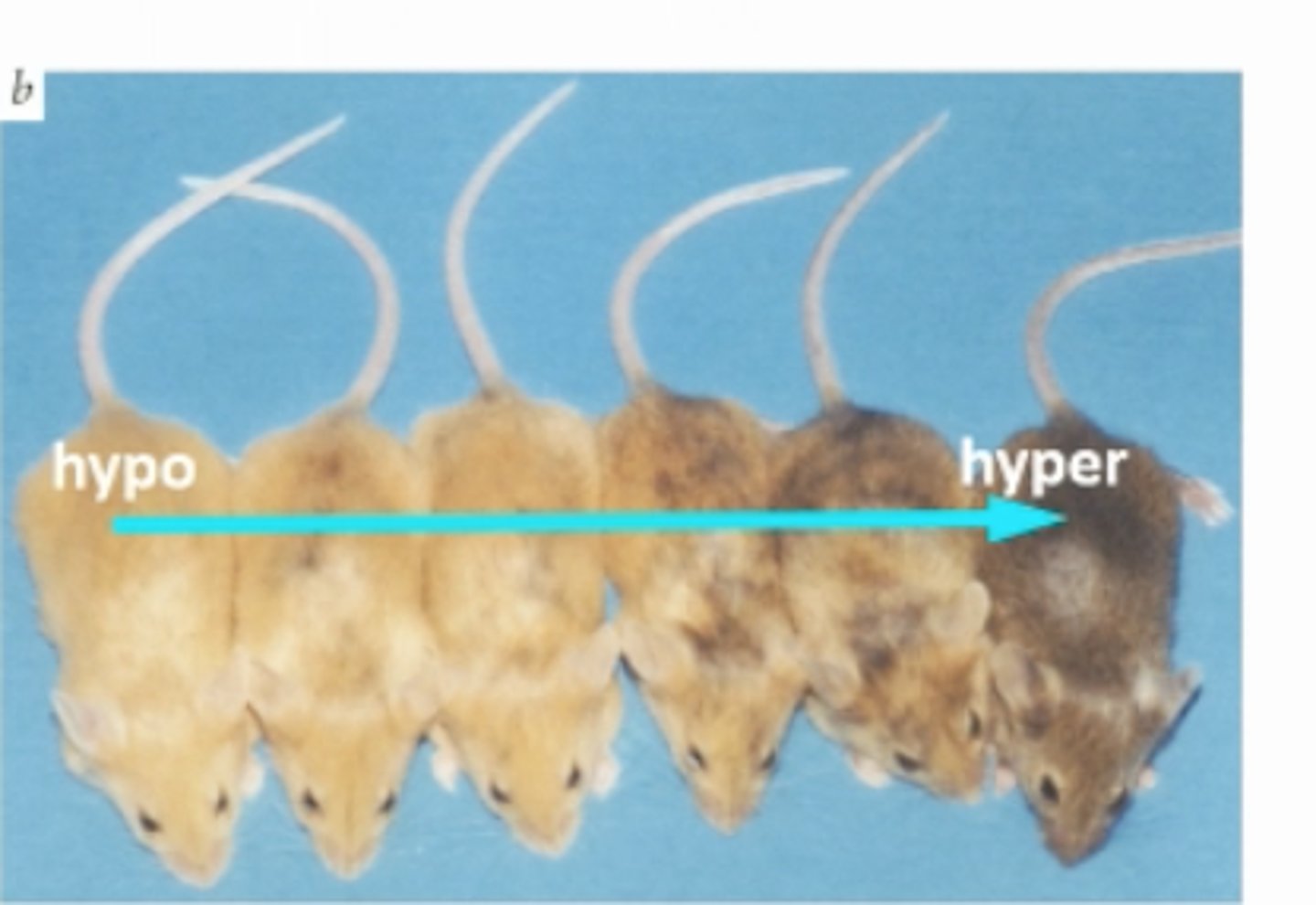
because different methylation levels of this Avy allele cause different coat colors in mice
Agouti gene
regulated by a hair cycle-specific promoter during development
- time-specific
- tissue specific (hair follicles)
Agouti allele (A)
dominant; encode a protein that give yellow (pheomelanin) pigment in the hair shaft of mice
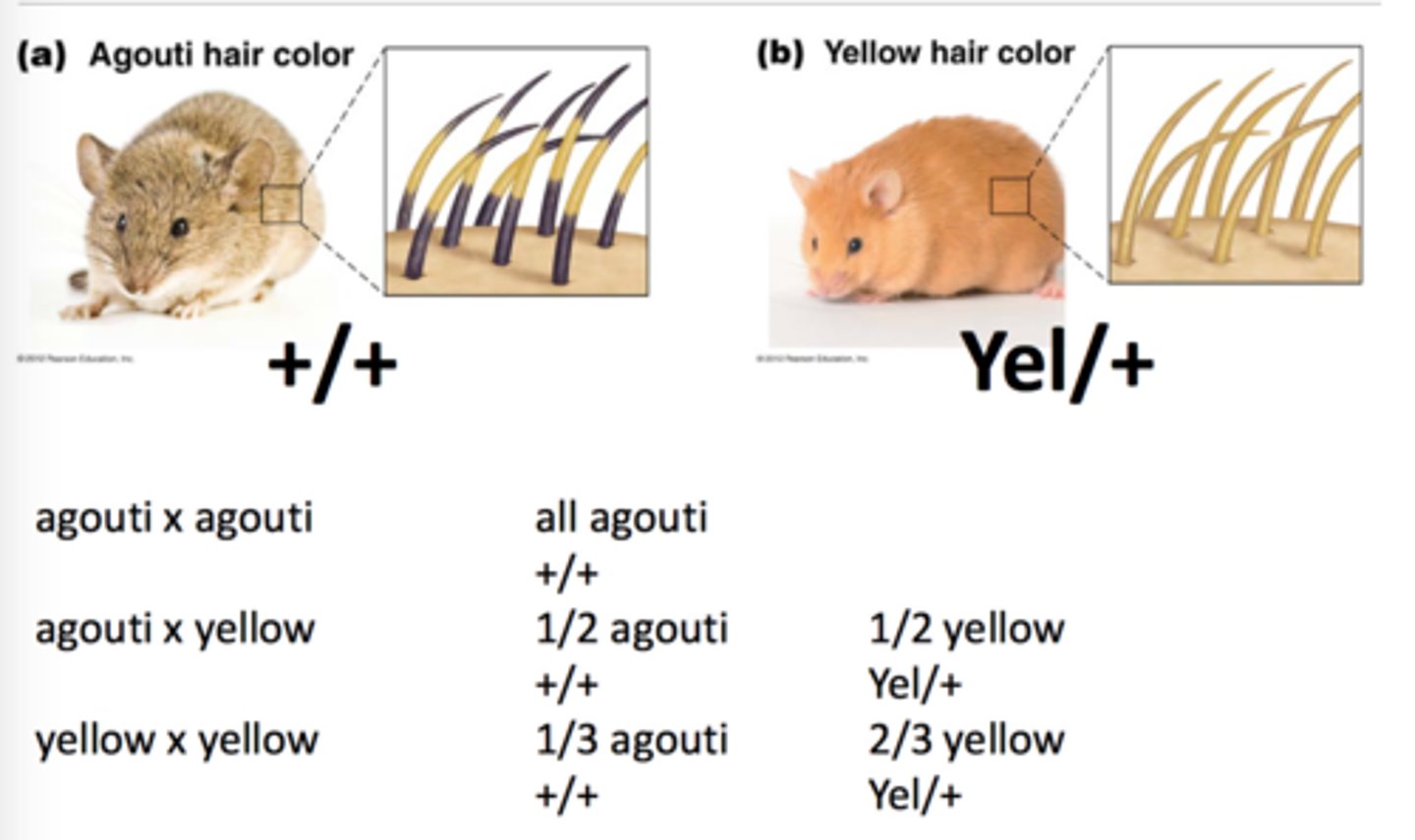
two recessive (aa) alleles
not produce the agouti protein
they have solid black (eumelanin) fur (non-agouti)
Pheomelanin
Individual mice hair will have a light band of yellow pigment on an otherwise dark hair shaft
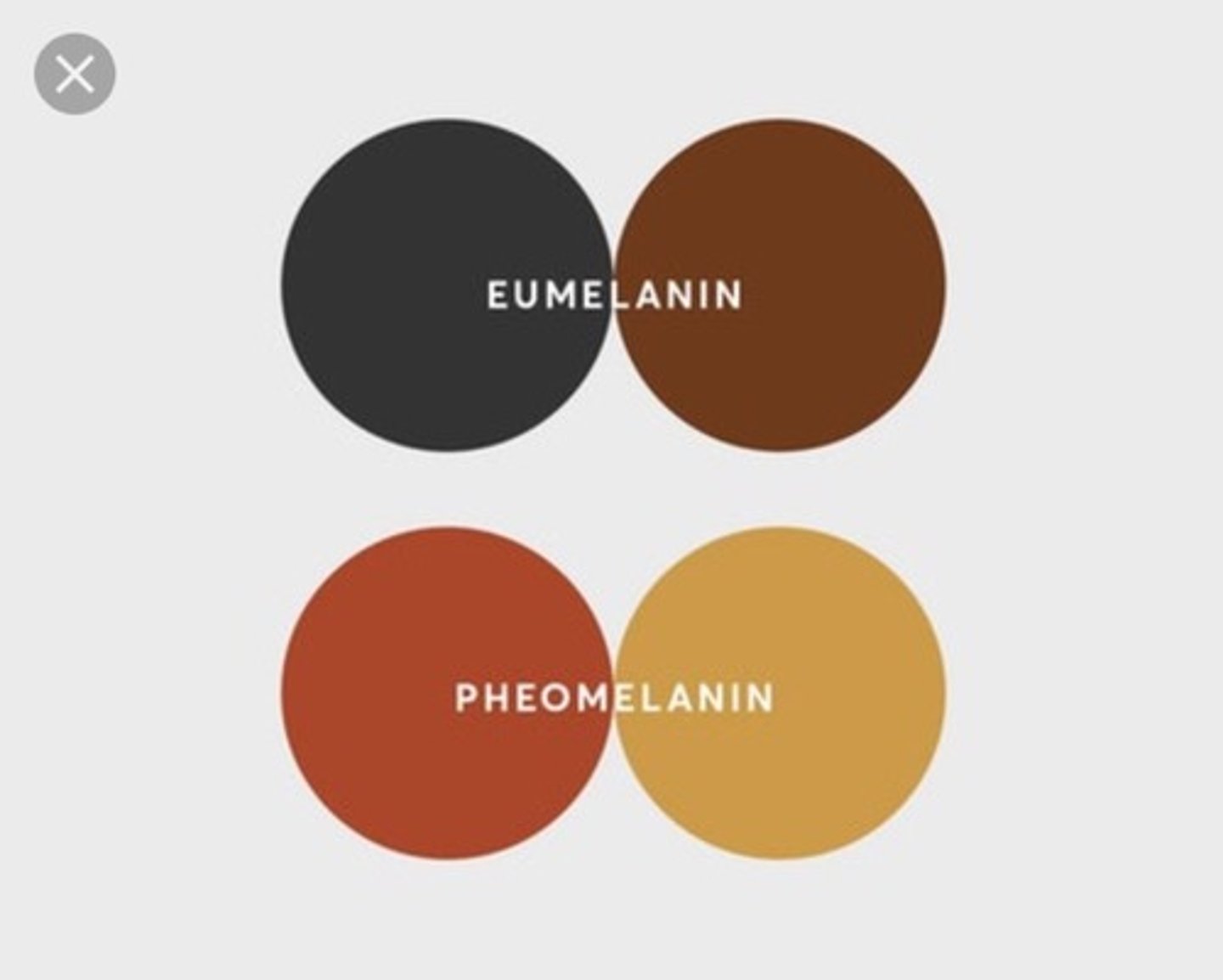
Eumelanin (non-agouti)
Black color

Genotype of mouse -AA
Two dominant Agouti alleles, pheomelanin produced
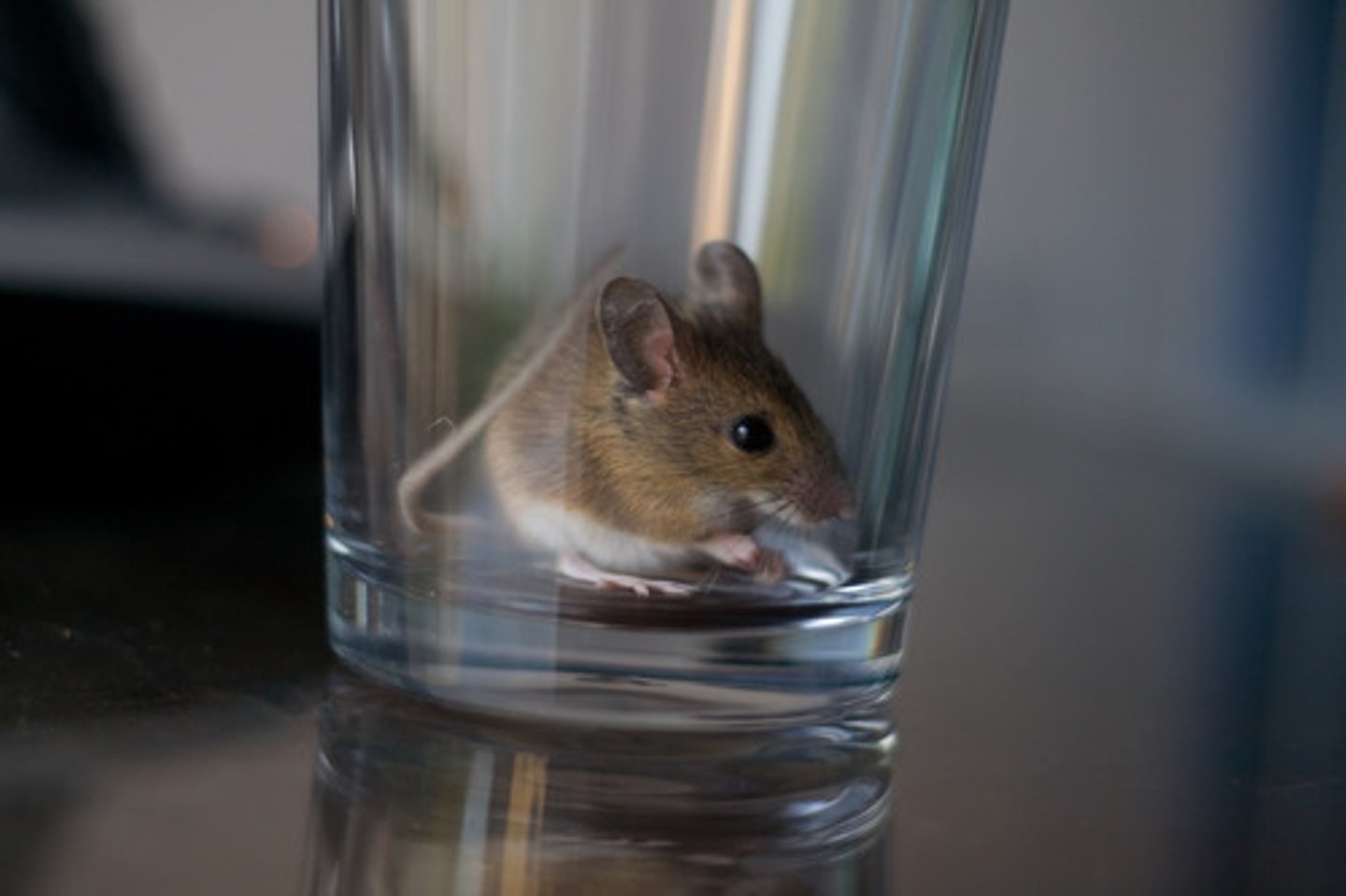
Genotype of mouse -Aa
One dominant Agouti allele, one recessive allele ,pheomelanin produce
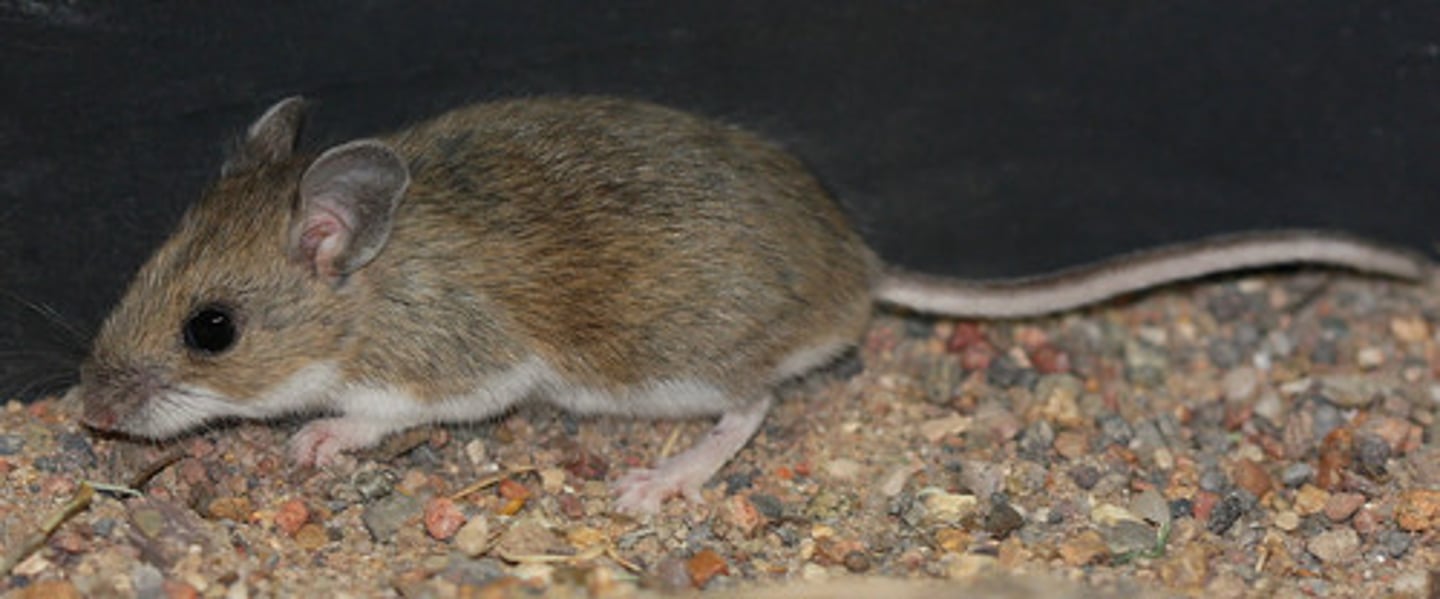
Genotype of mouse -aa
Two recessive non-Agouti alleles, pheomelanin NOT produced.
Eumelanin (black) pigment
Avy insertional mutation
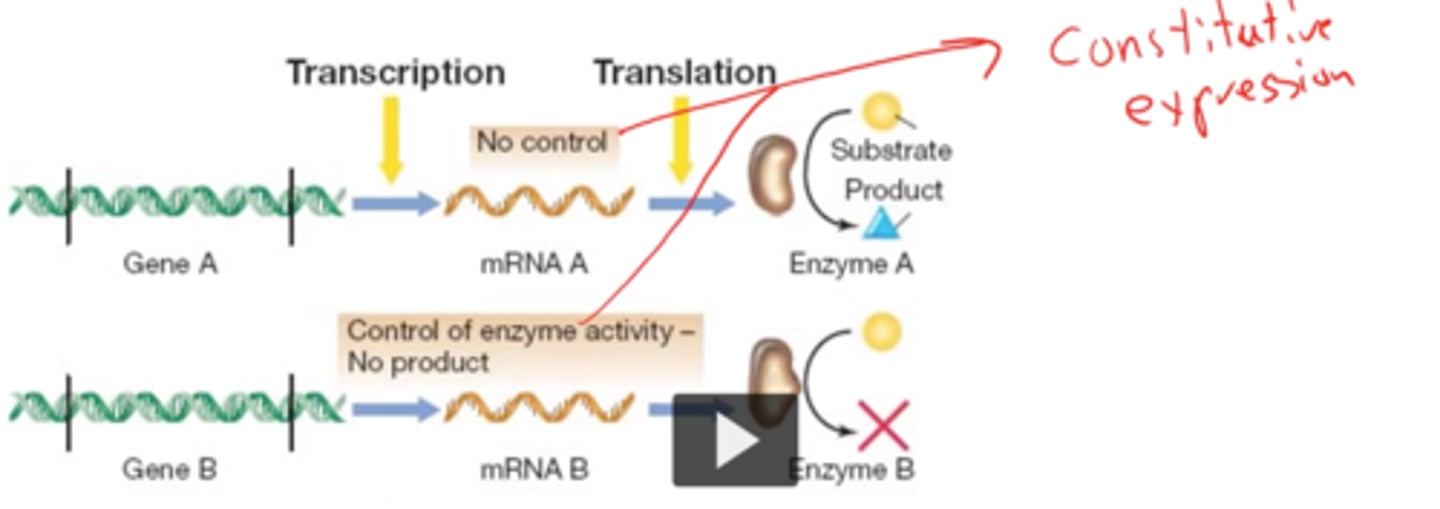
- constitutively (all the time, not just during specific stages of hair development)
- ectopically (in all tissues, not just in hair cells)
Intracisternal A Particle (IAP)
transposon; 5.4 kilobases (kb) in size
inserted upstream of the normal hair-specific promoter of the Agouti allele's
cryptic promoter
drive:
1. ECTOPIC Agouti gene expression
2. CONSTITUTIVE Agouti gene expression
combination of this two expression patterns lead to mice with
• yellow coat color, and• metabolic health issues (obesity, type 2 diabetes, tumor susceptibility, reduced lifespan
normal expression is functionally masked
IF Agouti expression is driven from the cryptic promoter in IAP
Since expression from this promoter is constitutive and ectopic
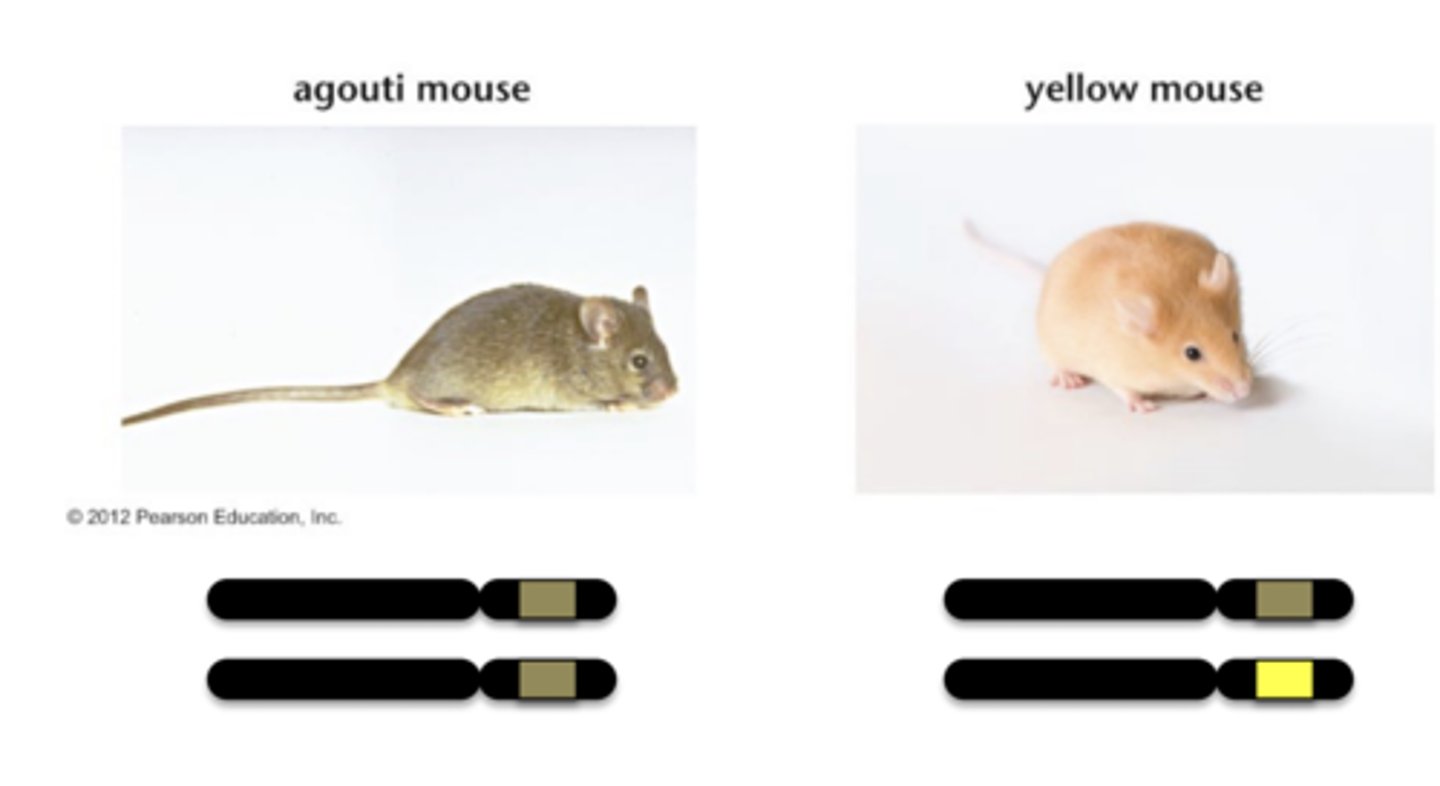
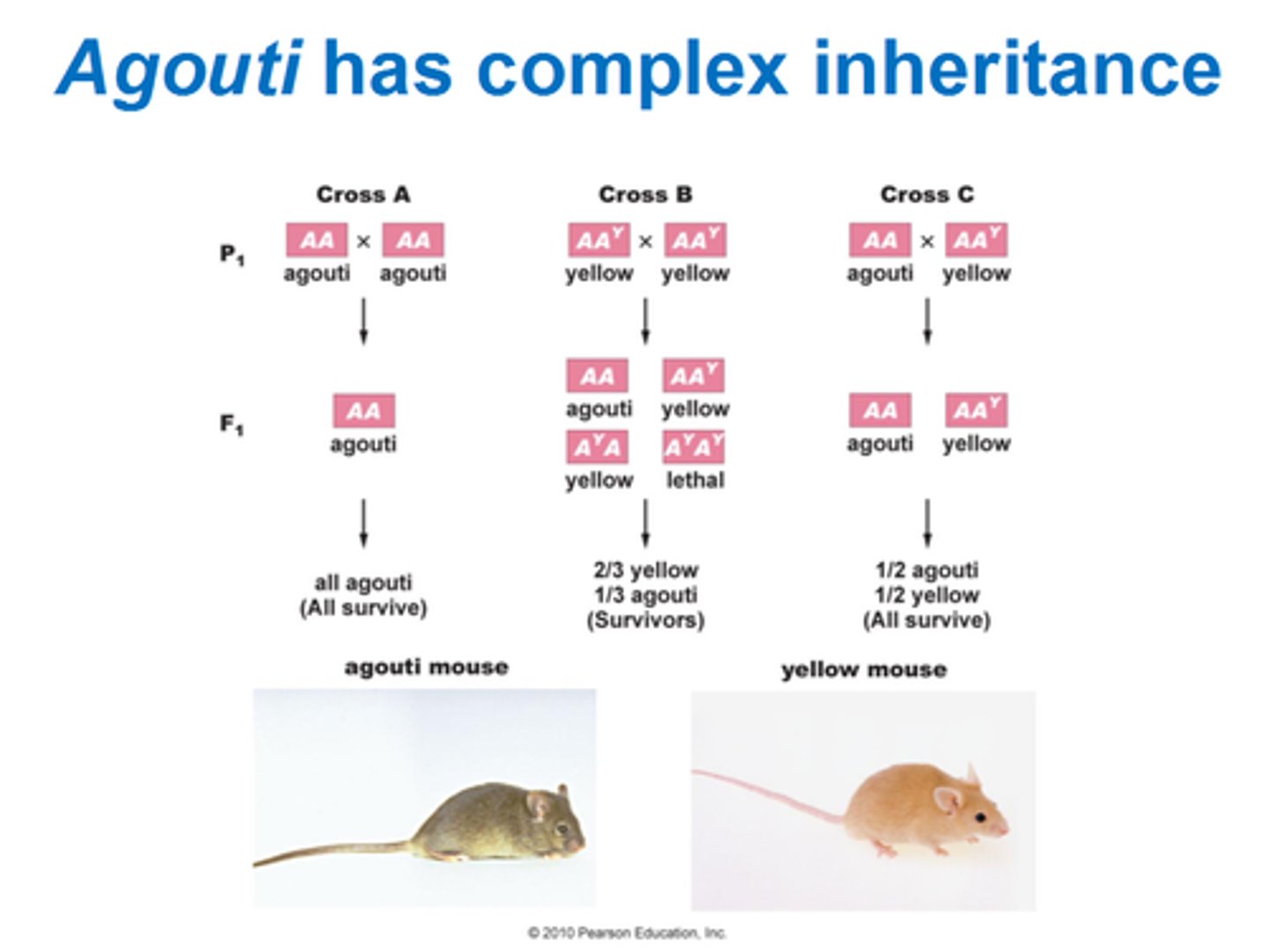
no homozygous AvyAvy
results in lethality before birth
Ectopic expression
because pheomelanin is made in tissues like the liver and brain, where it's not normally made
Constitutive expression
because pheomelanin is made continuously, not just during a specific time in development
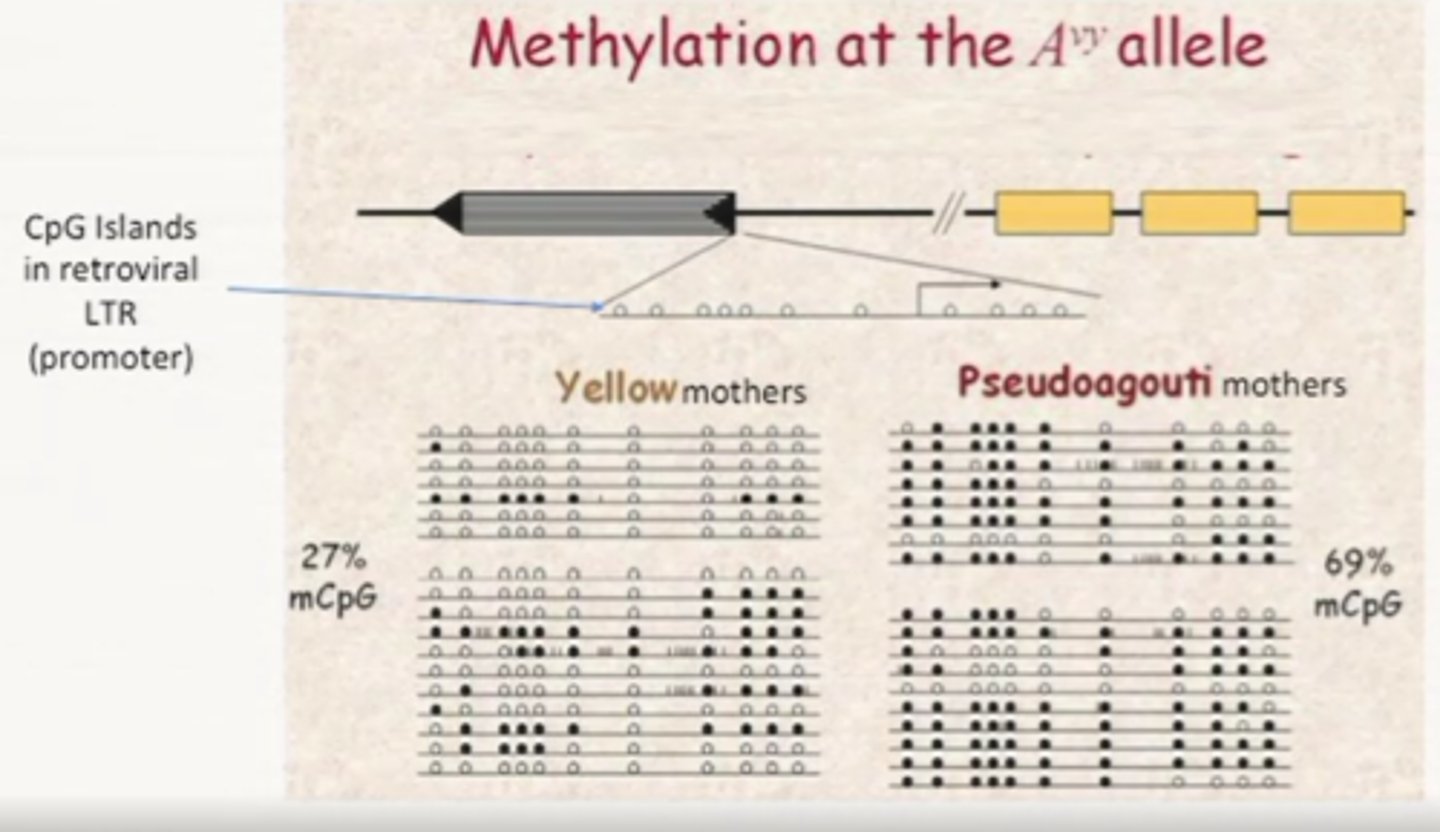
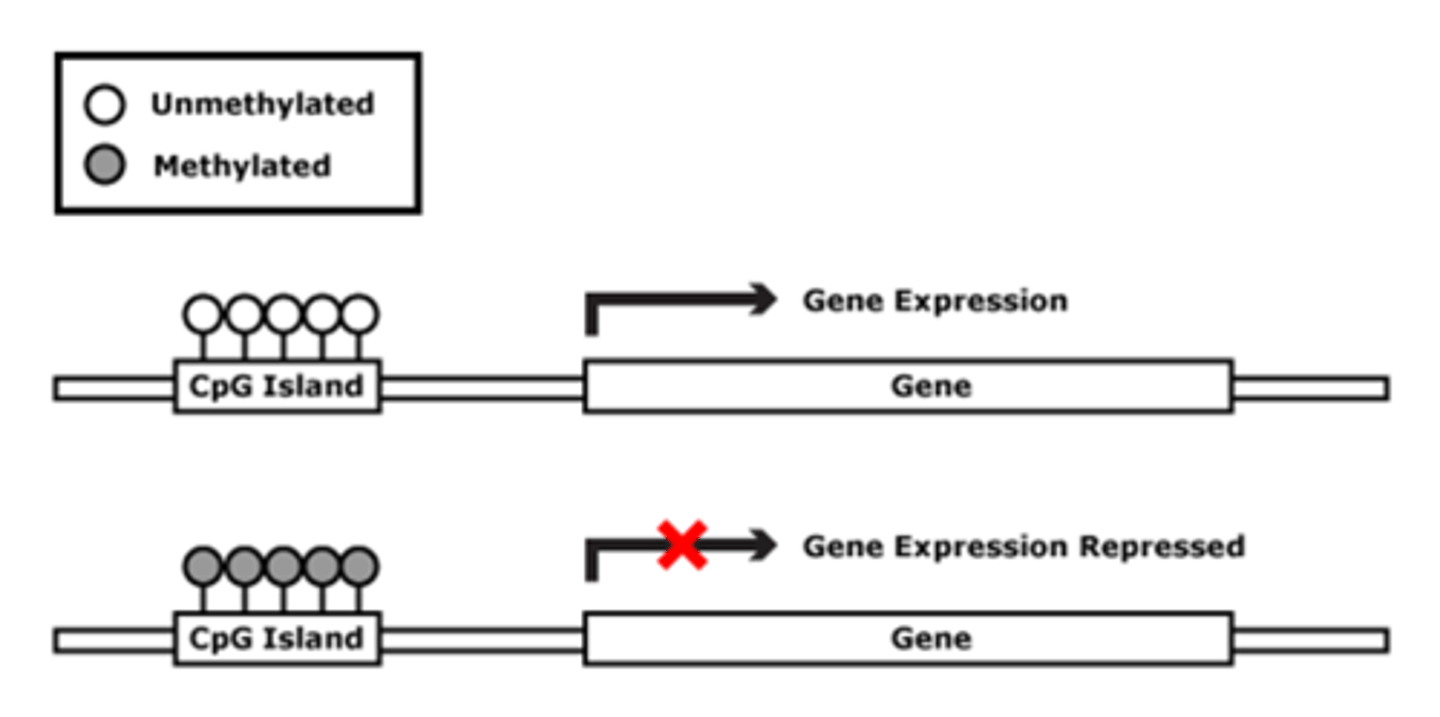
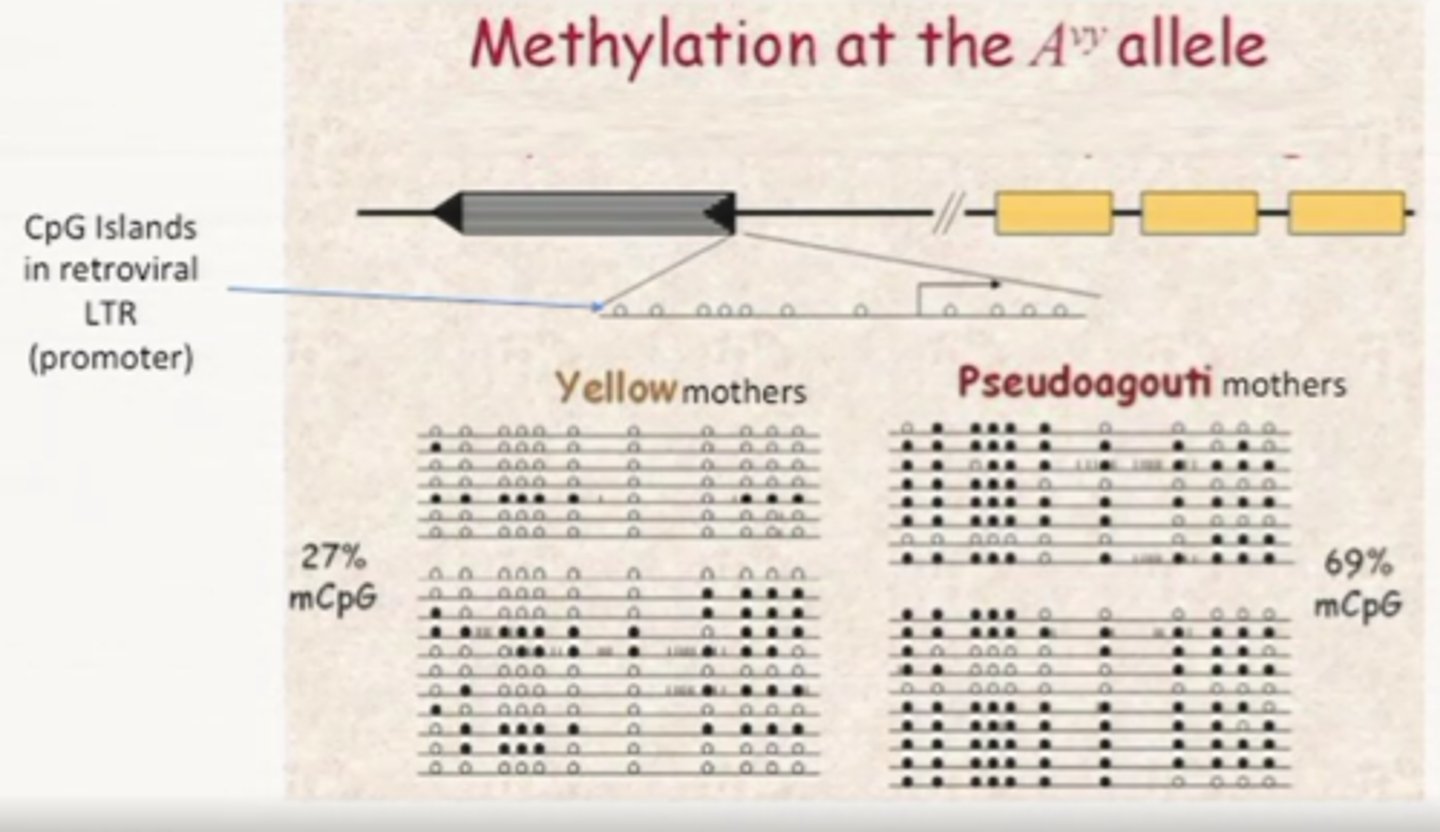
CpG sites are present in the IAP cryptic promoter
There are NINE CpG sites in IAP cryptic promoter
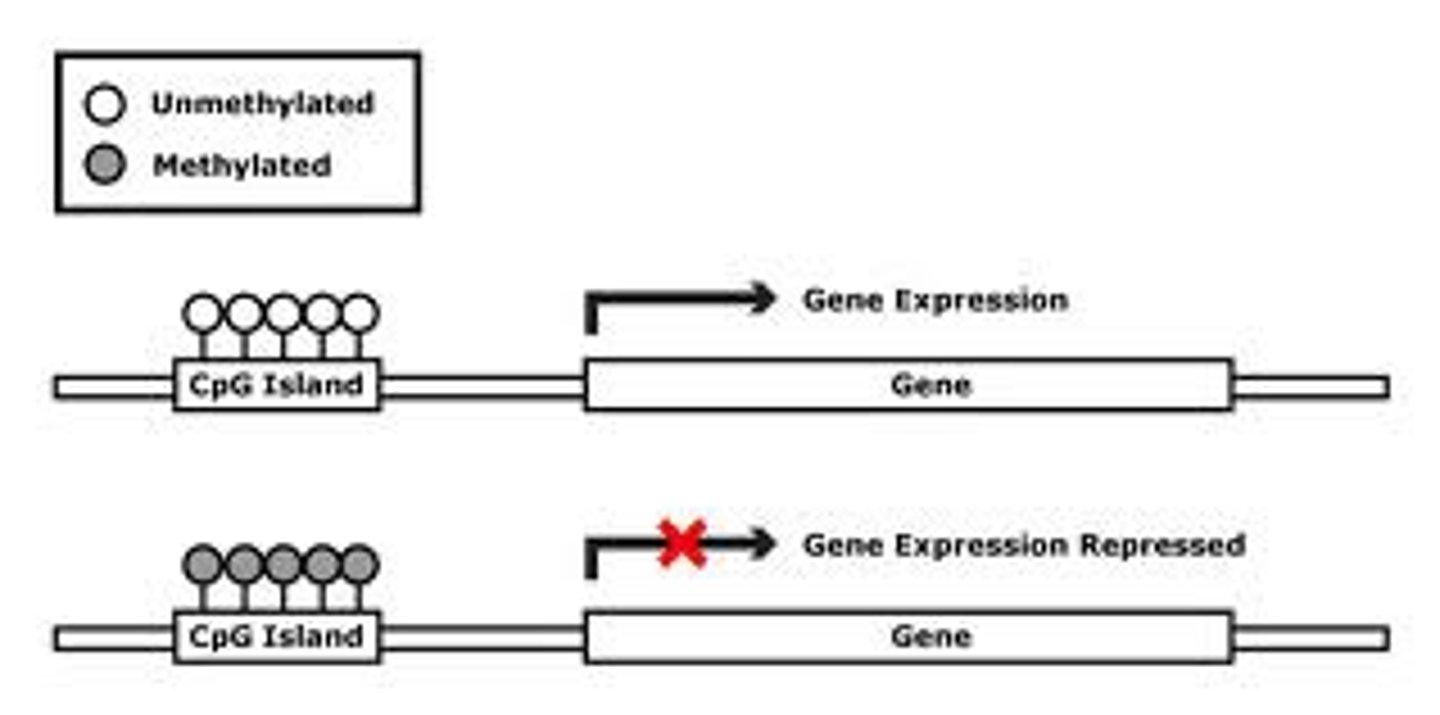
If none or only one of the CpG sites is methylated
the Avy allele is expressed constitutively and ectopically
leading to excessive pheomelanin production across all tissues
5 CpG sites are methylated
reduced Avy allele expression
leading to DECREASED pheomelanin productio
most or all of the CpG sites are methylated
the Avy allele is silenced (no expression)
No pheomelanin from this allele
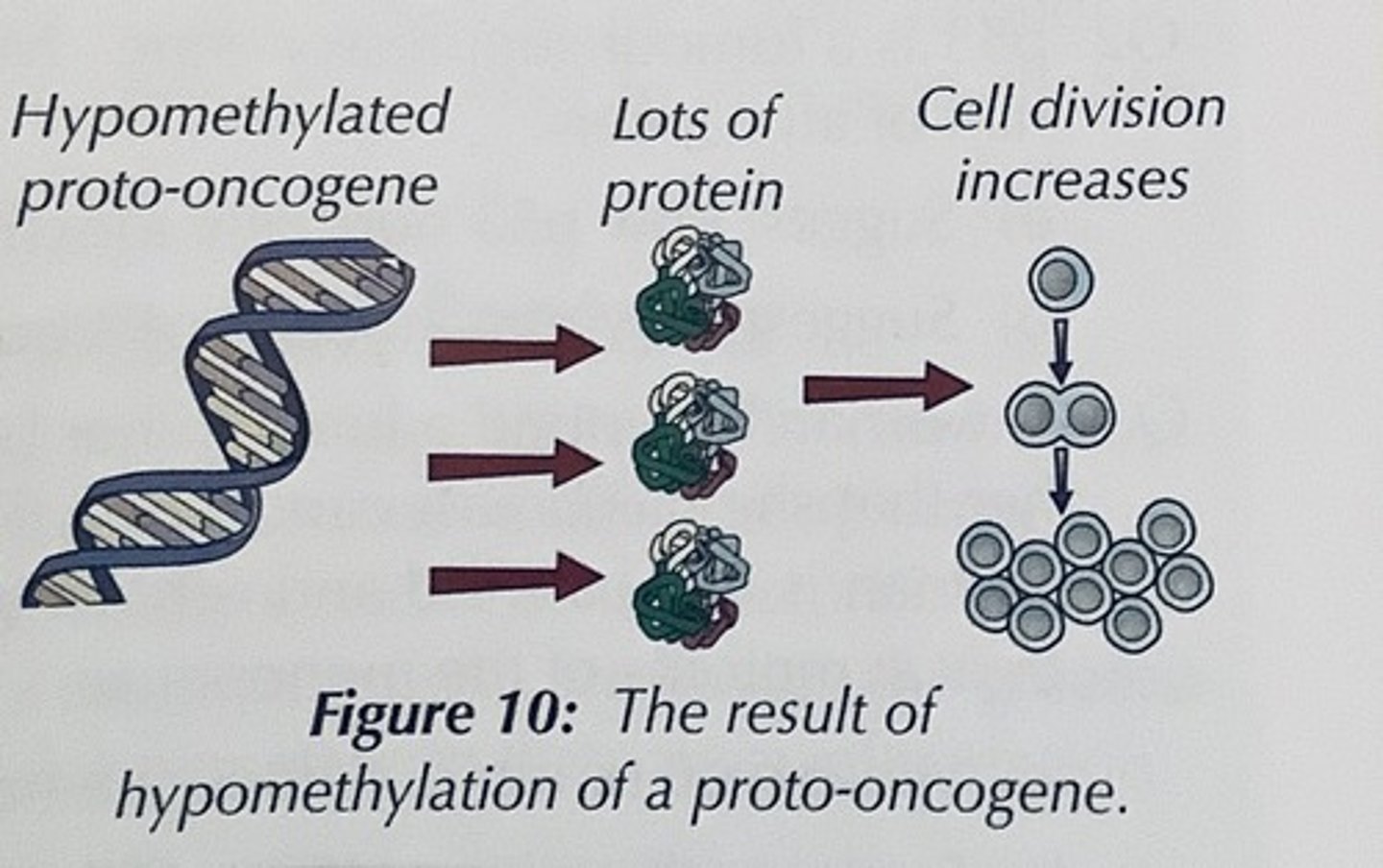
HYPOMETHYLATION
ectopic and constitutive expression of Avy
Pheomelanin in all cells all the time
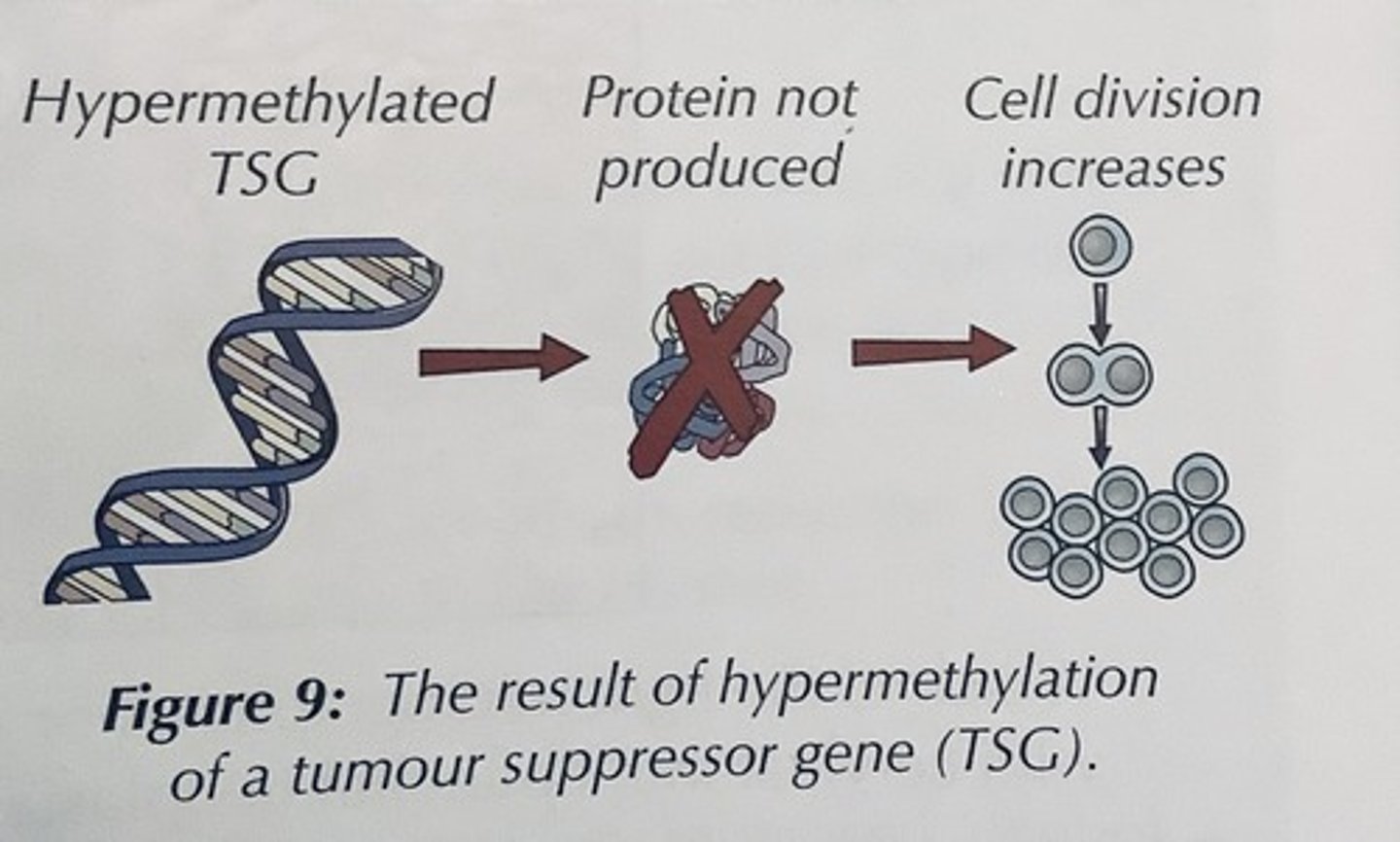
HYPERMETHYLATION
Avy is silenced .... No pheomelanin made from this allele
BUT the A allele is expressed normally
Pseudoagouti
possess a specific genotype but exhibit a brown-colored coat that appears similar to a wild-type agouti mouse
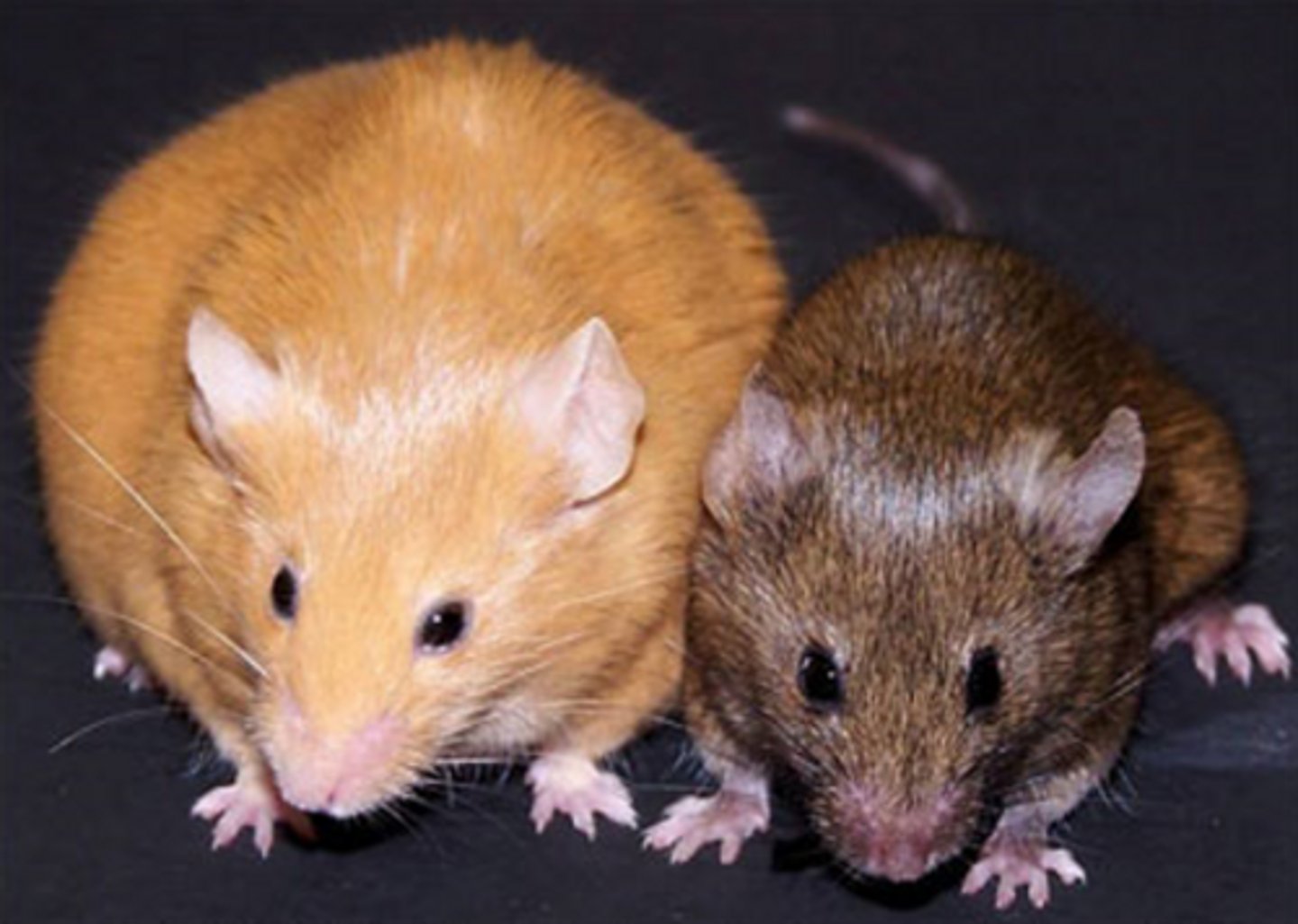
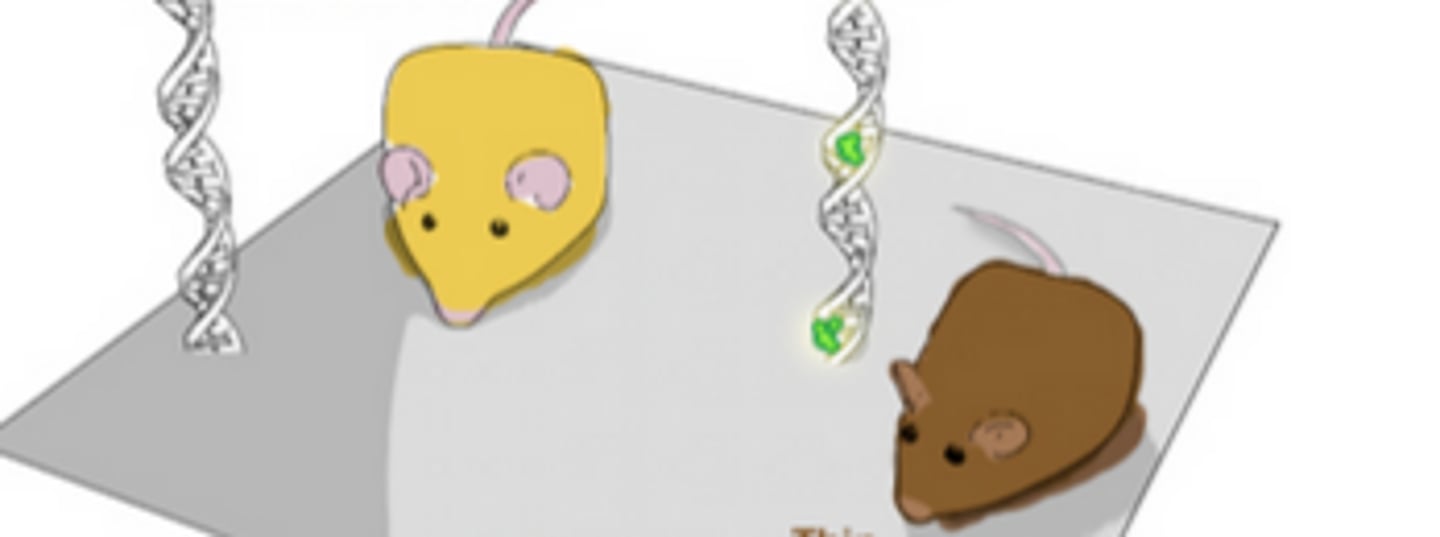
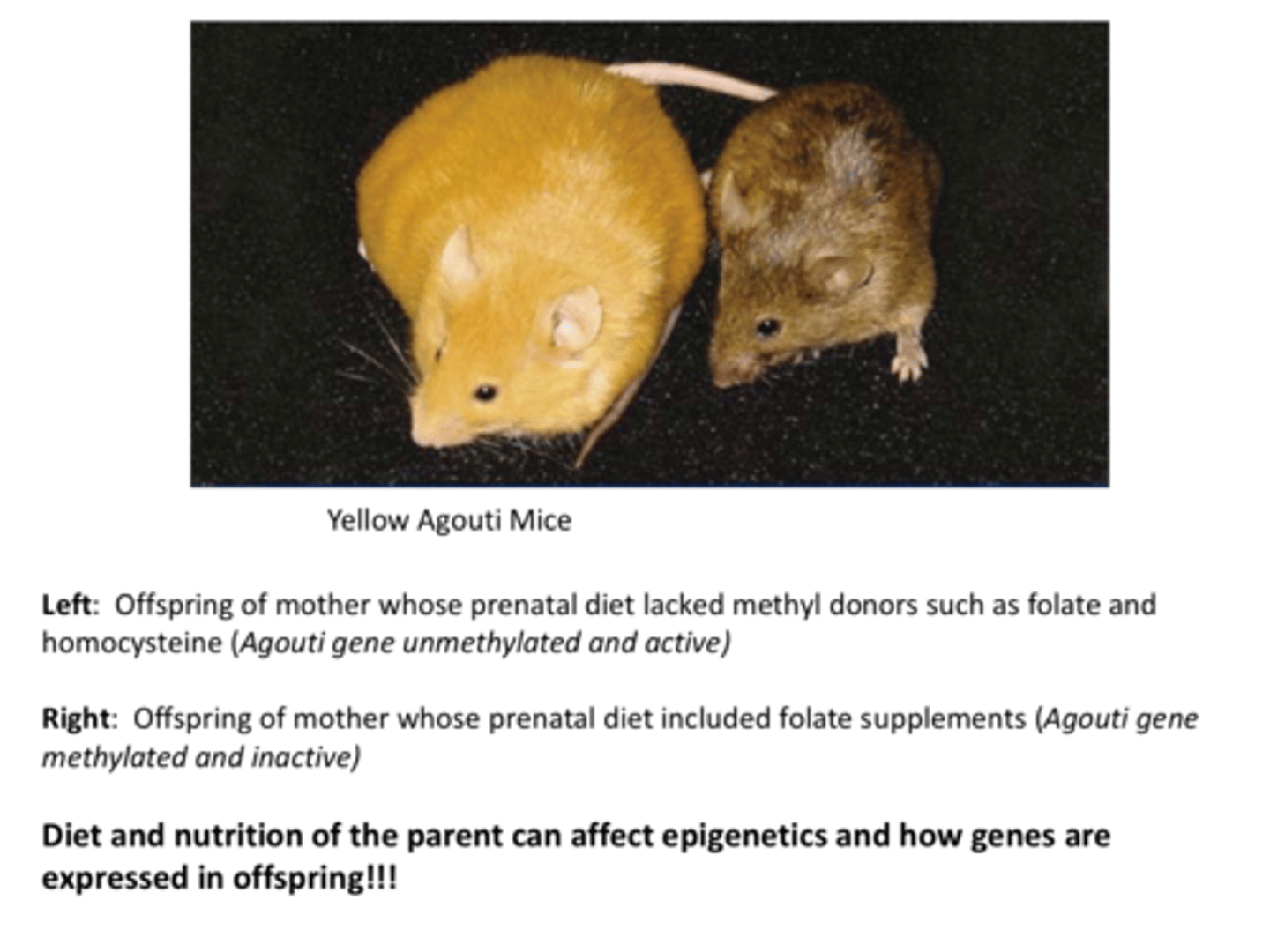
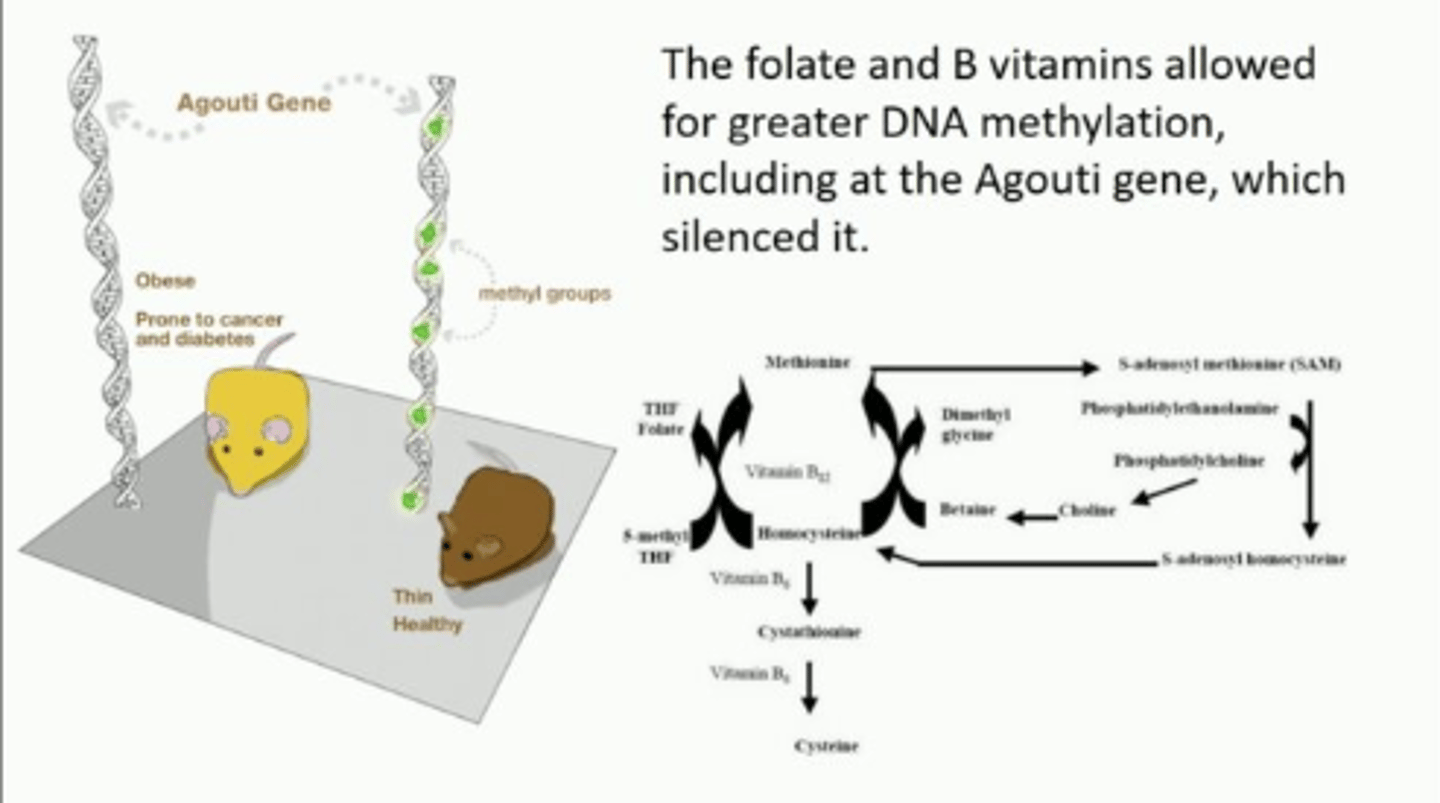
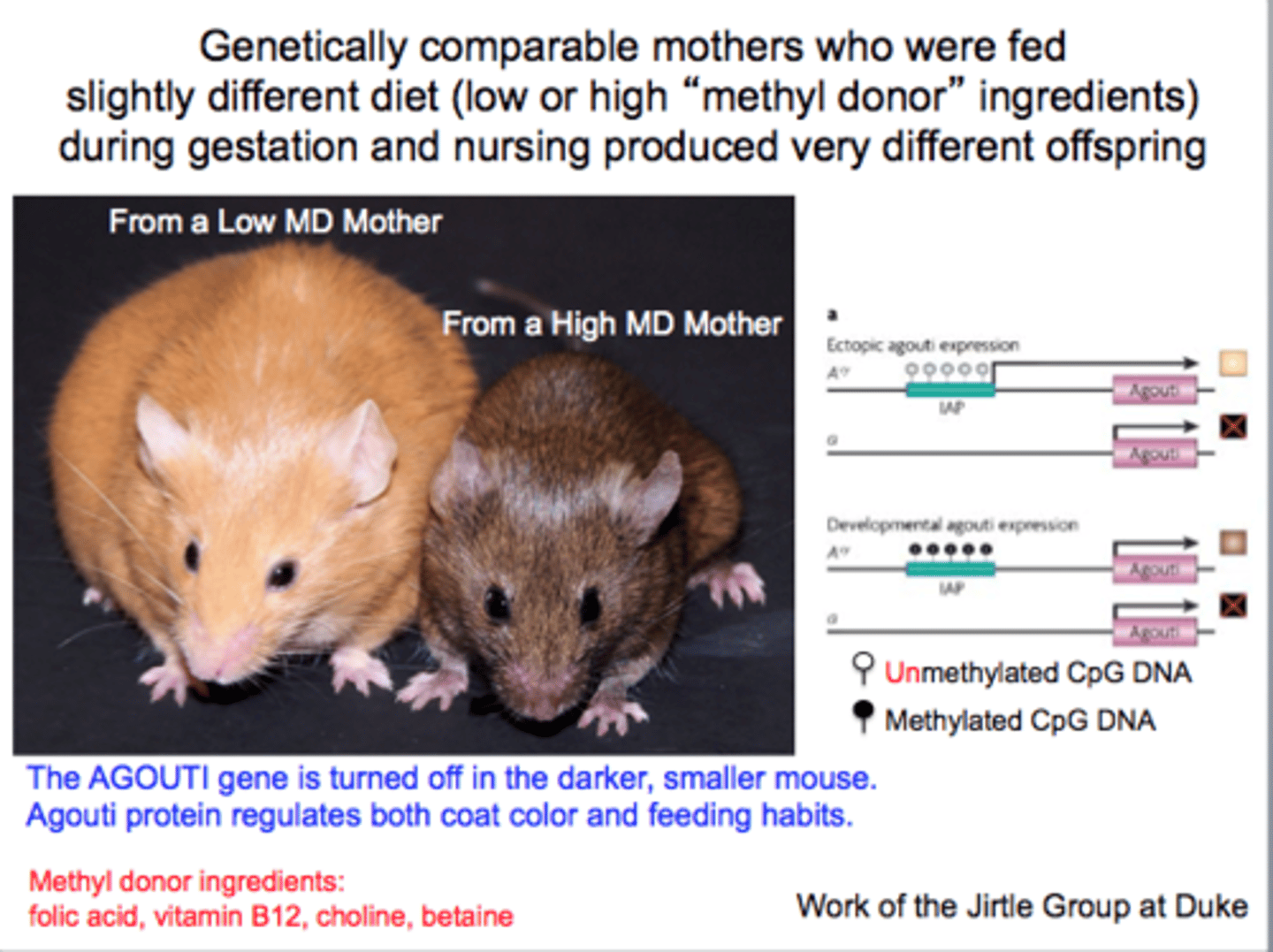
difference between the healthy brown mouse and its overweight yellow twin
not a change in the DNA sequence (mutation) of the Agouti allele
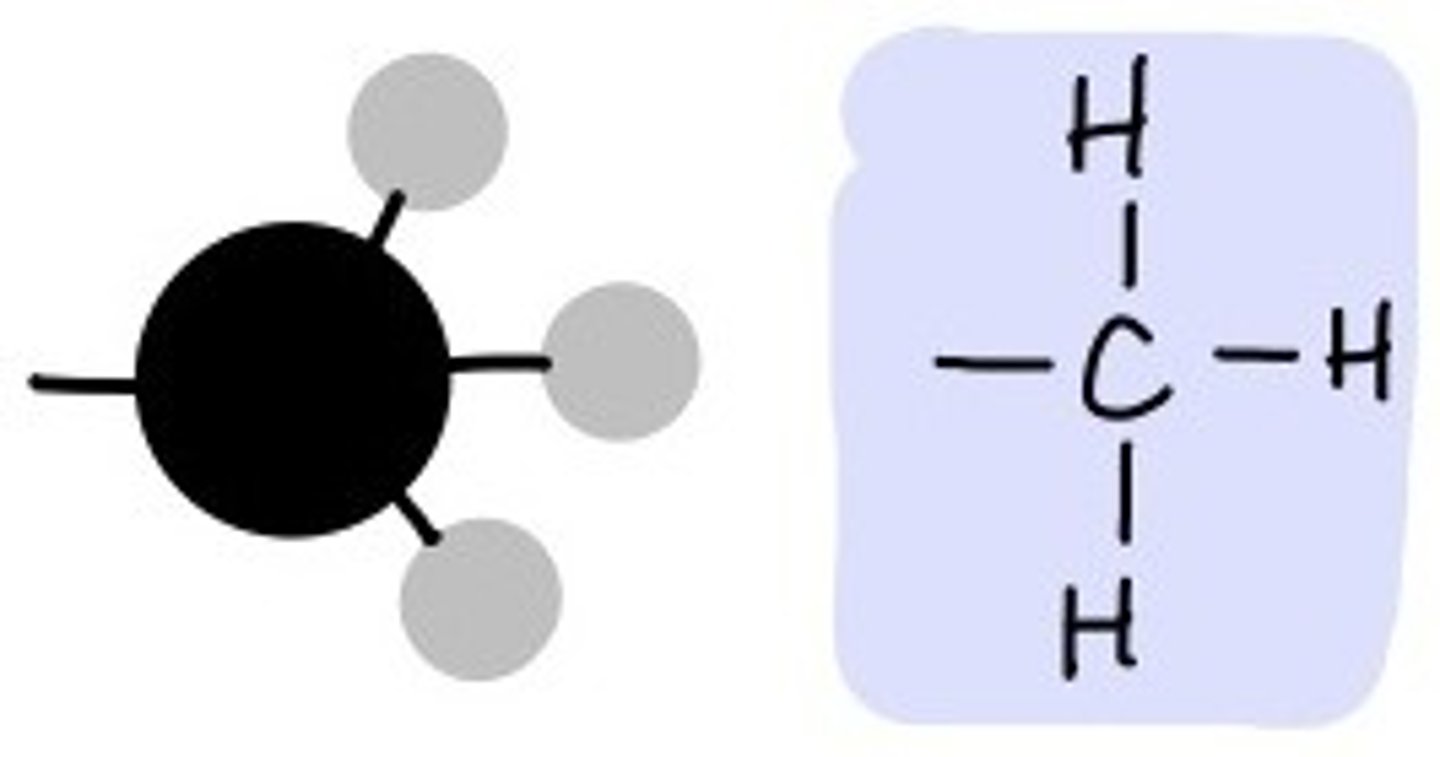
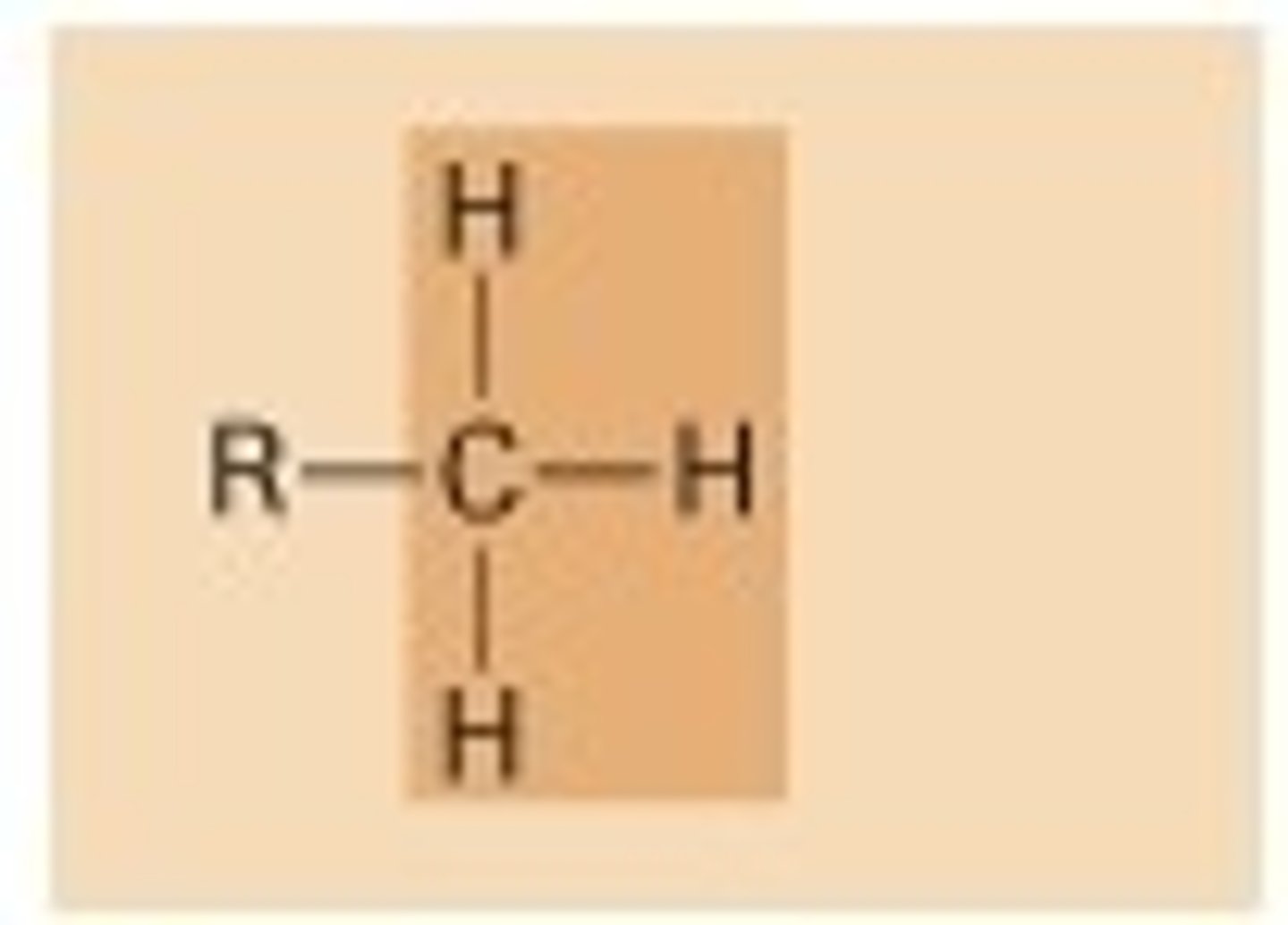
Instead, the difference stems from methyl group
Epigenetic Variation Without Genetic Differences
Twins may develop different diseases (e.g., cancer, diabetes) due to lifestyle or environmental factors altering their epigenome
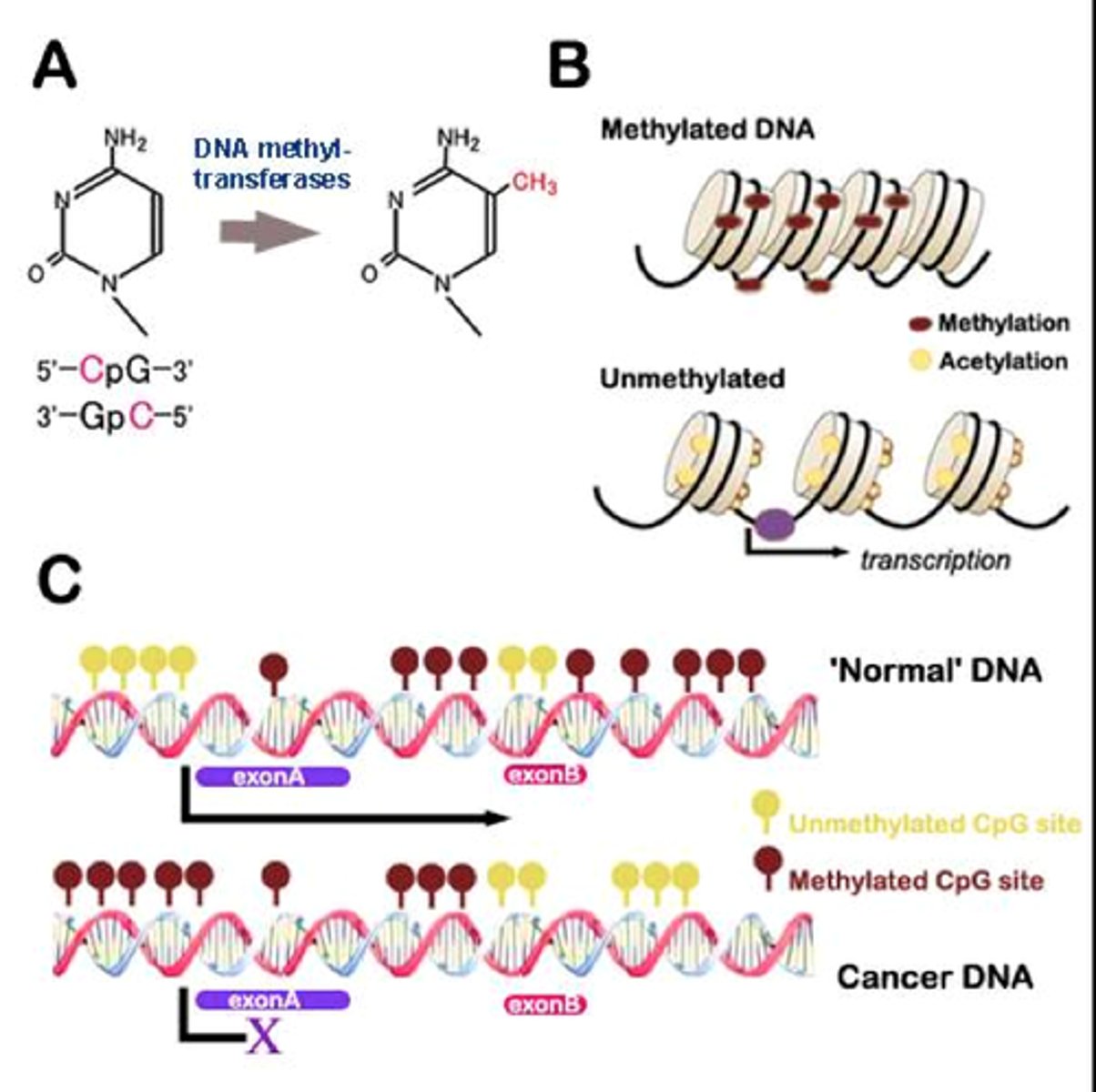
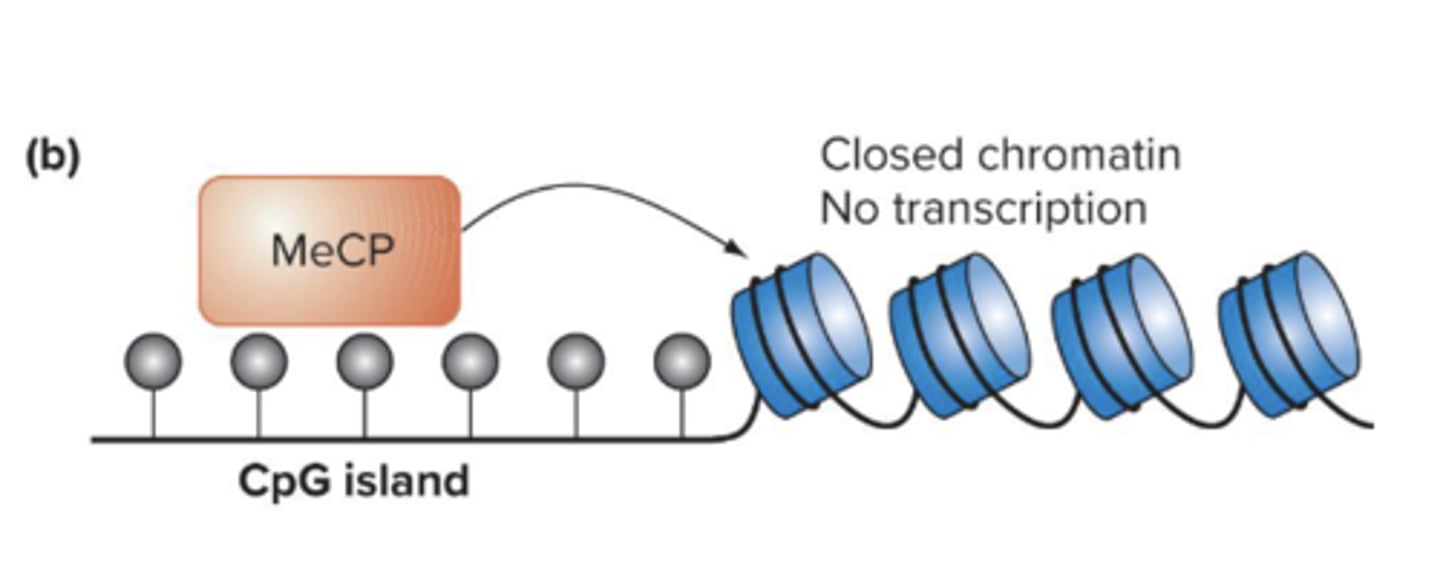
CpG Methylation and Gene Silencing
Hypermethylation of tumor suppressor genes (e.g., BRCA1, MLH1)silence them, increasing cancer risk
Hypomethylation of oncogenes promote cancer
Pregnant mom fed diet rich in methyl groups
IAP promoter for the Avy allele is methylated at all 9 CpG sites because of mom's high methyl diet during embryogenesis
result of Pregnant mom fed diet rich in methyl groups
Avy allele is silenced at the IAP pro = no pheomelanin produced from this promoter in any cell
Pregnant mom fed normal mouse food
IAP promoter for Avy allele is unmethylated at all 9CpG sites because of the mom's LOW-methyl diet during embryo genesis
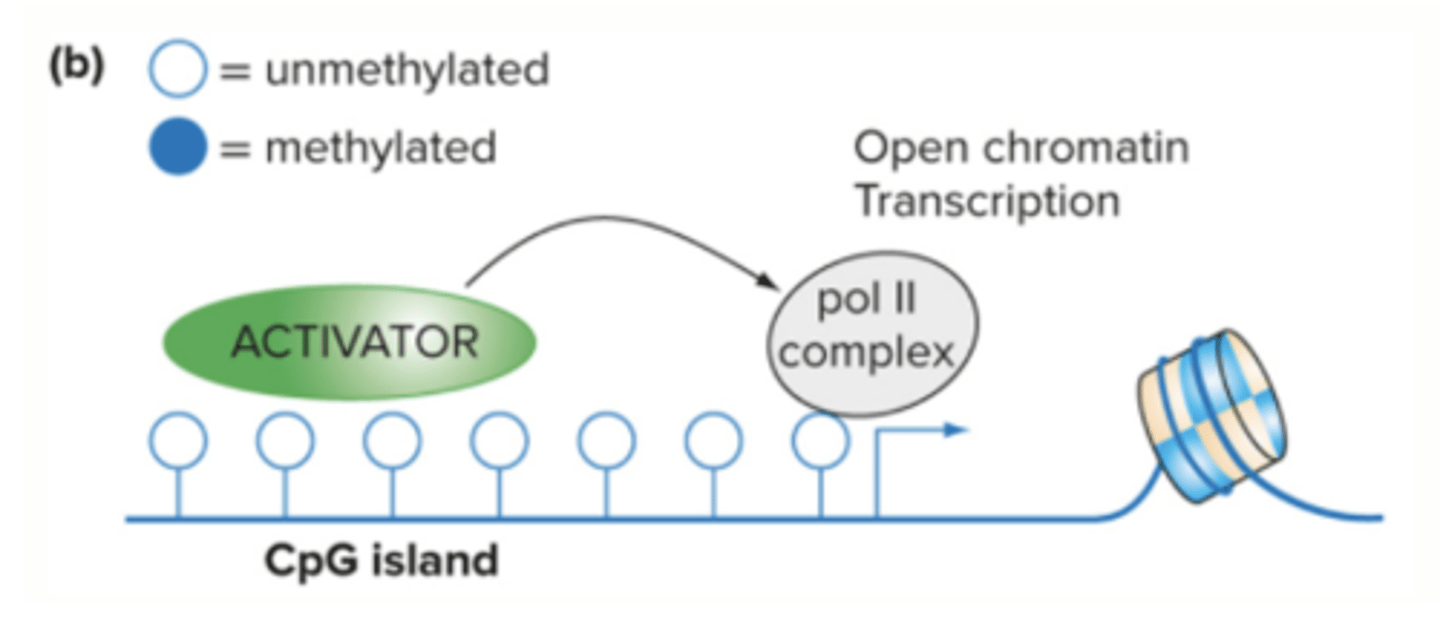
result of Pregnant mom fed normal mouse food
Avy allele is constitutively and ectopically expressed = excessive pheomelanin produced all the time in ALL cell types
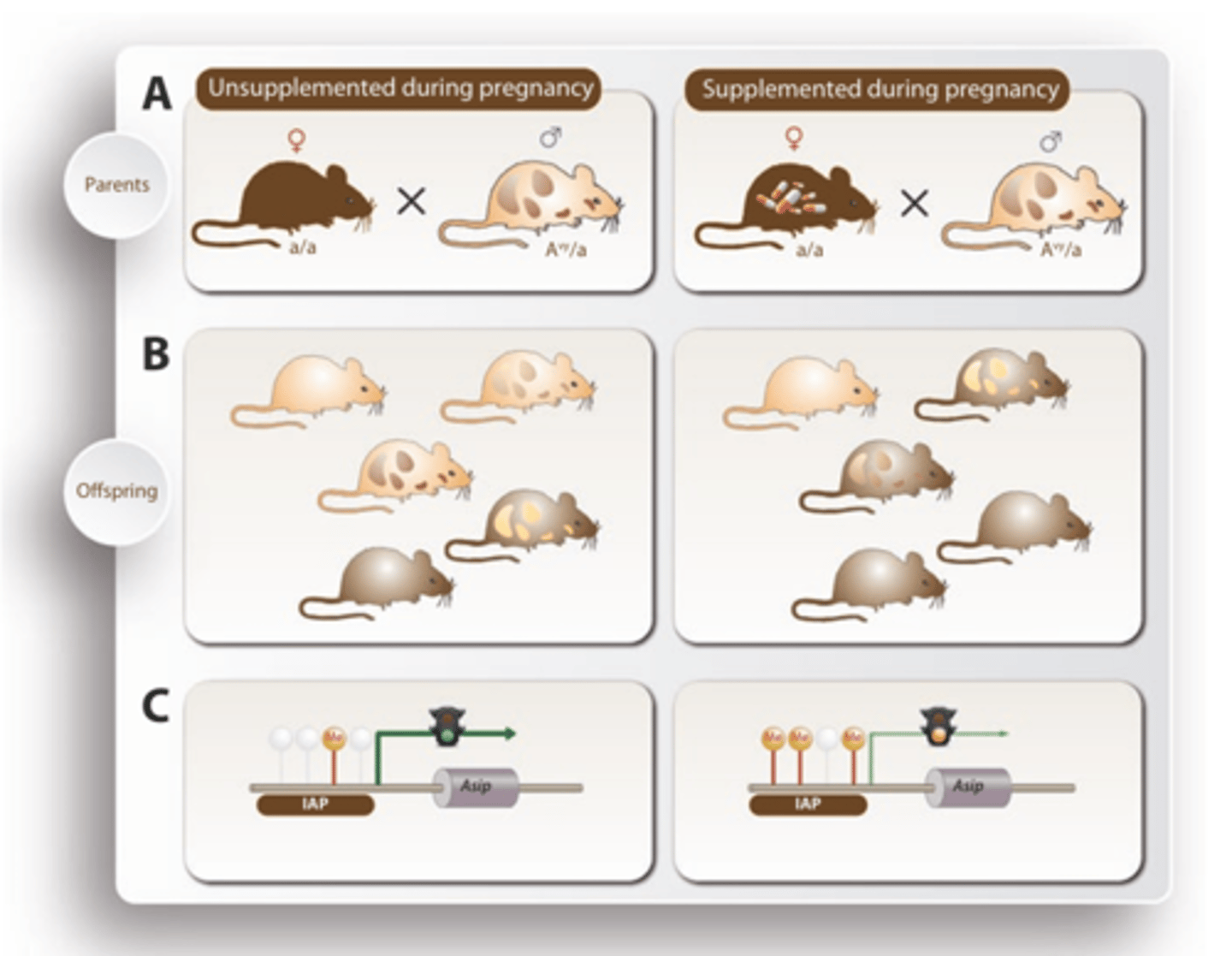
high-methyl donor diet
leads to increased methylation across the entire mouse genome, not just at the agouti locus
all methyl donors
folate, choline, and betaine
Folate and Neural Tube Defects
Folate (a methyl donor) supplementation during pregnancy reduces neural tube defects by ensuring proper methylation of genes critical for development
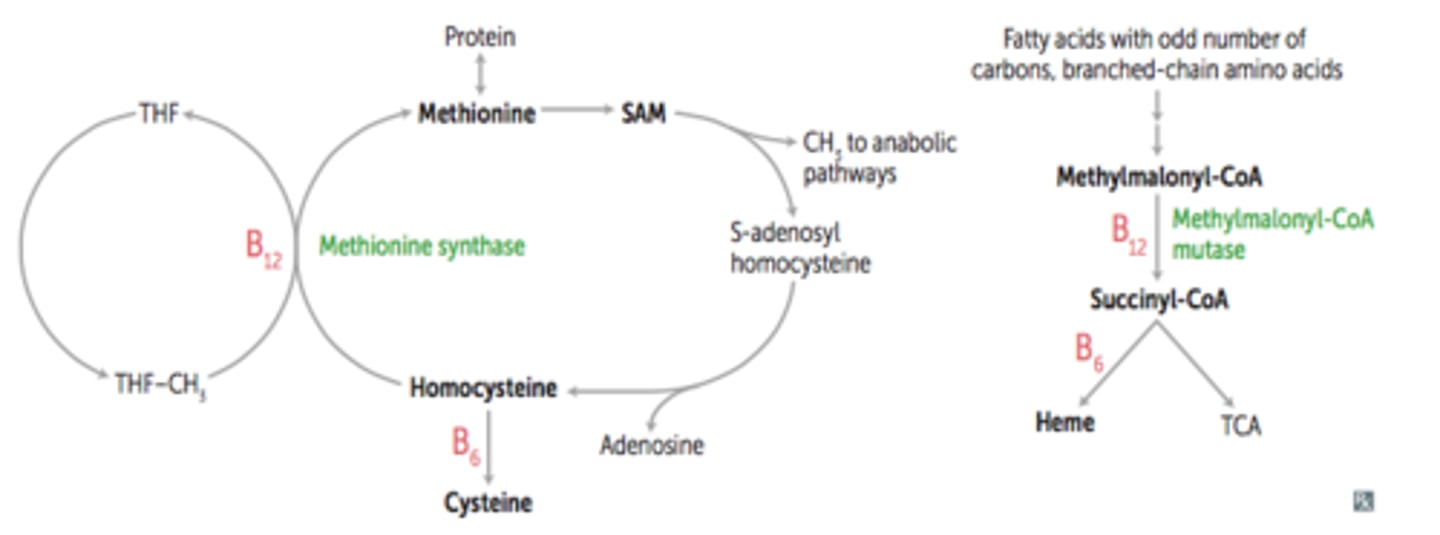
Developmental Origins of Health and Disease
prenatal environment (e.g., maternal nutrition) "programs" offspring metabolism, immunity, and disease risk
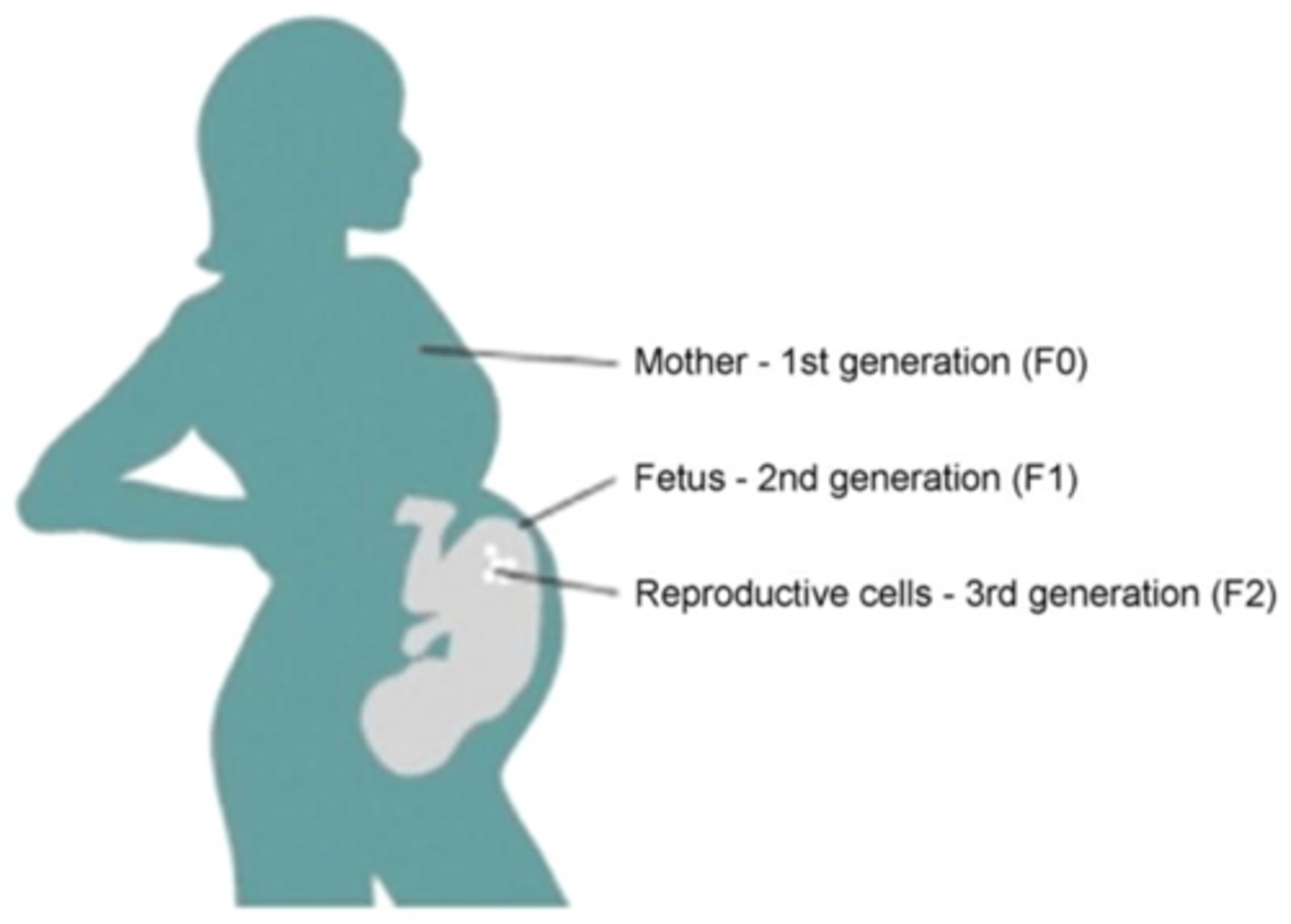
genes are not destiny
Even with identical DNA, environmental factors like diet can "rewire" gene expression through epigenetics, shaping health outcome
BPA-containing diet
a shift from more methylation to less
more yellow phenotype
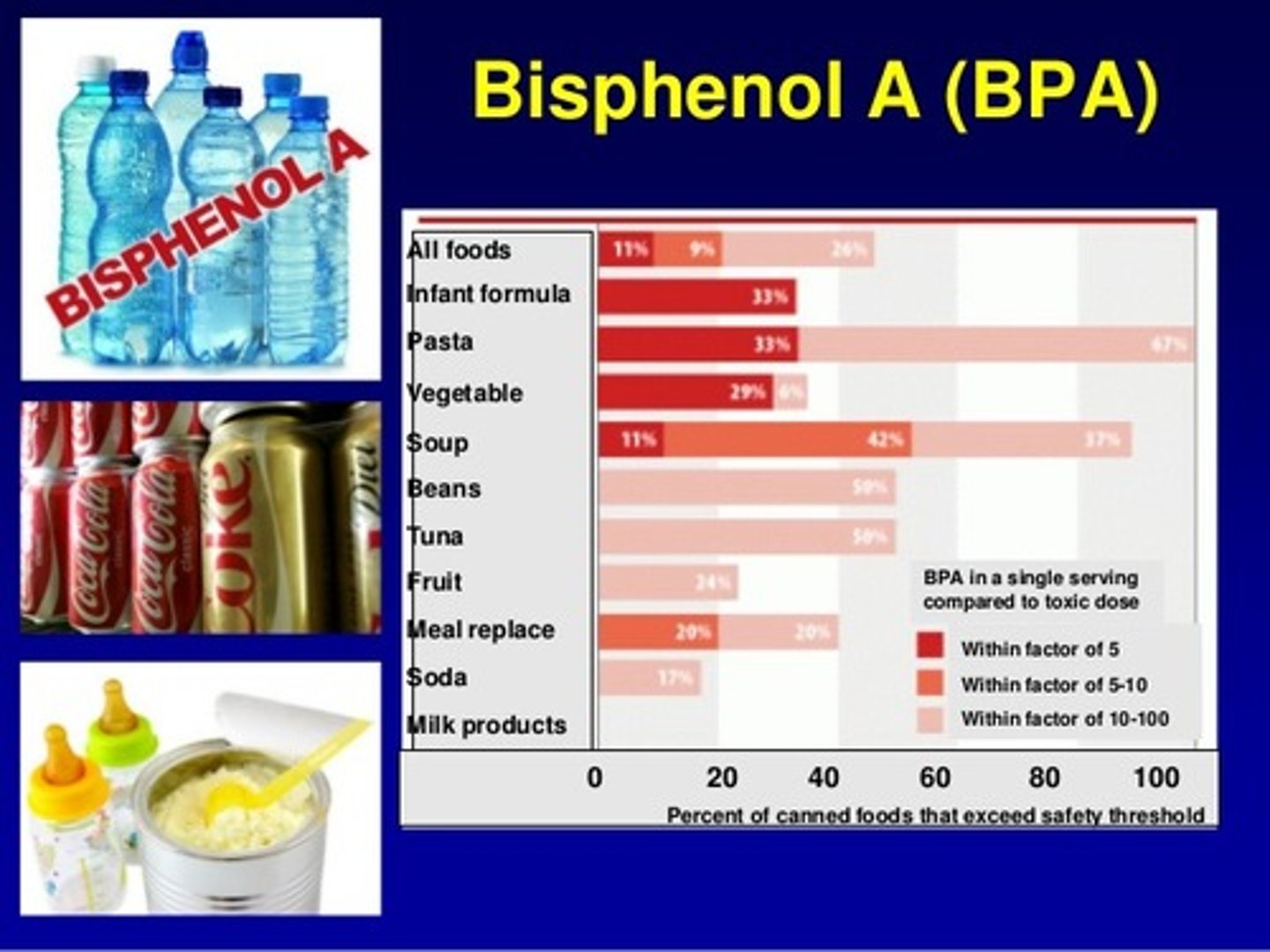
result of BPA-containing diet
in these offsprings, the Avy allele is ectopically and constitutively expressed, leading to severe health consequences
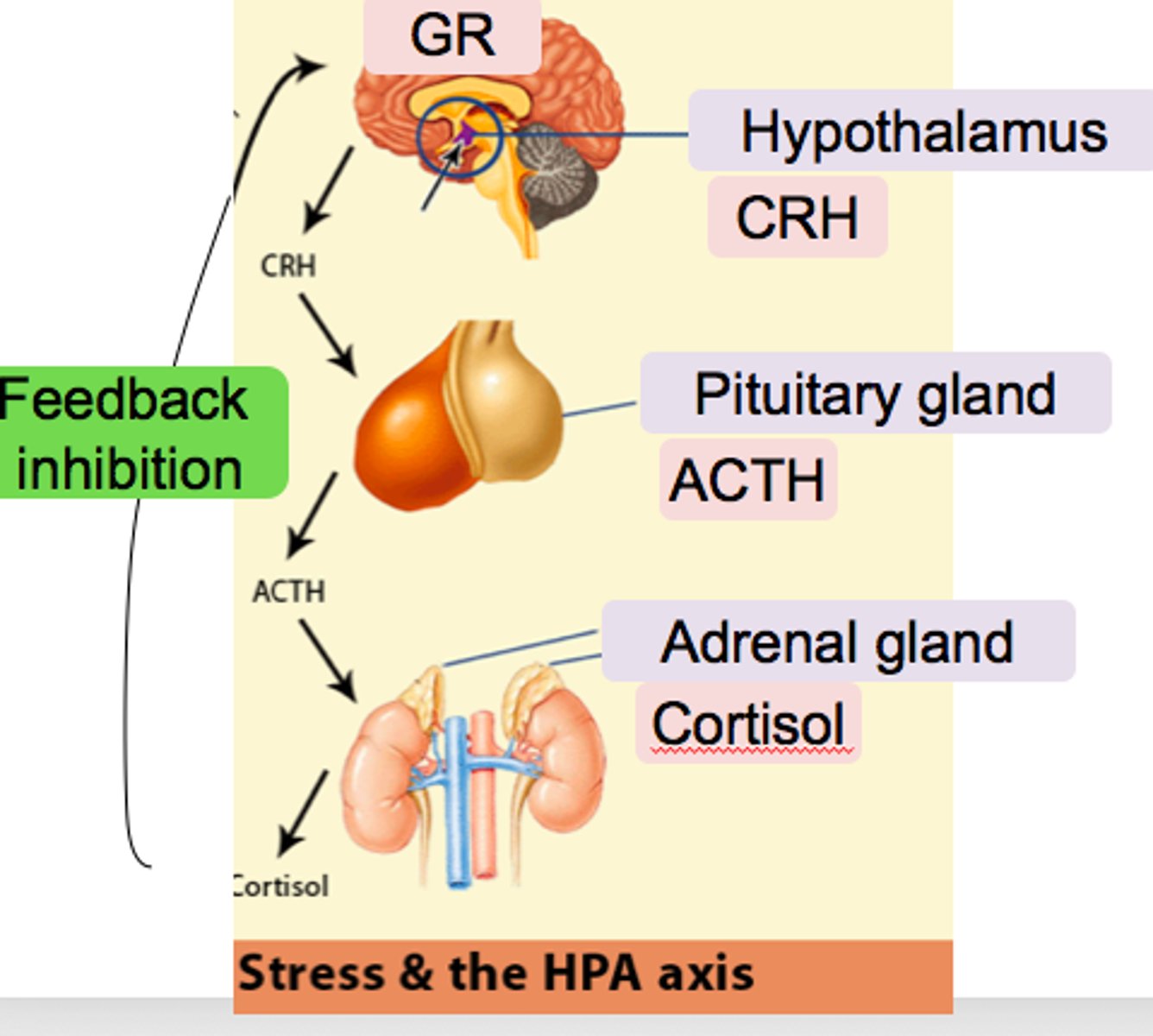
Stress Response Pathway
Stress activates the hypothalamus → pituitary gland → stimulates the adrenal glands
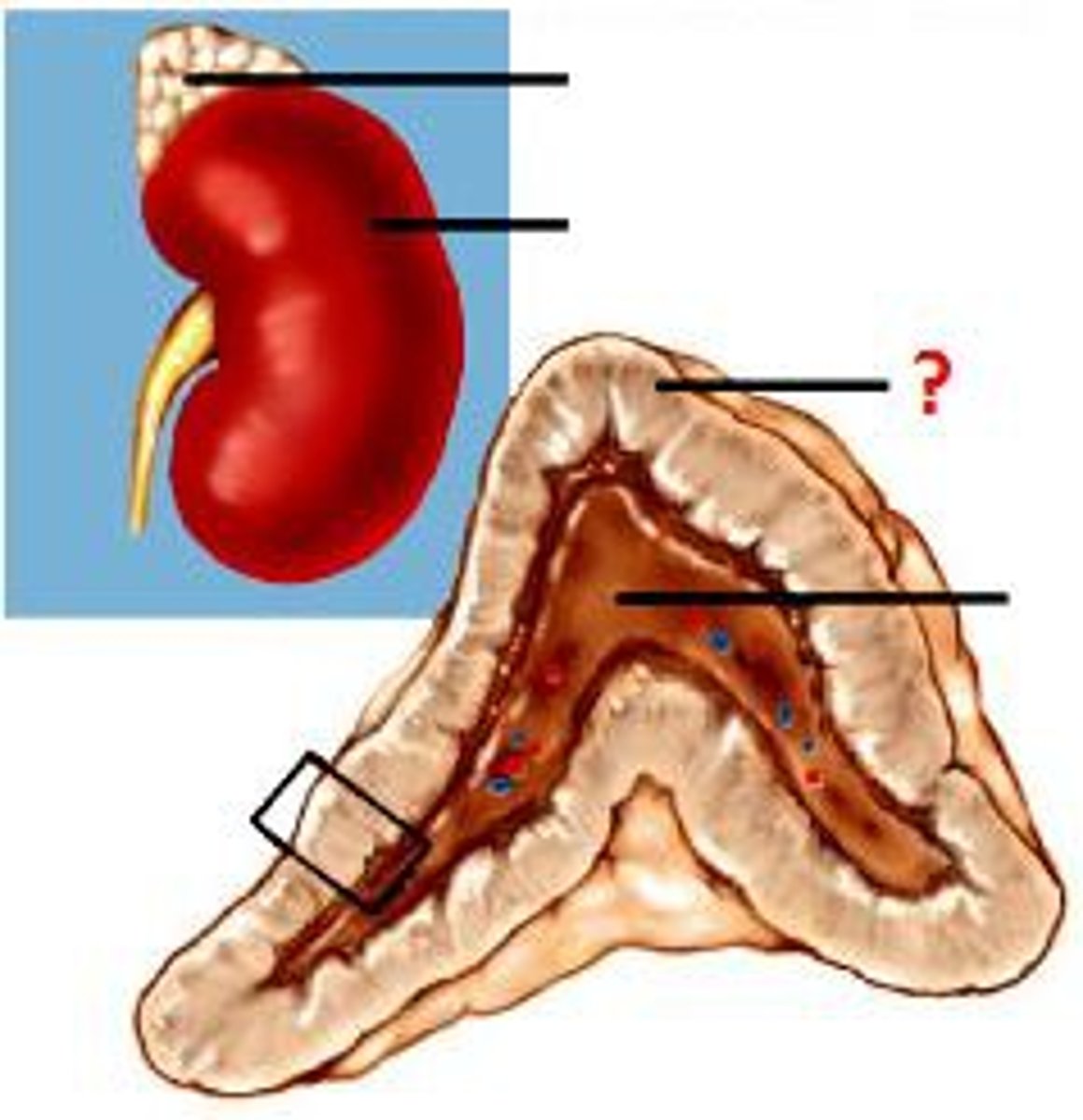
adrenal glands
release:
Cortisol (in humans)
Corticosterone (in many animals)
glucocorticoid hormones
stress hormones
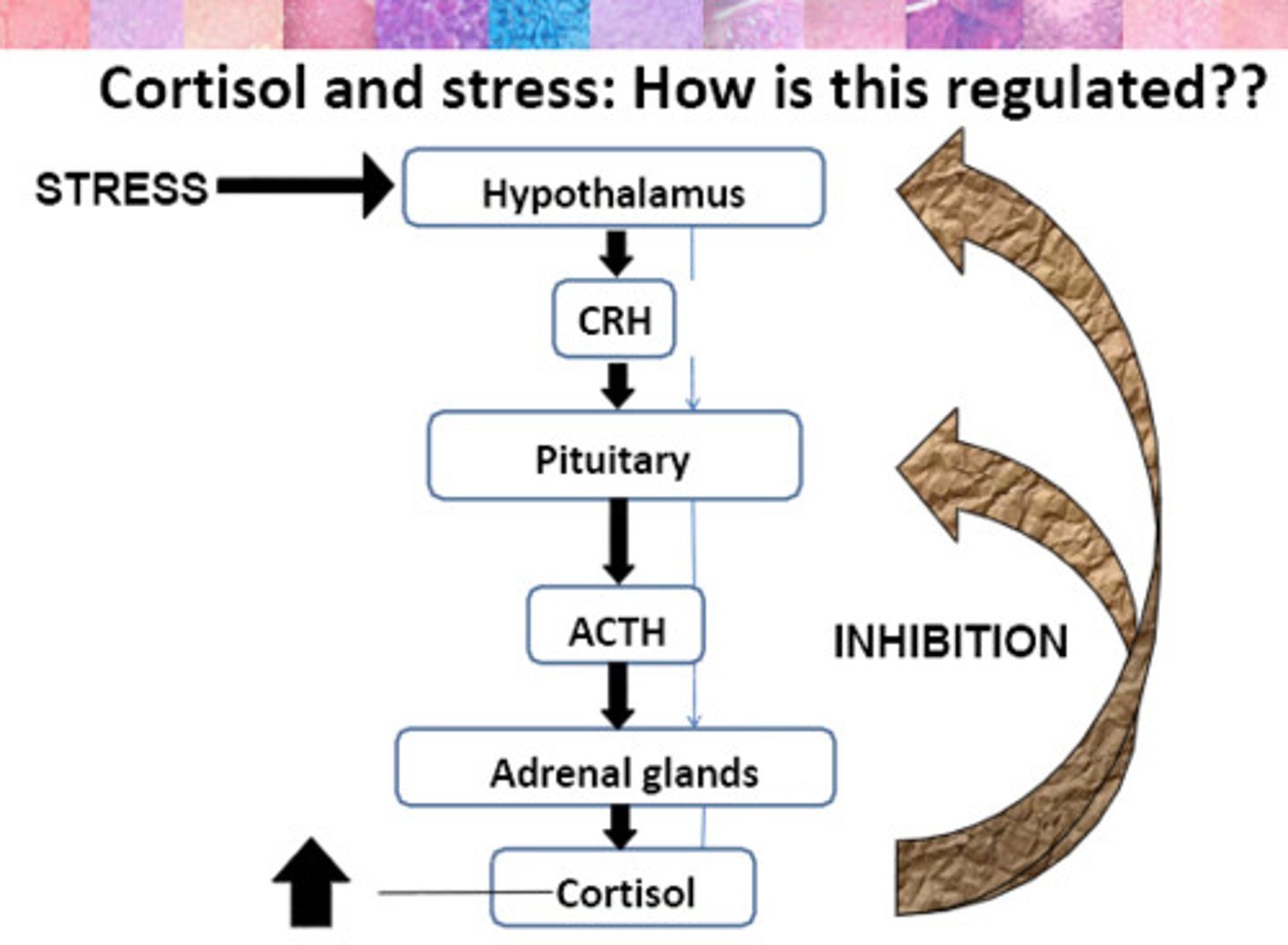
How the Body Turns OFF the Stress Response
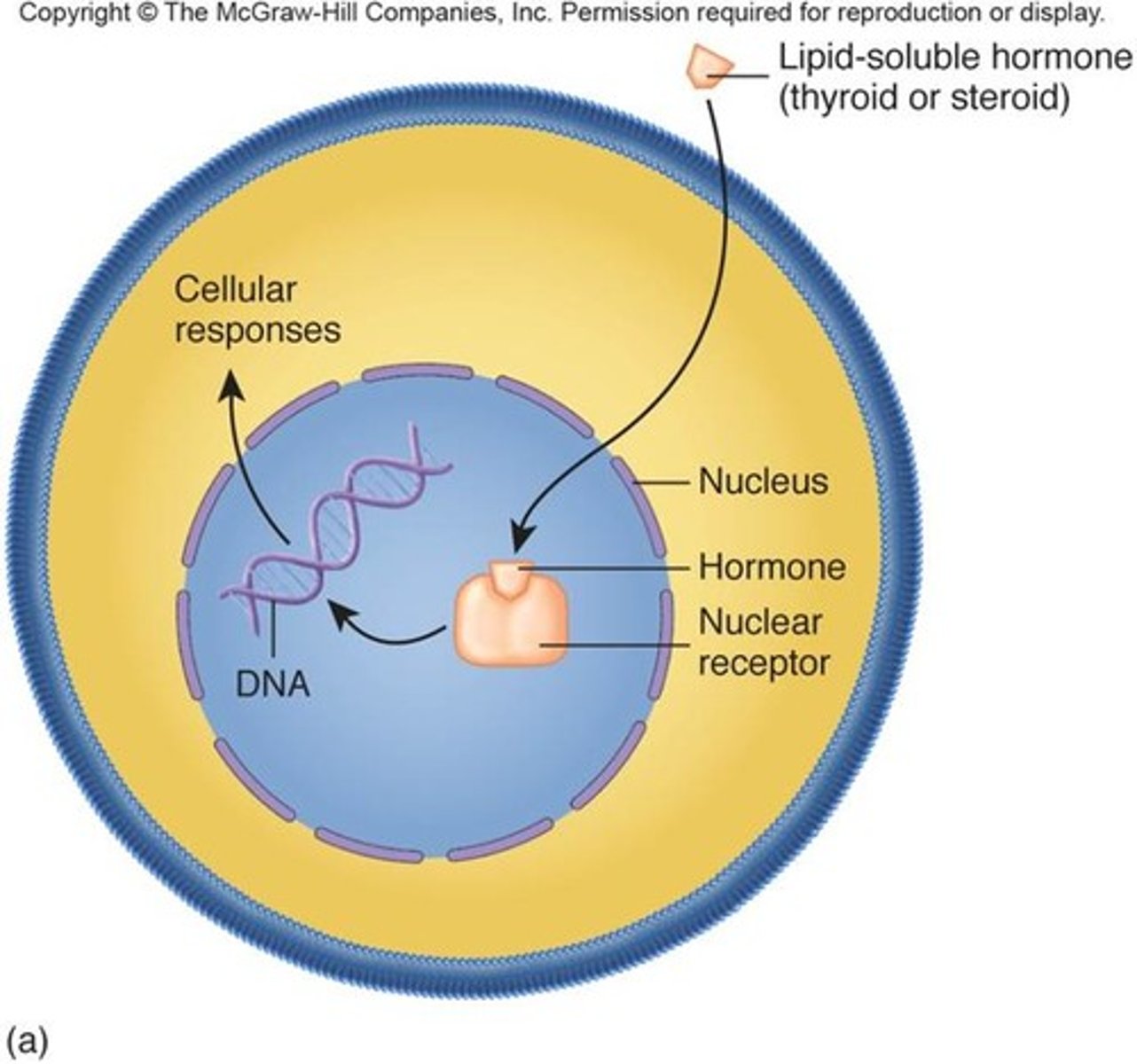
Cortisol binds to the glucocorticoid receptor (GR) in the brain
sends a signal to the hypothalamus: "Stress is over — stop the response"
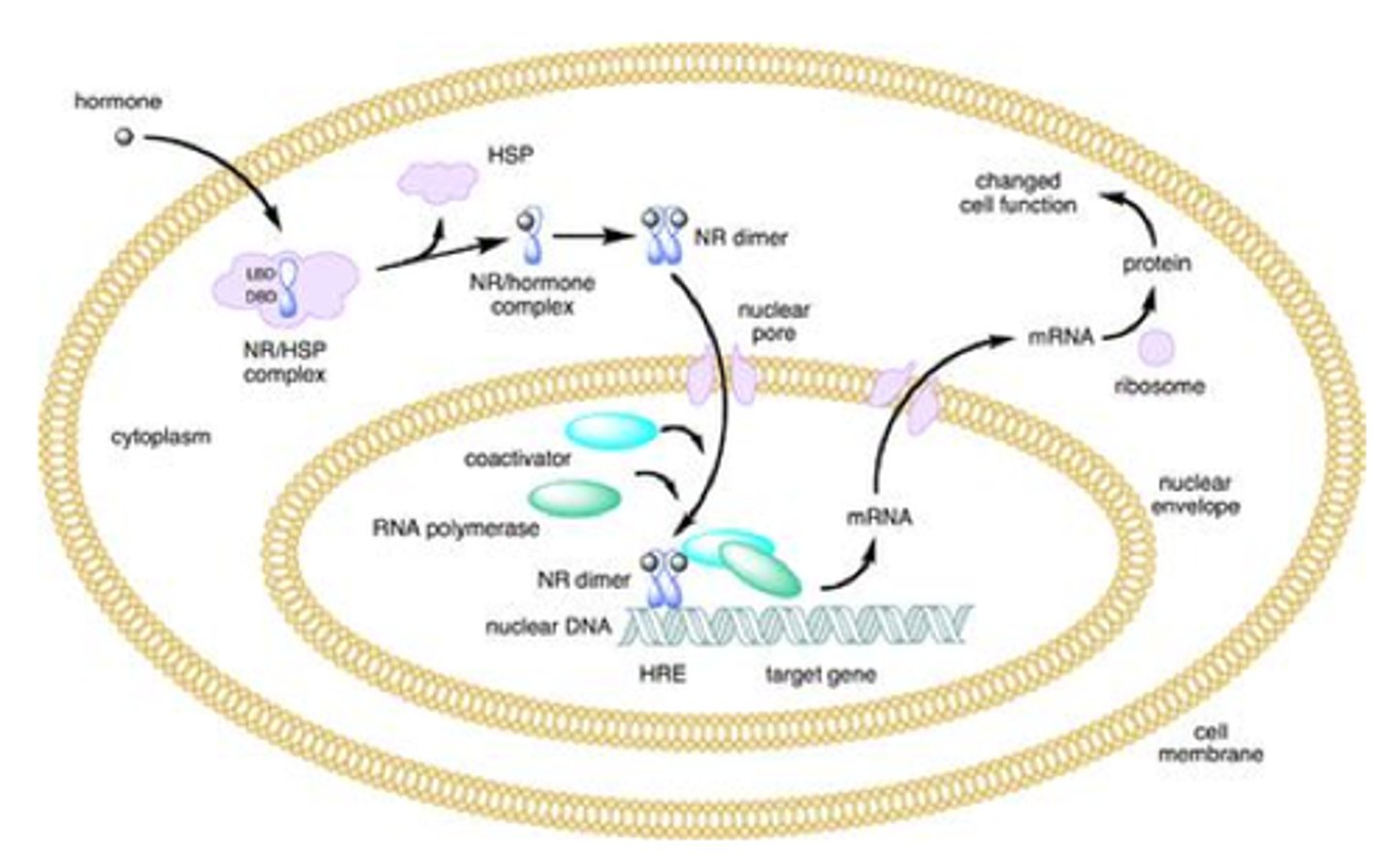
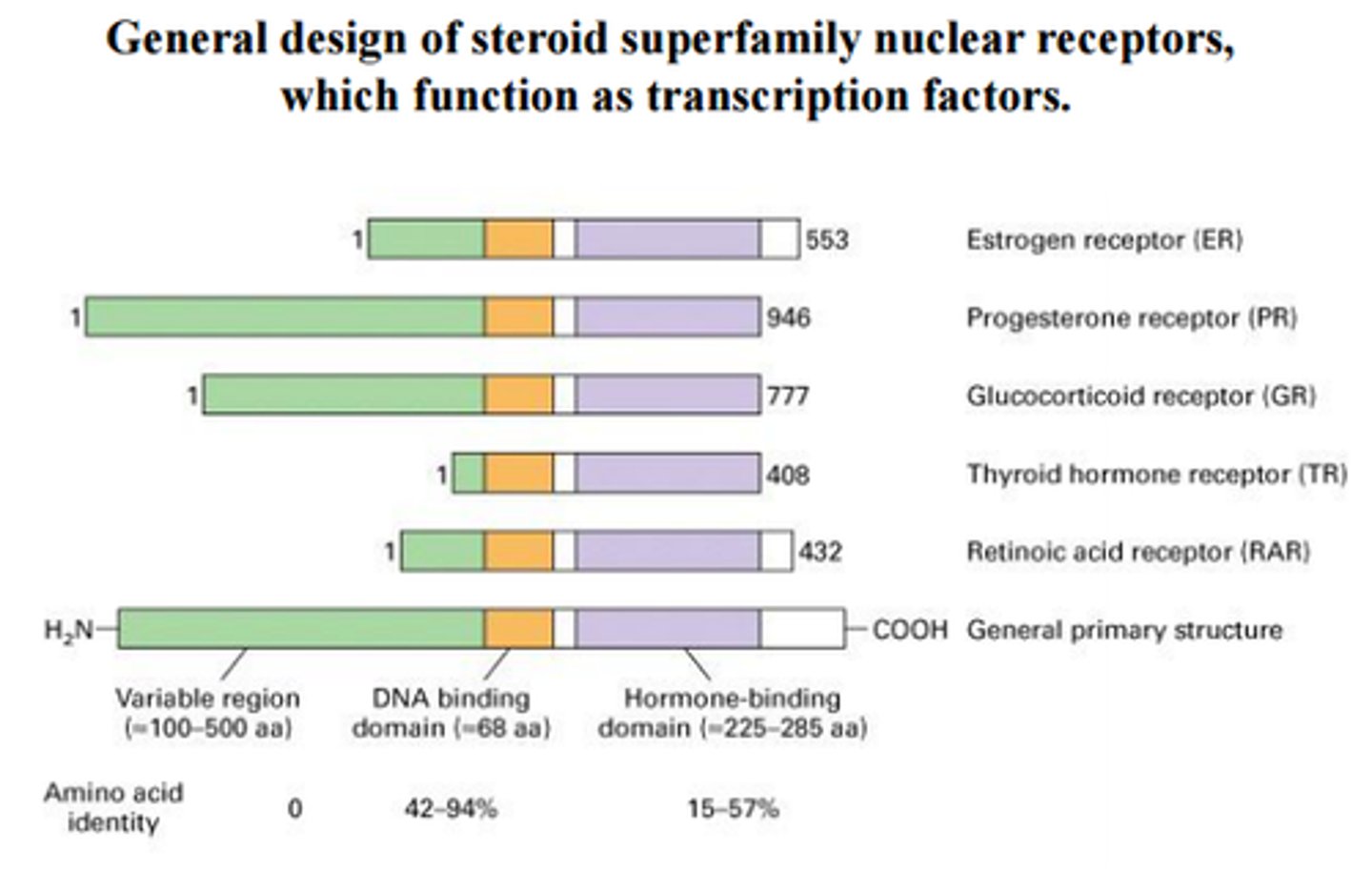
GR gene
makes the glucocorticoid receptor (GR protein)
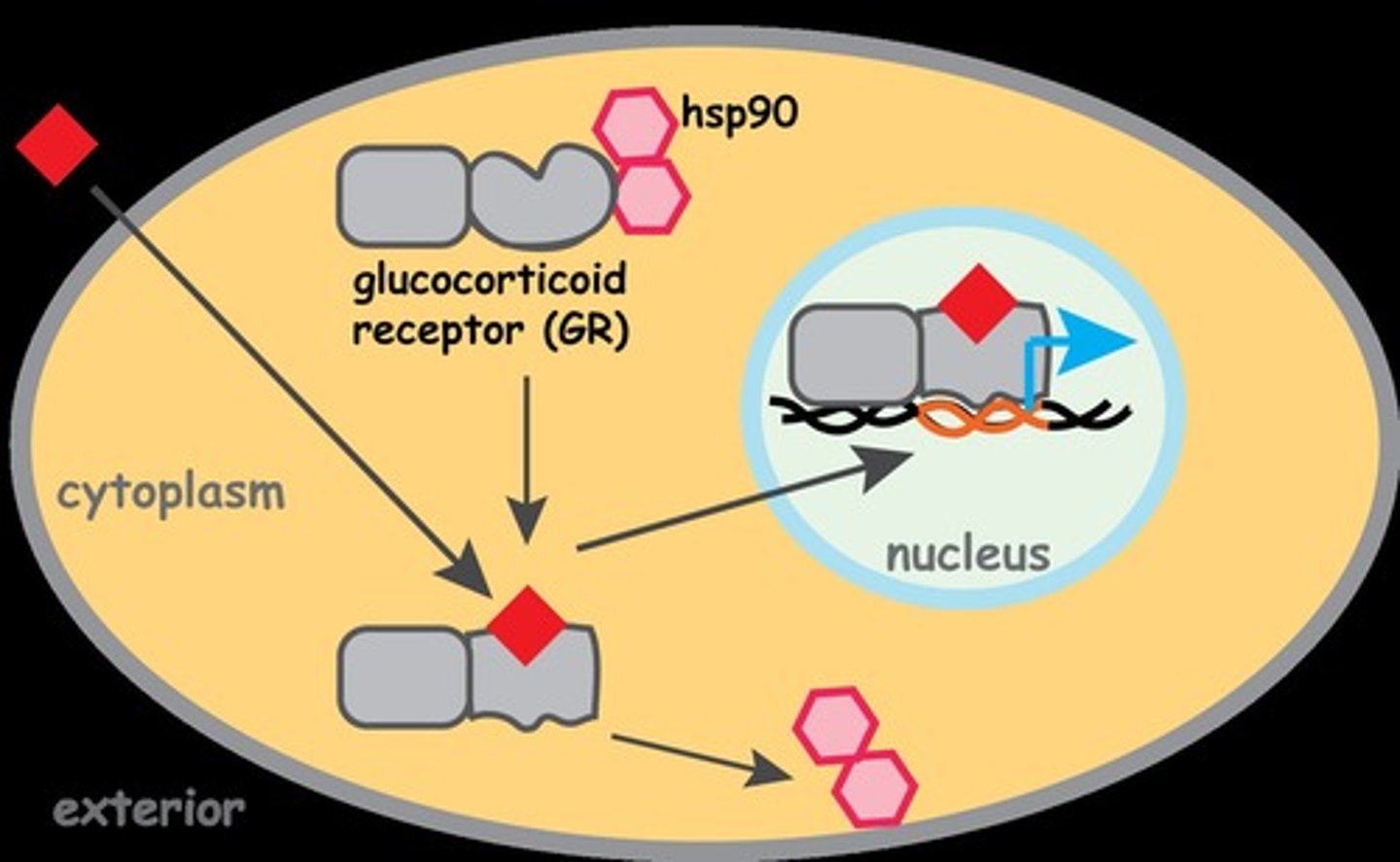
Effect of DNA Methylation: CpG island at the GR promoter
GR gene is highly methylated:
The gene is turned OFF
Less or no GR protein is made
Without GR protein
Cortisol cannot send the "all clear" signal
The stress response stays ON longer
This can lead to increased stress and anxiety
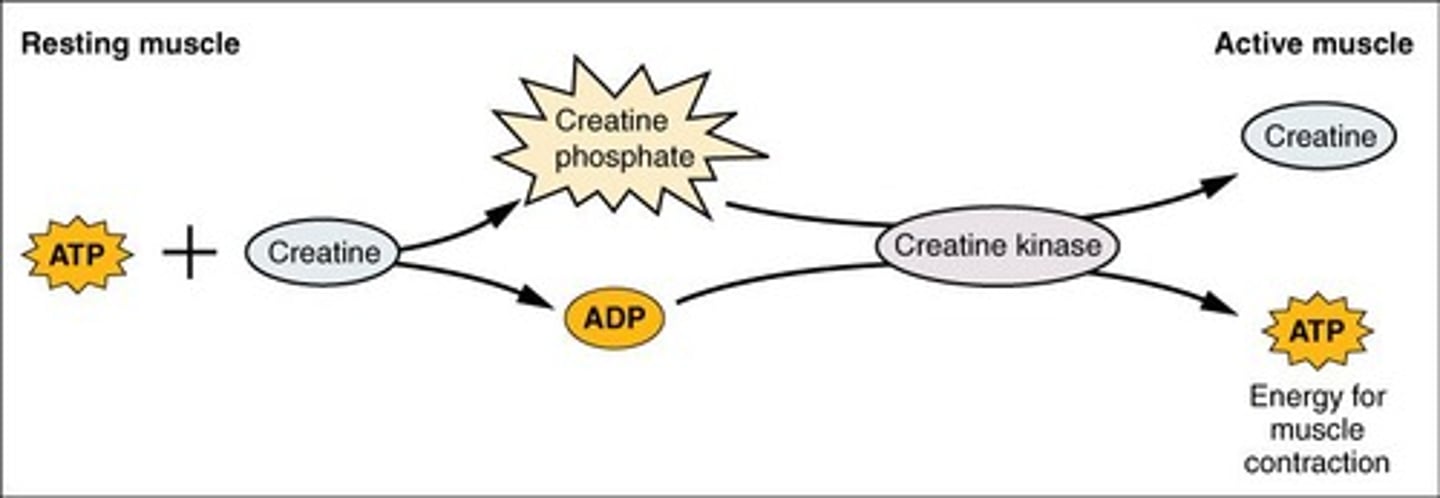
Epigenetic transgenerational behavioral imprinting
Experience-dependent; non-germline mediated epigenetic transmission

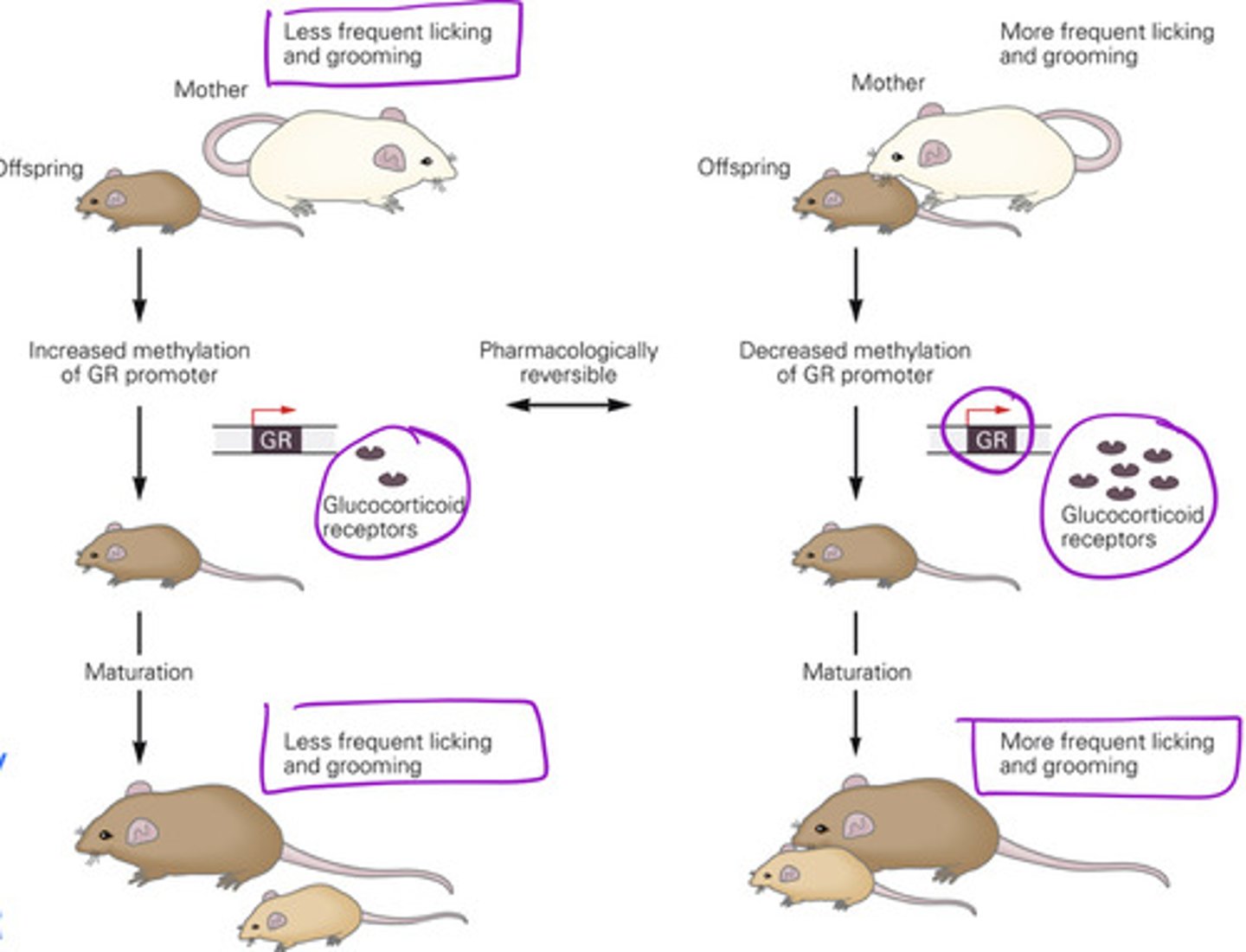
Pups that received low levels of licking and grooming
methylation of GR gene
experience higher levels of stress and anxiety
result of Pups that received low levels of licking and grooming
pups became adults an had offspring, they showed the same behavior toward their babies. As a result, the GR gene in their offspring stayed methylated
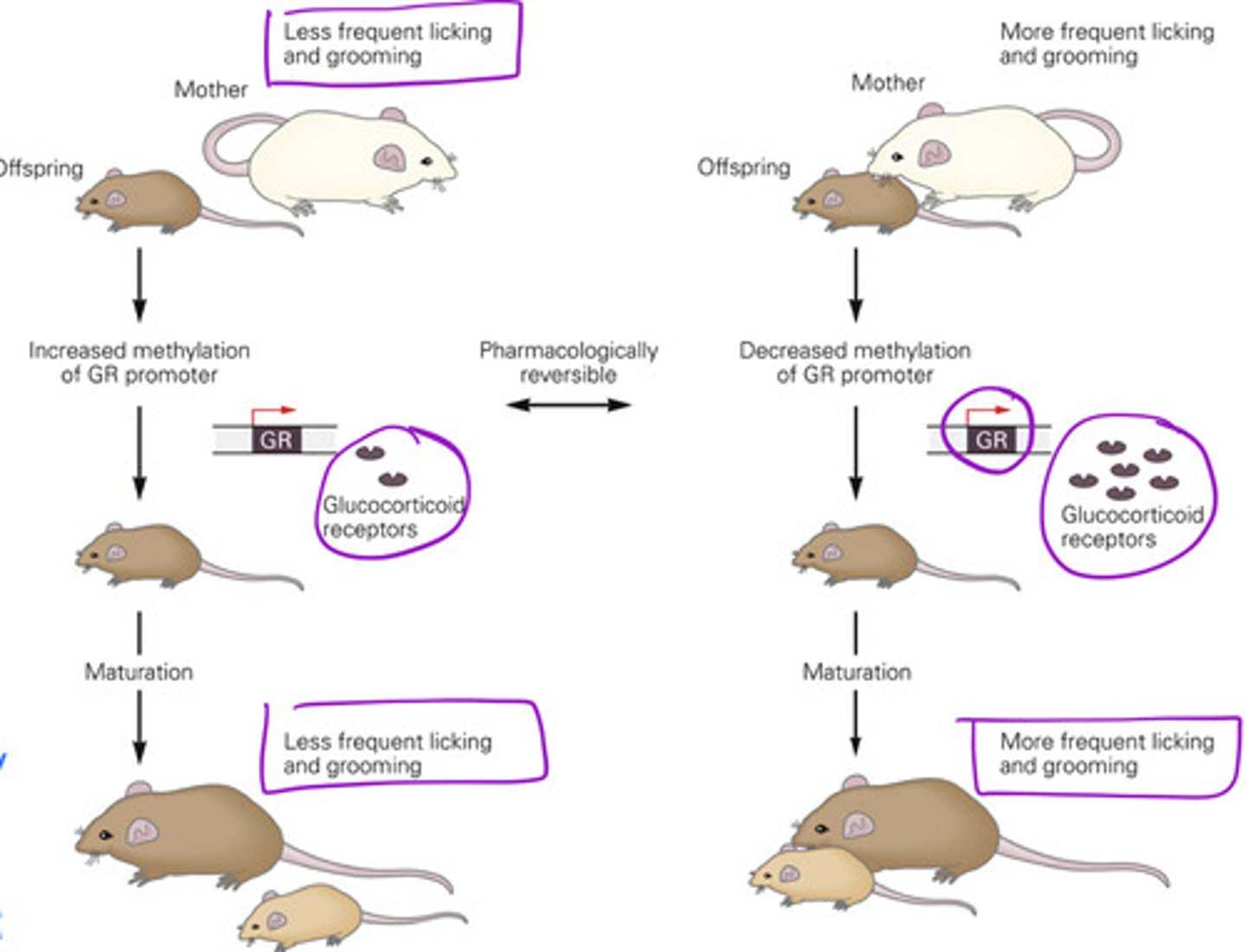
Pups that received high levels of licking and grooming
demethylation of the GR gene
LOWER levels of stress and anxiety
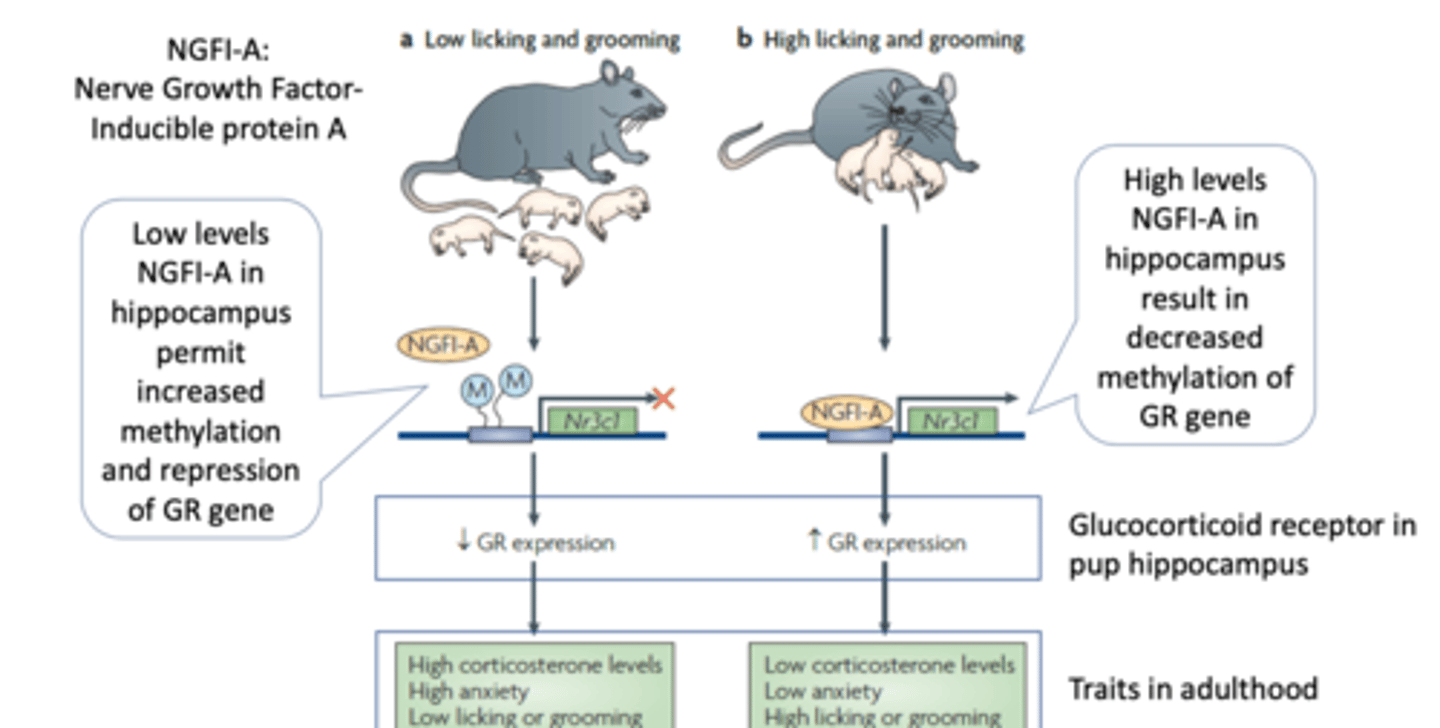
result of Pups that received high levels of licking and grooming
pups became adults and had offspring, they showed the same high licking and grooming behavior toward their babies. Asa result, the GR gene in their offspring stayed demethylated
GR gene (NR3C1)
Children who receive sensitive, responsive caregiving show reduced methylation of NR3C1, leading to better stress hormone (cortisol) regulation
Mothers with trauma histories
often exhibit NR3C1 hypermethylation, which they can transmit to their children
99.9% of the DNA sequence
shared among all humans
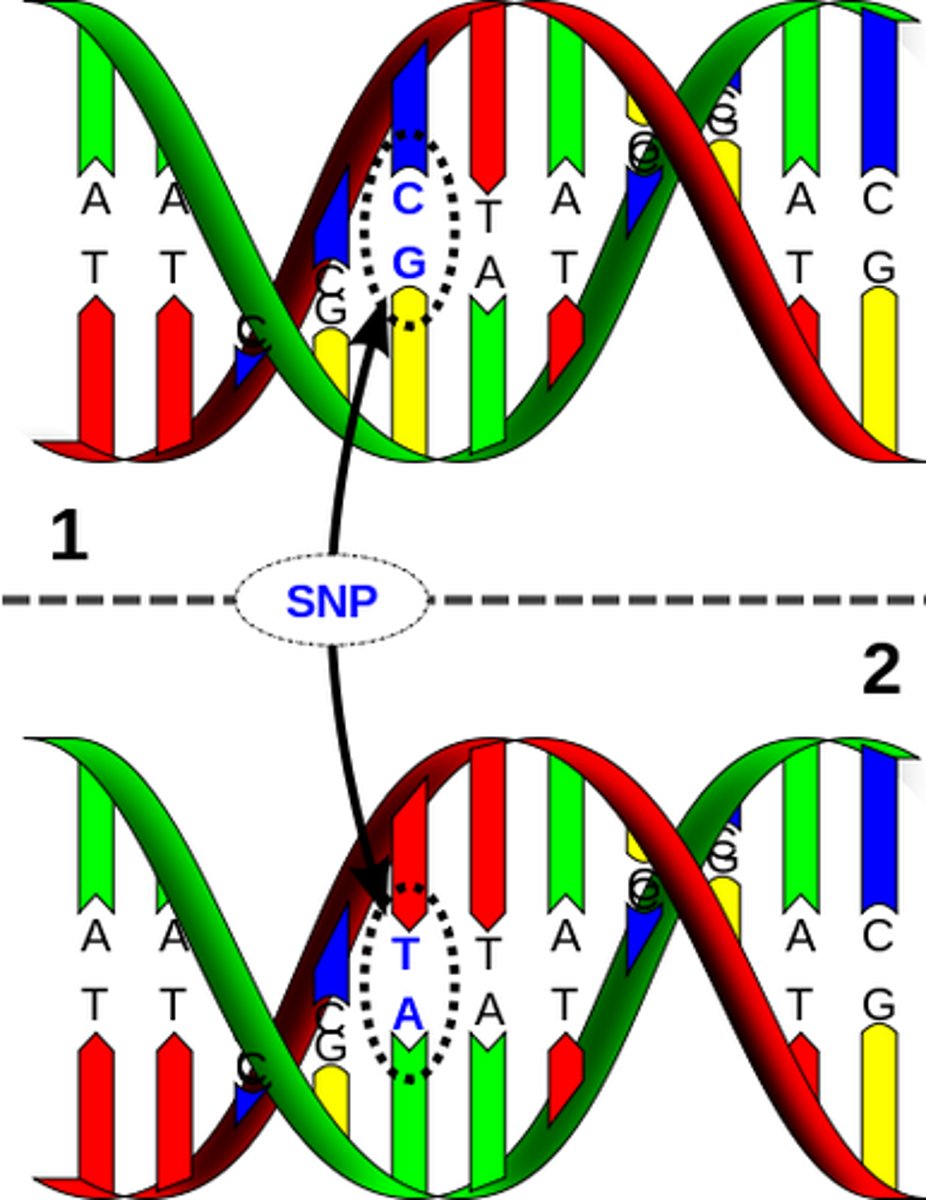
remaining 0.1%
what makes us unique; about three million base pair
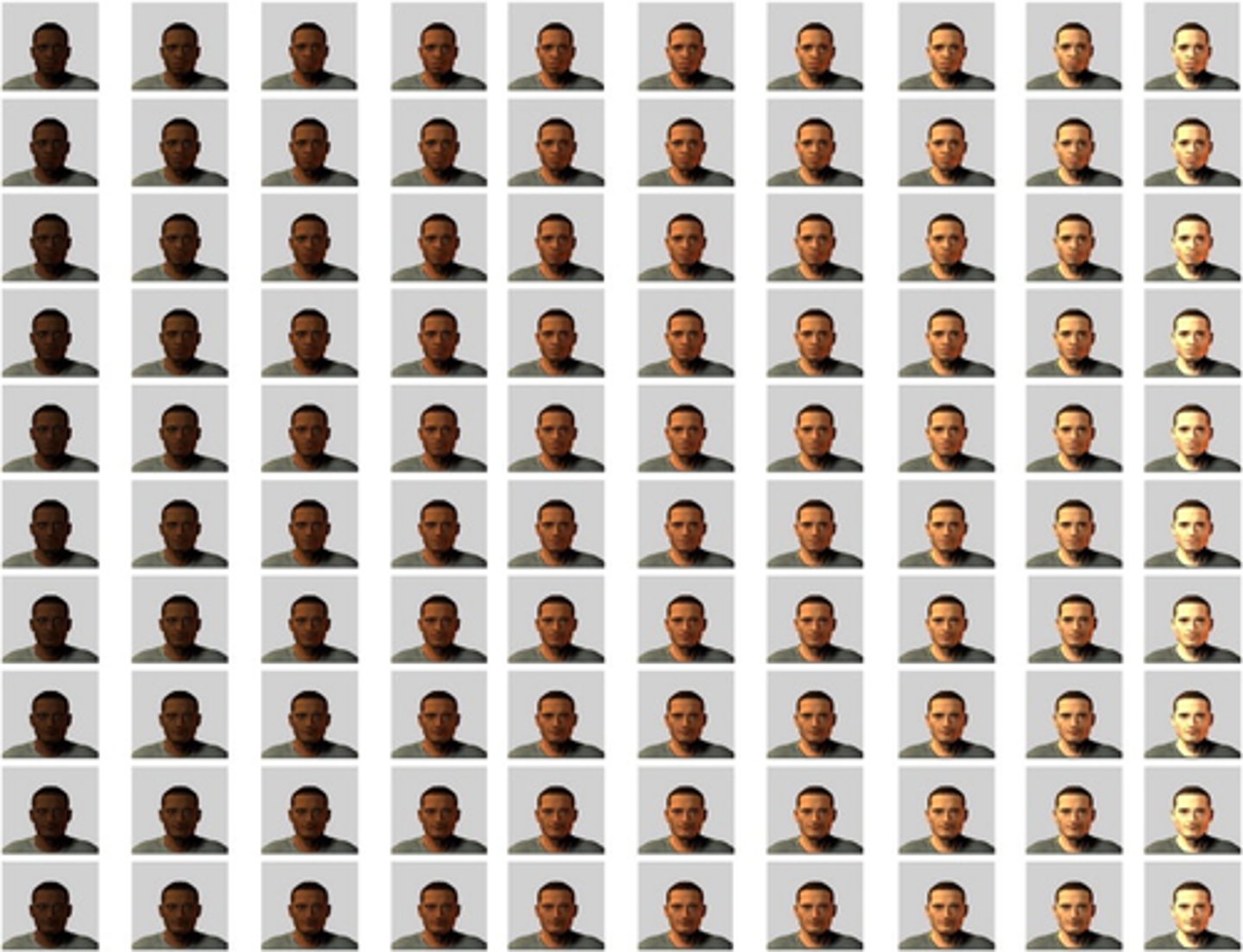
3M bp is mainly located in
moderately repetitive (repeat) DNA regions

Tandem paralogues
duplicated genes that are located next to each other on a chromosome
Paralogues
genes that originated from duplication of an ancestral gene
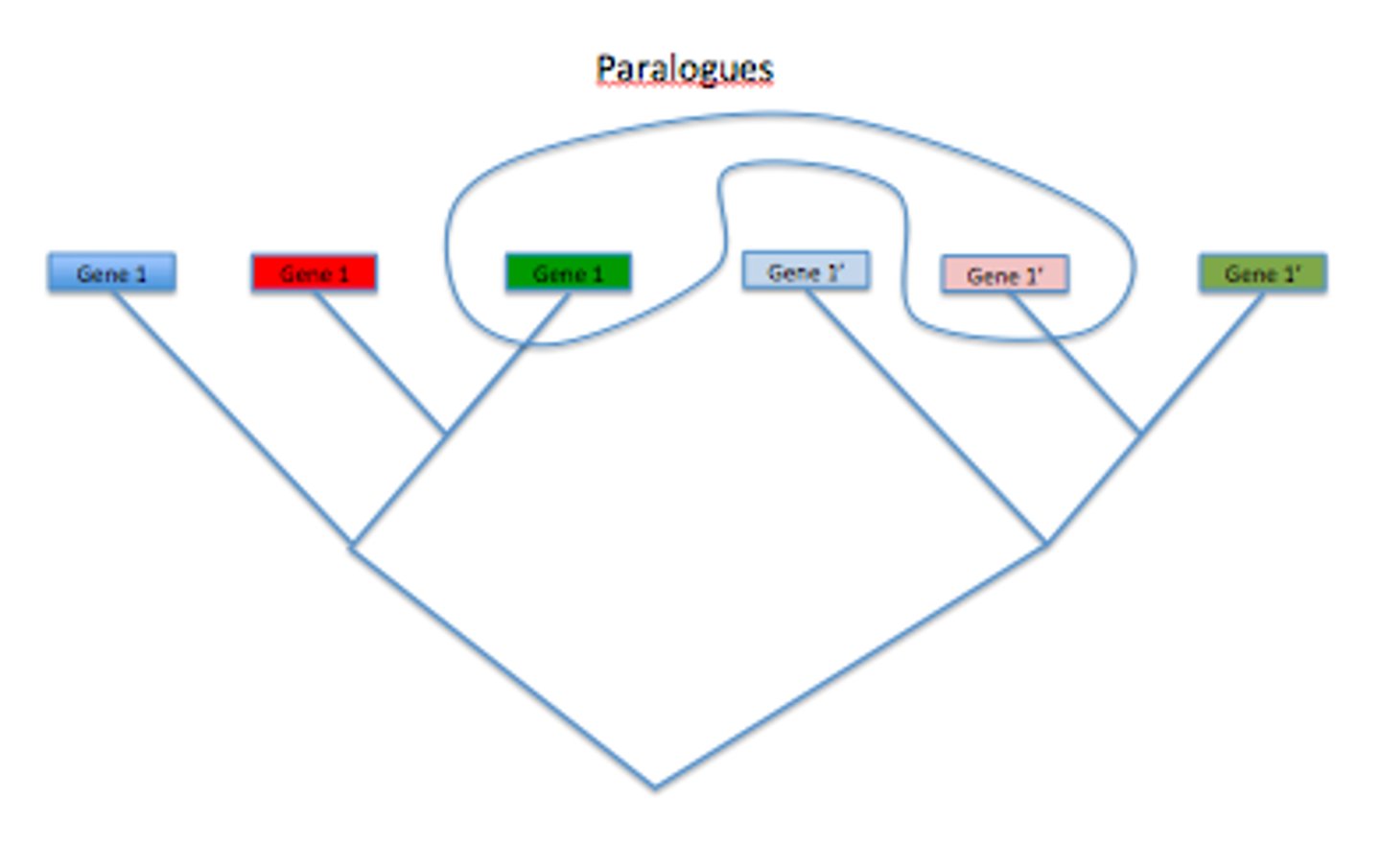
Tandem
duplicated genes are arranged side-by-side
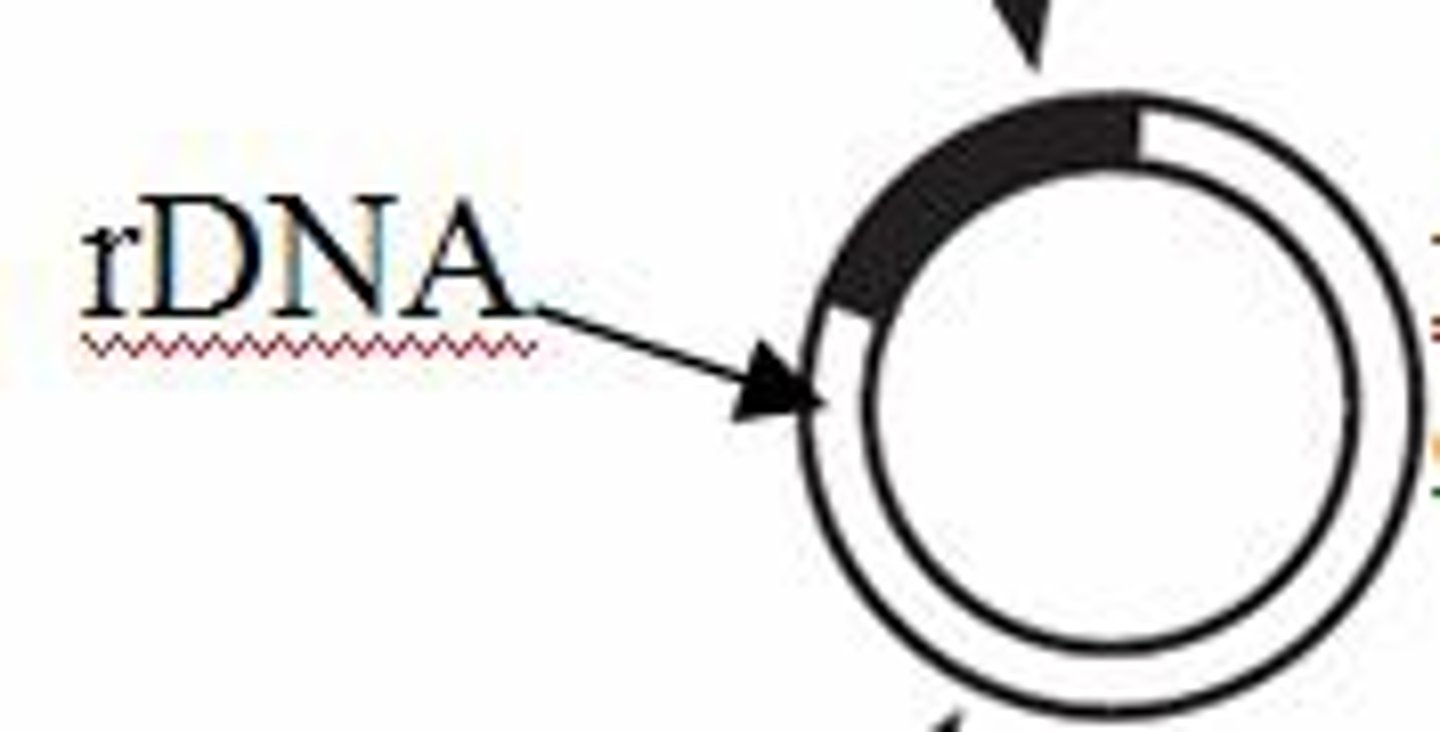
rDNA
ribosomal RNA (rRNA) genes arranged one after another in tandem repeats
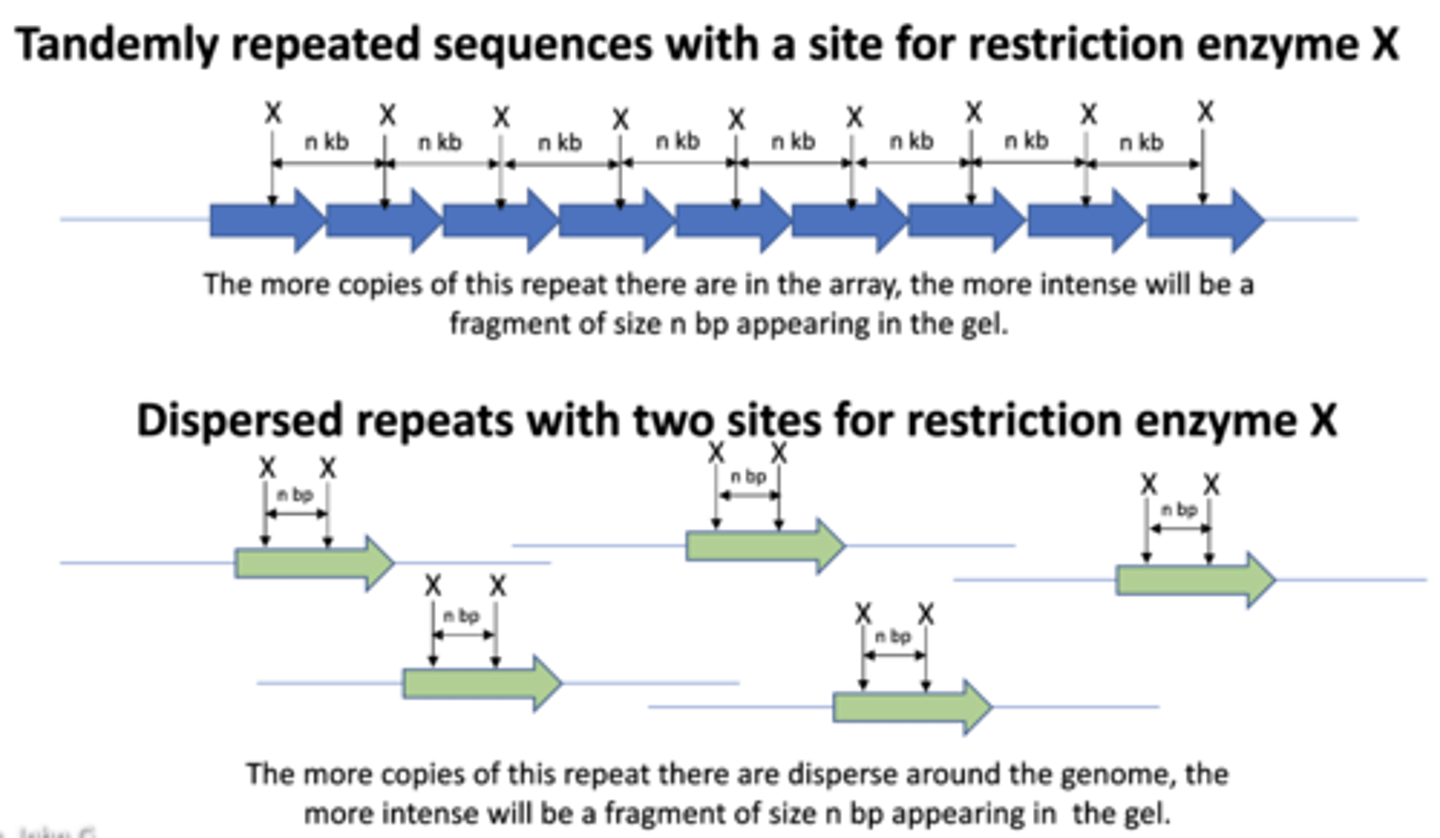
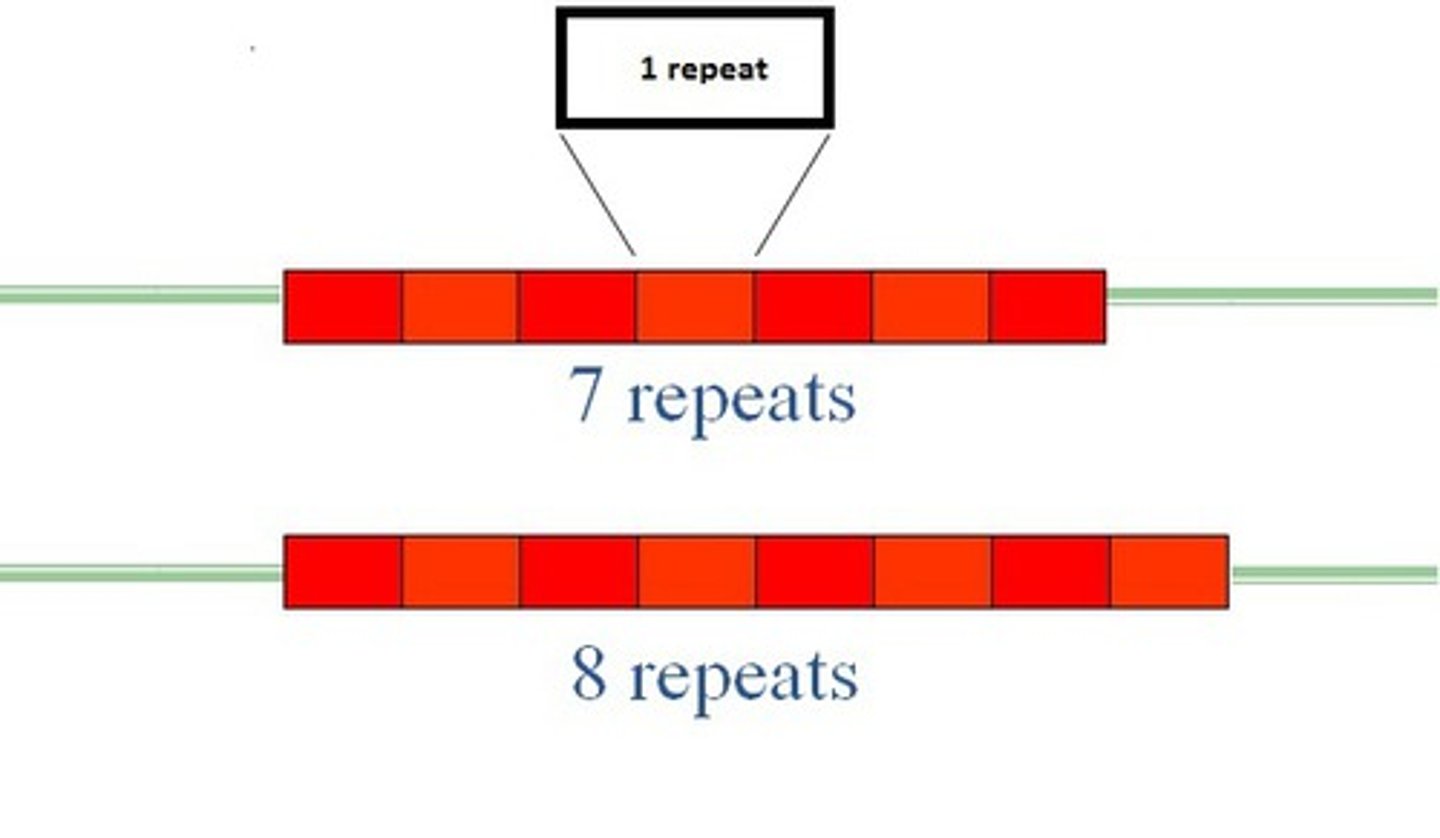
Tandem repeats
DNA sequences that are repeated many times in a row in ahead-to-tail arrangement on a chromosome in non-coding regions
satellite DNA
Short sequences of DNA that are tandemly repeated as many as 10 million times in the DNA; much of it is located in the telomeres
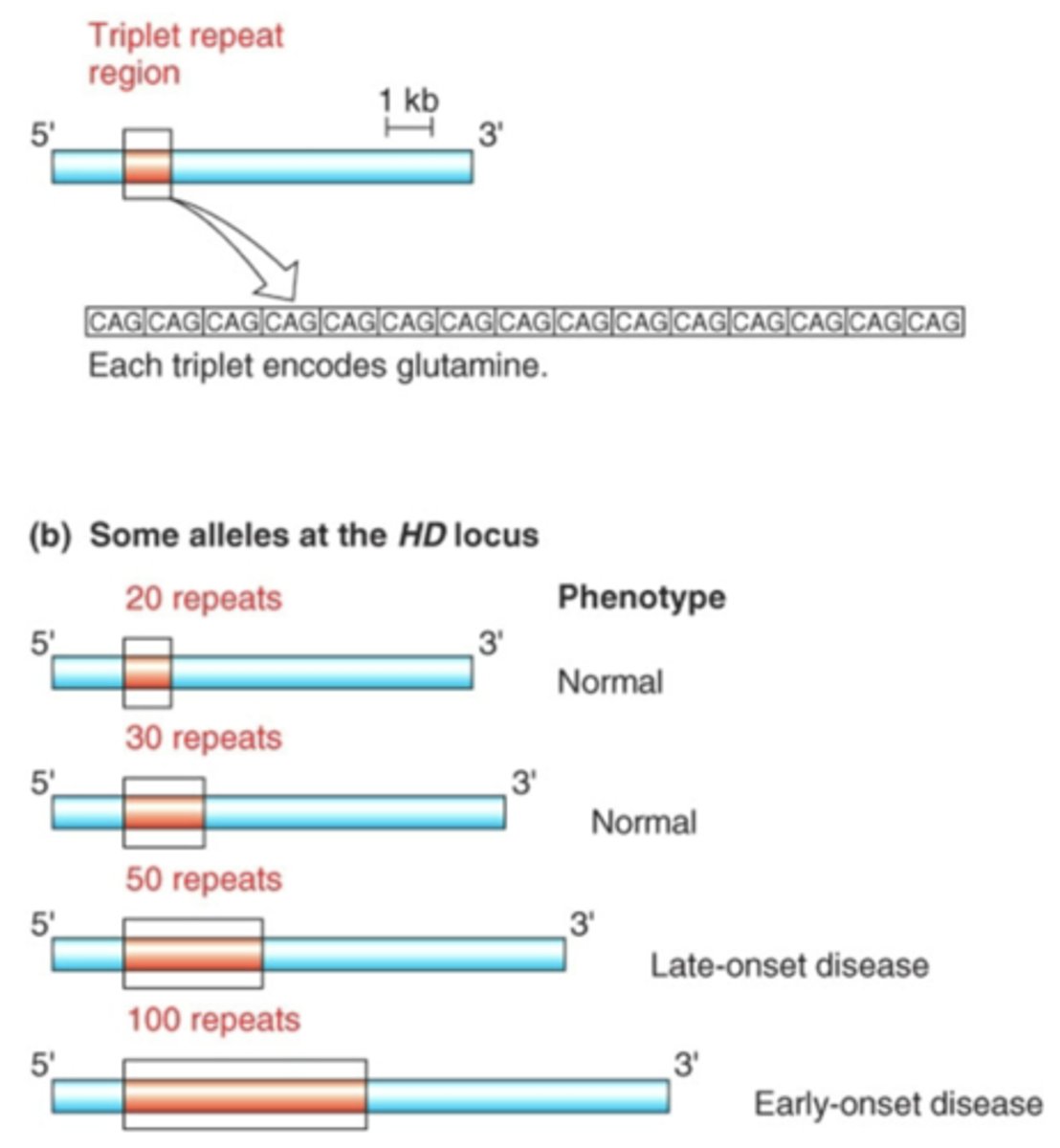
microsatellite repeat
# of repeats = 5 -100
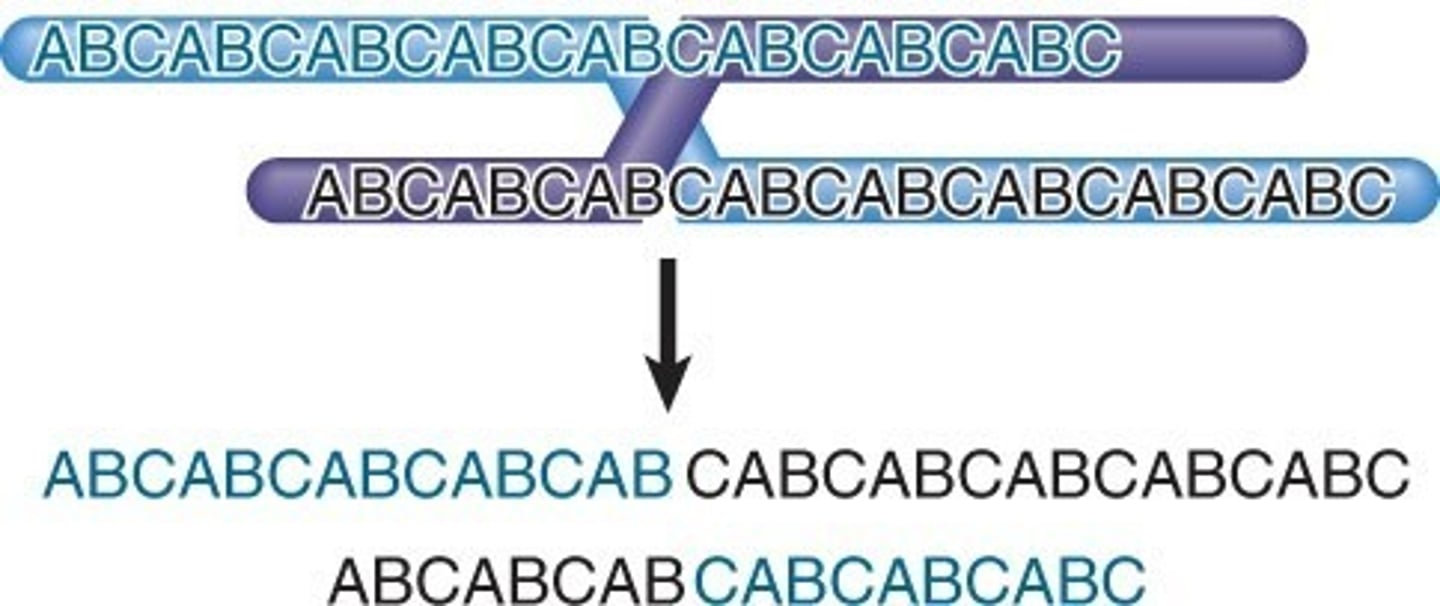
minisatellite repeat
# of repeats = 2 to several hundred
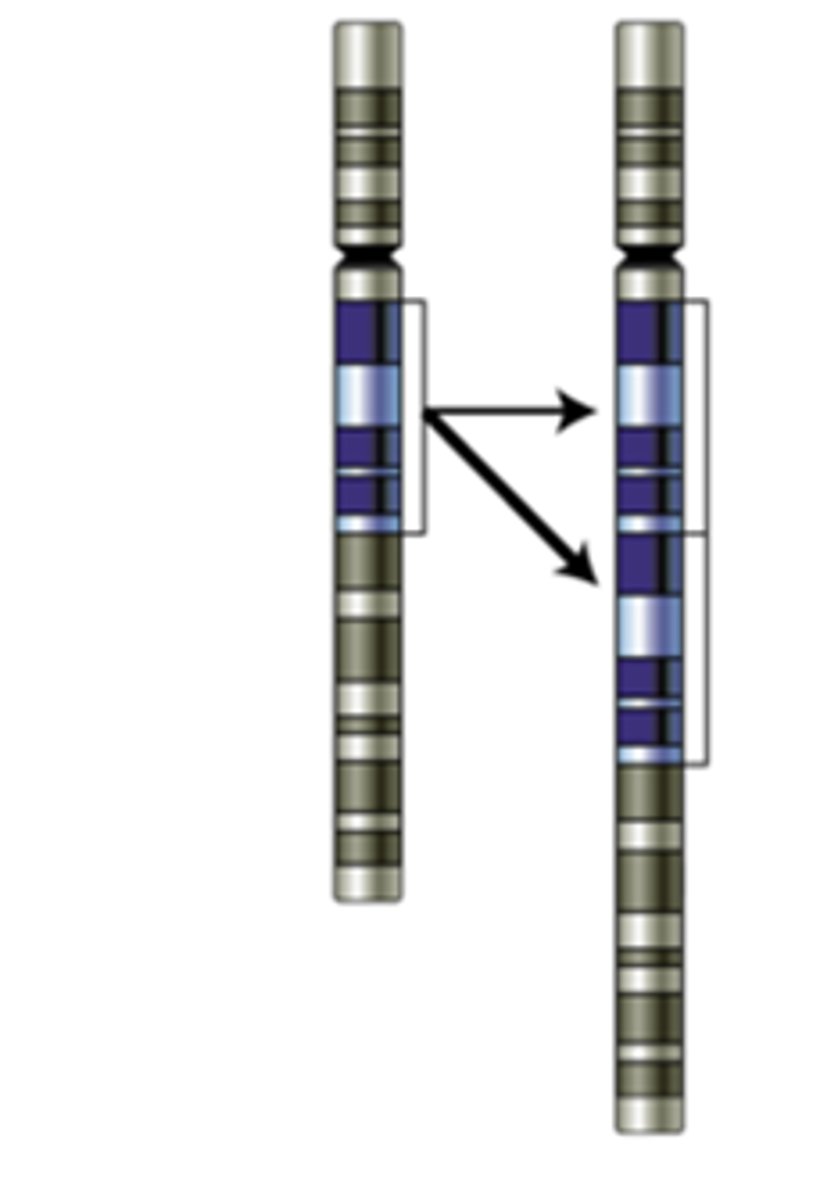
macrosatellite repeat
n > 100 bp long
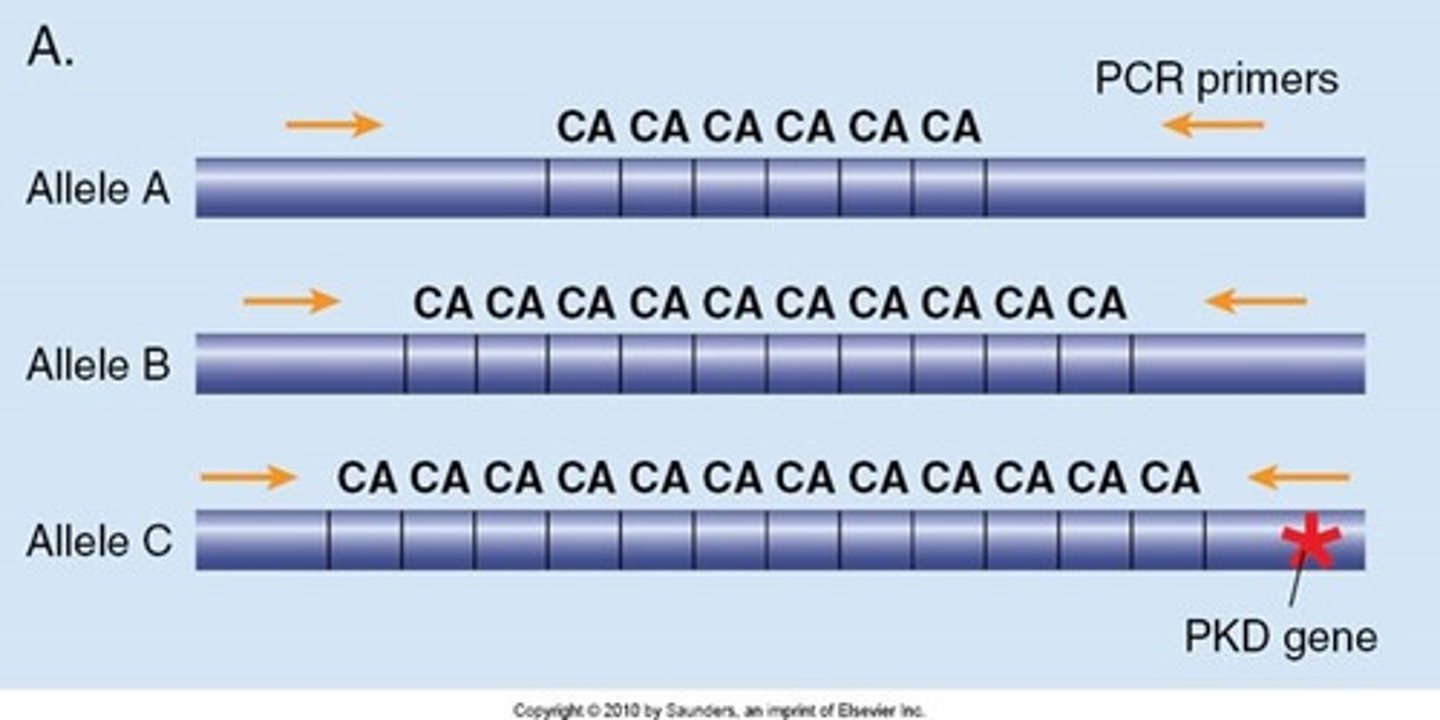
number of these repeats
different(polymorphic)between individuals.
Hybridization-based markers
MINISATALLITES: are hybridization-based markers
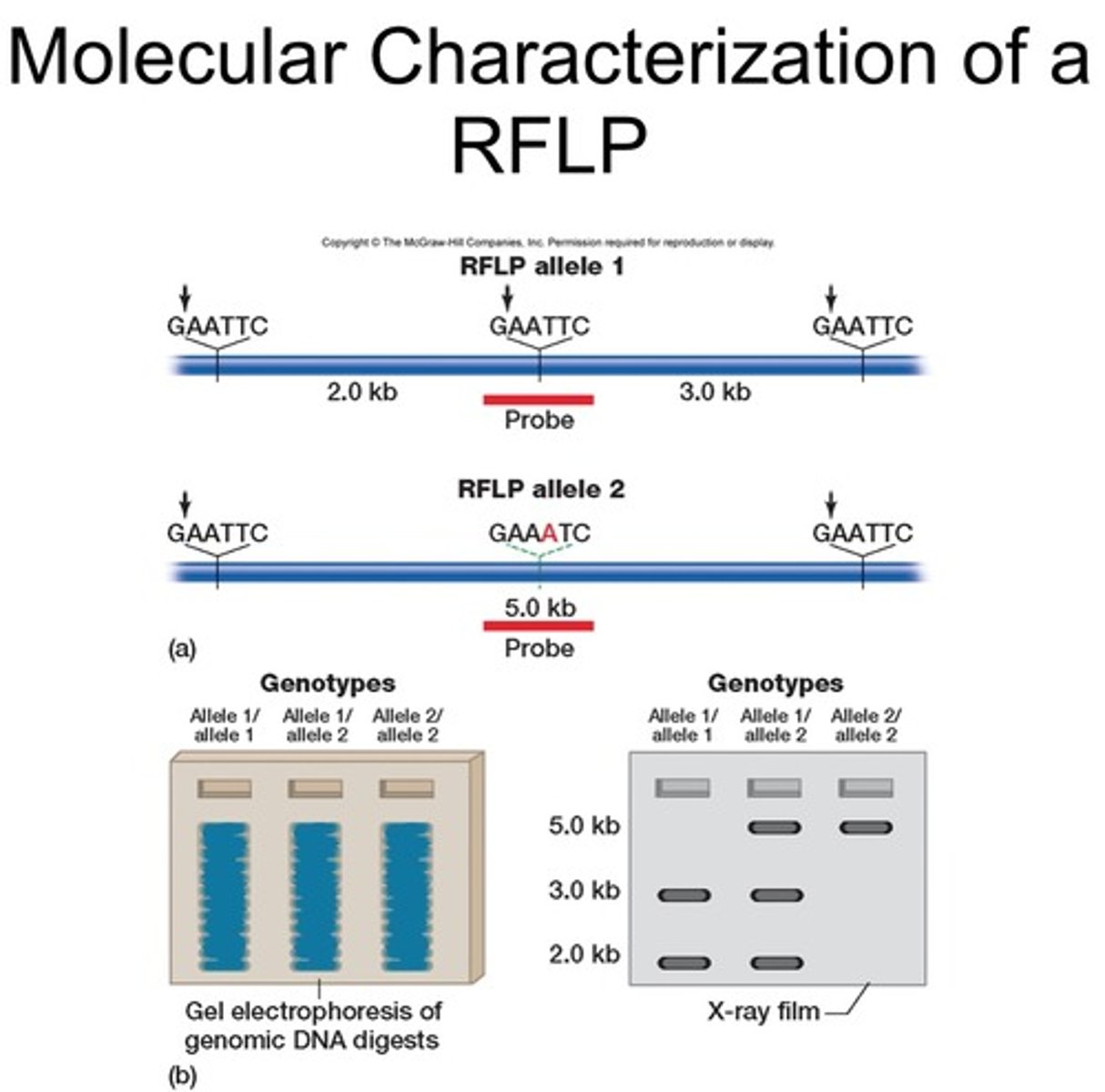
Variable number tandem repeat (VNTR)
Minisatellites; used for DNA fingerprinting by comparing the DIFFERENCES (POLYMORPHISM) in VNTRs between individual
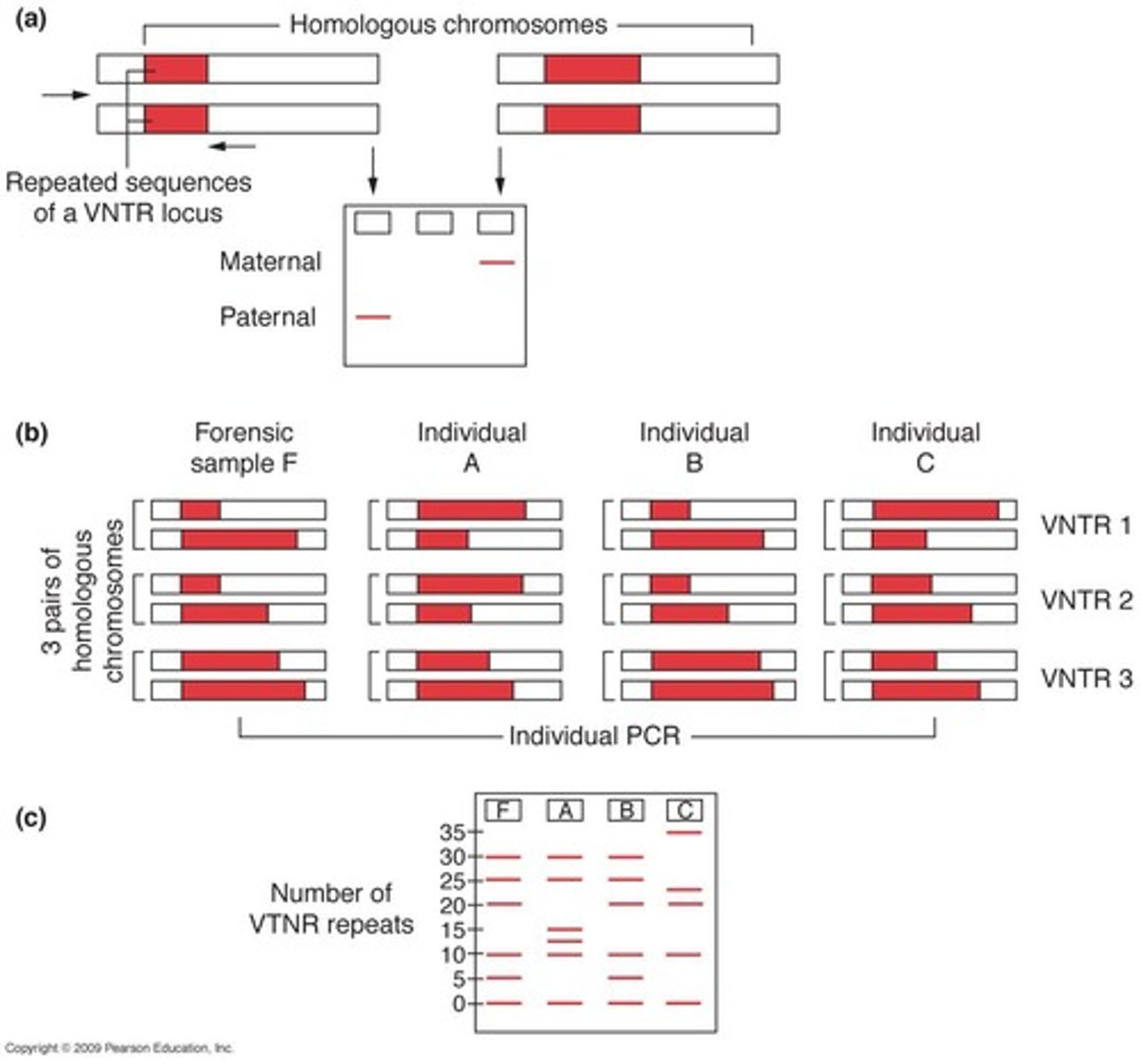
DNA fingerprinting
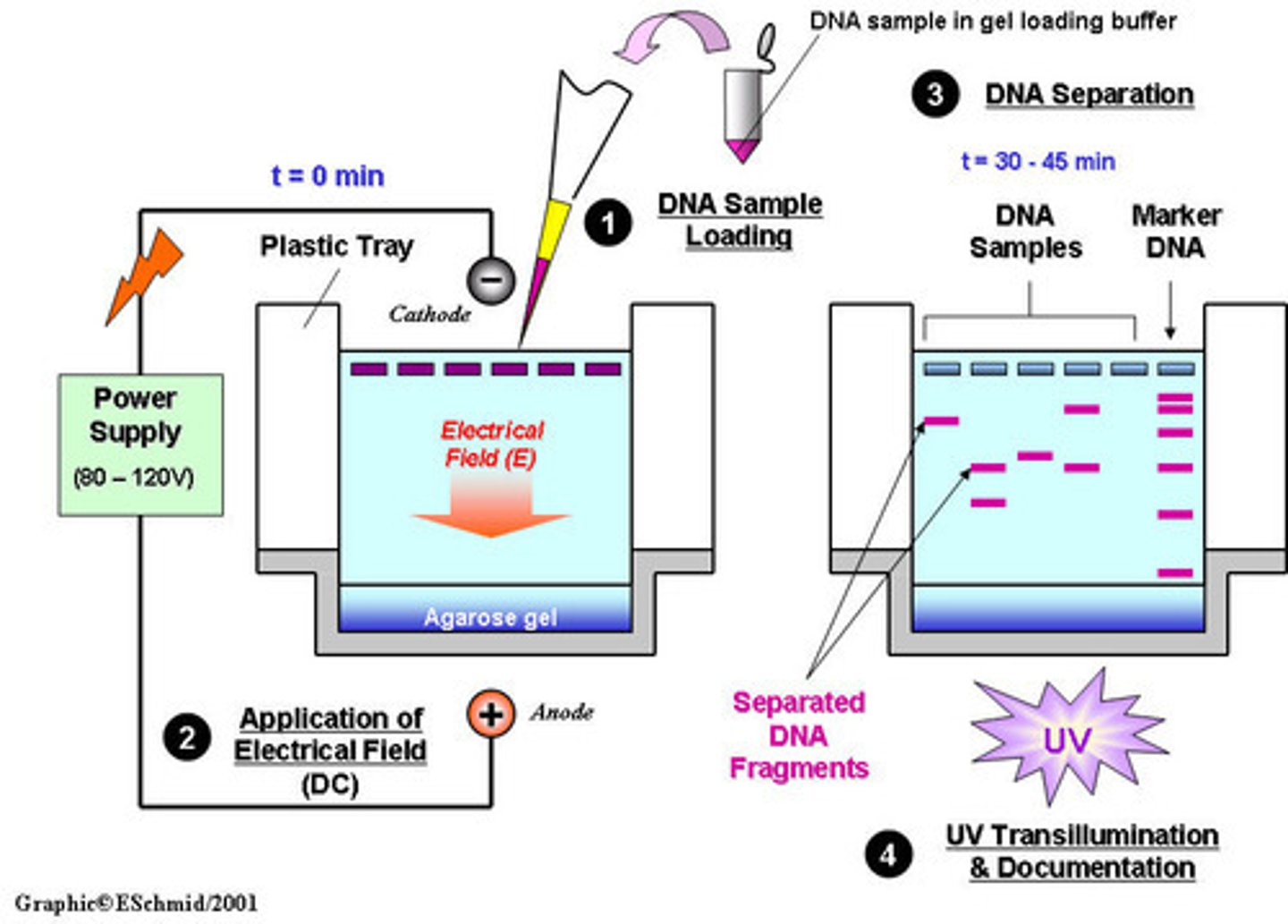
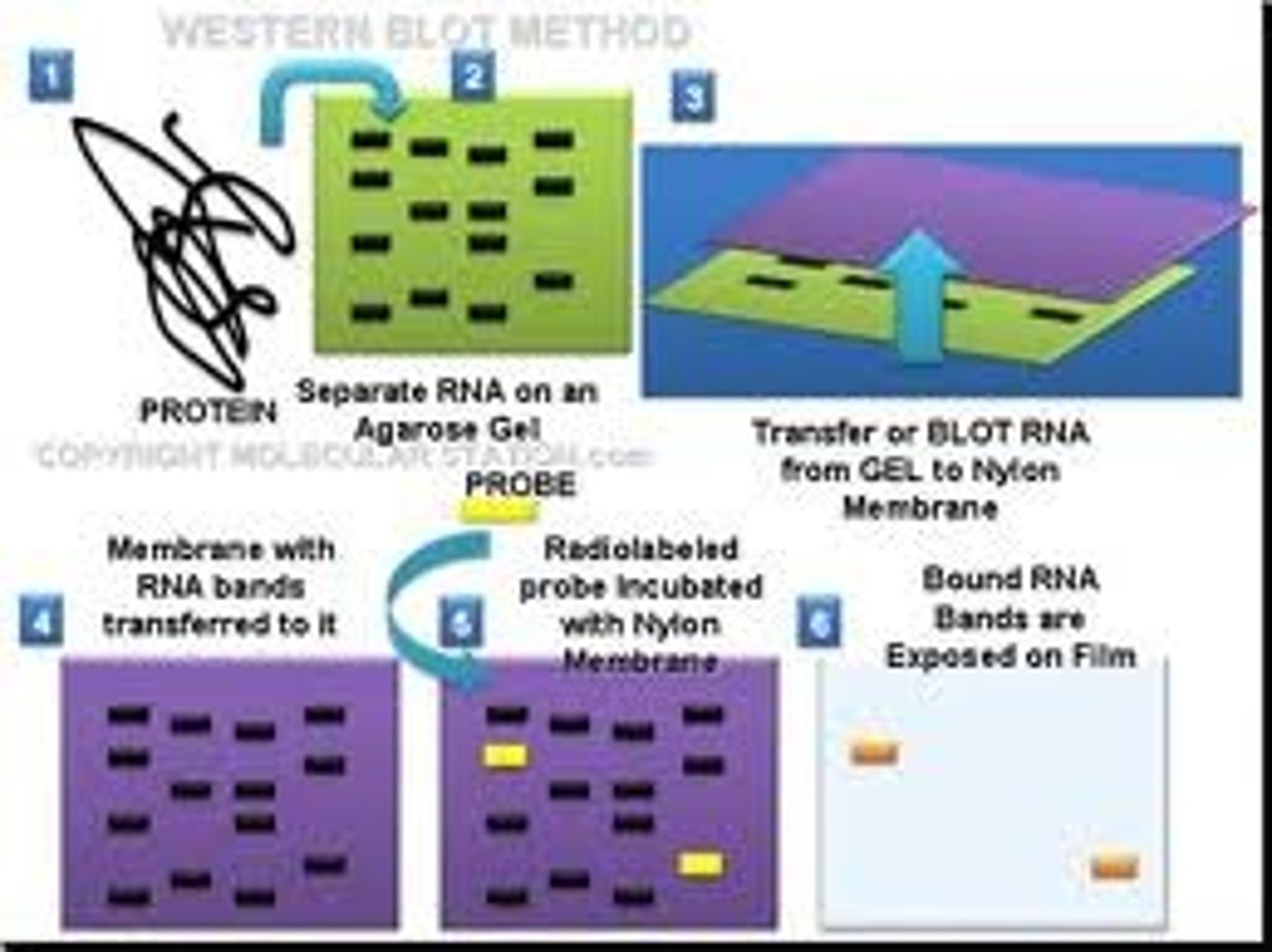
cutting out the VNTRs from the genome with restriction enzymes, running it on a gel, transferring it to a membrane, and then detecting it with complementary sequences called probes
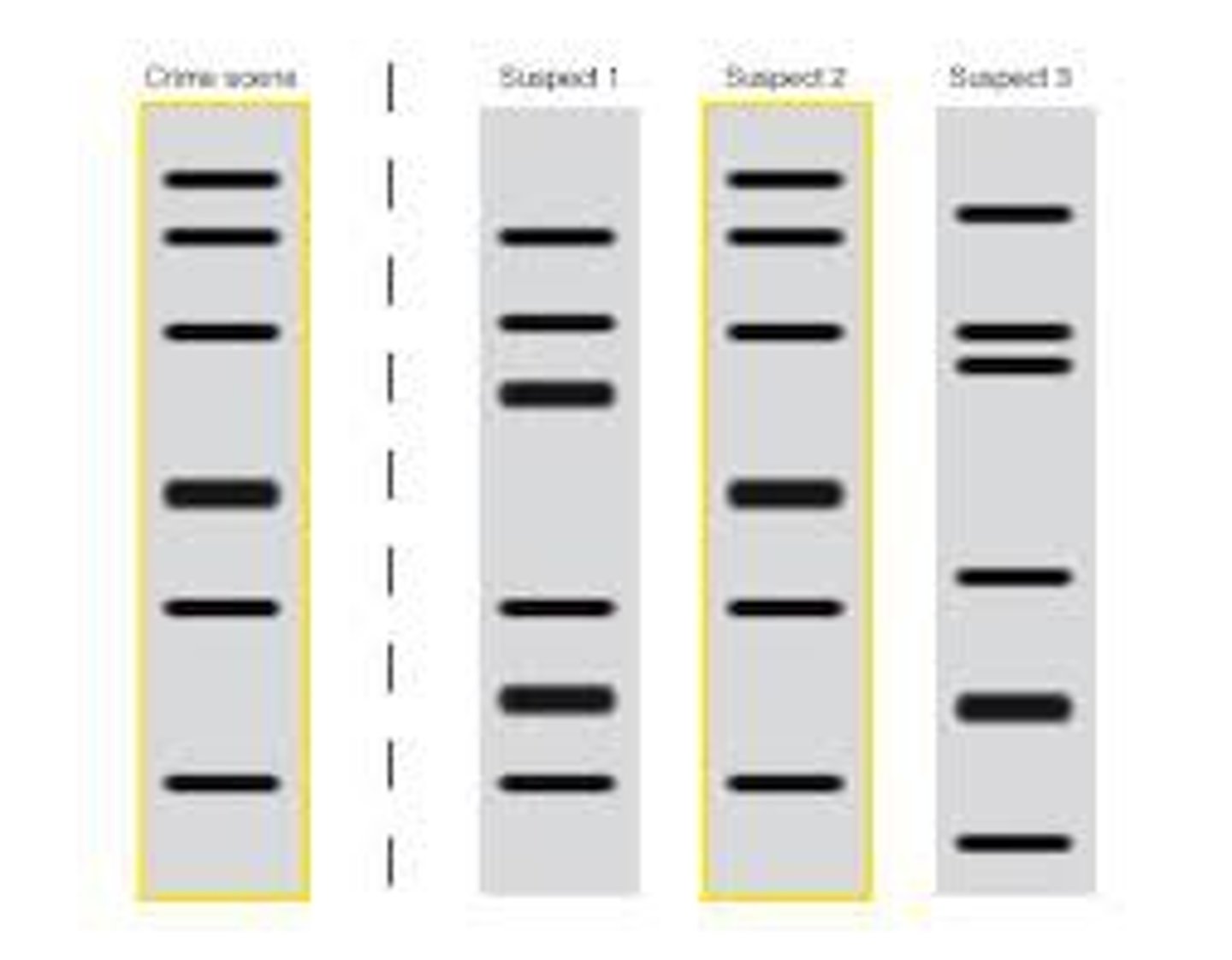
DNA fingerprinting is actually two techniques
1. Restriction fragment length POLYMORPHISM (RFLP) of VNTR
2. Southern blot
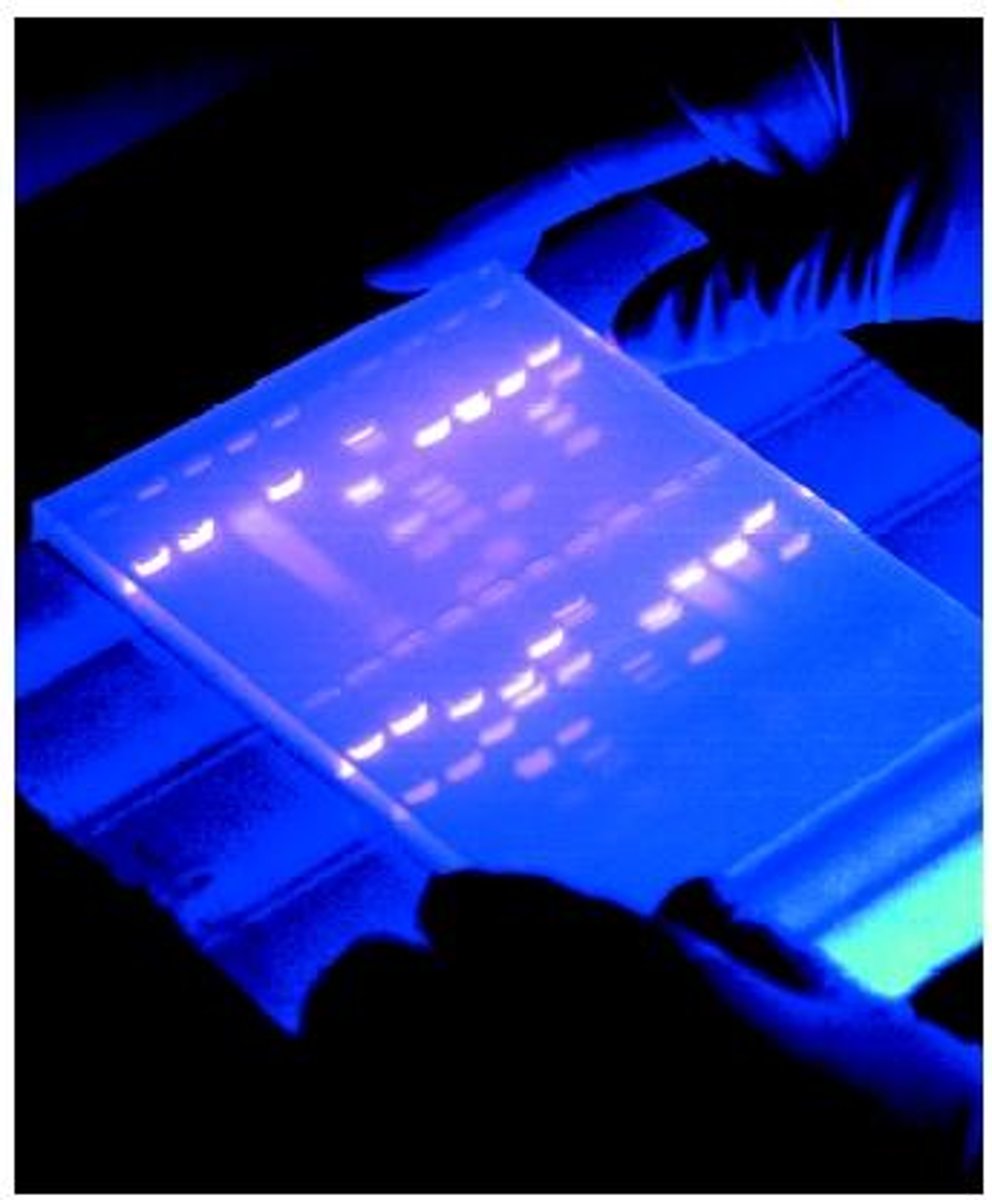
PCR-based markers
MICROSATELLITES: are PCR-based markers
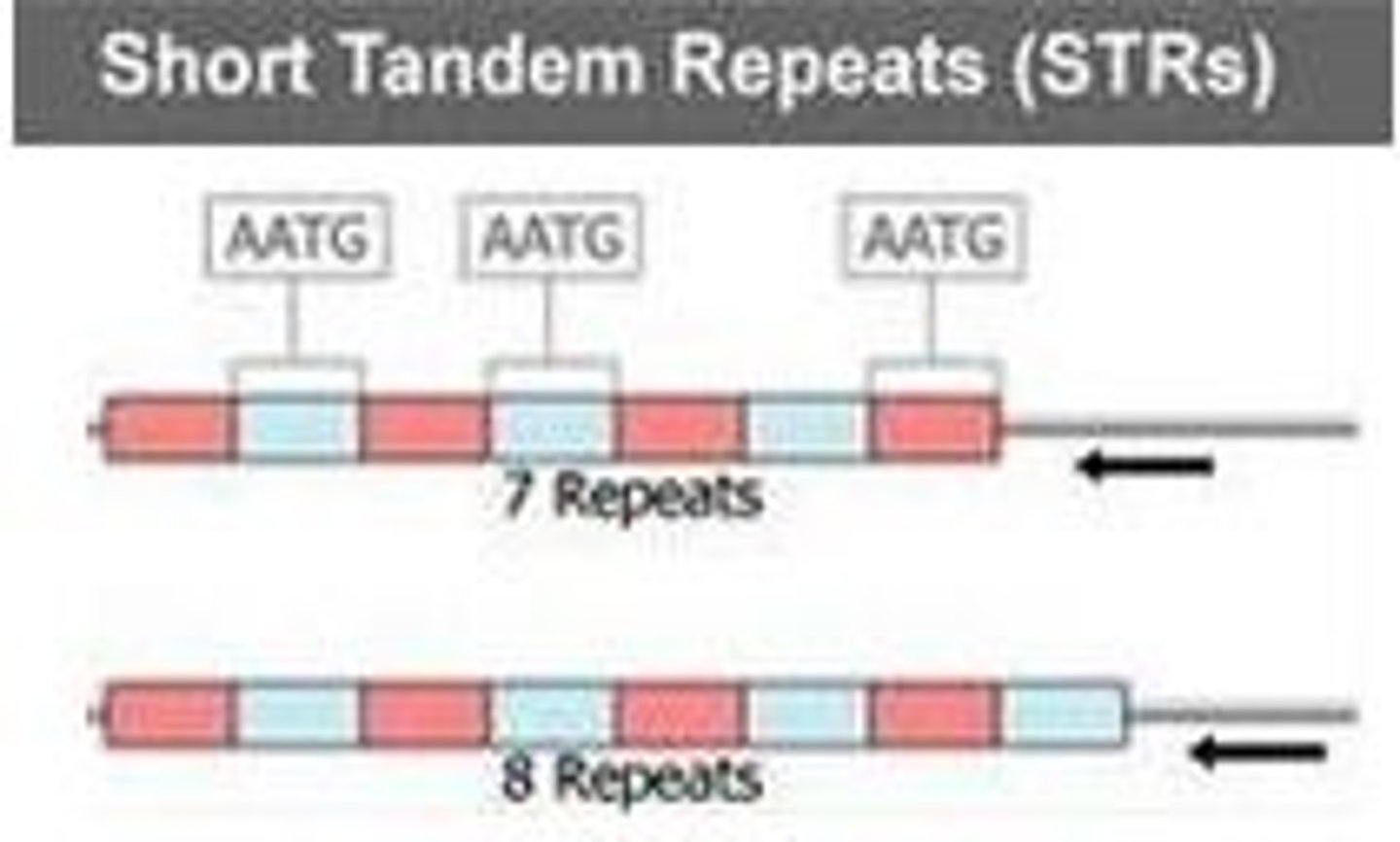
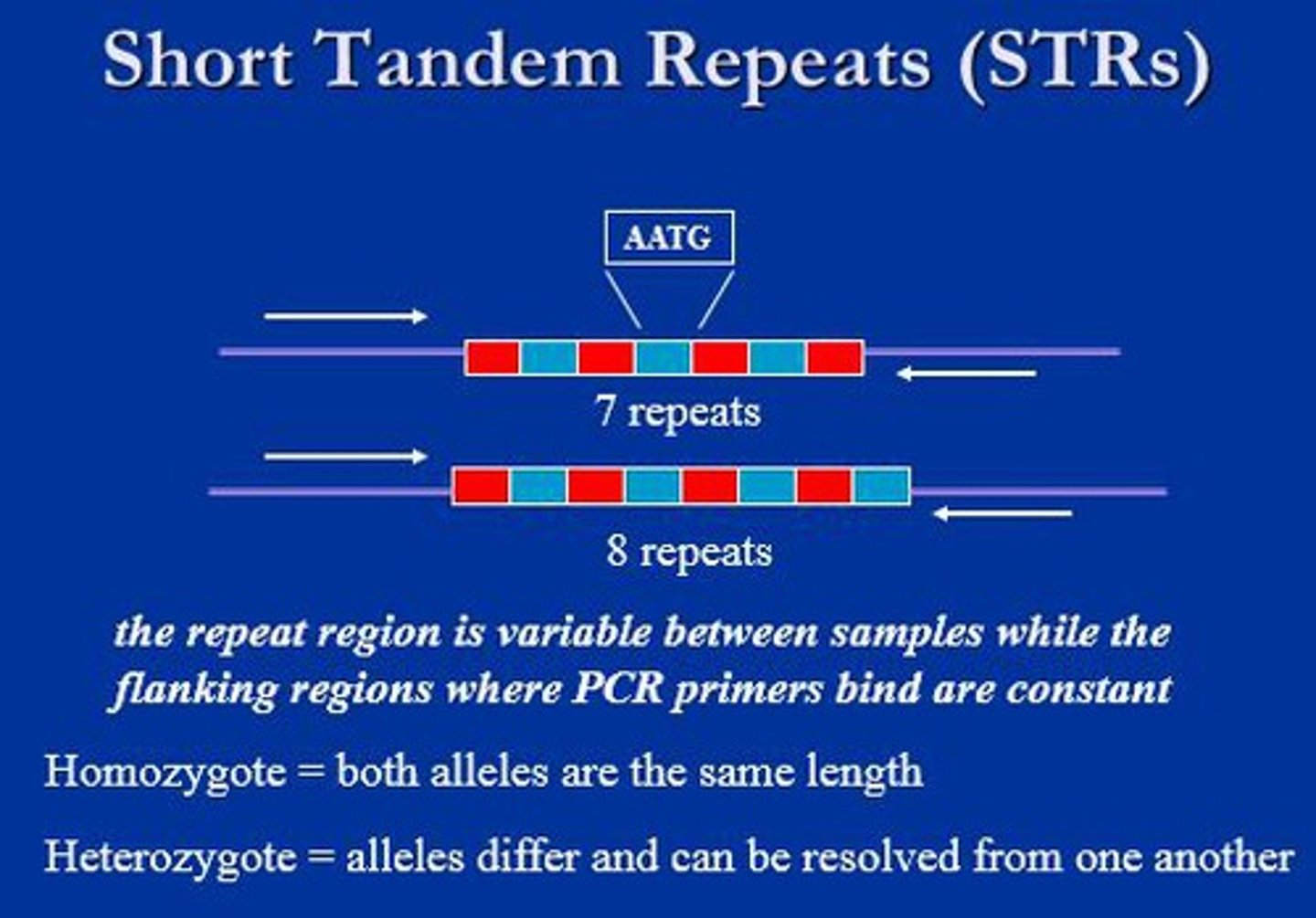
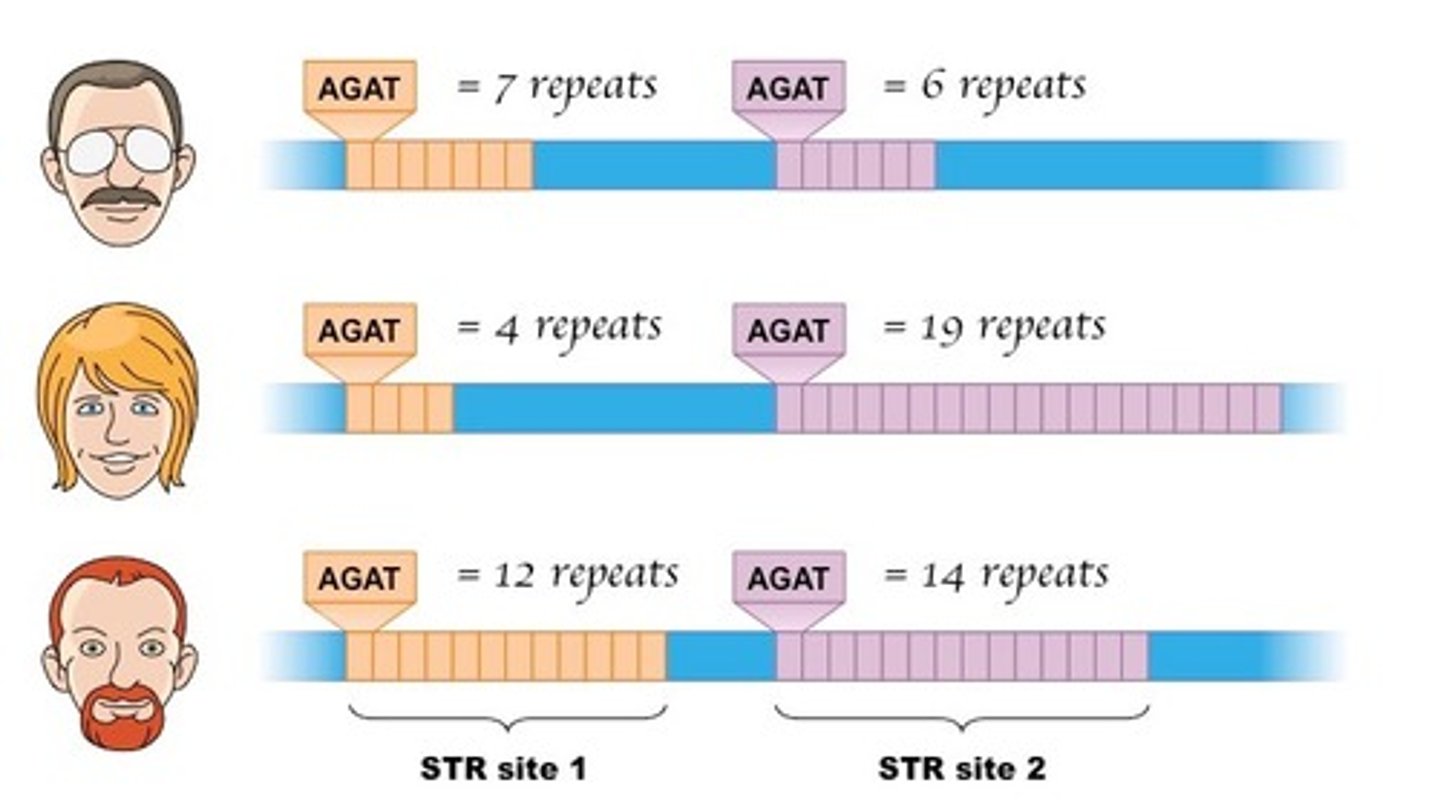
Short Tandem repeats (STRs)
Microsatellites; used for DNA fingerprinting by amplifying the STRs and comparing the DIFFERENCES(POLYMORPHISM) in STRs between individuals
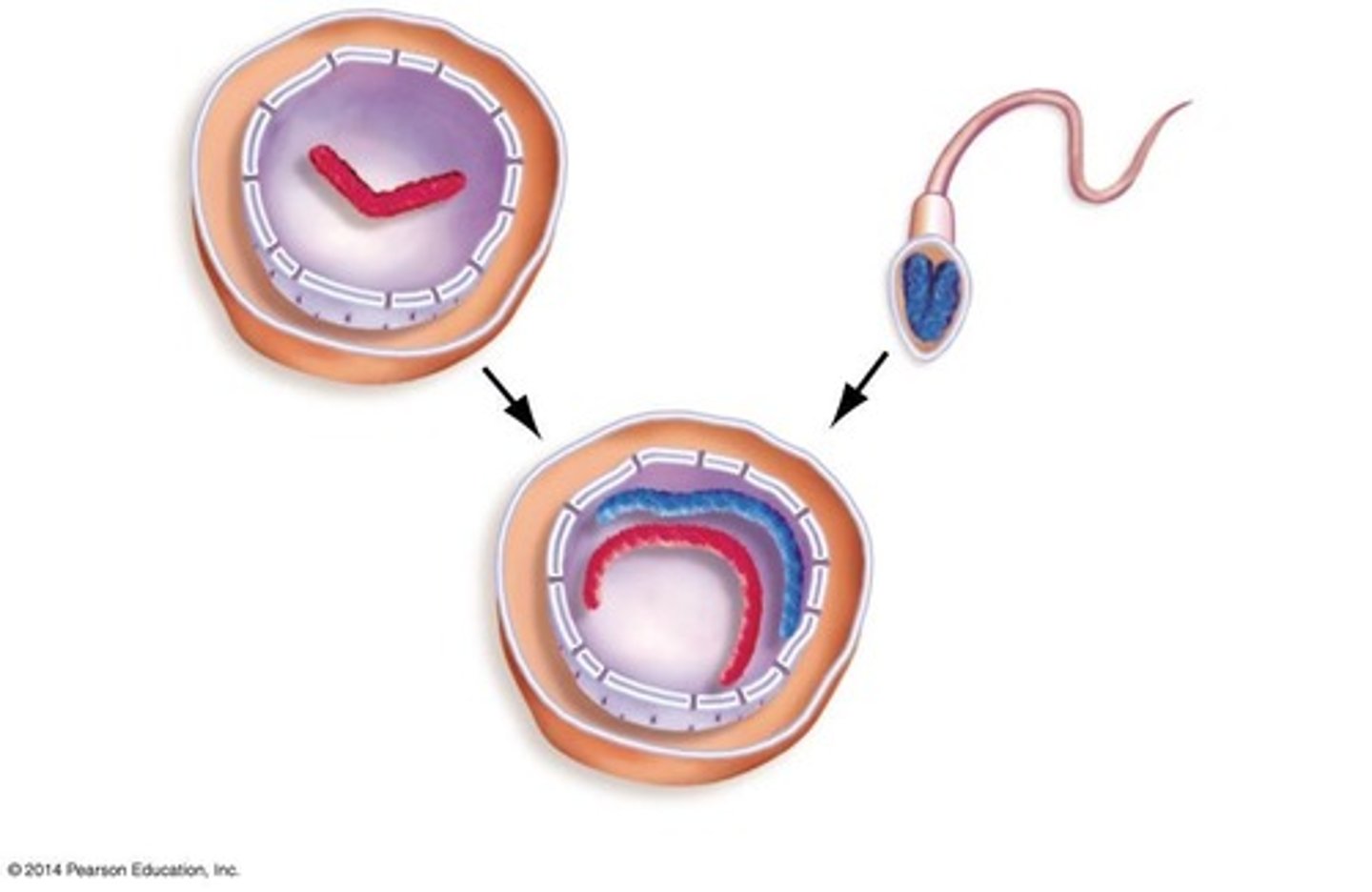
diploid organisms
inherit one set of chromosomes from each parent.
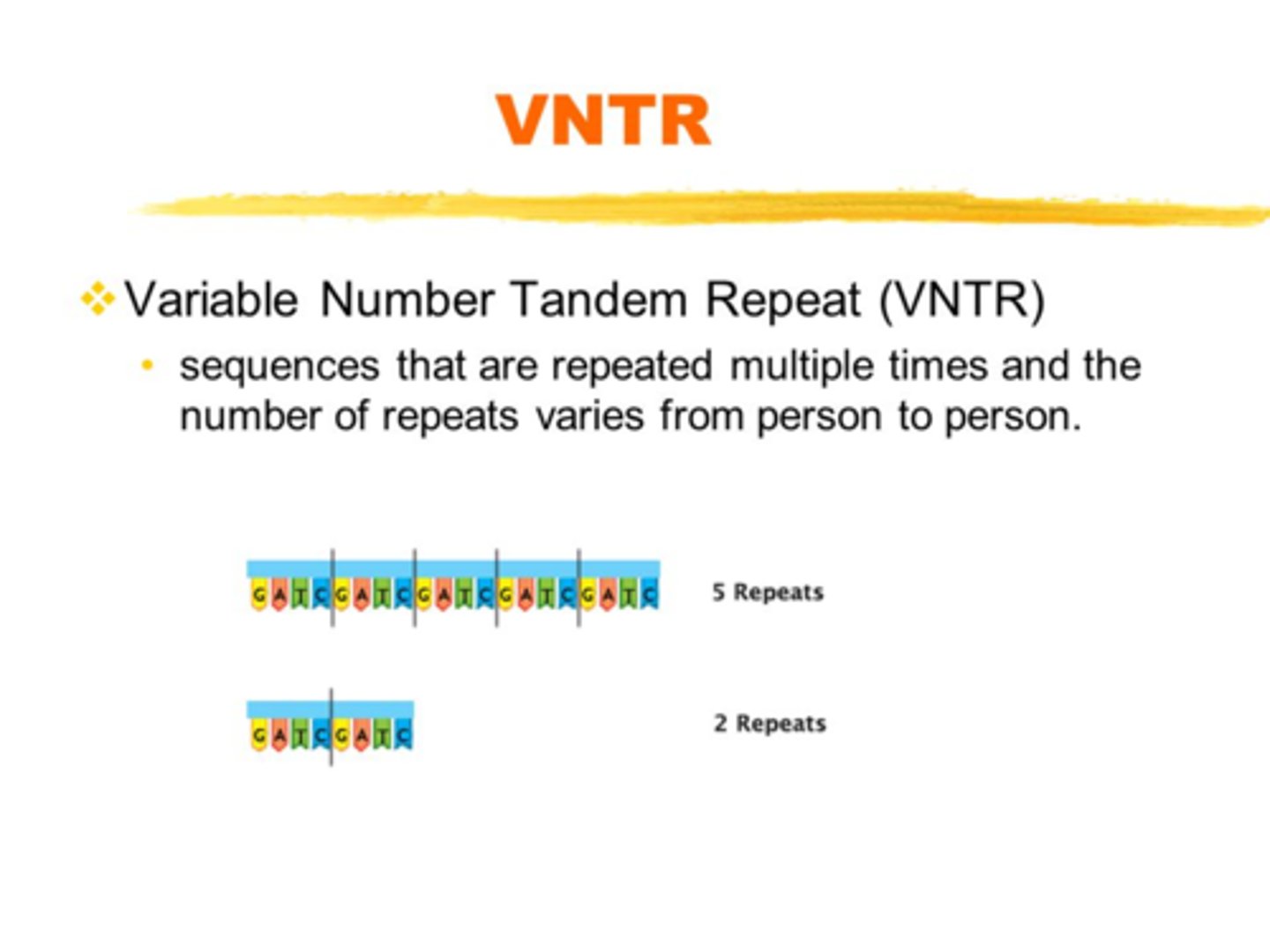
VNTRs
(10 to 100 base pair length) located in non-coding regions of the genome rather than within genes
STRs
usually located in non-coding regions of the genome rather than within genes.
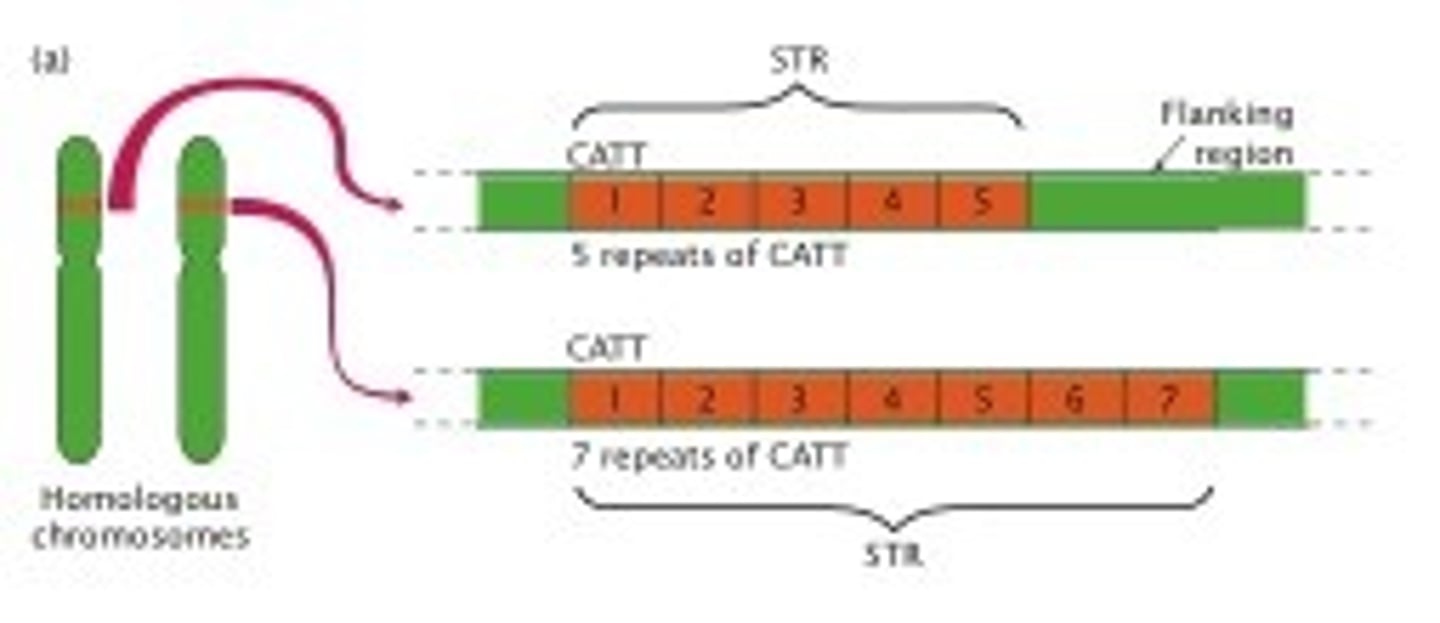
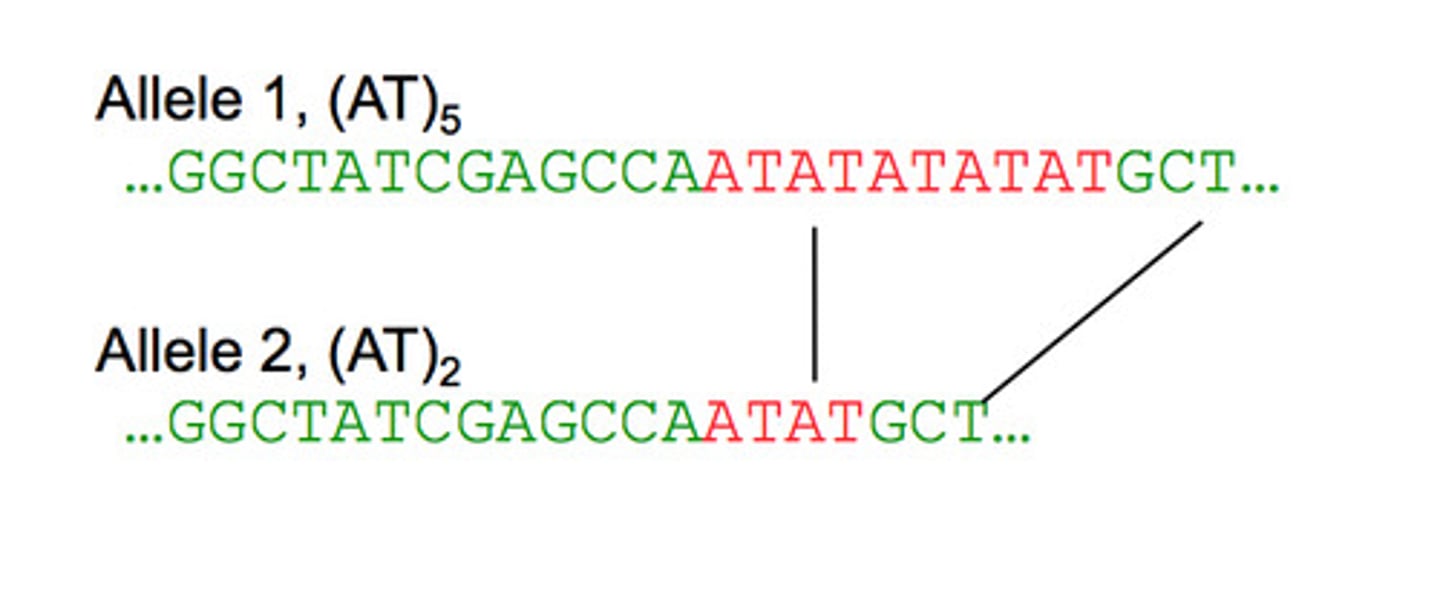
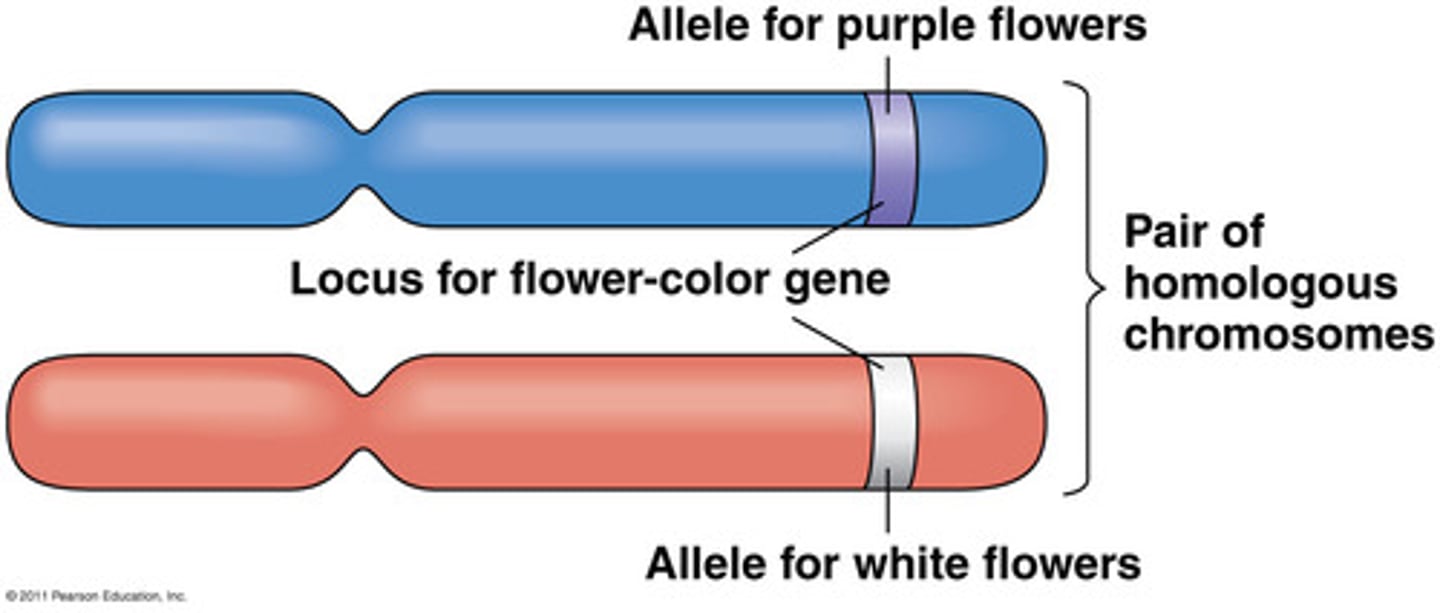
alleles
different VNTR or STR versions at the same genomic location
polymorphism are detected by molecular techniques such as
RFLP, Southern blots, PCR
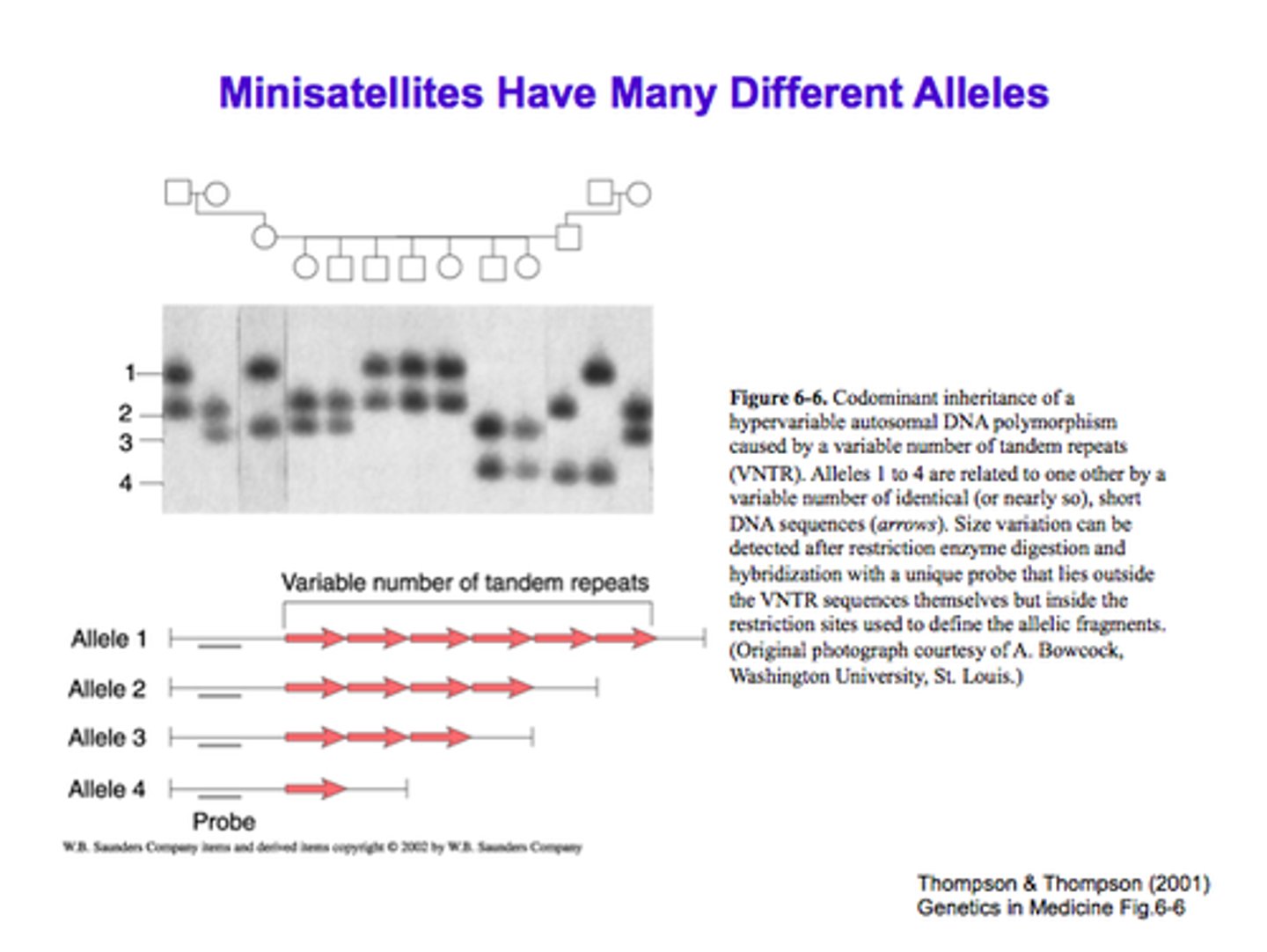
Minisatellites
Variable number tandem repeats (VNTRs)
Detect this polymorphism by RFLP followed by Southern blot
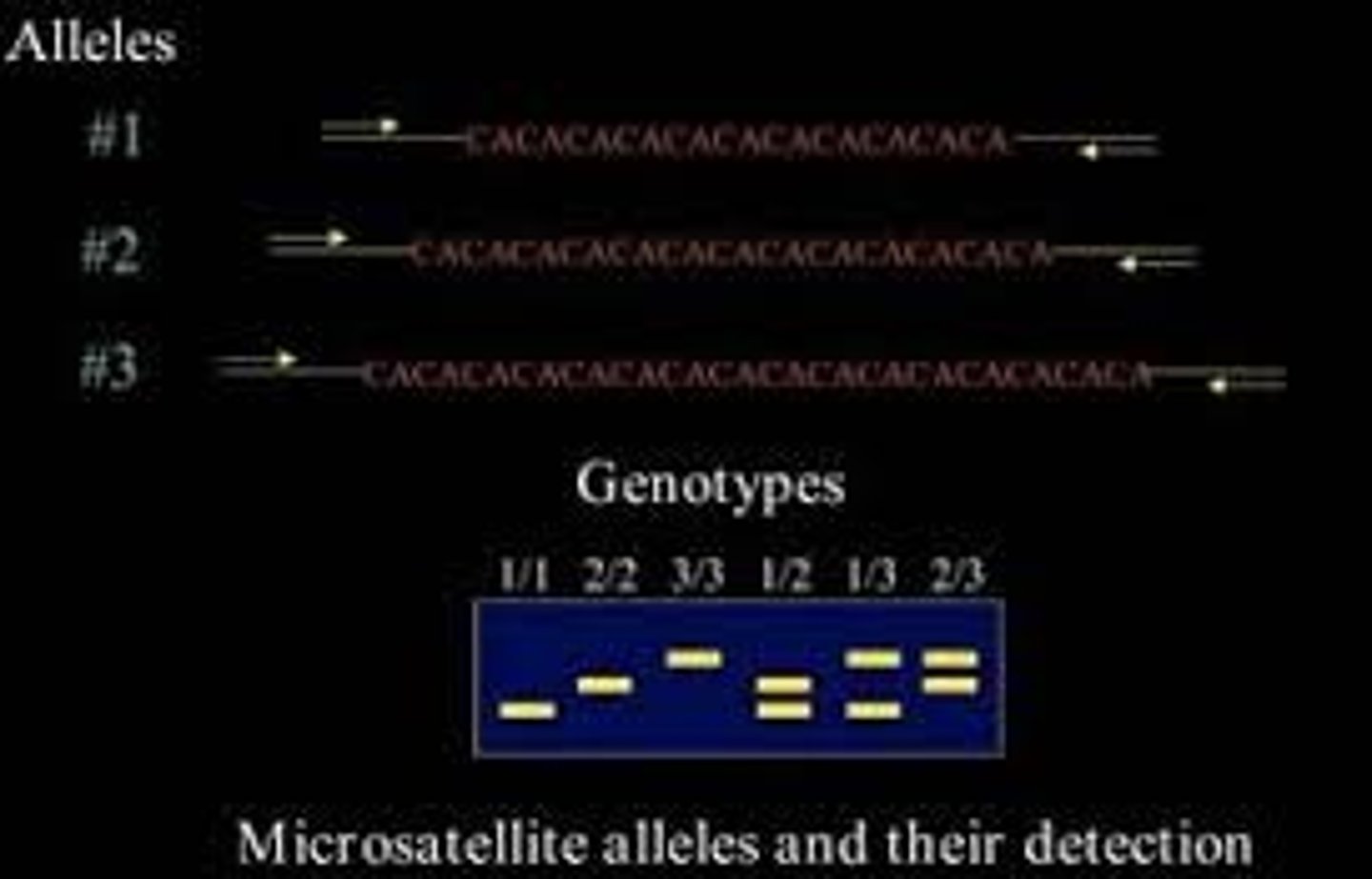
Microsatellites
Short Tandem Repeat (STR)
Detect this polymorphism by PCR
Minisatellites are similar between individuals, but they can differ in
DNA sequence
Number (length) of repeats
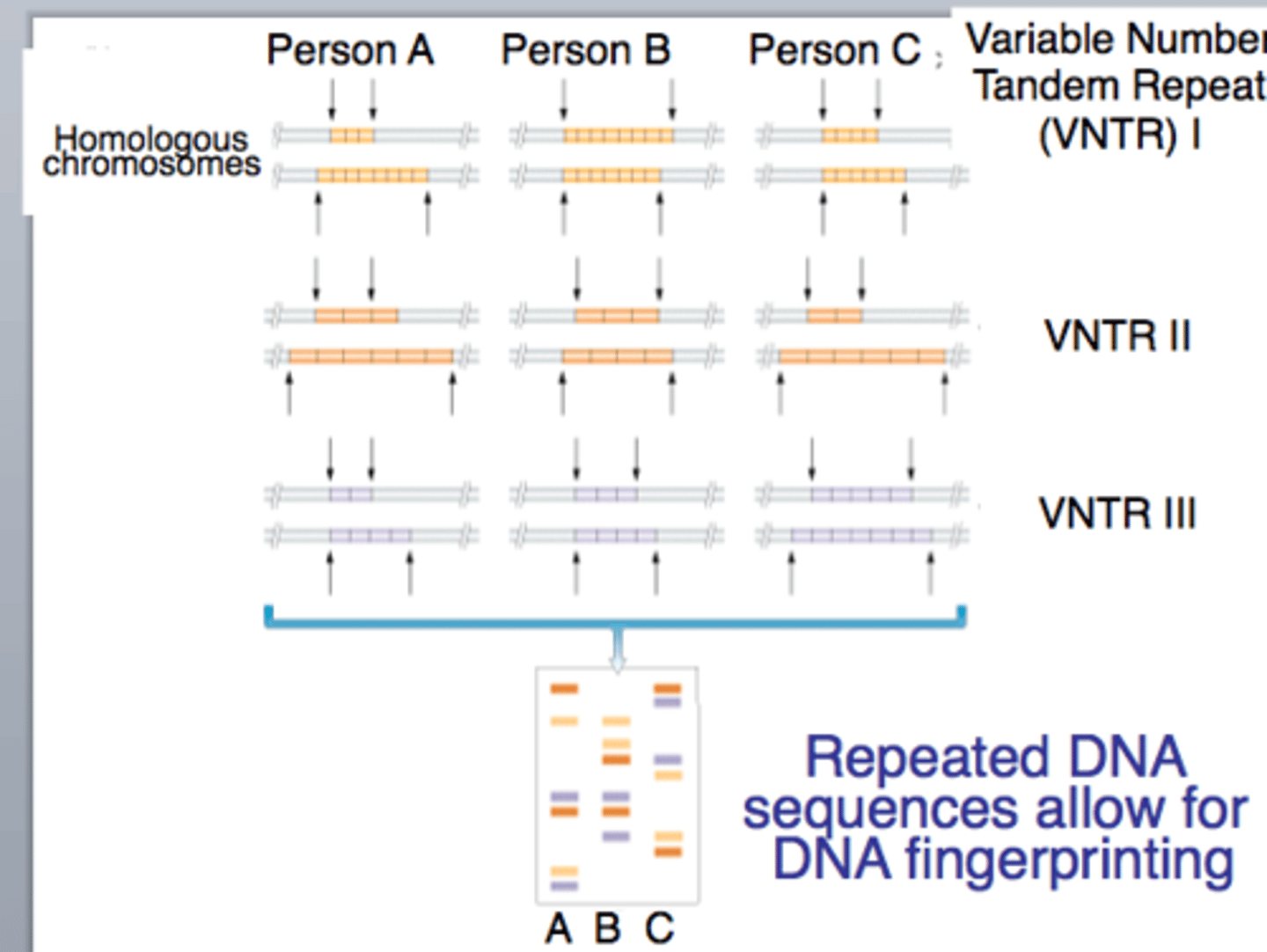
VNTR repeats are located at different loci
when comparing individuals, the same loci must be analyzed for all individuals being tested
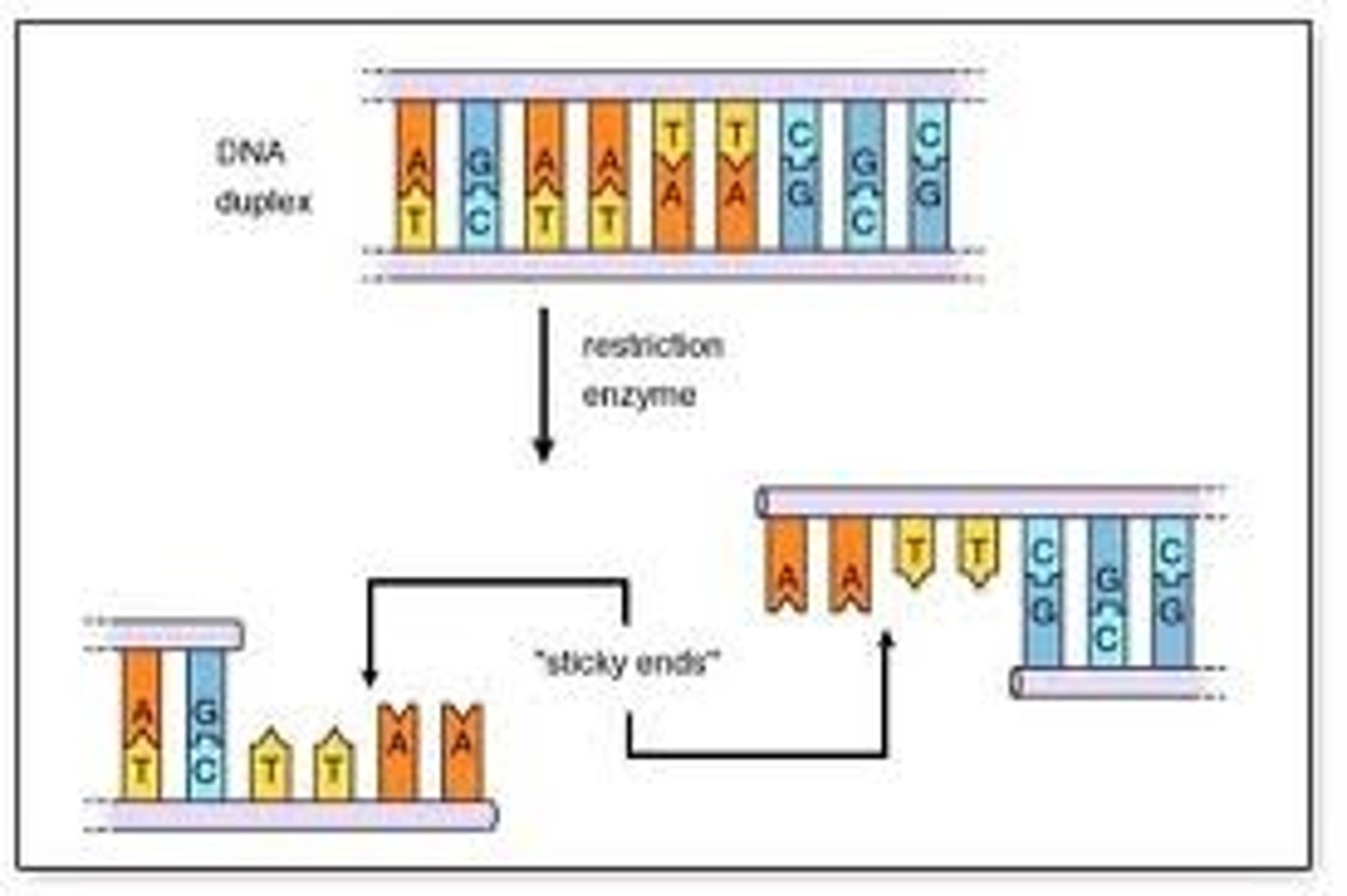
VNTRs in the genome are flanked by recognition sequences for restriction endonucleases
the VNTRs can be isolated or cut out from the genome by specific restriction endonuclease enzyme also called restriction enzymes (RE
RestrictionFragment Length Polymorphisms (RFLPs)
a molecular technique that identifies variations in homologous DNA sequences by analyzing the different lengths of DNA fragments produced after digestion with restriction enzymes
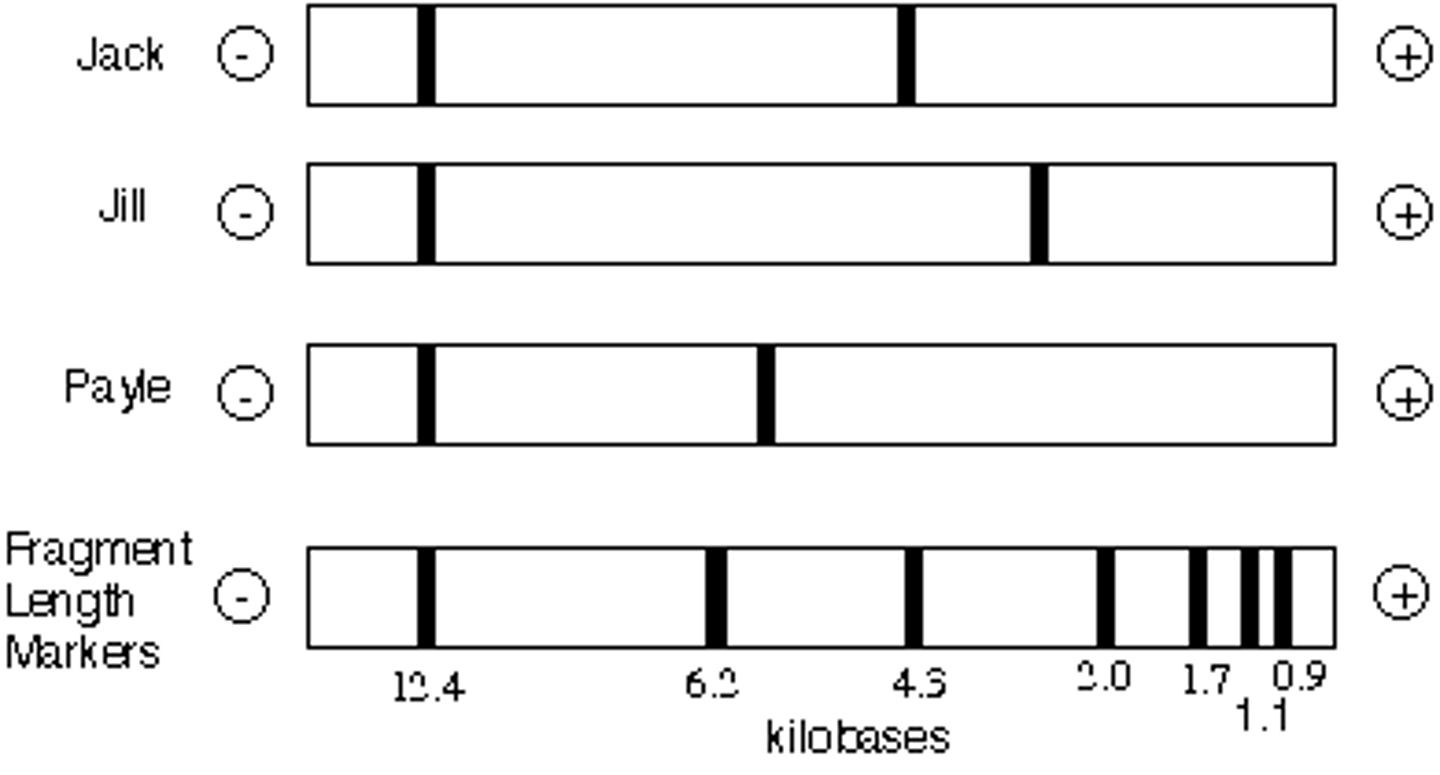
DNA profiling by VNTR
- Extract genomic DNA from cells or tissues.
- Digest the DNA with restriction enzymes flanking the VNTR region.
- This produces thousands of DNA fragments, so Southern blotting is used to identify the VNTR-containing fragment.
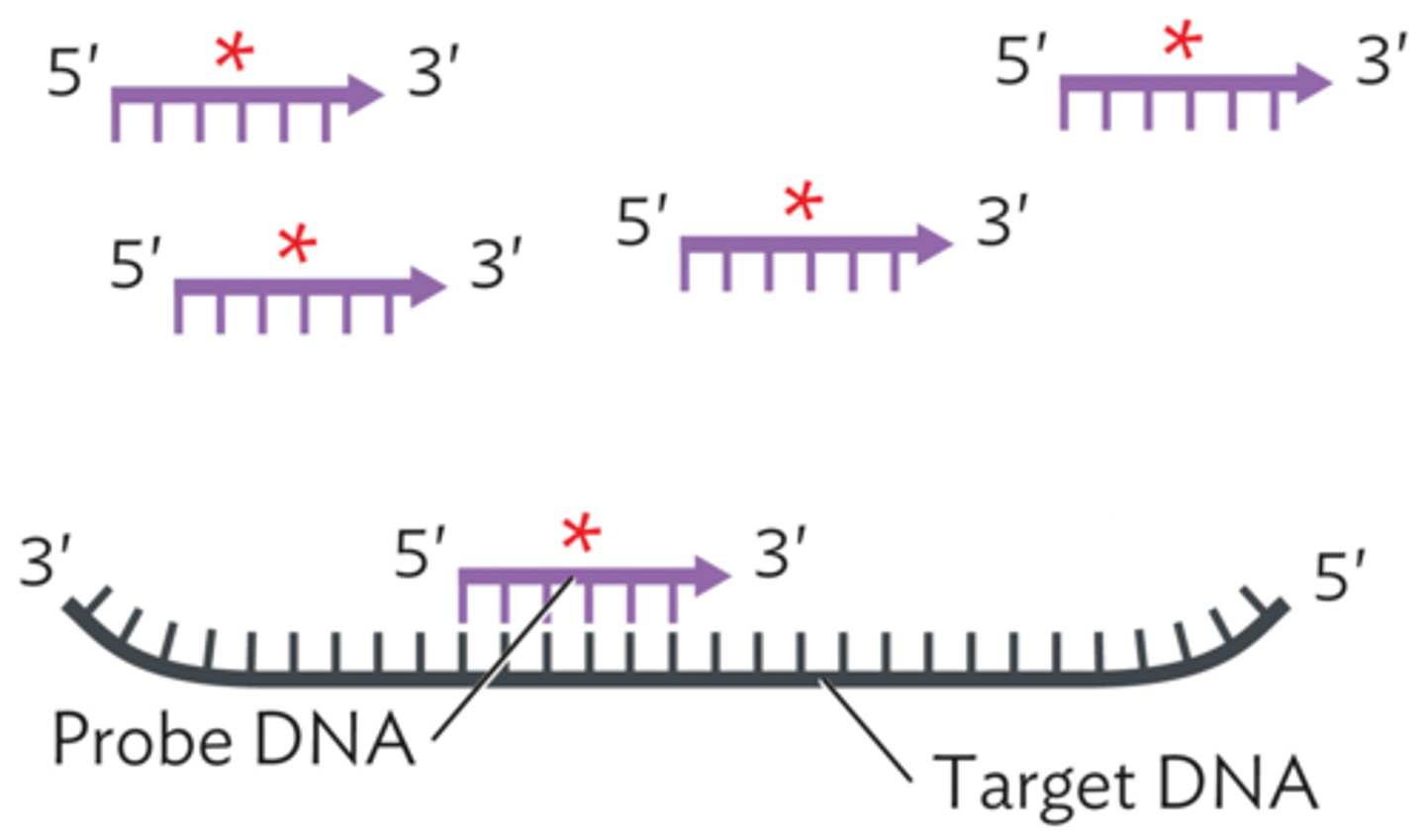
- A labeled DNA probe complementary to the VNTR sequence binds specifically to that fragment for detection
DNA probes
20 nt probe is labelled with radioactive phosphorus (32P)
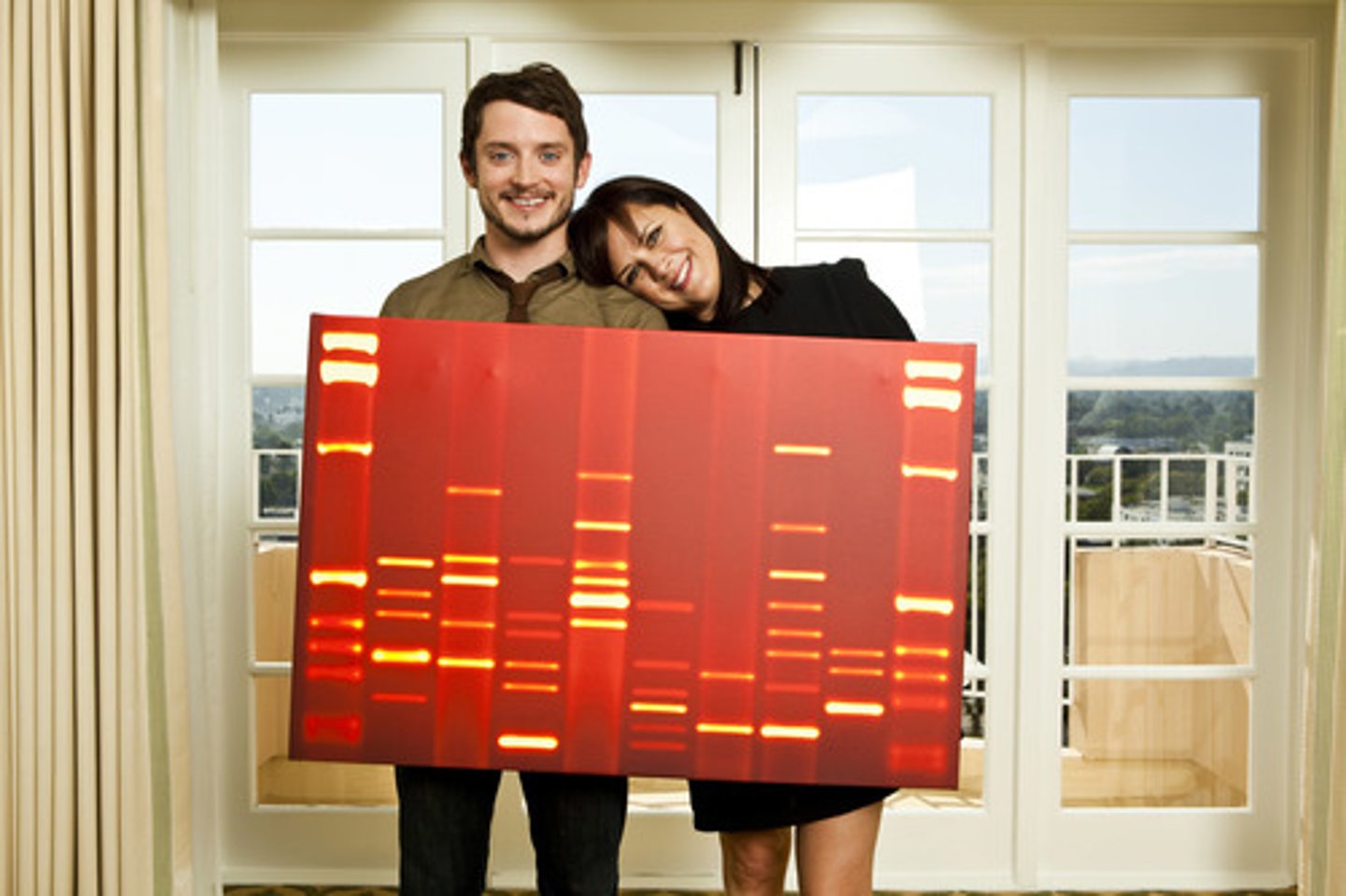
DNA Fingerprinting is used for
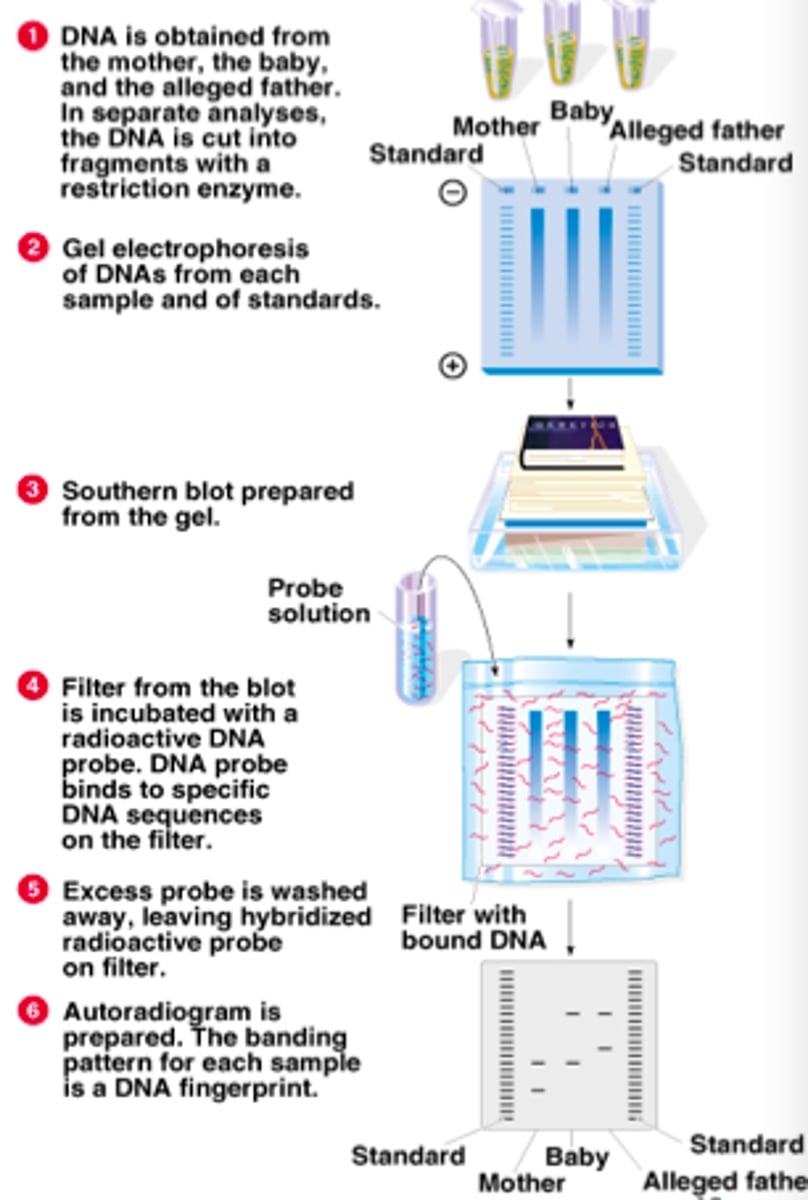
Paternity and Maternity
Criminal identification and forensics
Diagnosis of inherited disorders
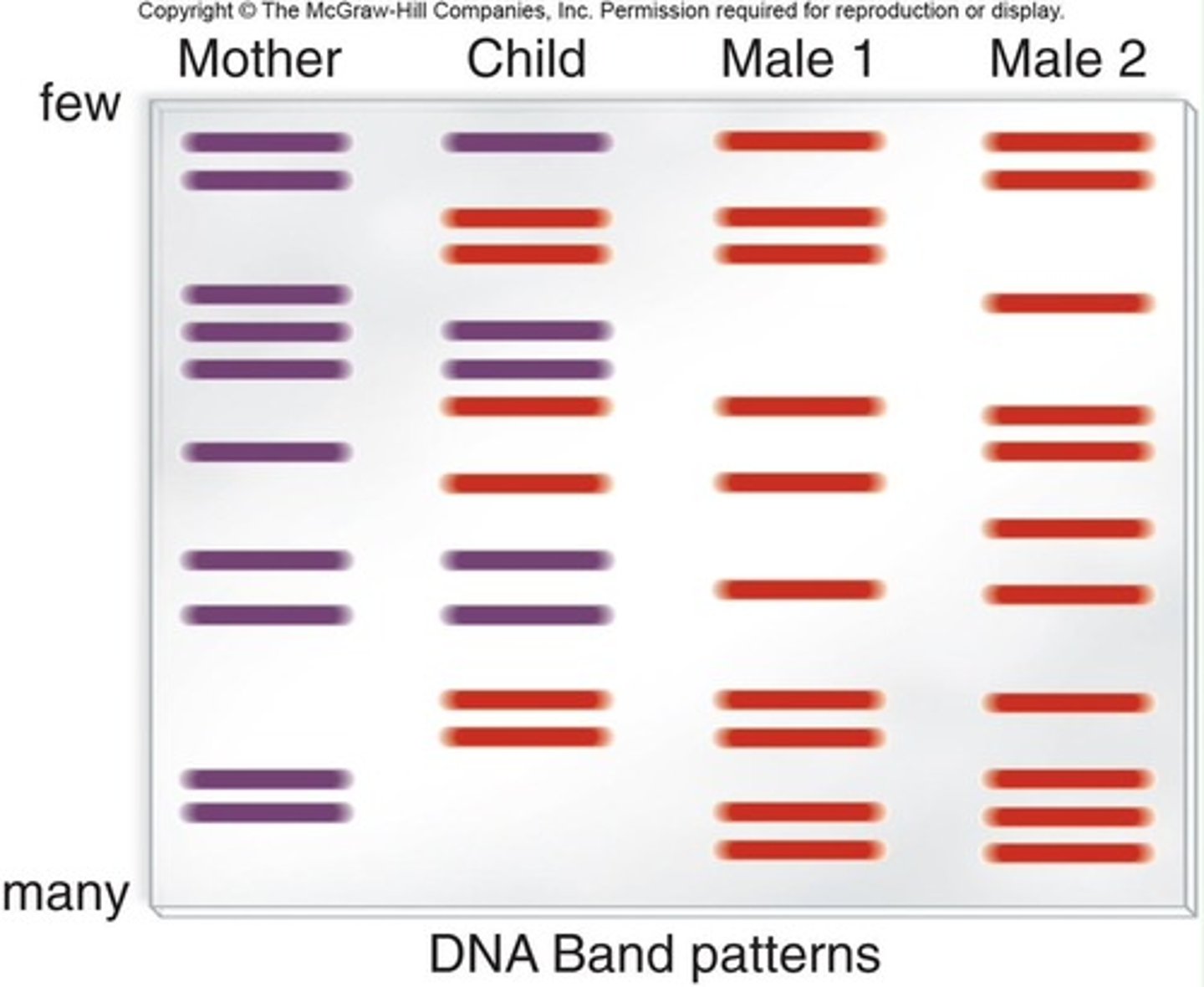
Paternity and Maternity
Person inherits their VNTRs from their parents
Parent-child VNTR pattern analysis is used to solve paternity identifications cases
Criminal identification and forensics
DNA isolated from blood, hair, skin cells or other genetic evidence left at the scene of a crime can be compared
Use DNA fingerprints to link suspects to biological evidence - blood or semen stains, hair, or items of clothing
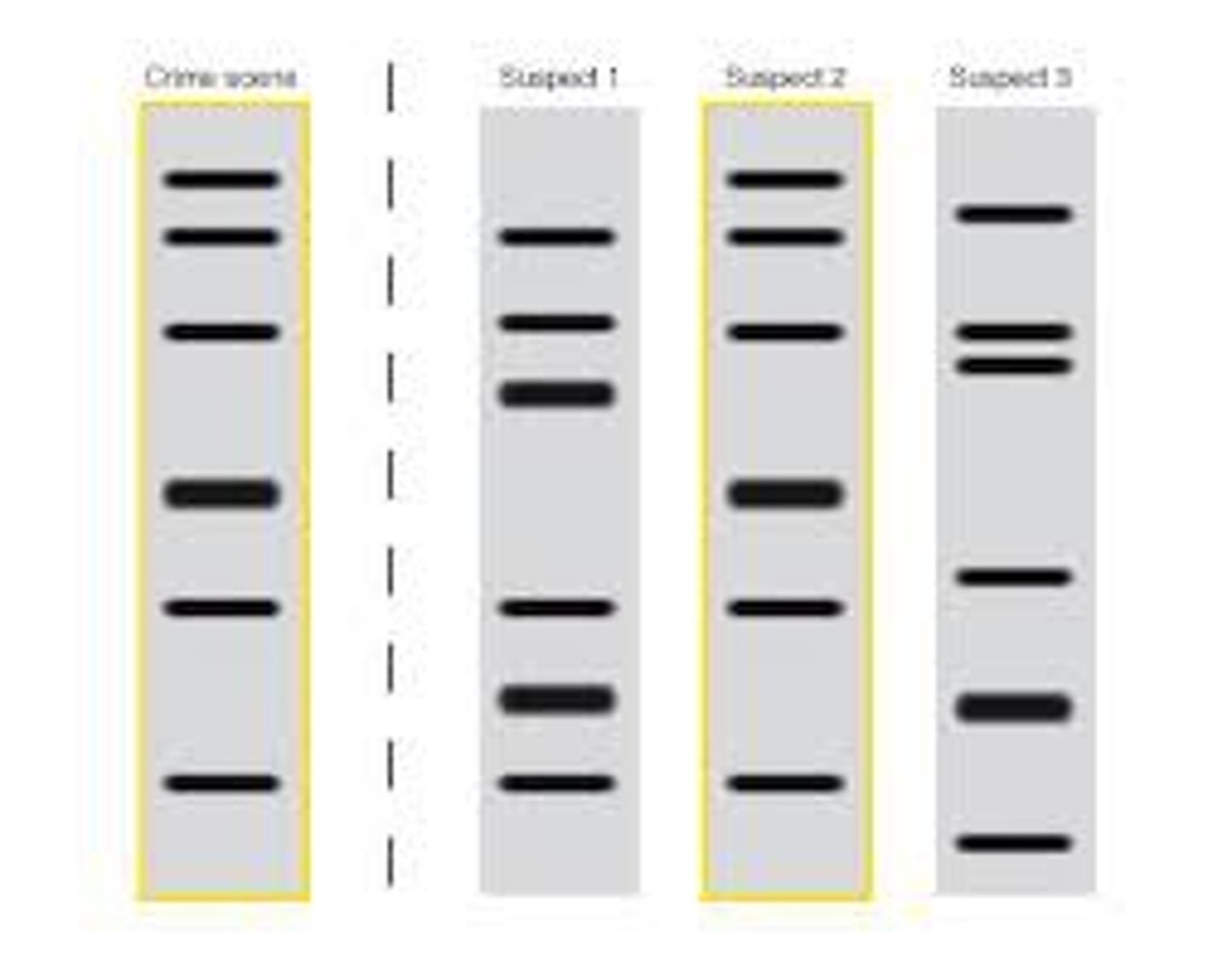
Diagnosis of inherited disorders
Diagnose inherited disorders in both prenatal and new-born babies
e.g. Cystic fibrosis,haemophilia, Huntington'sdisease, sickle cell anaemia,familial Alzheimer's etc
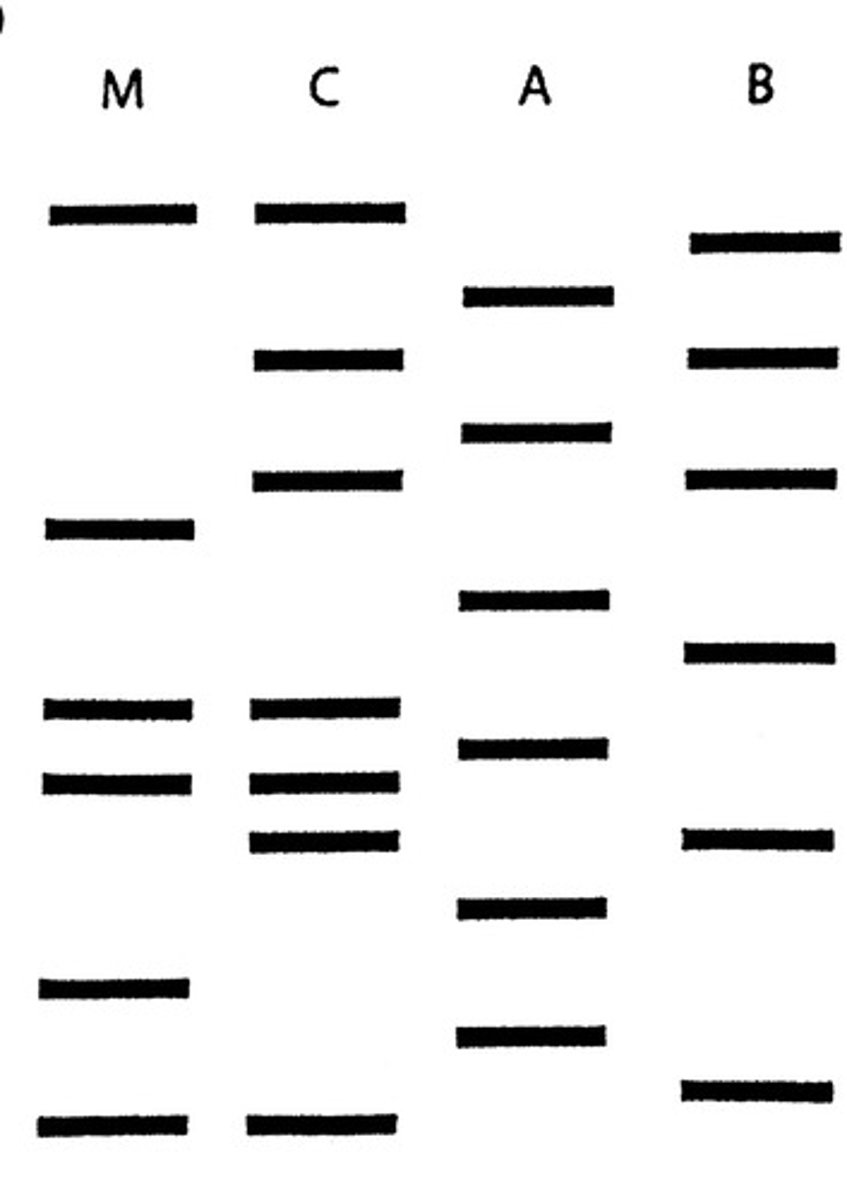
paternity
child DNA will exactly match the DNA of either of the two parents
50% of the bands in a child would match each parent
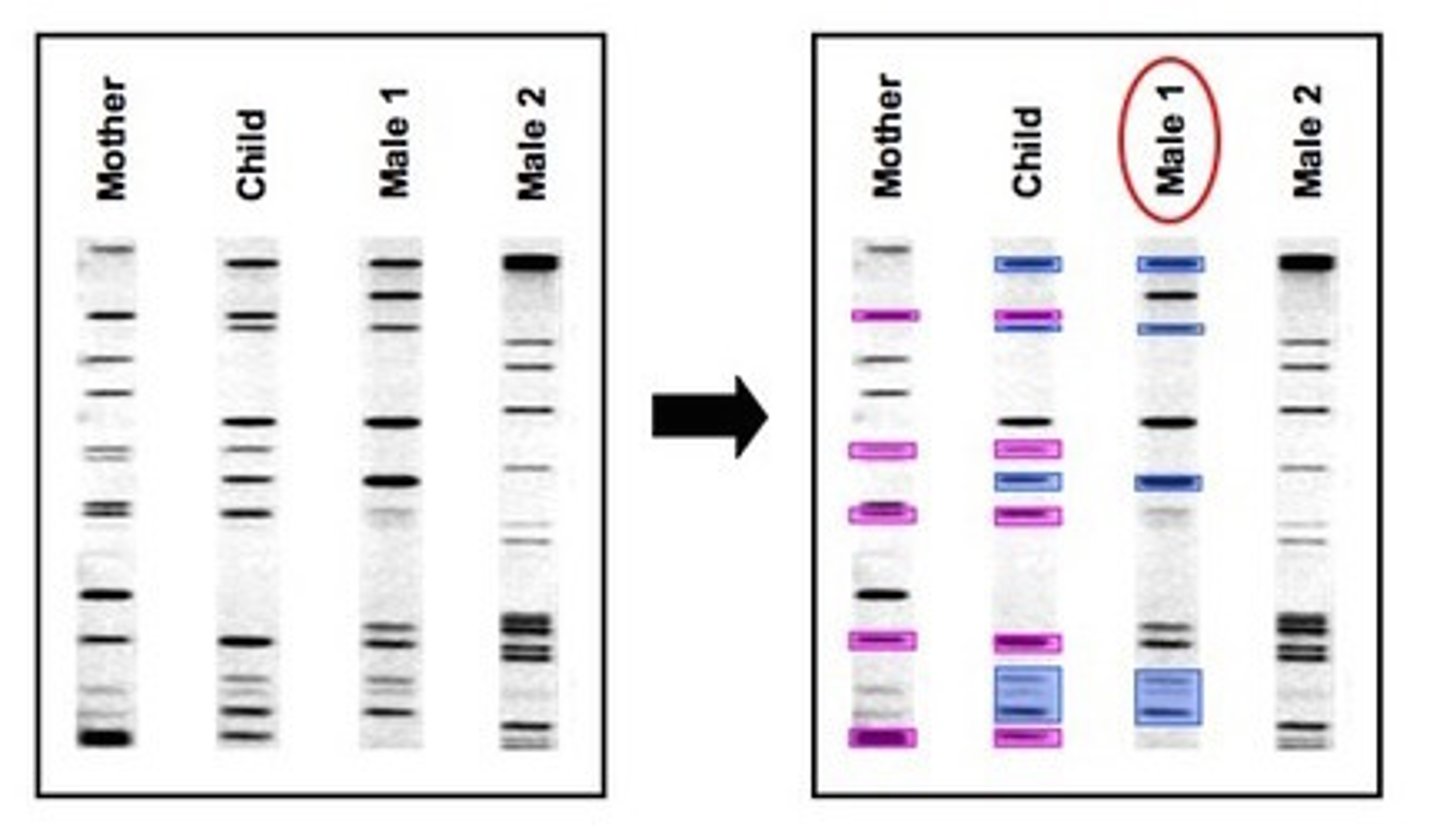
All bands in the child must come from one of the two parents
the child cannot have DNA that does not match with one parent or the other
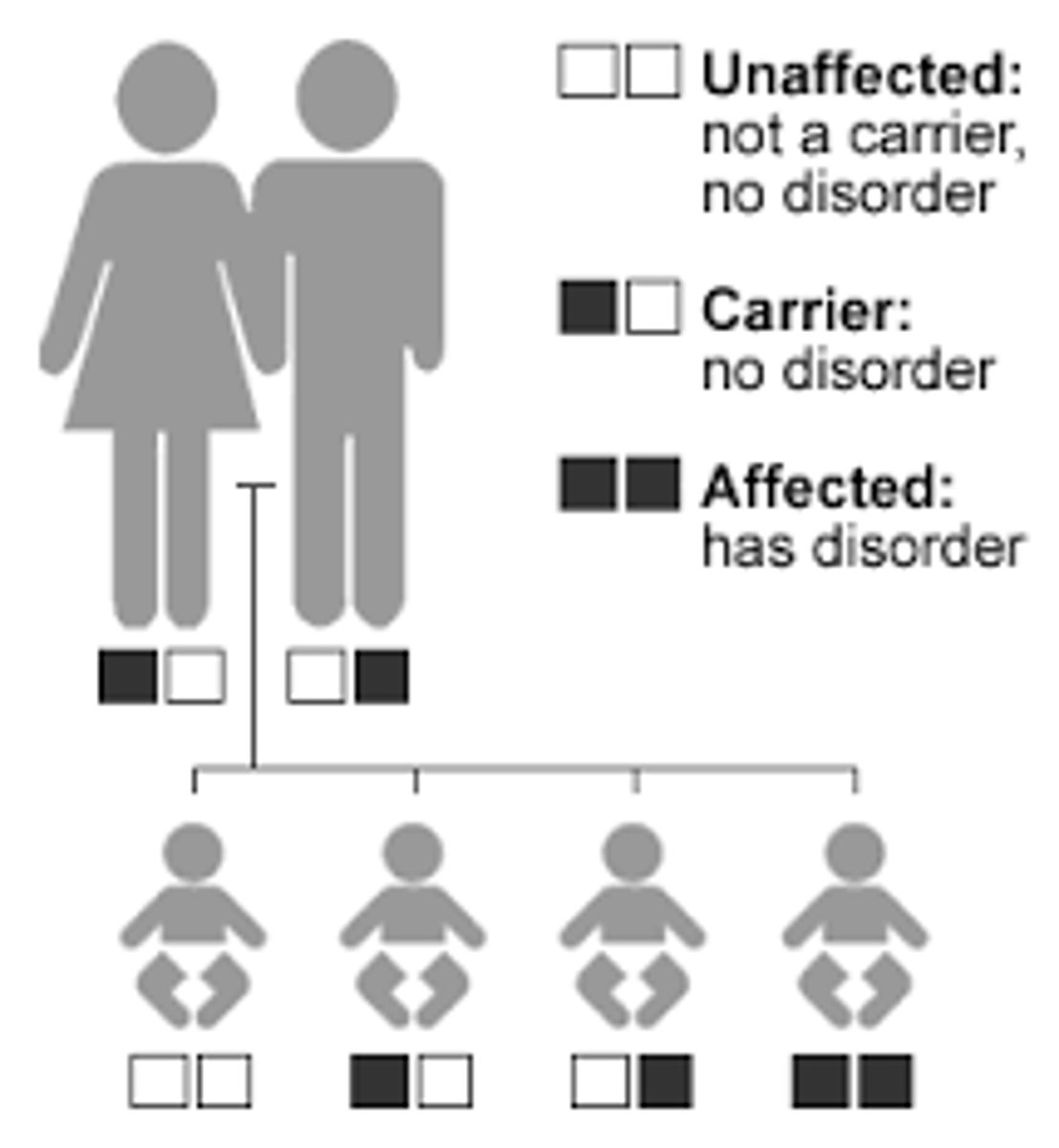
Advantage of DNA profiling by RFLP - Southern blot
Many VNTRs are scattered throughout repetitive regions of the genome, allowing even very small chromosomal fragments to be profiled
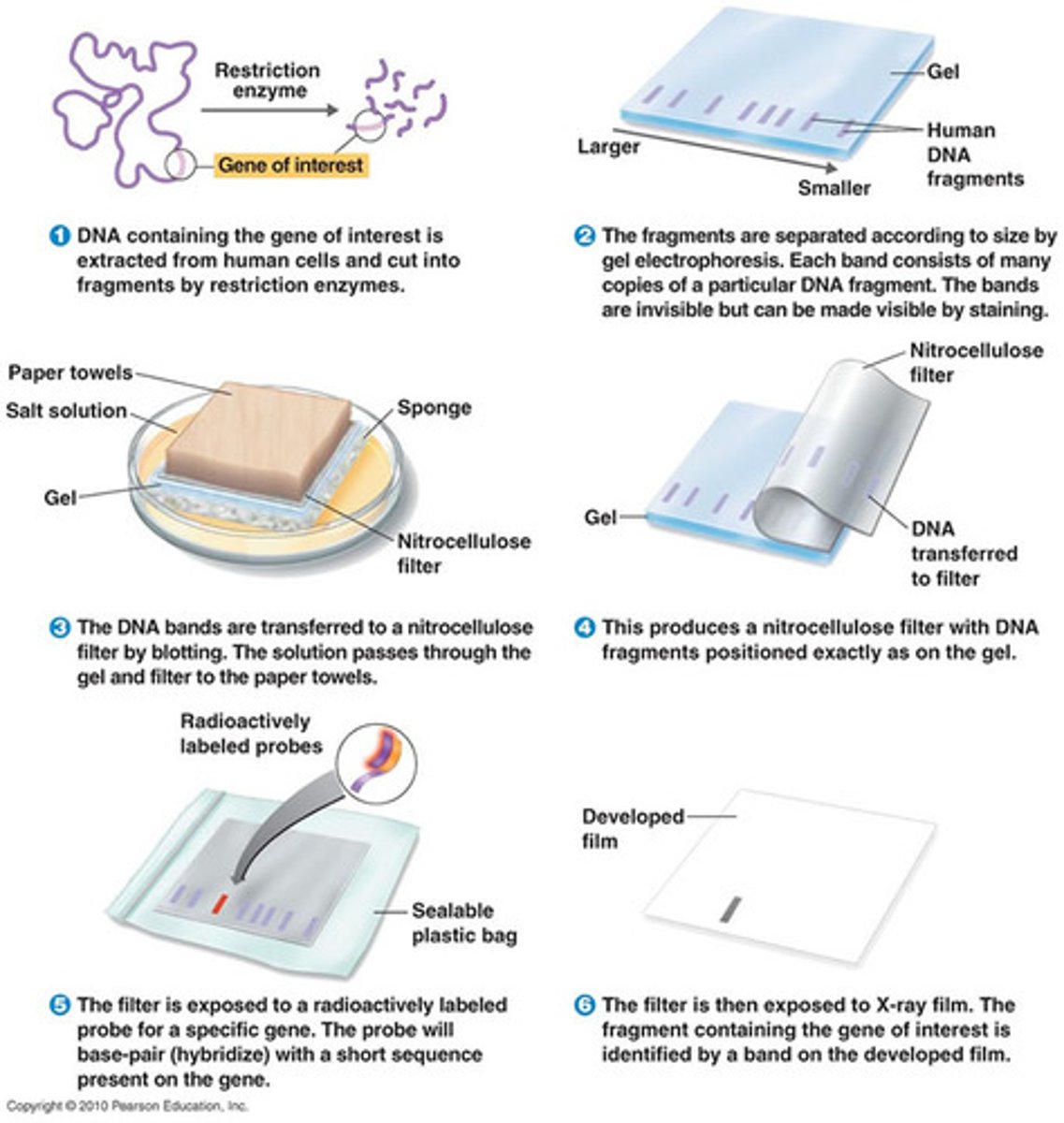
Disadvantage of DNA profiling by RFLP - Southern blot
Requires relatively very large amount of DNA
Requirement of radioactive probe makes the analysis expensive and hazardous
Time consuming, laborious, and expensive
Simple Tandem Repeats (STR)
minisatellite; 1-9 nucleotides
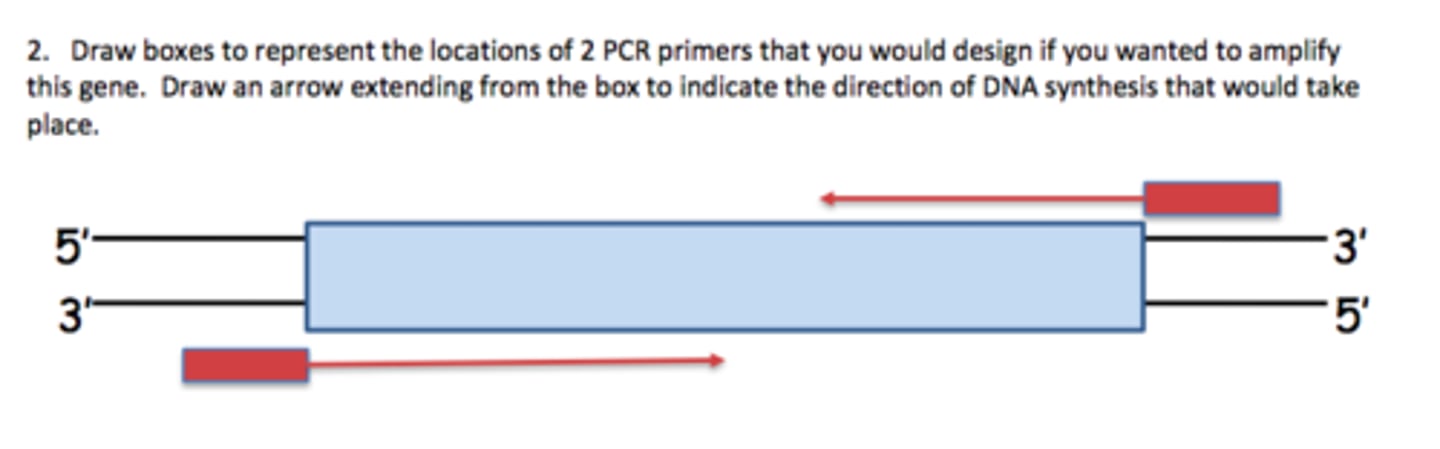
flanked at both ends (5' and 3') by unique sequences
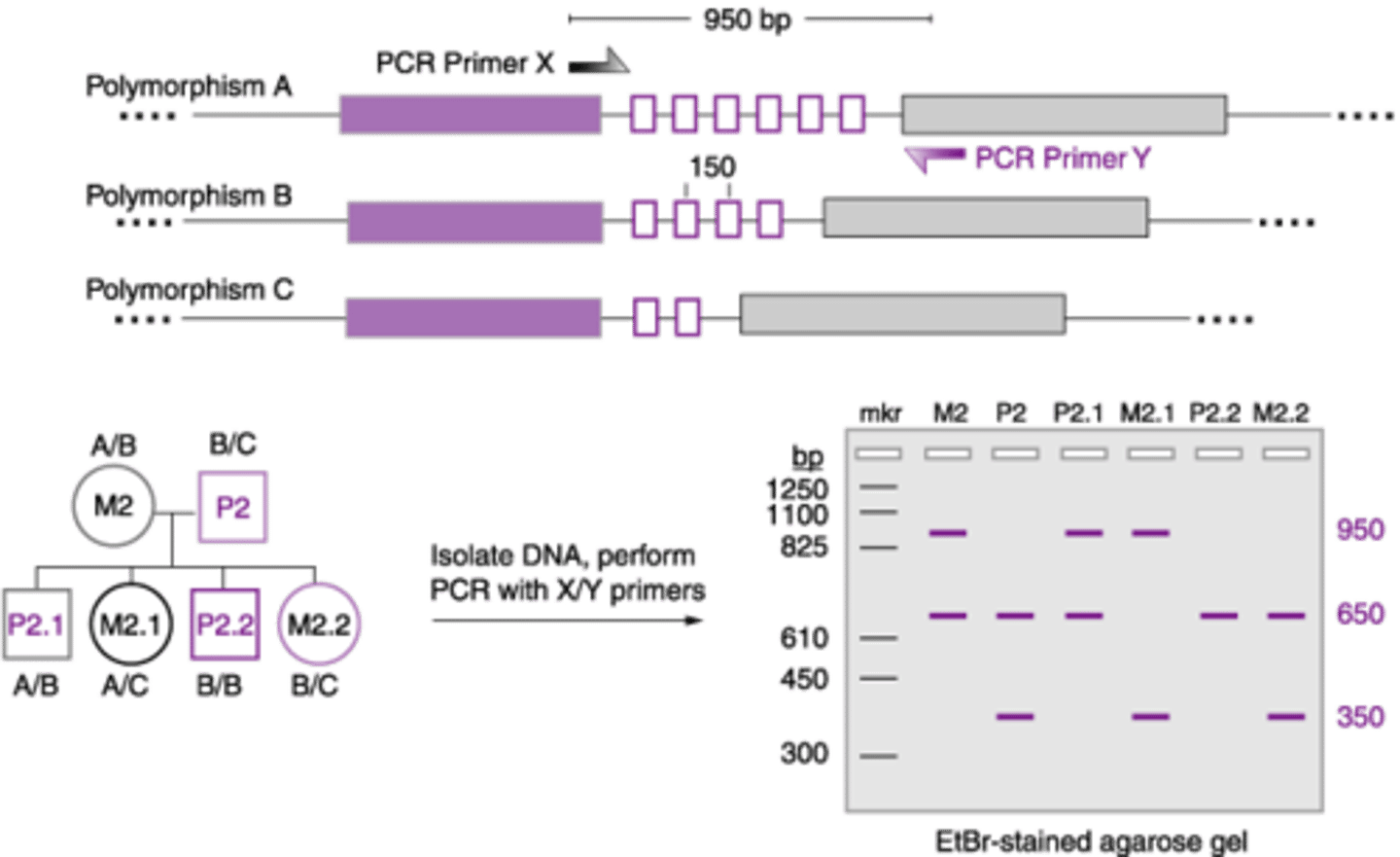
unique sequences
used to design primers to amplify out the STR sequence
STRs are detected by PCR
Types of STR repeat units
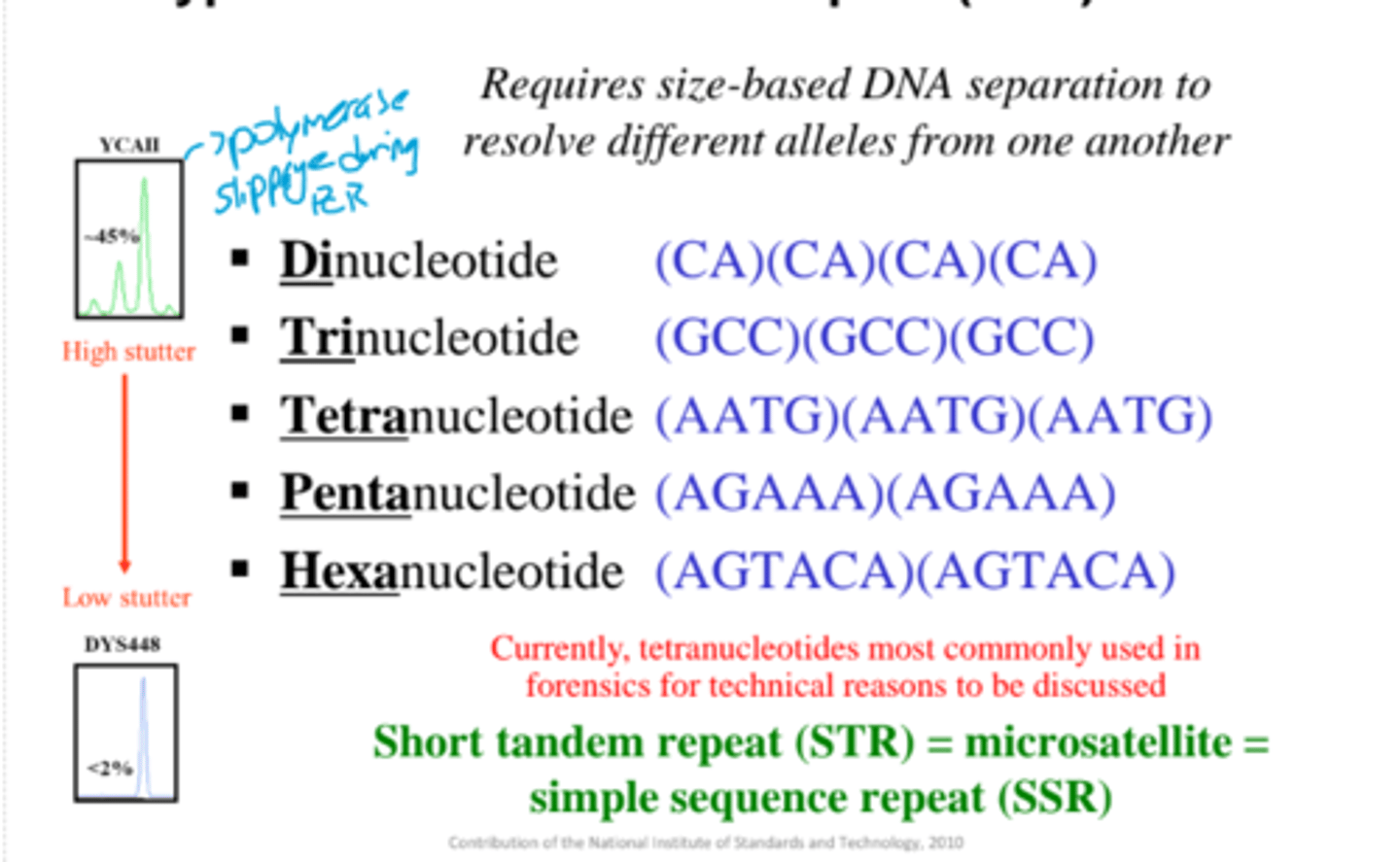
shorthand way of representing STRs
(ex.) Di (AT)8
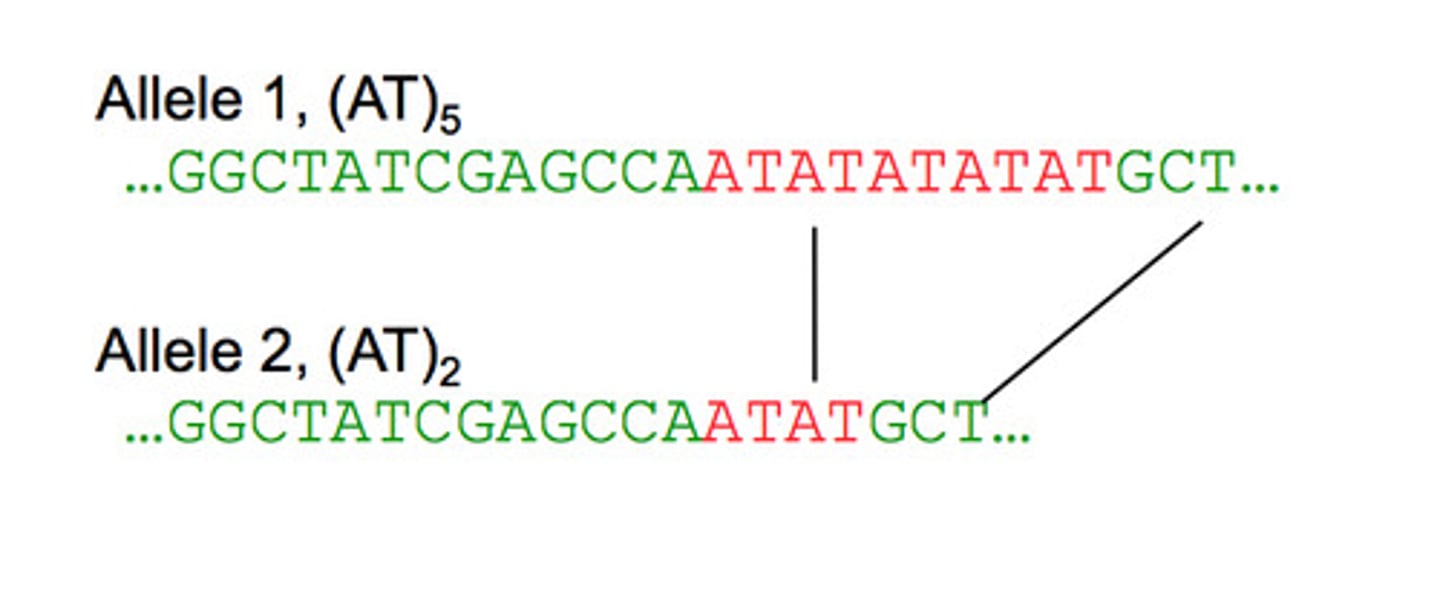
simple Perfect Repeats
No mismatch in the repeat; Identical nucleotides and length
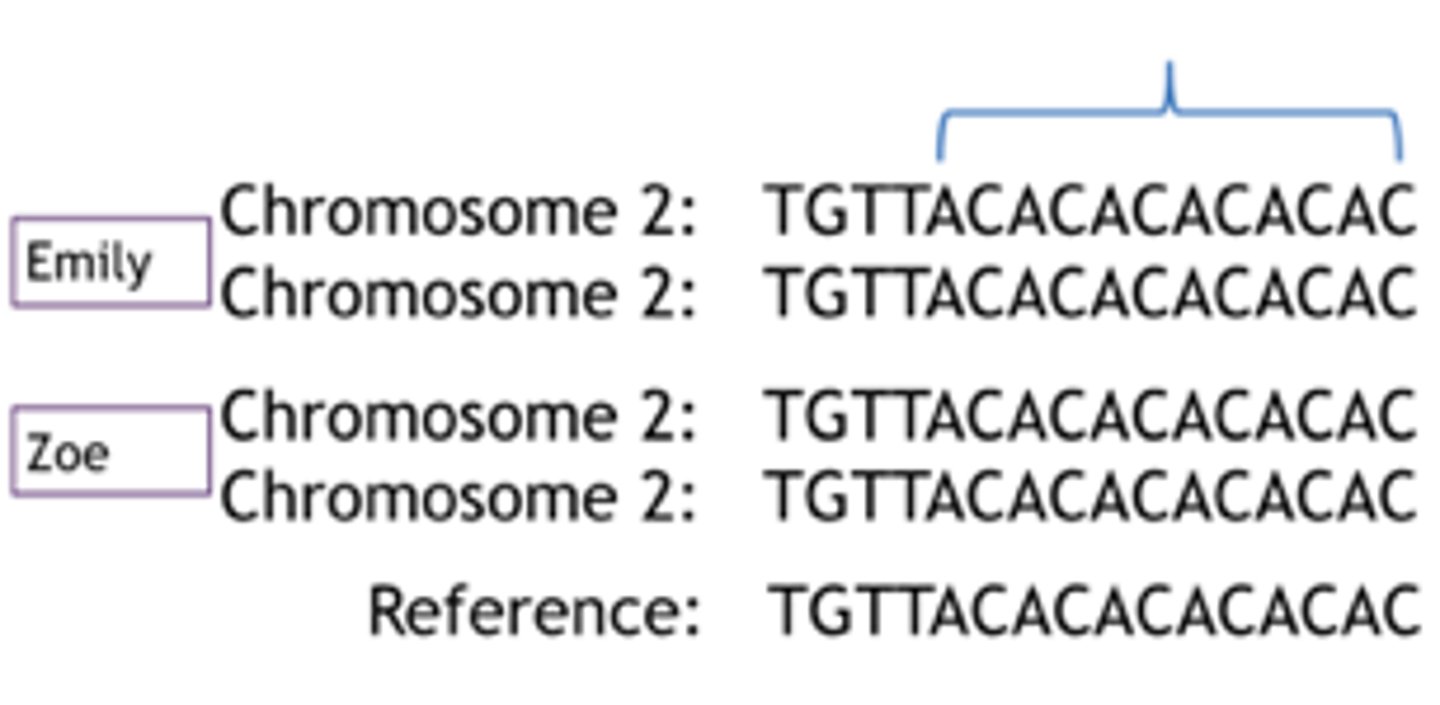
Simple Imperfect Repeats
Repeat with a mismatch / interruption; Two or more adjacent simple repeats
Compound or complex Repeats
Multiple different repeats; Two or more adjacent simple repeat
Variable nucleotide length & possible intervening non-STR nucleotide
