A&P Chapter 3: Cellular Level of Organization
 Call Kai
 Learn
Learn Practice Test
 Spaced Repetition
 Match
Match Flashcards
 Knowt Play
1/70

Earn XP
Description and Tags
Name | Mastery | Learn | Test | Matching | Spaced | Call with Kai |
|---|
No analytics yet
Send a link to your students to track their progress
71 Terms
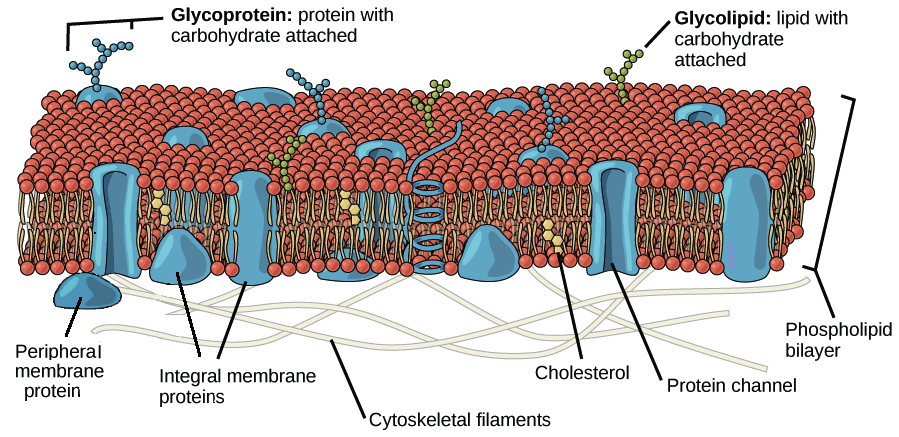
Plasma Membrane
the plasma membrane is a semi-permeable lipid bilayer that isolates the cell from its environment and performs varied functions.
made of: phospholipid bilayer, proteins, glycocalyx/carbohydrates, and cholesterol
[Plasma Membrane]
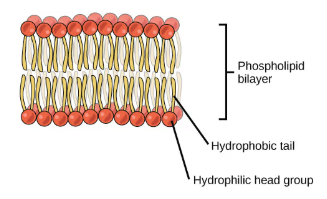
Phospholipid Bilayer
forms the primary membrane structure.
extremely thin, the phospholipids lie with hydrophilic heads facing outwards and hydrophobic tails in between
Isolates the cytoplasm from extracellular fluid
[Plasma Membrane]
Proteins
scattered throughout the phospholipid bilayer. 2 types:
integral proteins: can’t be removed without damaging membrane, some pass all the way through (transmembrane proteins), some contain channels/pores for water/solutes to pass through
peripheral proteins: not embedded within, attached to inner/outer surface, used for signaling
[Plasma Membrane]
Glycocalyx/Carbohydrates
layer of superficial membrane carbohydrates. used for cell recognition, binding to extracellular structures, and lubricating surfaces
[Plasma Membrane]
Cholesterols
important lipid that helps stabilize the weak plasma membrane
Permeability
what can pass through/exit the membrane
freely permeable: any substance can pass through
selectively permeable: some materials can pass through, some can’t
impermeable: nothing can pass through (cells can be impermeable to specific substances but not have a impermeable membrane)
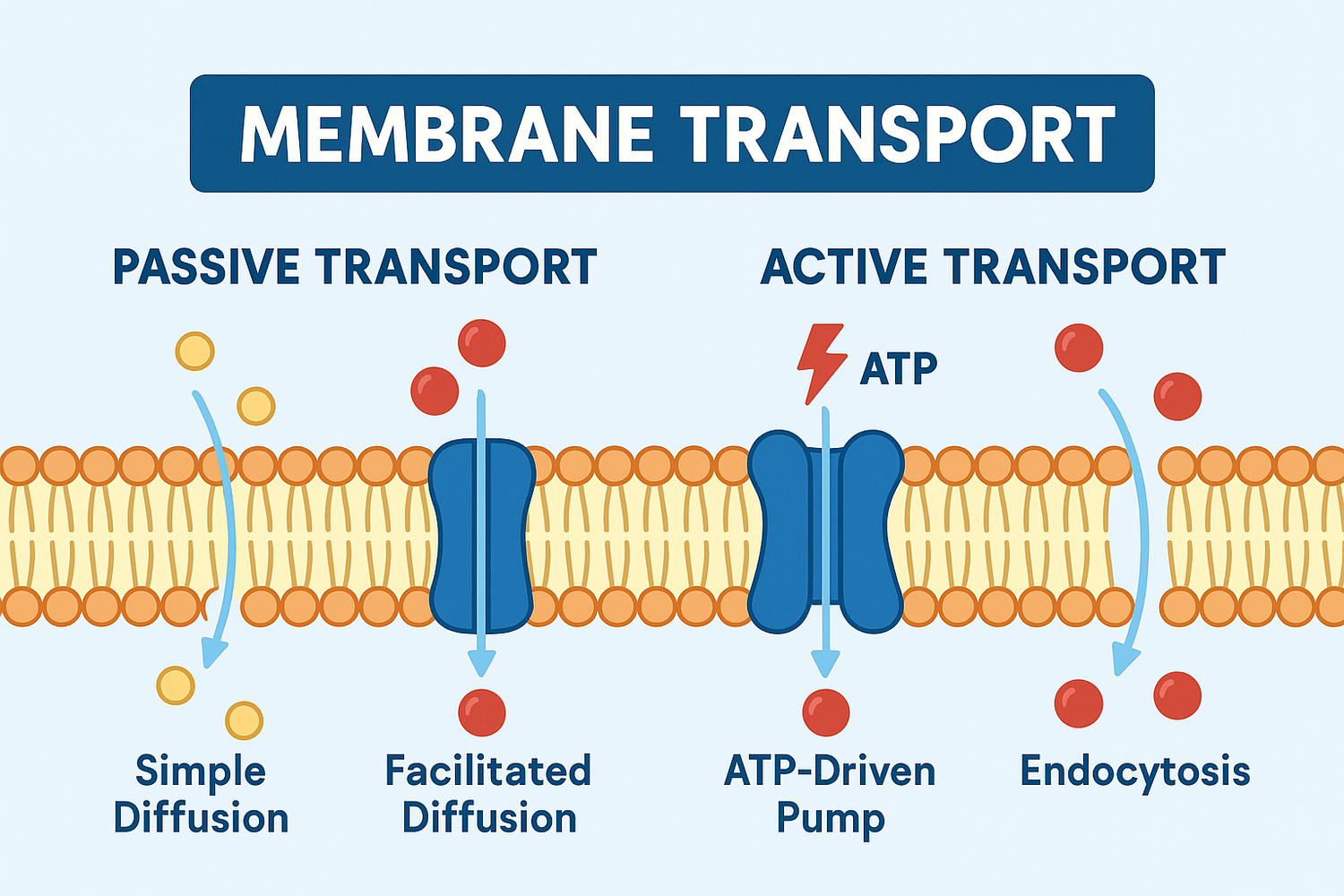
Passive transport
doesn’t require energy/ATP, moves down with the concentration gradient
[Passive Transport]
Simple diffusion
movement of solutes from high —> low solute concentration
[Passive Transport]
Facilitated diffusion
since some molecules are too large, they require an integral/carrier protein to pass through. still doesn’t require energy/ATP
[Passive Transport]
Osmosis
diffusion of water from high —> low concentration (the greater the difference in solute concentration, the stronger the osmotic flow)
[Passive Transport]
Filtration
“bulk flow” movement of substances becaues of pressure gradient
Active Transport
active transport: requires carrier proteins and ATP/energy, not reliant on the concentration gradient (ex: sodium-potassium pump)
secondary active transport: moving sodium across membrane, energy is stored to pump glucose against gradient
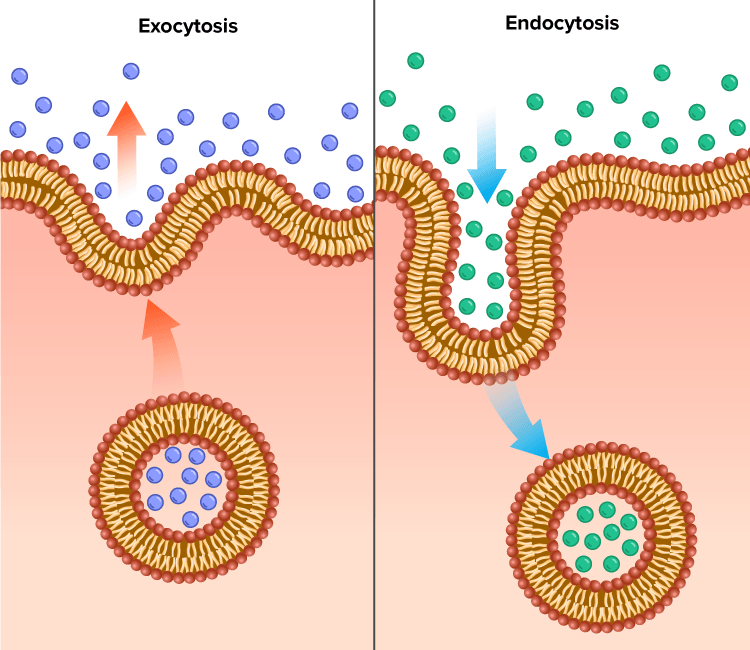
Vesicular
large particles, macromolecules, and fluids are transported across plasma/intracellular membranes
[Vesicular]
Exocytosis
moving substances OUT of the cell
[Vesicular]
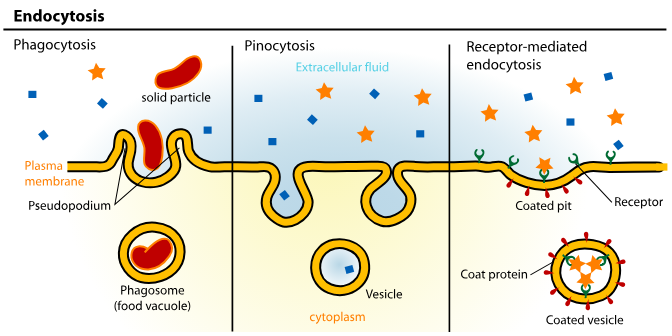
Endocytosis
moving substances INTO the cell
phagocytosis: cell eating (solids)
pinocytosis: cell drinking (liquids)
receptor mediated endocytosis: import specific macromolecules (nutrients, hormones, proteins) by binding them to specialized surface receptors
Tonicity
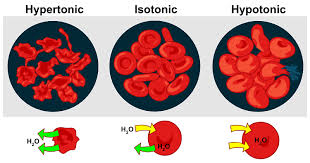
the effects of solution on the cell
isotonic: concentration of the solute = concentration of cell (no movement, normal cell shape)
hypertonic: higher solute concentration in the solution so the solvent moves OUT of the cell (shrinking/crenate)
hypotonic: higher solute concentration in the cell so the solvent moves INTO the cell (swell/lyse)
Why is compartmentalization important in eukaryotic cells?
it segregates incompatible biochemical processes and increases the internal surface area = specialized, efficient, and regulated metabolic functions
[Membranous Organelles]
Endoplasmic Reticulum (ER)
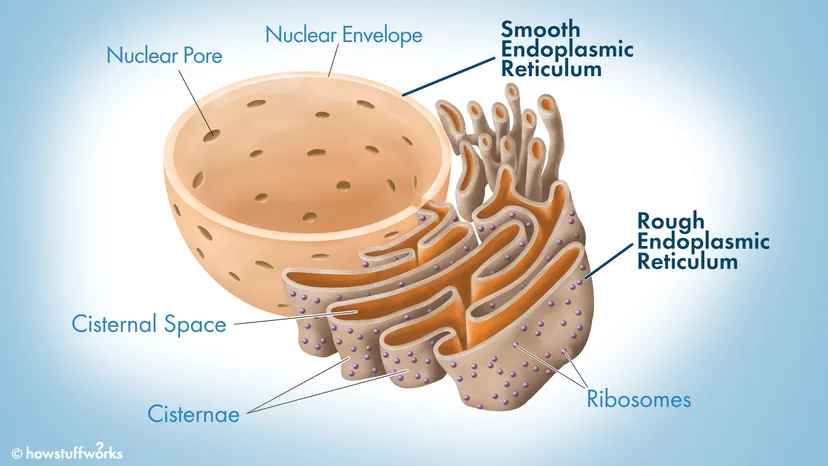
protein processing and membrane synthesis - surrounds nucleus
rough ER (RER): rough because of ribosomes. Function: workshop/shipping depot where new proteins are modified and packaged for export to golgi apparatus
smooth ER (SER): synthesizes phospholipids/cholesterols, steroid hormones, glycerides, and glycogen
[Membranous Organelles]
Peroxisomes
breaks down organic compounds + neutralizes toxic compounds. has degradative enzymes
[Membranous Organelles]
Golgi Apparatus
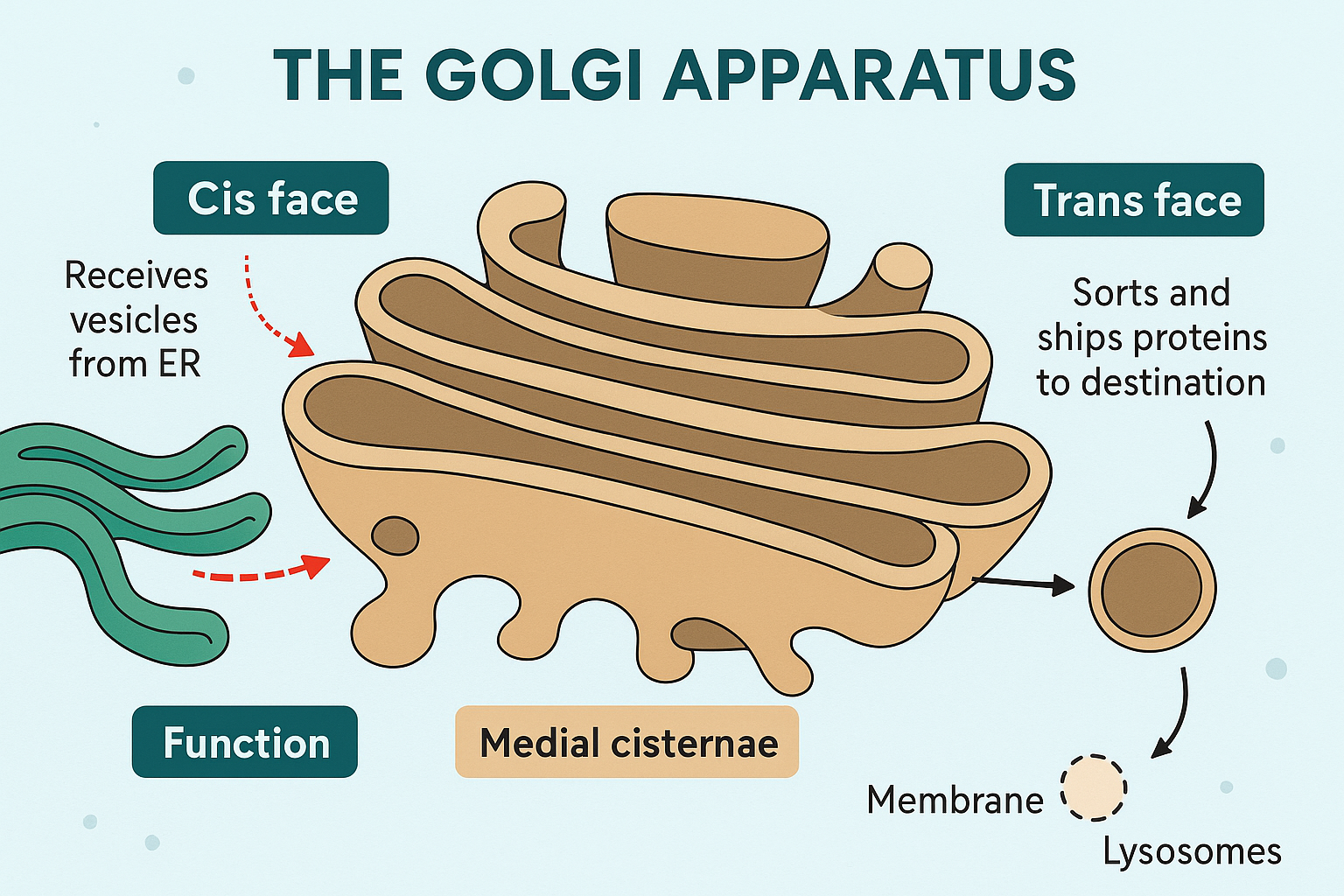
protein modification and transport - packages them into vesicles for exocytosis or endocytosis.
lysosomes (created by the golgi apparatus): contains digestive enzymes. work as garbage disposal/recycling center
[Membranous Organelles]
Mitochondria
powerhouse of cell, ATP synthesis. has double layered membrane
cristae: folded internal membrane; increases surface area
matrix: liquid in the inner membrane
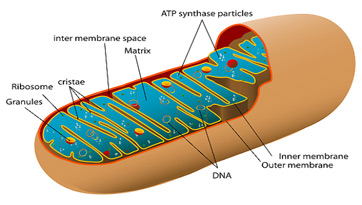
[Non-membranous Organelles]
Cytoskeleton
cells skeleton. provides framework made of protein that gives the cytoplasm strength/flexibility. 3 parts:
microfilaments: smallest, protein strands made of actin. common in the outer parts of the cell
intermediate filaments: strongest/durable. 5 types. medium sized
microtubules: largest. extend outwards into outer parts of cell from region nera nucleus called centrosome
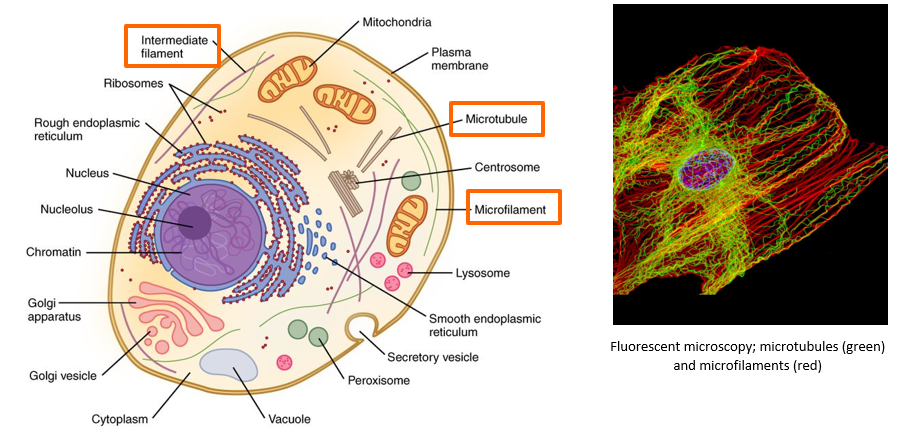
[Non-membranous Organelles]
Centrioles
cylindrical structures composed of microtubules. there’s two centrioles in the centrosome. they’re associated with function of spindle fibers (move the strands of DNA to the poles)
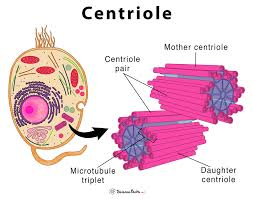
[Non-membranous Organelles]
Cilia
long, slender extensions made of microtubules which extend from the cell’s surface to propel fluids/solids
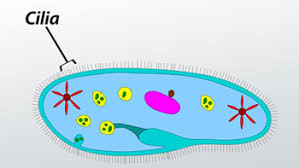
[Non-membranous Organelles]
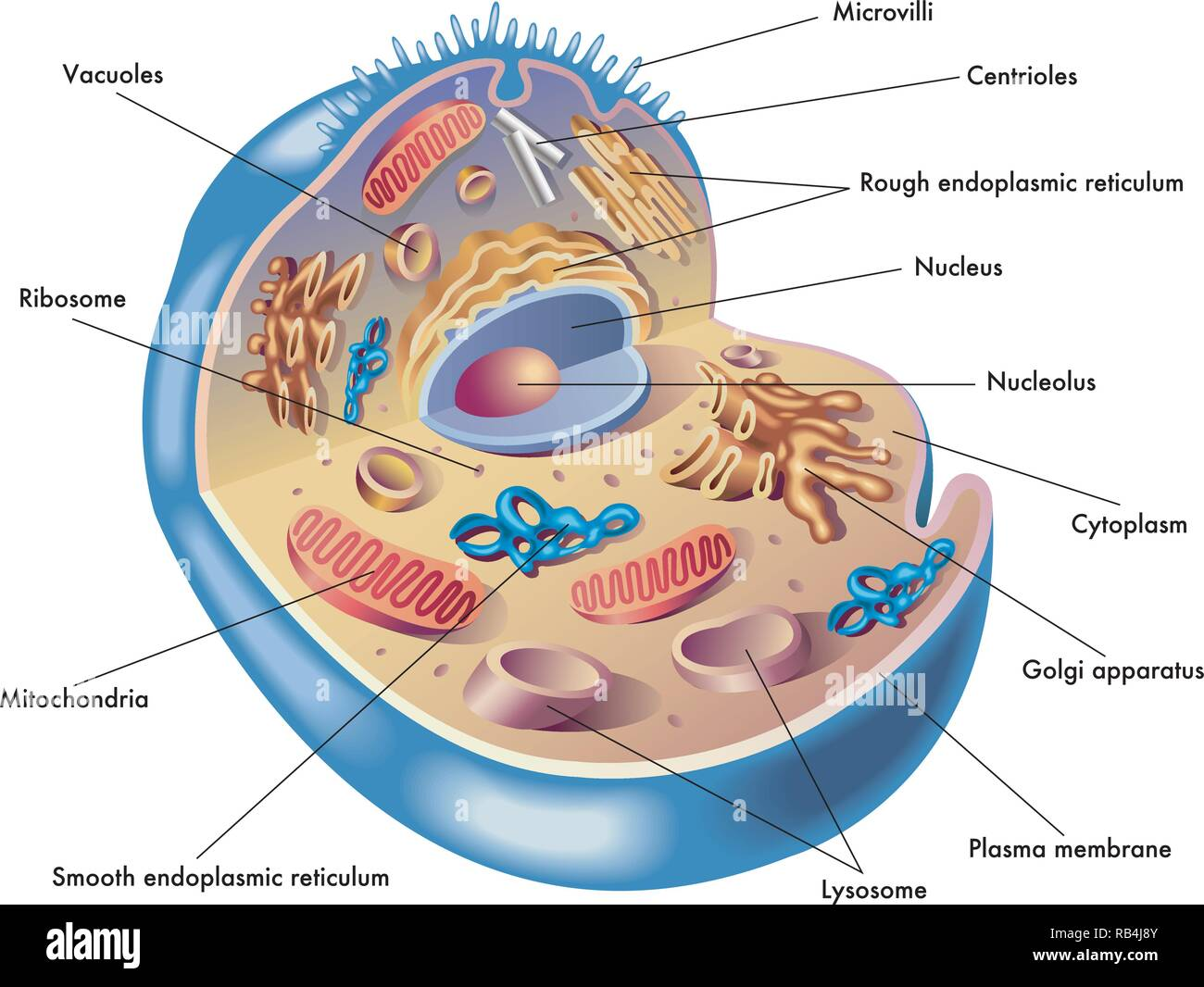
Microvilli
finger-shaped extensions of plasma membrane. increases surface area + enhances nutrient absorption. anchored by microfilaments. (on OUTSIDE of membrane - top of image)
[Non-membranous Organelles]
ribosomes
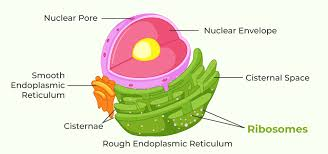
responsible for protein synthesis, attached to ER. reads messenger RNA and assembles amino acids into polypeptide chains.
free ribosomes: produce protein that stay within the cytoplasm/used for cytosol
bound ribosomes: attached to the RER, synthesize proteins for secretion, membrane insertion, or lysosomes
Aerobic Respiration (extra - not on study guide)
aerobic respiration is the ATP production processes that occurs inside mitochondria
glycolysis: glucose molecules broken down into 2 molecules of pyruvate
citric acid cycle: in the matrix of mitochondria. CO2 molecules are removed from each pyruvate. two ATP molecules are produced
electron transport system: hydrogen atoms are delivered to enzymes and coenzymes of cristae = catalyzes the synthesis of 32 ATP
in the end: oxygen combines with hydrogen to form water
Nucleus
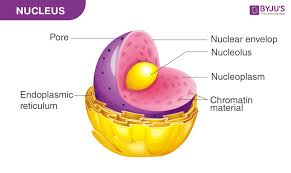
Function: usually largest structure, serves as control center. stores all information for synthesis coded in DNA. determines structure/function of cell.
Structure:
nuclear envelope: surrounds nucleus/separates it from cytoplasm
nuclear pores: serves as passageways for communication between nucleus and cytosol
nucleoplasm: fluid contents of nucleus. contains the nuclear matrix, ions, enzymes, nucleotides, and RNA/DNA
nucleoli: temporary organelle that synthesizes ribosome RNA and assembles them
DNA: stores instructions for protein synthesis
Nucleolus
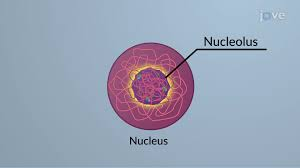
Function: “ribosome factory” - transcribes ribosomal RNA, assembles ribosomal subunits, and impacts stress response
Structure: located inside the nucleus. made of RNA, DNA, and proteins
[Nucleus]
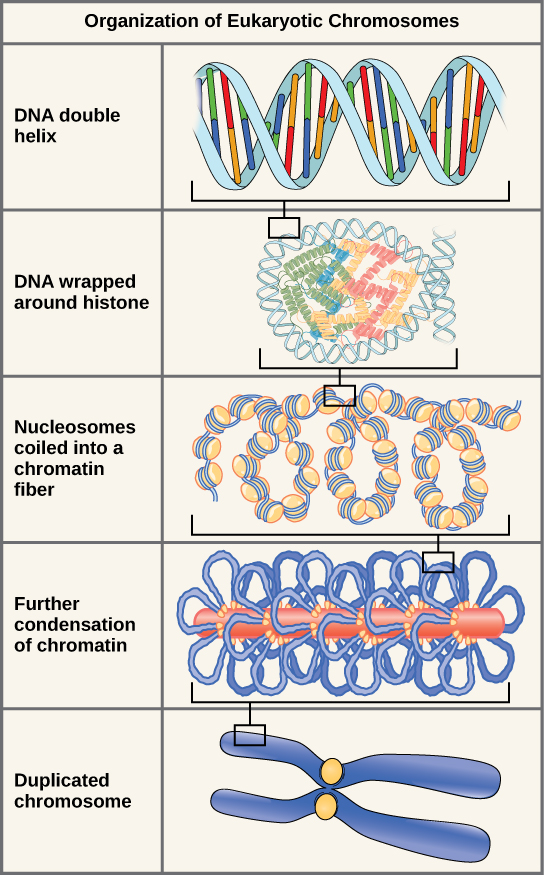
How is DNA packaged?
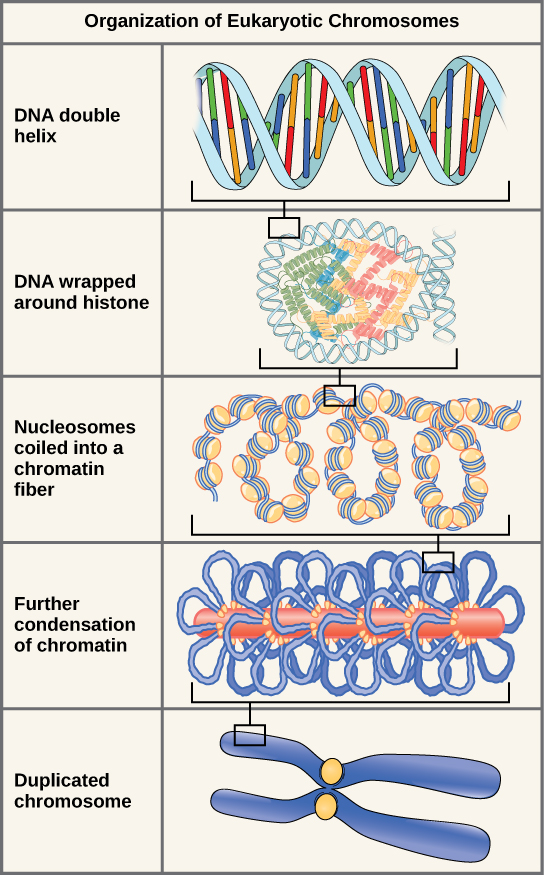
DNA strands coil around histones —> forming nucleosomes → twist to form chromatin —> becomes more coiled to form chromosomes
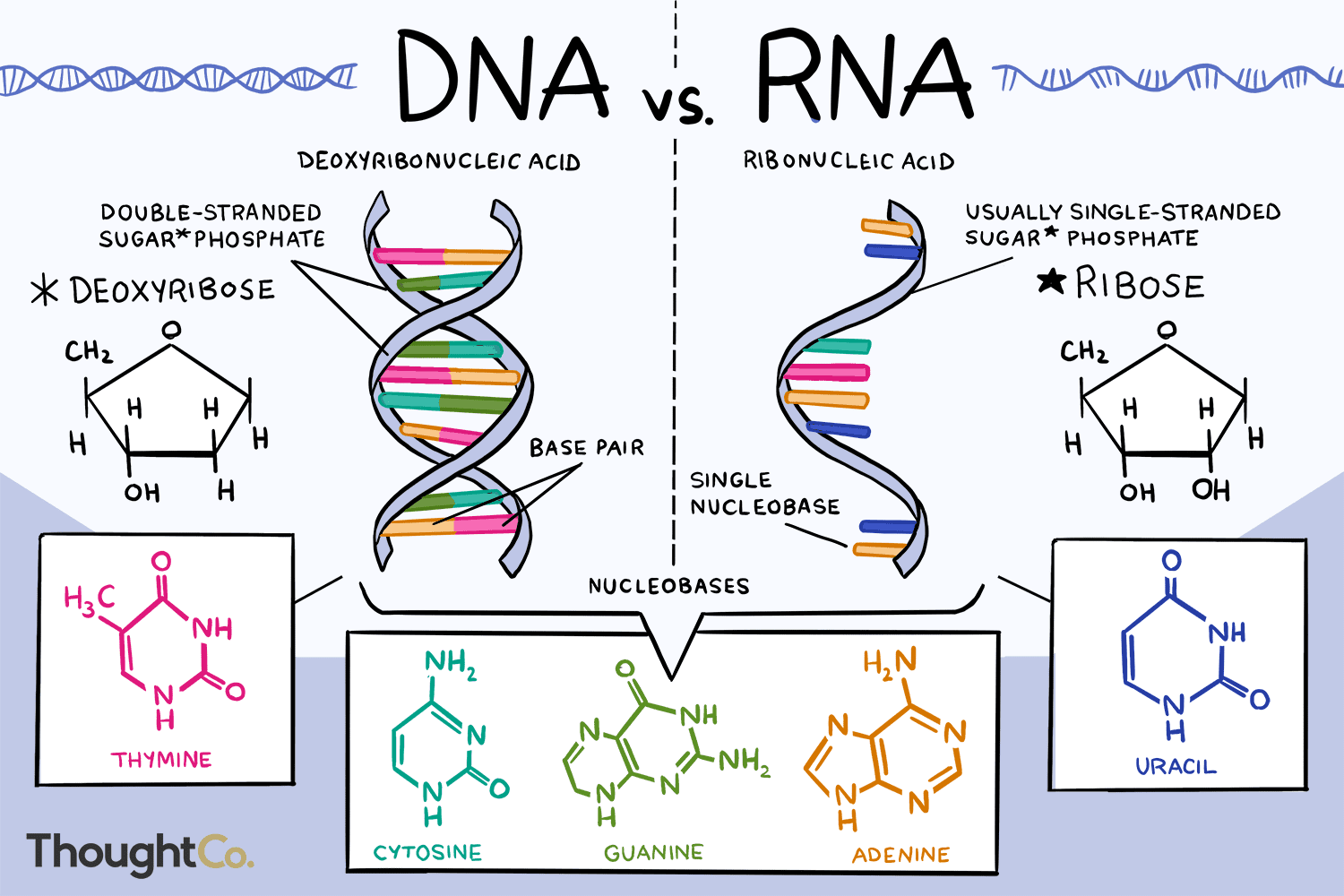
DNA vs. RNA (structure/chemical composition)
DNA: double-stranded helix, contains deoxyribose sugar, contains thymine, only located in nucleus, and is only modified if mutations occur
RNA: single-stranded, contains ribose sugar, contains uracil, not confined to nucleus, and undergoes significant processing/modification
DNA replication
unzipping/initiation: helicase unzips the double helix, breaking bonds and creating a gap. primase lays down the “starting line” so other enzymes know where to build
building: DNA polymerase lands on primer and “types” out the new code = mirror image
gluing/termination: ligase acts as final “glue”, stitching new DNA fragments together into a long chain
in the end: you have two identical DNA helices.
(part of interphase)
Transcription
opening code: the DNA double helix unwinds at the specific gene that needs to be copied
copying: a single strand of DNA acts as a template. new RNA strands are matched and built in the 5’ and 3’ direction
release: the newly formed mRNA strand detaches and the DNA “zips” back up
enzyme used: RNA polymerase does all of these steps
(part of interphase)
Translation
translation: the mRNA leaves nucleus through pores and enters the cytoplasm —> where ribosomes translate the mRNA into a polypeptide chain
initiation: ribosome assembles around the mRNA strand. tRNA attaches to codon by matching up its anticodon = beginning of protein chain
chain elongation: ribosomes move down the strand, bringing amino acids and linking them together = protein chain
chain termination: one the ribosome reaches the stop codon, the protein is released and the ribosome disassembles
(part of interphase)
mRNA vs tRNA vs rRNA
rRNA (ribosomal RNA): combines with already constructed proteins to form the ribosomes where polypeptides are synthesized
mRNA (messenger RNA): takes coded message of DNA strand out of cytoplasm/ribosomes for constructing the polypeptides
rRNA (transfer RNA): transfers the amino acids to the ribosomes for addition to the polypeptide chain
Journey of the synthesis of a polypeptide chain from transcription
transcription in the nucleus —> preparation in the cytoplasm —> translation at the ribosomes —> folding into a functional protein
Cause of sickle cell amenia at the mutation level
a point mutation (single letter change) in the DNA sequence of the gene that codes for hemoglobin = pain/blockages
Interphase (before mitosis)
G1: cell growth and normal functions
S (Synthesis): DNA replication (chromosomes double)
G2: preparation for division (makes necessary proteins)
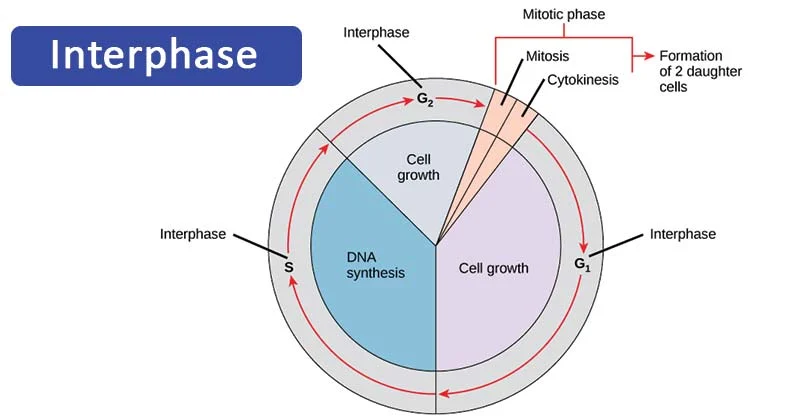
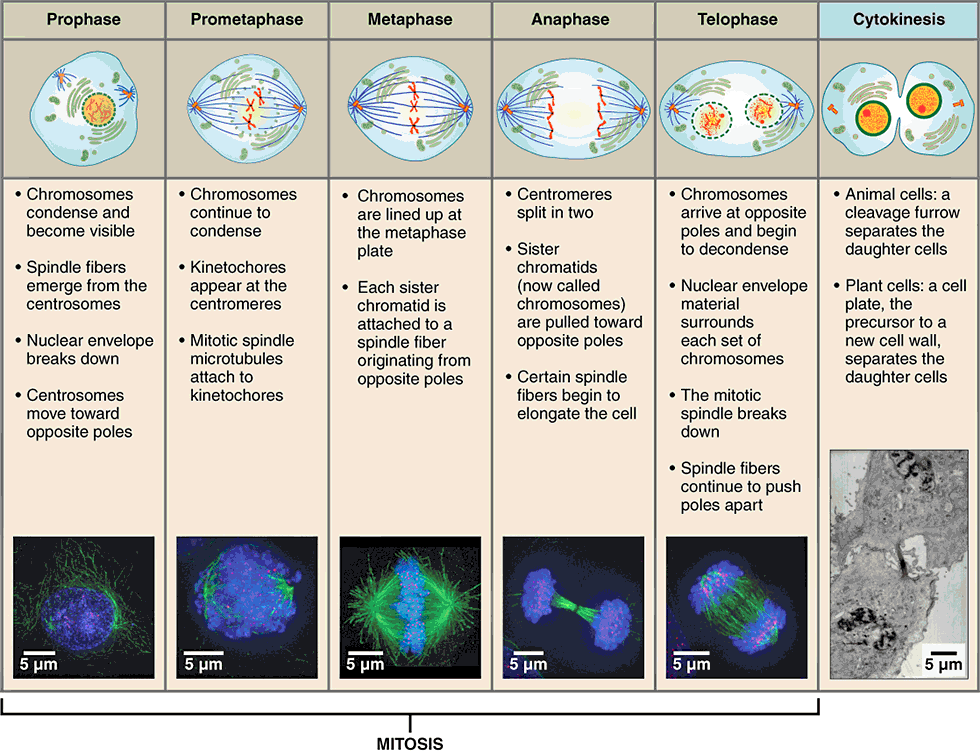
Mitosis
mitosis: identical nuclear division, occurs in all body cells for repair and replacement
prophase: nuclear membrane breaks down, double-stranded chromosomes condense + become visible, and spindle fibers form
metaphase (middle): spindle fibers pull on chromosome and the double-stranded chromosomes line up in the middle of the cell (metaphase plate)
anaphase (apart): chromatides get pulled apart and single-stranded chromosomes migrate to opposite ends = separated into daughter chromosomes
telophase (reverse of prophase): nuclear membrane forms, single-stranded chromosomes decondense/disappear, and spindle fibers break down
Why is cell division essential for life?
it enables growth, repair, and reproduction = organisms develop from a single cell, heal injuries, and produce offspring
Structure of a chromosome + how DNA is packaged
chromosome: made of packaged DNA helix, nucleosomes, chromatin fiber, chromatid, and centromere
DNA coiling/folding
nucleosome formation: DNA wraps around histone proteins to form nucleosomes = reduces length
solenoid/fiber formation: nucleosomes coil into a denser fiber (AKA solenoid structure)
looping: the fiber forms loops anchored to a non-histone protein scaffold, creating larger fibers
condensation: during metaphase, these loops coil/fold more = compact form of chromosome
How/when chromosomes are duplicated
chromosomes are duplicated during the synthesis (S) phase of interphase
the DNA unwinds, is replicated, and the two identical strands are connected at the centromere (cohesion) = X shape
Cytokinesis
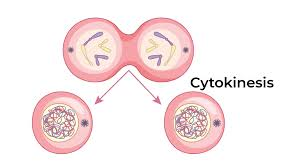
cytokinesis: AKA cytoplasmic division, it splits the cell into two
cleave furrow or “pinching in” causes the division
begins as early as anaphase but continues through telophase
marks the END of cell division
Cell cycle control system + cancer
there’s normally checkpoints/strict phases in cell cycle control but when there’s gene mutations, it can cause faulty checkpoints, uncontrolled vision, and cell death (apoptosis) = cancer
mutations: permanent changes in DNA sequence/function
Cancer cells
cancer cells multiply out of control and continue to spread around the body. this can lead to tumors.
Haploid gametes (reproduction cells)
haploid gametes are reproduction cells containing one set of chromosomes (1 from mother, 1 from father) so that there’s a full chromosome after fertilization = genetic diversity and stability
Meiosis I vs Meiosis II
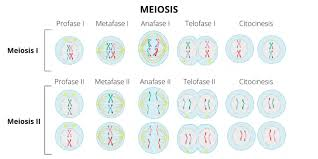
Meiosis I: the shuffle
what happens: pairs of matching chromosomes swap DNA and then pull apart into two new cells
result: you go from 1 diploid cell (double sets) to 2 haploid cells (single sets)
key takeaway: this is where genetic variety happens
Meiosis II: the split
what happens: those 2 cells from meiosis I divide again. this time, the X-shaped chromosome splits down the middle (separates sister chromatids)
result: you end up with 4 unique haploid cells (gametes - sperm/eggs)
key takeaway: this works just like normal cell division (mitosis), but without copying DNA first
Mitosis VS Meiosis
mitosis: used for growth, repair, and asexual reproduction = produces two identical diploid body cells
meiosis: specialized process for sexual reproduction, producing four unique haploid gametes (sperm/eggs)
[Word roots]
ana
again (anaphase: mitotic stage when sister chromatids separate)
[Word roots]
centro, mere
the center, a part (centromere: the centralized region joining two sister chromatids)
[Word roots]
chemo
chemical (chemotherapy)
[Word roots]
chiasm
cross-mark (chiasma: site where crossing over has occurred)
[Word roots]
chroma
colored (chromosome: DNA structure)
[Word roots]
cyto
cell
[Word roots]
cili
small hair (cilium: short, hair like cellular appendage with microtubule core)
[Word roots]
endo
inner (endomembrane system: internal system of membranous organelles)
[Word roots]
eu
true (eukaryotic: cell type with nucleus and other organelles)
[Word roots]
extra
outside (extracellular fluid: substance around animal cells)
[Word roots]
flagella
whip (flagellum: long, whiplike appendage that moves cells)
[Word roots]
plasm
molded (plasma membrane: thin layer that sets cell apart from surrounding)
[Word roots]
reticul
network (endoplasmic reticulum: membranous network where proteins are produced)
[Word roots]
vacu
empty (vacuole: sac that buds from ER, golgi apparatus, plasma membrane)
[Word roots]
gamet
wife/husband (gamete: egg/spem)
[Word roots]
haplo
single (haploid: cells that contain only one chromosome of each homologous pair)
[Word roots]
karyo
nucleus (karyotype: display of chromosomes in a cell)
[Word roots]
mei
less (meiosis: the division of a diploid nucleus into four haploid daughter cells)
[Word roots]
meta
between (metaphase: mitotic stage when chromosomes are lined up in cell’s middle)
[Word roots]
mito
a thread (mitosis: the division of a diploid cell into two diploid cells)
[Word roots]
pro
before (prophase: mitotic stage when the nuclear membrane first breaks up)
[Word roots]
soma
body (somatic: body cells with 46 chromosomes)
[Word roots]
telo
end (telophase: final mitotic stage when nuclear envelope forms)