MKTG 465 04 - measurement scaling
 Call Kai
 Learn
Learn Practice Test
 Spaced Repetition
 Match
Match Flashcards
 Knowt Play
1/35

There's no tags or description
Looks like no tags are added yet.
Name | Mastery | Learn | Test | Matching | Spaced | Call with Kai |
|---|
No analytics yet
Send a link to your students to track their progress
36 Terms
Measurement scaling
“rules for assigning numbers to objects to represent quantities and qualities of attributes” (Bennett 1995)
interval
distance between 2 numbers on a scale. refers to whether difference between values is equal and meaningful.
0C, 10C, 20C = intervals are equal + meaningful
categorical data - words
nominal and ordinal
scale data - numbers
interval and ratio
nominal
“namesake” - numbers assigned to objects are classifying them, but have no numeric meaning
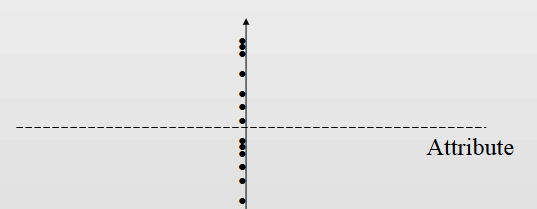
nominal example
You are:
_______ Married (1)
_______ Not married (2)
the numbers 1 and 2 have no significance other than to categorize married and not married.
Ordinal
nominal scales that can order data
strictly indicators of rank order. numbers do not imply absolute quantities, nor do they imply equal intervals
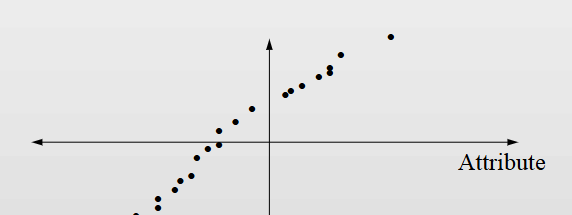
ordinal example
ranking drinks from most preferred the least preferred.
a. Coca Cola
b. Pepsi
c. Sprite
d. Mountain Dew
e. Seven Up
numbers have meaning, intervals not equal
interval
ordinal scales with equal intervals between points to show relative change
intervals have meaning. absolute scale values do not.
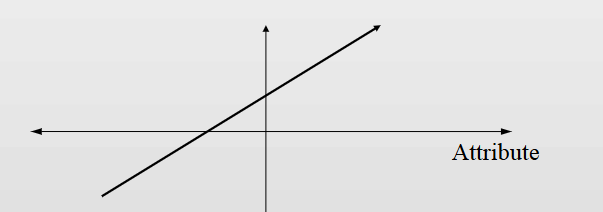
interval example
lecture satisfaction on a scale of 1 - 5, 1 being very dissatisfied and 5 being very satisfied. intervals are equal and meaningful.
ratio
interval scales with a meaningful zero point so that magnitudes can be compared
zero value indicates absence of a construct
a number with real value = age, percentage
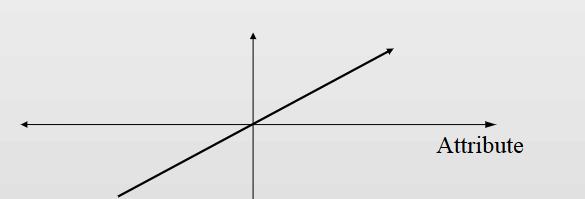
ratio example
describe your age in years → number is absolute and meaningful
variables
Concepts derived from the grouping of salient attributes
Concrete and observable
Gender, Income, Age
constructs
Mental conceptions derived by mutual agreement for a specific purpose
Abstract and unobservable
Personality, Brand loyalty, Lecture satisfaction
attitude trilogy
attitude = what you think (cognitive) + how you feel (affective) + what you do (conative)
measuring marketing constructs (churchill)
specify construct domain
generate item statements
establish measurement criteria
assess accuracy + stability of construct measures
specify construct domain
define central idea under study, define boundaries
source: academic literature
generate item statements
describing construct
source: academic literature + subject matter experts
establish measurement criteria
assigning value to construct
EX: using a 7 point equal interval rating scale
ranking: rank order objects, ordinal scale, shows order, not magnitude
ratings: descriptive and numerical
3.1: descriptive rating
words only, ordinal
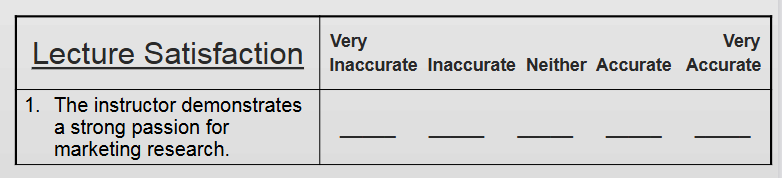
3.2: numerical rating
numerical (scale), interval
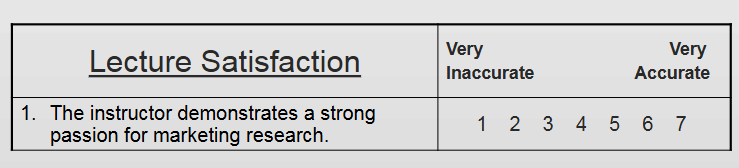
assess accuracy and stability of construct measures
→ MO = MT + MS + MR
MO = Observed measure
MT = True score
MS = Systematic/Constant error
MR = Random error
extent to which MO is accurate and stable:
measurement validity
measurement reliability
measurement validity
Correctness / Measuring what was intended to be measured
The extent to which MO = MT
Can only infer the validity of a measure
types of measurement validity
face (weakest)
content (Middle)
construct - convergent and discriminant (strongest)
face validity
“looks right”, researcher judgement, no guarentee
content validity
supported by literature, previous studies
construct validity
empirical evidence matches theory
convergent validity: measures of construct correlate
discriminant validity: measures of different construct DO NOT correlate
measurement reliability
consistency or stability, extent to which MR = 0
minimize random error
2 dimensions: repeatability and internal consistency
repeatability
Replication to determine similarity between two separate administrations of the scale
test-retest
equivalent sample
repeatability: test-retest
same instrument, same sample, diff time.
similar results = reliable
repeatability: equivalent sample
diff sample, similar results = reliable
internal consistency
Consistency within/between groups of questions comprising the scale
internal consistency: equivalent form
2 similar instruments = similar results
internal consistency: split half technique
divide items into 2 groups, correlate the halves
high correlation = high internal consistency
internal consistency: coefficient alpha
cronback 1951
measures internal consistency
alpha >= 0.6 → acceptable reliability
higher = better
low alpha
too much random variation