psychotherapy exam 3
 Call Kai
 Learn
Learn Practice Test
 Spaced Repetition
 Match
Match Flashcards
 Knowt Play
1/39

There's no tags or description
Looks like no tags are added yet.
Name | Mastery | Learn | Test | Matching | Spaced | Call with Kai |
|---|
No analytics yet
Send a link to your students to track their progress
40 Terms
Interpersonal therapy
Focuses on depressive symptoms, made for RCTs, designed to be used with meds, attachment and interpersonal domains
Genetic plus environmental sources cause depression
Time limited
Medical model of depression
Treatable illness, not personal failing
Gene X environmental interaction
Diathesis stress model
Predisposition plus personal life stressors puts you over threshold
Focus of IPT
improve social functioning To reduce depressive symptoms
Stages of readiness to change
Precontemplation, contemplation, preparation, action, maintenance
Pre contemplation
No intention on changing behavior
Contemplation
Aware a problem exists but with no commitment to action
Preparation
Intent on taking action to address the problem
Action
Active modification of behavior
Maintenance
Sustained change with new behavior replacing old
IPT techniques
Reduce stigma and normalizes experience
Linking mood and interpersonal contexts
Processing grief
The sick role
apply medical lens to a problem
Psychopathology is treatable illness
Temporary, recovery
Reduces self stigma and blame
Encouragement of affect
Practicing emotional expression awareness and regulation
Understanding what emotions signal interpersonal contexts
Experiencing negative emotions
Overlap of approaches
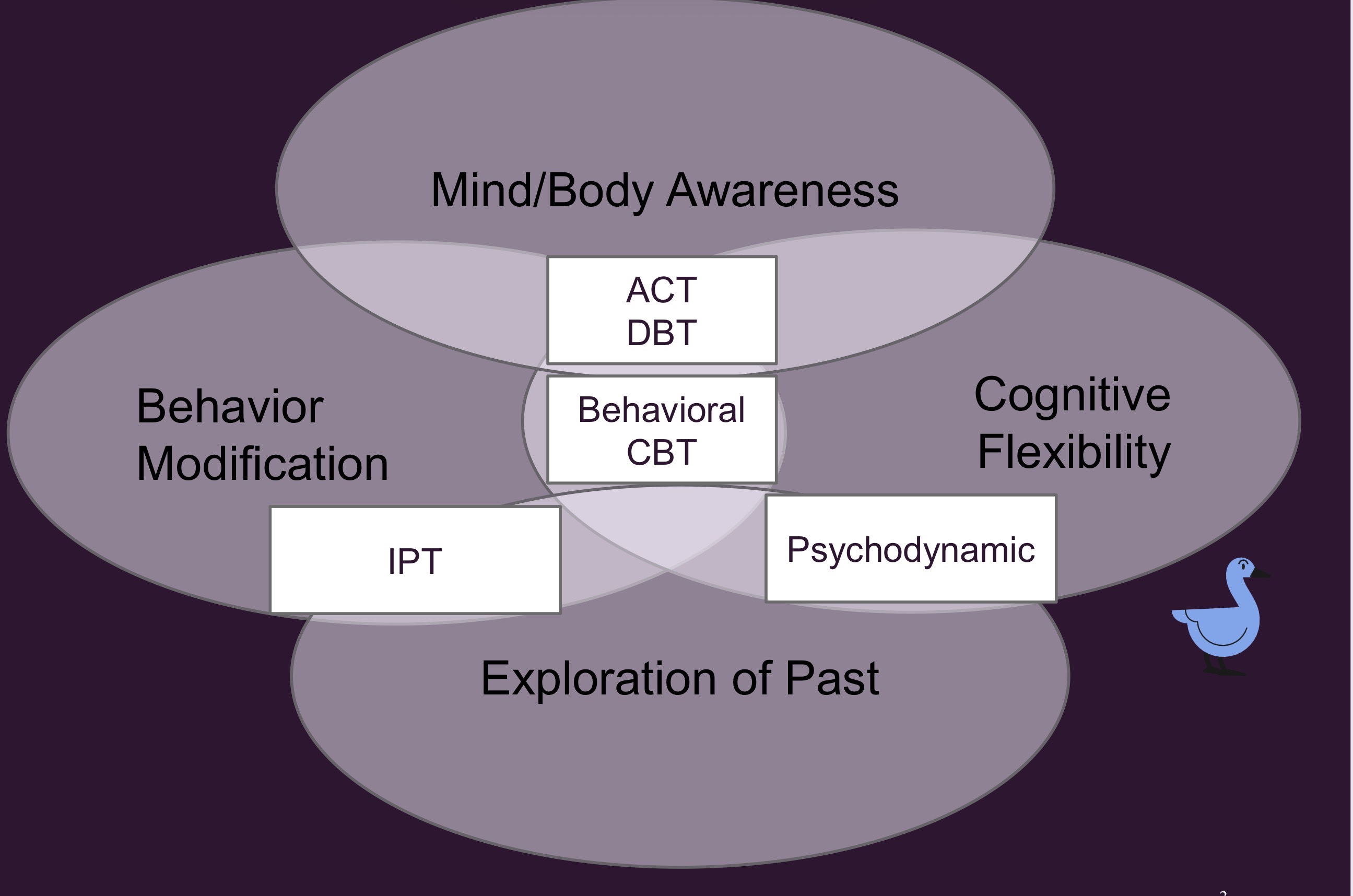
Integrative psychotherapy
Recognizes commonalities between different approaches and incorporates ideas from others into one
Eclectic
Selecting what you think is best and combining
Unsystematic eclecticism
Arbitrary picking of techniques
Psychotherapy orientation
all the different types of psychotherapy
Technical eclecticism
Choosing what works best for the client
Integration
Synthesizing different models and treatments
Unified protocol techniques
Emotional awareness
Cog flex
Addressing emotional avoidance and emotion driven behaviors
Exposures
Present focused emotional awareness
Identify emotions and reactions to them
Nonjudgmental focus on emotions
Acceptance and mindfulness
Childhood -sychotherspy
Directly targeting difficulties experienced by the child
Child motivation to engage could be low
Coping cat CBT
developed for kids CBT, less technical
Emotion identification- simple metaphors and physical feelings
Emphasis on behavior over thoughts
Anxiety intervention
Parent child interaction therapy PCIT
2 stages, child directed then parent directed
Parent child relationship improvements
Addresses antisocial behaviors
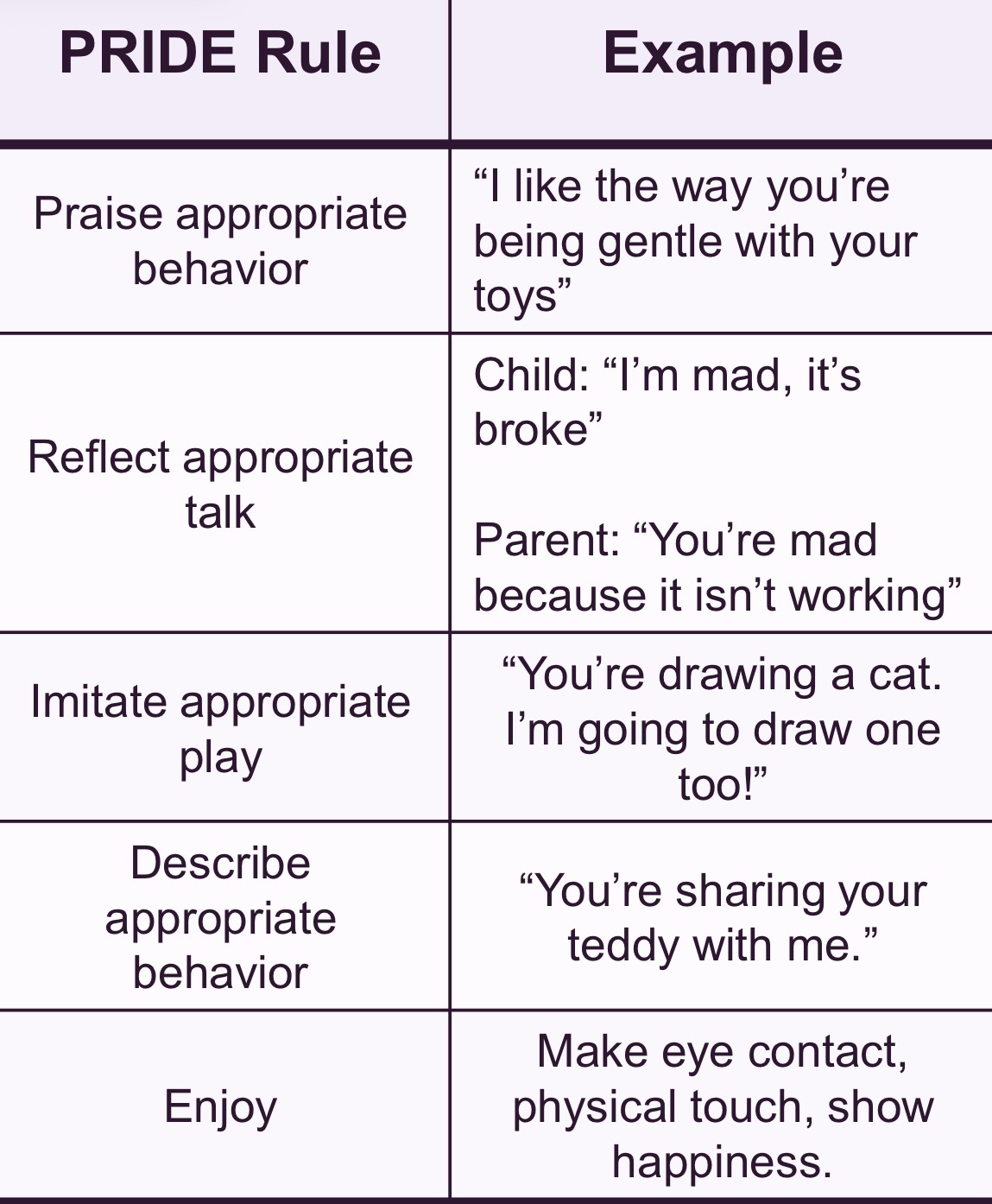
Play therapy
PRIDE rule
Systems oriented therapies
Elements interacting with a group
Dynamics btwn individuals and the system
Improving individual and system functioning
Systems theory
Family seek to balance organization with growth and change
Balancing flexibility with stability and structure through certain behaviors
Family health factors
Attending to basic needs, boundaries, power dynamics, autonomy, interactions with outside community, rules, warmth and engagement, communication norms, stress management
Family dysfunction
Occurs when features of family health are absent or extreme
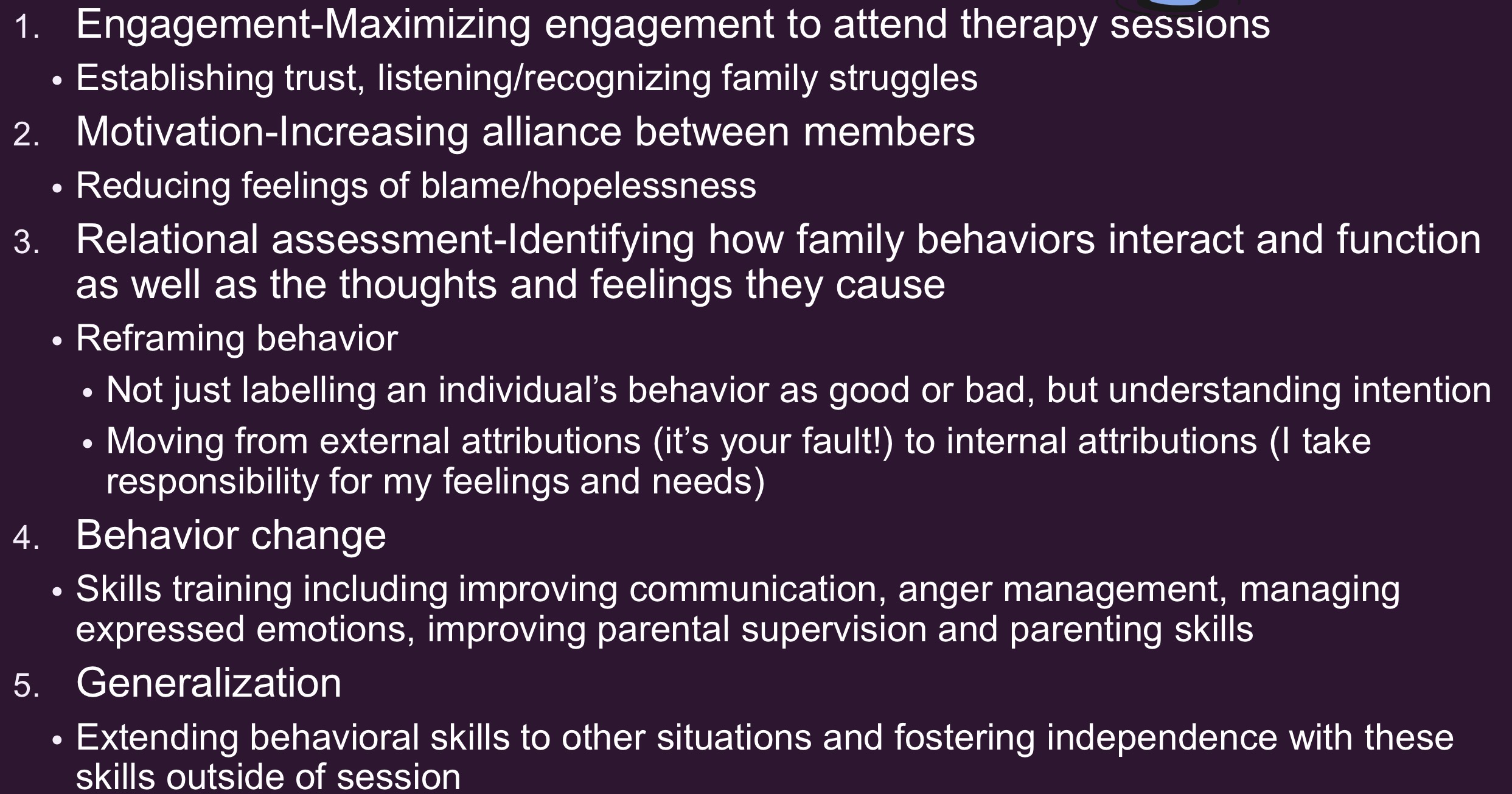
Functional family therapy
Present oriented
Addresses behavioral problems in adolescence
Understanding family behaviors and relationships related to problems
Systems theory and CBT
Five phases of FFT
Couples therapy
Understanding system of relationship
Reduce distress of the couple, not necessarily keep them together
Attachment styles
Maintaining and improving it or ending it healthy
When to use couples therapy
Couple is experiencing distress or major event or one person has psychopathology and they work together to develop a support system and repair damages
4 horsemen of relationships
Criticism, contempt, defensiveness, stonewalling
Sentiment override
The view or thoughts around a behavior are just as important as the behavior itself
Splitting
One partner is viewed as either good or bad
Rational tools in couples therapy
Communication, problem solving, sexual skills, recognizing and working with behavioral patterns
Group therapy benefits
Reduced cost, efficient, support from people with similar issues, richer broader experiences, mutual adaptation