cell division and differentiation
 Call Kai
 Learn
Learn Practice Test
 Spaced Repetition
 Match
Match Flashcards
 Knowt Play
1/30

There's no tags or description
Looks like no tags are added yet.
Name | Mastery | Learn | Test | Matching | Spaced | Call with Kai |
|---|
No analytics yet
Send a link to your students to track their progress
31 Terms
hyperplasia
cell division
hypertrophy
making a cell bigger
the chromosomal cycle
DNA replication and segregation
(mitosis)
cytoplasmic cycle
organelle replication and physical division
(cytokinesis)
centrosome cycle
replication of the mitotic spindle
G1 phase
start point
phase of normal activity eg biosynthesis
often longest phase
S phase
synthesis, cell contents double
DNA and cytoplasm
time can vary depending on DNA content
chromosomes duplicate to form sister chromatids
long in species that have lots of DNA
G2 phase
second gap phase
normal biosynthessi occurs
only occurs when all DNA is replicated
M phase
mitosis
very short
involves bost mitosis and cytokinesis
6 stages
G0 phase
can be transient or permanent
G2/M checkpoint
cell size
DNA replication
spindle assembly checkpoint
chromosomal attachment to spindle
G1 checkpoint
cell size
nutrient
DNA damage
growth factor
intra s phase checkpoint
DNA damage
DNA replication
what molecules drive the cell cycle?
cyclins and CDK
what are the 2 cytokeletal machines
mitotic spindle- microtubules
contractile ring- actin and myosin
what does the spindle contain
formed by the centrosome
contains a pair of cylindrical centrioles
how do microtubules grow out
like points of a star
1 centrosome is 1 pole of spindle
duplication occurs in the S phase
how does the contractile ring form
forms under plasma membrane at the equator of the cell
contracts to divide into two
what happens in prometaphase
nuclear membrane breaks down
spindle and chromosoes now meet
attachment is via kinetochores
spindle begins to move to the poles of the cell
how do chromosomes physically separate in anaphase
spindle poles move outward
microtubules shorten
chromosomes slides along microtubule
how does cytokinesis work
starts in anaphase, ends in telophase
actinomyosin ring assembles under the cell membrane
contraction of this ring pinches cell into two at the cleavage furrow
requires membrane manufacture
each cell has one full set of chromosomes, a centrosome and about half a cytoplasm
feature of differentiated cells
are often post mitotic- cannot undergo further cell division and are in G0
some differentiated cells can be slowly dividing
they express specific sets of genes that are characteristic of that particular cell type so they will have a specific set of proteins
generally signals from other cells the ecm and hromones direct a cell to begin differentiation
what are the 2 steps in differentiation
specification- capable of autonomous differentiation in isolation but can be reversed. not fate commited.
determination- when the cell differenitates into a specific cell type even when it is placed among cells of a different type. this is irreversible and fate committed.
can a cell change its differentiated state
it can sometimes
during regeneration
eg newt limb where injury promotes muscle cells to de differentate and then re differentiate into cartilage
cloning
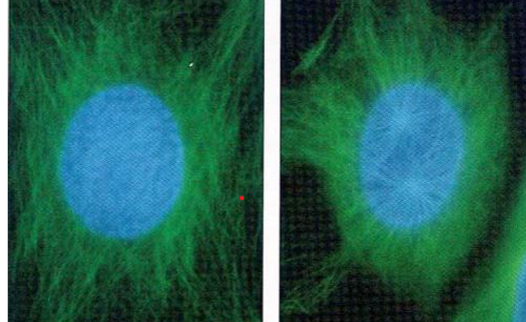
early prophase
late prophase
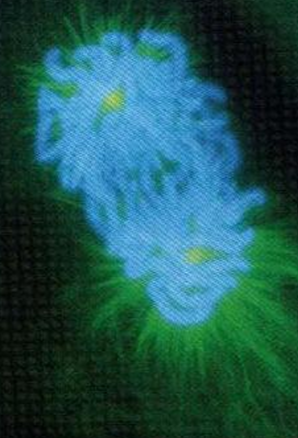
prometaphase
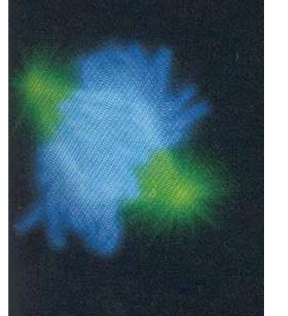
metaphase
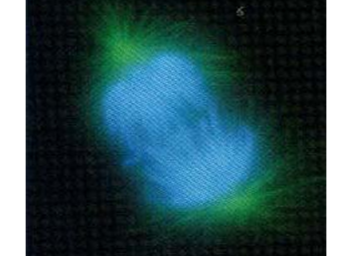
early anaphase
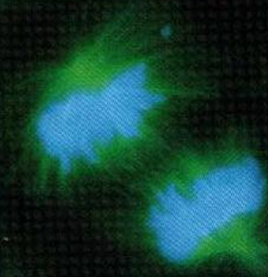
late anaphase
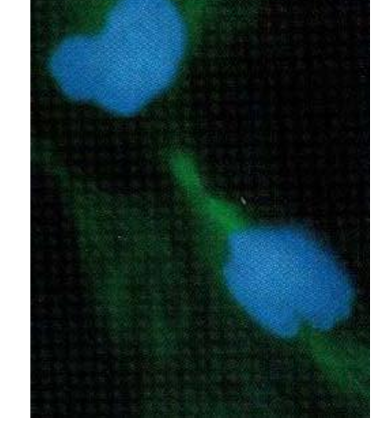
late telophase