Introduction to Anatomy, Physiology, and Cytology
 Call Kai
 Learn
Learn Practice Test
 Spaced Repetition
 Match
Match Flashcards
 Knowt Play
1/141

There's no tags or description
Looks like no tags are added yet.
Name | Mastery | Learn | Test | Matching | Spaced | Call with Kai | Chat |
|---|
No analytics yet
Send a link to your students to track their progress
142 Terms
Anatomy
Study of body structure and organization.
Physiology
Study of body function and processes.
Gross Anatomy
Study of structures visible to the naked eye.
Microscopic Anatomy
Study of structures requiring a microscope.
Subdivisions of Physiology
organizational level & systematic function
organizational level
cell / organ
systematic function
Neurophysiology, cardiovascular physiology, reproductive physiology, etc...
Characteristics of Life
Includes growth, reproduction, metabolism, and responsiveness.
responsiveness
ability to sense, monitor, and respond to changes in both external and internal environments
conductivity
capacity of a living cell to transmit a wave of electrical disturbance from one point to another
reproduction
the production of offspring
Excretion
the process by which wastes are removed from the body
circulation
movement of substances in body fluids
secretion
a process by which substances are produced and discharged from a cell, gland, or organ for a particular function in the organism or for excretion.
Biological Organization Levels
chemical, cellular, tissue, organ, organ system, organism, ecological
absorption
movement of molecules such as respiratory gases or digested nutrients through a membrane and into the body fluids for transport to cells for use
digestion
Breakdown of food substances into simpler forms that can be absorbed and used
respiration
exchange of respiratory gases between an organism and its environment
Anatomical Position
Standard body position: standing, facing forward.
growth
increase in size or number of cells
Orthostasis
Standing upright position of the body.
Supine Position
Lying on the back, face up.
Prone Position
Lying on the stomach, face down.
Axial Skeleton
Includes skull, vertebral column, and rib cage.
Appendicular Skeleton
Includes limbs and their attachments.
inferior
below
Superior
above
Dorsal Body Cavity
Contains the brain and spinal cord.
Ventral Body Cavity
Contains thoracic and abdominopelvic cavities.
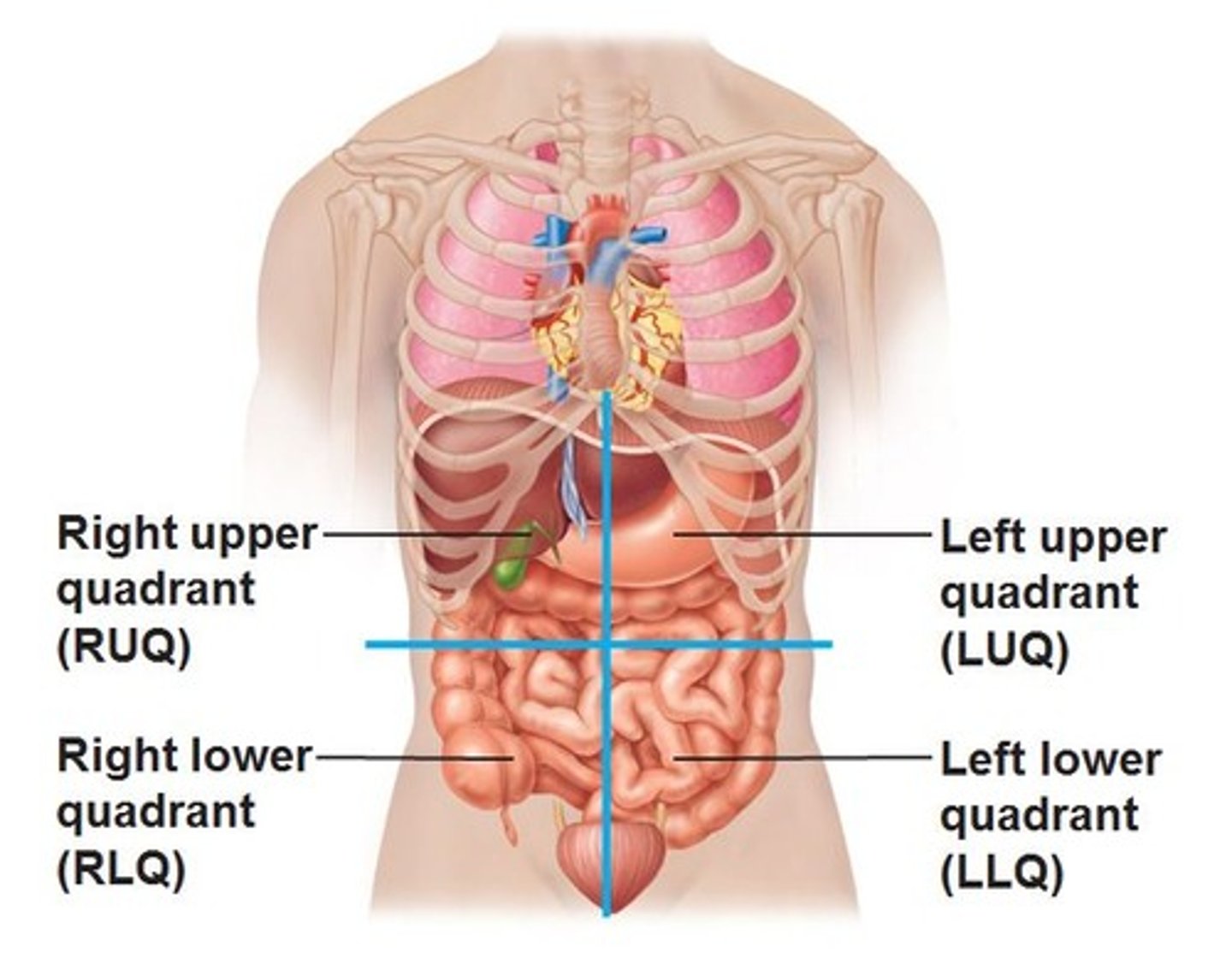
Abdominopelvic Quadrants
Divided into four regions for organ location.
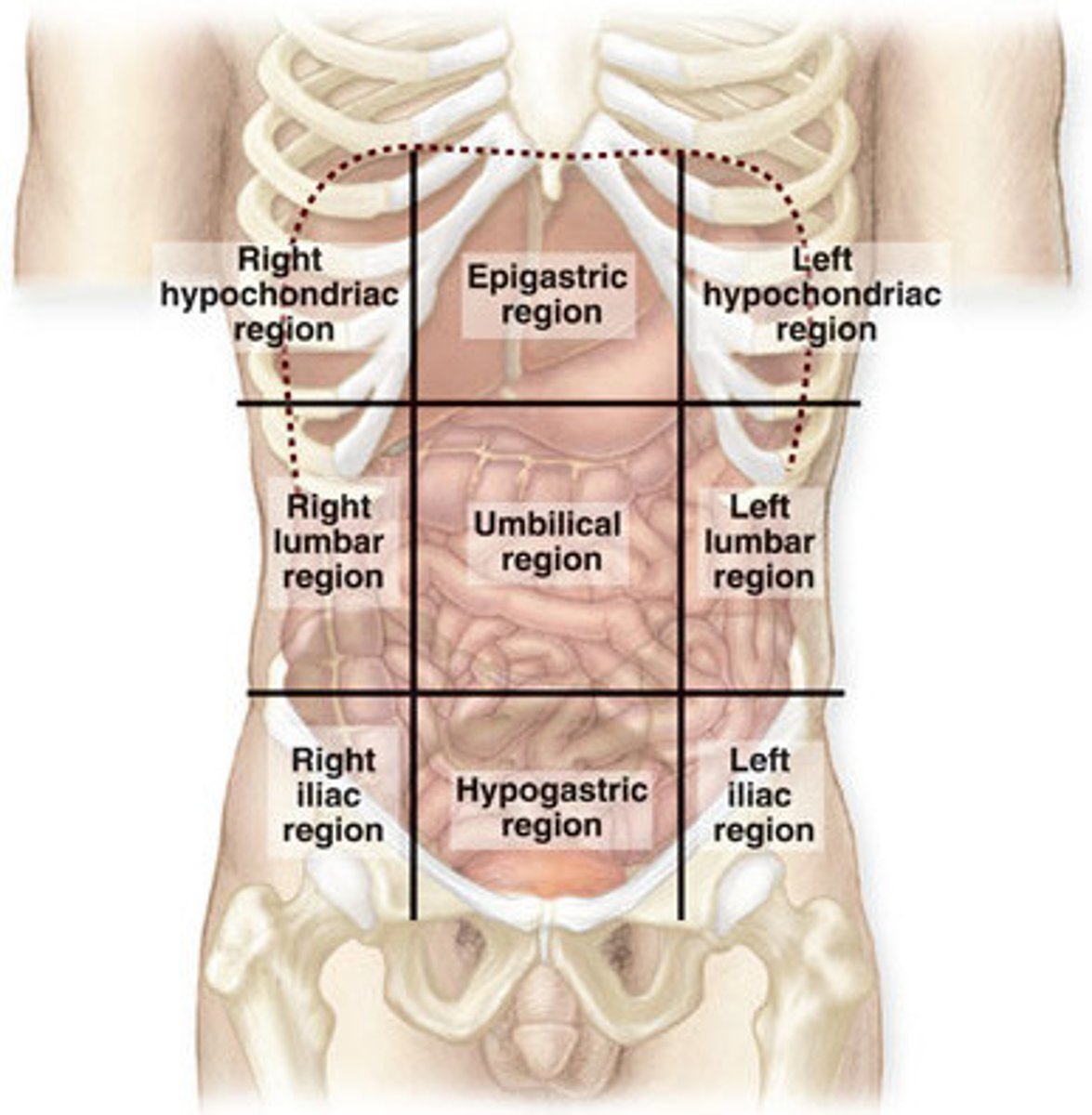
Abdominopelvic Regions
Includes nine regions for detailed anatomical reference.
Homeostasis
Maintenance of stable internal conditions.
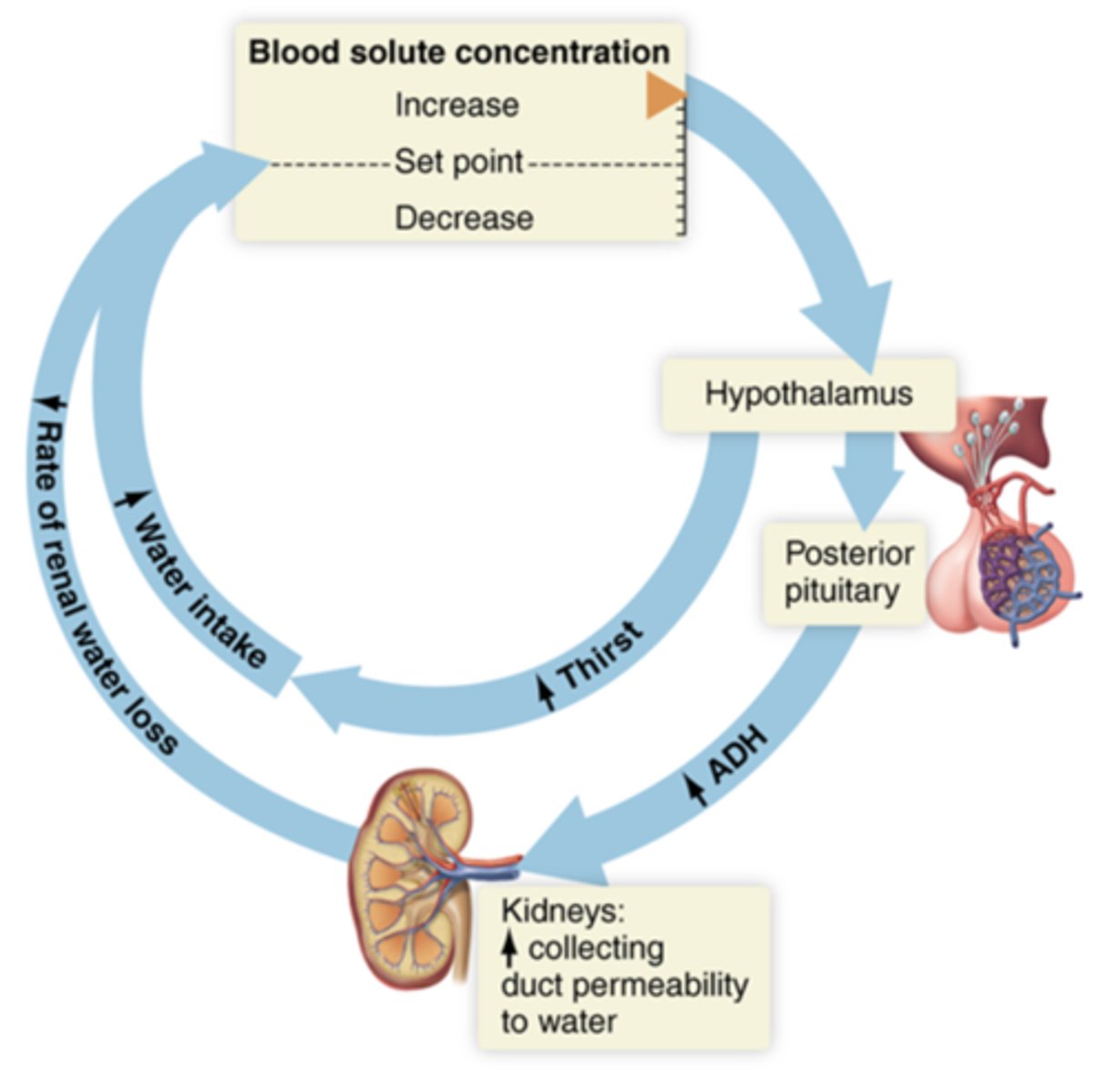
Feedback Control Loop
sensor mechanism, integrator/control center, effector mechanism, and feedback
Positive Feedback
Enhances or accelerates a process.
Negative Feedback
Reduces or inhibits a process.
Normal Aging
Gradual physiological changes, not disease-related.
matter
Anything that has mass and takes up space
element
A pure substance made of only one kind of atom
compound
A pure substance made up of atoms of two or more different elements joined by chemical bonds
molecule
A group of atoms bonded together
11 body systems
1. Integumentary
2. Skeletal
3. Muscular
4. Nervous
5. Endocrine
6. Cardiovascular
7. Lymphatic
8. Respiratory
9. Digestive
10. Urinary
11. Reproductive
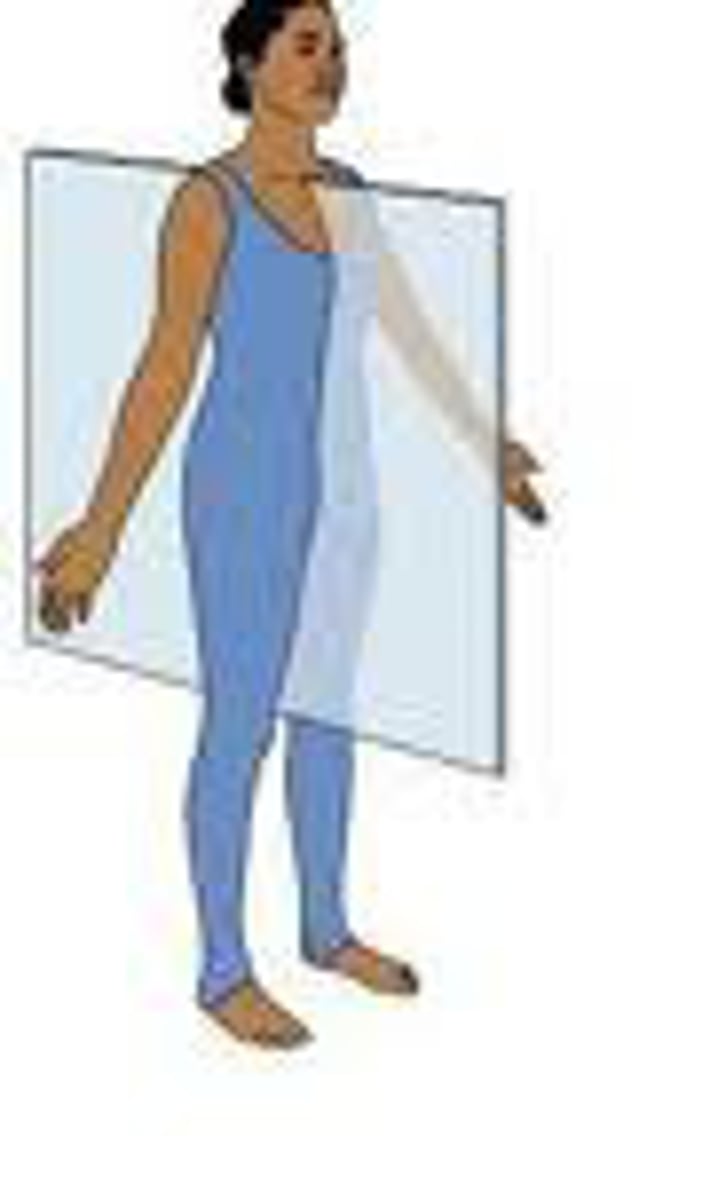
frontal/coronal plane
Vertical plane dividing the body or structure into anterior and posterior portions
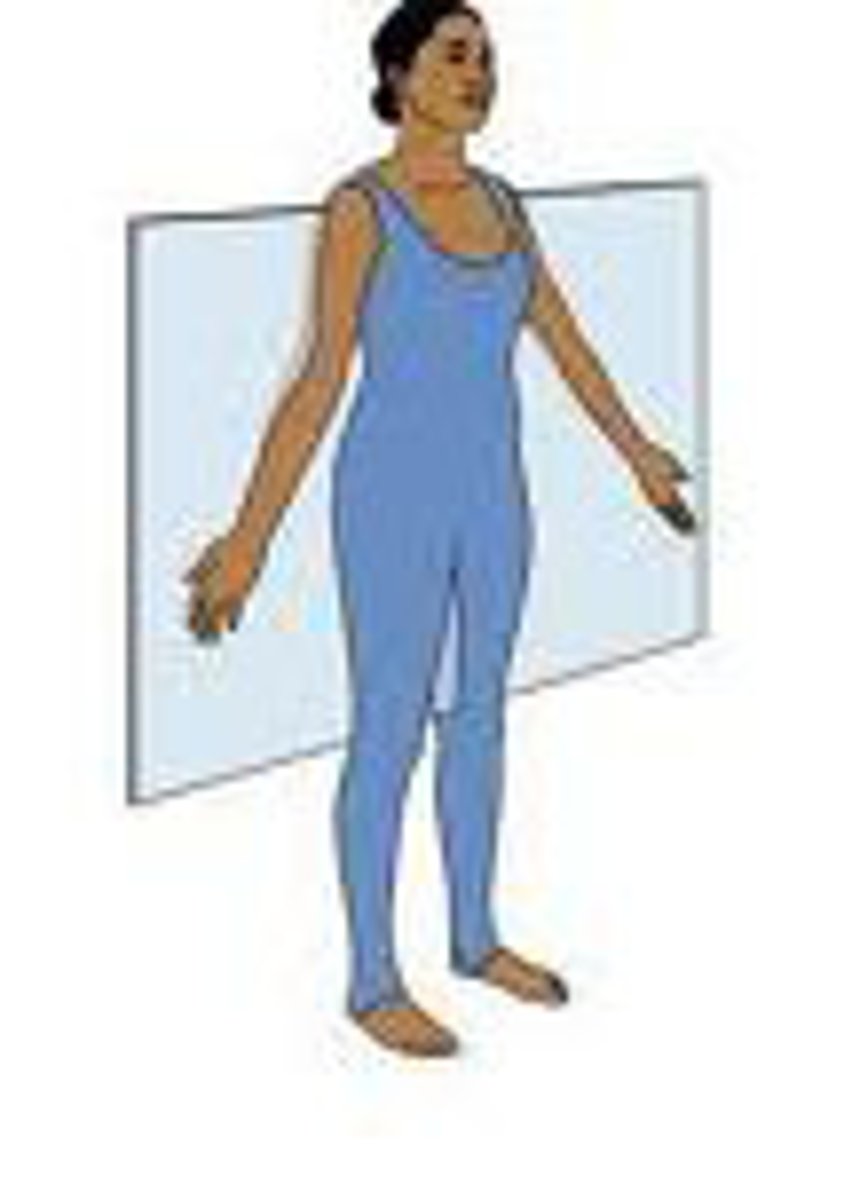
sagittal plane
divides body into left and right
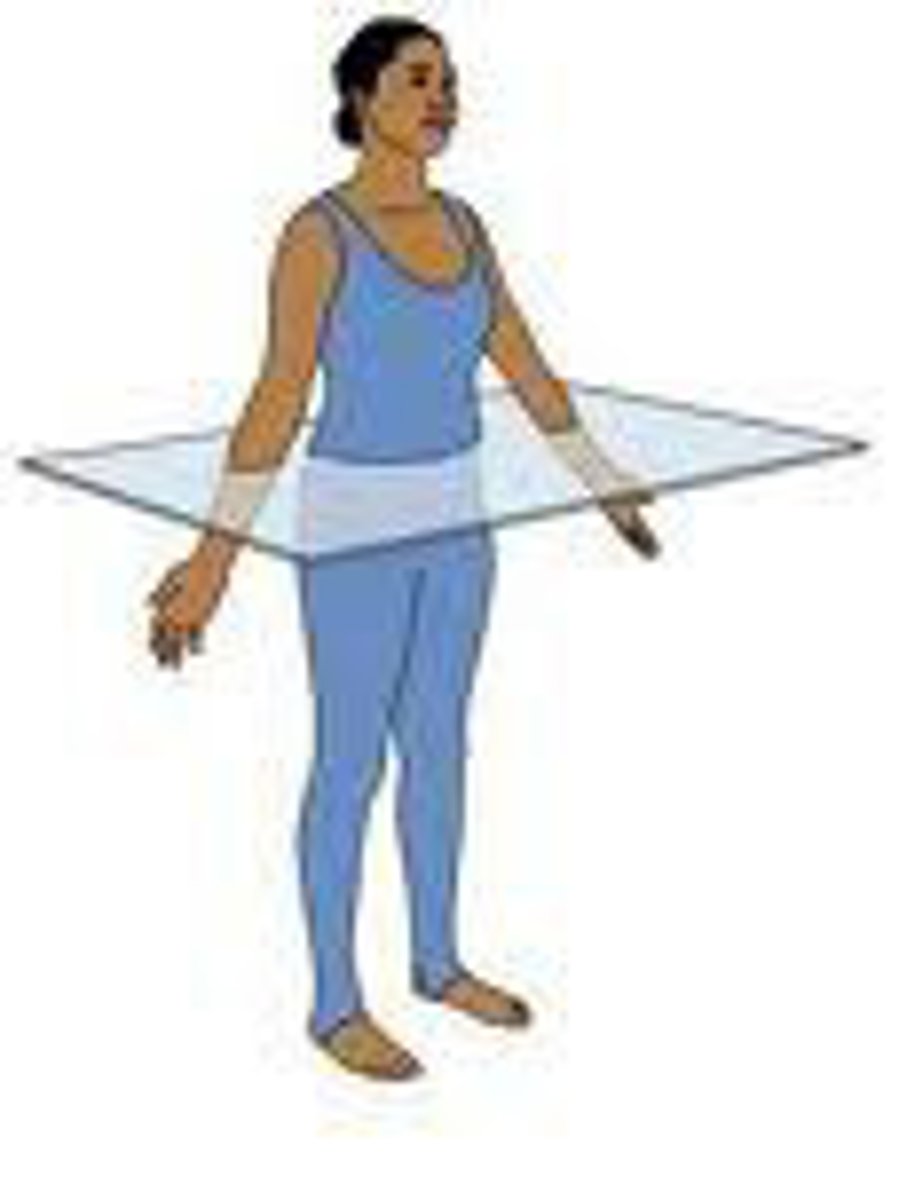
transverse/horizontal plane
divides the body into superior and inferior parts
oxygen
component of water & essential for respiration
carbon
found in all organic molecules
hydrogen
A component of water and most other compounds in the body
nitrogen
Found in proteins, nucleic acids, and other organic compounds
calcium
found in bones & teeth, important for membrane function, nerve impulses, muscle contraction, blood clotting
atoms
Building blocks of matter
atomic mass
Number of protons and neutrons
atomic number
the number of protons in an atom
ionic bond
Formed when one or more electrons are transferred from one atom to another
covalent bond
A chemical bond that involves sharing a pair of electrons between atoms in a molecule
polar covalent bonds
unequal sharing of electrons
monomers
A chemical subunit that serves as a building block of a polymer.
polymers
chains of monomers
oligo-
few or small
isomers
Metabolism
the chemical processes that occur within a living organism in order to maintain life.
catabolism
breaking down
anabolism
building up larger molecules from smaller ones.
systhesis reactions
involve the formation of larger, more complex molecules, an important type is dehydration synthesis
decomposition reaction
a reaction in which a single compound breaks down to form two or more simpler substances
exchange reaction
Parts of the reacting molecules are shuffled around to produce new products
oxidation
loss of electrons
reduction
gain of electrons
unique properties of water
solvent, heat properties, chemical reactions, makes life possible
acids
pH below 7
bases
pH above 7
salts
electrolytes formed by the reaction between an acid and a base
alkaline
having a pH greater than 7
carbohydrates
lipids
proteins / polypeptides
nucleic acids
Monosaccharides
Single sugar molecules
Disaccharide
A double sugar, consisting of two monosaccharides joined by dehydration synthesis.
Oligosaccharides
short chains of 3 or more monosaccharides (at least 10)
Polysaccharides
Carbohydrates that are made up of more than two monosaccharides
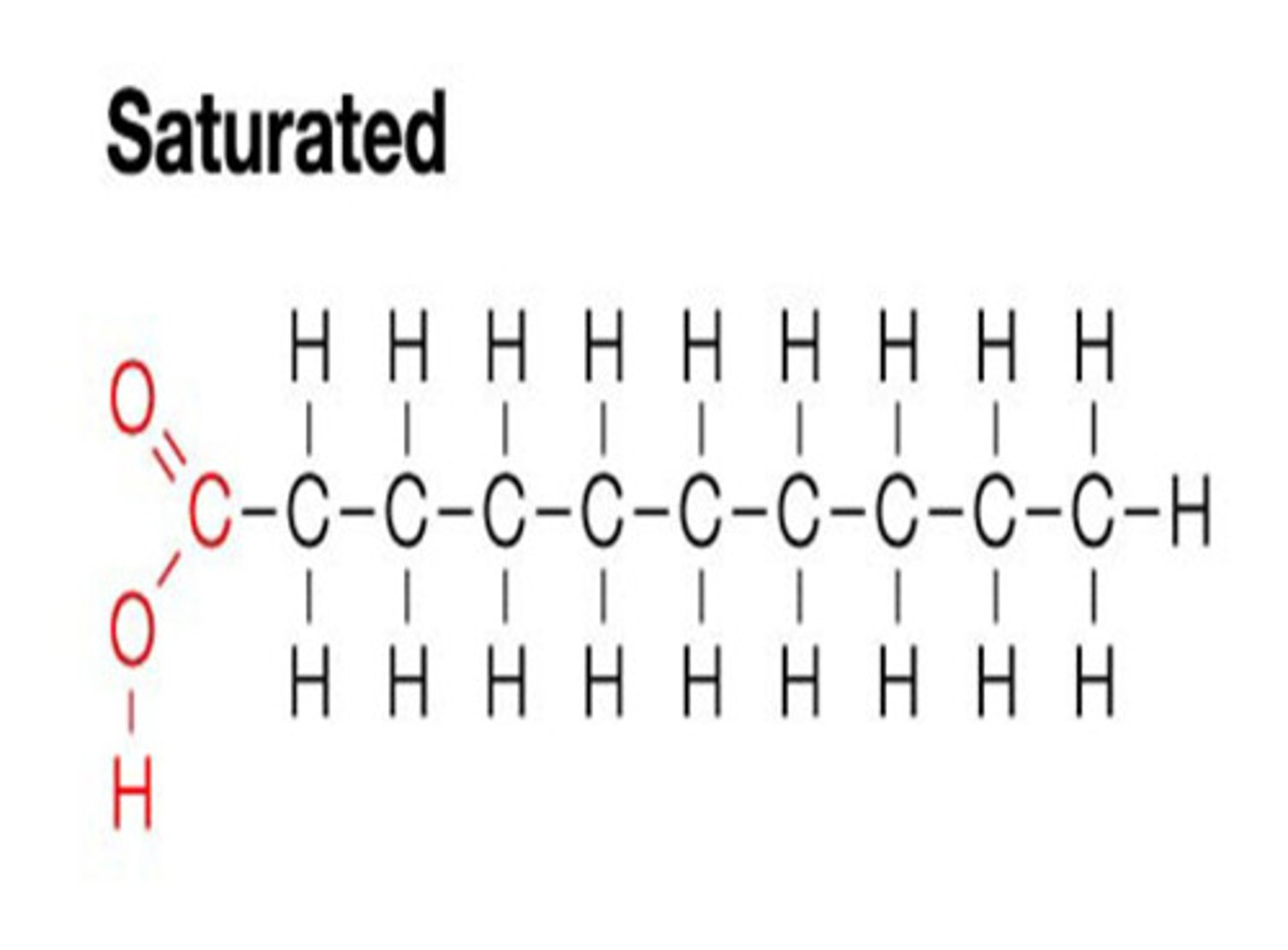
saturated fats
fats that are solid at room temperature
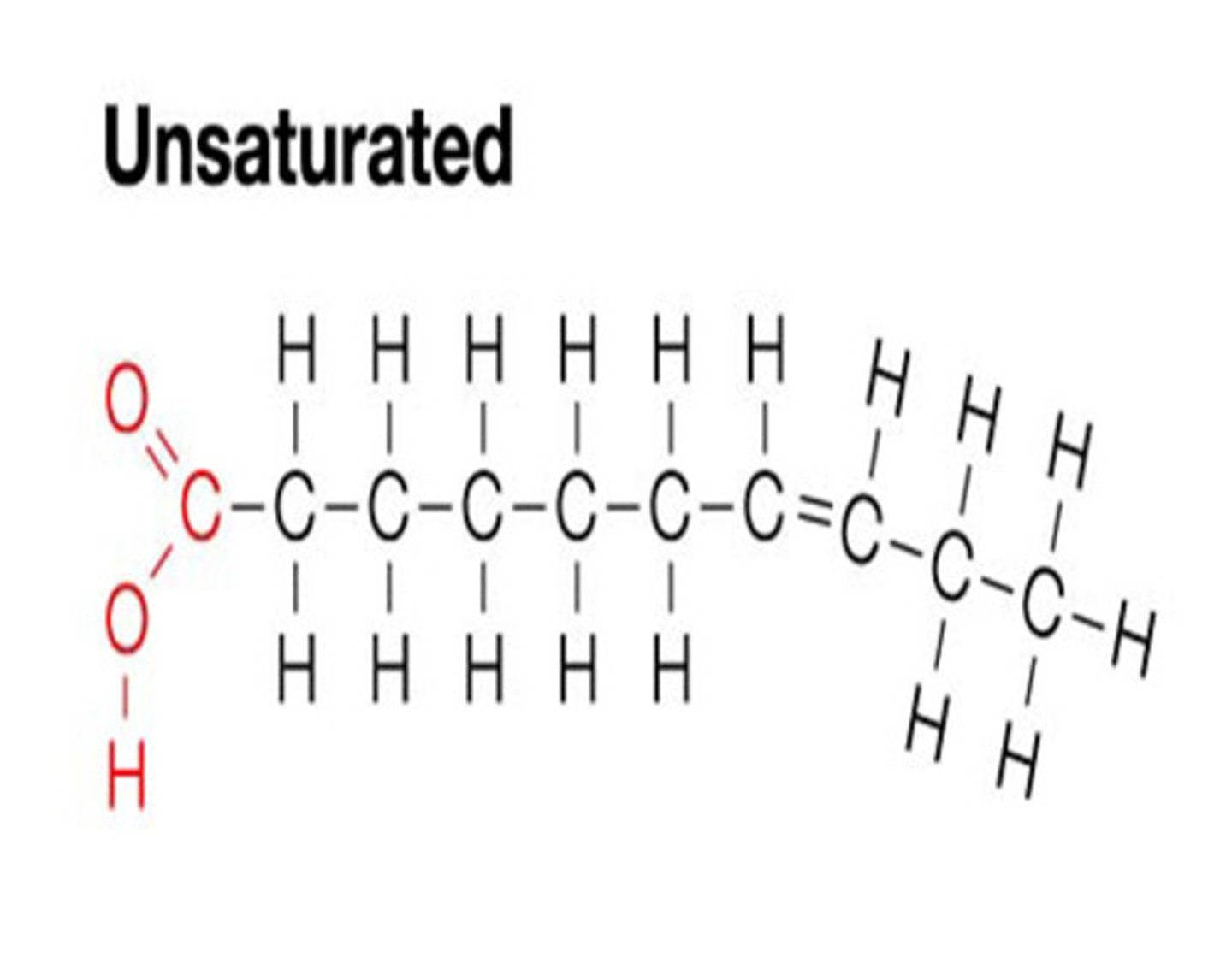
unsaturated fats
liquid at room temperature
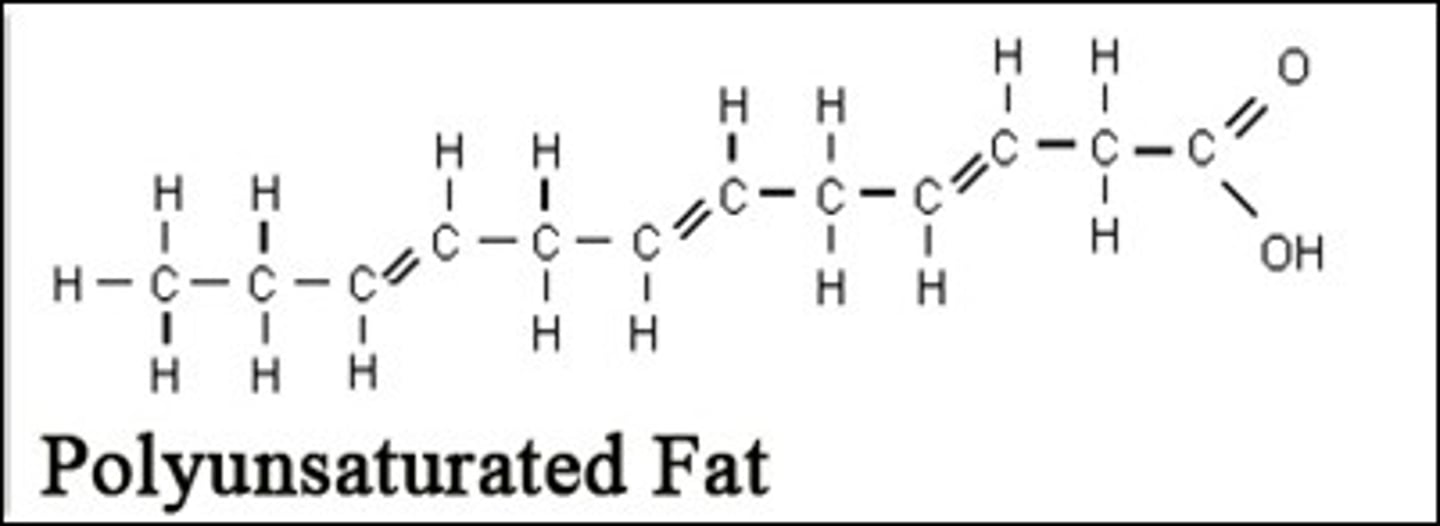
polyunsaturated fats
more than one double bond
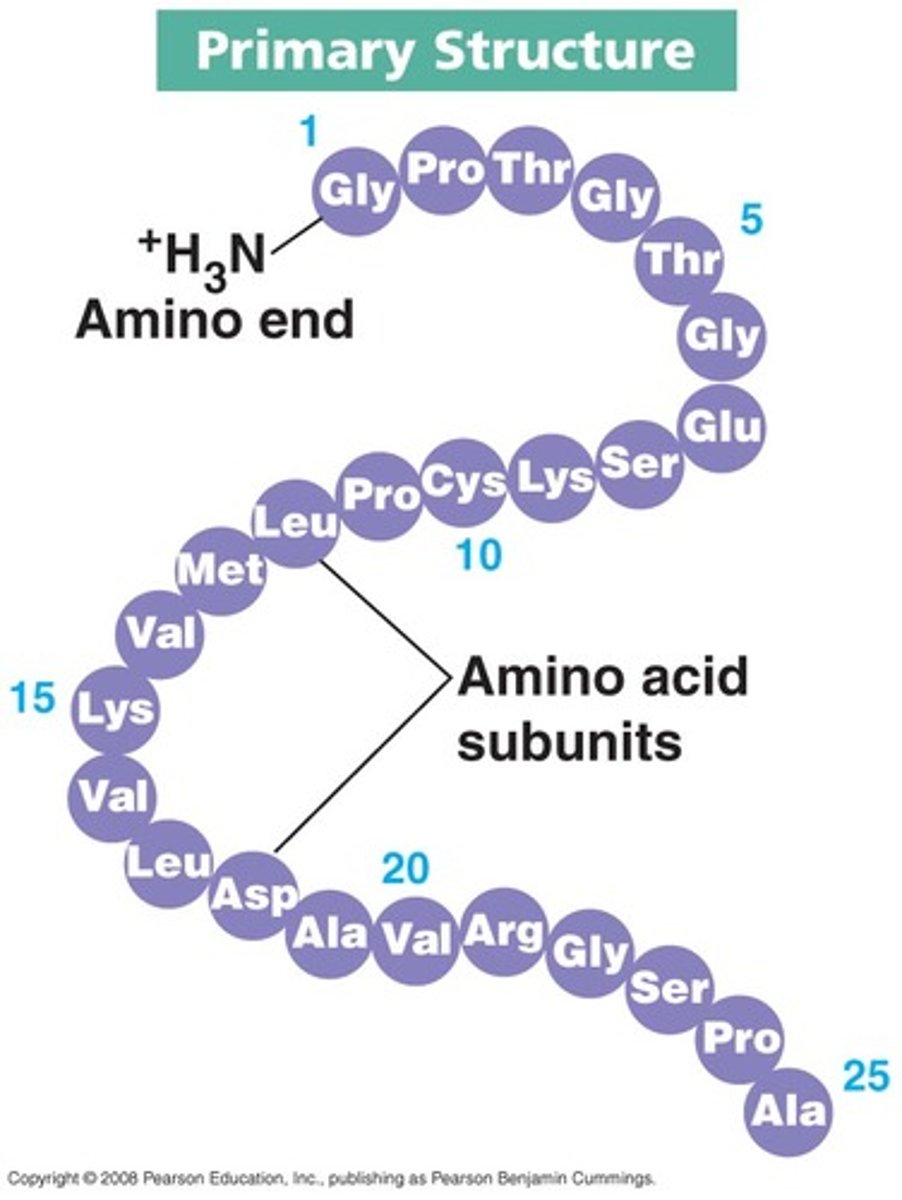
primary protein structure
sequence of a chain of amino acids
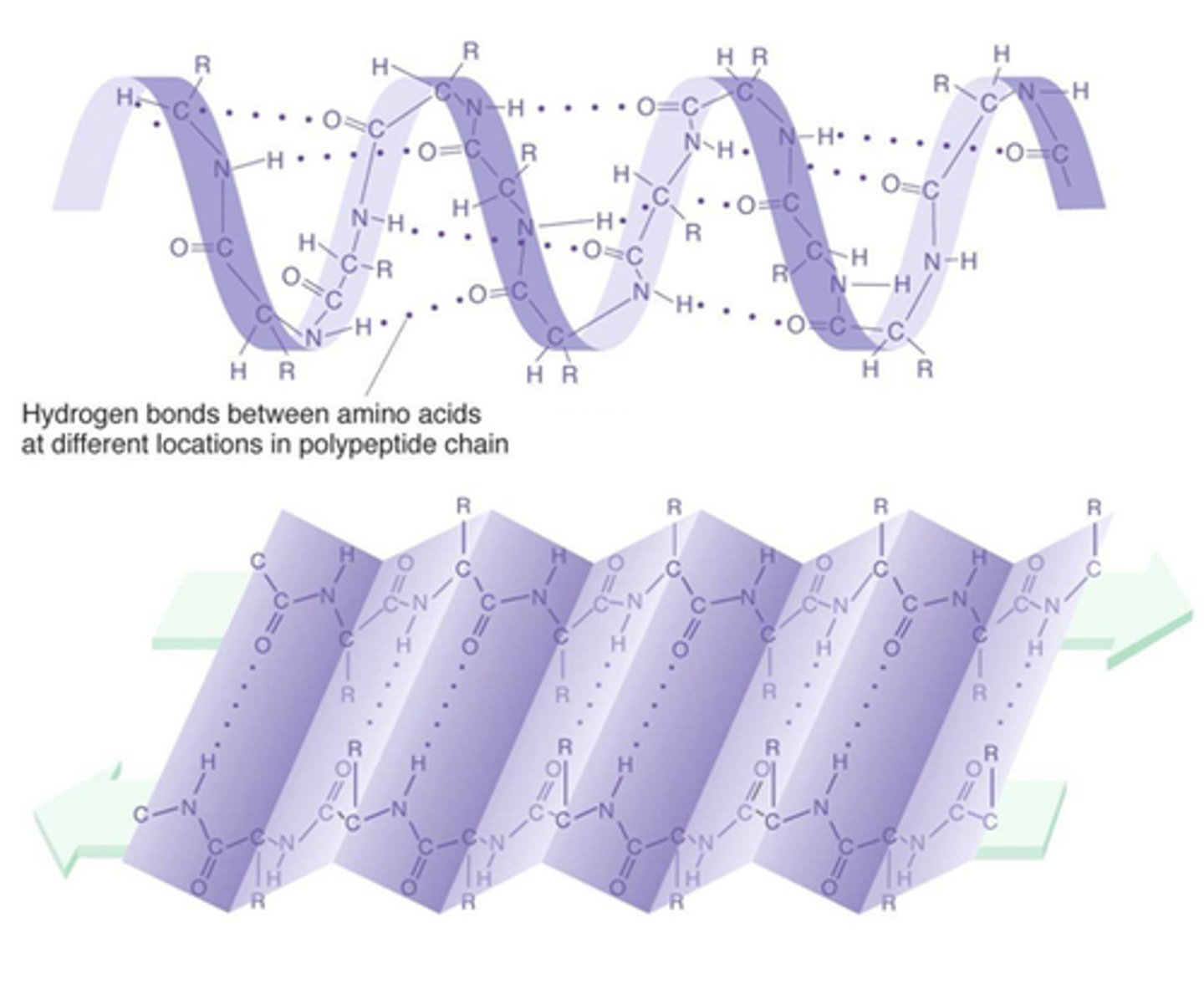
secondary protein structure
coiling or folding of a polypeptide due to H-bonding between amino acids
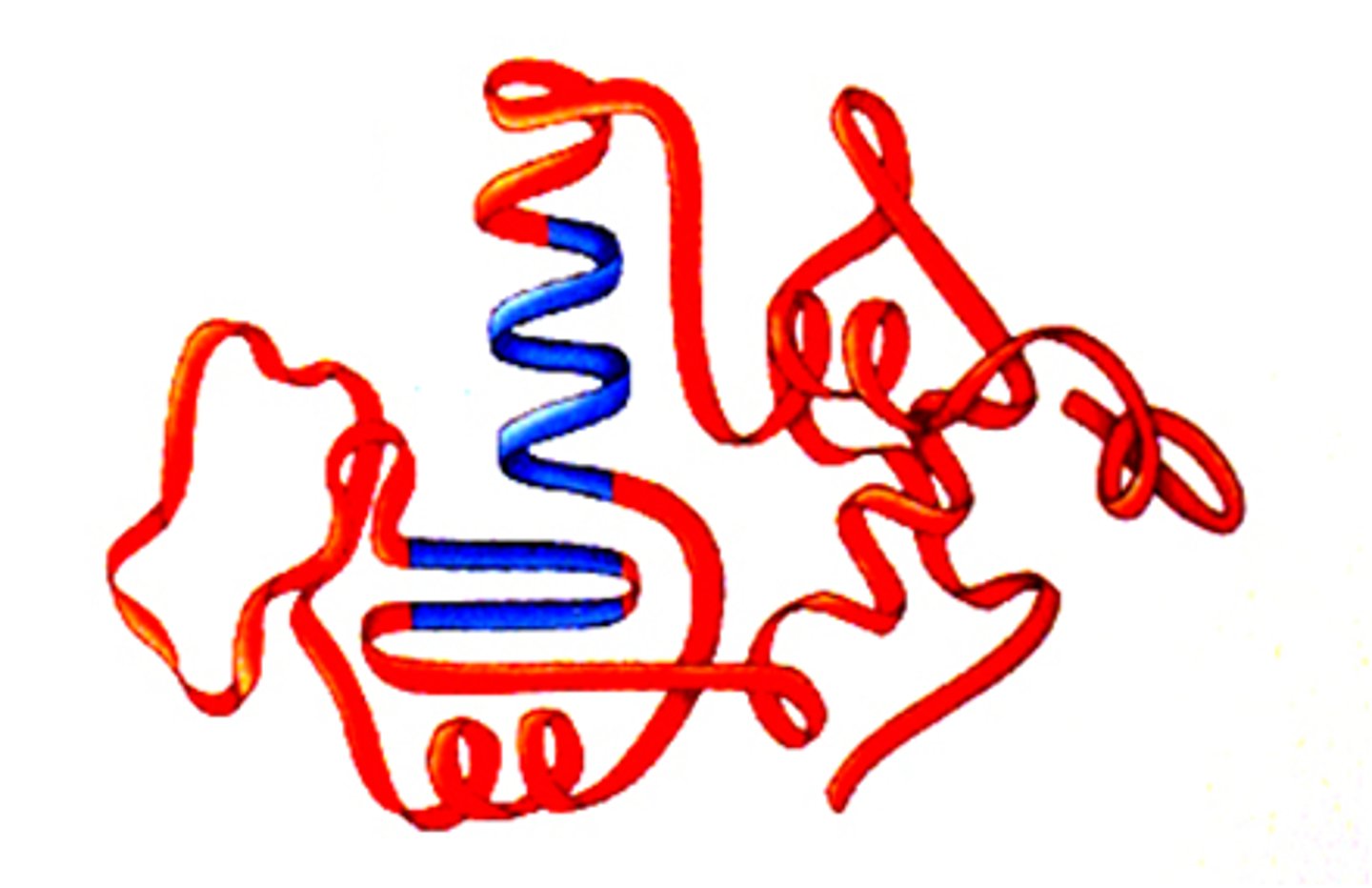
tertiary protein structure
3D folding pattern of a protein due to side chain interactions
quaternary protein structure
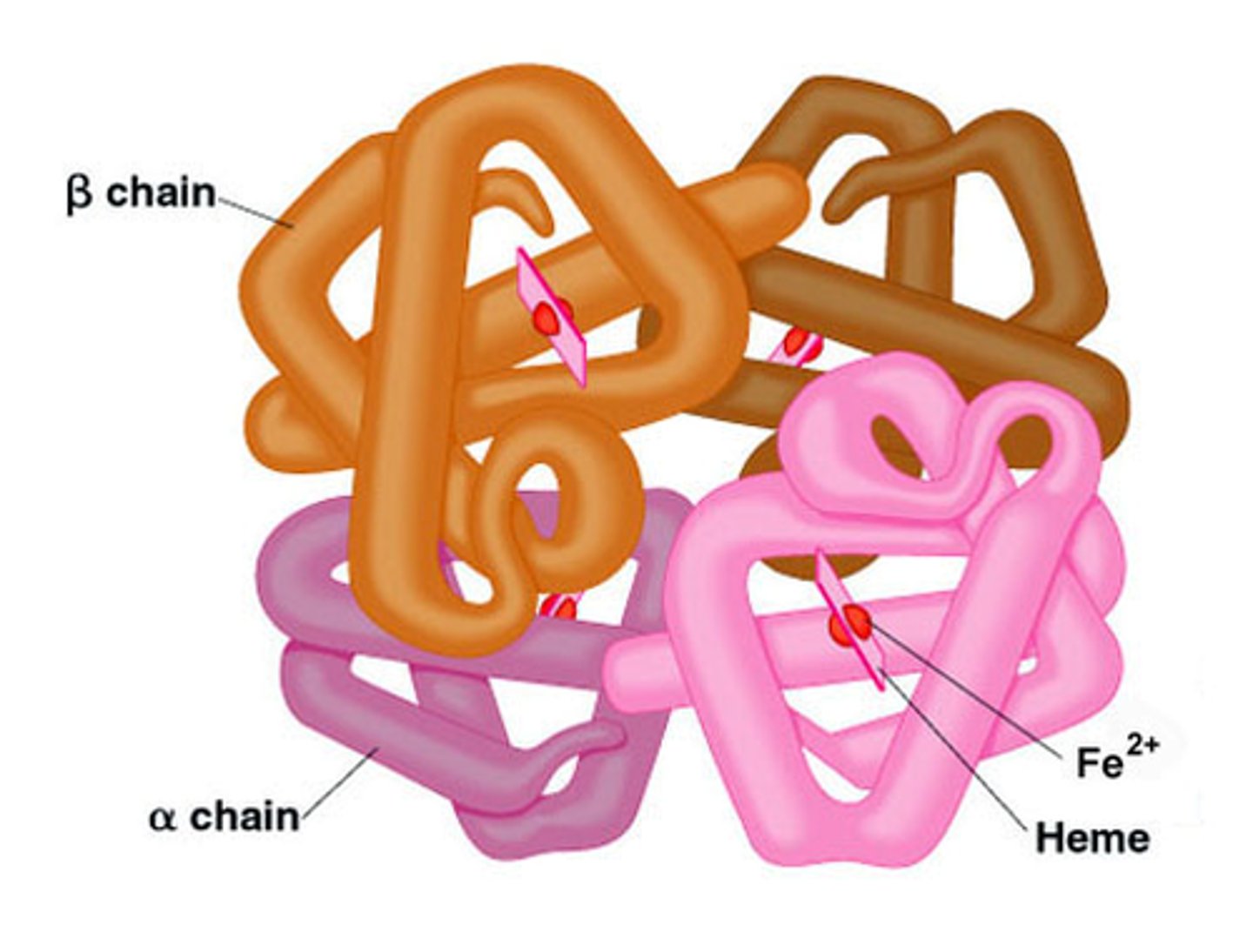
2+ protein chains forming functional protein
DNA
deoxyribonucleic acid, a self-replicating material present in nearly all living organisms as the main constituent of chromosomes. It is the carrier of genetic information.
RNA
A single-stranded nucleic acid that passes along genetic messages
codons
The three-base sequence of nucleotides in mRNA
introns
Noncoding segments of nucleic acid that lie between coding sequences.
exons
expressed sequence of DNA; codes for a protein
ATP
(adenosine triphosphate) main energy source that cells use for most of their work
cytology
study of structure and function of cells
sex cells
egg and sperm
somatic cells
Any cells in the body other than reproductive cells
3 main parts of a human cell
1. plasma membrane
2. cytoplasm
3. nucleus
differing functions of cells in the human body
composition of plasma membrane
lipids, proteins, and carbohydrates
function of plasma membrane
Controls what enters and leaves the cell