NVSC 401: Exam 1 Review
 Call Kai
 Learn
Learn Practice Test
 Spaced Repetition
 Match
Match Flashcards
 Knowt Play
1/68

There's no tags or description
Looks like no tags are added yet.
Name | Mastery | Learn | Test | Matching | Spaced | Call with Kai |
|---|
No analytics yet
Send a link to your students to track their progress
69 Terms
detection, tracking, and engagement
What are the phases of fire control problem?
mechanical, electromagnetic, transversal, longitudinal
What are the classifications of waves?
frequency, f (Hz)
rate at which the propagating waves expand and collapse
wavelength, lambda (m, mm, nm)
distance between two identical points on adjacent waves or distances
amplitude, a (m, mm, nm)
maximum displacement of wave from zero
period, T (time, s, ms)
time to complete one cycle
velocity, c (3*10^8 m/s)
speed that a wave travels
constructive, destructive
What are the two types of interference?
It amplifies waves (same phase, high to high, low to low); two coherent waves are combined by adding their intensities or displacements
What is constructive interference?
cancels out each other (alternative phases, high and low together); when two waves overlap in such a way that they cancel each other out
What is destructive interference?
Extend the environment beyond our own eyes and ears
Extends detection capability
Not limited by visual interference
Over the horizon capability
Export data to fire control systems
Why do we use RADAR?
spreading, scattering, and absorption
What are the three types of signal losses?
Energy distributed over an increasingly large areas
What is spreading?
Energy bouncing off suspended particles within a medium
Scattering is going to be particulate size/radar frequency dependent
What is scattering?
Energy dissipated into medium
Molecules of medium absorb some of the energy as it passes through
What is absorption?
spreading
Energy distributed over an increasingly large areas
scattering
Energy bouncing off suspended particles within a medium
absorption
Energy dissipated into medium
Pulse Repetition Time (PRT)
Pulse Width (PW) + Rest Time (RT) = ?
Pulse Repetition Frequency, = (1/PRT)
number of pulses transmitted per second, give equation
Duty Cycle (DC), = (PW)(PRF)=PW/PRT
ratio of the time that power is on compared to the entire cycle, give equation
Rres = c * PW/2
What is the range resolution equation?
range resolution
a measure of a systems range accuracy
Unambiguous Range (Runamb)
The maximum range of a target can be that provides an accurate calculation of range
for targeting/tracking after detecting a target
Why do we use narrow beamwidth?
In order to search
Why do we use a wide beamwidth?
beamwidth
measure of angular extent of the most power portion (main lobe), determines the angular accuracy of the RADAR
Rmax=4th root(PxmitGsigmaAe/[(4pi)^2Smin]
What is the "Simplified" Range Equation?
Effective target area that reflects RADAR Energy back to the receiver
What is radar cross section?
radar cross section
Effective target area that reflects RADAR Energy back to the receiver
Determined by the target's material, aspect angle, size and shape
What is radar cross section determined by?
scan rate
how fast an antenna is rotated
Platform instability (pitch, roll, yaw)
Inability of mechanical systems to anticipate movement
Lag time
What are the limitations of servo tracking system?
Gyro
Tracking systems
Servo mechanism
What are the corrections to the limitations of servo tracking system?
acquisition gate, tracking gate, and turning gate
What are the track while scan gates?
electronic support (ES), electronic attack (EA), and electronic protection (EP)
What are the three types of electronic combat?
surveillance of the enemy
What is electronic support (ES)?
denies use of EM spectrum:
Jamming
medium modifiers
improving own-platform stealth
Destruction of enemy sensor systems
What is electronic attack (EA)?
protecting friendly combat capabilities against the undesirable effects of enemy electronic attack
What is electronic protection (EP)?
Electronic intelligence (ELINT)
Info derived from emissions other than comms (emphasis on radar)
What is ELINT and where is information derived from?
Communications intelligence (COMINT)
Info derived from communications
What is COMINT and where is information derived from?
Signals Intelligence (SIGINT), core intelligence discipline that intercepts, analyzes, and decodes electronic signals
COMINT and ELINT
What is SIGINT and what is are the parts of it?
Gamma rays
X-rays
Ultraviolet
Visible light
Near infrared
Shortwave infrared
Middle infrared
Thermal infrared
Microwave
Radio wave
From smallest to largest (or highest to lowest energy), what are the different types of waves in the electromagnetic spectrum.?
differences in heat
What does IR require?
some visible/ambient light
What does NVG and LLL sensors require to work?
electromagnetic, transversal wave
Classify a light wave.
mechanical, longitudinal wave
Classify a sound wave.
pulse width
What radar characteristic determines range resolution?
How do we direct EM Waves?
more efficient
What does directionality allow us to be?
detect, localize, classify
What is involved in the detection phase of fire control problem?
detect, locate, classify, track
What is involved in the tracking phase of fire control problem?
detect, localize, classify, track, weapon selection, neutralize
What is involved in the engagement phase of fire control problem?
Advantages: beam can move instantaneously, fewer moving parts to break, high data rates, instantaneous beam positioning, no mechanical breakdown, increased flexibility, "multi-mode" operation, air/sea search, fire control, multi-target tracking
Disadvantages: lost efficiency at high angles off array boresight
What are the advantages and disadvantages of ESA?
rocket
(Jones) weapon type that relies on a propulsion system and is unguided
bomb
(Jones) weapon type that relies on gravity and can be guided and unguided
missile
(Jones) weapon type that relies on a propulsion system and is guided
Torpedo has a propulsion system
Mines are supposed to be somewhat stationary
(Jones) What is the difference between a torpedo and a mine?
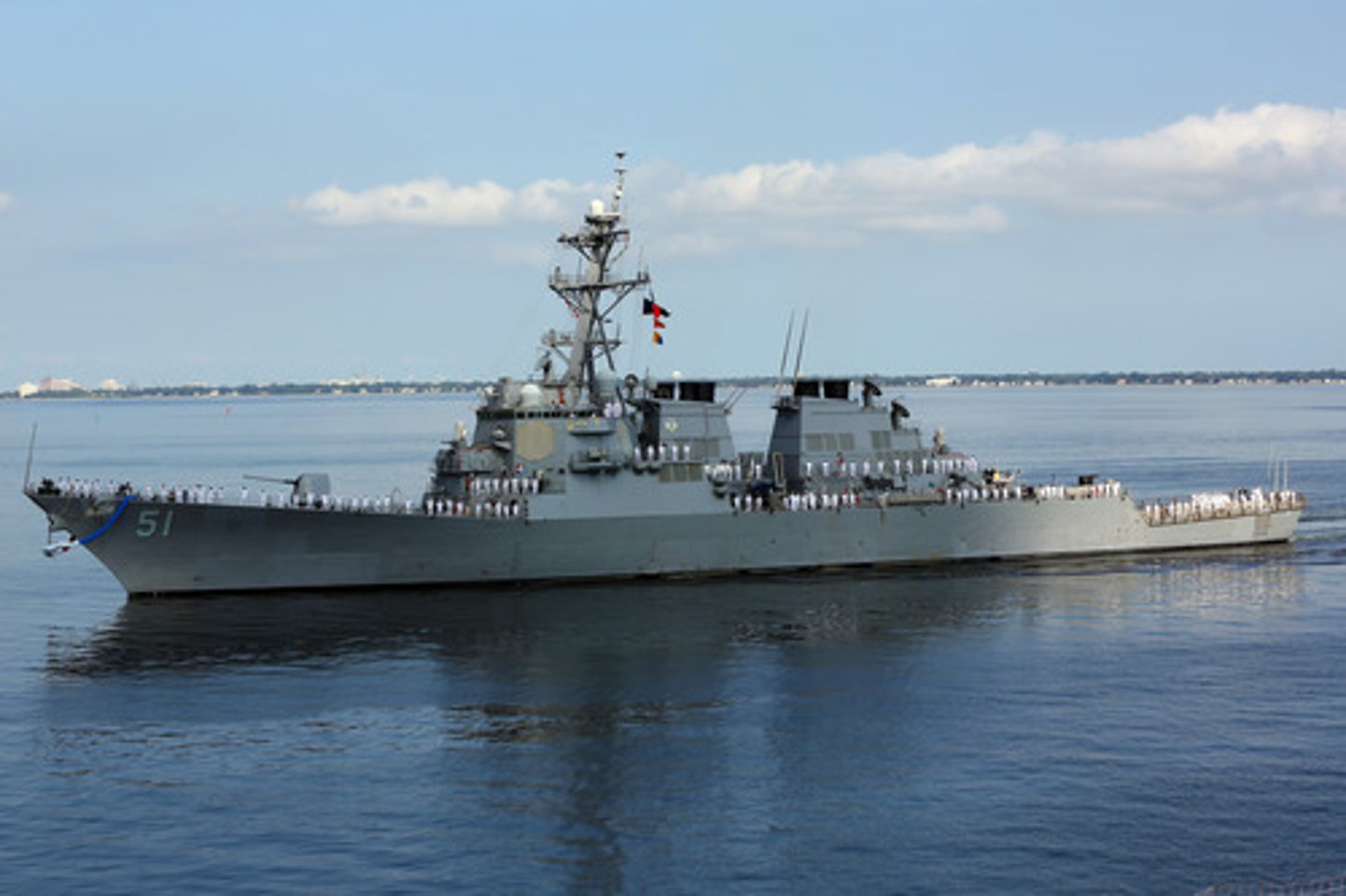
Platform: Arleigh Burke Destroyer
Country: USA
Weapons: harpoon SM, TLAM, ESSM, ASROC
Radar: SPY-1
Sonar: AN/SQS-89/53C
Recognition of platform:
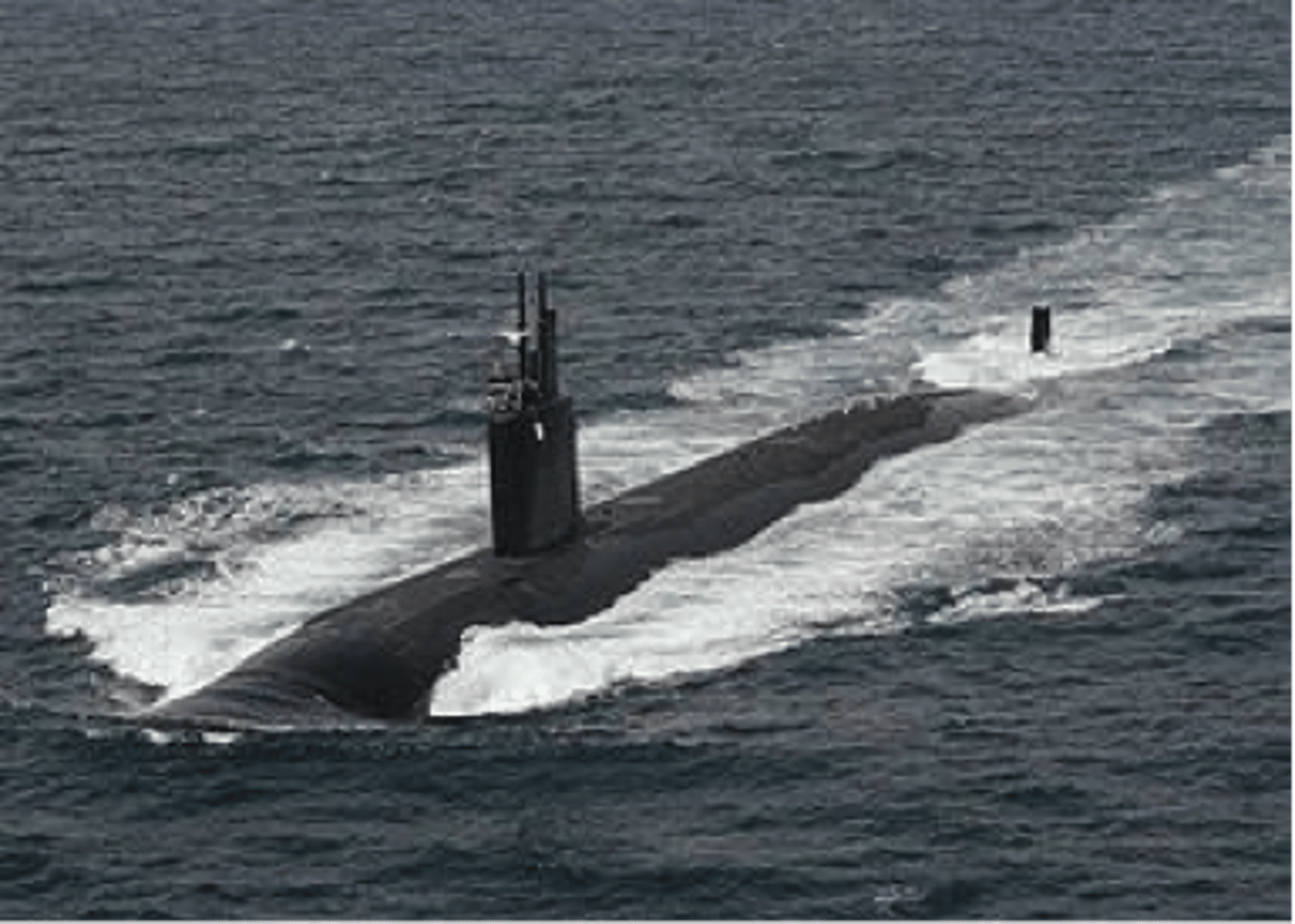
Platform: Los Angles Class SSN
Country: USA
Weapons: MK-48 heavy weight torpedo, TLAM, harpoon
Radar: BPS-15
Sonar: sphere array, hull array, TLTA, FLTA, sail receive array
Recognition of platform:
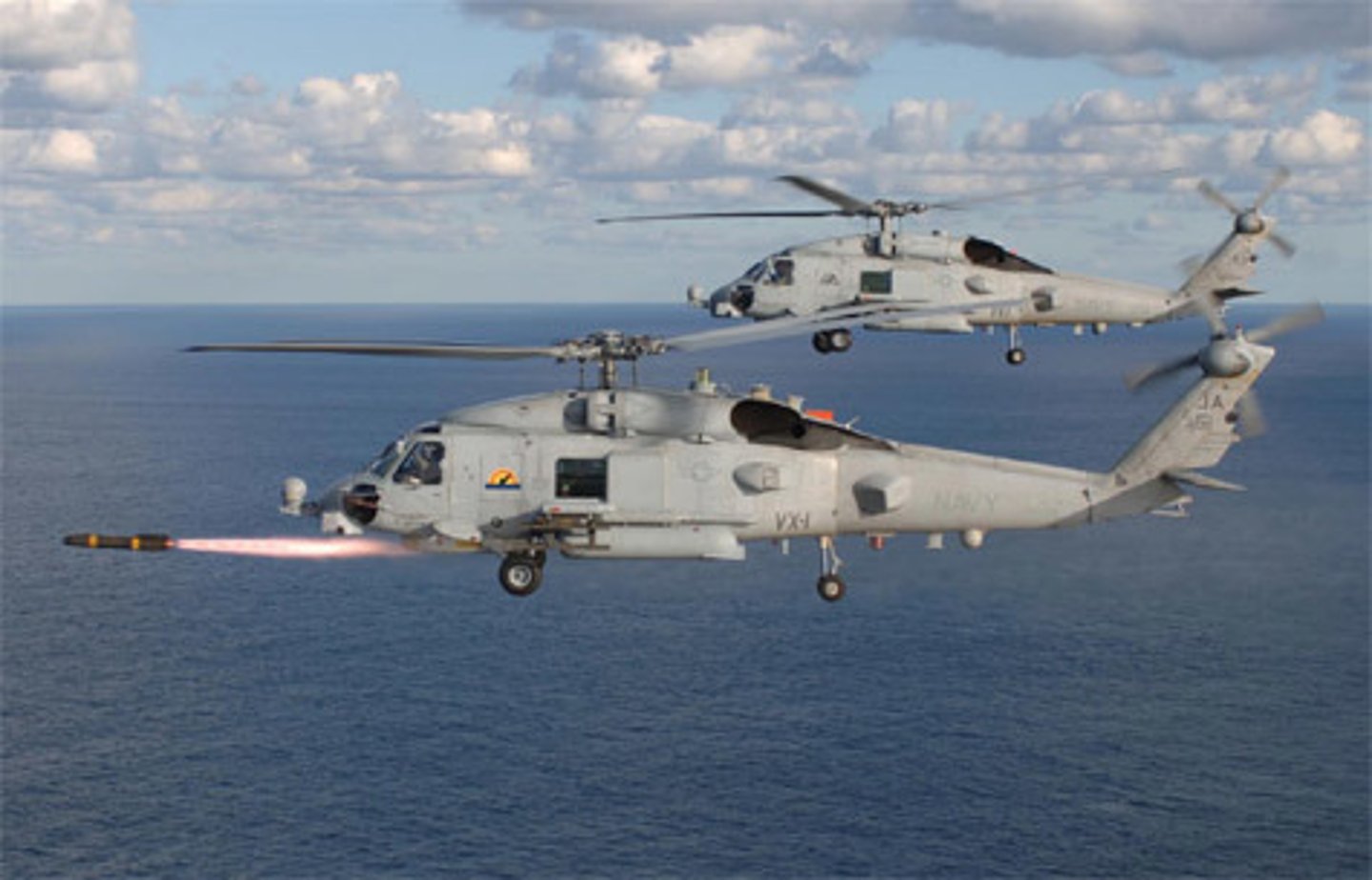
Platform: MH-60R
Country: USA
Weapons: hell fire missiles (air to surface), MK 46/50/54 (air dropped torpedoes
Radar: APS-153
Sonar: sonar buoy
Recognition of platform:
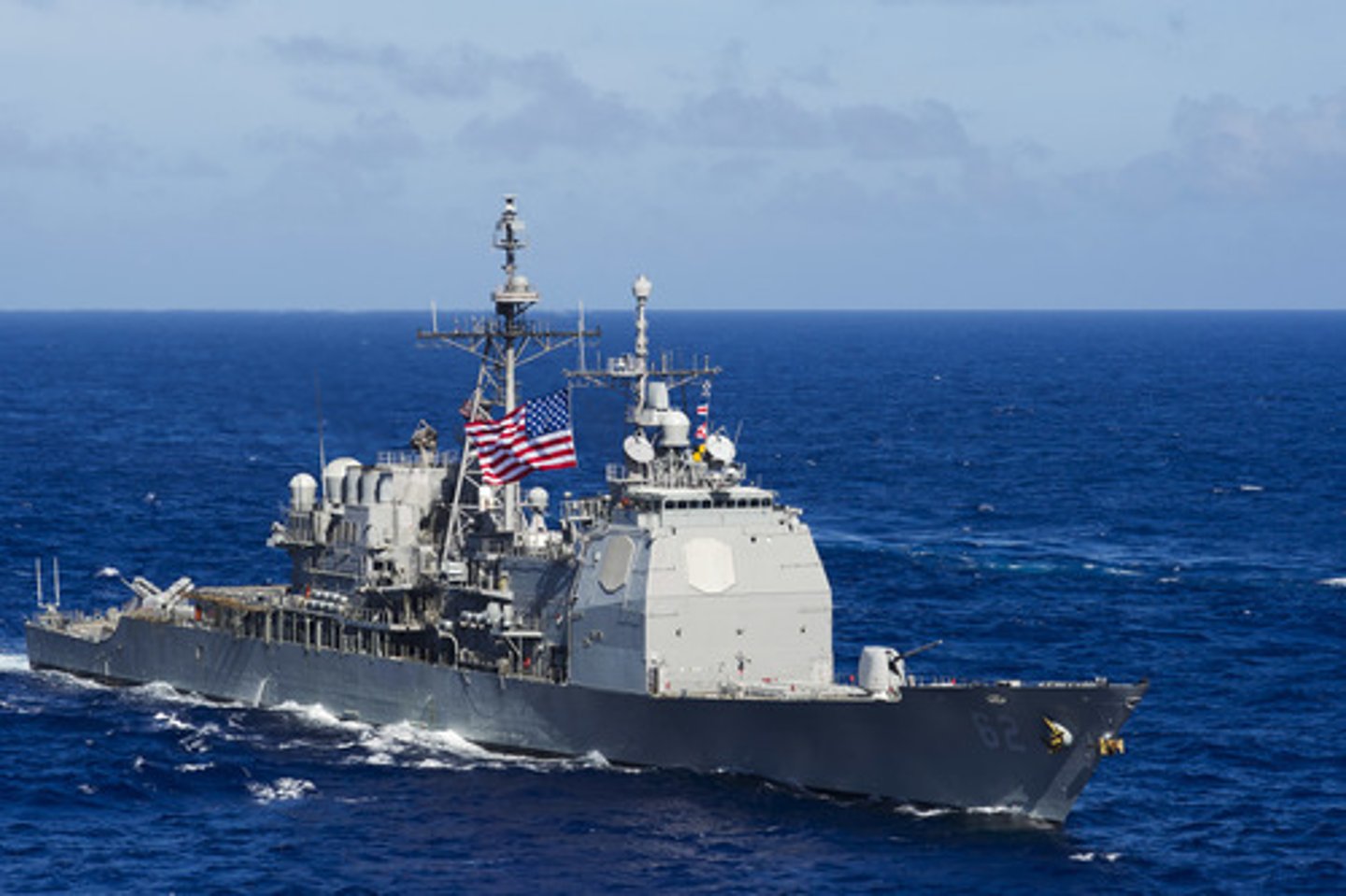
Platform: Ticonderoga Cruiser
Country: USA
Weapons: SM, harpoons, ASROC, TLAM, MK 32 (lightweight torpedoes
Radar: SPY-1
Sonar: MFTA, TTAS
Recognition of platform:
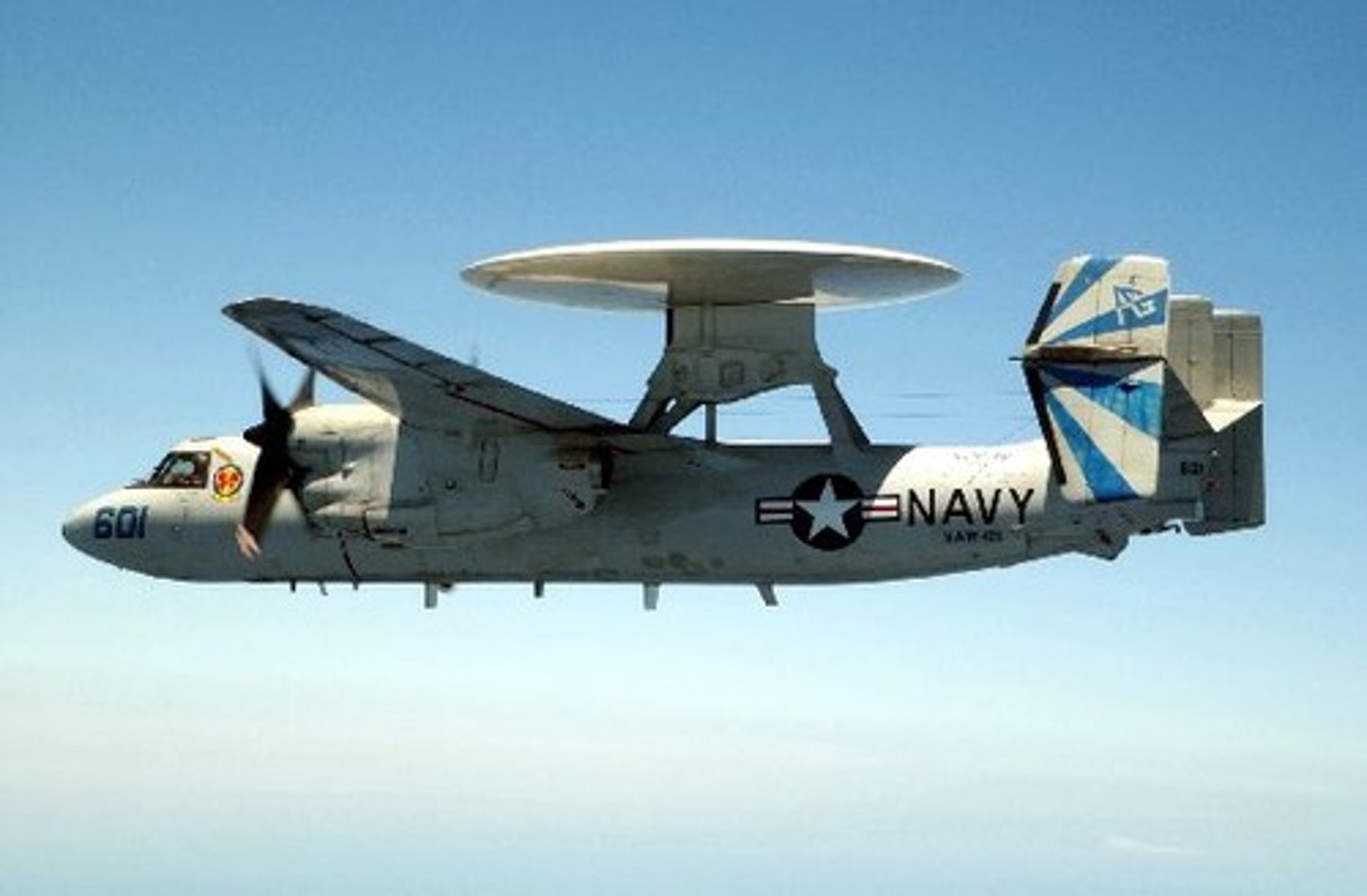
Platform: E-2 Hawkeye
Country: USA
Weapons: M9?
Radar: APY-9
Sonar: N/A
Recognition of platform:
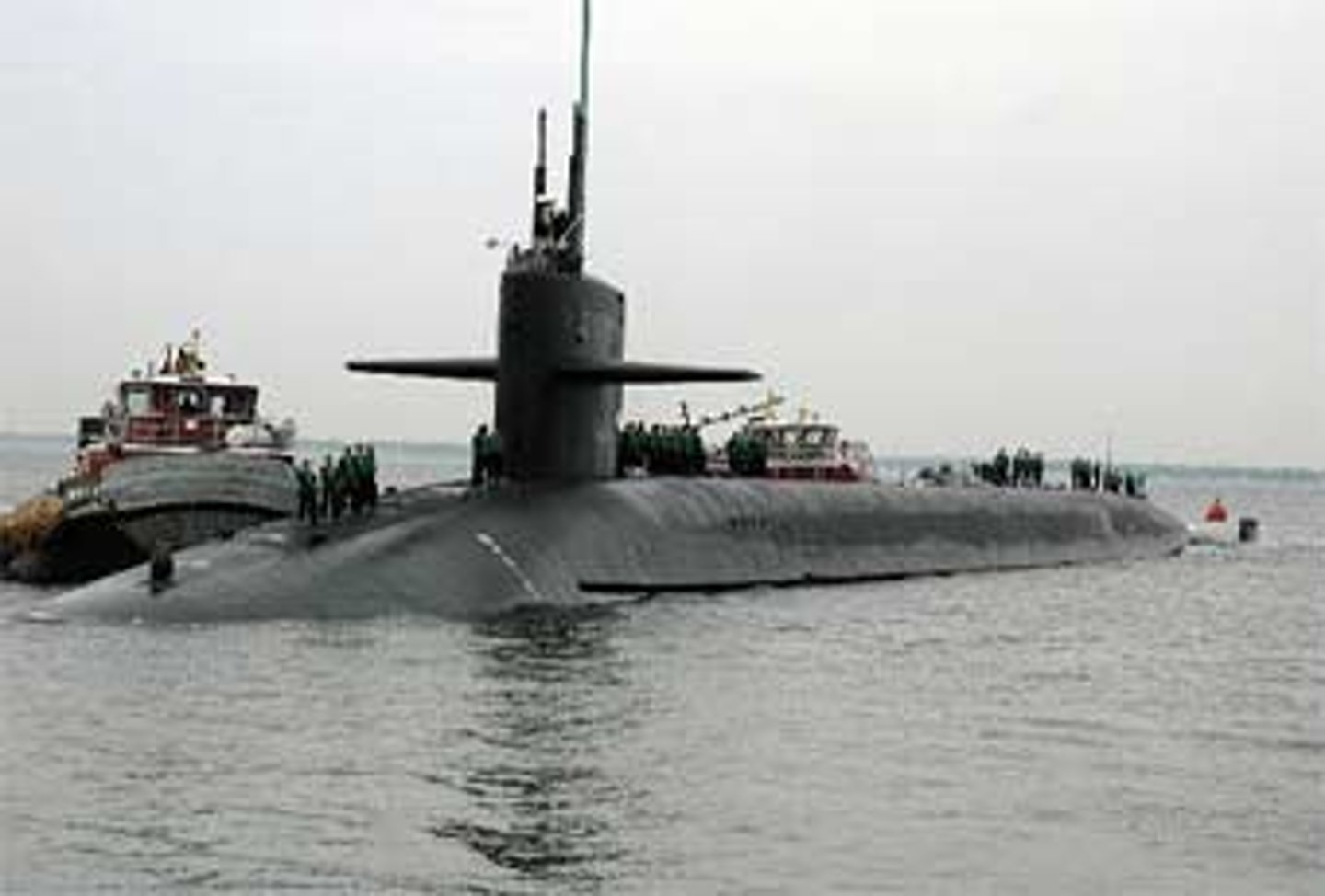
Platform: Ohio Class SSBN/SSGN
Country: USA
Weapons: Trident, TLAM, MK 48
Radar: BPS-15
Sonar: TLTA, FLTA
Recognition of platform:
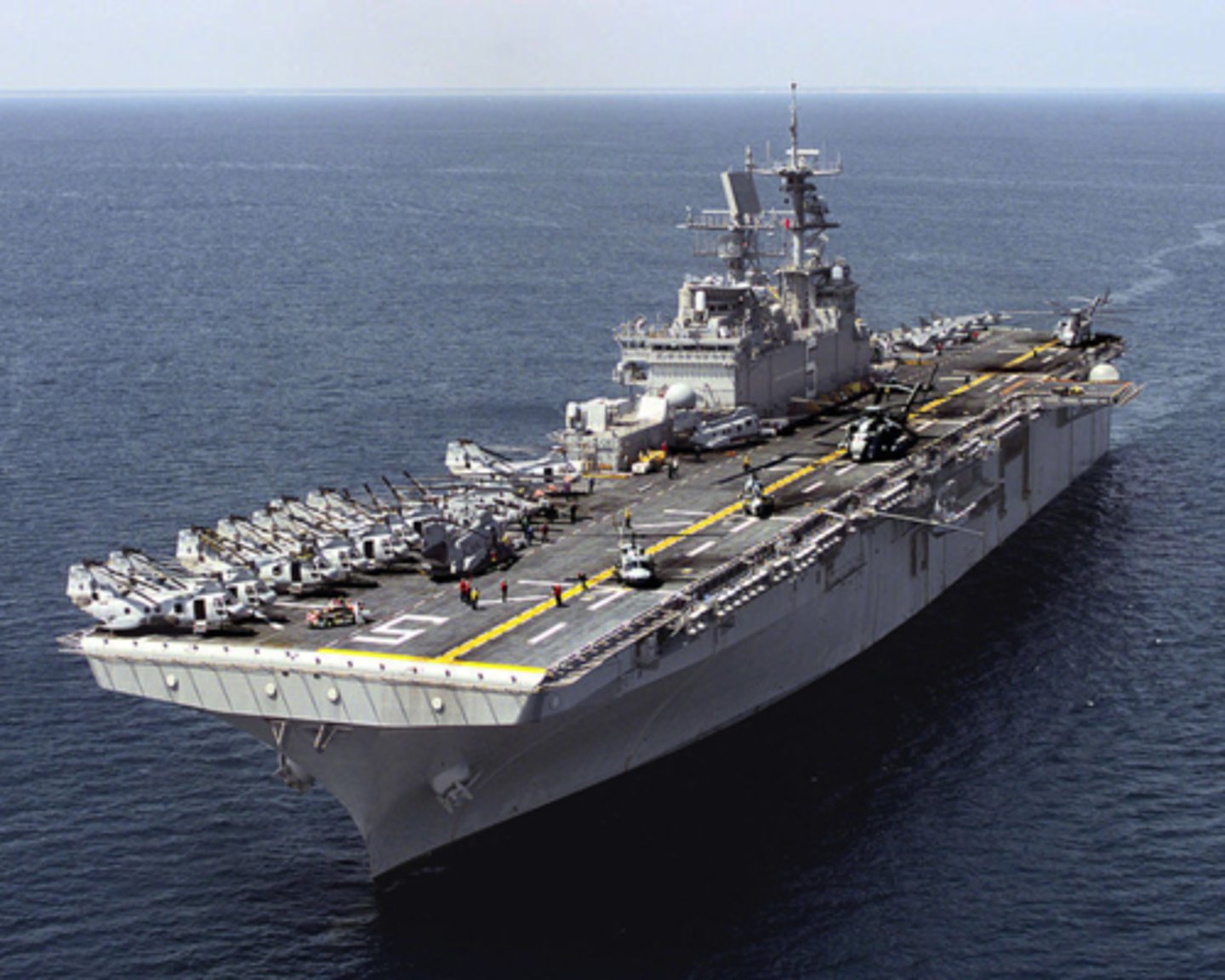
Platform: LHD (Wasp)
Country: USA
Weapons: sea sparrow, RIM-116 (RAM), aircraft, marines
Radar: AN/SPS-48
Sonar: N/A
Recognition of platform:
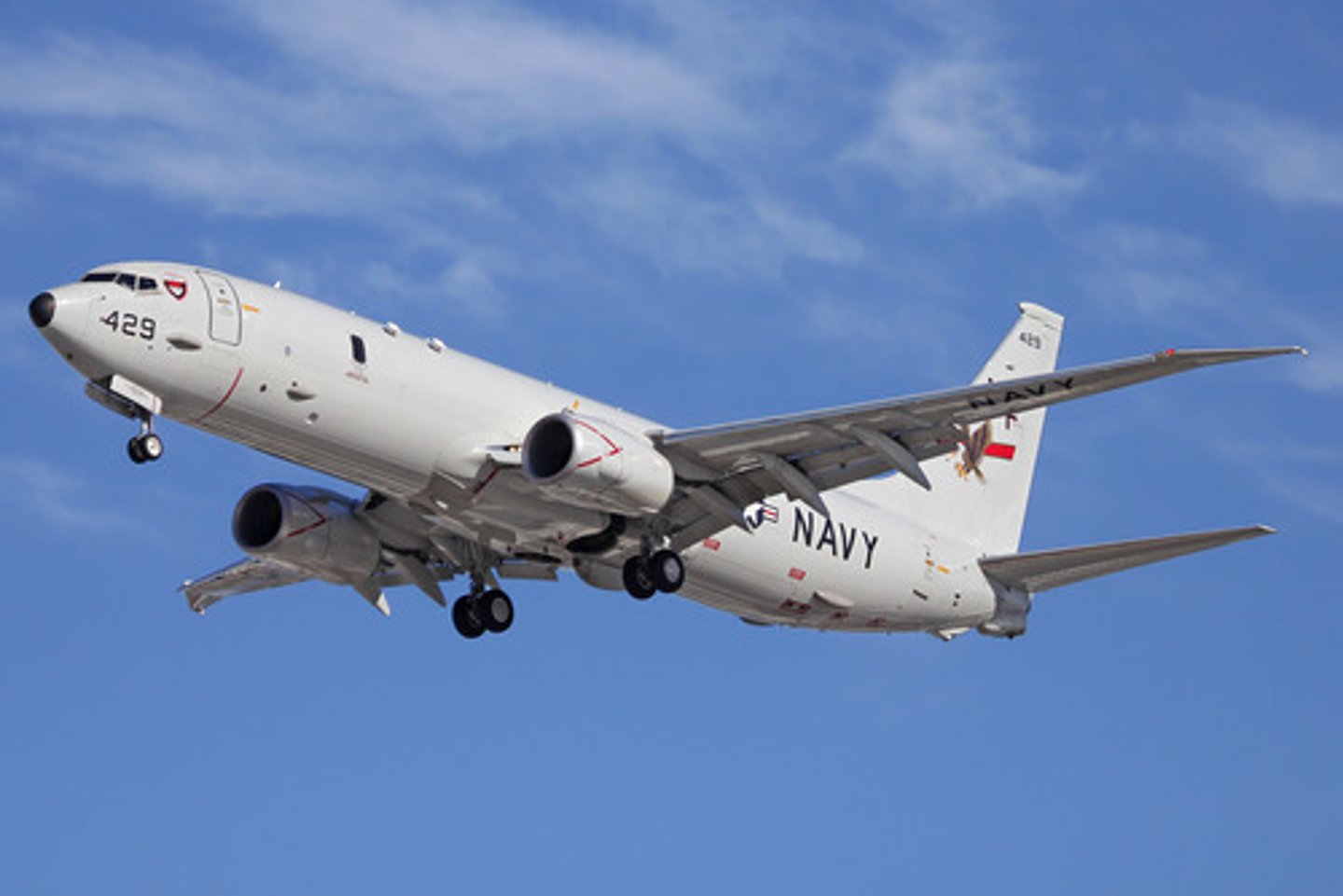
Platform: P-8 Poseidon
Country: USA
Weapons: harpoons, light weight torpedoes, HAARM
Radar: APY-10
Sonar: Buoys
Recognition of platform:
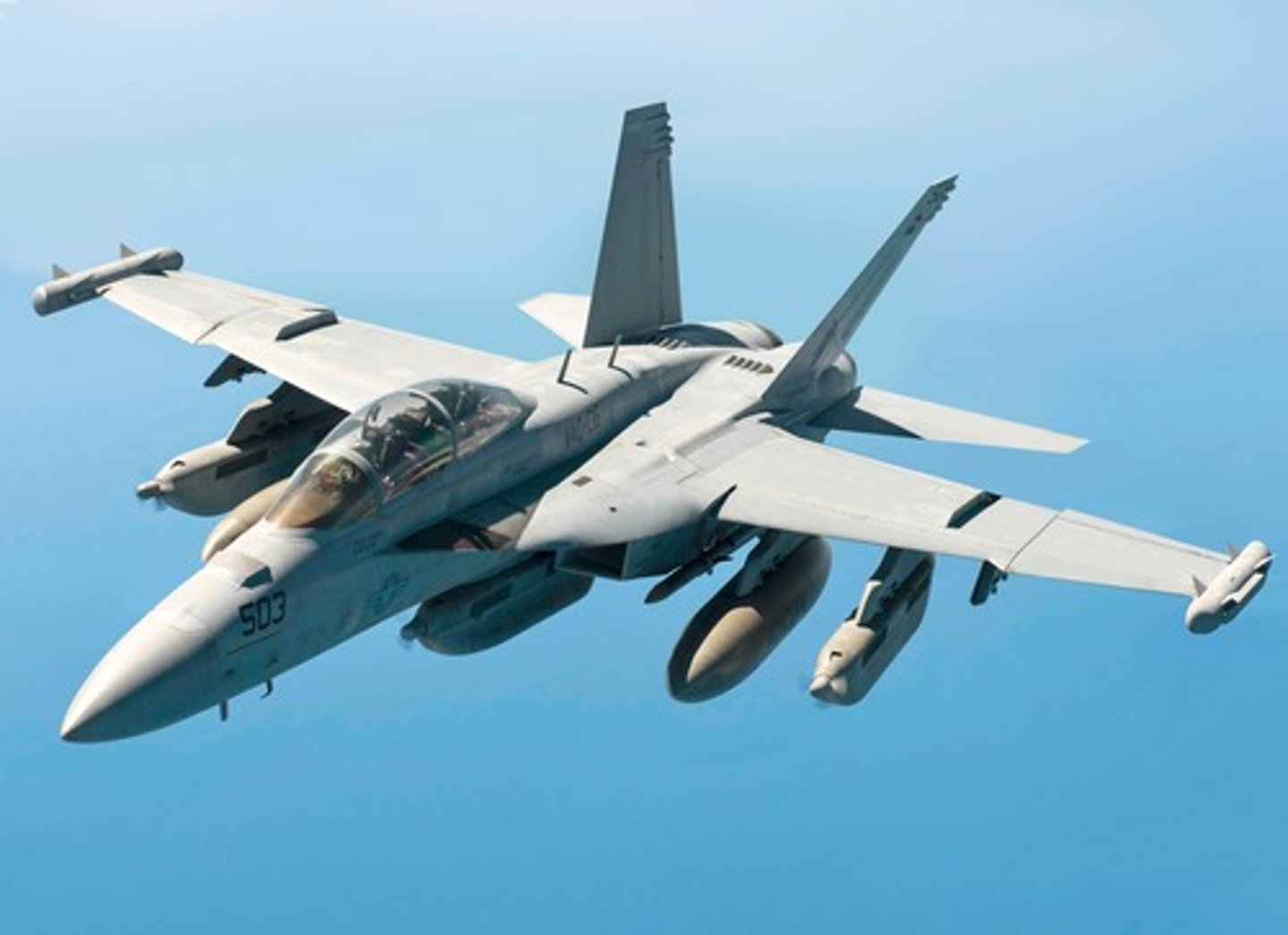
Platform: EA-18G Growler
Country: USA
Weapons: AGM-88 HARM, AIM-120 AMRAAM, AN/ALQ-99 High Band Jamming Pods, AN/ALQ-99 Low Band Jamming Pods
Radar: AN/APG-79 Active Electronically Scanned Area (AESA)
Sonar: N/A
Recognition of platform:
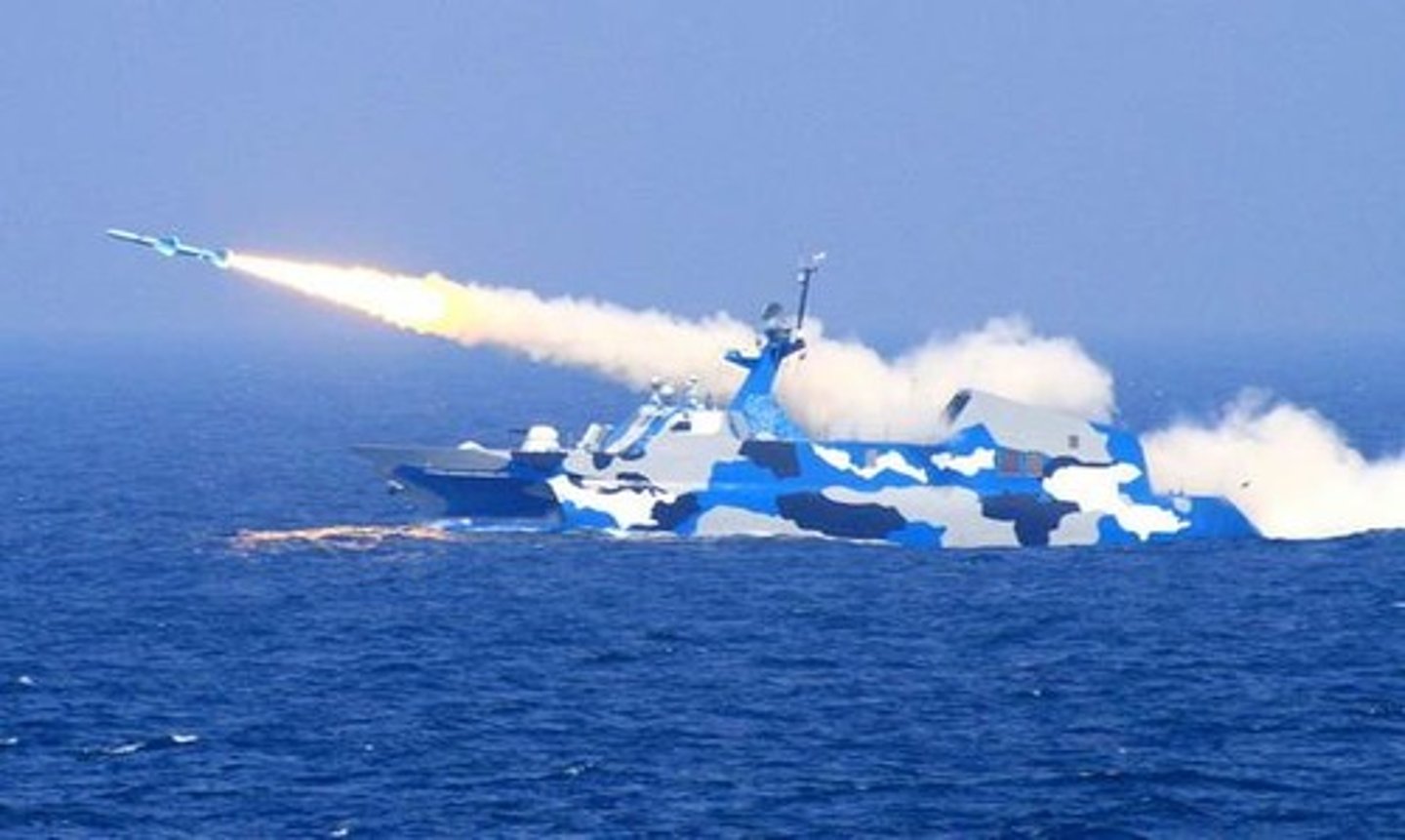
Platform: Houbei PRC
Country: China
Weapons: YJ-83 Anti-Ship missiles, MANPAD surface to air missiles
Radar:
Sonar:
Recognition of platform (i couldnt find a good picture on quizlet):
Still learning (2)
You've started learning these terms. Keep it up!