Midterm Final Slide Deck
 Call Kai
 Learn
Learn Practice Test
 Spaced Repetition
 Match
Match Flashcards
 Knowt Play
1/15

There's no tags or description
Looks like no tags are added yet.
Name | Mastery | Learn | Test | Matching | Spaced | Call with Kai |
|---|
No analytics yet
Send a link to your students to track their progress
16 Terms
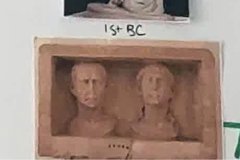
Libertini Couple
Where: Palazzo Altemps; funerary relief context
What: Tomb relief of Aulus Pinarius Anteros and Oppia Myrsine
When: Late 1st century BC
Why/function: Freed people claim dignity, status, and respectability after manumission
Who: Liberti, or freed servants
How/technique: Carved stone or marble relief; you know it by shallow relief, inscription, and individualized Mid-Italic faces
Importance phrase: Freedman portraiture turns social mobility into public memory
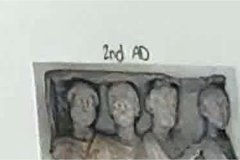
Libertini Family
Where: Palazzo Altemps; funerary relief context
What: Tomb relief of a freedmen family
When: 2nd century AD
Why/function: Preserves family memory and displays social mobility
Who: Freedmen and freedwomen
How/technique: Carved stone or marble relief; hairstyles, especially Flavian and Antoninian types, help date it
Importance phrase: Roman family identity becomes visible through faces, names, and hairstyle
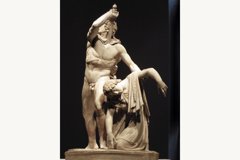
Suiciding Gaul
Where: Palazzo Altemps; Roman copy found in Rome; Greek original linked to Pergamon
What: Defeated Gaul kills himself while supporting his dead wife
When: mid 3rd century BC
Why/function: Celebrates Attalus’ defeat of the Galati while making the enemy noble and tragic
Who: Anonymous Galatian enemy; Pergamene royal victory context
How/technique: Roman marble copy after lost bronze; Hellenistic style appears through twisting body, pain, kairos, and viewer interaction
Importance phrase: Hellenistic art turns political victory into emotional drama
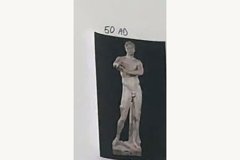
Hermes Loghios / Psychopompos
Where: Palazzo Altemps
What: Hermes Loghios, possibly Hermes Psychopompos, carrier of souls
When: 2nd century AD Roman copy; Greek model likely 5th century BC
Why/function: Roman elite collection and restoration of a Classical Greek model
Who: Hermes; model probably associated with Phidias in professor notes
How/technique: Marble Roman copy after a bronze model; identify it by stone surface, petasus hat, cloak, and balanced stance
Importance phrase: Shows Roman taste for Greek Classical calm adapted to Roman meaning
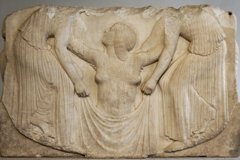
Ludovisi Throne
Where: Palazzo Altemps; possible link to Locri sanctuary of Venus and later Horti Sallustiani
What: Three-panel marble relief, probably sacred furniture; central scene often read as Aphrodite born from the sea
When: Mid 5th century BC
Why/function: Sacred function is uncertain, but it entered Roman elite collecting and memory
Who: Aphrodite or Venus with attendants; side panels show flute player and incense burner
How/technique: Marble low relief; identify by carved panels, shallow relief, drapery folds, and stone surface
Importance phrase: A Greek sacred object becomes part of Roman elite cultural prestige
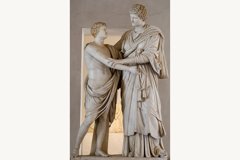
Orestes and Electra
Where: Palazzo Altemps; Horti Sallustiani collecting context
What: Mythological group of Orestes and Electra, also called the Ludovisi Group
When: 1st century BC & AD
Why/function: Greek myth becomes Roman collection art and a model for farewell or funerary emotion
Who: Orestes and Electra; signed by Menelaos
How/technique: Carved marble sculpture in the round; identify by white stone, drapery carving, and Greek myth subject
Importance phrase: Greek myth gives Roman viewers an emotional language for loss and memory
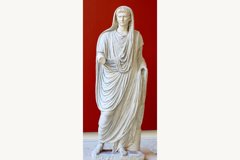
Augustus from Via Labicana
Where: Found near Via Labicana in Rome; now Palazzo Massimo
What: Augustus as Pontifex Maximus, shown in religious ritual
When: After 12 BC
Why/function: Presents Augustus as pious religious leader, not only political ruler
Who: Augustus, first princeps and chief priest
How/technique: Marble statue; veiled head, or capite velato, signals priestly ritual identity
Importance phrase: Augustus makes imperial power look sacred, calm, and legitimate
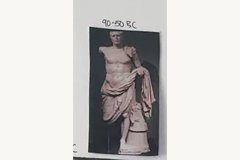
General from Tivoli
Where: Found at Tivoli; now Palazzo Massimo
What: Portrait statue of an unknown Roman general or elite man
When: late republic era
Why/function: Displays late Republican military authority and elite status
Who: Unknown Roman commander or high-status male
How/technique: Marble statue; identify by veristic Roman head plus ideal Greek heroic nude body
Importance phrase: Roman eclecticism fuses realistic authority with Greek heroic idealism
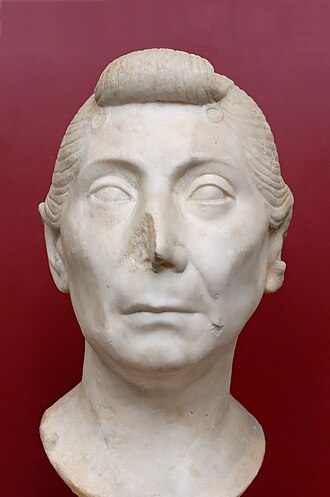
Old Woman
Where: Found in Palombara Sabina, località Colle Fagiano, near Rome
Where now: National Roman Museum, Palazzo Massimo alle Terme, Rome
What: Portrait bust/head of an elderly Roman woman
When: Late 1st century BCE, during the late Republic to early Augustan period
Who: Unknown Roman woman, possibly middle-class or local elite/commoner
Why: Likely a funerary portrait, made to preserve her memory and social identity after death
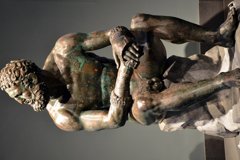
Boxer at Rest
Where: Found on the Quirinal Hill in Rome in 1885; now Palazzo Massimo
What: Seated boxer resting after a fight, still wearing leather hand-wraps
When: Hellenistic Greek bronze, usually dated late 4th to 2nd century BC
Why/function: Shows pain, exhaustion, realism, and psychological intensity rather than ideal victory
Who: Unknown boxer; not securely identified
How/technique: Hollow-cast bronze made by indirect lost-wax method; red copper inlays mark wounds and blood
Importance phrase: The athletic body becomes a record of human suffering
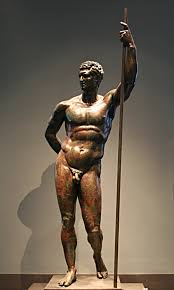
Hellenistic Prince
Where: Found on the Quirinal Hill in Rome; now Palazzo Massimo
What: Bronze statue of a young elite male, called the Hellenistic Prince
When: 2nd century BC
Why/function: Projects charisma, status, and idealized power through the athletic body
Who: Unknown; possibly ruler, prince, victorious general, or elite figure
How/technique: Bronze sculpture; identify by dark metal surface, muscular modeling, and lack of marble support struts
Importance phrase: Hellenistic bronze makes political charisma physical
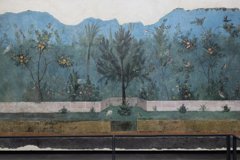
Villa of Livia Garden Paintings / Fresco Technique
Where: Villa of Livia at Prima Porta; now reconstructed in Palazzo Massimo
What: Painted garden frescoes from Livia’s triclinium, or dining room
When: About 30 to 20 BC, Augustan period
Why/function: Turns an interior dining room into an illusionistic garden of abundance
Who: Livia, wife of Augustus; anonymous Roman painters
How/technique: Fresco on plaster; pigment applied to wet plaster, with some details likely finished dry
Importance phrase: Domestic decoration becomes Augustan imagery of fertility, luxury, and order
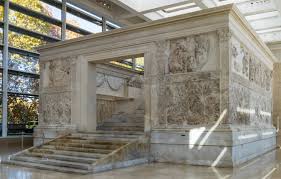
Ara Pacis
Where: Campus Martius, Rome; now Ara Pacis Museum
What: Altar to Augustan Peace with mythic, dynastic, and processional reliefs
When: Commissioned 13 BC; inaugurated 9 BC
Why/function: Presents peace as the result of Augustus’ rule
Who: Augustus, Roman Senate, imperial family, priests, Aeneas, Mars, Roma, Tellus
How/technique: Carved marble relief enclosure, originally painted and likely enhanced with color
Importance phrase: Augustan propaganda turns political order into sacred visual language
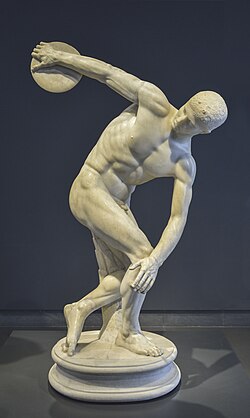
Discobolus
Where: Palazzo Massimo has major Roman copies, including the Lancellotti type
What: Discus thrower, Roman copy after Myron’s Greek bronze
When: Greek original, mid 5th century BC; Roman marble copy later
Why/function: Shows Classical control: athletic movement without emotional crisis
Who: Myron, Greek sculptor; Roman copyist unknown
How/technique: Marble copy after bronze; marble support struts help stabilize a pose originally designed in bronze
Importance phrase: Classical art freezes motion while keeping the body ordered and ideal
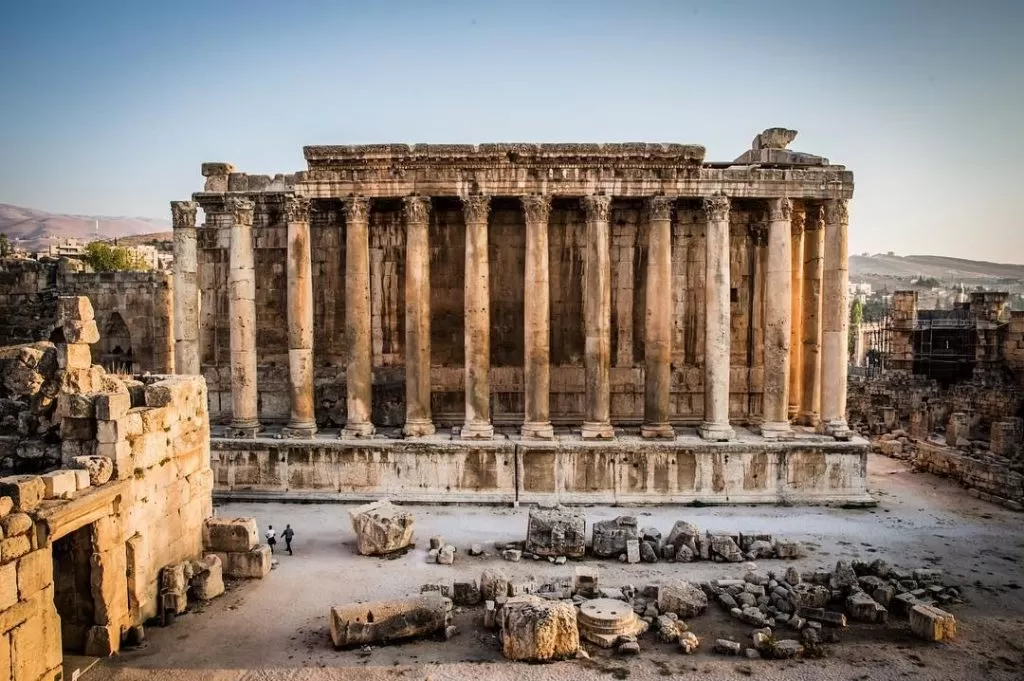
Temple of Jupiter
Where: Capitoline Hill, Rome
What: Major temple to Jupiter, Juno, and Minerva
When: Inaugurated in 509 BC; tied to the transition from Monarchy to Republic
Why/function: Religious and political center of early Rome
Who: Built under the Tarquin kings; dedicated to the Capitoline triad
How/technique: Tuscanic/Etruscan-influenced temple type; high podium, frontal staircase, deep porch, terracotta decoration
Importance phrase: The Temple of Jupiter turns Etruscan influence into a Roman political and religious identity
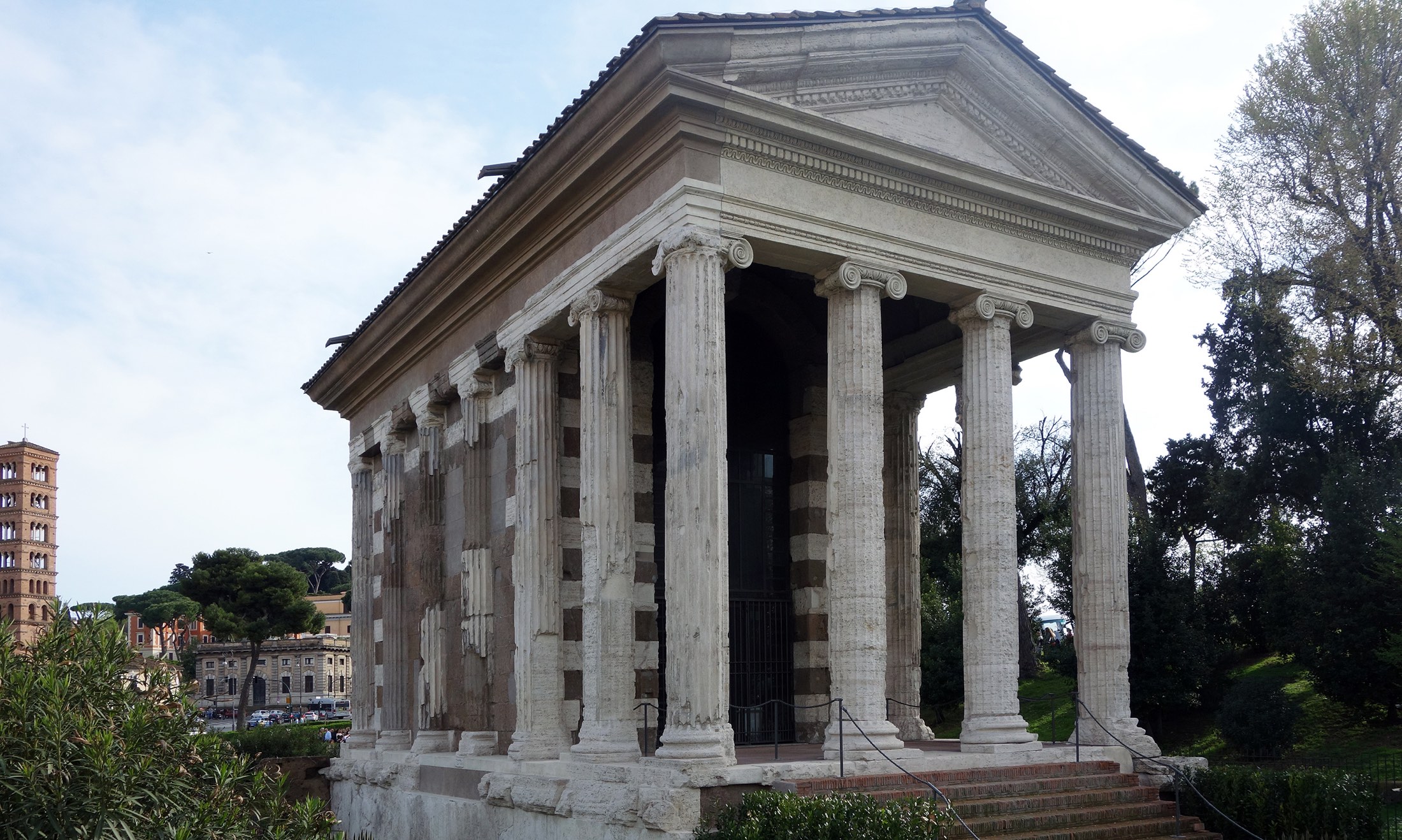
Temple of Portunus
Where: Near the Tiber, Forum Boarium area, Rome
What: Republican temple dedicated to Portunus, god of harbors, doors, and river transport
When: Late Republic, commonly dated around 120 to 80 BC or c. 75 BC
Why/function: Connects religion, river trade, transport, and city geography
Who: Dedicated to Portunus; artist/architect unknown
How/technique: Roman temple with Greek Ionic details; pseudoperipteral plan, free-standing columns in front, engaged columns on sides; built with travertine, tufa, and stucco
Importance phrase: The Temple of Portunus shows how Roman architecture absorbs Greek forms for practical urban and religious use