Key Figures of the Contemporary Era: Important Personalities and Their Contributions
 Call Kai
 Learn
Learn Practice Test
 Spaced Repetition
 Match
Match Flashcards
 Knowt Play
1/19

There's no tags or description
Looks like no tags are added yet.
Name | Mastery | Learn | Test | Matching | Spaced | Call with Kai |
|---|
No analytics yet
Send a link to your students to track their progress
20 Terms
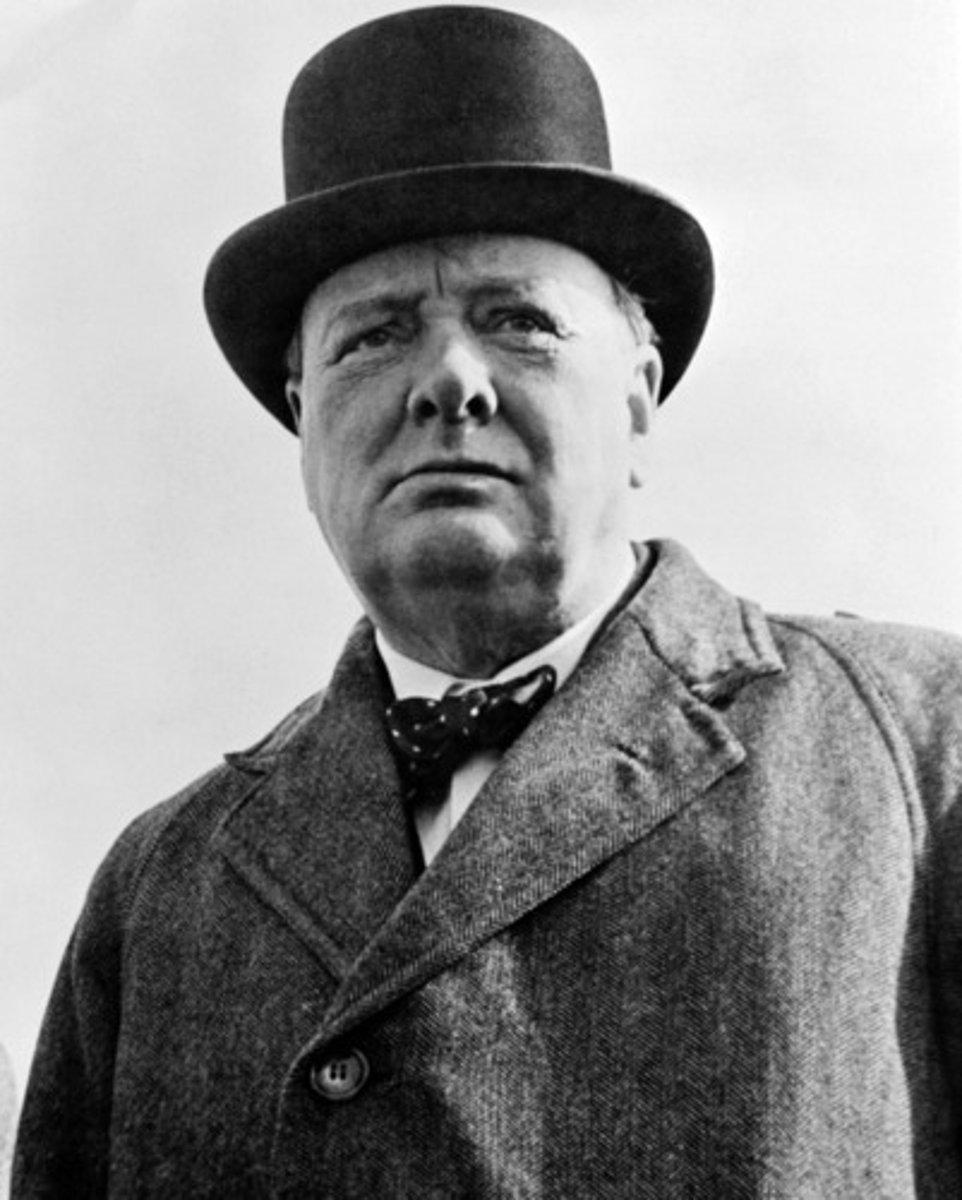
Ataturk, Mustafa Kemal
Founder and first president of the Republic of Turkey (1881-1938); as military commander and leader of the Turkish national movement, he made Turkey into a secular state.
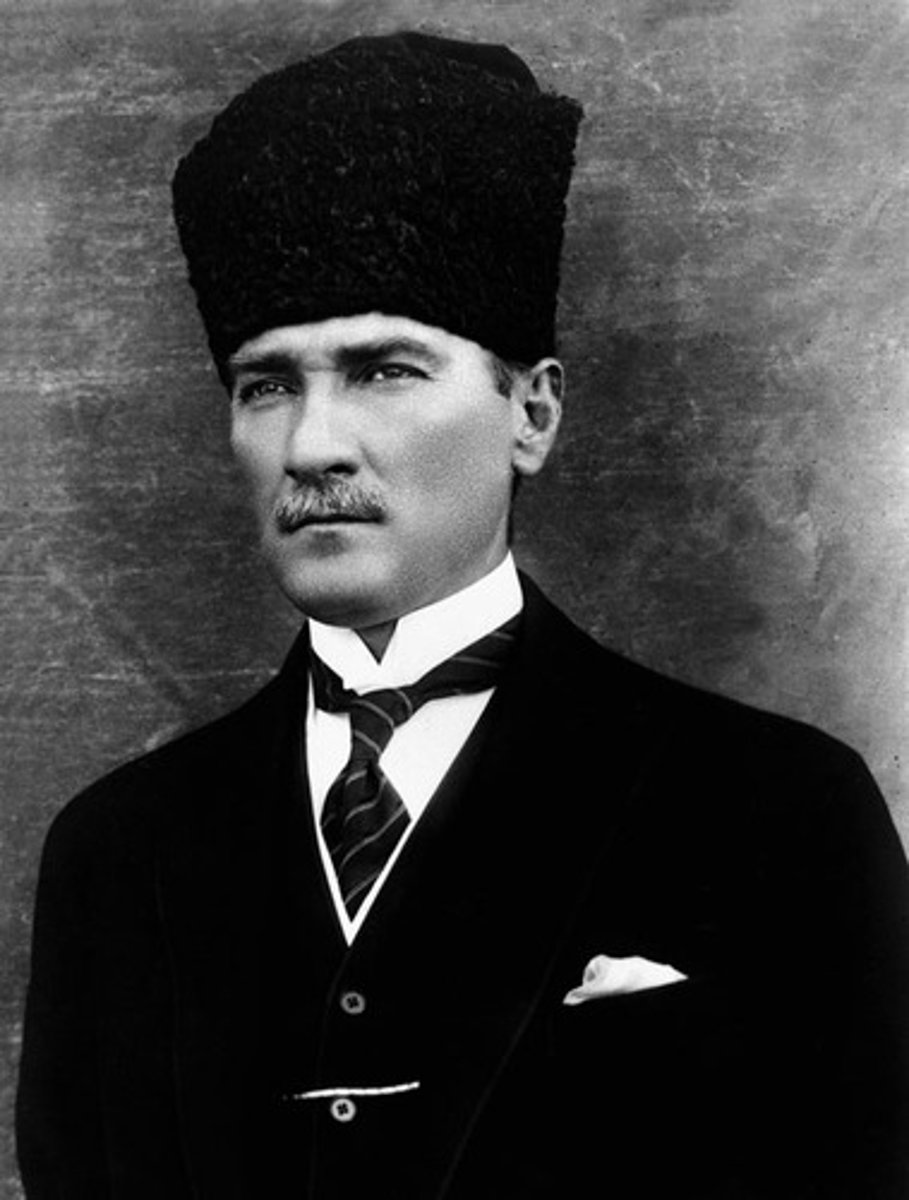
Deng Xiaoping
Communist Party leader who forced Chinese economic reforms after the death of Mao Zedong.
Francisco Franco
Fascist leader of the Spanish revolution, helped by Hitler and Mussolini
Franklin D. Roosevelt
President of the US during Great Depression and World War II
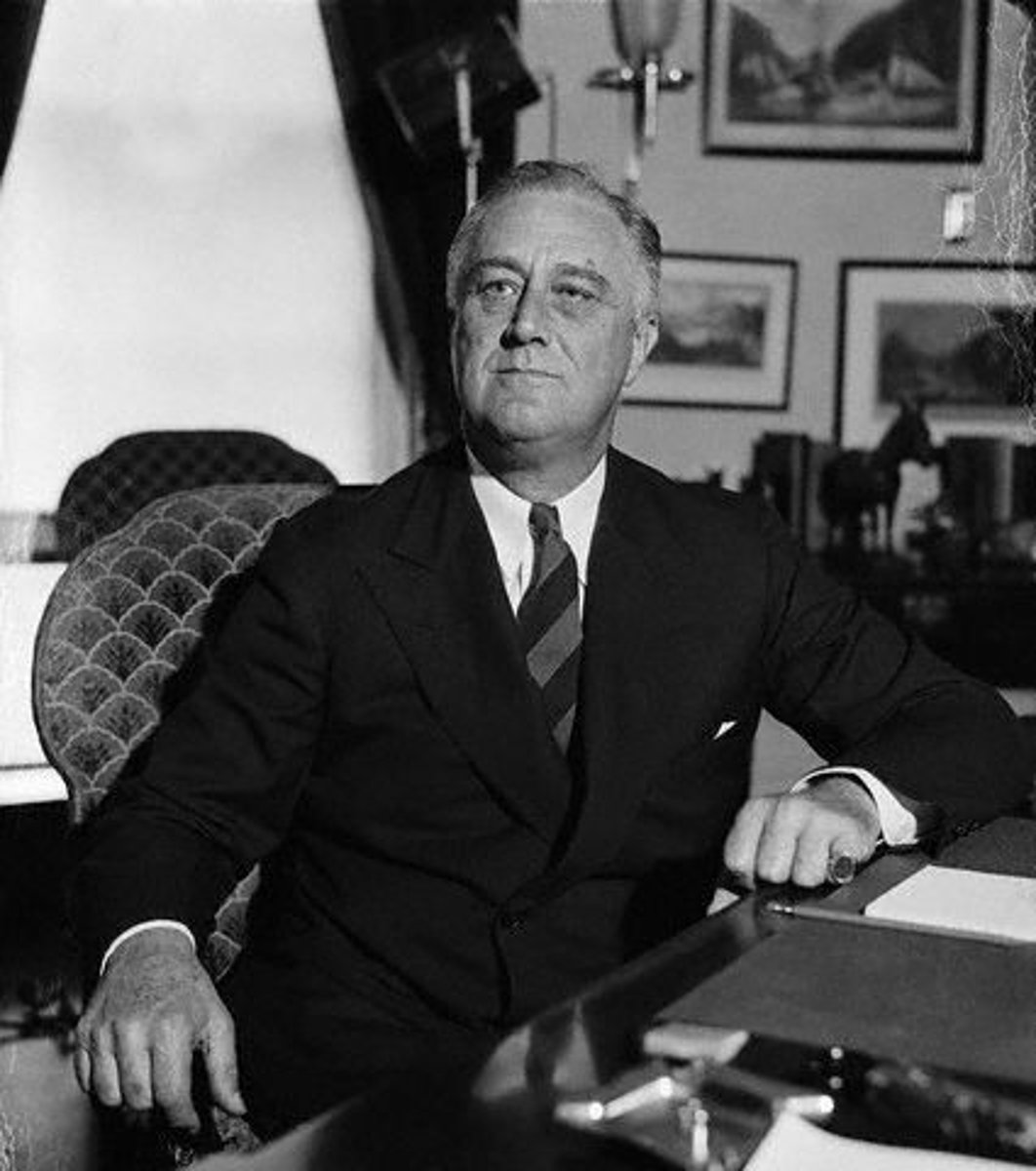
Gamal Abdel Nasser
He led the coup which toppled the monarchy of King Farouk and started a new period of modernization and socialist reform in Egypt
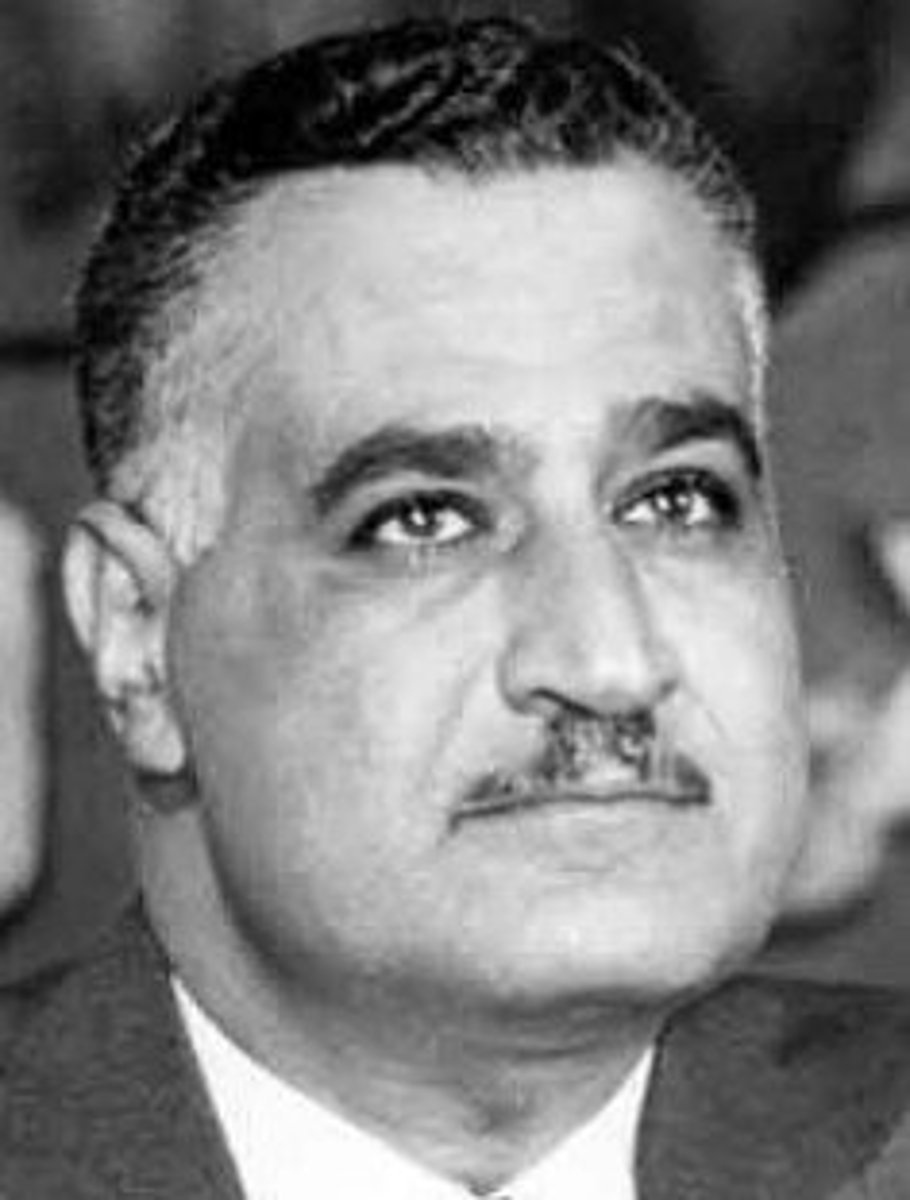
Adolf Hitler
Austrian born Dictator of Germany, implement Fascism and caused WWII and Holocaust.
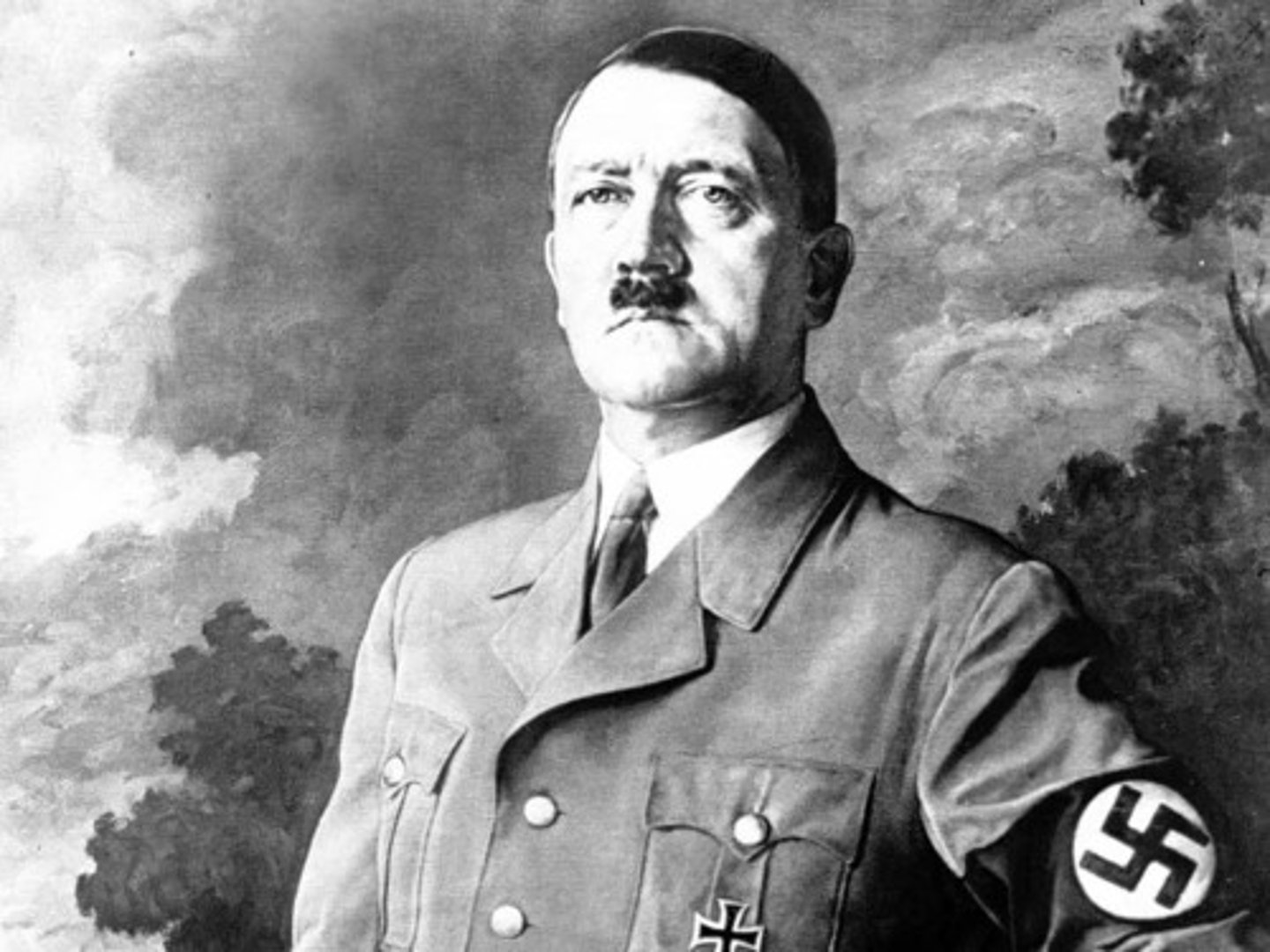
Ho Chi Minh
Vietnamese communist statesman who fought the Japanese in World War II and the French until 1954 and South vietnam until 1975 (1890-1969)
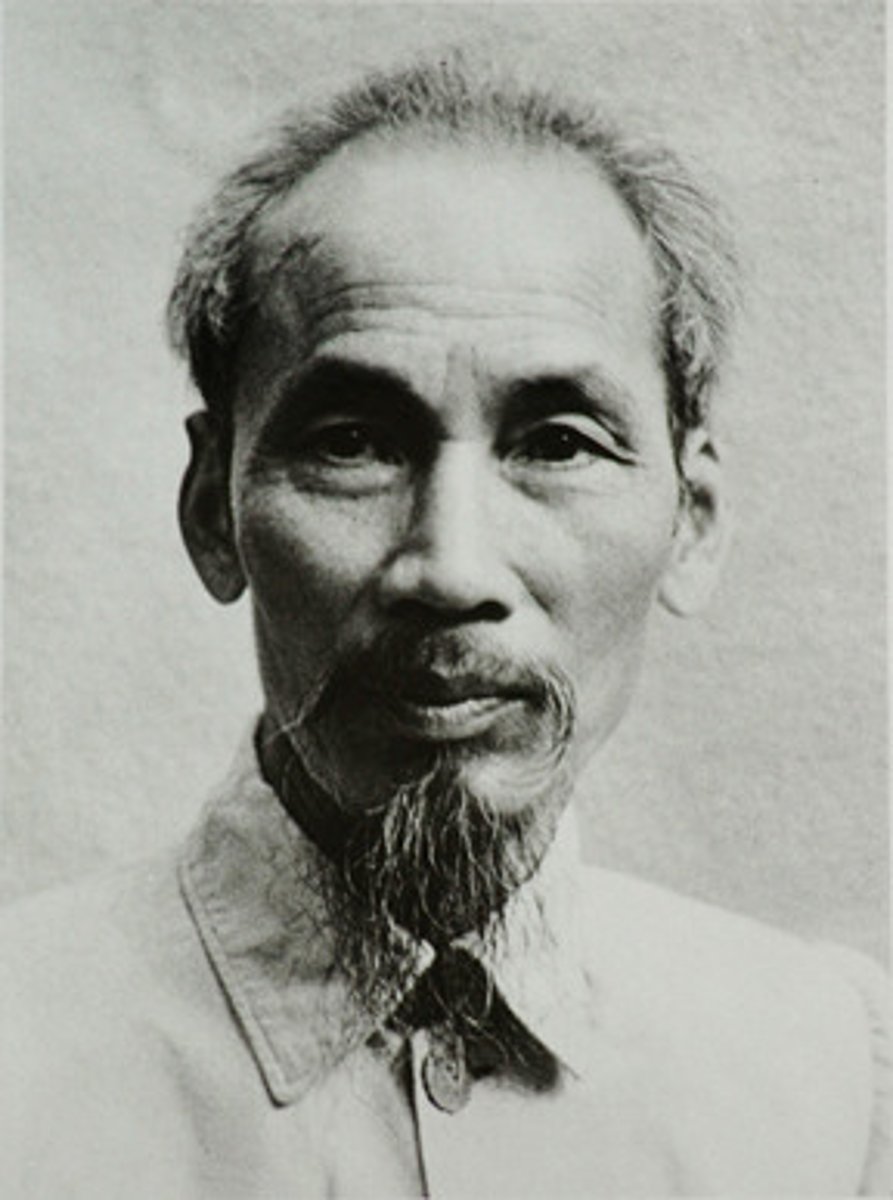
Indira Gandhi
Daughter of Jawaharlal Nehru, India's first prime minister. She was also prime minister of India from 1966 to 1977.
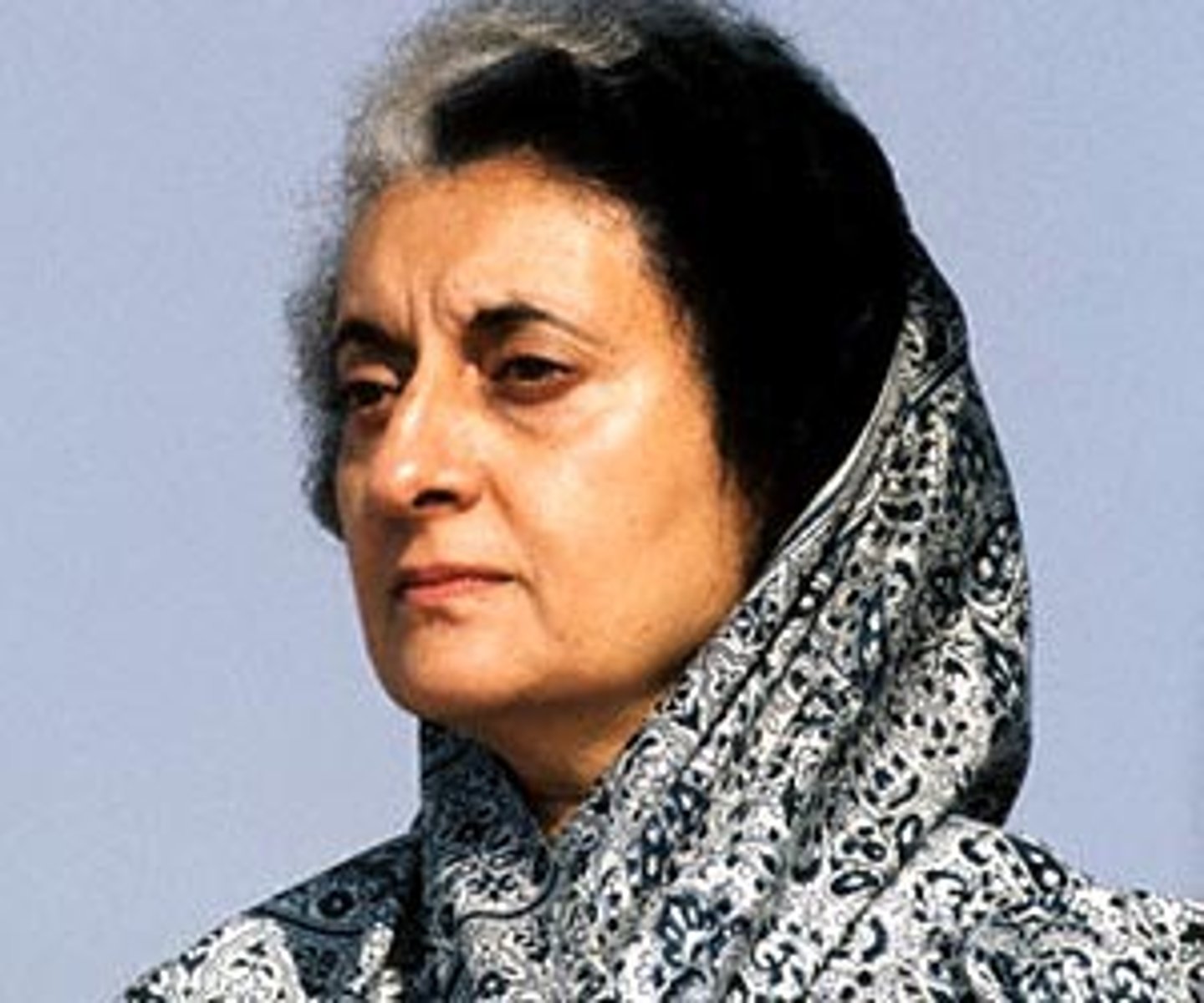
Josef Stalin (1929-1953)
-Soviet Union Communist leader
-collectivization of agriculture
-5 year plans - heavy industry
-eliminates opposition - Great Purges
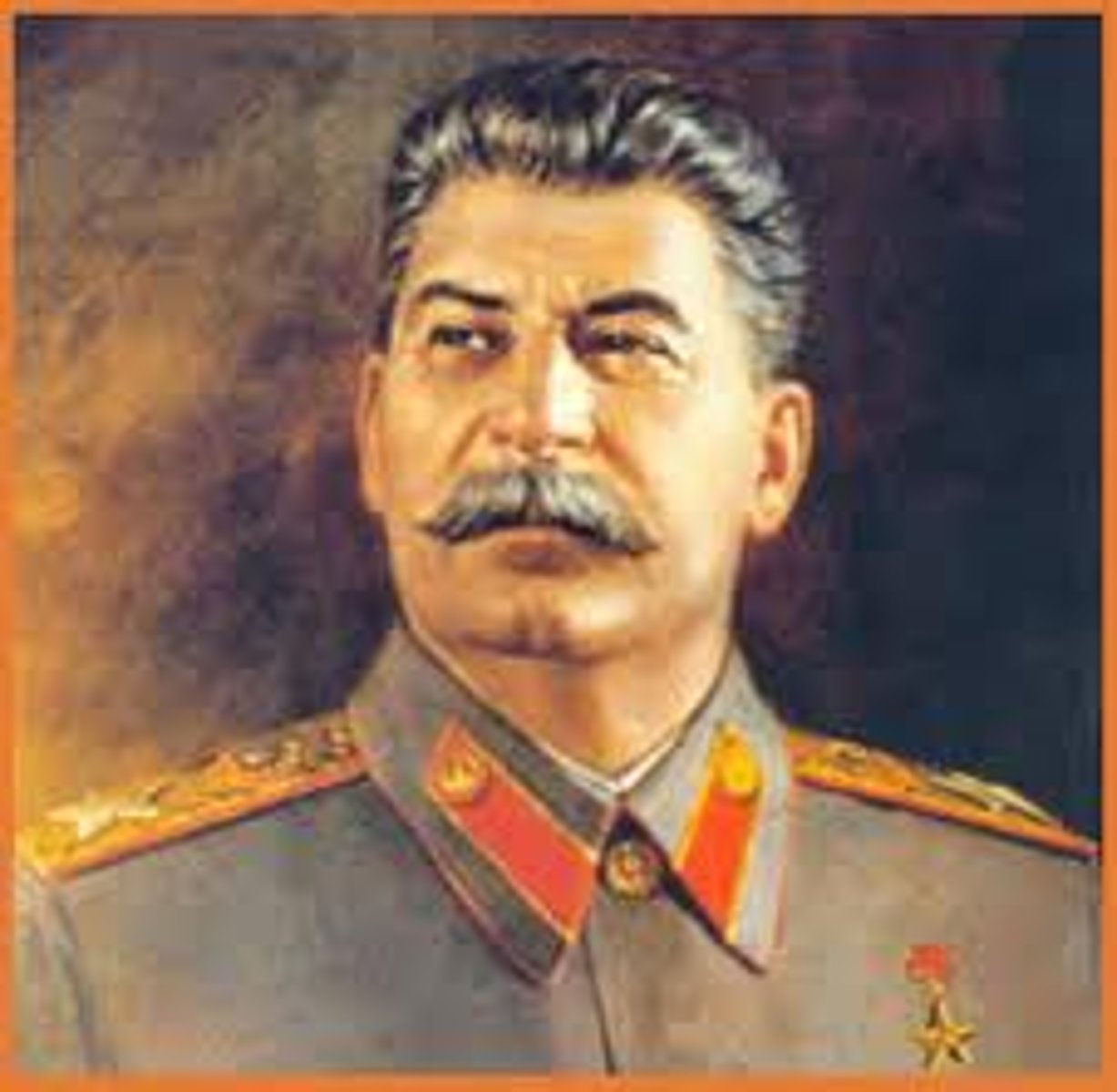
Kwame Nkrumah
founder of Ghana's independence movement and Ghana's first priesident
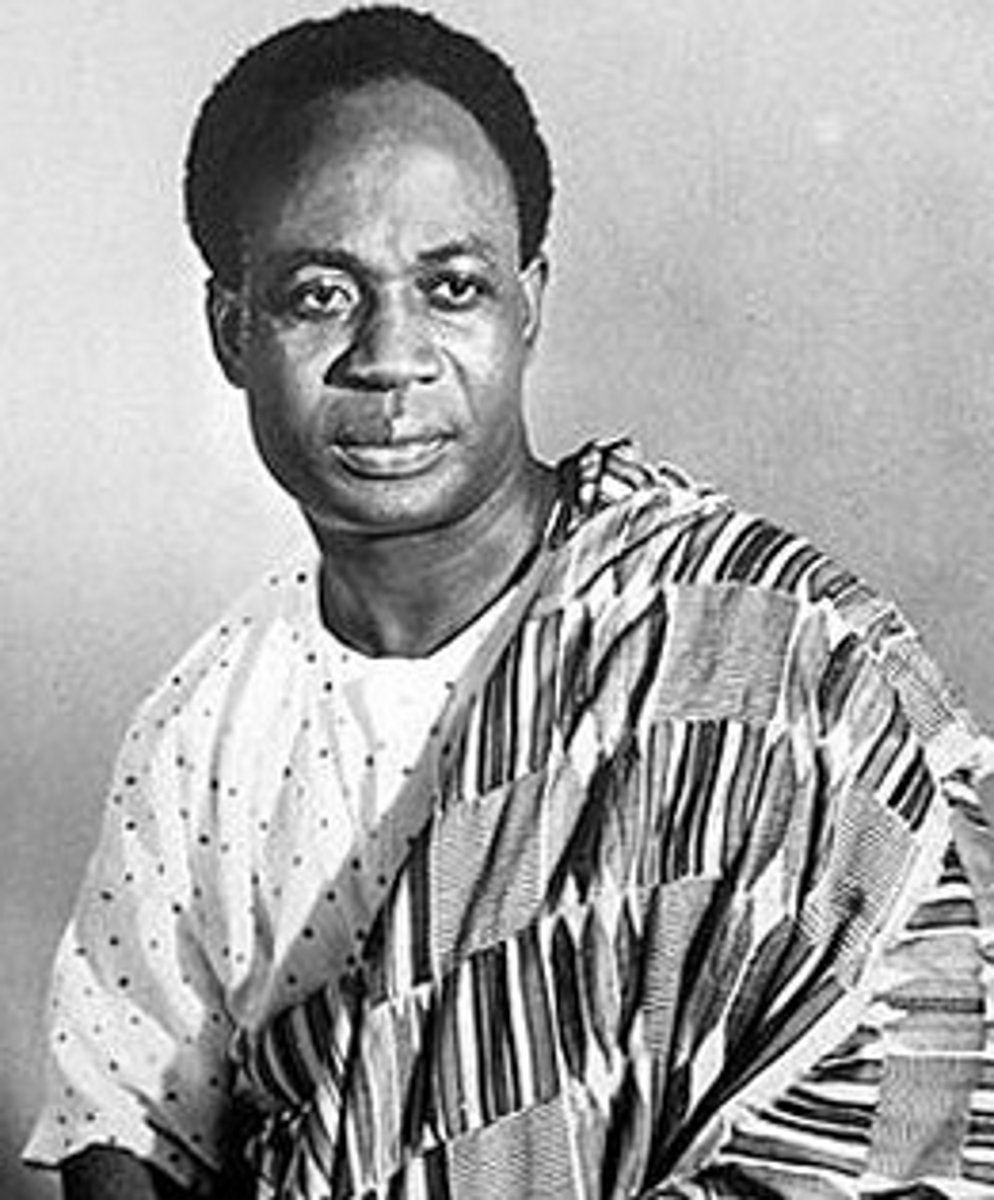
Mao Zedong
(1893-1976) Leader of the Communist Party in China that overthrew Jiang Jieshi and the Nationalists. Established China as the People's Republic of China and ruled from 1949 until 1976.
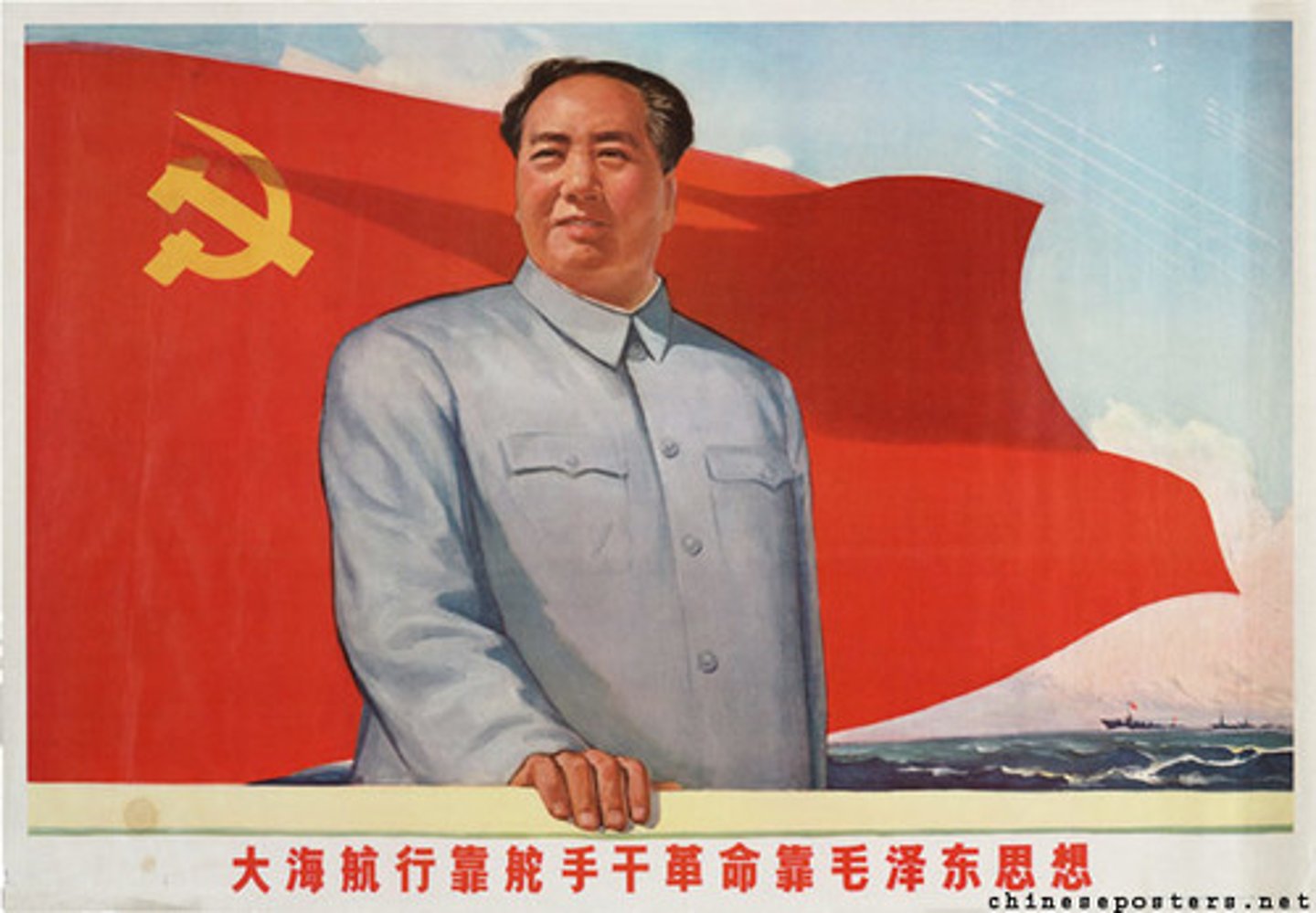
Martin Luther King Jr.
U.S. Baptist minister and civil rights leader. A noted orator, he opposed discrimination against blacks by organizing nonviolent resistance and peaceful mass demonstrations. He was assassinated in Memphis, Tennessee. Nobel Peace Prize (1964)
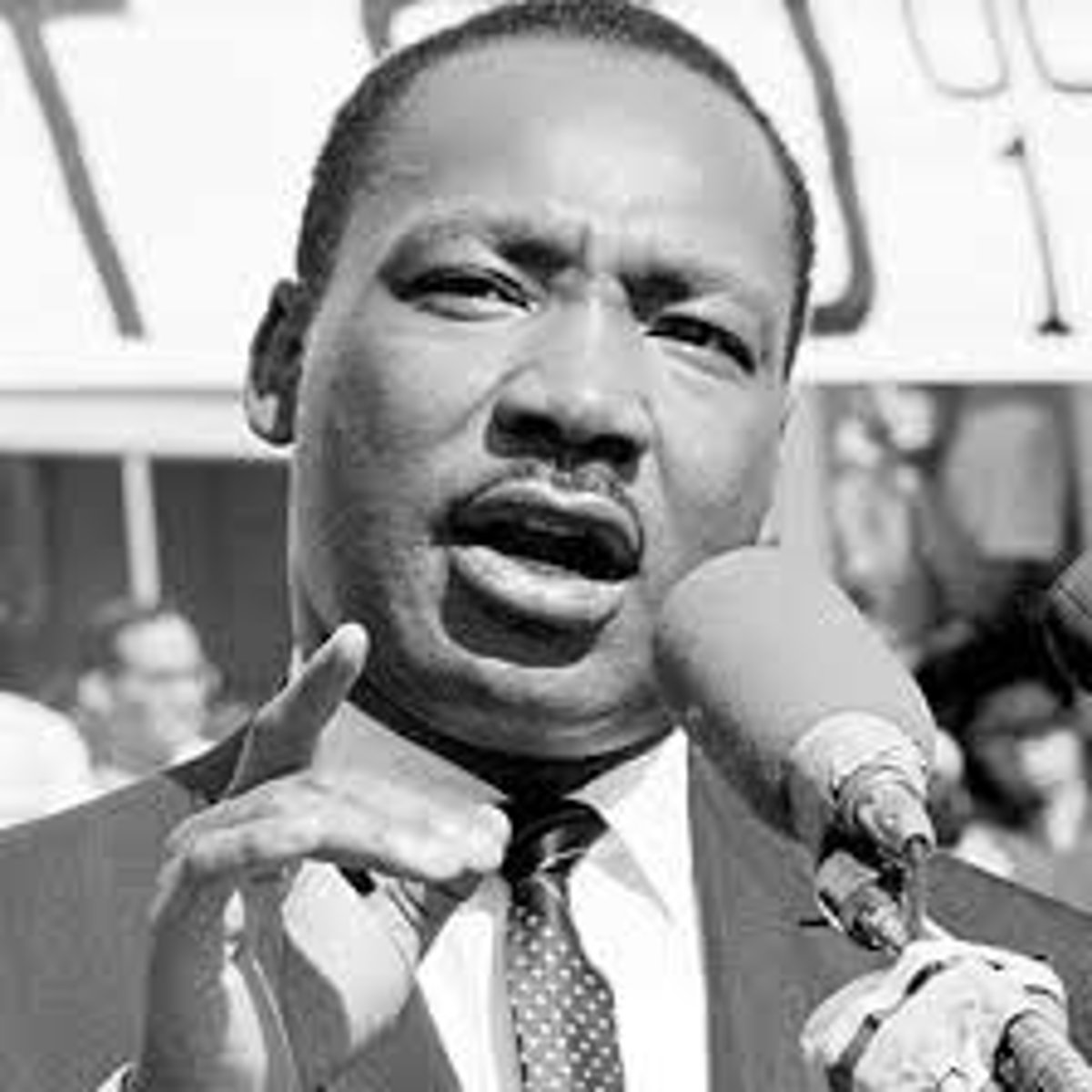
Mikhail Gorbachev
Head of the Soviet Union from 1985 to 1991. His liberalization effort improved relations with the West, but he lost power after his reforms led to the collapse of Communist governments in eastern Europe.
Mohandas Gandhi
A philosopher from India, this man was a spiritual and moral leader favoring India's independence from Great Britain. He practiced passive resistance, civil disobedience and boycotts to generate social and political change.
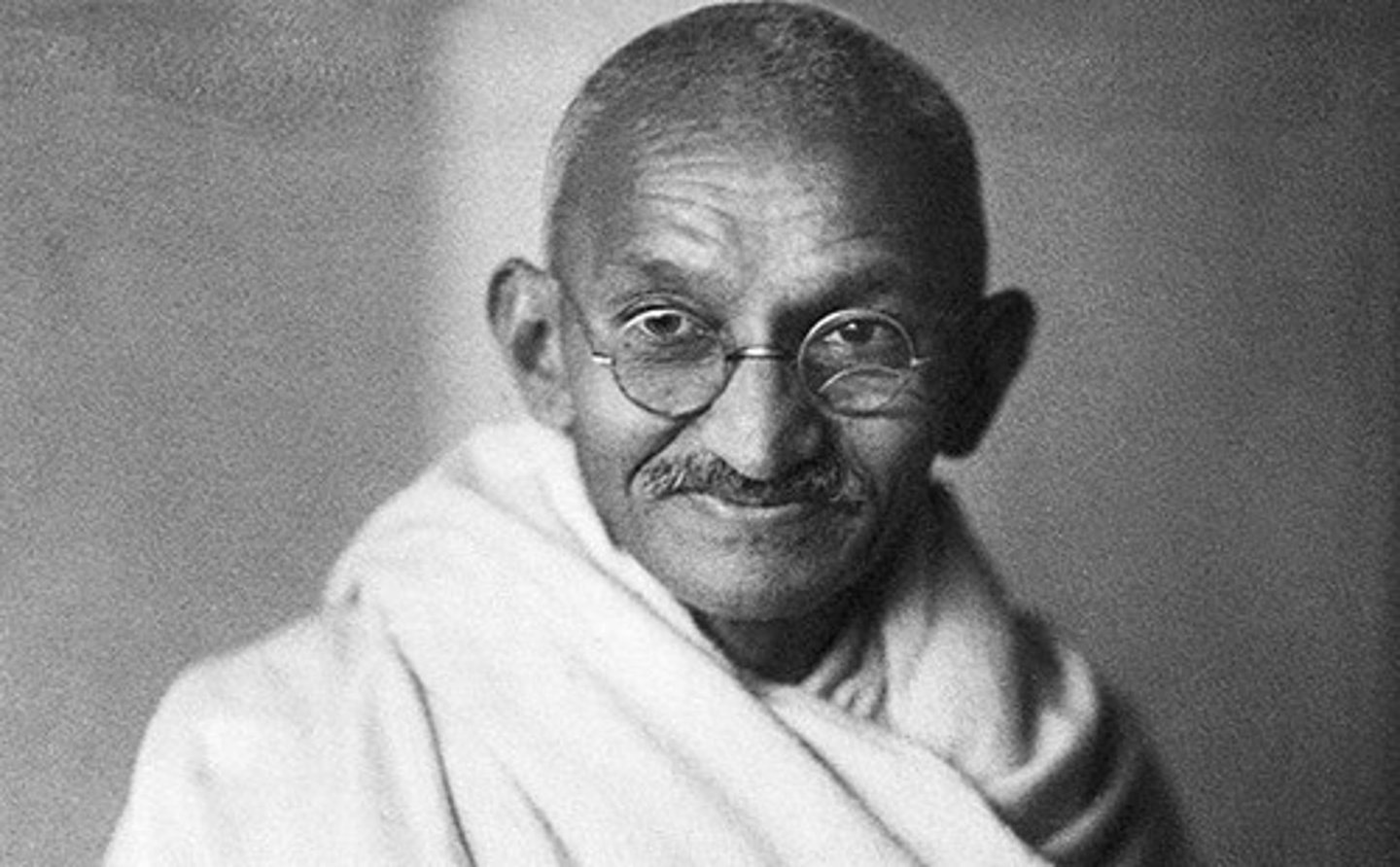
Muhammad Ali Jinnah
Indian Muslim politician who founded the state of Pakistan. A lawyer by training, he joined the All-India Muslim League in 1913. As leader of the League from the 1920s on, he negotiated with the British/INC for Muslim Political Rights
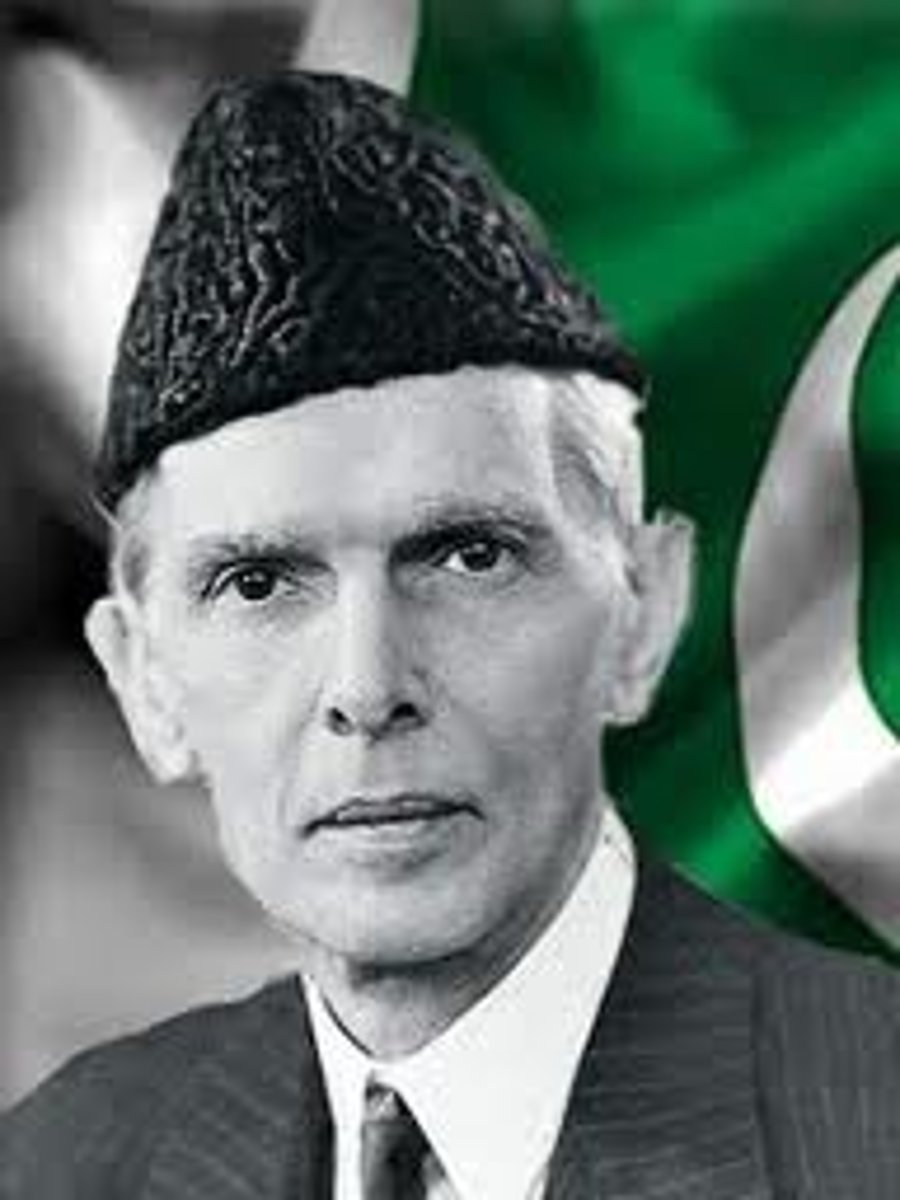
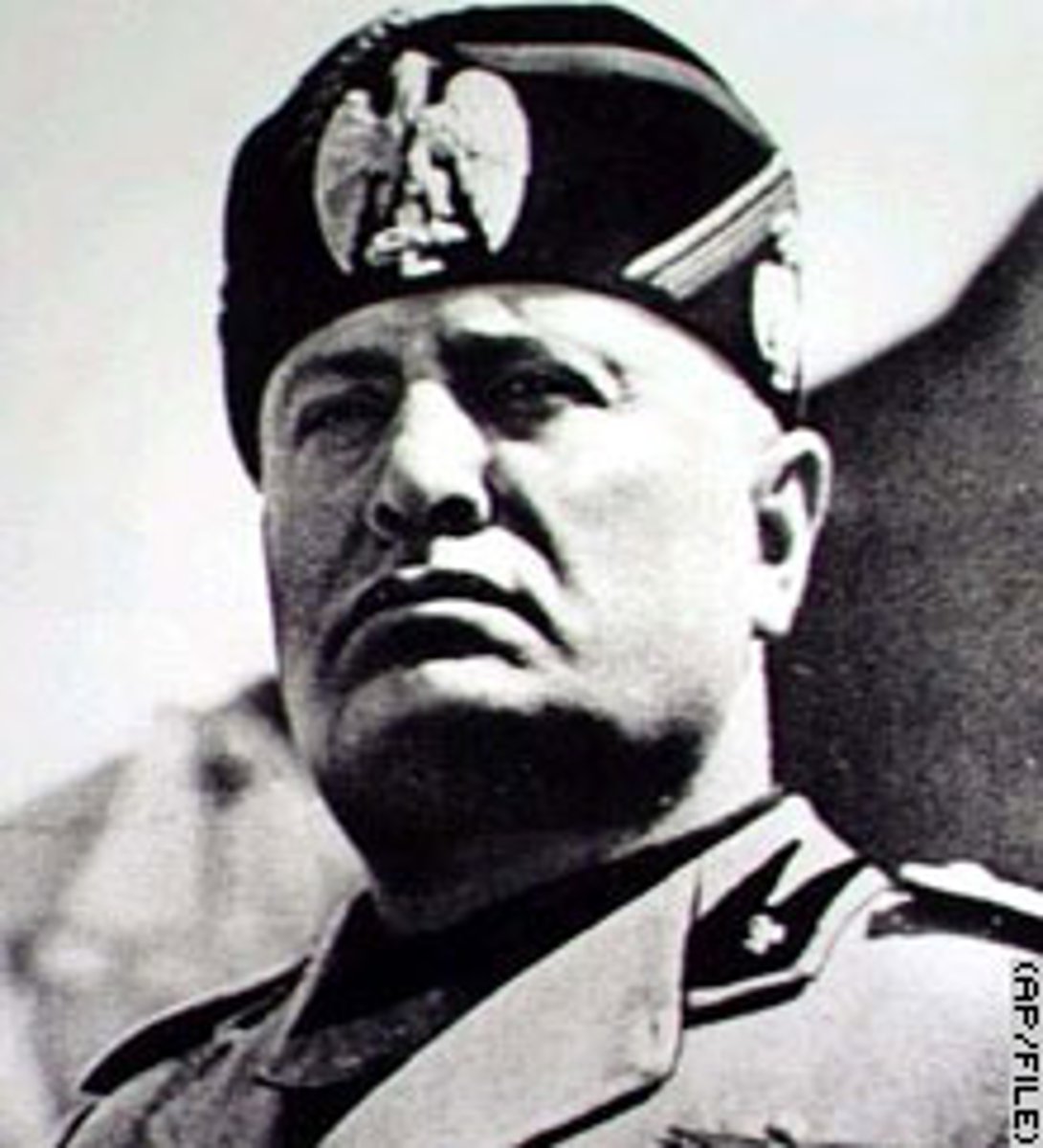
Mussolini, Benito
Charismatic leader of the Italian fascist party (1883-1945) who came to power in 1922.
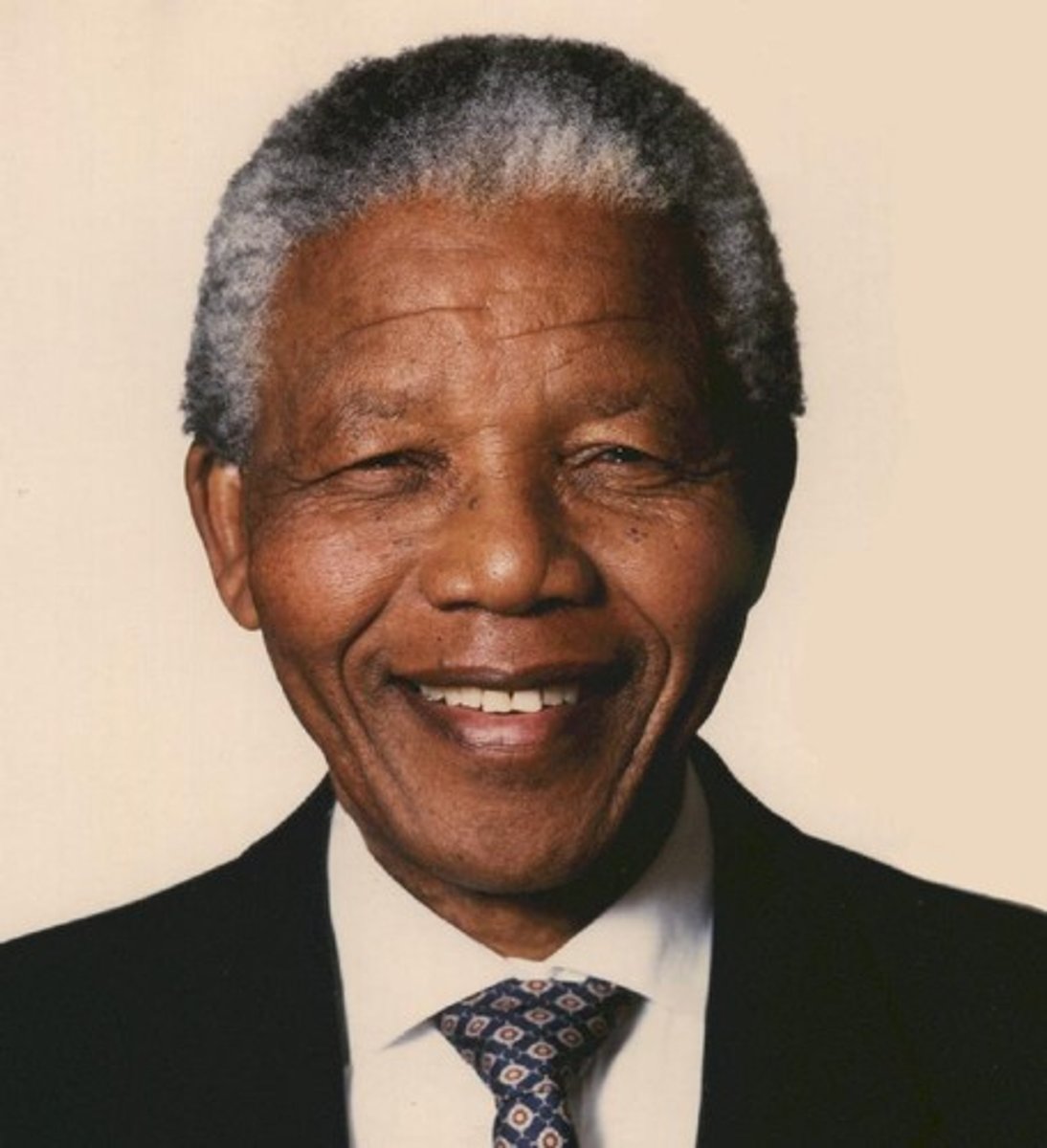
Nelson Mandela
ANC leader imprisoned by Afrikaner regime; released in 1990 and elected as president of South Africa in 1994.
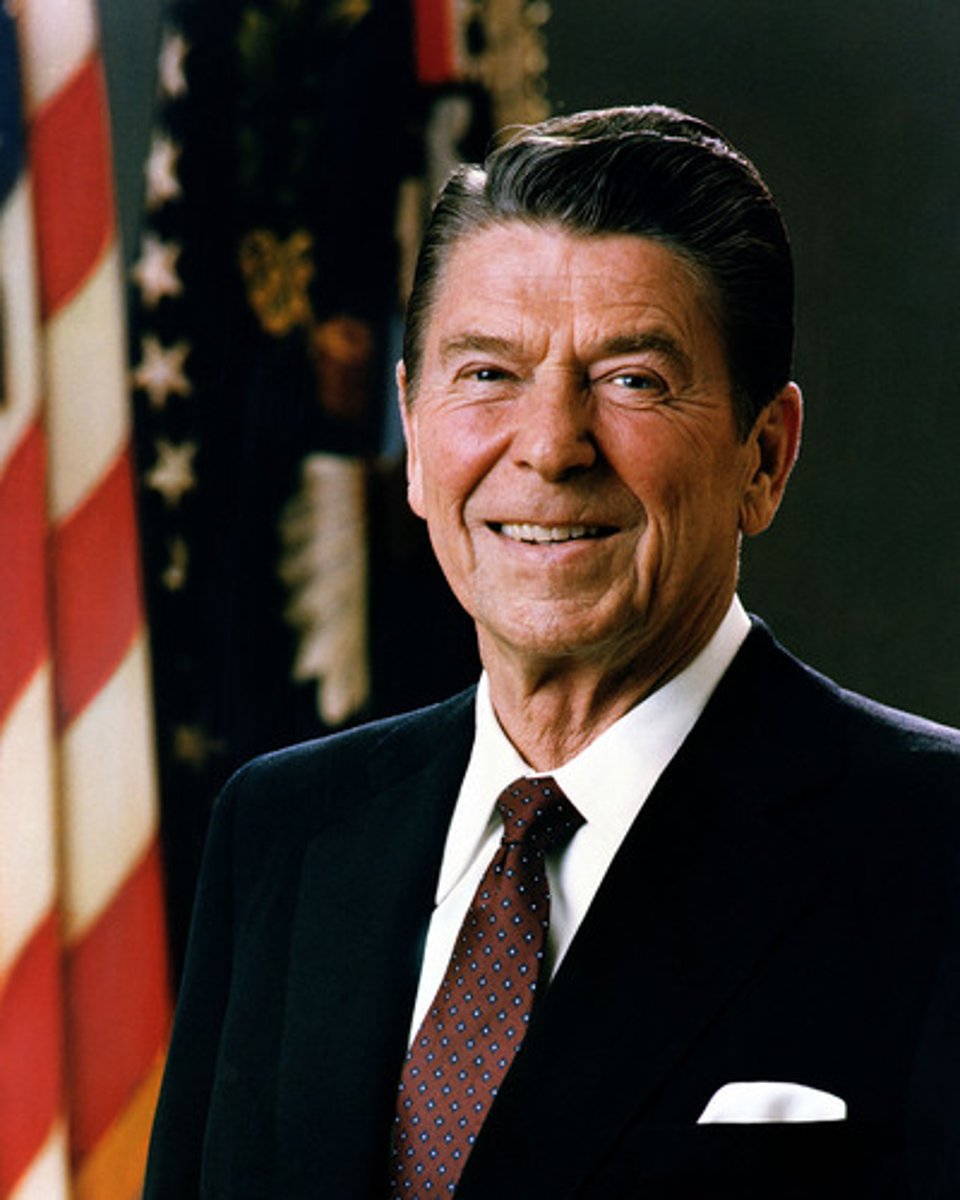
Ronald Reagan
first elected president in 1980 and elected again in 1984. He ran on a campaign based on the common man and "populist" ideas. He served as governor of California from 1966-1974, and he participated in the McCarthy Communist scare. Iran released hostages on his Inauguration Day in 1980. While president, he developed Reagannomics, the trickle down effect of government incentives. He cut out many welfare and public works programs. He used the Strategic Defense Initiative to avoid conflict. His meetings with Gorbachev were the first steps to ending the Cold War. He was also responsible for the Iran-contra Affair which bought hostages with guns.
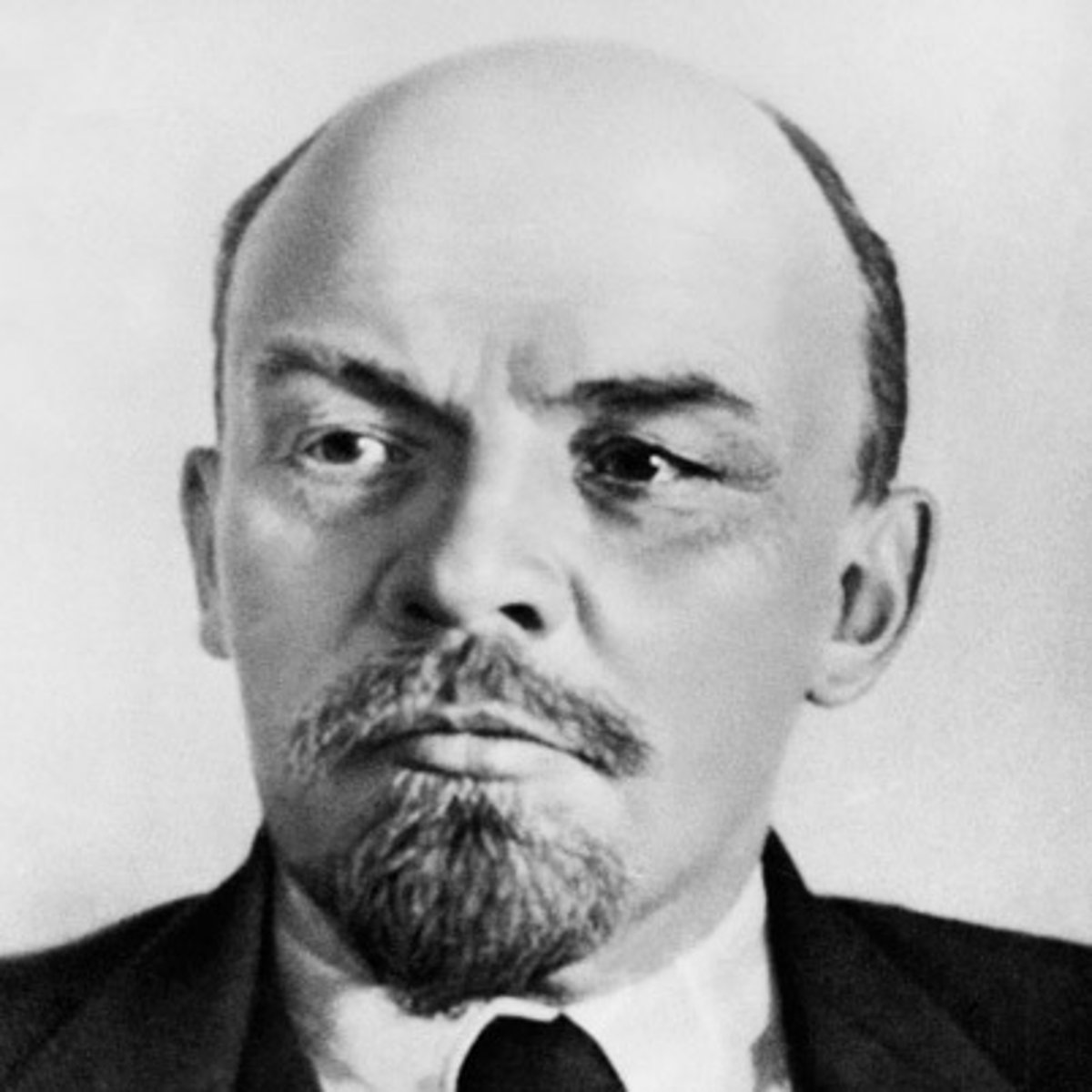
Vladimir Lenin
Russian founder of the Bolsheviks and leader of the Russian Revolution and first head of the USSR (1870-1924).
Winston Churchill
A noted British statesman who led Britain throughout most of World War II and along with Roosevelt planned many allied campaigns. He predicted an iron curtain that would separate Communist Europe from the rest of the West.