Skin and Soft Tissue Infections in Athletes
 Call Kai
 Learn
Learn Practice Test
 Spaced Repetition
 Match
Match Flashcards
 Knowt Play
1/50

There's no tags or description
Looks like no tags are added yet.
Name | Mastery | Learn | Test | Matching | Spaced | Call with Kai |
|---|
No analytics yet
Send a link to your students to track their progress
51 Terms
What is the primary focus of an infectious disease physician?
Assessment and treatment of infections, including care and source control.
What is the significance of 'liberating pus' in treating infections?
It is essential for effective treatment of purulent infections, often requiring surgical intervention.
What organism is commonly associated with skin infections in athletes?
Staphylococcus aureus.
What is a common risk factor for cellulitis in athletes?
Tinea pedis (athlete's foot) and lymphedema.
What are the classic signs of infection?
Tumor (swelling), rubor (redness), dolor (pain), calor (heat), and pus.
What does the presence of bacteria imply in the context of infection?
Infection implies invasion and an immune response, not just the presence of bacteria.
What is the role of antibiotics in treating infections?
They target and kill growing organisms but can also harm beneficial bacteria.
What is the typical treatment for a Staphylococcus aureus infection?
A course of antibiotics and possibly surgical washout.
What is the importance of hygiene in preventing infections among athletes?
Frequent hand washing and avoiding sharing personal items can reduce transmission.
What is the difference between Methicillin-resistant Staphylococcus aureus (MRSA) and Methicillin-sensitive Staphylococcus aureus (MSSA)?
MRSA is resistant to standard antibiotics, while MSSA is not.
What is tinea pedis?
A fungal infection commonly known as athlete's foot.
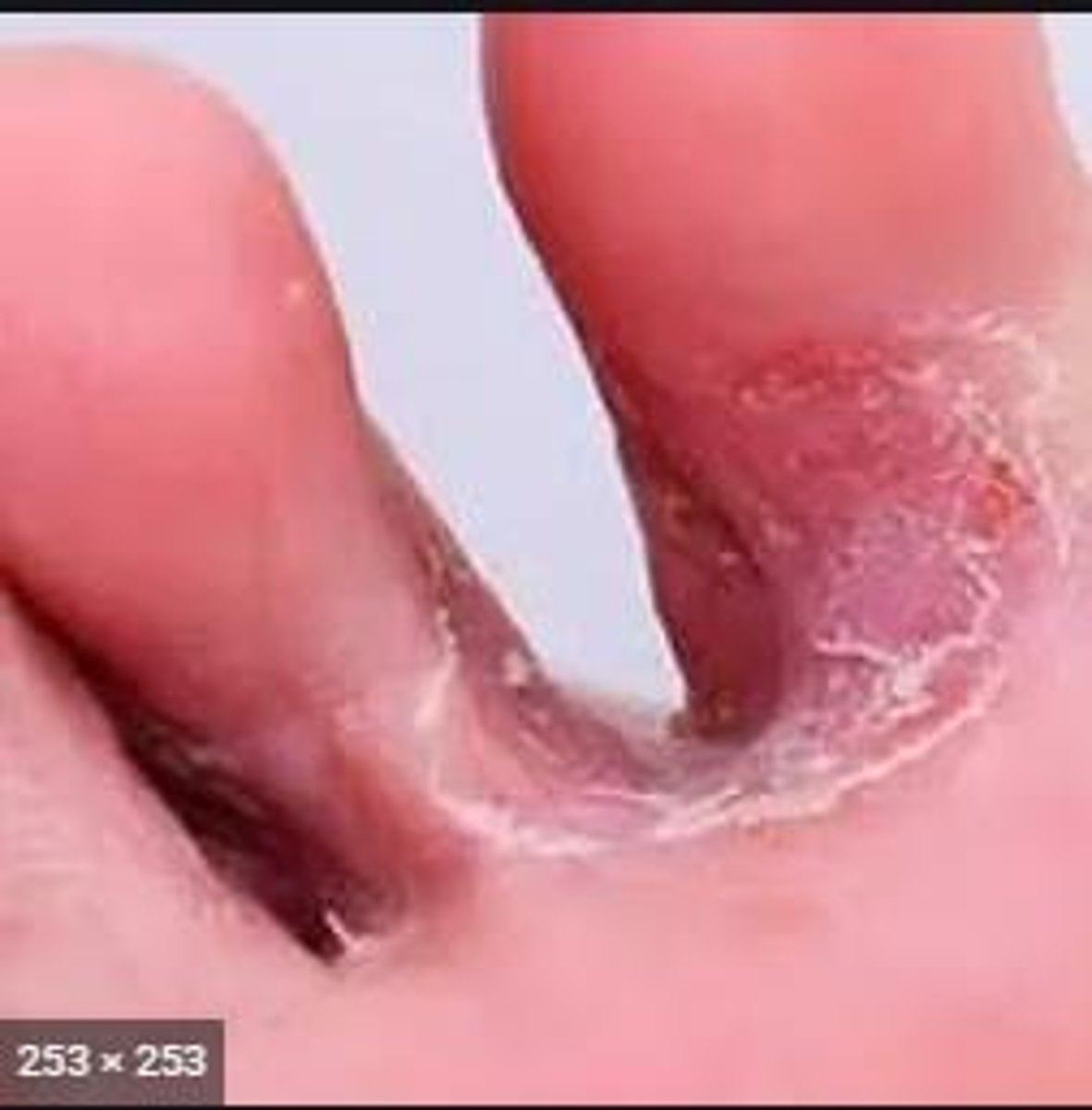
What are the common symptoms of tinea infections?
Scaling, well-defined borders, and possible itching or moisture in skin folds.
What is the recommended decolonization method for athletes?
Chlorhexidine body wash and mupirocin ointment for nasal and skin areas.
What is the typical clinical presentation of cellulitis?
Redness, swelling, warmth, and tenderness in the affected area.
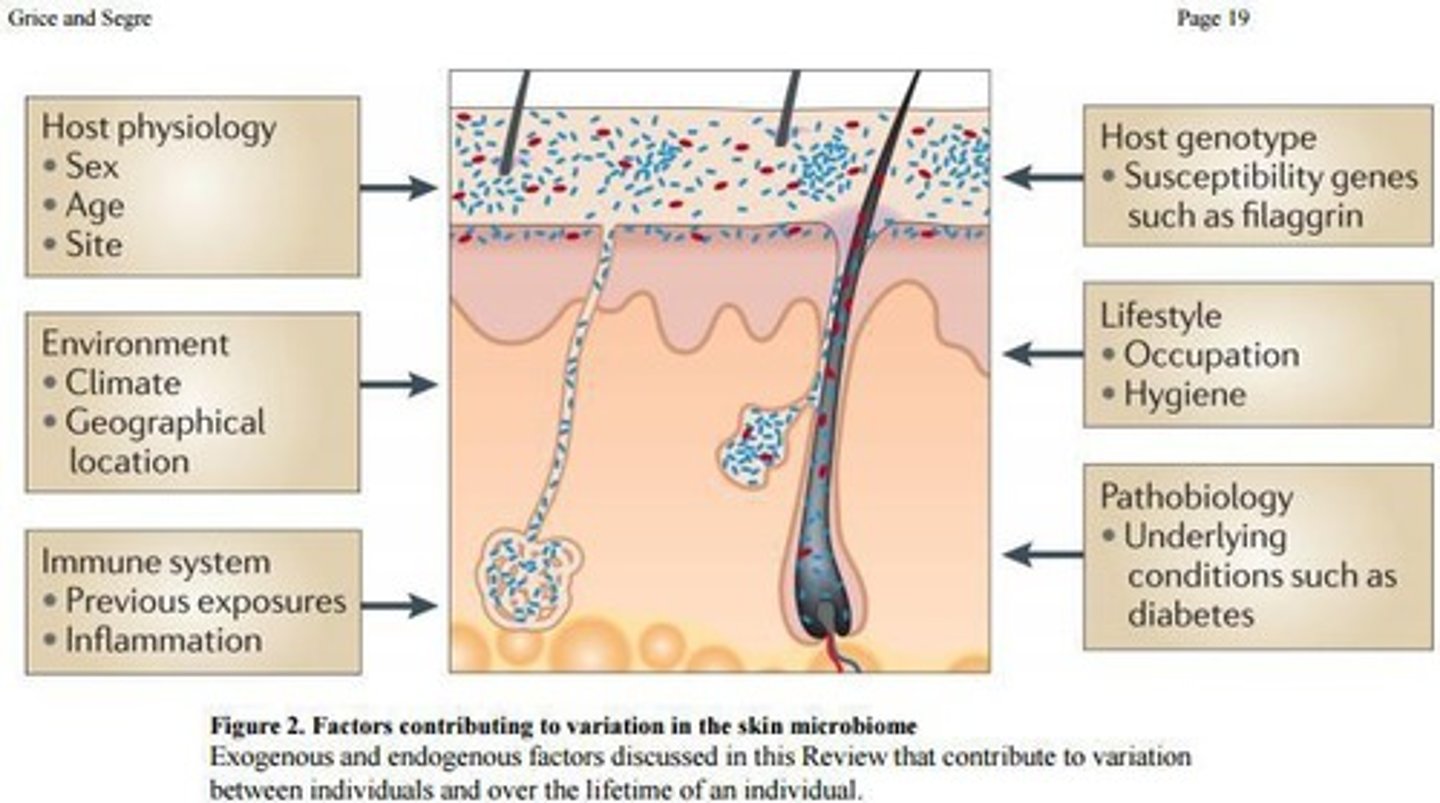
What is the significance of the skin microbiome in infections?
Organisms that normally live on the skin are often the ones that cause infections.
What should athletes do if they notice a painful area on their skin?
Seek medical attention to prevent potential infections.
What is the common treatment duration for IV antibiotics in severe infections?
Typically 4 weeks, depending on the severity and organism involved.
What is the role of physical therapy after an infection?
To aid recovery and address residual symptoms such as arthritis.
What is a common misconception about the presence of bacteria on the skin?
That bacteria presence always indicates an infection; it does not.
What is the typical outcome for athletes after treatment for Staphylococcus aureus infections?
They may return to play but could experience residual symptoms.
What is the recommended action for infected players in a team setting?
They should avoid sharing items and keep infected areas covered.
What is the significance of early intervention in skin infections?
Early treatment can prevent complications and more severe infections.
What is the role of community epidemiology in infectious diseases?
To understand and manage the spread of infections within populations.
What are the implications of antibiotic toxicity?
Antibiotics can harm beneficial bacteria and lead to side effects.
What is the importance of reassessing treatment in infectious diseases?
To evaluate effectiveness and adjust as necessary based on patient response.
What is a common method to diagnose fungal infections of the skin?
Skin scraping to look for fungal forms.
What is the usual treatment for Tinea cruris?
Topical OTC antifungal therapy twice a day for 2 weeks.
Name two topical antifungal treatments for Tinea cruris.
Clotrimazole and Miconazole.
What can steroids do to the appearance of Tinea cruris?
They may make it look better initially but worsen the condition upon completion.
What are some preventive measures for Tinea barbae?
Moisture mitigation, drying between toes, moisture-wicking, and avoiding tight clothing.
What is the causative agent of non-purulent cellulitis?
Streptococcus, occurring more than 90% of the time.
What is a common treatment for non-purulent cellulitis?
Beta-lactam antibiotics like penicillin.
What are the symptoms of non-purulent cellulitis?
Acute onset with fevers/chills, swelling, warmth, redness, and pain in the affected leg.
What can cause skin breakdown in severe cases of cellulitis?
Toxins produced by the bacteria leading to fluid-filled blisters.
What is necrotizing fasciitis?
An aggressive infection usually caused by group A Strep or Staphylococcus aureus that leads to tissue death.
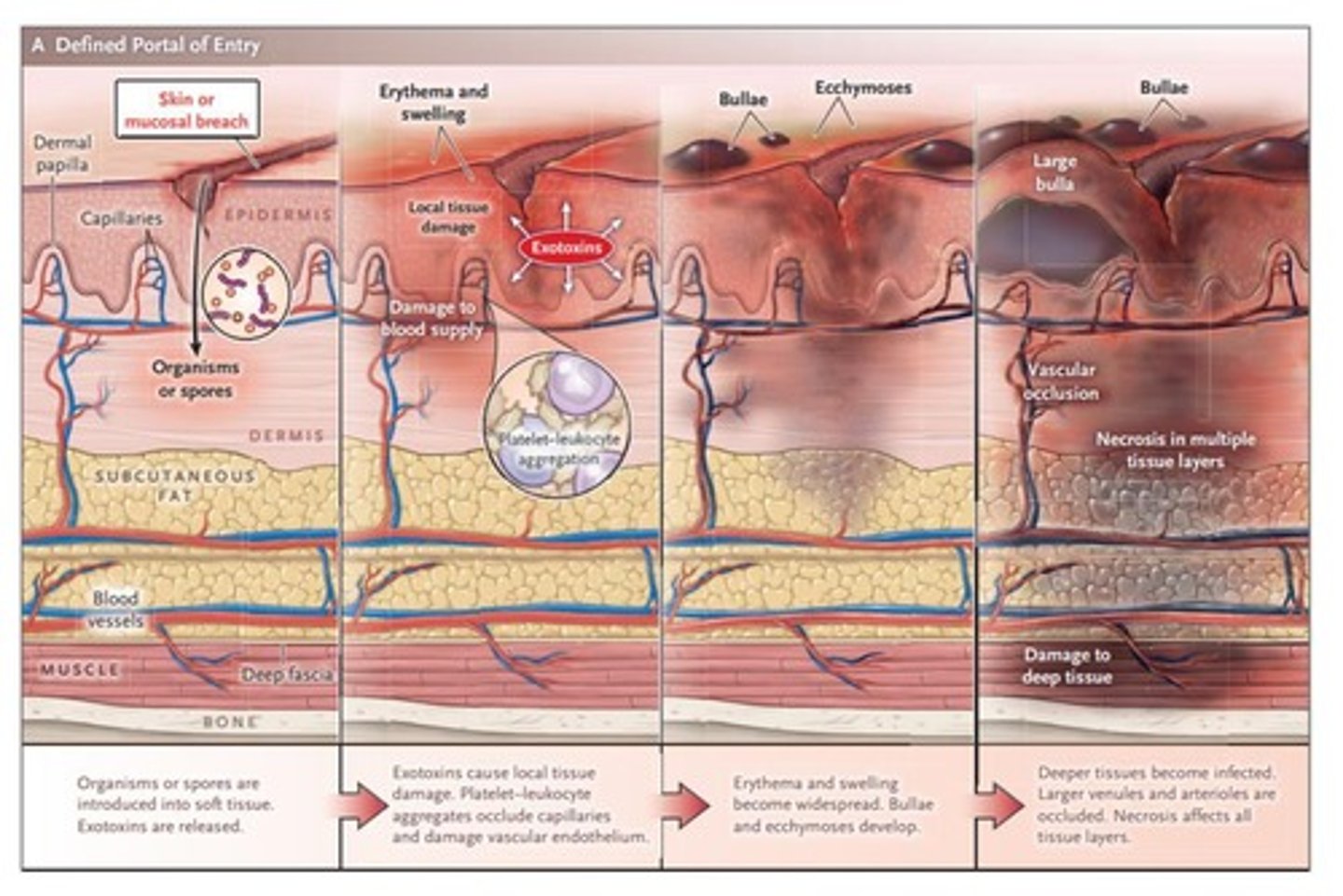
What is the primary treatment for necrotizing fasciitis?
Early debridement to healthy tissue, along with antibiotics.
What is Herpes gladiatorum?
A herpes infection occurring after direct inoculation from mucosal surfaces to the skin, common in wrestlers.
What are the common herpesviruses and their associated conditions?
HSV 1 - cold sores, HSV 2 - genital sores, VZV - chickenpox/shingles, EBV - mono, CMV - fever.
What is the recommended treatment for herpes infections?
Topical or oral acyclovir or valacyclovir, ideally started early.
What is the significance of hygiene in preventing skin infections in athletes?
Hygiene and environmental cleaning are crucial for prevention.
What is Orf Virus and how is it transmitted?
A parapox virus associated with sheep, transmitted through bites or contact with infected animals.
What are the key take-home points regarding skin infections in athletes?
Early recognition of predisposing factors and proper hygiene can prevent worse outcomes.
What are the side effects of antibiotics like Levofloxacin?
Diarrhea, rash, and pain at tendon insertion.
What should be done if a skin lesion from herpes is present?
Cover the lesions until completely crusted over.
What is a common complication of untreated tinea pedis?
It can serve as a portal of entry for infections like cellulitis.
What is the role of hyperbaric oxygen in treating necrotizing fasciitis?
It can help in the treatment but is not the main therapy.
What is the importance of elevating the affected body part in cellulitis treatment?
It allows passive drainage of toxins.
What are the risk factors for developing cellulitis?
Tinea pedis, chronic edema, obesity, diabetes, and other immunosuppression.
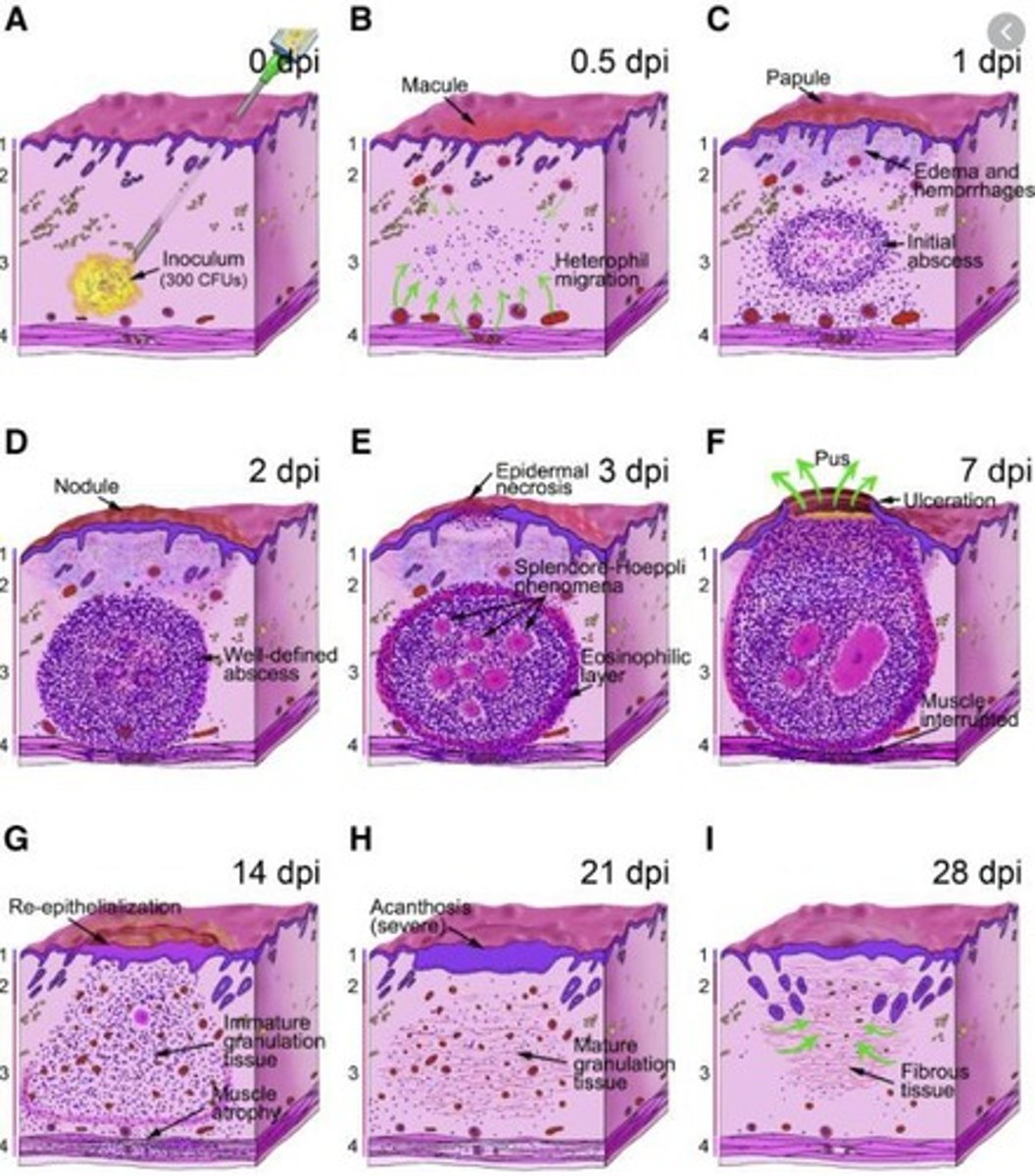
What is the difference between Staph aureus and Strep infections in terms of pus?
Staph aureus infections produce pus, while Strep infections do not.
What is the significance of the two-week duration in treating Tinea cruris?
It is the recommended length for topical antifungal therapy.
What is the common presentation of herpes gladiatorum?
Clusters of vesicles on a red base, often preceded by pain and tingling.