Freshwater Macroinvertebrates Identification Guide (GCCSP)
 Call Kai
 Learn
Learn Practice Test
 Spaced Repetition
 Match
Match Flashcards
 Knowt Play
1/43

There's no tags or description
Looks like no tags are added yet.
Name | Mastery | Learn | Test | Matching | Spaced | Call with Kai |
|---|
No analytics yet
Send a link to your students to track their progress
44 Terms
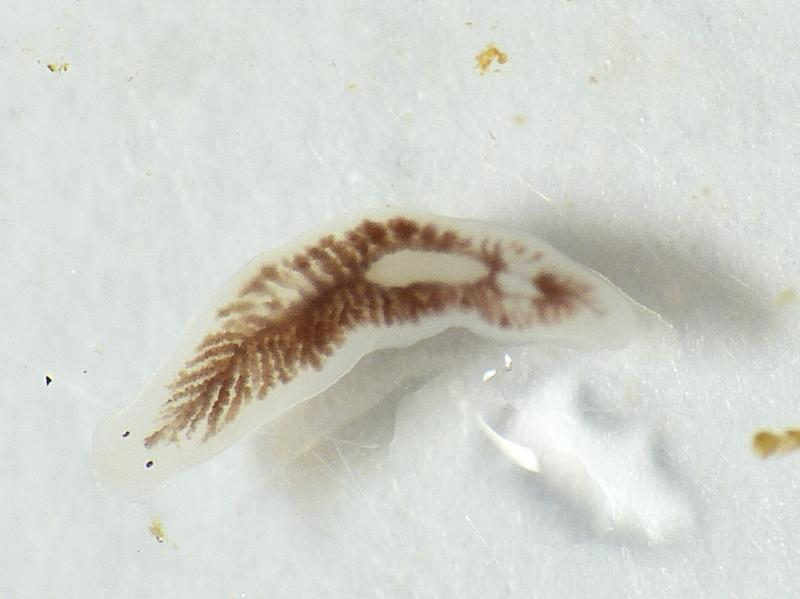
A pale whitish-grey flatworm with one pair of eyes and guts that can appear darker depending on contents.
Dendrocoelidae
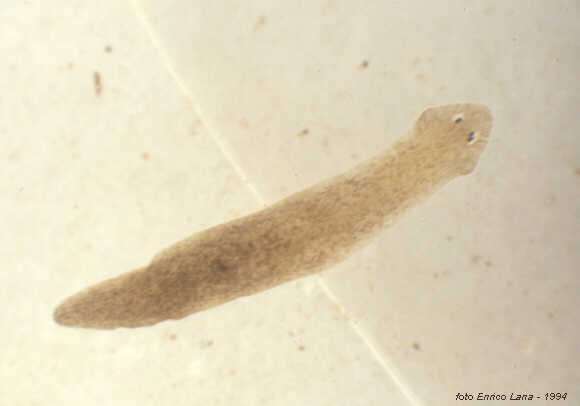
Common flatworms identified by having many eyes around the head or front part of the body.
Planariidae
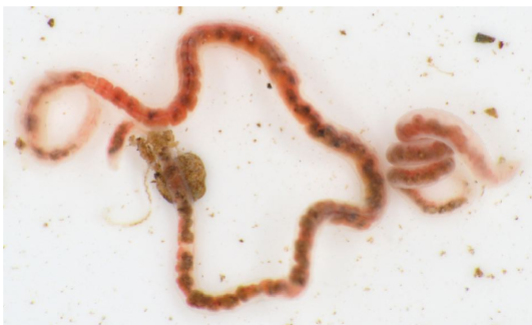
Oligochaeta
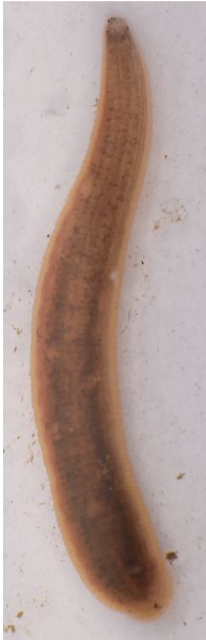
fish leech. Larger, slender, and flattened leeches, often dark in color and sometimes featuring distinct dark patterning.
Erpobdellidae
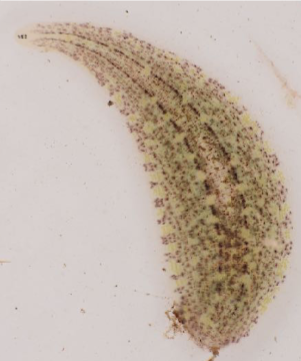
Generally small leeches; pear-shaped when at rest but elongatethemselves during movement. Species can be quite variable in colouration.
Glossiphoniidae
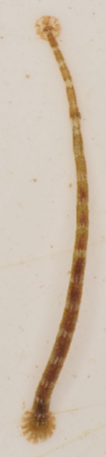
fish leech. Generally small and thin, with large disc shaped sucker at each end
Piscicolidae
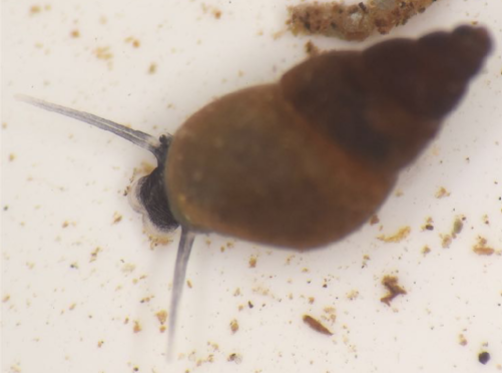
A small mollusc with a pointed, spired shell that can be very abundant.
Hydrobiidae
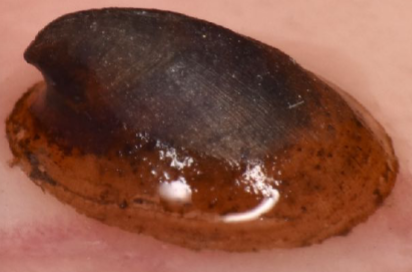
The river limpet, which has a small, hat-like shell and attaches to rocks or other objects.
Planorbidae (Ancylus)
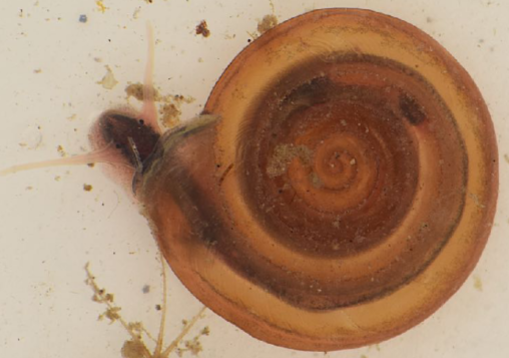
A ramshorn snail with a shell shaped like a flattened coil.
Planorbidae (ramshorn snails)
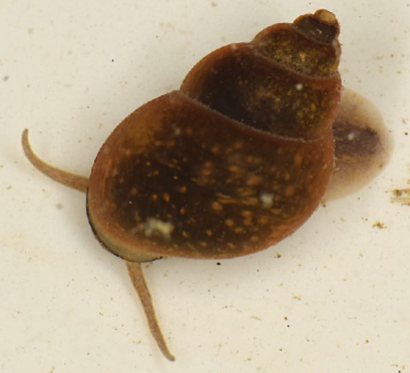
Long, thin tentacles; shell opening covered with operculum when at rest; medium sized species
Bithyniidae
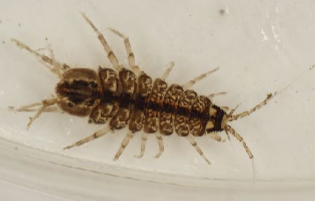
Commonly known as the water hog louse; it is dorso-ventrally flattened, slow-moving, and walks over substrate without swimming.
Asselidae
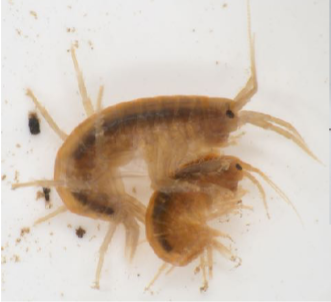
The freshwater shrimp; it is laterally flattened, very active, and often swims on its side.
Gammaridae
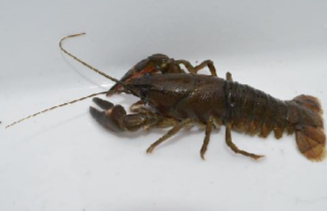
resembles a large, small lobster.
Astacidae
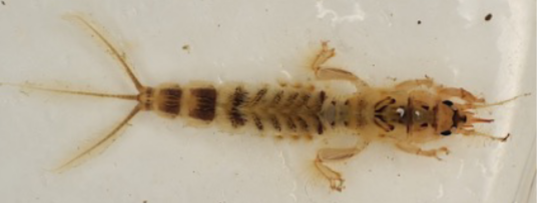
Burrowing mayflies; feathery gills (can usually be seen moving) held over body; legs adapted for digging; tails much shorter than body; tusk like projection at front of head; large
Ephemeridae
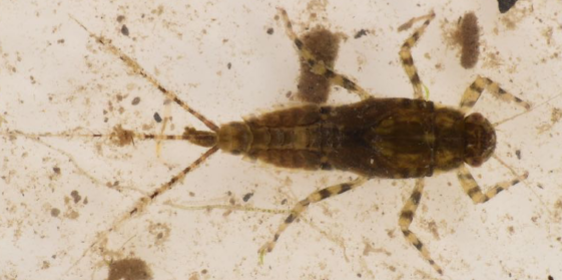
Gills on back (above body) - when seen from above gills do not extend beyond side of body); alternate dark-light colouration on legs and tails; poor swimmers - swim in an s-shaped motion
Ephemerellidae
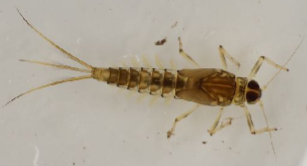
Mayfly nymphs with plate-like gills on the side of the body; they are active swimmers with a rapid side-to-side motion.
Baetidae
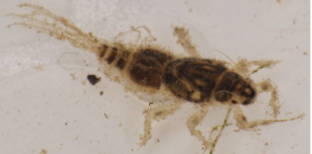
Pair of large gill covers on back (gills hidden underneath); body less elongate than other families; do not swim often (when they do with a clumsy up and down motion); relatively small
Caenidae
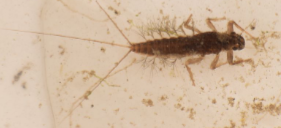
Mayfly nymphs with Gills branched and strap like, held to side of body; tails longer than body, held in T shape at rest; poor swimmers
Leptophlebiidae
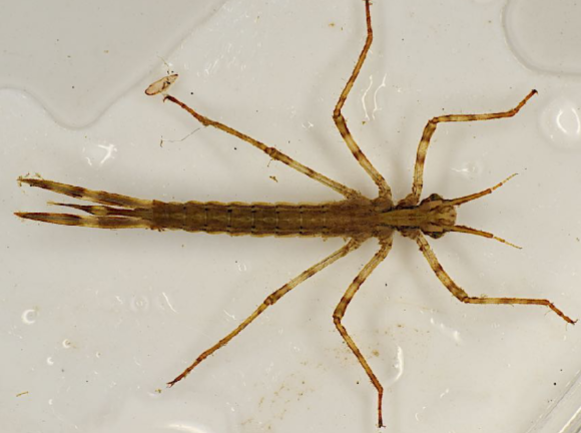
odonata nymph
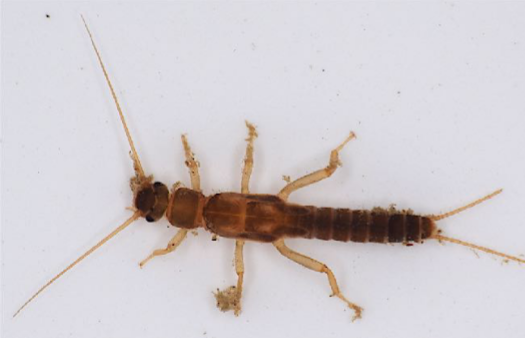
Long abdomen; legs, if extended backwards, legs would be shorter than abdomen
Leuctridae
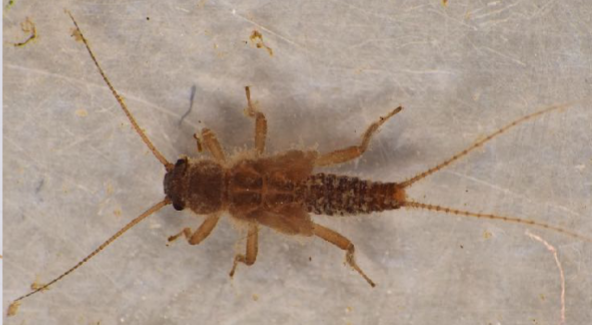
Short abdomen; legs, if extended backwards, legs would exceed end of abdomen
Nemouridae
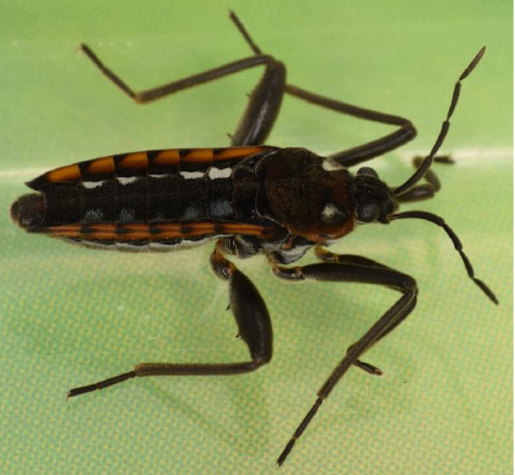
Legs less elongate; leg spacing closer
Veliidae
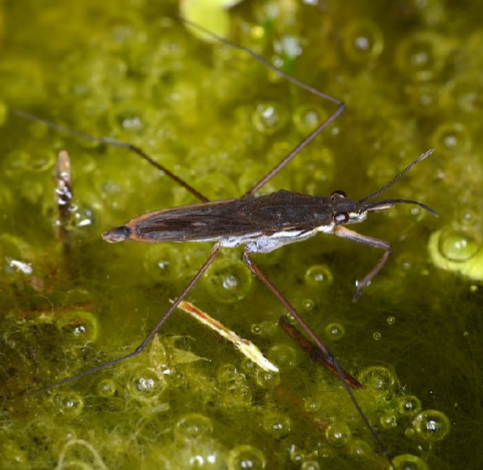
Pond skaters with elongated legs where the spacing between the first and middle legs is much greater than between the middle and hind legs.
Gerridae
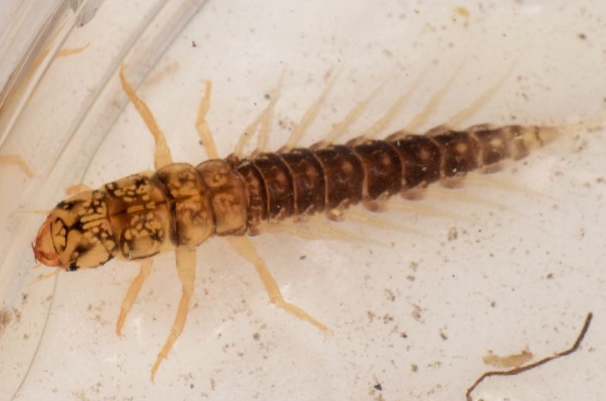
Sialis
Alderfly larvae with an Abdomen tapers from front to back; spine-like filamentous gills along side of abdomen; single tail filament (cf. Gyrinidae beetle=larva)
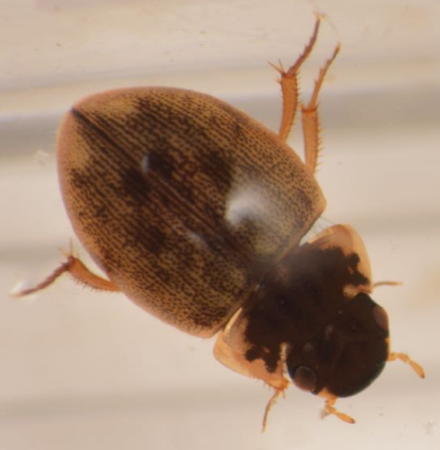
Without streamlined, swimming legs (i.e. legs look like those of terrestrial beetles) - so swimming appears active but inefficient; hold head up to surface when taking on air
Hydrophilidae
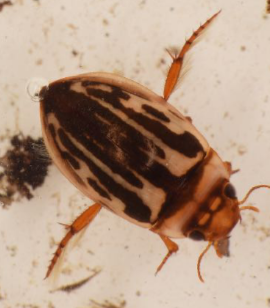
Adult - excellent swimmers; streamlined (more or less oval shaped); legs adapted for swimming (move like oars); hold end of abdomen up to surface when taking on air; some species can be large; hind legs often held out to side when at rest
Larva - 2 tails (caudal cerci); well developed jaws (pincer-like)
Dytiscidae
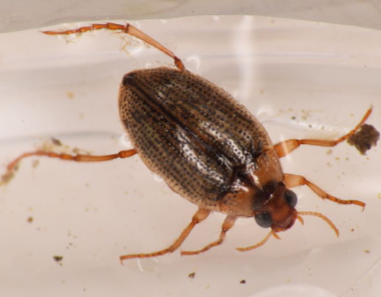
Vigorous swimmers; legs fringed with long hairs (difficult to see without good magnification); elytra with distinct lines of dark punctures; large eyes
Haliplidae
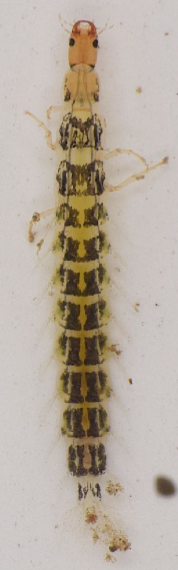
Larva - slender; filamentous gills at side of abdomen; small hooks at end of body; walk rapidly over the bottom, like a centipede; cf. alderfly larva)
Adult - live on water surface; move actively in the open; unlikely to be caught by kick sampling but can be recorded through visual searching
Gyrinidae
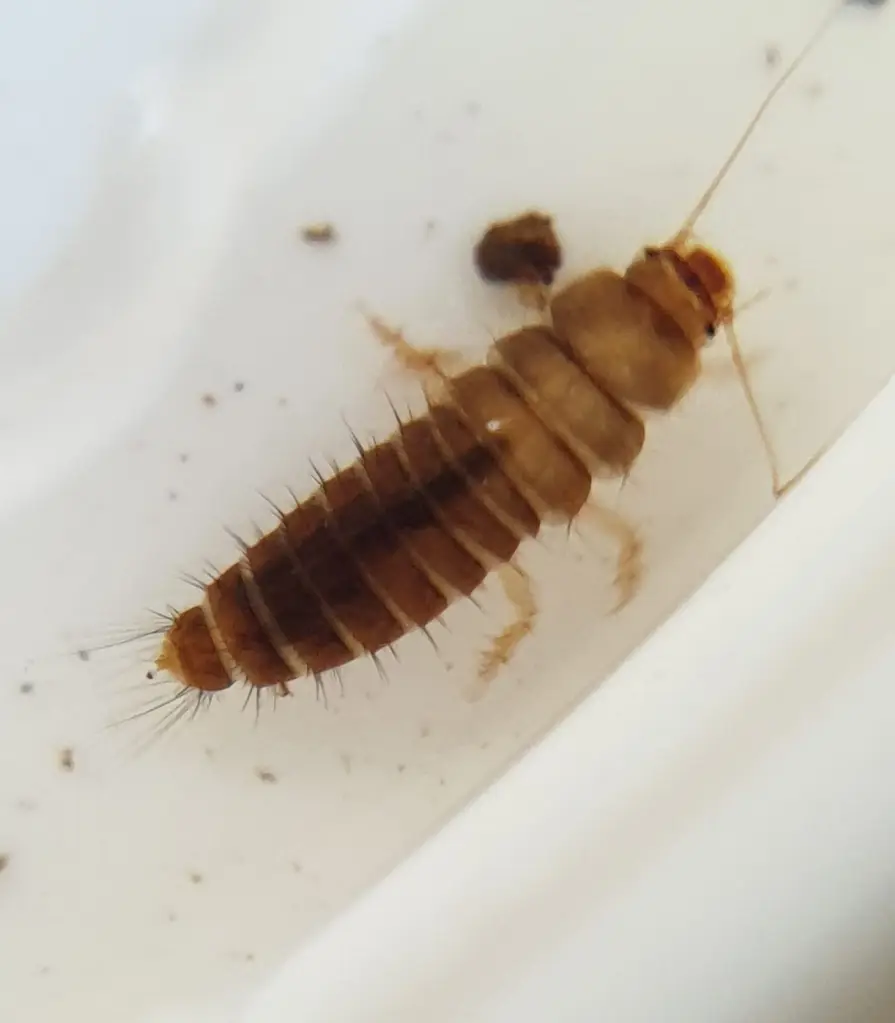
Larva aquatic, adult terrestrial; larva distinct but compare with Elmidae larvae
Helodidae
Adult- small, black beetles with relatively long legs; clumsily walk along bottom (do not swim) - look like a terrestrial beetle that has fallen into water and is drowning.
Larva - many segmented, elongated; clear head visible; distinctive
Elmidae
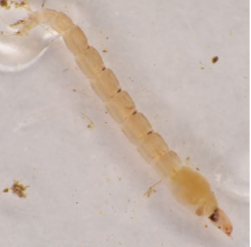
Head capsule present; swims with an figure of eight (s-shaped) movement - can be quite active; prolegs at end of abdomen (also on first segment of thorax - but these often hidden); colour varied; size variable; can be very abundant
Chironomidae
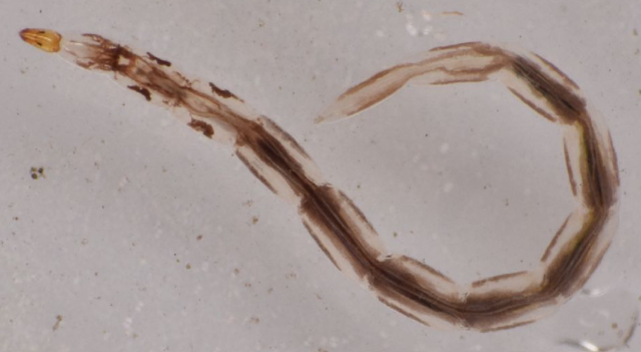
Swimming action side to side, like a quivering arrow or vibrating violin string
Ceratopogonidae
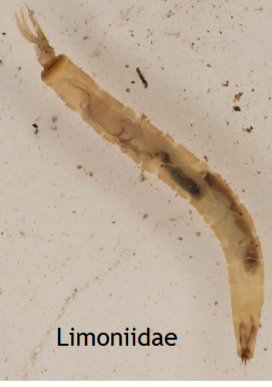
For the WHPT method several closely related families are included within the category. No head capsule but some with distinct head that can be retracted into thorax; maggot like; some have prolegs on abdomen; some have a lobed plate at end of abdomen, others have a two-pronged tail structure (Dicranota & Pediciidae); some with relatively large and fat
Tipulidae
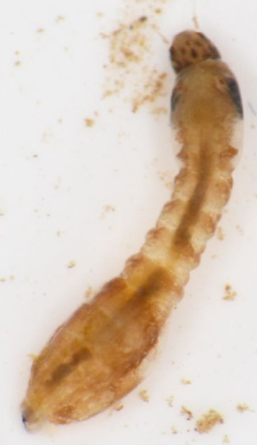
Expanded (swollen) end of body, which attaches them to substrate; move by a looping motion (like a leech); head capsule present; can be very abundant
Simuliidae
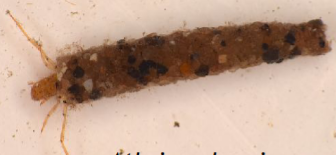
Mostly slender cases; legs thin, with hind legs long (3x length of forelegs); case materials varied
Leptoceridae
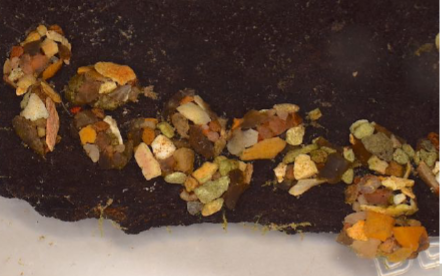
Small, convex, loosely structured case of small stones; often found attached to rocks and other hard surfaces (often in groups)
Glossosomatidae
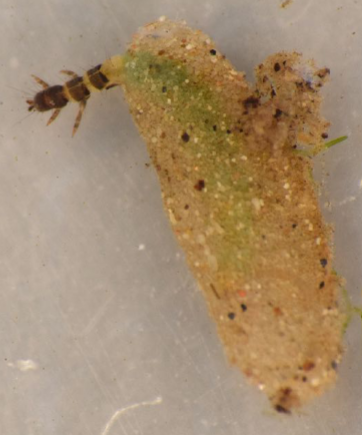
Very small; case laterally flattened, slightly translucent, made of minute sand grains - like a little seed or egg case; case
Hydroptilidae
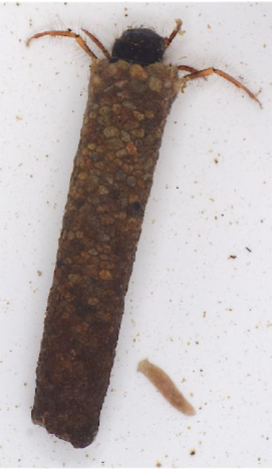
Smooth, neat case of sand grains; case slightly curved; dark brown/black head;
end of case with neat central hole
Sericostomatidae
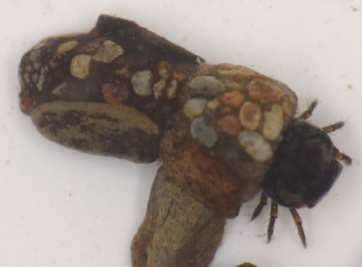
Case with large grains/stones at the sides; smaller grains around central tube
Goeridae
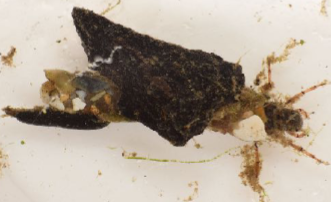
Legs not thin; more robust; case materials varied (individual cases can be of mixed materials); can be relatively large
Limnephilidae
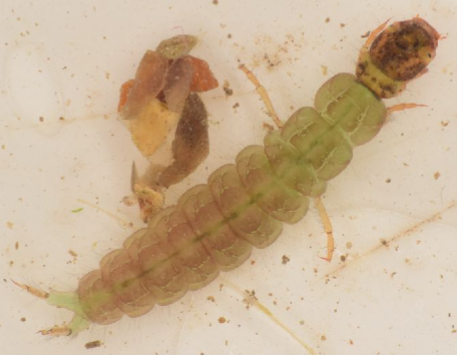
Only first thoracic segment covered with a sclerotised plate; no gills along side of body; spots on head; body slightly flattened.
Polycentropodidae
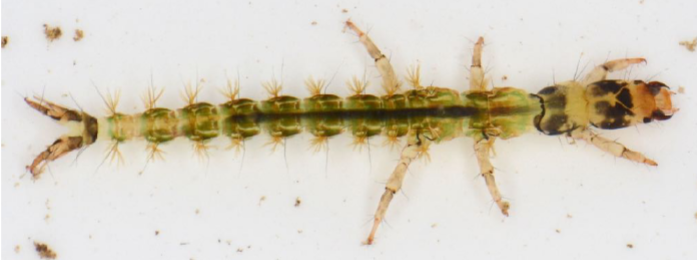
Only first thoracic segment covered with a sclerotised plate; tufted, filamentous gills along side of abdomen; much of body greenish or yellowish.
Rhyacophilidae
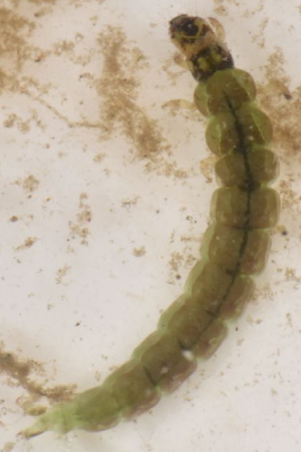
Only first thoracic segment covered with a sclerotised plate; no gills along side of body; short legs.
Psychomyiidae
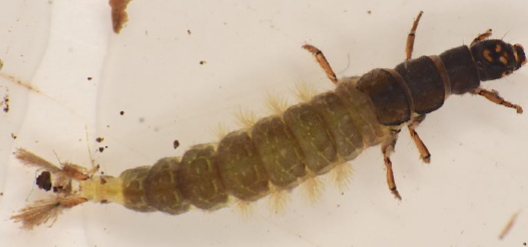
The 3 thoracic segments each covered with a sclerotised plate; tufts of pale, feathery gills on underside; 2 long tufts of hairs at end of body; arches body
Hydropsychidae