Hoofdstuk 5: IaC (copy)
 Call Kai
 Learn
Learn Practice Test
 Spaced Repetition
 Match
Match Flashcards
 Knowt Play
1/37

There's no tags or description
Looks like no tags are added yet.
Name | Mastery | Learn | Test | Matching | Spaced | Call with Kai |
|---|
No analytics yet
Send a link to your students to track their progress
38 Terms
IaC: what & why
figuur
Context: operations
Initial deployment
Provisioning servers (creating VM, installing OS, setting up network)
Configuring OS (SSH, firewall, user accounts, services, monitoring)
Installing services (webserver, database)
Deploying software (CI/CD)
Maintenance
Upgrading servers ([virtual] hardware, networks, firmware)
Upgrading OS (Kernel, OpenSSL, Java runtime)
Upgrading services (webserver, database)
Upgrading software (CI/CD)
IaC: Automate Everything!
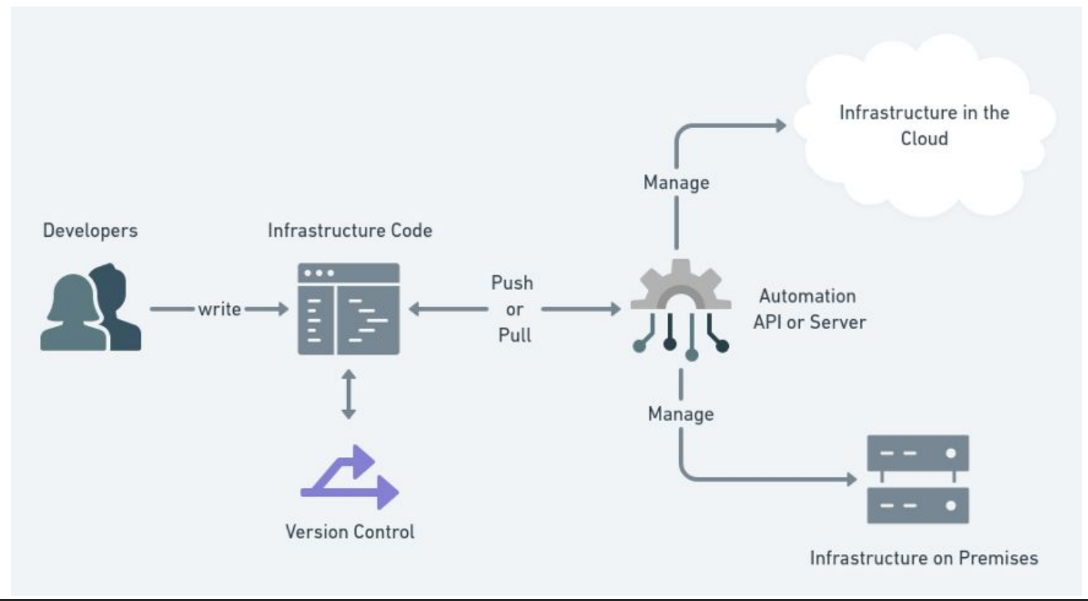
Manual approach (before automation)
Issues
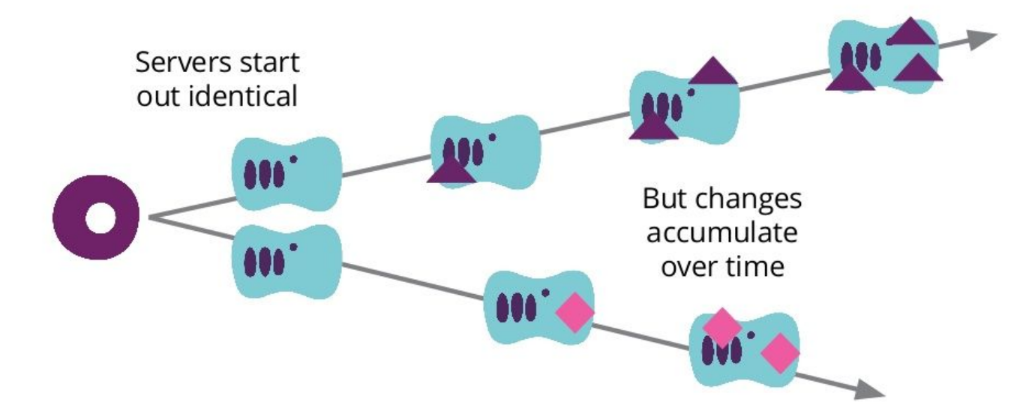
Configuration drift
servers start out identical but changes accumulate over time
Scaling
handling more complex infrastructure
Manual approach (before automation)
What if stuff goes wrong: Fault tolerance vs Disaster recovery
Fault tolerance:
handing known failure modes with
More instances
Backups
Robustness design patterns
Manual intervention to get duplication back
Disaster recovery
handling complete disruptions with
Everything as code
Get back up asap
Automation attemp 1:
Scripts
Issues (figuur)
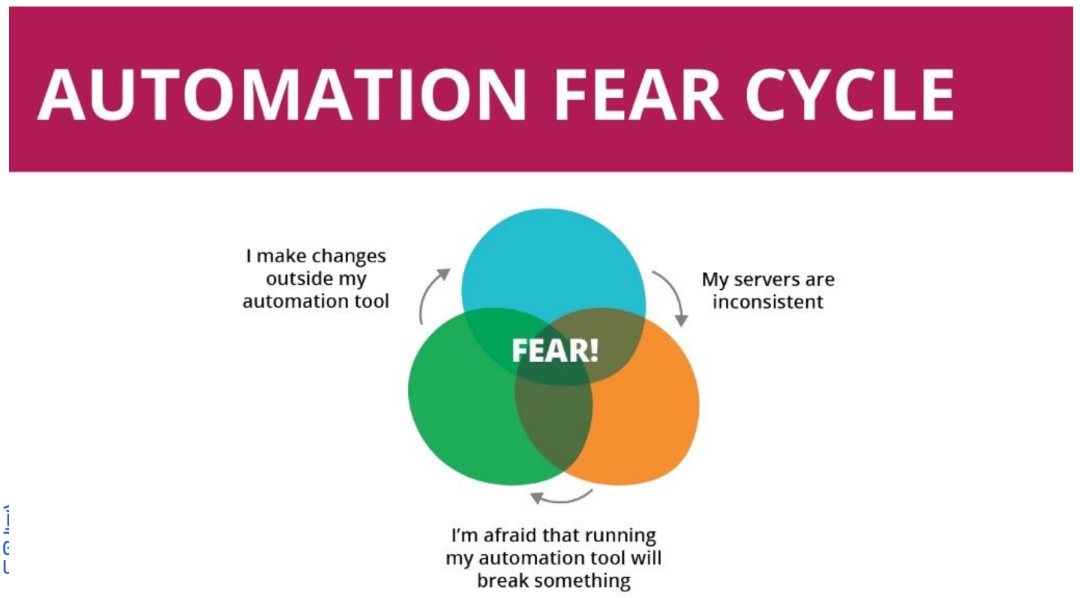
Automation attempt 2:
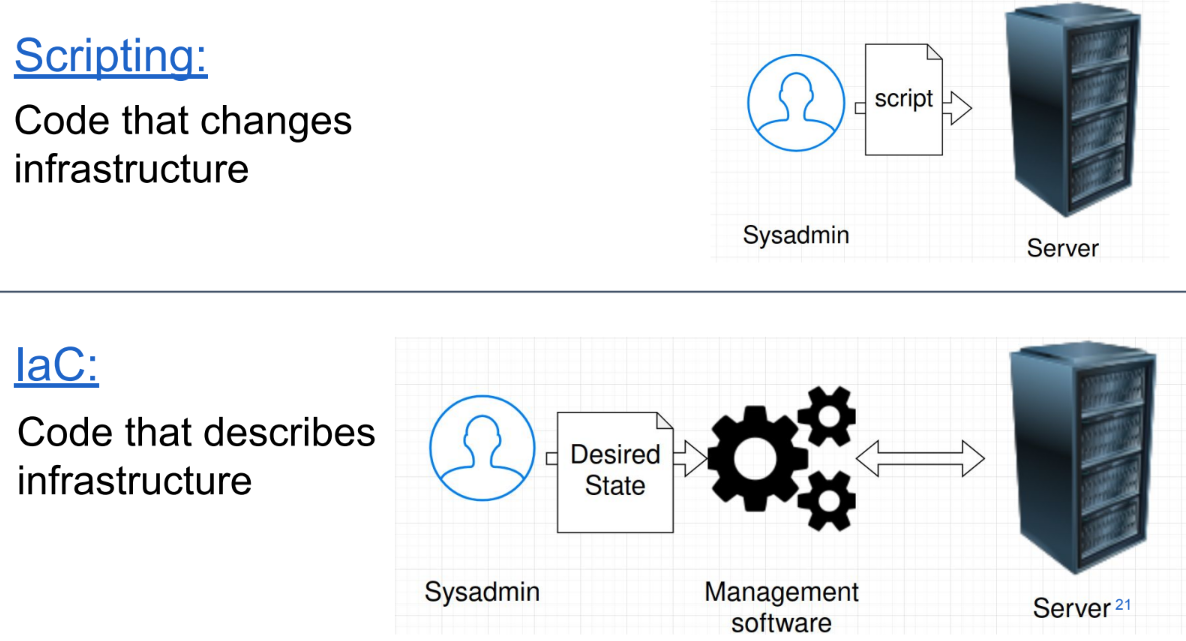
Code describing infrastructure
verschil met scripting (figuur)
History: CFEngine
Created in 1993 by Mark Burgess (Theoretical Physics)
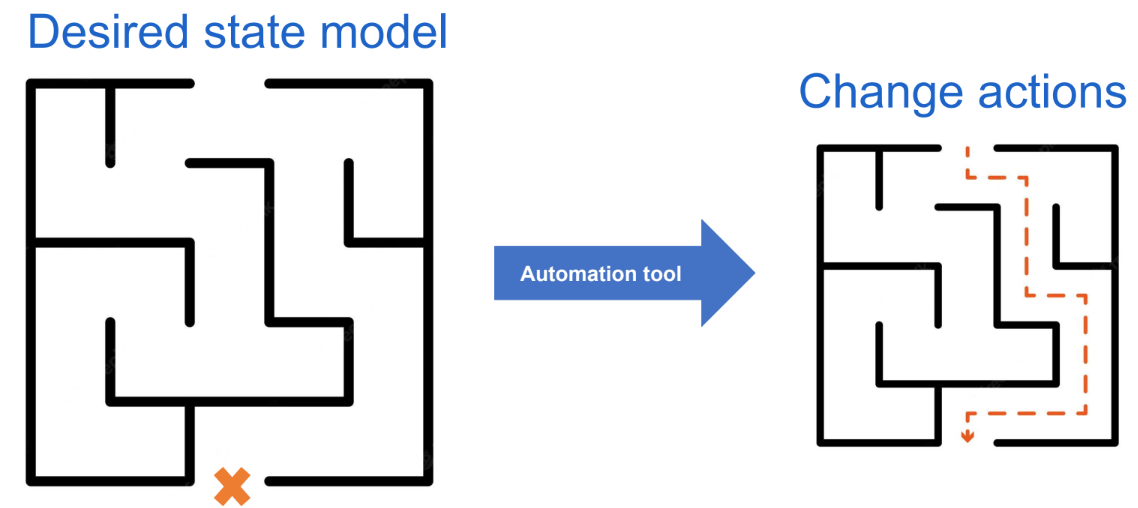
Convergence: user describes final state, software decides what actions are needed to go to that state.
Declarative description of desired state
Unpredictable initial state, predictable end state
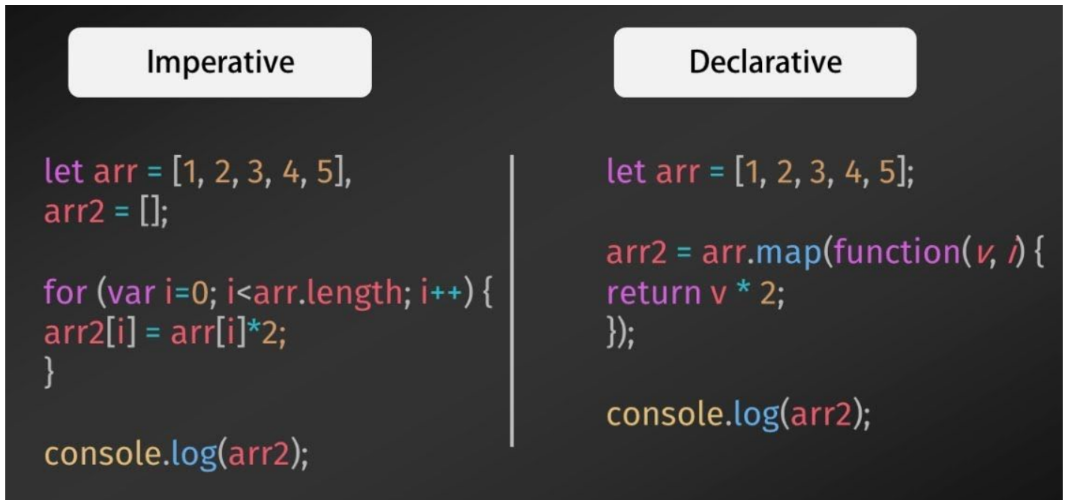
Imperative vs Declarative
Imperative (The "How"): You provide explicit, step-by-step commands or actions to achieve a goal. An example is writing a traditional script or a
forloop where you tell the system exactly what to do at each step.Declarative (The "What"): You describe the desired end state you want to achieve, and the underlying system figures out the necessary steps to get there. For example, in Kubernetes or Infrastructure as Code, you declare your intent (e.g., "I want 3 instances of this application running"), and the system continuously works to reach and maintain that state without needing step-by-step instructions.
Linux configuration is imperative!
Every config management tool wraps imperative
Linux commands in declarative interfaces!
But! efforts underway to make userspace completely declarative
Aside: declarative linux NixOS
Desired State Principle
Is a declarative config management design pattern.
User defines in a model what the desired state is. The system takes the actions in order to get the server in that state.
Example: Kubernetes
Unpredictable initial state → predictable end state
Idempotence and Convergence
Describes “How” the system achieves the desired state
idempotence: Running an action twice gives the same result
Convergence: Check if the action is needed.
faster “no-ops”

Summary: why IaC
Improve consistency and reliability
Reduce human error
Reduce environment drift
Self-documenting infrastructure
Scale sysadmins
Speed up deployment, change and recovery
Increase reusability
Workflow automation
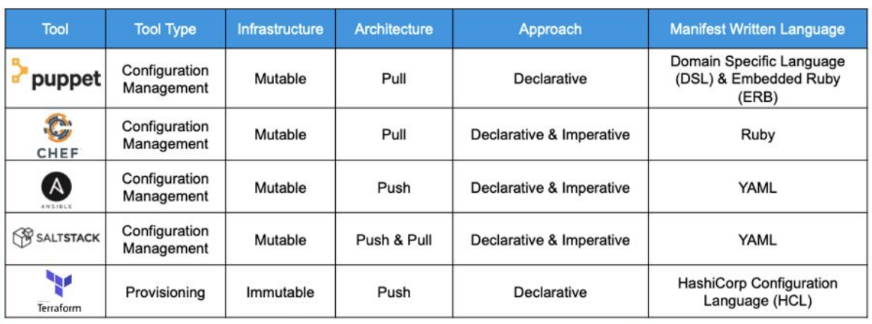
IaC landscape (overview)
Ansible
Algemeen
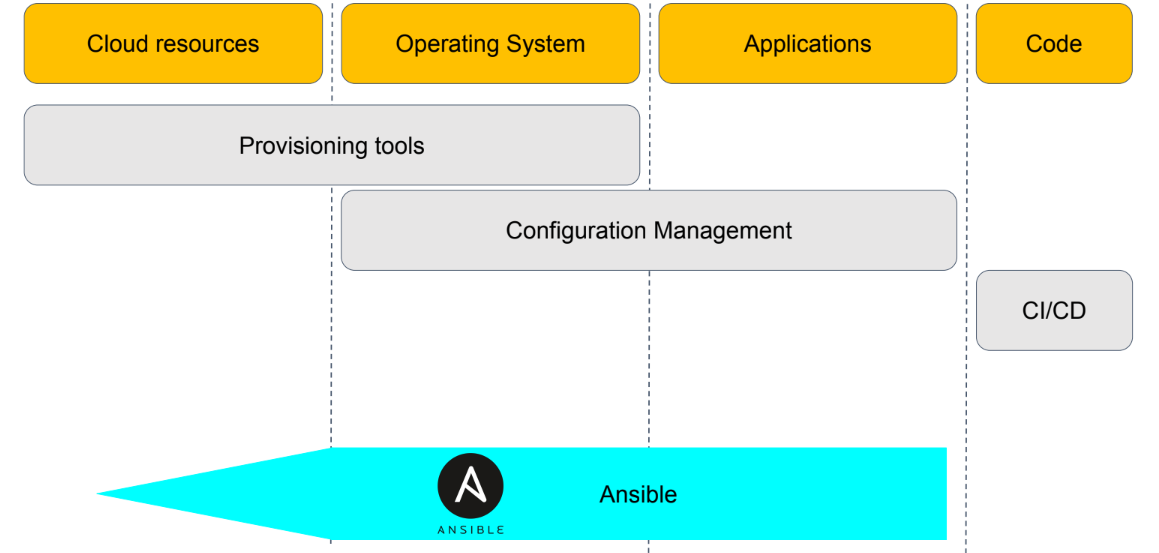
Hybrid: imperative execution of declared changes (YAML)
Agentless.
Client uses SSH to copy code to remote machine and run it.
You modify servers by running modules.
Each module is a Python script that runs on the servers.
Modules take input.
*Many modules use desired state principle.
Cross-platform
Ubuntu most popular platform
Ansible
model terminology
Task: single execution of a module
Playbook: File with a collection of tasks
Subdivided in plays
Statically reusable
imperative list of declarative changes
Role: Templated collection of tasks and related content
Dynamically reusable
Can be configured to fit specific need
Shared online
Ansible
Ecosystem
Ansible Engine: Client CLI tool
Ansible Galaxy: Online repository of modules and roles
Install Kubernetes, manage LDAP, deploy Minecraft server,..
Quality varies
Commercial/private version: Ansible Automation Hub
Ansible Tower: Control server
Role Based Access Control
Job Schedulin
Dashboard and inventory management
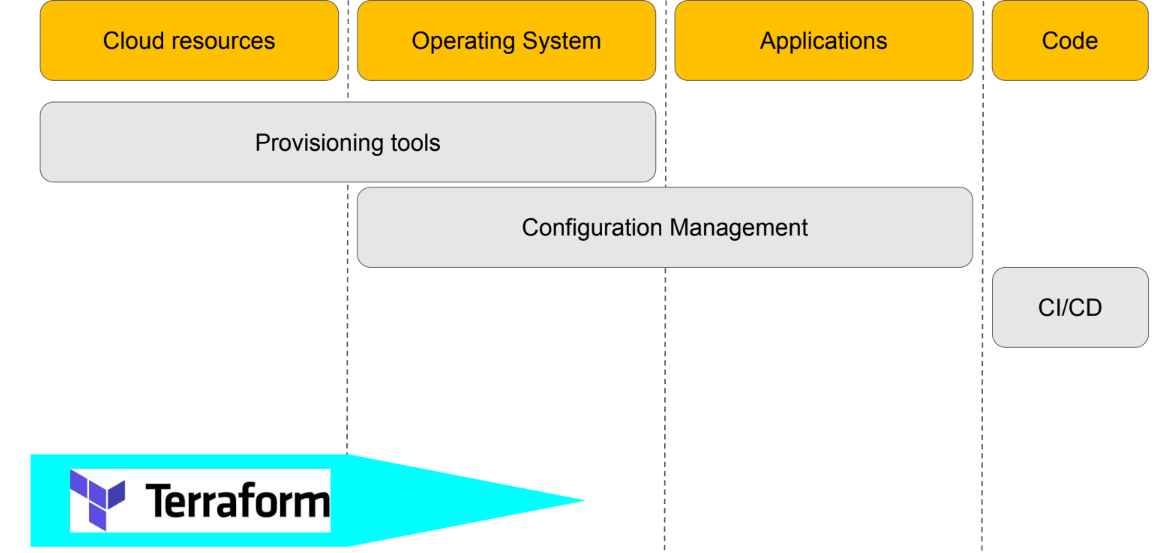
Terraform
algemeen
Declarative (HCL or json)
You change virtual infrastructure
Agentless
Compatible with most platforms and clouds
Terraform is not open source
Business Source License (BSL)
Source-available license
Cannot use product if you compete with Hashicorp offering
All code Open Source after 2 years
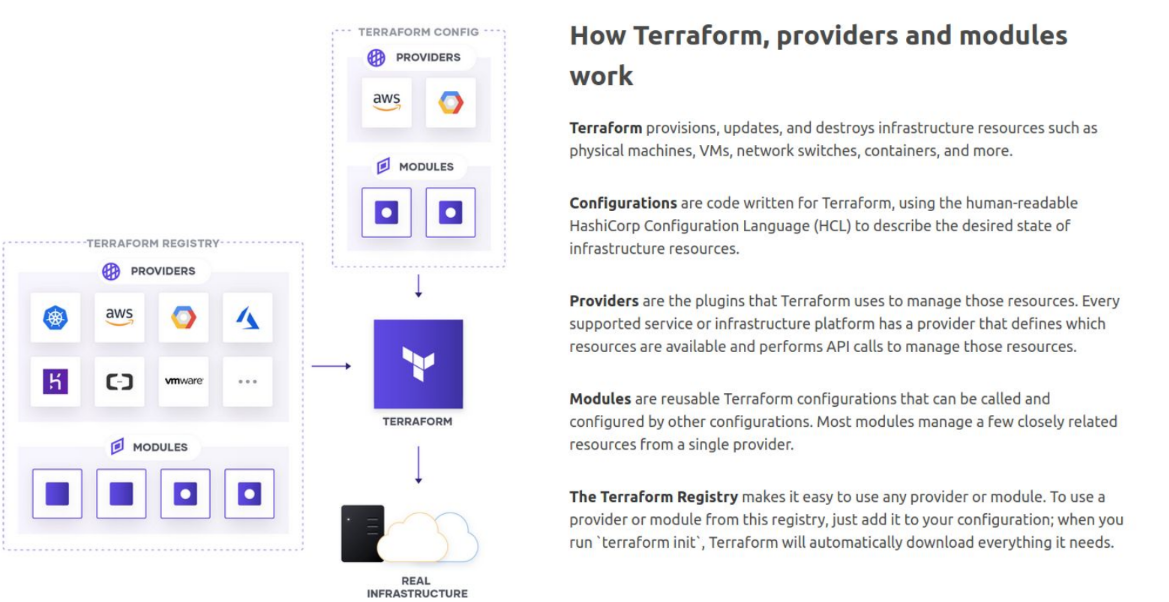
Terraform
configuration
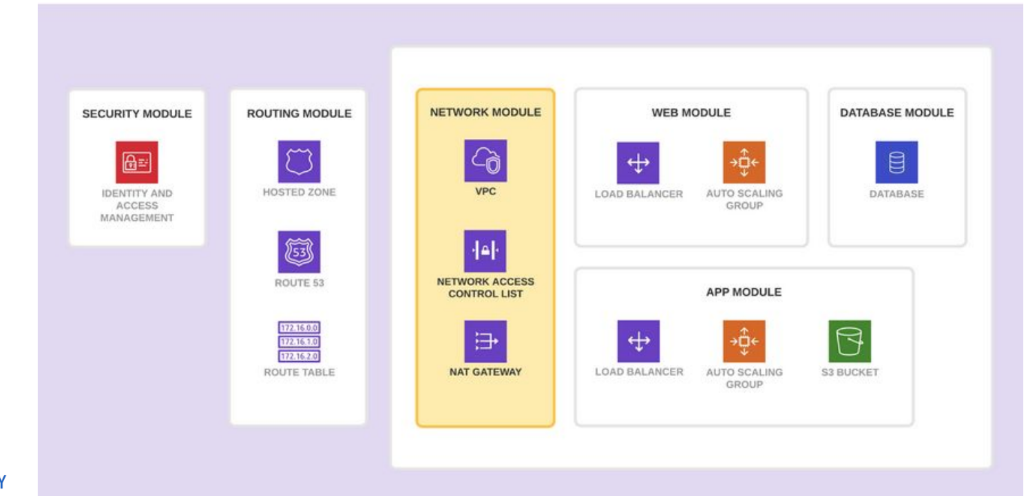
modules
A configuration contains multiple resources, a provider and Terraform config
Resources can be “locked”
Resources are cloud-specific
Terraform modules = reusable configurations
Ansible and terraform possible together
Terraform
OpenTofu
Open Source fork of old Terraform code
Compatible with Terraform 1.5.x
Linux Foundation project
Slower development but larger community
Chef
Algemeen
Chef Infrastructure
Hybrid: imperative execution of declared changes (Ruby)
You modify servers using Resources
* Many Resources use desired state principle
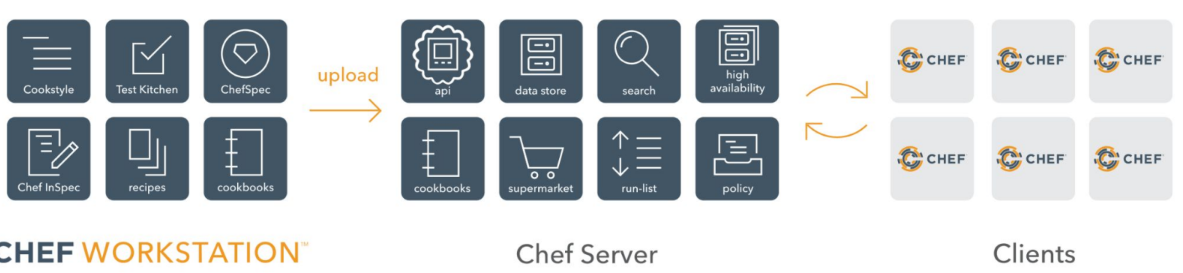
Agent (Chef Infra Client) connects to Chef Infra Server to retrieve models
Cross-platform
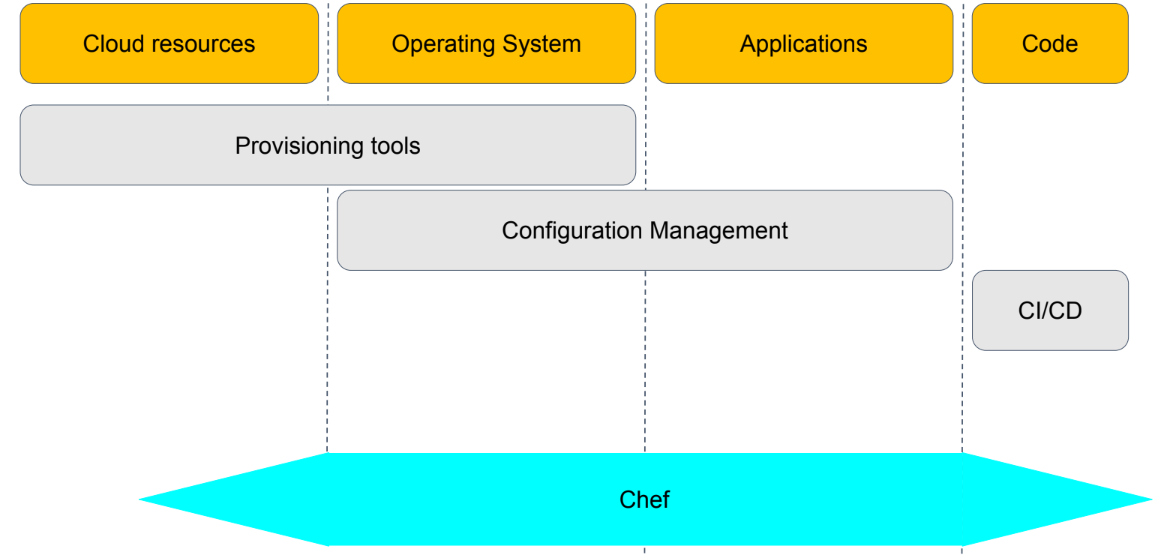
Chef
Cookbooks
Templated model of desired state
A Cookbook contains multiple Recipes
A Recipe contains multiple Resources
A Resource describes the desired stat
Community code is shared on the Chef Supermarket
Puppet
algemeen
ecosystem
Declarative (Puppet programming language)
Execution order not guaranteed
Agent connects to master to fetch desired state
You modify servers by defining Resources
Cross-platform
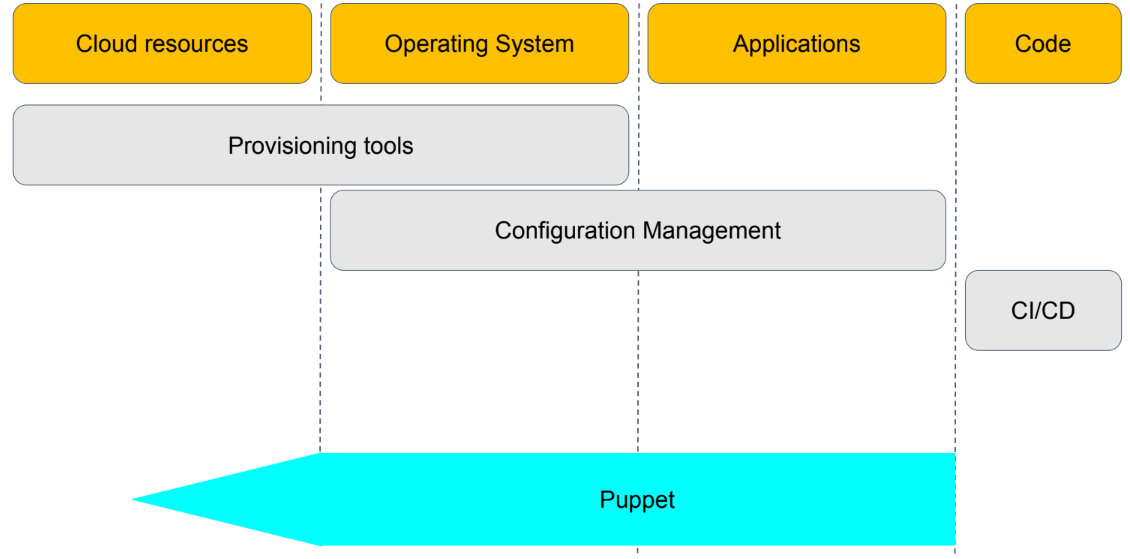
Puppet Enterprise
Scalability
UI
Role Based Access Control
Support
Juju (Canonical)
algemeen
Declarative (YAML)
Agents get the desired state from Controller
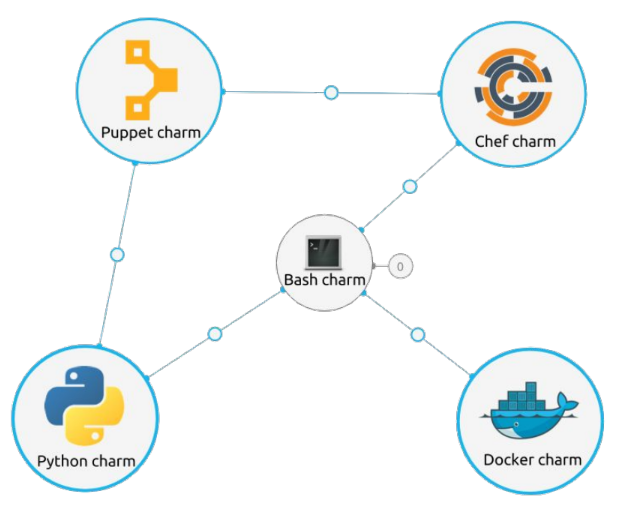
You manage infrastructure by creating models and modify servers by deploying Charms
Focus on complex, interdependent applications
Compatible with multiple platforms
Ubuntu best supported
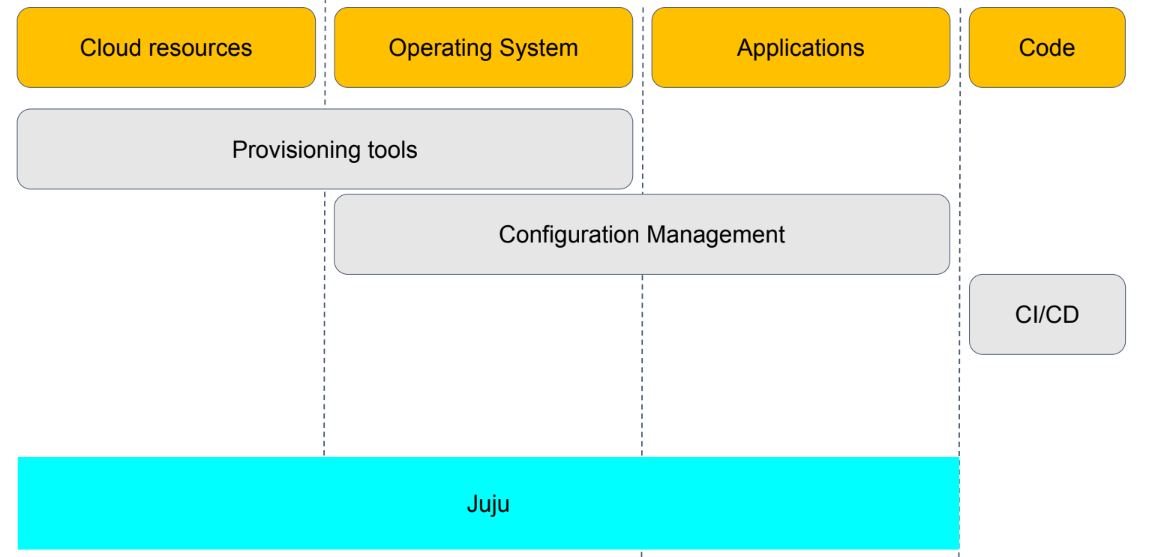
Juju
relations
Dynamic reconfiguration based on attached services
Great for highly modular software
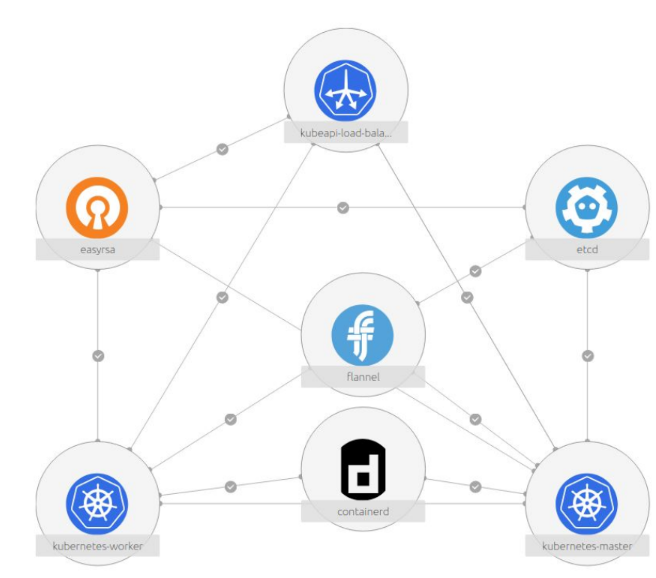
Juju
charms
High-level pieces of automation code downloaded from their webiste
Any language (Python is best supported)
Deploying applications, not changing config
Using Juju often requires writing Charms
Possibility to reuse existing automation code
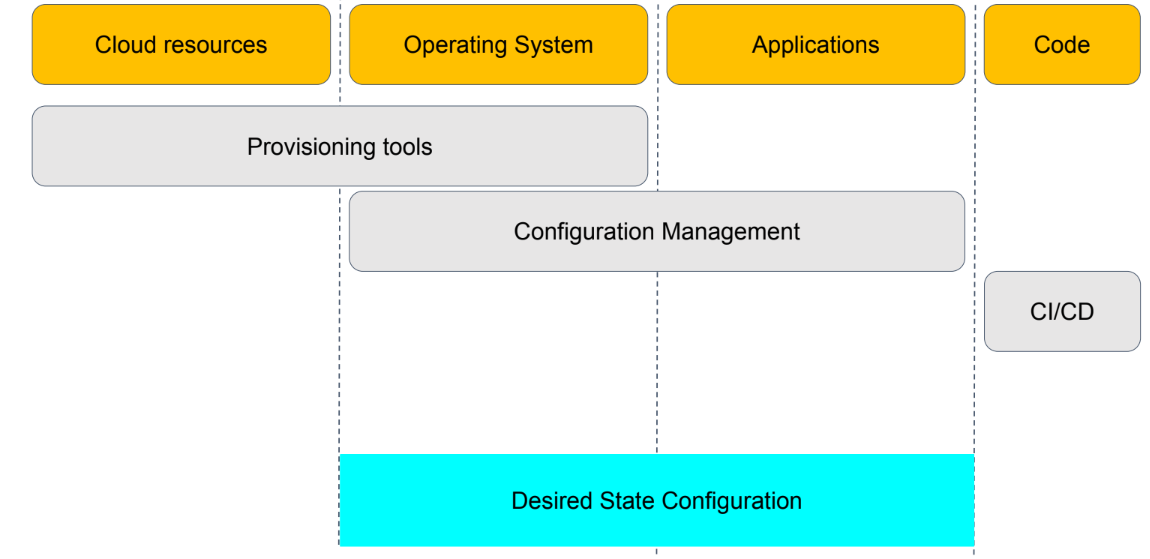
Desired State Configuration
algemeen
Declarative (PowerShell objects)
You modify servers using Resources
Agent (Local Configuration Manager)
Compatible with multiple platforms
PowerShell Gallery hosts a wealth of DSC resources
Kubernetes
algemeen
verschil met H4 (5 belangrijke)
“Kubernetes (K8s) is an open-source system for automating deployment, scaling, and management of containerized applications.”
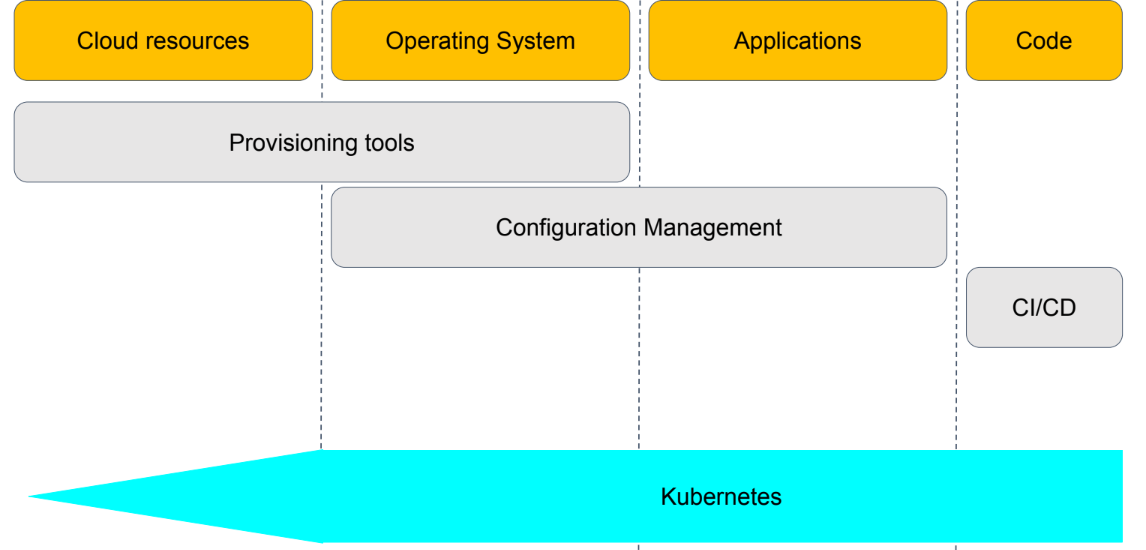
Hier zijn de belangrijkste nieuwe zaken die in hoofdstuk 5 over Kubernetes worden uitgelegd:
Kubernetes IS een IaC-tool: De lesgever benadrukt dat je traditionele IaC-tools zoals Ansible of Terraform niet moet gebruiken om applicaties binnenin Kubernetes te beheren. Omdat Kubernetes fundamenteel gebouwd is op IaC-principes (zoals het declaratief beschrijven van de "desired state" in YAML), is het zelf al een uitstekende tool voor configuratiebeheer en CI/CD. Het gebruik van Ansible of Terraform in combinatie met Kubernetes is voornamelijk nuttig om het Kubernetes-cluster zélf te installeren of om applicaties te beheren die (nog) niet geschikt zijn voor Kubernetes.
Beheer van externe cloud resources (In plaats van Terraform): Kubernetes wordt steeds vaker gebruikt om niet alleen containers, maar ook échte cloud resources te beheren, zoals virtual machines of Database-as-a-Service. In plaats van een gewenst model in Terraform te schrijven, kun je dit direct in Kubernetes definiëren. De Kubernetes operators en de cloud controller manager communiceren vervolgens met de API van de cloud provider (zoals AWS of Azure) om deze infrastructuur voor jou op te zetten.
Kubernetes die Kubernetes uitrolt (Cluster API): Een specifiek nieuw concept is het gebruik van een Kubernetes-cluster om meer Kubernetes-clusters op te vragen en te beheren. Via de zogenaamde "Cluster API" kan Kubernetes communiceren met hypervisors (zoals VMware of LXD/MAAS) om virtuele machines of fysieke servers te voorzien en daar Kubernetes op te installeren. Dit is exact het mechanisme dat achter de schermen wordt gebruikt voor de xNative Lab testomgeving waar je in de labosessies mee zult werken.
Een gestandaardiseerde API voor automatisatie: Kubernetes groeit uit tot een gestandaardiseerde API om te interageren met infrastructuur. CI/CD systemen gebruiken steeds vaker uitsluitend de Kubernetes API (via
kubectl) om deployments aan te sturen. Omdat applicaties via deze API kunnen worden beheerd, ontstaat er een ecosysteem waarbij de ene Kubernetes-applicatie geautomatiseerd andere applicaties beheert.Aansturen van externe hardware: Waar operators in hoofdstuk 4 vooral interne K8s-zaken afhandelen, wordt in hoofdstuk 5 vermeld dat operators ook externe systemen kunnen configureren. Zo kan Kubernetes bijvoorbeeld communiceren met een externe Citrix ADC ingress controller of zelfs fysieke netwerkswitches configureren om virtuele netwerken (VLAN's) op te zetten.
Kubernetes
as a platform
as an API
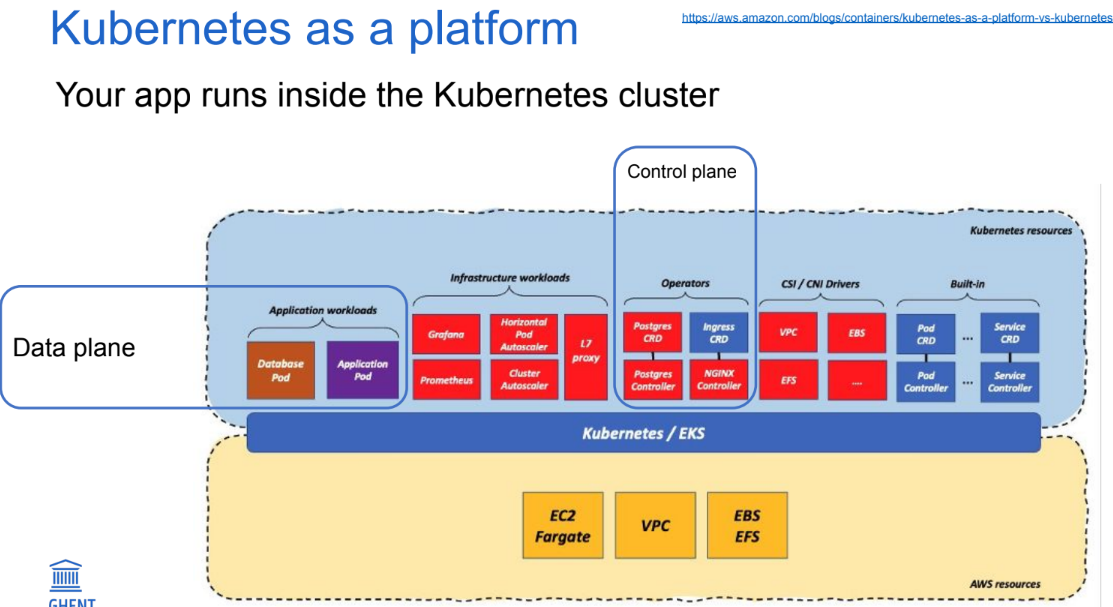
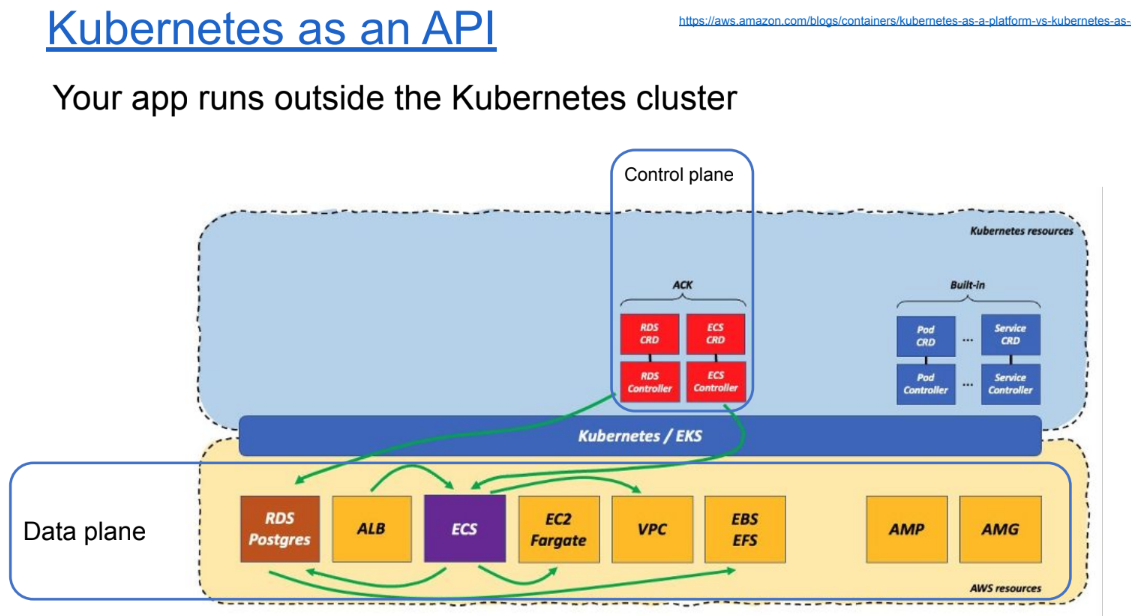
IaC Design Patterns
Unattended automation
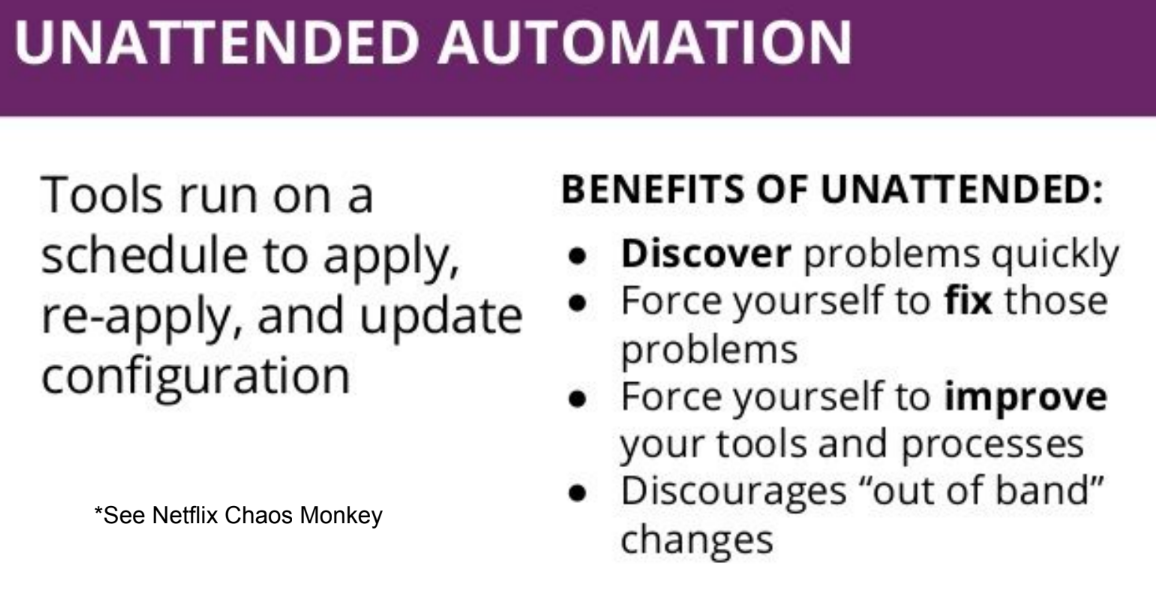
Iac Design Patterns
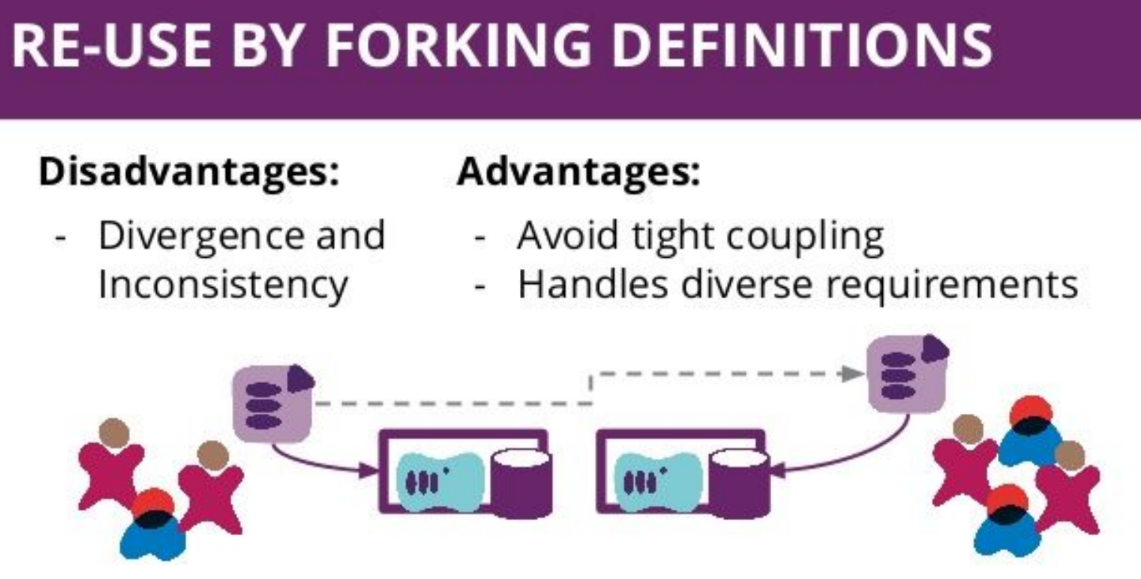
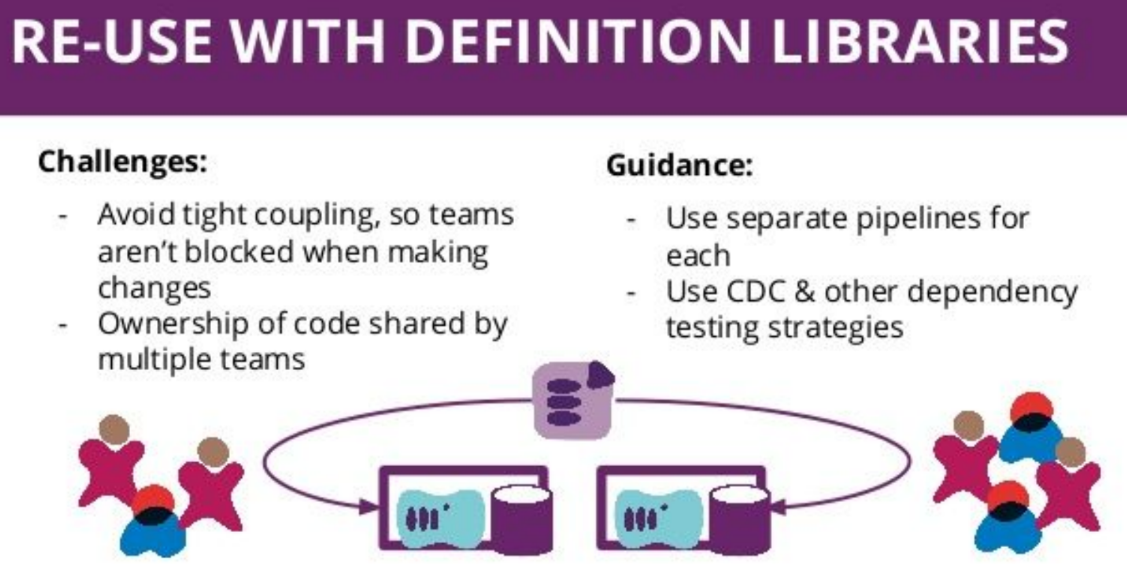
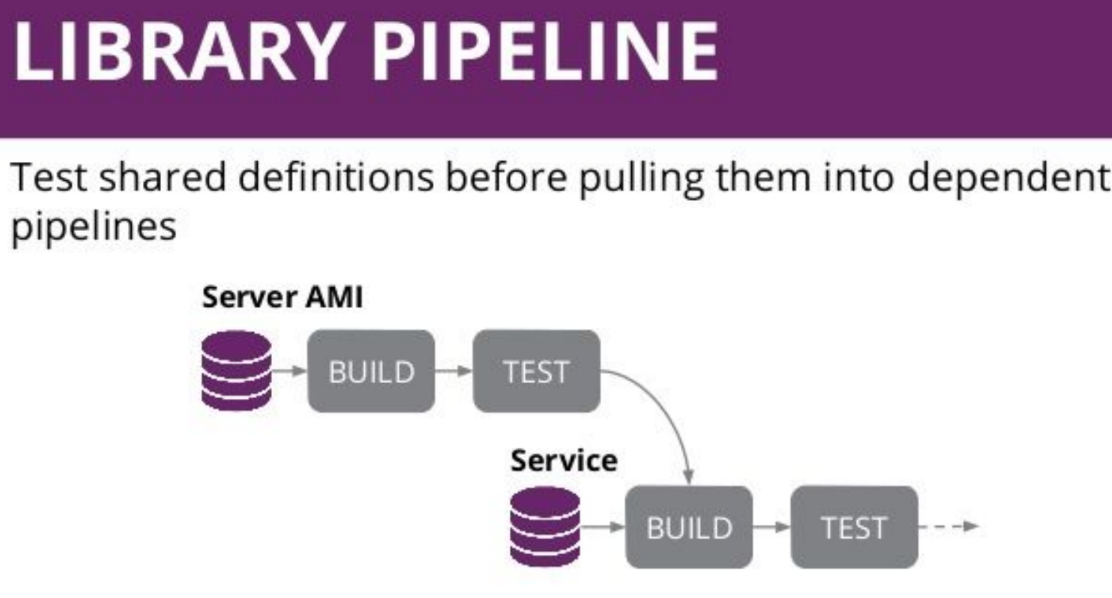
Re-use & promote definitions
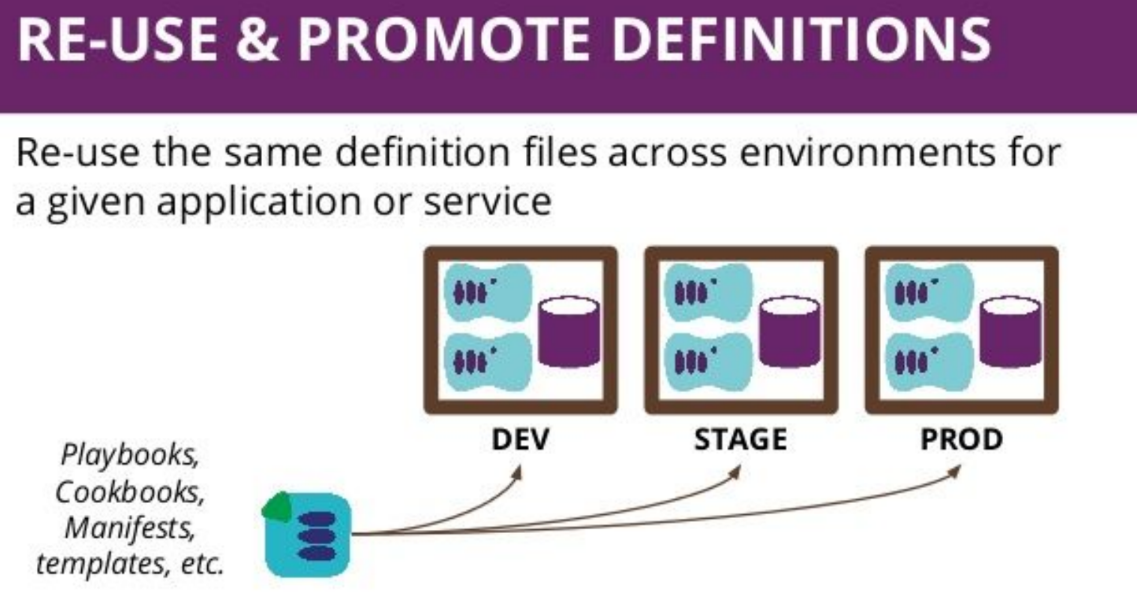
IaC Design Patterns
Cattle not Pets
Pets are indispensable or unique systems that can never be down. Typically manually built, managed and hand fed. During a failure event, pets need to be manually nursed back to health.
Cattle are arrays of more than two servers, that are built using automated tools, and are designed for failure, where no one, two, or even three servers are irreplaceable. Typically, during failure events no human intervention is required as the array exhibits attributes of “routing around failures” by restarting failed servers or replicating data through strategies like triple replication or erasure coding.
IaC Design Patterns
Issue: duplication
3 opl
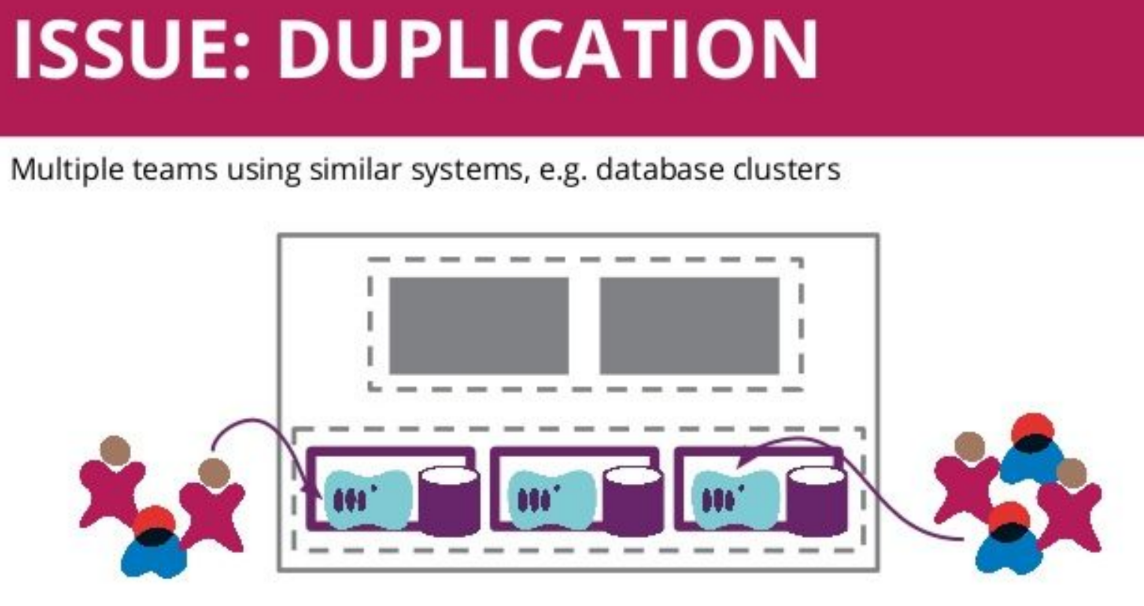
IaC Design Patterns
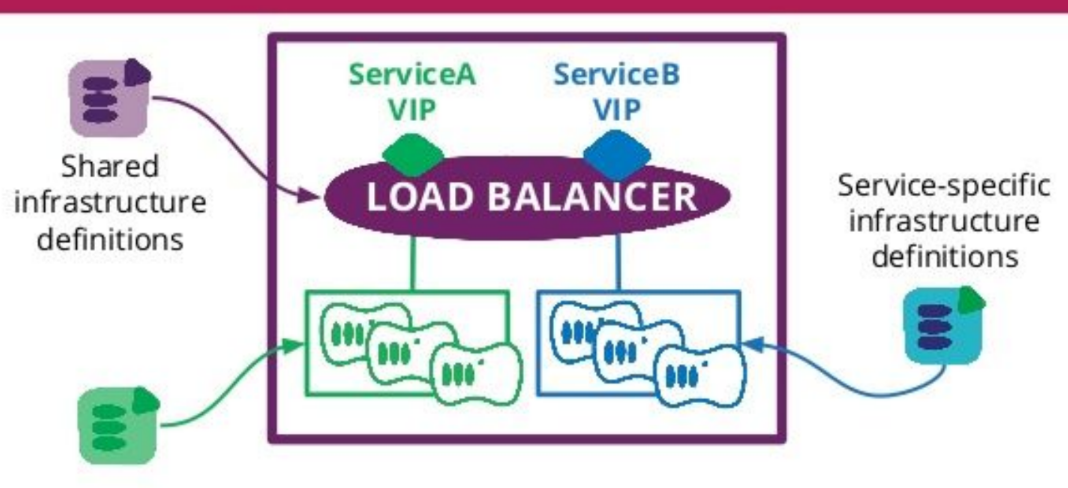
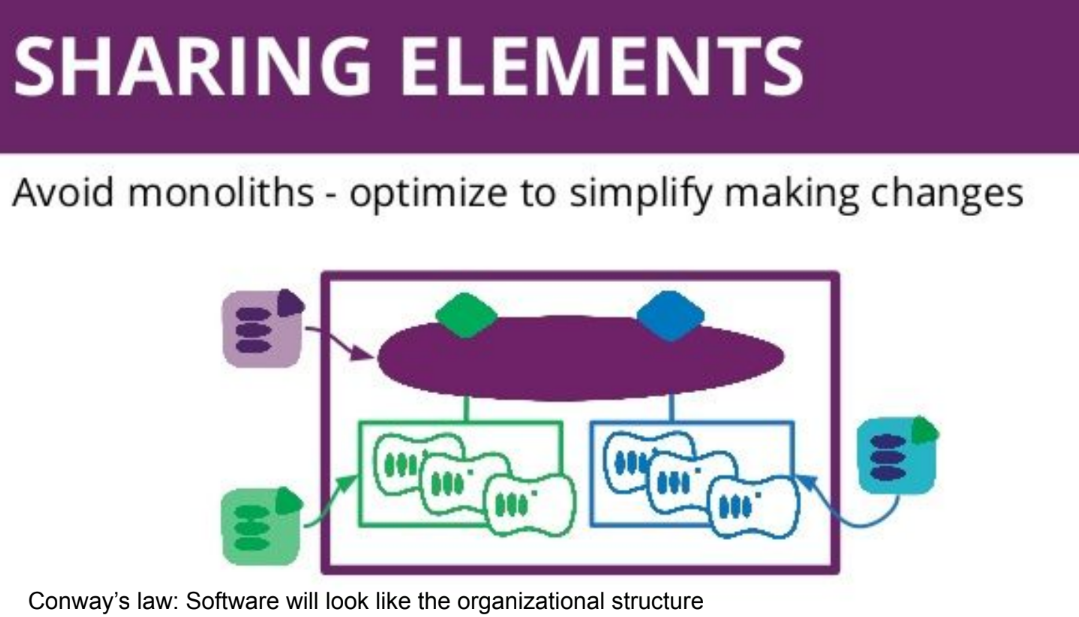
Issue: Shared elements
Webassembly for Edge and IoT devices
WebAssembly is binary code
Compiled for a “virtual” CPU
Runs in a runtime: Browser, Node.JS, wasmtime
Just In Time (JIT) - compiled by runtime while running
Ahead Of Time (AOT) - compiled to native code beforehand
Interpreter - interpreted by runtime while running
-> also called a Virtual Machine (VM)
Why does WebAssembly exist?
Support any language in a minimal runtime
Completely cross-platform
Sandboxed by default
Near-native performance
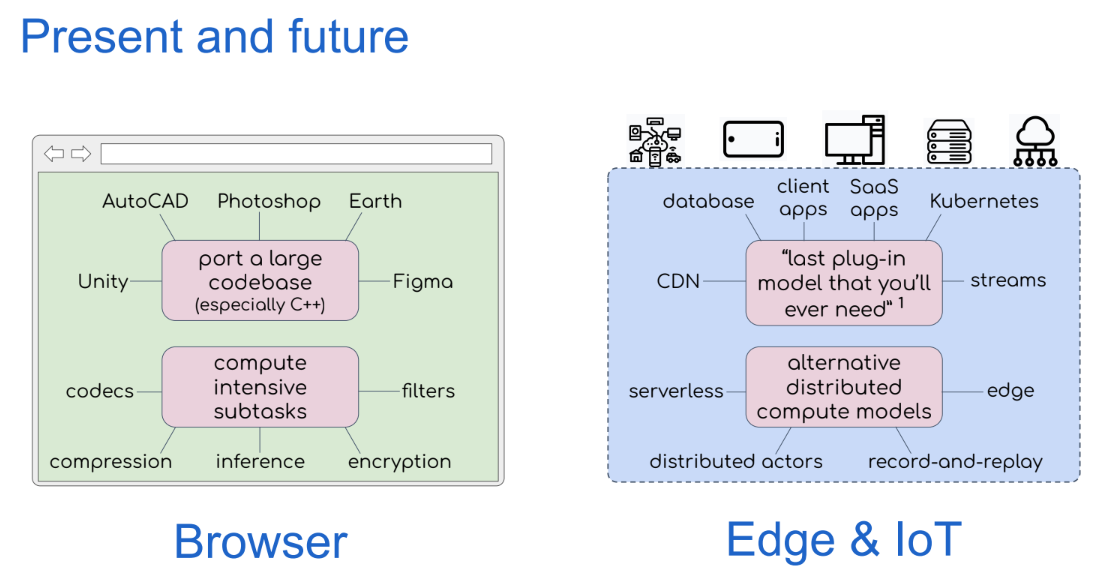
So how does a wasm app talk to the outside world?
System Interfaces full of System Calls (syscalls)
What does “outside” mean?
Open files
Download files
Open TCP/IP sockets
Threading
USB devices
DOM (webpage)
Legacy system interface: “Emscripten”
Browser
JavaScript API - wasm calls js API of browser to modify DOM, download files, etc.
Node.js runtime
JavaScript API
without browser-specific interfaces
+ server-specific interfaces
-> JavaScript API is inefficient, gigantic, and not secure
WebAssembly System Interface (WASI)
A new syscall interface built for speed, security and cross-platform support.
Standardised by W3C WASI subgroup
Built by bytecode alliance
With many non-browser partners
Cloudflare, Fastly, Siemens, VMware
FAQ: WebAssembly vs Java runtime?
Many similarities both in design and use-cases
“Write once, run anywhere”
Architecture-independent bytecode
JVM on microcontrollers: Johnson Controls heat pumps
JVM in browser: Java Applets (vSphere web UI)
But ultimately, JVM failed in most of these fields. It remains a single-vendor runtime for a single language family.
Why WebAssembly instead of JVM
WebAssembly learned from the 20+ years of JVM experience.
Compilation target for all languages, standardized by W3C
JVM is too reliant on a single vendor and too focussed on a single language family
JVM is too opinionated about languages: e.g. requires classes and garbage collector
Sandboxed by default with capability-based access to outside world
JVM apps have too much access to underlying OS, resulting in security and portability nightmares.
JVM assumes all code is trusted
Software delivery baked-in: Streamability, Hotplugging
JVM is too focussed on traditional applications consisting of a single, static, monolithic app already on the user’s machine.