The Applications Of the Types Of Mirrors
 Call Kai
 Learn
Learn Practice Test
 Spaced Repetition
 Match
Match Flashcards
 Knowt Play
1/7

There's no tags or description
Looks like no tags are added yet.
Name | Mastery | Learn | Test | Matching | Spaced | Call with Kai |
|---|
No analytics yet
Send a link to your students to track their progress
8 Terms
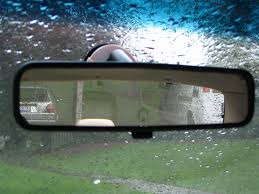
Why do cars use mirrors that show a wide area behind?
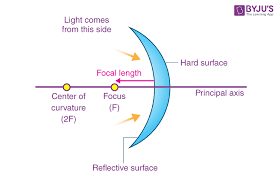
Type of mirror: Convex mirror
Explanation:
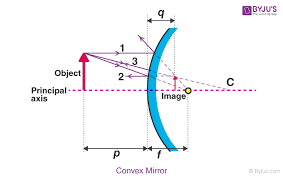
Convex mirrors diverge light rays, giving a wider field of view. This helps drivers see more of the road behind them, reducing blind spots.

Why does a dentist use a small mirror to see inside your mouth?
Type of mirror: Concave mirror
Explanation:
Concave mirrors produce a magnified and upright image when the object is close. This helps dentists clearly see teeth and cavities.
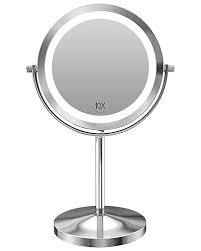
Why do makeup mirrors make your face look bigger?
Type of mirror: Concave mirror
Explanation:
When the face is placed close, concave mirrors form a magnified image, making it easier to apply makeup or shave accurately.
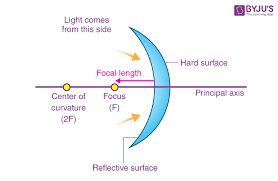

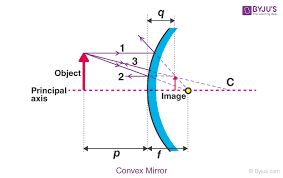
Why are curved mirrors installed in supermarkets and ATMs?
Type of mirror: Convex mirror
Explanation:
Convex mirrors provide a wide-angle view, helping security staff monitor large areas and prevent theft.
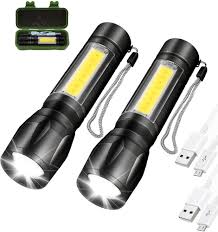
How is light focused in torches?
Type of mirror: Concave mirror
Explanation:
Concave mirrors reflect light into a strong parallel beam, making the light travel farther and brighter.This is useful for focusing light in applications like torches.
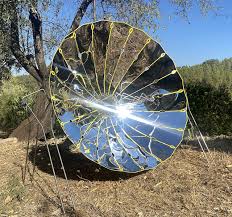
How can sunlight be used to produce high heat for cooking or experiments?
Type of mirror: Concave mirror
Explanation:
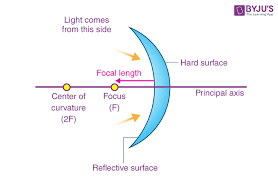
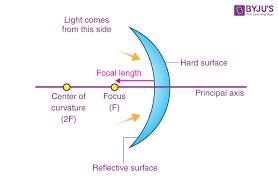
Concave mirrors focus parallel rays of sunlight to a single point (focus), concentrating energy and producing very high temperatures. This is used in solar cookers and solar furnaces.

How do car headlights produce a strong, focused beam of light?
Type of mirror: Concave mirror
Explanation:
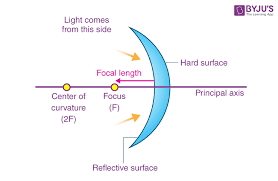
A concave mirror placed behind the bulb reflects light into a strong parallel beam, helping light travel farther and improve visibility at night.
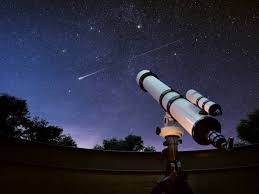
How do telescopes allow us to see distant stars and planets?
Type of mirror: Concave mirror
Explanation:
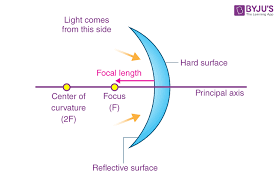
Large concave mirrors collect faint light from distant objects and focus it to form clear, magnified images, helping astronomers study space.