Marketing Final
 Call Kai
 Learn
Learn Practice Test
 Spaced Repetition
 Match
Match Flashcards
 Knowt Play
1/44

There's no tags or description
Looks like no tags are added yet.
Name | Mastery | Learn | Test | Matching | Spaced | Call with Kai |
|---|
No analytics yet
Send a link to your students to track their progress
45 Terms
product
anything of value to consumer, offered through marketing exchange
goods, services, places, ideas, organizations, people, communities
innovation
process of ideas transformed into new products to help firm grow
why are there changing customer needs?
create/deliver value more effective
prevent boredom
identify products customers didn’t know they need
make product better
protection of ideas, secrecy
growing market = aging population
legislation changes
market saturation
value of firm will decline
opportunity to adopt new process
when in marketplace long time
managing risk through diversity
broader portfolio enhance value
withstand external shocks, changes in consumer preferences, and intense competitive activity
improving business relationships
improve w supplier rather than consumer
help supply missing products faster
easy to develop new products
adoption of innovation
diffusion of innovation: spread throughout market group over time
rate which consumers likely to adopt new product
identify potential markets, predict sales
pioneers/breakthroughs
new-to-world products
establish new market/radically change competition + consumer preferences
disruptive innovations
simpler, less expensive than existing
first movers
pioneers first to create market/product category
most recognizable, have early commanding market share lead
less marketing effort to create demand
space for better products, lower prices, imitators can capitalize
reasons for high failure of new products
fail to assess market, neglect testing, wrong target, poor positioning
offer few benefits, too complex, require substantial learning/effort to use
bad timing
overextend abilities, inconsistent w brand image/value proposition
Adoption of Innovation Timeline Curve Cycle
investors
early adopters
early majority
late majority
laggards
predict customers, help develop effective promotion, price, marketing
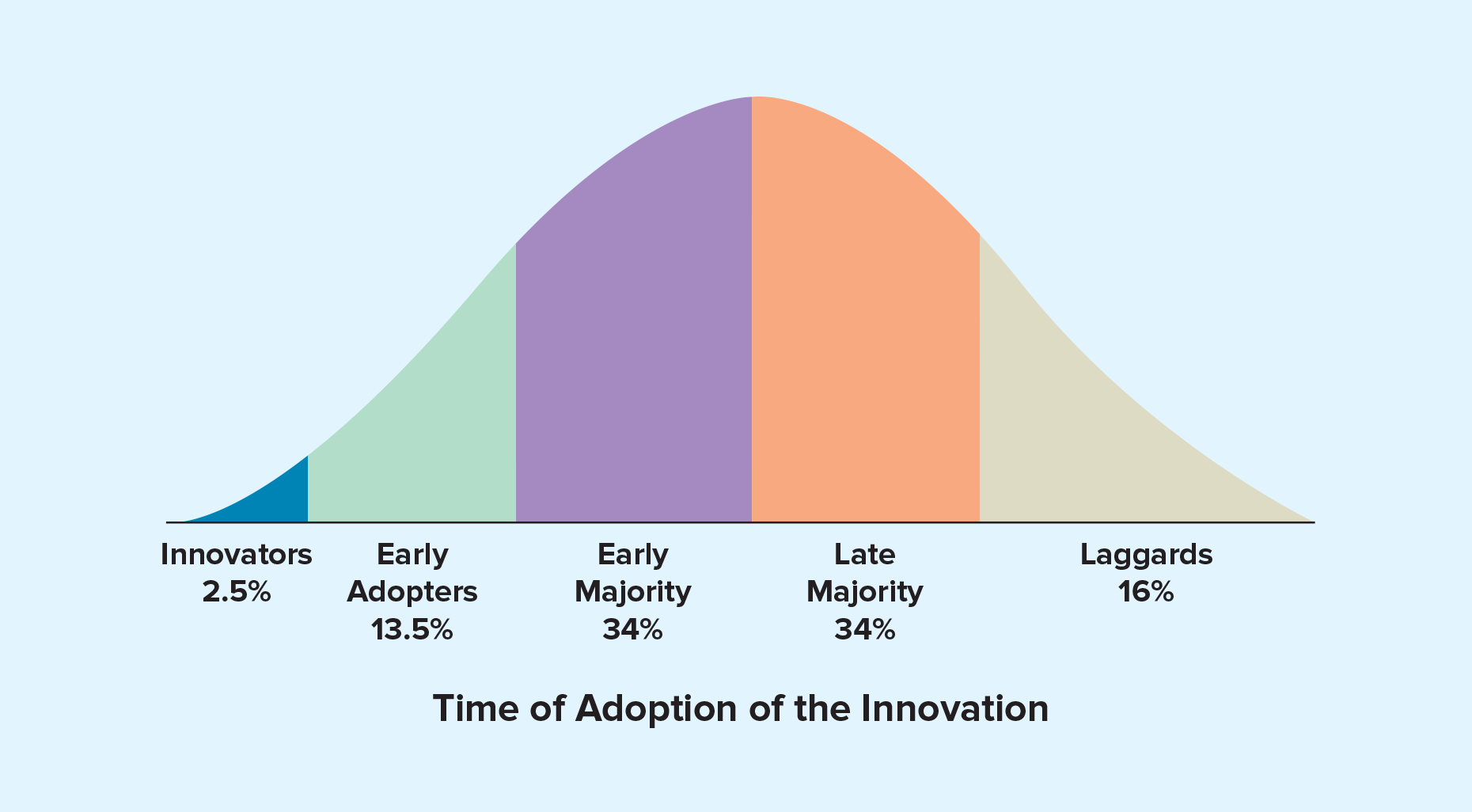
innovators
first to buy 2.5%
take risks, not price sensitive, highly informed
help market acceptance
early adopters
less risk, wait for reviews 13.5%
enjoy novelty, opinion leaders, spread word
opinion leader
individuals who exert unequal influence on decisions of others because theyre knowledgeable
early majority
make products profitable 34%
dont take risks, wait for improvements
peak no. of competitors
best price + quality choices
late majority
last to enter market 34%
achieved full market potential
sales level off/decline
laggards
will not buy unless no choice 16%
avoid change, rely on traditional
product diffusion factors
relative advantage: perceived as better
compatibility: customized based on consumer features
observability: easily communicated (nature of product type)
complexity + trialability: can try before buy
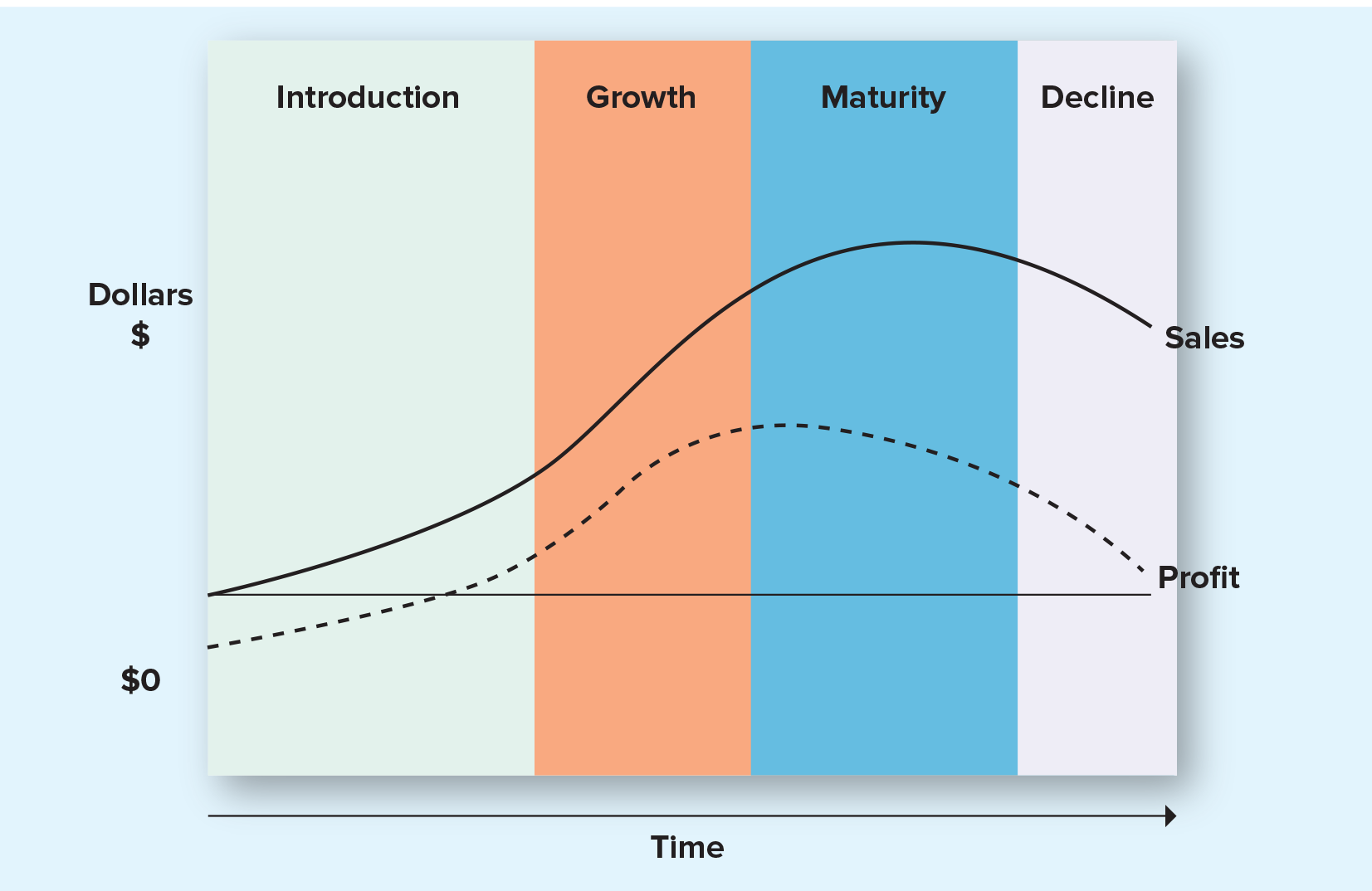
Product Life Cycle
for strategic planning, differs for each product
faster acceptance = faster life cycle
cannot use to predict
introduction
growth
maturity
decline
introduction stage
innovators start buying
single firm, others follow viability
initial loss, high start-up cost, low sales revenue
growth stage
product gains acceptance
increasing demand, sales, competitors, product versions, profit
more segmented market, more preferences
try to reach new consumers
industry shakeout
exit market when fail to establish stronghold
maturity stage
sales peak
late majority purchasers
intense competition for market share, saturated
increasing marketing costs
prices fall, profit margins decreases
must rejuvenate, stay relevant, reposition, enter into new market, develop new, find new uses
decline stage
exit market
position for small niche segment of special needs/die-hard consumers
laggards
complexity of products
core customer value: basic benefits
actual product: brand name, packaging, quality level, features/design
associated services: financing, product warranty, product support
types of products
for consumers or businesses
specialty: strong preference, considerable effort to find best
shopping: will spend time comparing alternatives
convenience: not spend effort to evaluate, frequent/commodity
unsought: do not know about
product mix
all products offered by firm (breadth + depth)
product line
group of associated items
eg. oral care
product category
items seen as reasonable substitutes
same or different brands
eg. toothpastes
brand
name, design, symbol to identify good as distinct
product mix breadth
variety (no. of product lines offered)
product line depth
no. of product categories in each line
stock keeping units (SKU)
individual items
size, flavour, etc
smallest unit for inventory control
one universal product code per SKU (UPC)
category depth
no. of SKU in each category
problem with too much variety
costly to maintain
dilute overall reputation
how can you change the product mix
+/- from product line (breadth)
+ capture new markets, increase sales
- address changing market, meet internal priorities
+/- depth
address changing preferences, boost sales, preempt competitors
realign resources, eliminate unprofitable, refocus efforts
branding
consumers mush know product exists
differentiate from competitors
logos, symbols, characters, slogans, jingles, packages
value of branding
facilitate purchasing: easily recognize, signify quality, help quick decision
establish loyalty: strong affinity/familiarity, will buy within product mix
protect from competition: loyal, high quality can maintain high price
reduce marketing costs: can spend less, sell itself, sponsorships, wordofmouth
are assets: legally protected, counterfeits/unauthorized dealers won’t dilute
impact market value: overall value of company
brand equity
assets/liabilities linked to brand
+/- value of product
brand awareness, perceived value, brand associations, brand loyalty
brand awareness
how many consumers in market familiar w brand
what brand stands for, have an opinion
more awareness = faster decision-making
can dominate market = synonymous w product
requires repeated exposure of brand elements
perceived value
relationship bet