Repitles & Birds Study Guide
 Call Kai
 Learn
Learn Practice Test
 Spaced Repetition
 Match
Match Flashcards
 Knowt Play
1/56

There's no tags or description
Looks like no tags are added yet.
Name | Mastery | Learn | Test | Matching | Spaced | Call with Kai |
|---|
No analytics yet
Send a link to your students to track their progress
57 Terms
List the 5 species of sea turtles in Florida:
Green sea turtle, Leatherback sea turtle, Loggerhead sea turtle, Kemp Ridley sea turtle, Hawksbill sea turtle
Circle the one most prized for shell pattern and has a hooked beak for eating sponges.
Hawksbill sea turtle
Name the species that primarily eats jellyfish:
Leatherback sea turtle
Name the species that is an herbivore:
Green sea turtle
What are 2 ways leatherbacks adapted for deep diving?
They have a firm, leathery skin with seven longitudinal ridges instead of a hard shell, and they can maintain a body temperature higher than the surrounding water (endothermy), allowing them to venture into much colder, deeper water.
Largest sea turtle:
Leatherback sea turtle (can grow to 6 feet in length).
Social Behavior:
Sea turtles are generally solitary, coming together only to mate.
Where on the beach do sea turtles make nest?
Past high tide mark
Where do sea turtles lay eggs? How many?
On the same beach they were born (100-150)
What determines the gender of baby sea turtles?
Temperature of sand
What keeps female from nesting on a beach?
People, animals, buildings (development of beaches)
How do sea turtles remove excess salts?
Through their tears
We think sea turtles use the Earth’s magnetic field to return to the same beach where they hatched. What substance in their brain allows them to do this?
Magnetite
Name the marine reptile found only on the Galapagos Islands.
The Marine Iguana
Why are they blackish?
To help absorb heat from the sun while basking on rocks
Describe how marine iguanas are adapted to sea life by telling what do they eat?
Dive into water to catch seaweed/ algae
How do they remove excess salt? ( Marine iguanas)
Snotting, sneezing out
Where do they lay their eggs? (Marine Iguanas)
in sand
List the adaptations of sea snakes that allow them to inhabit the sea:
They have a laterally flattened body with a paddle-like tail for swimming. They can also breathe through their skin.
• Venom: They are related to cobras and have powerful, potentially fatal venom, though they are generally not aggressive.
• Diet: They are carnivorous, mainly feeding on fish and fish eggs.
Salt glands under tongue
live birth
How venomous are they?
Can kill humans quickly, but not aggressive
Found in Indian + Pacific
What do they feed on? ( Sea snakes)
Small fish & fish eggs
How do they remove excess salt? ( Sea snakes)
Salt glands under tongue
Where do saltwater crocs live?
Australia, Indian Ocean, Asian Islands, Western Pacific Islands, found in estuaries, mangroves forests, and the open ocean
Where do American crocs live?
Florida, the West Indies, and Central/South America, Caribbean
Are they aggressive? (American crocodile)
Yes
How do crocodiles remove excess salts?
Under tongue
How do saltwater crocs differ from alligator?
Shape of snout, color, teeth, fresh vs. salt
Seabirds: endotherms or ectotherms
Warm blooded
What makes sea birds waterproof?
Oil secreted from gland near base of tail
What determines a seabird’s feeding style?
Shape of beak
Name 3 adaptations of seabirds to marine life:
Salt glands for removing excess salt
Waterproof feathers
Beak shapes specialized for different prey
shore birds
Live on land, feed off intertidal zone, do not get in water
Ex: Oystercatchers, curlews, sandpipers, herons, and plovers
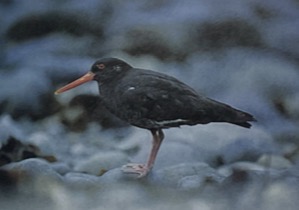
What bird is this?
Oystercatcher
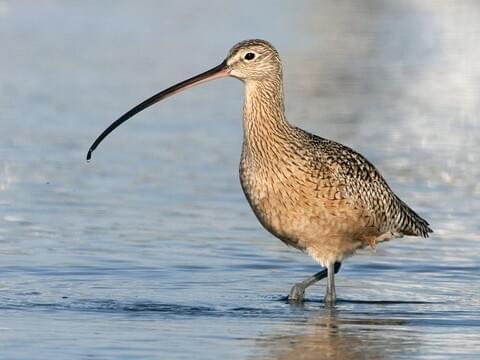
What bird is this?
Curlew
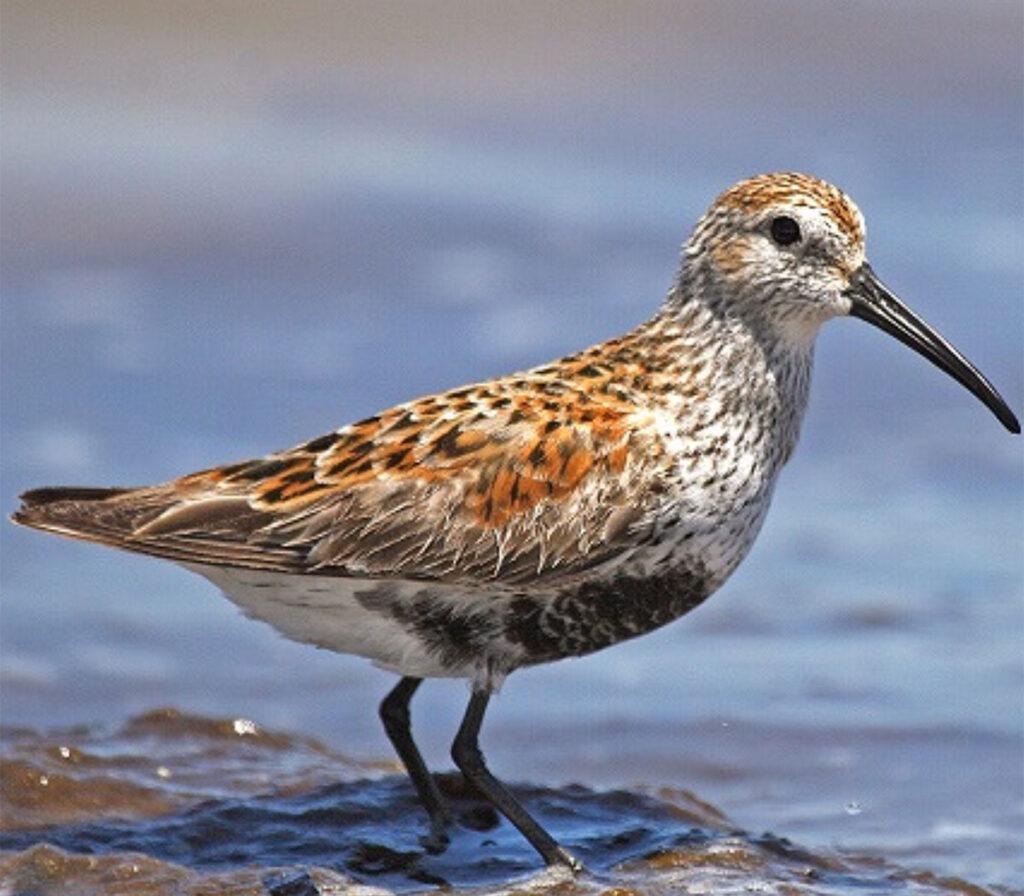
What bird is this?
Sandpiper
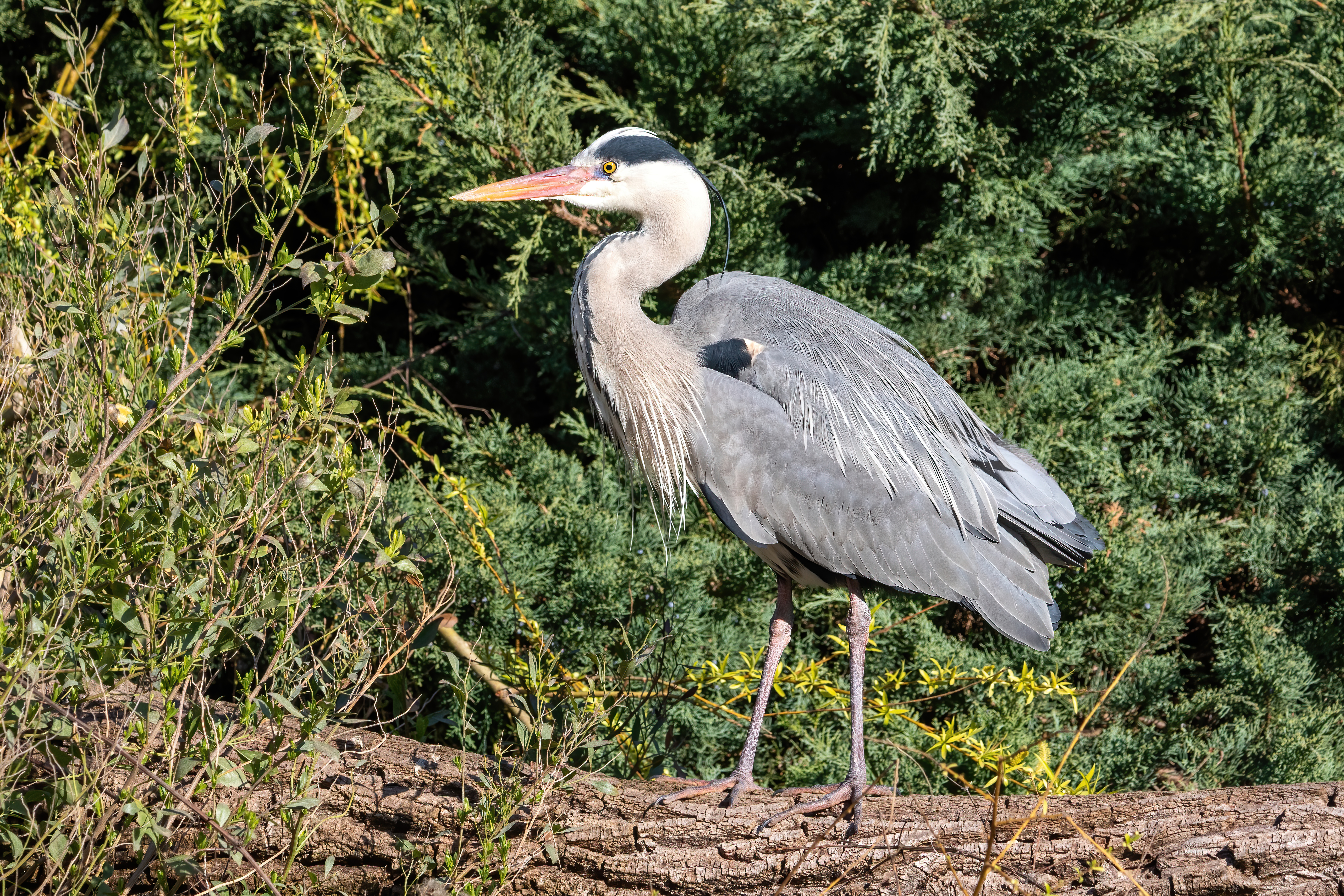
What bird is this?
Herons
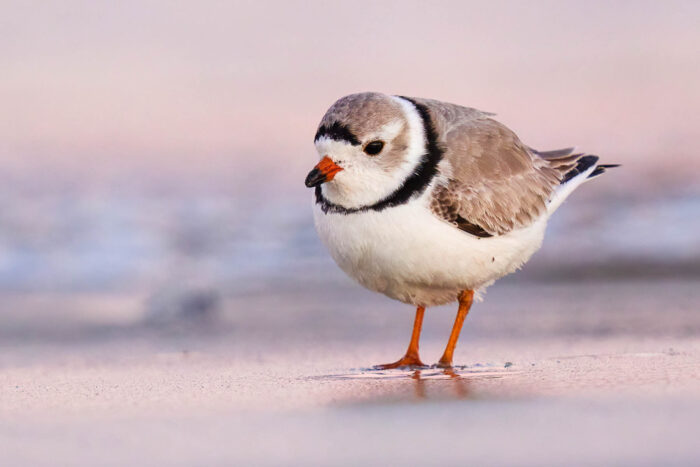
What bird is this?
Plover
Near shore birds
Webbed feet, dive into water for small fish
Ex: Gulls, terns, skimmers, pelicans, and cormorants
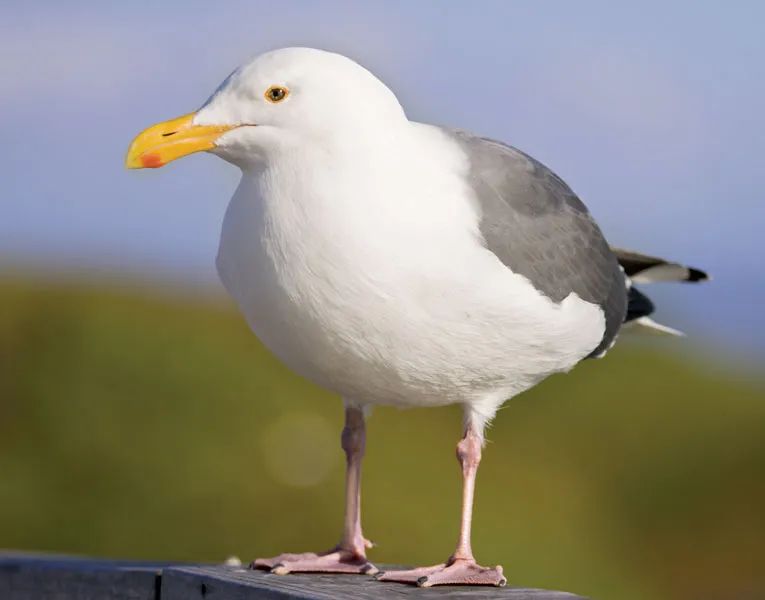
What bird is this?
Gull
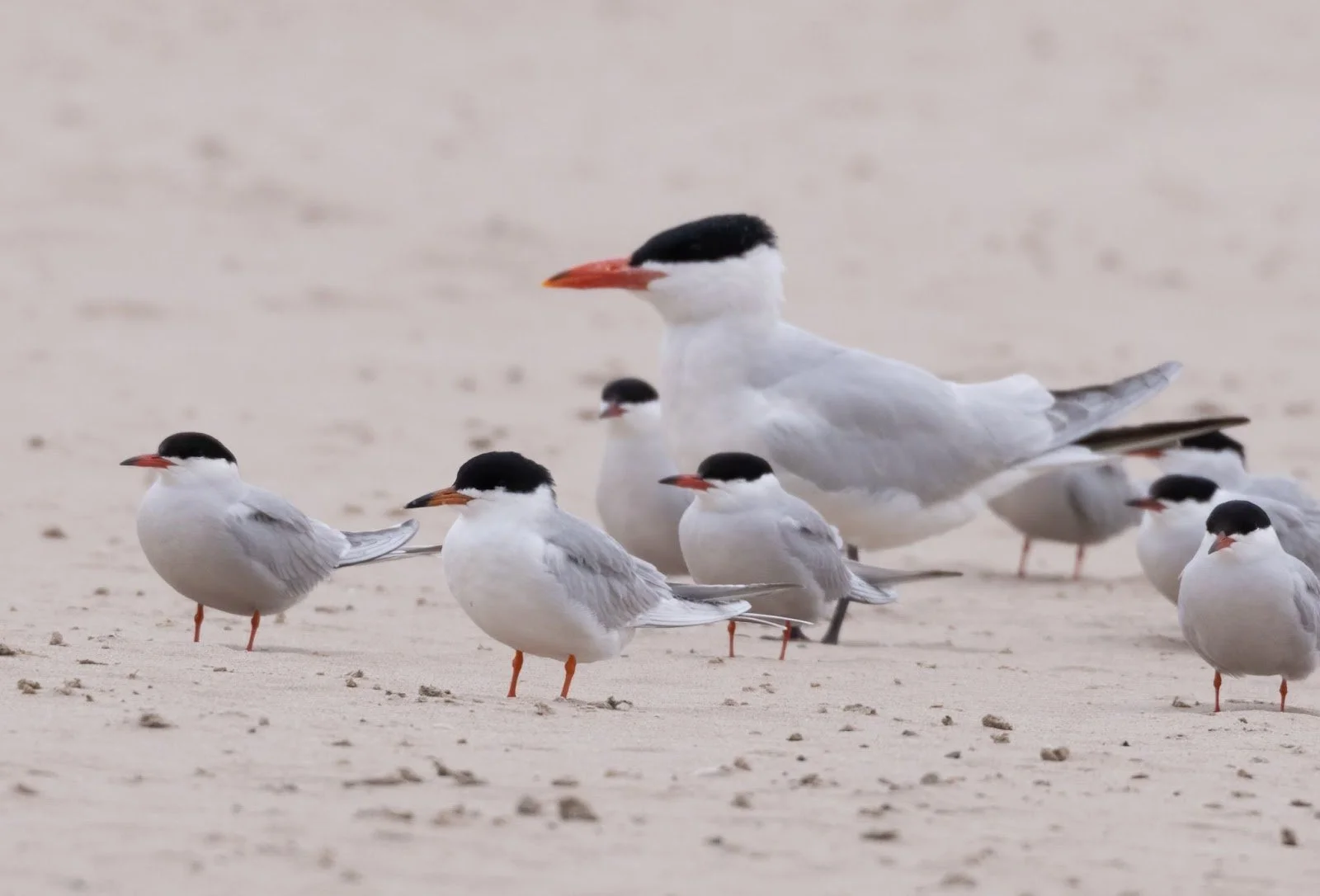
What bird is this?
Terns
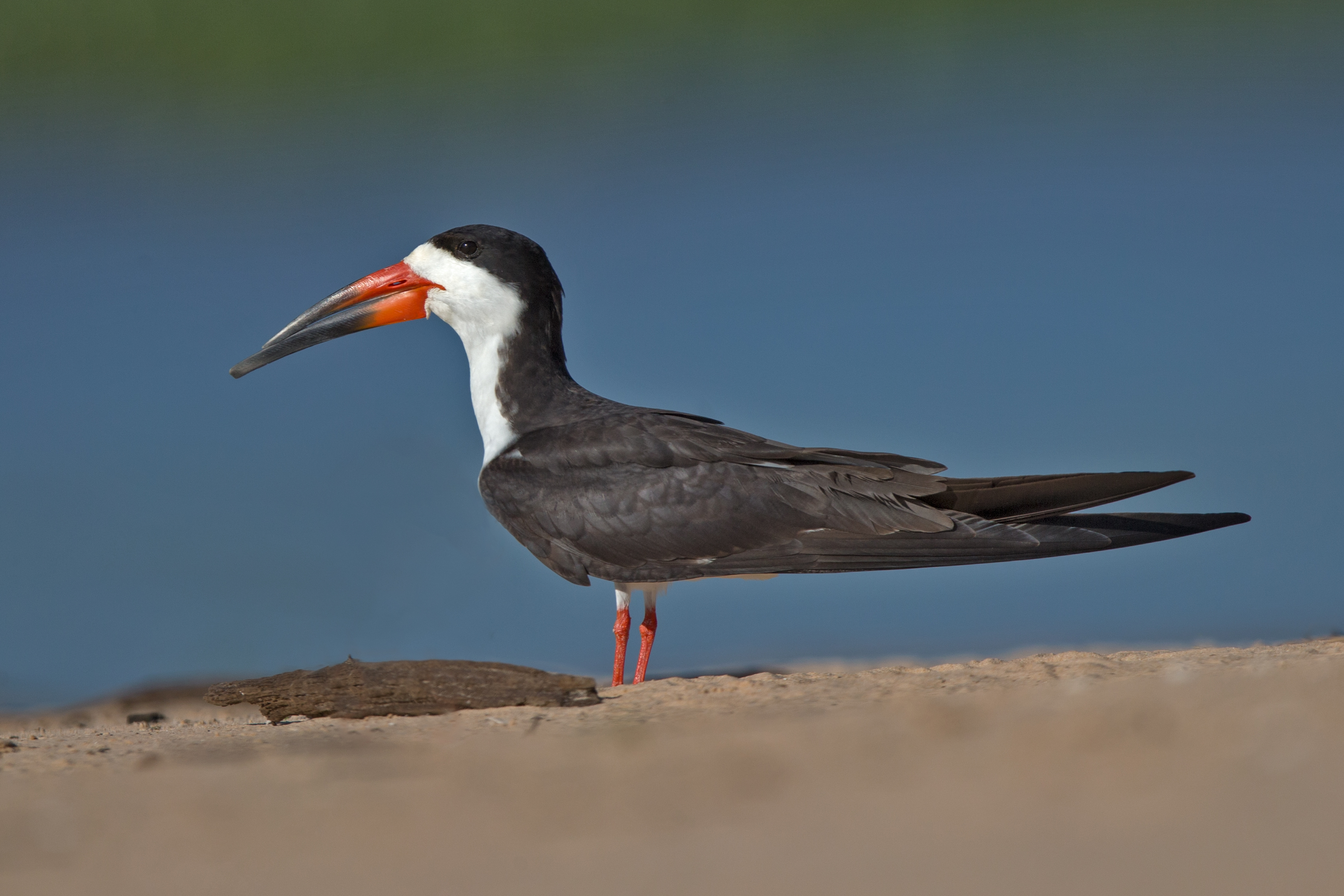
What bird is this?
Skimmers
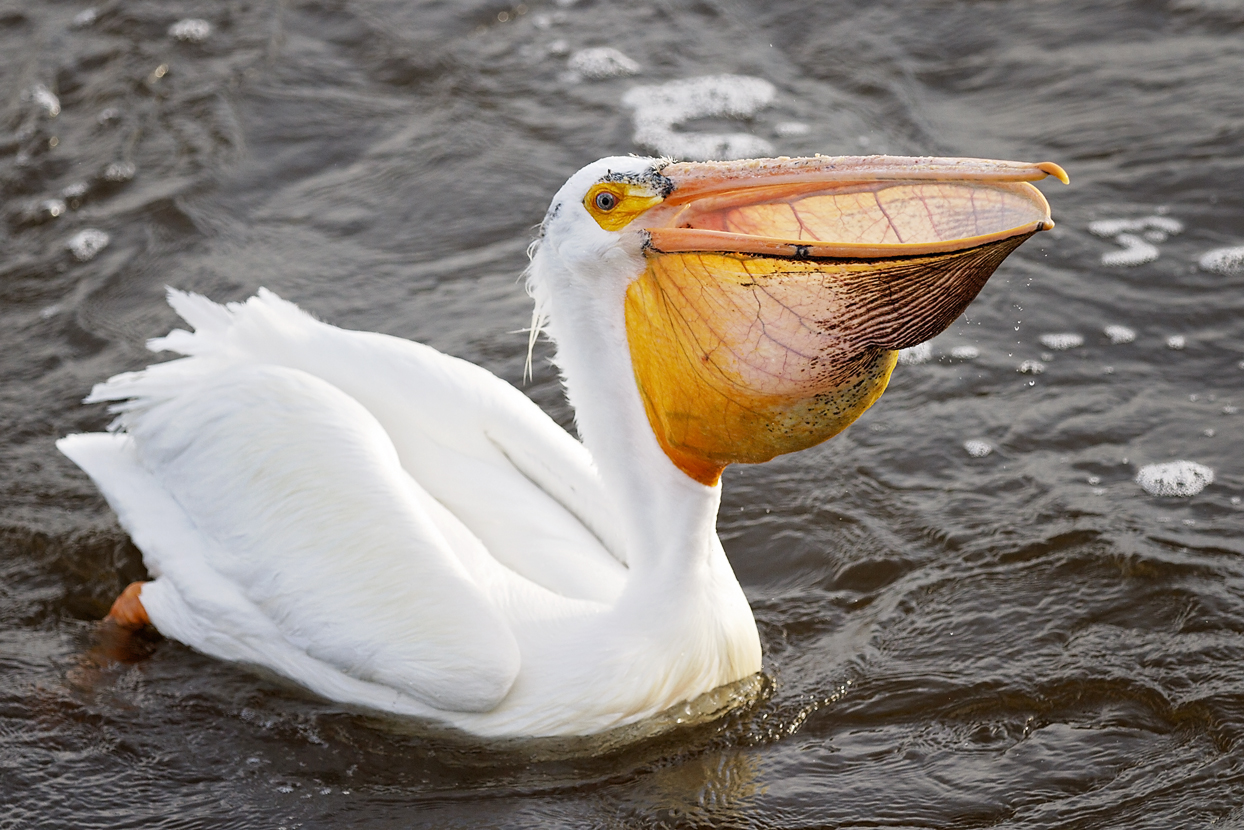
What bird is this?
Pelican
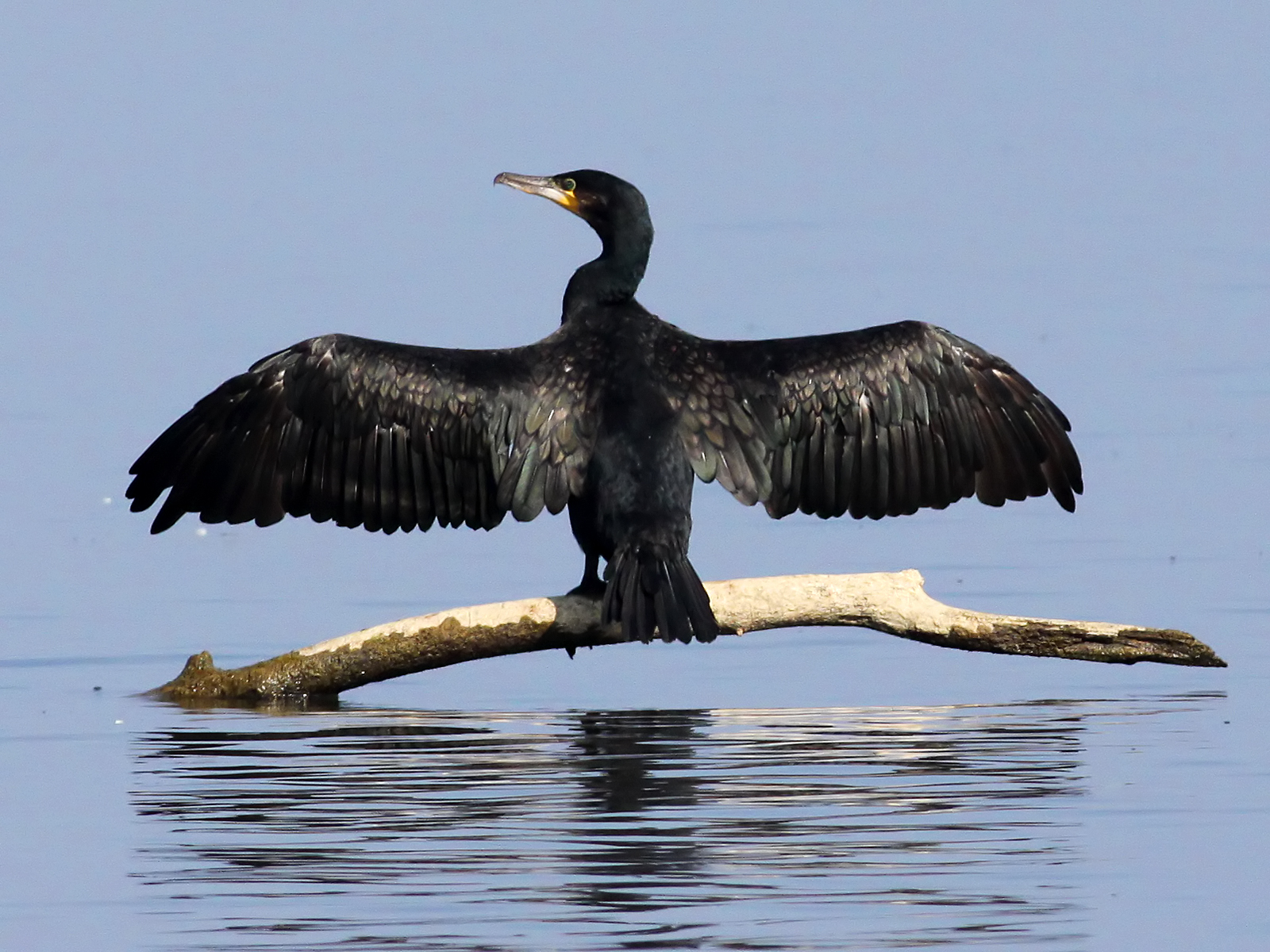
What bird is this?
Cormorants
Oceanic birds
Webbed feet, live on ocean, only come to land to breed
Ex: Albatross, frigate birds, puffins, penguins, and skuas
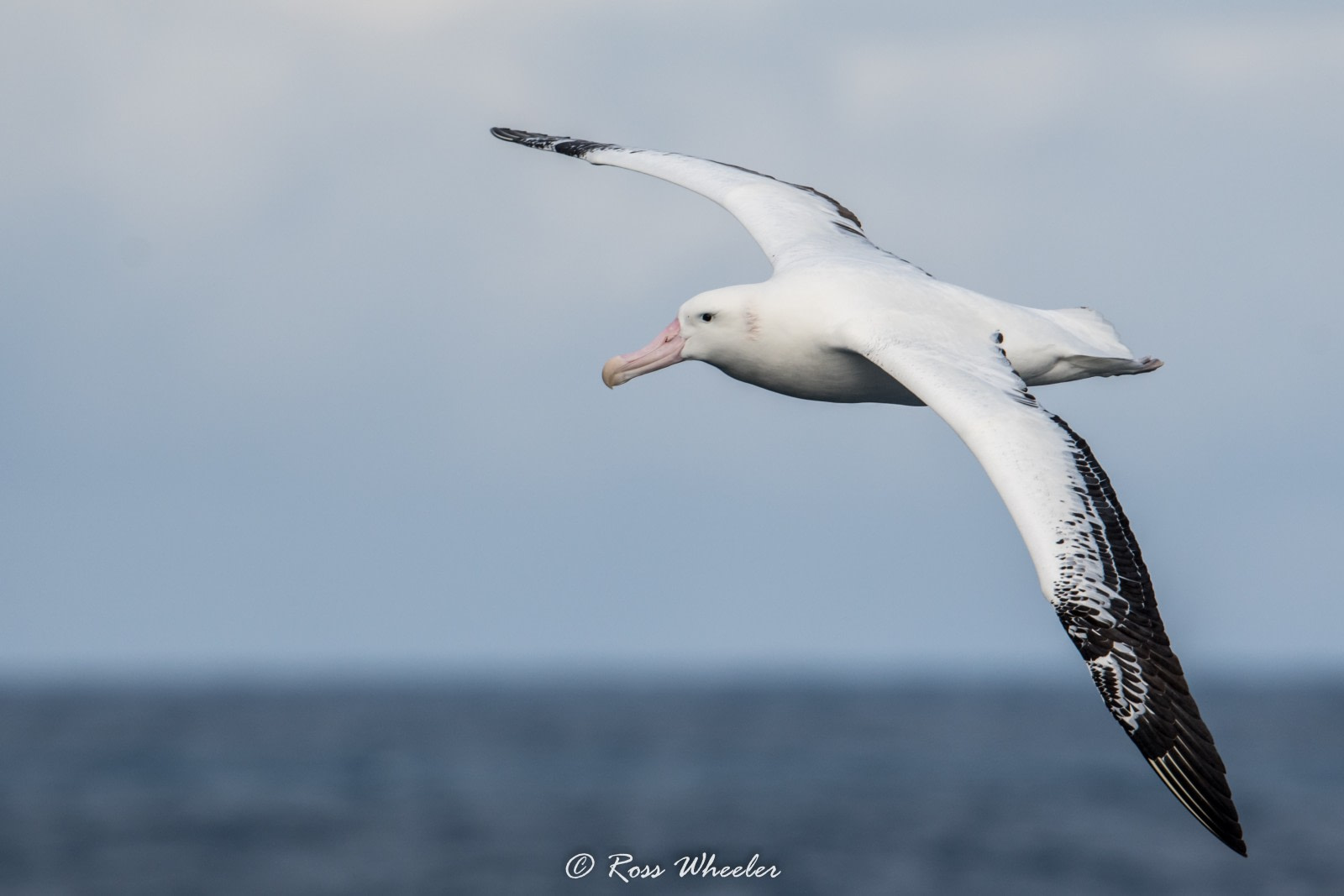
What bird is this?
Albatross
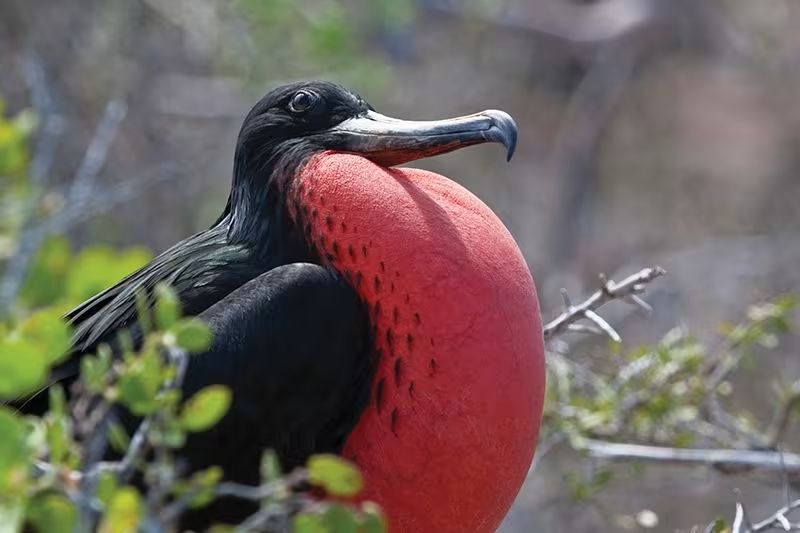
What bird is this?
Frigate bird
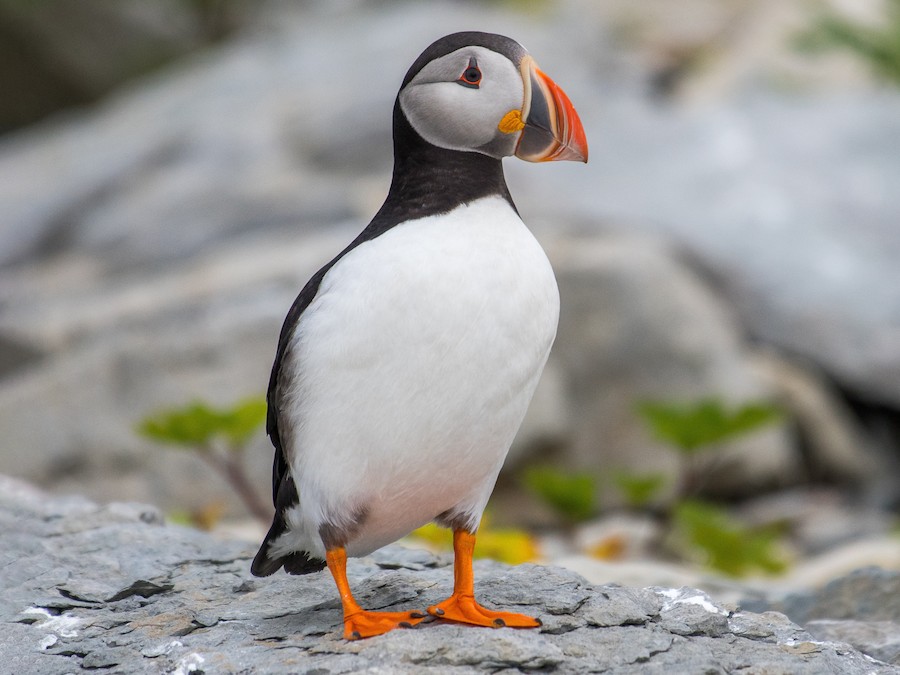
What bird is this?
Puffins
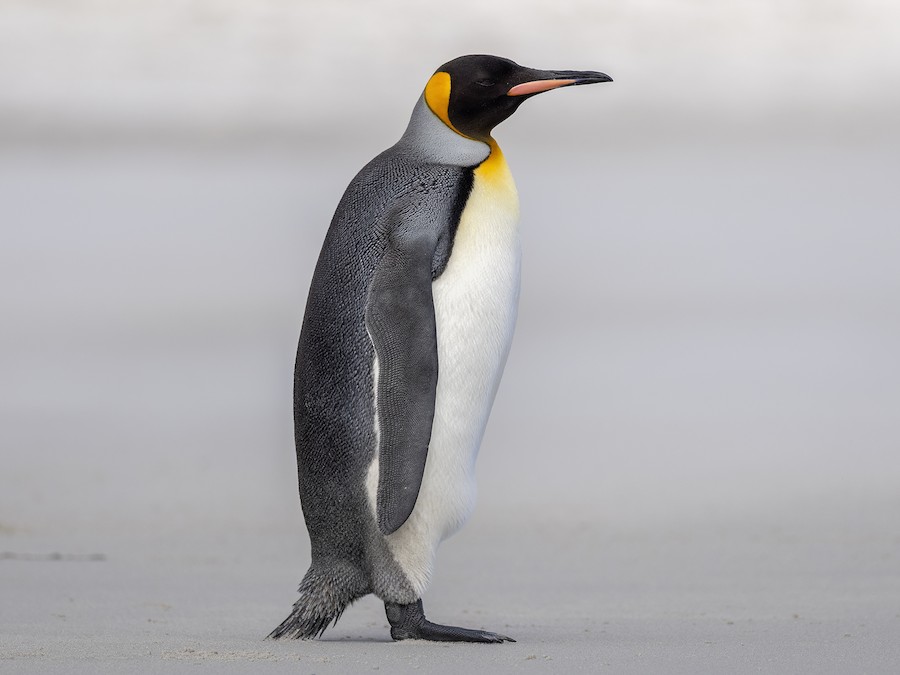
What bird is this?
Penguin
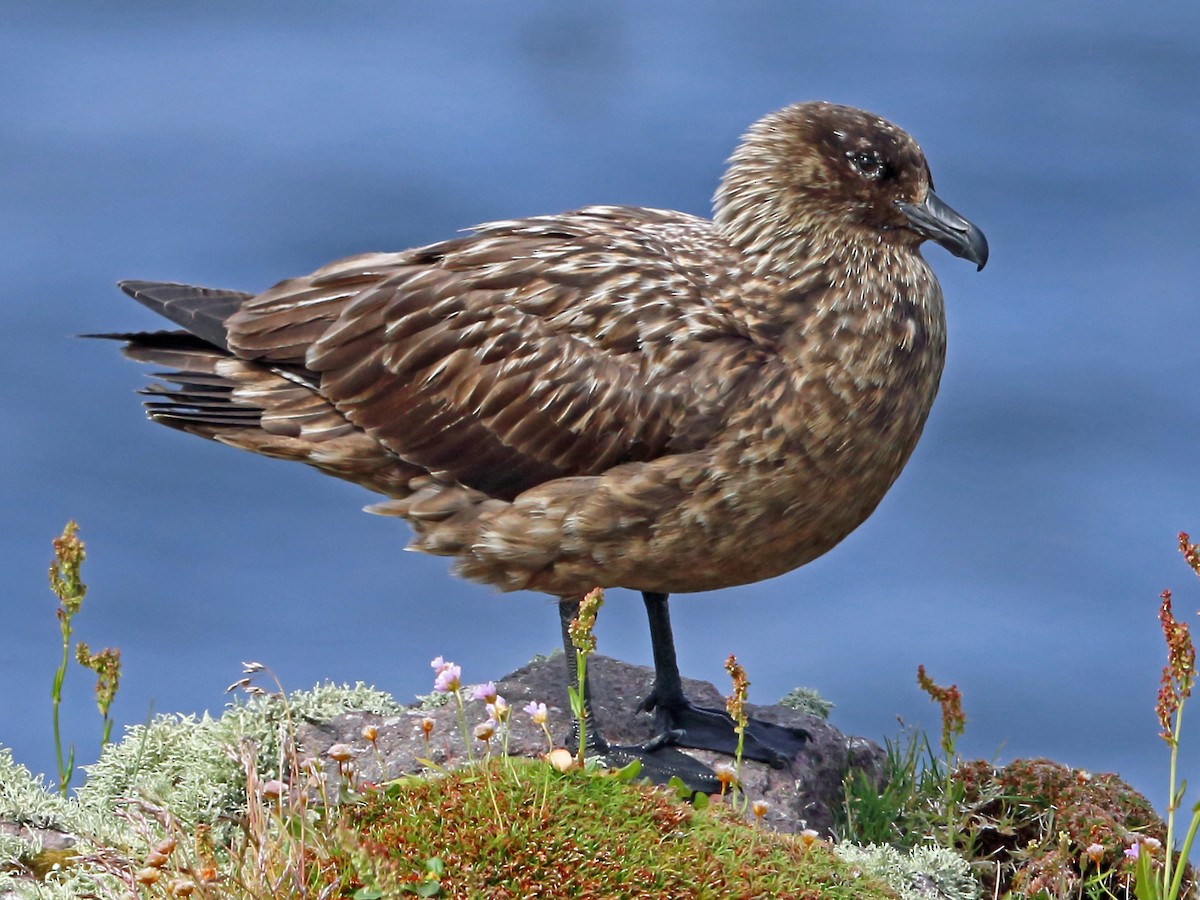
What bird is this?
Skua
Where do they often make nests?
On isolated islands or cliffs
What do gulls feed on?
Opportunistic, garbage, fish, eggs, invertebrates
What is the oceanic bird that spends most of its time aloft?
Albatross, Arctic tern ← longest migration 10 months
Seabird with longest wingspan?
Albatross up to 11 feet
Name the type of bird that scoops up fish in their gular pouch
Pelican
Name the type of bird that bullies other birds into giving up their food
Skua, frigate bird (no oil)
Which is an agile flyer that often gets caught in nets?
Cormorant
3 adaptions of penguins for living in the sea
Air in feathers, blubber, countershading