Dinosaur Exam 3
 Call Kai
 Learn
Learn Practice Test
 Spaced Repetition
 Match
Match Flashcards
 Knowt Play
1/128

There's no tags or description
Looks like no tags are added yet.
Name | Mastery | Learn | Test | Matching | Spaced | Call with Kai |
|---|
No analytics yet
Send a link to your students to track their progress
129 Terms
Which clades are reptiles?
Aves, Ichthyosauria, Mosasauroidea, Non-avian saurischian = therapod or sauropod, ornithischia, pseudosuchia, pterosauria, sauropterygia
Which organisms are dinosaurs?
ornithischians, Non-avian saurischian = theropod or sauropod, aves
early split in dinosaurs
Ornithischians, saurischians
Saurischians are from and include
from dinosaurs, include non avian saurischians (theropod or sauropod), and aves
Which organsims are archosaurs
pseudosuchia, pterosauria, ornithischia, non-avian saurischian = theropod or sauropod, aves
which organisms are marine reptiles
ichthyosauria, sauropterygia, mosasauroidea,
which are not reptiles?
lissamphibia, Non-mammalian synapsid(dimetrodon), mammalia(synapsids),
Archosaurs
Group that includes the most recent common ancestor of living birds or crocodilians. Spits into 2 clades, pseudosuchia(crocs), and aves(birds and their extinct relatives such as non-avian dinos and pterosaurs
Dinosaurs
Which organisms are marine reptiles?
Ichthyosauria, mosasauroidea, sauropterygia
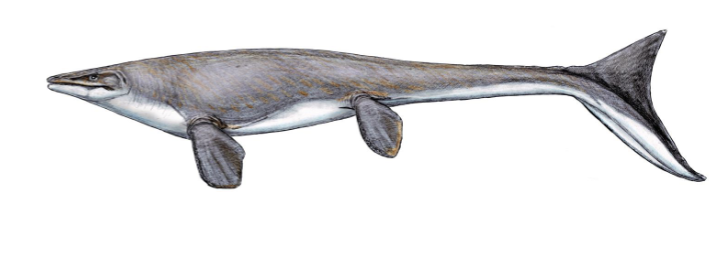
Mosasaur
shorter faces
small flippers
large tail that bends down like ichthyopterigians
True lizards, squamates that went back to living in the ocean.
Mosasaurs have: what are they?
shorter faces
small flippers
large tail that bends down like ichthyopterigians
True lizards, squamates that went back to living in the ocean.
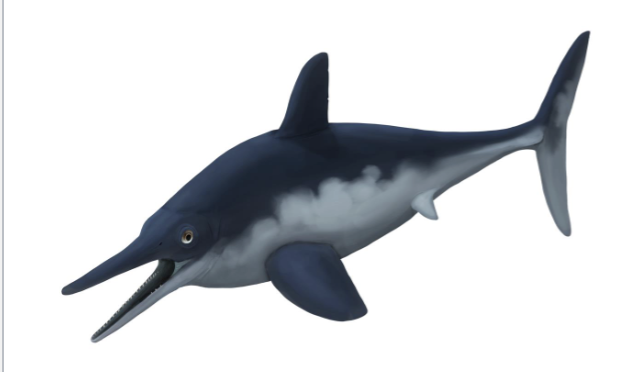
Ichthyopterygian(ichthyosaur on tree): Pointy mouth, really large eyes, Small neck, small flipper, larger tail
Tail-driven swimmers
tail is downturned in the skeleton
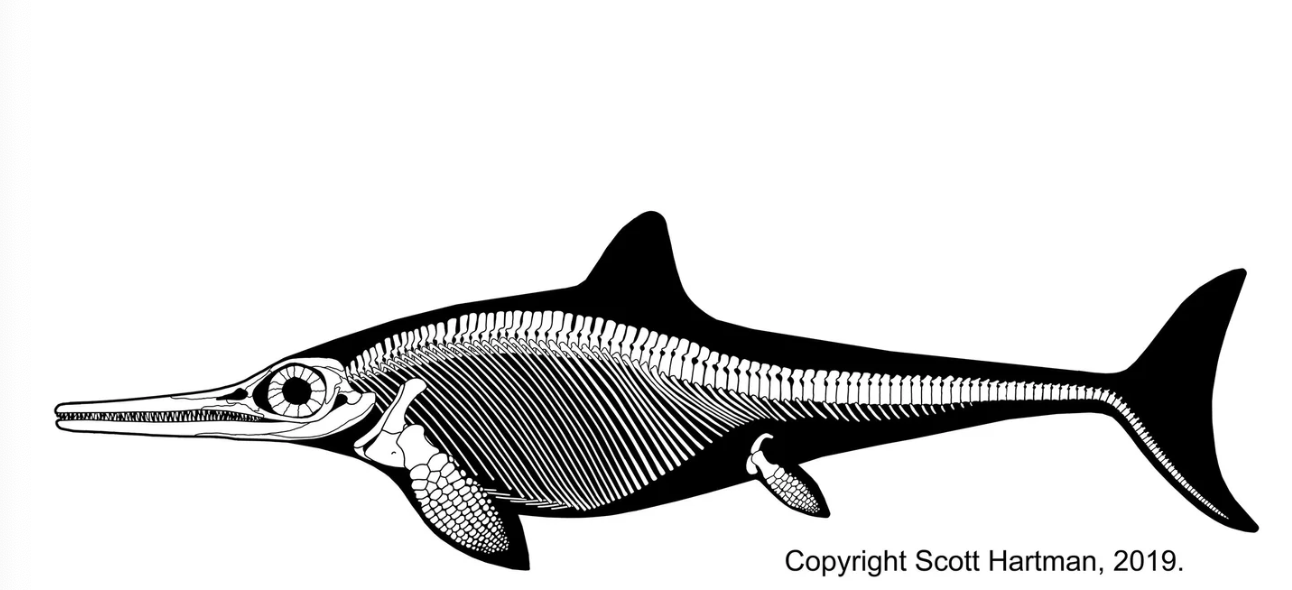
Ichthyosaurus
Ichthyopterygians(ichthyosaurs on tree) have:, how do they swim?
Pointy mouth, really large eyes, Small neck, small flipper, larger tail
Tail-driven swimmers
tail is downturned in the skeleton
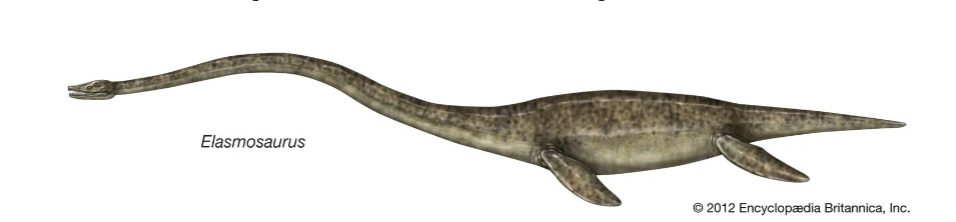
Sauropterygian: long neck, large flippers, short tails.
Sauropterygian have:, how do they swim?
long necks, large flippers, short tails.
flipper driven swimmers
Make a tree out of:
Aves
• Lissamphibia
• Ichthyosauria
• Mammalia
• Mosasauroidea
• Non-avian saurischian
• Non-mammalian synapsid
• Ornithischia
Pseudosuchia
• Pterosauria
• Sauropterygia
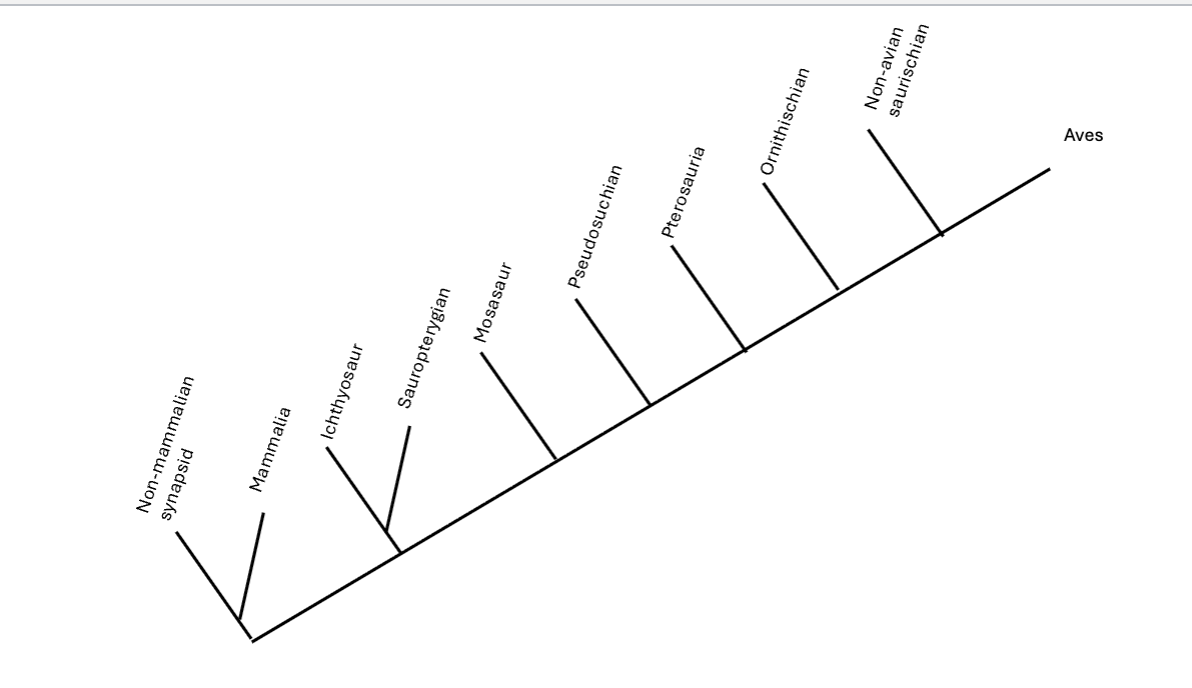
Tree split 1:
synapsids and saurians (not on tree). 1) non-mammalian synapsids → mammalia. everything after is a saurian.
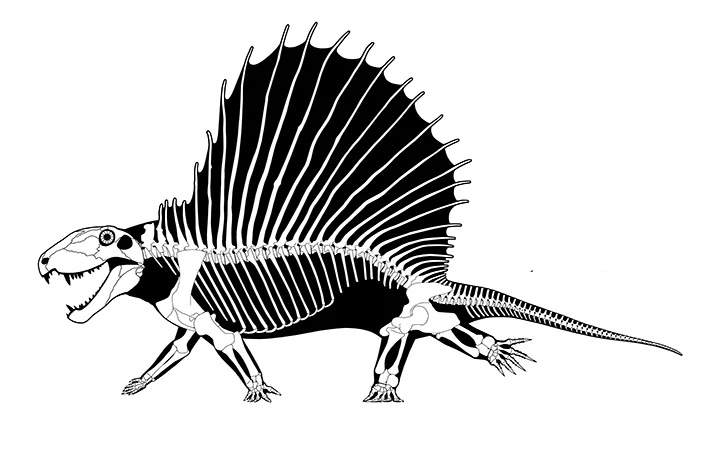
Non - mammalian synapsid (Dimetrodon)
Euriapasid group on tree and how to identify
ichthyosaur and sauropterygians, one opening high on the skull behind the eye socket
Ornithurae
Dinosauria (node or branch?)
(node) Ornithischians, non-avian saurischians, aves
ornithodira (node or branch?)
Pterosauria, ornithischians, non-avian saurischians, aves
Aves (definition)
Covers modern birds and early fossil groups.
Aves early split
Early split: Paleognathae and neognathae
Aves synapomorphies
Toothless beak
Syrinx (internal)
Air sacs penetrate humerus.
Paleognathae: Early split:
Tinamidae and Ratitae
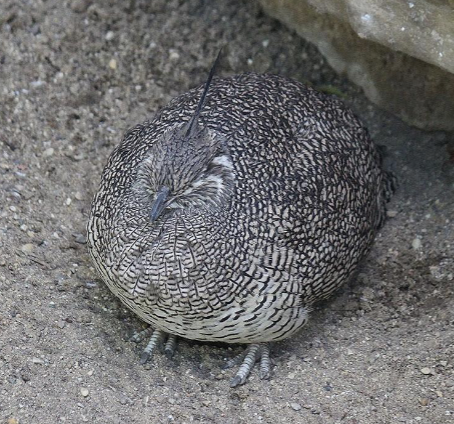
Aves - Paleognathae (tinamidae)
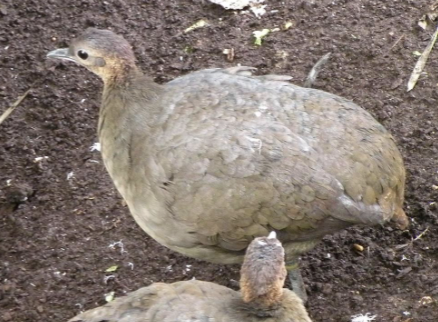
Aves - Paleognathae (tinamidae)
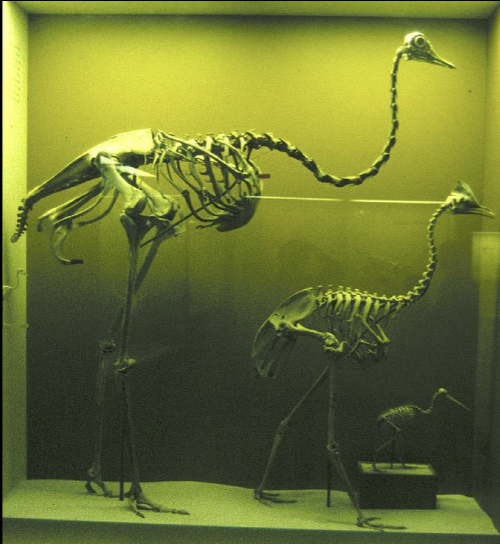
Aves - paleognathae - Ratitae
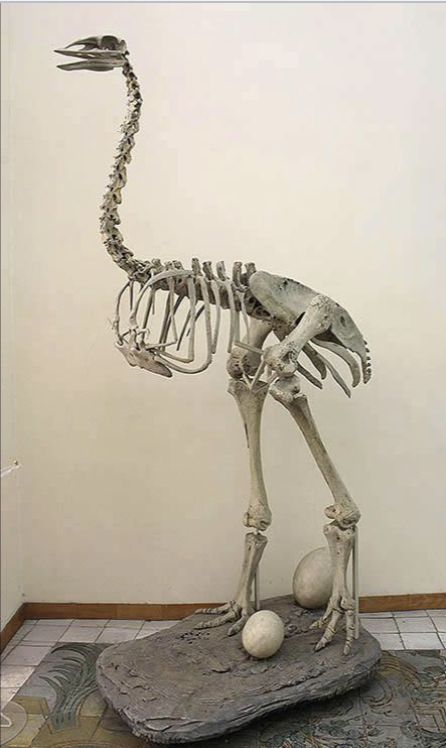
Aves - paleognathae - ratitae
Neognathae major spilt
Galloanserae, neoaves
Neognathae synapomorphies and other identifiers for the test
hinge between beak and rest of skull
means (new jaw)
identifiers for the test:
large prominent sternum, fused wrist hand bones, long wading legs, flat broad duck-like bill, 4-toes foot
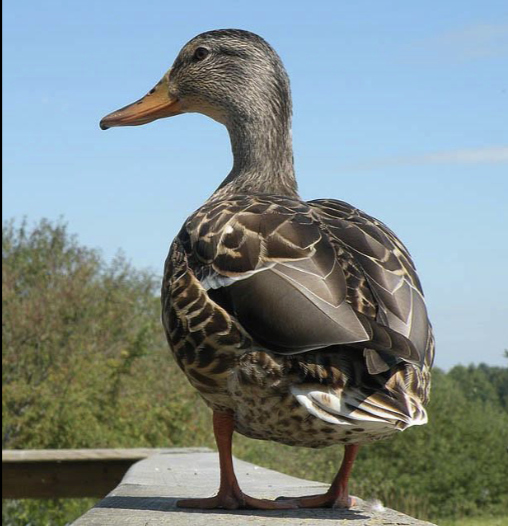
Aves - neognathae - galloanserae - anseriformes (waterfowl, ducks, geese, etc)
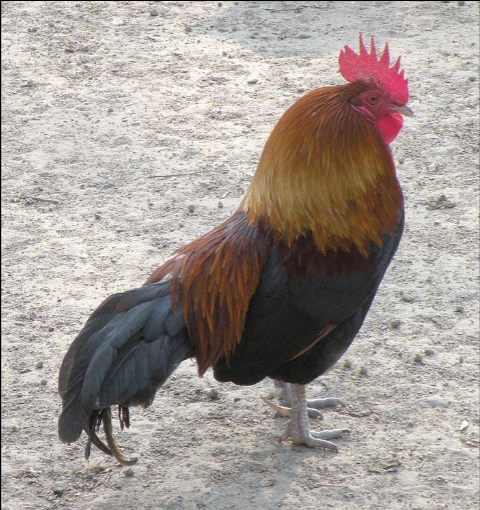
Aves, neognathae, galloanserae, Anseriformes (gamefowl - chicken, turnkeys, quail, grouse, etc)
Timing of bird evolution source 1:
Fossil record - looking for early bird fossils to understand where they came from
This is direct evidence
Oldest fossils for aves are from near end of cretaceous
Many resemble living shorebirds (small birds, long beaks, short legs)
Massive increase in diversity early in Cenozoic
Led to “transitional shorebird” model of modern bird origins
Modern bird lineages evolved from shorebirds
Radiation following extinction of toothed birds and pterosaurs at end of Cretaceous
Timing of bird evolution source 2:
Molecular data
Amount of difference in the DNA of 2 species is a function of how long ago they diverged
amount of difference in the DNA of two species is a function
of how long ago they diverged - The more different their dna is, the more in the past they diverged
These methods support much older divergences between modern bird lineages deep within Cretaceous
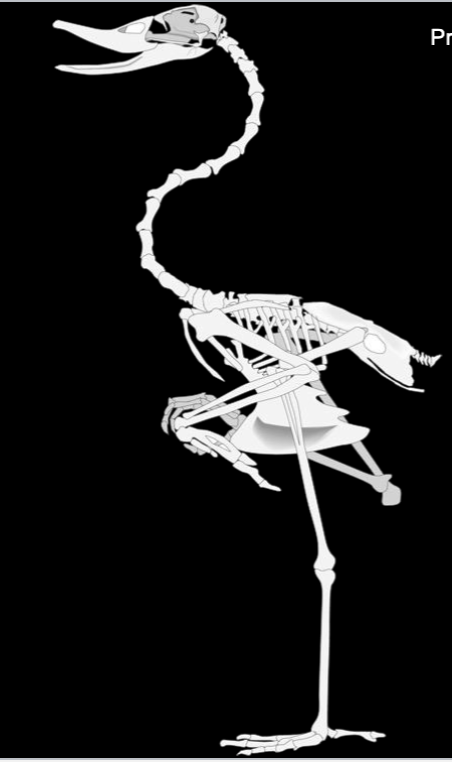
Aves - neognathae
hinge between beak and rest of skull
means (new jaw)
identifiers for the test:
large prominent sternum, fused wrist hand bones, long wading legs, flat broad duck-like bill, 4-toes foot
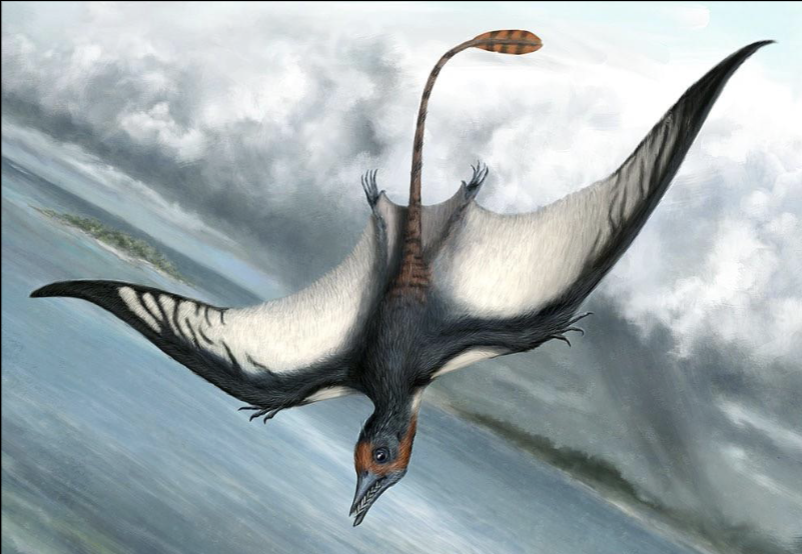
Pterosaurs
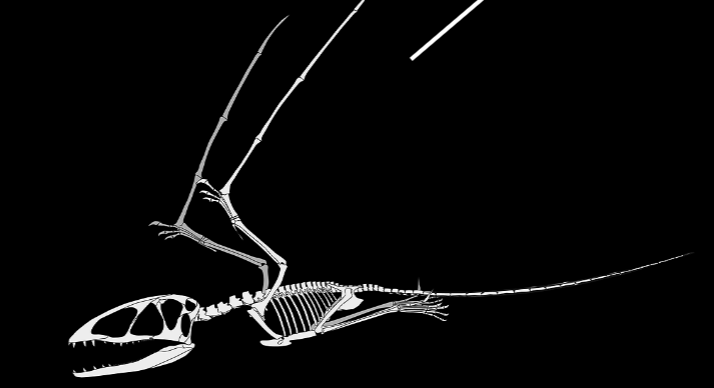
ornithodira, Pterosauria
ornithodira major split
pterosauria and dinosauromorpha
Pterosauria synapomorphies
elongated 4th digit
pteroid bone
bony sternum
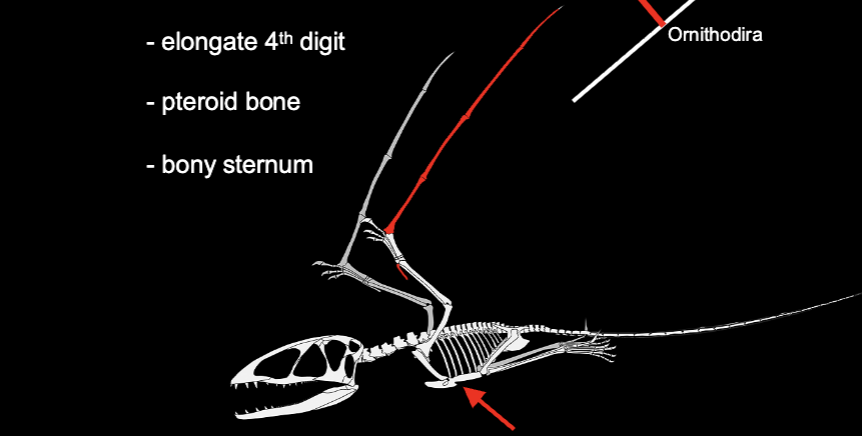
earliest flying vertebrates
pterosauria
what helps pterosaurs with powered flight?
pteroid bone and bony sternum
flight surface of pterosaurs
Skin supported primarily by a single digit (4th)
How did flight evolve in this group? Pterosauria
Trees-Down (Arboreal) Hypothesis
Pterosaur ancestors lived in trees and glided down
Flight evolved from gliding, gradually developing powered flight
Similar to how some suggest bird flight evolved
2. Ground-Up (Cursorial) Hypothesis
Ancestors were fast ground runners
They developed flight from running and leaping
Flapping evolved to generate lift from the ground
How did pterosaurs achieve flight?
membrane supported by pteroid bone and it extended from hand to neck
wing membrane extended from tip of 4th finger to hindlimb
Bones were hollow and pneumatized (air-filled) for lightweight flight
How did pterosaurs achieve flight vs flight evolution in birds, bats?
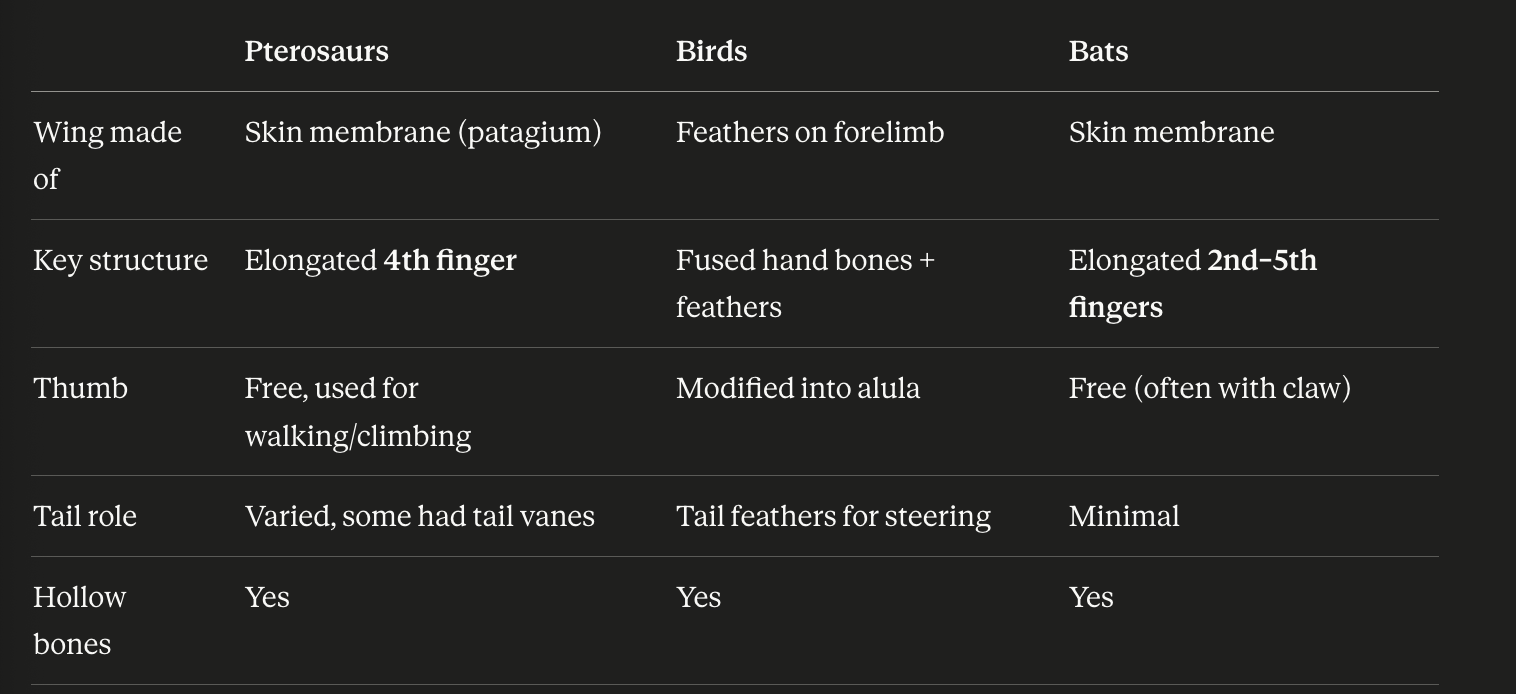
Pterosaurs
Wing supported by one massively elongated fourth finger
Membrane stretched from that finger to the body and possibly hind limb
Had a propatagium (forward membrane) for extra lift
Membrane contained actinofibrils — stiffening internal fibers unique to pterosaurs
Origin: unknown/debated — no transitional fossils
🐦 Birds
Flight evolved from feathered theropod dinosaurs
Feathers first evolved for insulation/display, then co-opted for flight
Wings are modified forelimbs with fused hand bones (carpometacarpus)
Best supported by the trees-down gliding hypothesis but still debated
Excellent transitional fossil record (Archaeopteryx, Microraptor, etc.)
🦇 Bats
Wing membrane stretches across four elongated fingers (2nd–5th)
Membrane also connects to the hind limbs and tail in many species
Origin also has poor transitional fossil record — earliest bats already fully formed fliers
Hypothesized to have evolved from small arboreal (tree-dwelling) mammals
Trees-down hypothesis most widely accepted for bats
crucial distinction between pterosaurs, birds, and bats:
Pterosaurs → one finger
Birds → feathers on whole forelimb
Bats → four fingers
What are the novel anatomical features associated with flight in pterosaurs
The massively elongated fourth digit is the single most defining feature
No other flying vertebrate uses a single finger to support the entire wing
The other three fingers remained short and clawed, used for walking/climbing
Unique internal stiffening fibers within the wing membrane
Made the membrane active and controllable rather than passive
Pteroid bone: A completely unique bone found only in pterosaurs
Elongated Metacarpals: The hand/palm bones were greatly elongated compared to other reptiles, Created a long rigid base for the wing finger to attach to
early pterosaur commonalities:
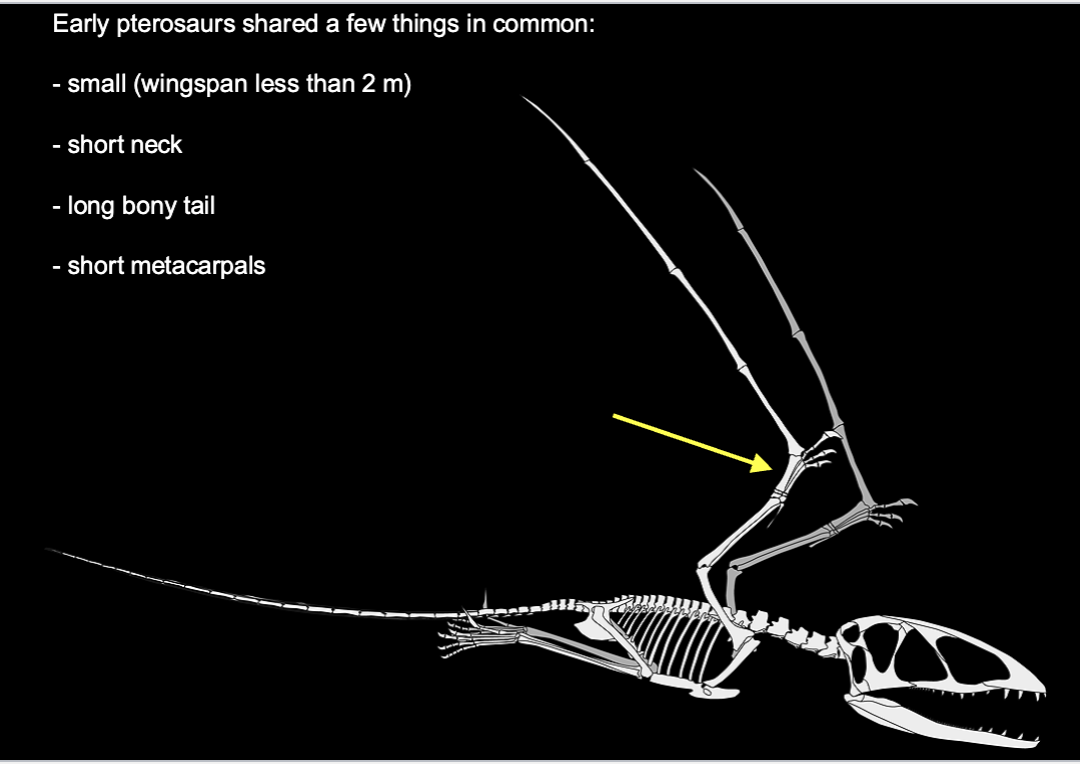
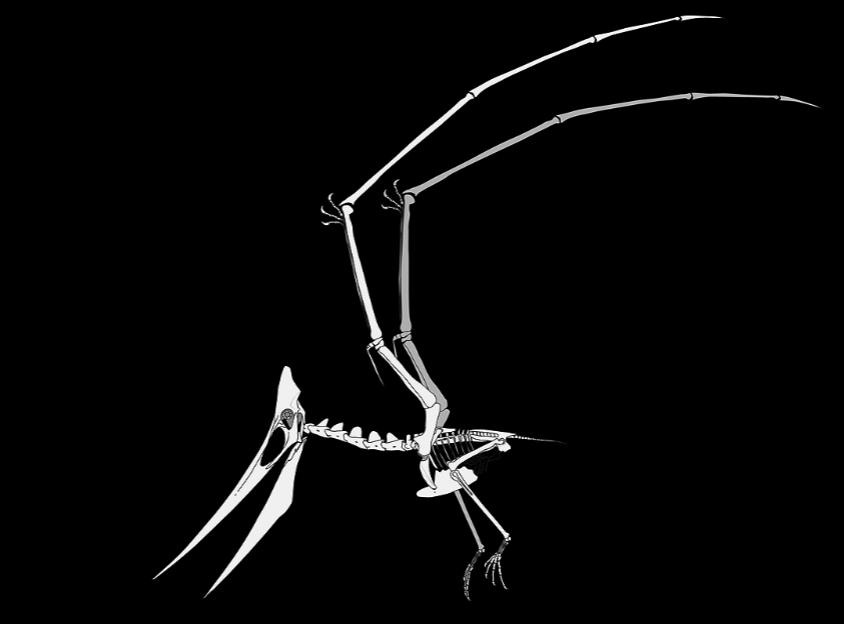
Pterosaur in late - Jurassic, Long neck, very short tail, long metacarpals, notarium (part of dorsal vertebrae, blade formed by fusion of dorsal neural spines)
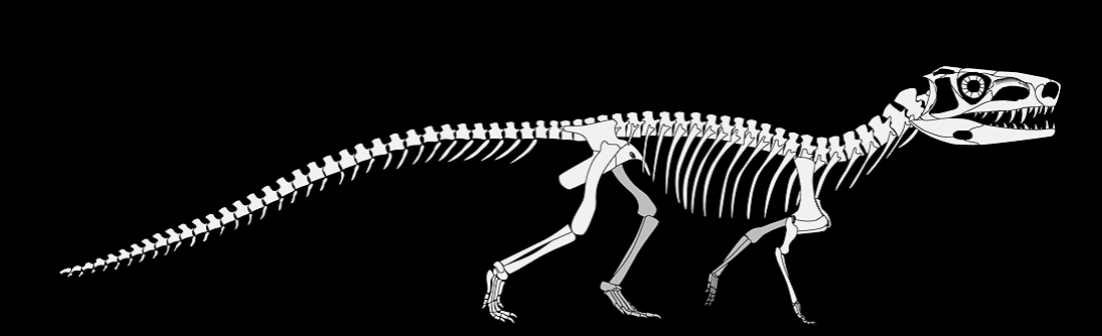
archisauriform, euparkeria
antorbital fenestra (opening in front of the eye socket)
Serrated teeth
deep, robust and elongated skull shape
elongated tail
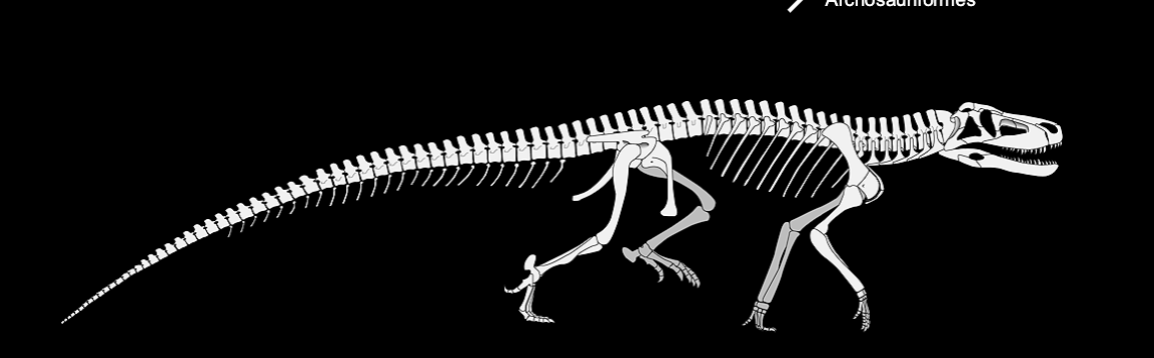
Archosauriformes, archisauria, pseudosuchia
pseudosuchians
most have osteroderms (not necessarily a synapomorphy for the group
archosauriformes major split
euparkeria, archosauria
euparkeria splits with and from
archosauria, archosauriformes
archosauria split
pseudosuchia, ornithodira
pseudosuchia split with and from
ornithodira, from archosauria
archosauria split with and from
euparkaria, from archosauriphormes
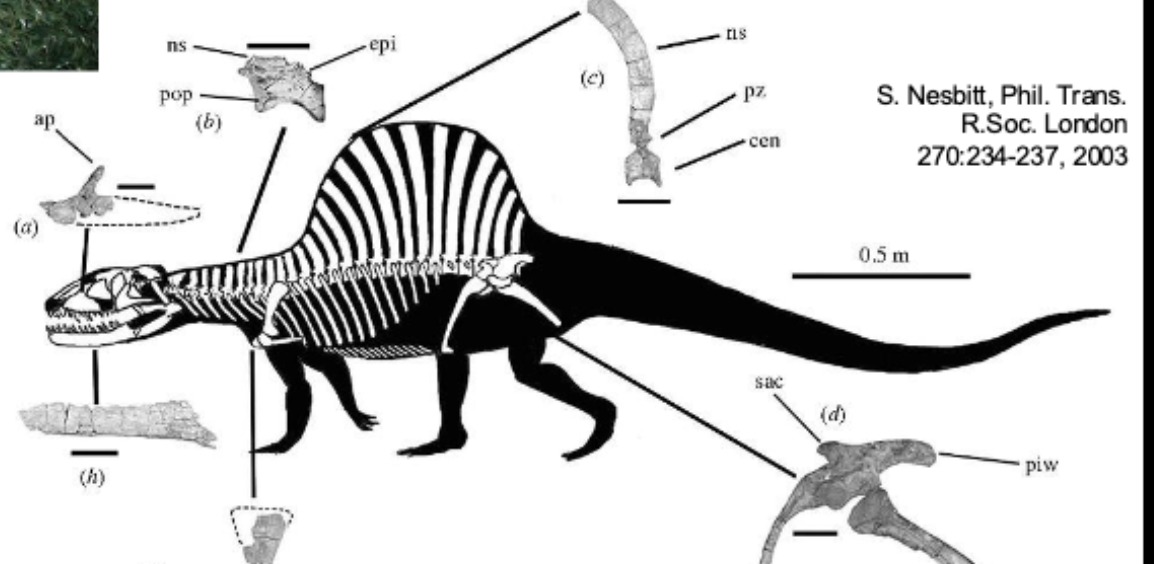
pseudosuchian
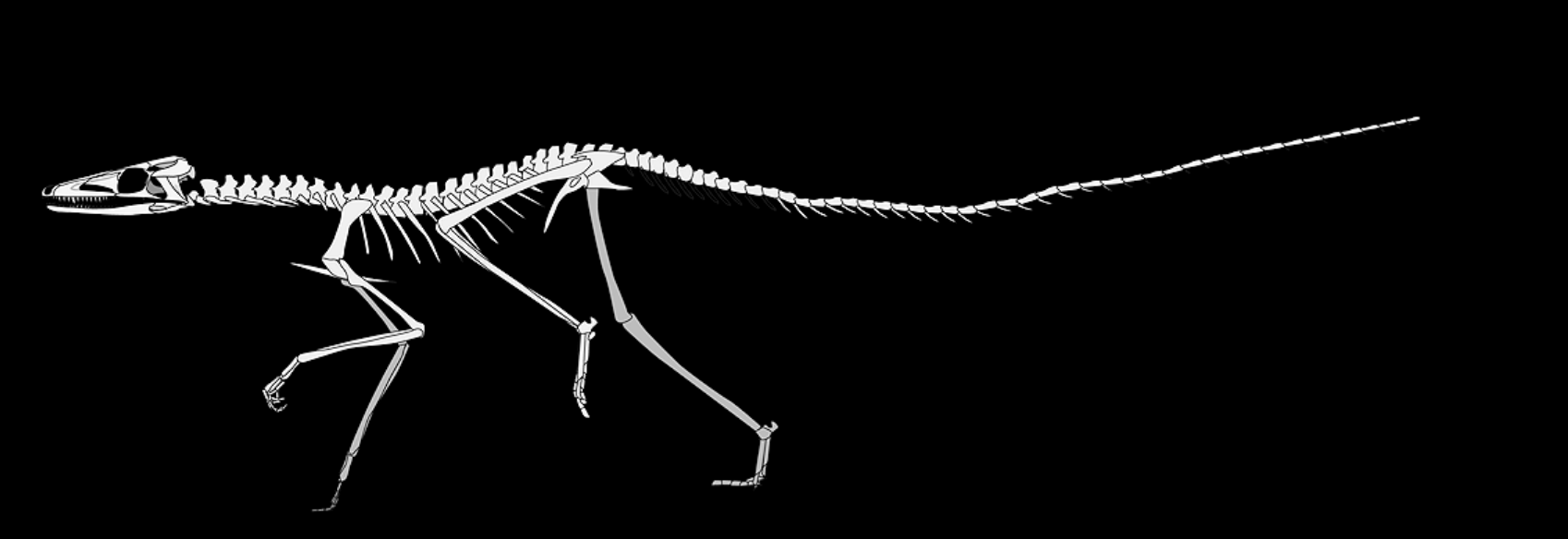
crocodylomorpha, pseudosuchia, archosauria
Cone shaped teeth - all teeth are conical
Paired carpals to radius and ulna
Radius paired to radiale (carpal)
Ulna paired to ulnare (carpal)
put crocoodylomorpha, crocodyliformes, and crocodylia on a phylo tree and name who their common ancestor is
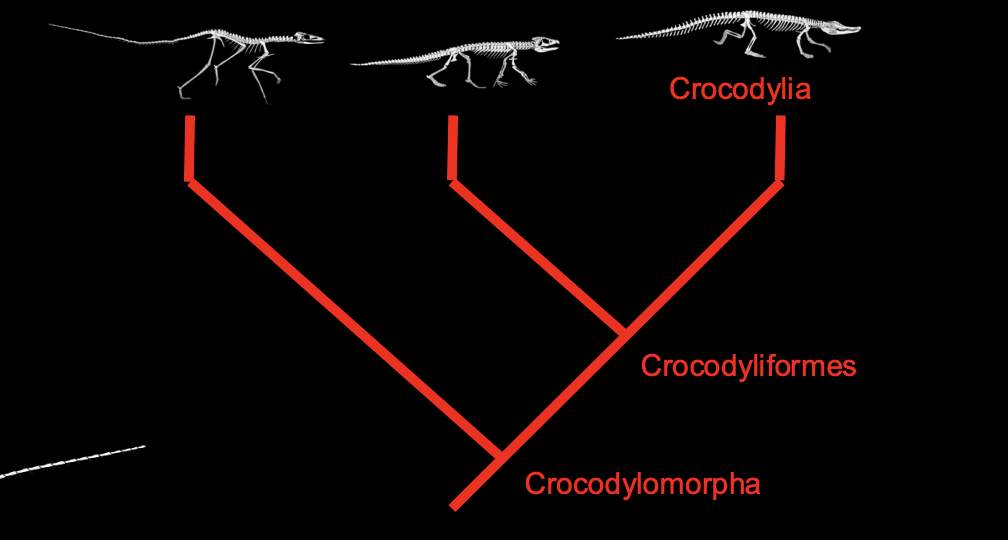
common ancestor is pseudosuchia
Crocodylomorpha synapomorphies
cone shaped teeth
Paired carpals to radius and ulna
Radius paired to radiale (carpal)
Ulna paired to ulnare (carpal)
early ones were
Lightly built
Long legged
Erect or semi-erect posture
Gracile bodied
external nares near the tip of snout
Crocodyliformes synap
2. Secondary Palate
Bony secondary palate formed by the palatine and pterygoid bones
Allows breathing while the mouth is submerged/full
More developed than in basal crocodylomorphs
Reduced Antorbital Fenestra
The antorbital fenestra (defining archosauriform feature) is greatly reduced or closed
This is a key distinguishing feature from earlier archosauriforms
4. Elongated Skull
Skull becomes notably longer and flatter relative to basal crocodylomorphs
external nares moves back and up
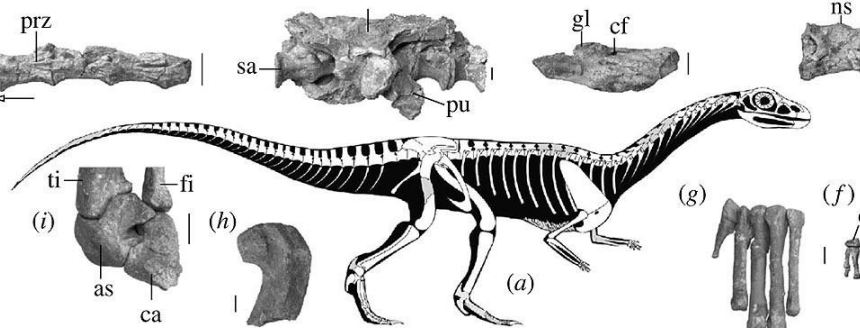
weird ass bipedal pseudosuchia
crocodylia synap
nares fully retracted to the tip of the skull near the eyes. dorsally positioned, works with the fully developed secondary palate. can breathe even when entire body is submerged
synapomorphy – ball and socket joints between vertebrae
Skull table (with orbits on either sid)
Secondary palate
Internal choana
Allows to breathe and eat at the same time
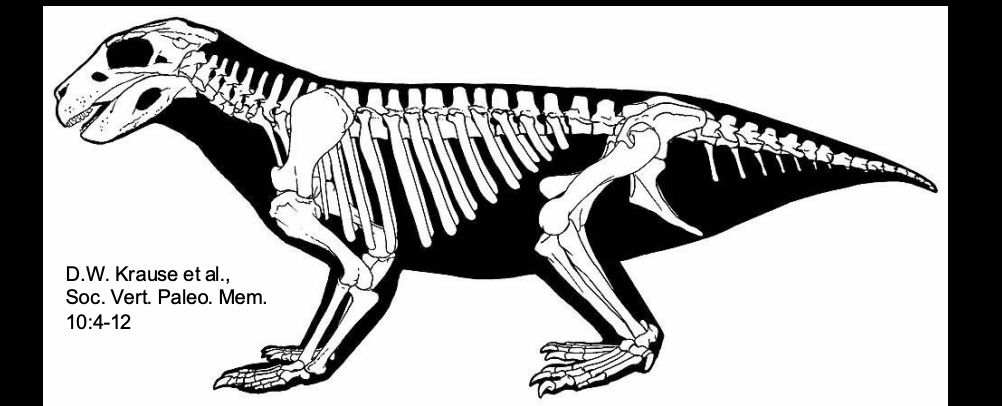
Crocodyliformes
archosauria
crocodiles up to birds, defined by crocodylians and birds,
4-chambered heart
Acetabular crest
Braces femur in upright orientation
Unidirectional airflow in lungs
When they breathe, breathe in air into airsack and with breathe out they push the air from the airsack into their lungs
Incredibly efficient and lets them use more oxygen that they breathe in
Complex nests; protection of nest and young
breathing/walkign simultaneously (definitely)
2 major archorsauria lineages:
Pseudosuchia: the crocodylian lineage
avemetatarsalia/ornithodira: the bird/dinosaur lineage
Semi-aquatic ambush predator vs. other niches
one of the most energetically efficient strategies in nature
sacrifice habitat breadth (stay on shores, shallow riverbanks), for concealment and prey diversity
not burning a ton of calories
Water acts as a camouflage, a speed multiplier, a disorienting medium for prey, and a prey-attracting resource
what is morphology
study of physical form, structure, and bone anatomy to understand biology, evolution, and classification
what are “living fossils”
Living fossils mean they didn’t have to change a lot and have settled into a niche
the myth of the “living fossil”
old assumption that crocodilians are primitive, unchanged “living fossils,” that they look like they did 200 million years ago
myth: fossil crocodilians don’t deviate enough from the living forms to need special description
Why is the “living fossil” a myth?
Morphologically, croc skulls from the Late Jurassic (150 Ma), Late Cretaceous (70 Ma), and modern day do look similar on the outside (slide 59), which is what gives the "living fossil" impression.
But the fossil diversity of Crocodylia and Crocodyliformes was enormous — many groups occupied completely different ecological niches
Modern semiaquatic ambush predators are actually the survivors of a much more diverse group, not a representative snapshot of croc evolution.
The ancestral crocodylian was not "crocodile-shaped" — it was small (skull ≤ 10 cm), resembled an early alligatorid, and was not especially "crocodile-shaped" (slide 69). The typical big, flat-snouted, semiaquatic form evolved later.
molecular relationship in crocodylia
gavialis and tomistoma are sister taxa. DNA says they are close relatives despite looking very different morphologically
morphological/fossil relationship in crocodylia
fossils place gavialis as the outgroup(earliest branching lineage) with Borealosuchus and Planocraniidae as relatives of the other crocs.
Puts tomistoma groups with true crocodiles.
Gavialis and Tomistoma similarity 2 opinions
both have a long narrow snout and morphology based analyses treat this as convergent
Molecular data says this shape was inherited from a common ancestor
Three living croc families
Alligatoridae, Crocodylidae, and Gavialidae
ancestral crocodylian identifyers:
small,
resembled early alligatorid
not especially crocodile-shaped
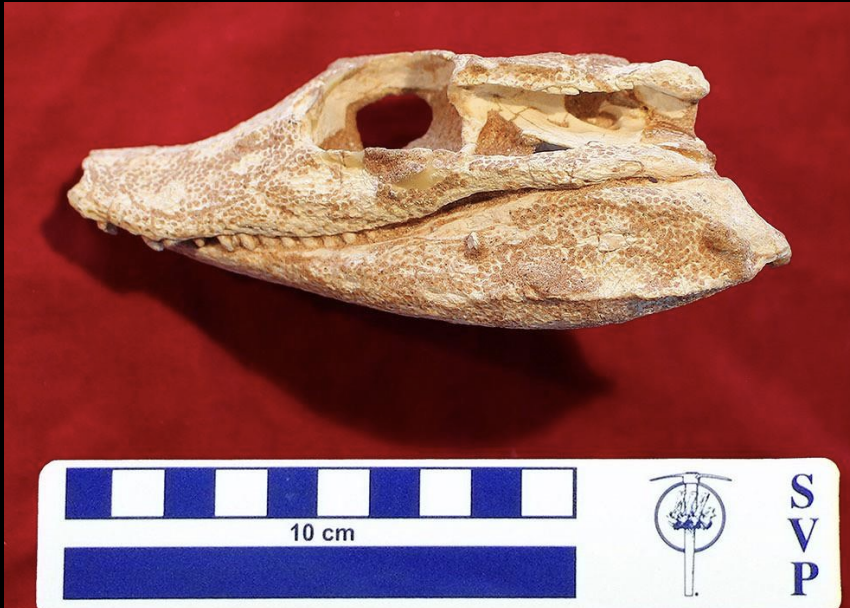
semiaquatic
spends much of their time in the water but can also go on land
Sea lion
Aquatic
Aquatic: spends all of their time in the water
Beluga whale
Secondarily aquatic:
descended from land-living ancestors, but lives in water
secondarily marine
descended from land-living ancestors, but lives in seawater
What are the challenges to becoming secondarily aquatic/marine?
1. Locomotion:
limbs modified into flippers or paddles
two general modes of locomotion in water:
tail driven: long powerful tail; short humerus/femur
flipper-driven – short tail; long humerus/femur
Sensory system
modifications to work in water
Large eyes
Well developed ears
Breathing:
no secondarily aquatic amniote has ever re-evolved gills
nares usually shifted toward top of head
Reproduction
Amniote eggs drown in water
two strats: live birth or lay eggs on land
How did Sauropterygians overcome challenges of being secondarily marine/aquatic?
(Marine)
Locomotion? Flipper driven
Respiration? nares shifted back
Senses? large eyes
Reproduction? live birth
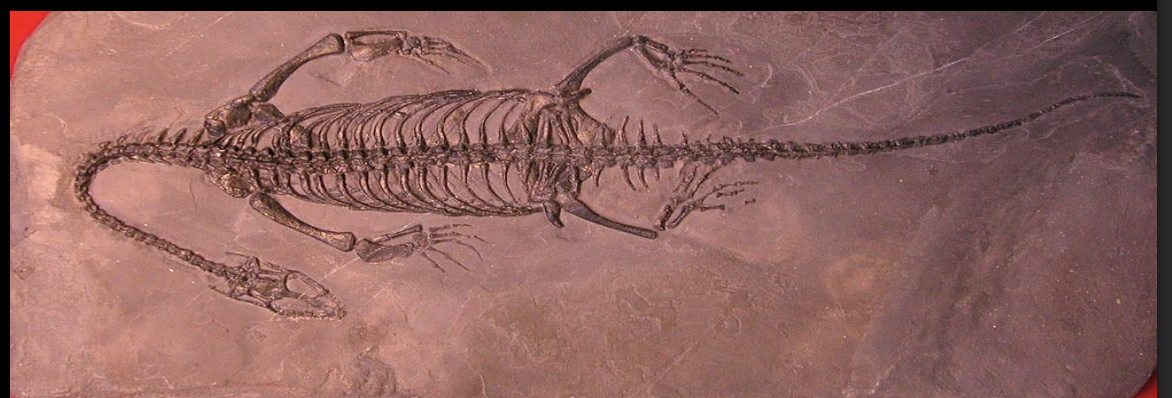
early sauropterygian
groups of secondarily marine reptiles
euryapsids(dominant) = sauropterygia and icthyopterygia,
Euryapsida synapomorphies
loss of infratemporal fenestra
Sauropterygia synap
broad, flat coracoid, ischium, pubis
supported large muscles for moving flippers
long, robust femur and humerus
propel themselves with their front flippers and back flippers
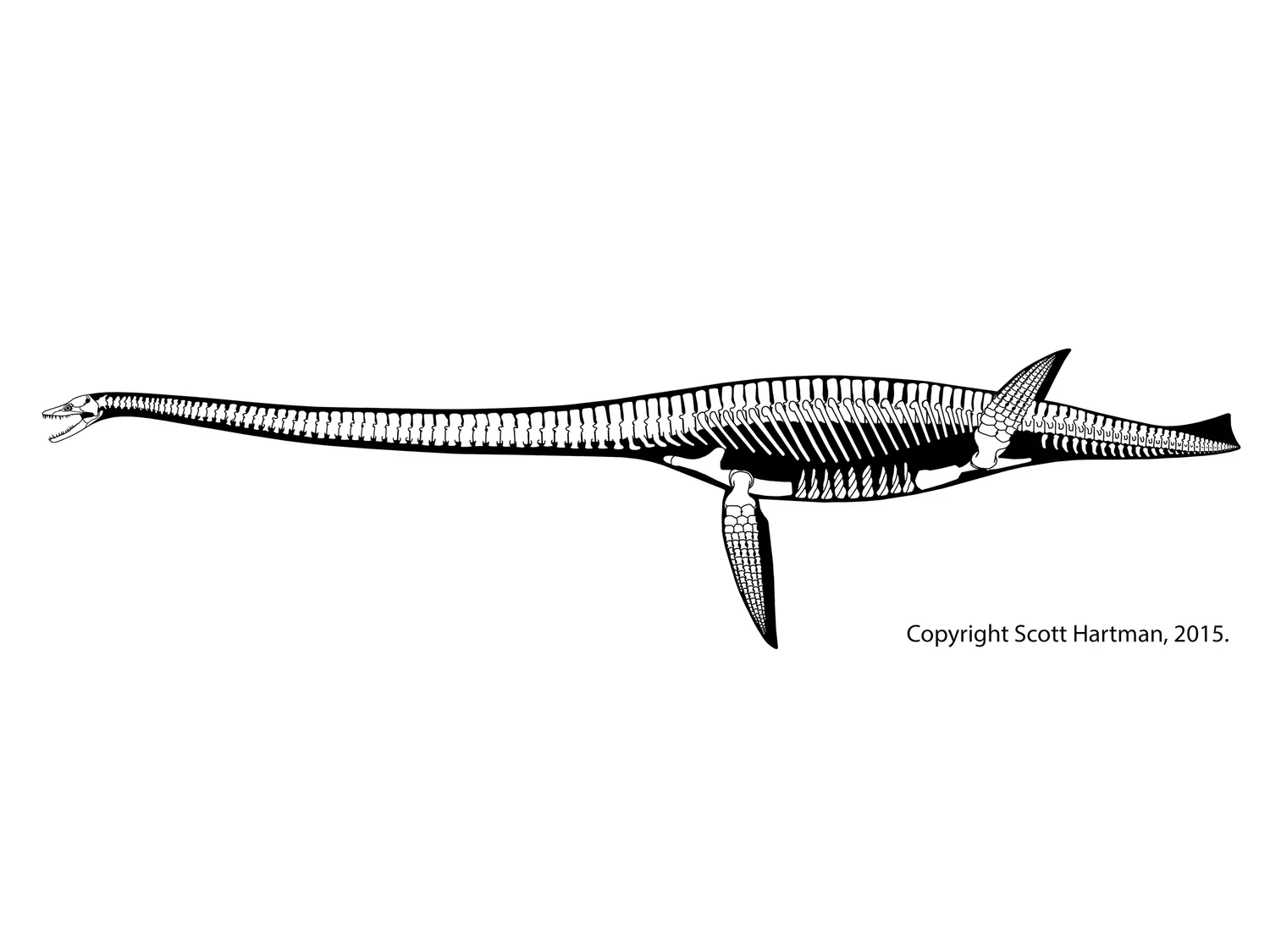
Thalassomedon - sauropterygian
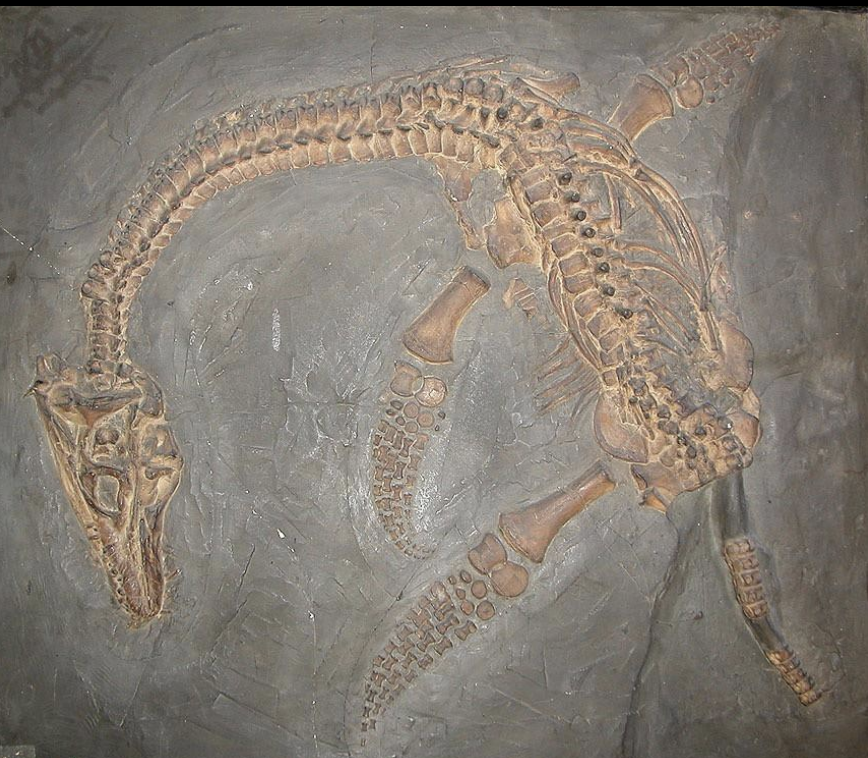
sauropterygian
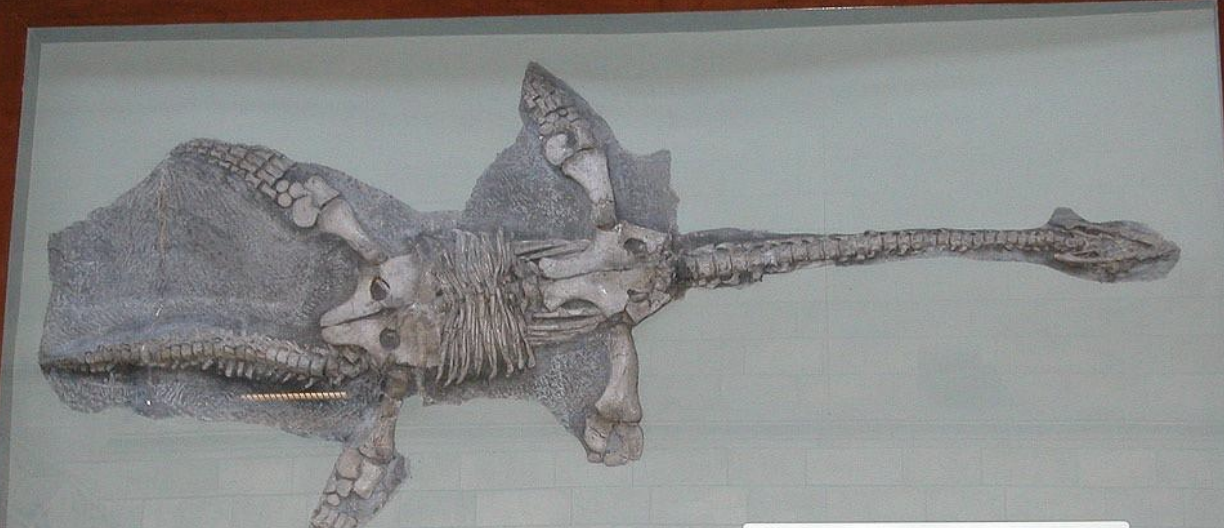
plesiosaur - sauropterygia
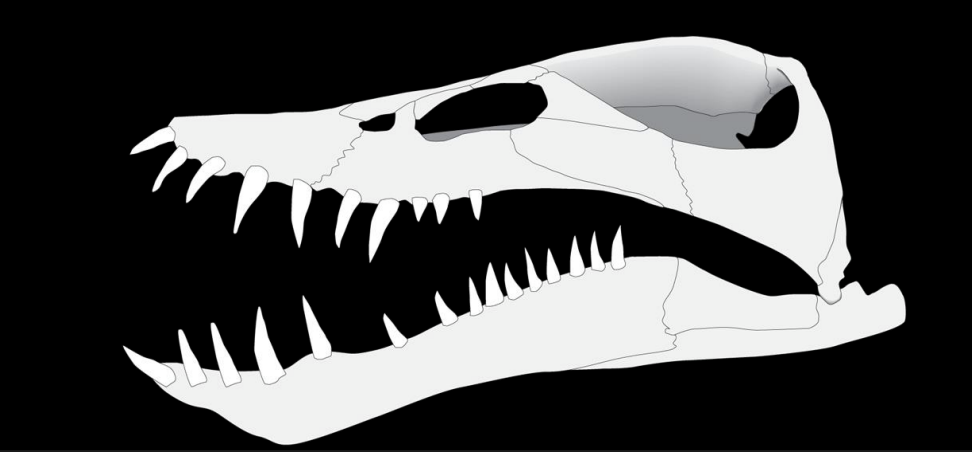
euryapsida - loss of infratemporal fenestra
Ichthyopterygian synap
downwardly-bent tail caused by wedge-shaped vertebrae in the middle of the caudal series
How did Ichthyopterygians overcome challenges of being secondarily marine/aquatic?
(marine)
Locomotion? small humerus/ femur, robust tail
tail driven swimmer
Respiration? nares shifted up
Senses? HUGE eyes
Reproduction? live birth
when did ichthyoptergynarians die out?
middle cretaceous