AP Microeconomics Chapter 4 Key Terms
 Multiple Choice & FRQ
 Call Kai
1/42

Earn XP
Description and Tags
Chapter 4 Individual Markets: Demand and Supply
Name | Mastery | Learn | Test | Matching | Spaced | Call with Kai | Chat |
|---|
No analytics yet
Send a link to your students to track their progress
43 Terms
chapter 4
card #1
market
Markets bring together buyers (“demanders”) and sellers (“suppliers”).
trade
labor

chapter 4
card #2
willingness to pay
A buyer’s willingness to pay for a good is the maximum amount the buyer will pay for that good. WTP measures how much the buyer values the good.
market
demand

chapter 4
card #3
demand schedule
a table of numbers showing the amounts of a good or service buyers are willing and able to purchase at various prices over a specified period of time
demand
law of demand

chapter 4
card #4
law of demand
the principle that, other things equal, an increase in a product’s price will reduce the quantity of it demanded, and conversely a decrease in price
demand
utility

chapter 4
card #5
demand
a schedule or curve that shows the various amounts of a product that consumers are willing and able to purchase at each of a series of possible prices during a specified period of time
law of demand
demand schedule

chapter 4
card #6
quantity demand
A specific amount or quantity of a good or service an individual is willing and able to buy at a specific price during a given period of time.
demand
law of consumer goods
chapter 4
card #7
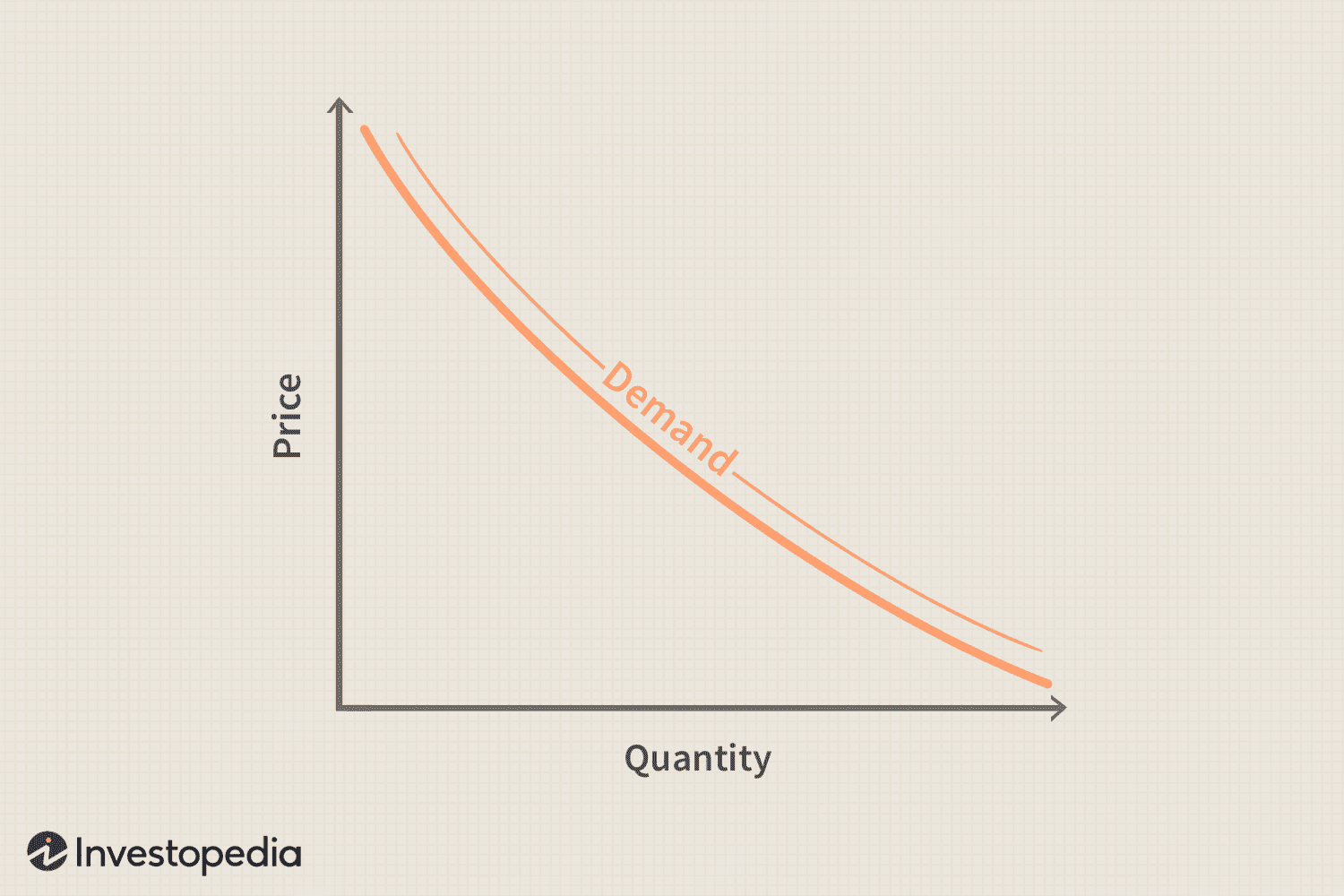
demand curve
a curve that illustrates the demand for a product by showing how each possible price (on the vertical axis) is associated with a specific quantity demanded (on the horizontal axis)
demand
graph

chapter 4
card #8
diminishing marginal utility
as you consume more of a good or service, the extra satisfaction (marginal utility) you get from each additional unit goes down.
utility
marginal utility

chapter 4
card #9
income effect
a change in the quantity demanded of a product that results from a change in the product’s price, resulting in a change in real income (purchasing power)
demand
income

chapter 4
card #10
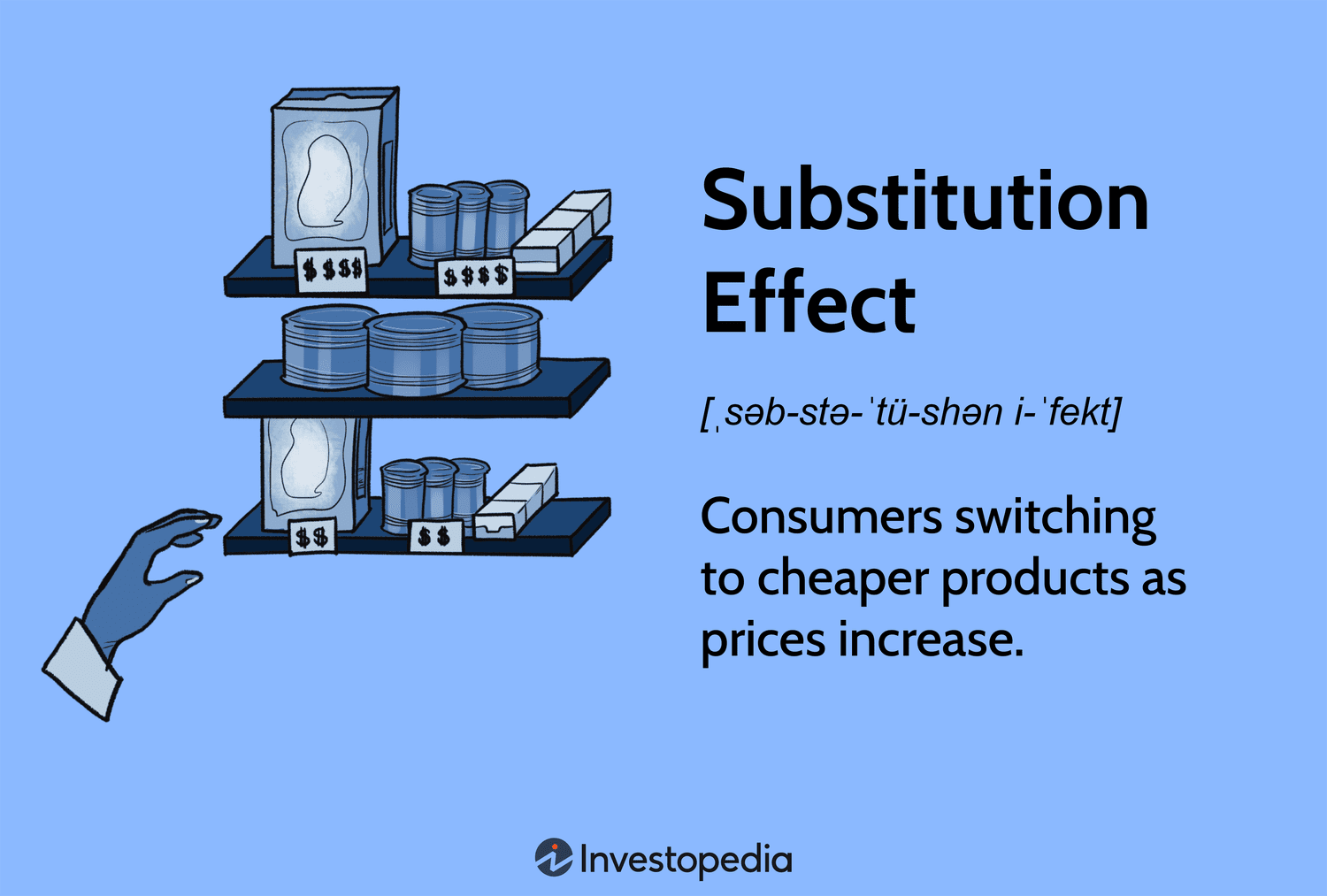
substitution effect
a change in the quantity demanded of a consumer good that results from a change in the good’s price, resulting in a change of its relative expensiveness
income effect
demand
chapter 4
card #11
individual demand
the amount of a specific good or service that a single person or household is willing and able to buy at different prices during a specific time period
demand
preferences

chapter 4
card #12
market demand
by adding the quantities demanded by all consumers at each possible price
demand
market

chapter 4
card #13
determinants/shifters of demand
factors other than price that determine the quantities demanded of a good or service
also referred to as “demand shifters” because changes in determinants of demand will cause the demand curve to shift either right or left
demand
demand curve

chapter 4
card #14
normal goods
a good or service whose consumption increases when income increases and falls when income decreases, other things equal
goods
direct relationship

chapter 4
card #15
substitute goods
a good that can be used in place of another good
goods
substitution effect

chapter 4
card #16
complementary goods
a good that is used together with another good
good
demand

chapter 4
card #17
inferior goods
a good or service whose consumption declines as income rises, other things equal
goods
inverse relationship

chapter 4
card #18
change in demand
a movement of an entire demand curve (or of the numerical entries in a demand schedule) such that the quantity demanded changes at every particular price; caused by a change in one or more of the determinants of demand
demand
demand curve

chapter 4
card #19
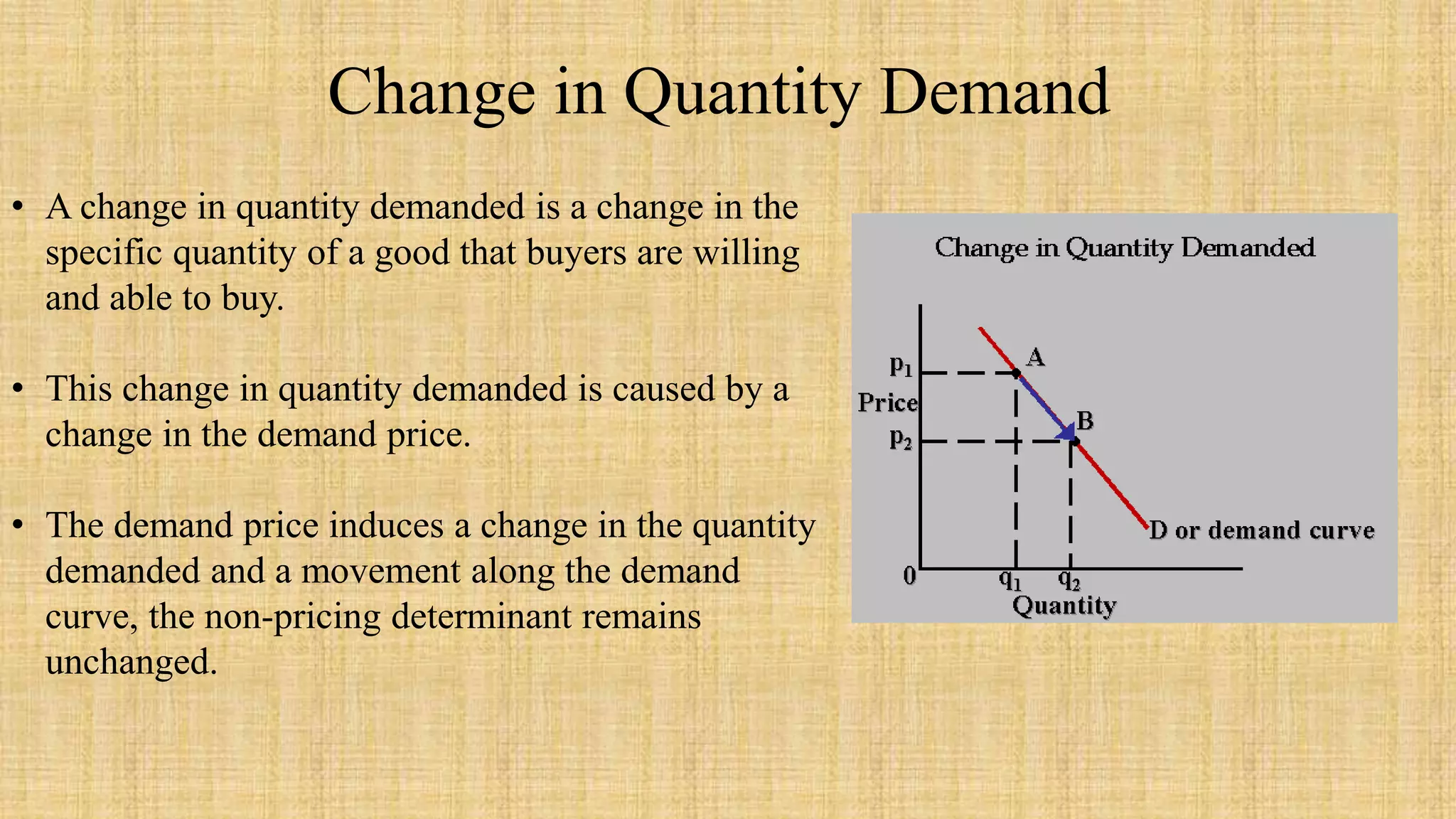
change in quantity demand
a change in the quantity demanded along a fixed demand curve (or within a fixed demand schedule) as a result of a change in the price of the product
demand
price
chapter 4
card #20
supply
a schedule or curve that shows the various amounts of a product that producers are willing and able to make available for sale at each of a series of possible prices during a specified period of time
production
goods

chapter 4
card #21
willingness to sell (supply)
A seller will only produce and sell the good if the price exceeds his or her cost. So cost is a measure of a producer's willingness to sell.
supply
demand

chapter 4
card #22
quantity supplied
A specific amount or quantity of a good or service a producer is willing and able to provide at a specific price during a given period of time.
supply
quantity

chapter 4
card #23
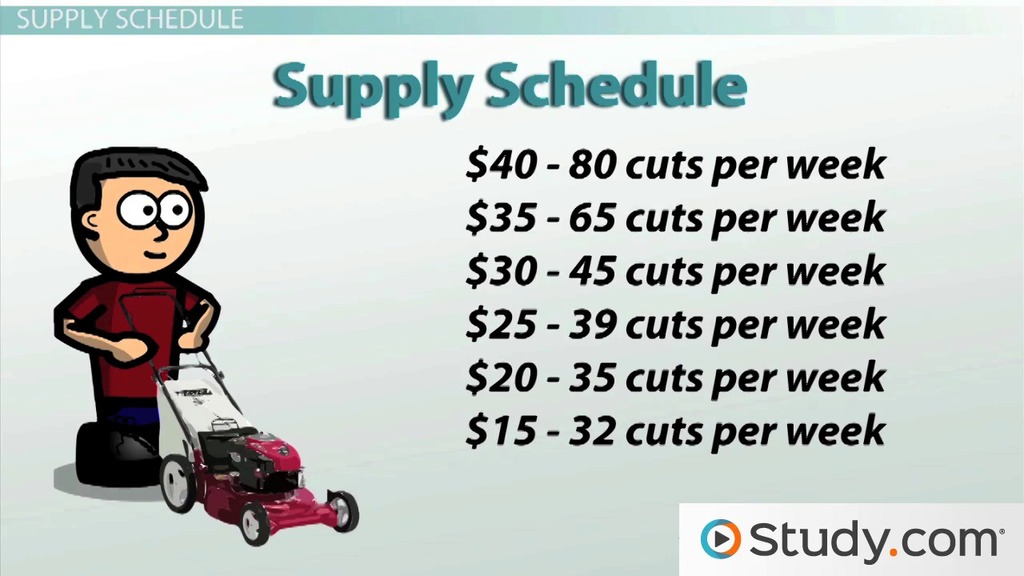
supply schedule
a table of numbers showing the amounts of a good or service producers are willing and able to make available for sale at each of a series of possible prices during a specified period of time
supply
production
chapter 4
card #24
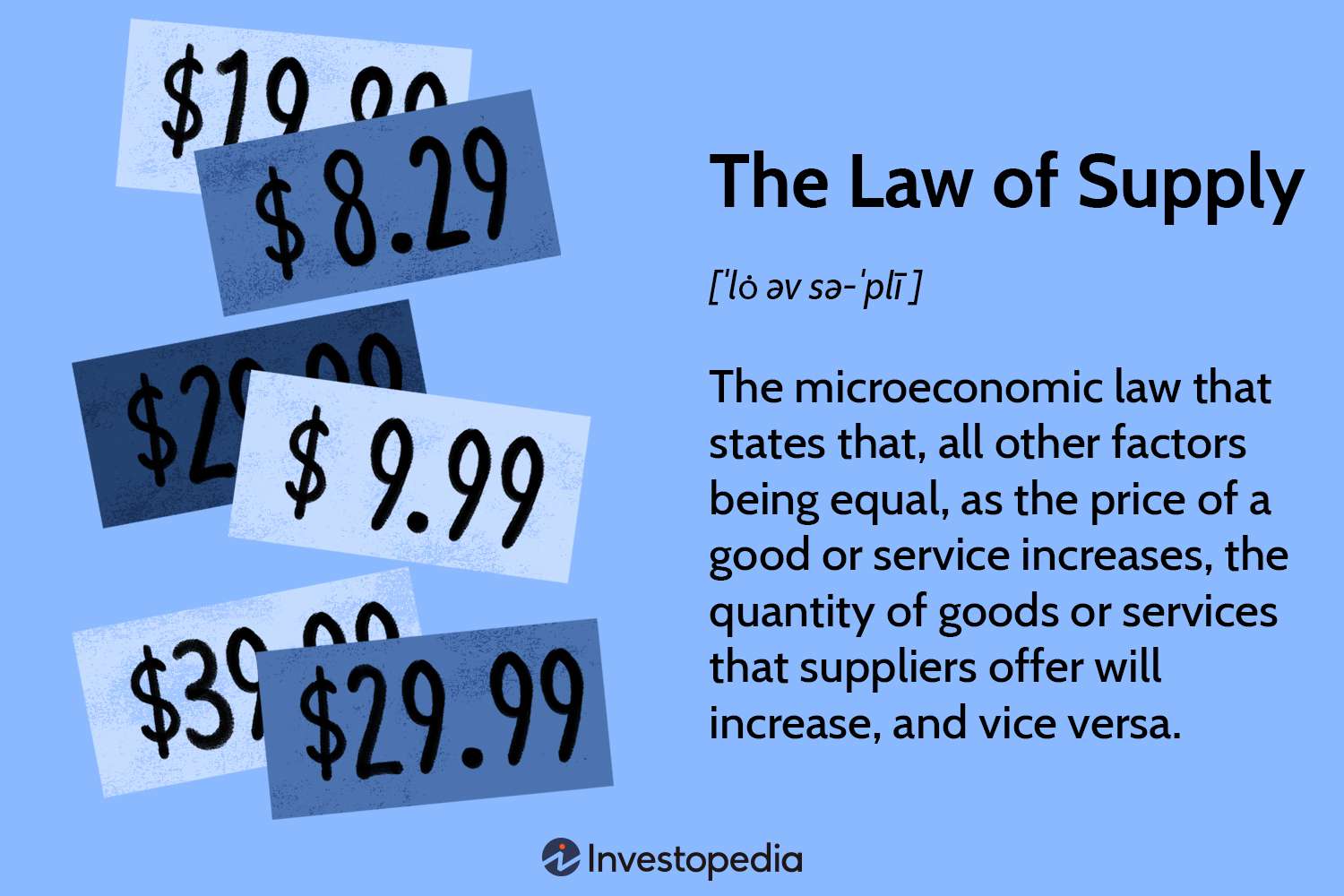
law of supply
the principle that, other things equal, an increase in the price of a product will increase the quantity of it supplied, and conversely for a price decrease
supply
direct relationship
chapter 4
card #25
supply curve
a curve that illustrates the supply for a product by showing how each possible price (on the vertical axis) is associated with a specific quantity supplied (on the horizontal axis)
supply
graph

chapter 4
card #26
determinants/shifters of supply
factors other than price that determine the quantities supplied of a good or service
also referred to as “supply shifters” because changes in the determinants of supply will cause the supply curve to shift either right or left
supply
law of supply

chapter 4
card #27
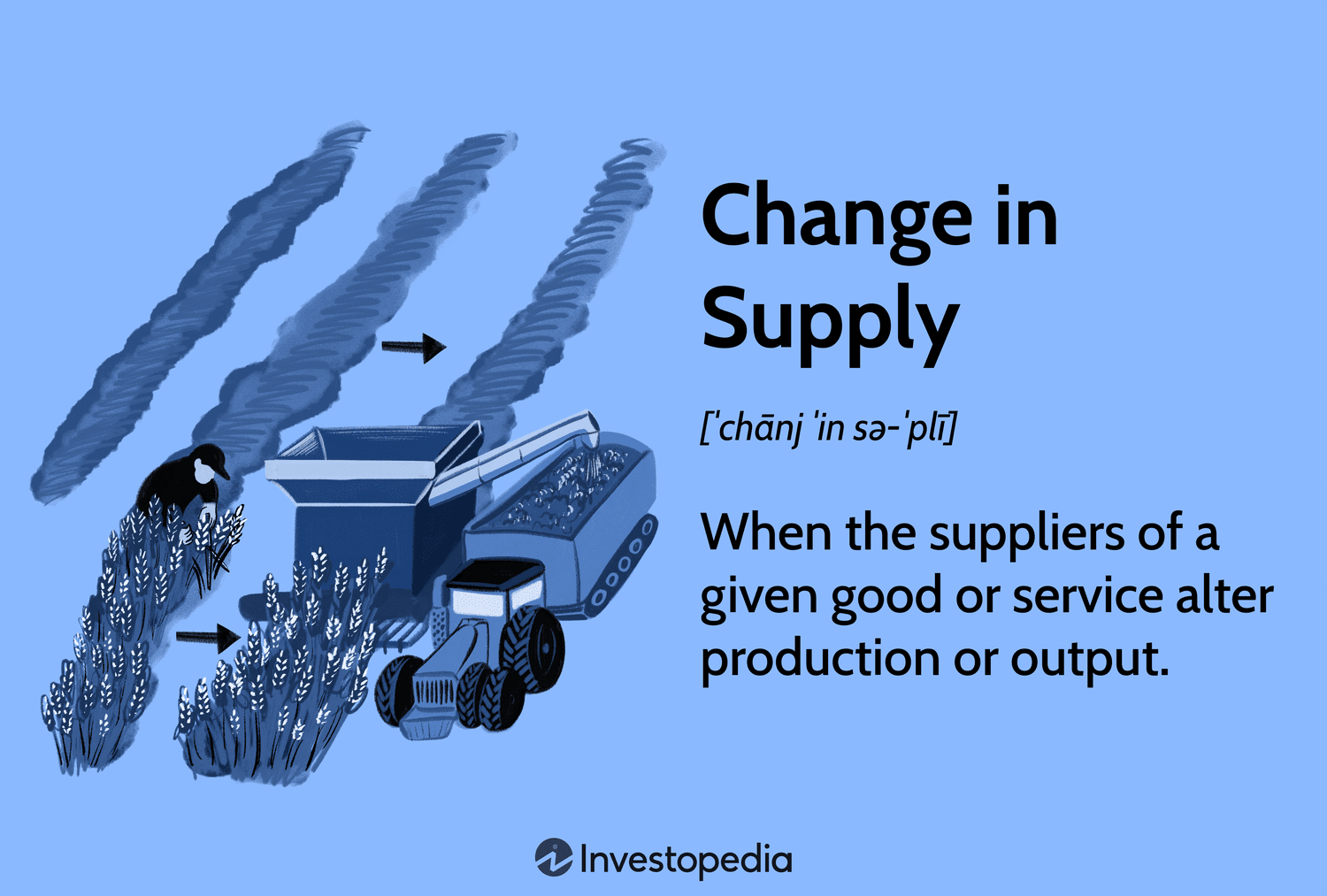
change in supply
a movement of an entire supply curve (or of the numerical entries in a schedule) such that the quantity supplied changes at every particular price; caused by a change in one or more of the determinants of supply
supply
determinants/shifters of supply
chapter 4
card #28
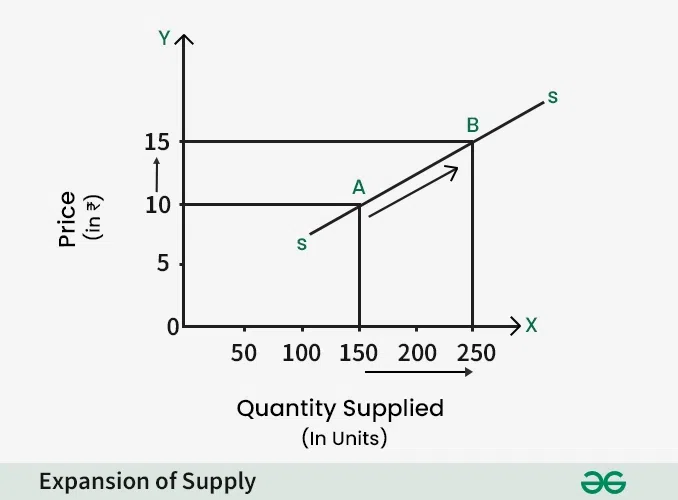
change in quantity supplied
a change in the quantity supplied of a product along a fixed supply curve (or within a fixed supply schedule) as a result of a change in the product’s price
supply
determinants of supply
chapter 4
card #29
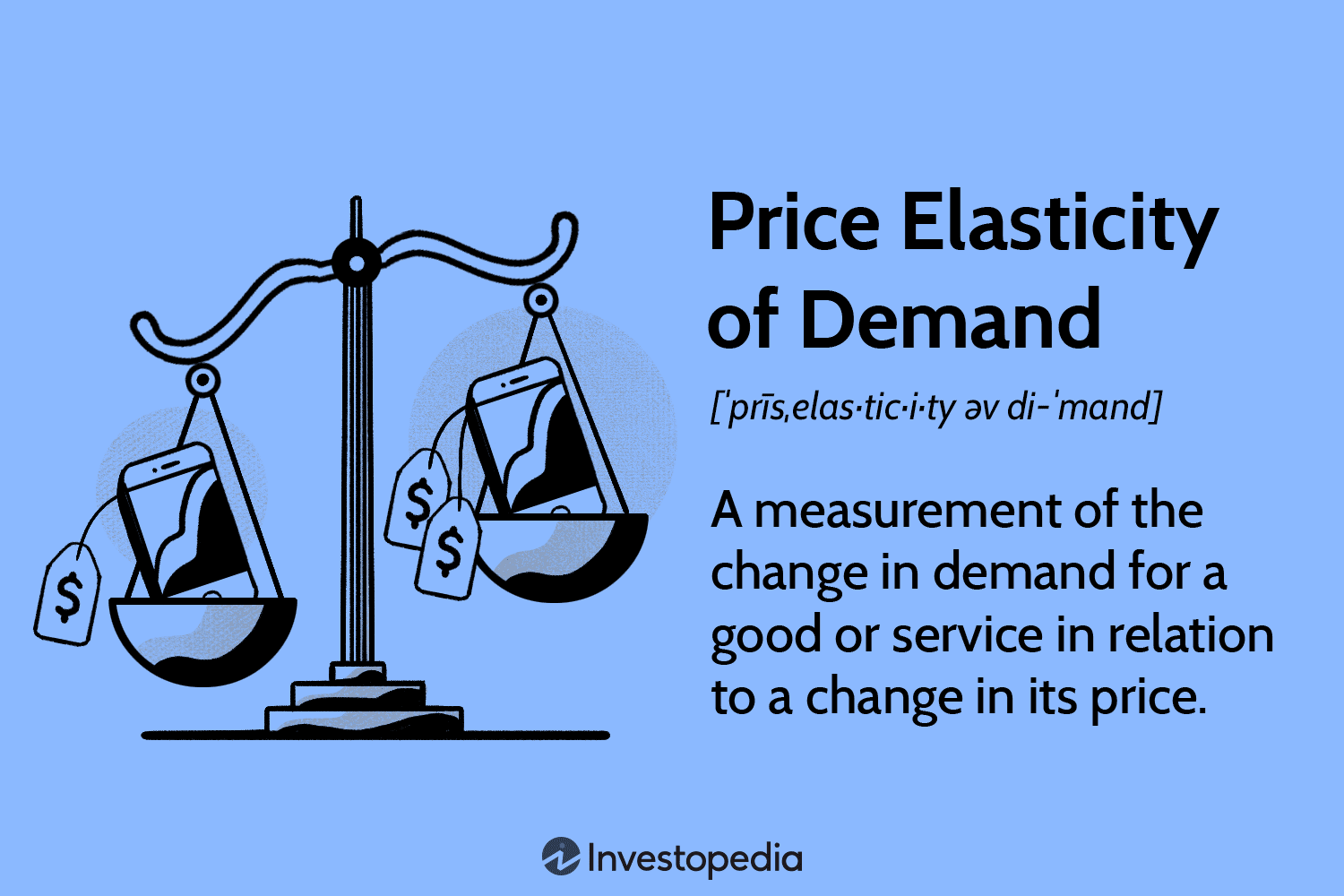
price elasticity of demand
the ratio of the percentage change in quantity demanded of a product or resource to the percentage change in its price; a measure of the responsiveness of buyers to a change in the price of a product or resource
quantity demanded
demand
chapter 4
card #30
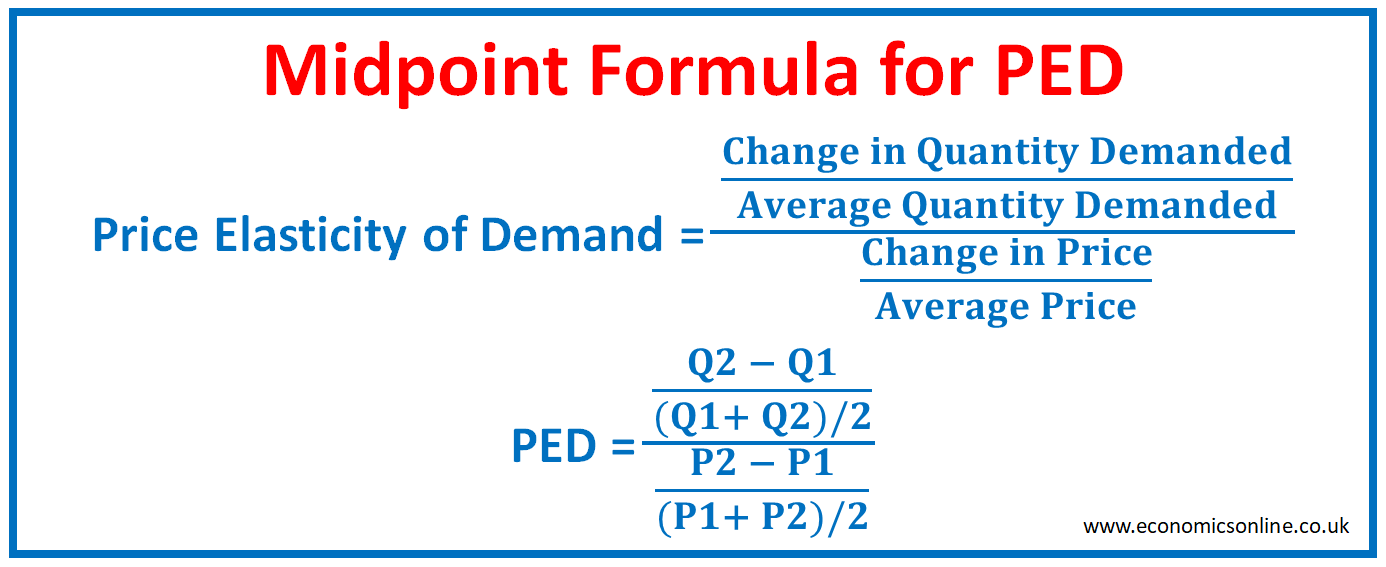
mid-point formula
a method for calculating price elasticity of demand or price elasticity of supply that averages the starting and ending prices and quantities when computing percentages
price elasticity of demand
price elasticity of supply
chapter 4
card #31
elastic demand
product or resource demand whose price elasticity of demand is greater than 1, so that any given percentage change in price leads to a larger percentage change in quantity demanded
as a result, quantity demanded is relatively sensitive to (elastic with respect to) price.
price elasticity of demand
demand

chapter 4
card #32
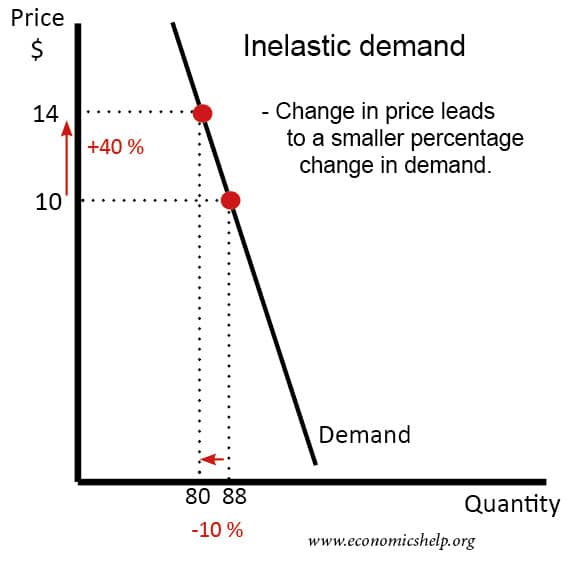
inelastic demand
product or resource demand for which the price elasticity of demand is less than 1, so that any given percentage change in a price leads to a smaller percentage change in quantity demanded
as a result, quantity demanded is relatively insensitive to (inelastic with respect to) price.
elastic demand
demand
chapter 4
card #33
unit elasticity
demand or supply for which the elasticity coefficient is equal to 1; means that the percentage change in the quantity demanded or quantity supplied is equal to the percentage change in price
elastic demand
inelastic demand

chapter 4
card #34
perfectly elastic demand
product or resource demand in which quantity demanded can be of any amount at a particular product or resource price
graph is a horizontal demand curve
elastic demand
quantity demanded

chapter 4
card #35
perfectly inelastic demand
product or resource demand in which price can be of any amount at a particular quantity to the product or resource that is demanded
when the quantity demanded does not respond to a change in price
graphs as a vertical demand curve
quantity demanded
demand

chapter 4
card #36
total revenue (TR)
the total number of dollars received by a firm (or firms) from the sale of a product
equal to the total expenditures for the product produced by the firm (or firms)
equal to the quantity sold (demanded) multiplied by the price at which it is sold
TR = P * Q
total revenue test
quantity demand

chapter 4
card #37
total revenue test
a test to determine the elasticity of demand
demand is elastic if total revenue moves in the opposite direction from a price change
it in inelastic when it moves in the same direction as a price change
it is of unitary elasticity when it does not change when price changes
elastic demand
total revenue

chapter 4
card #38
price elasticity of supply
the ratio of the percentage change in quantity supplied of a product or resource to the percentage change in its price
a measure of the responsiveness of producers to a change in the price of a product or resource
supply
price elasticity of demand

chapter 4
card #39
immediate market period
the length of time during which the producers of a product are unable to change the quantity supplied in response to a change in price and in which there is a perfectly inelastic supply
inelastic supply
change in quantity supplied

chapter 4
card #40
short run
a period of time in which producers are able to change the quantities of some but not all of the resources they employ
a period in which some resources (usually pant) are fixed and some are variable
producers
quantity

chapter 4
card #41
long run
a period of time long enough to enable producers of a product to change the quantities of all the resources they employ, so that all resources and costs are variable and no resources or costs are fixed
short run
production

chapter 4
card #42
cross price elasticity of demand
the ratio of the percentage of change in quantity demanded of one good to the percentage change in the price of some other good
a positive coefficient indicates the two products are substitute goods
a negative coefficient indicates they are complementary goods
quantity demanded
substitute goods

chapter 4
card #43
income elasticity of demand
the ratio of the percentage change in the quantity demanded of a good to a percentage change in consumer income
measures the responsiveness of consumer purchases to income changes
quantity demanded
income
