Transnational Imaginaries, Diasporic Life: American Art
 Call Kai
 Learn
Learn Practice Test
 Spaced Repetition
 Match
Match Flashcards
 Knowt Play
1/20

There's no tags or description
Looks like no tags are added yet.
Name | Mastery | Learn | Test | Matching | Spaced | Call with Kai |
|---|
No analytics yet
Send a link to your students to track their progress
21 Terms
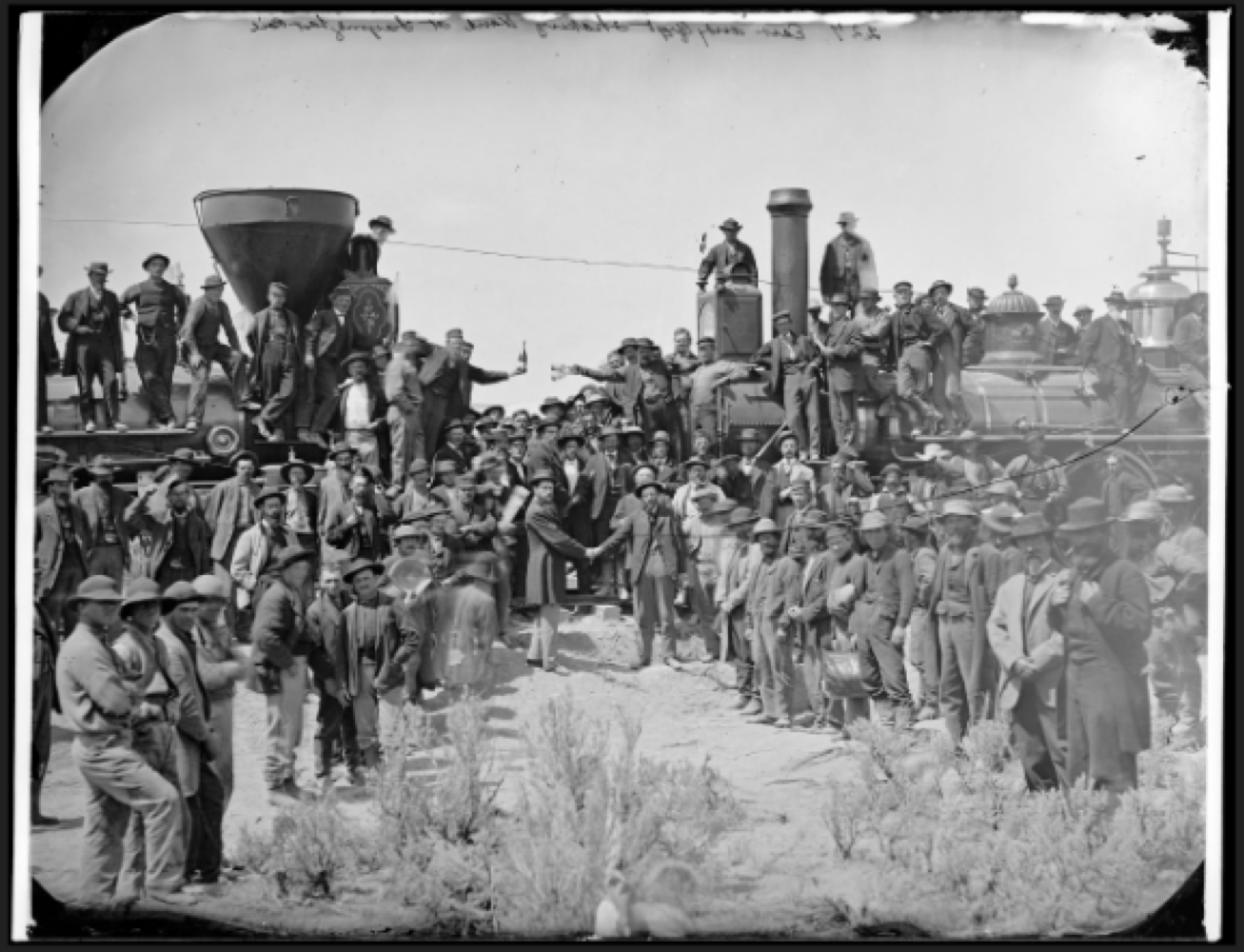
Andrew Russell (1828-1902)
East and West Shaking Hands at Laying of Last Rail, 1869
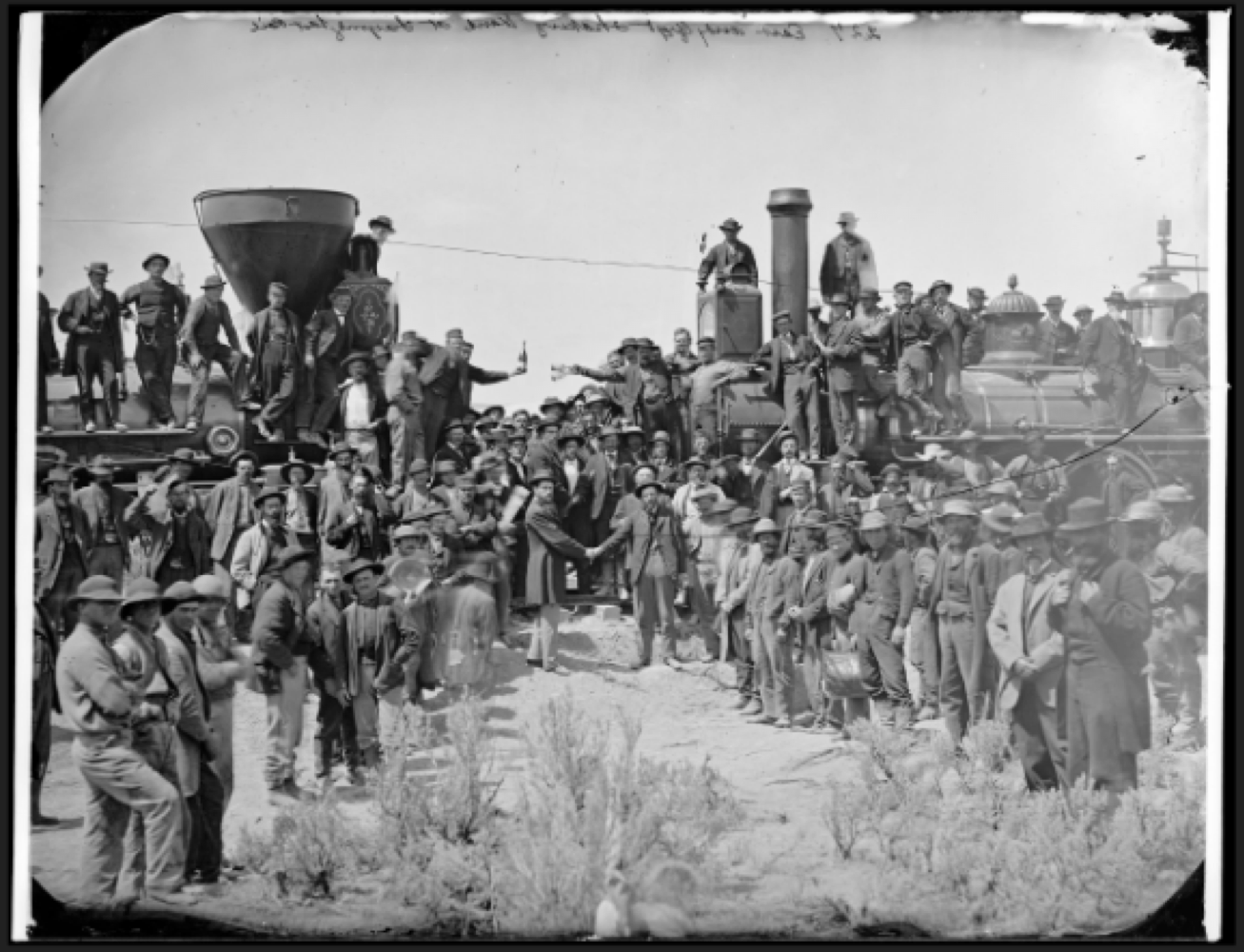
Describe the overall composition of the photo and its significance
layers visual emphasis on union: like imagined meeting/vanishing point, “The Last Spike” engraved in gold- ironic since its softer than iron, for symbolic show, laborers not shown: Chinese workers
What is the context before the Walters Collection
Gilded Age, Industrialization, Railroad enable cultural convergence of east and west: support Chinese exclusion while collecting Chinese objects
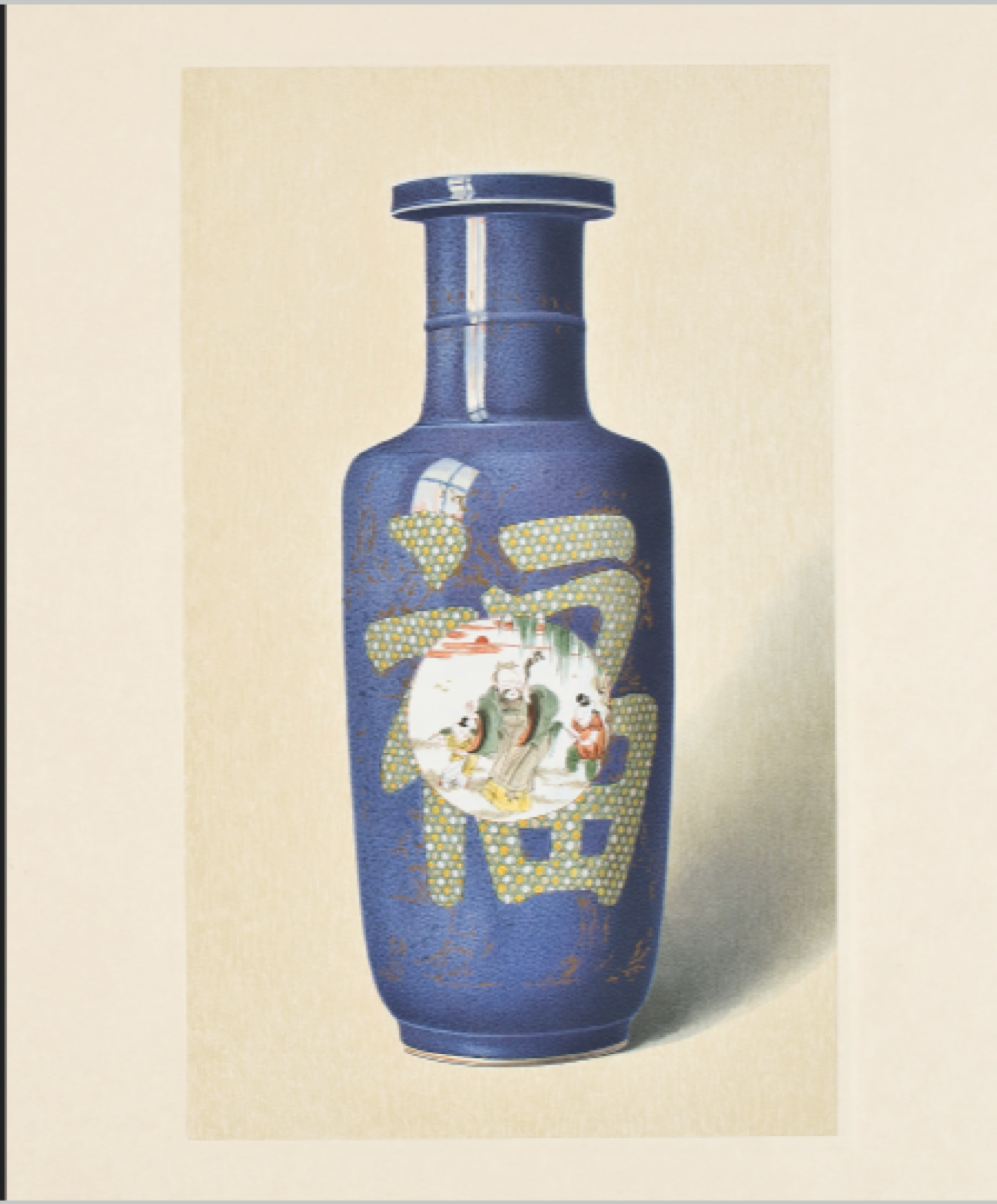
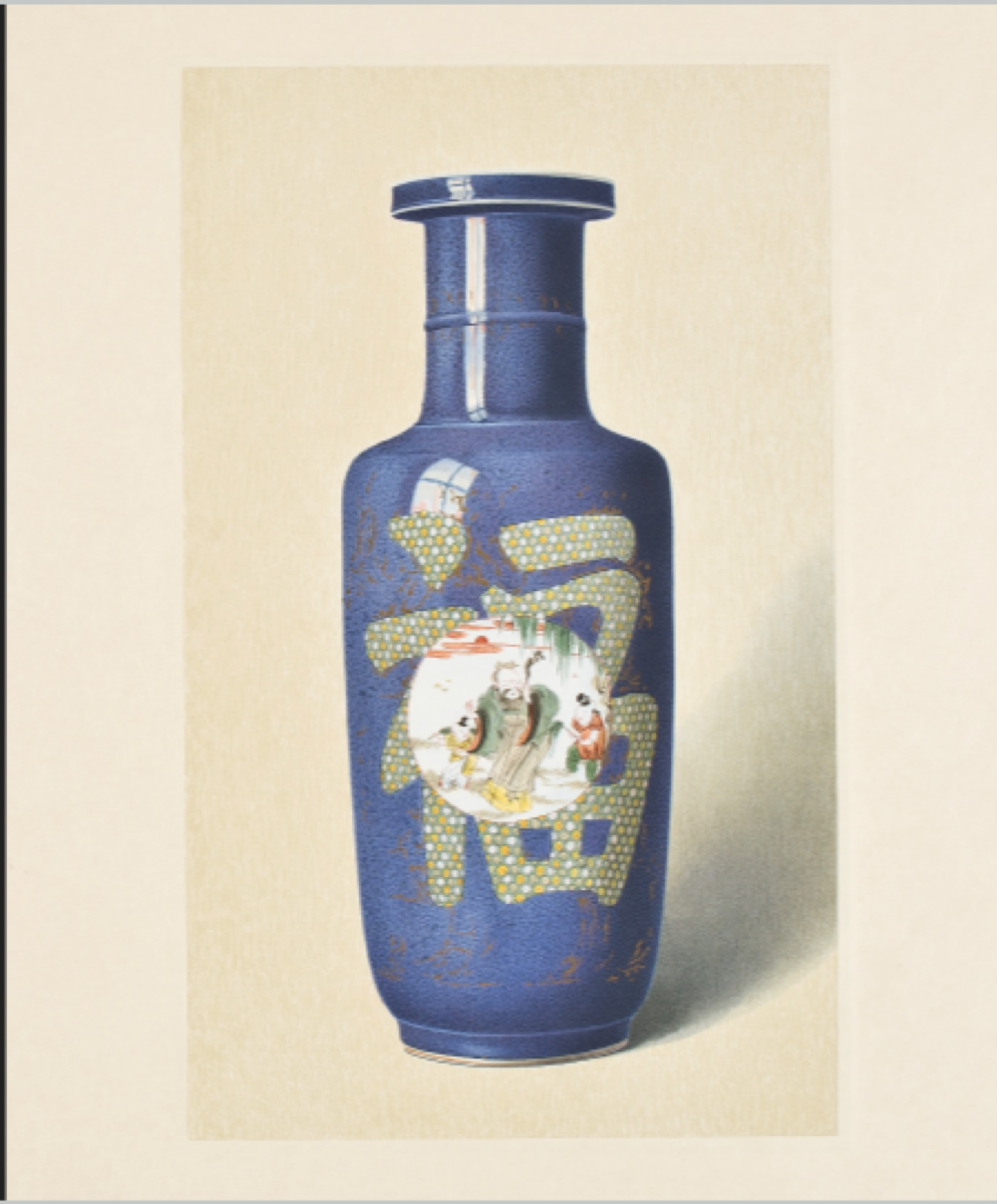
Louis Prang (1824-1909), James Callowhill (British, 1838-1907), James Callowhill (British, 1865-1927) and Percy Callowhill (British, 1873-?)
Plate XVII. Powder-blue decorated vase, Oriental Ceramic Art from the William T. Walters Collection, 1897
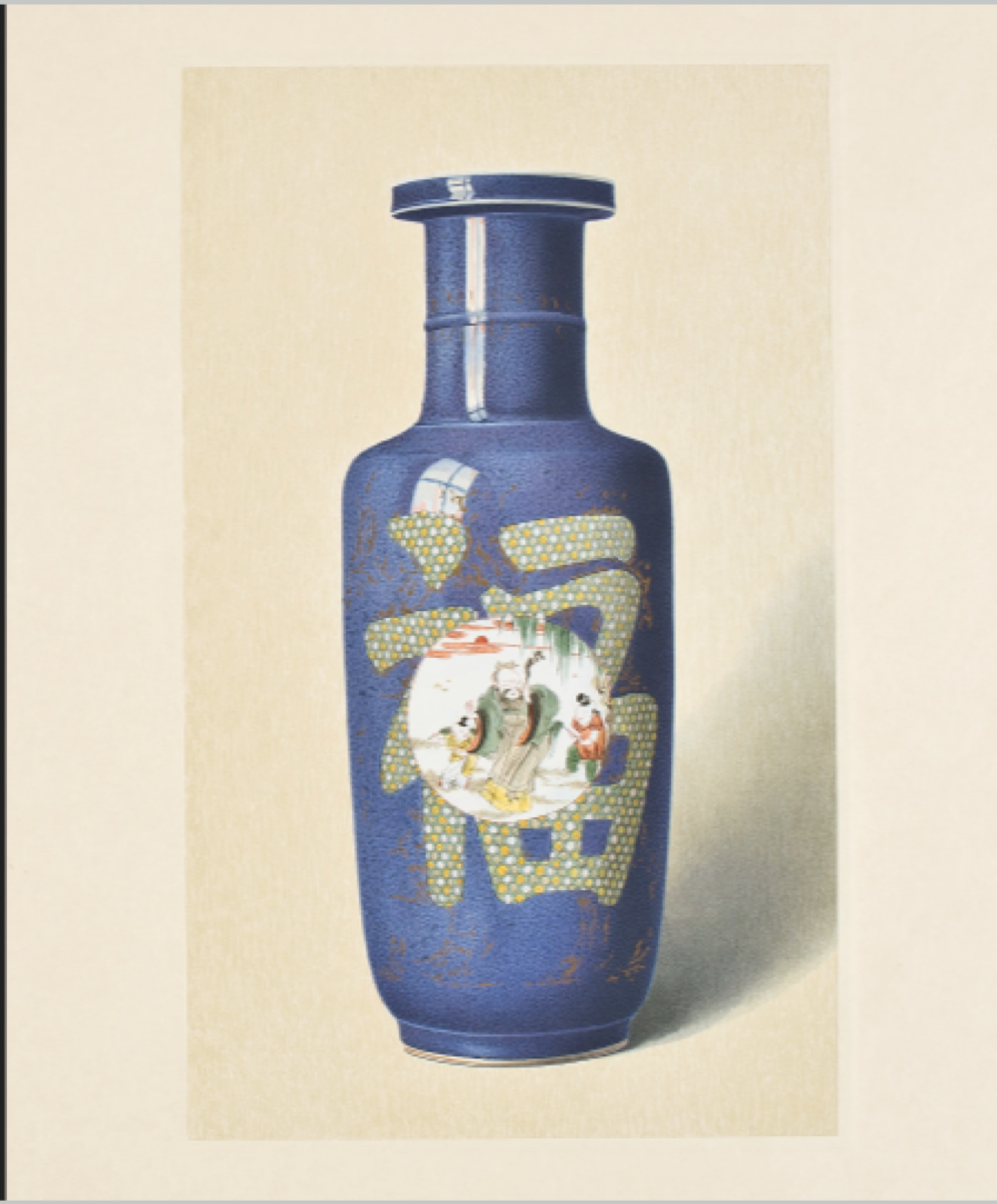
Describe the Walters Collection and its significance
collection of prints, chromolithography: stone graphs, color laid down separately, “His monument”=bankrupt himself, bright reflection, Walters window overlooking Mt.Vernon, outline of Washington monument, marked by American mentality
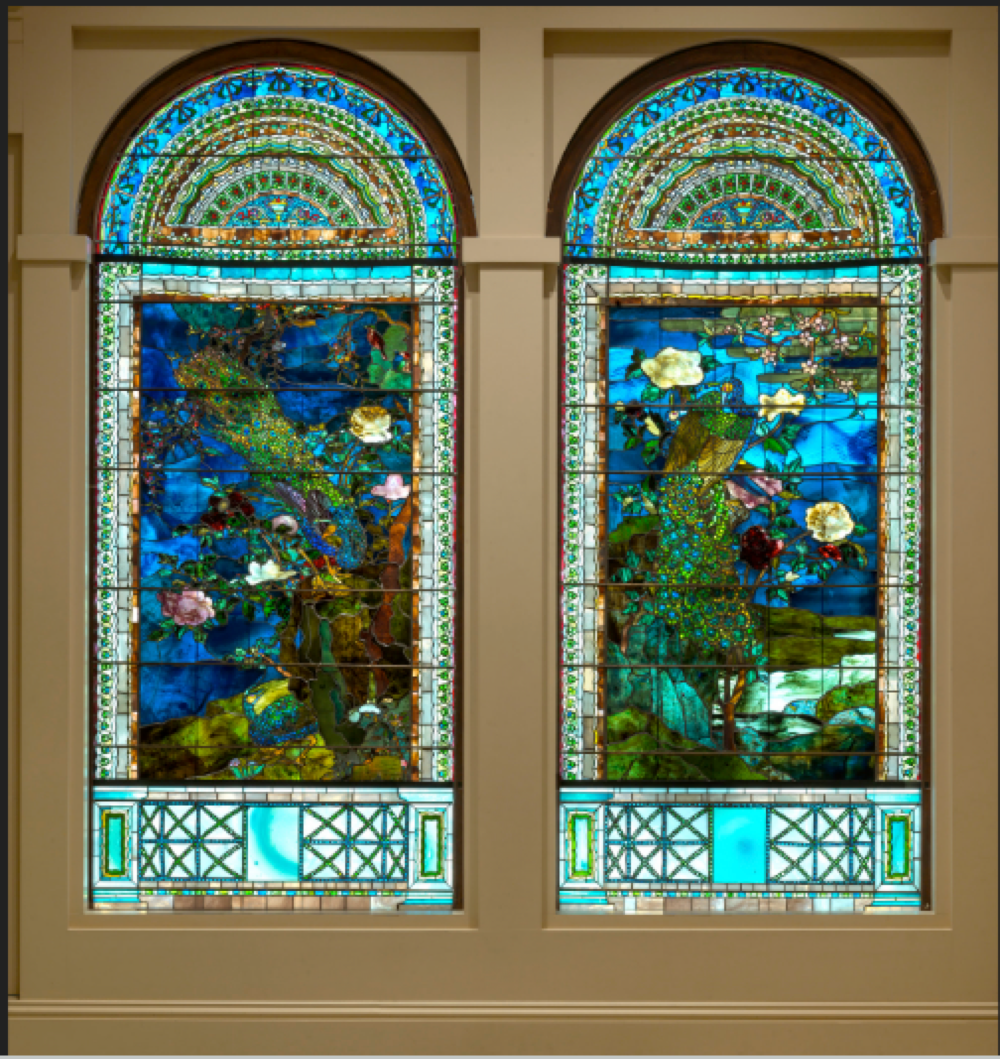
John La Farge (1836-1910)
Peacocks and Peonies I and II, 1882
Describe the context before the Peacocks and Peonies window
Orientalism: areas colonized by Europeans and US=”The Orient”, assumes binary geography of world, West=”The Occident”, stereotypes of passive vs. active, feminine vs. masculine, orient was imaginary place, encountered Japanese prints
Describe the Peacocks and Peonies window and its significance
pictorial elements: “the bird and the flower”, “Japonism”, appearance of milky light, for railroad magnate, relationship to picture shift and change= movement in it, makes you feel transported elsewhere: sense of worldliness for owner/viewer, sight specific artwork: places filled with Japanese art, Romanesque lunette, Byzantine=cosmopolitanism, well-traveled worldliness
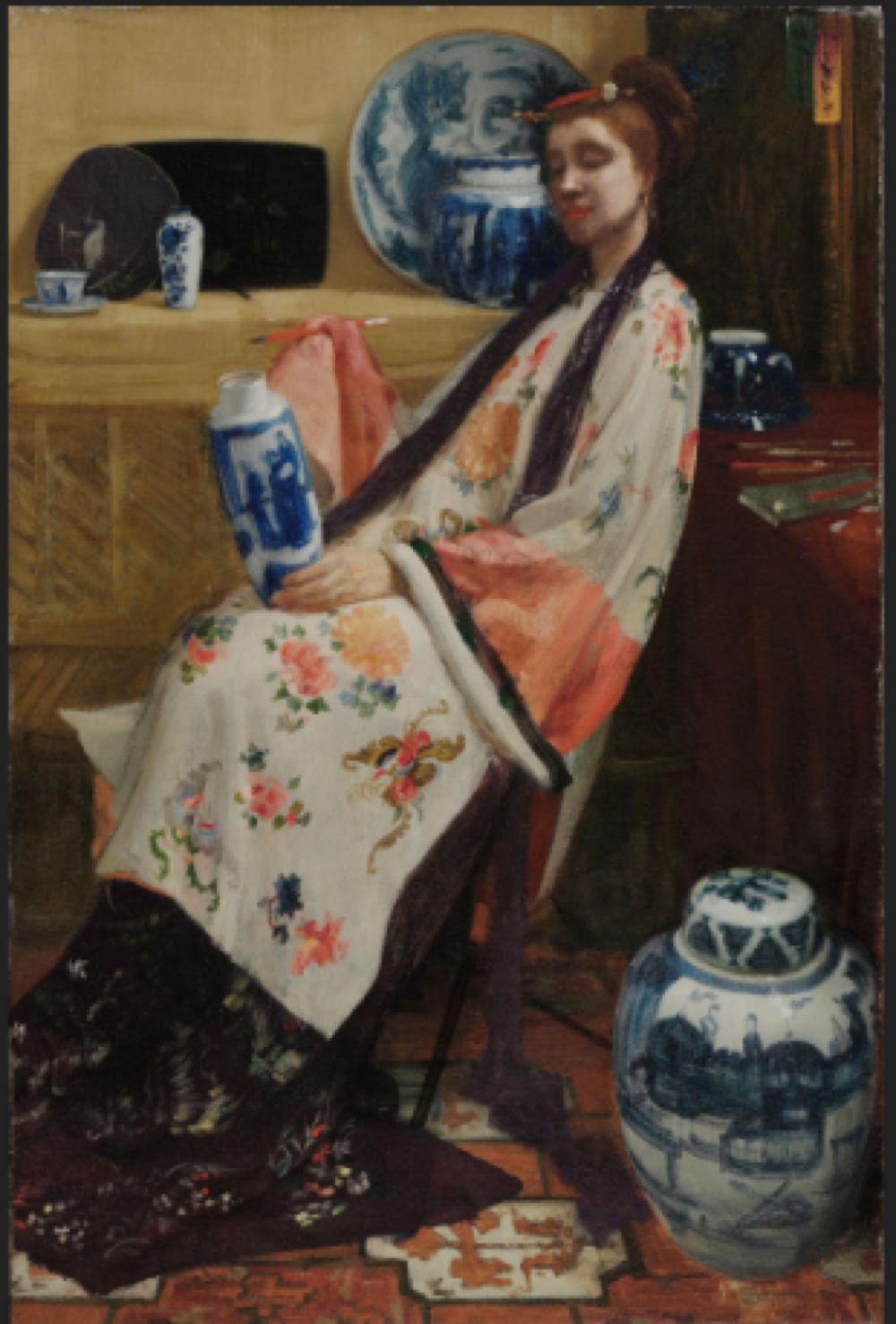
James Abbot McNeill Whistler (1834-1903)
Purple and Rose: The Lange Leitzen of the Six Marks, 1864
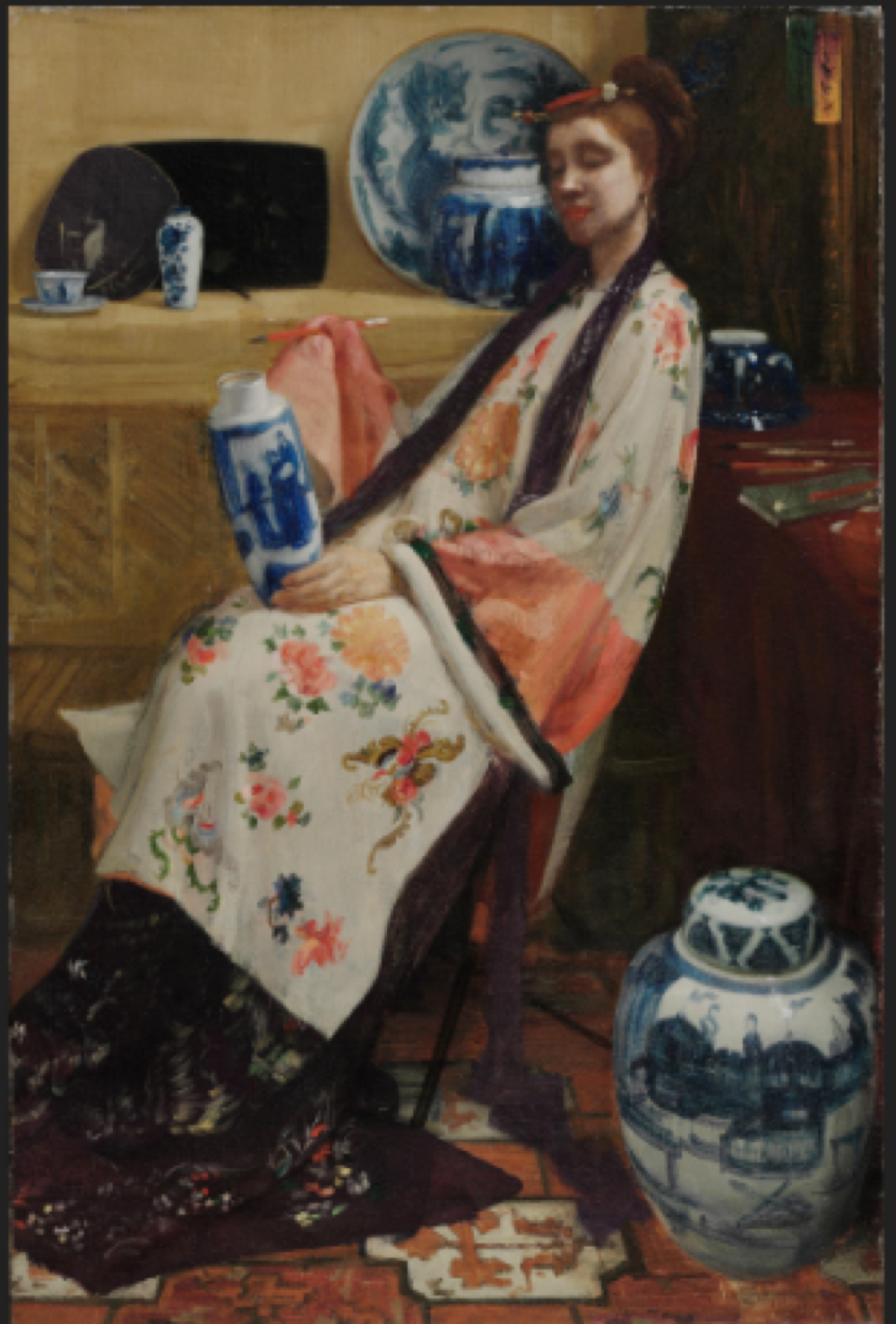
Describe the context of the purple and roses
artist: educated in US, then Paris, then London, house full of Japanese objects, ceramics=height of urban fashion
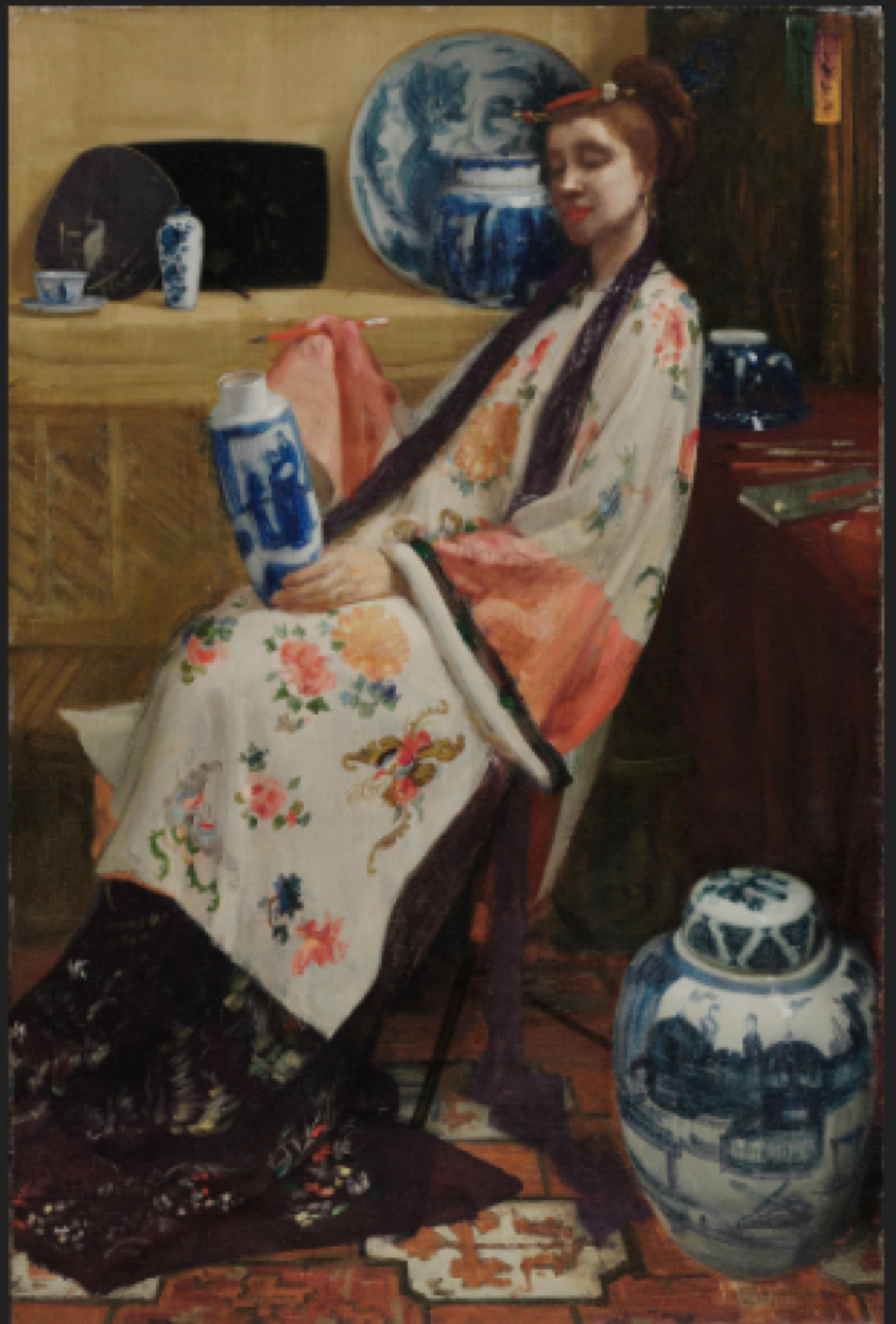
Describe the overall composition of the Purple and Roses and its significance
women focus on blue and white porcelain vase=trade at the time: subject matter less important than mood/aesthetic, beauty for beauties sake, most important thing=aesthetic value, emphasis on evoking feelings, contemplation,
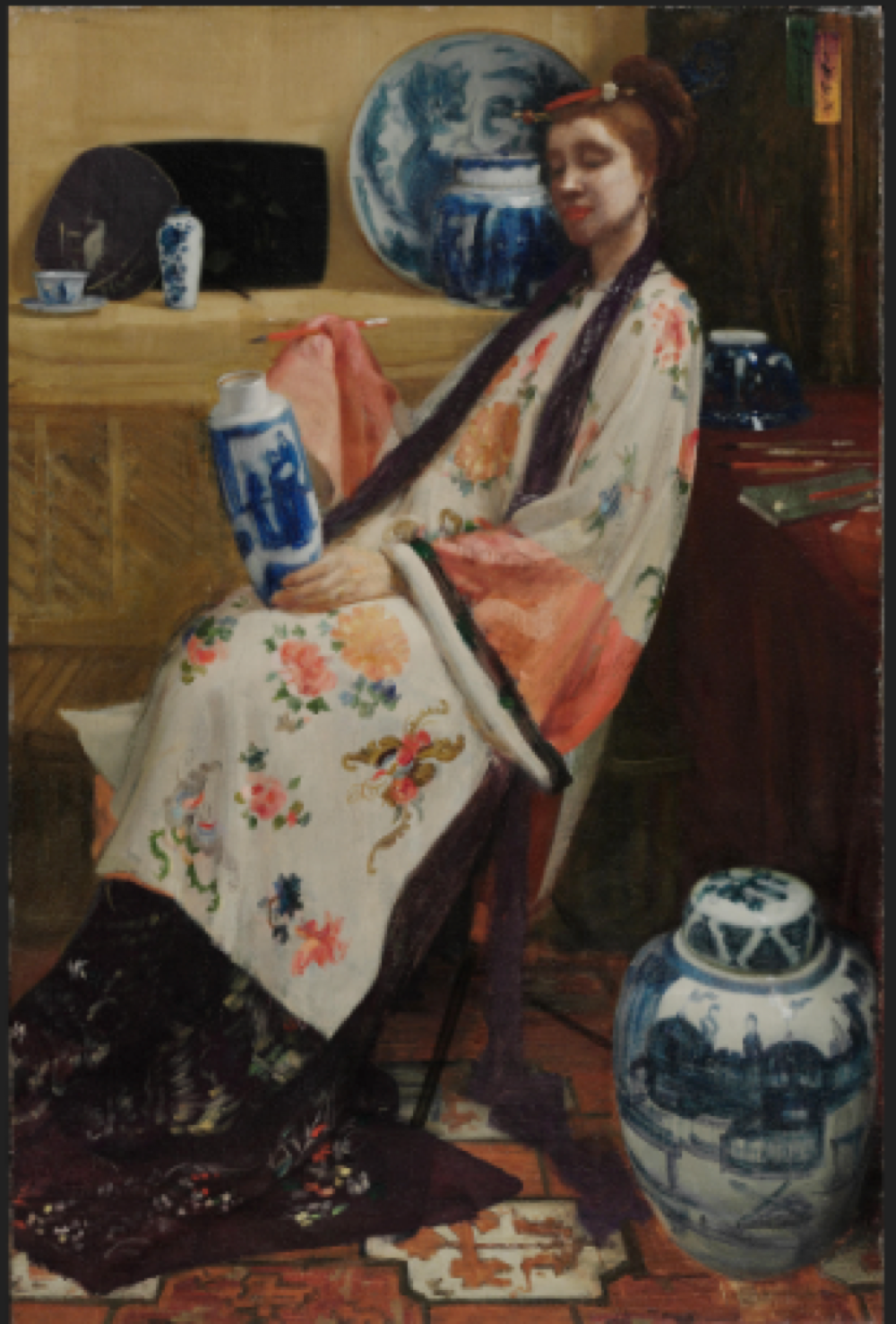
Describe the figure in Purple and Rose and its significance
soft eyes, unfocused, focus turned inward/beyond, transformed into aesthetic object: clothes and objects, painting on vessel, details not matter to him=she is source of aesthetic and contemplation, woman is not Asian=enable aesthetic absorption
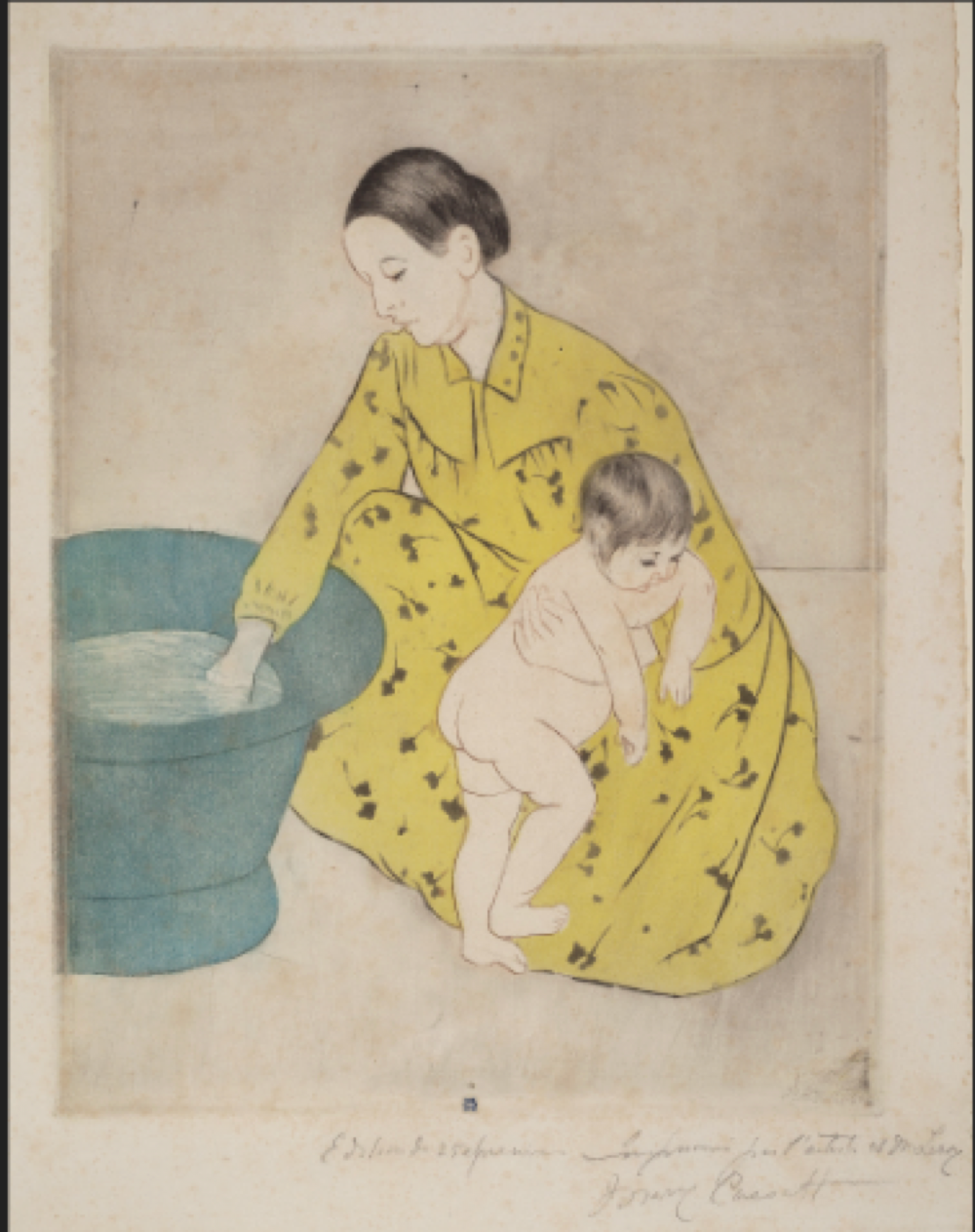
Mary Cassatt (1844-1926) The Bath, 1890-1891
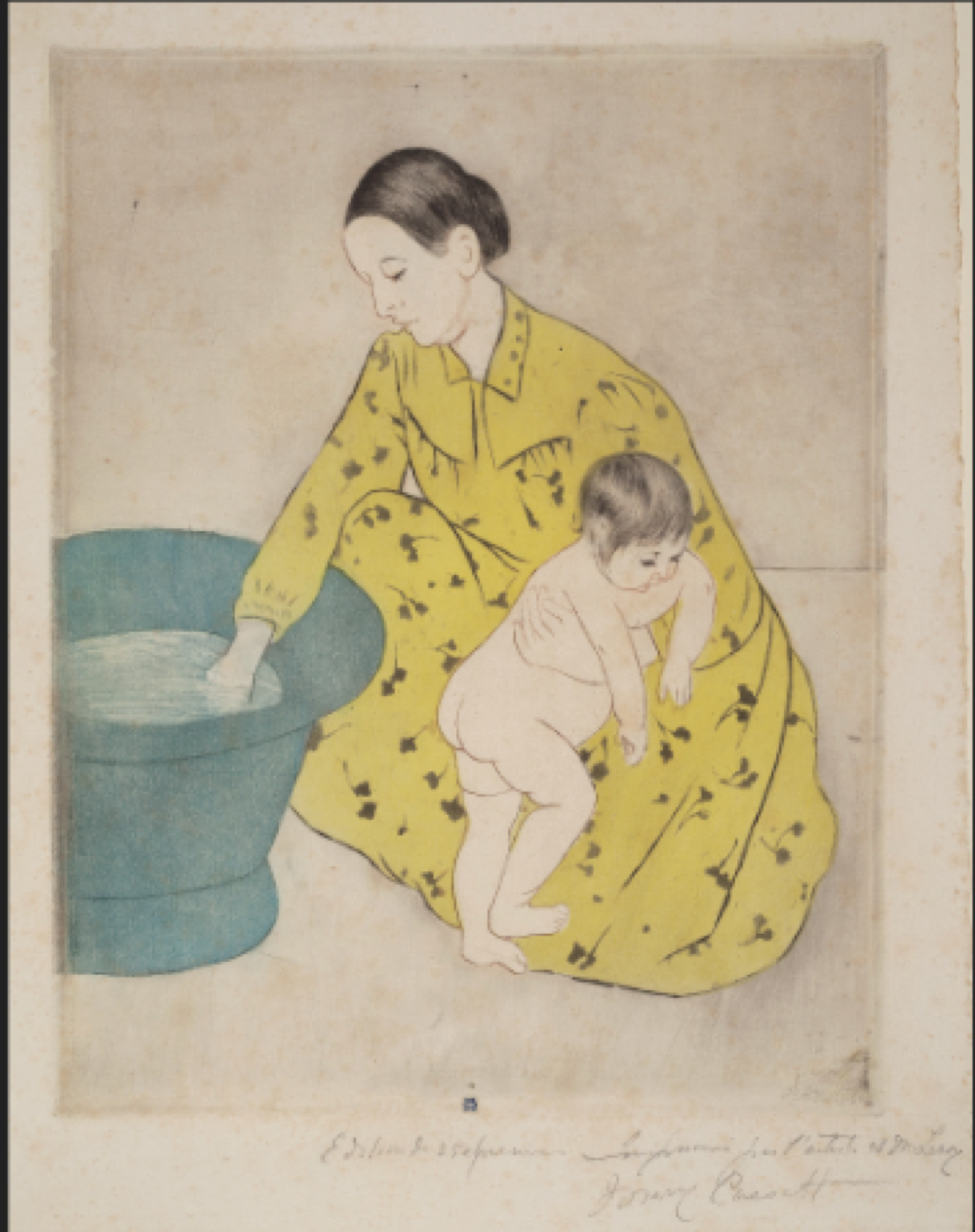
Describe the overall composition of the bath and its significance
out of interest in woodcuts, combination of drypoint, etching, scenes of everyday life, labored over this composition, theme: intimate moment in domestic space, flat color and contour, cropped element, color and line, not idealized or proportioned bodies, absence of shading, fuse hand with body=intimacy, possibility of world-building in domestic settings
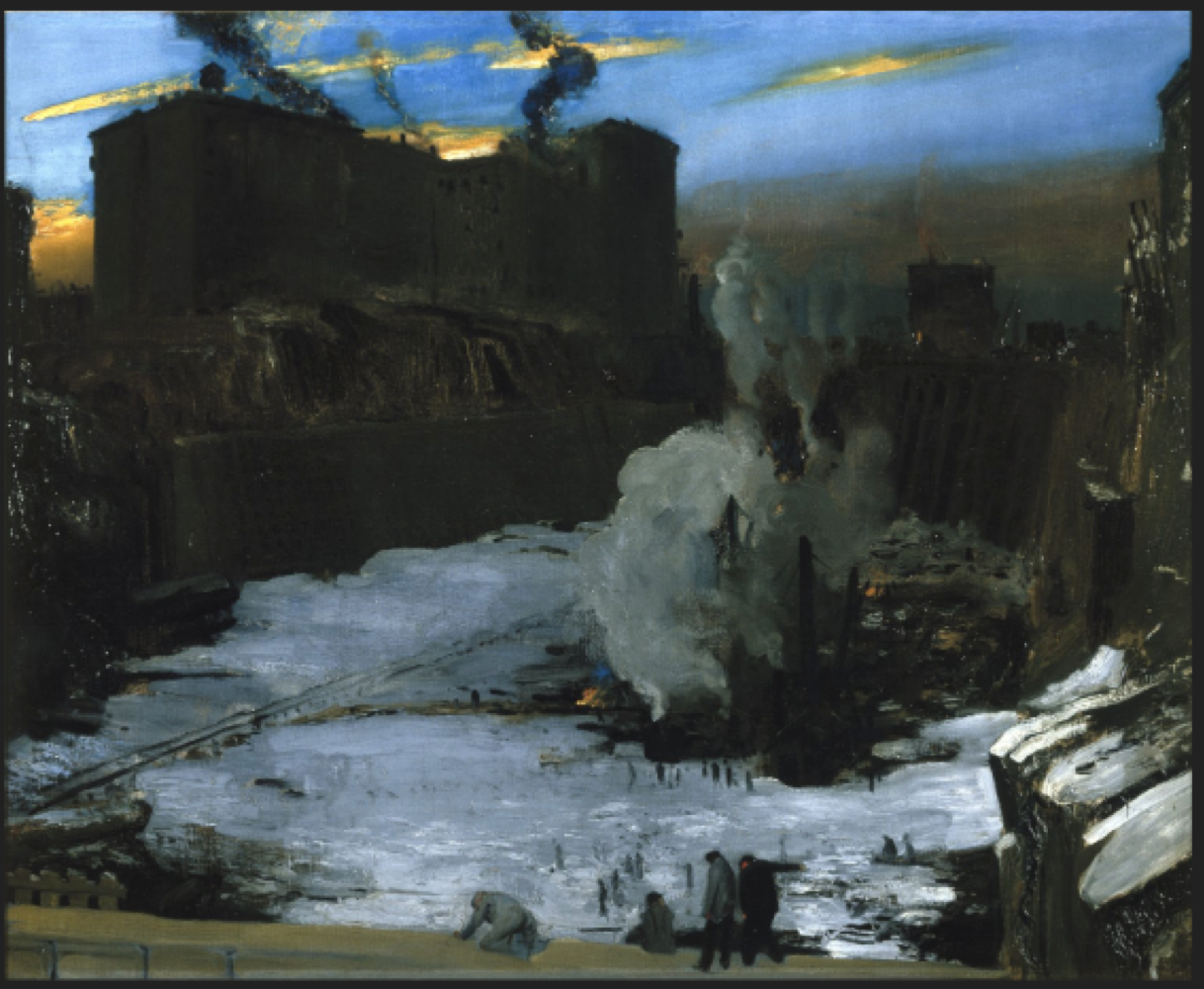
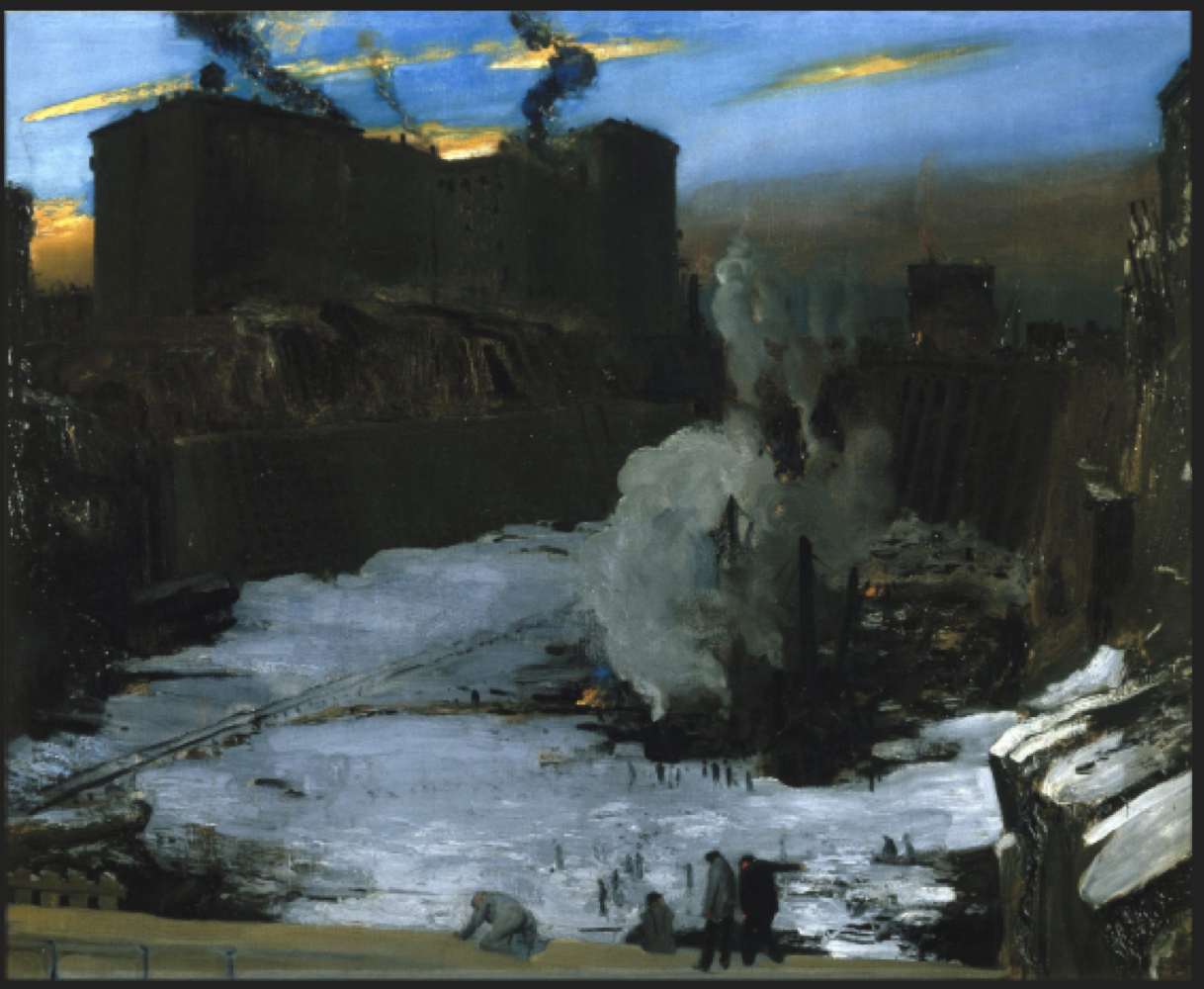
George Bellows (1882-1925)
Pennsylvania Station Excavation, ca.1907-08
Describe the context before the Pennsylvania Station Excavation
The Worlds Fair: display of human zoos, racial science through the railroads, expression of conquest, imperialist fervor= trophy of US oversees colony
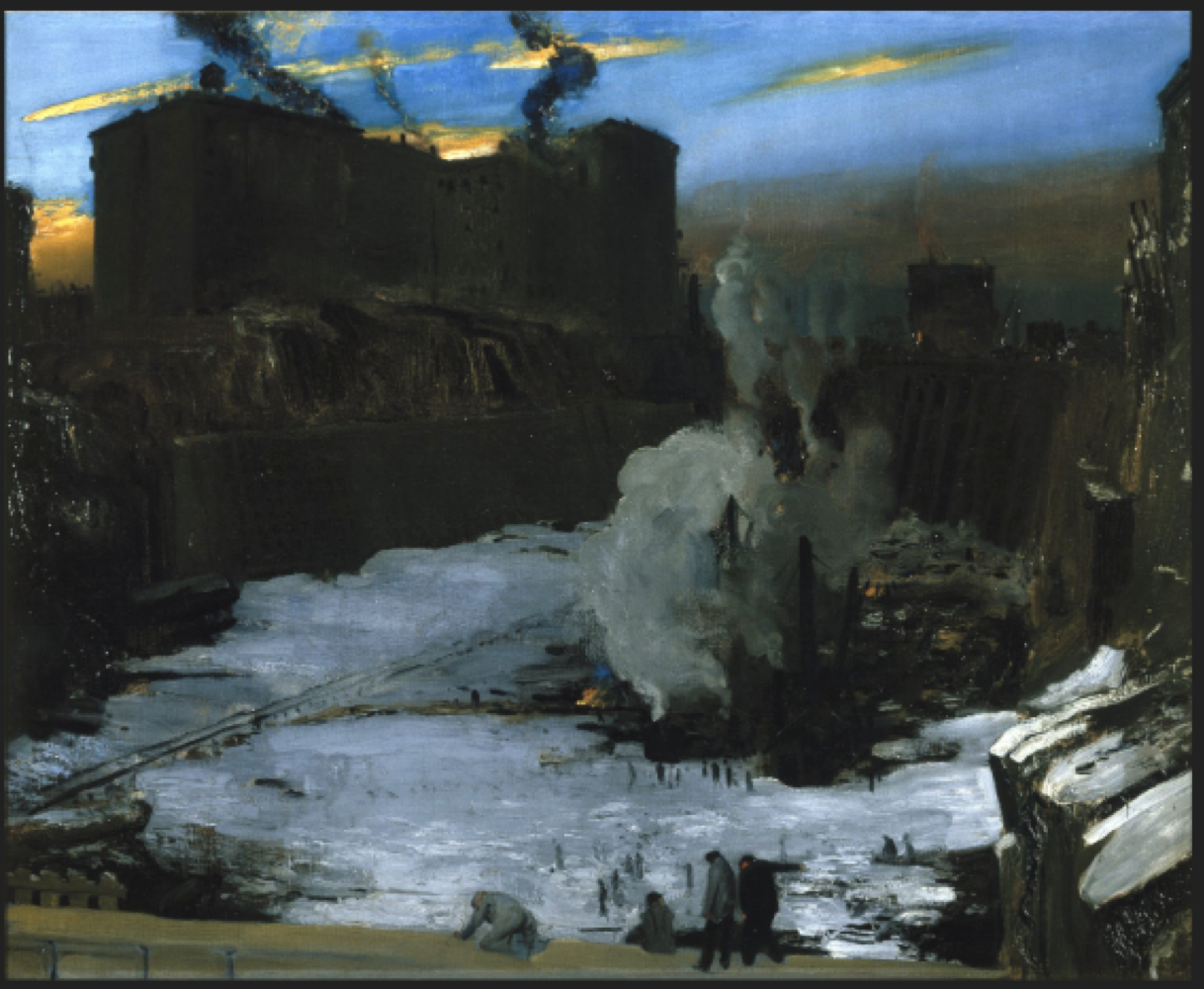
Describe the overall composition of the Pennsylvania Station Excavation and its significance
Ashcan school: intense commitment to realism, include grit and realism of poverty, interconnectivity not shown, now grows filthy, edges visible by surrounding city and press in and down, sooty people, ugly underside of new construction
Jacob Lawrence (1917-2000)
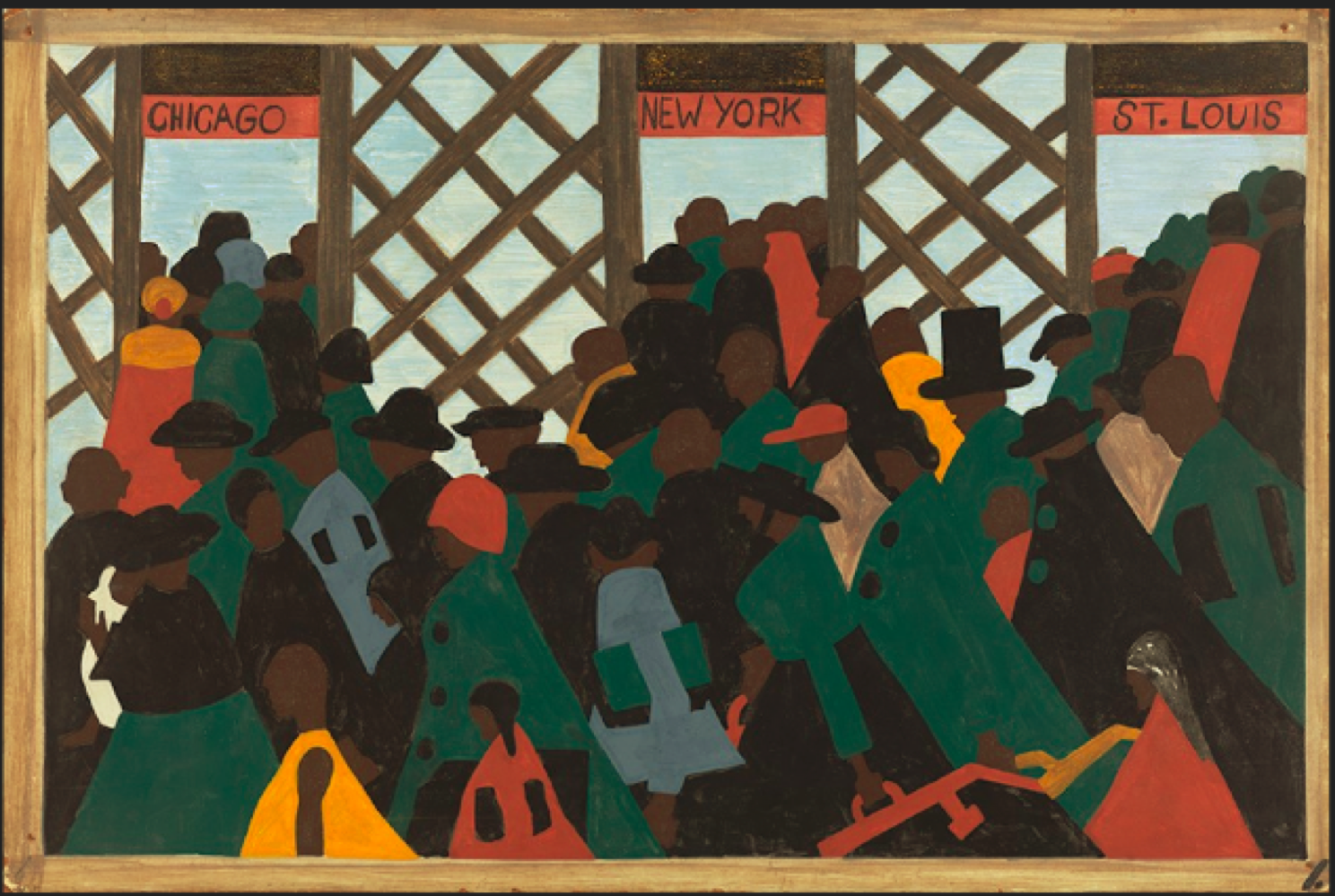
Migration Series, 1940-41, No. 1 “During the World War there was a great migration North by Southern Negroes”
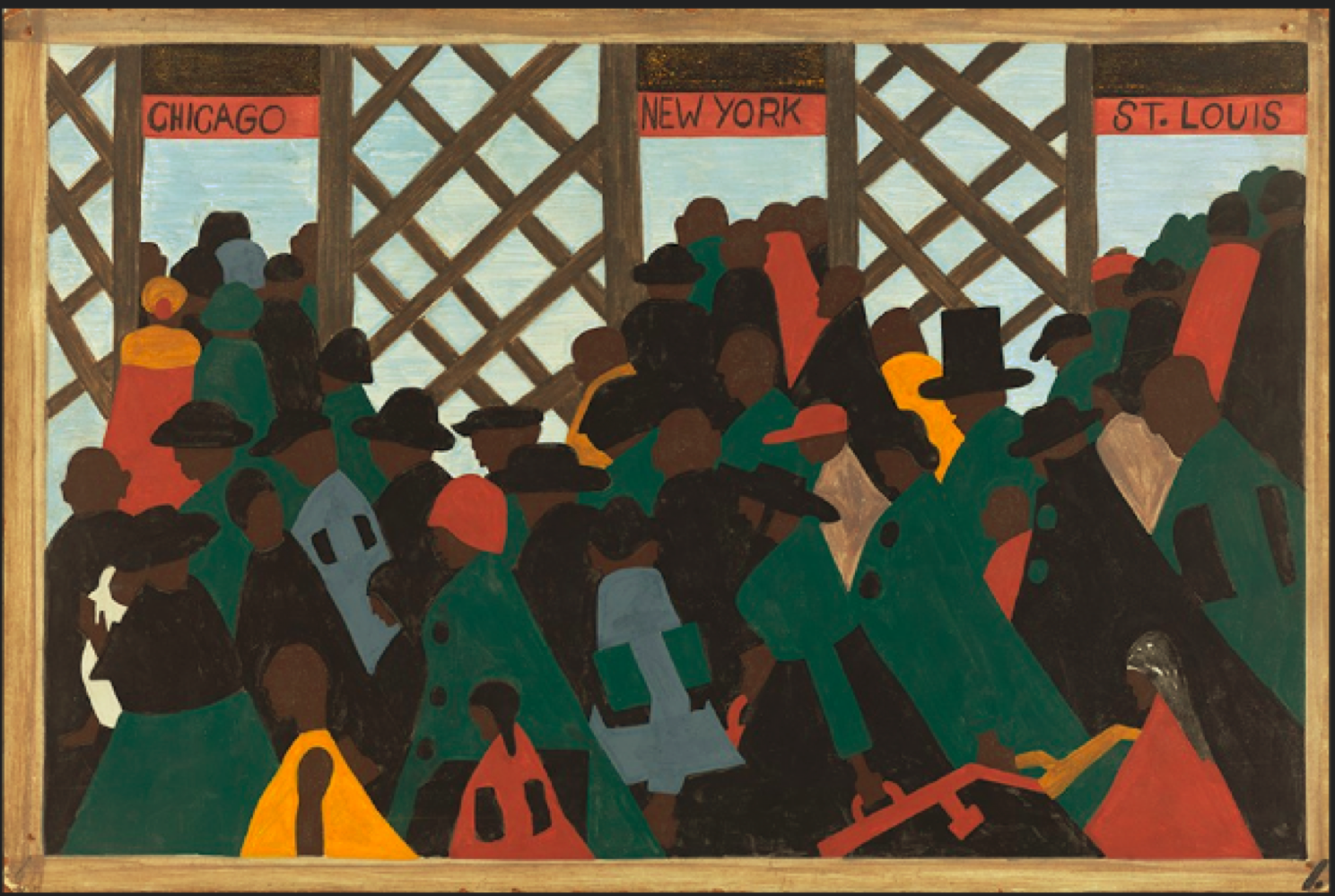
Describe the overall composition of the migration series and its significance
The Great Migration because of labor shortage during wars- brought black families north from rough conditions, for hopes, panels accompanies by oral text, narrative of survival, boundaries, crowd and community: collective experience, patchwork community, from artists own family history and community
Aaron Douglas (1899-1979)
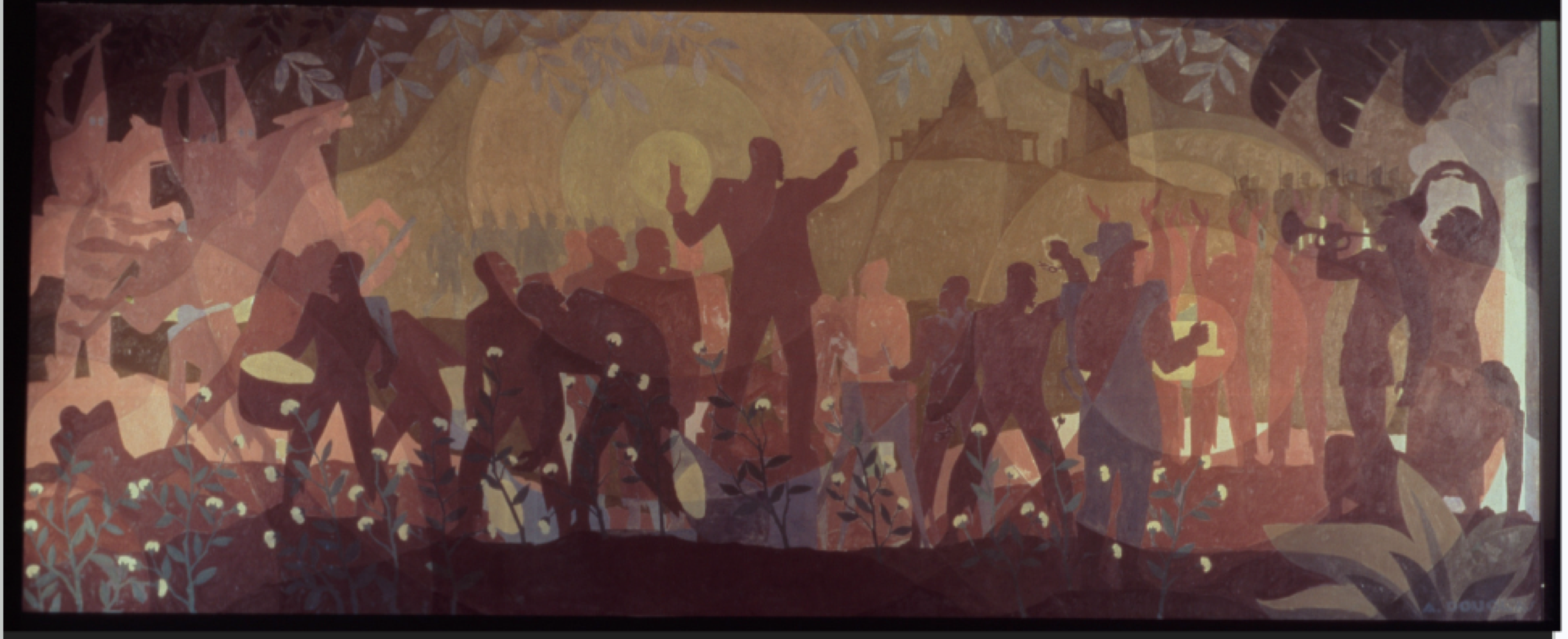
From Slavery to Reconstruction in Aspects of Negro Life murals, 1934
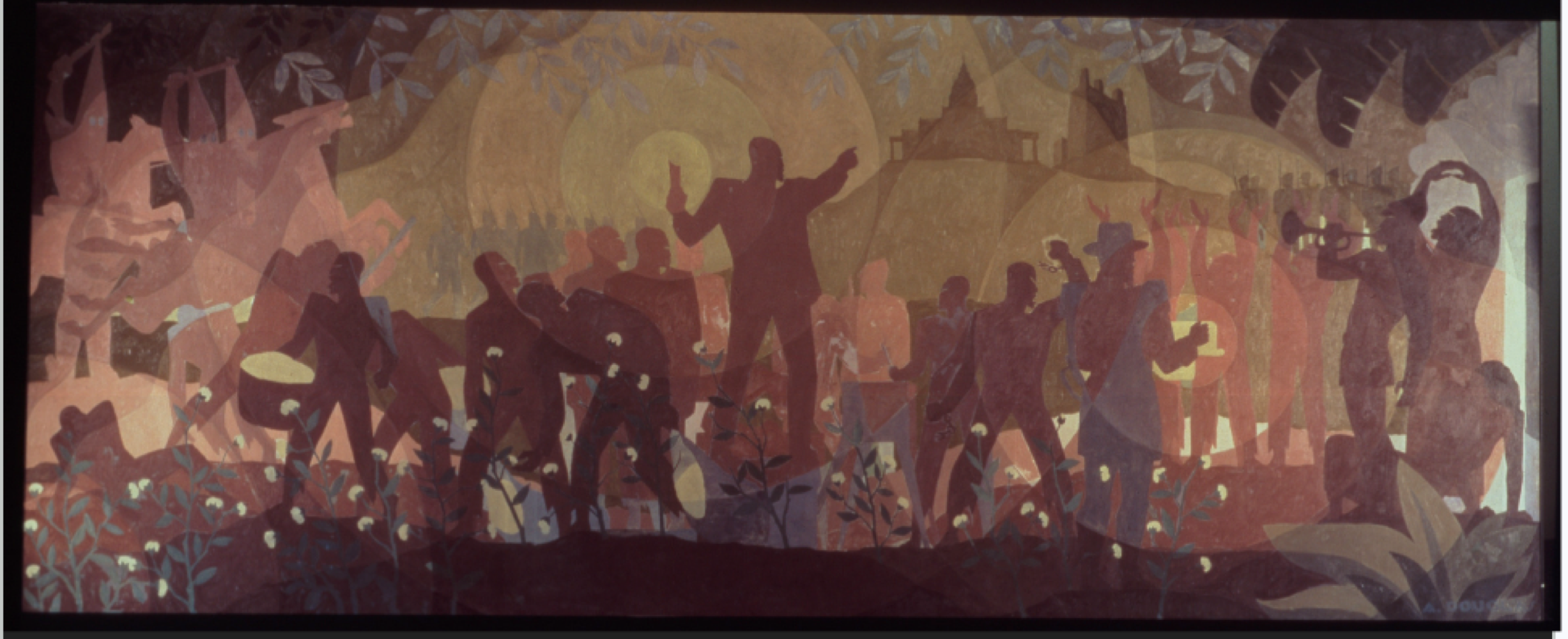
Describe the overall composition of the murals and its significance
segregation politics and racial science in explanation and title, active in political movement, established history between African American diaspora and homeland, layers of narrative time: cotton picking in foreground, man holding emancipation proclamation, abolitionist imagery, hooded clansman: terrorization staved off by light from central figure holding ballet of suffrage, concentric circles of light emphasize proclamation