AP Psychology Sensation and Perception
 Call Kai
 Learn
Learn Practice Test
 Spaced Repetition
 Match
Match Flashcards
 Knowt Play
1/94

There's no tags or description
Looks like no tags are added yet.
Name | Mastery | Learn | Test | Matching | Spaced | Call with Kai |
|---|
No analytics yet
Send a link to your students to track their progress
95 Terms
sensation
the process by which our sensory receptors and nervous system receive and represent stimulus energies from our environment.
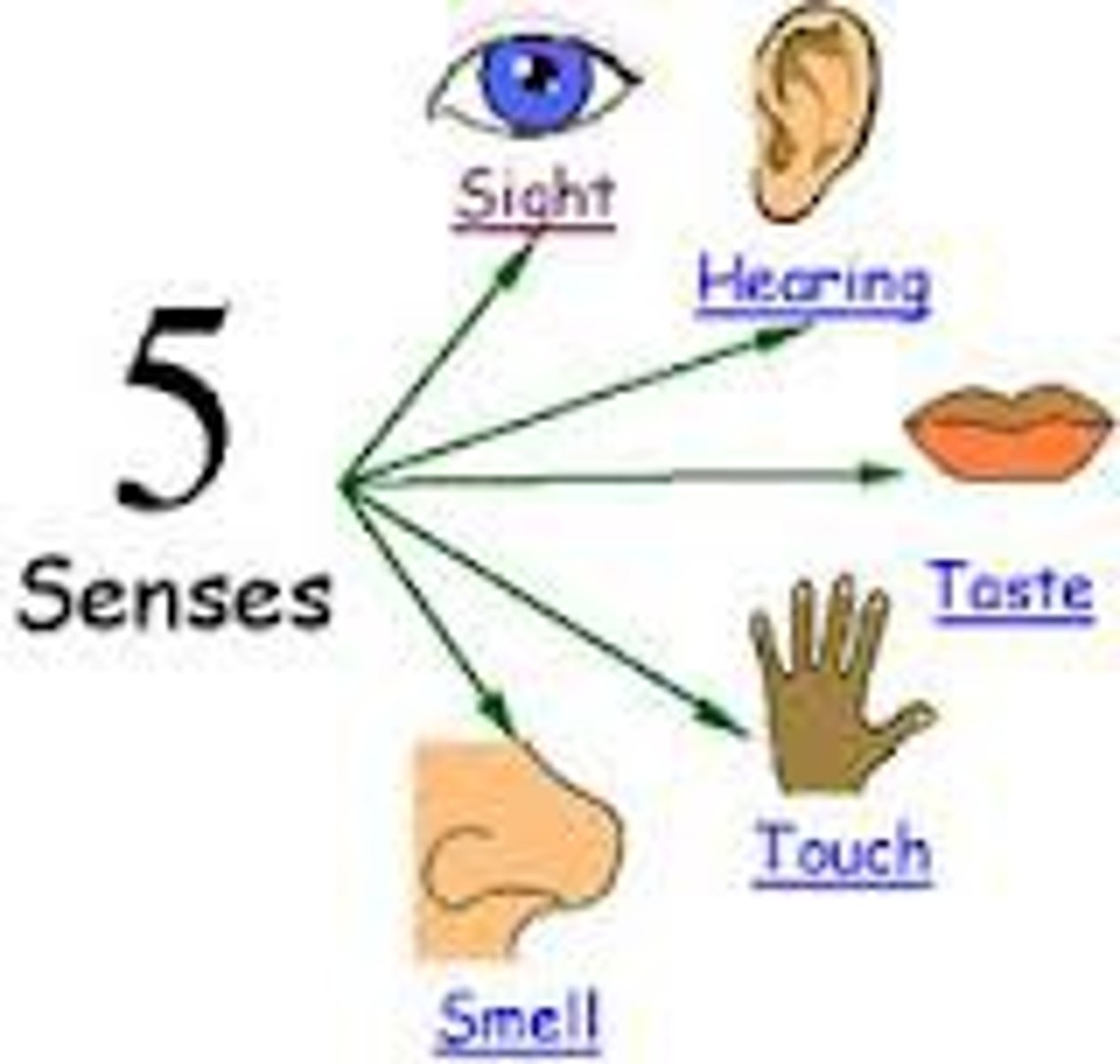
perception
the process of organizing and interpreting sensory information, enabling us to recognize meaningful objects and events.
bottom-up processing
analysis that begins with the sensory receptors and works up to the brain's integration of sensory information.
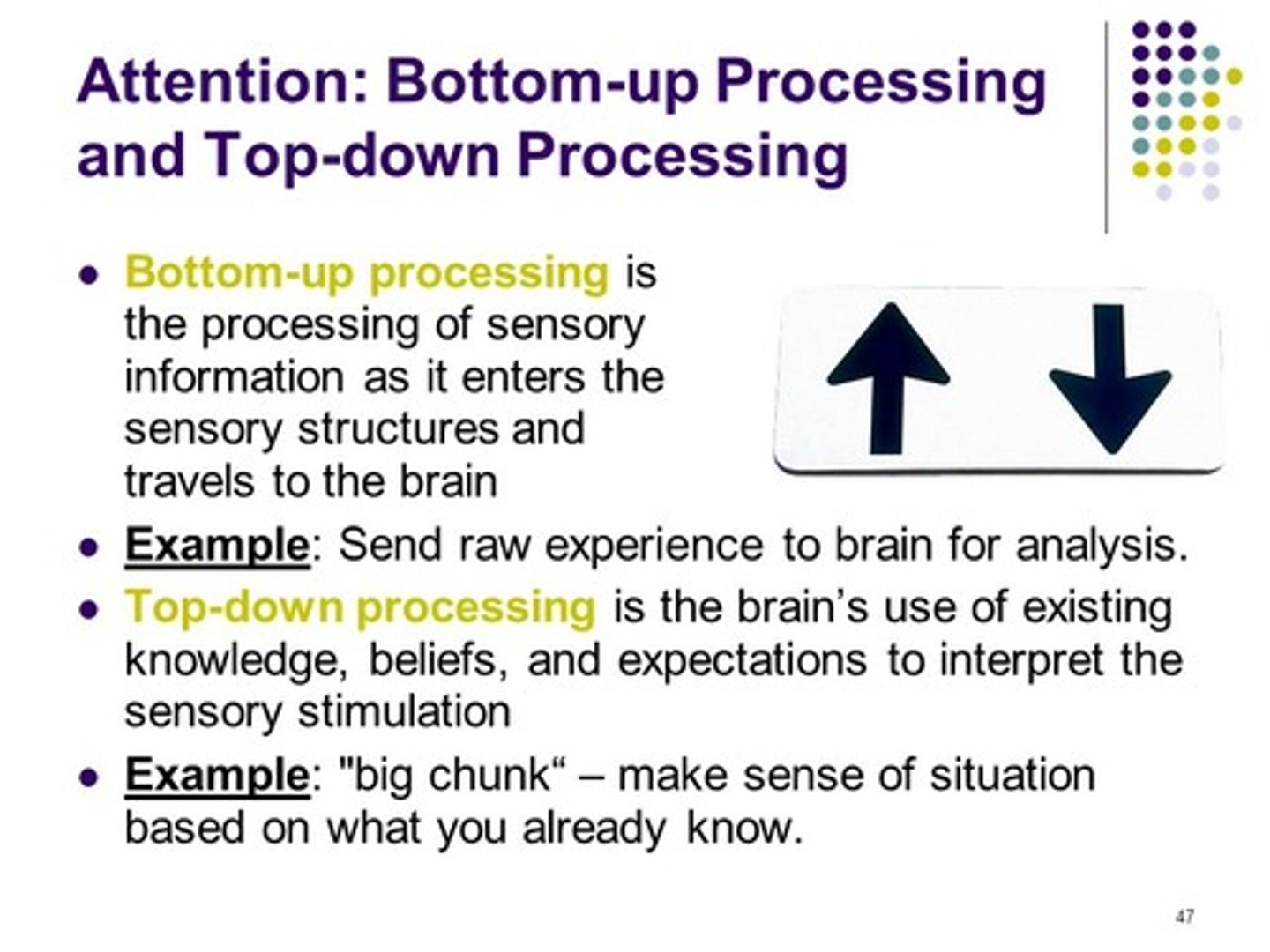
top-down processing
information processing guided by higher-level mental processes, as when we construct perceptions drawing on our experience and expectations.
selective attention
the focusing of conscious awareness on a particular stimulus.
inattentional blindness
failing to see visible objects when our attention is directed elsewhere.
change blindness
failing to notice changes in the environment.
transduction
conversion of one form of energy into another. In sensation, the transforming of stimulus energies, such as sights, sounds, and smells, into neural impulses our brain can interpret
psychophysics
the study of relationships between the physical characteristics of stimuli, such as their intensity, and our psychological experience of them
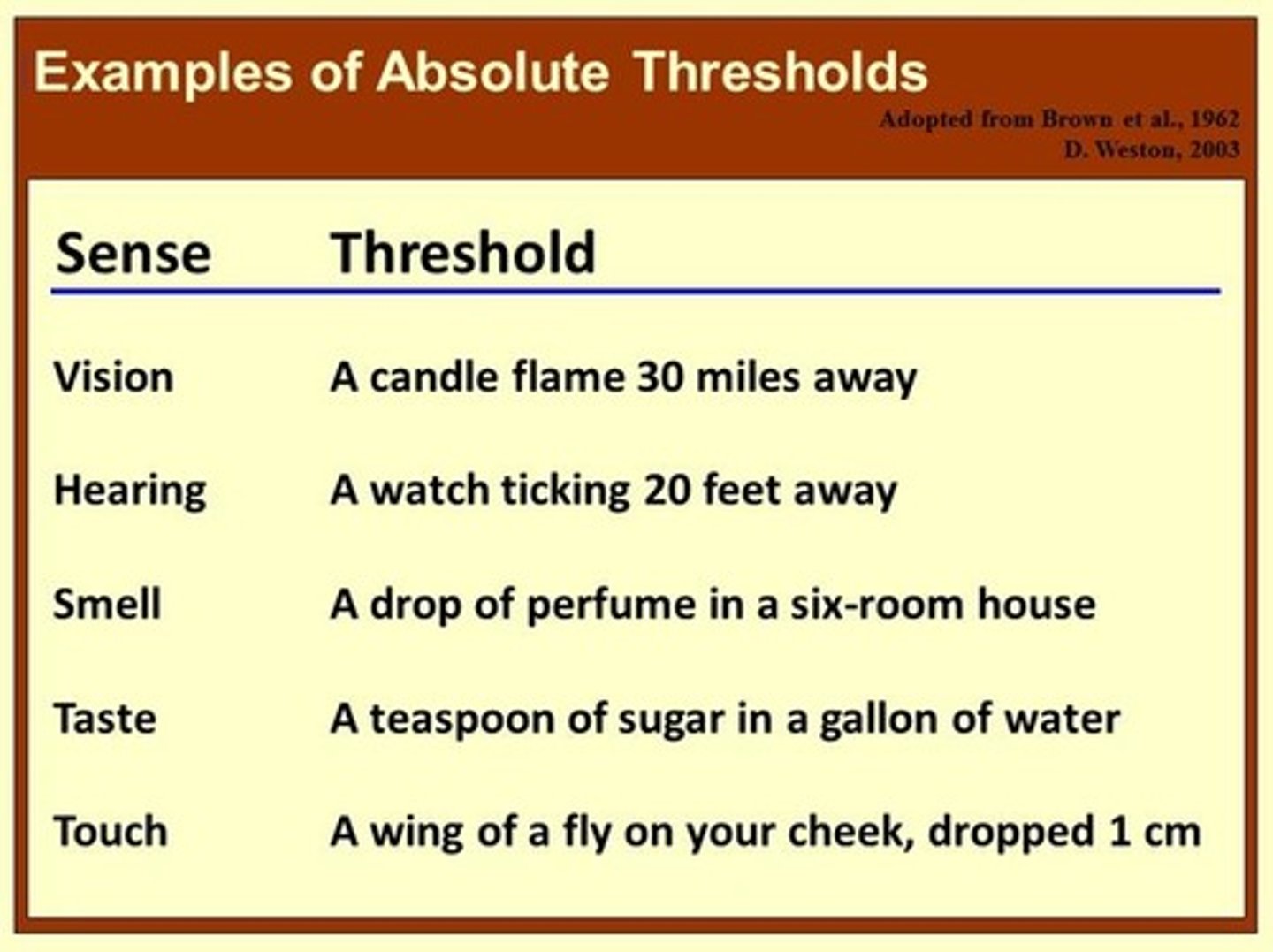
absolute threshold
the minimum stimulation needed to detect a particular stimulus 50 percent of the time
signal detection theory
a theory predicting how and when we detect the presence of a faint stimulus (signal) amid background stimulation (noise). Assumes there is no single absolute threshold and that detection depends partly on a person's experience, expectations, motivation, and alertness.
subliminal
below one's absolute threshold for conscious awareness.
priming
the activation, often unconsciously, of certain associations, thus predisposing one's perception, memory, or response
just noticeable difference threshold
the minimum difference between two stimuli required for detection 50 percent of the time. We experience the difference threshold as a just noticeable difference (or jnd).
Weber's law
the principle that, to be perceived as different, two stimuli must differ by a constant minimum percentage (rather than a constant amount)
sensory adaptation
diminished sensitivity as a consequence of constant stimulation
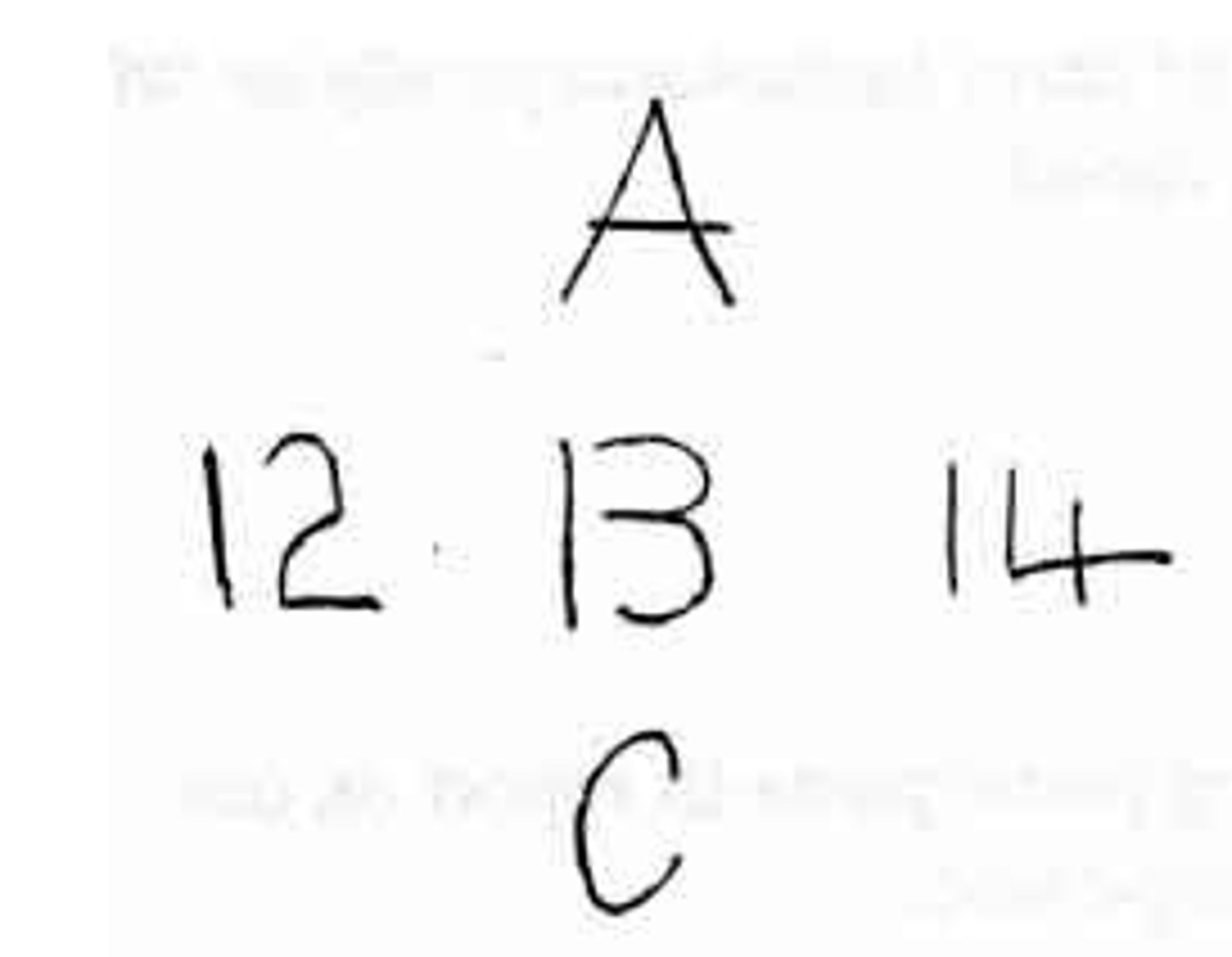
perceptual set
a mental predisposition to perceive one thing and not another
parapsychology
the study of paranormal phenomena, including ESP and psychokinesis
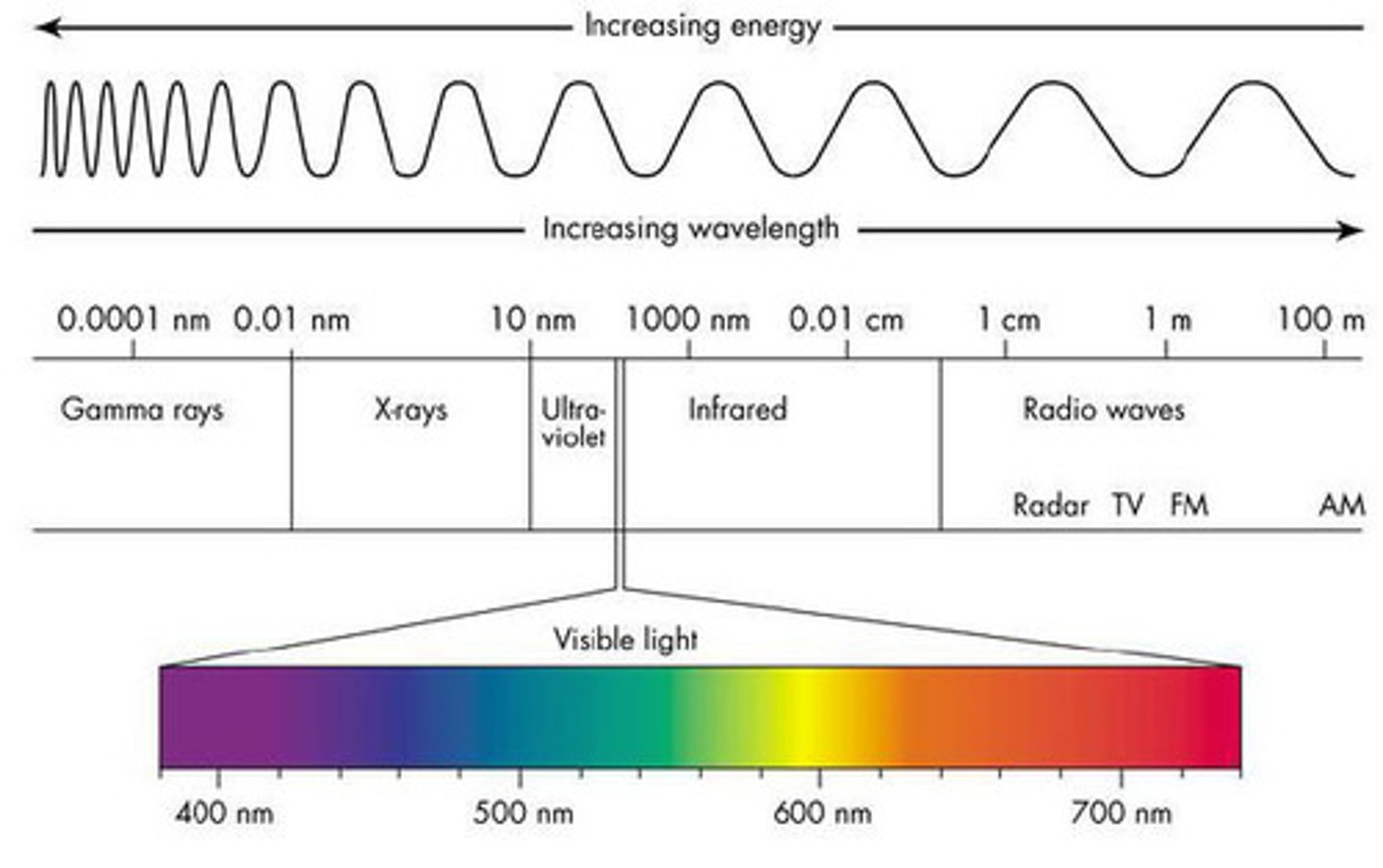
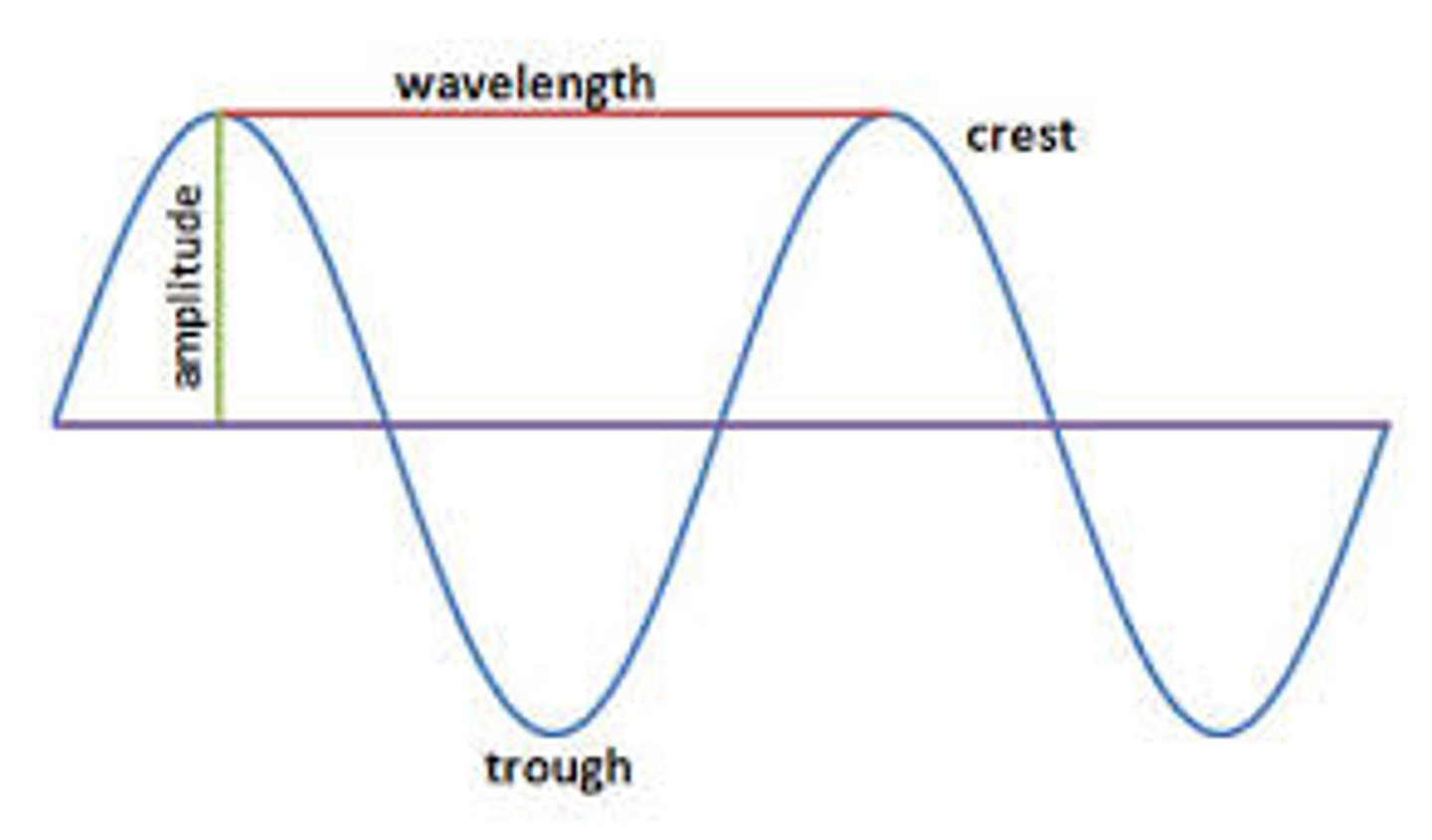
wavelength
the distance from the peak of one light or sound wave to the peak of the next. Electromagnetic wavelengths vary from the short blips of cosmic rays to the long pulses of radio transmission
hue
the dimension of color that is determined by the wavelength of light; what we know as the color names blue, green, and so forth.
intensity
the amount of energy in a light or sound wave, which we perceive as brightness or loudness, as determined by the wave's amplitude
pupil
the adjustable opening in the center of the eye through which light enters
iris
a ring of muscle tissue that forms the colored portion of the eye around the pupil and controls the size of the pupil opening
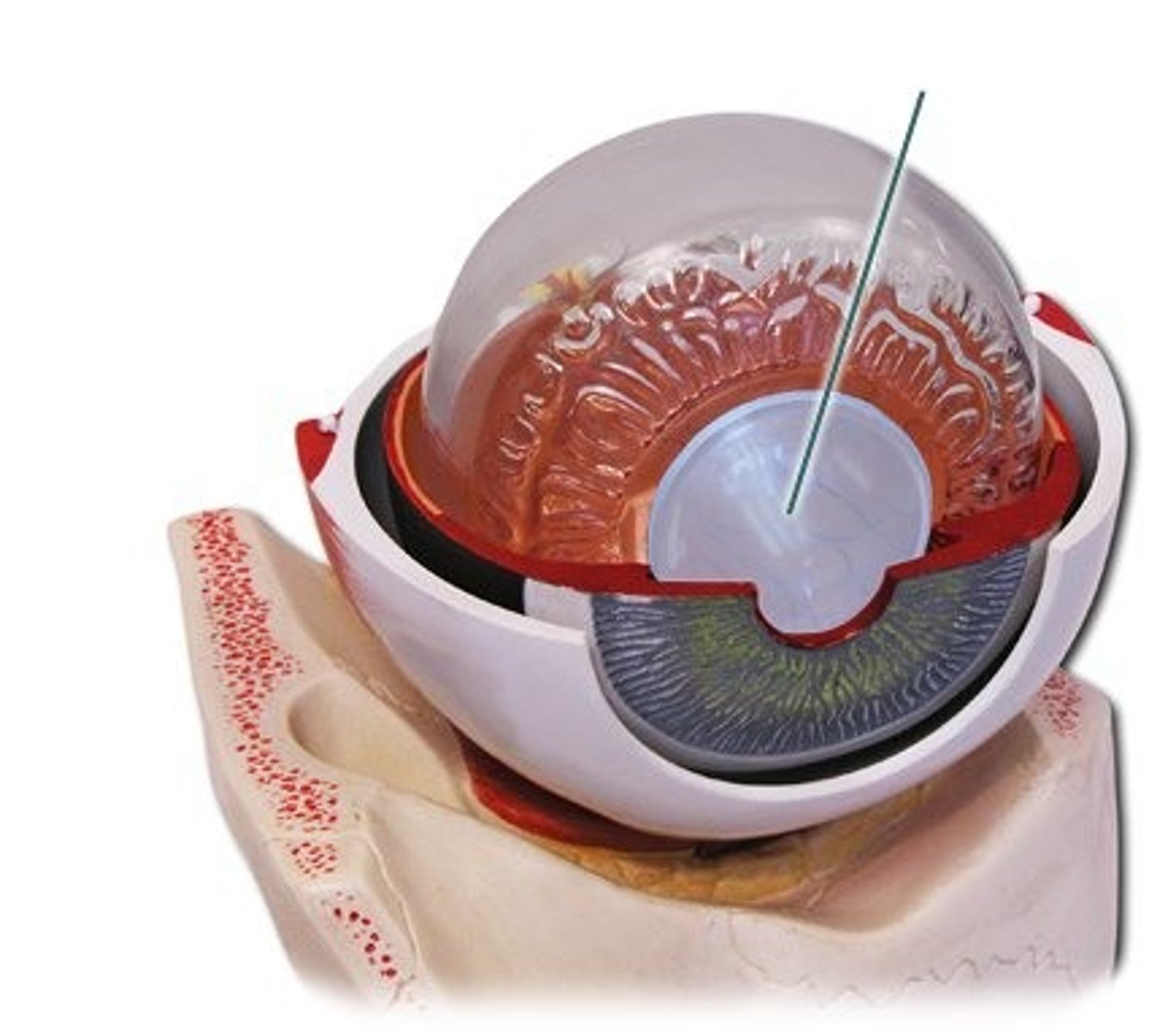
lens
the transparent structure behind the pupil that changes shape to help focus images on the retina
retina
the light-sensitive inner surface of the eye, containing the receptor rods and cones plus layers of neurons that begin the processing of visual information
rods
retinal receptors that detect black, white, and gray; necessary for peripheral and twilight vision, when cones don't respond
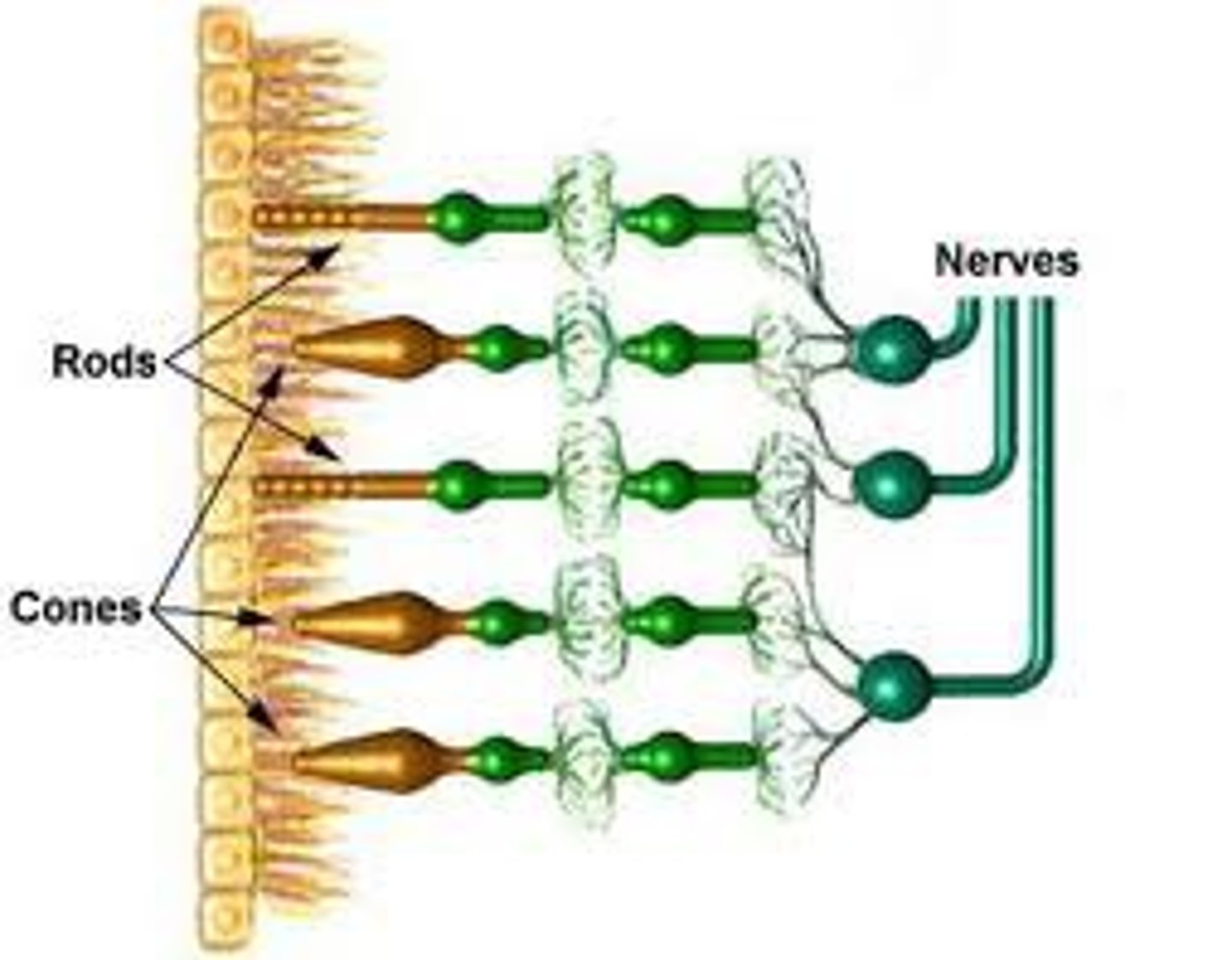
cones
retinal receptor cells that are concentrated near the center of the retina and that function in daylight or in well-lit conditions. The cones detect fine detail and give rise to color sensations
optic nerve
the nerve that carries neural impulses from the eye to the brain
blind spot
the point at which the optic nerve leaves the eye, creating a "blind" spot because no receptor cells are located there
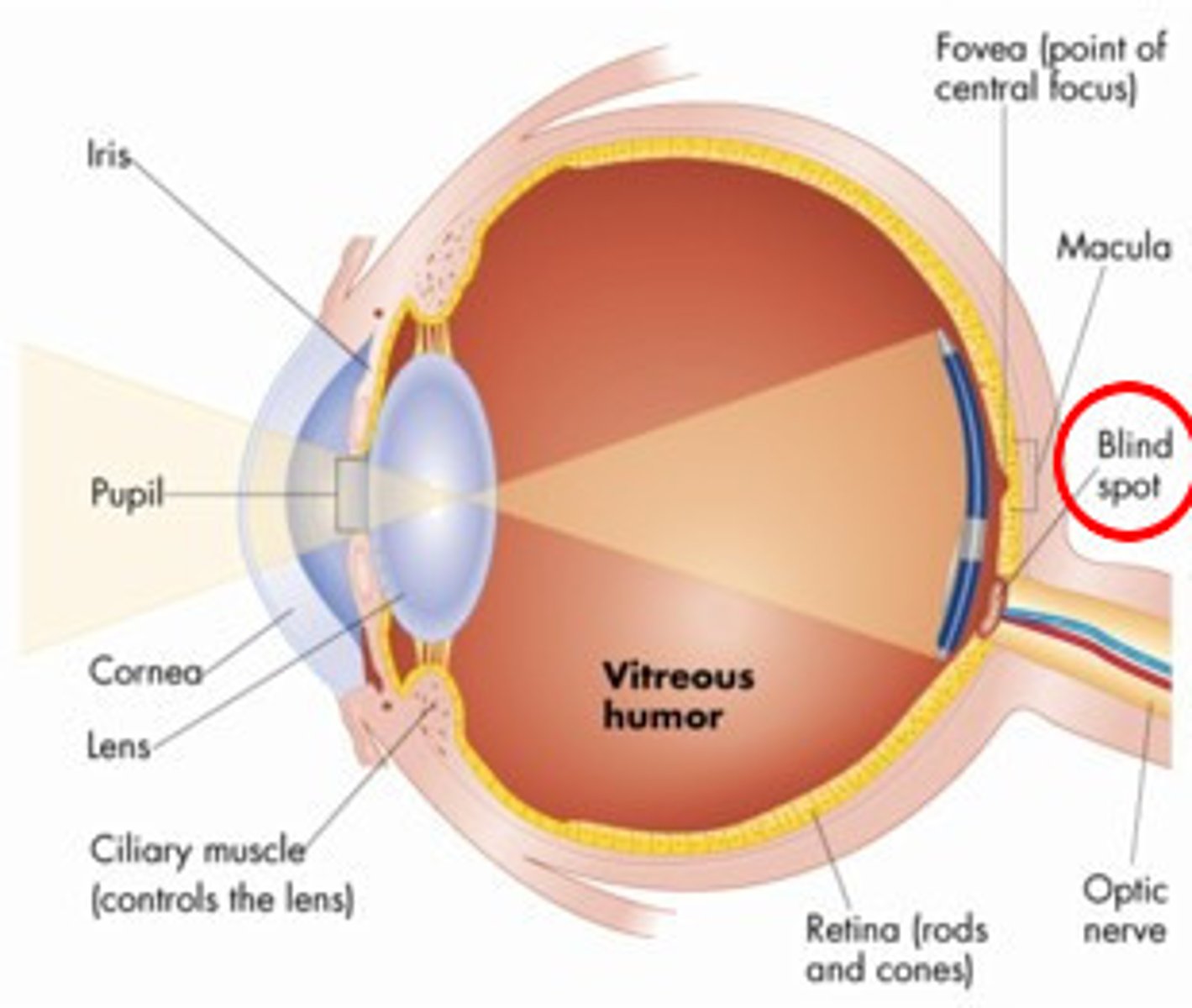
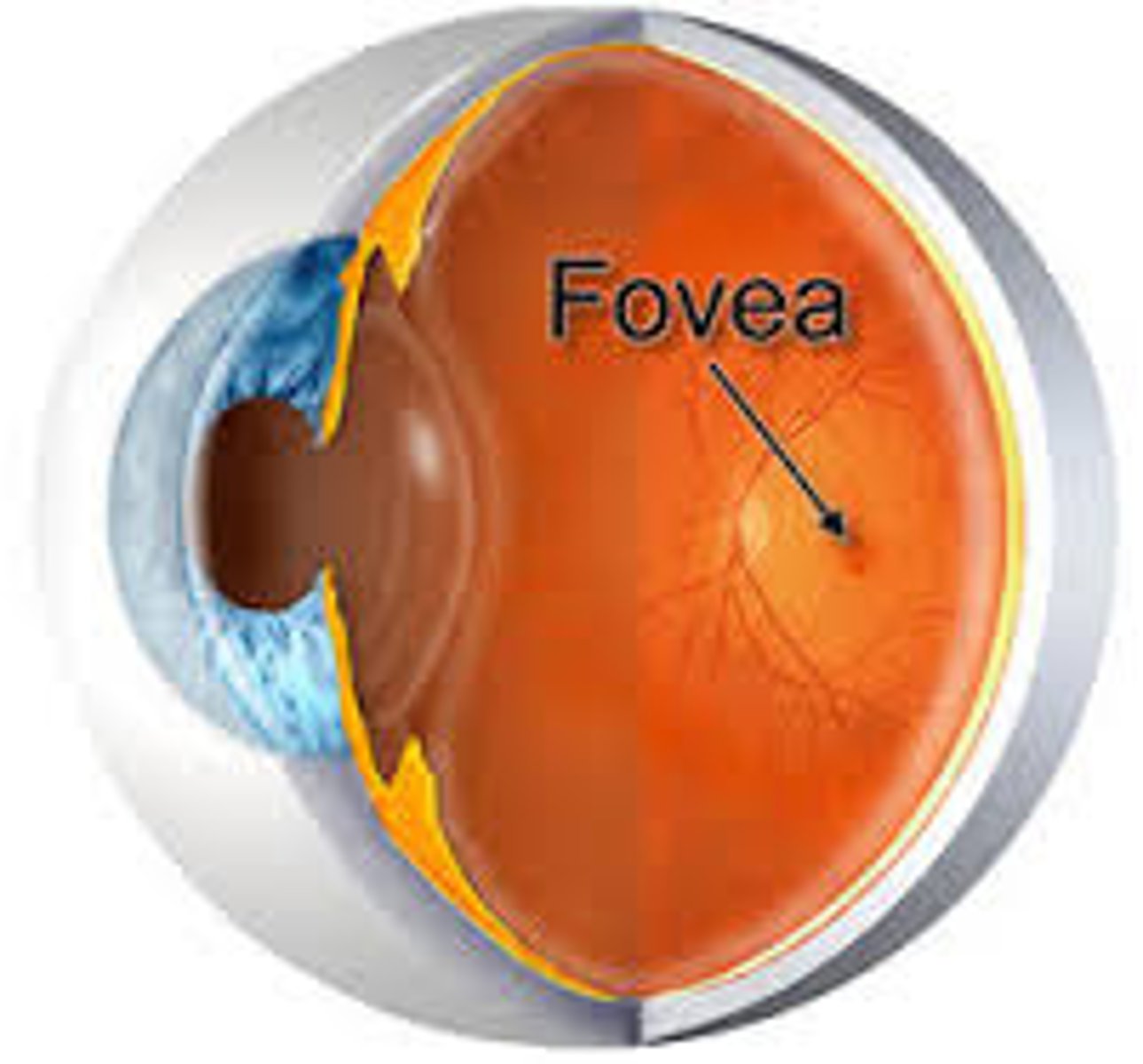
fovea
the central focal point in the retina, around which the eye's cones cluster
feature detectors
nerve cells in the brain that respond to specific features of the stimulus, such as shape, angle, or movement
parallel processing
the processing of many aspects of a problem simultaneously; the brain's natural mode of information processing for many functions, including vision. Contrasts with the step-by-step (serial) processing of most computers and of conscious problem solving
Young-Helmholtz trichromatic (three-color)
theory the theory that the retina contains three different color receptors—one most sensitive to red, one to green, one to blue—which, when stimulated in combination, can produce the perception of any color
opponent-process theory
the theory that opposing retinal processes (red-green, yellow-blue, white-black) enable color vision. For example, some cells are stimulated by green and inhibited by red; others are stimulated by red and inhibited by green
gestalt
an organized whole. Gestalt psychologists emphasized our tendency to integrate pieces of information into meaningful wholes
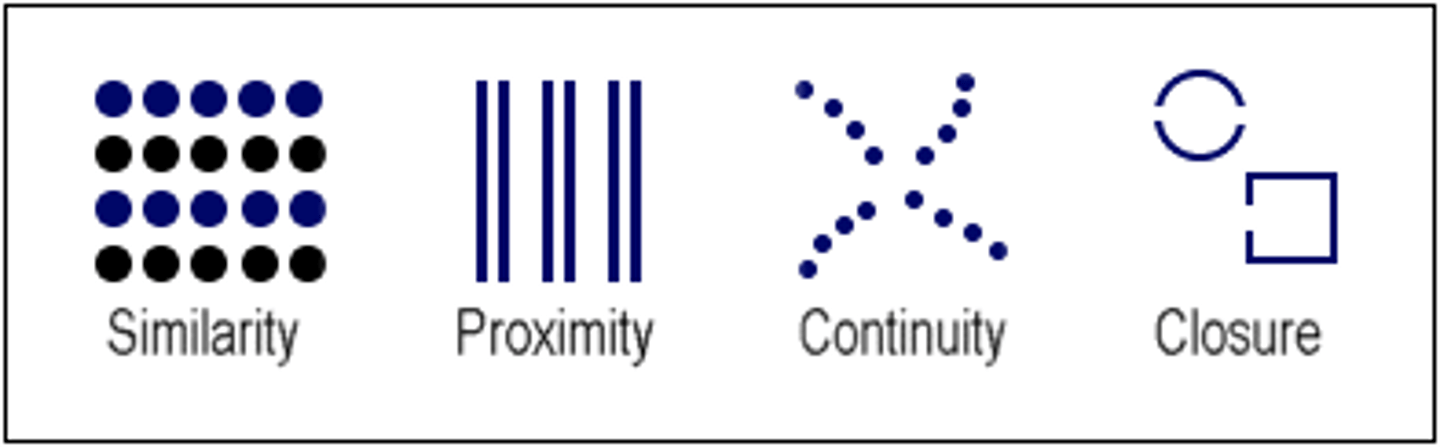
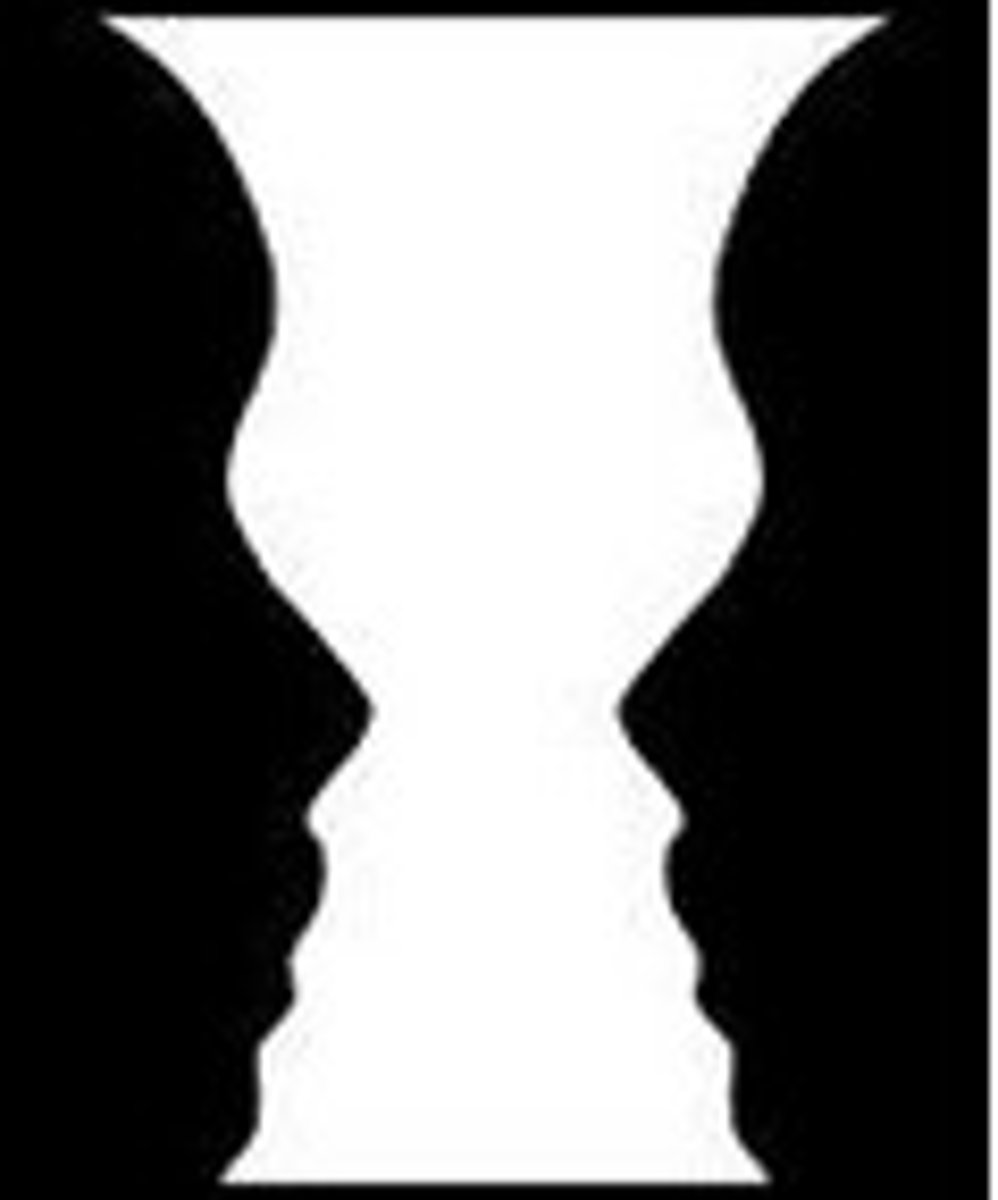
figure-ground
the organization of the visual field into objects (the figures) that stand out from their surroundings (the ground)
grouping
the perceptual tendency to organize stimuli into coherent groups
depth perception
the ability to see objects in three dimensions although the images that strike the retina are two-dimensional; allows us to judge distance
visual cliff
a laboratory device for testing depth perception in infants and young animals. (Myers Psychology for AP 2e p. 184) Indicates some depth perception is innate.
binocular cues
depth cues, such as retinal disparity, that depend on the use of two eyes-- retinal disparity and convergence
retinal disparity
a binocular cue for perceiving depth: By comparing images from the retinas in the two eyes, the brain computes distance—the greater the disparity (difference) between the two images, the closer the object
monocular cues
depth cues, such as interposition and linear perspective, available to either eye alone
phi phenomenon
an illusion of movement created when two or more adjacent lights blink on and off in quick succession
perceptual constancy
perceiving objects as unchanging (having consistent shapes, size, brightness, and color) even as illumination and retinal images change
color constancy
perceiving familiar objects as having consistent color, even if changing illumination alters the wavelengths reflected by the object
perceptual adaptation
in vision, the ability to adjust to an artificially displaced or even inverted visual field
audition
the sense or act of hearing
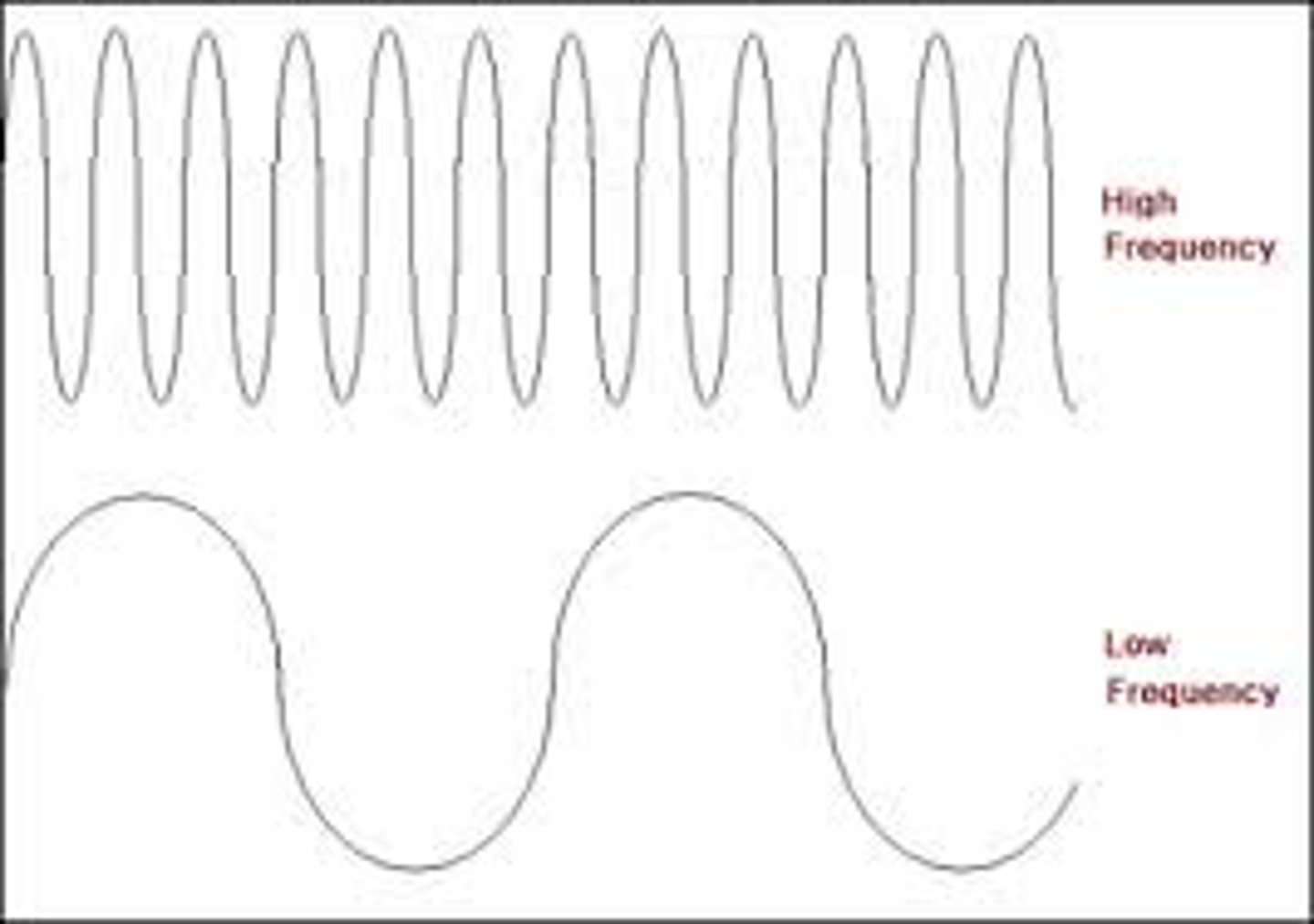
frequency
the number of complete wavelengths that pass a point in a given time (for example, per second)
pitch
a tone's experienced highness or lowness; depends on frequency
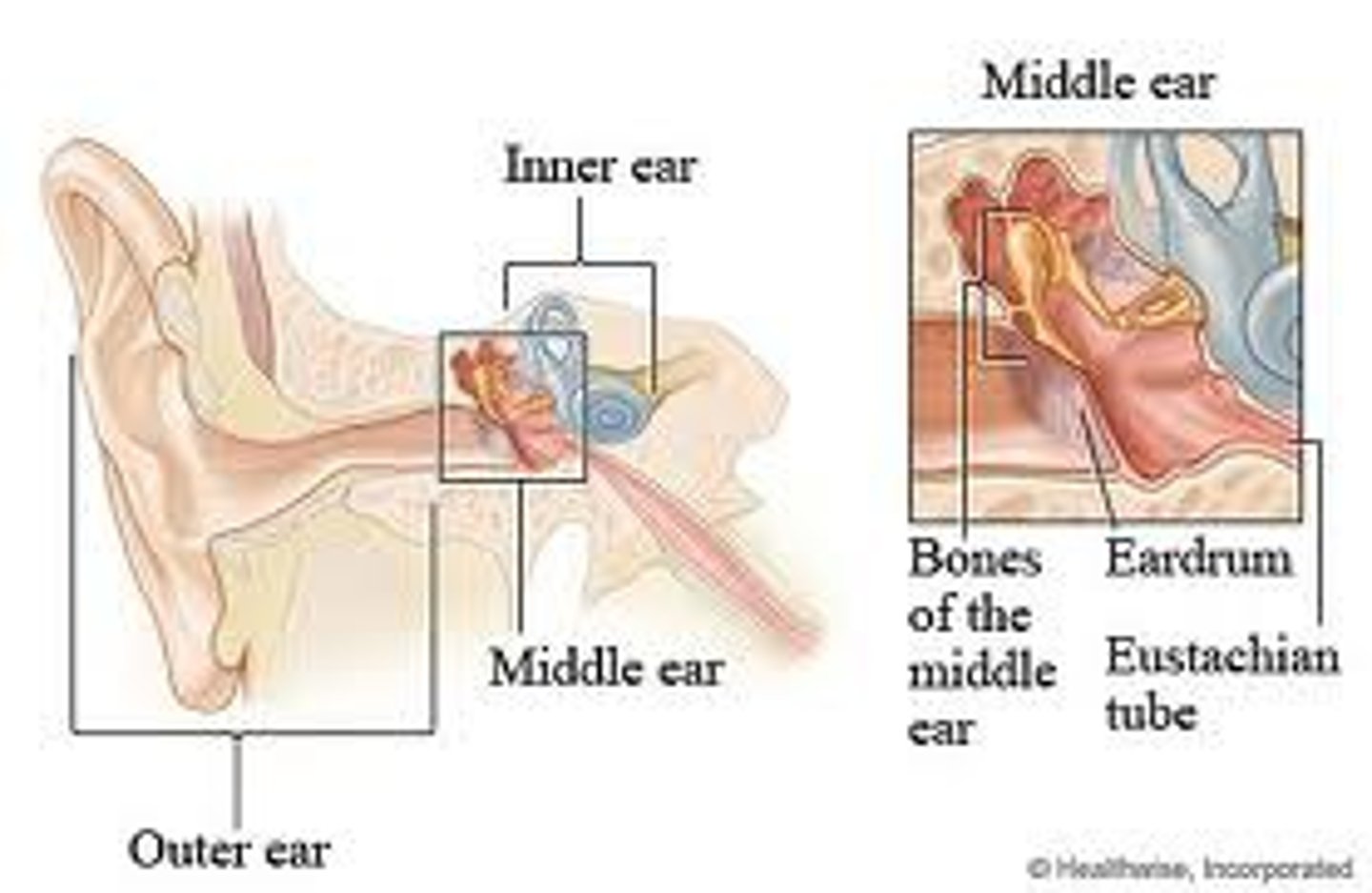
middle ear
the chamber between the eardrum and cochlea containing three tiny bones (hammer, anvil, and stirrup) that concentrate the vibrations of the eardrum on the cochlea's oval window
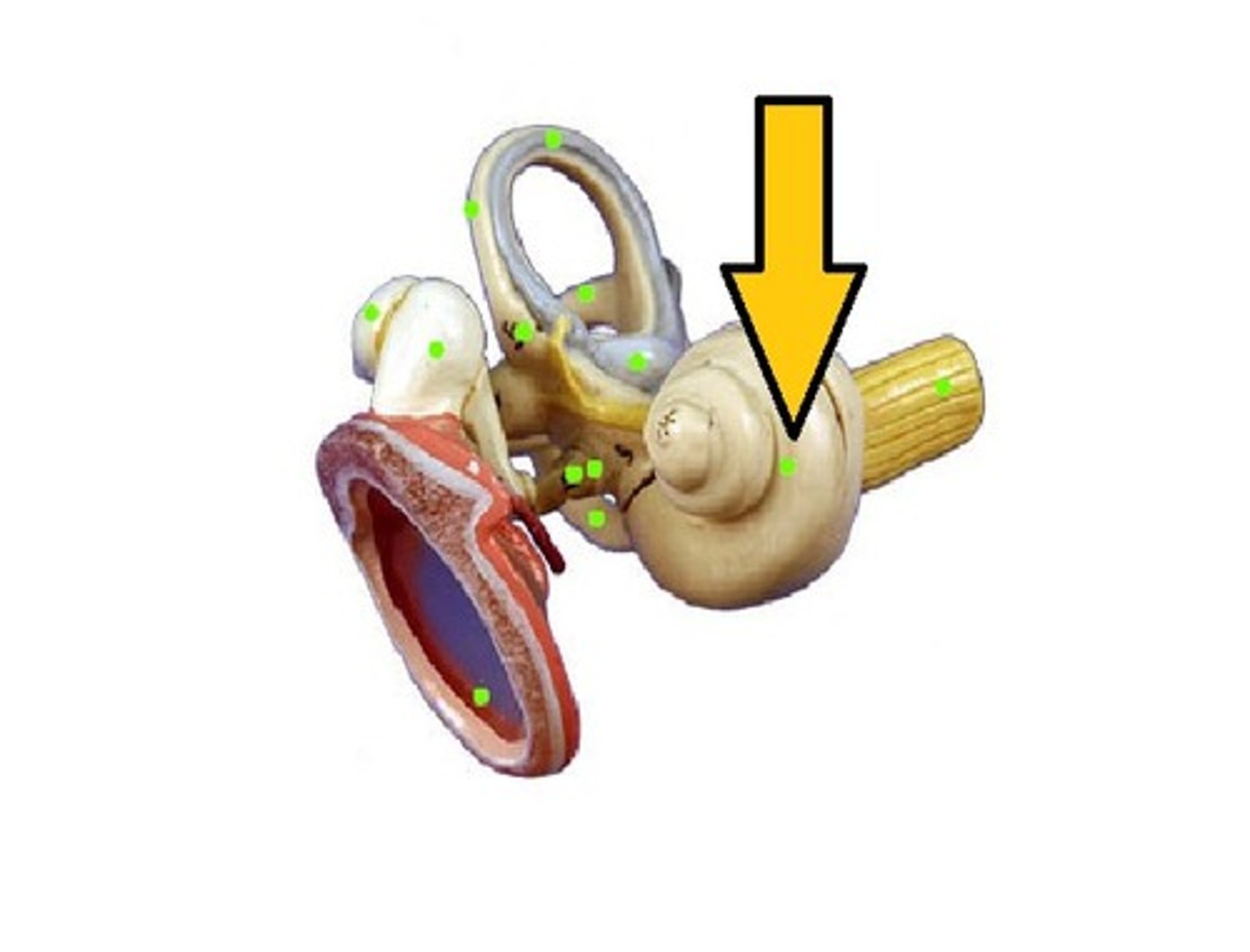
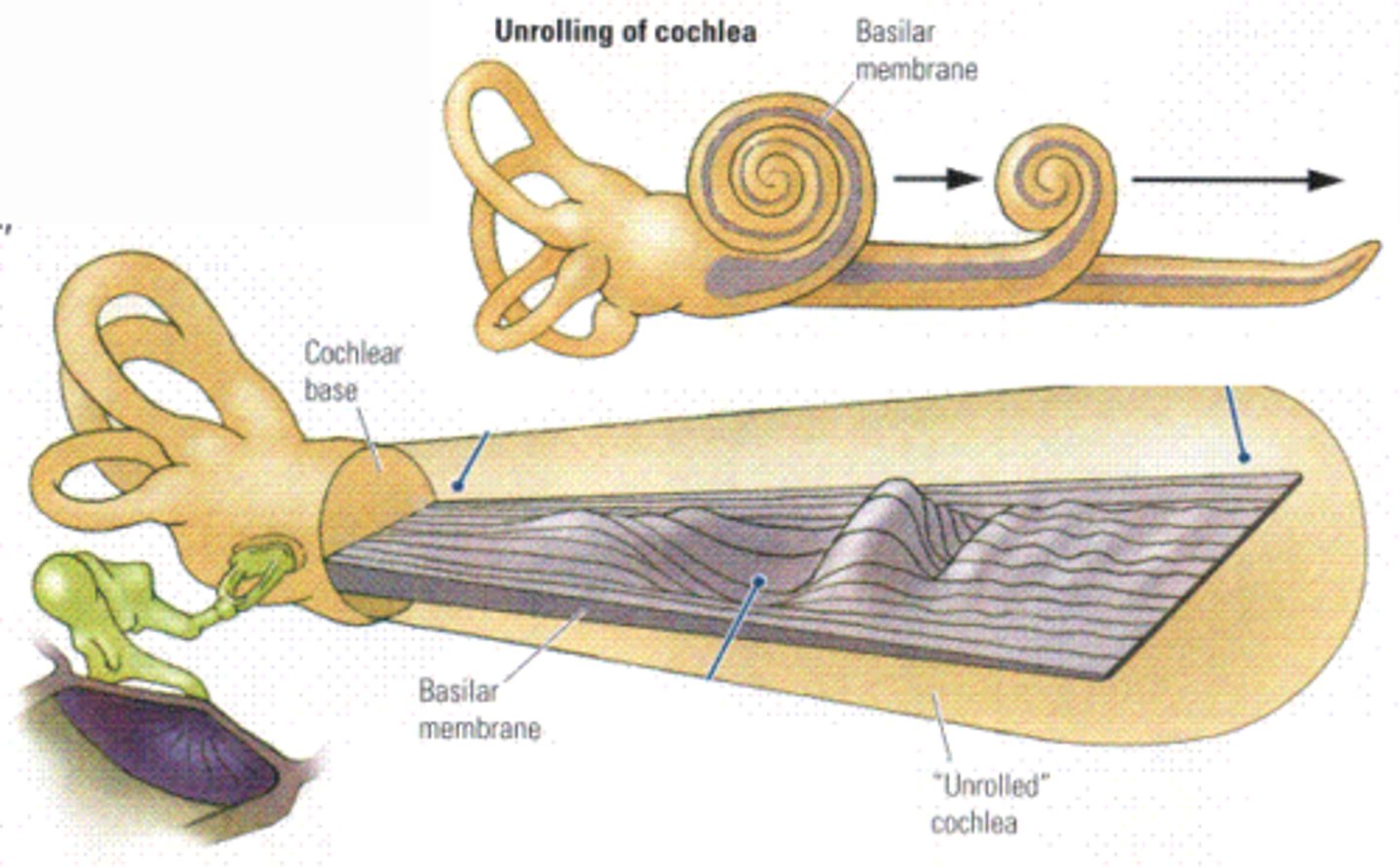
cochlea
a coiled, bony, fluid-filled tube in the inner ear; sound waves traveling through the cochlear fluid trigger nerve impulses
inner ear
the innermost part of the ear, containing the cochlea, semicircular canals, and vestibular sacs
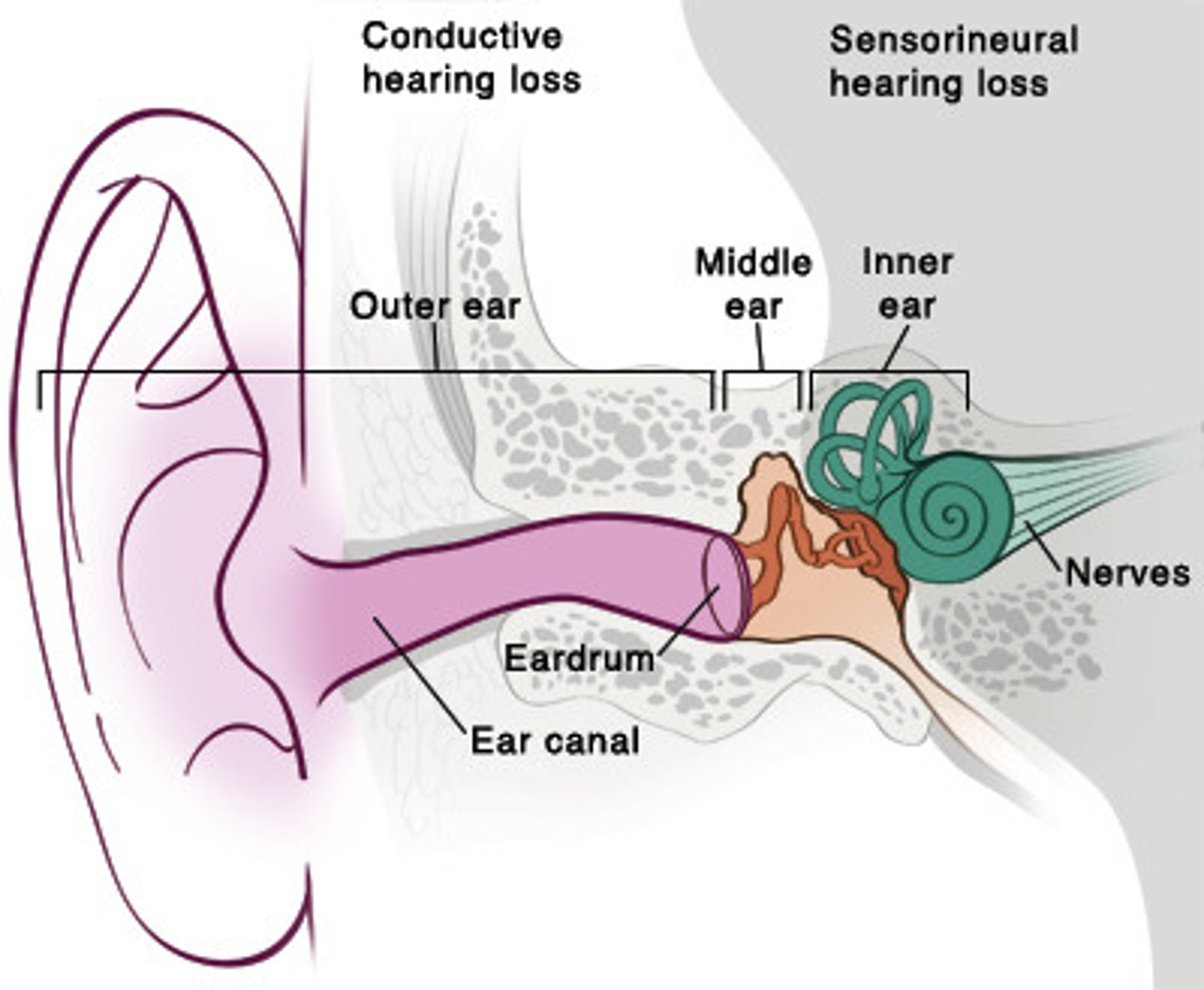
sensorineural hearing loss
hearing loss caused by damage to the cochlea's receptor cells or to the auditory nerves. (Also called nerve deafness.)
conduction hearing loss
hearing loss caused by damage to the mechanical system that conducts sound waves to the cochlea
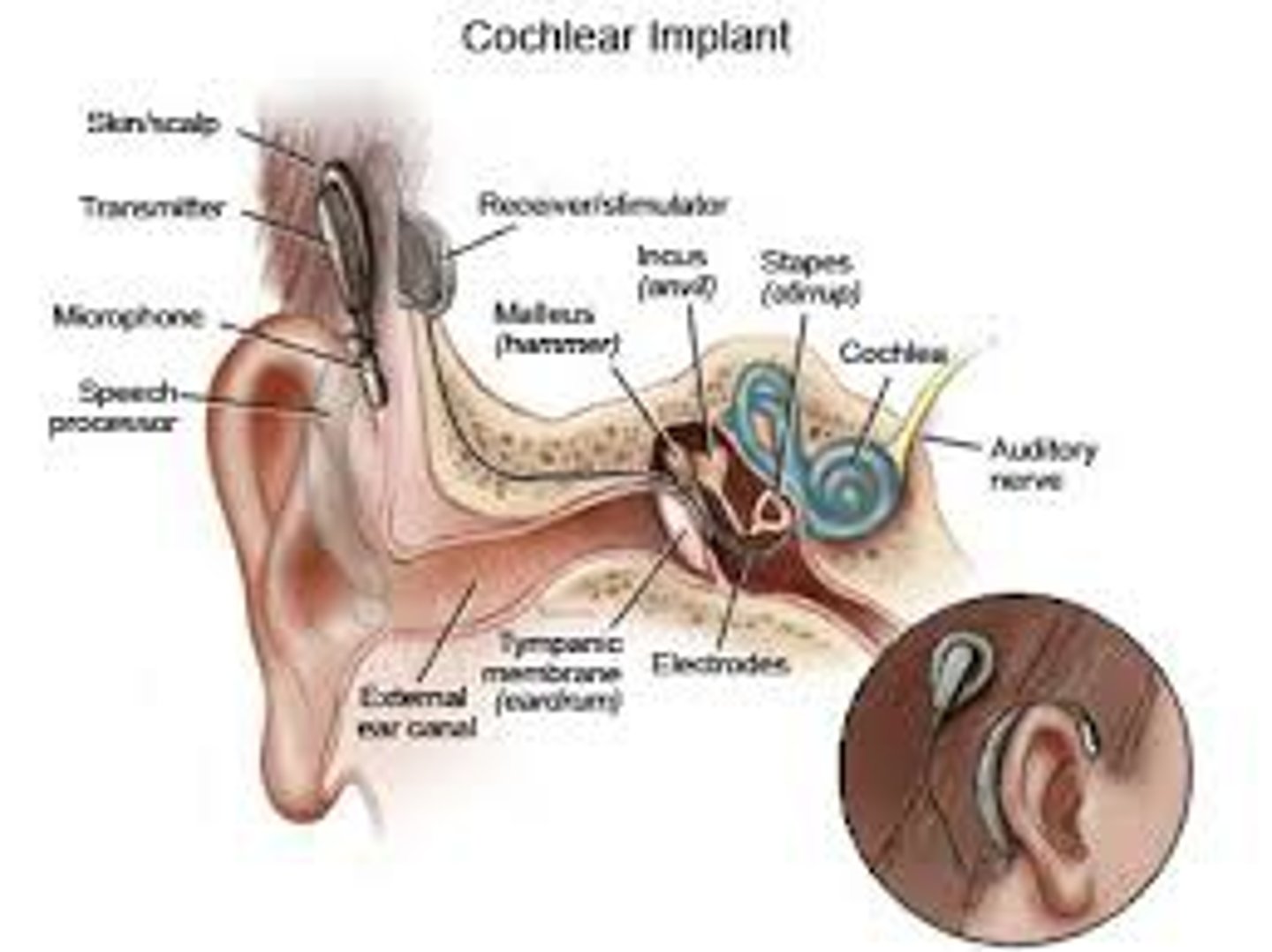
cochlear implant
a device for converting sounds into electrical signals and stimulating the auditory nerve through electrodes threaded into the cochlea
place theory
in hearing, the theory that links the pitch we hear with the place where the cochlea's membrane is stimulated
frequency theory
in hearing, the theory that the rate of nerve impulses traveling up the auditory nerve matches the frequency of a tone, thus enabling us to sense its pitch.
gate-control theory
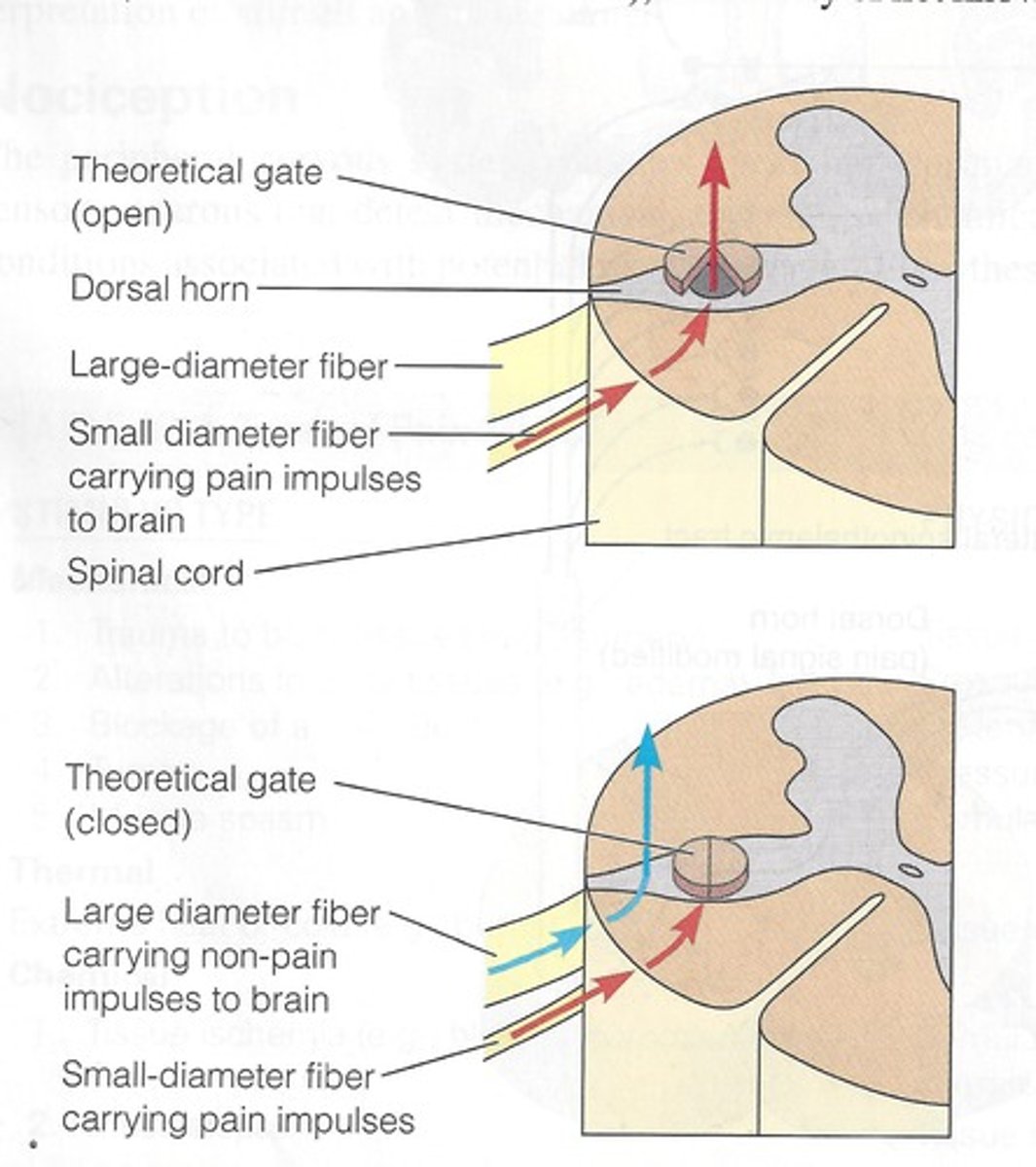
the theory that the spinal cord contains a neurological "gate" that blocks pain signals or allows them to pass on to the brain. The "gate" is opened by the activity of pain signals traveling up small nerve fibers and is closed by activity in larger fibers or by information coming from the brain.
kinesthesia
the system for sensing the position and movement of individual body parts.
vestibular sense
the sense of body movement and position, including the sense of balance.
sensory interaction
the principle that one sense may influence another, as when the smell of food influences its taste.
cornea
Anatomy of the eye: outermost transparent layer protecting the eye; assists in light refraction
bipolar cells
A type of retinal cells that accepts electric (nerve) impulses from the photoreceptors and passes them to the ganglion cells
ganglion cells of the eye
In the retina, the specialized neurons that connect to the bipolar cells; the bundled axons of the ganglion cells form the optic nerve.
auditory canal
channel that leads from the pinna to the eardrum
basilar membrane
A structure that runs the length of the cochlea in the inner ear and holds the auditory receptors, called hair cells.
papillae
Bumps on the tongue that contain taste buds, the receptors for taste.
umani
a fifth taste sensation added to the list, a savory flavor
semicircular canal
Passages in the inner ear associated with maintaining equilibrium
cocktail party effect
The ability to focus on one auditory message and ignore others; also refers to the tendency to notice when your name suddenly appears in a message that you've been actively ignoring
law of similarity
The Gestalt principle that we tend to group similar objects together in our perceptions.
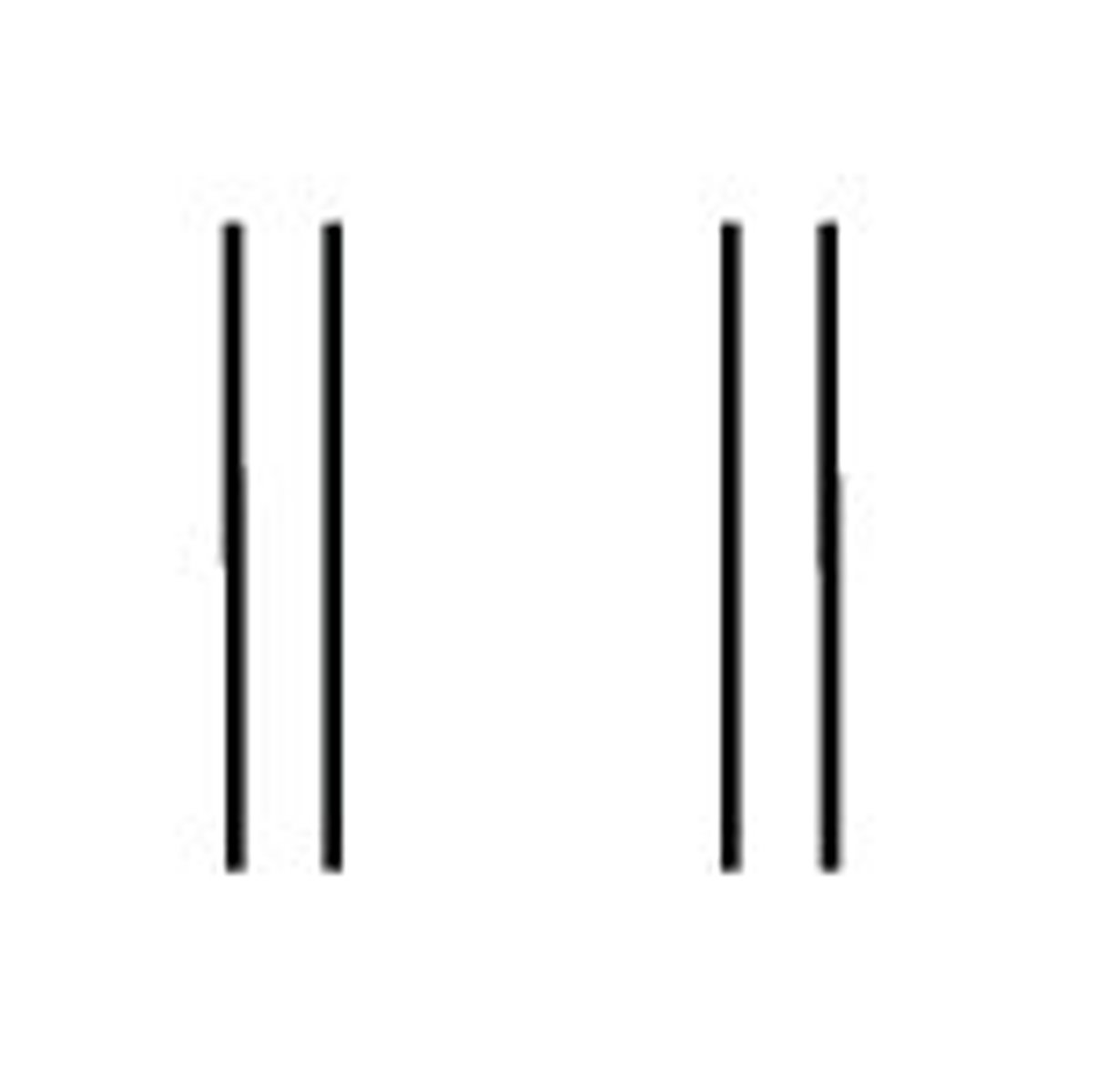
law of proximity
Elements located close to one another are perceived as belonging to the same figure
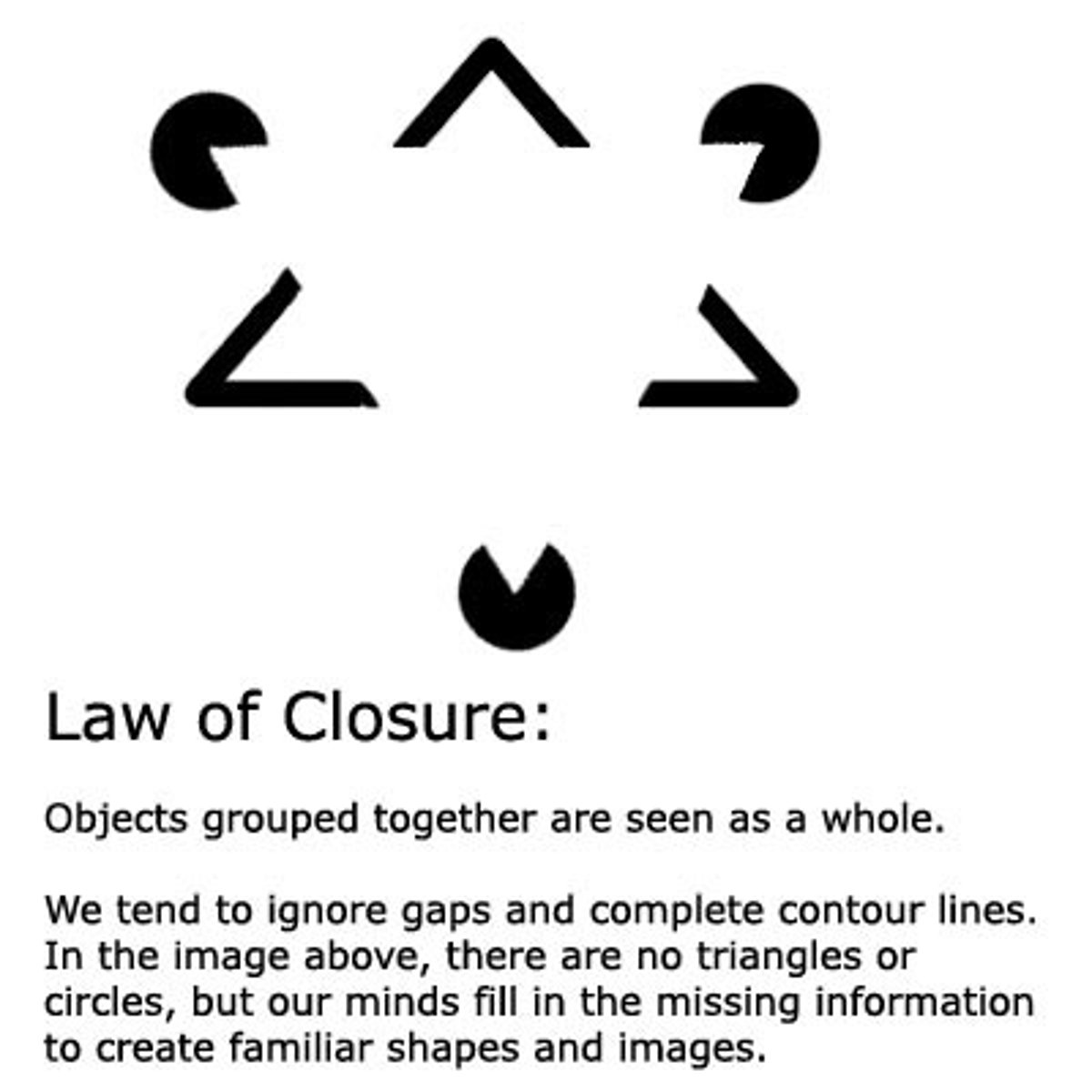
law of closure
the tendency to fill in the gaps in an incomplete image.
"visual cliff"
Babies between 6.5 and 12 month of age were reluctant to crawl over the "cliff" edge, even when called by their mothers, suggesting that they perceived the drop created by the check pattern.
monocular depth cues
Features of the visual stimulus that indicate distance even if the stimulus is viewed with only one eye.
linear perspective
A monocular cue for perceiving depth; the more parallel lines converge, the greater their perceived distance.
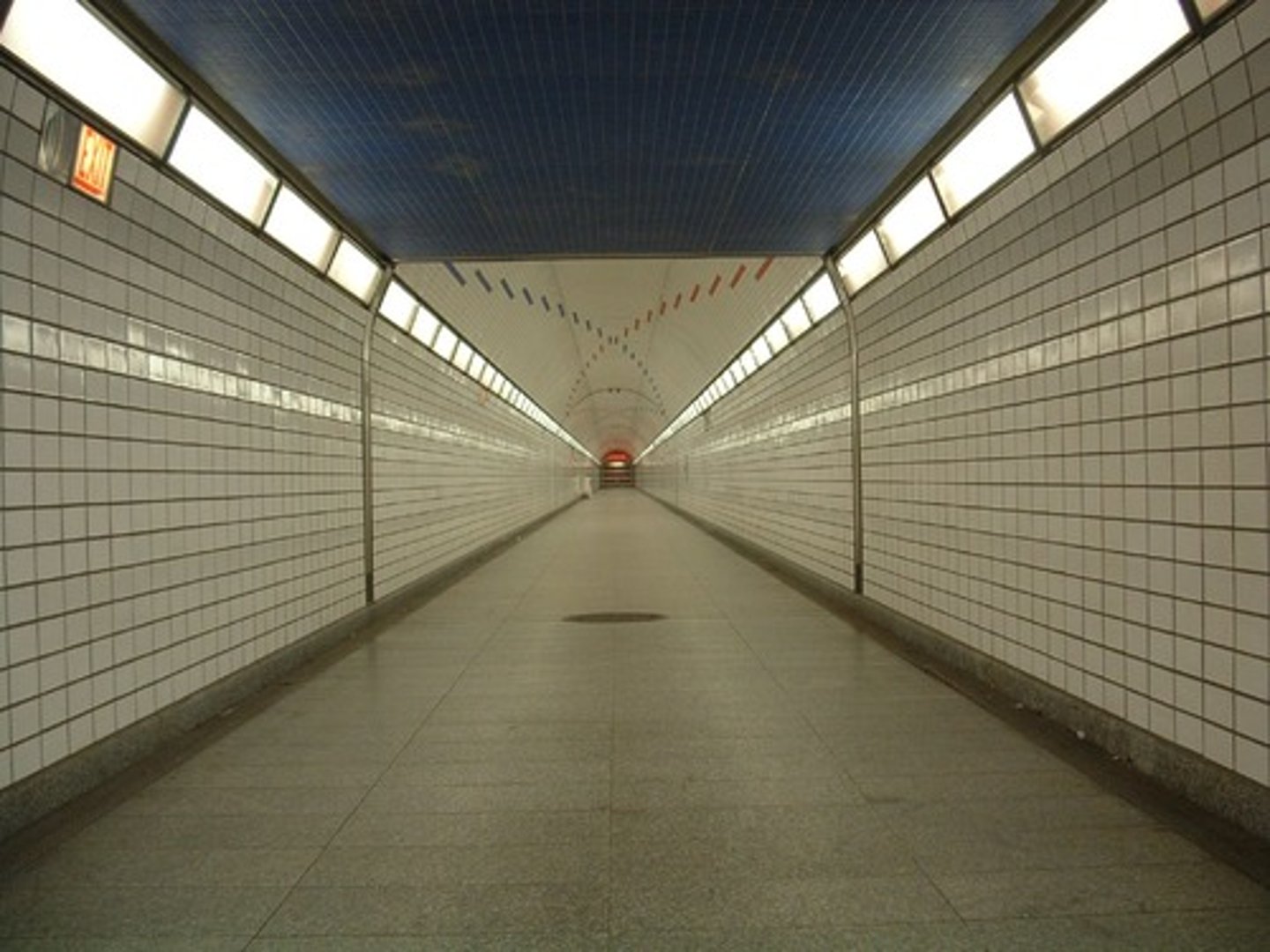
aerial perspective
Monocular cue to distance and depth based on the fact that more distant objects are likely to appear hazy and blurred.

relative size
The monocular cue that states that if an object seems larger, it is probably closer, and if an object is smaller, it is probably distant.
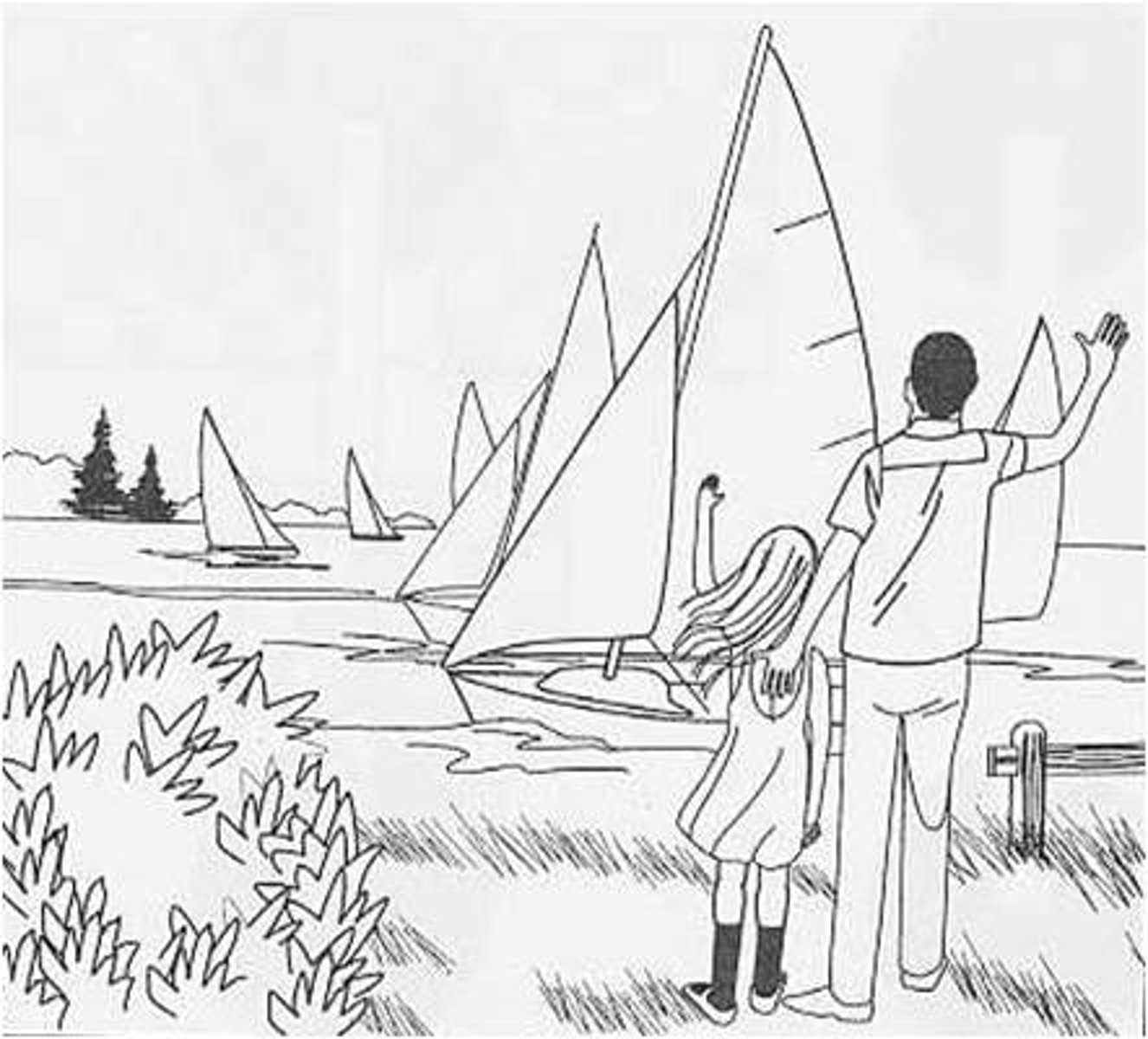
motion parallax
A depth cue whereby a difference in the apparent rate of movement of different objects provides information about the relative distance of those objects
binocular depth cues
Clues about distance based on the differing views of the two eyes
amplitude
Height of a wave
Loudness
The maximum distance the wave moves up or down from its rest position.
accommodation
The process by which the eye's lens changes shape to focus near or far objects on the retina.
subliminal perception
Perception below the threshold of awareness.
Young-Helmholtz theory
the theory that the retina contains three different color receptors—one most sensitive to red, one to green, one to blue—which when stimulated in combination can produce the perception of any color.
location detection
if a sound occurs right in front of you it hits both your ears at the same time. Otherwise it hits one before the other. Using that time difference the body can determine the location of the sound. Called Coincidence Detection. Neurons can also detect difference in volume. These both work for LEFT RIGHT locating. Cells in the superior olive.
olfaction
sense of smell
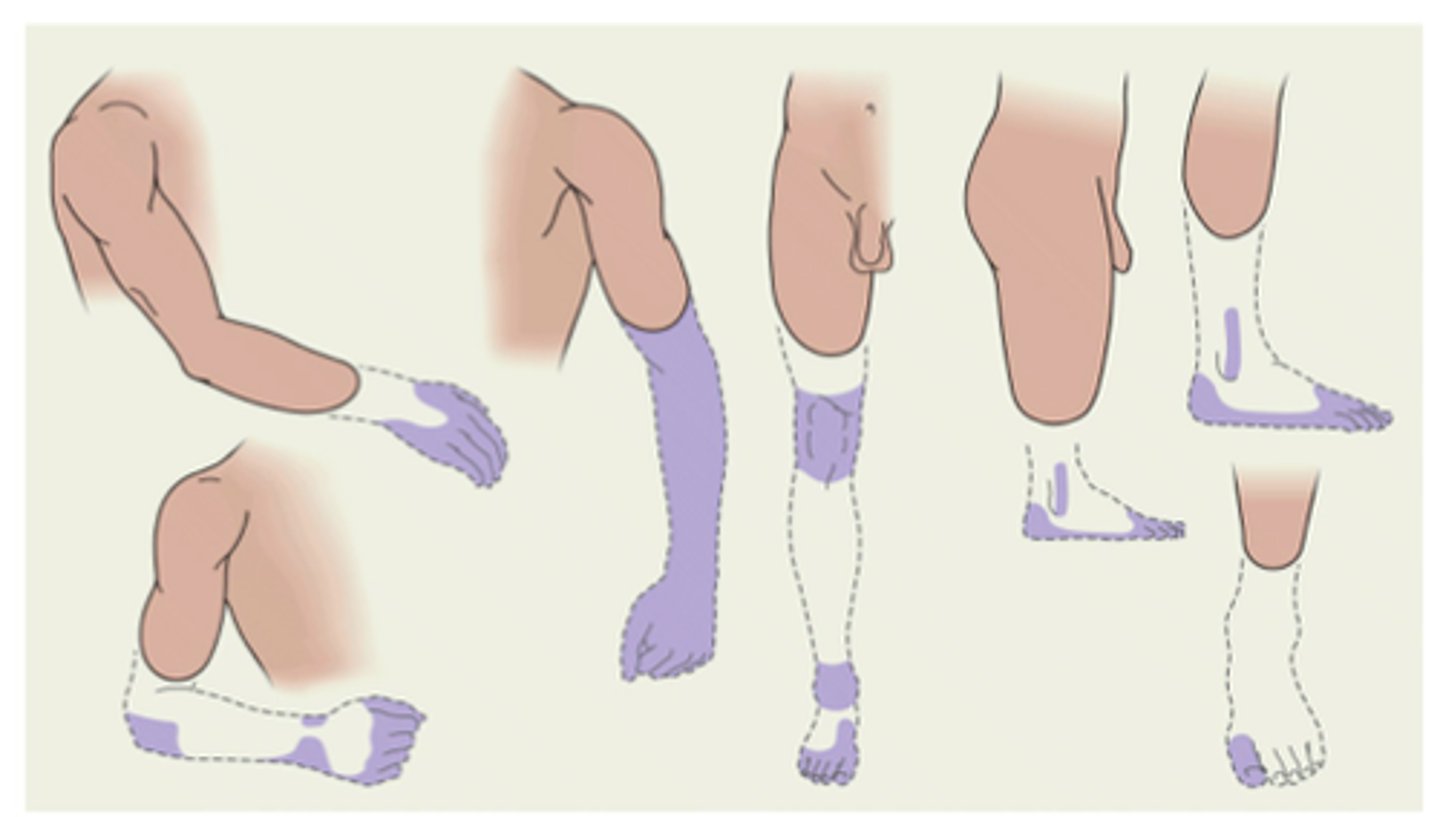
phantom limb
sensations that appear to originate in a limb that has been amputated after an amputation, the person continues to experience the felt presence of the amputated limb. what happens is the region of the parietal lobe that normally receives signals from the amputated limb is no longer getting that input so neurons form connections with neurons in adjacent regions of the body map and because of this neuroplastic reorganization, the phantom limb is born.
Ponzo illusion
An illusion of size in which two objects of equal size that are positioned between two converging lines appear to be different in size. Also called the railroad track illusion.
stroboscopic movement
the brain's perception of continuous movement in a rapid series of slightly varying images; this is how we perceive motion in film and animation

interposition
monocular visual cue in which two objects are in the same line of vision and one patially conceals the other, indicating that the first object concealed is further away
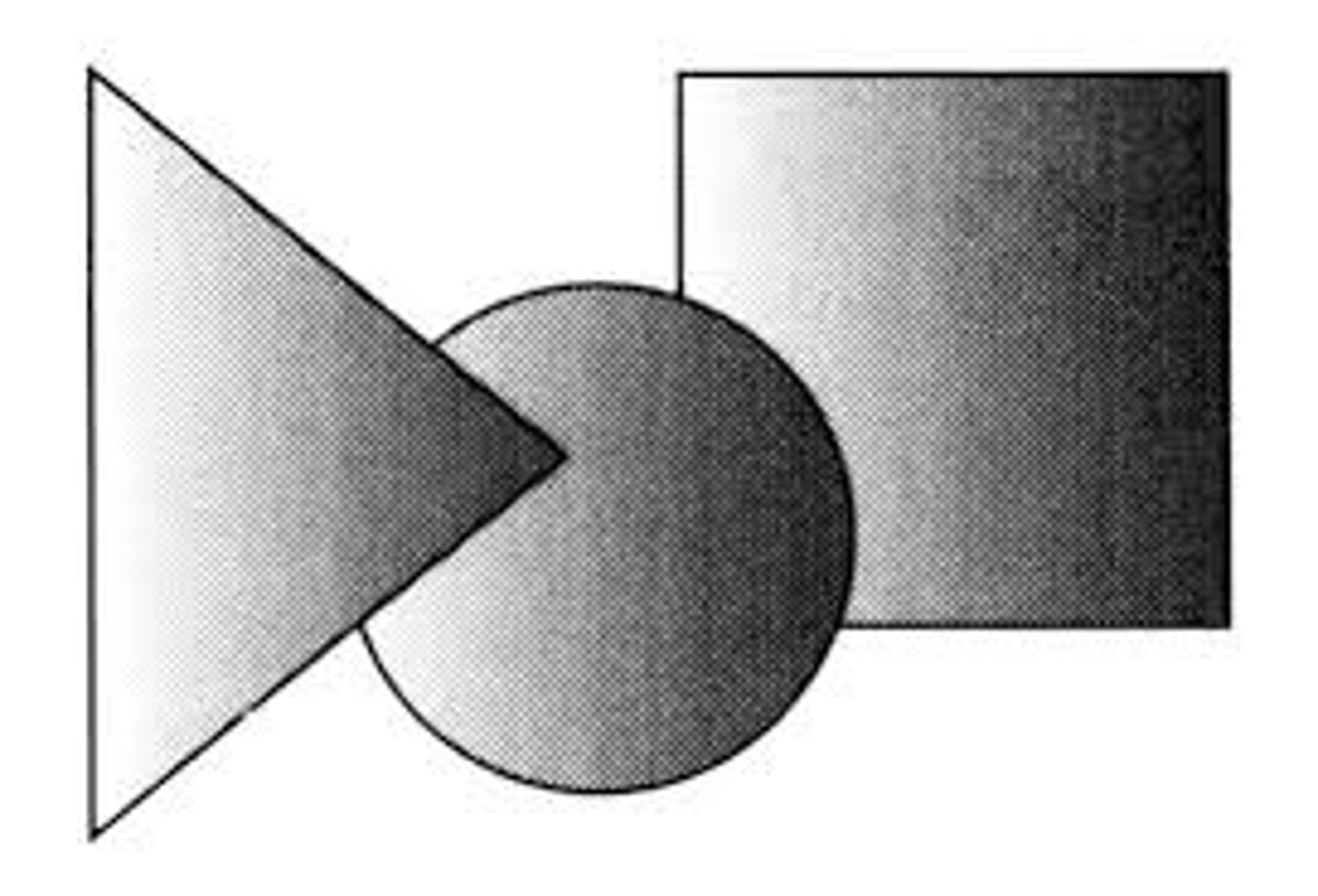
perceptual set
The interpretation of ambiguous sensory information in terms of how our past experiences have set us to perceive it.
context effects
a given stimulus may trigger radically different perceptions, partly because of our differing set, but also because of the immediate context. Culture or previous experiences can influence how we perceive our situations.
moon illusion
The Moon looks up to 50% larger when near the horizon than when it is high in the sky.
Cilia
are microscopic, hair-like structures on the surface of cells that beat in unison to create movement. In our ears, sound waves stimulate motion of the structure, which sends a message to our brain that we are hearing sound. They also keep our airways clean by removing mucus and dust from the nose and lungs.
nocieptors
sensory receptors that detect hurtful temperatures, pressure, or chemicals