MCPHS A&P 1 - Exam 1
 Call Kai
 Learn
Learn Practice Test
 Spaced Repetition
 Match
Match Flashcards
 Knowt Play
1/559

There's no tags or description
Looks like no tags are added yet.
Name | Mastery | Learn | Test | Matching | Spaced | Call with Kai |
|---|
No analytics yet
Send a link to your students to track their progress
560 Terms
Anatomy
Scientific discipline that investigates the body's structure
Physiology
Scientific investigation of the processes or functions of living things
Systemic Anatomy
Studied system by system
Surface Anatomy
External form and relation to deeper structures as x-ray in anatomic imaging
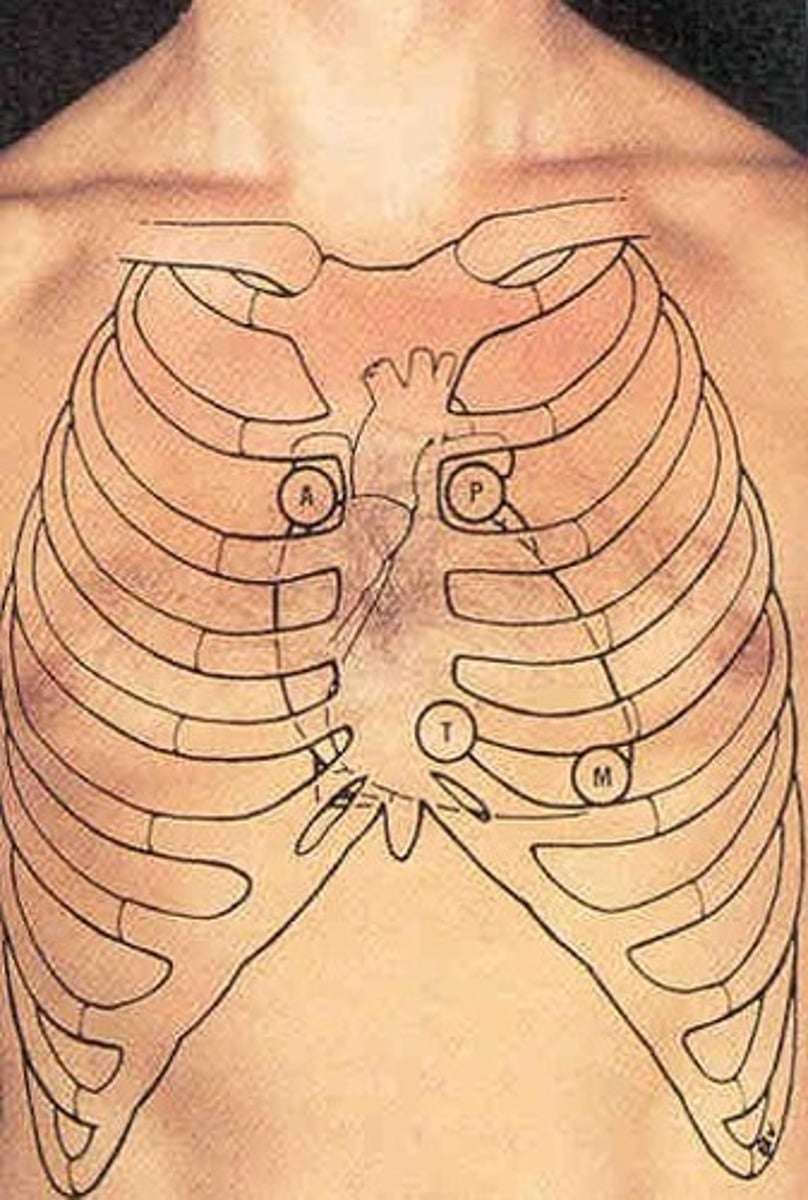
Cytology
Cellular anatomy
Histology
Study of tissues
Microscopic anatomy
Includes cytology and histology; structures that must be examined with a microscope
Cell Physiology
Exams processes in cells
Systemic Physiology
Functions of organ systems
Nuerophysiology
Focuses on the nervous system
Cardiovascular Physiology
The heart and blood vessels
Pathology
Structural and functional changes caused by disease
Exercise Physiology
Changes in structure and function caused by exercise
Chemical Level
Interaction of atoms
Cell Level
Structural and functional unit of living organisms
Tissue Level
Group of similar cells and the materials surrounding them
Organ Level
One or more tissues functioning together
Organ System Level
Group of organs functioning together
Organism level
Any Living Thing
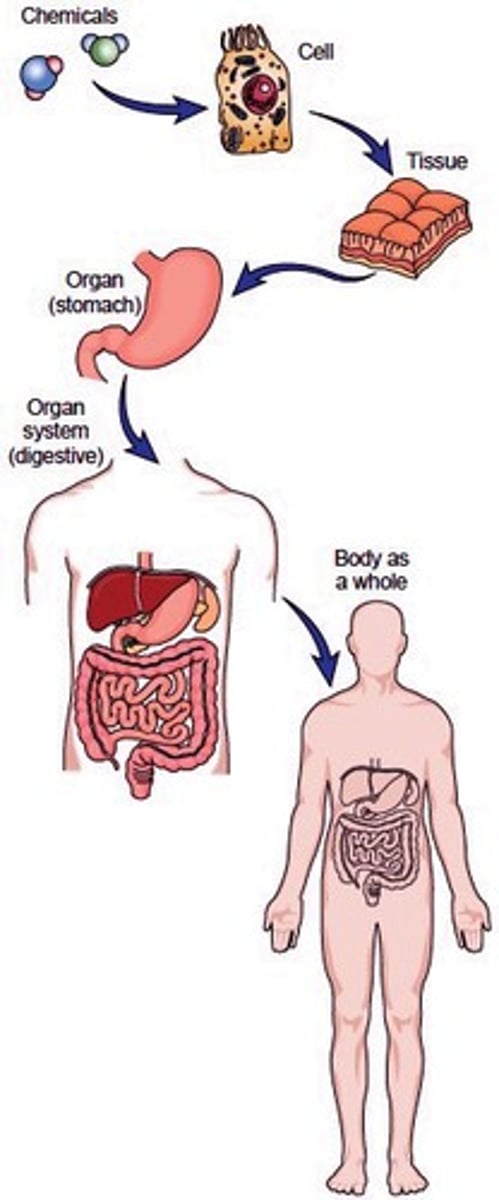
Structural and Functional Organization of the Human Body
atoms -> molecules -> cell -> tissue -> organ -> organ system -> organism
Major Organs of the Body
Brain, spinal cord, lung, heart, liver, spleen, pancreas, stomach, gallbladder, kidneys, small intestine, large intestine, urinary bladder
Integumentary System Functions
Provide protection, regulate temperature, prevents water loss, and helps produce vitamin D
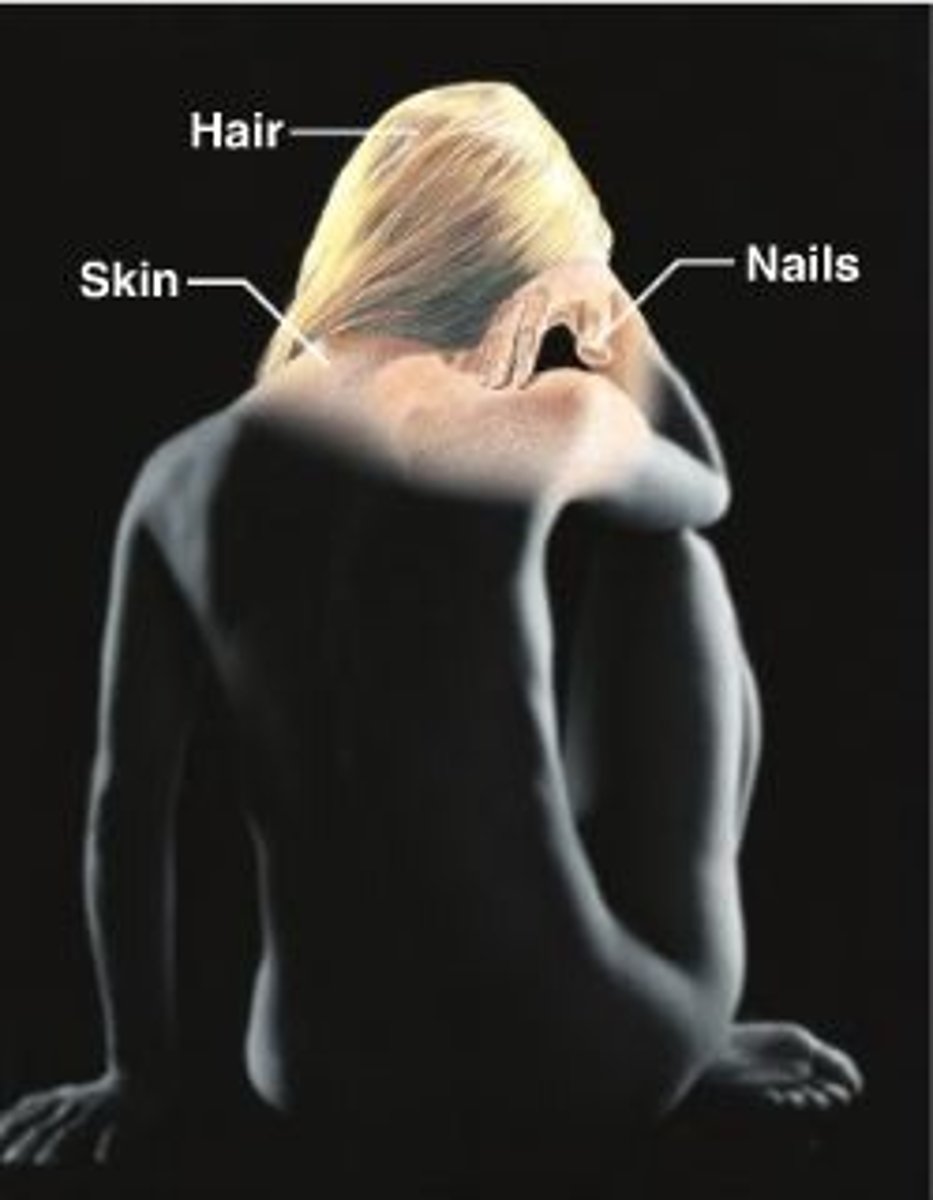
Integumentary System
Consists of skin, hair, nails, and sweat glands
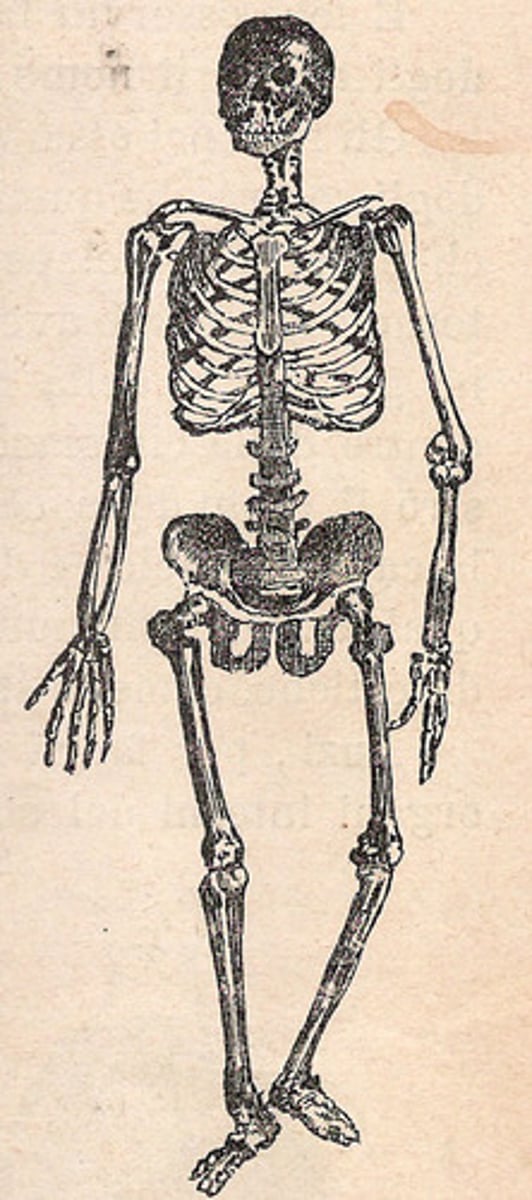
Skeletal System Functions
Provides protection and support, allows body movements, produces blood cells, and stores minerals and fats
Skeletal System
Consists of bones, associated cartilages, ligaments, and joints
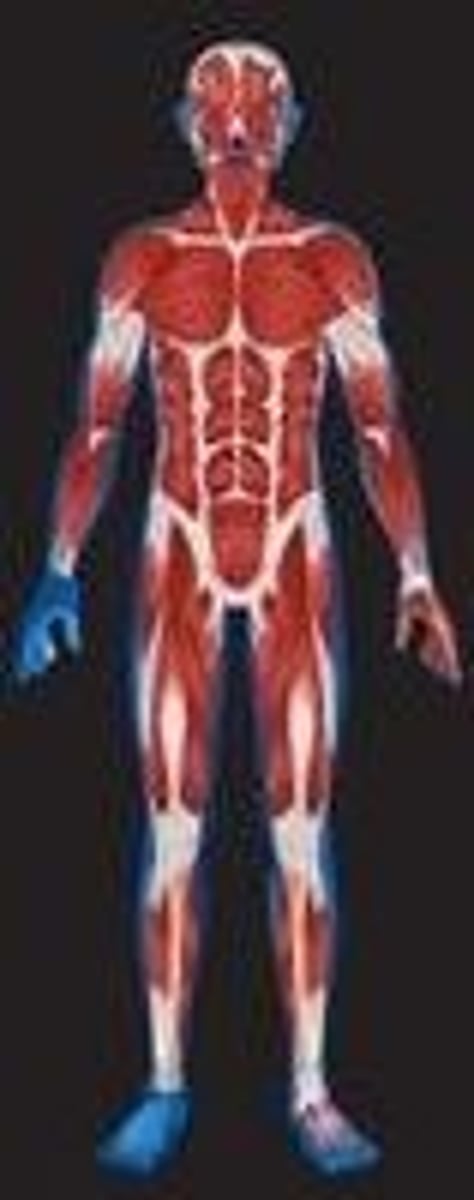
Muscular System Functions
Produces body movements, maintains posture, and produces body heat
Muscular System
Consists of muscles attached to the skeleton by tendons
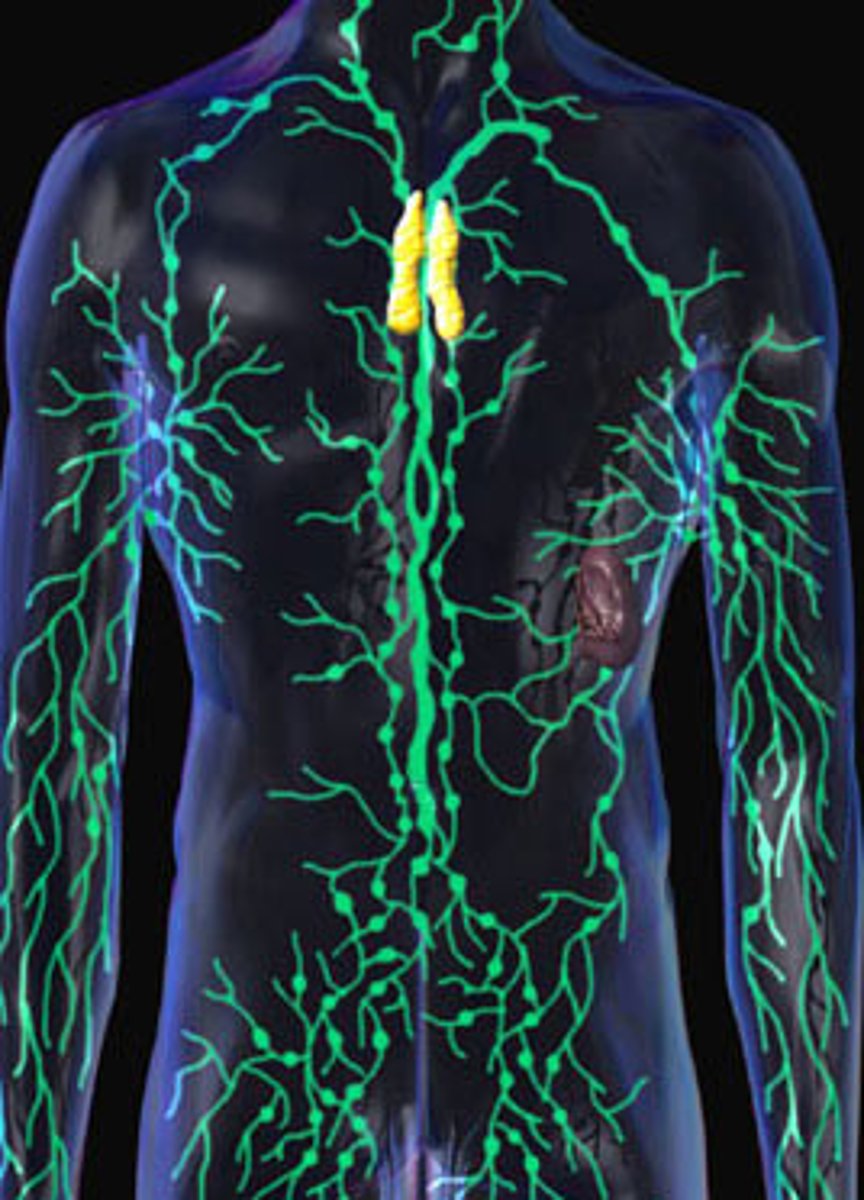
Lymphatic System Functions
Removes foreign substances from the blood and lymph, combats disease, maintains tissue fluid balance, and absorbs fats from the digestive tract
Lymphatic System
Consists of the lymphatic vessels, lymph nodes, and other lymphatic organs
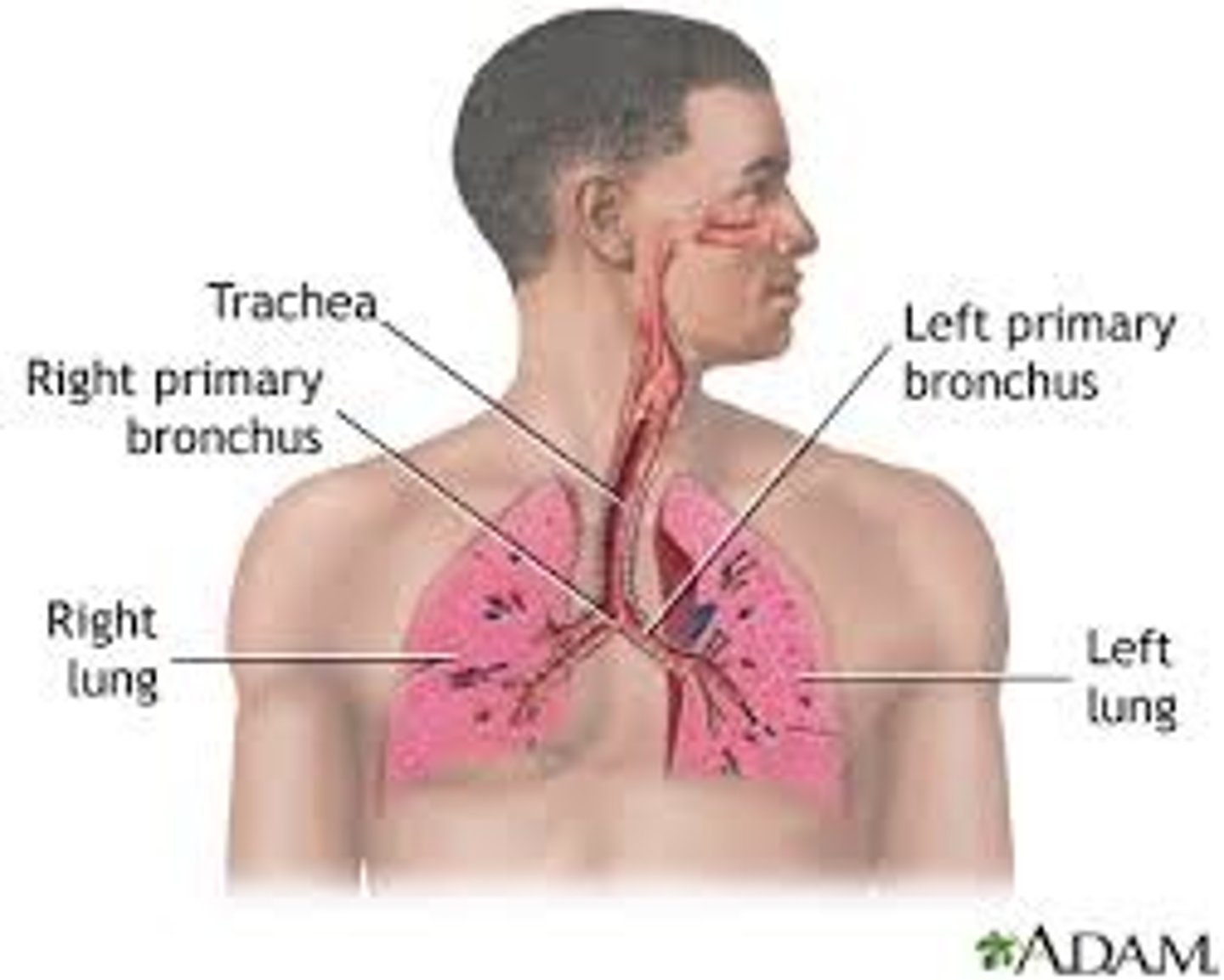
Respiratory System Functions
Consists of the lungs and respiratory passages
Respiratory System
Consists of the lungs and respiratory passages
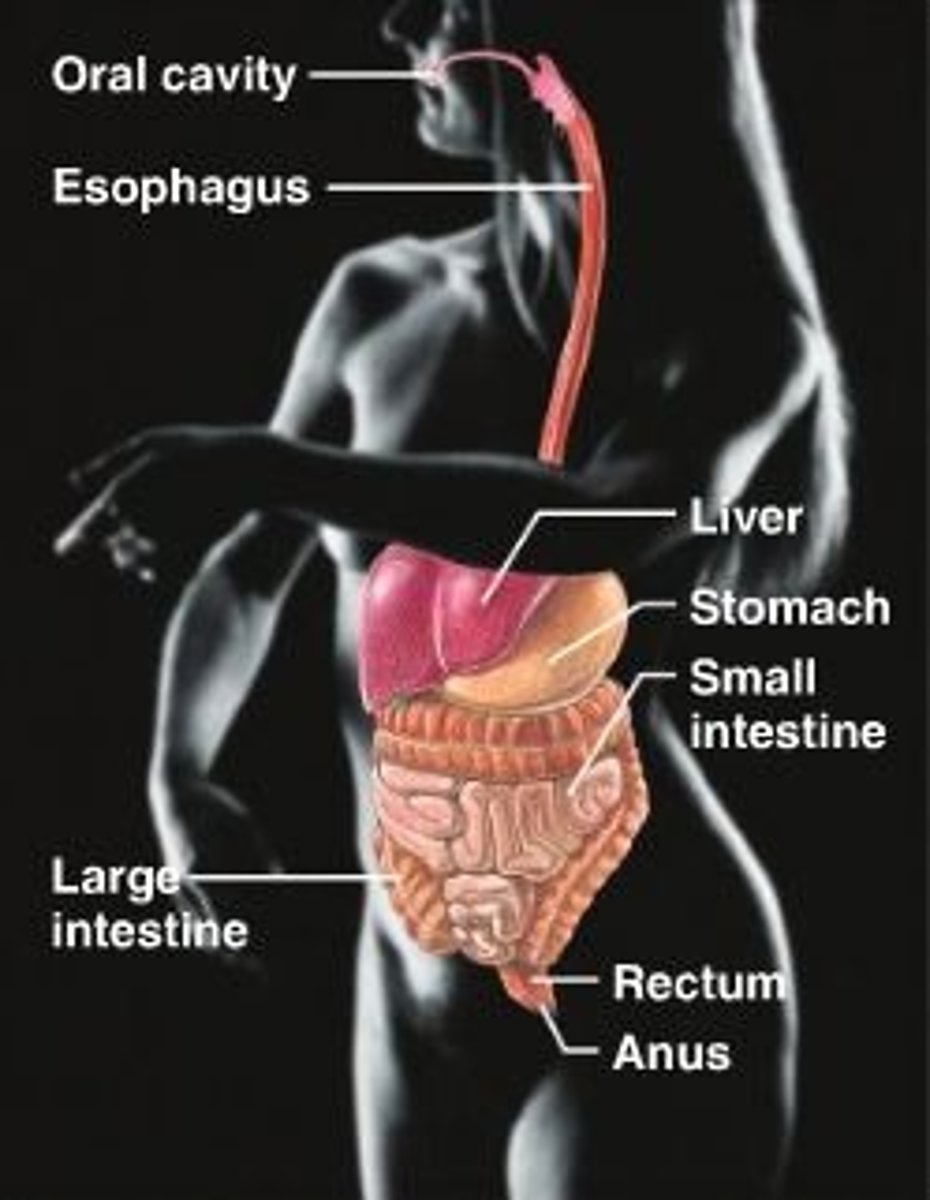
Digestive System Functions
Performs the mechanical and chemical processes of digestion, absorption of nutrients, and elimination of wastes
Digestive System
Consists of the mouth, esophagus, stomach, intestines, and accessory organ
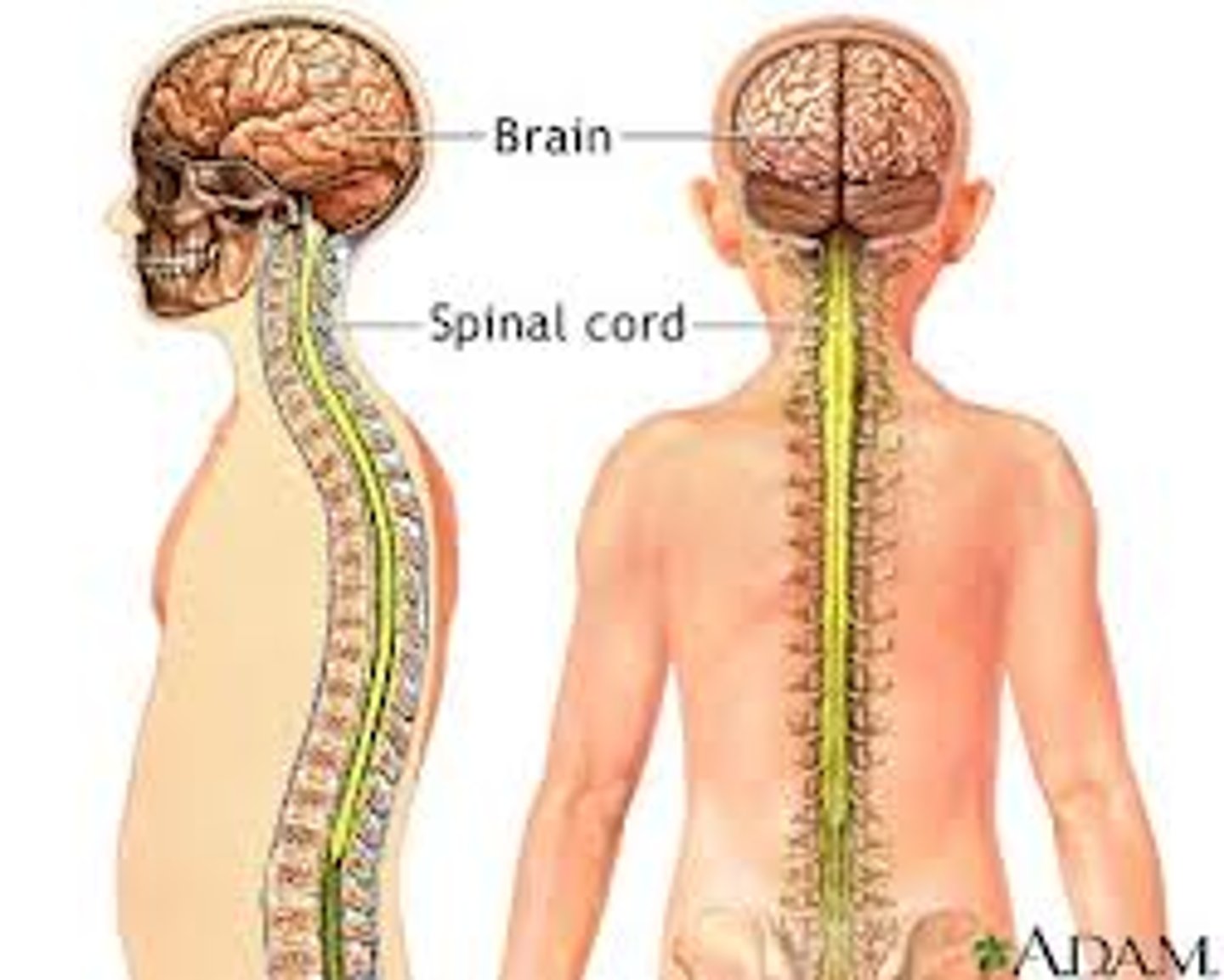
Nervous System Functions
A major regulatory system that detects sensations and controls movements, physiological processes, and intellectual functions
Nervous System
Consists of the brain, spinal cord, nerves, and sensory receptors
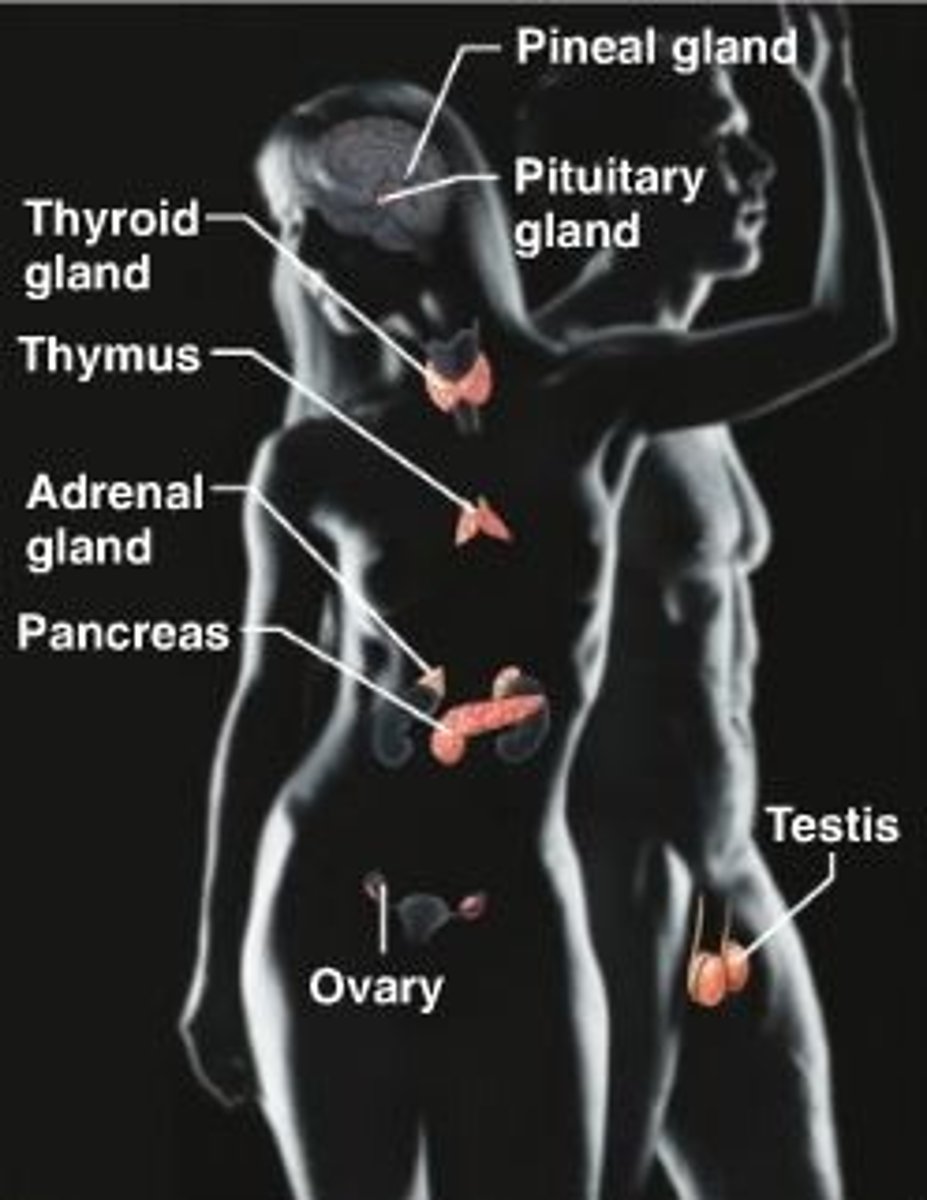
Endocrine System Functions
A major regulatory system that influences metabolism, growth, reproduction, and many other functions
Endocrine System
Consists of glands, such as the pituitary, that secrete hormones
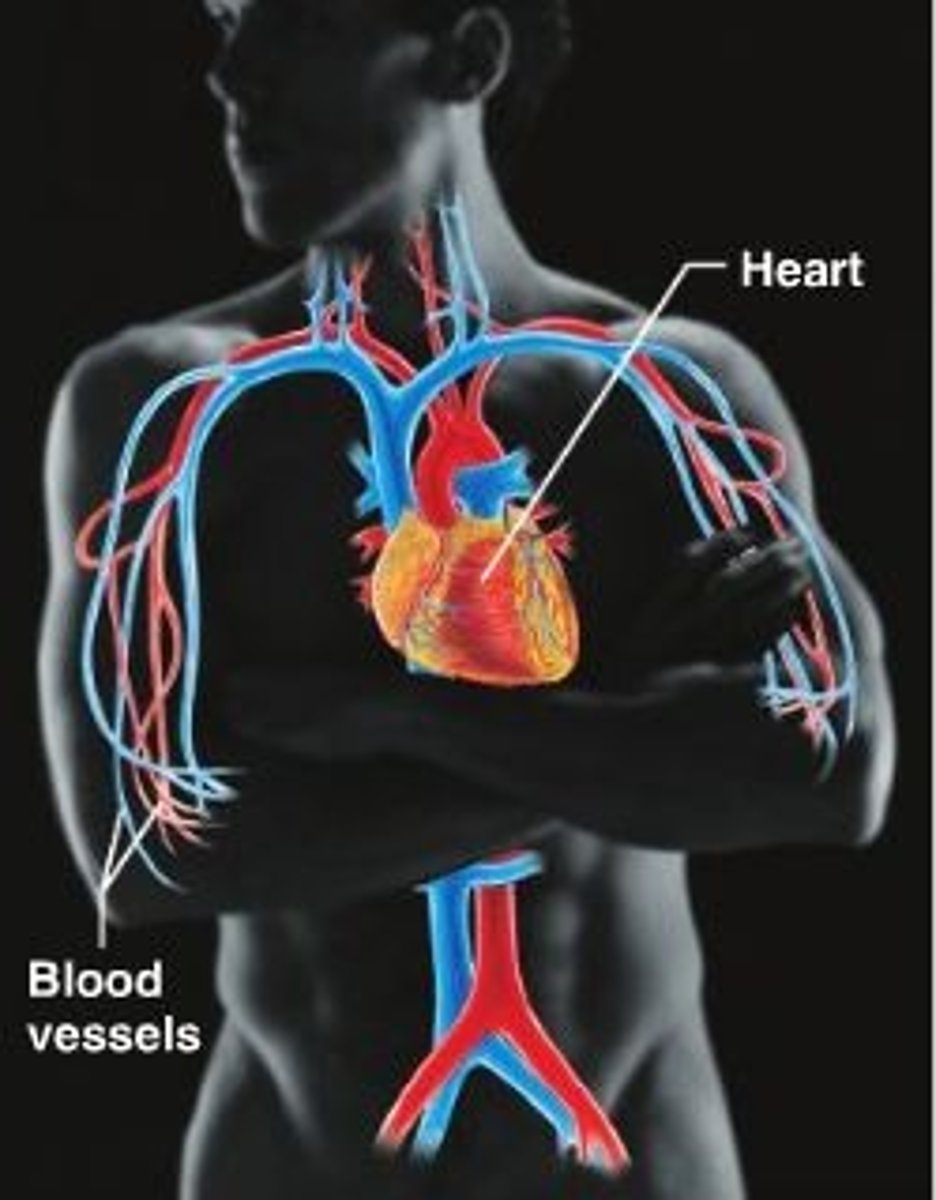
Cardiovascular System Functions
Transports nutrients, waste products, gases, and hormones throughout the body; plays a role in the immune response and regulation of body temperature
Cardiovascular System
Consists of the heart, blood vessels, and blood
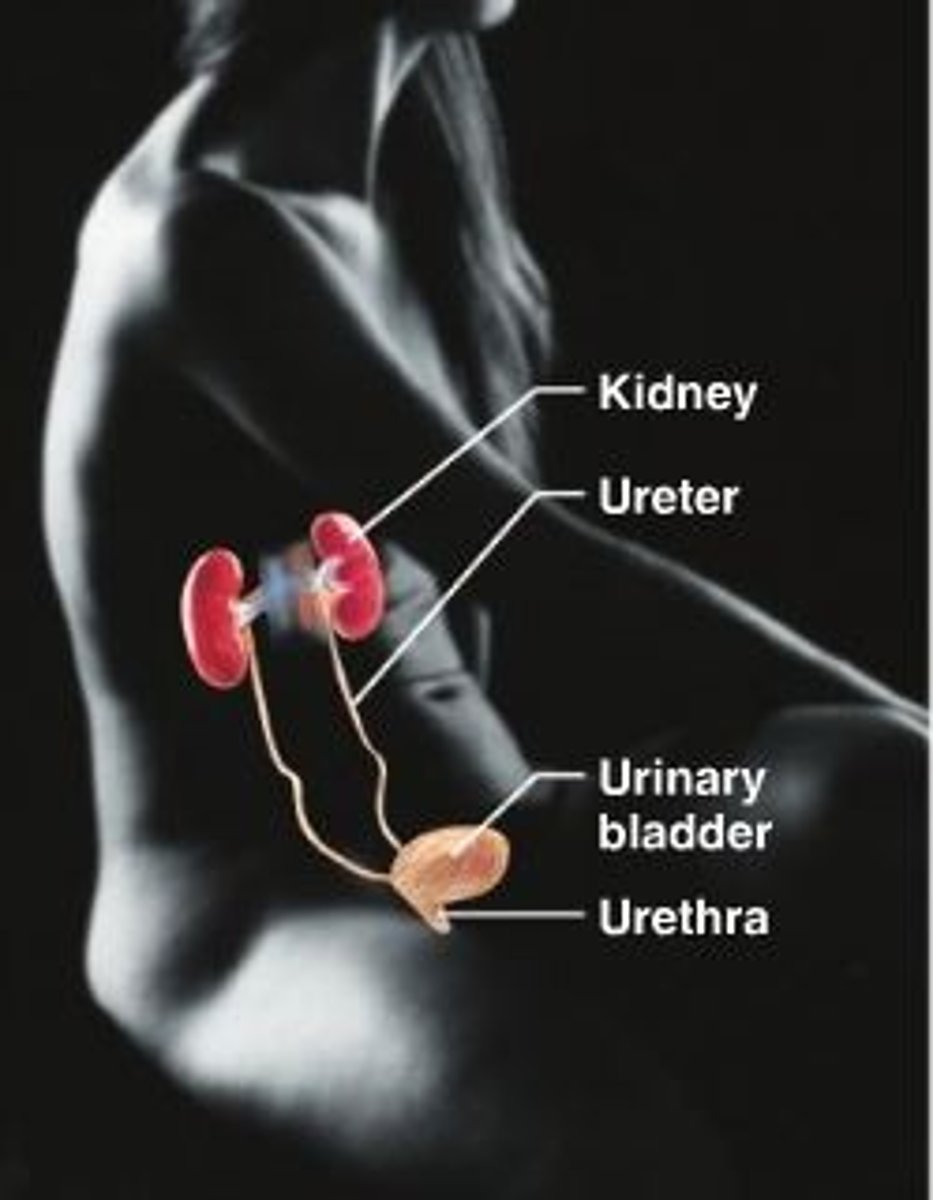
Urinary System Functions
Remove waste products from the blood and regulates blood pH, ion balance, and water
Urinary System
Consists of the kidneys, urinary bladder, and ducts that carry urine
Female Reproductive System Functions
Produces oocytes and is the site of fertilization and fetal development; produces milk for newborn; produces hormones that influence sexual function and behaviors
Female Reproductive System
Consists of ovaries, vagina, uterus, mammary glands, and associated structures
Male Reproductive System Functions
Produces and transfers sperm cells to the female and produces hormones that influence sexual functions and behaviors
Male Reproductive System
Consists of the testes, accessory structures, ducts, and penis
Characteristics of Life
Organization, Metabolism, Responsiveness, Growth, Development, Differentiation, Morphogenesis, Reproduction
Organization
Condition in which there are specific relationships and functions
Metabolism
All chemical reactions of the body
Responsiveness
Abiilty to sense changes and adjust
Growth
Increases in size and/or number of cells
Development
Changes in an organism over time
Differentiation
Changes from general to specific
Morphogenesis
Changes in shape of tissues, organs
Reproduction
New cells or new organisms
Biomedical Research
Shared characteristics between living things drive research
Mammalian Research
Furthers human surgery and medicine
Homeostasis
Maintenance of relatively constant internal environment within the body
Set Point
The ideal normal value of a variable
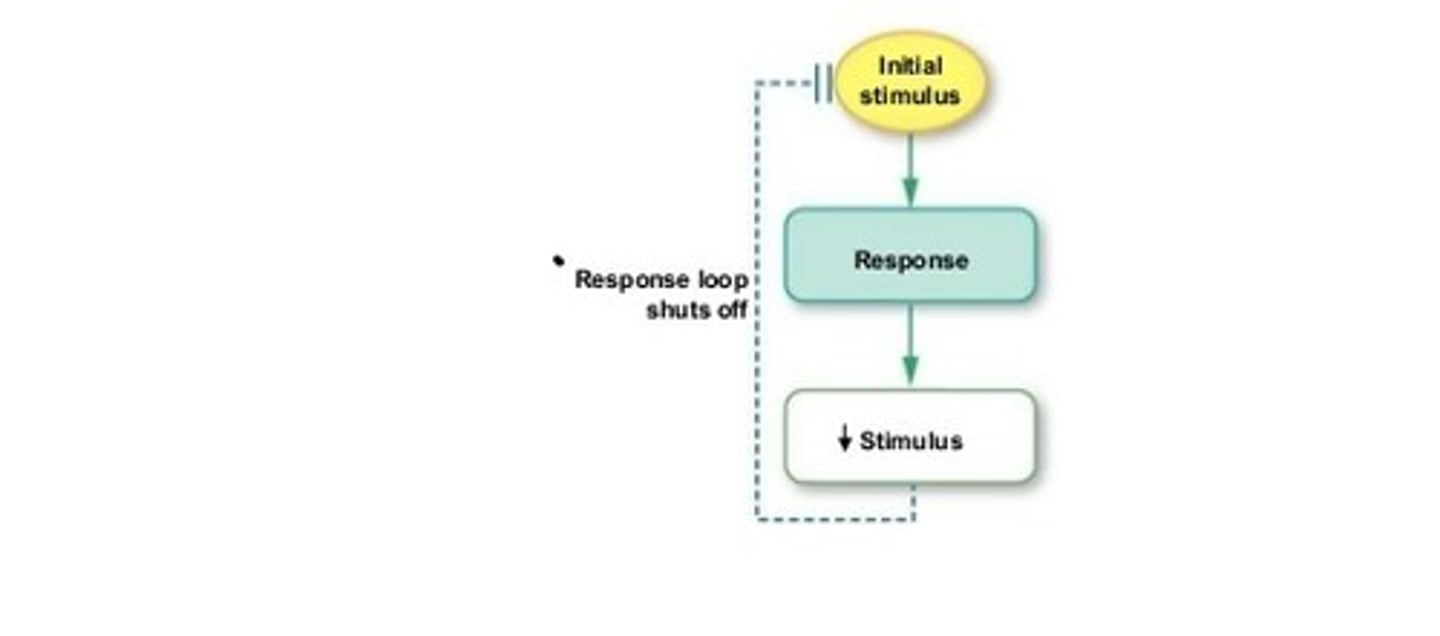
Negative Feedback
Regulates most systems in the body; counteracts a change in a variable to help maintain homeostasis; uses a receptor, control center, and effector
Stimulus
Deviation from the set point; detected by the receptor
Negative Feedback Mechanism: Body Temperature
1. Receptors monitor the value of a variable (skin monitors body temperature). 2. Information about the value of the variable is sent to the control center; the control center (brain) compares the value against the set point. 3. If a response is necessary, the control center causes an effector to respond (sweat glands). 4. Once the value of the variable has returned to the set point the control center shuts off its control of the effector (sweating stops). [decreased temp = decrease stimulation of sweat glands and blood vessels constrict; skeletal muscle contractions cause shivering]
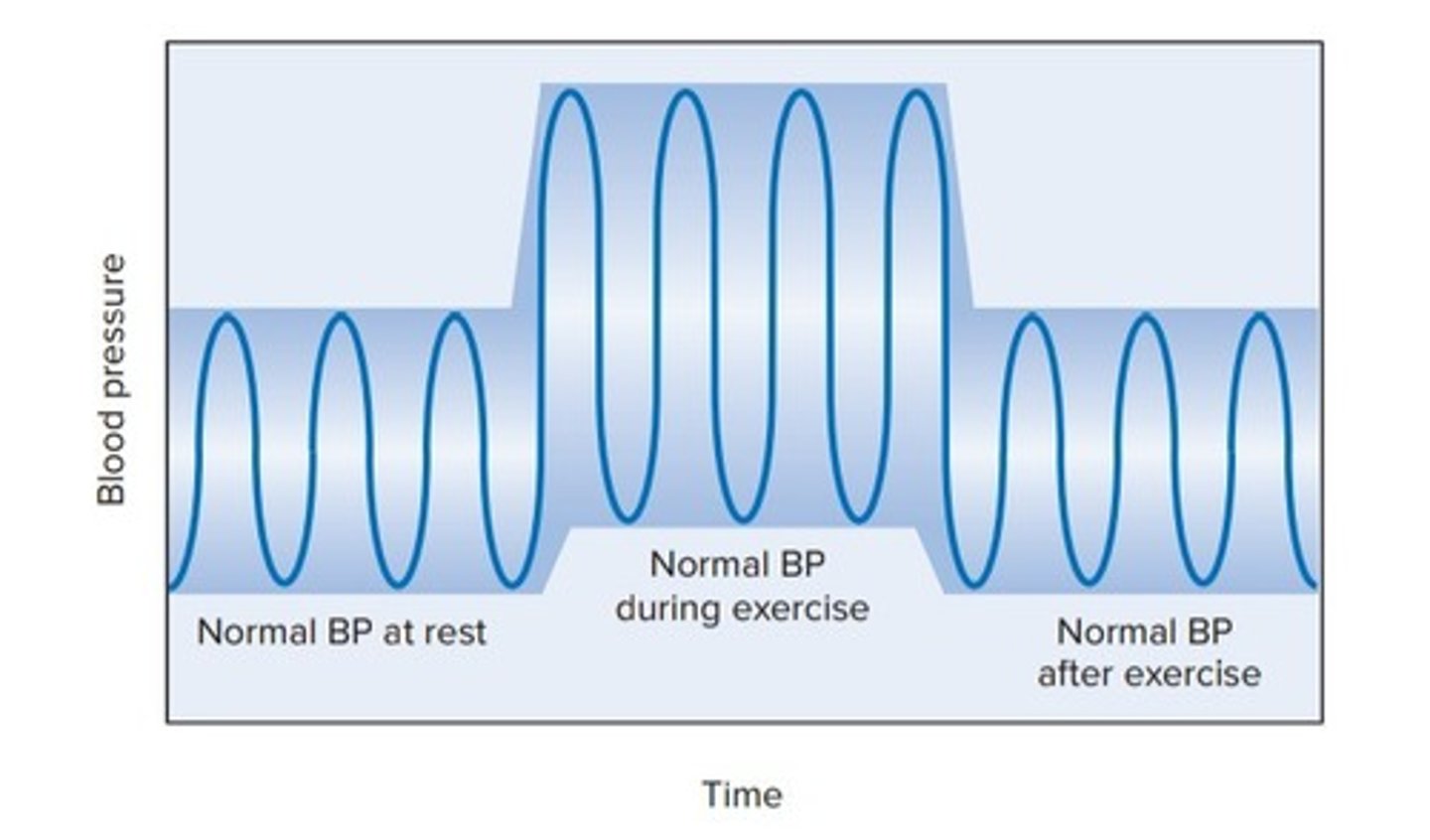
Changes of Blood Pressure During Exercise
See Diagram
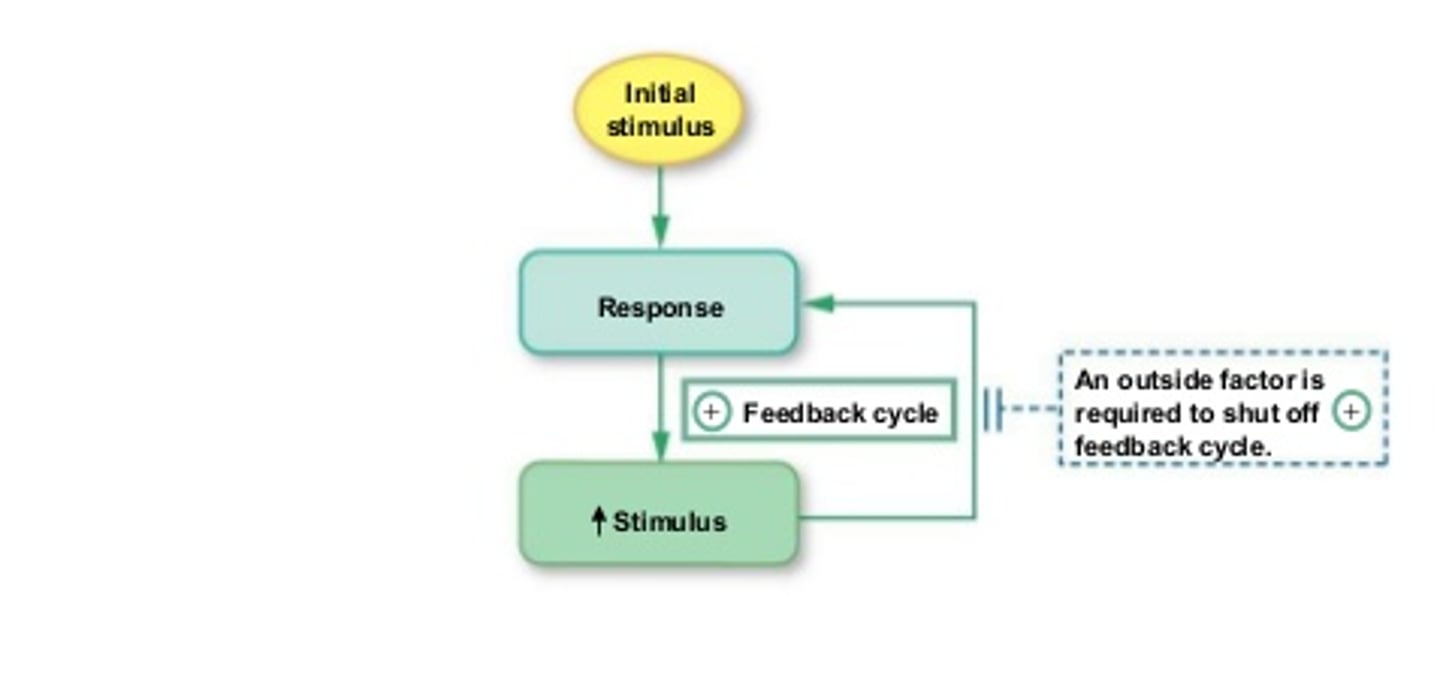
Positive Feedback
When a deviation occurs, the response is to make the deviation greater; unusual in normal, healthy individuals
Normal Positive Feedback
Childbirth
Harmful Positive Feedback
After hemorrhage, blood pressure drops and the heart's ability to pump blood decreases
Positive Feedback Diagram
See Diagram
Negative Feedback Diagram
See Diagram
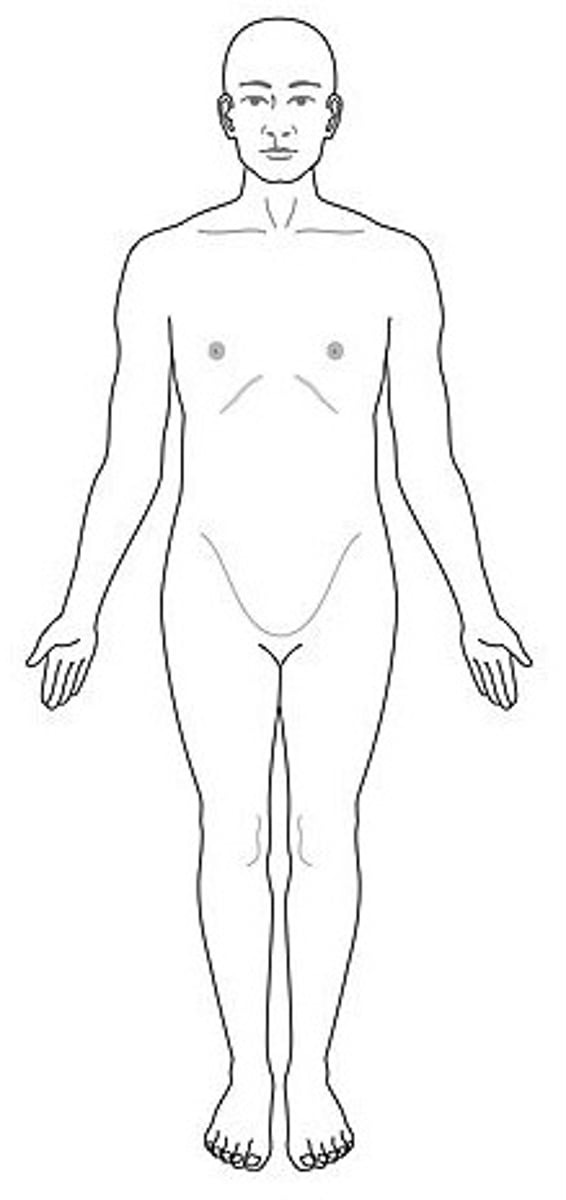
Anatomical Position
Body erect, face forward, feet together, palms face forward
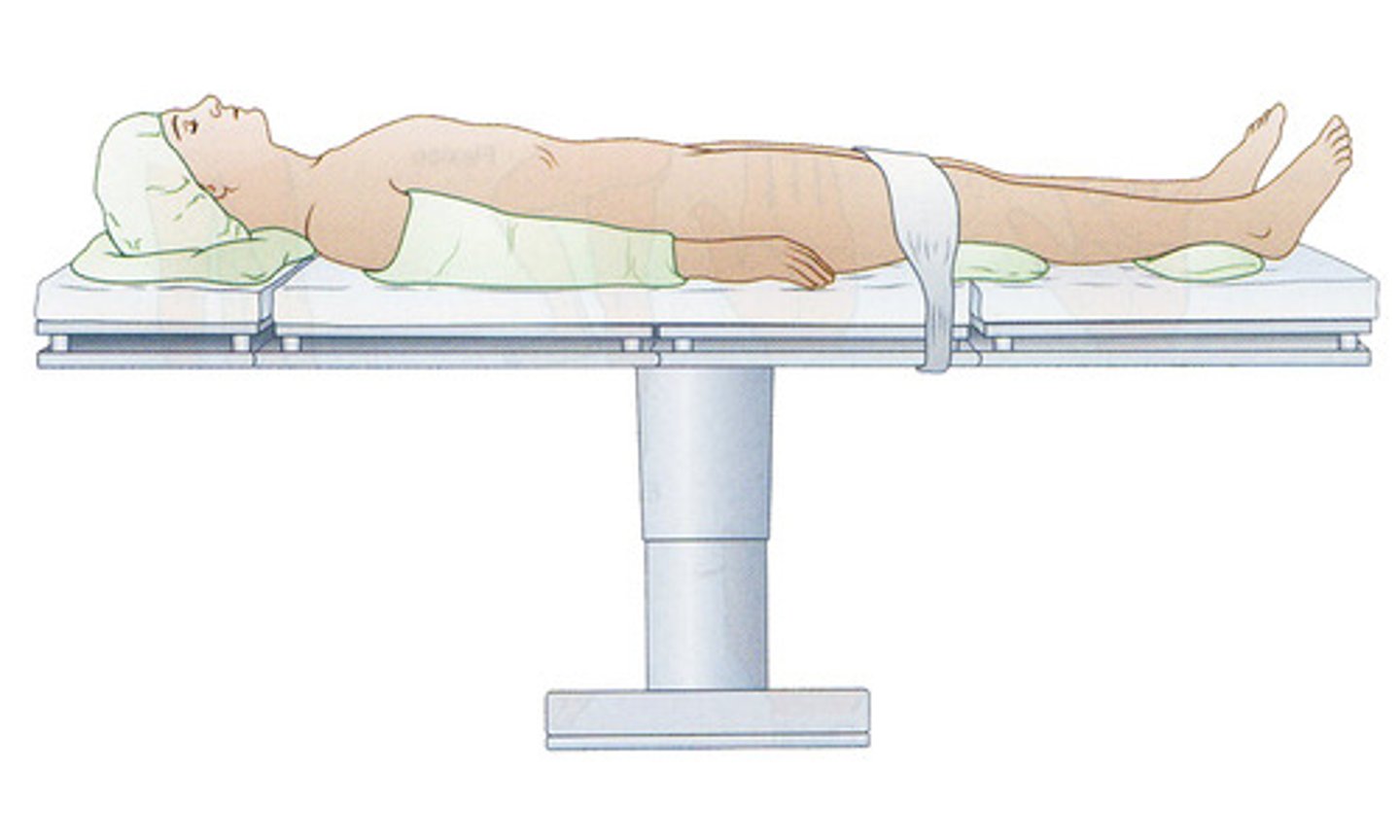
Supine
Lying face forward
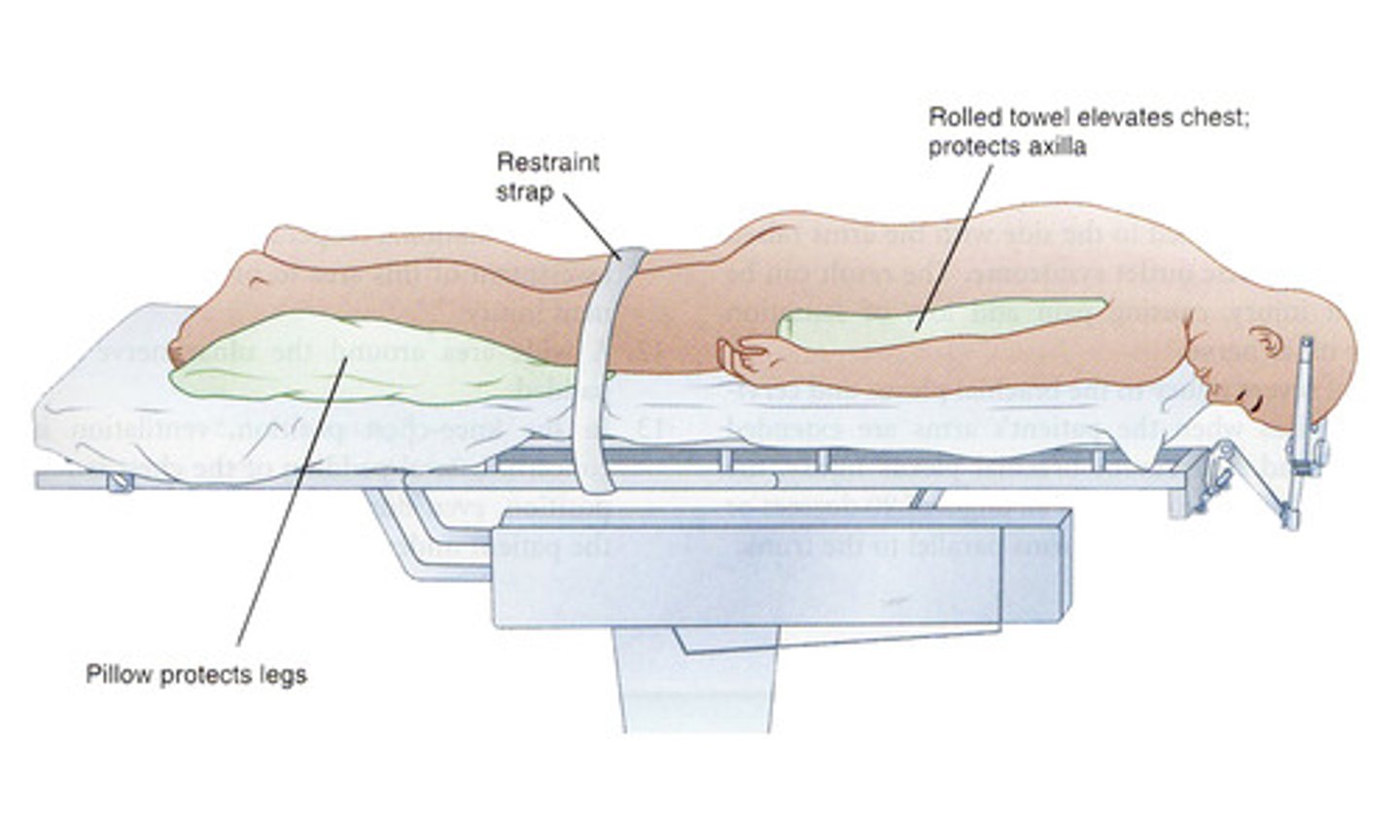
Prone
Lying face downward
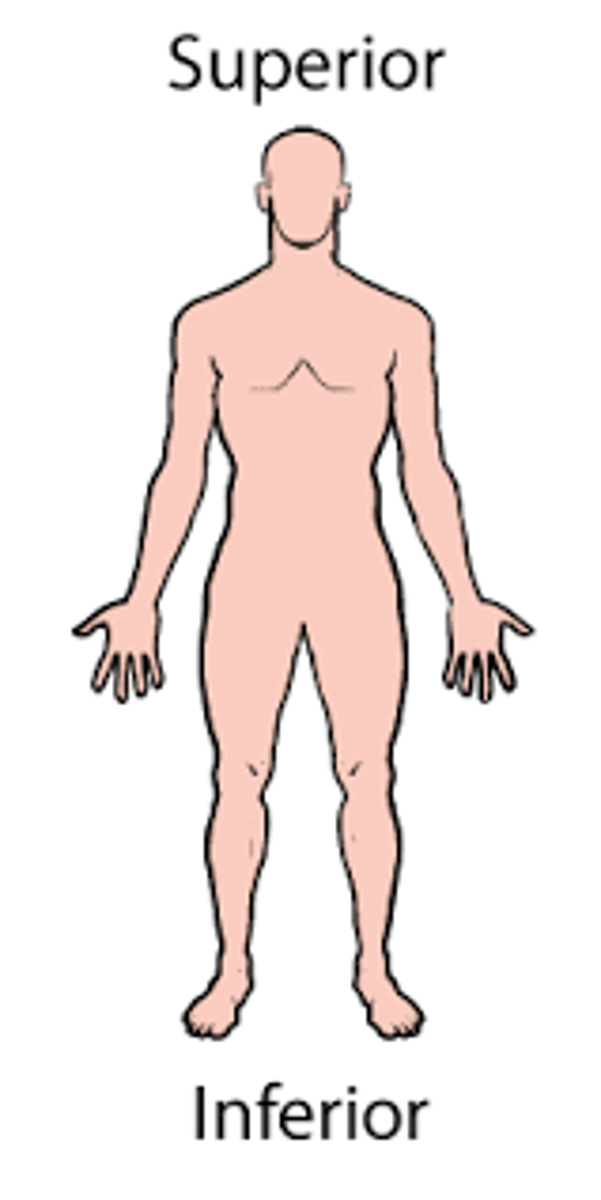
Superior (Cephalic) vs. Inferior (Caudal)
Toward or away from the head
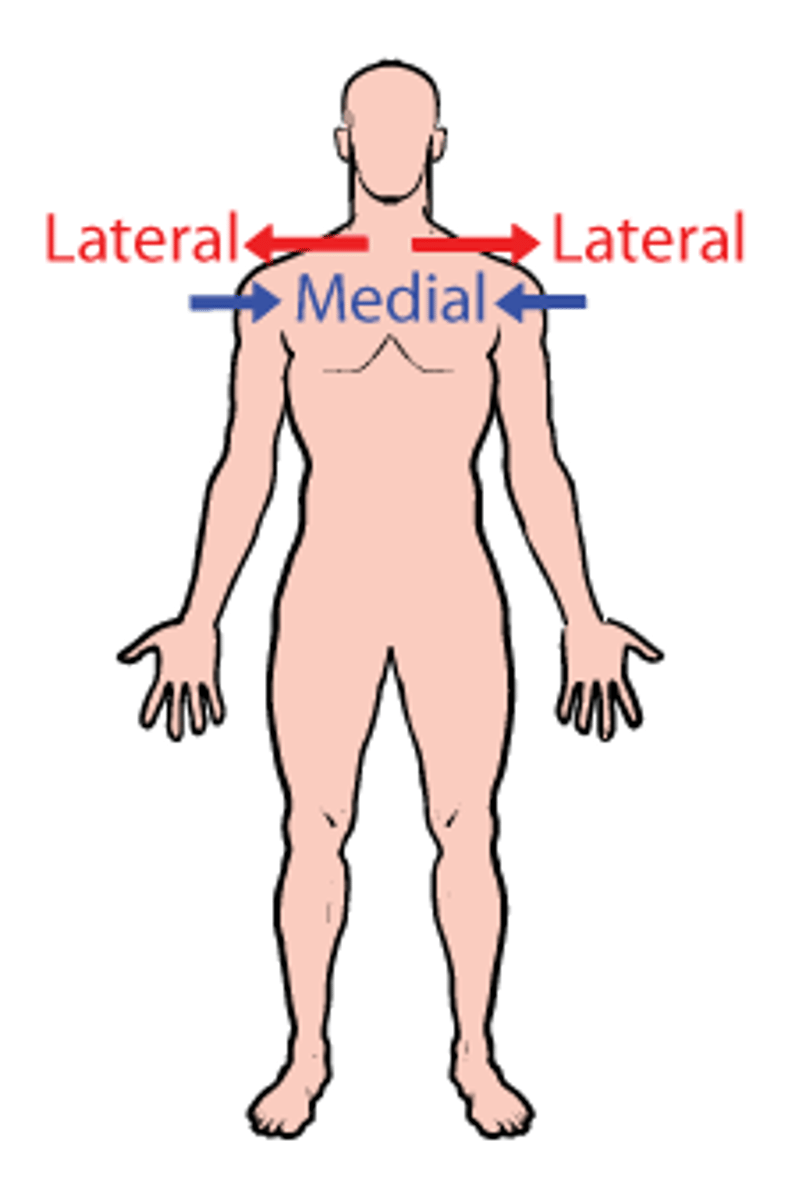
Medial vs Lateral
Relative to the midline
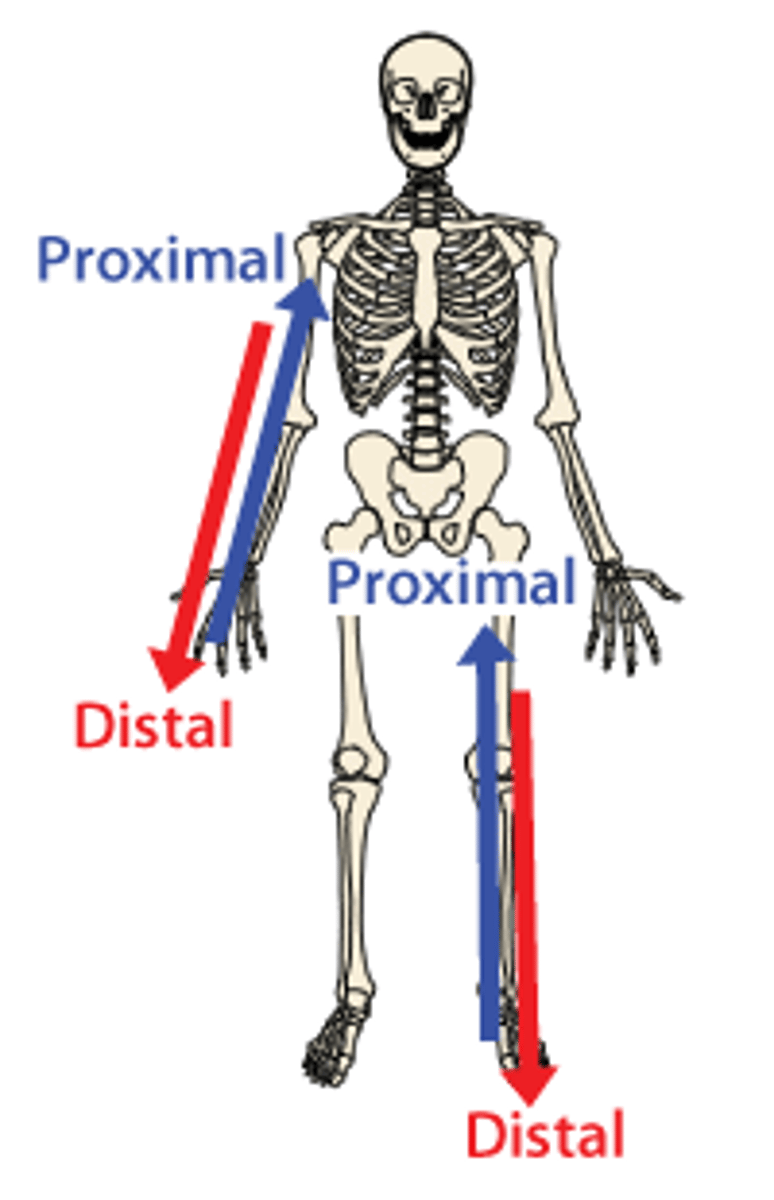
Proximal vs Distal
Used to describe linear structures
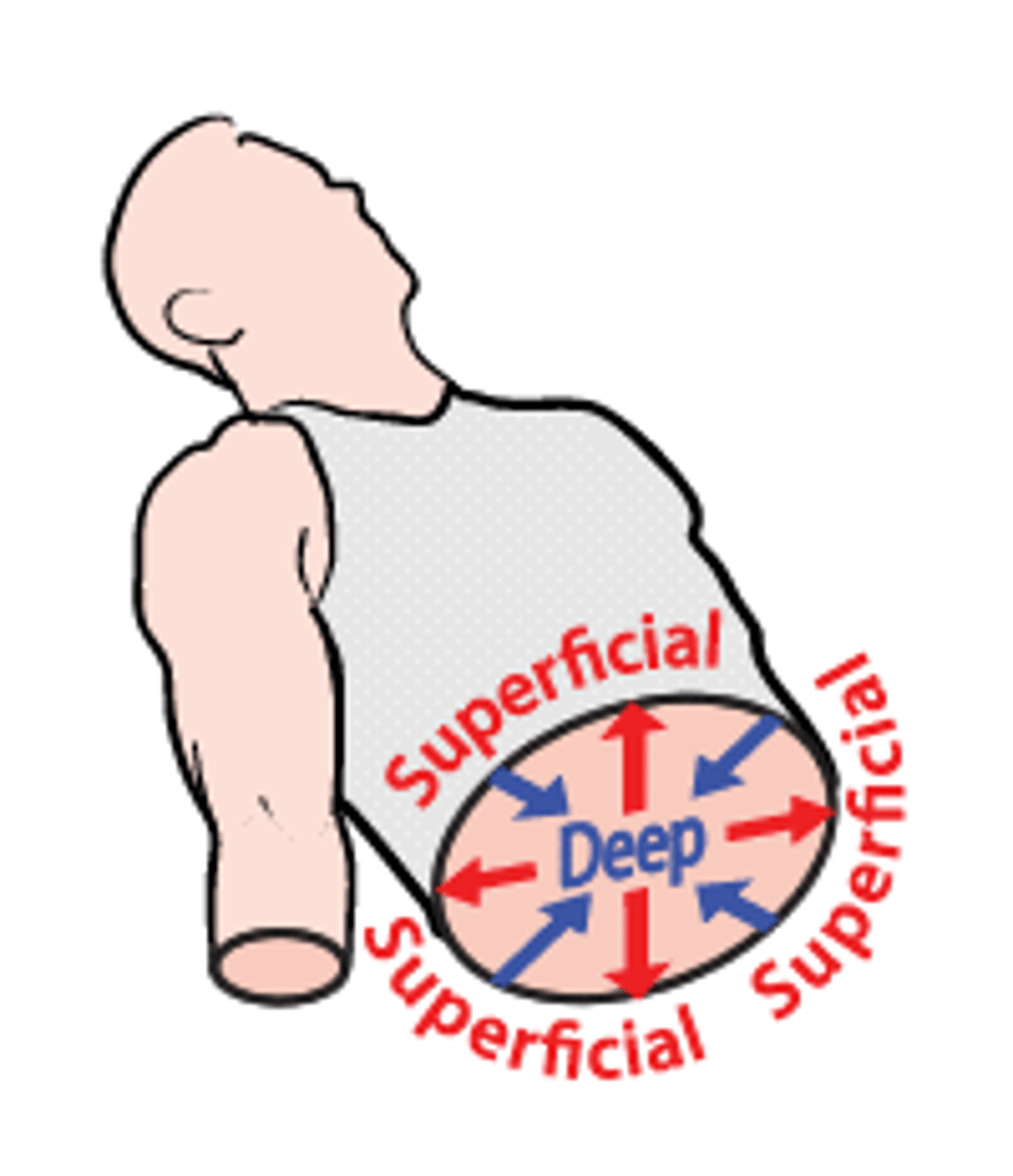
Superficial vs Deep
Relative to the surface of the body
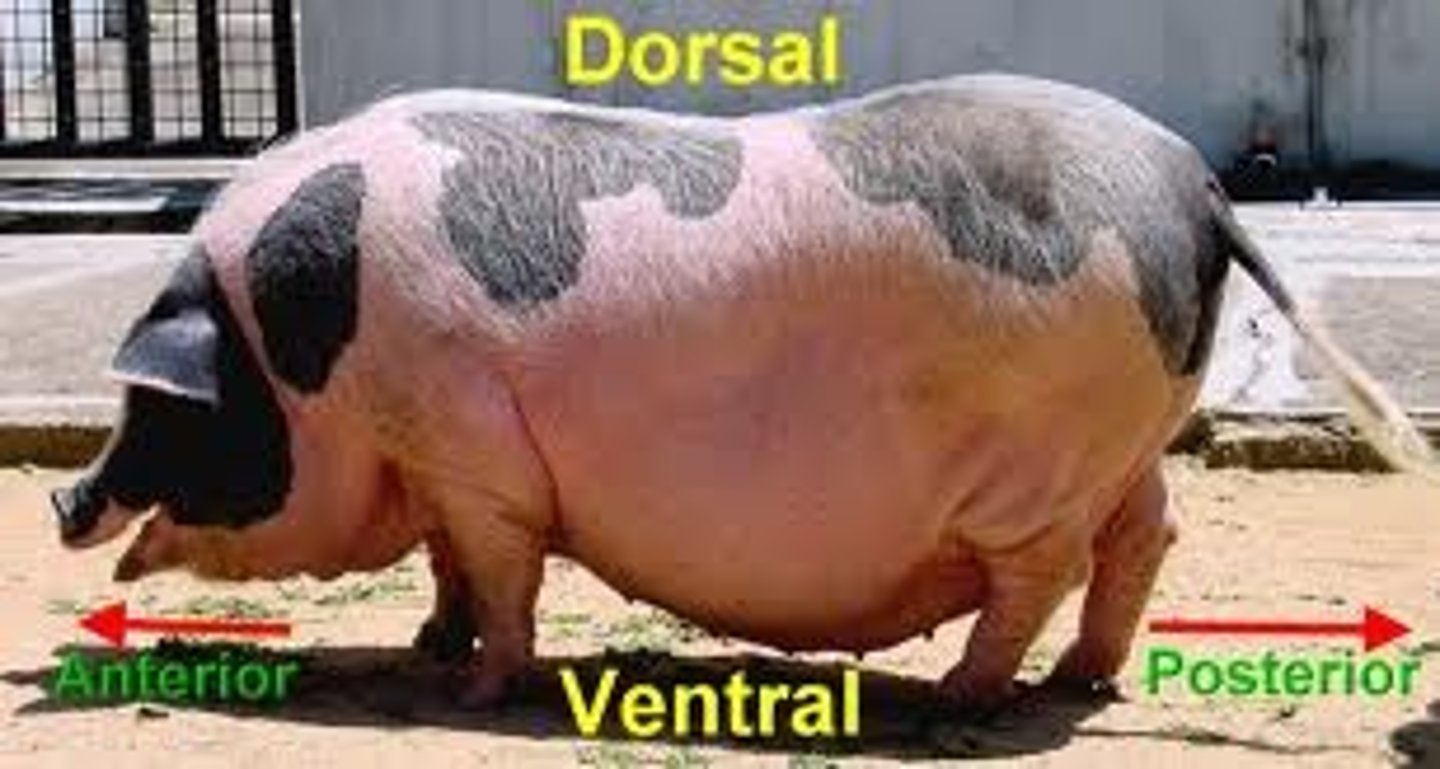
Anterior (Ventral) vs Posterior (Dorsal)
Anterior is forward; posterior is toward the back
Head (front of body)
Frontal (forehead), orbital (eye), nasal (nose), oral (mouth), otic (ear), buccal (cheek), mental (chin)
Neck (front of body)
Cervical
Trunk (front of body)
Thoracic (thorax), abdomen, pelvis
Thoracic (thorax; front of body)
Pectoral (chest), sternal (breastbone), mammary (breast)
Abdomen (front of body)
Abdominal (abdomen), umbilical (navel)
Pelvis (front of body)
Pelvic (pelvis), inguinal (groin), pubic (genital)
Upper Limb (front of body)
Clavicular (collarbone), axillary (armpit), brachial (arm), antecubital (front of elbow), antebrachial (forearm), carpal (wrist), manual (hand) [palmar (palm), digital (fingers)]
Lower Limb (front of body)
Coxal (hip), femoral (thigh), patellar (kneecap), crural (leg), pedal (foot) [talus (ankle), dorsum (tap of foot), digital (toes)]
Cranial (Skull; back of body)
Occipital (base of skull), nuchal (back of neck)
Trunk (back of body)
Dorsal (back), sacral (between hips), gluteal (buttock), perineal (perineum)
Dorsal (back; back of body)
Scapular (shoulder blade), vertebral (spinal column), lumbar (loin)
Upper Limb (back of body)
Acromial (point of shoulder), olecranon (point of elbow), dorsum (back of hand)
Lower Limb (back of body)
Popliteal (hollow behind knee), sural (calf), plantar (sole), calcaneal (heal)
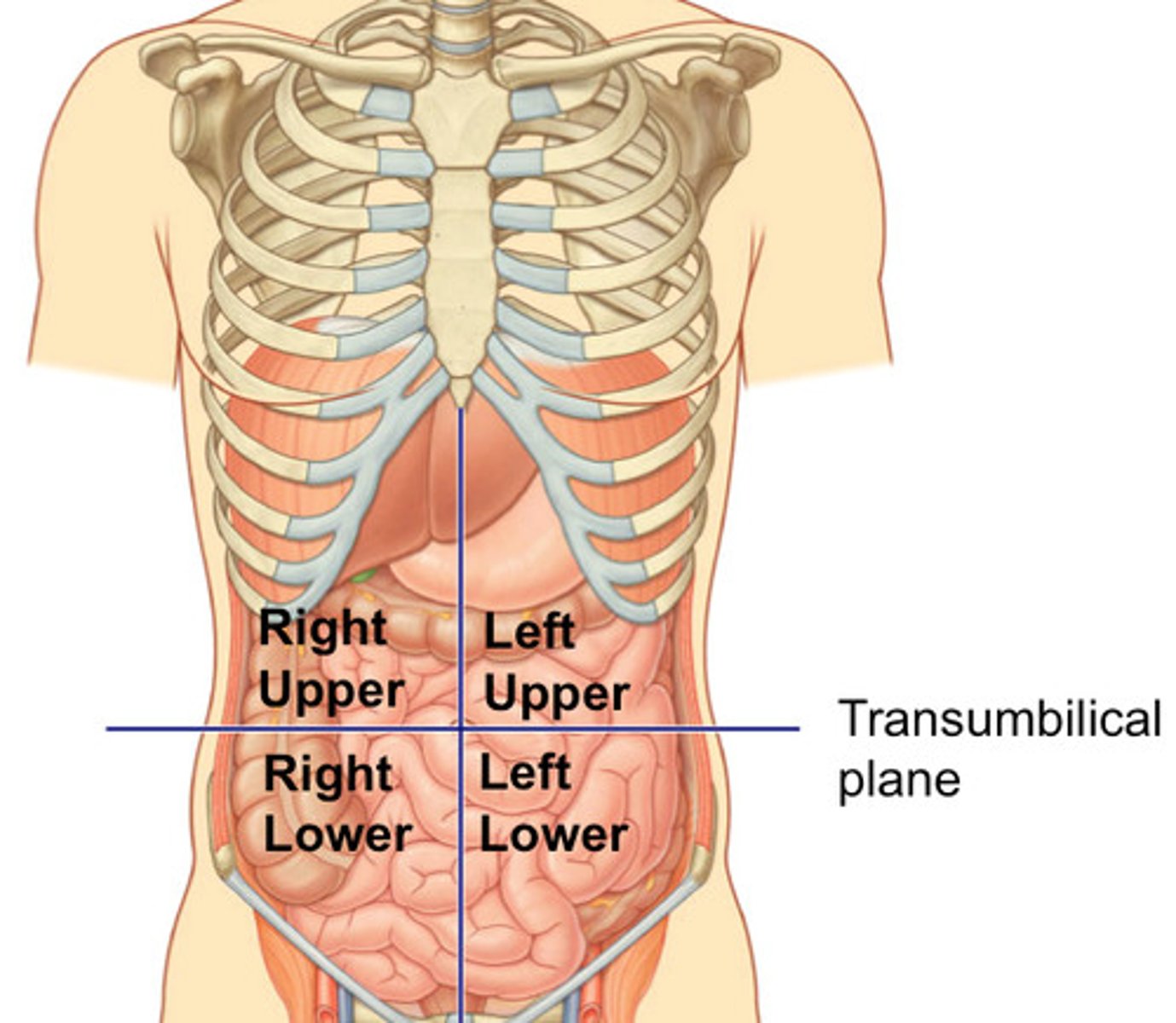
Quadrant Divisions of the Abdomen
See Diagram
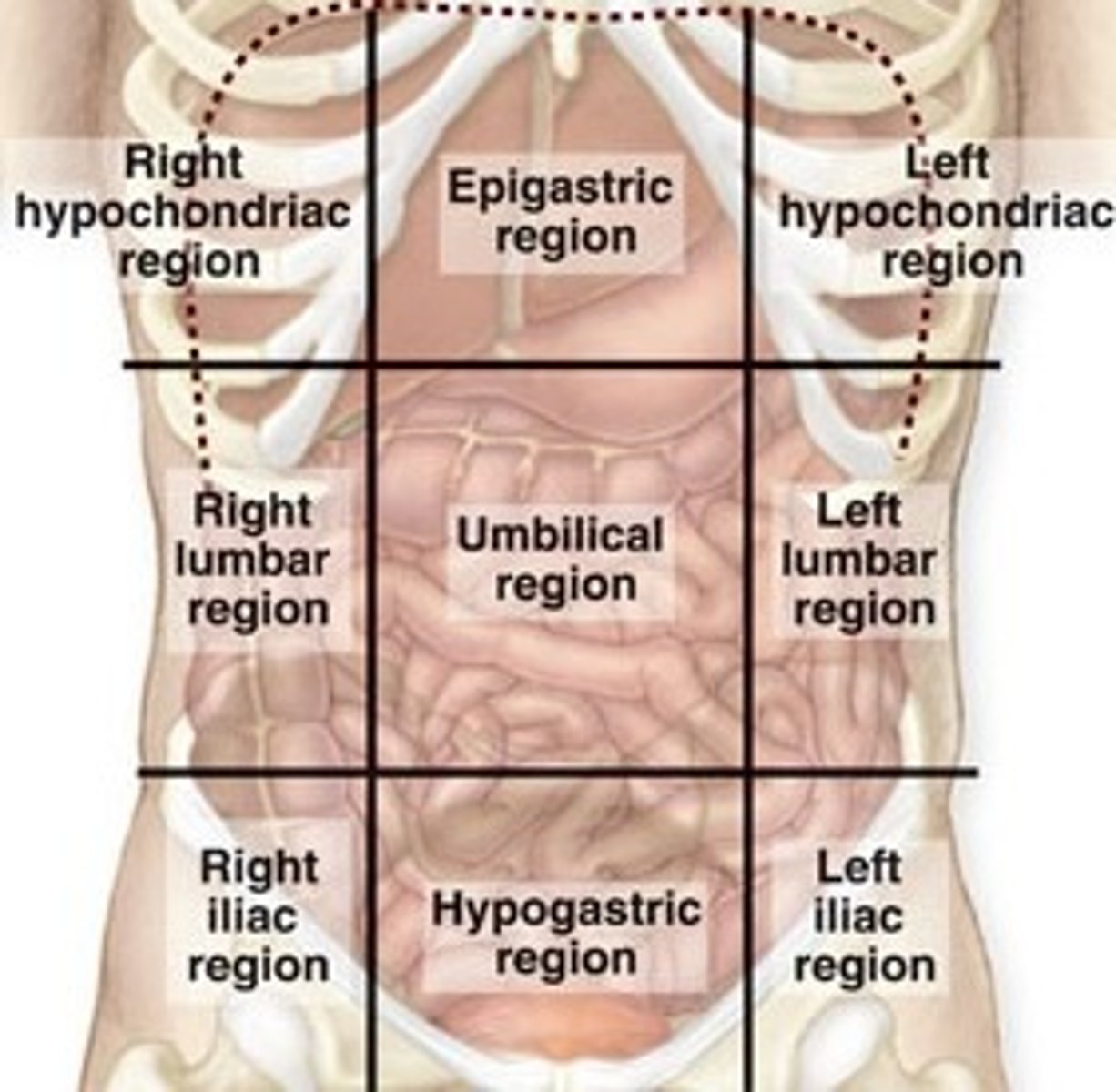
Regions of the Abdomen
See Diagram
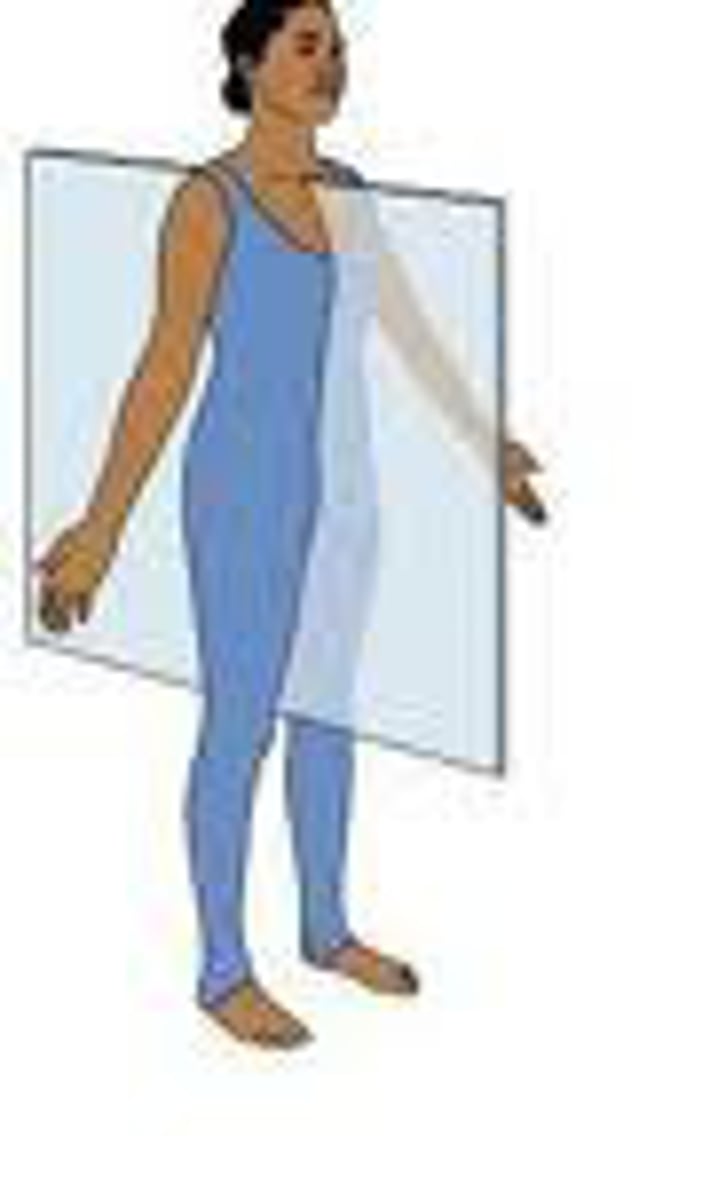
Sagittal Plane
Divides body into left and right positions
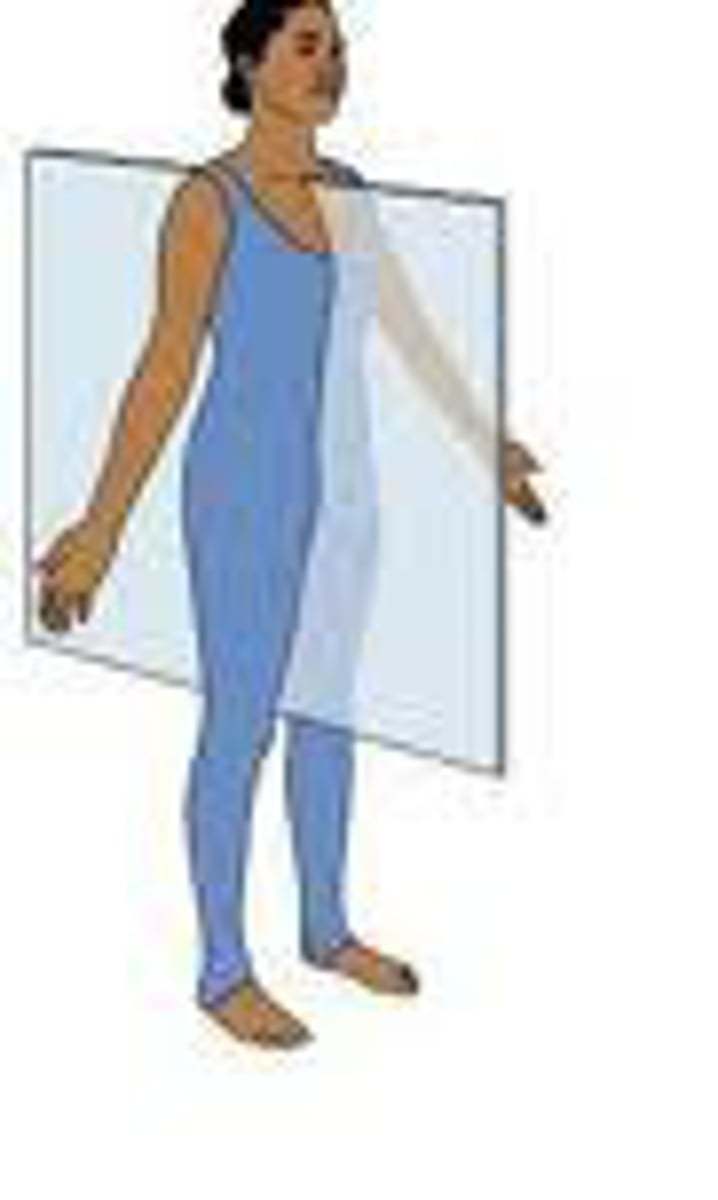
Median Plane
A sagittal plane down the midline of the body
Frontal (Coronal) Plane
Divides body into anterior + posterior sections
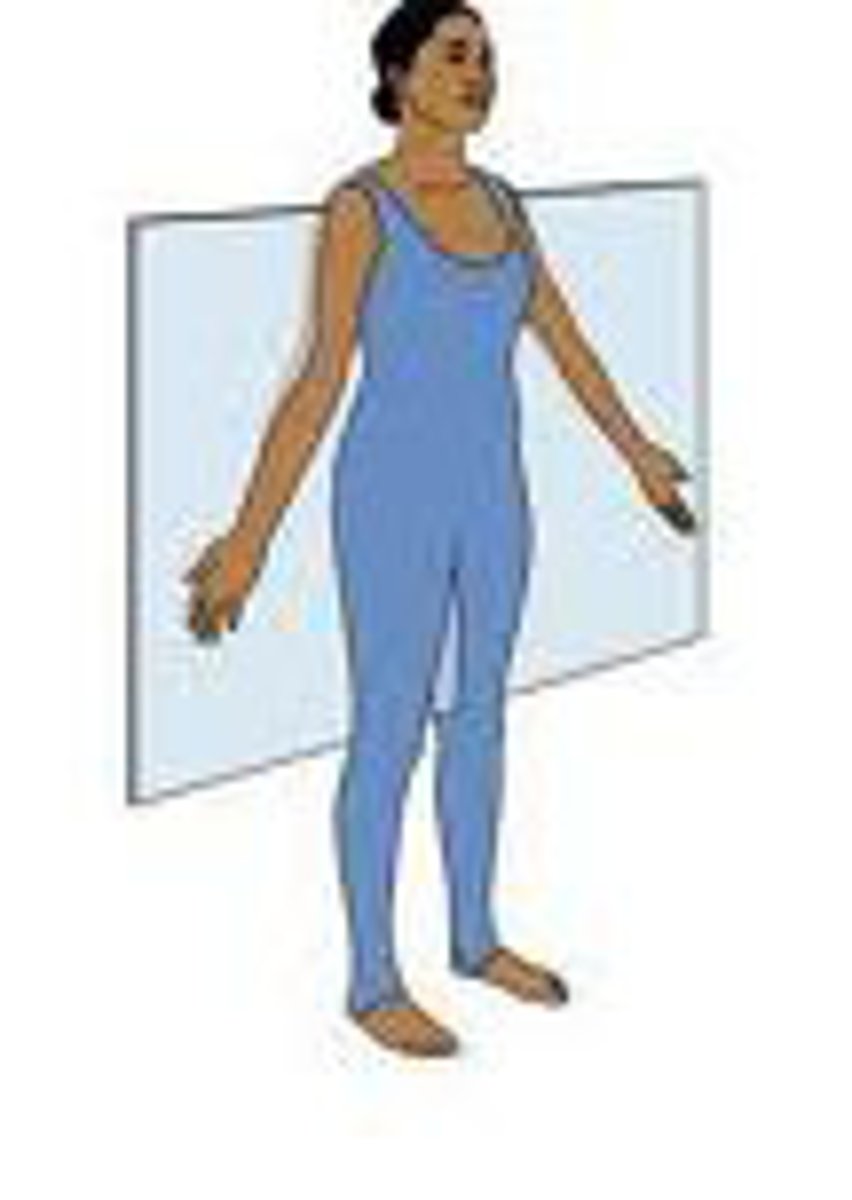
Transverse (horizontal) Plane
Divides the body into superior and inferior sections
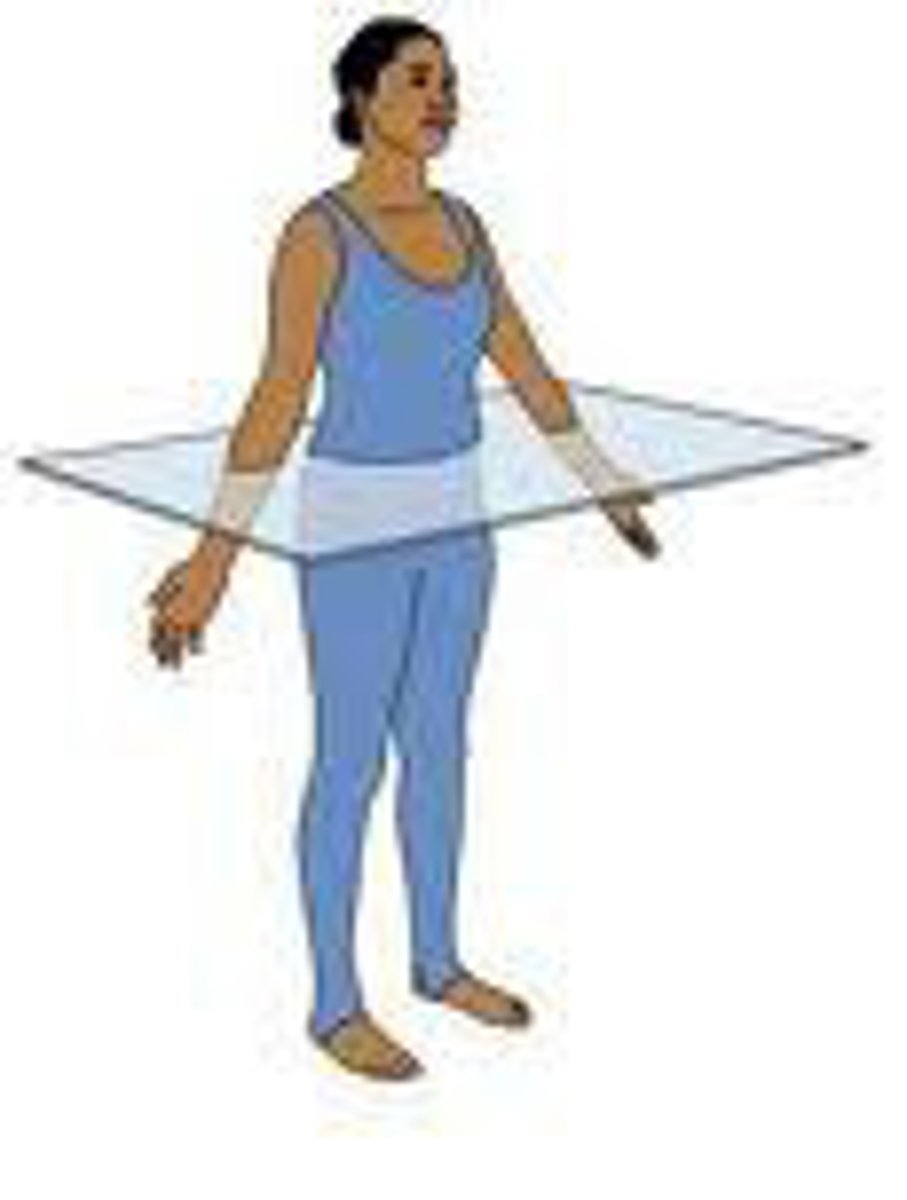
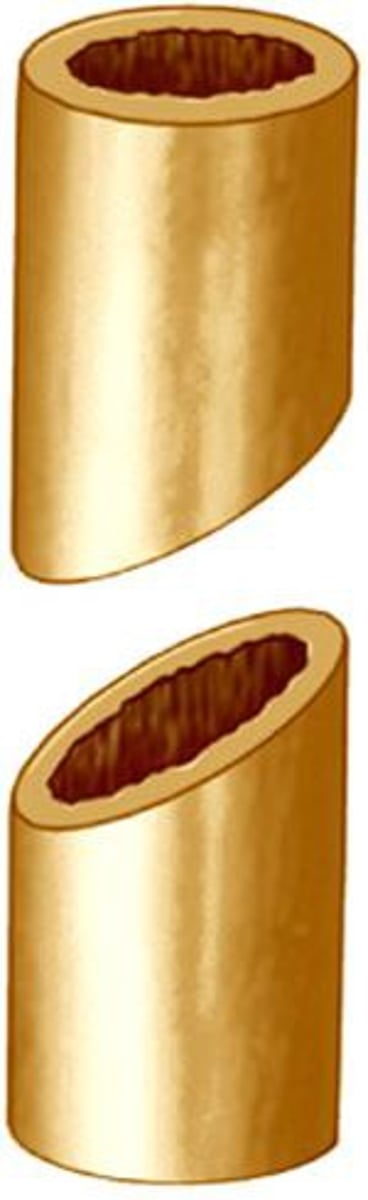
Oblique Plane
Other than a right angle
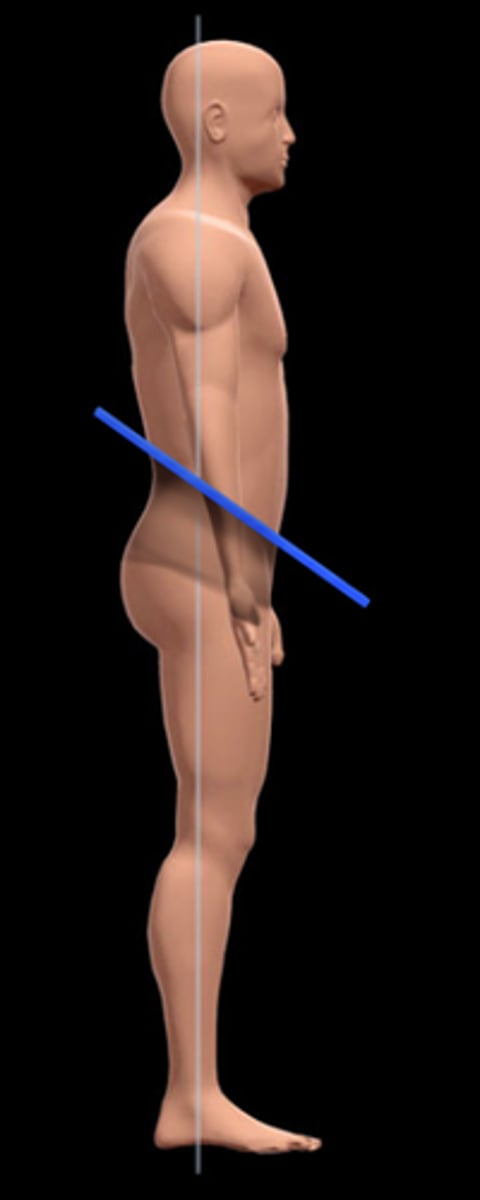
Longitudinal Plane
Cut along the length of an organ
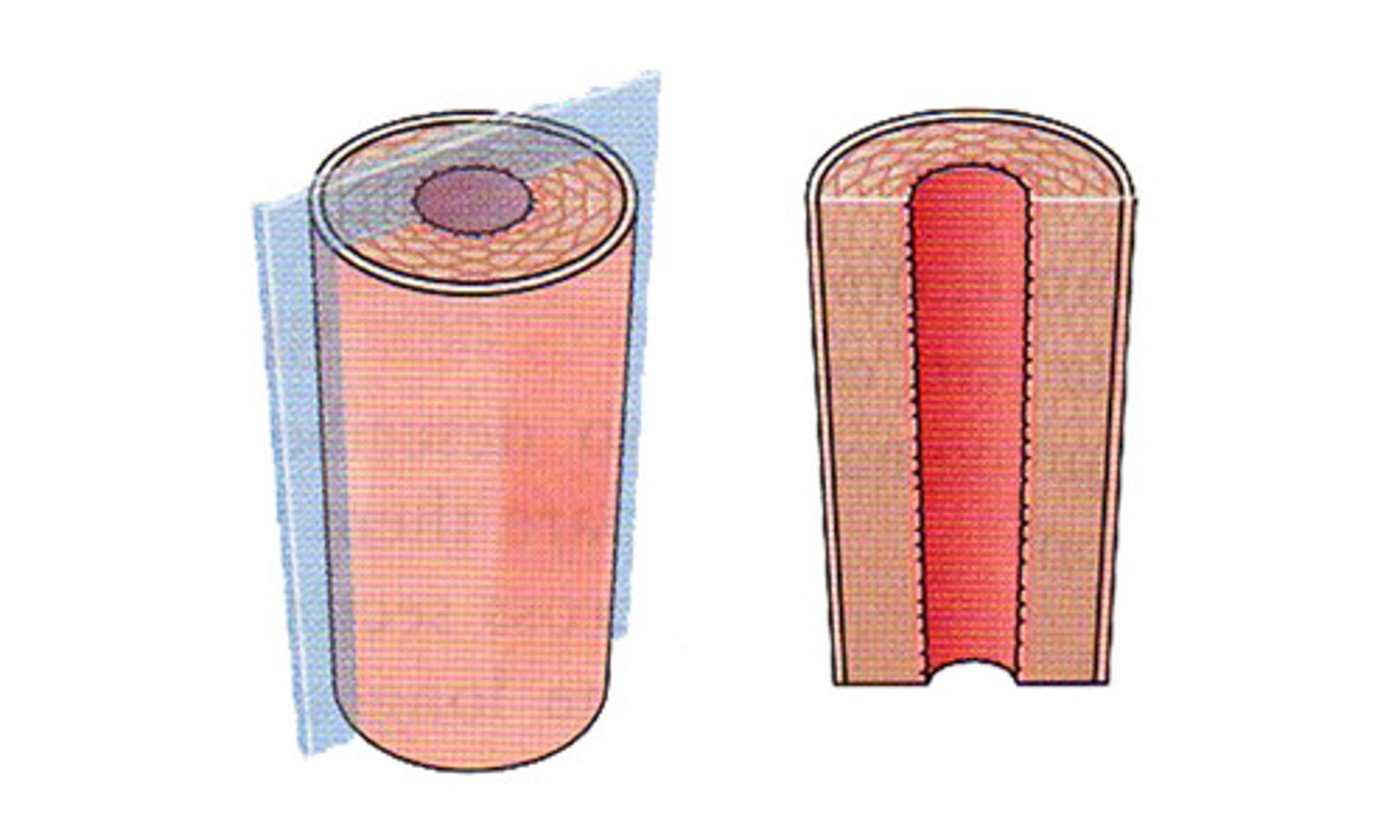
Transverse (Cross) Plane
Cut at right angle to the length of the organ
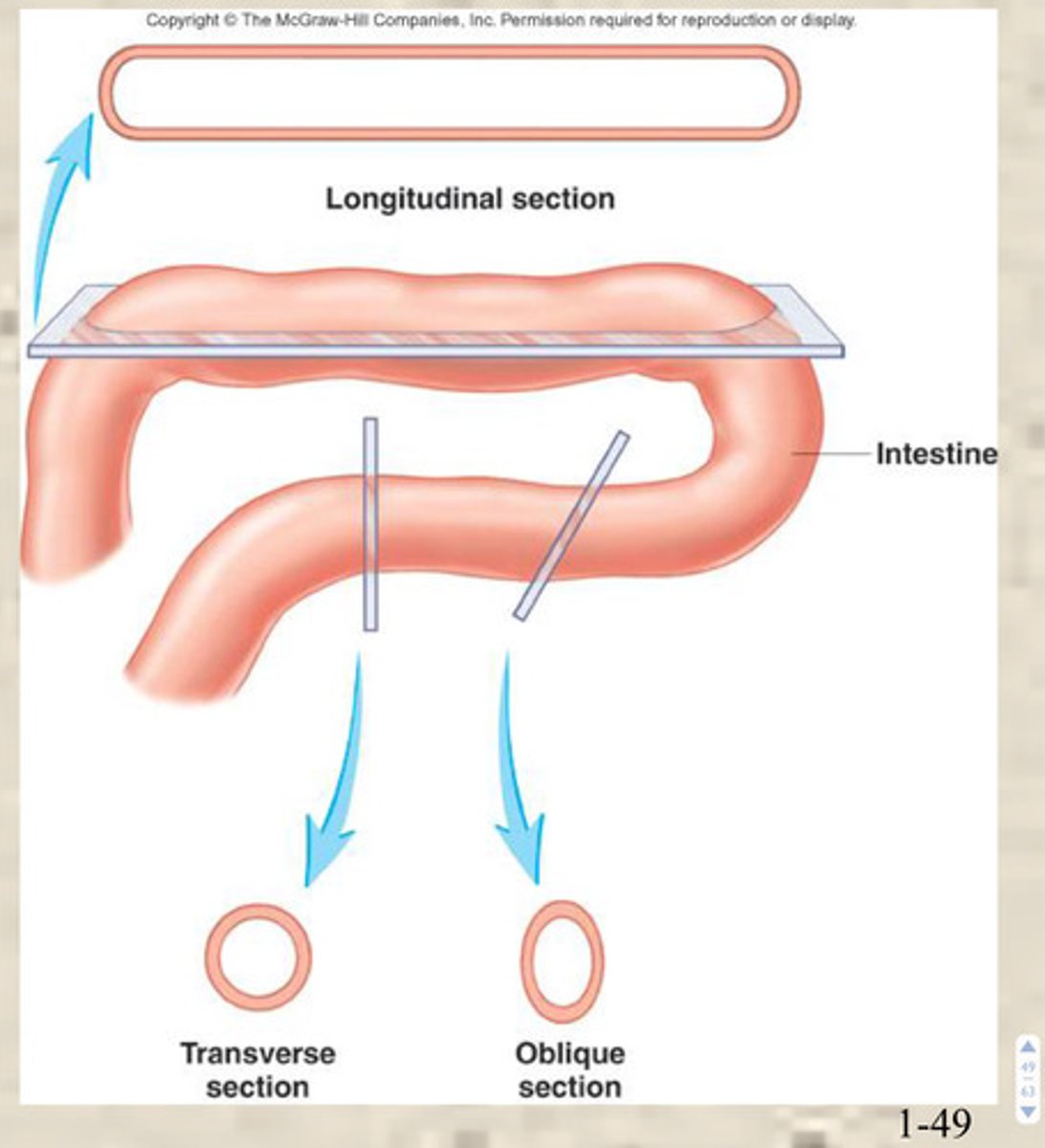
Oblique Cut
Cut at any angle but a right angle
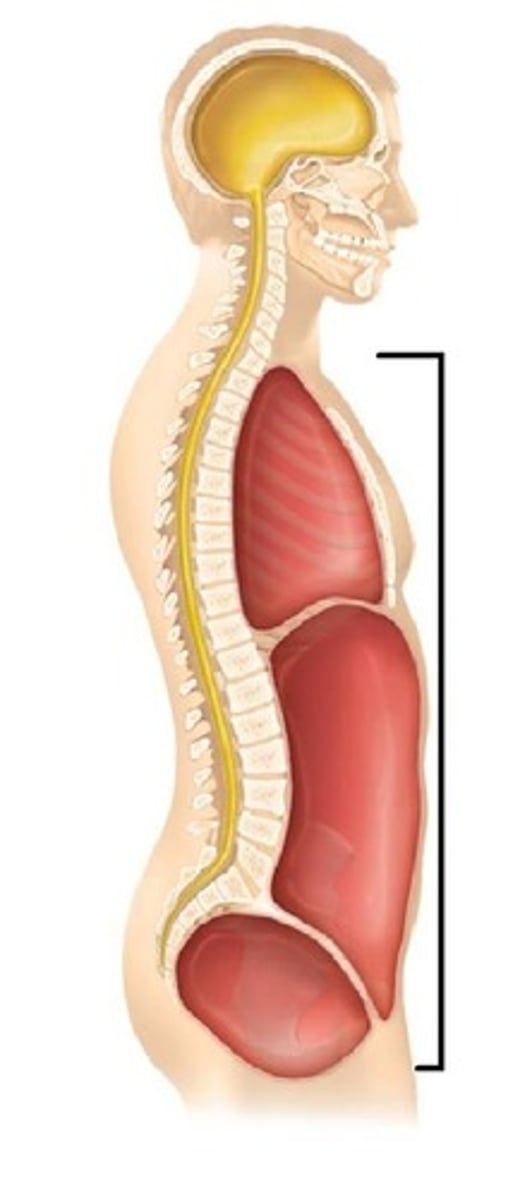
Dorsal Body Cavity
Contains cranial cavity (brain) and vertebral cavity (spinal cord)
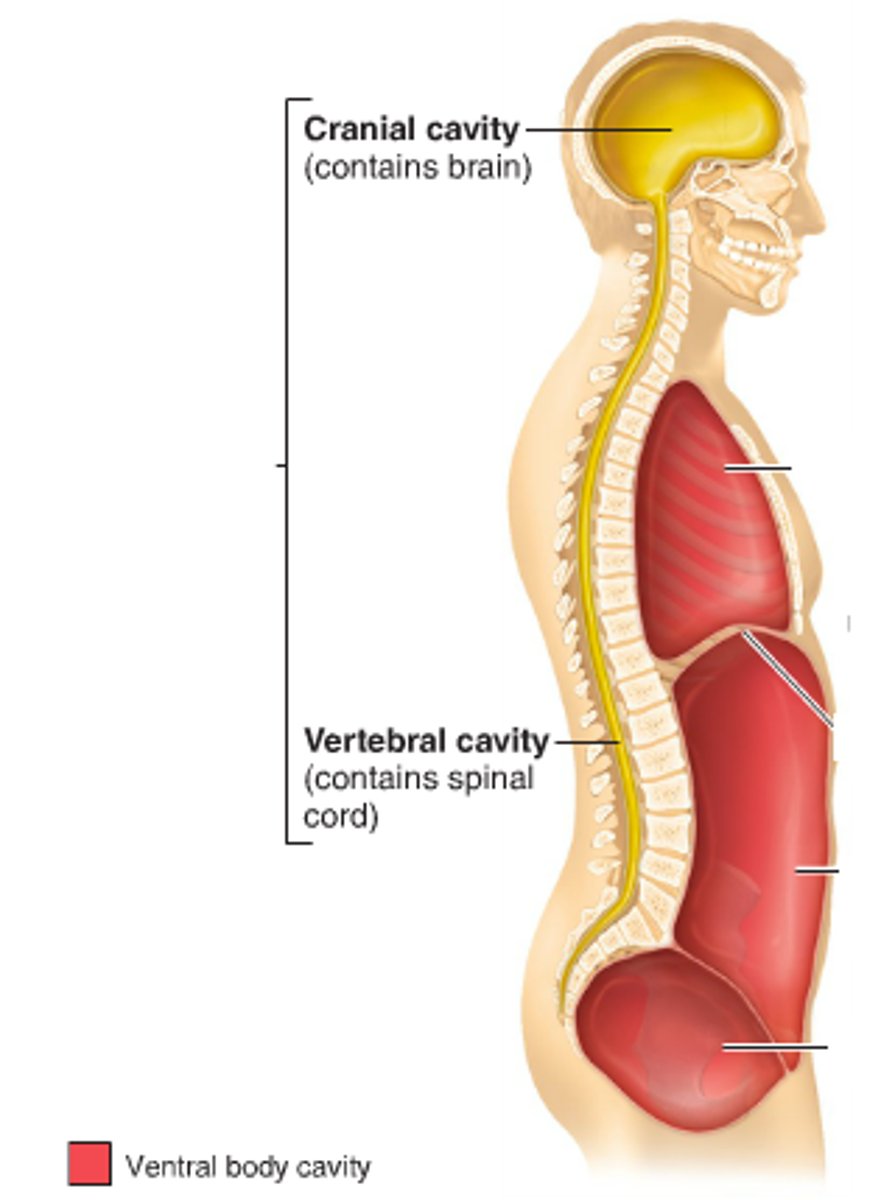
Ventral Body Cavity
Contains thoracic cavity and abdominopelvic cavity