Ichem VSEPR Shapes
 Call Kai
 Learn
Learn Practice Test
 Spaced Repetition
 Match
Match Flashcards
 Knowt Play
1/14

There's no tags or description
Looks like no tags are added yet.
Name | Mastery | Learn | Test | Matching | Spaced | Call with Kai | Chat |
|---|
No analytics yet
Send a link to your students to track their progress
15 Terms
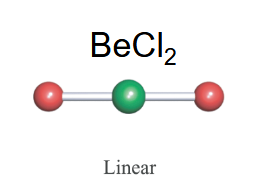
Linear
-2 bonds
-typically no lone pairs on the central electron
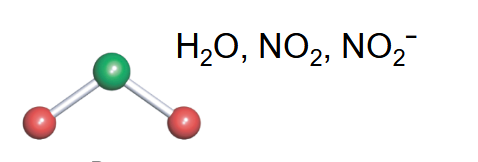
bent
-2 bonds
-lone pairs that push subsituent groups away
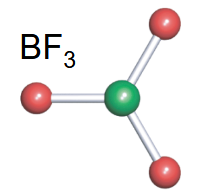
Trigonal planar
-3 bonds
-typically no lone pairs
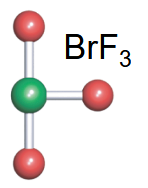
T-shaped
-3 bonds
-2 lone pairs
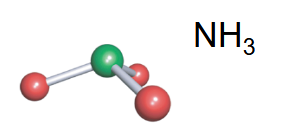
Trigonal pyramidal
-3 bonds
-1 lone pair
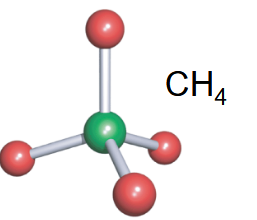
Tetrahedral
-4 bonds
-no lone pairs
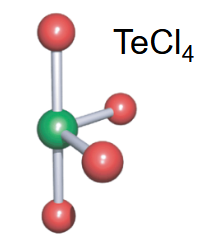
Disphenoidal
-4 bonds
-1 lone pair
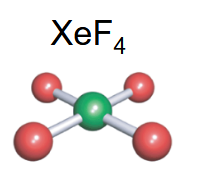
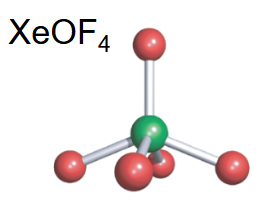
Square planar
-4 bonds
-2 lone pairs
Trigonal bipyramidal
-5 bonds
-no lone pairs
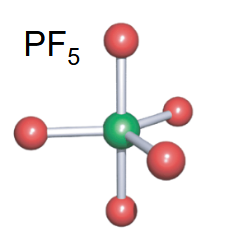
Square-Based pyramidal
-5 bonds
-1 lone pair
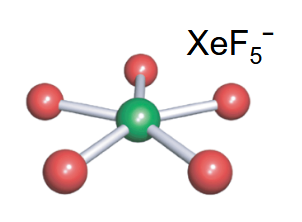
Pentagonal planar
-5 bonds
-2 lone pairs
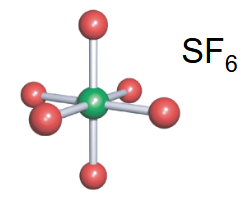
octahedral
-6 bonds
Pentagonal bipyramidal
-7 bonds
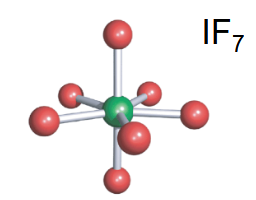
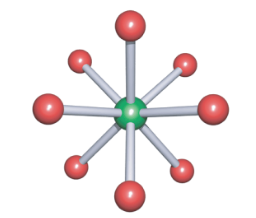
Square antiprismatic
-8 bonds
-(hardly any)
Angle rules
-bigger elements will increase angle
-but if they are further, angle decreases
-higher electronegativity, bigger orbital (lowers angle)
-if electronegativity density stays the same in the orbital, then, the angle gets bigger