US History Regents Exam Review with pictures (36)
 Call Kai
 Learn
Learn Practice Test
 Spaced Repetition
 Match
Match Flashcards
1/35

There's no tags or description
Looks like no tags are added yet.
Name | Mastery | Learn | Test | Matching | Spaced | Call with Kai |
|---|
No analytics yet
Send a link to your students to track their progress
36 Terms
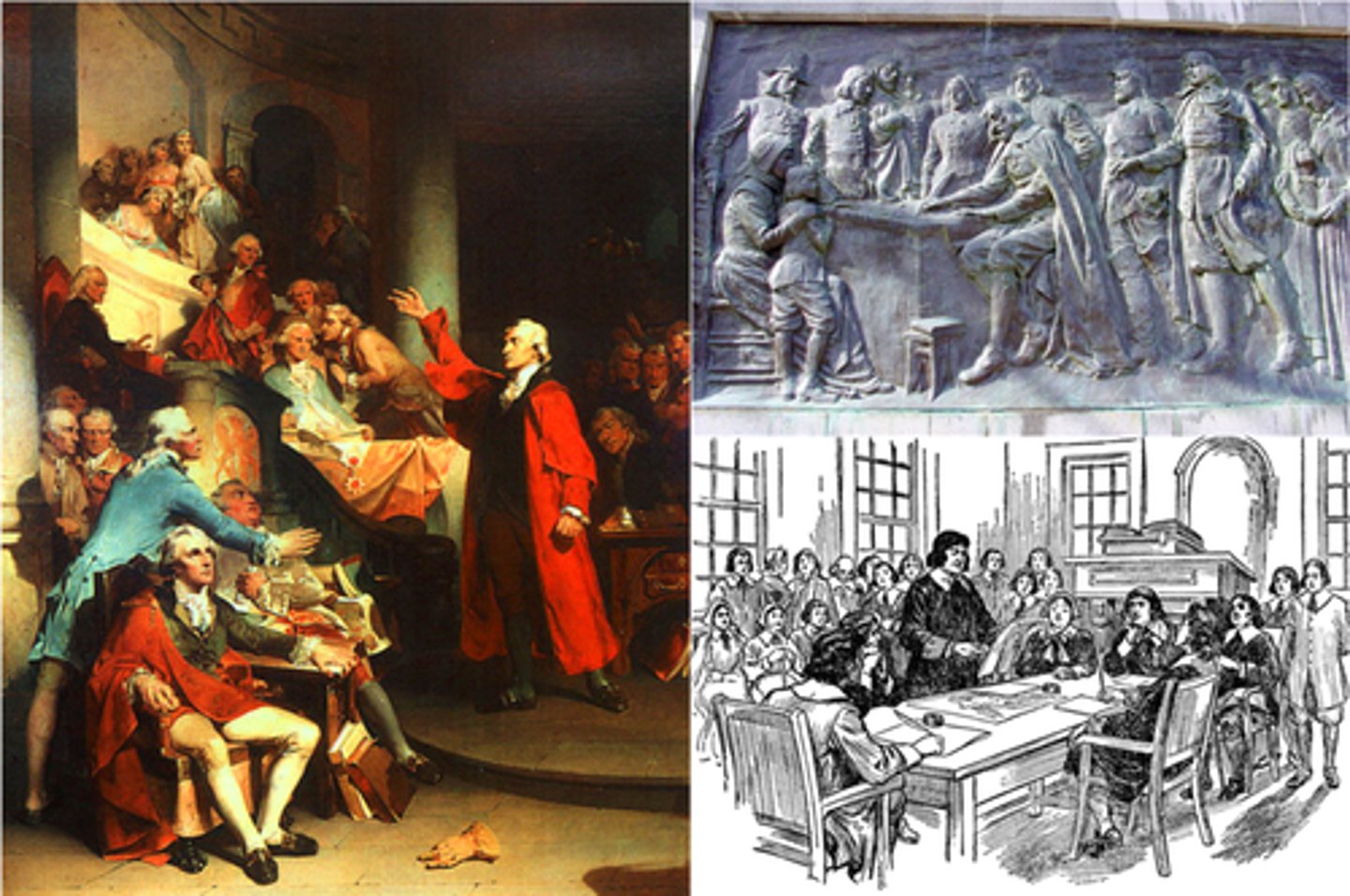
self-government or representative government
Mayflower Compact, Virginia House of Burgesses, and New England Town Hall Meetings
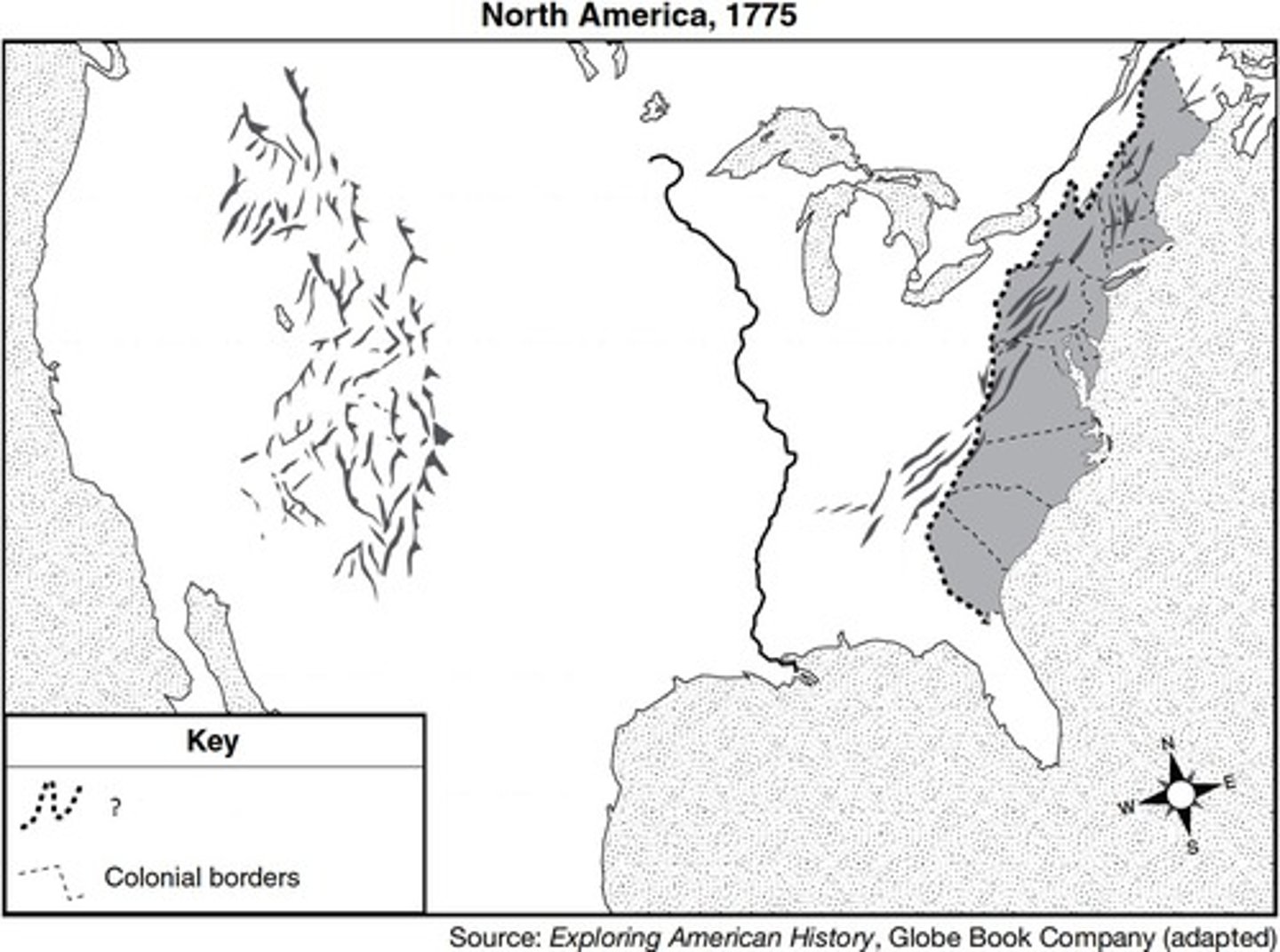
Proclamation Line of 1763
established the Appalachian Mountains as the western boundary of the British colonies that would become the USA
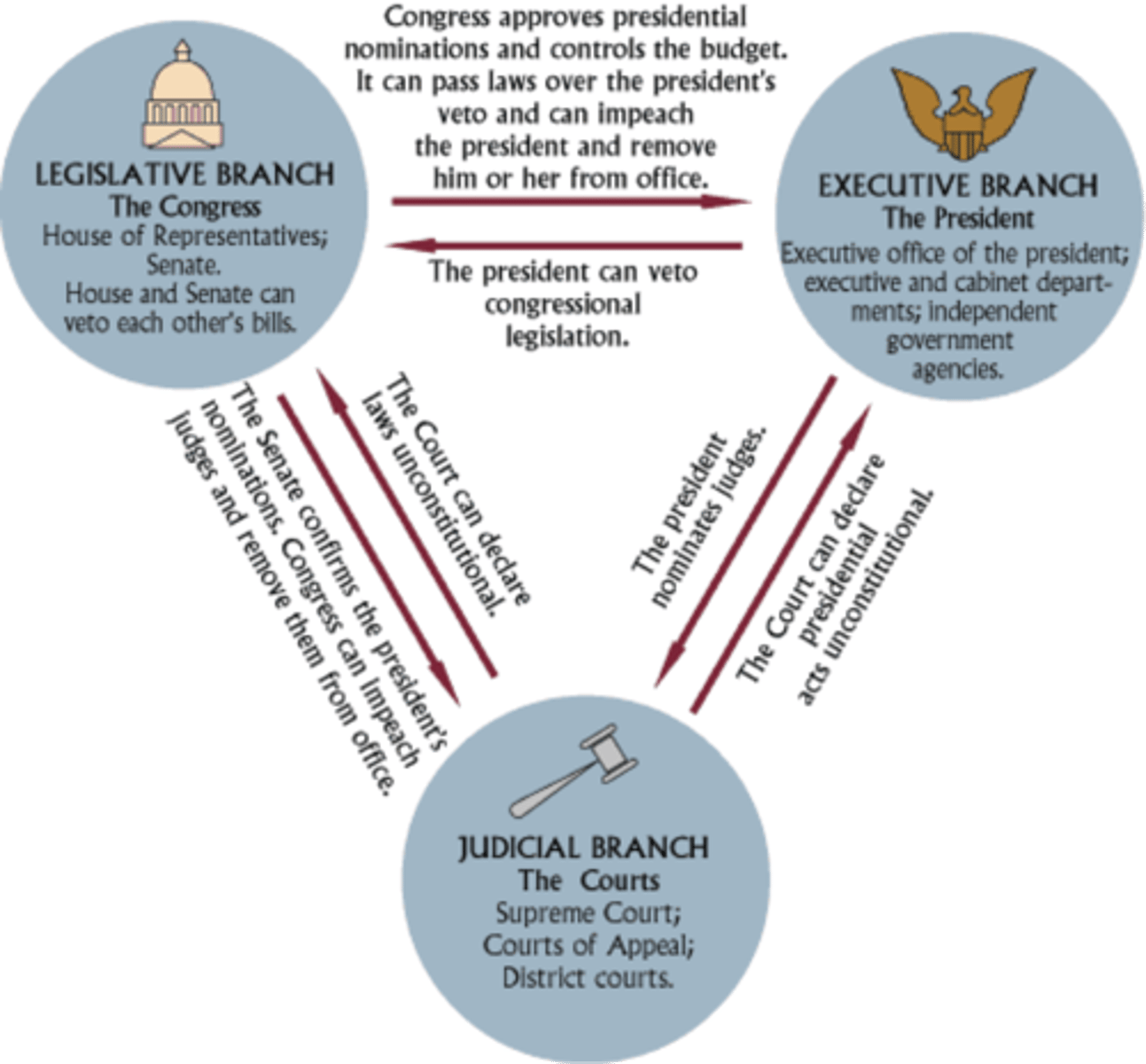
checks and balances
each branch of government has power over other branches; examples include veto, impeachment, judicial review
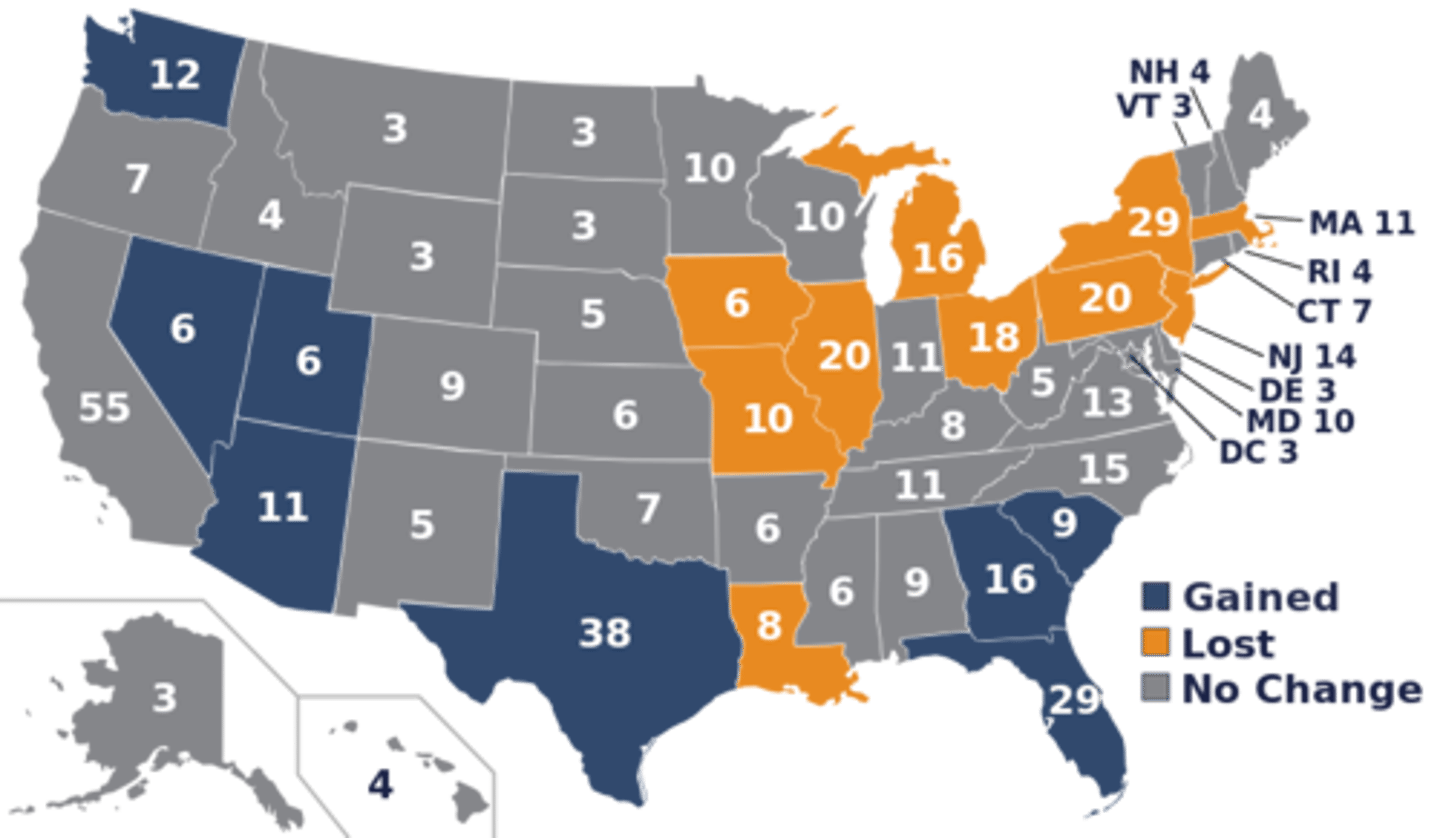
electoral college
presidential election decided by states; president can be elected without popular majority
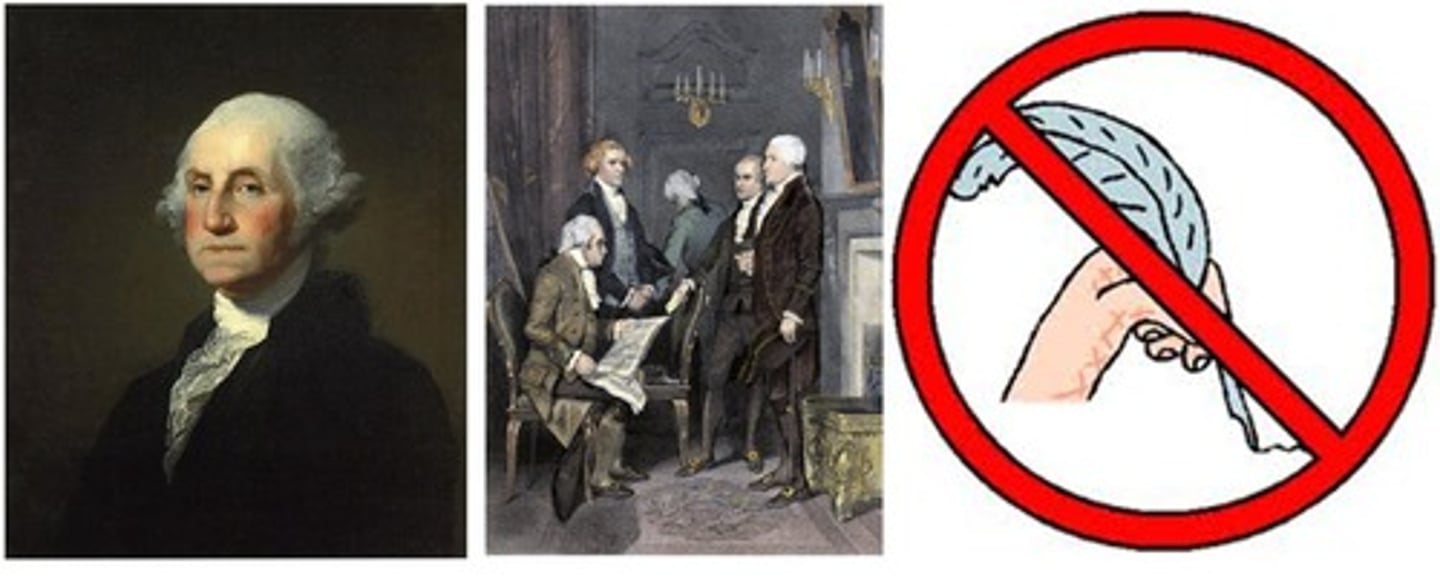
Cabinet
president's advisers; established by Washington; example of unwritten constitution
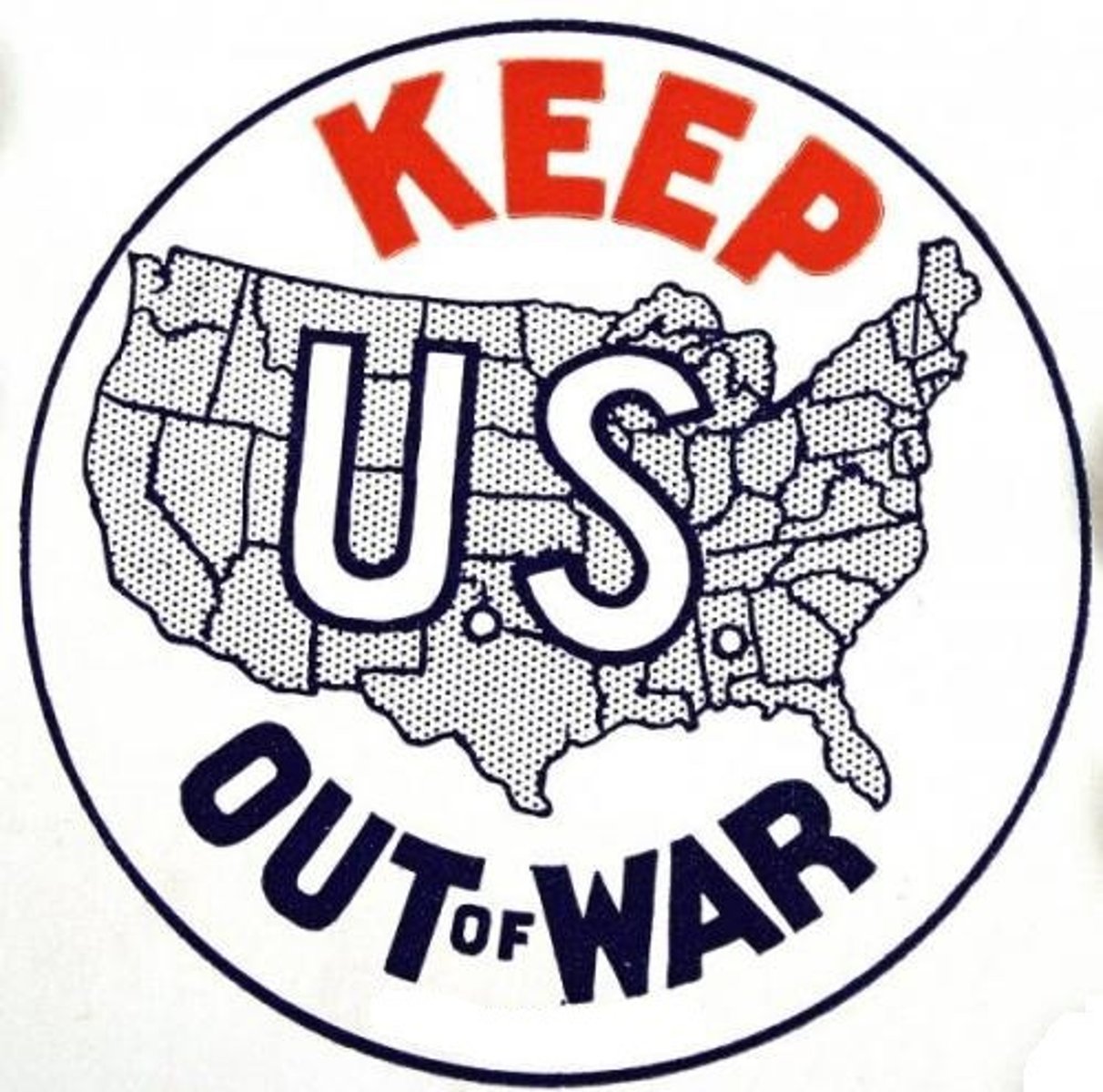
neutrality or isolationism
USA policy not to interfere with other nations (to avoid war);
started by George Washington (as stated in his Farewell Address)
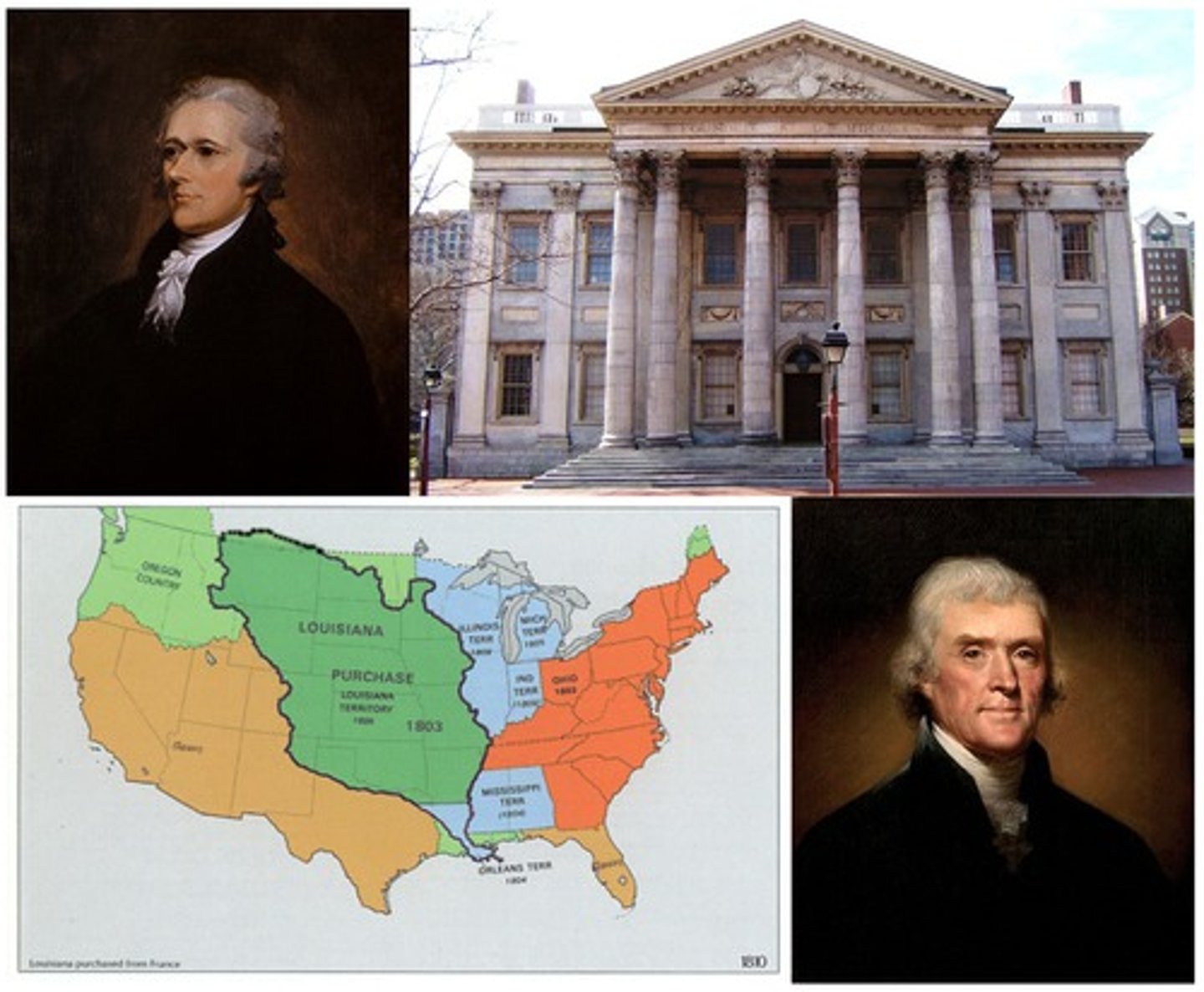
interpretation of Constitution
Jefferson wanted strict, Hamilton wanted loose; fought over national bank; Louisiana Purchase was example of loose
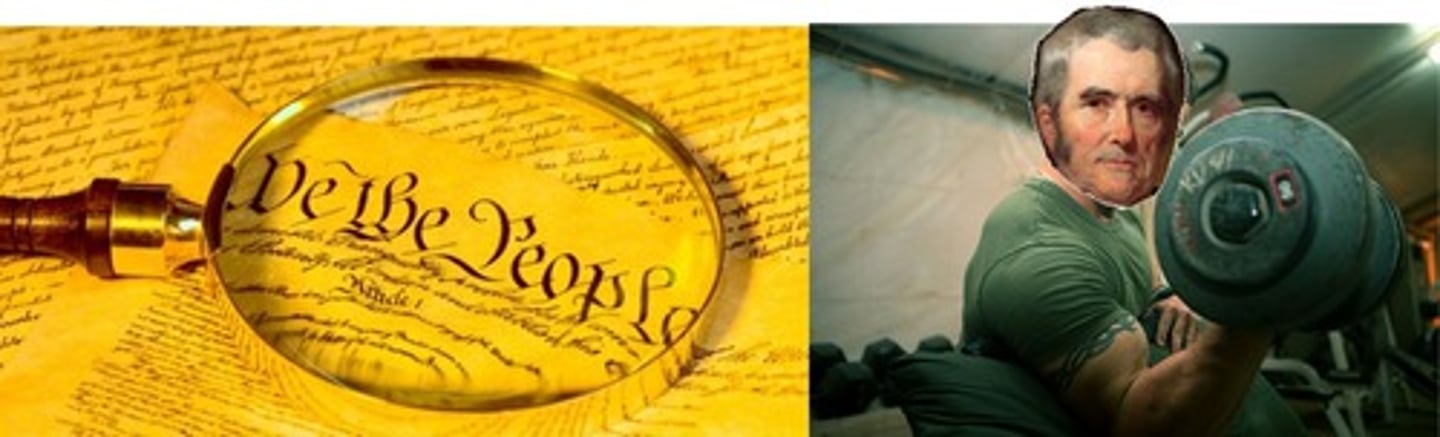
judicial review
Supreme Court's power to declare laws unconstitutional; established by Marshall Court in Marbury v. Madison (1803); increased federal power
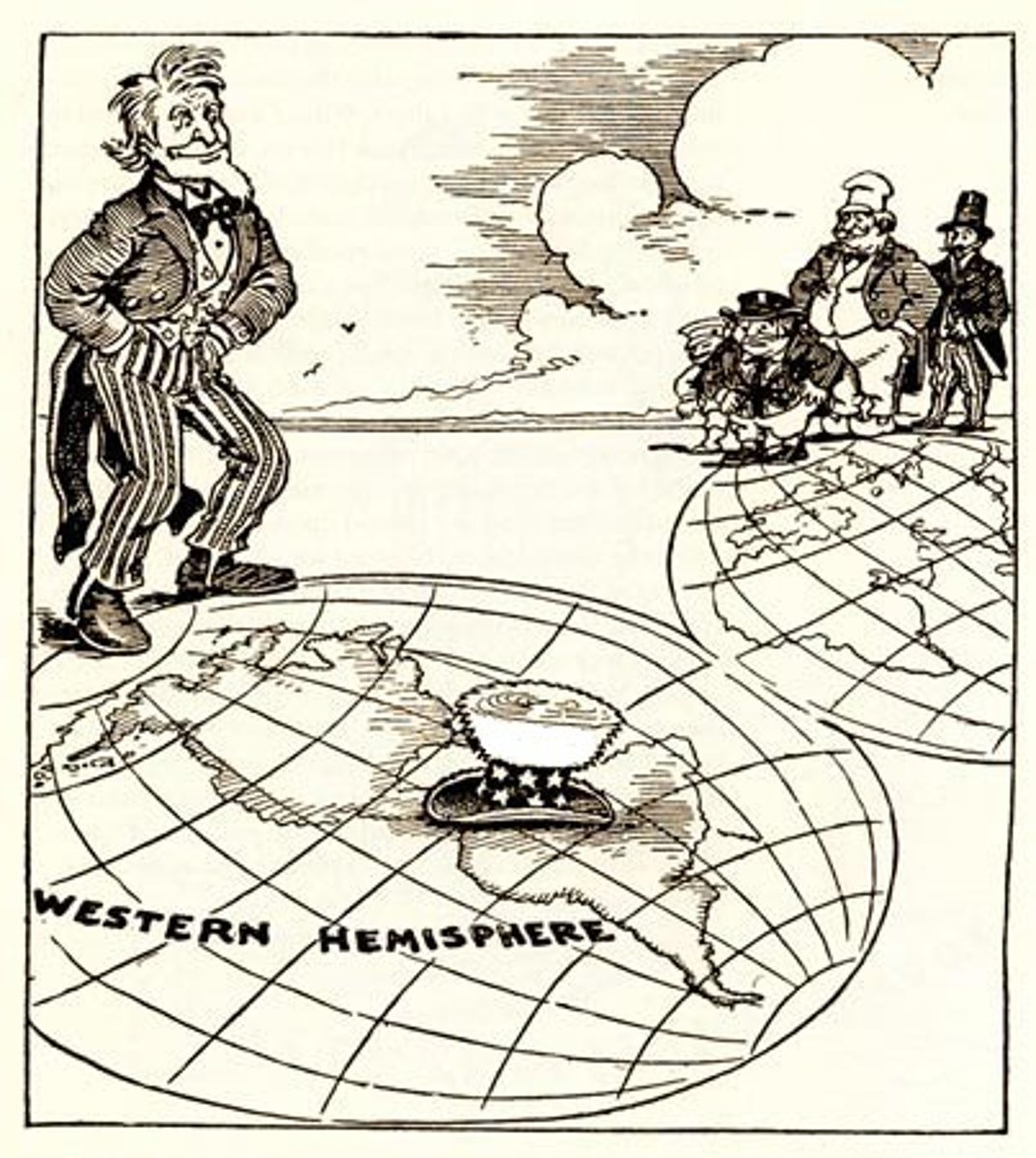
Monroe Doctrine
USA wanted to limit European influence and colonization in the Western Hemisphere (Americas)
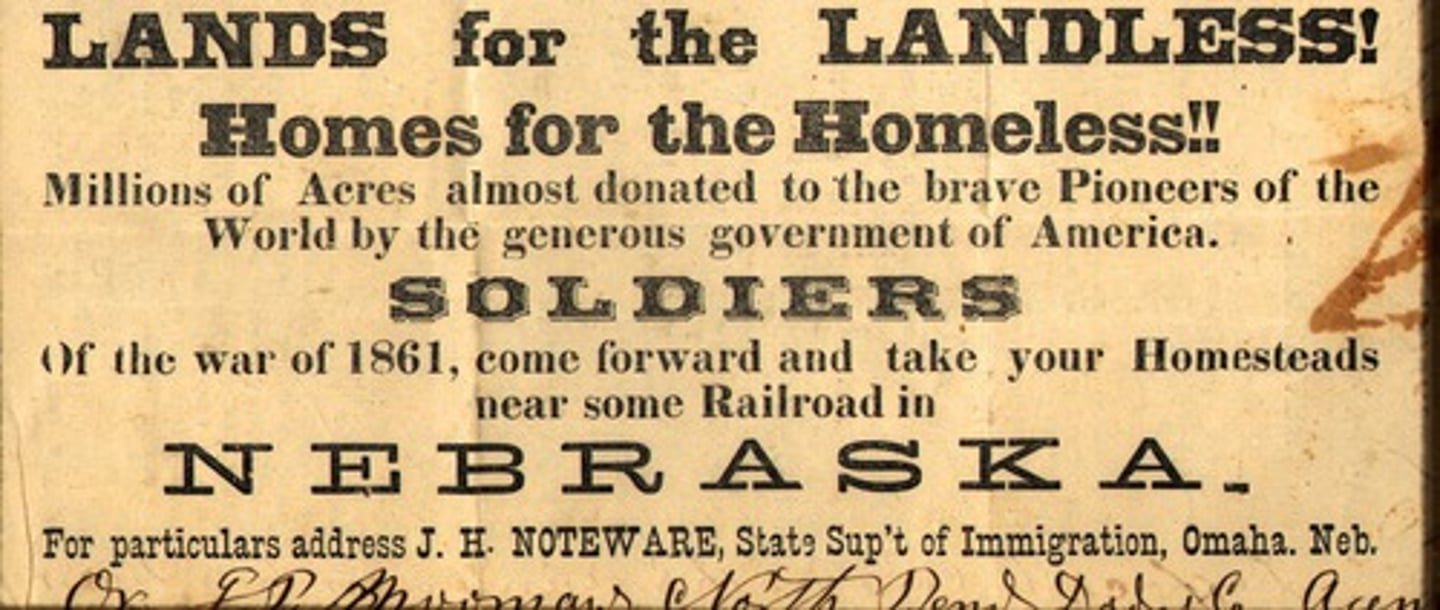
Homestead Act
government gave land to westward settlers (from the Great Plains to farther west)
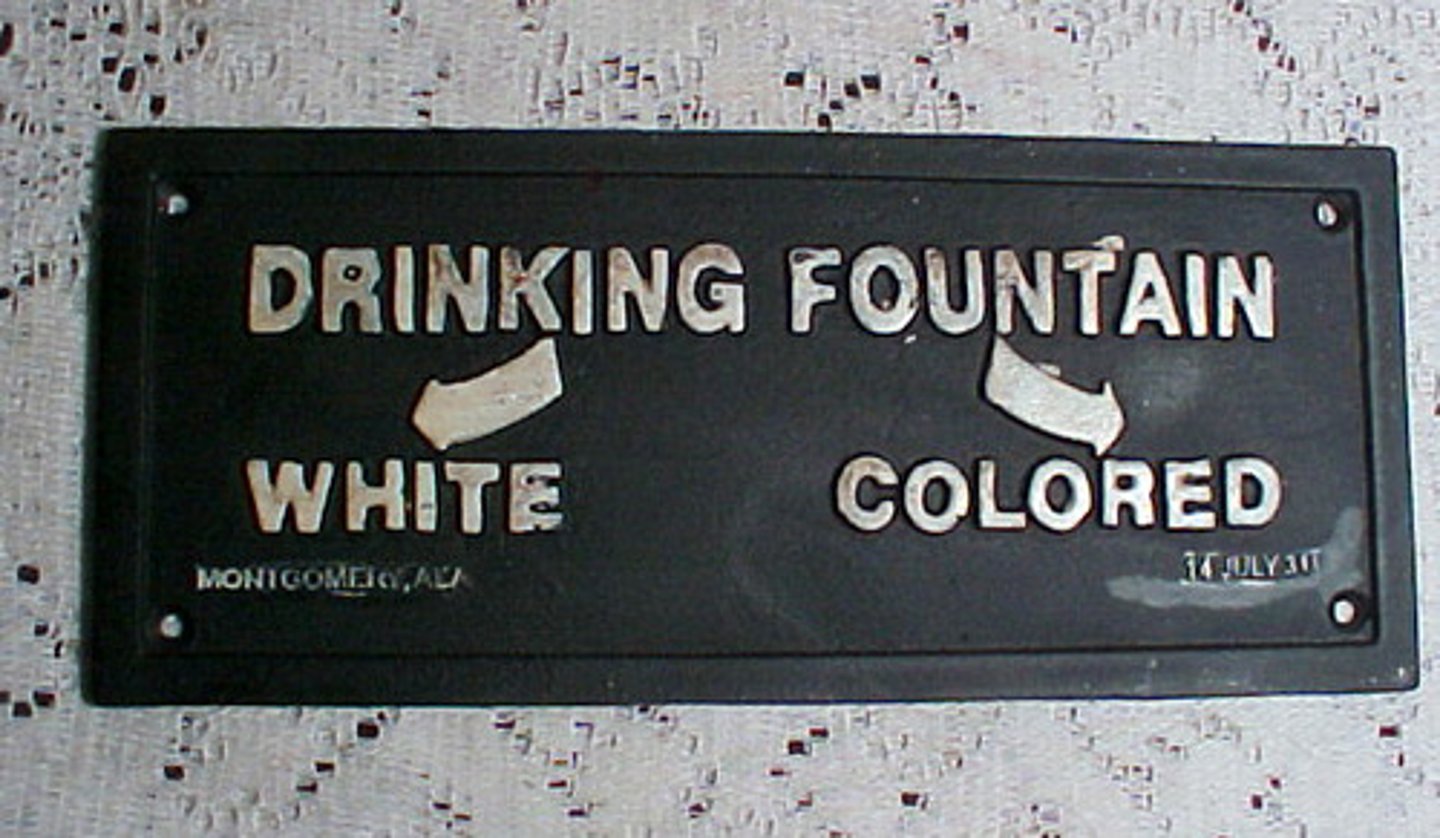
Plessy v. Ferguson
Supreme Court ruled segregation constitutional (legal); "separate but equal"; later overturned by Brown v. Board of Education
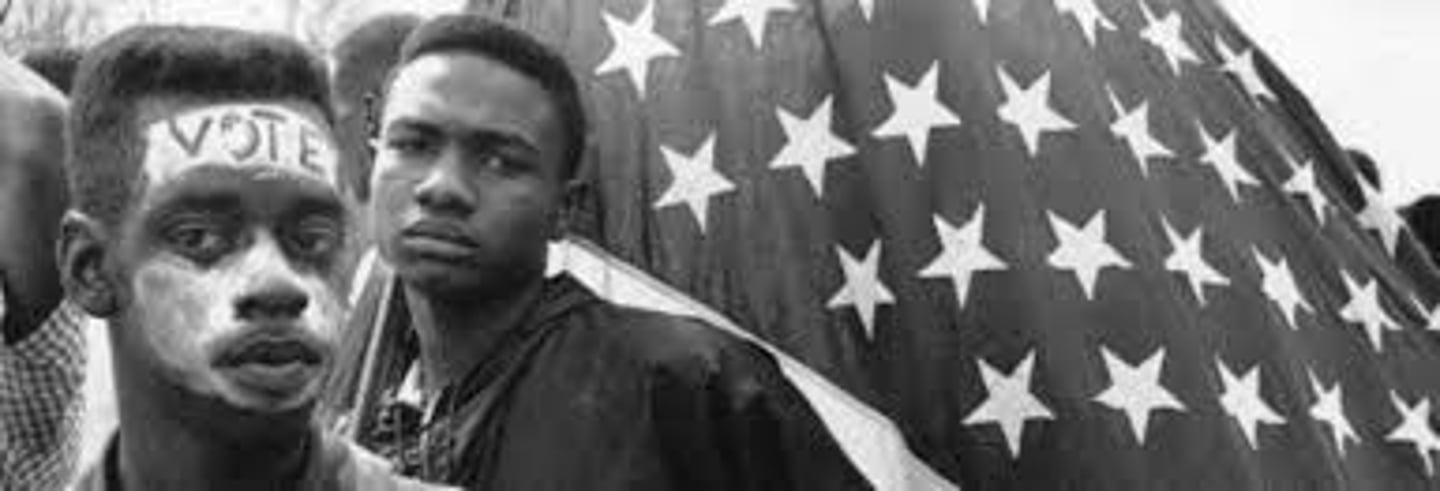
literacy tests and poll taxes
were used to prevent African Americans from voting
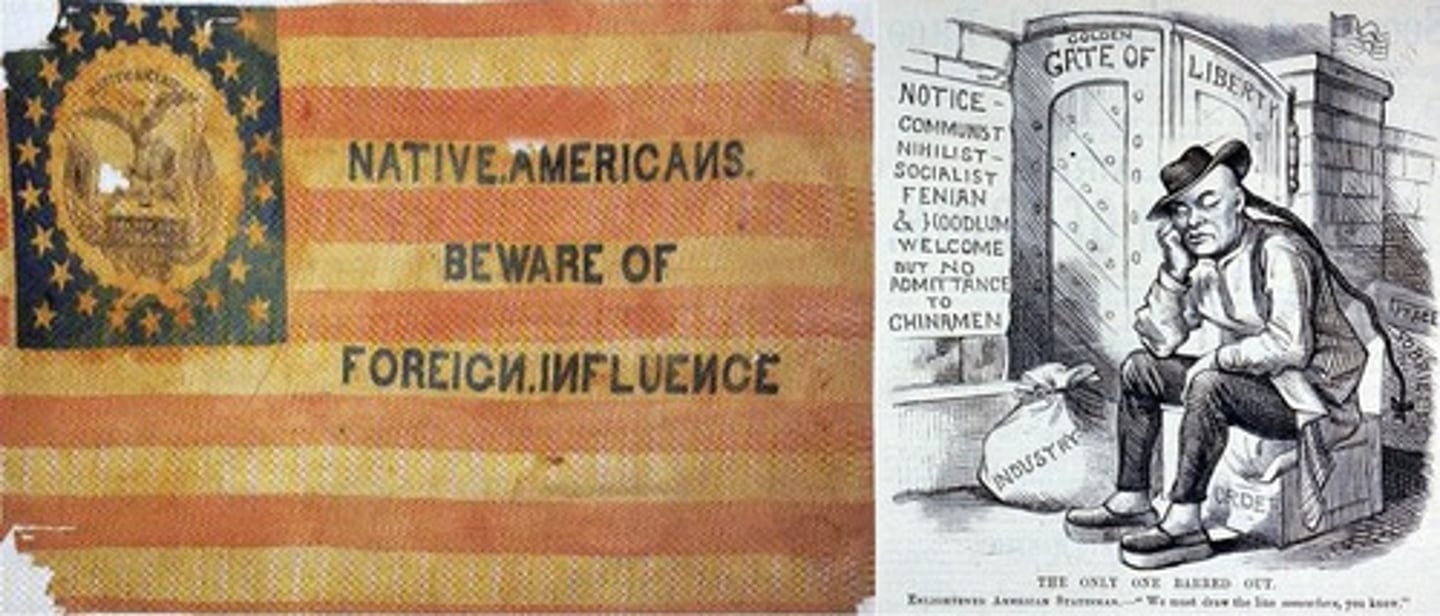
nativists
anti-immigration groups; Chinese Exclusion Act, Gentlemen's Agreement
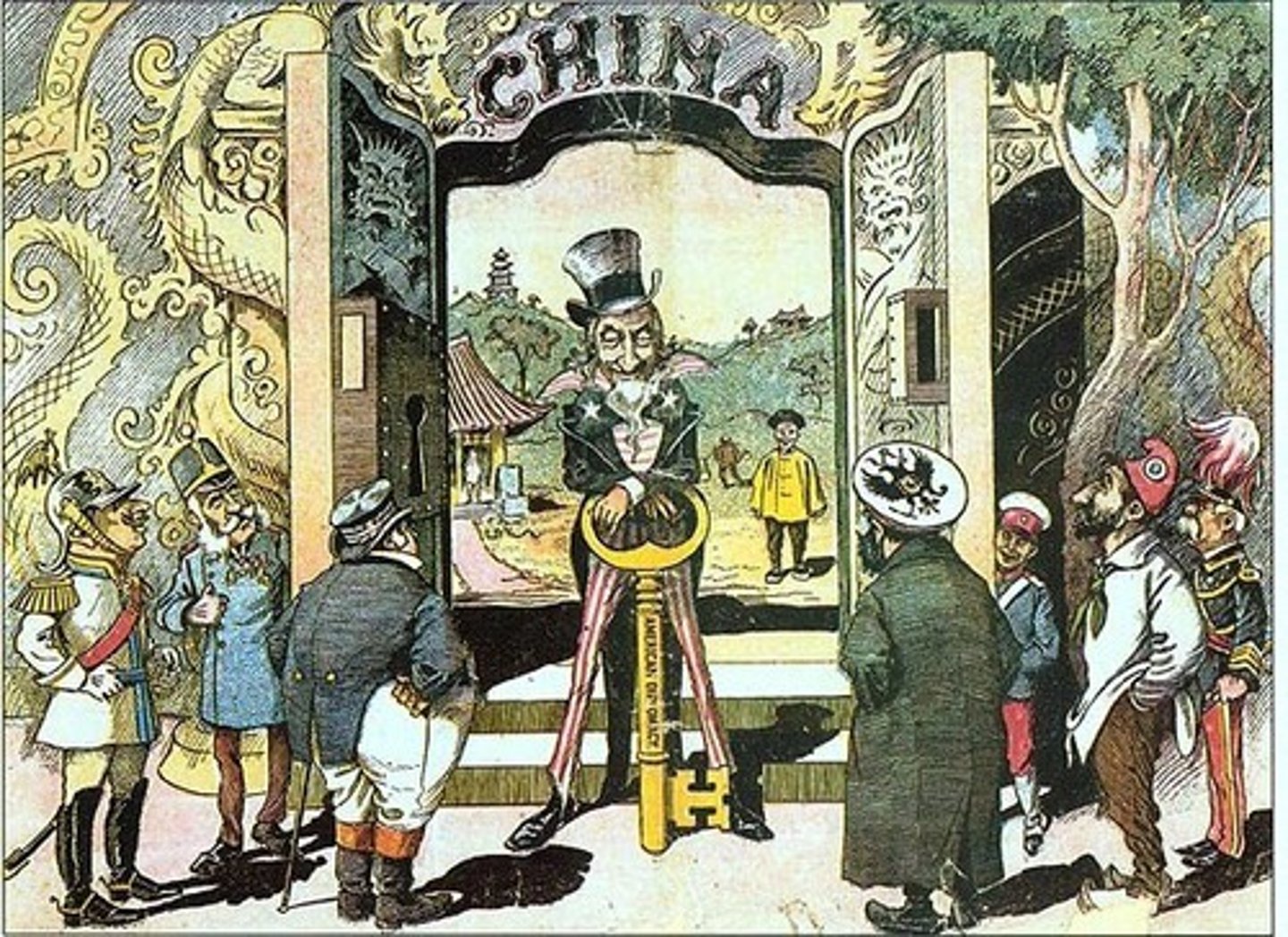
Open Door policy
USA wanted access to markets and trade opportunities with China
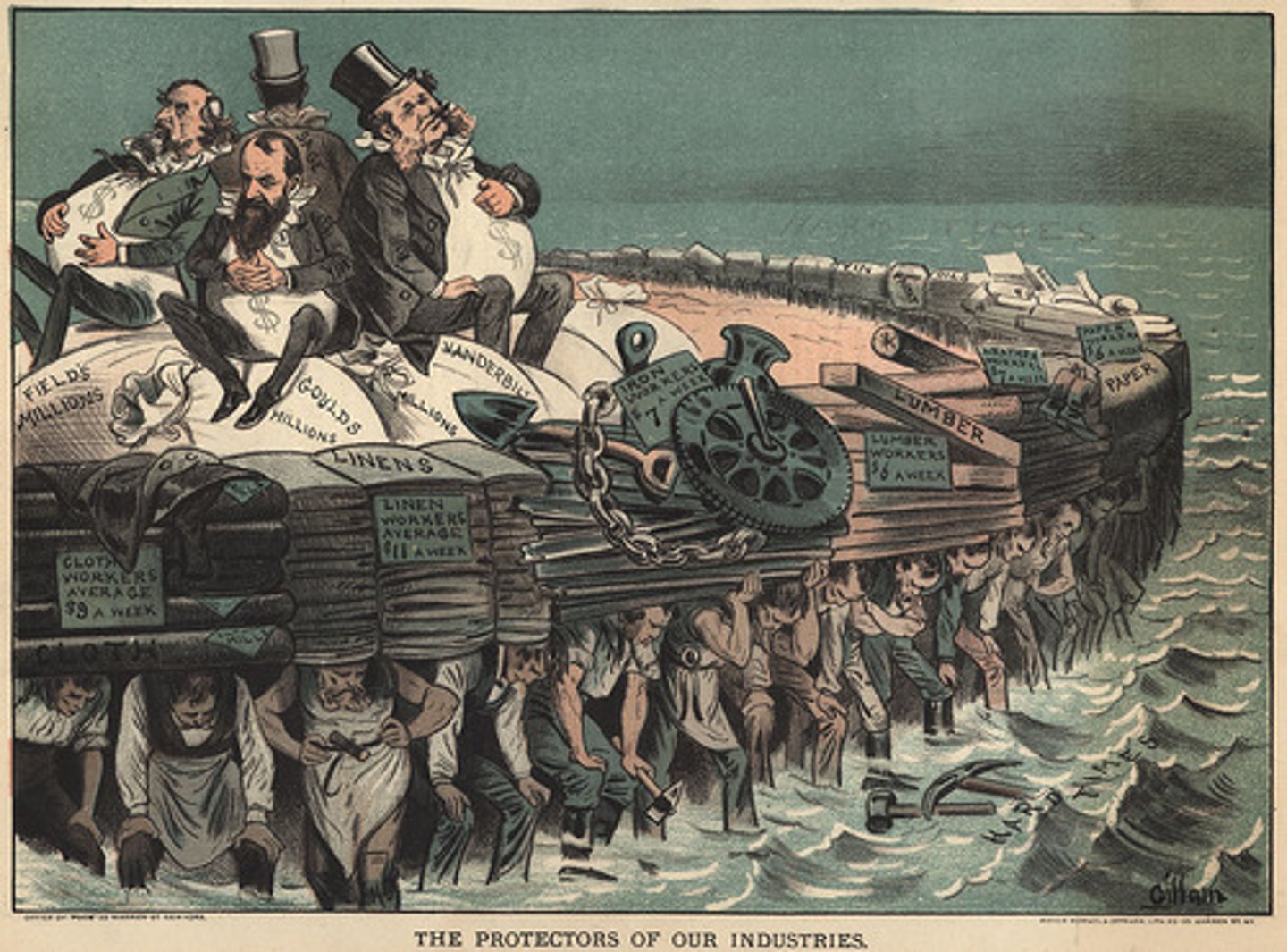
Social Darwinism and laissez-faire
economic survival of the fittest; government should not interfere with business; explained and justified wealth and monopolies
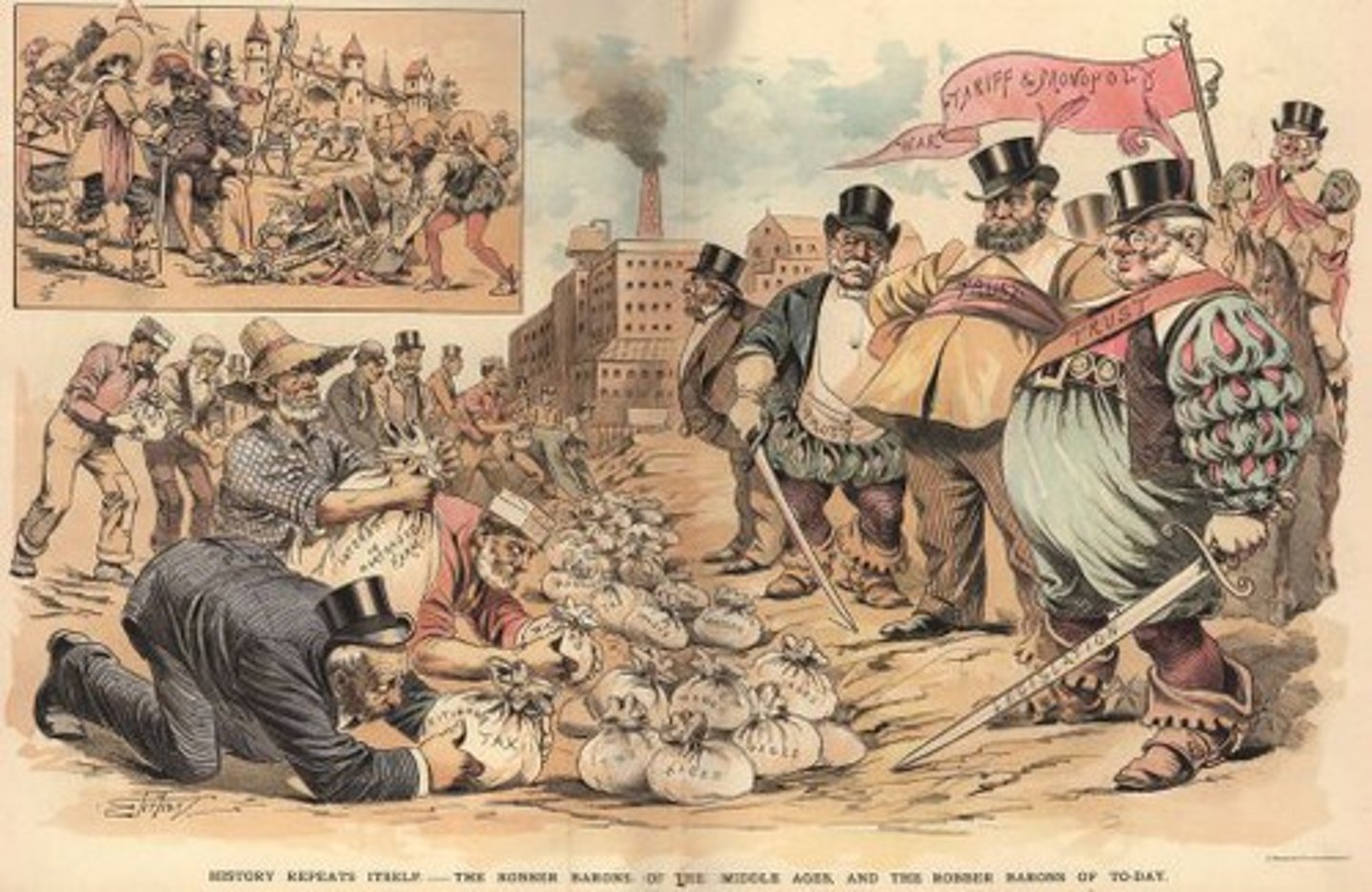
trusts and monopolies
ruthless Robber Barrons limited or eliminated competition;
Interstate Commerce Act and Sherman Antitrust Act made these illegal
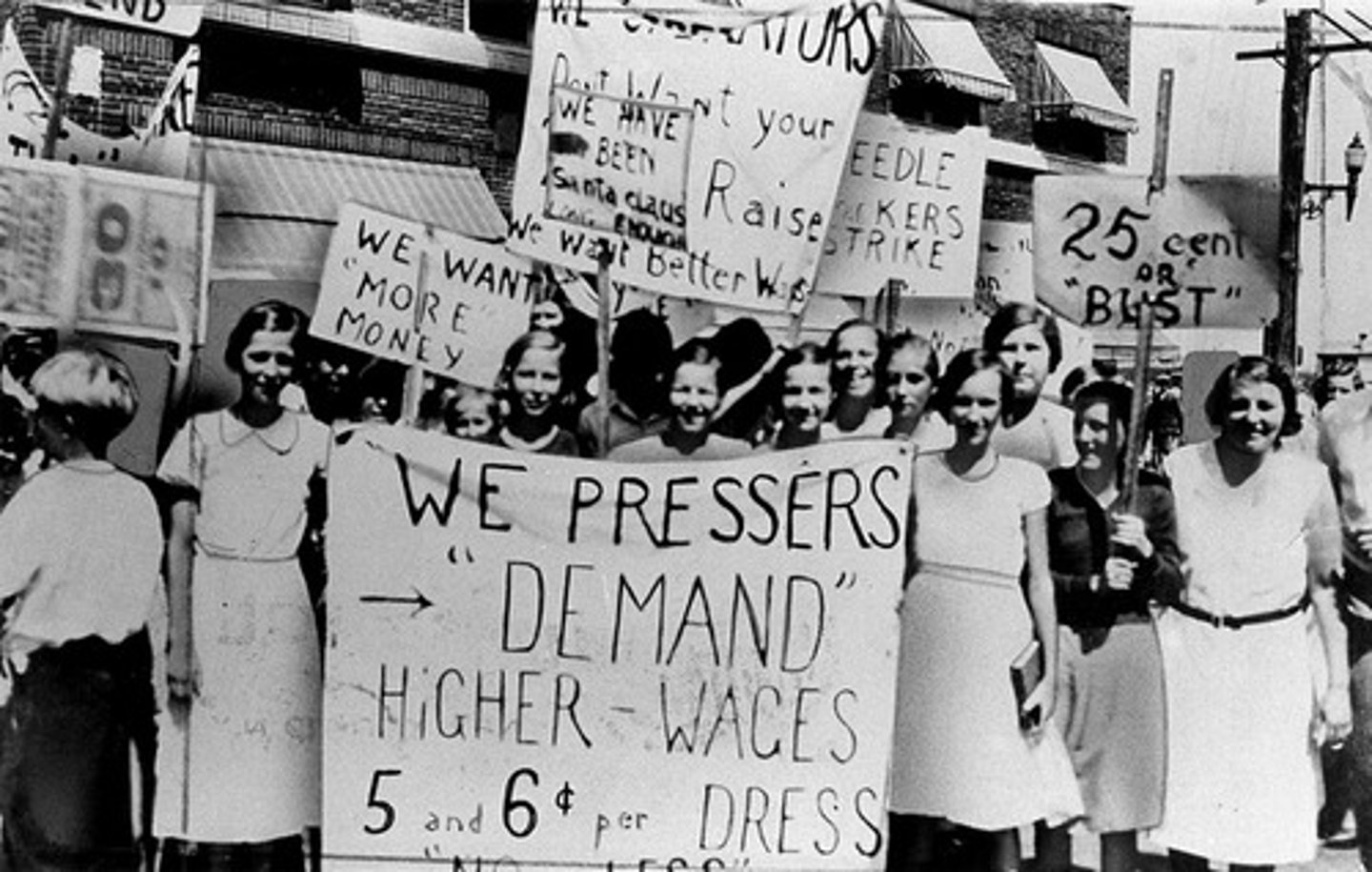
unions or organized labor or AFL
fought to improve working conditions, raise wages, limit work hours
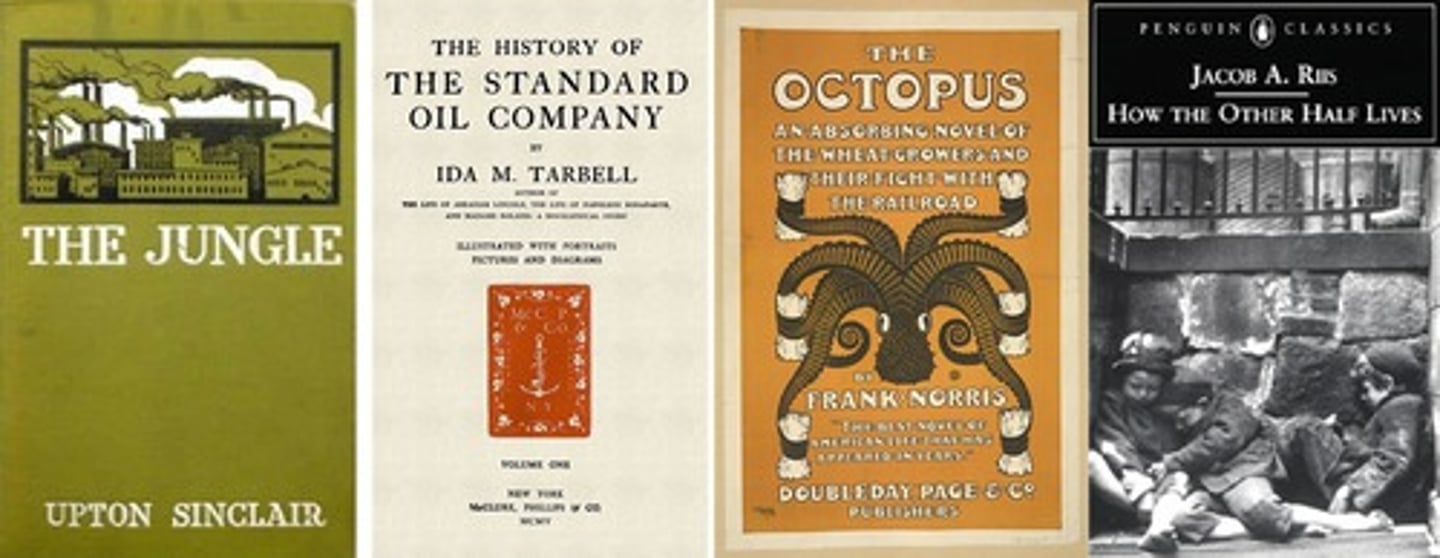
muckrakers exposed problems
Upton Sinclair's The Jungle; Ida Tarbell's The History of the Standard Oil Company; Frank Norris's The Octopus; Jacob Riis's How the Other Half Lives
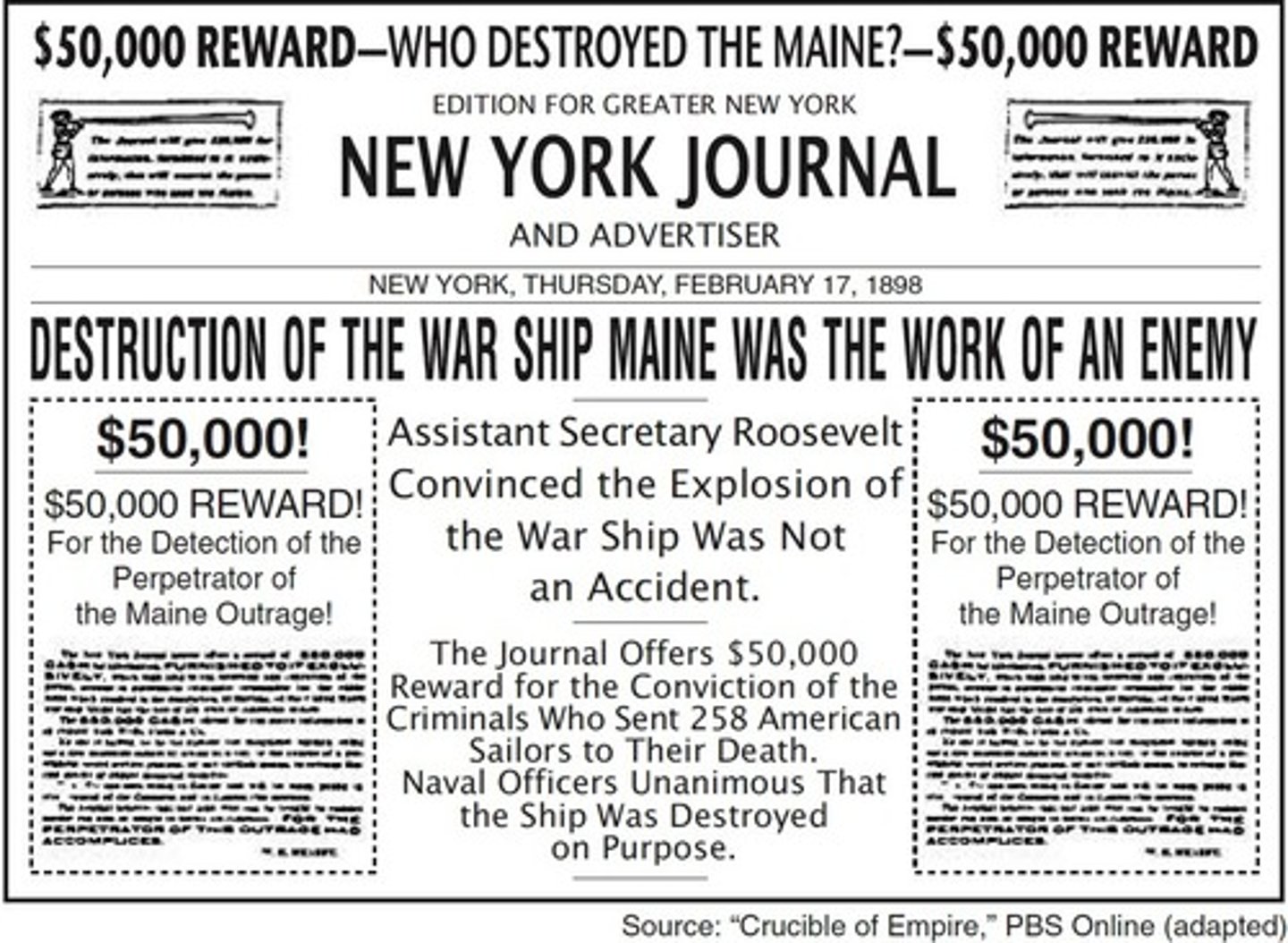
yellow journalism
newspapers exaggerated stories like the sinking of the U.S.S. Maine in order to incite public outrage (make people angry) and lead the US into war with Spain
Federal Reserve
regulates (controls) the US money supply and interest rates
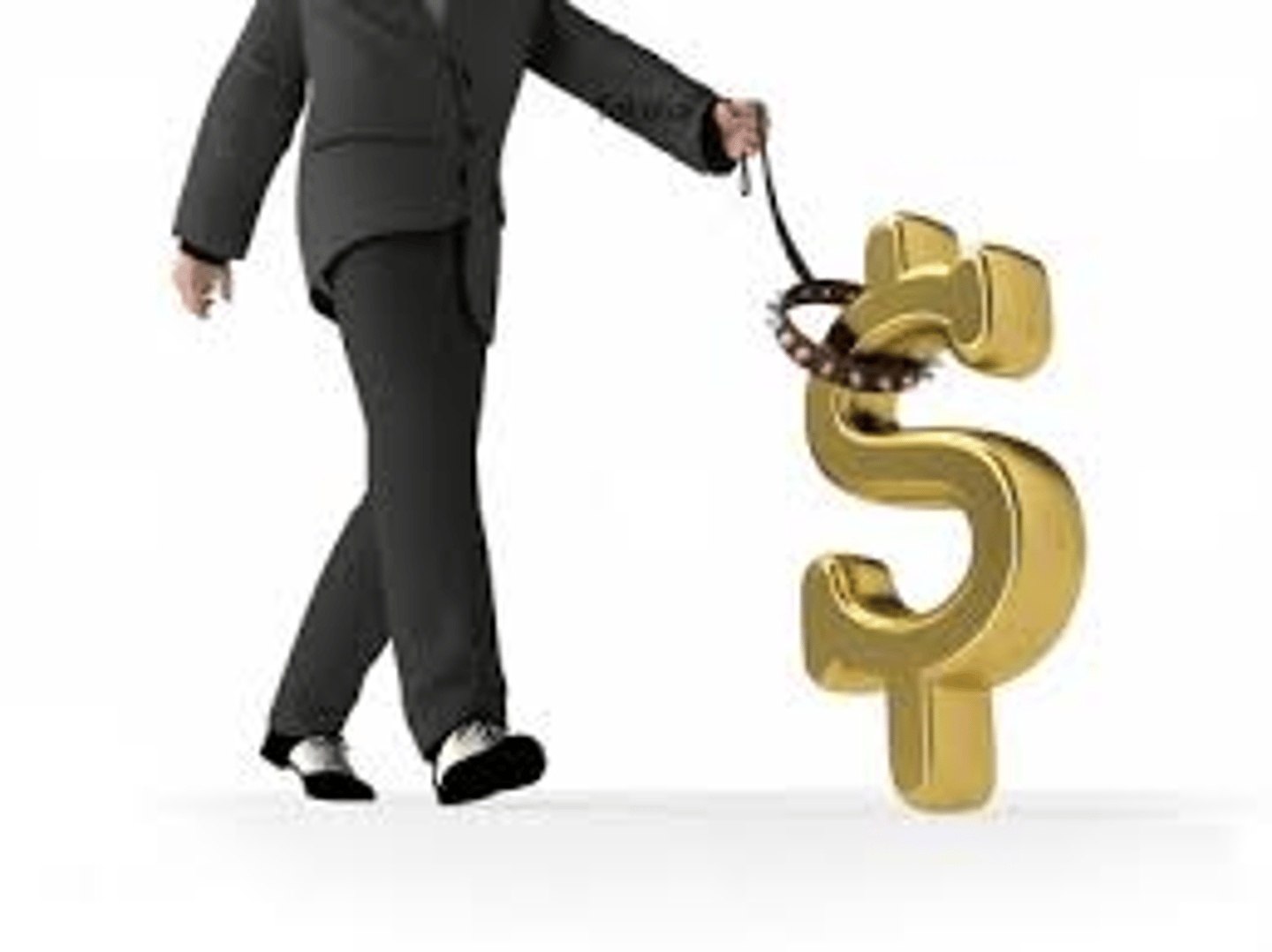
USA entered WW1
German submarine warfare violated freedom of the seas; Zimmermann telegram
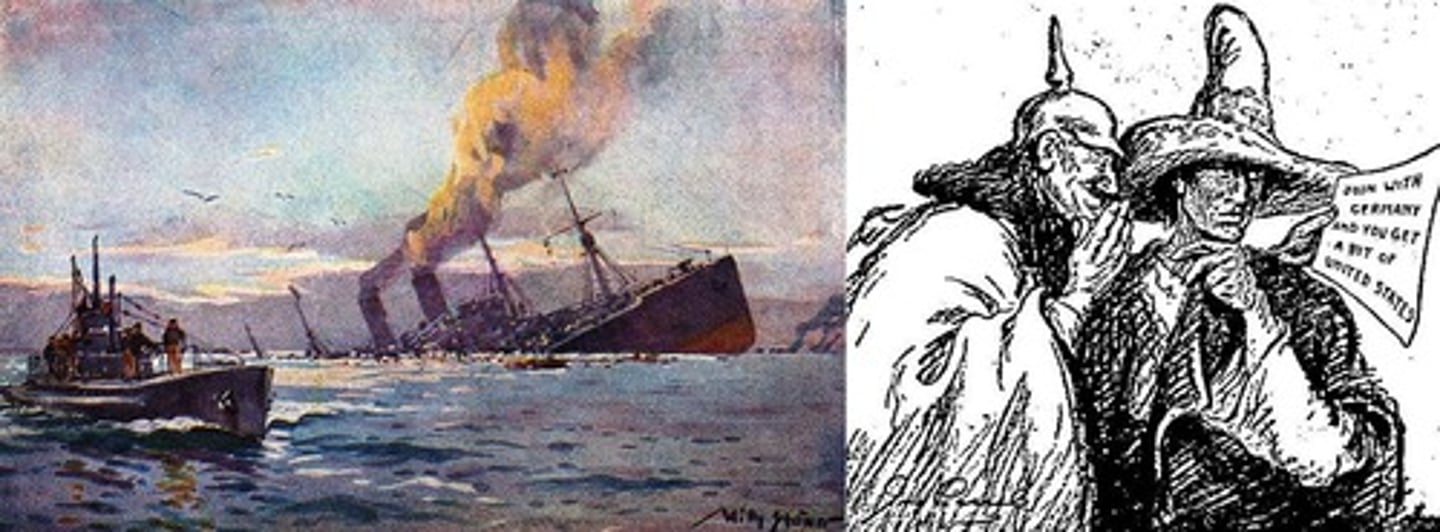
fear of foreign conflict (isolationism)
why the Senate opposed the Treaty of Versailles and League of Nations
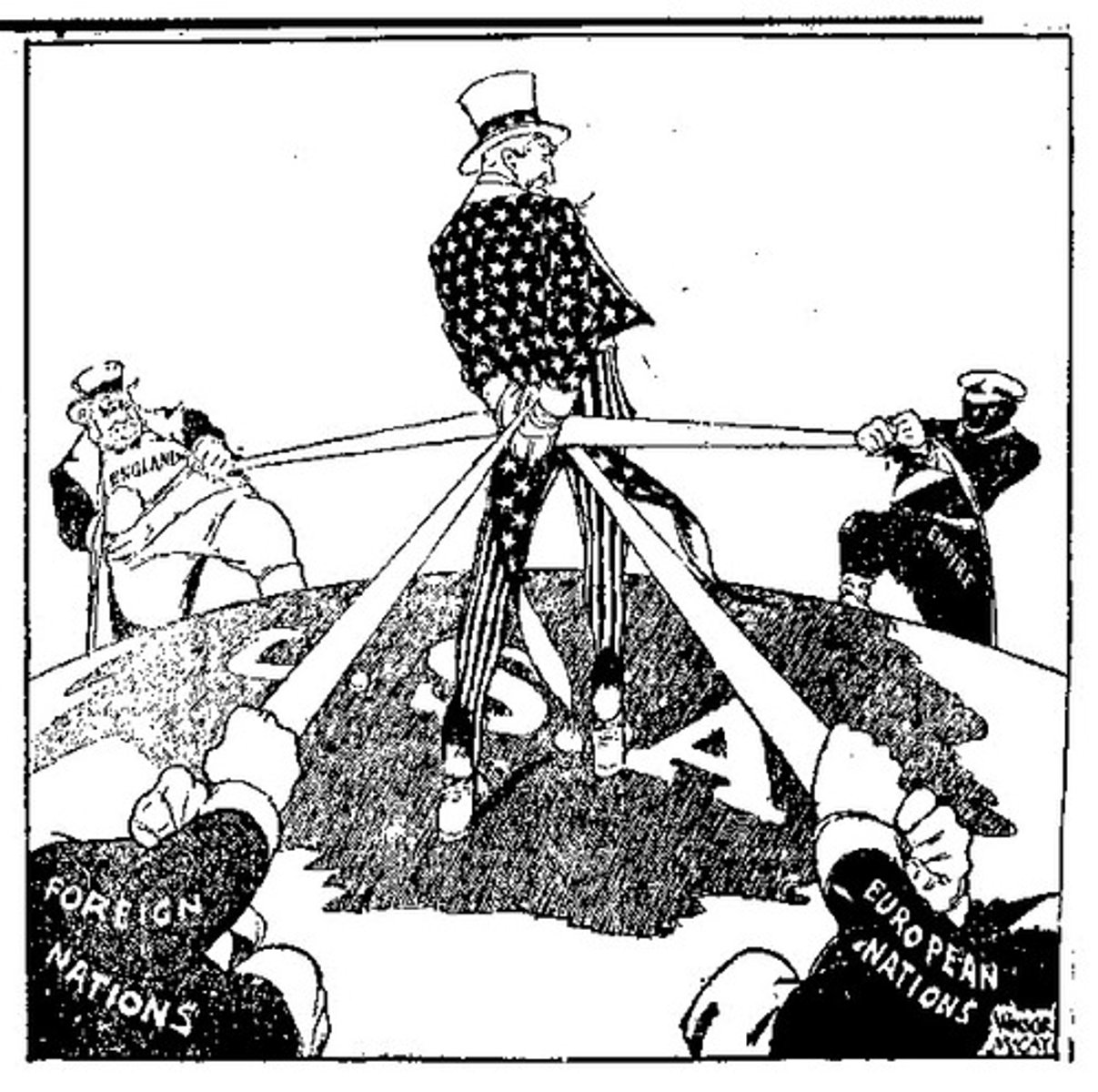
opportunities for factory jobs
reason why many African Americans migrated from the South to the North during and after World War One
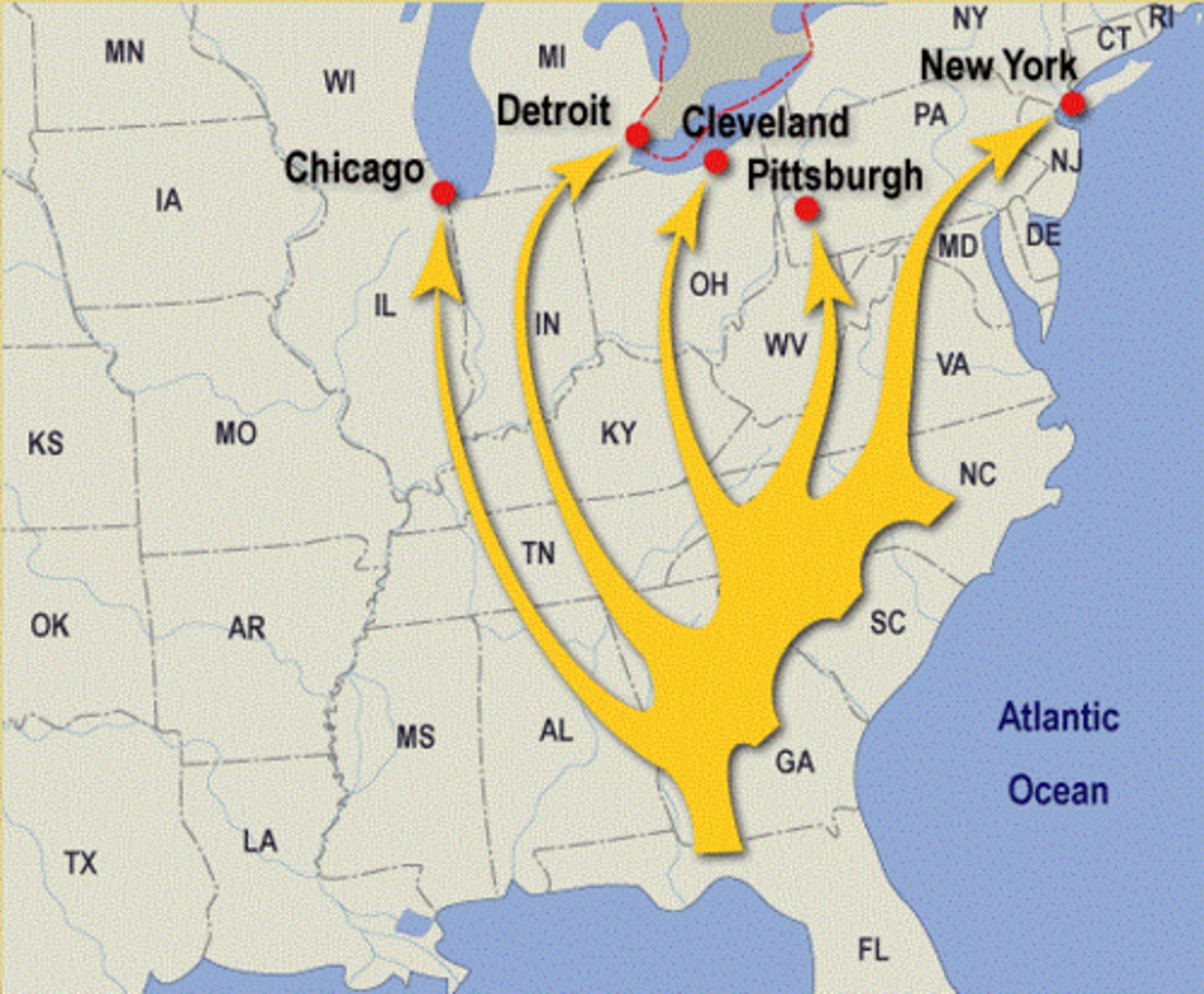
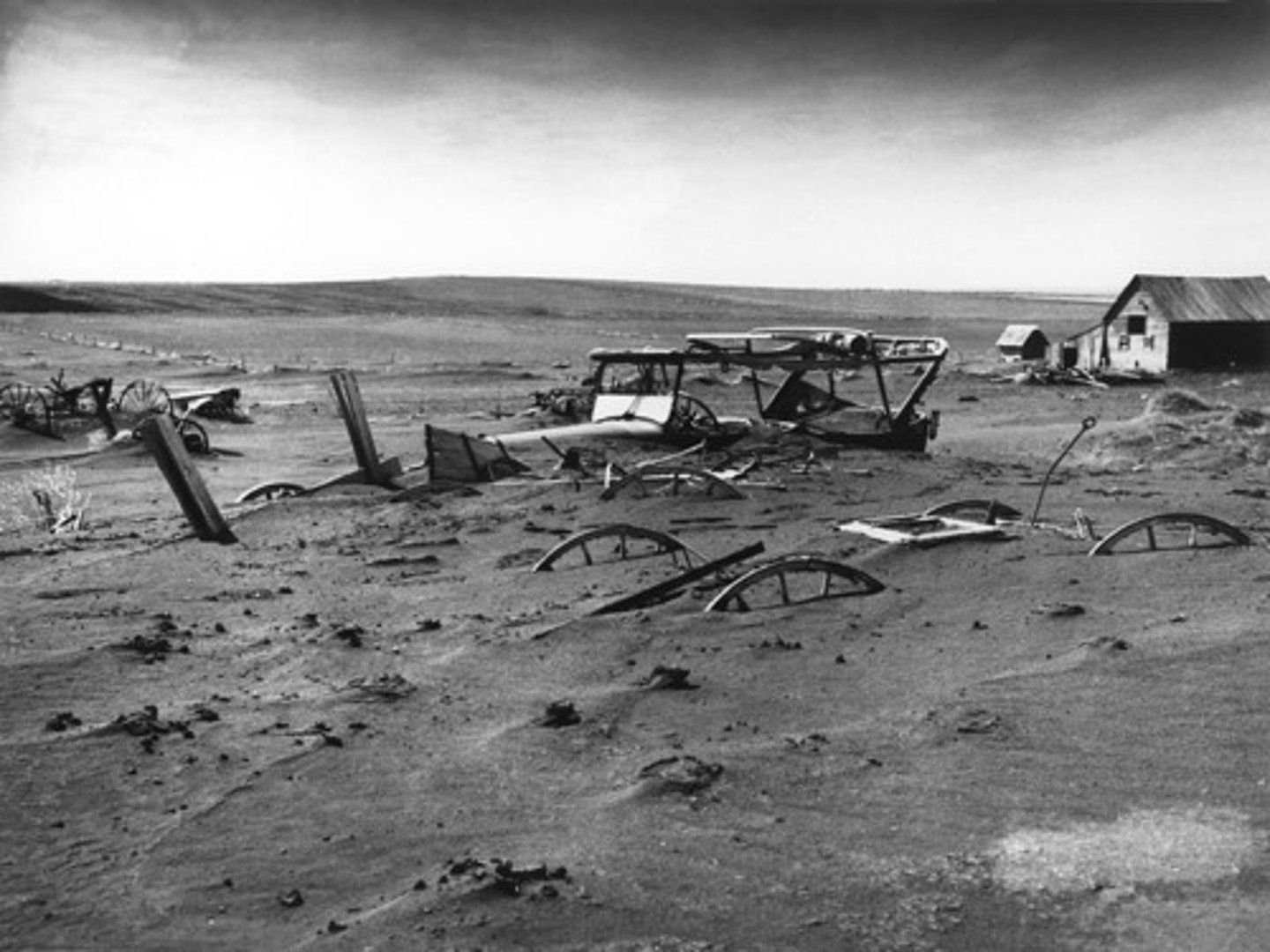
Dust Bowl
drought in Great Plains; caused migration to California; Grapes of Wrath was a book about it
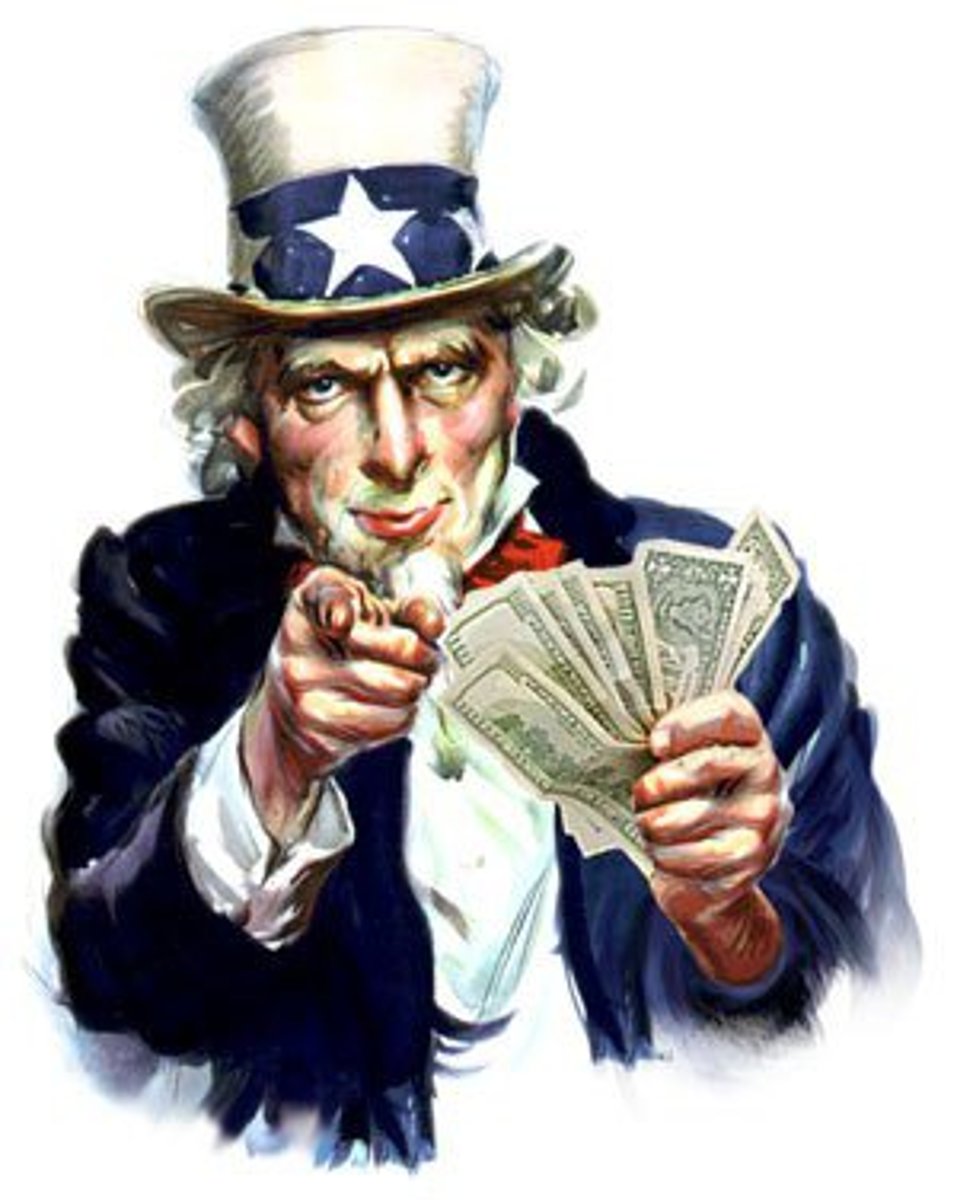
FDR's New Deal and LBJ's Great Society
government help for the poor and needy
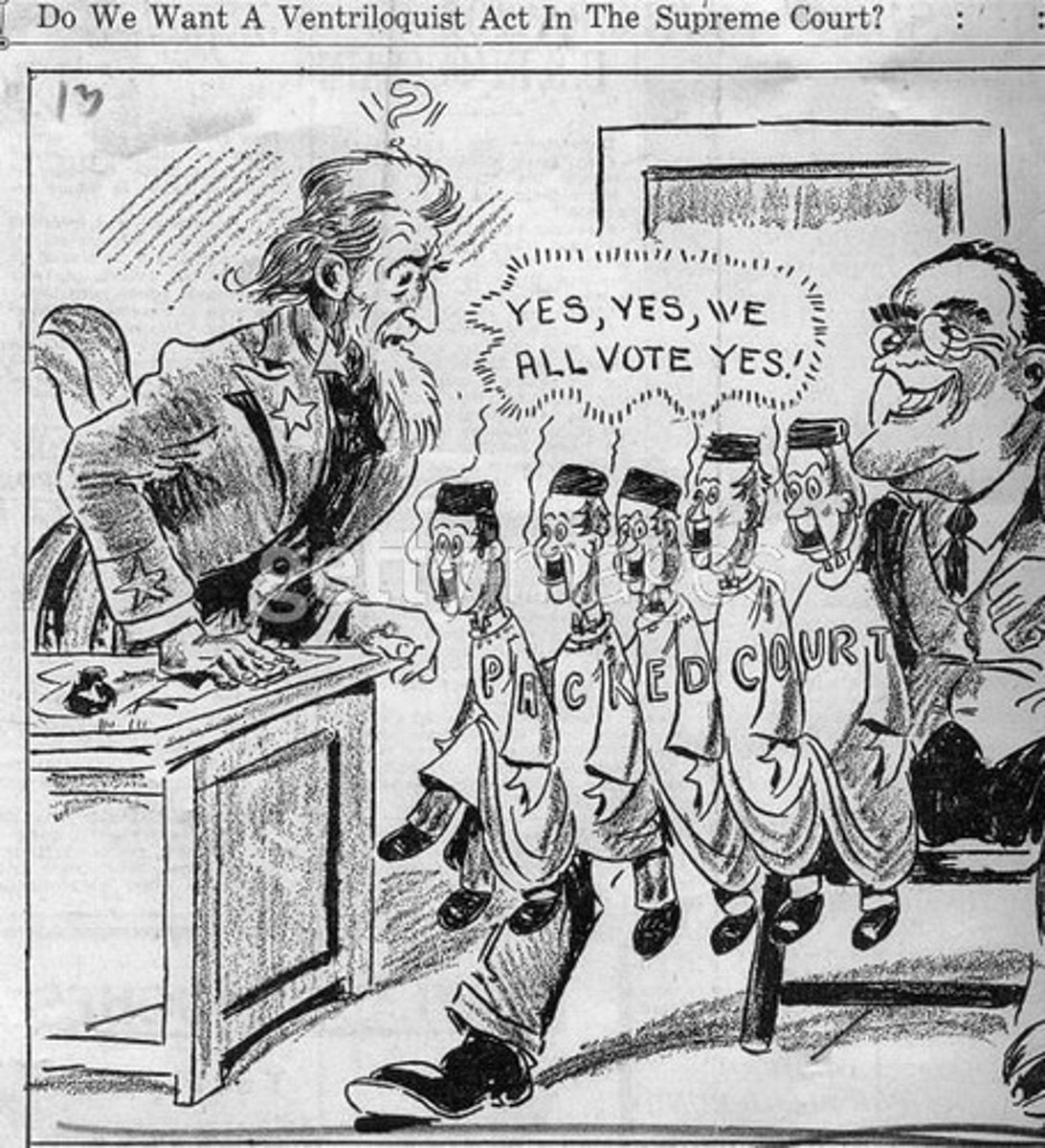
FDR's court-packing
attempt to add more Supreme Court Justices to push New Deal; was considered a threat to checks and balances
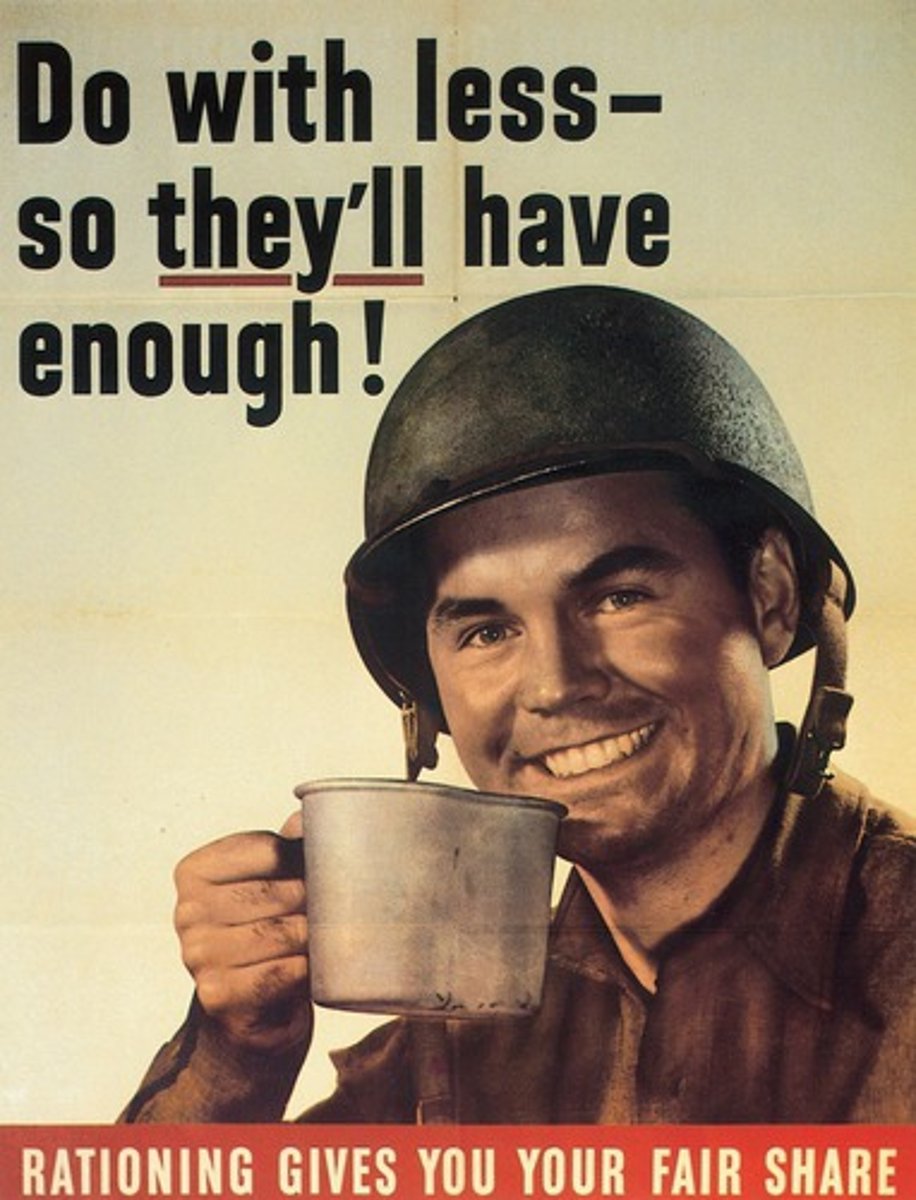
rationing
used during World War Two to ensure military was supplied with resources
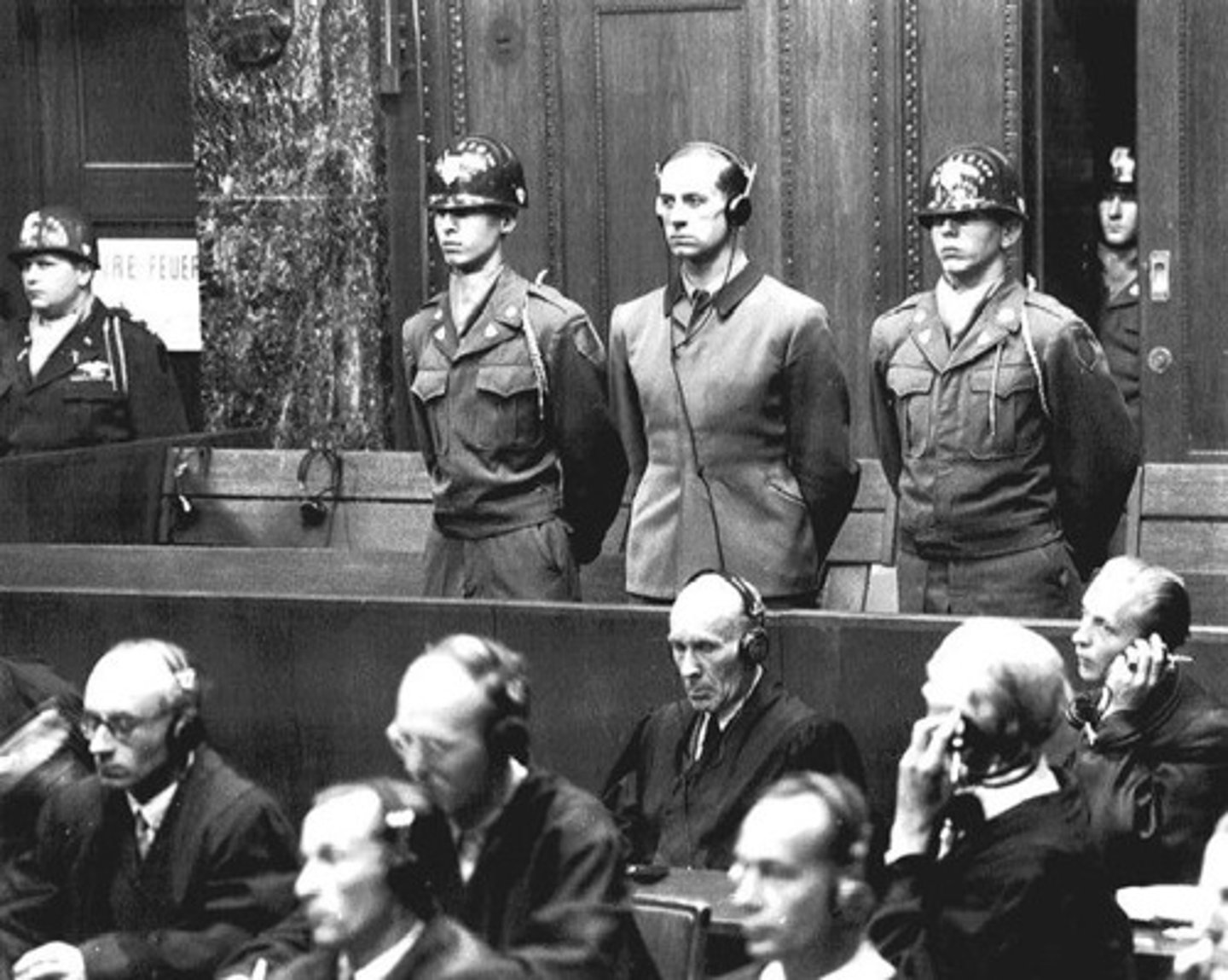
Nuremberg Trials
individuals were held responsibile for human rights violations during war
GI Bill (Servicemen's Readjustment Act)
economic assistance to veterans for college and housing
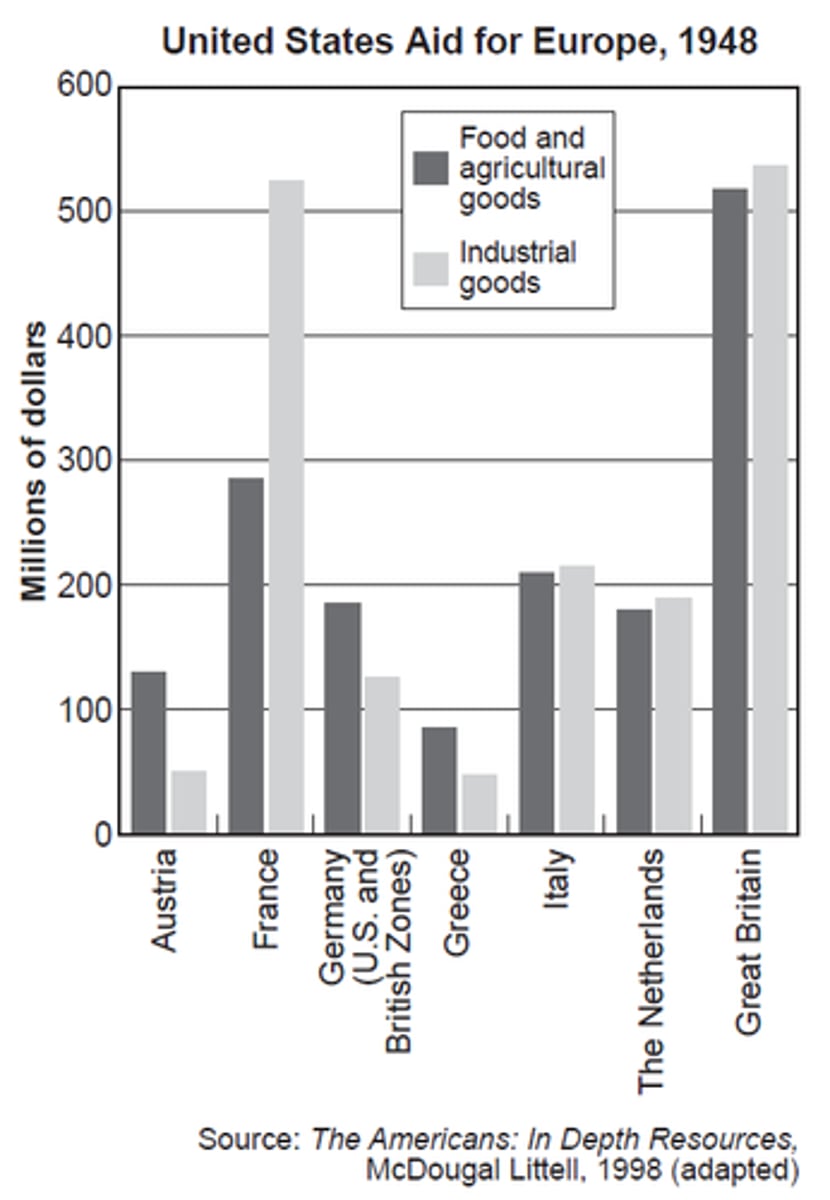
Marshall Plan
provided economic aid to Western Europe in order to limit the spread of communism
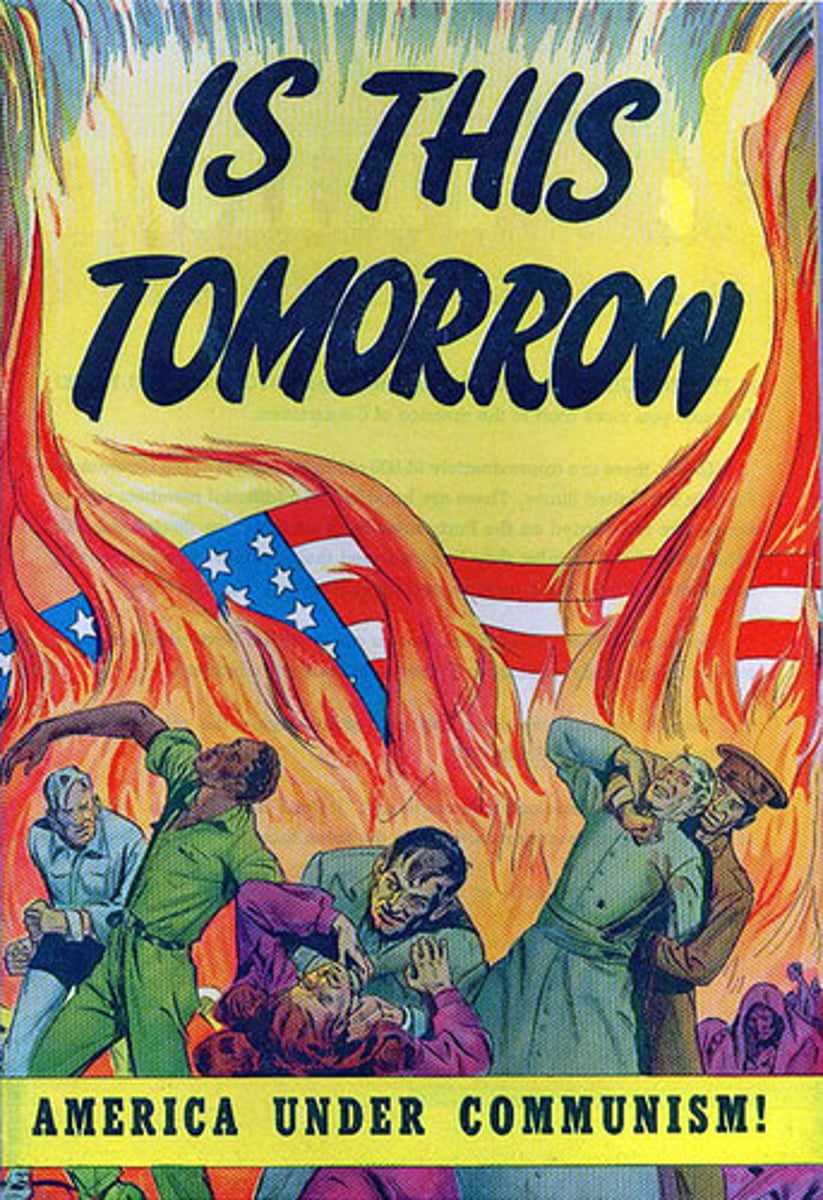
McCarthyism (named after Senator Joseph McCarthy)
was based on the fear of communism in the US
civil rights movement
nonviolence, civil disobedience, sit-ins; Dr. Martin Luther King Jr.; led to Civil Rights Act
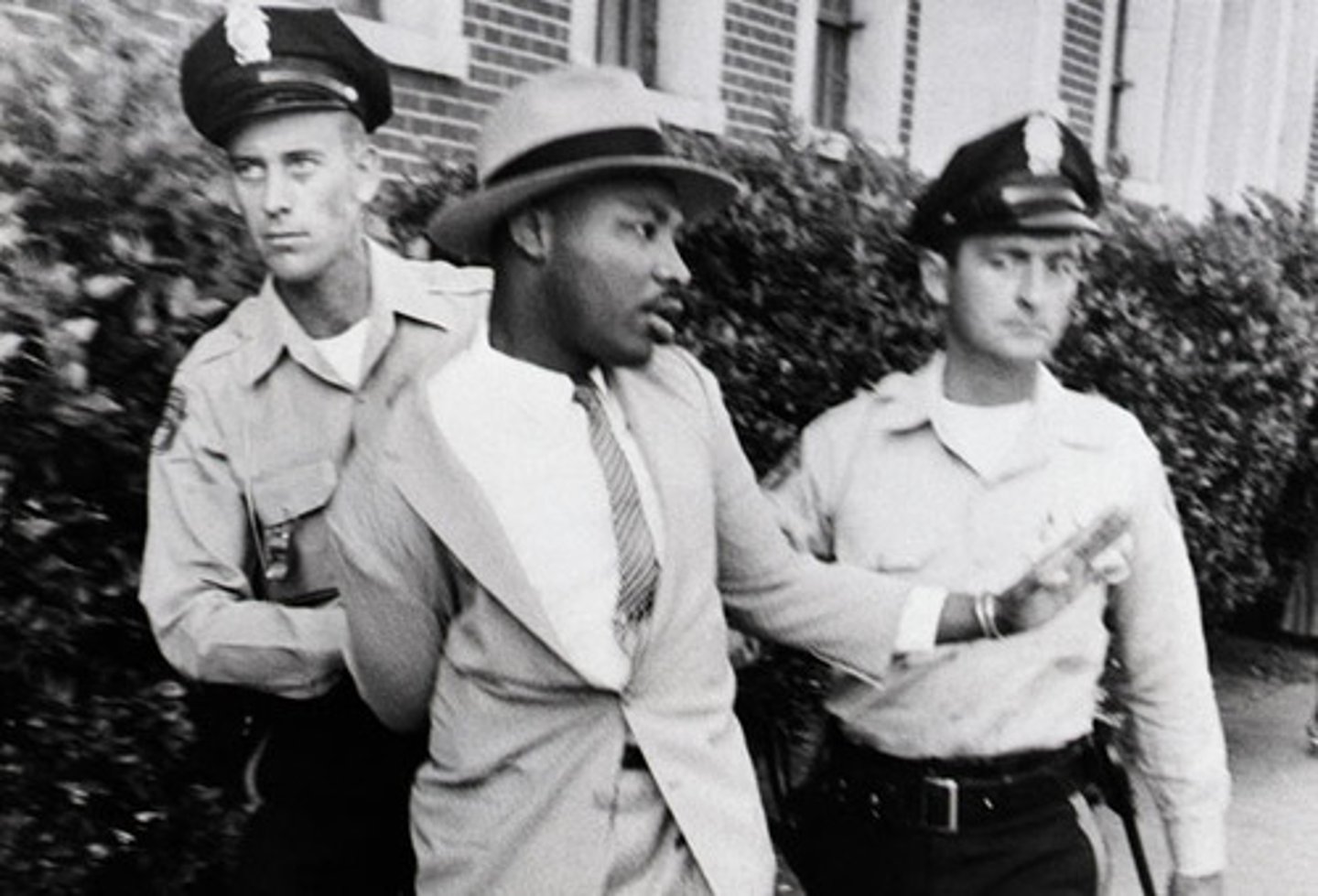
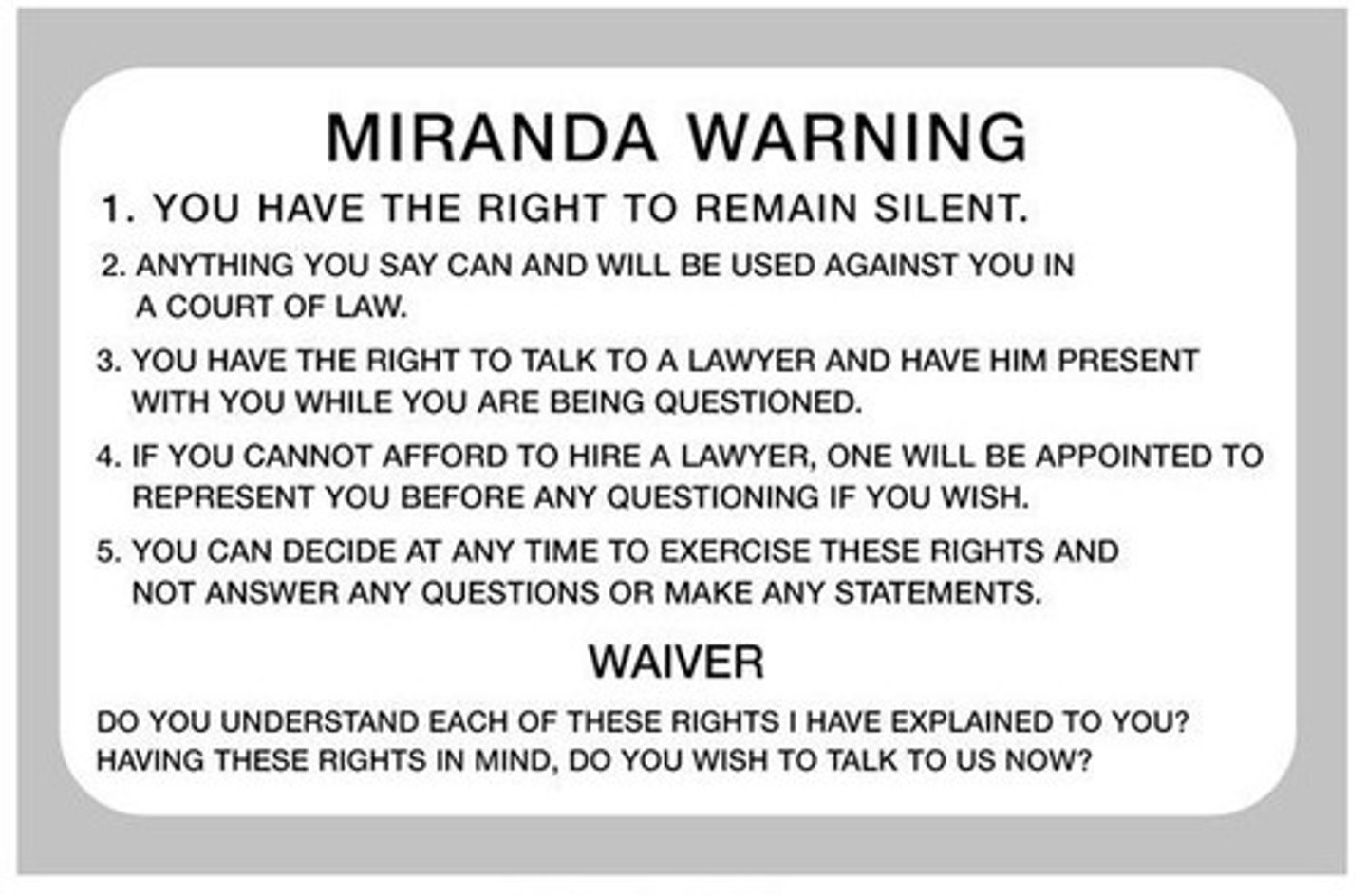
expanded rights of accused
Mapp v. Ohio (1961); Gideon v. Wainwright (1963); Miranda v. Arizona (1966)
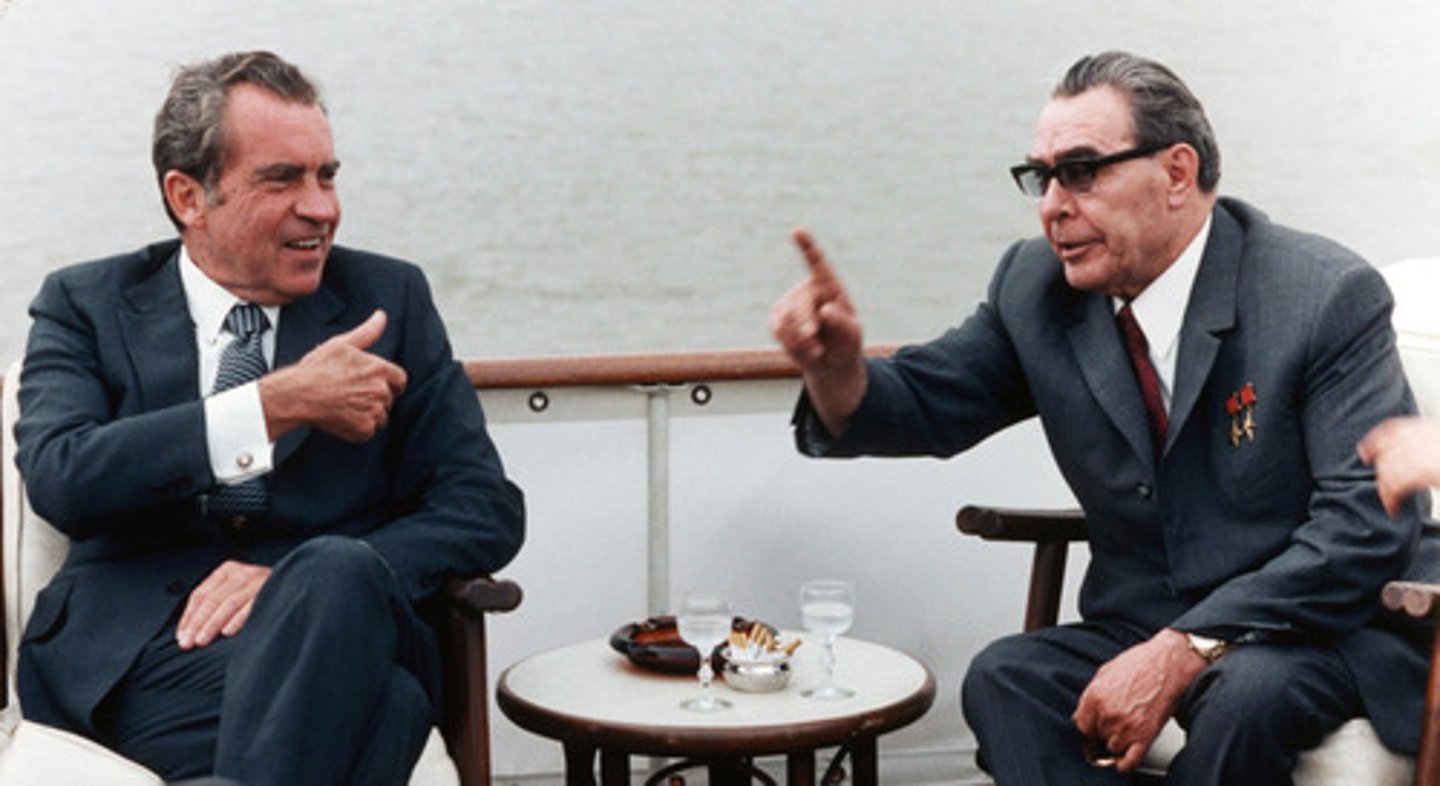
détente
Nixon's policy to reduce tensions between US and Soviet Union; SALT was an example
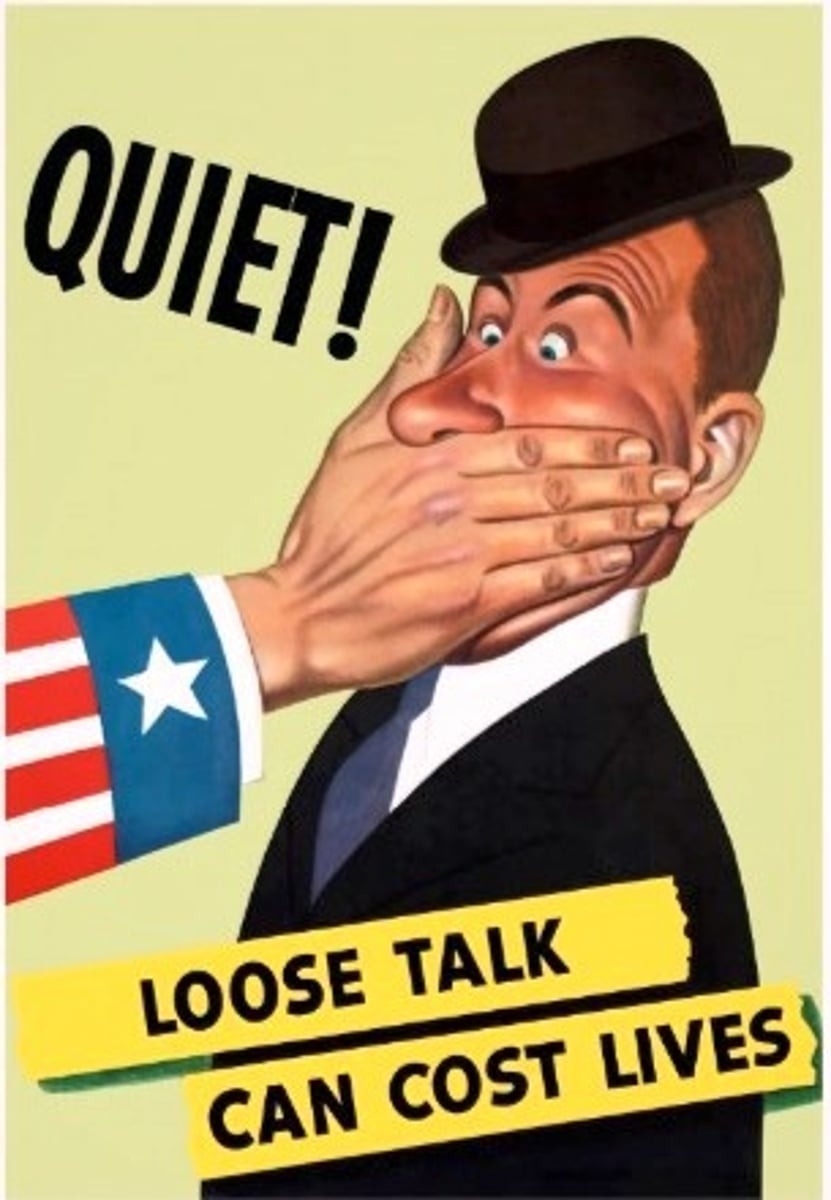
civil rights limited in times of crisis
Lincoln suspended habeas corpus (1861); Schenck v. United States (1919); FDR's internment of Japanese Americans (1942); USA Patriot Act (2001)
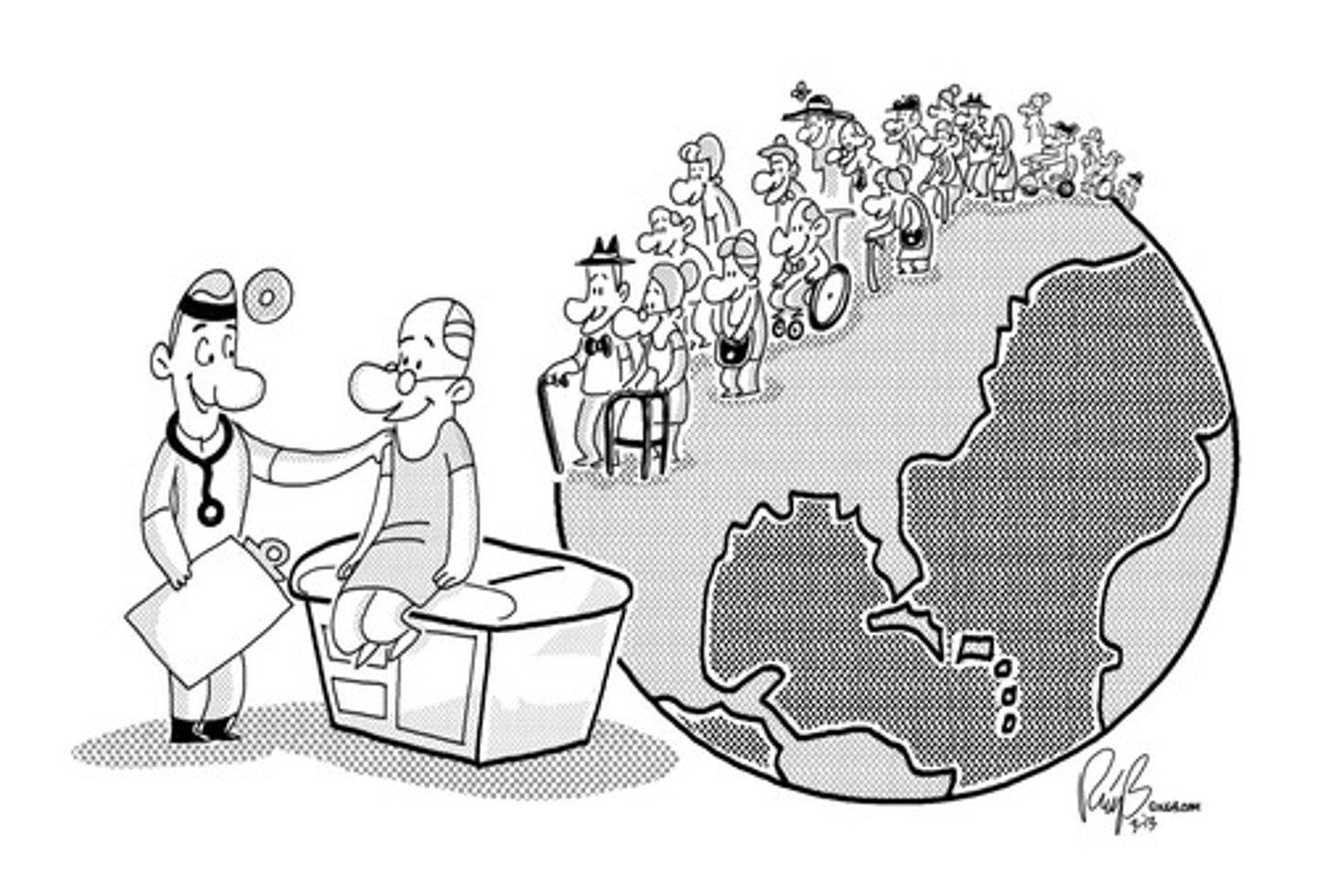
Social Security and Medicare
government programs needed because more Americans are living longer