Forage Crops: Feeding Livestock Naturally
 Call Kai
 Learn
Learn Practice Test
 Spaced Repetition
 Match
Match Flashcards
 Knowt Play
1/20

Earn XP
Description and Tags
Vocabulary terms and definitions covering various types of forage grasses and legumes, their characteristics, growth seasons, and nutritional properties for livestock.
Name | Mastery | Learn | Test | Matching | Spaced | Call with Kai |
|---|
No analytics yet
Send a link to your students to track their progress
21 Terms
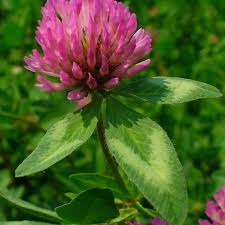
Red Clover
A high-protein legume that improves soil fertility and grows best in cooler climates; used primarily for pasture and hay.
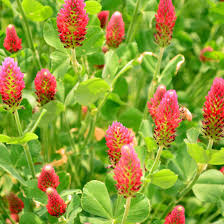
Crimson Clover
A fast-growing legume with bright red flowers that serves as an excellent cover crop.
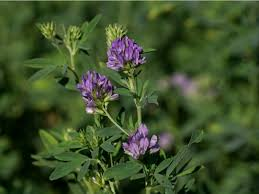
Alfalfa
A legume containing the highest protein among forages, featuring deep roots to resist drought and preferring well-drained soils.
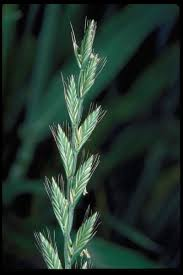
Ryegrass
A fast-growing and very palatable grass that prefers cooler seasons; used for temporary grazing or hay.
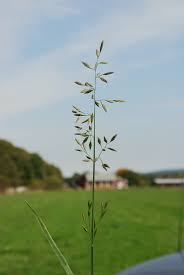
Fescue
A grass that tolerates drought and cold and is good for year-round grazing, though it can harbor a harmful endophyte fungus.
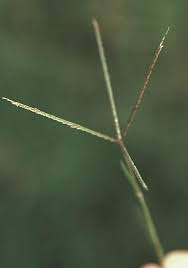
Bermudagrass
A warm-weather grass that grows rapidly after grazing but requires fertilizer for optimal growth.
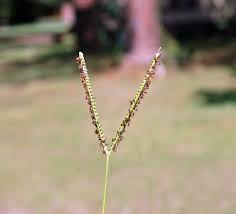
Bahiagrass
A very hardy and tough grass popular across the South that is capable of growing in poor soils.
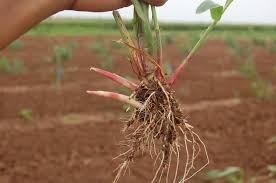
Johnsongrass
A grass that spreads by rhizomes (stem) and grows extremely fast; it can be toxic due to cyanide risk under stress but serves as good forage when young.
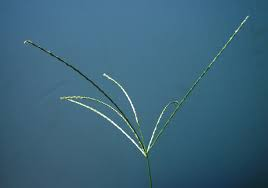
Crabgrass
A warm-season annual grass that provides high-quality forage in summer and grows well in heat and sandy soils.
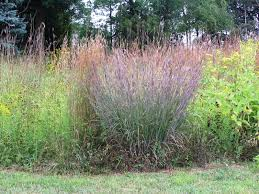
Big Bluestem
A native grass known as the "King of the Prairie" that is high in nutritional value and can reach heights of up to 8feet.
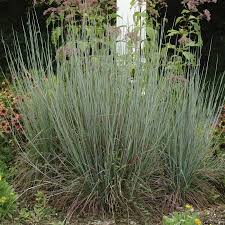
Little Bluestem
A native grass typically 2–4feet tall, suitable for dry, sandy soils and erosion control, identified by its attractive bluish color.
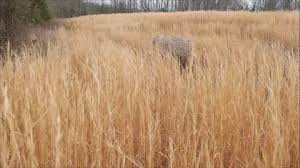
Sage Grass
Also known as Broomsedge; a grass of poor forage quality that grows in poor, acidic soils.
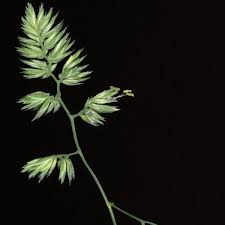
Orchard grass
A cool season perennial with an extensive fibrous root system; it is shade tolerant but rarely found except in northern in MS.
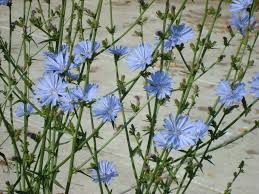
Chicory
A forb (instead of a legume) with a deep tap root; it is a short-term perennial lasting 3years and is suitable for late fall or early spring grazing.
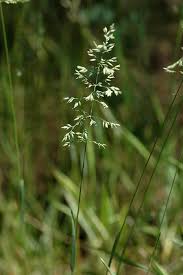
Kentucky bluegrass
A highly palatable, sod-forming, cool-season perennial grass used for lawns and grazing that tolerates close grazing.
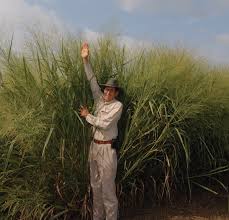
Switchgrass
A tall, native, warm-season perennial grass known for high tonnage per acre and its potential as a biofuel crop.
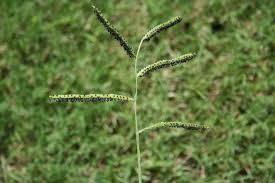
Dallisgrass
A warm-season perennial with higher nutritive value than bahiagrass; it can be toxic to livestock due to ergot fungus, causing "staggers."
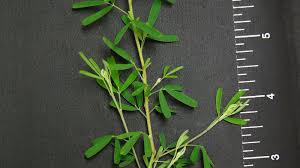
Sericea Lespedeza
A warm-season perennial legume with a somewhat woody stem that has the potential to become invasive.
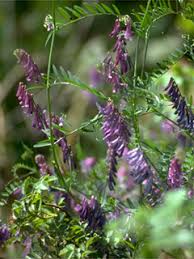
Hairy Vetch
An annual legume that is durable under grazing and can tolerate a low pH, though mature plants contain toxins.
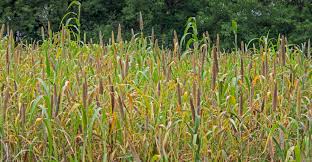
Pearl Millet
A drought-tolerant warm-season annual with low fertilizer requirements and a high leaf to stem ratio.
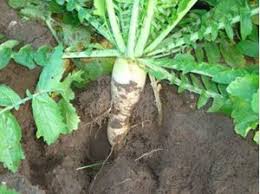
Radish
A cool-season annual with rapid growth and nutrient-rich roots; its taproots are effective at breaking up soil compaction.