6. large animal med- equine colitis (etiologies)
 Call Kai
 Learn
Learn Practice Test
 Spaced Repetition
 Match
Match Flashcards
 Knowt Play
1/67

There's no tags or description
Looks like no tags are added yet.
Name | Mastery | Learn | Test | Matching | Spaced | Call with Kai |
|---|
No analytics yet
Send a link to your students to track their progress
68 Terms
is salmonelle contagious or zoonotic?
yes, it is both contagious and zoonotic
do only clinically sick horses shed salmonella?
no, clinically normal horses can also shed salmonella
what are clinical signs of salmonella in horses?
variable, similar to other colitis cases
how is salmonella transmitted?
fecal-oral routes (direct and fomites)
what is the incubation period of salmonella?
>12 hours, usually 1-5 days
how is salmonella diagnosed?
fecal sampling: 3-5 samples 12-24 hours apart:
-fecal PCR (faster and sensitive)
-fecal culture
what is the treatment for salmonellosis in horses?
supportive (IV fluids, electrolytes, pain management), same as for other causes of colitis
what is the prognosis of salmonellosis in horses?
depends on clinical severity and response to treatment
how is salmonellosis in horses prevented/controlled?
-clean surfaces thoroughly to remove organic matter, then disinfect (dilute bleach)
-isolate clinical suspects
-isolate positive cases for 30 days, then retest
-shedding can occur following resolution of clinical signs
-persists in environment for a while
what organisms most commonly cause clostridial diarrhea in horses?
clostridium perfringens and clostridium difficile
-gram-positive, spore forming, anaerobic bacteria
-toxin leads to GI damage, not the bacteria
is clostridial diarrhea contagious or zoonotic?
not technically contagious since it is a normal part of GI flora, but outbreaks have been documented
not zoonotic
what are the clinical signs of clostridial diarrhea?
-colitis
-peracute, acute or gradual diarrhea
-diarrhea can be hemorrhagic
what is the transmission of clostridial diarrhea?
fecal-oral, part of normal GI flora and present in environment
how is clostridial diarrhea diagnosed?
-PCR testing for toxin producing gene
-ELISA for toxins
what is the treatment for clostridial diarrhea?
-metronidazole
-biosponge (helps bind toxin)
-other colitis treatments
how is clostridial diarrhea prevented/controlled?
-shedding time is unknown
-clsotridial spores are impervious to environmental conditions but susceptible to chlorine bleach and accelerated hydrogen peroxides
-judicious use of antibiotics
what causes potomac horse fever?
caused by neorickettsia risticii or neorickettsia findlayensis
is potomac horse fever contagious or zoonotic?
no and no
what are clinical signs of potomac horse fever>
-high fever up to 107F, may occur 7-14 days before colitis
-diarrhea may be absent or severe
-laminitis is common
-abortion (due to transplacental abortion)
how is potomac horse fever transmitted?
indirect transmission: oral ingestion of infected trematodes present in aquatic insects, exposure to freshwater or near snails
-transplacental
-blood transfusion
what is the incubation period of potomac horse fever?
1-3 weeks
how is potomac horse fever diagnosed with PCR testing?
PCR will be positive on whole blood approx. 7-21 days post-infection
PCR will be positive on feces approx. 14-25 days post-infection
how is potomac horse fever diagnosed with IFA serology?
-titers typically peak 4-5 weeks post-infection
-not all positive horses seroconvert, vx leads to elevated titer in some horses
-more useful in chronic cases (>25 days post-infection) in which antigen is no longer detectable
what is the treatment for potomac horse fever?
1. antibiotic for 3-5 days targeting n. risticii: oxytetracycline IV or doxycycline/minocycline PO (organism is very sensitive to tetracyclines)
2. supportive care and other tx's for colitis
what is the prognosis of potomac horse fever?
guarded to good
how is potomac horse fever prevented/controlled?
-not contagious from horse to horse
-turn off barn lights (insects are attracted to light)
-avoid access to freshwater/wet pasture
-vaccine (labeled to decrease severity, not prevent)
what causes equine proliferative enteritis (EPE)?
lawsonia intracellularis (different strain from bacteria isolated from pigs)
which animals are mostly affected by EPE?
affects mostly weanlings and yearlings (6-14 months old)
is EPE contagious or zoonotic?
EPE is contagious, but it is not zoonotic
what are clinical signs of EPE?
this is a chronic disease:
-weight loss and peripheral edema (hypoproteinemia)
-fever, lethargy, diarrhea, colic
-rarely, fatal necrotizing enteritis w/ severe systemic dz
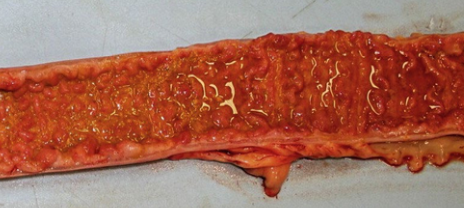
how is EPE transmitted?
-fecal-oral
-wild and domestic animals can shed l. intracellularis
what is the incubation period of EPE?
2-3 weeks
how is EPE diagnosed?
-based on signalment, clinical signs, and hypoproteinemia
-abdominal ultrasound (thickening of small intestine)
-fecal PCR
-serology
which serologic test is preferred to diagnose EPE?
immunoperoxidase monolayer assay (IPMA)
false negatives can result if done early on in disease course
what is the treatment for EPE?
1. antimicrobials: macrolides (alone or in combo w/ rifampin), chloramphenicol, tetracyclines, for 2-3 weeks
2. supportive care + treatment for colitis
what is the prognosis of EPE?
good if diagnosed early and treated with antibiotics
how is EPE prevented/controlled?
-shedding time is 3-4 wks
-survives in environment for 1-2 weeks
-monitor foals for clinical signs in endemic farms
-extralabel use of pig l. intracellularis vaccine given per rectum
-ideally separate affected foals from other foals to decrease environmental contamination
is equine coronavirus contagious or zoonotic?
it is contagious, but it is not zoonotic
what are clinical signs of equine coronavirus?
-fever up to 105F
-anorexia, lethargy, colic
-diarrhea may be absent
-low WBC count
-neuro signs due to intestinal hyperammonemia
how is equine coronavirus transmitted?
fecal-oral (direct and indirect (fomites))
what is the incubation period of equine coronavirus?
2-4 days
how is equine coronavirus diagnosed?
fecal PCR
what is the treatment for equine coronavirus?
supportive
usually self-limiting disease (improves within 1 week)
what is the prognosis of equine coronavirus?
good
how is equine coronavirus prevented/controlled?
-isolate infected horses
-shedding time is usually 3-4 weeks, may be longer (retest after 4 weeks)
what are clinical signs of small strongyle (cyathostomins) infections?
-most horses symptomatic
-may cause weight loss, anemia, low protein
larvae encyst in walls of large intestine- clinical signs arise when the strongyles emerge (spring)--> severe diarrhea
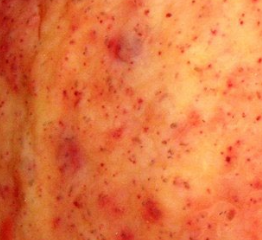
how is the encysted larval stage of small strongyle infections treated?
encysted larvae only killed by moxidectin
commonly resistant to benzimidazole and pyrantel
what is the toxic principle of blister beetle ingestion?
cantharidin
what is the lethal dose of cantharidin in horses?
lethal dose less than 1mg/kg
depends on species of beetle
what is the pathophys/clinical signs of blister beetle toxicity in horses?
-ulceration of GI tract, including mouth (diarrhea, colic, toxemia)
-cystitis (stranguria, pollakiuria, hemorrhagic cystitis)
-nephrosis (azotemia, hyposthenuria, micro hematuria, proteinuria)
-myocarditis
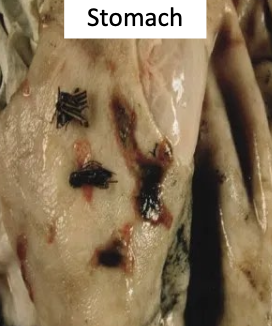
what clinpath abnormalities are seen with blister beetle toxicity?
-hypocalcemia and hypomagnesemia
-inflammatory CBC (neutropenia, left shift)
how is blister beetle toxicity diagnosed?
-clinical signs (esp ulceration in mouth)
-finding blister beetles in hay
-measure cantharidin in GI contents/urine
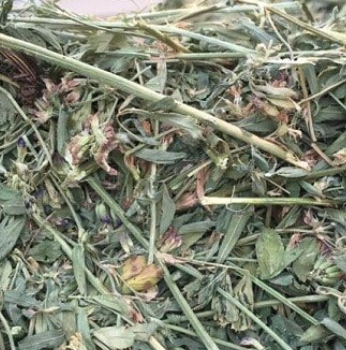
what is the treatment for blister beetle toxicity?
-absorbent powders (activated charcoal, biosponge) and mineral oil via NG tube
-supportive care (IVFs, electrolyte supplementation)
-careful with NSAIDs (avoid further renal/GI damage)
-can use other pain meds like opioids, lidocaine
what is the fatality rate of blister beetle toxicity?
50% or greater
what is the etiology of right dorsal colitis?
use of NSAIDs, especially phenylbutazone (also flunixin)
what is the pathophysiology of right dorsal colitis caused by NSAIDs?
mucosal ulceration, edema, neutrophilic inflammation, and mural thickening of right dorsal colon
what clinpath abnormalities are seen with right dorsal colitis?
hypoproteinemia (hypoalbuminemia), neutropenia
how is right dorsal colitis diagnosed?
-history (NSAID use)
-lab work
-abdominal ultrasound (wall thickening of RDC)
what is the prognosis of right dorsal colitis?
guarded
what is the treatment for right dorsal colitis?
-discontinue NSAID
-misoprostol (synthetic PGE)
-pain control (opioids, lidocaine)
-small frequent meals with complete pelleted diet (feeding hay causes pain usually)
what is the pathophysiology of grain overload in horses?
-overproduction of lactate in colon
-hyperosmolarity of the luminal contents
-damage to the colonic mucosa
-dysbiosis
what are clinical signs of grain overload in horses?
similar to colitis, laminitis is common
what clinpath abnormalities are seen with grain overload in horses?
hyperlactatemia
metabolic acidosis
inflammatory CBC
what is the treatment for grain overload?
-lavage stomach if early enough
-administer absorbents (activated charcoal, biosponge), mineral oil
-supportive care (colitis tx)
-laminitis prevention (ice feet)
what is the pathophysiology of sand enteropathy?
continued irritation of the mucosal lining of the colon from sand moving around
what are clinical signs of sand enteropathy?
diarrhea, colic
usually not systemically sick
how is sand enteropathy diagnosed?
history
fecal sedimentation
auscultation (esp cranial ventral abdomen)
ultrasound
radiographs (more definitive)
what is the treatment for sand enteropathy?
stop sand consumption: elevated feeders with mats underneath, psyllium supplementation