Exam #1
 Call Kai
 Learn
Learn Practice Test
 Spaced Repetition
 Match
Match Flashcards
 Knowt Play
1/190

There's no tags or description
Looks like no tags are added yet.
Name | Mastery | Learn | Test | Matching | Spaced | Call with Kai |
|---|
No analytics yet
Send a link to your students to track their progress
191 Terms
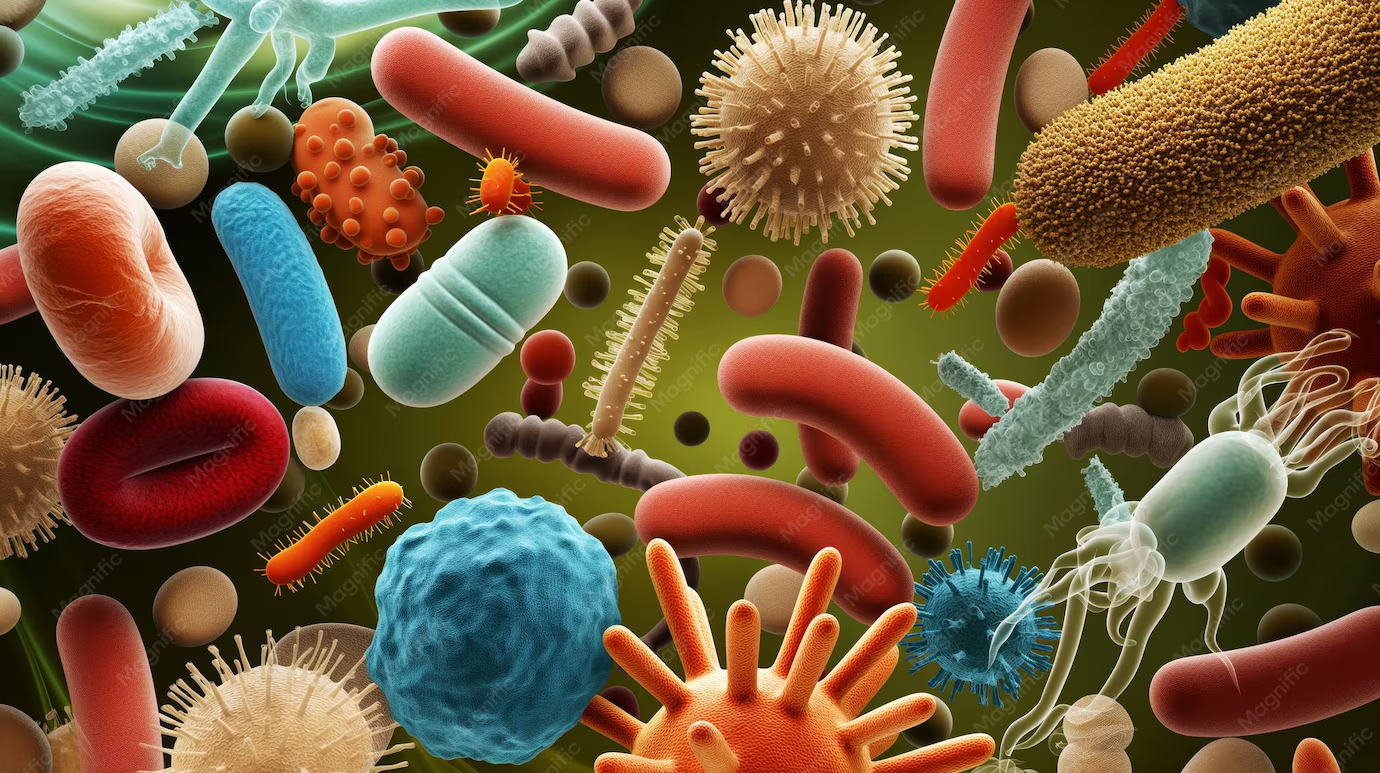
What is microbiology?
The study of microbes, organisms so small that a microscope is needed to study them.
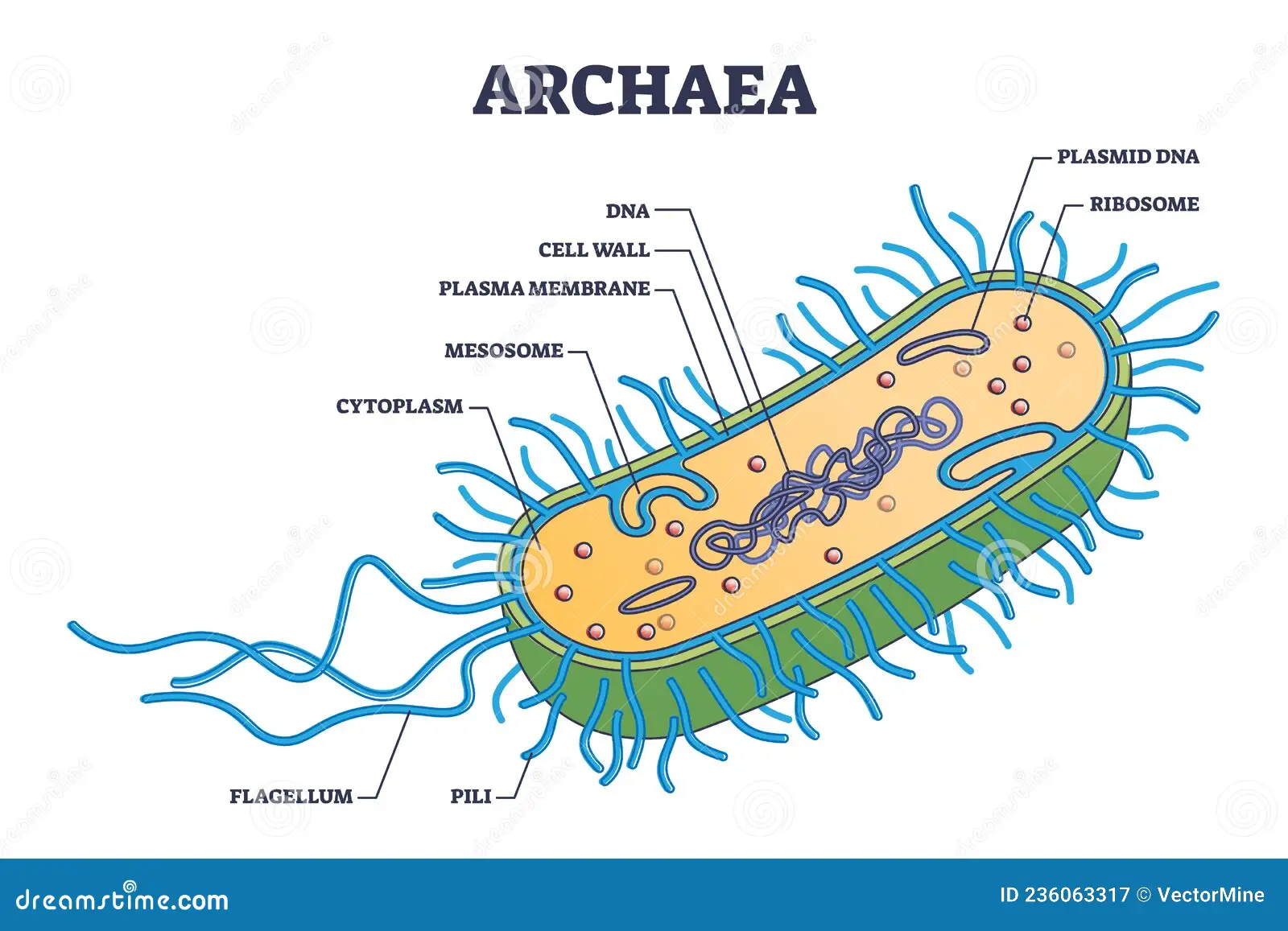
What are Archaea?
Single-celled extremophiles without a nucleus that are genetically distinct from bacteria and generally do not cause disease in humans.
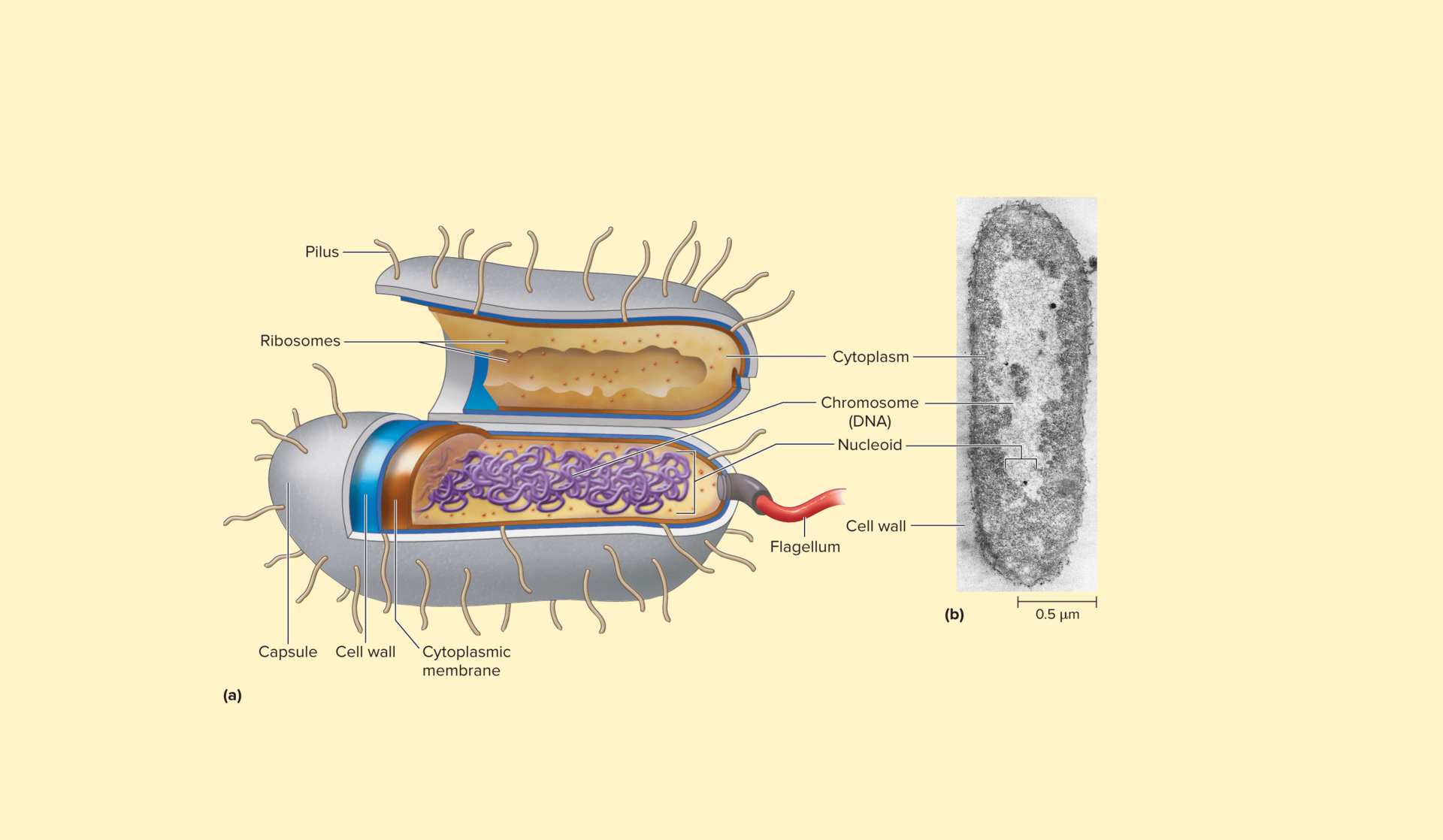
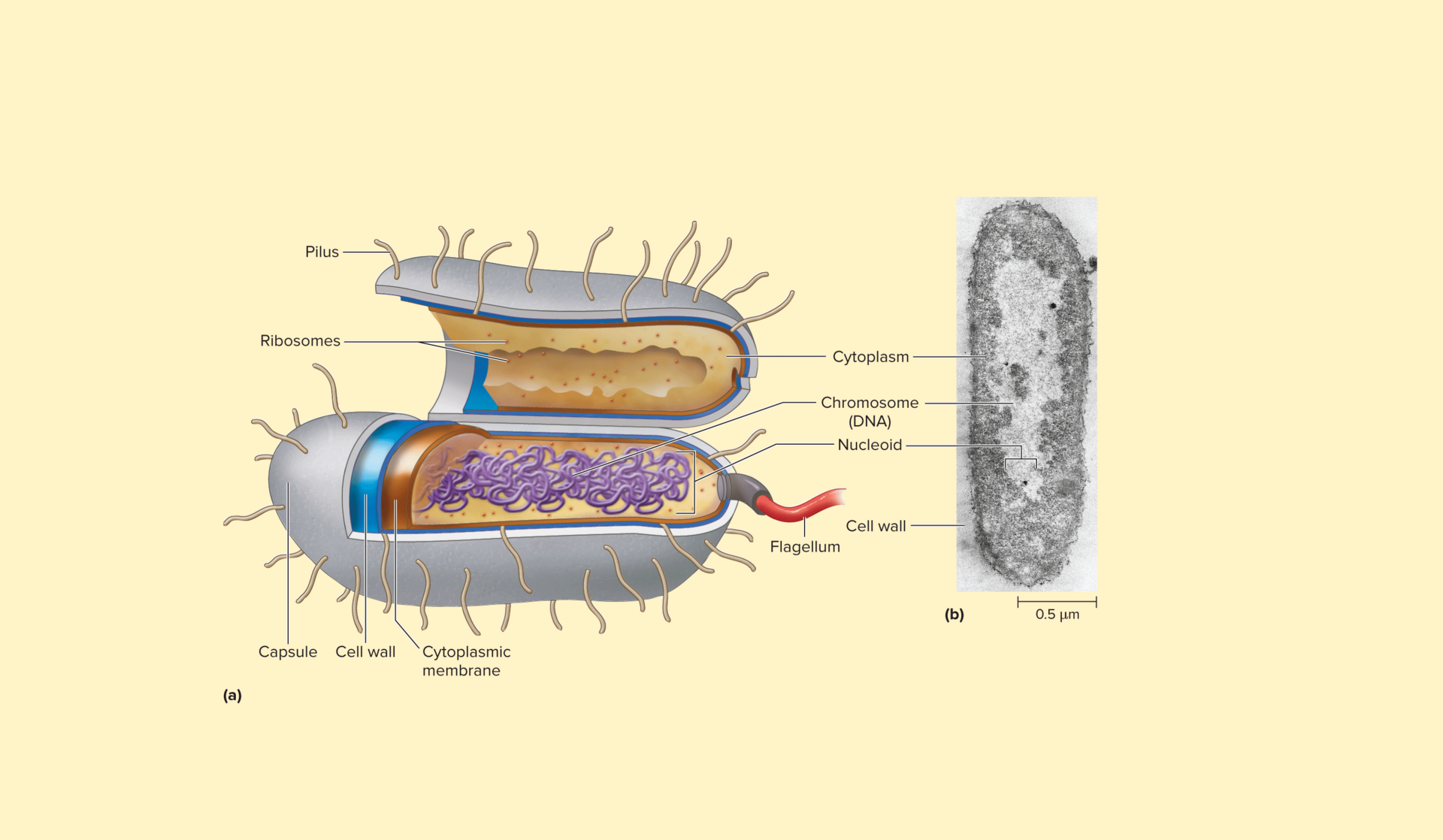
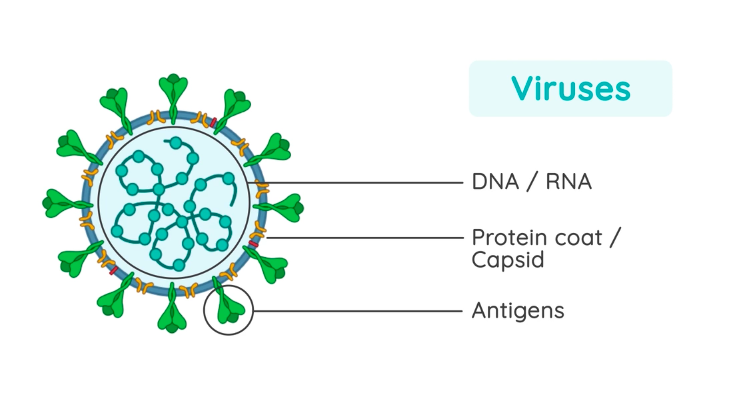
What are viruses composed of?
Acellular entities composed of a nucleic acid (DNA or RNA) and a few proteins; need hosts.
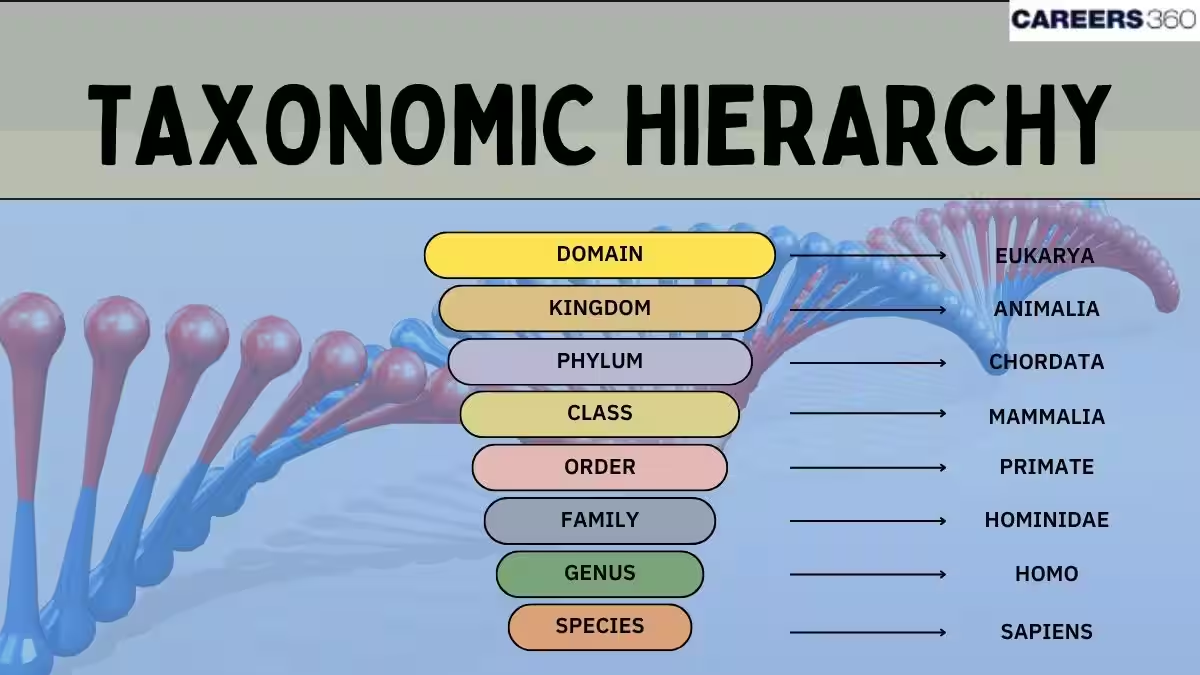
What is the taxonomic hierarchy from broadest to most specific?
Domain, Kingdom, Phylum, Class, Order, Family, Genus, Species.
What are the rules for writing the taxonomy of cellular organisms?
They are referred to by their genus and species, and the names must always be italicized or underlined.
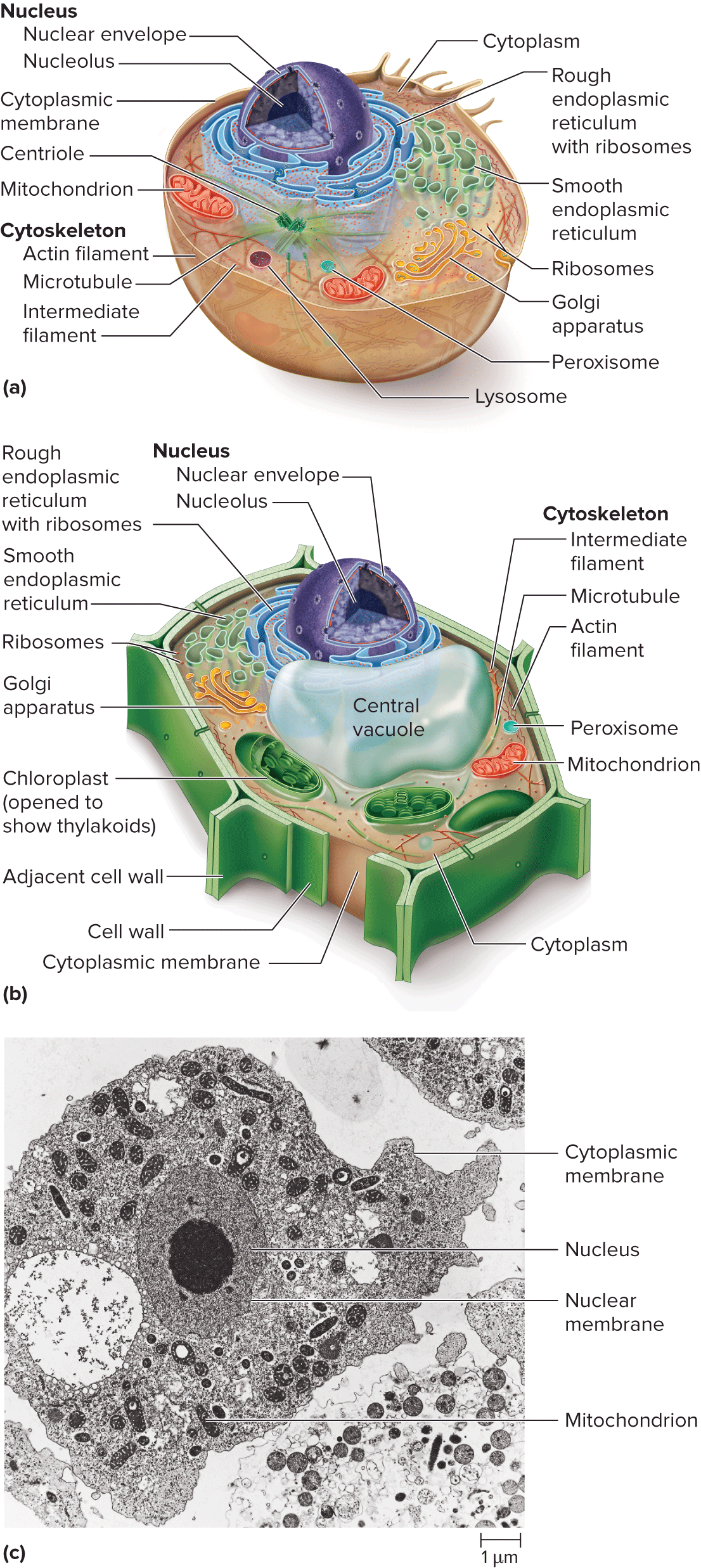
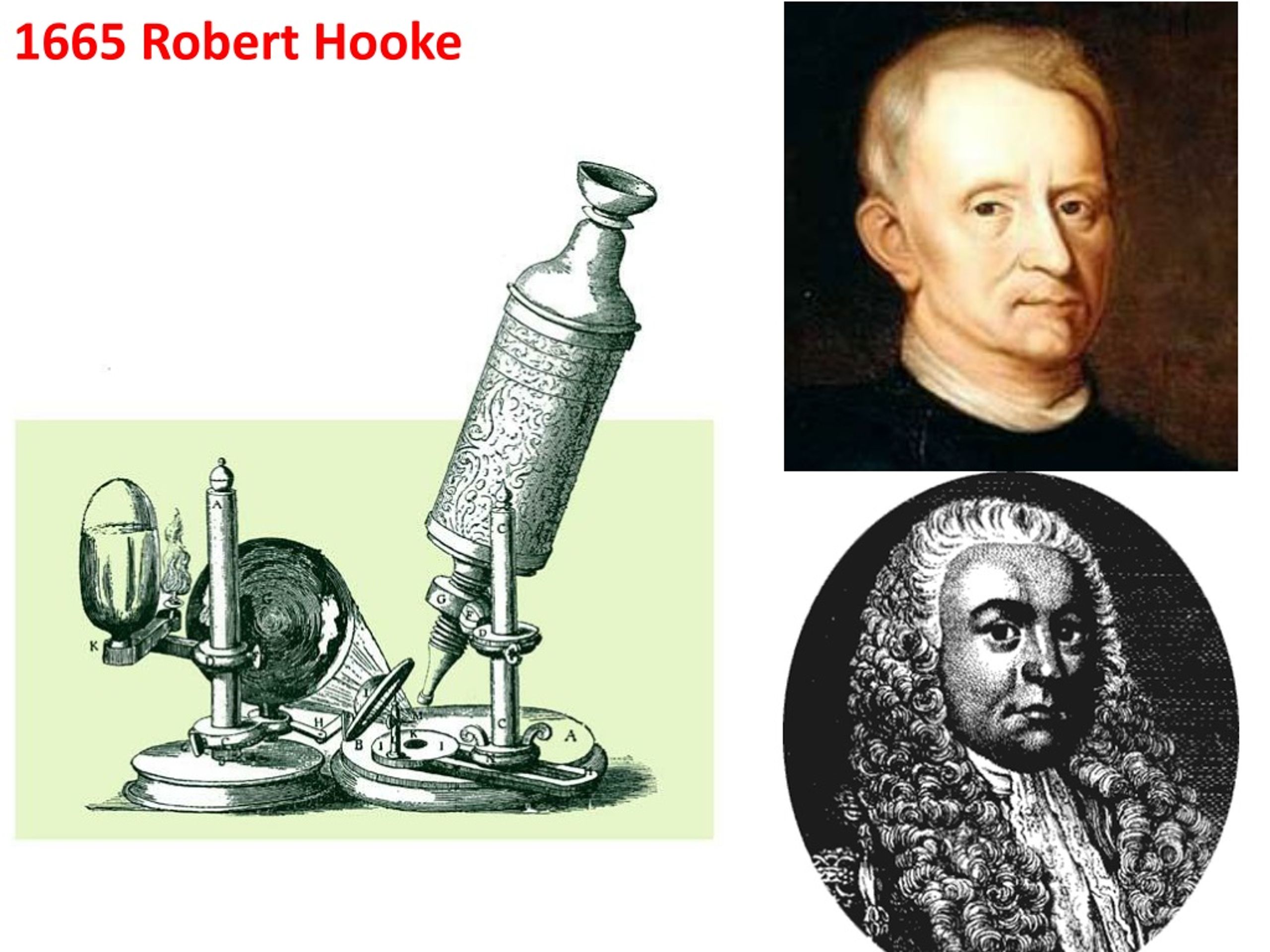
Who coined the term 'cell' after observing thin slices of cork?
Robert Hooke (1665).
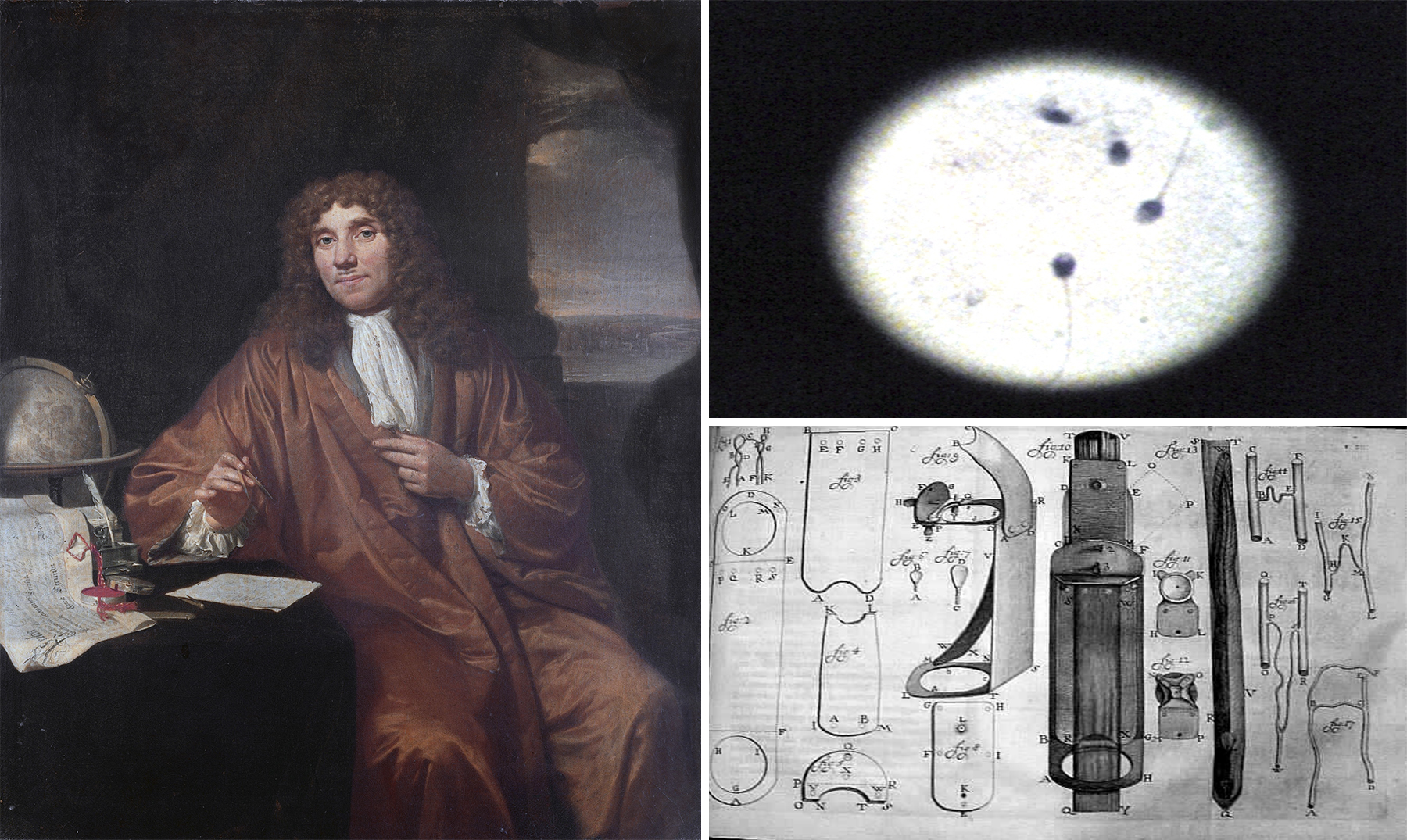
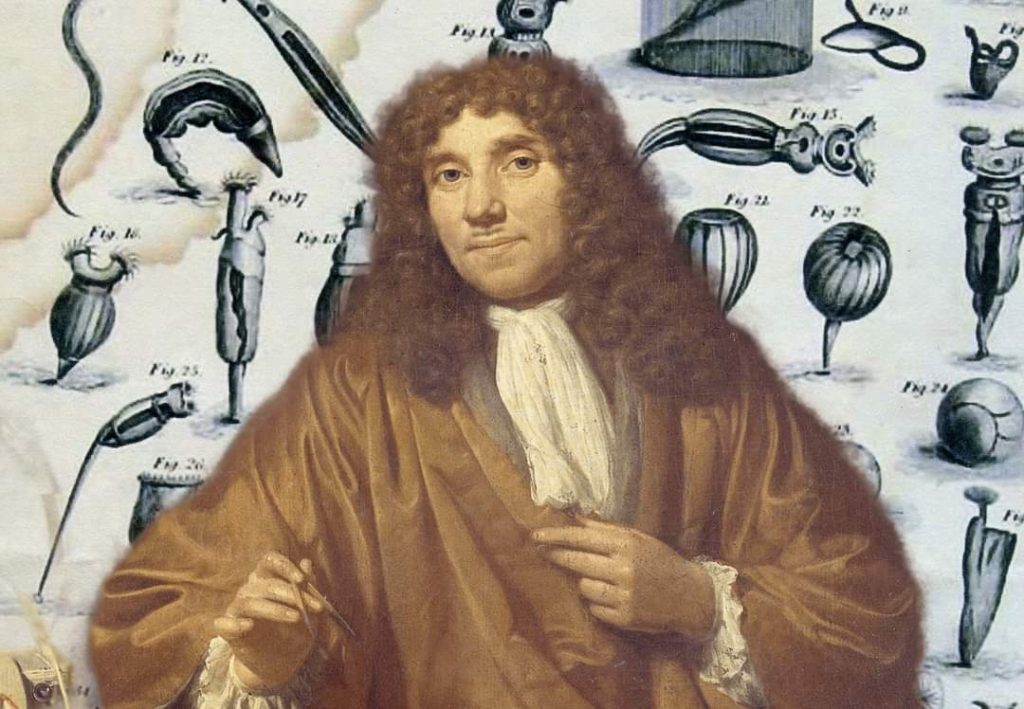
Who first observed microorganisms and called them 'animalcules'?
Anton Van Leeuwenhoek, mid 1600s.
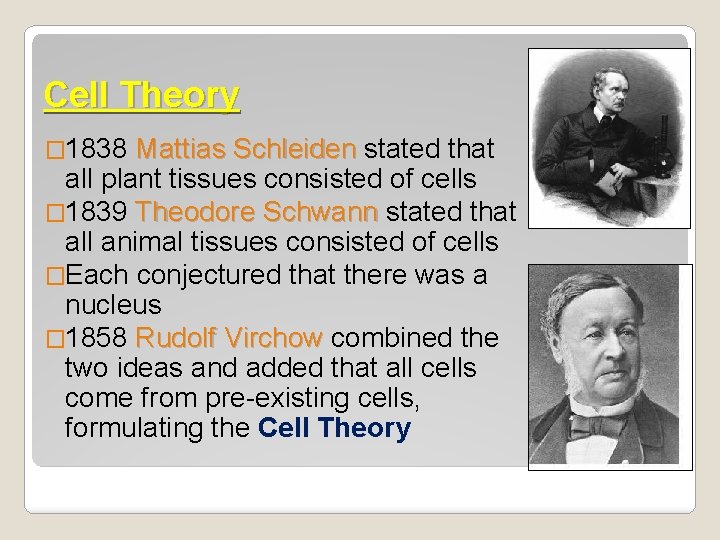
What is the Cell Theory and who formulated it?
The theory that cells are the fundamental units of life and carry out all basic functions of living things; formulated by Matthias Jakob Schleiden and Theodor Schwann, 1800s.
How did John Snow demonstrate the Germ Theory of Disease?
He mapped a London cholera outbreak to a specific water pump and had the handle removed, which caused the number of cases to decline, 1800s.
How did Francesco Redi dispel the belief in spontaneous generation?
He placed meat in open, sealed, and gauze-covered jars, proving that maggots only hatched when flies could access the meat.
What was Louis Pasteur's swan-necked flask experiment?
He boiled broth in curvy-necked flasks that allowed air to enter but trapped airborne microbes, proving microorganisms did not spontaneously generate.
What is the purpose of Koch's Postulates?
To identify the specific causative agent of a disease by isolating it in pure culture, infecting a healthy host, and recovering the same organism.
Who discovered that hand washing reduced puerperal fever deaths?
Ignaz Philipp Semmelweis, 1800s.
Who is considered the father of antiseptic surgery?
Joseph Lister, 1800s.
Who developed the first vaccine against smallpox?
Edward Jenner, 1700s.
Who discovered Penicillin?
Alexander Fleming, 1800-1900s.
Who first characterized viruses?
Martinus Beijerinck.
What percentage of known microorganisms can cause disease?
Less than 1%.
What are fungi?
Organisms that have a cell nucleus, absorb ready-made nutrients, and act as decomposers.
What are protozoa?
Single-celled, microscopic organisms that mostly obtain food by engulfing or ingesting smaller microorganisms.
What are helminths and arthropods in microbiology?
Helminths are worms whose microscopic life stages can cause disease; arthropods are insects that can transmit these microbes.
How did ancient Egyptians treat wounds?
They used honey around 1550 B.C.
Who was the Greek physician who realized diseases could be transmitted by clothing?
Hippocrates, 400 BC.
Who observed that people who recovered from the plague could care for victims without getting sick?
Thucydides, 400 BC.
Who is considered the 'Father of Taxonomy'?
Carolus Linnaeus, 1700s.
What did Louis Pasteur develop alongside his swan-necked flask experiments?
The first rabies vaccine.
Who suggested the use of agar to Robert Koch?
Angelina Hesse.
What is variolation and who introduced it to England?
Using fluid from a smallpox blister to build immunity; introduced by Lady Mary Ashley Montagu, 1717.
Who discovered the 'magic bullet' (chemotherapy)?
Paul Ehrlich.
Who developed sulfa drugs?
Domagk.
Who developed the porcelain filter used to remove bacteria from water?
Charles Chamberland, 1884.
Who determined the structure of DNA?
James Watson and Francis Crick.
What does 'prokaryotic' mean?
Lacks a nucleus and other membrane-enclosed structures.
What are the two domains of prokaryotic cells?
Archaea and Bacteria.
Why is the small size of bacteria important for their survival?
It gives them a large surface-to-volume ratio, which is efficient for transporting nutrients in and waste out.
What are the five main shapes of bacteria?
Coccus, Bacillus, Vibrio, Spirillum, Spirochete.
What do the bacterial arrangements 'Staphylo' and 'Strepto' mean?
Staphylo = grapelike clusters; Strepto = chains.
What is pleomorphism?
When bacteria of the same kind vary in shape and size.
What is the primary polymer component of the bacterial cell wall?
Peptidoglycan.
Describe the structure of a Gram-Positive cell wall.
A thick layer of peptidoglycan that contains teichoic acid.
Describe the structure of a Gram-Negative cell wall.
A thin layer of peptidoglycan separated by a periplasmic space and enclosed by an outer membrane.
How does Penicillin kill bacteria?
It blocks the final stage of peptidoglycan synthesis.
What is the difference between a protoplast and a spheroplast?
A protoplast is a Gram-positive cell with its wall digested away; a spheroplast is a Gram-negative cell with its wall digested away but retaining most of its outer membrane.
Describe the structure of an Acid-Fast cell wall.
Thick like a Gram-positive wall, but consisting of approximately 60% lipids/waxes.
What are the sedimentation rates for prokaryotic vs. eukaryotic ribosomes?
Prokaryotic = 70S (30S and 50S subunits); Eukaryotic = 80S (40S and 60S subunits).
What are plasmids?
Smaller, circular molecules of extrachromosomal DNA that supplement the genetic information found in the main chromosome.
What is the function of a bacterial endospore?
It is a highly resistant structure produced to help the bacterium survive extreme conditions (heat, drying, radiation), not for reproduction.
Define the flagellar arrangements: monotrichous, amphitrichous, lophotrichous, and peritrichous.
Monotrichous (one flagellum), amphitrichous (one at each end), lophotrichous (tuft at one or both ends), peritrichous (flagella all over).
What is the difference between conjugation pili and attachment pili (fimbriae)?
Conjugation (F) pili attach two cells to allow the exchange of DNA; attachment pili help bacteria adhere to surfaces.
What are the two forms of the glycocalyx and what do they do?
Capsules are thick and prevent host phagocytosis; Slime layers are thin, protect from drying, trap nutrients, and bind cells together.
What happens to a cell in a hypotonic solution vs. a hypertonic solution?
Hypotonic: water flows INTO the cell (it swells); Hypertonic: water flows OUT OF the cell (it shrinks).
What is the difference between Active Transport and Facilitated Diffusion?
Active transport moves molecules against the concentration gradient and requires ATP; facilitated diffusion moves substances down the gradient using carrier proteins and does not require ATP.
What does eukaryotic mean?
Eu = True, Karyon = Nucleus; they have a nucleus and membrane-enclosed organelles, and include multicellular plants, animals, fungi, and protists.
What are two similarities between eukaryotic and prokaryotic cells?
Both are surrounded by a cell membrane and encode genetic information in DNA.
What are coccobacilli?
Short rods intermediate between rods and spherical shapes.
Define the arrangements Diplo, Tetrads, and Sarcinae.
Diplo = two; Tetrads = four cells in a cube; Sarcinae = eight cells in a cube.
How does Lysozyme damage bacteria?
It digests the peptidoglycan in the cell wall.
Why must Gram staining be performed on cultures less than 24 hours old?
Physiological damage or aging can make Gram-positive walls leaky, causing the dye to escape and giving false Gram-variable or Gram-negative results.
What is the difference between Exotoxins and Endotoxins?
Exotoxins are proteins secreted by live bacteria (mostly Gram-positive); Endotoxins are the lipid portions (Lipid A) of lipopolysaccharides in the Gram-negative outer membrane that are liberated when the bacteria die.
What is the composition of bacterial cytoplasm?
A semifluid substance that is 4/5 water and 1/5 dissolved or suspended substances like enzymes, carbohydrates, and lipids.
What are polyribosomes?
Long chains of ribosomes grouped together in the cytoplasm of bacteria.
What are chromatophores?
Internal membrane systems in photosynthetic bacteria and cyanobacteria that contain pigments used to capture light energy.
What is the difference between bacterial granules and vesicles?
Granules are densely condensed and store glycogen or polyphosphate; Vesicles are filled with gas or iron compounds (magnetosomes).
What layers surround the living core of a bacterial endospore?
A cortex, a spore coat, and an exosporium.
What is the difference between Chemotaxis and Phototaxis?
Chemotaxis is movement toward or away from chemicals; Phototaxis is movement toward or away from light.
How do some aquatic bacteria achieve buoyancy for phototaxis?
They use oil droplet inclusions in their cytoplasm to rise toward the water surface where light is more available.
What is simple diffusion?
The random movement of molecules from an area of high concentration to lower concentration until they are equally distributed.
What is osmosis?
The diffusion of water from an area of higher concentration to an area of lower concentration through a semipermeable membrane.
What are the steps of phagocytosis (endocytosis)?
A microbe is engulfed into a phagosome (vacuole), which fuses with a lysosome that releases enzymes to digest the contents, and the residual particles are released via exocytosis.
What is a parasite?
An organism that lives at the expense of another organism, called the host.
What are parasites that cause disease called?
Pathogens.
What is the difference between an ectoparasite and an endoparasite?
Ectoparasites live on the surface of the host (e.g., ticks, lice); endoparasites live within the host's body (e.g., protozoa, worms).
What is an obligate parasite?
A parasite that must spend at least some of its life cycle in or on a host (e.g., the protozoa that causes malaria).
What is a facultative parasite?
An organism that is normally free-living but can obtain nutrients from a host (e.g., soil fungi causing skin infections).
What are accidental parasites?
Parasites that invade an organism other than their normal host (e.g., a tick that usually attaches to dogs attaching to a human).
What is hyperparasitism?
When a parasite itself has parasites (e.g., a mosquito harboring the malaria parasite).
What are vectors in parasitology?
Agents of transmission, such as insects, that transfer parasitic diseases to humans.
What does host specificity refer to?
The range of different hosts in which a parasite can mature.
Which group of animal-like protists is parasitic, immobile, and includes the malaria parasite?
Apicomplexans (or sporozoans).
In the malaria life cycle, what form of the parasite is transmitted to the human by the female Anopheles mosquito?
Sporozoites.
In the human liver, malaria sporozoites multiply and become what?
Merozoites.
What causes the characteristic chills, high fever, and sweating in a malaria infection?
Merozoites becoming trophozoites in the blood, multiplying, and rupturing red blood cells.
What are the two main groups of parasitic helminths (worms)?
Flatworms and roundworms.
What are two examples of parasitic flatworms?
Tapeworms and flukes.
What are the general physical characteristics of roundworms (nematodes)?
They have a pseudocoelom, separate sexes, and a cylindrical body.
What are the general physical characteristics of flatworms?
They lack a coelom, have a simple digestive tract with one opening, and are mostly hermaphroditic.
What are hyphae?
The tubular structures that make up the growth of most multicellular fungi.
What is the difference between septate and aseptate hyphae?
Septate hyphae have divisions between each cell; aseptate hyphae do not have divisions and appear as a long continuous chain with many nuclei.
How do asexual fungal spores arise and what is their genetic outcome?
They arise from mitosis, resulting in no genetic variation.
What are conidiospores?
Asexual spores formed in chains that are not enclosed in a sac (e.g., Penicillium).
What are sporangiospores?
Asexual spores formed within a sac called a sporangium (e.g., Absidia).
How do sexual fungal spores arise and what is their genetic outcome?
They arise from meiosis, resulting in genetic variation.
What are zygospores?
Sexual spores formed by haploid gametes found at the tips of hyphae (e.g., Rhizopus / black bread mold).
What are ascospores?
Sexual spores that form within a sac called an ascus (e.g., cup fungi, truffles).
What are basidiospores?
Sexual spores that bud off of a pedestal structure called a basidium (e.g., mushrooms).
How are tissue flukes different from blood flukes?
Tissue flukes attach to bile ducts, lungs, or other tissues; blood flukes are found in the blood during some stages of their life cycle.
What two groups of people are most likely to develop mycoses?
Immunocompromised individuals and people experiencing a disruption of their normal microbiota.
Name two fungal infections that act as true pathogens capable of infecting typically healthy hosts.
Histoplasmosis and Coccidioidomycosis.
How do humans typically contract tapeworms?
By eating rare or undercooked meat containing infective embryos (cysticerci).
What is the principal arthropod vector for Lyme disease?
Ticks.