FSCN 1011: Poultry and Fish
 View linked note
 Call Kai
 Learn
Learn Practice Test
 Spaced Repetition
 Match
Match Flashcards
 Knowt Play
1/31

There's no tags or description
Looks like no tags are added yet.
Name | Mastery | Learn | Test | Matching | Spaced | Call with Kai |
|---|
No analytics yet
Send a link to your students to track their progress
32 Terms
Poultry
Birds raised for their meat, including chickens, ducks, and geese.
Cooking Methods for Younger Birds
Roasting, frying, and broiling.
Cooking Method for Older Birds
Braising or stewing.
Fish Freshness Indicators
Shiny skin, bright eyes, firm flesh, and no fishy odor.
Removed guts
Keep chilled but quality will deteriorate rapidly if chilled
Excised Core Temperature for Poultry Stuffing
Cook until the stuffing reaches 165°F.
Trimethylamine
A compound produced by bacteria that converts trimethylamine oxide and indicates fish deterioration.
Astaxanthin
A pigment found in salmon that contributes to its color.
Toxicity in Shellfish
Can occur from eating plankton; cooking can eliminate bacteria and toxins.
Structure of Poultry
Muscle fiber proteins, connective tissue and fat
Dark meat
Cuts come from muscles that use more oxygen and have more iron. The iron is held in a protein called myoglobin, which gives it the darker color.
White meat
Cuts come from muscles that metabolize energy with less oxygen, have less myoglobin and are lighter and color.
As domestic birds age, fat increases (T/F)
True
What bird has more fat?
Most fat: Geese
Followed by: Duck
Last: Chicken
As the poultry ages, does it become tougher or more tender?
Increases toughness
Fryers < roasters < stewing hens
How age effects poultry flavor
Older birds have more flavor because they have more fat
Warmed over flavors occur in poultry (T/F)
True
Added broth flavors in poultry
MSG and phosphates
Fin Fish are lean and fat (T/F)
True
What are Shell Fish?
Crustaceans (crab, lobster) and Mollusks (clams, oysters)
Two main muscles of Fin Fish
Lateral muscle and Dark (or red) muscle
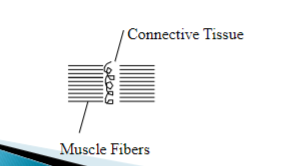
Muscle fiber arrangement in Fin Fish
They are short and arranged in segments
Cooking methods for high fat fish
Broiling and baking
Cooking methods for all fish
Frying, steaming, poaching
Other cooking methods for fish
Shorter cooking time and doneness
Freezing and how it effects fish freshness
Limited shelf life
The freezed water particles denature the proteins.
Fresh fish flavor
Slightly sweet and characteristic of its species
Deteriorated fish flavor
Trimethylamine produced from oxygen, oxidized fat, protein breakdown.
Salmon
Has astaxanthin and canthaxanthin added to feed farmed salmon.
Tuna
Has myoglobin and a red, meat color.
Shell fish qualities
Super perishable (best to keep alive)
Tough meat (Cook minimally, pound, cut into small pieces)
Has toxins from eating plankton
Must cook out bacteria
Shrimp coloration
Uncooked shrimp are more gray while cooked are pink.
Why do cooked shrimp become pink?
Carotenoids are bound to the protein in uncooked shrimp, when heated, it denatures the proteins and releases carotenoids.