South Asia world project
 Call Kai
 Learn
Learn Practice Test
 Spaced Repetition
 Match
Match Flashcards
 Knowt Play
1/19

There's no tags or description
Looks like no tags are added yet.
Name | Mastery | Learn | Test | Matching | Spaced | Call with Kai |
|---|
No analytics yet
Send a link to your students to track their progress
20 Terms
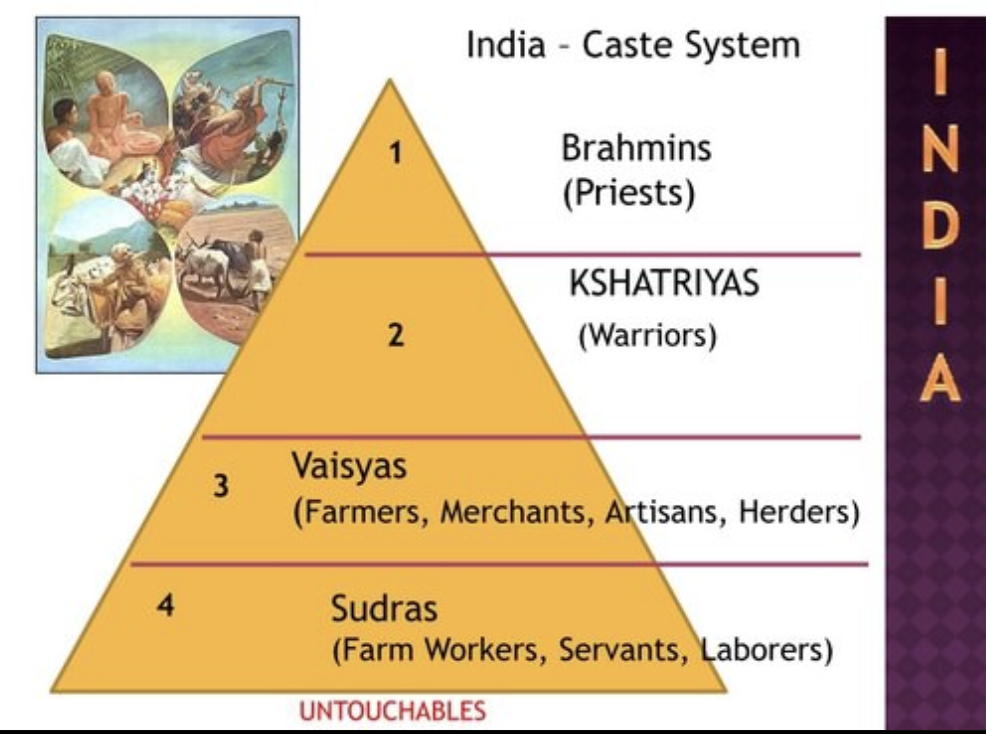
This depicts a photo of the Indian Caste System. It demonstrates how Indian Society was organized into strict social levels. The system affected jobs, status, and daily life in India, determining individuals' roles and duties based on their caste. This relates back to Unit 1 by demonstrating a significant political/social structure in this region.
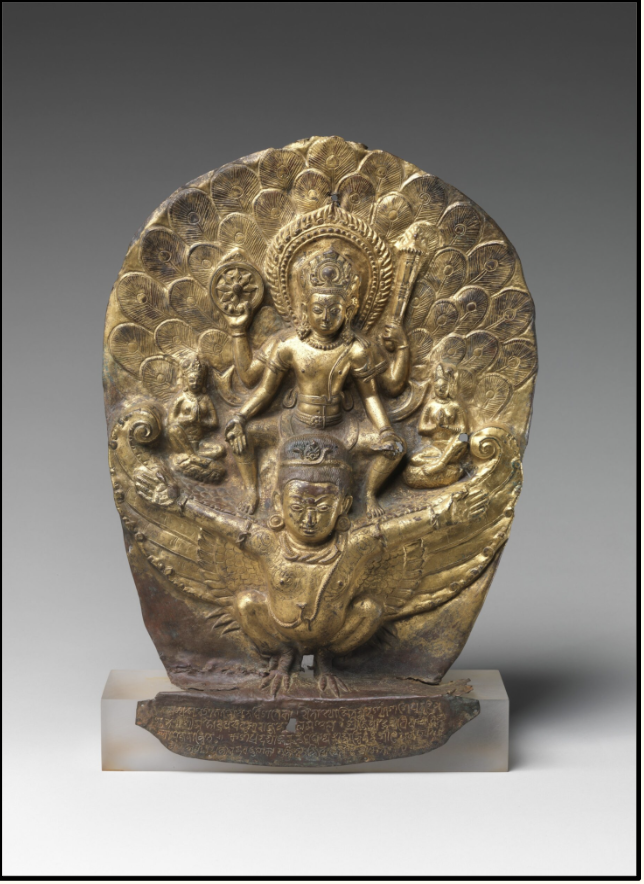
This is a Hindu Religious statue, and it shows how religion affected South Asian culture and social life by influencing traditions and shaping social rules. This connects back to the unit because it’s an example of a cultural practice, specifically Hinduism, which is a major topic in unit 1.
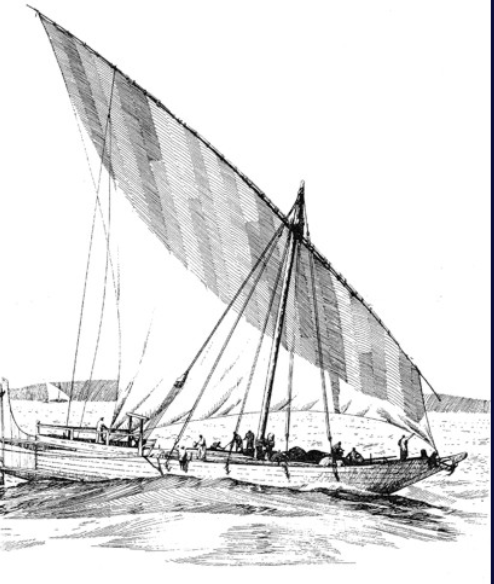
This dhow ship shows the transportation technology that made Indian Ocean trade possible. Ships like this connected South Asia to Southeast Asia and Africa through trade. This ties back to Unit 2 because this was a significant technological advancement at the time.
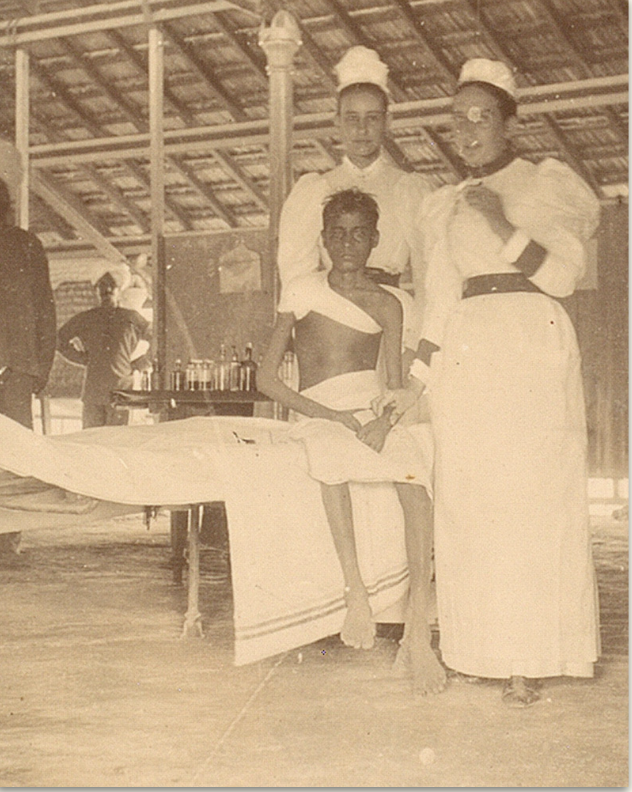
This image of a boy from Bombay after the Bubonic plague spread in India illustrates the devastation caused by the plague in South Asia. It ties back to Unit 2 by showing how biological exchanges and diseases affected populations and societies, leading to significant social and economic disruption.
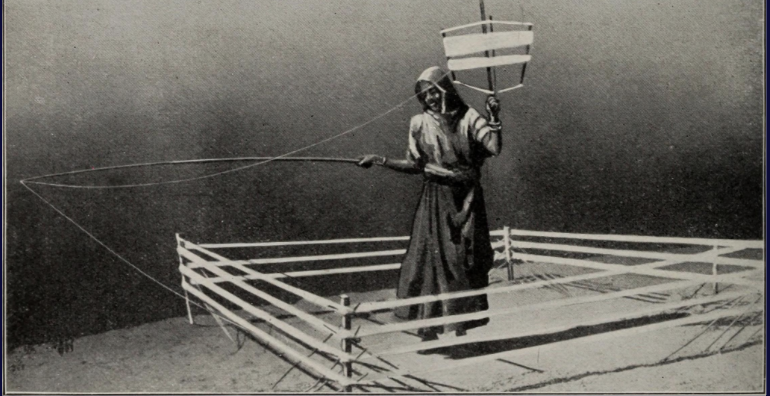
This is a woman warping cotton thread on a hand operated loom. It depicts traditional Indian cotton textile production, and it relates to Unit 2 by illustrating a key commodity in the Indian Ocean Trade Network, cotton, which was a major industry in India for centuries.
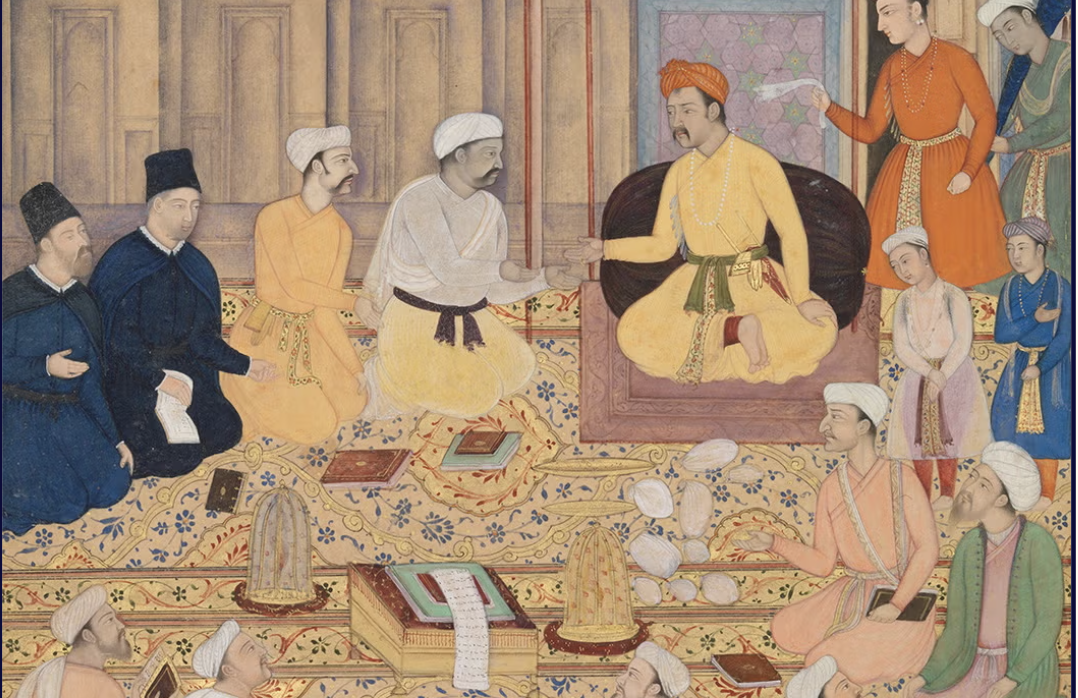
The image depicts Emperor Akbar holding a religious assembly in his House of Worship speaking to 2 Jesuit Missionaries, which directly illustrates Akbar’s religious tolerance, which was a pivotal factor in the land based empires of this unit, specifically the Mughal empire.
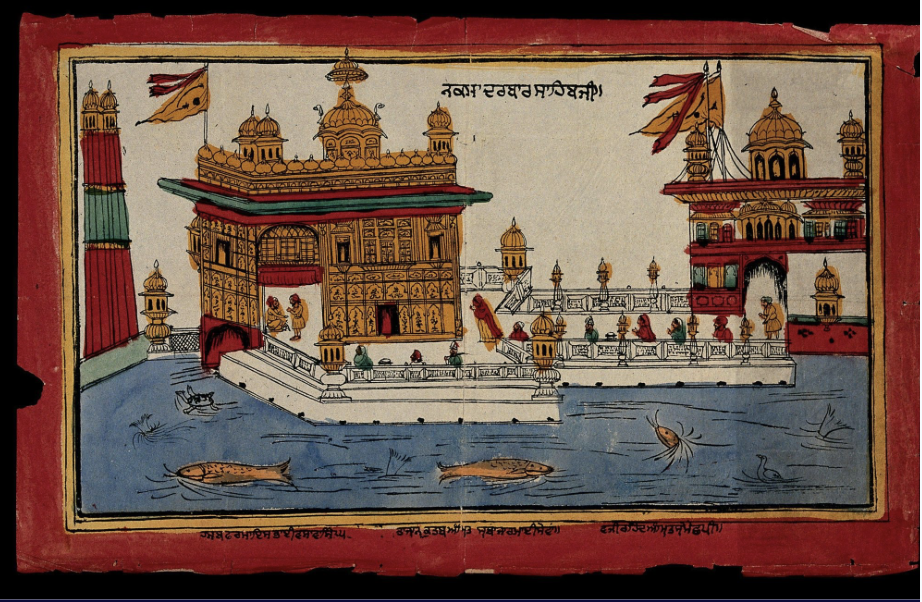
The image is a 19th-century lithograph depicting the Golden Temple located in Punjab. It is the most sacred site in Sikhism and a major place of worship. The temple's architecture reflects the artistic and architectural styles prevalent in the region during the Mughal period, showcasing cultural interactions and syncretism.
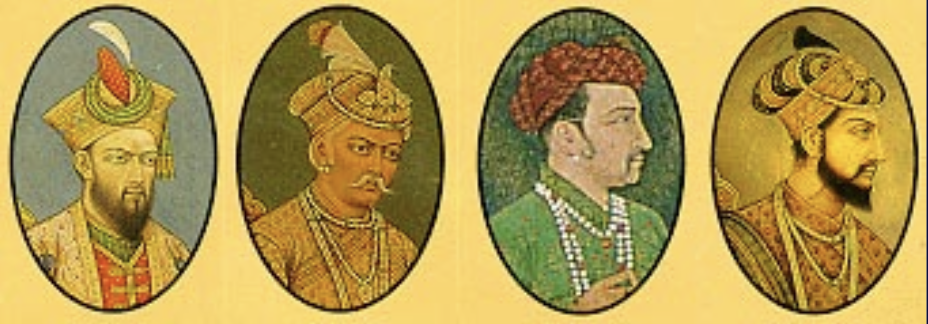
These were prominent emperors of the Mughal Empire, including Akbar and Jahangir, who were central figures in the expansion and consolidation of one of the largest land-based empires of the era. They ruled over much of the Indian subcontinent from the early 16th to the mid-19th century.
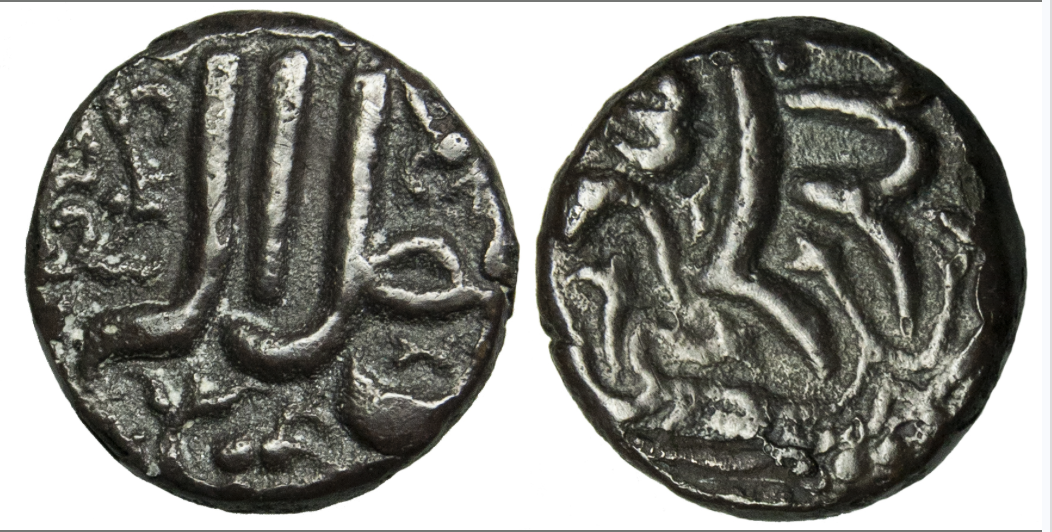
These are coins used in the Mughal Dynasty. Coins show trade, taxation, and the ruler’s authority, which mattered as European influence grew in the region. This connects back to Unit 4 by illustrating the economic and political systems of the Mughal Empire during the period of transoceanic interconnections.
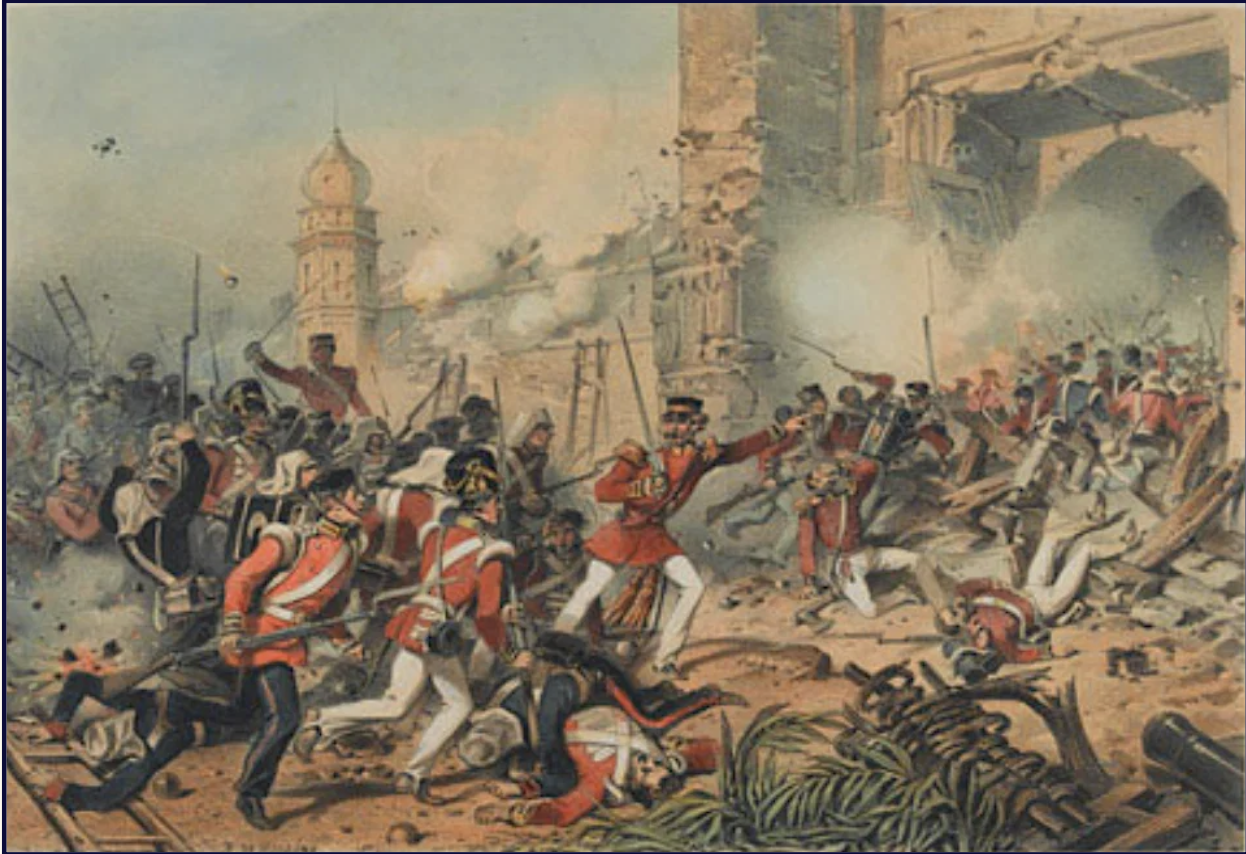
The scene shows British troops assaulting and retaking the city of Delhi, it was a pivotal moment in the uprising against the British East India Company, which was suppressed with significant violence. It relates back to this unit by serving as a key example of indigenous resistance against imperialism.
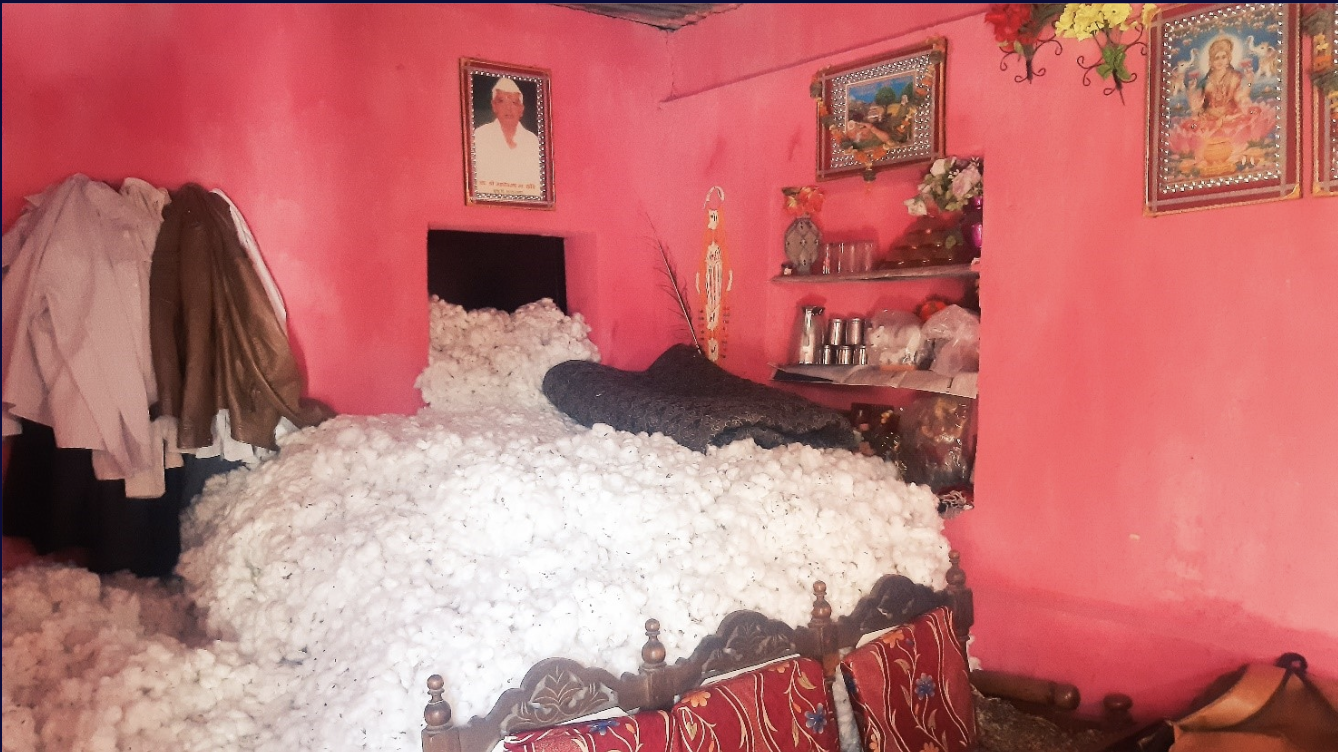
The image depicts a room in India filled with raw cotton harvested by local farmers. The production and processing of cotton into textiles were central to the economic growth and industrial changes during this era, the massive scale of cotton production and trade led to significant economic and social changes globally,
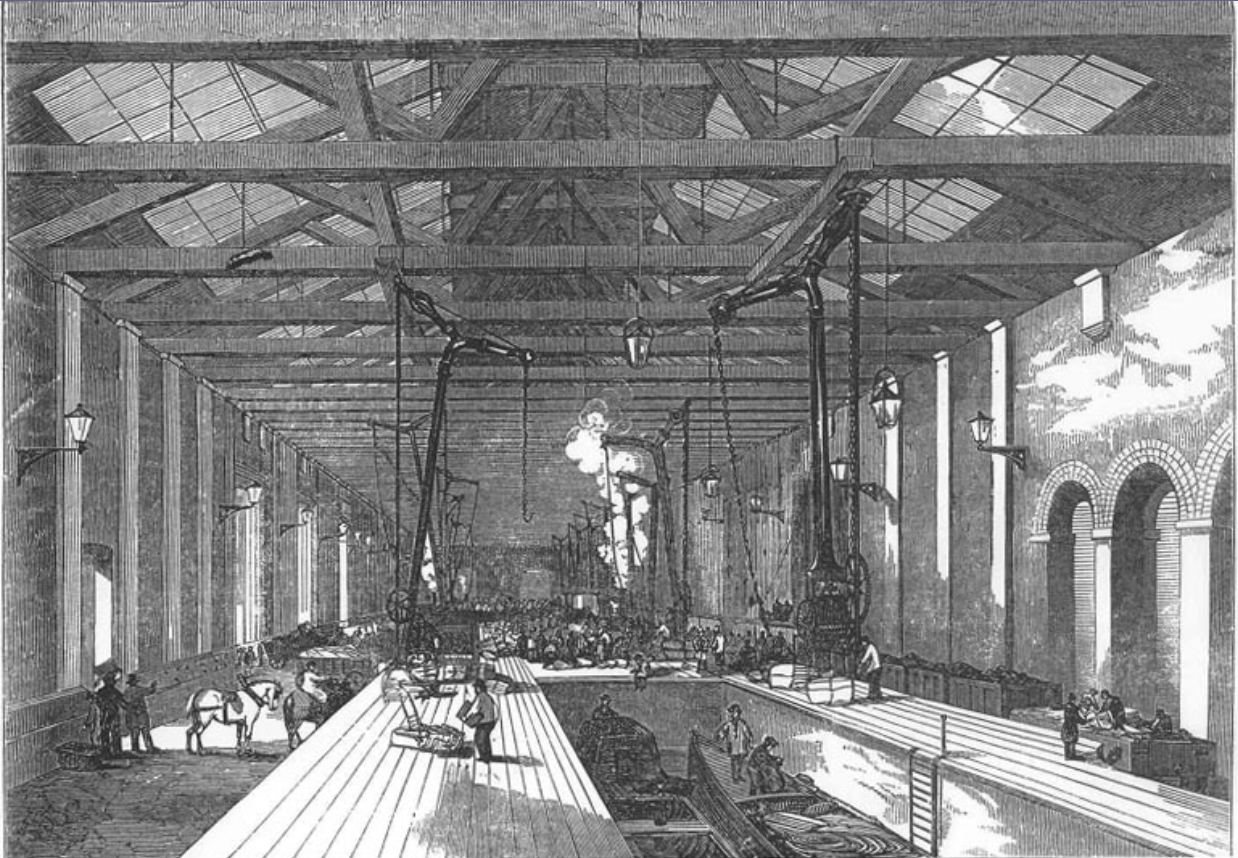
This image depicts a railway, with a shed designed by architect Lewis Cubitt to efficiently transfer goods between road, rail, and water transport. The massive goods shed and railway system represent the significant infrastructure development that facilitated the rapid movement of raw materials and finished products during the Industrial Revolution.
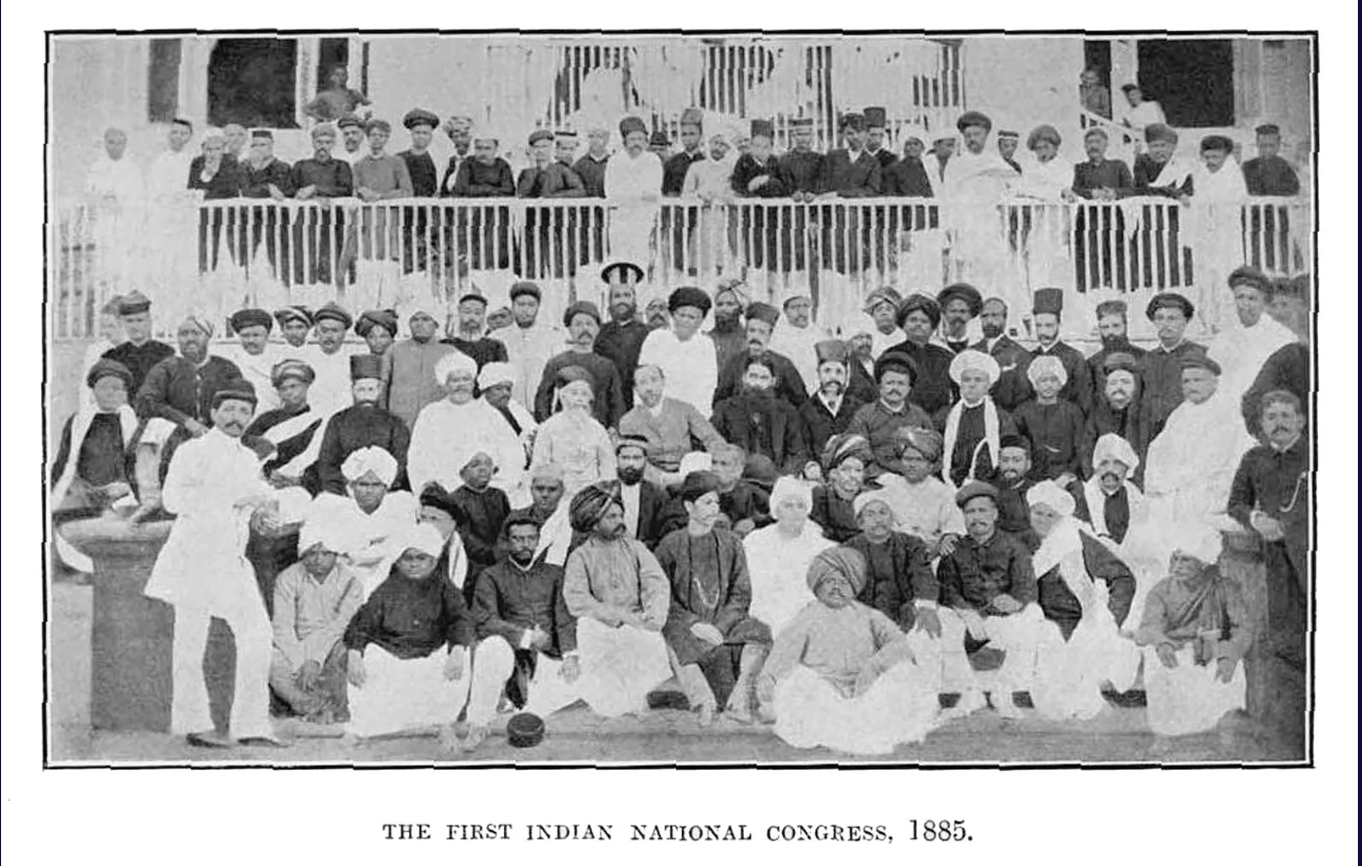
This is the first held session of the Indian National Congress.The establishment of this organization marked the beginning of organized political activity against British colonial rule in India. The Indian National Congress (INC) is a key example of a resistance movement to imperialism in this unit.
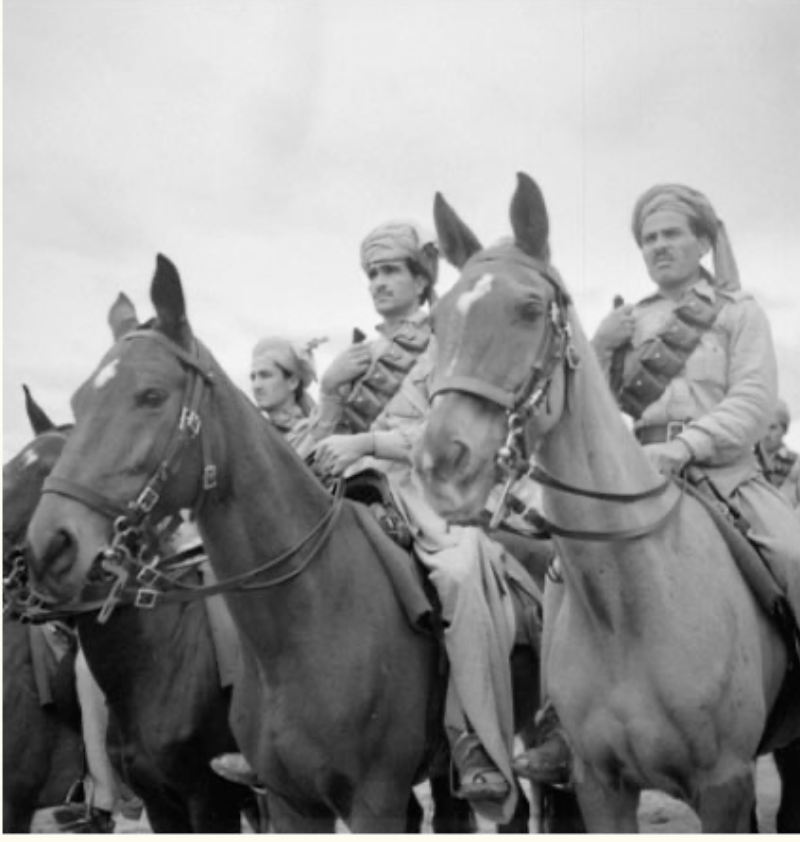
These are Troops of the Tochi Scouts, a component of the Frontier Corps in Pakistan, illustrating the use of colonial troops and the impact of global conflicts on imperial relationships. This highlights the imperial control Britain exerted over its colonies, a key context leading into the global conflicts of Unit 7.
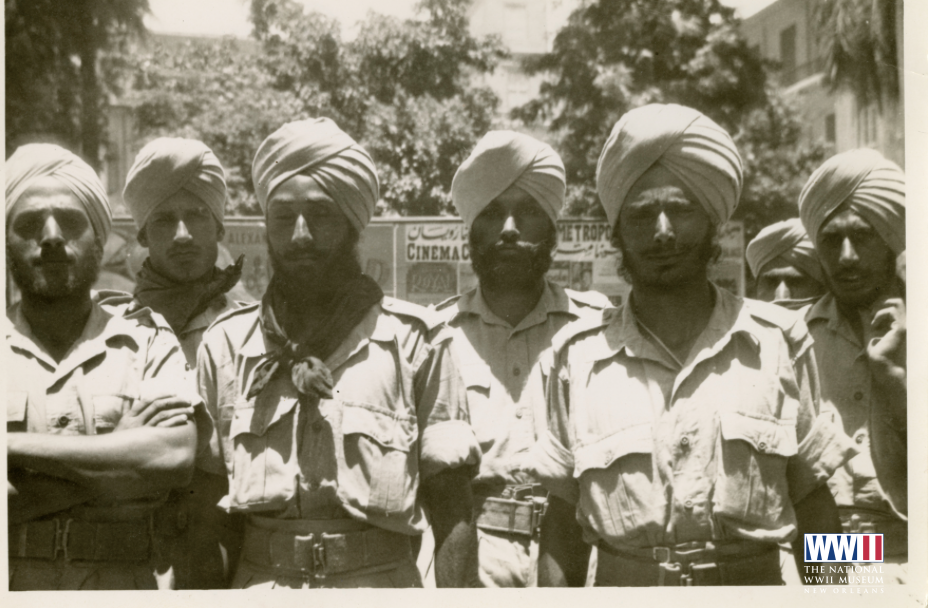
These are Sikh troops from the BRITISH INDIAN Army during WW2. The image relates to Unit 7 by depicting the global nature of World War II, the mobilization of colonial resources by imperial powers, and the context for subsequent independence movements.
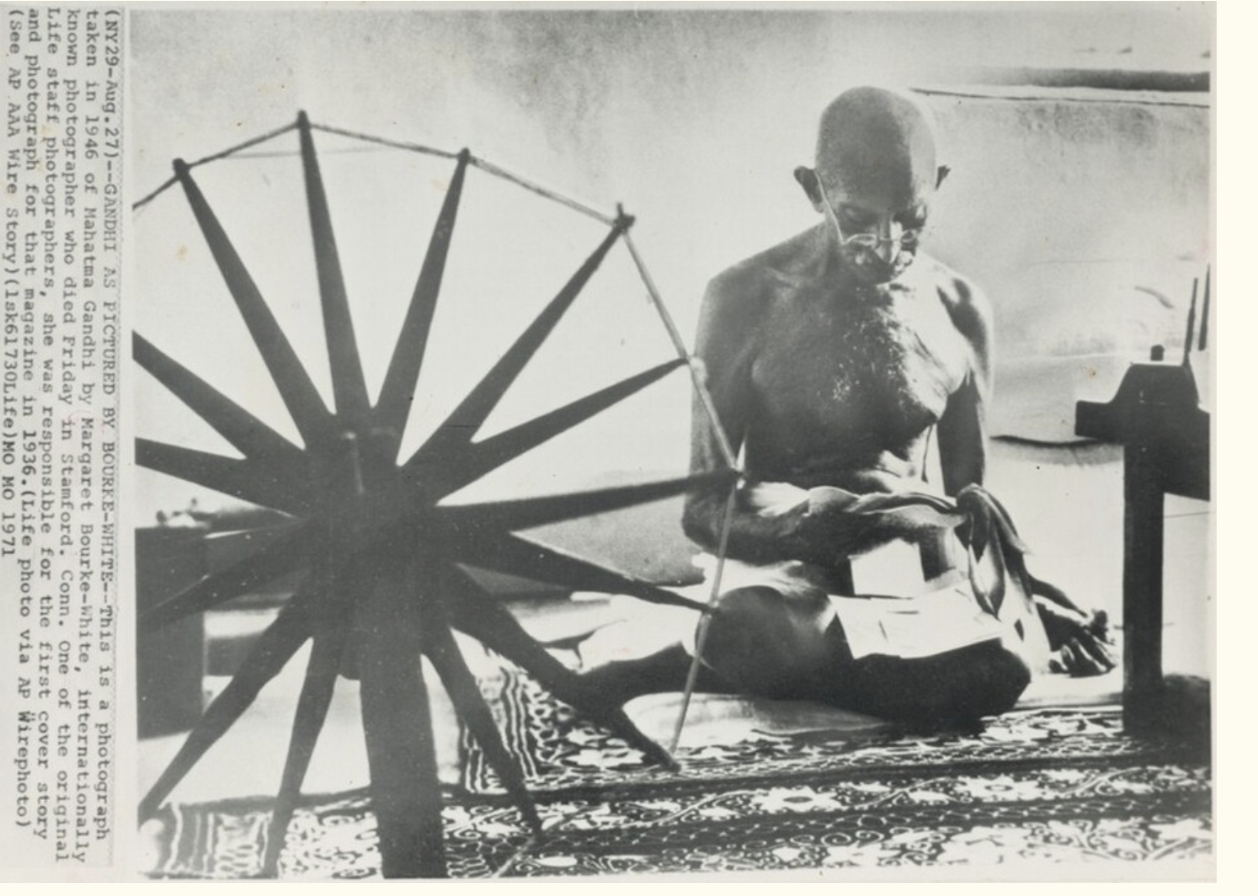
This is Gandhi at a spinning wheel weaving his own cloth. This is an example of the many forms of civil disobedience he performed to rebel against British imperialism, which relates to the decolonization and independence movements mentioned in Unit 8.
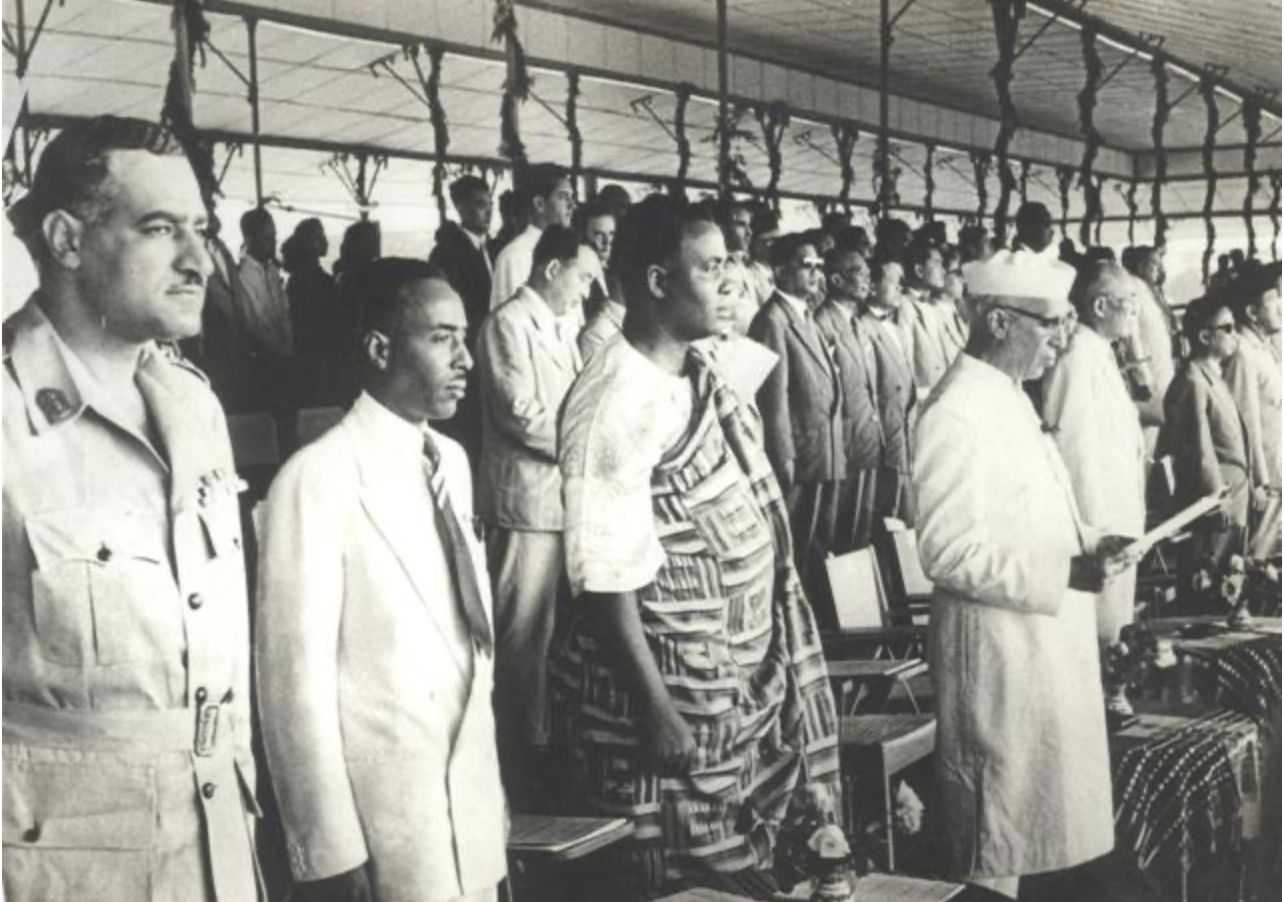
This is the Asian-African conference located in Bandung, where they laid a lot of the groundwork for the Non-Alignment Movement. They decided to come together to dispel colonization through their unity and support for one another as well as their advocacy for other nations that were still under colonial rule.
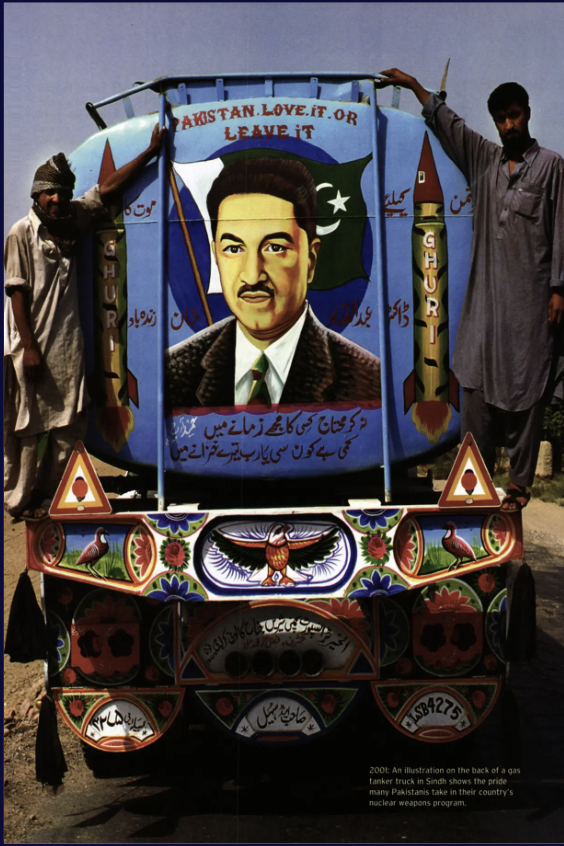
This image features Abdul Qadeer Khan, a key figure in Pakistan's nuclear program. The image relates to Unit 9 by demonstrating the proliferation of nuclear technology/advanced military technology and its impact on global politics and national identity in the modern era.
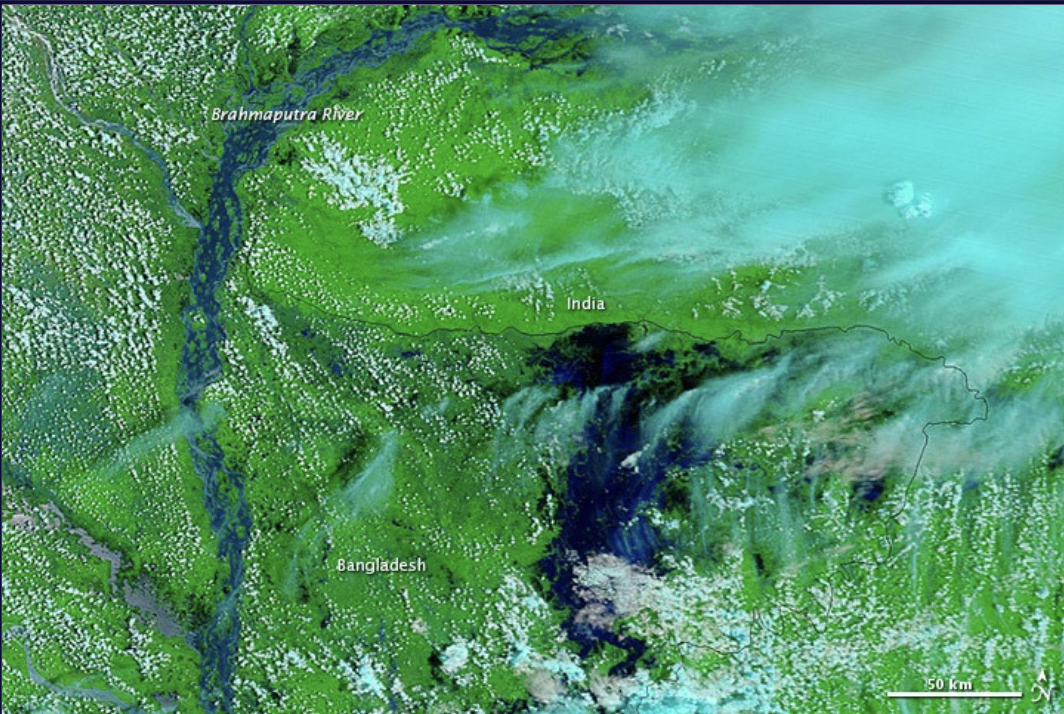
This is a map illustration of flooding that occurred in Bangladesh, and it relates to Unit 9 because it shows how globalization and population growth increase environmental challenges. Climate change has caused stronger monsoons and rising sea levels, leading to more frequent flooding.
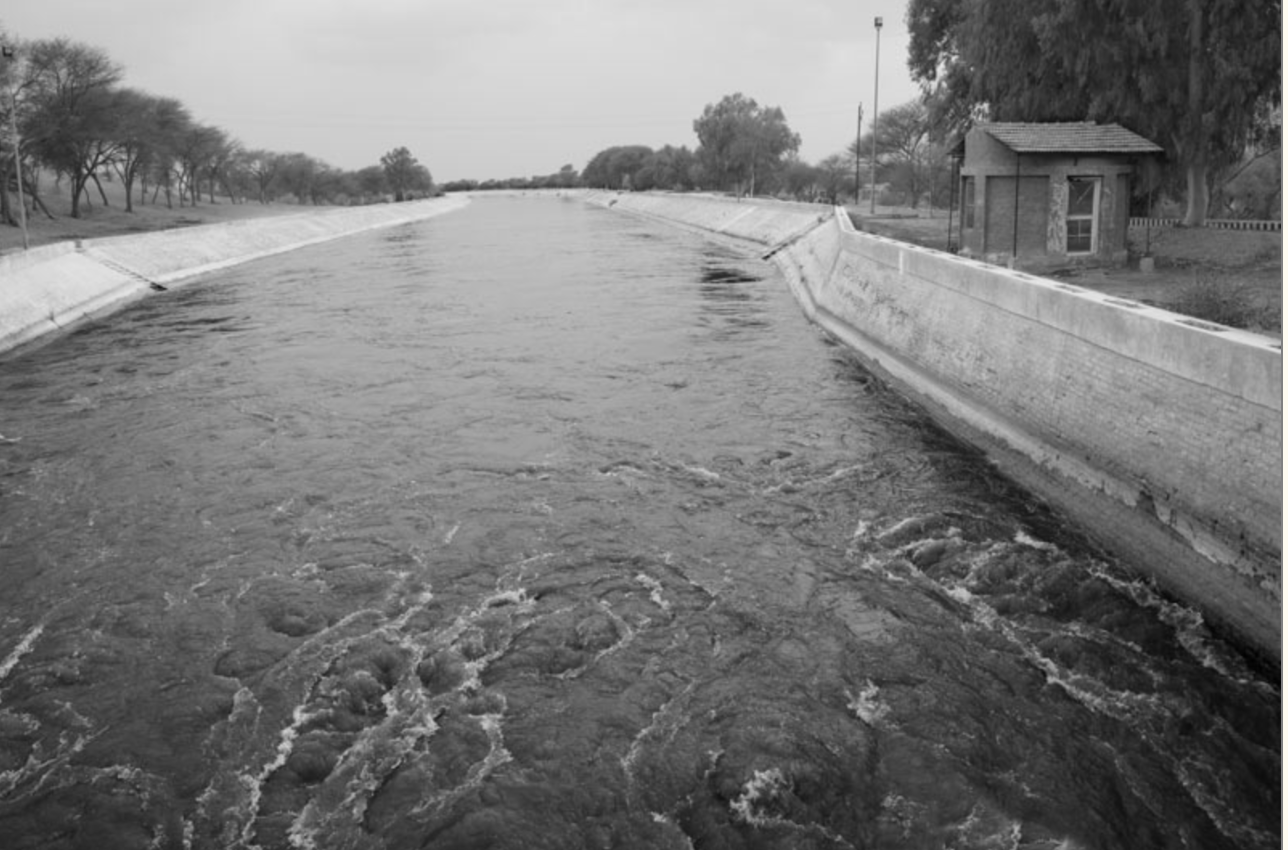
This image shows the Indira Gandhi Canal, a massive engineering project designed to bring water to the Thar Desert region in Rajasthan, India. The image relates to our current unit by showing the environmental and economic impacts of large-scale infrastructure projects that facilitated the Green Revolution in India.