delete
 Call Kai
 Learn
Learn Practice Test
 Spaced Repetition
 Match
Match Flashcards
 Knowt Play
1/95

There's no tags or description
Looks like no tags are added yet.
Name | Mastery | Learn | Test | Matching | Spaced | Call with Kai |
|---|
No analytics yet
Send a link to your students to track their progress
96 Terms
Muscles
Primary structure that comprises the muscular system.
duct/o
to bring
extens/o
to stretch out
fibr/o
fibers
flex/o
bend
kinesi/o; -kinesia
movement
fasci/o
fibrous band
my/o; muscul/o; myos/o
muscle
ten/o; tendin/o; tend/o
tendon
plant/o
sole of foot
rotat/o
to revolve
vers/o
to turn
dors/o
back of body
ab-
away from
ad-
toward
circum-
around
e-
outward
-asthenia
weakness
-ion
action
-tonia
tone
-trophic
pertaining to development
Muscles
Bundles, sheets, or rings of tissue that produce movement by contracting and pulling on the structures to which they are attached.
mus or little mouse
The term muscle is the diminutive form of the Latin word "_____" or "_____." This is thought to describe how the skin ripples when a muscle contracts.
400 skeletal muscles
The human body has more than _____ skeletal muscles.
50%
The human body has more than 400 skeletal muscles, which account for almost _____% of the body's weight.
Skeletal; Smooth; Cardiac
Enumerate three (3) types of muscle tissues:
Muscle tissue
Either voluntary or involuntary.
Voluntary muscles
Those muscles for which a person consciously chooses to contract and for how long and how hard to contract them.
Voluntary muscles
Skeletal muscles of arm and leg are considered _____ muscles.
Involuntary muscles
The muscles under the control of the subconscious regions of the brain.
Involuntary muscles
Smooth muscles found in internal organs and cardiac muscles are considered _____ muscles.
Skeletal muscle
It is directly or indirectly attached to a bone and produces voluntary movement of the skeleton.
Striated muscle
A skeletal muscle is also referred to as _____ because of its striped appearance under the microscope.
Fascia
Each muscle is wrapped in layers of fibrous connective tissue called _____.
Fascia
The _____ tapers at each end of a skeletal muscle to form a very strong tendon. The tendon then inserts into the periosteum covering a bone to anchor the muscle to the bone.
Motor neurons
Skeletal muscles are stimulated by _____ of the nervous system.
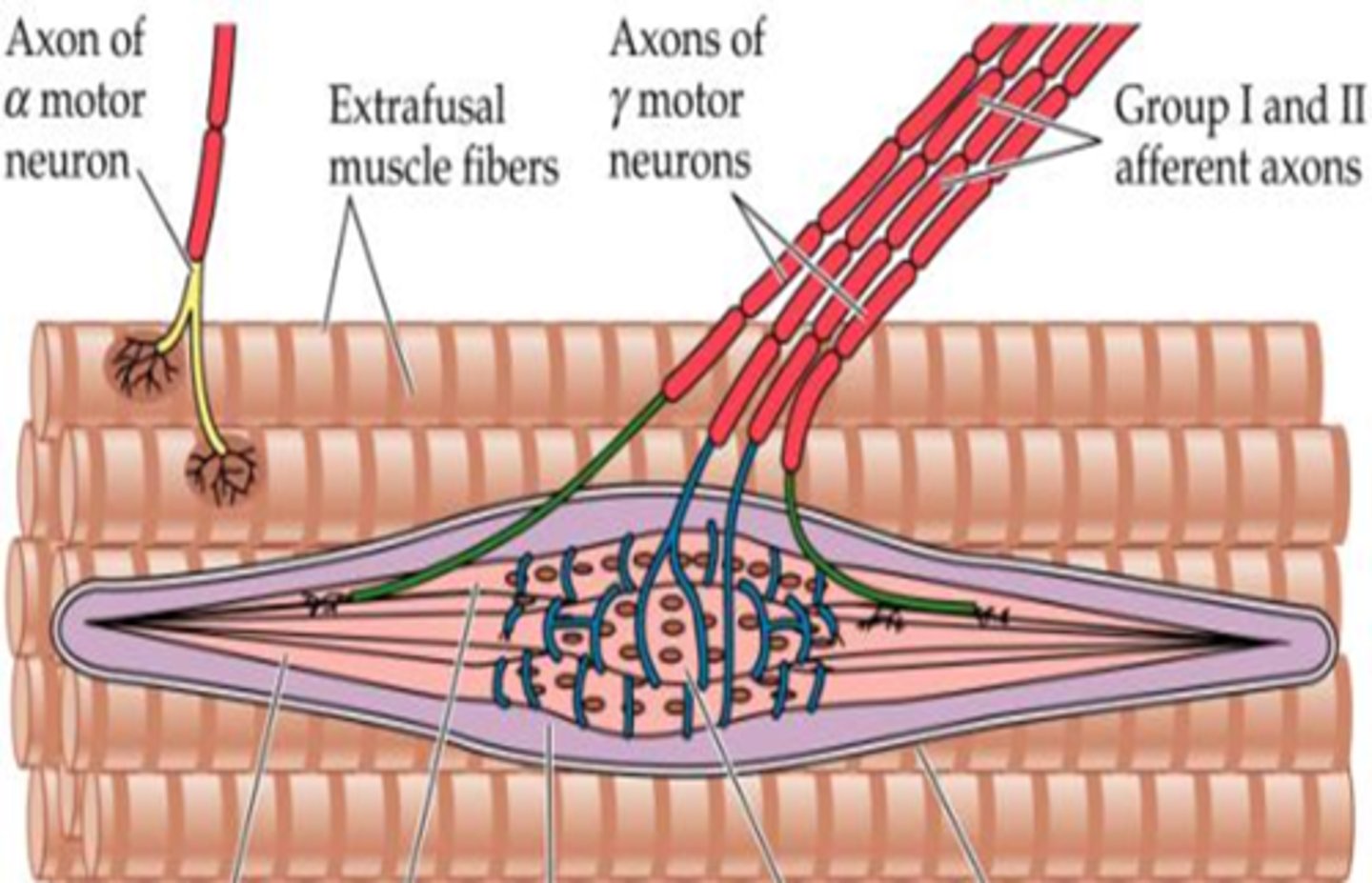
Myoneural junction
The point at which the motor nerve contacts a muscle fiber is called the _____.
Smooth muscle
Found in association with internal organs.
Visceral muscle
Smooth muscle is also known as _____.
Smooth muscle
Its name refers to the muscle's microscopic appearance.
Smooth muscle
It lacks the striations of skeletal muscle.
Smooth muscle
Found in the walls of the hollow organs, such as the stomach, tube-shaped organs, such as the respiratory airways, and blood vessels.
Smooth muscle
It is responsible for the involuntary muscle action associated with movement of the internal organs, such as churning food, constricting a blood vessel, and uterine contractions.
Cardiac muscle
Muscle that makes up the wall of the heart.
Myocardium
Cardiac muscle is also known as _____.
Equally
Skeletal muscles are attached to two different bones and overlap a joint. When a muscle contracts, the two bones move, but not usually _____.
Origin
The less movable of the two bones is considered to be the starting point of the muscle.
Insertion
The more movable bone is considered to be where the muscle ends.
Action
The type of movement a muscle produces.
Antagonistic pairs
Muscles are often arranged around joints in _____, meaning that they produce opposite actions.
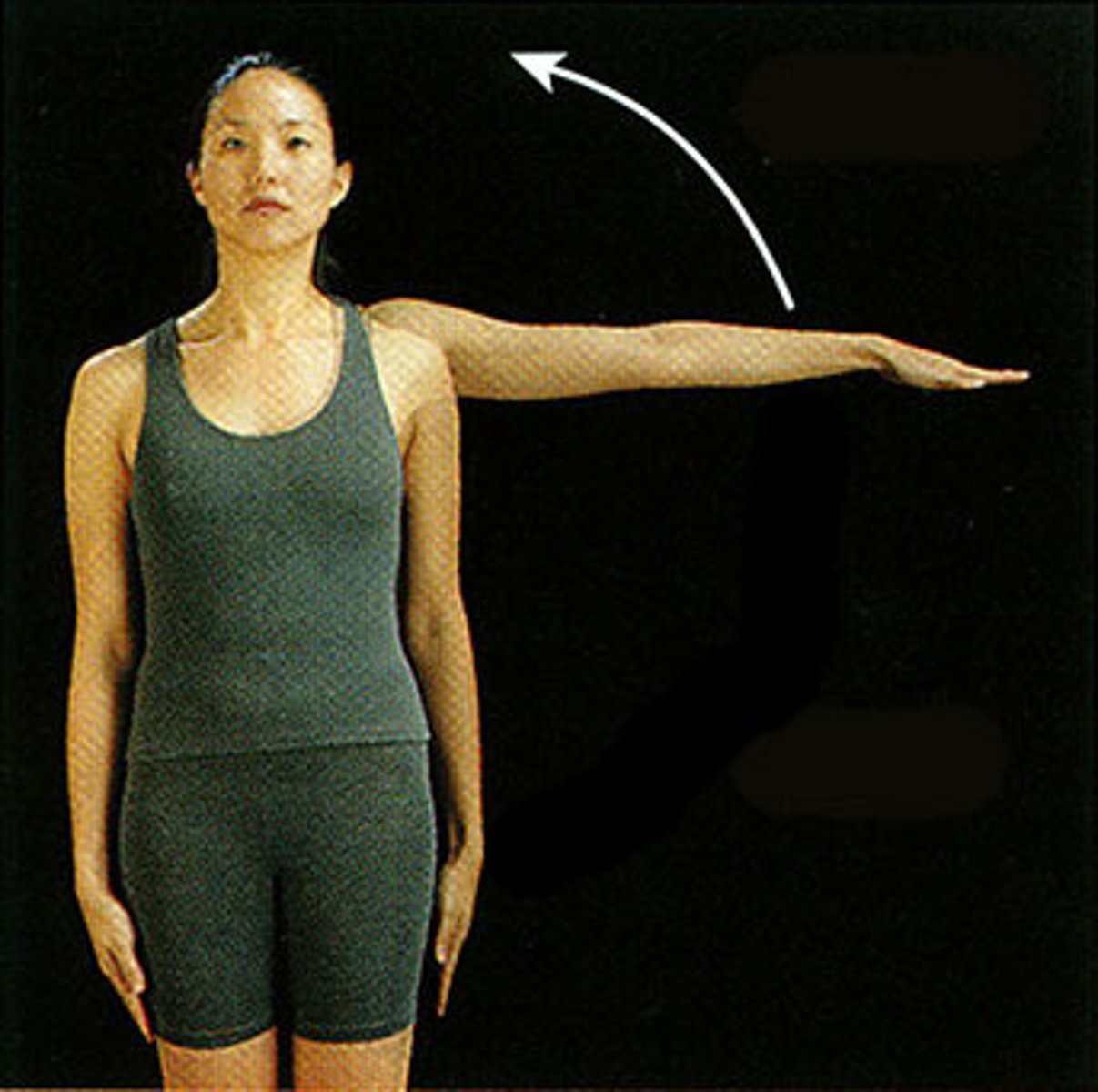
Abduction
Movement away from midline of the body.
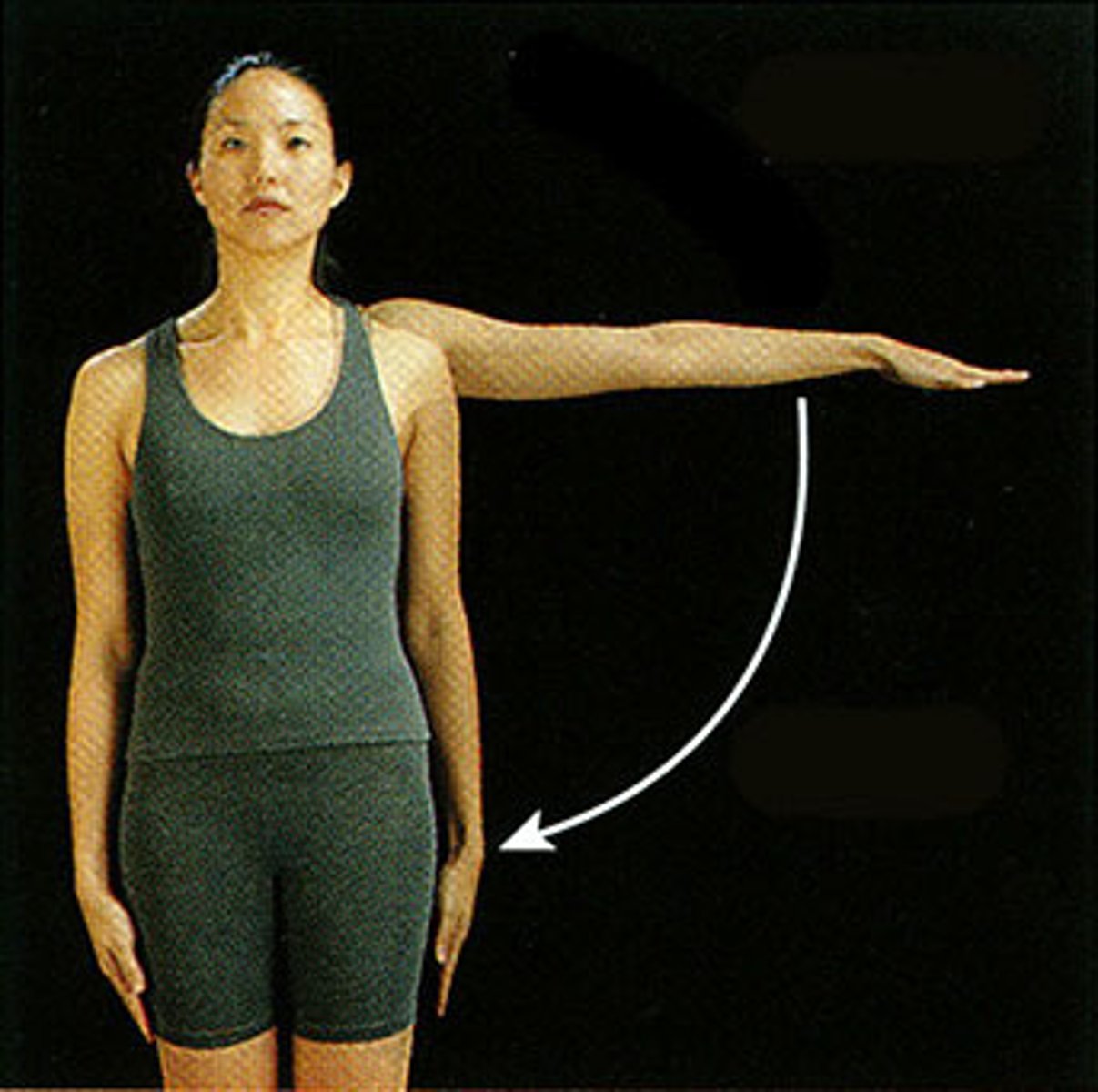
Adduction
Movement toward midline of the body.
Flexion
Act of bending or being bent.
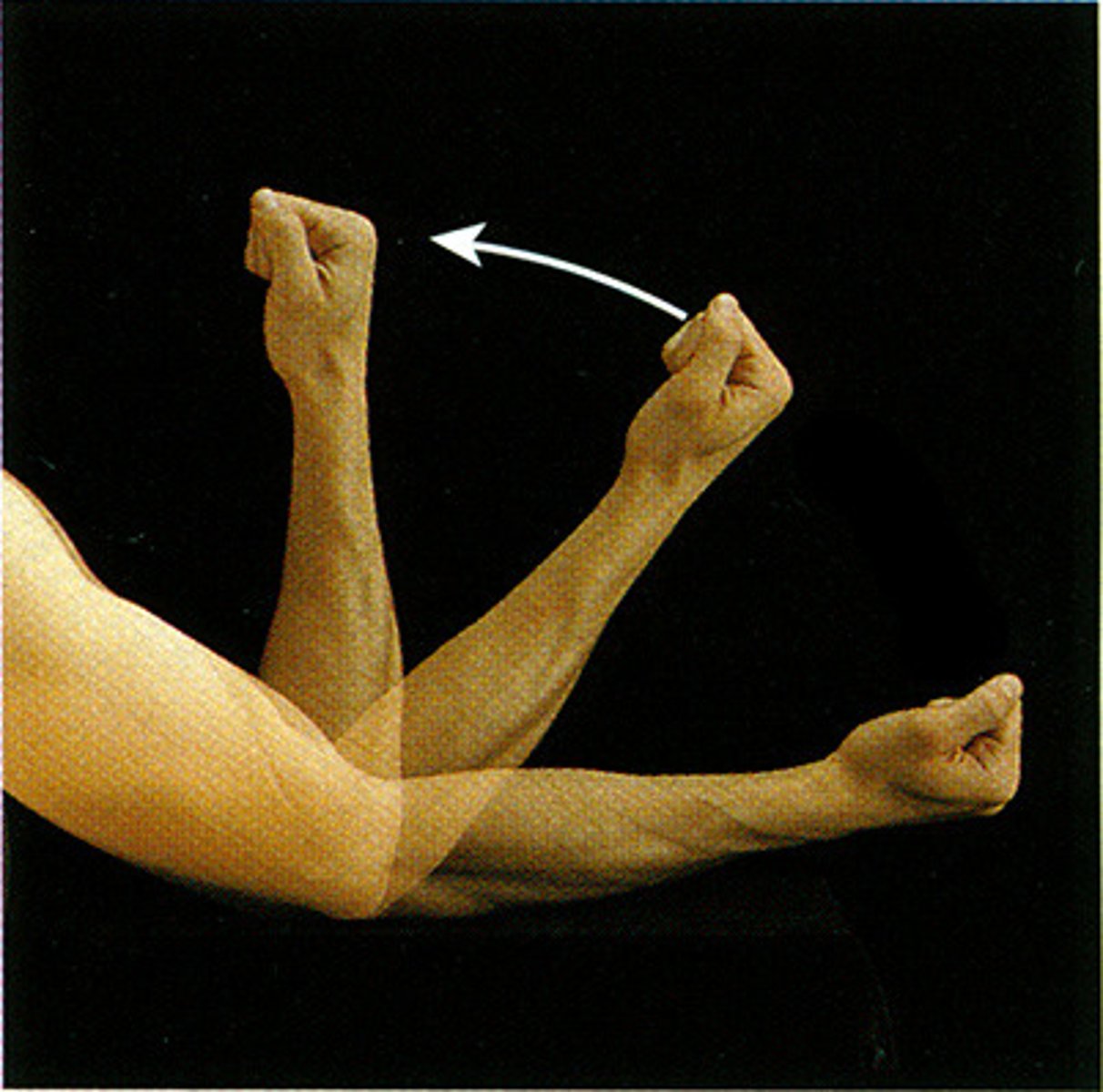
Extension
Movement that brings the limbs into or towards a straight condition.
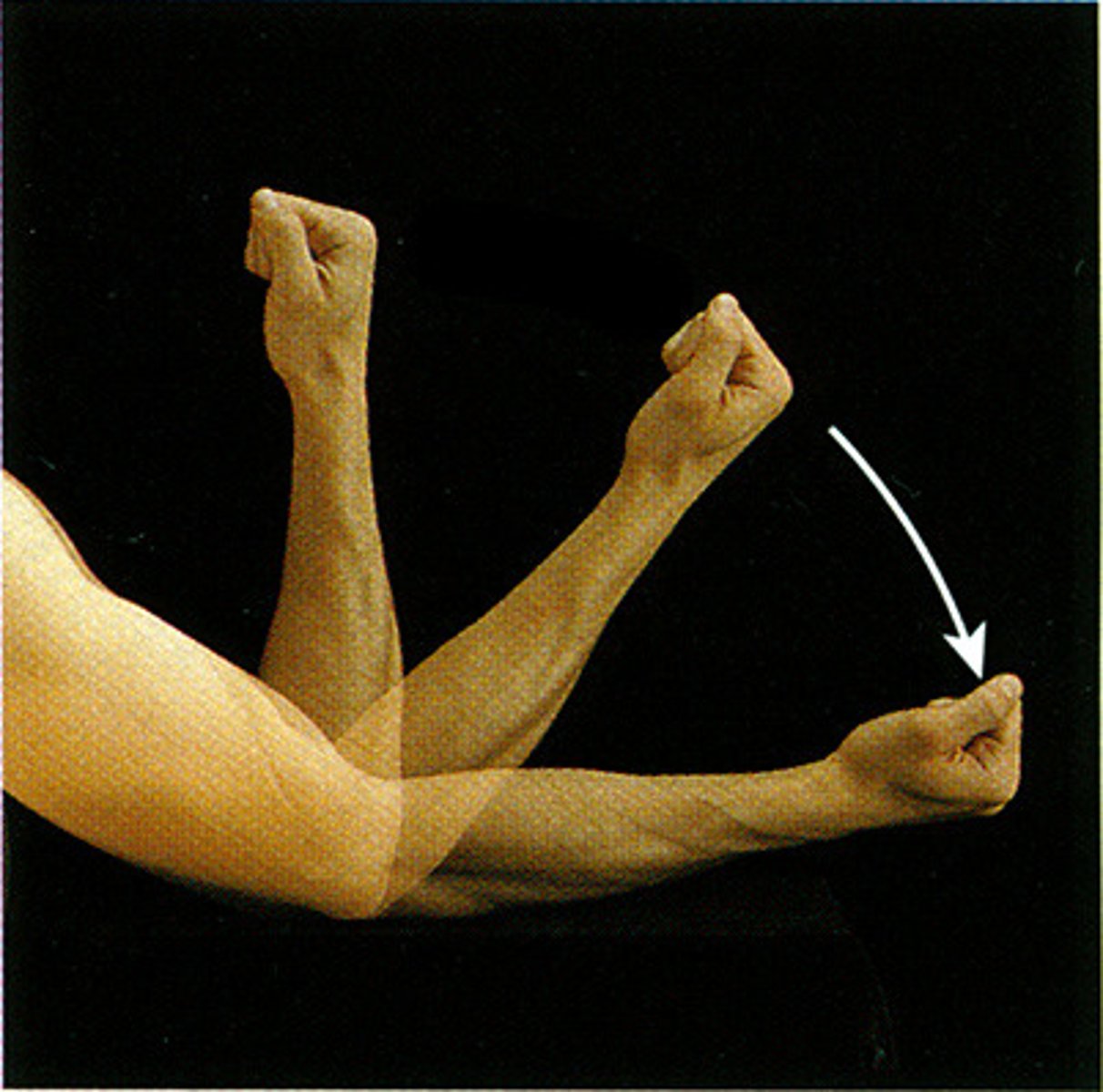
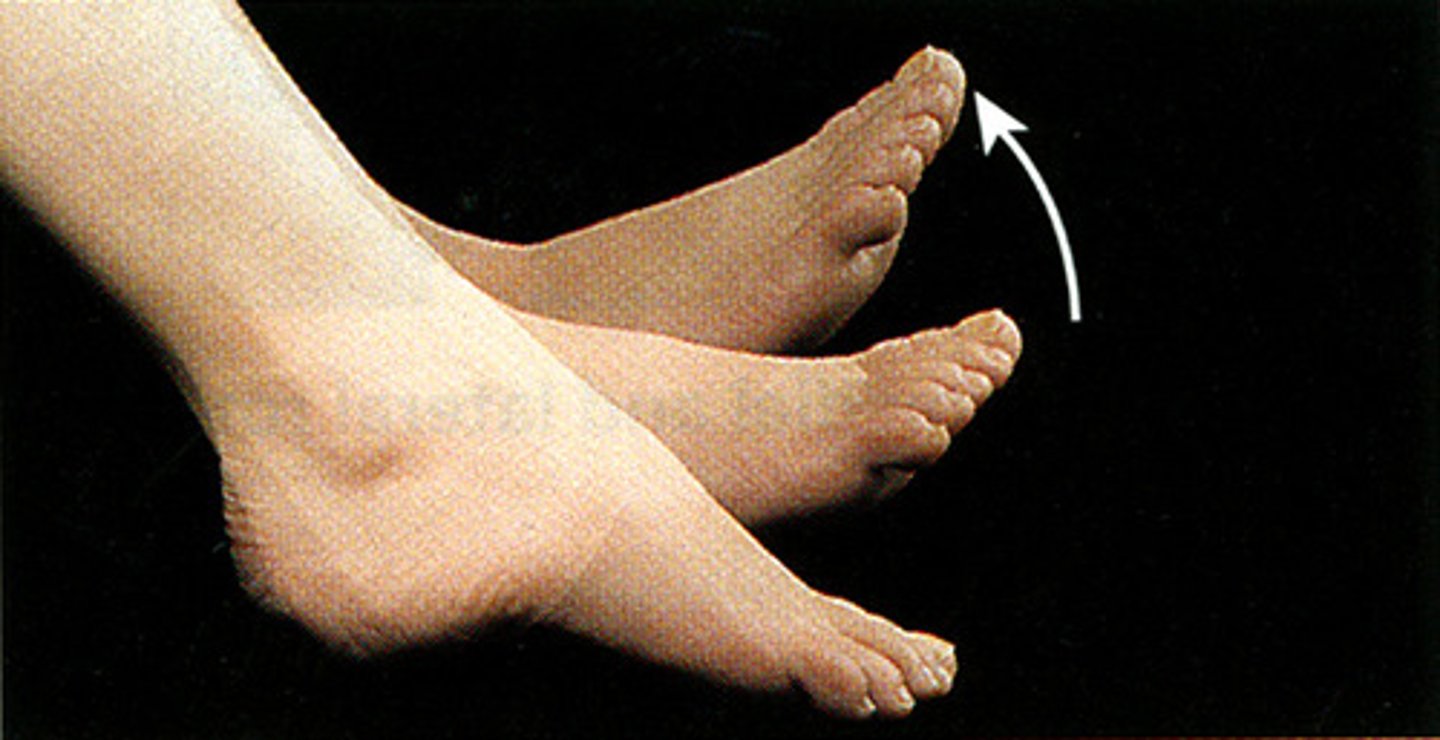
Dorsiflexion
Backward bending, as of hand and foot.
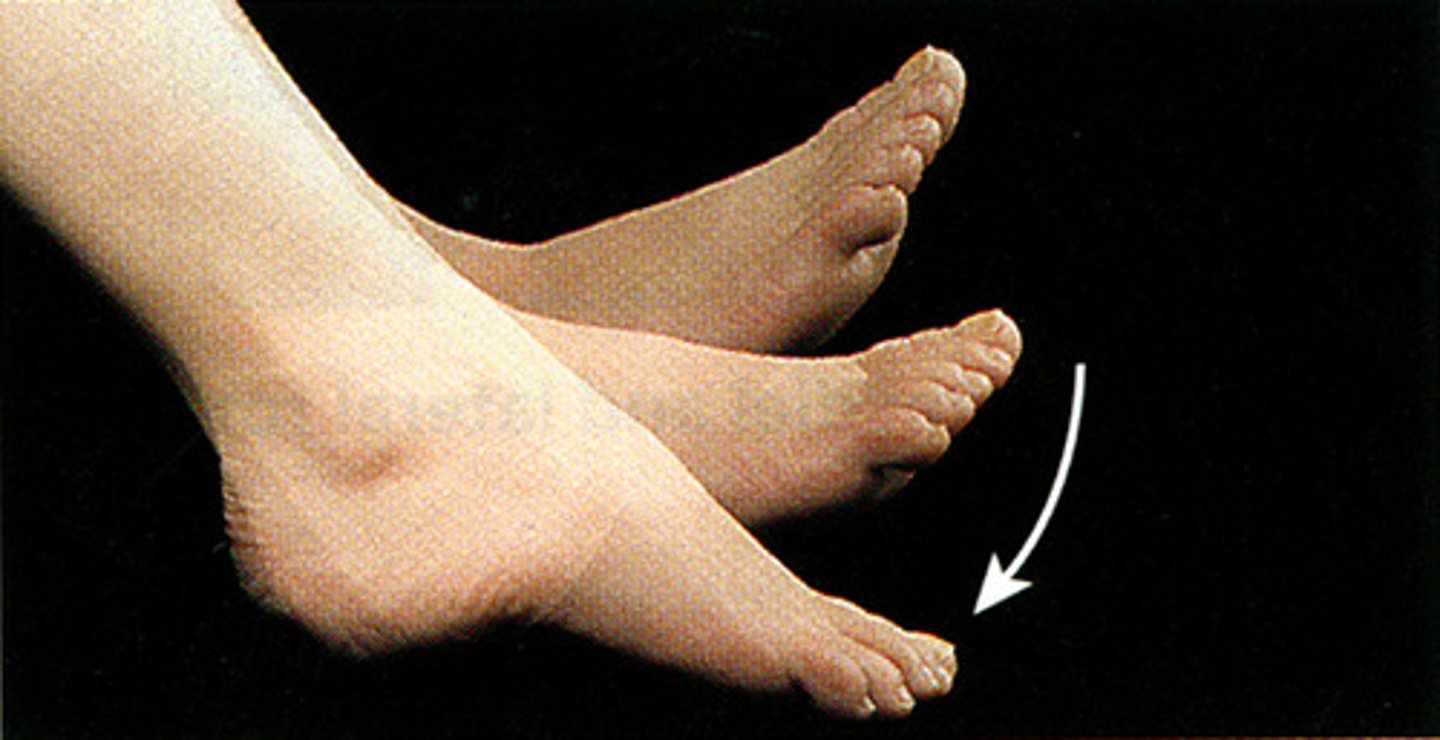
Plantar flexion
Bending sole of foot; pointing toes downward.
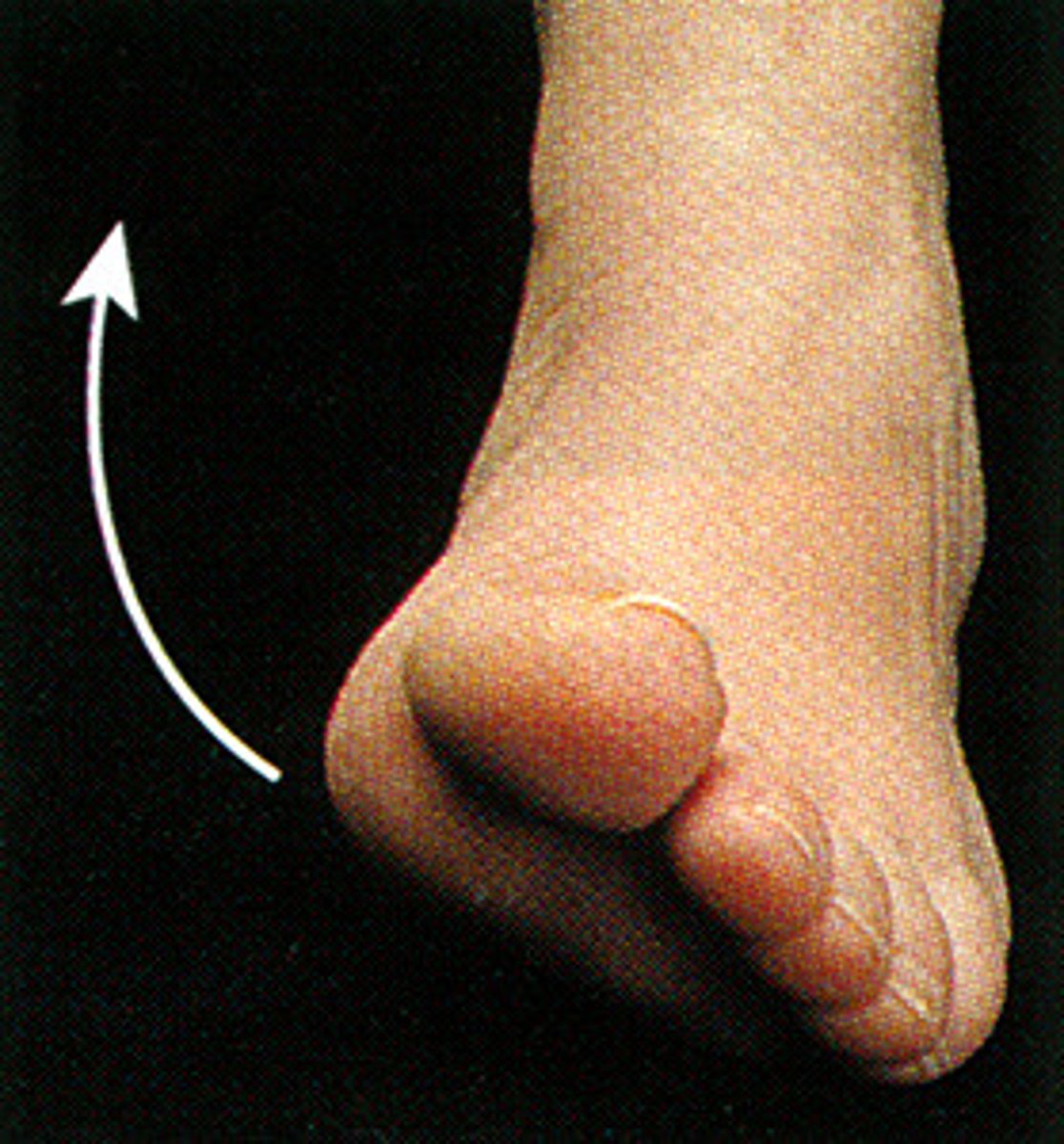
Eversion
Turning outward.
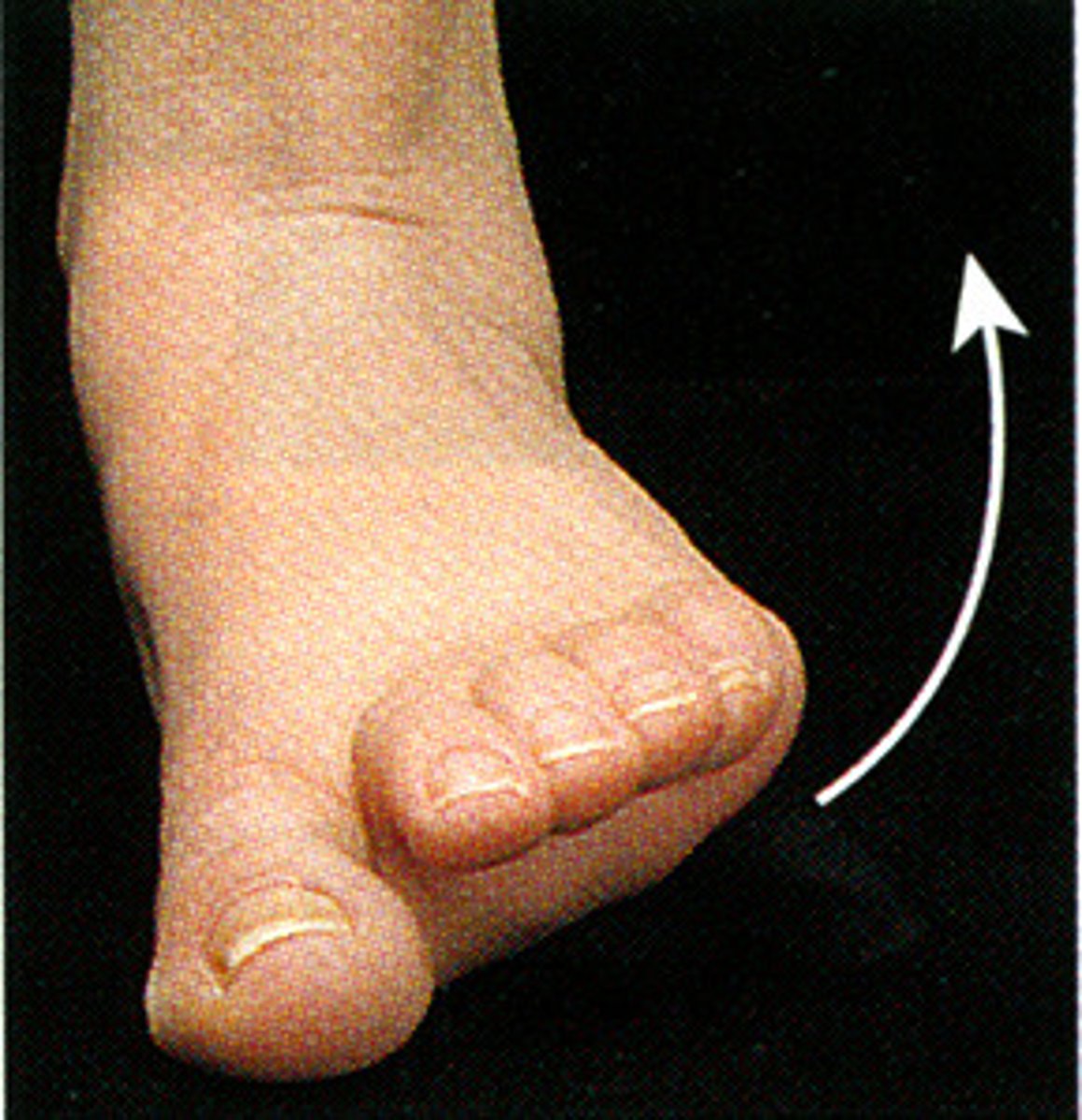
Inversion
Turning inward.
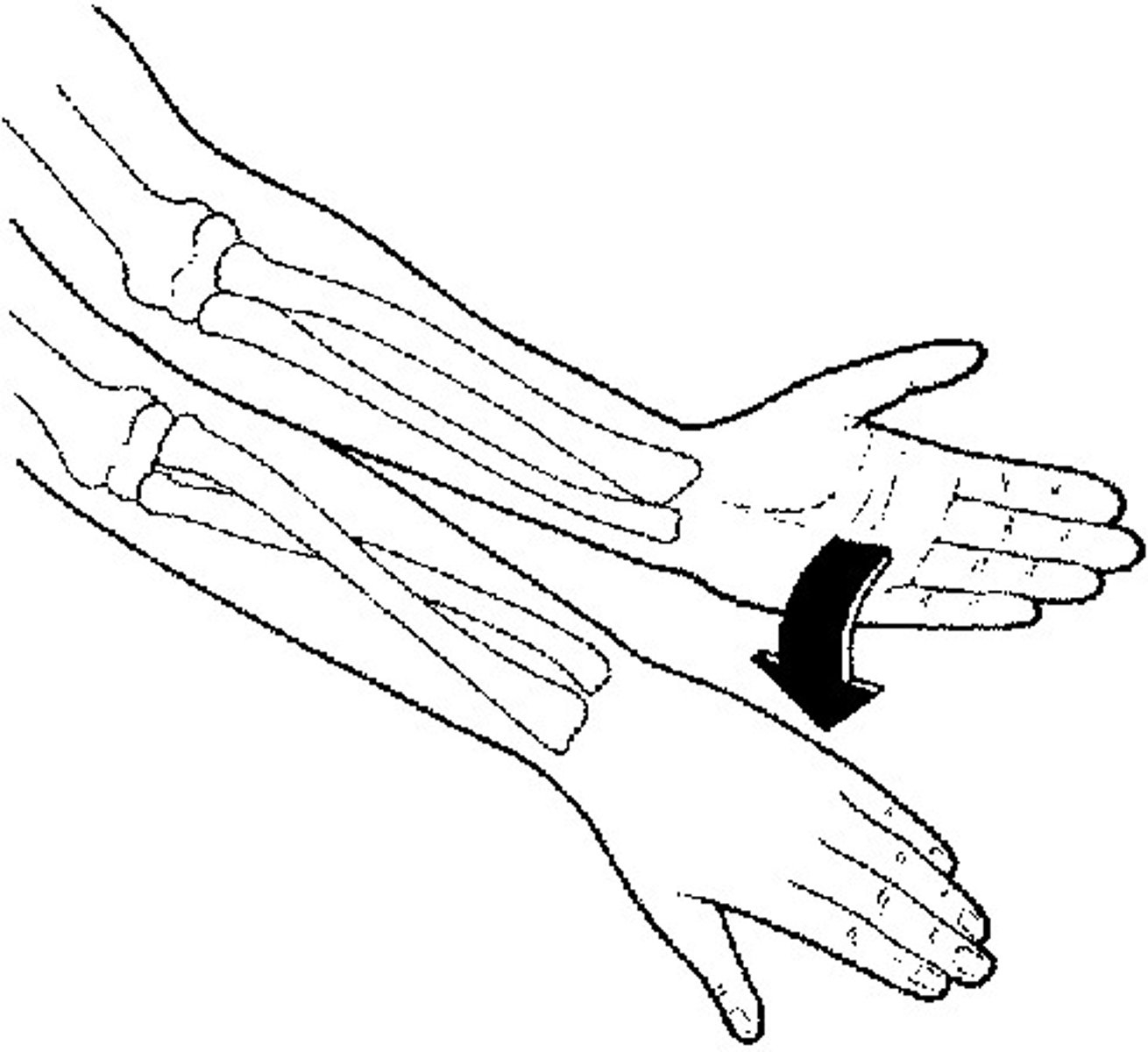
Pronation
To turn downward or backward as with the hand or foot.
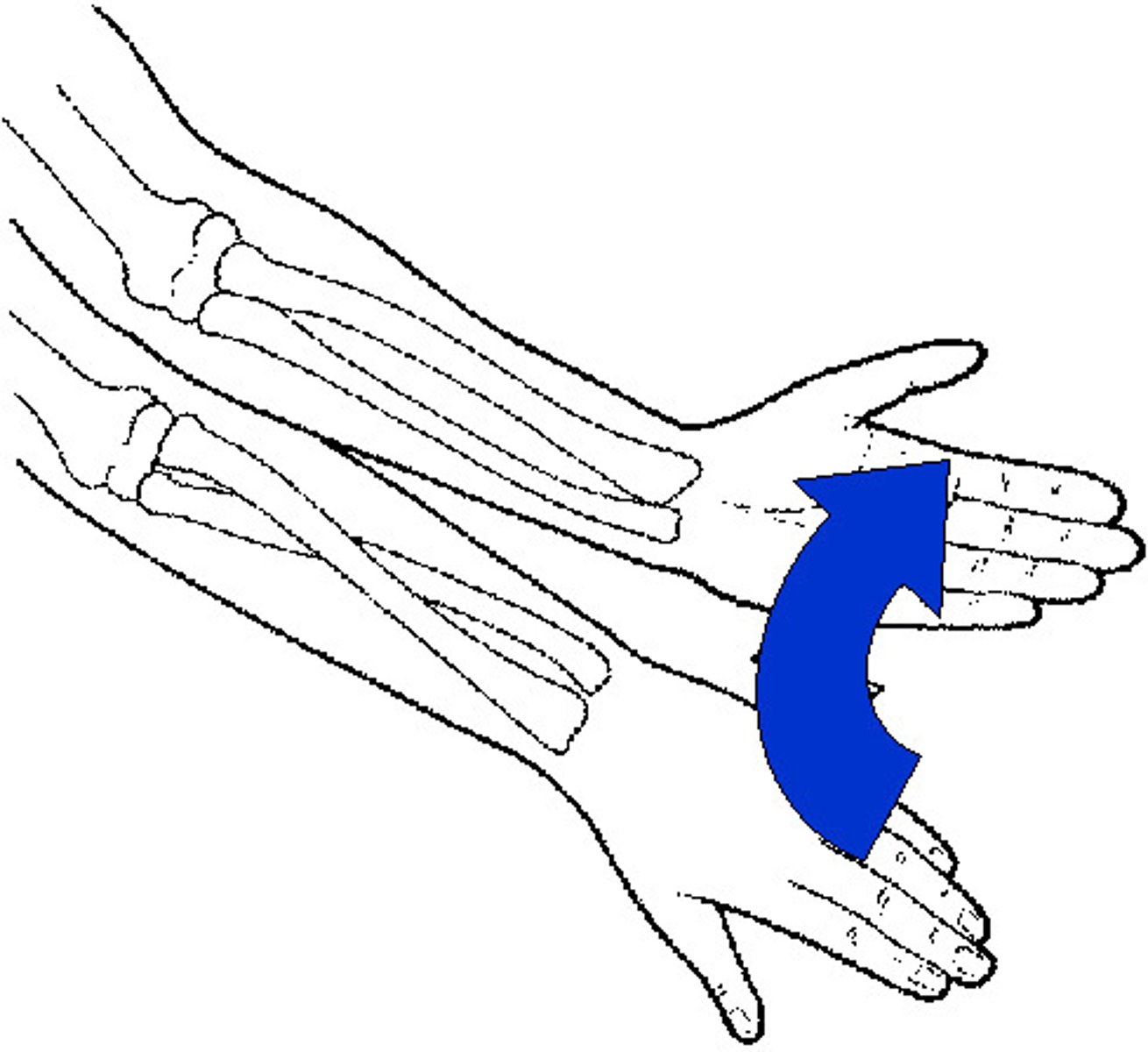
Supination
Turning the palm or foot upward.
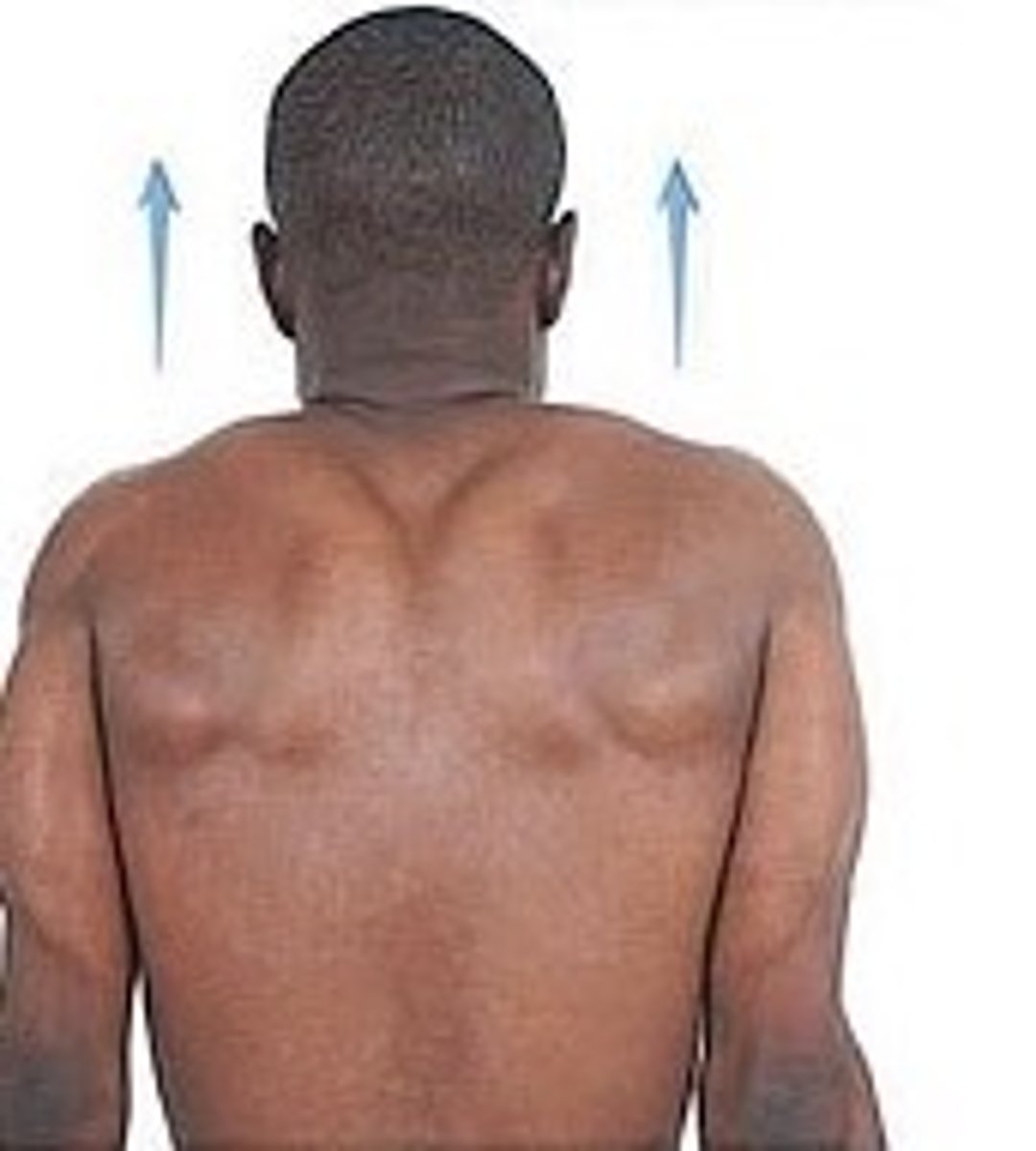
Elevation
To raise a body part, as in shrugging the shoulders.
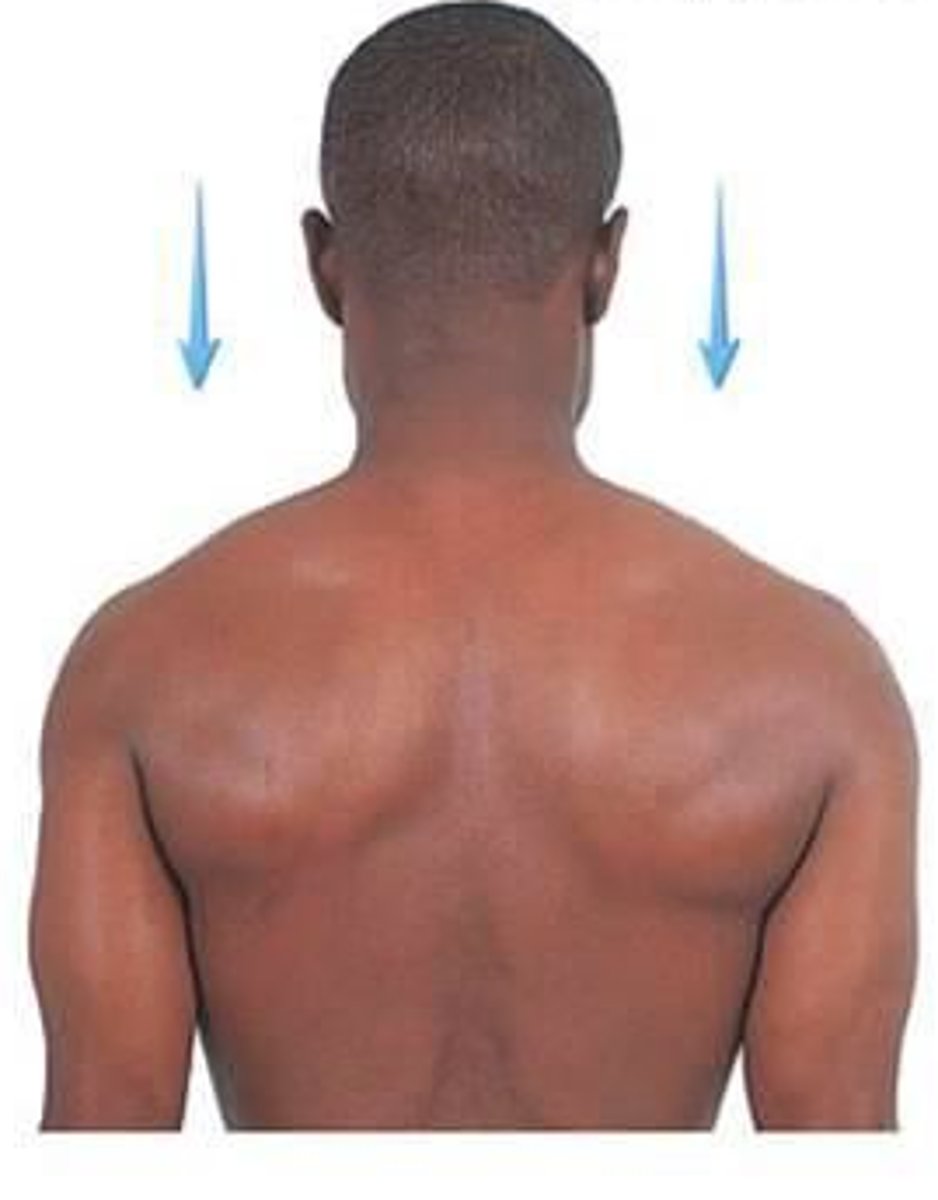
Depression
A downward movement, as in dropping the shoulders.
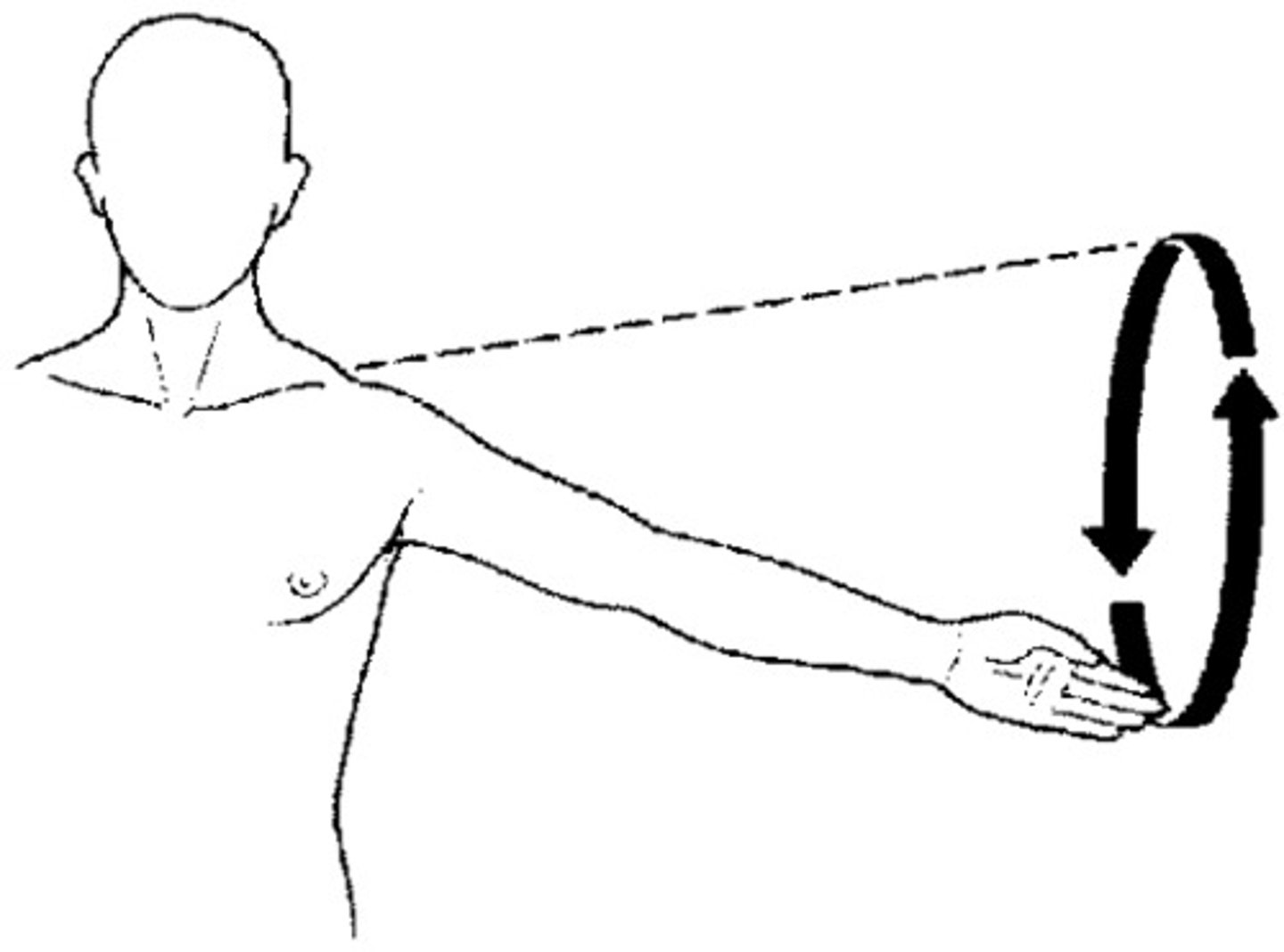
Circumduction
Movement in a circular direction from a central point as if drawing a large, imaginary circle in the air.
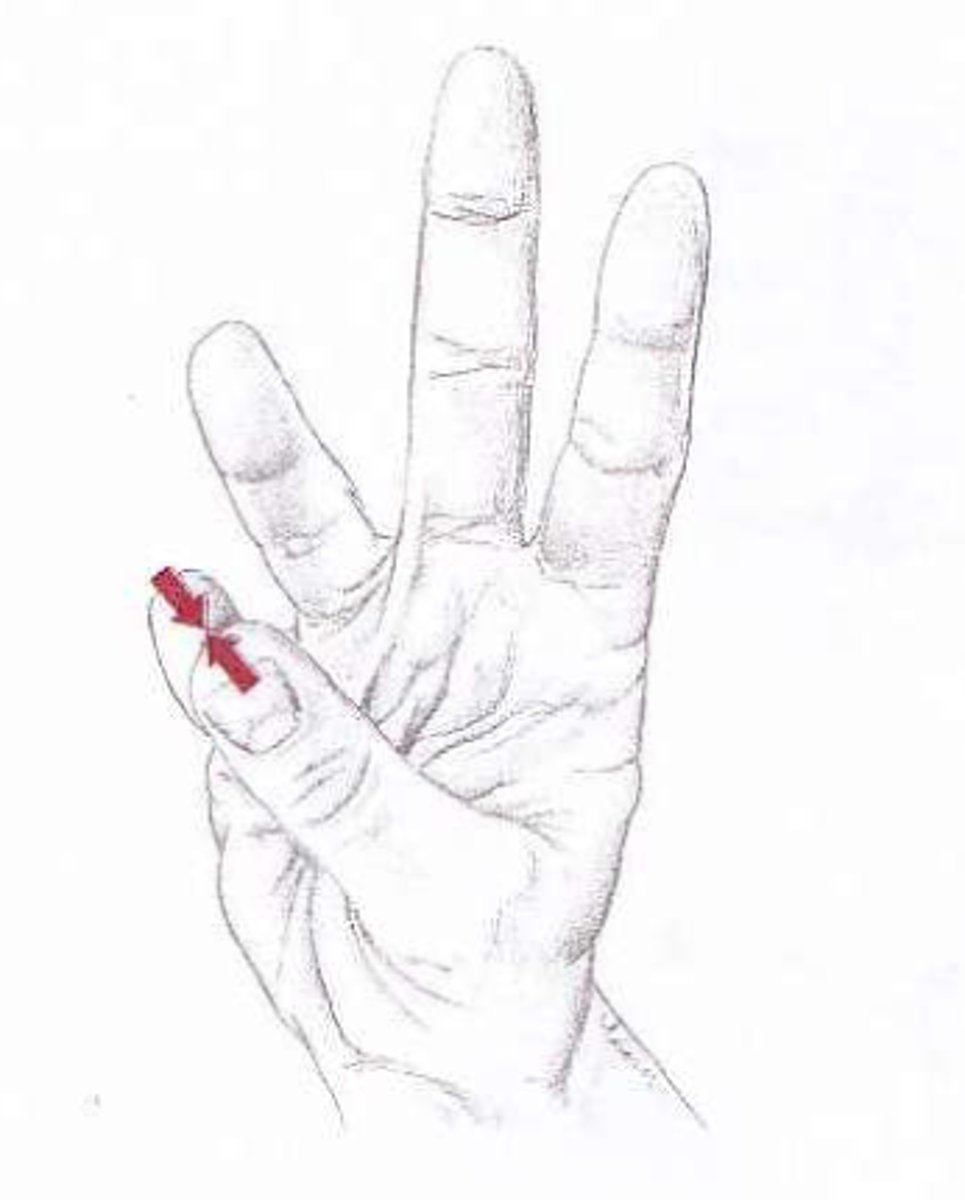
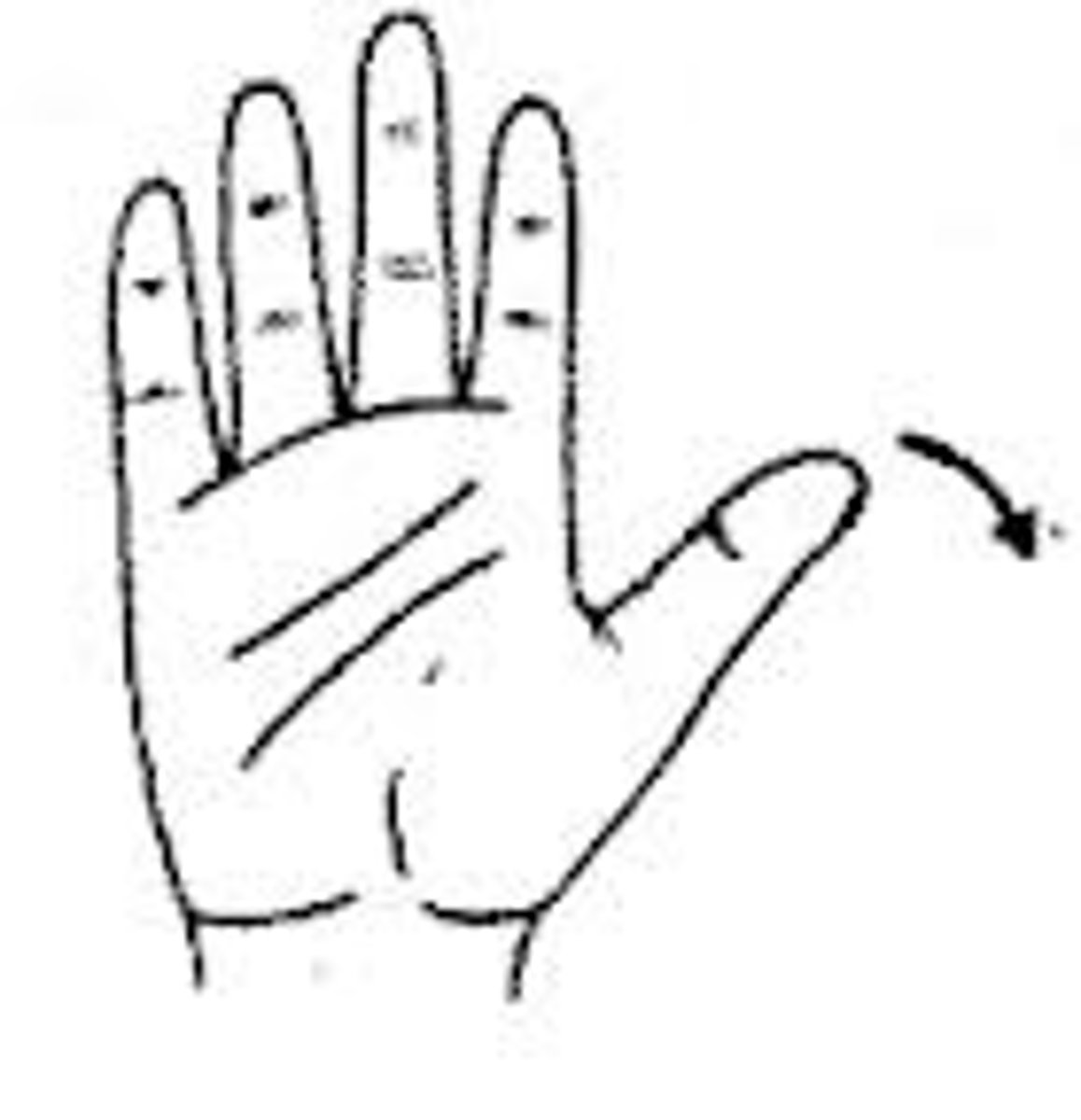
Opposition
Moving thumb away from palm; the ability to move the thumb into contact with the other fingers.
Reposition
Moving to its normal location or other suitable location all or a portion of a body part.
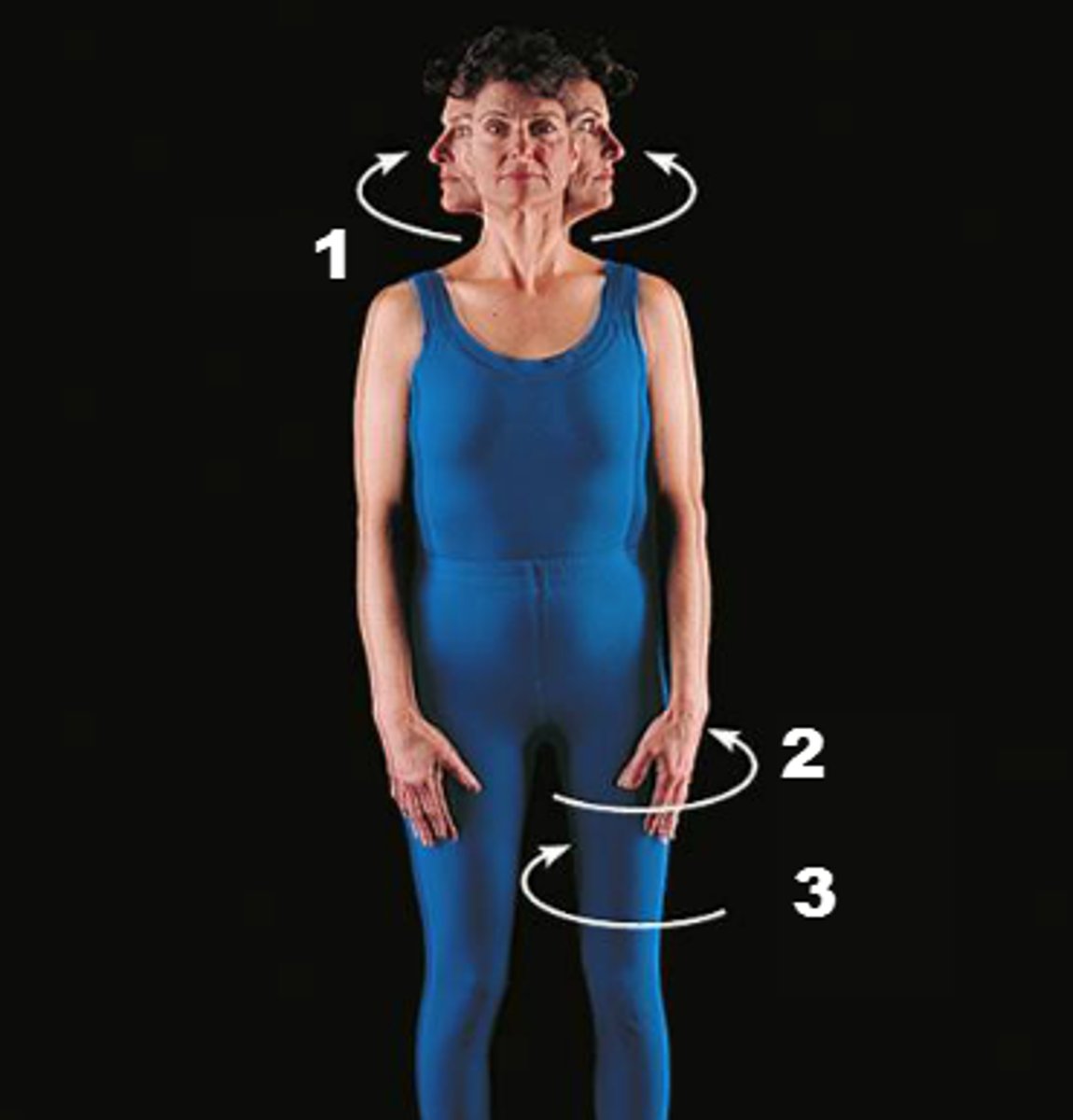
Rotation
Moving around a central axis.
Anatomical positions
Standard body orientations used in anatomy to describe the location of structures.
Anatomical positions
Reference position used in anatomy.
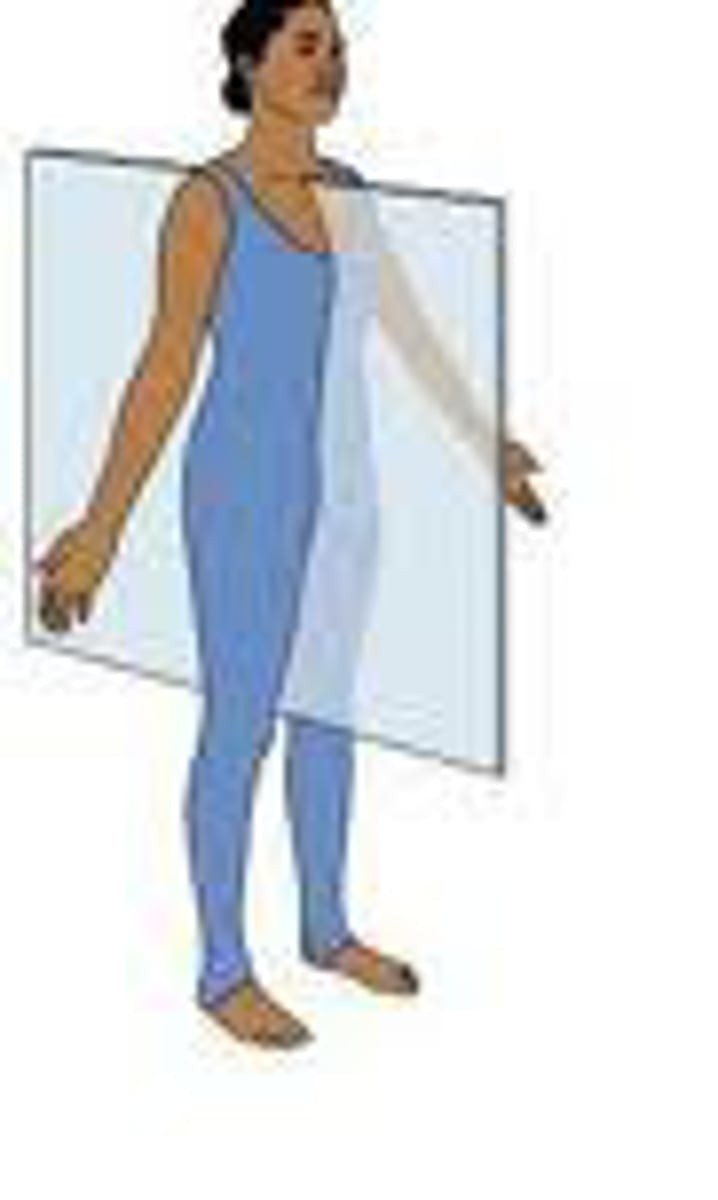
Sagittal plane
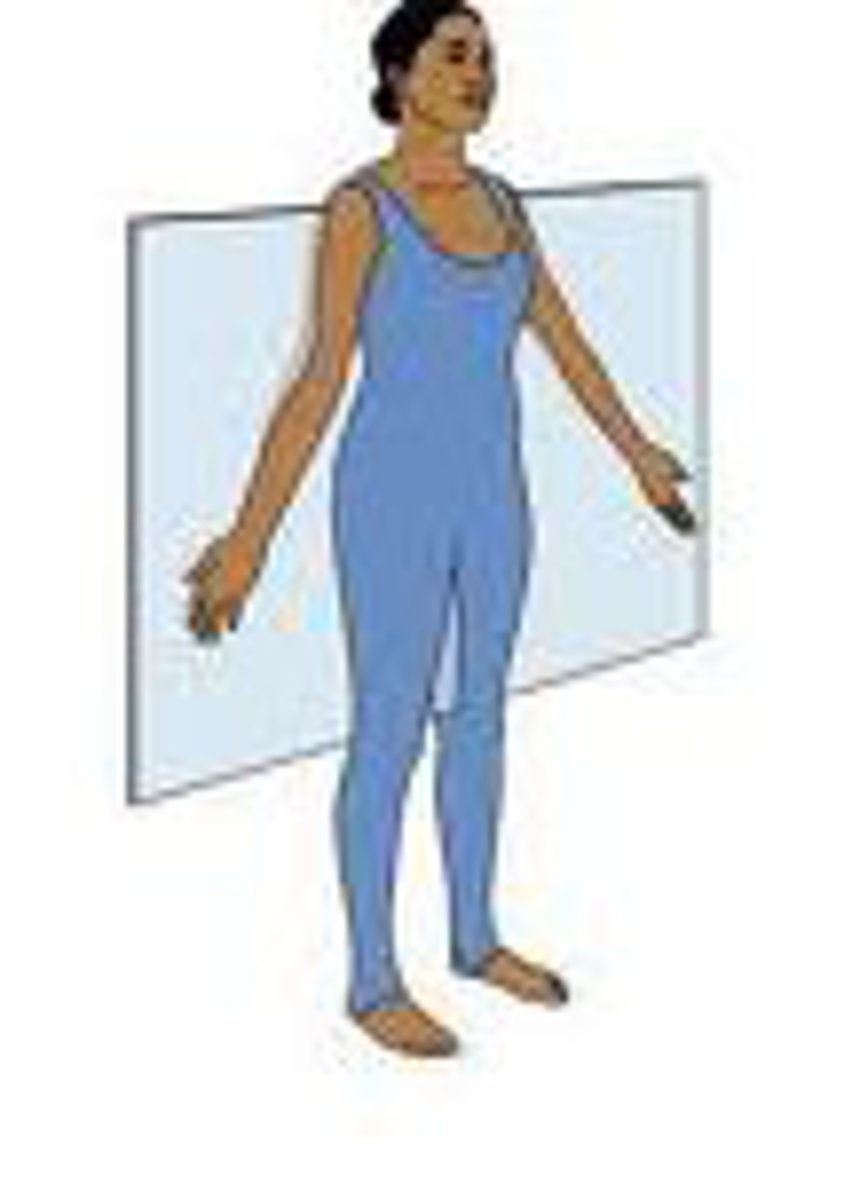
Coronal plane
Transverse plane
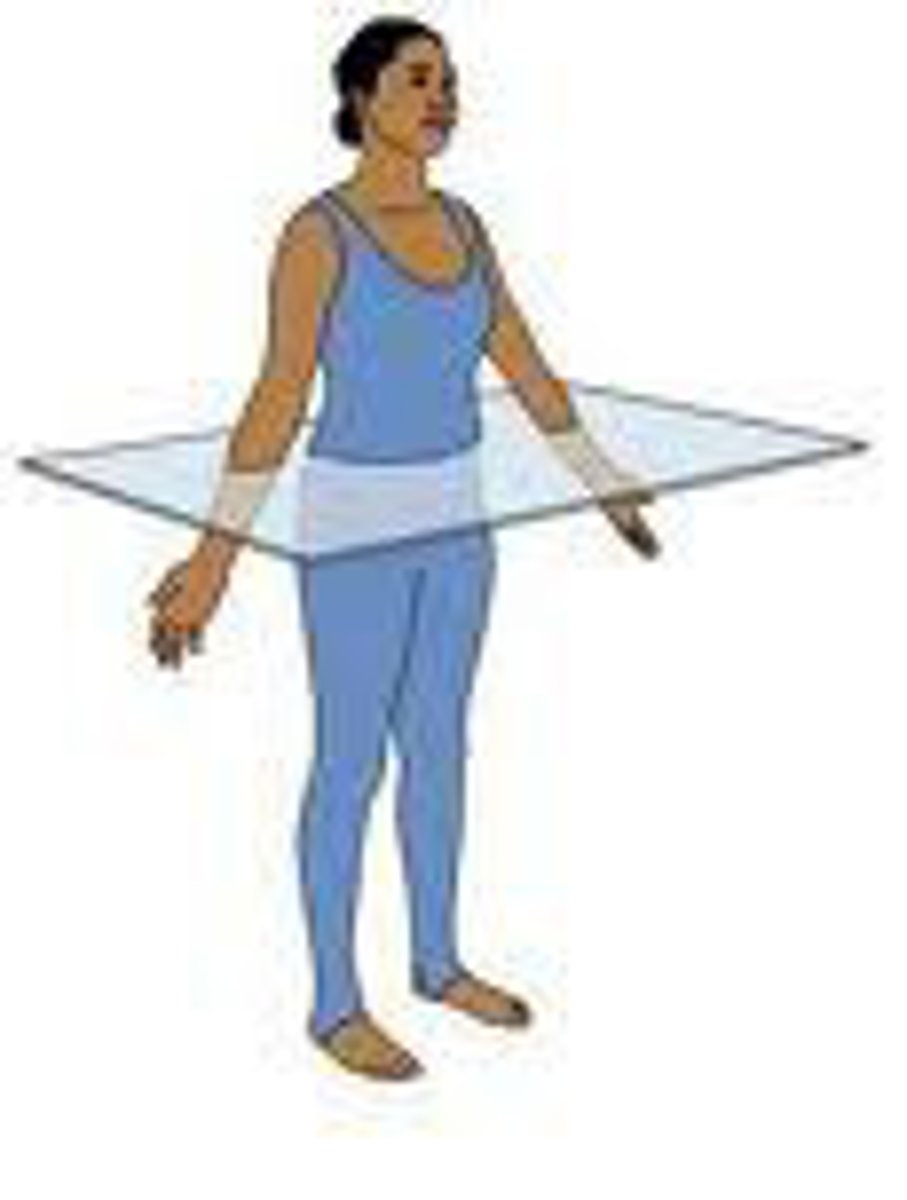
Anatomical directions
Standard terms used to describe the location of body parts relative to each other when the body is in the anatomical position.
Anterior
Toward the front of the body.
e.g., "The chest is _____ to the spine."
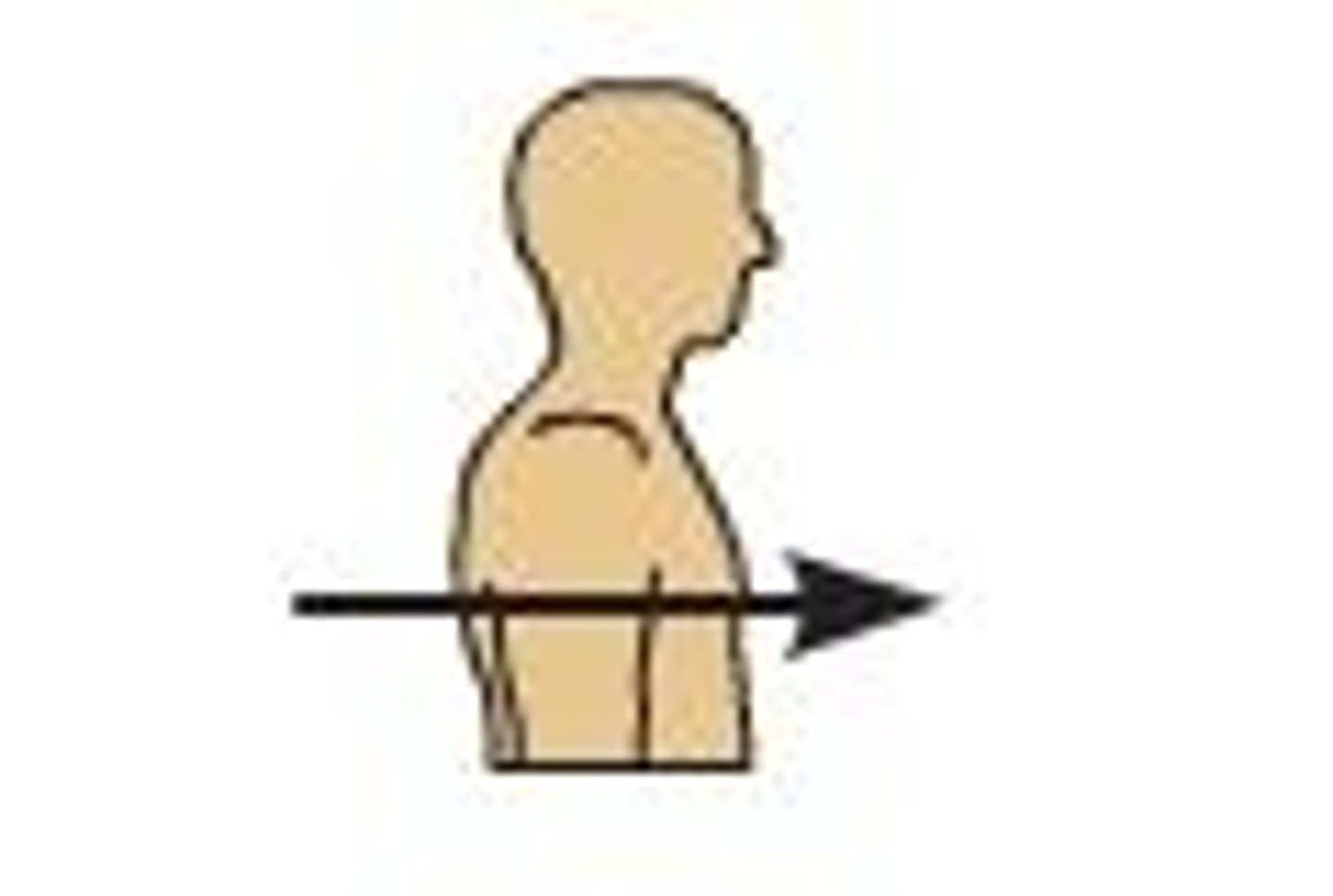
Ventral
Another term for "anterior."
Posterior
Toward the back of the body.
e.g., The spine is _____ to the chest.
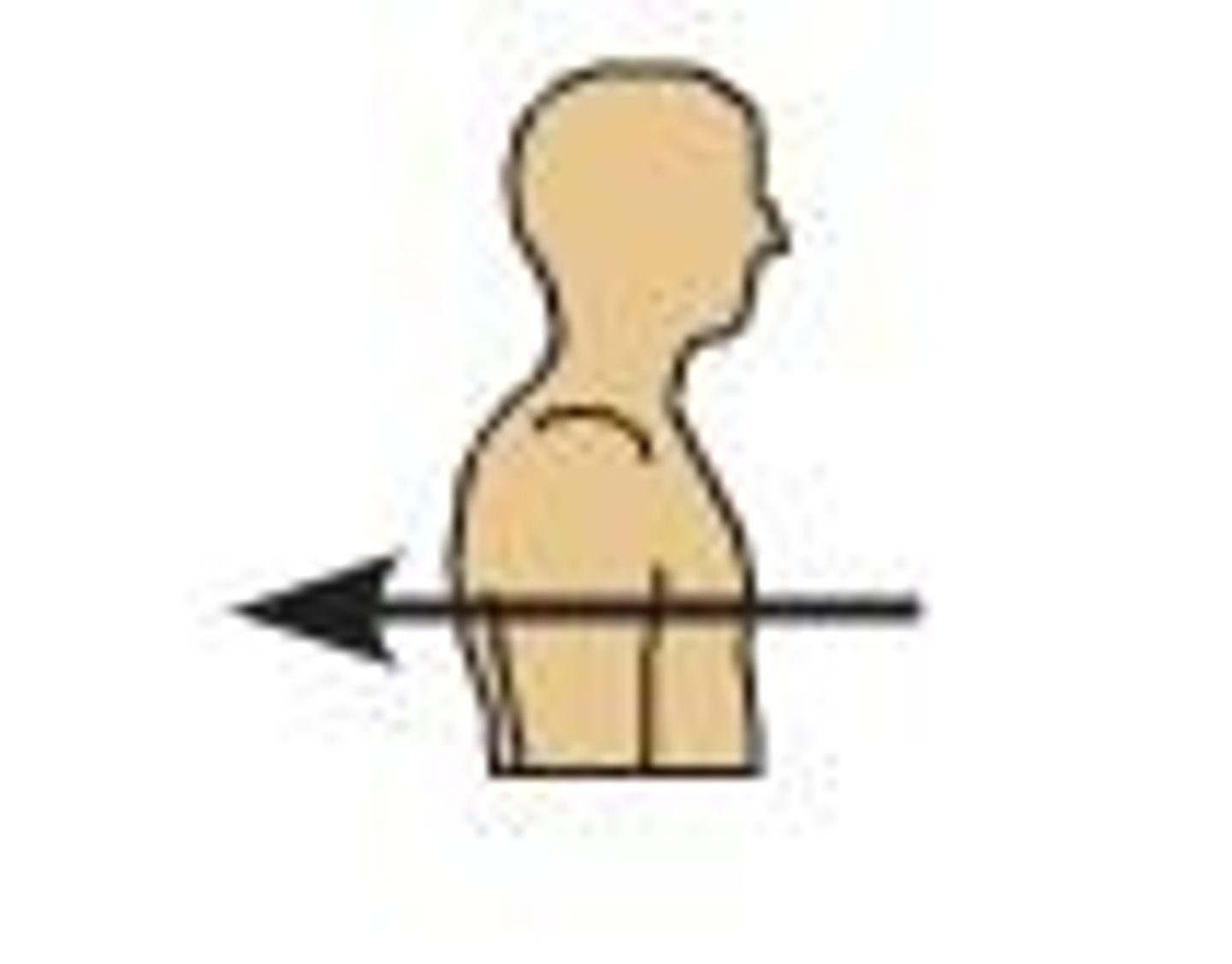
Dorsal
Another term for "posterior."
Superior
Toward the head or upper part of the body.
e.g., The head is _____ to the neck.
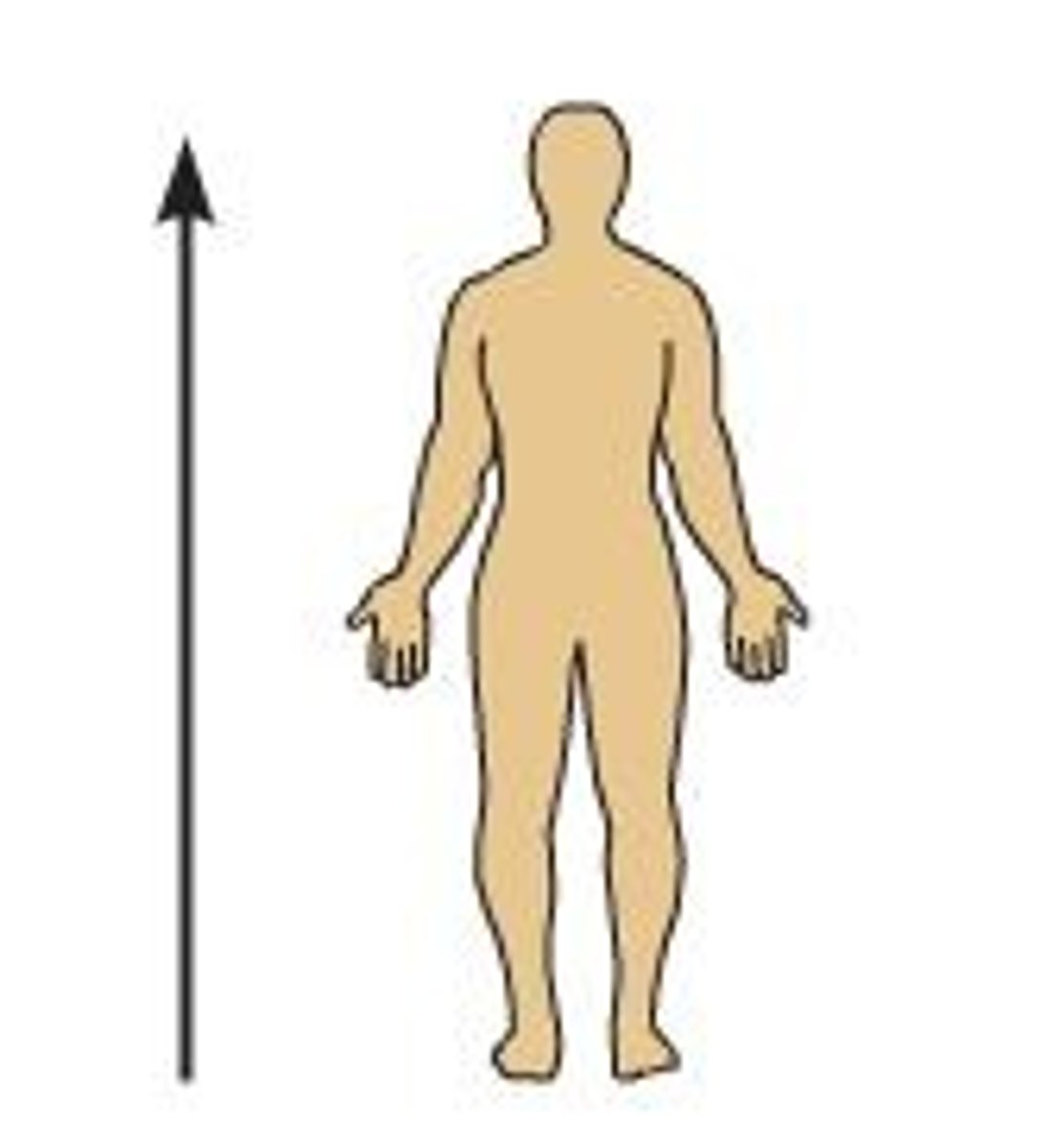
Cranial
Another term for "superior."
Inferior
Toward the feet or lower part of the body.
e.g., The stomach is _____ to the heart.
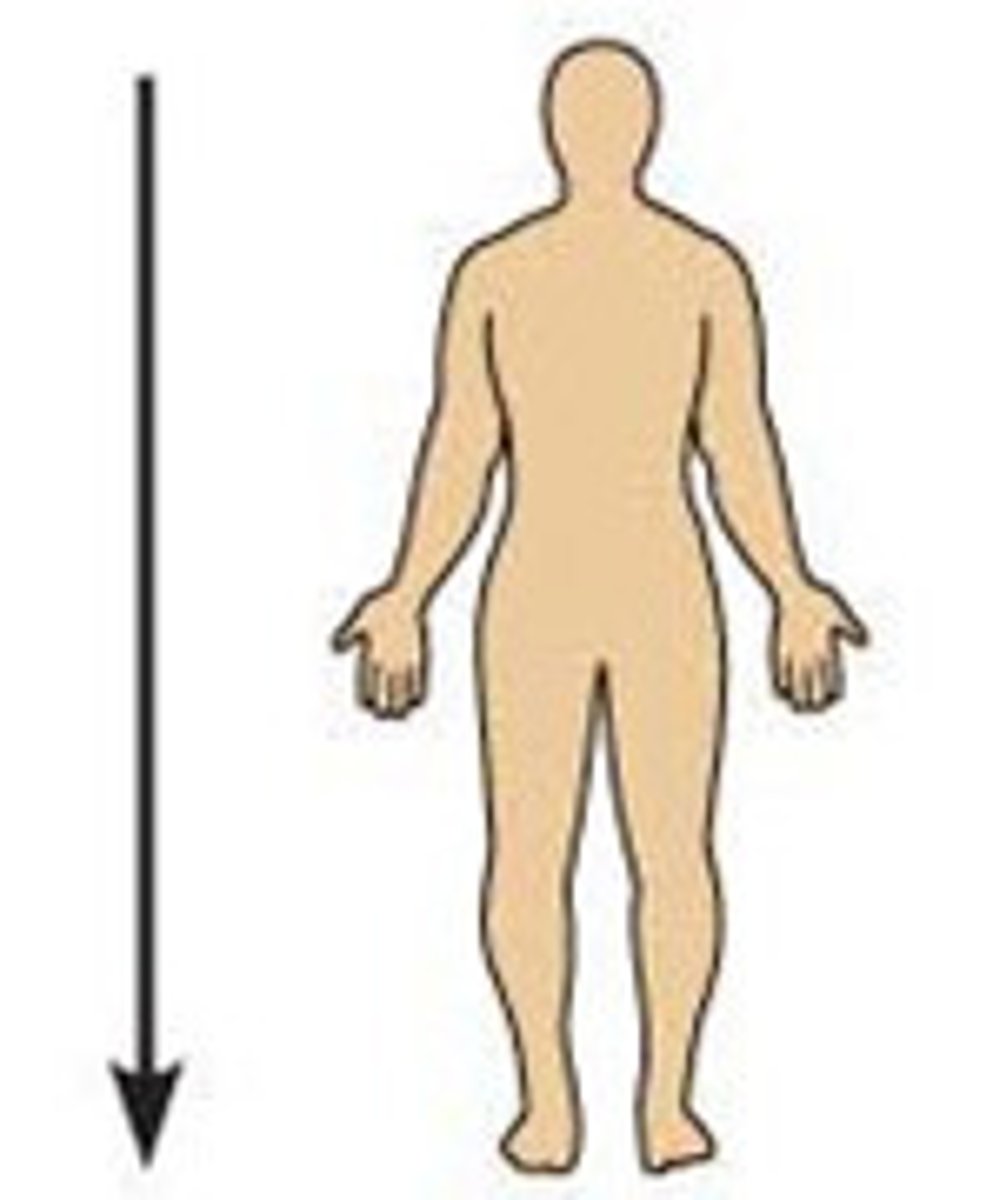
Caudal
Another term for "inferior."
Medial
Toward the midline of the body.
e.g., The nose is _____ to the eyes.
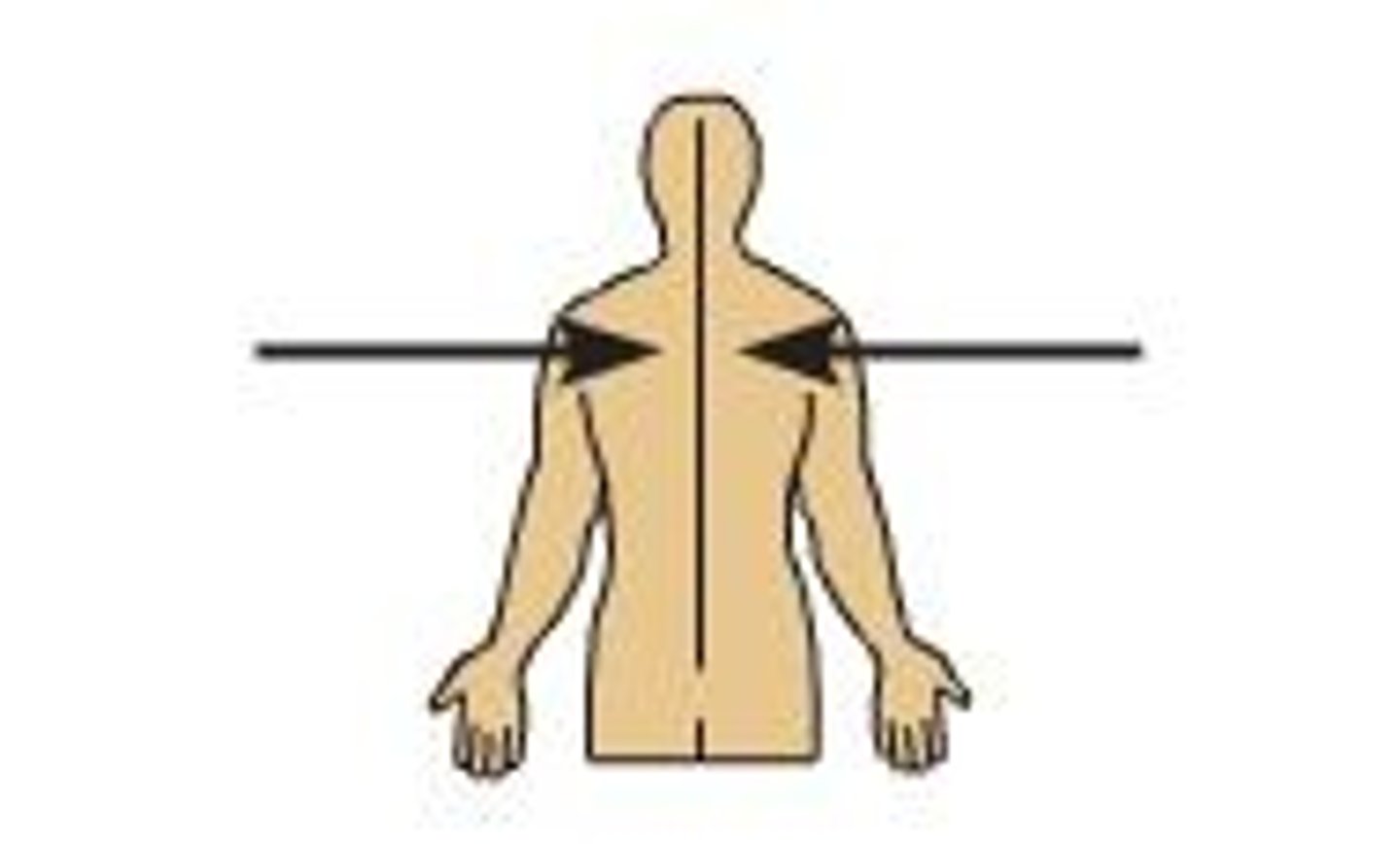
Lateral
Away from the midline of the body.
e.g., The ears are _____ to the eyes.
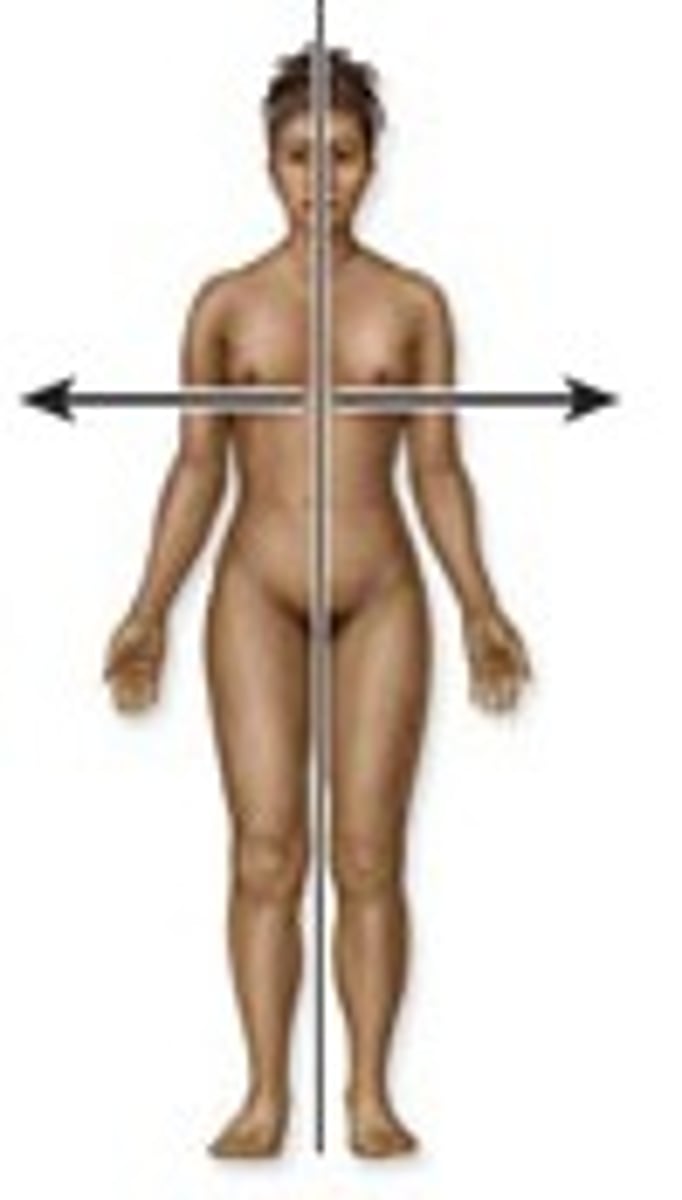
Proximal
Closer to the point of attachment or the trunk.
e.g., The elbow is _____ to the wrist.
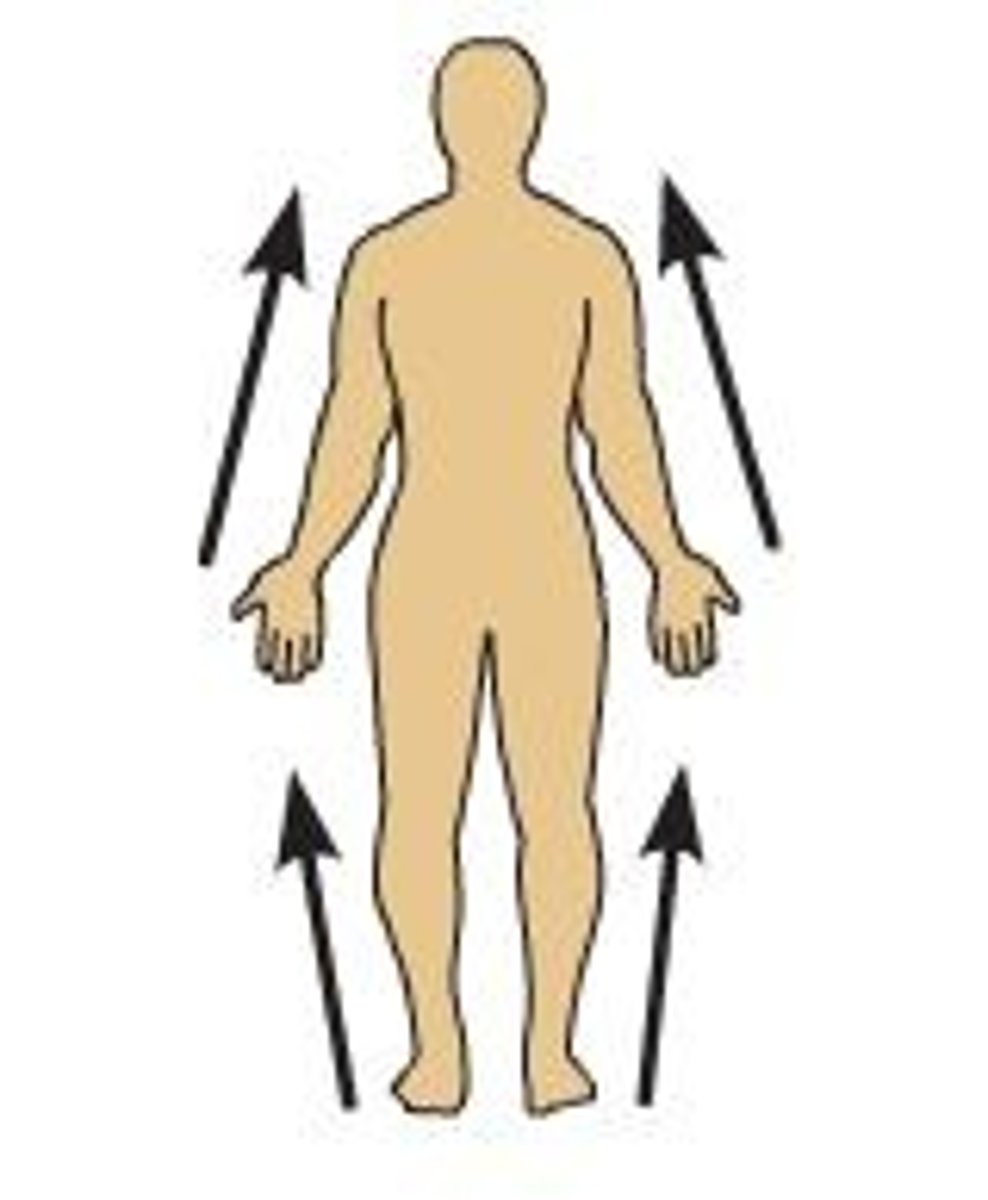
Distal
Farther from the point of attachment or trunk.
e.g., The fingers are _____ to the wrist.
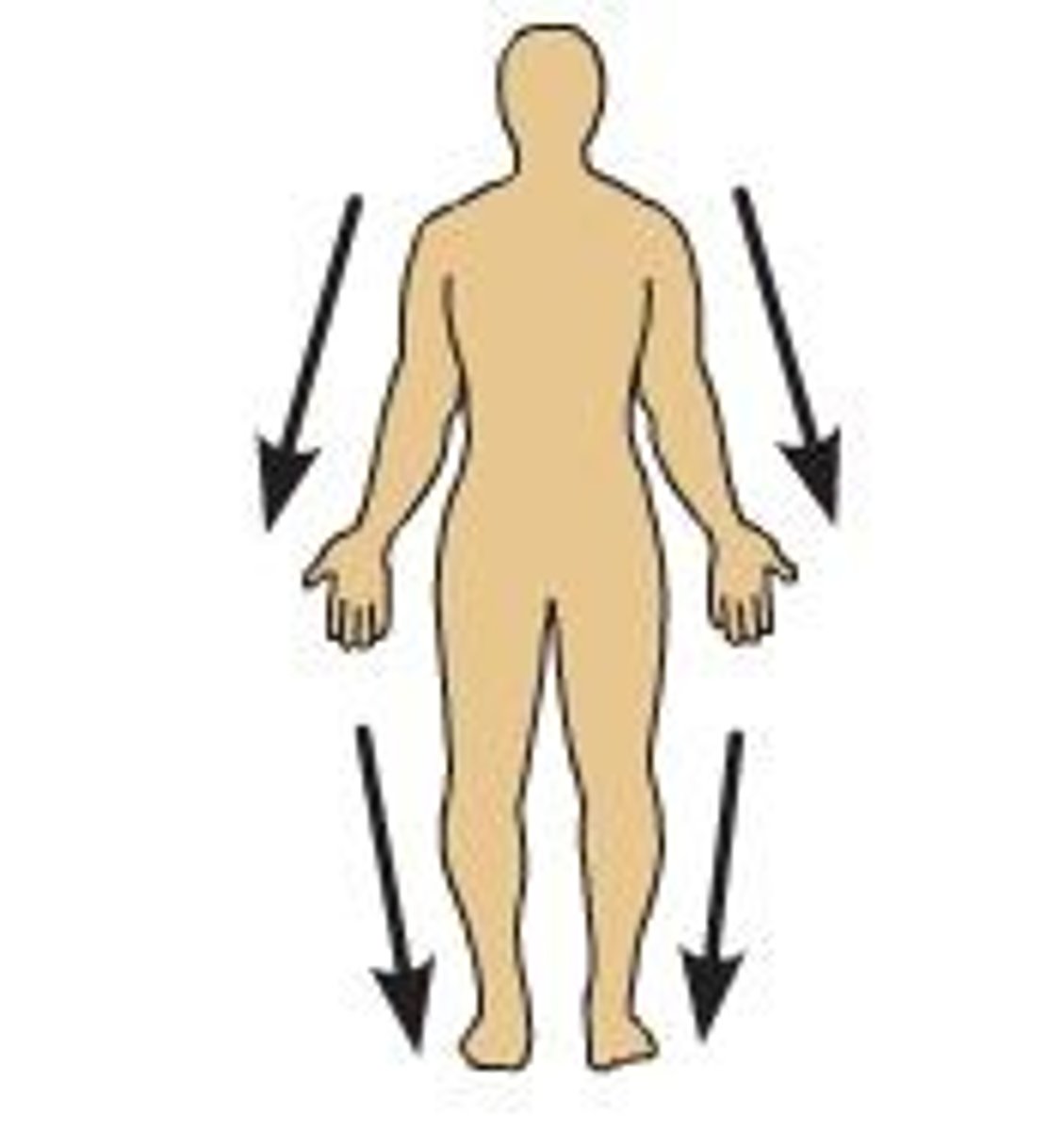
Trunk
Torso of the body.
Supine
The body is lying on the back.
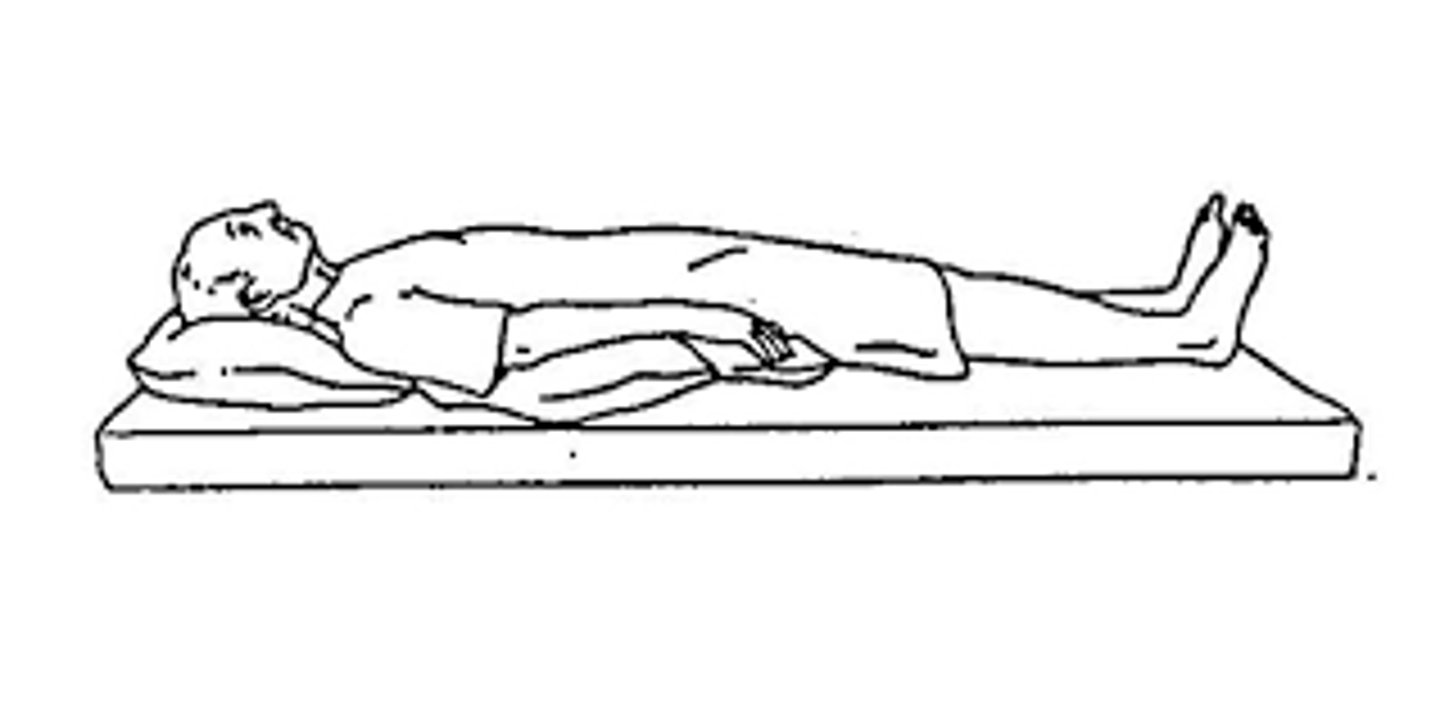
Supine
Characteristics of a _____ position include:
- Face upward
- Back touching the surface
- Arms may be at the side or slightly away from the body
Supine
This position is commonly used in medical examinations and surgeries.
Prone
The body is lying face down.
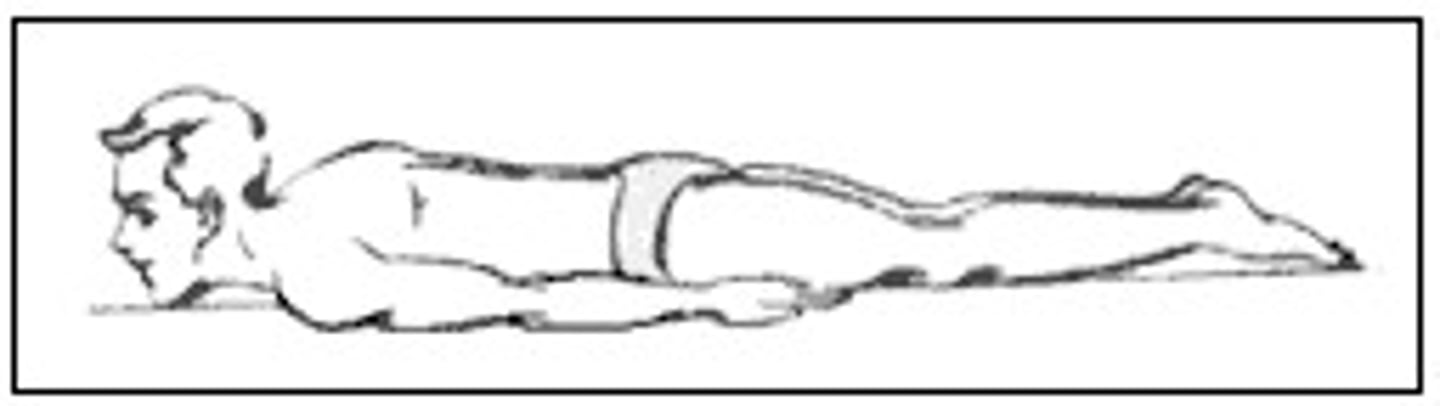
Prone
Characteristics of a _____ position include:
- Face toward the ground
- Chest and abdomen touching the surface
- Back facing upward
Prone
This position is used in some medical treatments and physical therapy.
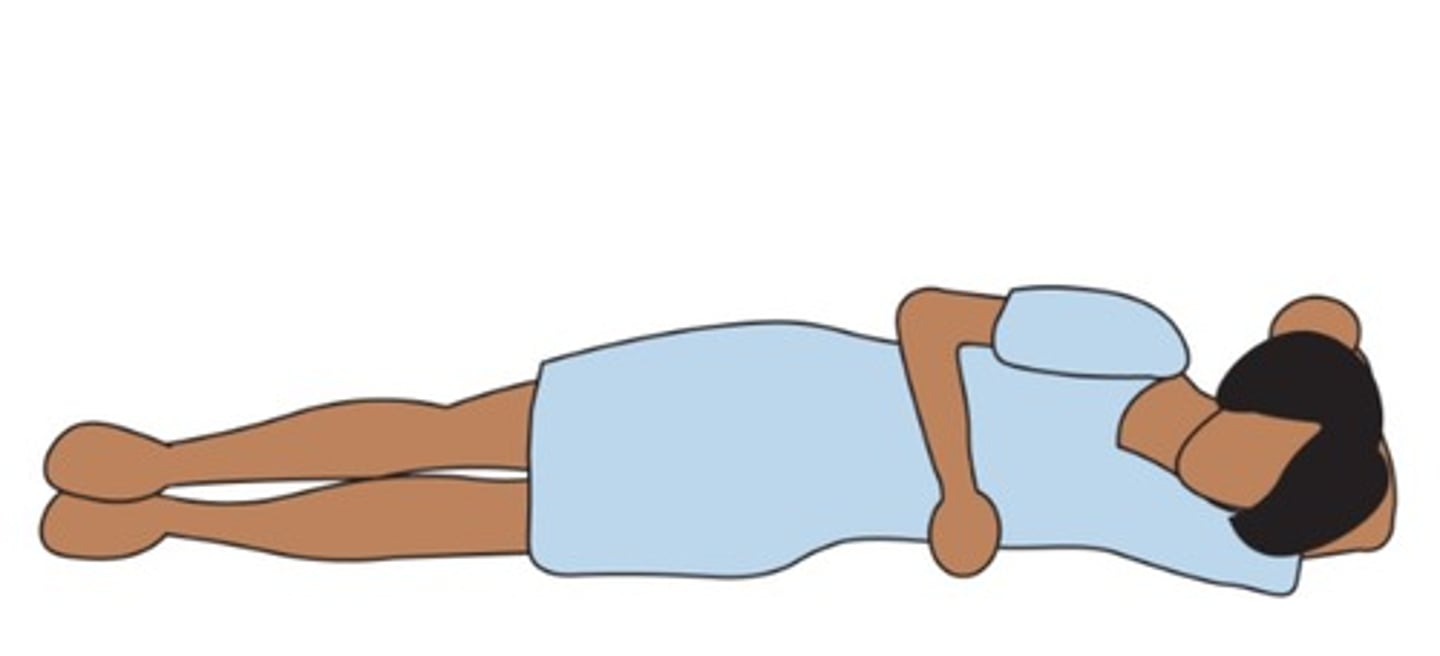
Lateral
The body is lying on one side.
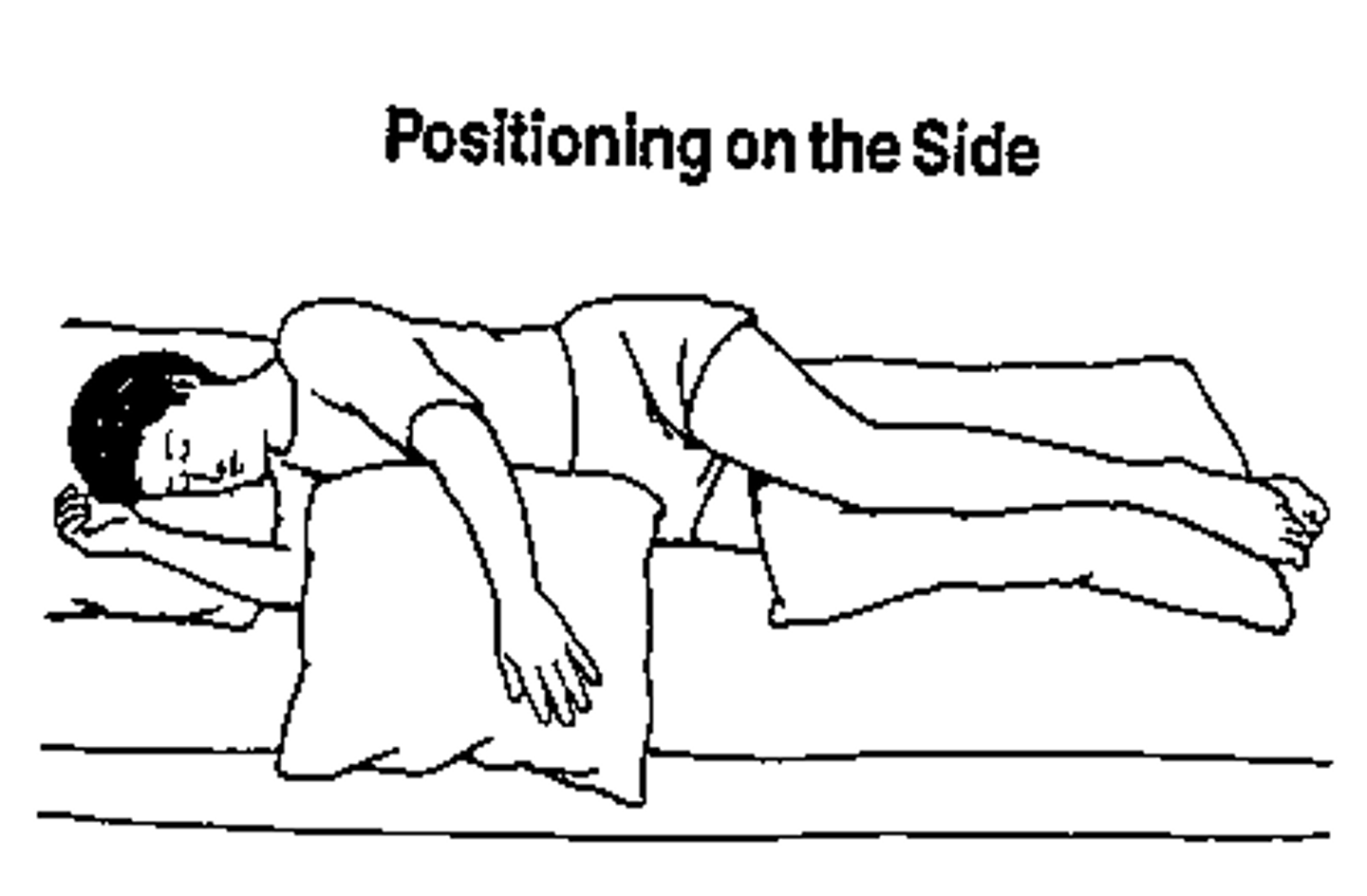
Lateral
Characteristics of a _____ position include:
- Right or left side touching the surface
- Head supported by a pillow or arm
- Legs may be slightly bent
Lateral
This position is commonly used in resting, recovery, and certain medical procedures.
Right Lateral Recumbent
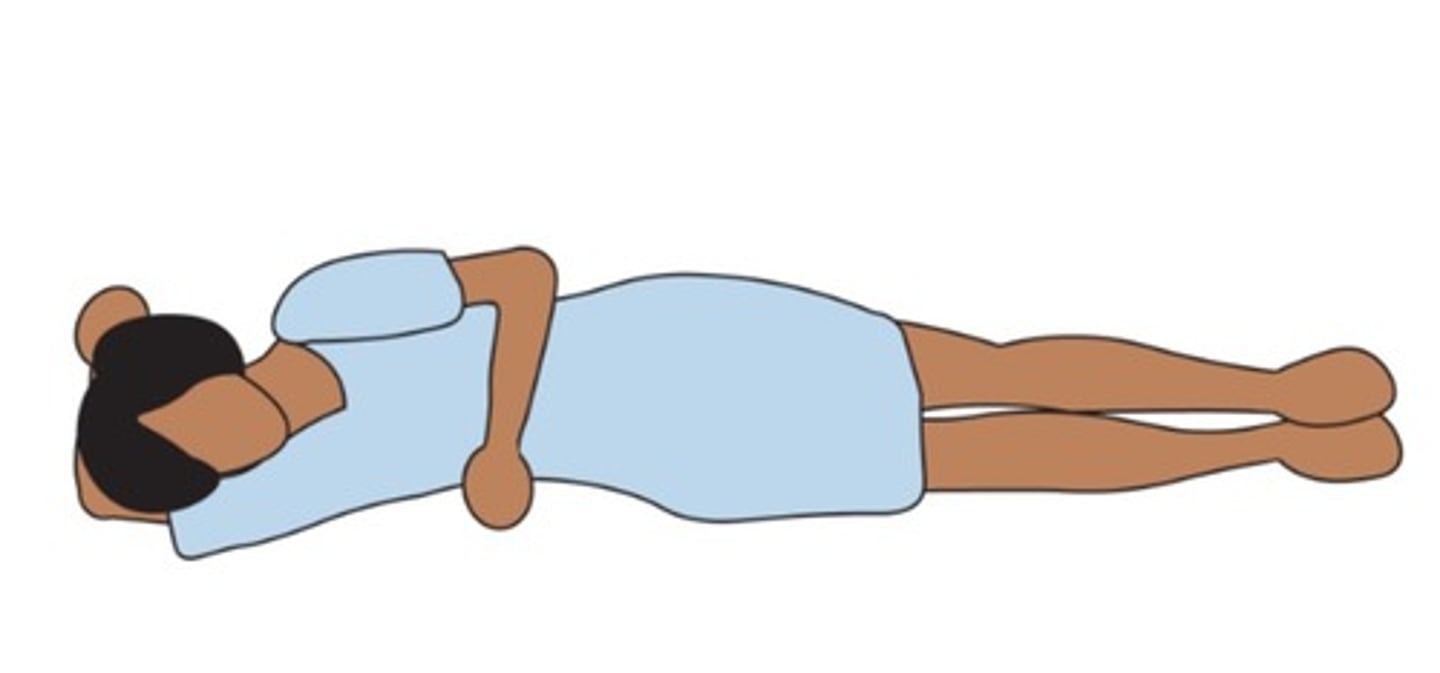
Left Lateral Recumbent