Animal Tissues and Histology: Organization, Types, and Functions
 Call Kai
 Learn
Learn Practice Test
 Spaced Repetition
 Match
Match Flashcards
 Knowt Play
1/23

There's no tags or description
Looks like no tags are added yet.
Name | Mastery | Learn | Test | Matching | Spaced | Call with Kai |
|---|
No analytics yet
Send a link to your students to track their progress
24 Terms
Levels of organization
The hierarchical structure of biological organization, including organism, organ system, organ, tissue, cellular, and chemical levels.
Four types of animal tissue
Epithelial, Connective, Muscle, Nervous.
Epithelial tissue
A type of tissue that lines surfaces, is avascular, innervated, and has a basement membrane.
Connective tissue
A type of tissue that supports and connects other tissues, protects organs, stores energy, transports materials, and provides immunity.
Muscle tissue
A type of tissue responsible for contraction and movement, including skeletal, smooth, and cardiac muscle.
Nervous tissue
A type of tissue involved in communication and control through electrical impulses, consisting of neurons and glial cells.
Phospholipid bilayer
A double layer of phospholipids that makes up the cell membrane, providing a barrier to the passage of molecules.
Cell junctions
Structures that connect cells together, including tight junctions, gap junctions, adhering junctions, desmosomes, and hemidesmosomes.
Stratified squamous epithelium
A type of epithelial tissue composed of multiple layers of flat cells, providing protection against abrasion.
Simple epithelium
A single layer of cells that allows for efficient absorption, secretion, and filtration.
Cuboidal epithelium
A type of epithelial tissue with cube-shaped cells, often involved in secretion and absorption.
Columnar epithelium
A type of epithelial tissue with tall, column-like cells, often found in the digestive tract.
Glandular epithelium
Epithelial tissue specialized for secretion, which can be classified as endocrine or exocrine.
Connective tissue proper
A category of connective tissue that includes loose and dense connective tissues.
Specialized connective tissue
Connective tissues that have specialized functions, such as blood, cartilage, and bone.
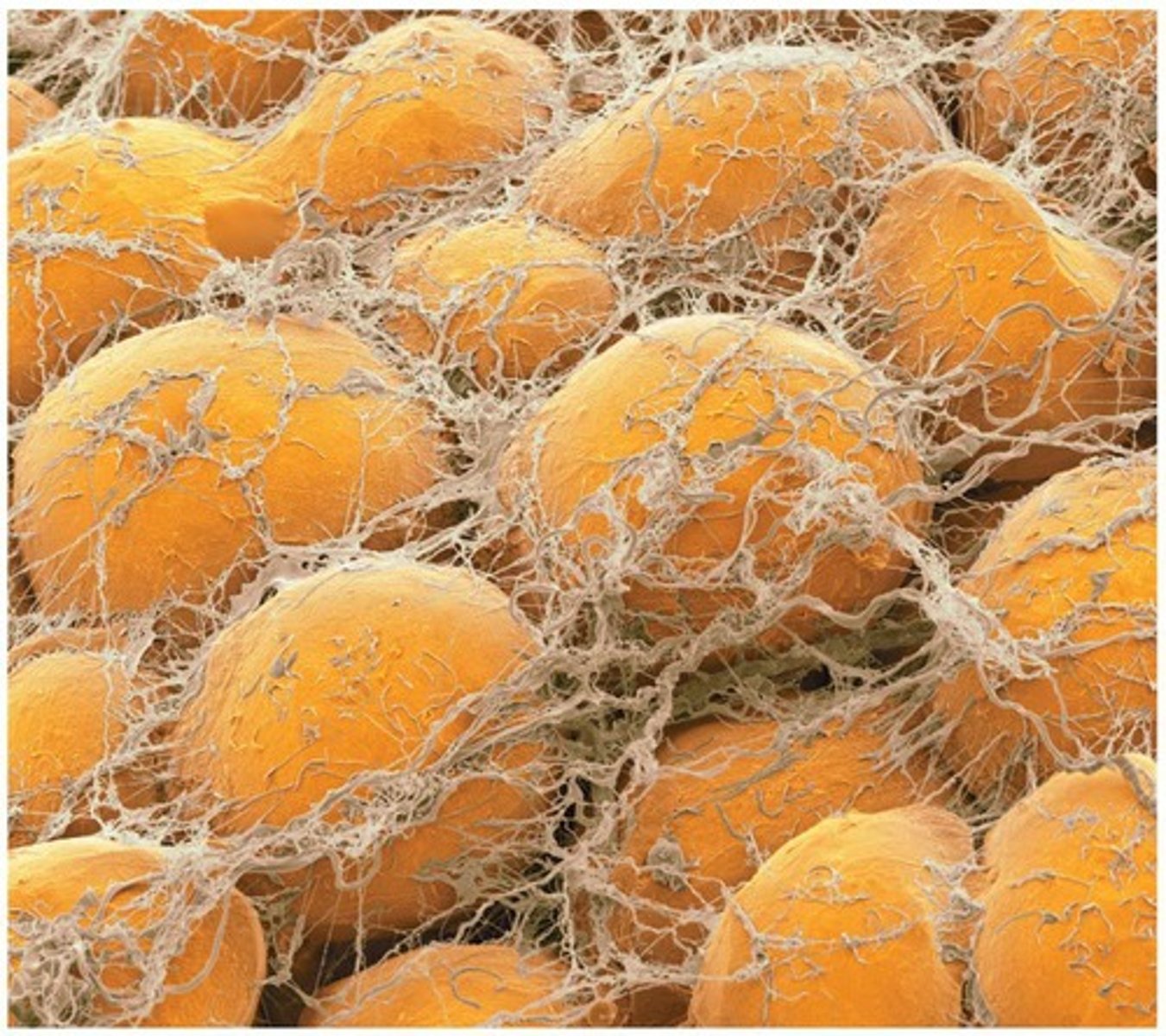
Adipose tissue
A type of connective tissue that stores energy, insulates, and cushions organs.
Cartilage
A flexible connective tissue that provides support and shape to various structures in the body.
Bone
A rigid connective tissue that supports and protects the body, stores calcium and fat.
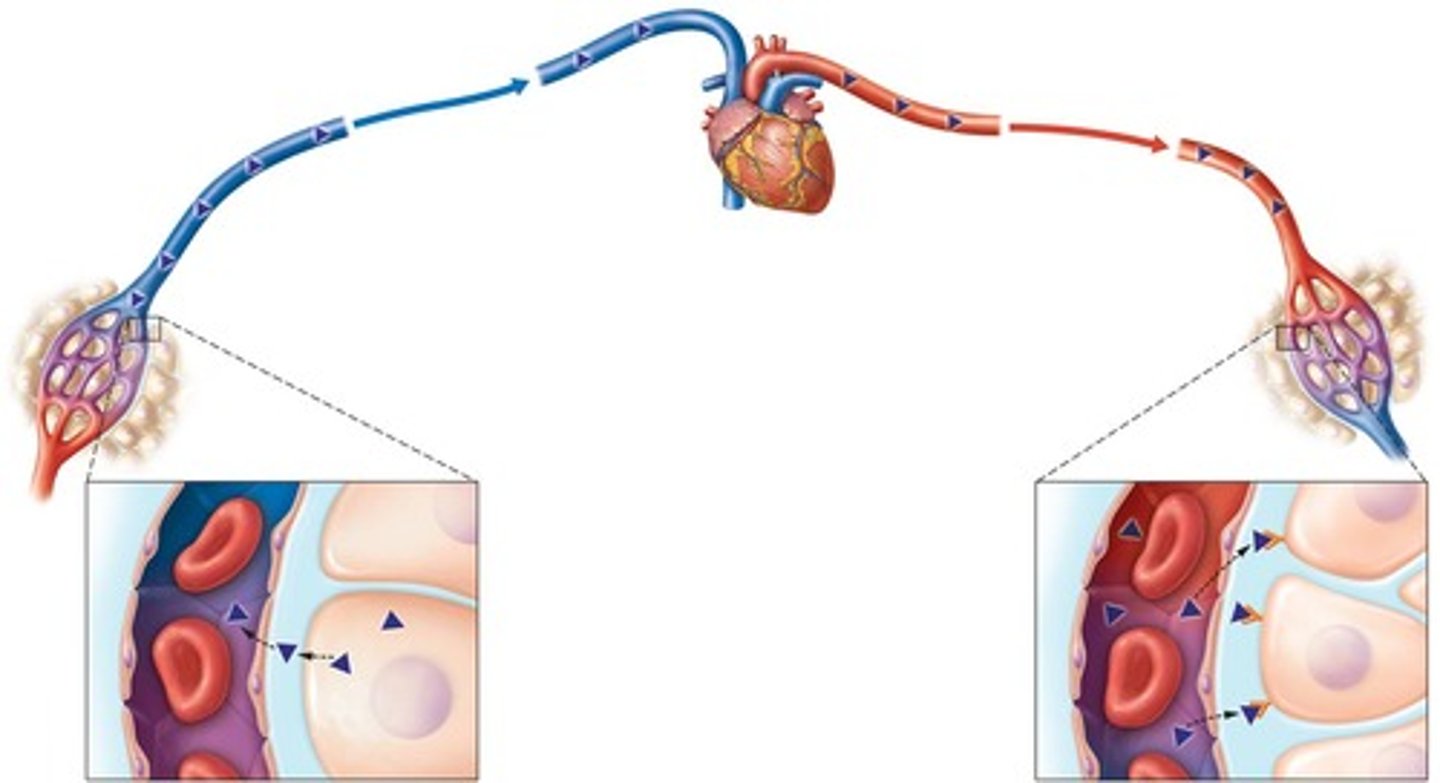
Blood
A fluid connective tissue that transports oxygen, nutrients, and wastes throughout the body.
Erythrocytes
Red blood cells responsible for carrying oxygen in the blood.
Leukocytes
White blood cells that are part of the immune system and help fight infections.
Platelets
Cell fragments involved in blood clotting.
Microvilli
Small, finger-like projections on epithelial cells that increase surface area for absorption.
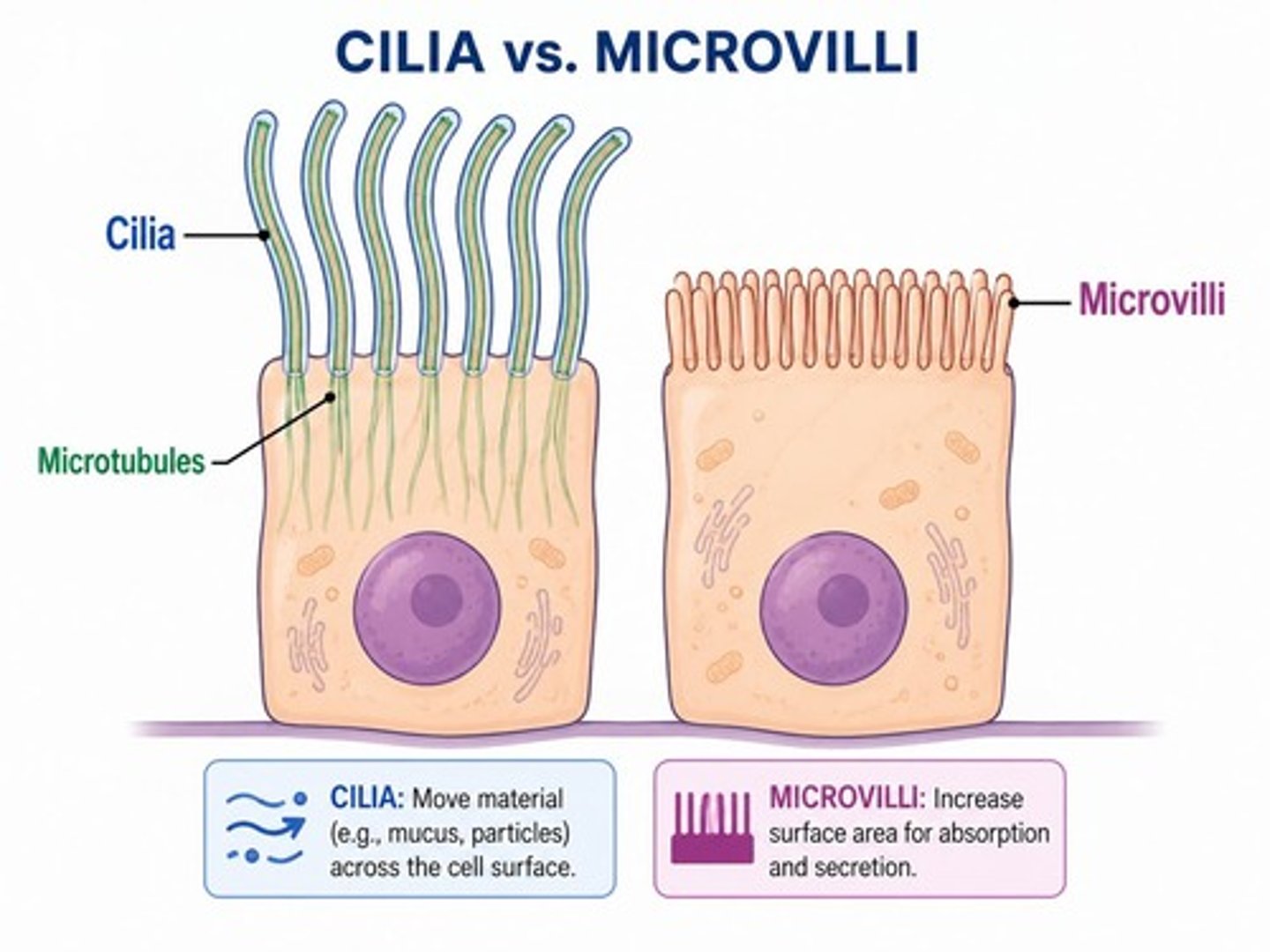
Cilia
Hair-like structures on the surface of some epithelial cells that help move substances across the cell surface.