Anatomy M2 Quiz
 Call Kai
 Learn
Learn Practice Test
 Spaced Repetition
 Match
Match Flashcards
 Knowt Play
1/19

There's no tags or description
Looks like no tags are added yet.
Name | Mastery | Learn | Test | Matching | Spaced | Call with Kai |
|---|
No analytics yet
Send a link to your students to track their progress
20 Terms
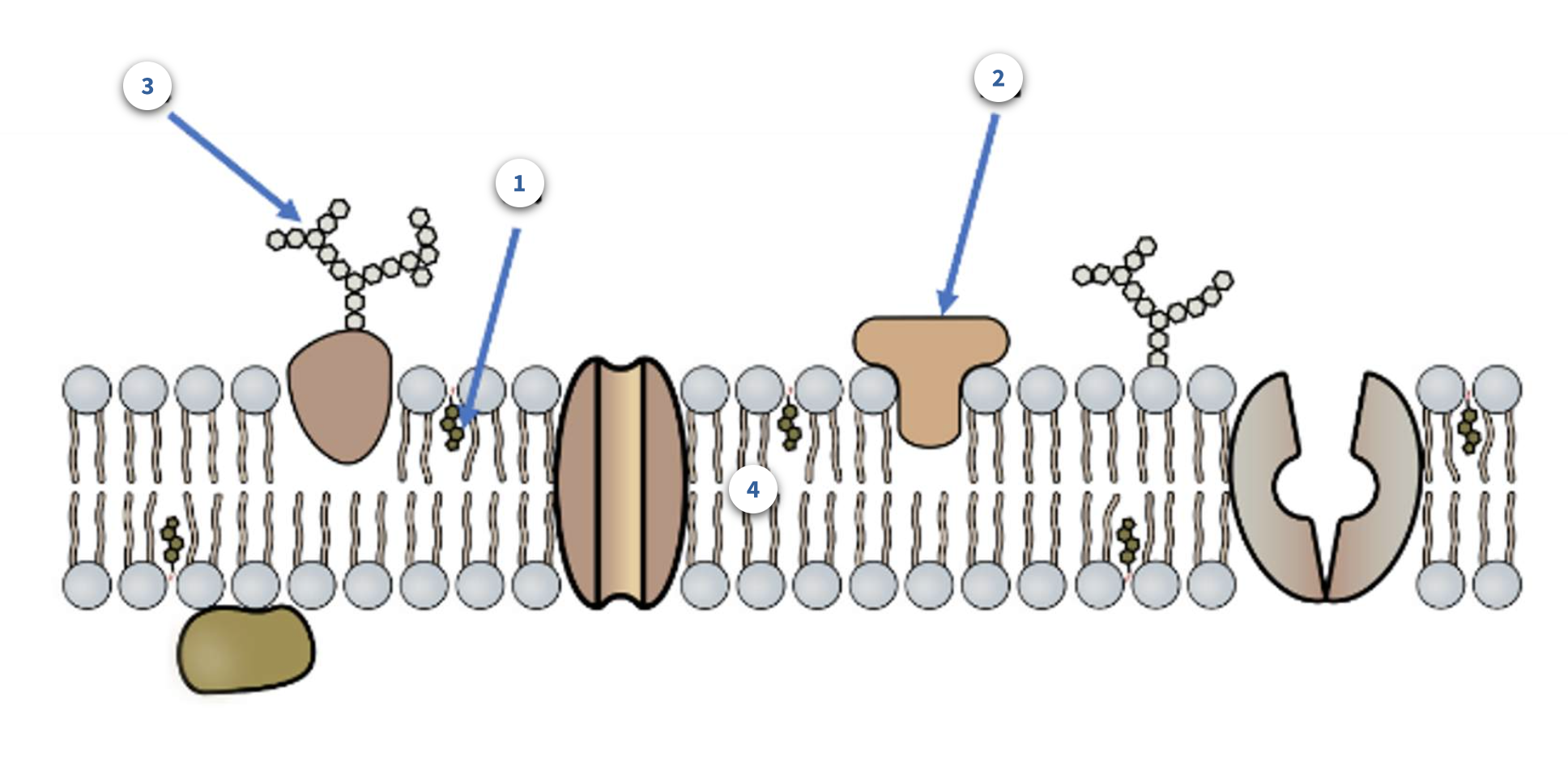
1
Cholesterol
Scattered within the bilayer, cholesterol molecules help maintain fluidity and stability.
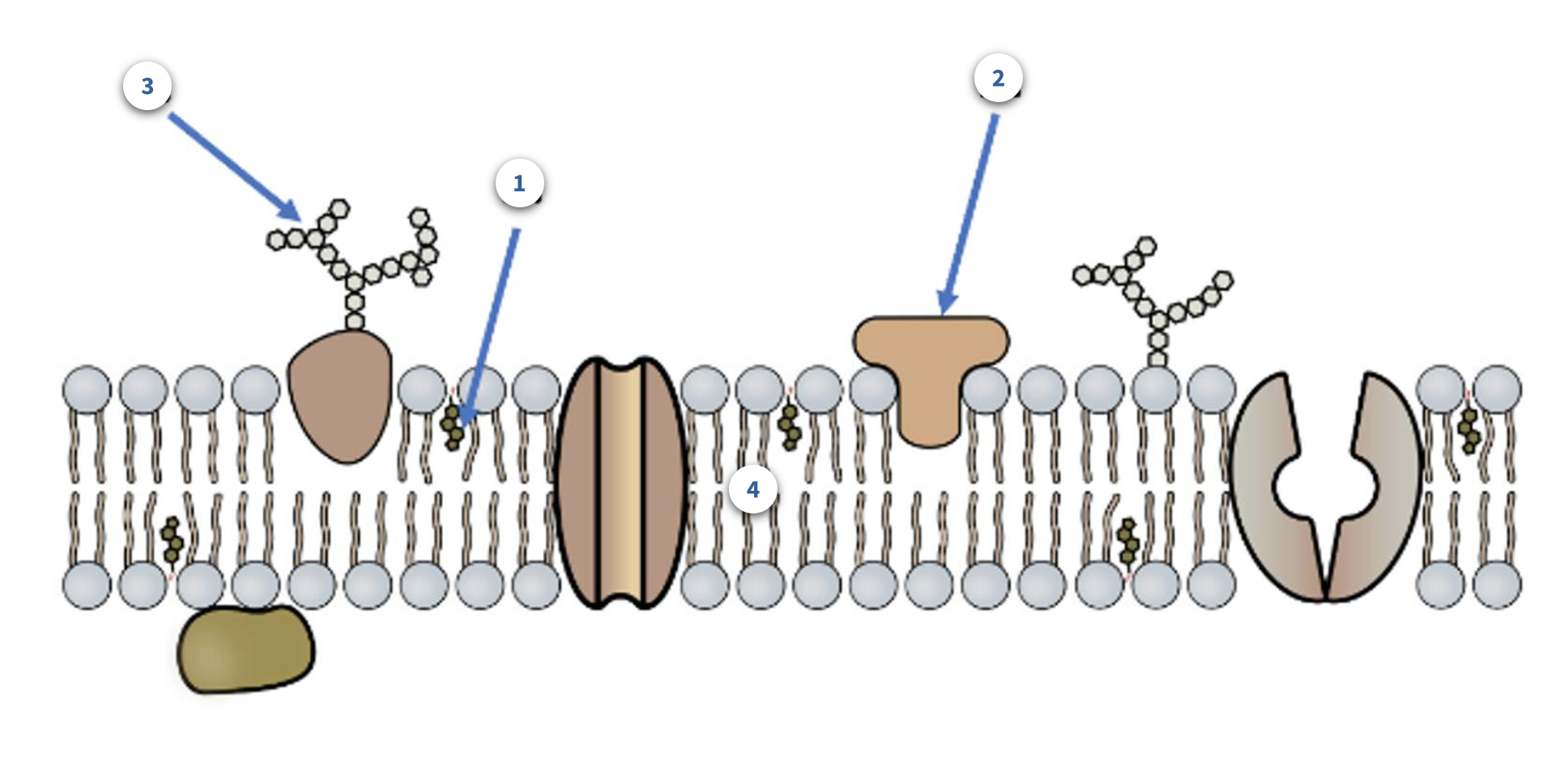
2
Proteins
Embedded in the bilayer, these proteins perform various functions, including transport, communication, and structural support.
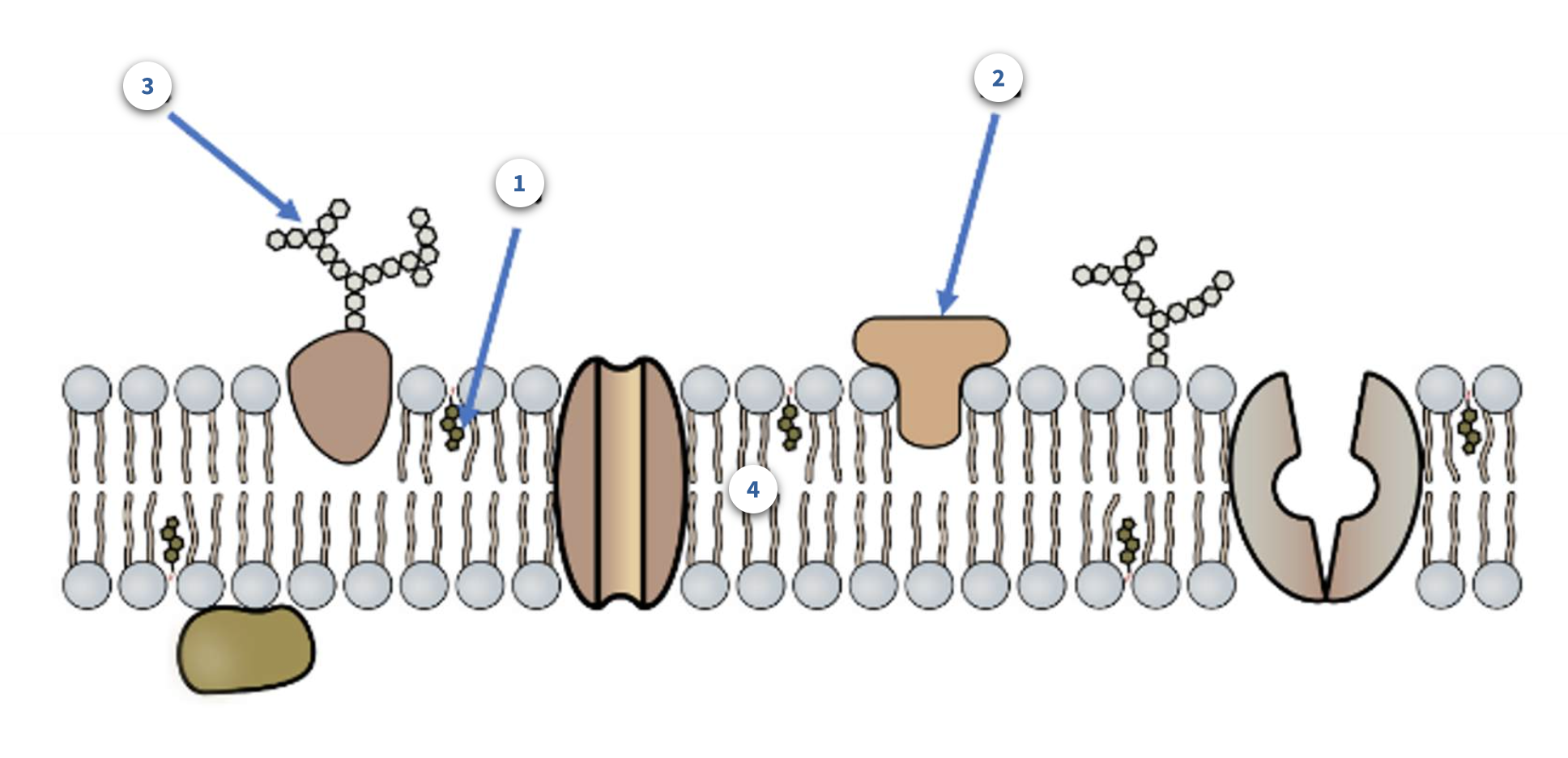
3
Carbohydrates
Attached to proteins and lipids on the extracellular surface, they play a role in cell recognition and adhesion.
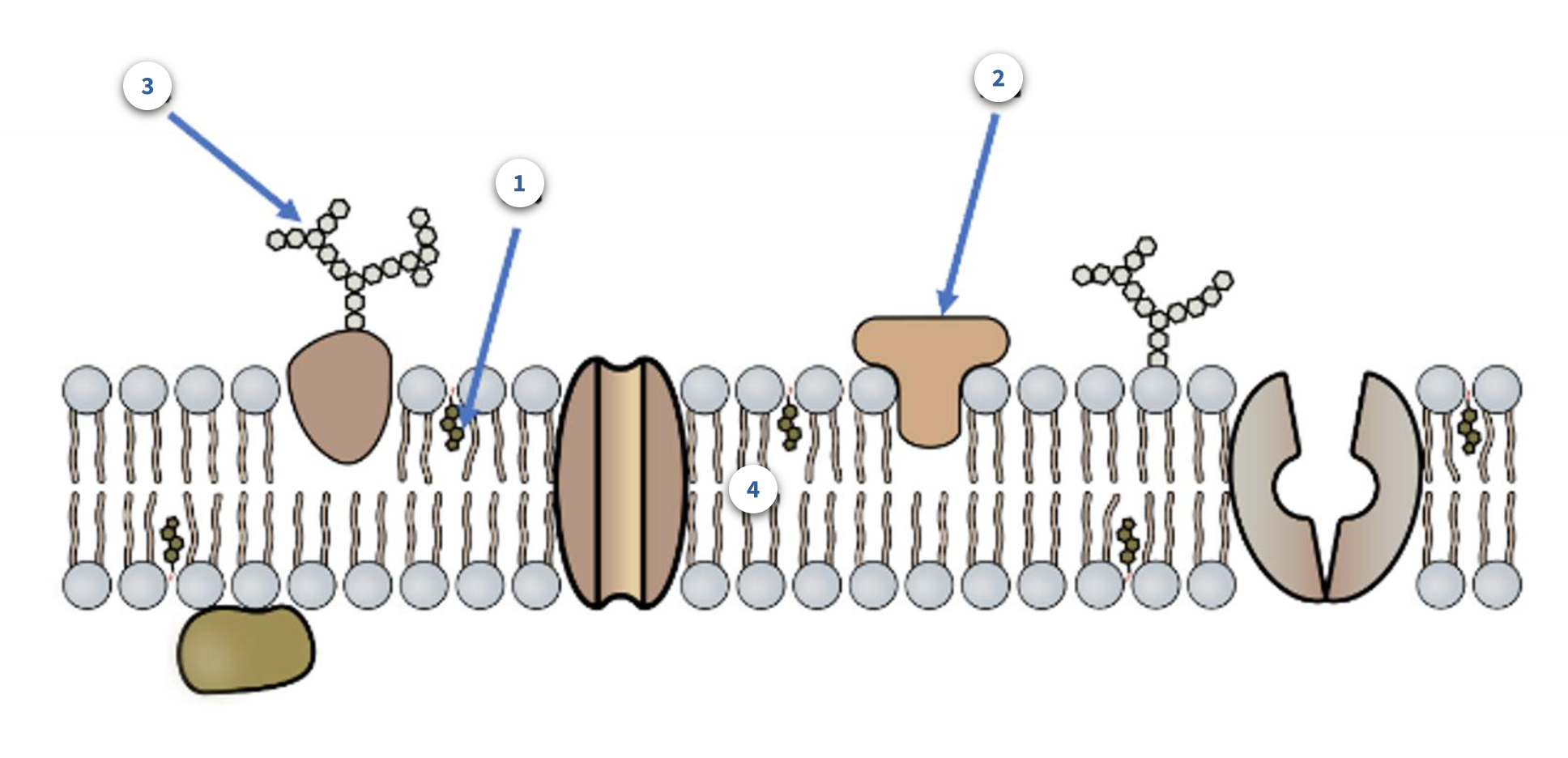
4
Phospholipid Bilayer
Composed of two layers of phospholipids, with hydrophobic tails facing inward and hydrophilic heads facing outward.
Nucleus
The control center of the cell, containing DNA and regulating gene expression.
Function: Transmits genetic information and provides instructions for protein synthesis
Nuclear pores provide chemical communication channels between nucleus and cytoplasm
Mitochondria
The powerhouse of the cell, generating ATP through cellular respiration.
Endoplasmic Reticulum (ER)
Rough ER: Studded with ribosomes, involved in protein synthesis and modification.
Smooth ER: Lacks ribosomes, involved in lipid synthesis and detoxification.
Golgi Apparatus
Modifies, sorts, and packages proteins and lipids for transport.
Lysosomes
Contain digestive enzymes to break down waste materials and cellular debris.
Ribosomes
Sites of protein synthesis, found free in the cytoplasm or attached to the rough ER.
Cytoskeleton
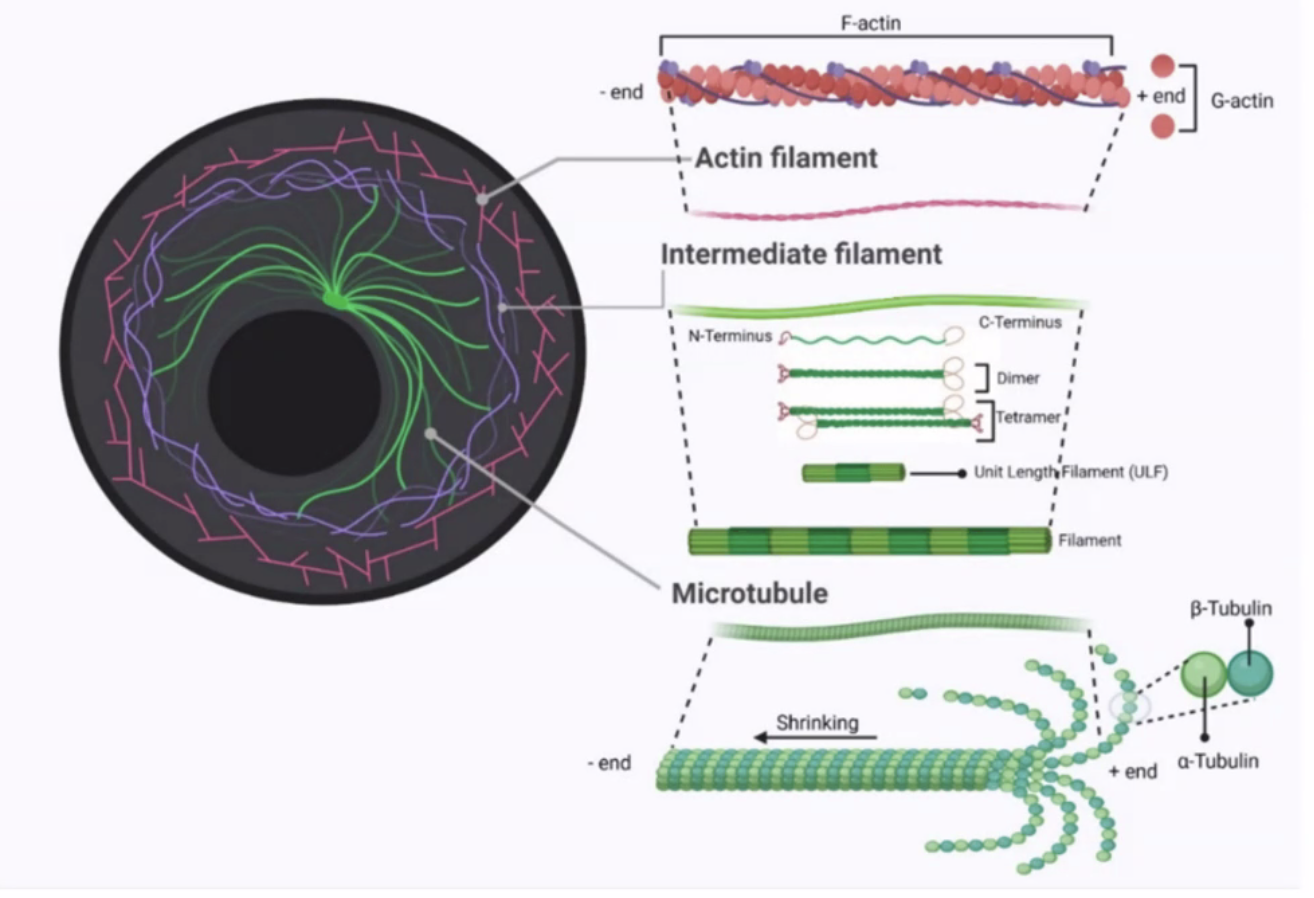
A network of fibers, such as microtubules, microfilaments, and intermediate filaments, provides structural support and facilitates cell movement.
Internal framework strength and flexibility, movement of organelles and cell shape changes
Microtubules
Movement inside the cell
cell division
Microfilaments
Cell movement
Actin- muscle movement
Intermediate filaments
Structural component of cell
Chromosome
Tightly packed DNA that is not accessible
Chromatin
DNA loosely wrapped around histone proteins, accessible
Nucleotides
the building blocks of nucleic acids. Each nucleotide consists of a phosphate group, a five-carbon sugar, and a nitrogenous base.
Phosphate - links nucleotides together through phosphodiester bonds
Sugar
Deoxyribose: Found in DNA
Ribose: Found in RNA
Nitrogenous Bases
Adenine (A), Thymine (T) (only in DNA), Cytosine (C), Guanine (G), and Uracil (U) (only in RNA).
DNA and RNA structure
DNA (Deoxyribonucleic Acid): Double-helix structure with complementary base pairing (A-T, C-G).
•
RNA (Ribonucleic Acid): Single-stranded molecule involved in protein synthesis (A-U, C-G).
Components of the cell membrane:
Proteins
Carbohydrates
Lipids
__ are the building blocks of nucleic acids
Nucleotides (building blocks of nucleic acids which are DNA and RNA)
Non-Membranous organelles
Cellular structures that lack a surrounding membrane
Ribosomes
Centrioles
Cytoskeleton
Which cell has the structure called Cristae? What is it's function?
Mitochondria - increase surface area for making ATP
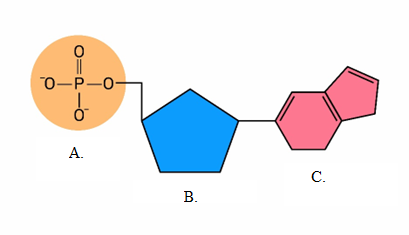
A, B, C
Phosphate group, Penrose sugar, nitrogenous base