Managing Ecosystems Sustainably
 Call Kai
 Learn
Learn Practice Test
 Spaced Repetition
 Match
Match Flashcards
 Knowt Play
1/14

There's no tags or description
Looks like no tags are added yet.
Name | Mastery | Learn | Test | Matching | Spaced | Call with Kai |
|---|
No analytics yet
Send a link to your students to track their progress
15 Terms
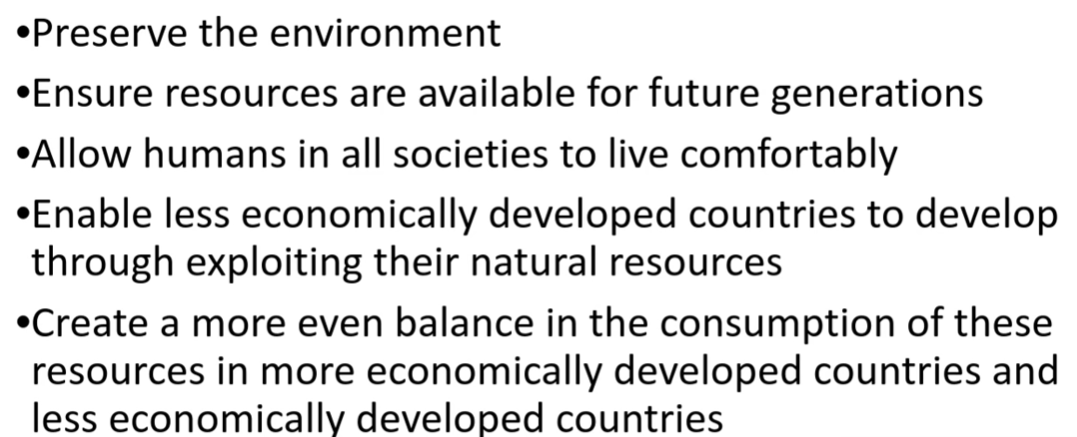
What are the aims of sustainability?
What is meant by the sustainable management of an ecosystem?
The use and management of an ecosystem and its resources in a way that meets the needs of the current population without compromising the ability of future generations to meet their own needs. It aims to maintain biodiversity while providing economic benefits.
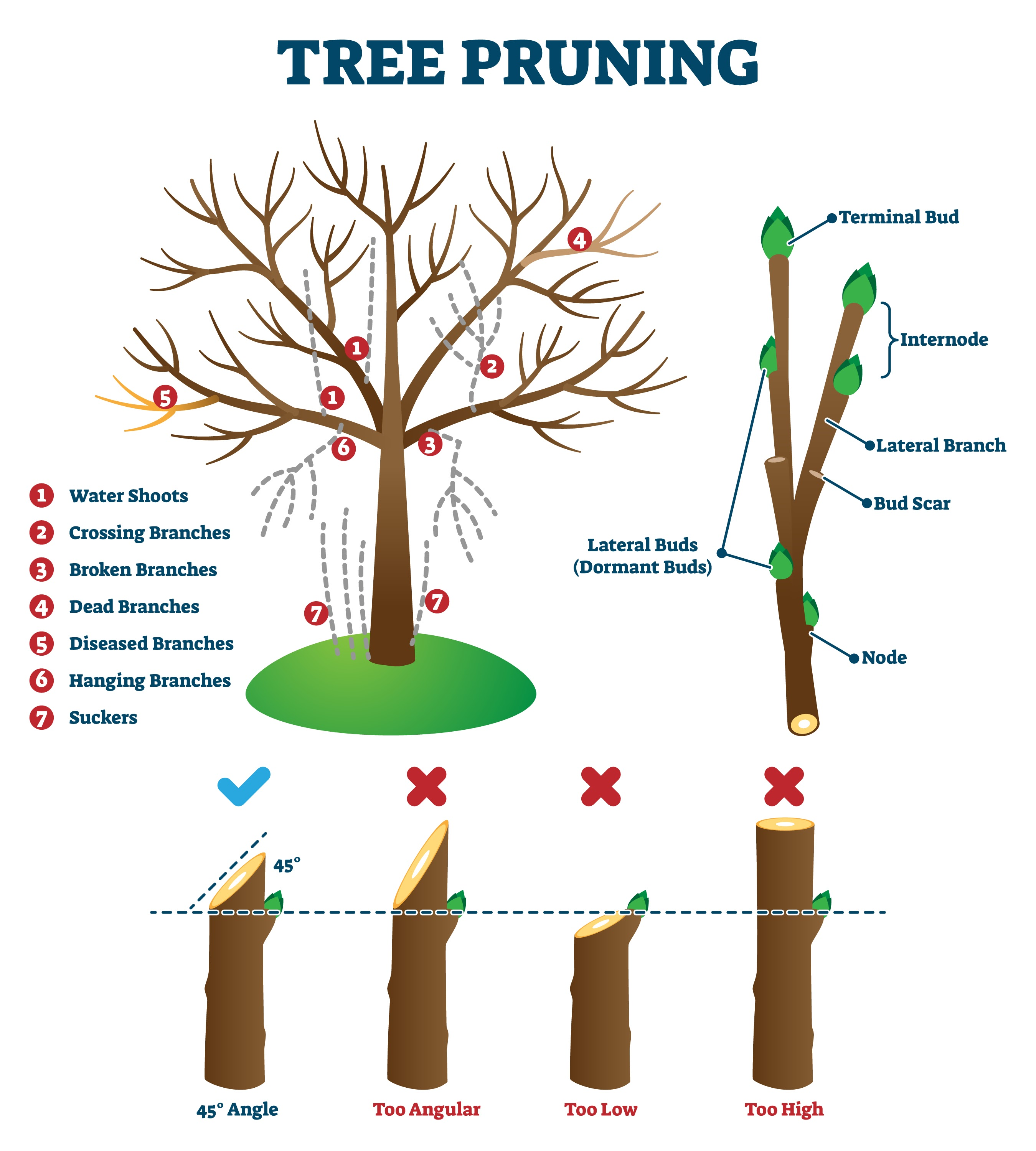
What is coppicing?
Tree trunk is cut close to the ground.
New shoots grow from cut surface and mature
Eventually, they are cut and more are produced in its place
What are the advantages of coppicing?
Protects young shoots from grazers
Grows more rapidly
More light for smaller plants
Habitat for smaller species
Roots prevent soil erosion
Prevents succession
How does rotational coppicing help maintain high biodiversity?
Trees are divided into sections and coppiced on a rotation (e.g., one section per year). This prevents the trees from forming a dense canopy, allowing light to reach the woodland floor. This prevents succession and allows a diverse range of ground plants and insects to thrive.
What is pollarding and why is it used instead of coppicing?
Pollarding is similar to coppicing, but the tree is cut higher up the trunk. This is done to prevent grazing animals (like deer) from eating the new, vulnerable shoots as they grow.
Why is clear-felling (cutting down all trees in an area) ecologically damaging?
It completely destroys habitats, severely reducing biodiversity. It also leaves soil exposed to heavy rain, leading to soil erosion, loss of mineral ions, and the runoff polluting nearby waterways.
What is selective felling (or selective logging)?
A sustainable method of large-scale timber production where only the largest, most mature, or diseased trees are cut down. This leaves the majority of the forest intact, preserving the habitat and biodiversity.
State three practices forestry companies use to ensure large-scale timber production is sustainable.
1. Replanting trees after harvesting (ensuring the new trees match the species of those removed).
2. Planting trees at optimal distances apart to reduce competition for light/nutrients.
3. Managing pests and pathogens to maximize timber yield.
What is the main ecological problem caused by commercial fishing?
Overfishing, where fish are caught at a faster rate than they can reproduce. This depletes the breeding population, risking the collapse of the fish stock and disrupting the entire marine food web.
What are fishing quotas and how do they make fishing sustainable?
Limits set by international agreements (like the Common Fisheries Policy) on the number or weight of a specific fish species that a fleet is allowed to catch. This ensures enough fish are left to breed and replenish the population.
How does regulating net mesh sizes help maintain fish populations?
Increasing the minimum mesh size of fishing nets ensures that small, immature fish can escape. This allows them to reach breeding age and reproduce before being caught, sustaining the population.
Explain how fishing seasons protect fish stocks.
Governments can ban fishing for certain species during their breeding seasons. This allows the fish to spawn and raise their young without interference, ensuring the next generation is secured.
How can aquaculture (fish farming) reduce the impact on wild fish populations?
By breeding and raising fish in enclosed, managed environments (like netted pens in the sea or inland tanks), the demand for fish is met without extracting them from wild populations, allowing wild stocks to recover.
Name an international agreement that aims to ensure sustainable fishing practices.
The Common Fisheries Policy (in the EU).