Chapter 5 Vocab
 Call Kai
 Learn
Learn Practice Test
 Spaced Repetition
 Match
Match Flashcards
 Knowt Play
1/61

There's no tags or description
Looks like no tags are added yet.
Name | Mastery | Learn | Test | Matching | Spaced | Call with Kai |
|---|
No analytics yet
Send a link to your students to track their progress
62 Terms
Acquired Immune Deficiency Syndrome
A disease that breaks down the body's immune system. AIDS is caused by human immunodeficiency virus (HIV) which weakens the body's ability to fight infections and diseases, leading to severe complications.
Antiseptics
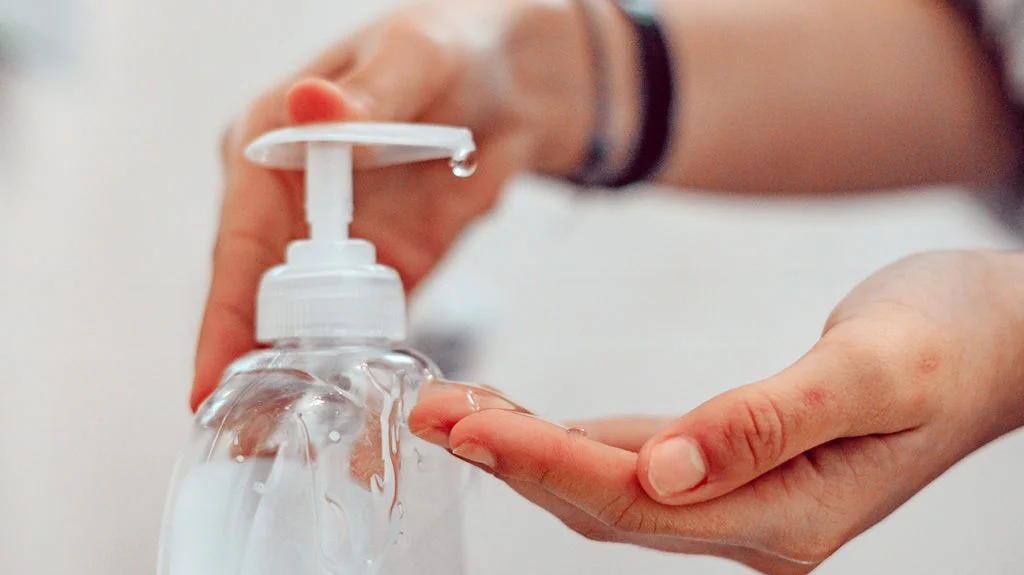
Chemical germicide formulated for use on skin; registered and regulated by the food and Drug Administration (FDA).
Asymptomatic
Describes a person who shows no signs or symptoms of a disease or condition.
Bacteria
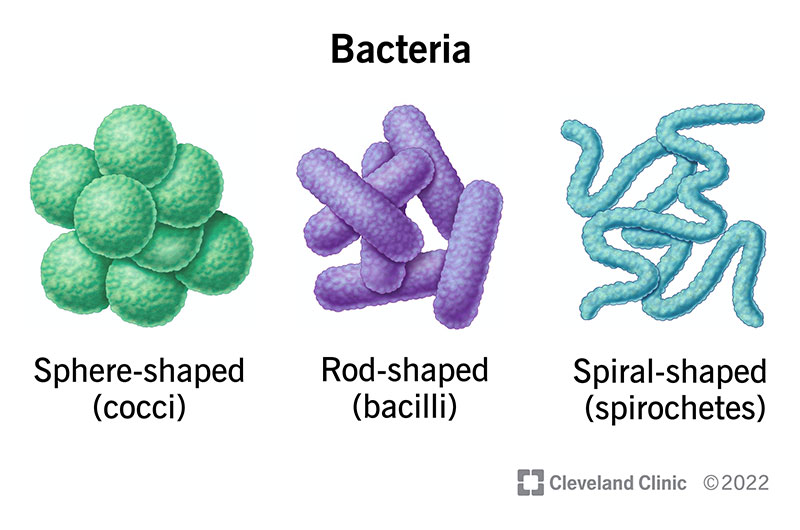
One celled microorganisms that have both plant and animal characteristics. Some are harmful: some are harmless.
Bacterial Spores
Bacteria capable of producing protective coating that allows them to withstand very harsh environments, and shed the coating when conditions become more favorable.
Bactericidal
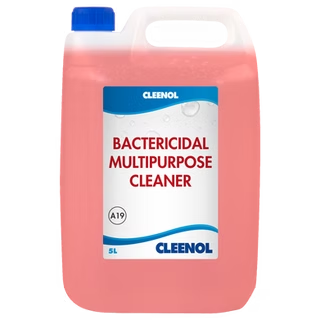
Capable of destroying bacteria.
Biofilms
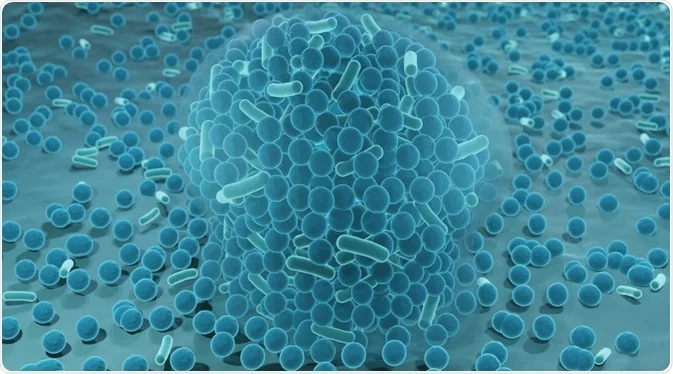
Colonies of bacteria that adhere to eachother and adhere to environmental surfaces.
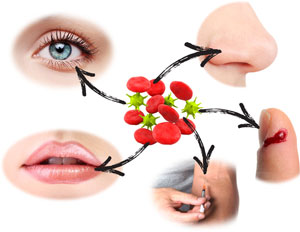
Bloodborne Pathogens
Disease-causing microorganisms carried in the body by blood or body fluids. Hepatitis and HIV.
Chelating Soaps
Also known as chelating detergents; break down stubborn films and remove the residue of pedicure products such as scrubs, salts, and masks.
Cleaning
A mechanical process (scrubbing) using soap and water or detergent and water to remove all visible dirt, debris, and many disease causing germs. Cleaning also removes invisible debris that interfere with disinfection. Cleaning is what cosmetologist are required to do before disinfecting.
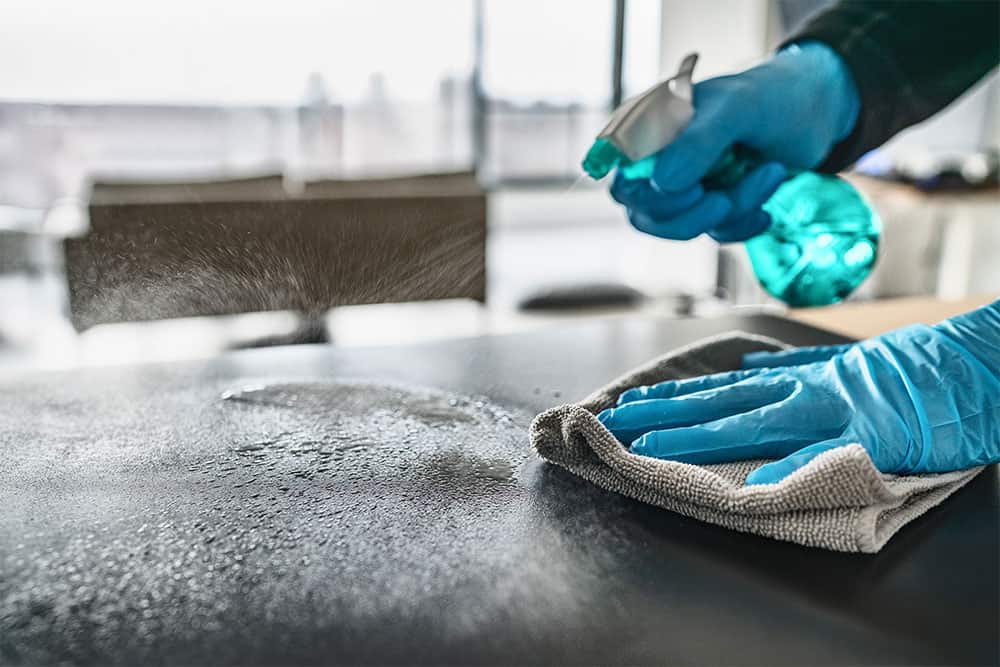
Communicable
Communicable diseases are illnesses caused by microorganisms like bacteria, viruses, and parasites that spread from person to person, animal to human, or through contaminated surfaces and food. Key examples include influenza (flu), COVID-19, tuberculosis (TB), HIV/AIDS, hepatitis (A, B, C), measles, and sexually transmitted infections (STIs).
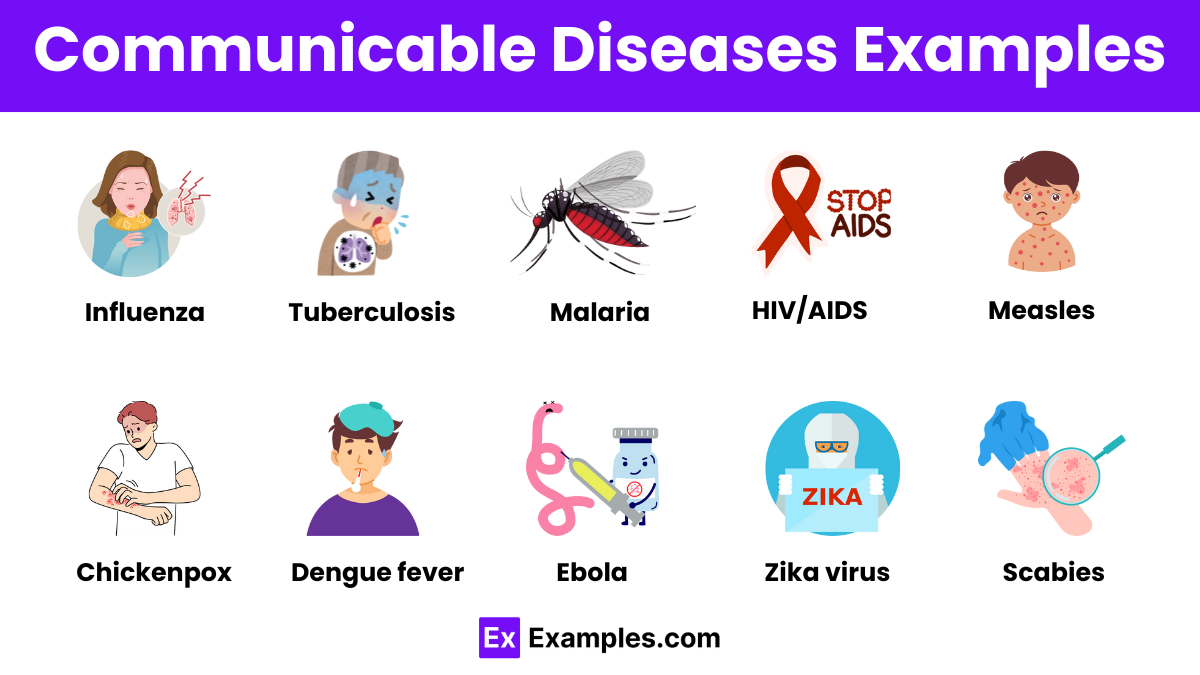
Contagious Disease
Also known as communicable disease. Disease that is spread from one person to another person. Some of the more contagious diseases are the common cold, ringworm, conjunctivitis (pink-eye), viral infection, and natural nail, toe or foot infection.
Contamination
Contamination is the presence of unwanted or harmful substances that make something impure, unsafe, or unsuitable for its intended use, often by making it dirty, poisonous, or less effective.
Diagnosis
The process of identifying a disease, condition, or injury from its signs and symptoms. Federal regulations prohibit salon professionals from performing a diagnosis.
Direct Transmission
Transmission of blood or bodily fluids through touching (including shaking hands) kissing coughing, sneezing, and talking.
Disease
A harmful, abnormal condition affecting an organism's structure or function, causing specific signs (like fever) and symptoms (like pain) that disrupt normal health, often due to infections, genetic factors, or internal problems.
Disinfectants
Chemical products approved by the EPA designed to destroy most bacteria, fungi, viruses (excluding spores) on surfaces
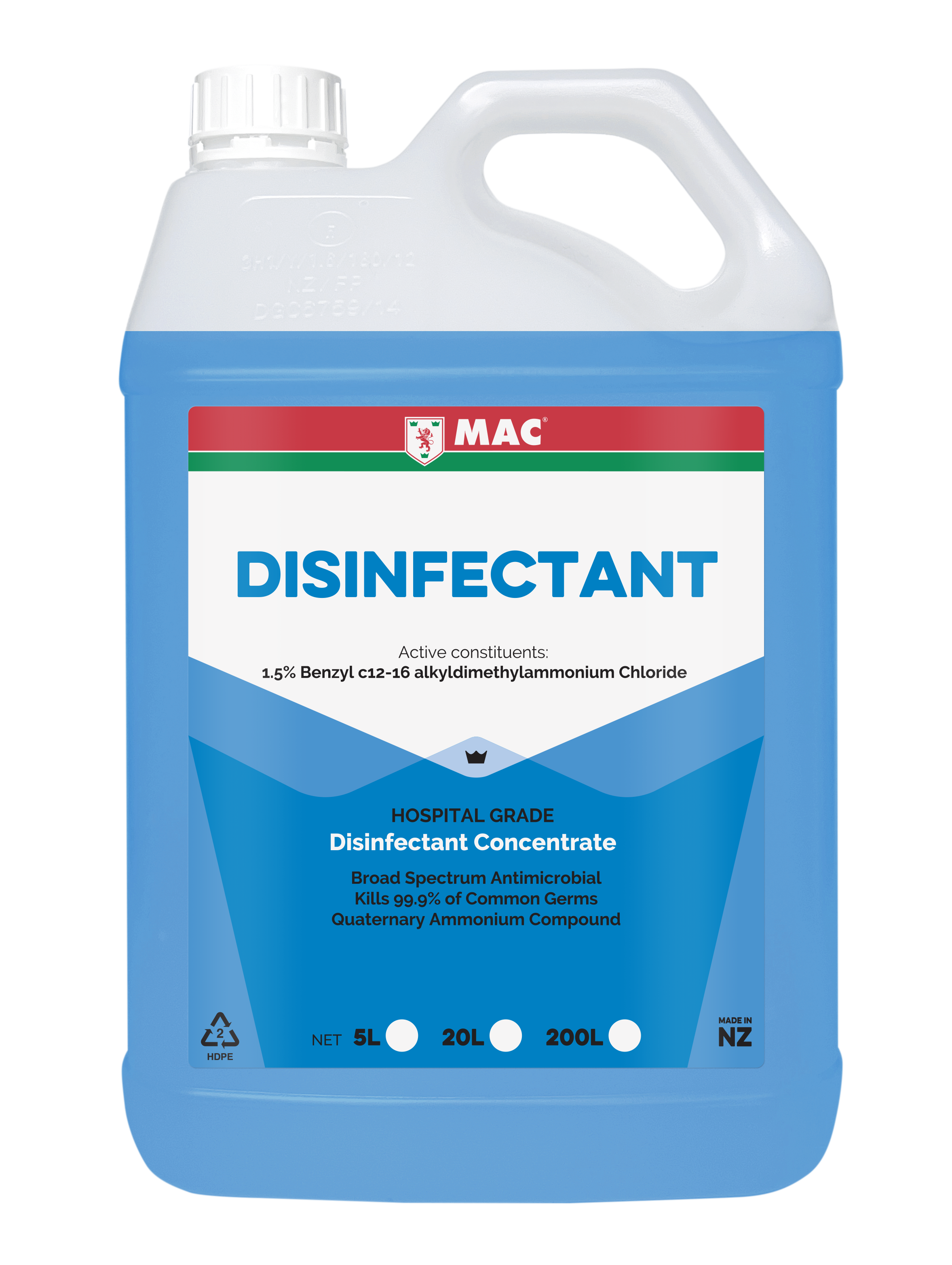
Disinfection
A chemical process that destroys most, but not necessarily all, harmful organisms on environmental surfaces.
Efficacy
The ability to produce an effect.
Exposure Incident
A specific eye, mouth, other mucous membrane, non-intact skin, or parenteral (needlestick/cut) contact with blood or other potentially infectious materials (OPIM) during work duties. Immediate action, including washing the area and reporting to a supervisor, is mandatory for confidential medical evaluation.
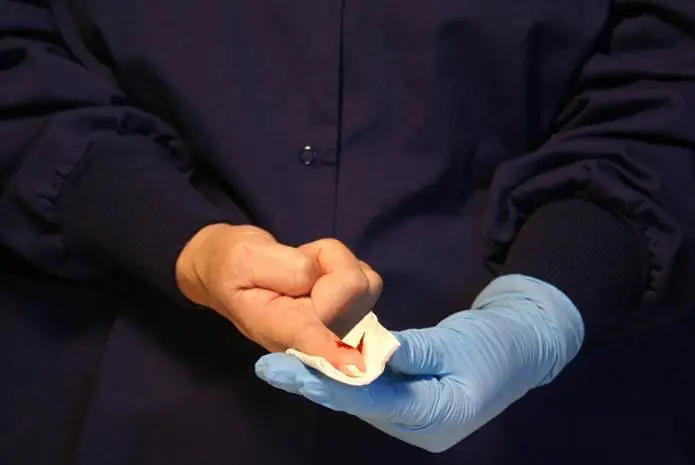
Fungi
Single celled organisms that grow in irregular masses that include mold, mildews, and yeasts. Can produce contagious diseases such as ringworm.
Fungicidal
Capable of destroying fungi.
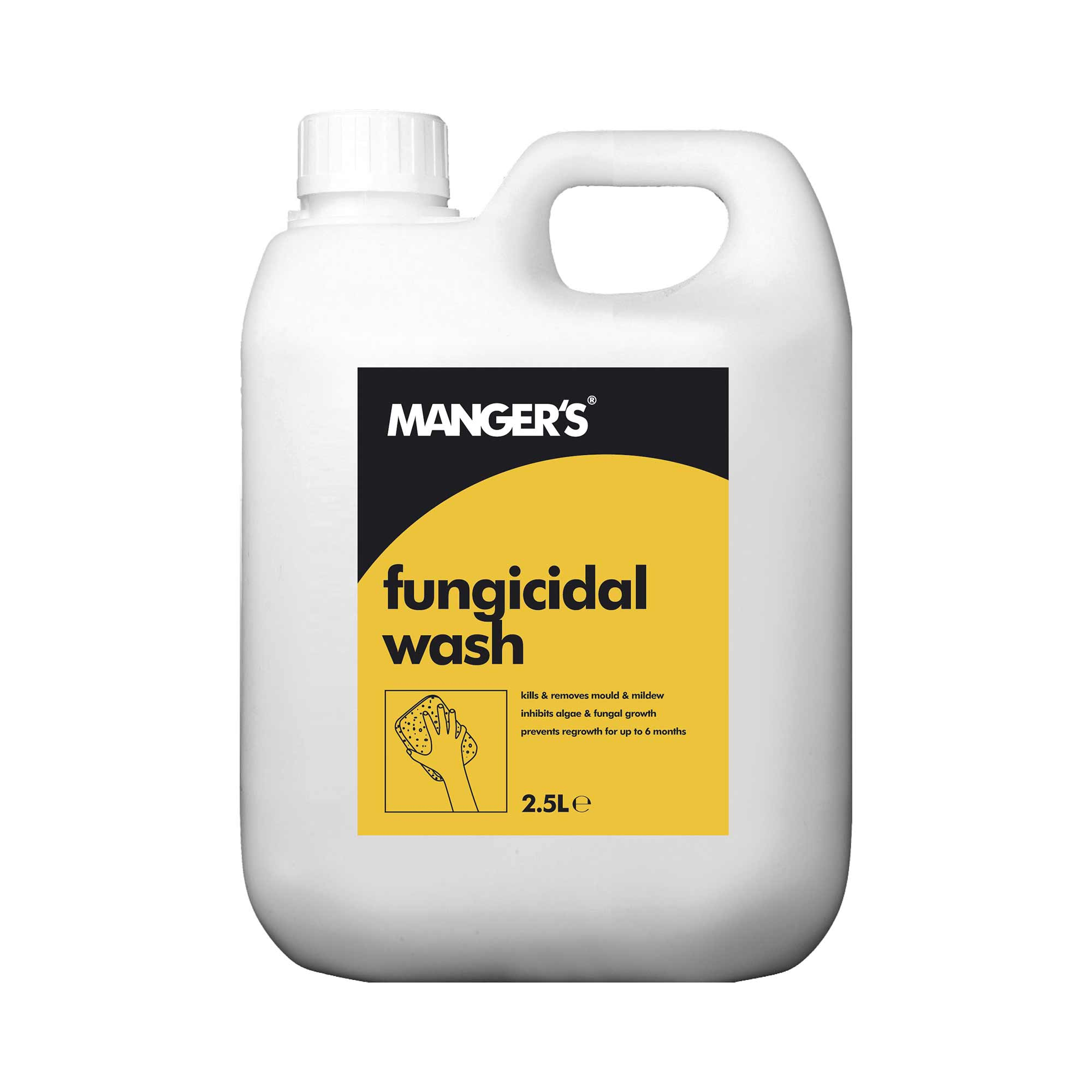
Hepatitis
A bloodborne virus that causes disease and can damage the liver.
Herpes Simplex Virus
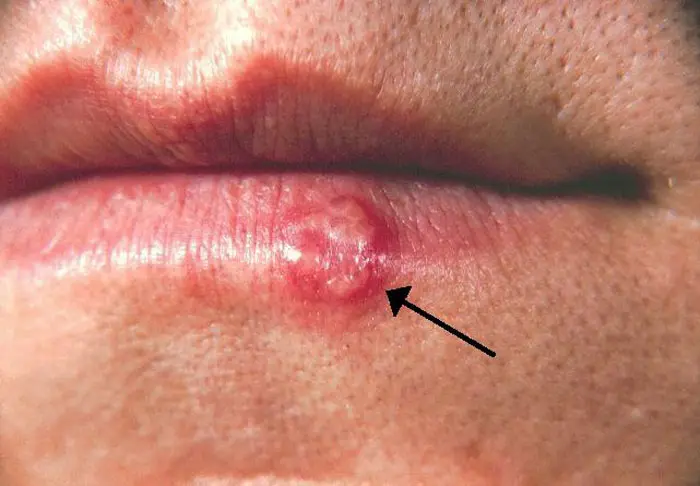
Herpes simplex virus (HSV) causes oral herpes, genital herpes and infections in other areas of your body. Fluid-filled blisters on your skin are common symptoms, but many people have no symptoms at all.
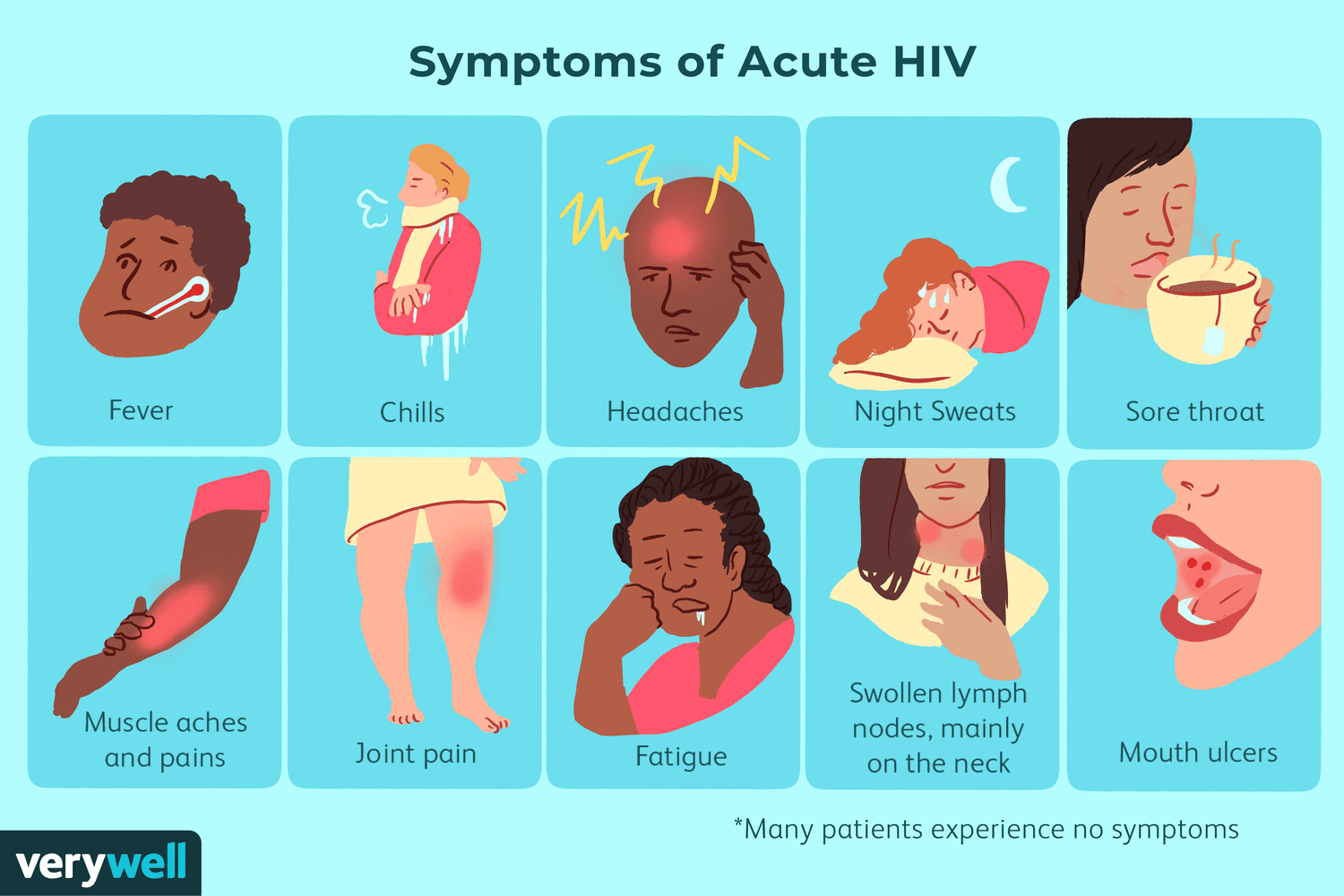
Human Immunodeficiency Virus
Abbreviated HIV, virus that causes Acquired Immune deficiency Syndrome.
Human Papilloma Virus
Abbreviated HPV; virus that causes warts in humans, but also is the cause of cervical cancer in women. When the virus infects the bottom of the foot and resembles small black dots , usually in clustered groups, it is also called plantar warts.
Indirect Transmission
Transmission of blood or bodily fluids through contact with an intermediate contaminated object such as razor, extractor, nipper, or an environmental surface.
Infection
The invasion of body tissues by disease causing, pathogens.
Infection Control
Are methods used to eliminate or reduce transmissions of infectious organisms.
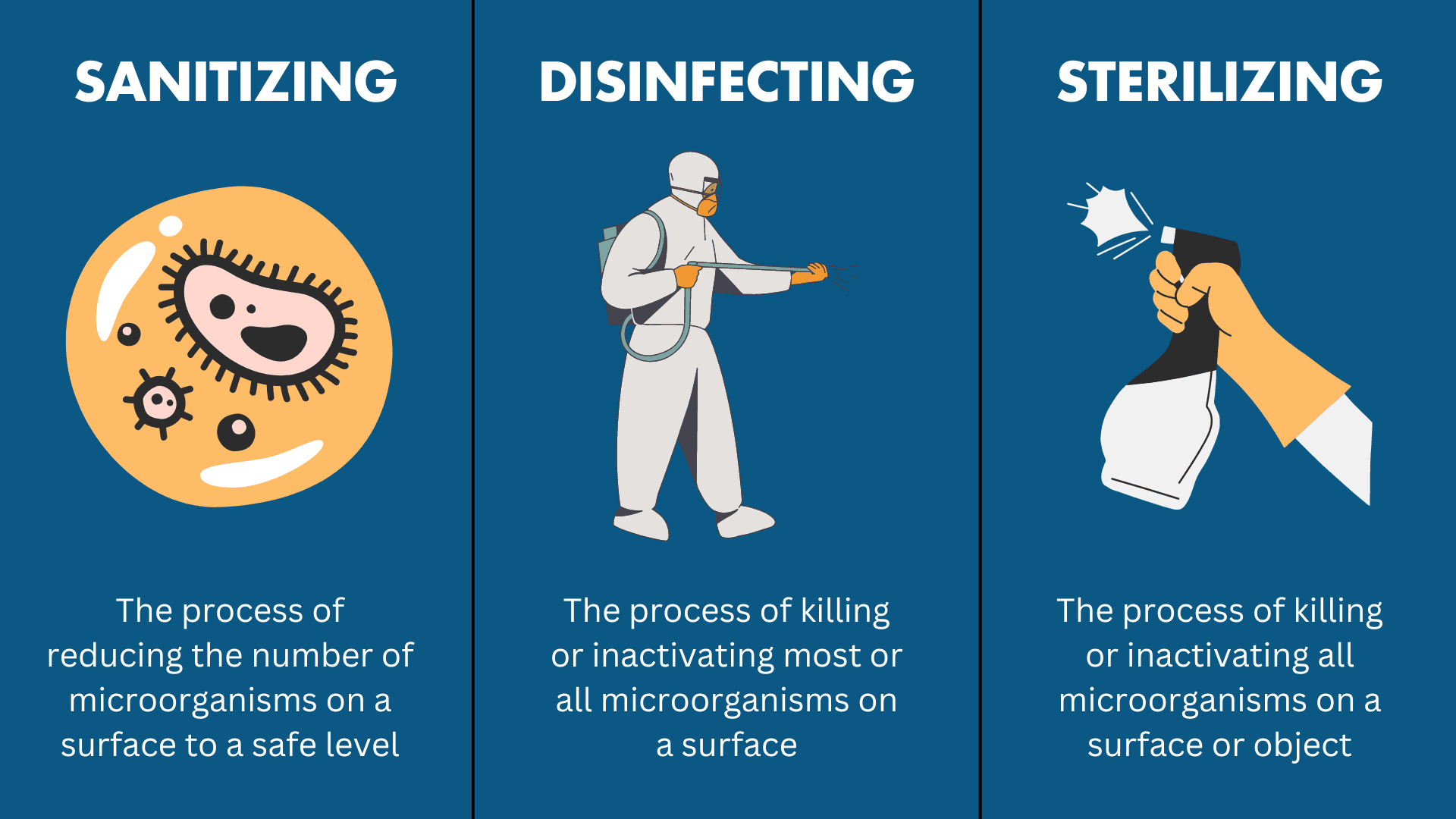
Infectious
Caused by or capable of being transmitted by infection.
Infectious Disease
Disease caused by pathogenic (harmful) microorganisms that enter the body. An infectious disease may be spread from one person to another person
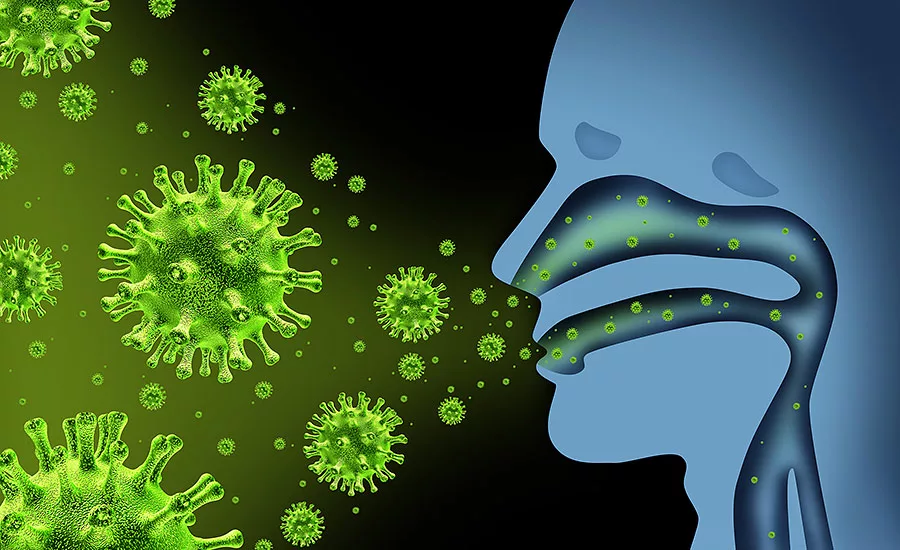
Inflammation
A condition in which the body reacts to injury; irritation characterized by redness, heat, pain and swelling.
Local Infection
Infection such as a pimple or abscess that is confined to a particular part of the body and appears as a lesion containing pus.
Methicillin-resistant Staphylococcus Aure
Abbreviated MSDS; replaced by SDS; information complied by the manufacturer about product safety, including the names of hazardous ingredients, safe handling and use procedures, precautions to reduce the rush of accidental harm or over exposure, and flammability warnings.
Microorganism
Any organism of microscopic or submicroscopic size.
Mildew
A type of fungus that affects plants or grows on inanimate objects, but does not cause human infections in the salon.
Multiuse
Also known as reusable items; items that can be cleaned, disinfected, and used on more than one person, even if the item is accidentally exposed to blood or bodily fluid.
Mycobacterium
A microscopic germ that normally exist in tapwater in small numbers.
Nonpathogenic
Harmless microorganisms that may preform useful functions and are safe to come in contact with since they do not cause disease or harm.
Nonporous
An item that is made or constructed of material that has no pores or openings and cannot absorb liquids.
Occupational Disease
Illness resulting from conditions associated with employment. Such as prolonged or repeated overexposure to certain products or ingredients. (Ex. respiratory illnesses caused by inhaling chemical fumes from nail products)
Parasites
Organisms that grow, feed, and shelter on or in another organism. (Referred to as the host) while contributing nothing to the survival of that organism. Parasites must have a host to survive. (Ex. lice)
Parasitic Disease
Disease caused by parasites such as lice and mites.
Pathogenic
Harmful microorganisms that can cause disease or infection to humans when they invade the body.
Pathogenic Disease
Disease produced by organisms, including bacteria, viruses, fungi, and parasites.
Pediculosis Capitis
Is a contagious parasitic infection of the scalp and hair.
Phenolic Disinfectants
Powerful tuberculocidal disinfectants. They are a form of formaldehyde, have a very high pH, and can damage the skin and eyes.
Porous
Made or constructed of a material that has pores or openings. Porous items are absorbent.
Pus
A fluid created by infection.
Quaternary Ammonium Compound
Commonly known as "quats"; are products made of quaternary ammonium cations and are designed for disinfection on nonporos surfaces. They are appropriate for use in noncritical (non-invasive) environments and are effective against most pathogens of concern in the salon environment.
Ringworm
Ringworm is a common, highly contagious fungal skin infection, not caused by a worm, that creates an itchy, red, ring-shaped rash.
Sanitation
the mechanical process of using soap, water, detergent, or antiseptic to remove all visible dirt, debris, and many disease-causing germs from tools, equipment, and skin.
Scabies
Scabies is a highly contagious skin infestation caused by the microscopic mite Sarcoptes scabiei var. hominis, which burrows into the upper layer of the skin to live and lay eggs. It causes intense,, itchy rashes (often nocturnal) and is spread primarily through direct, prolonged skin-to-skin contact.
Sodium Hypochlorite
Common household bleach; effective disinfectant for the salon.
Standard Precautions
Abbreviated SP; precautions such as wearing personal protective equipment to prevent skin and mucous membranes where contact with a clients blood , bodily fluids, secretions (except sweat), excretions, non-intact skin, and mucous membranes is likely. Workers must assume that all blood and bodily fluids are potential sources, regardless of the perceived risk.
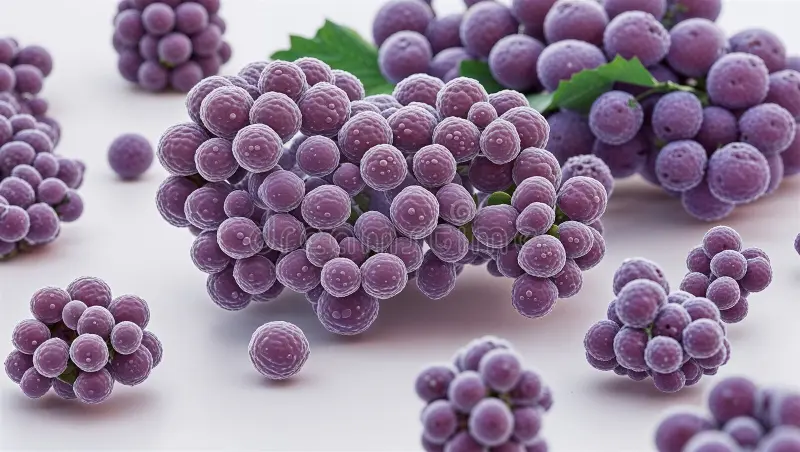
Staphylococci
Pus forming bacteria that grow in clusters like a bunch of gapes. They cause abscess, pustules, and boils.
Sterilization
The process that completely destroys all microbial life including spores.
Systemic Infection
Infection that affects the body as a whole, often due to under functioning or over functioning of internal glands or organs. This disease is carried through the blood stream or lymphatic system.
Tinea Barbae
A superficial fungal infection caused by a variety of dermatophytes that commonly affects the skin. It is primarily limited to the bearded areas of the face and neck or around the scalp. A person with this condition may have deep inflamed or non-inflamed patches of skin on the face of the nape of the neck.
Tinea Capitis
A fungal infection o the scalp characterized by red papules, or spots, at the opening of hair follicles.
Tuberculocidal Disinfectants
Disinfectants that kill the bacteria that causes tuberculosis.
Brain Facial
2 parts: Left (logical) Right (creative): 14 bones