Building Technology II: Lighting & Acoustics
 Call Kai
 Learn
Learn Practice Test
 Spaced Repetition
 Match
Match Flashcards
 Knowt Play
1/49

There's no tags or description
Looks like no tags are added yet.
Name | Mastery | Learn | Test | Matching | Spaced | Call with Kai |
|---|
No analytics yet
Send a link to your students to track their progress
50 Terms
Describe the relationship between Energy, Work, and Power.
Energy = Capacity To Do Work
Work = Force x Distance
Power = Work/Time or Joules/Seconds
(WK 1, Pg. 62)
What is Color Temperature? How is it measured?
Color Of Light Correlates With The Temperature; Measured In Kelvin
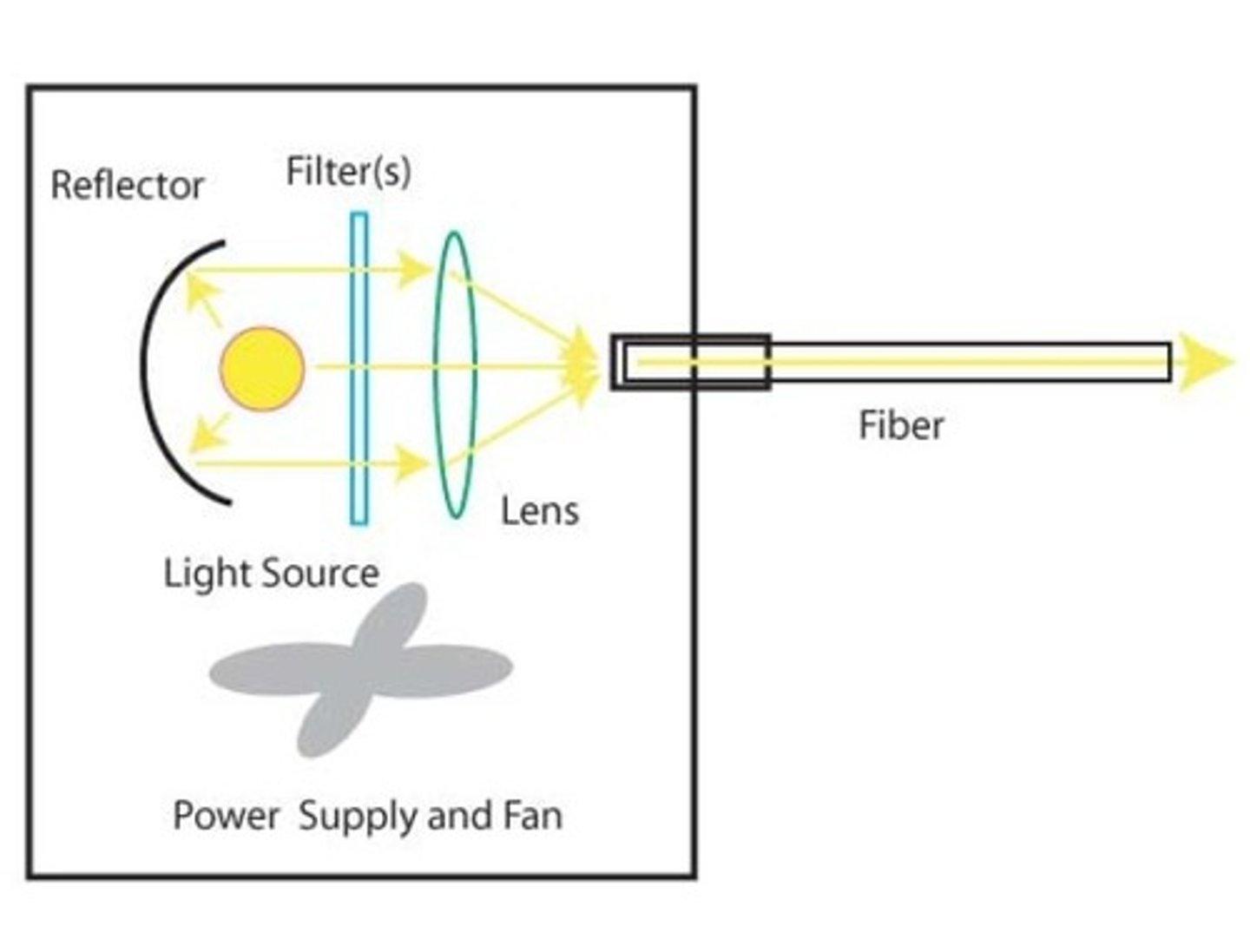
What are the components of a fiber-optic lighting system?
Light Engine & Fiber
3 multiple choice options
What are the three basic scenes of interior lighting?
Cleaning, Daily Use, Event
3 multiple choice options
What are the three basic layers of interior lighting?
Ambient, Task, Accent (Found in WK 4, Pg. 1)
2 multiple choice options
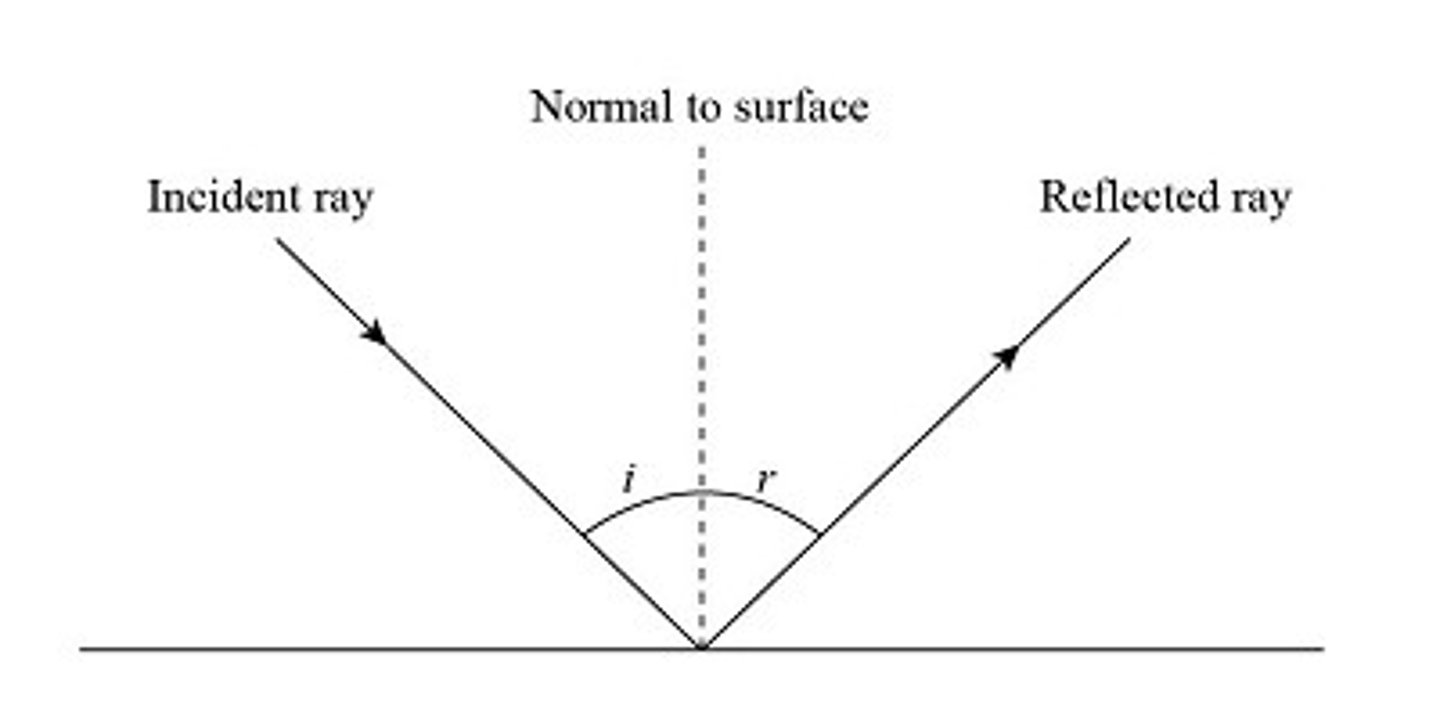
Understand the relationship between angle of incidence and reflectance/transmittance.
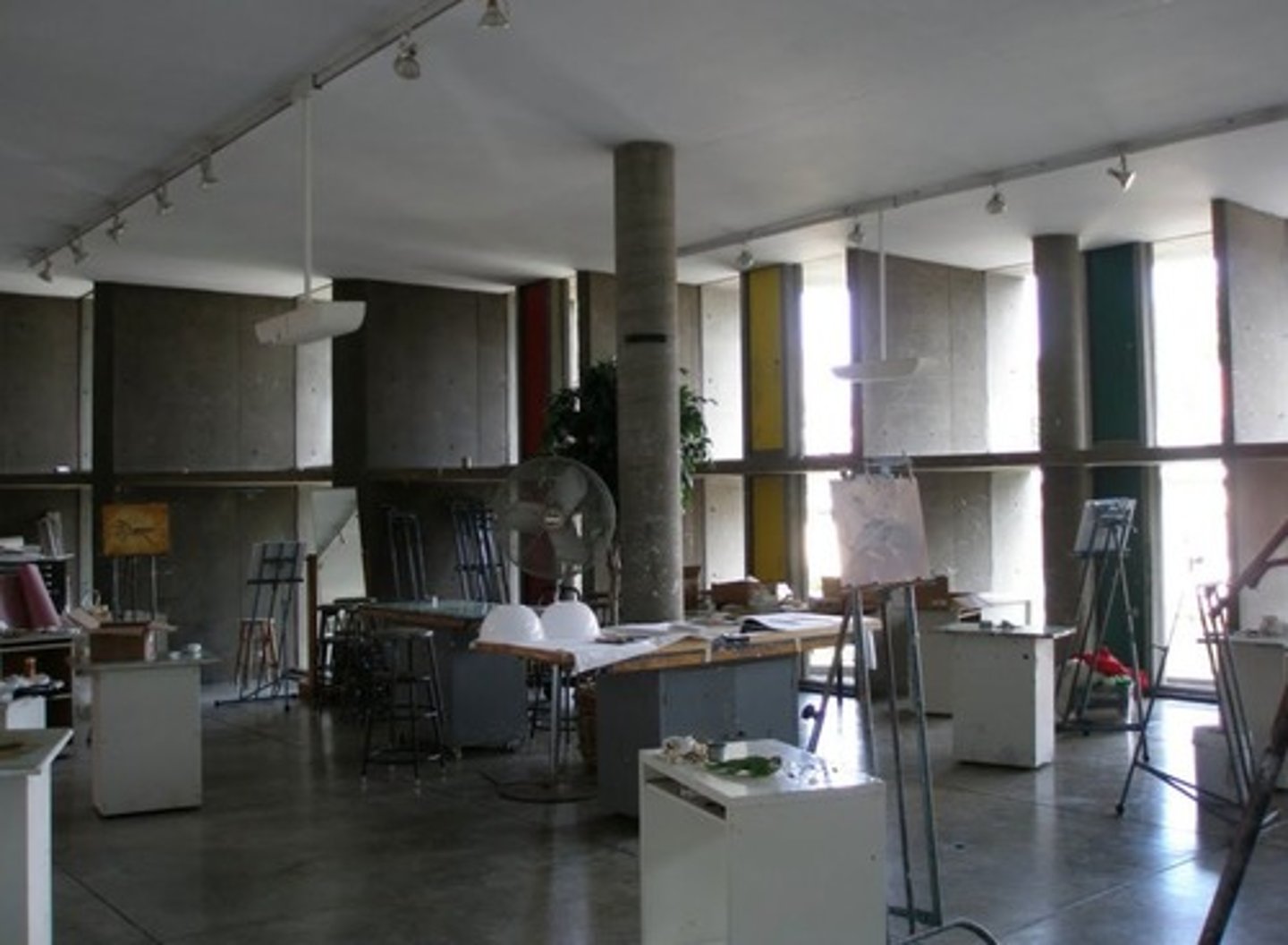
What are the two architectural methods that Le Corbusier uses to Control daylight in the Harvard University Carpenter Center in Cambridge, MA?
Large Fixed Concrete Brise-Soleil (Sun-Breakers) & Light Shelves
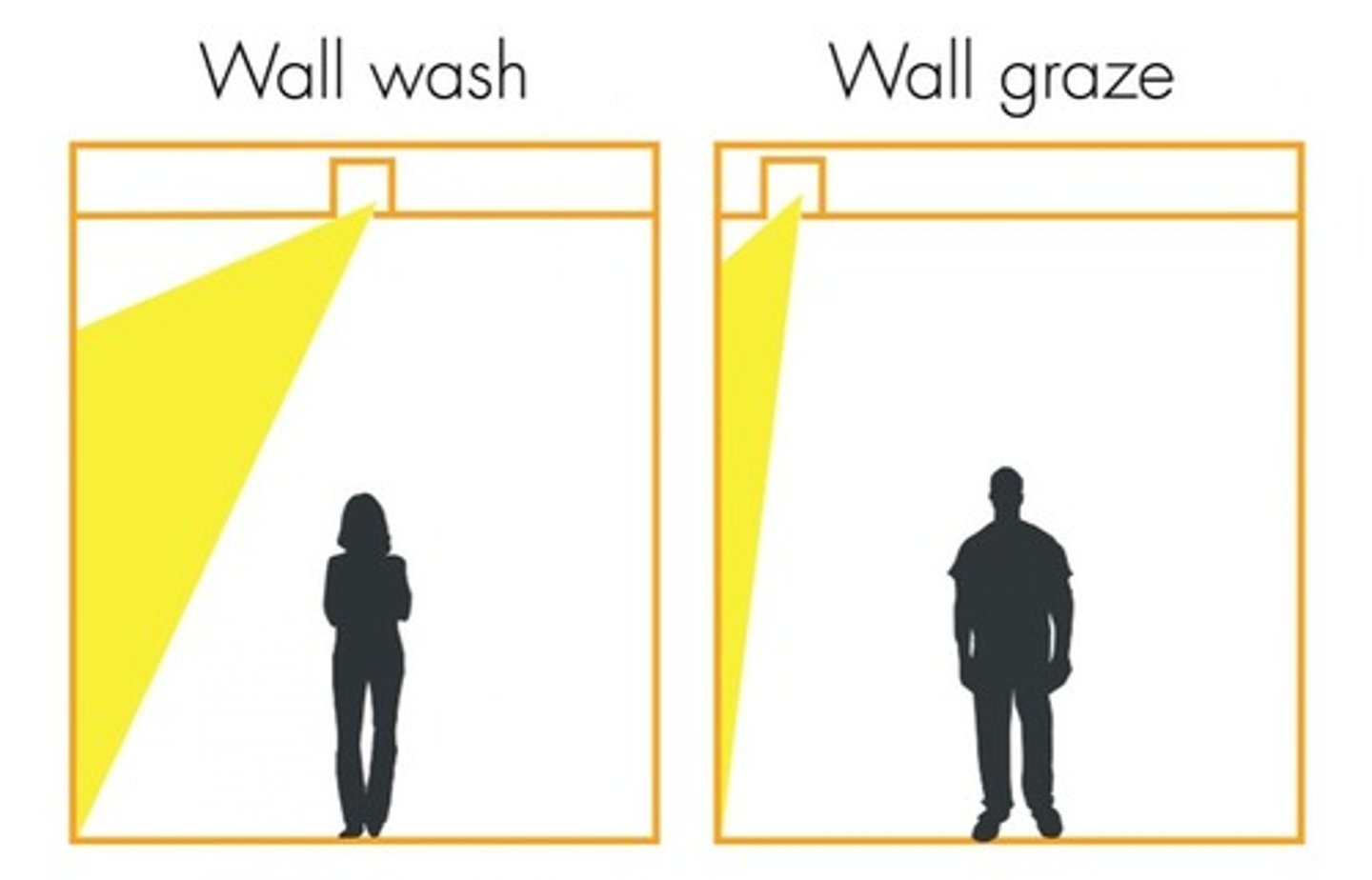
What are the various types of sidelight?
Washing & Grazing
3 multiple choice options
What is a Candela?
Candela (cd ) = Energy, The Force That Generates The Light We See
What are the 6 factors that determine how a luminaire distributes light?
1. Shape
2. Aperture Size
3. Aperture Location
4. Optics (if applicable)
5. Materials and Finishes
6. Mounting Position or Angle
(Found in WK 3, Pg. 28)
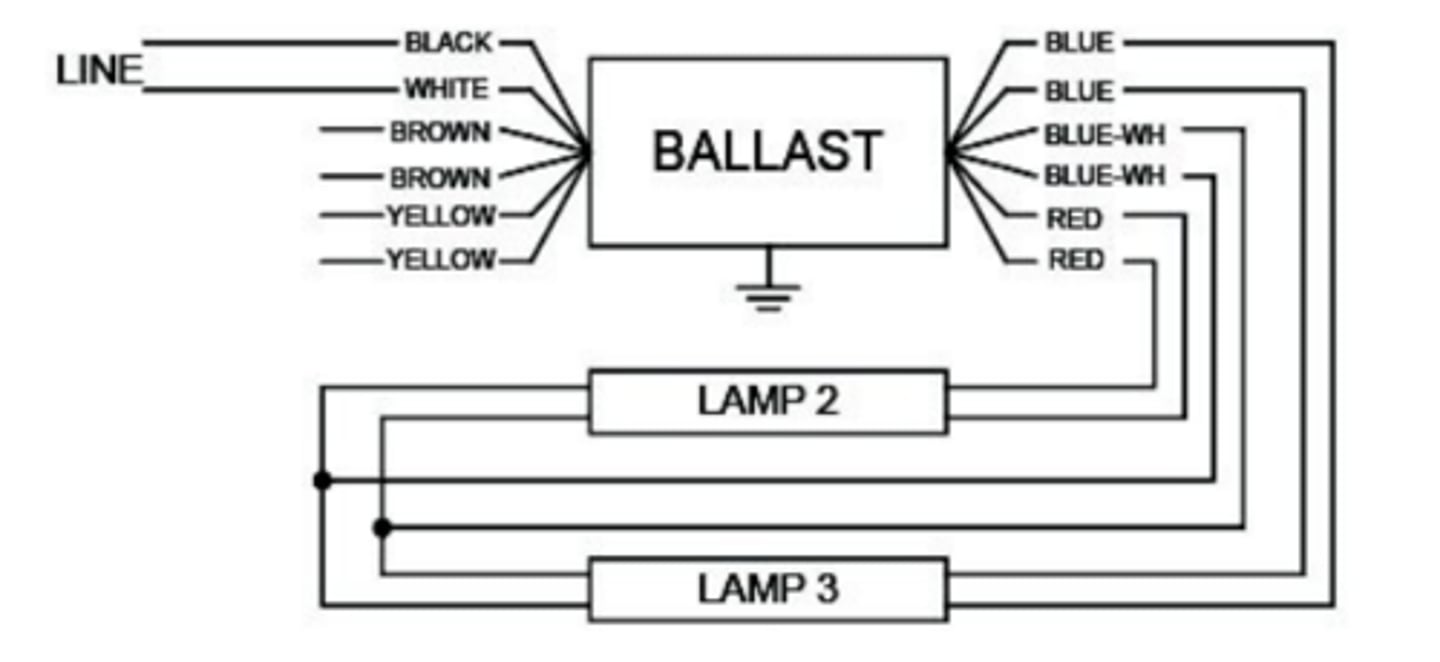
What is the purpose of a ballast used in conjunction with a fluorescent lamp?
The Ballast Controls The Electrical Current Entering The Lamp (WK 3, Pg. 21)
Describe the types of Light Pollution.
1. Urban Sky Glow = the brightening of the night sky over inhabited areas.
2. Light Trespass =light falling where it is not intended, wanted, or needed.
3. Glare =excessive brightness which causes visual discomfort. High levels of glare can decrease visibility.
4. Clutter = bright, confusing, and excessive groupings of light sources, commonly found in over-lit urban areas. The proliferation of clutter contributes to urban sky glow, trespass, and glare.
What is Projection Mapping?
Projecting 2D Information Onto 3D Surfaces
2 multiple choice options
What is Glare and how can it be controlled?
Excessive Luminance and/or Excessive Luminance Ratios in the Field of Vision are Commonly Referred to as Glare (TB, Pg. 200)
How do we refer to Glare caused by light sources in the field of vision?
Direct Glare (TB, Pg. 200)
3 multiple choice options
What are “Veiling Reflections”?
Occurs when light reflects off a smooth or semi-glossy surface and creates a bright glare that "veils" or washes out the object or information on that surface
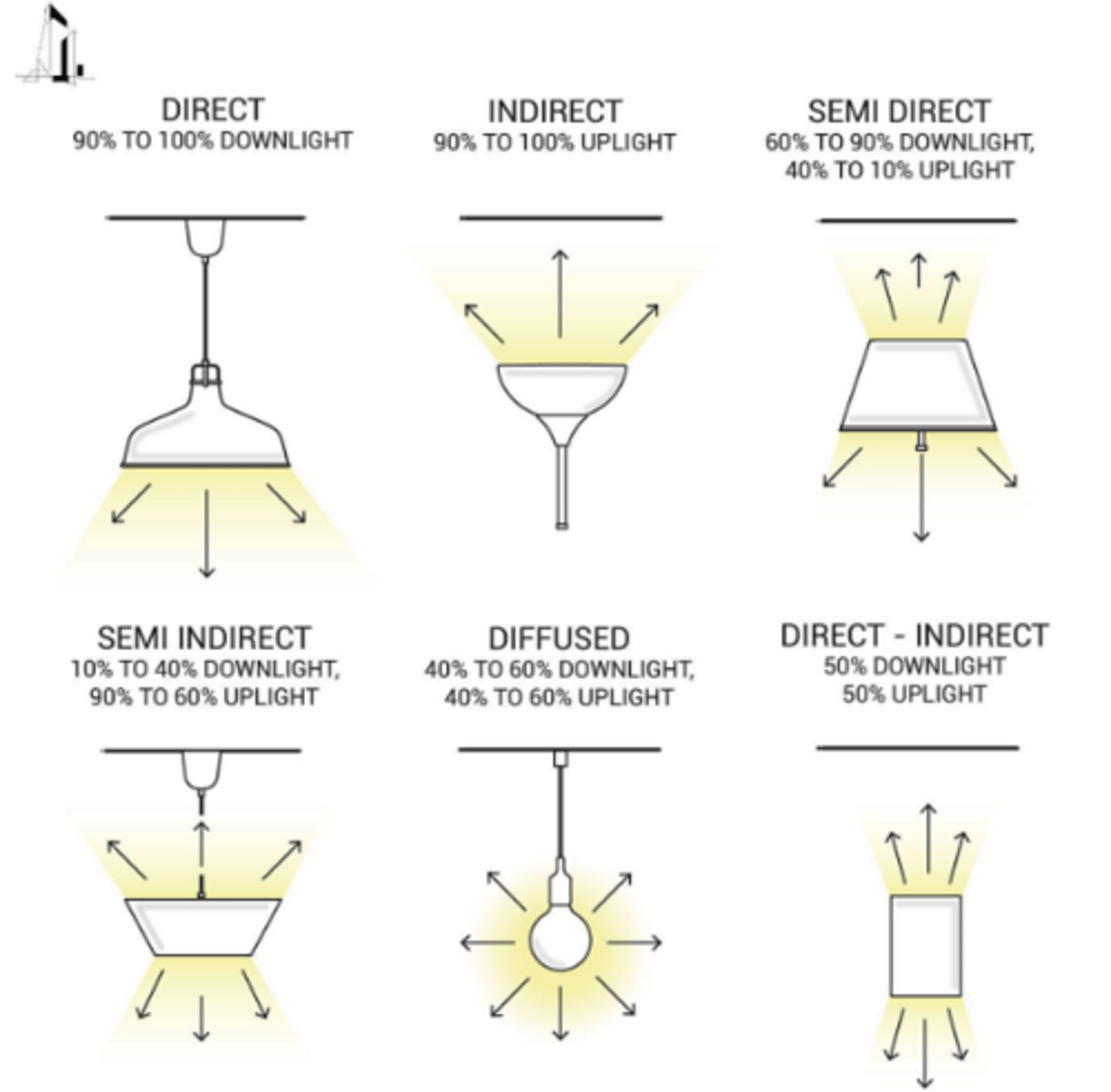
Draw a diagram of the light produced by: direct light, indirect light, semi-direct up-light, and a direct-indirect light.
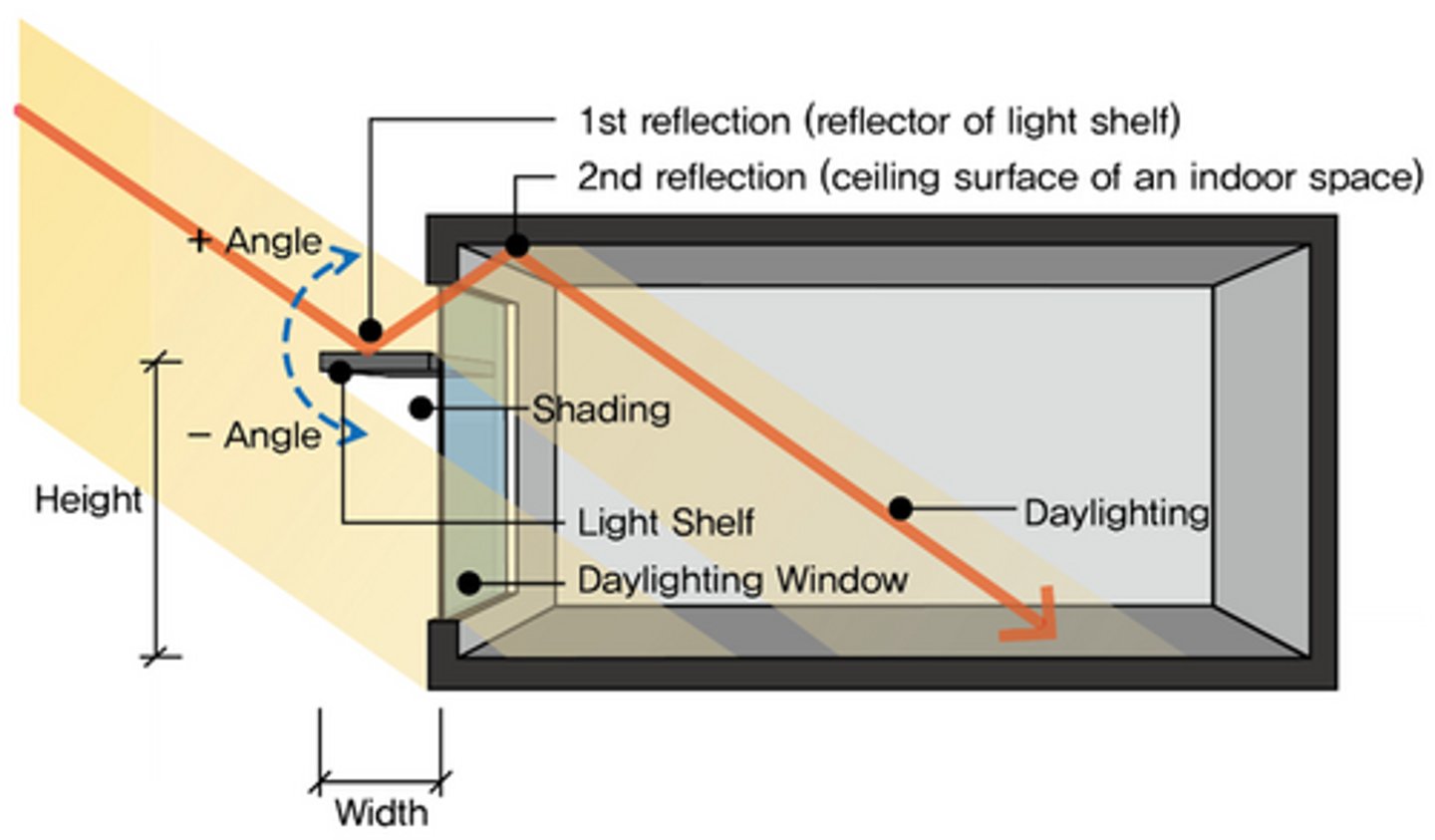
What is a light shelf and how does it work?
Horizontal/Vertical Surface used to reflect light into a space that is usually located in the interior and/or perimeter. (WK 2, Pg. 105)
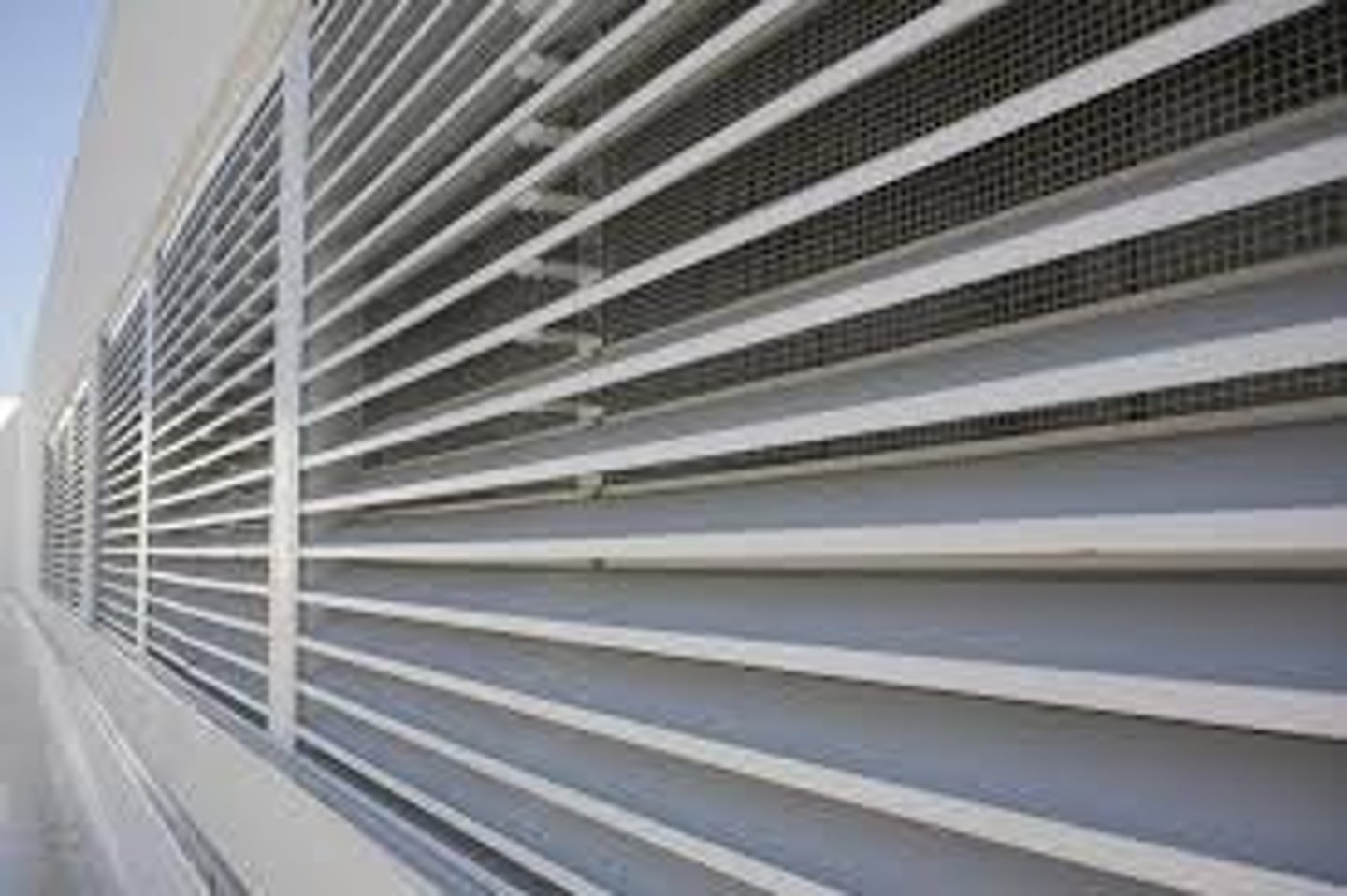
What is the role/purpose of louvers?
Panels or angled blades used in windows, facades, or light fixtures to control the amount and direction of light, air, or visibility passing through an opening. Allow ventilation or daylight, reducing glare, direct sun, or rain.
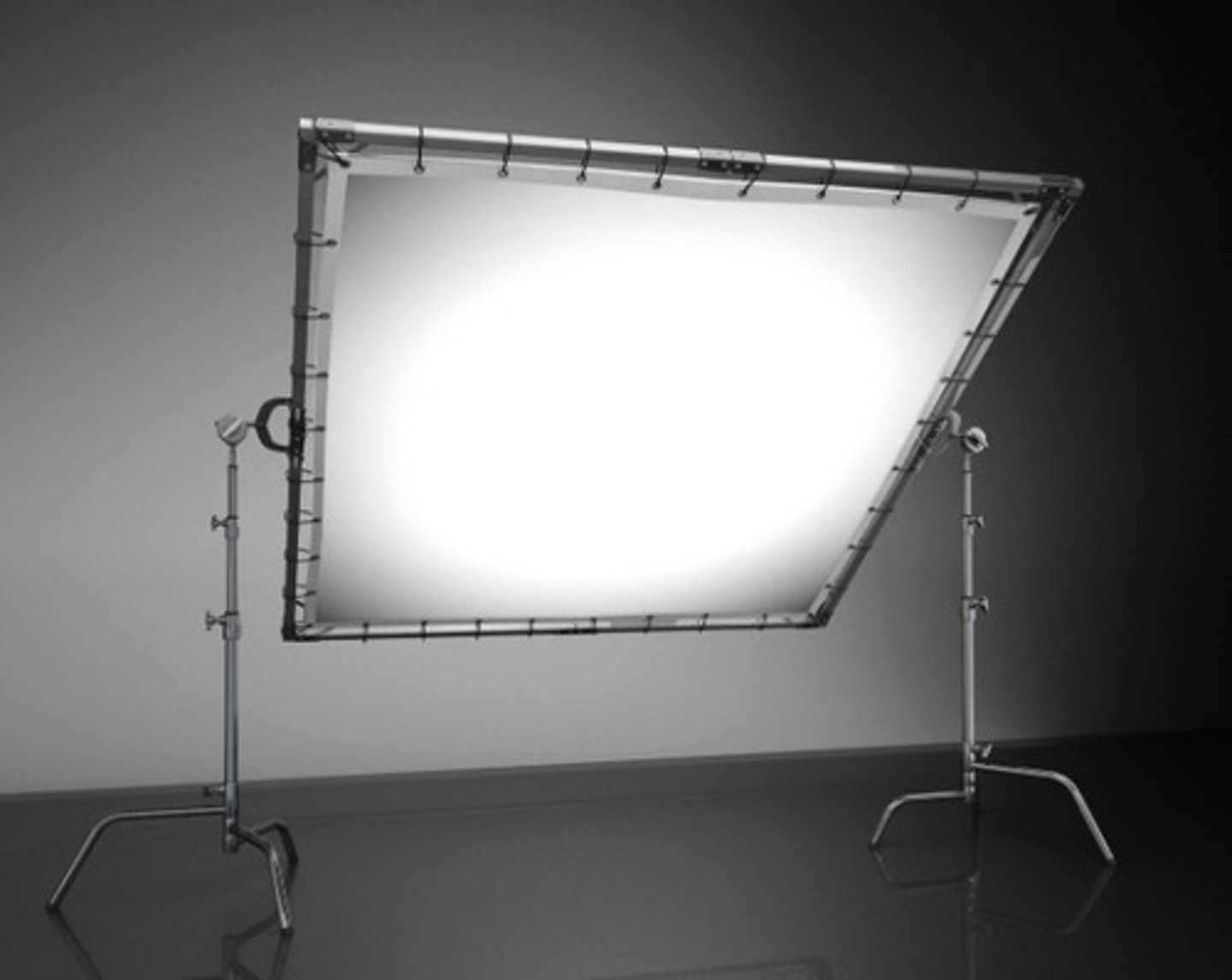
What is a scrim?
Interior Fabric Sheet, Can Specify % Visible Light Transmission (VLT)
What is “daylight factor” and how it is measured?
Ratio between external luminance and interior illuminance, measured in a % (ratio)
What method is used to control daylight and contrast in the Sir John Soane House?
Top Lighting, Mirrors, and Colored Glass
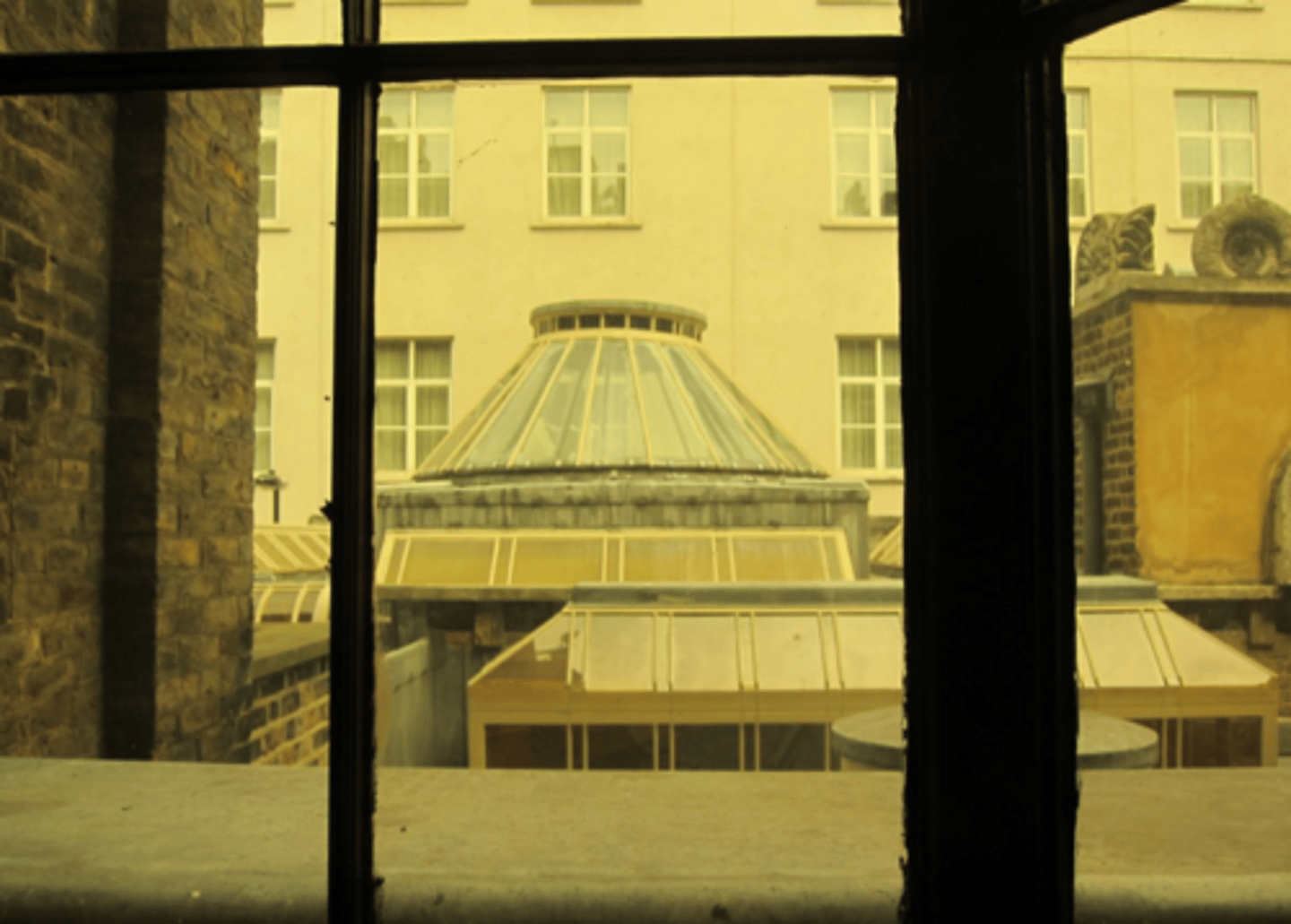
What is the unit for luminous flux?
Lumens (lm)
What is the unit for luminous intensity?
Candela (Cd)
3 multiple choice options
T or F: Human hearing is consistent across all frequencies.
False!
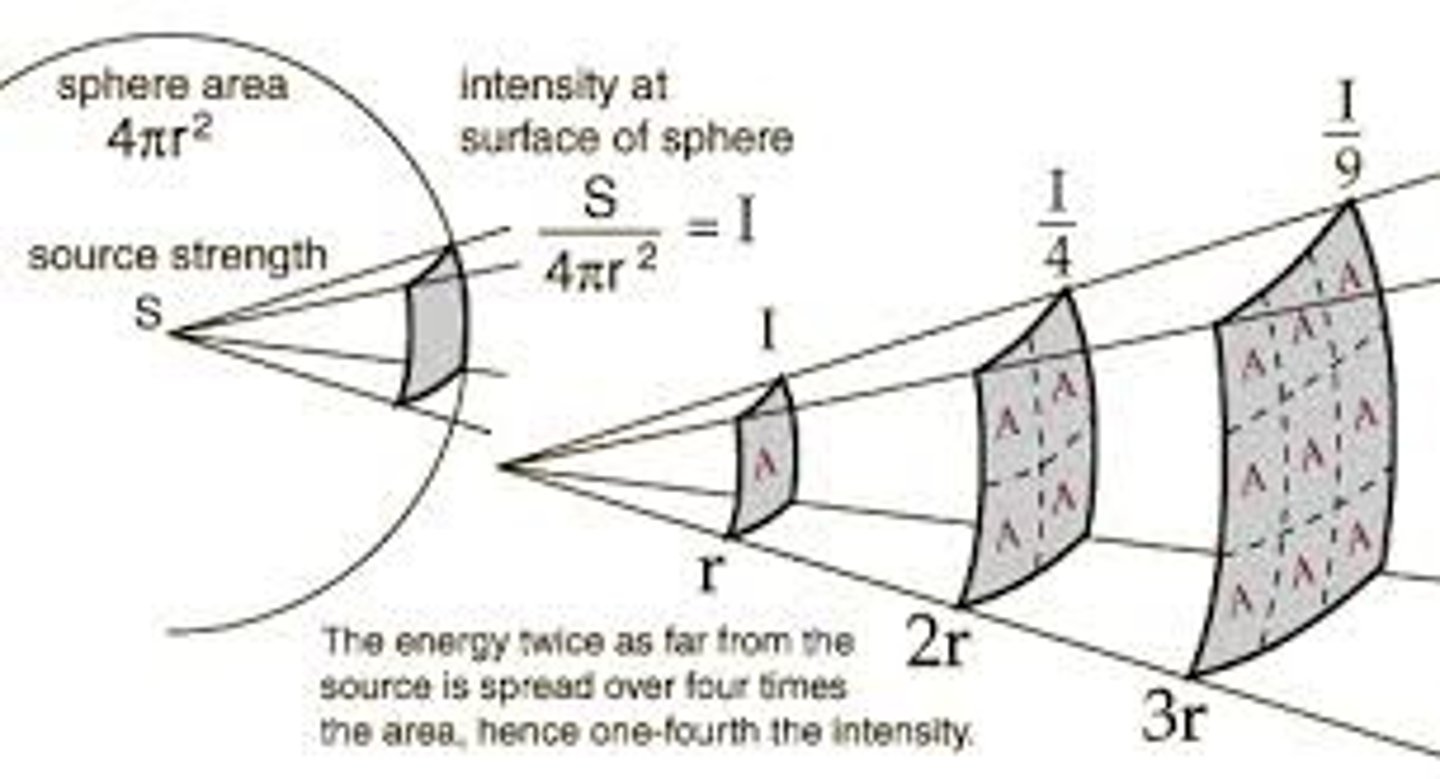
What is the Inverse Square Law?
Energy twice as far from the source is spread over 4 times the area, so it will be 1/4x intense
What are the various types of Sidelight?
Sidelighting: Lighting a space through fenestration on vertical surfaces
Types: Vertical Windows (Standard), Ribbon or Horizontal Strip Windows, Clerestory Windows, Bay-Bow-Oriel Windows, and Curtain Walls
What is total absorption and how is it calculated?
Amount of sound energy a room's surfaces/materials removes/absorb
A = (Surf. Area 1 x Absorption Coef. 1 + SA2 x AC2...)
Define NRC.
Material Noise Reduction Coefficient (NRC). Measures Build Up Of Sound Inside A Space.
Define STC.
Sound Transmission Class (STC). Measures sound transmission between spaces. Higher the STC the better it is at blocking.
Define NC.
Noise Criterion (NC). Rates indoor noise.
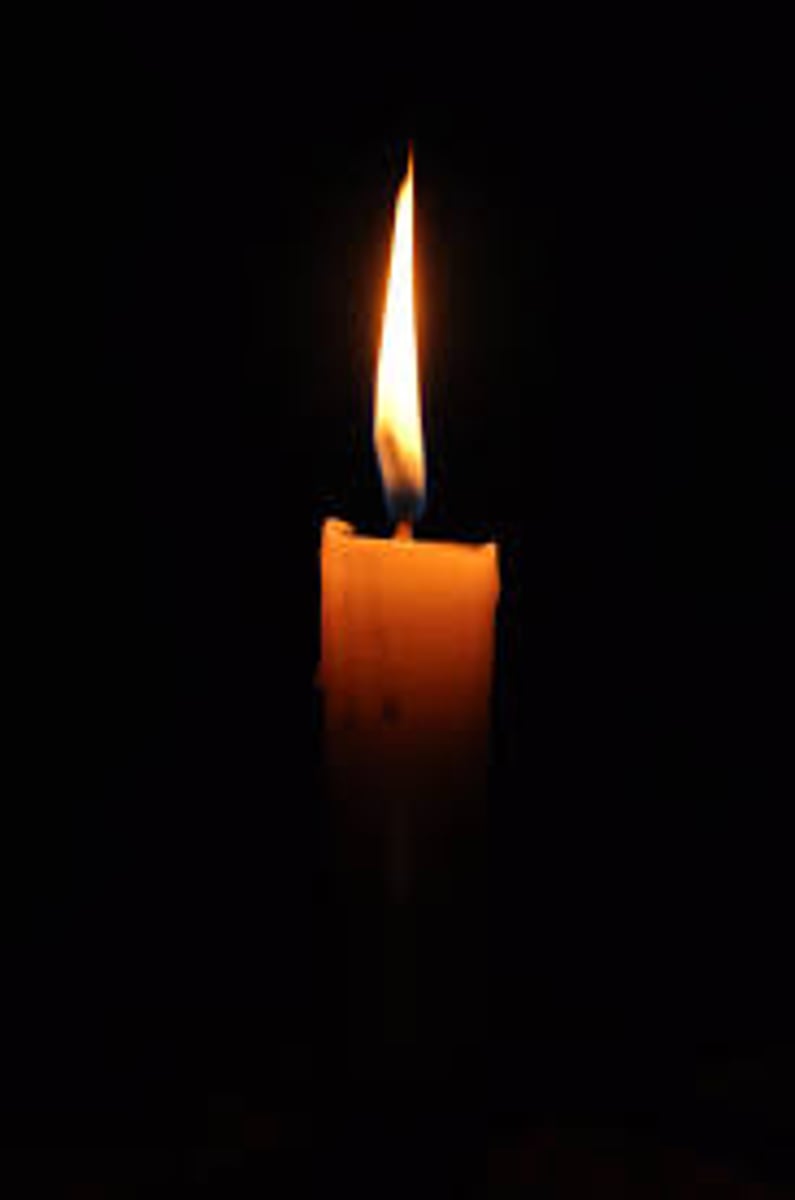
What is a Lamp?
The mechanism that produces light. (Ex: Candle, LED, Neon Light)
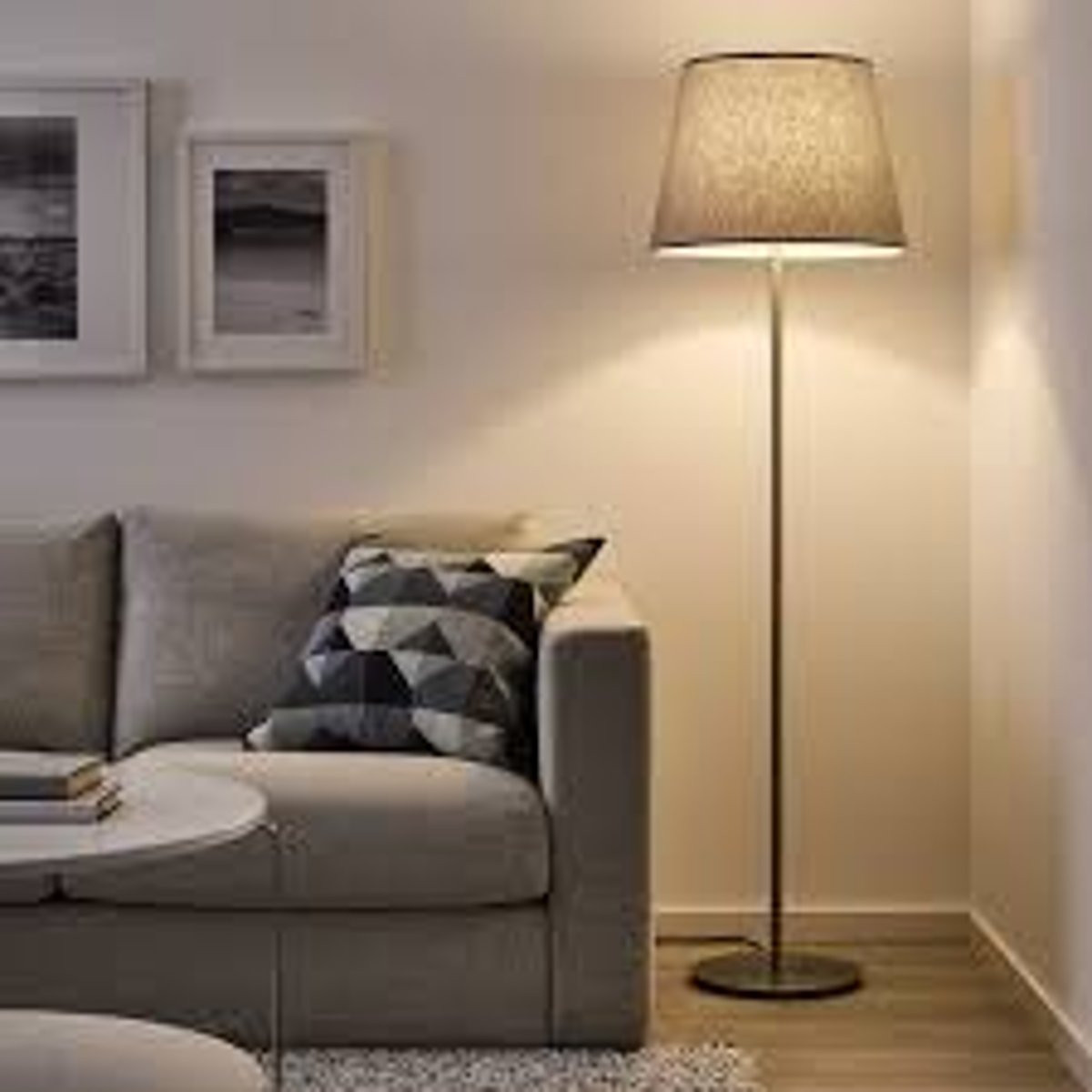
What is a Luminaire?
Light fixture that contains the lamp, its electrical connection, and any other control mechanisms. (Ex: Chandelier, Floor Lamp)
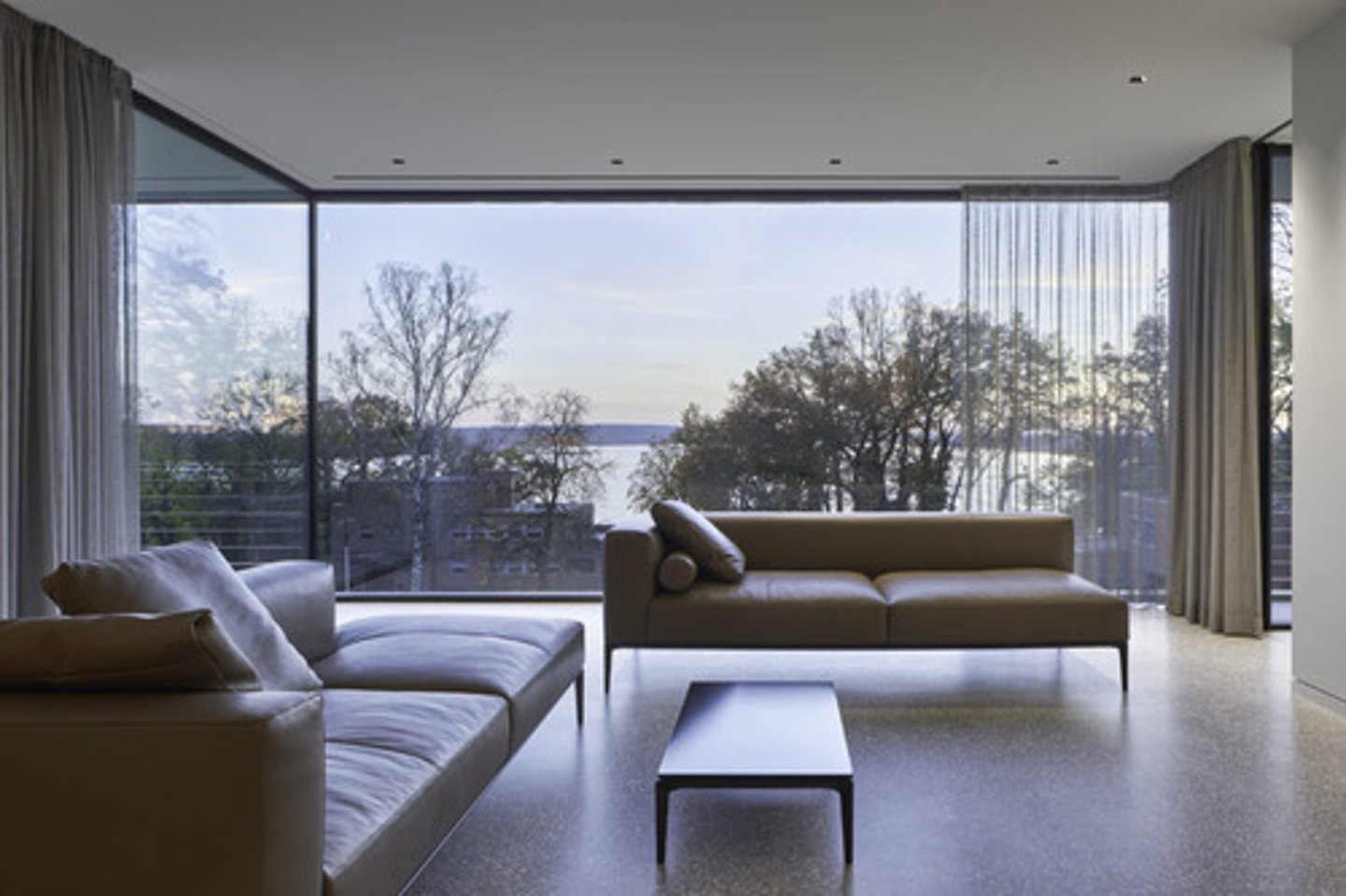
What is Daylight Factor?
Ratio between external illuminance and interior illuminance. Describes the distribution of illumination in a space and can be used to predict solar gain and prevent glare.
How does the amount of decibels of sound affect its power?
We measure decibels - it relates to intensity level and pressure level.
Ratio of difference, logarithmic increases in magnitude, as it gets higher power is higher, as it gets closer to zero, power goes to 1, as it goes negative, power goes closer to 0 (0.0001).
Name two lighting beam angles and their typical applications.
Narrow: 8-25 - accent lighting, highlighting specific objects.
Medium: 30-45 - local/indirect lighting, light grazing/washing.
Wide: 50-60 - ambient lighting, even, large spaces, living room/dining room.
What is the coefficient of utilization?
Ratio based on room cavity ratio (computed by using the distance from the work plane to the plane of the luminaries).
CU measures the light reaching the desired plane as a percentage of total light produced by the luminaire.
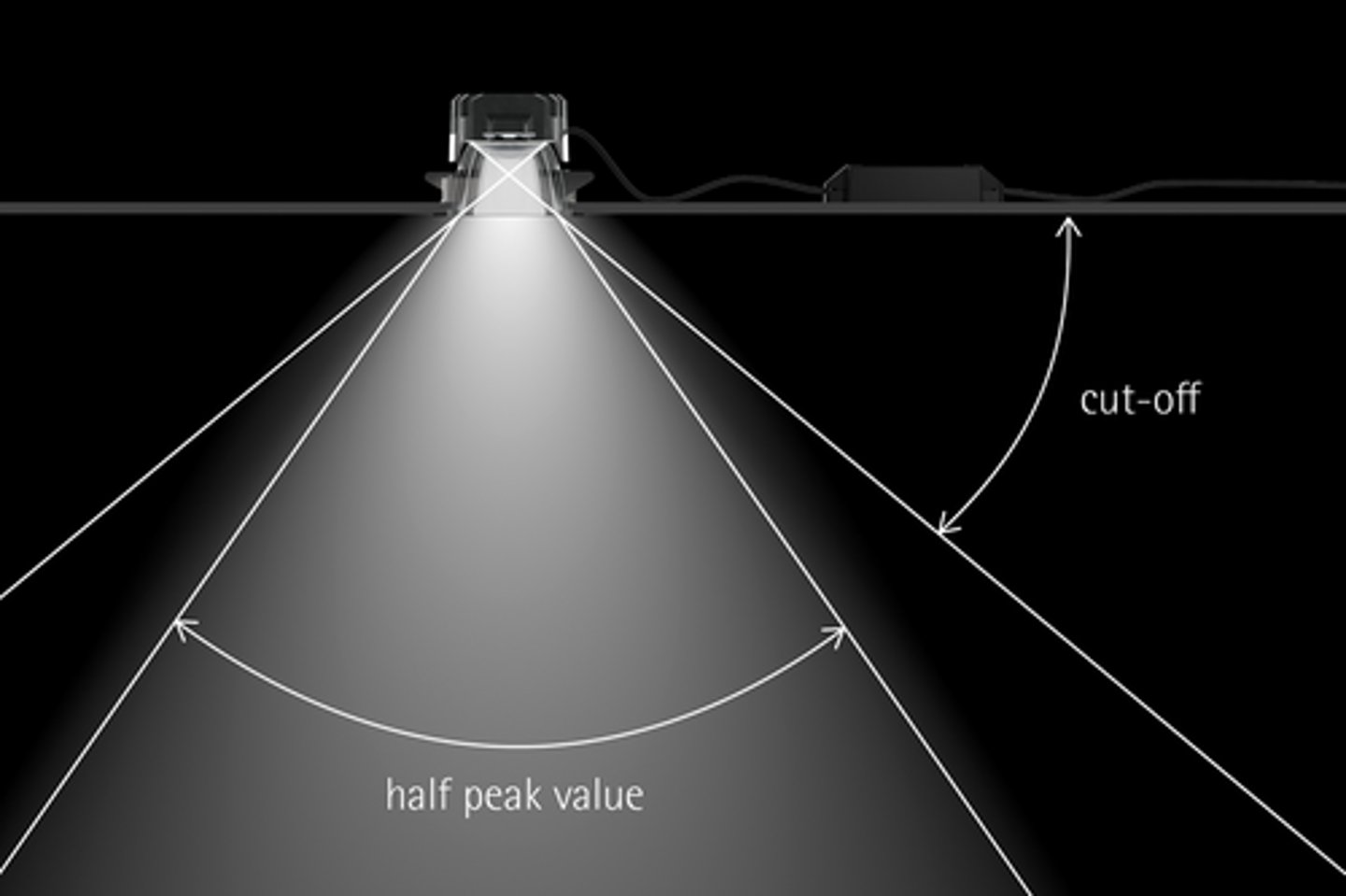
How are shielded/cut-off optics used?
Shielded or cut-off optics are used in lighting fixtures to block or redirect light so it only goes where it is needed. They reduce glare, prevent light from spilling into unwanted areas (like eyes or the night sky), and improve visual comfort and efficiency.
What are the key goals of daylighting?
1. Provide sufficient illuminance (Lux)
2. Minimize perception of glare
3. Provide for overall visual comfort
Criteria for Visual Comfort.
Adequate Illuminance
Acceptable Direct-Glare
Acceptable Reflected-Glare
Appropriate Control Options
Appropriate Color Rendering
Appropriate Energy Efficiency
Excellent Aesthetics
Adequate Concern for Circadian Rhythms (proper attention to body)
* Owners Project Requirements (OPR)
What are the two different functions of a window?
1. View (Necessary for Occupant Comfort and Eye/visual rest)
2. Daylighting
(Found on WK2 Pg. 8)
Through what process does an LED produce light?
Light produced by semiconductor and organic light-emitting diodes. (Found on TB Pg. 727)
What is the purpose of a ballast used in conjunction with a fluorescent lamp?
The ballast controls the electrical current entering the lamp (WK3 Pg. 21)
How is a “candela curve” plotted?
180 degrees is UP / 0 degrees is DOWN
Tall narrow curve downward → spotlight or focused beam
Wide curve spreading outward → diffuse lighting
Symmetrical curves → even light distribution
(WK3 Pg. 36)
What is the relationship between sound absorption and sound frequency?
Sound absorption generally increases with frequency because higher-frequency sound waves are easier for materials to absorb, while low-frequency sounds require thicker or more massive materials to control.
What are some common strategies for inhibiting the noise produce by building mechanical systems?
Isolating equipment vibrations, lining ducts with acoustic materials, and using sound attenuators to reduce noise in airflow. Additional strategies include flexible duct connections and placing mechanical equipment in isolated mechanical rooms.
What is “masking”?
Sound masking is the introduction of controlled background sound to reduce the perception and intelligibility of unwanted noise
"Adding more sounds to reduce sound"
What is the "near field" in acoustics?
Area around sound source.
(Within one wavelength of the lowest frequency.)
What is the "Reverberant Field" in acoustics?
Area near walls and ceiling, where sound is
reflected and diffused.
What is the "Free Field" in acoustics?
Area between Near and Reverberant fields.