Chapter 5 Applying Newton's Laws
 Call Kai
 Learn
Learn Practice Test
 Spaced Repetition
 Match
Match Flashcards
 Knowt Play
1/29

There's no tags or description
Looks like no tags are added yet.
Name | Mastery | Learn | Test | Matching | Spaced | Call with Kai |
|---|
No analytics yet
Send a link to your students to track their progress
30 Terms
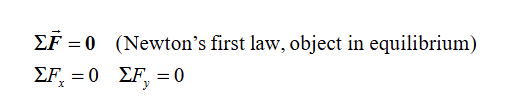
an object is in equilibrium when it is at
rest or moving with constant velocity in an inertial frame of reference
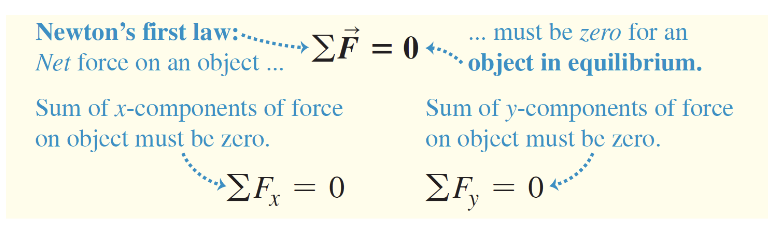
net force is not zero. the objects are not in equilibrium and hence are
acceleration
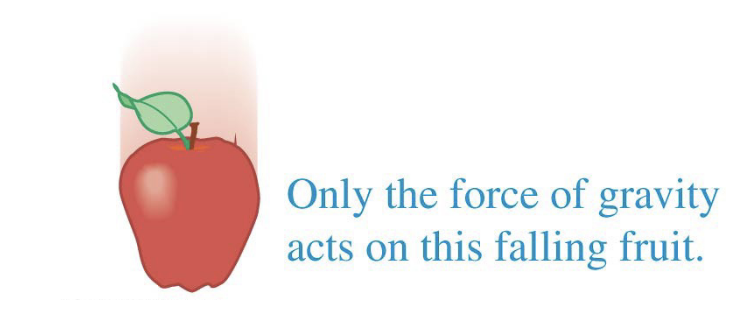
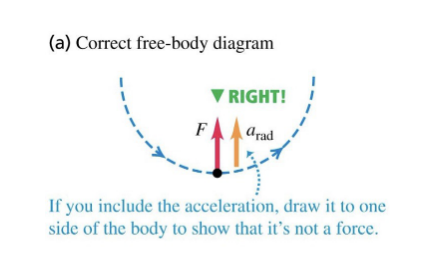
ma does not belong in a
free-body diagram. (only the force of gravity acts on this falling fruit)
When a passenger with mass m rides an elevator with y-acceleration ay, a scale shows the passenger’s apparent weight to be:
n = m(g+ay)
elevator has downward acceleration
ay = -g (free fall)
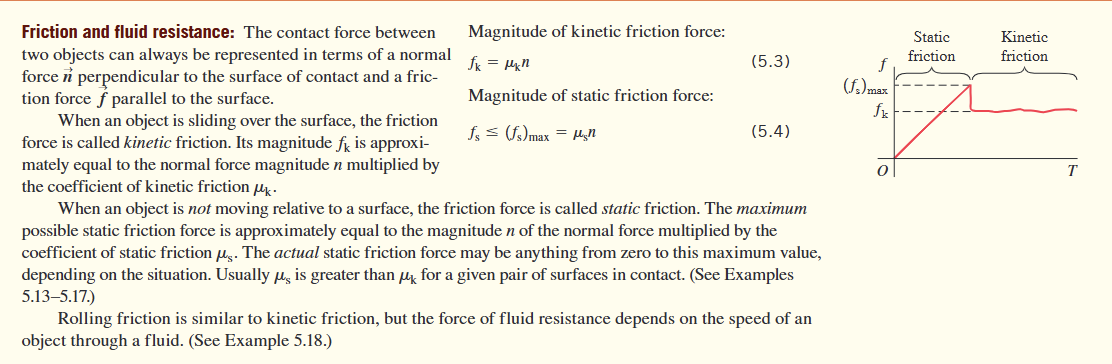
When an object rests or slides on a surface, the ___ is parallel to the surface
friction force
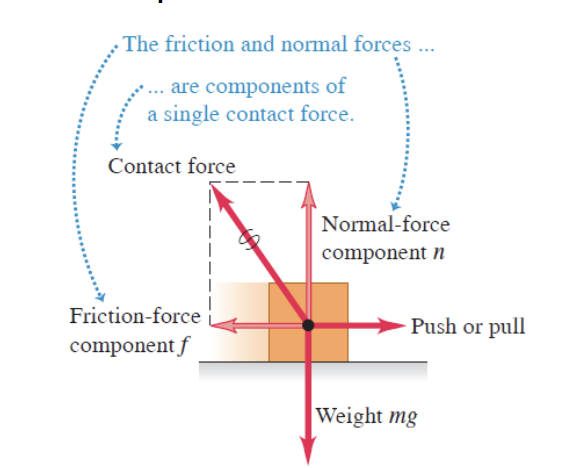
Friction between two surfaces arises from interactions between
molecules on the surfaces
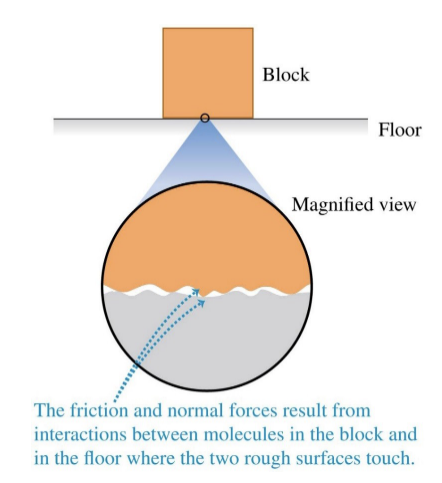
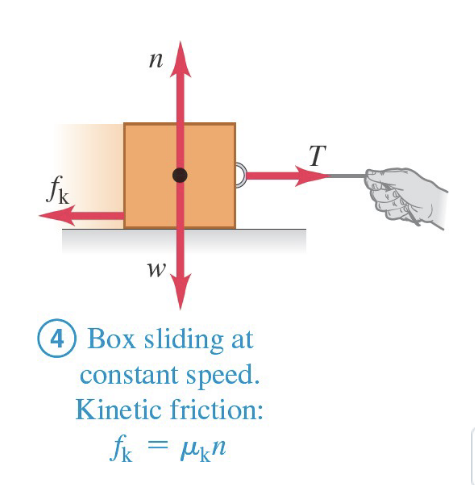
Kinetic friction acts when an object
slides over a surface
The kinetic friction force is fk =
muk * n
Static friction acts when there is no
relative motion between objects
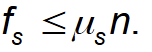
the static friction force can vary between zero and
its maximum value
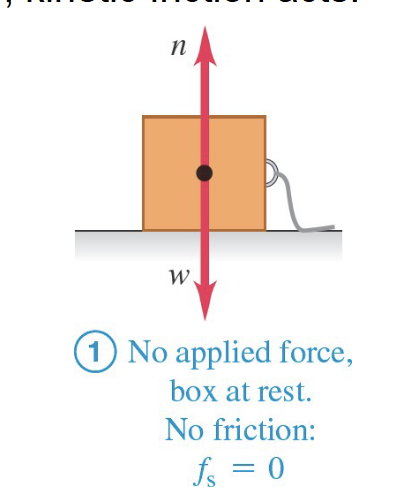
No applied force, box is at rest, no friction: fs =0
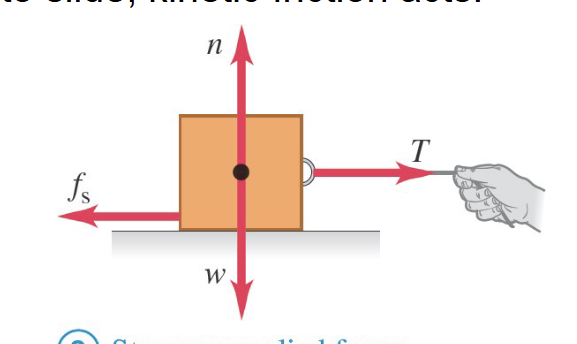
Weak applied force, box remains at rest, static friction: fs < mus n
before, the box slides static friction acts. But once it starts to slide, kinetic friction acts
3.Stronger applied force,box is just about to slide static friction: fs = mun
4) box sliding at constant speed. Kinetic friction: fk = mu n
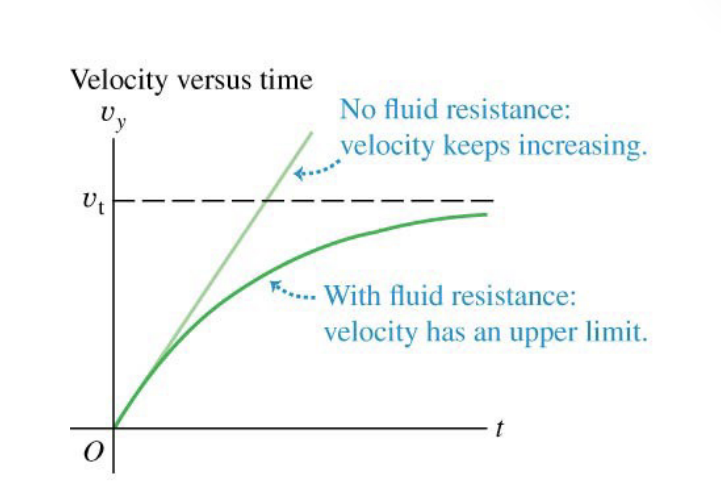
The fluid resistance acting on an object depends on
speed of the object
a falling object reach its terminal speed when the resisting force equals the
weight of the object
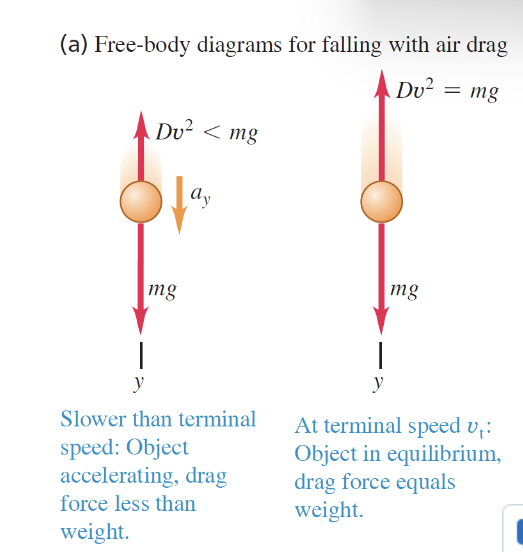
Fluid resistance and terminal speed
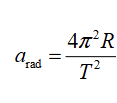
Dynamics of circular motion (Is in uniform circular motion, both its acceleration and the net force on it are directed toward the center of the circle )
net force on the particle is Fnet = mv²/R
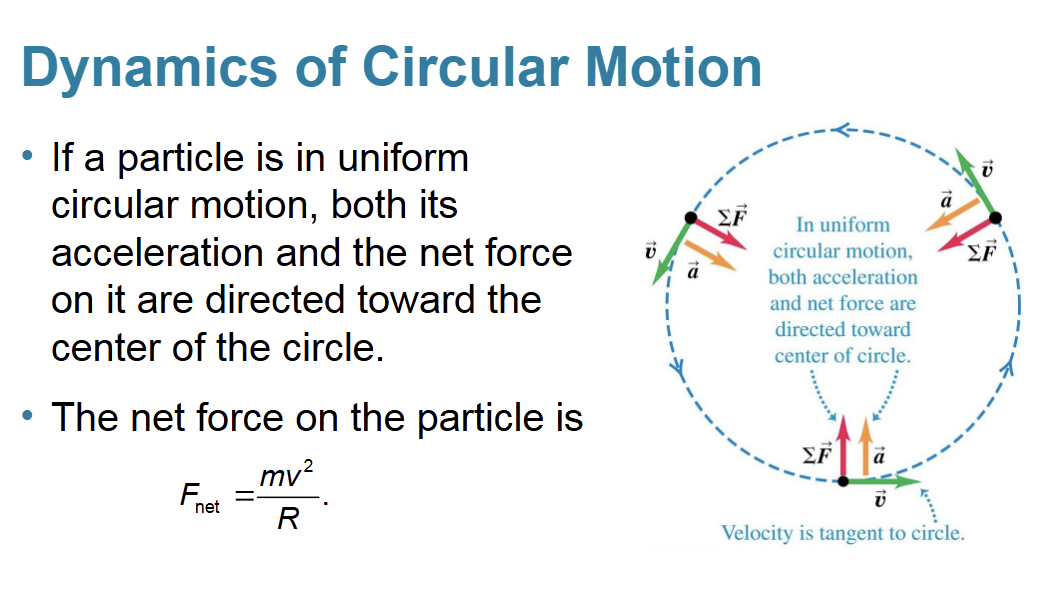
Free body diagram for an object in uniform circular motion
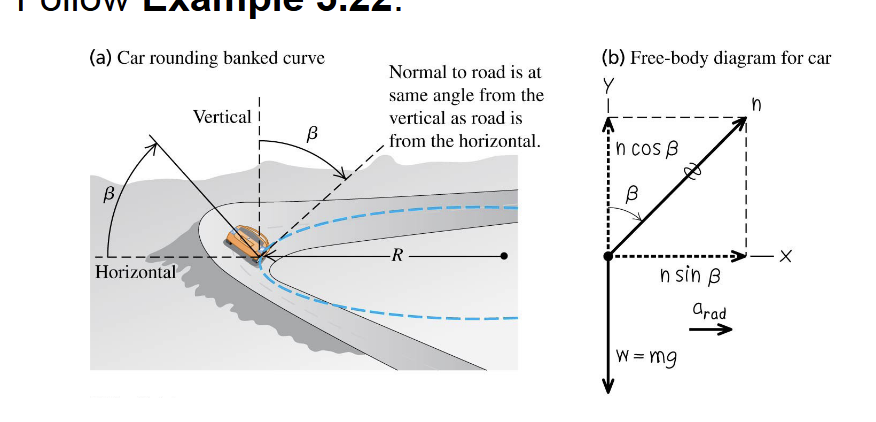
A car rounds a banked curve
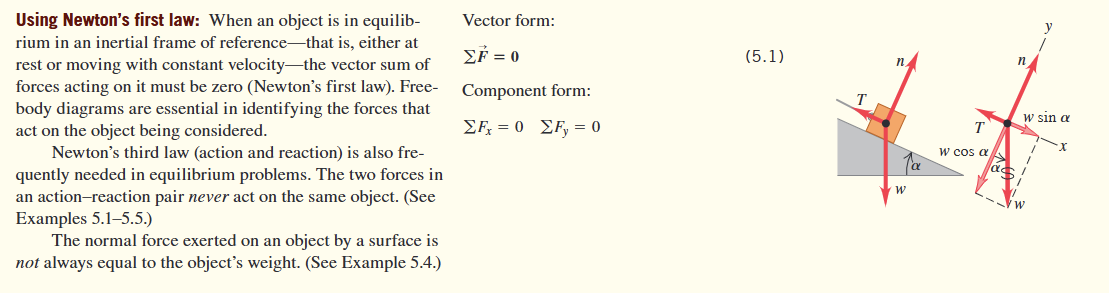
Newton’s first law
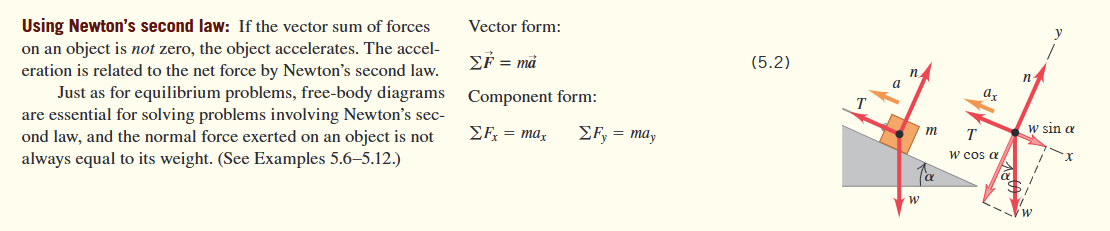
Newton’s second law
Friction and fluid resistance
Forces in circular motion

Newton’s first law, object in equilibrium
Magnitude of kinetic friction force

Magnitude of static friction force

Uniform circular motion
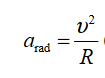
Uniform circular motion