bonding unit
 Call Kai
 Learn
Learn Practice Test
 Spaced Repetition
 Match
Match Flashcards
 Knowt Play
1/102

There's no tags or description
Looks like no tags are added yet.
Name | Mastery | Learn | Test | Matching | Spaced | Call with Kai |
|---|
No analytics yet
Send a link to your students to track their progress
103 Terms
chemical bond
involves the electrons only
nuclei of the different atoms are not affected
Quantum Theory
electrically neutral (# of protons = # of electrons)
acquire the more stable electron structure of the nearest Noble Gas
orbital
region of space where electrons are most likely to be found
non-valance electrons
in the inner energy levels
valance electrons
in the outer shell
paired or single
lone pair
two electrons (pair)
repelling effect on electrons in any nearby orbitals
reduce the bond angle by 2.5°
closer to central atom - more repulsion than bonded pairs
bonding electron
single electron
share that electron with another atom
Octet Rule
obeyed by Main Group atoms
max. eight electrons can occupy orbitals in the valence energy level to become like noble gasses
Pauli Exclusion Principle
two electrons may share the same region of space (never more)
occupy empty valence orbitals before forming electron pairs
Chemical Formulae
structure of atoms
identify element
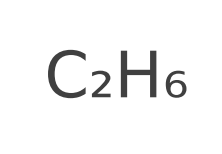
.
Molecular Formula - do not reduce
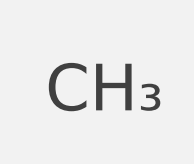
.
empirical formula - reduce
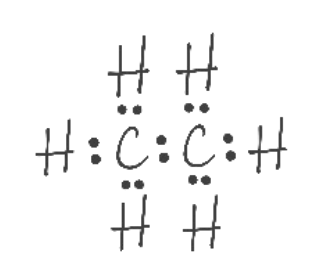
.
Lewis Structure
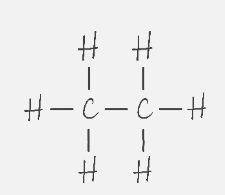
.
Structural Formula (Kekulé Structure)
.
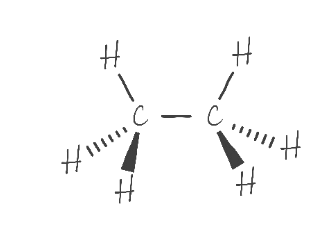
Perspective Drawing (Stereochemistry)
.
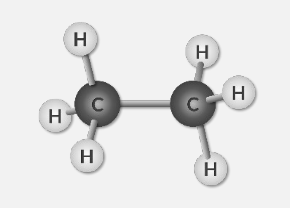
Ball and Stick Model
rules for placing electrons
One electron dot is placed in each of the four valence orbitals before electron pairing
If there are five to eight valence electrons, a second electron with a bonding electron
ionic compound
transfer of electrons
electronegative atom - anion
less electronegative atom - cation
naming inorganic compounds
ionic or molecular
ionic - how many ions does the metal form (eg. Cu (ii))
monatomic or polyatomic
NH4+
make ionic compounds due to positive charge
name → formula
right to left
formula → name
left to right
ionic compound shape
solid at room temperature
form crystal (ionic) lattice
lewis structure for ionic compounds
draw lewis structure of both atoms
draw half-headed arrow to show transfer
add more atoms to balance the charges
draw square brackets around ions and add charges (lost/gained)
lattice
maximize forces of attraction
shape of ionic compounds
unit cell defined by the lattice points
array of alternating positive and negative charges
properties of ionic compounds
lattice
high MP and BP
non-conductive as solid
conductive as molten or in aqueous solution
high MP and BP
strong attraction between cation and anion
hard to seperate
non-conductive as a solid
cation and anion are fixed in the solid state - no movment
conductive as molten/in solution
cation and anions are free to move
brittle
when knocked out of place, positive aligns with positive, negative aligns with negative
repulsion occurs, causing a fracture
intermolecular forces
the forces that exist between molecules
London dispersion
dipole-dipole
hydrogen bond
intramolecular forces
forces that hold atoms together within molecules
covalent bonds
ionic bonds
london dispersion
temporary
non-polar
determined by the number of electrons in the molecule
low boiling point - weak attraction
dipole-dipole
permanent
polar
stronger dipole = stronger force
attracts positive end with negative end
higher boilng point
hydrogen bond
permanent
N, O, F is bonded to H
strongest of all IMFs
high boiling point - strong attraction, hard to break
covalent bonds
atoms share valence electrons
non-metal + non-metal
non-polar/polar
ΔEN less than 1.7
ionic bonds
transfer of electrons
ΔEN more than 1.7
metal (cation) + non-metal (anion)
bond strength order (strongest to weakest)
metallic
ionic
molecular
hydrogen bonding
dipole-dipole
london dispersion
Van der Waals’ Forces
define attraction of intermolecular forces
London dispersion
Dipole-dipole
LDF causes
LDFs are in all atom, ion, and molecule
temporary shift, attraction between electron and proton, off when shifts back
boiling point increase
size increase
more electrons, more surface area
strength of LDF
number of electrons
shape and size
more electrons
stronger LDF
shape and size
affect how close the molecules approach each other in solid and liquid states
closer molecule = stronger attraction/repulsion
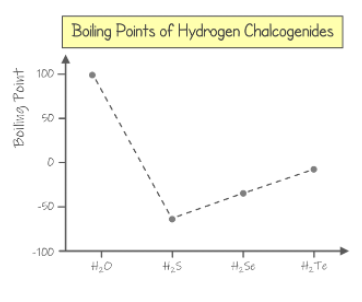
graph
top - hydrogen bonding - highest boiling point due to strong attraction
drop - only LDFs - lowest boiling point due to weak attraction
increasing - LDFs increase attraction with an increase in size (more electrons)
electrostatic attraction
negative side of the dipole bonds with the unshielded proton
hydrogen bonding requirements
first molecule has hydrogen attatched to a highly electronegative atom (N, O, F) - hydrogen bond donor
second molecule has a lone pair on a small highly electronegative atom (N, O, F) - hydrogen bond acceptor
properties of hydrogen bonded substances
increased melting/boiling point
increase solubility - like disolves like
shape and stability
key points of IMF
boiling points are a measure of IMF
IMF increase with polarization (seperation of positive/negative charges) of bonds
boiling point increases with molar mass/surface area
strength of IMF - LDF < DDF < hydrogen bonding < covalent < ionic < metallic
molecular
related to/has molecules
polarity
contrasted properties/direction
having poles
opposite powers in opposite parts/directions
being opposite
dipole moments
separation of charge
large difference in electronegativity = large dipole moment
ionic/covalent bond
measure polarity
electrons unequally shared
one atom is more electronegative than another
shape and polarity of bonds
determines overall polarity
asymmetrical = polar
symmetrical = non-polar
determinations for polar molecules
charges cannot cancel out
unequal distribution of charge
may include lone pairs
may have different types of bonds
asymmetrical
different peripheral atoms
Electron Domain
region around the central atom of a molecule where electrons are concentrated
Bonding Domains
single, double, or triple bonds connected to the central atom
every bond counted as only one electron domain
Non-Bonding Domains
lone pairs connected to the central atom
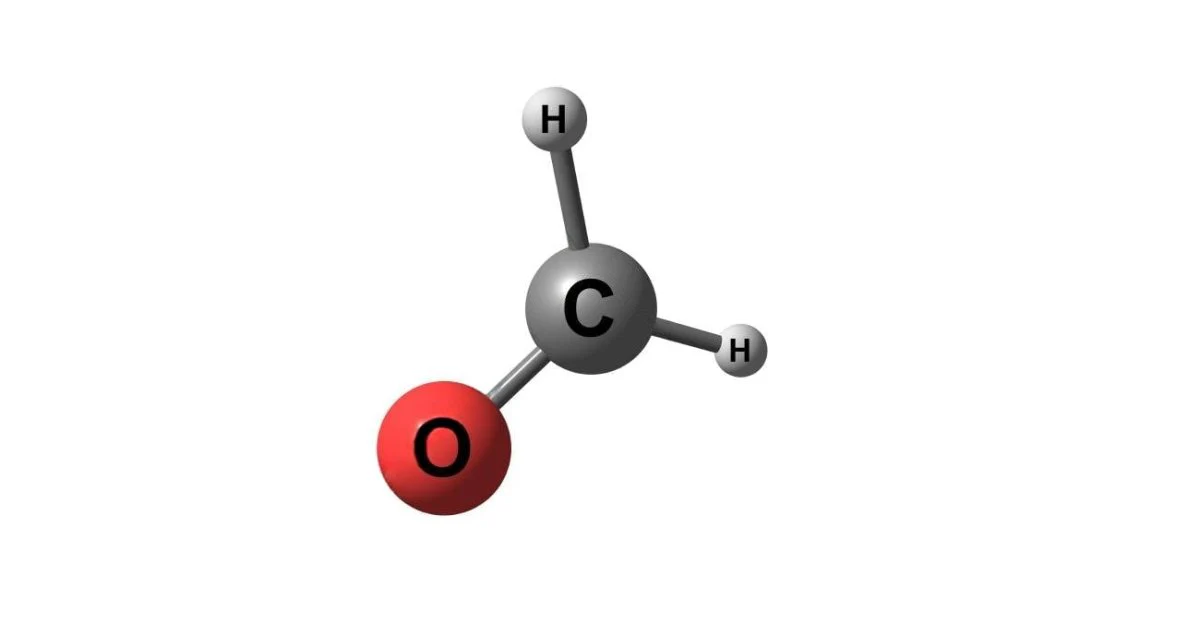
.
Triganol planar
.
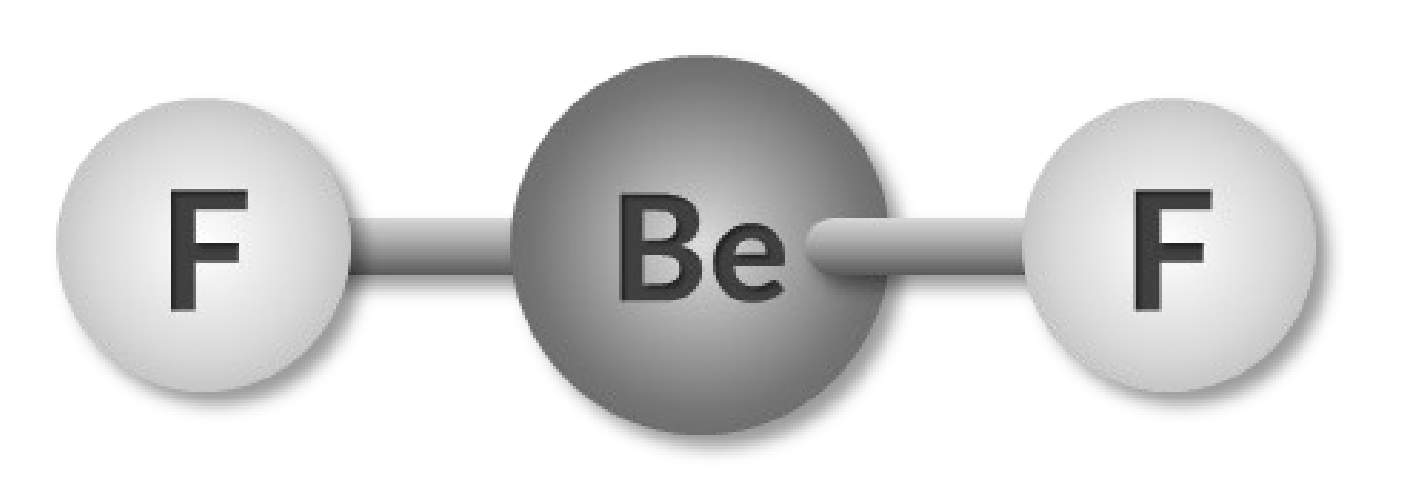
linear
.
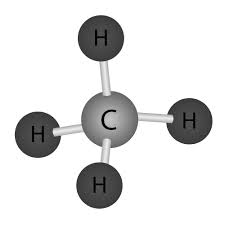
tetrahedral
.
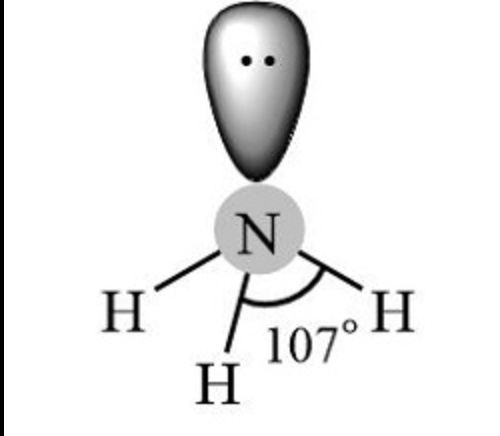
Triganol pyramidal
.
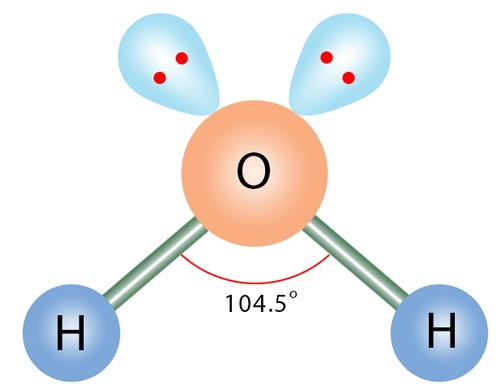
bent
VSEPR Theory
shape of an atom
due to the repulsions between electron pairs in the valence shell
depends on number of bonding groups and non-bonding electrons
number of electron pairs
determined by writing the Lewis structure
strength of repulsion (highest to lowest)
lone pair - lone pair
lone pair - bonded pair
bonded pair - bonded pair
AXmEn
A = central atom
X = bonded/peripheral atom
E = lone pairs
m and n = number of lone pairs or bonded atoms
Electronegativity
ability of an atom to attract electrons in a chemical bond
down a group
Atomic radius increases (bigger)
Increase in nuclear charge is too small to be important
More shielding - more shells
electronegativity decreases
Less attraction between nucleus and bonding electrons
shielding effect
block
inner electrons shields outer electrons from attractive force of the nucleus (protons)
going across a period
atom becomes smaller
nuclear charge increases
atomic radius decreases
greater attraction between nucleus and bonding electron
electronegativity increases
nuclear charge
greater than repulsion charge
smaller atom
more electrons being put in the same energy level
less shielding
sharing
not equal
non polar covalent electronegativity
no pull
equal
ΔEN - ≤ 0.4
polar covalent electronegativity
higher electronegativity
pulls electron towards it
0.4 < ΔEN > 1.7
ionic bond electronegativity
ΔEN - 1.7 <
polar covalent
between two extremes
electron sharing unequal
electron density greater around more electronegative atom
different non-metals - different electronegativity
nonpolar covalent
same or different non-metals that have same/similar electronegativity
electron shared equally
purely covalent
Electrical Charge
deficiency/excess of electrons in a chemical species
result is a net positive charge or net negative charge
Molecular Polarity
electrical charge not symmetrically distributed among the atoms in a molecule
partial positive and partial negative charges on opposite ends of the molecule
𝛿
lower case delta
partial charge
Metallic Bond
sharing of free electrons among a structure of positively charged ions
No Bond
Noble Gases have a full outer valence shell
non-reactive
theory of covalent bonding
fill their valence orbitals (except H, He, Be, and B)
bonding is attraction of a pair of shared electrons
Unpaired electrons can bond
Two atoms with bonding electrons form covalent bond
The number of covalent bonds that each atom forms is limited (fill valence shell)
limitation for octet rule
first period - only two electrons
B and Be - do not need full valance shell
odd number of valence electrons
third period < exceed rule
Noble Gases
similar properties
low reactivity
don’t form bonds
halogens
highly reactive
need one more electron
Nomenclature
naming chemical compounds
easily identified as separate chemicals
covalent nomenclature
least electronegative element first
second element - suffix to –ide
USE prefixes
one
mono
two
di
three
tri
four
tetra
five
penta
six
hexa
seven
hepta
eight
octa
nine
nona
ten
deca