HID: QUIZ 4 - American Colonial Period (1620-1730)
 Call Kai
 Learn
Learn Practice Test
 Spaced Repetition
 Match
Match Flashcards
 Knowt Play
1/20

There's no tags or description
Looks like no tags are added yet.
Name | Mastery | Learn | Test | Matching | Spaced | Call with Kai | Chat |
|---|
No analytics yet
Send a link to your students to track their progress
21 Terms
Colonial period
most brought little furniture so furniture making became a very important trade
English Renaissance
tudor style
half timber construction
Wood was the most available
materialplaster and brick infill used in England was not available yet in America
climate discouraged exposed framing
overlapping Shingles or Clapboards used
Salt Box
The typical early colonial American house was simply an English medieval house with a wooden exterior
small windows w/ leaded glass
The shape of the house was common due to the wind and winter weather
built on no no foundation
no electricity, heating, plumbing
Queen Anne’s tax on houses over 1 story heavily influenced the saltbox style because you were able to use the top floor as a full space
Cat Slide Roof
slanted roof on salt box homes
any roof on one side that extends down below the main eve height providing greater under the roof without an increase in the ridge height
17th Century
reflects late medieval renaissance traditions
furniture like chests were made of oak and constructed with straight members joined at right angles
they’re sturdy, massive, low horizontal, proportions
lots of surface ornamentation due to rigid rectilinear design
horizontal proportions
storage chests brought with colonists
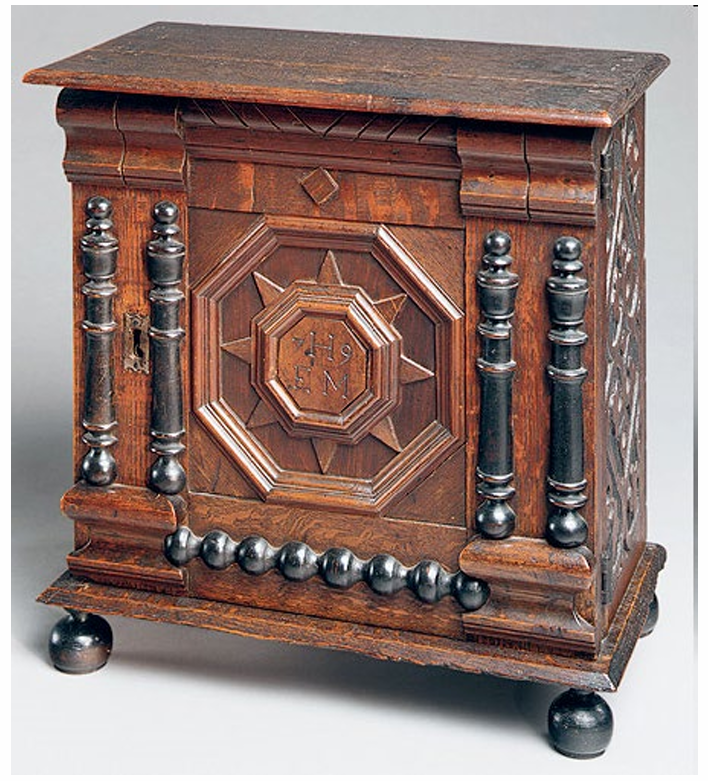
Bun Foot
Searle & Dennis
best documented furniture makers
excessively intricate designs
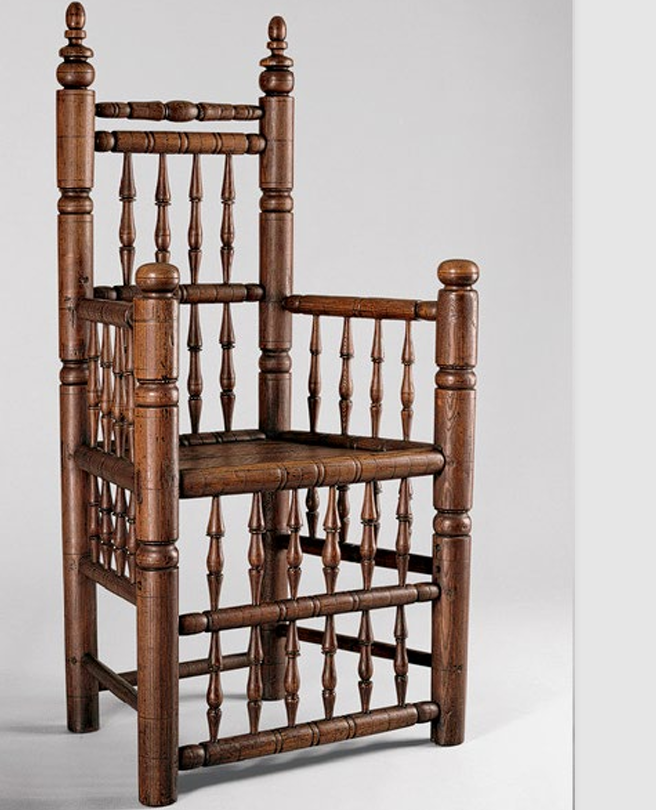
Turned
shaped wood w/ chisels and gouges white it’s turned on a lathe
they were cheaper because of the speed in which it could be produced and the simple joints
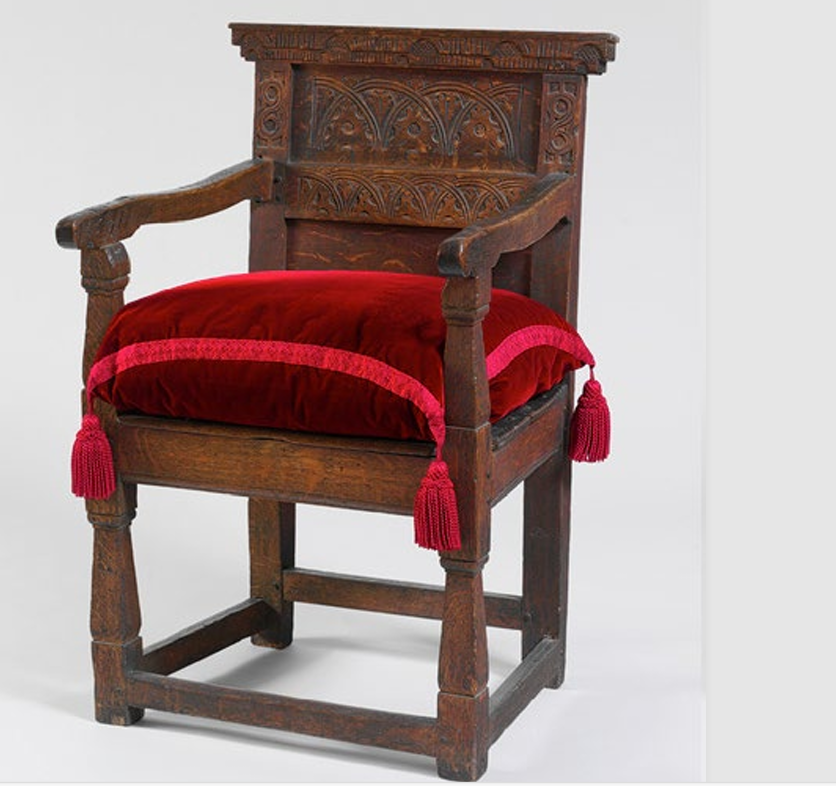
Joined
joined together straight wooden boards shaped w/ axes and saws
smoothed with planes
more complicated rectangular mortise and tenon joints that took more time to layout, saw and fit
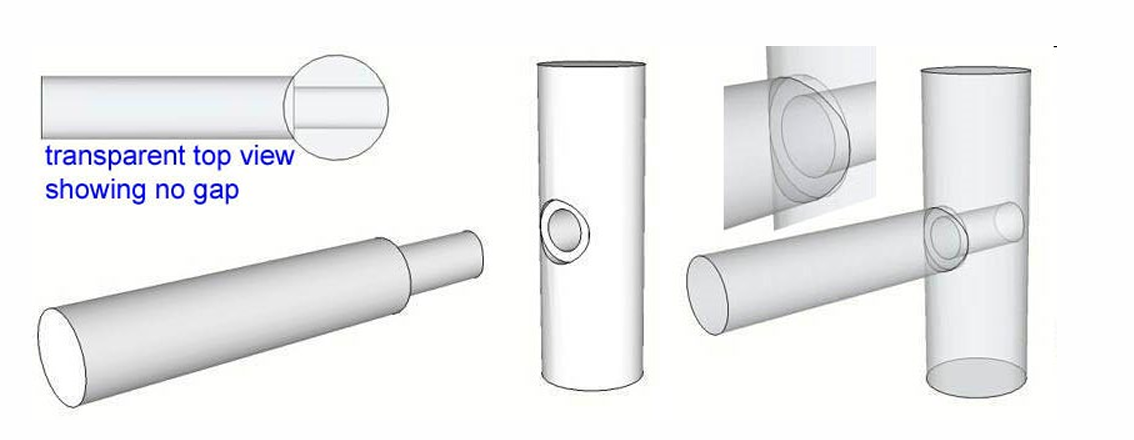
Mortise & Tenon
joint
the technique in which pieces are joined
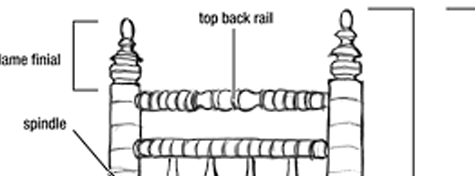
Finials
decorative top cap on back of chair
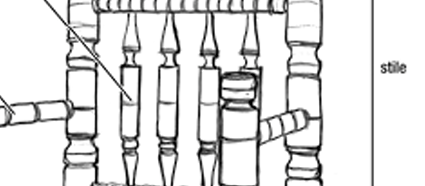
Spindles
vertical decorative element on back of chairs
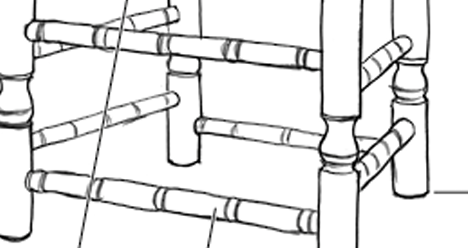
stretchers
bars that hold chair legs together
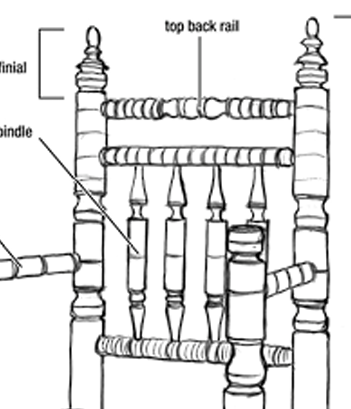
Stile
bars that hold back of chair and finials
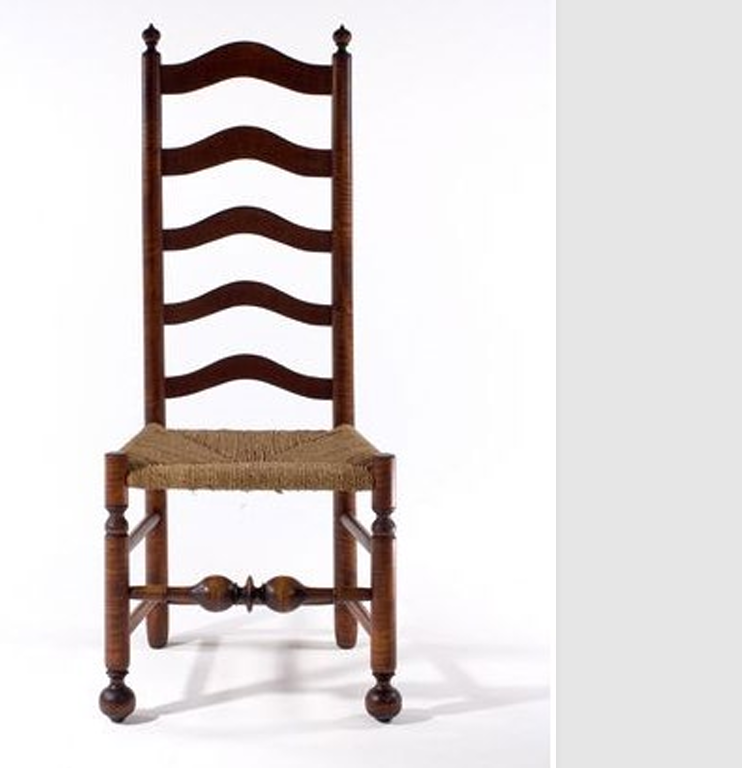
Ladder Back Chair
also known as slat back chair
has both turned and joined elements
rush seat made of natural reed
front legs and stile are turned
horizontal spindles are joined
William & Mary
baroque style combined various continental and Asian influences to create furniture forms that were richer, more curvilinear, w/ vertical proportions
new furniture forms like dining tables, high chests, desks, and easy chairs
focus on comfort and luxury
thin sheets of wood were glued to front of things for more detailing
WM: Furniture
broke away from solid horizontal massing and rectilinear outlines
became more slender and vertically oriented w/ tall backs and gracefully turned posts and legs
Case Pieces
lifted off the floor and precautious supported on delicately turned legs
dovetailing
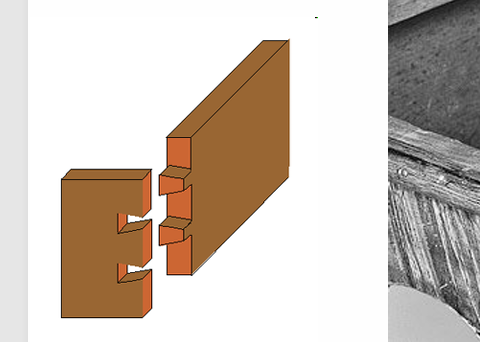
Dovetailing
case sides and fronts that were fastened w/ interlocking joints that resemble the shape of a tail of a dove
allowed for use of thinner boards and lent itself to lighter, more vertically oriented construction
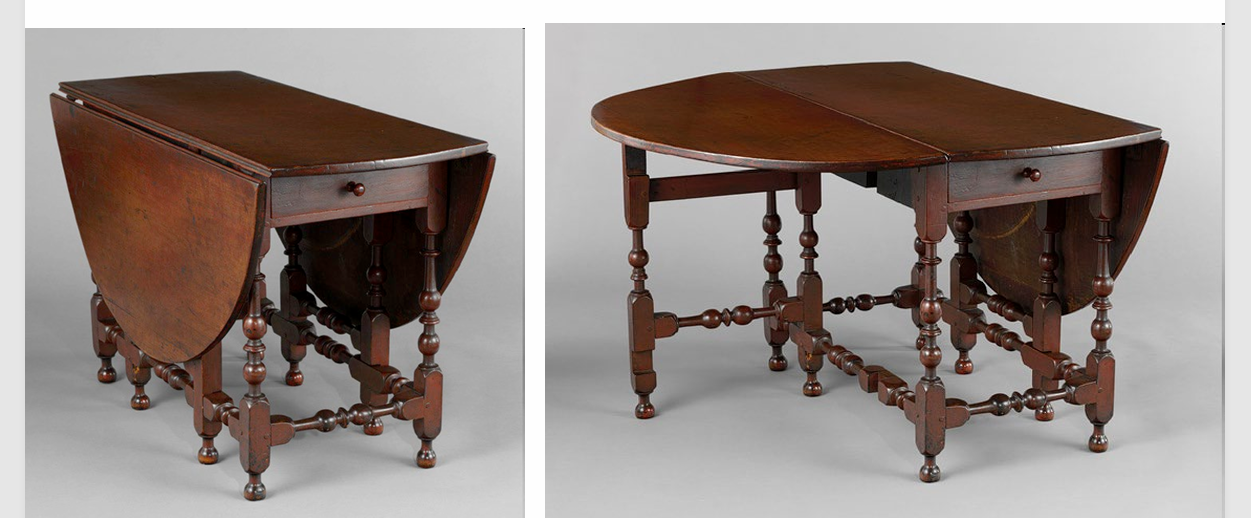
Gate Leg
folding table
leaves supported by single or double winged legs(gates)
bulky turnings on thick legs
very practical in small houses
the gate leg opens up to support the leaf that lifts up to extend the table
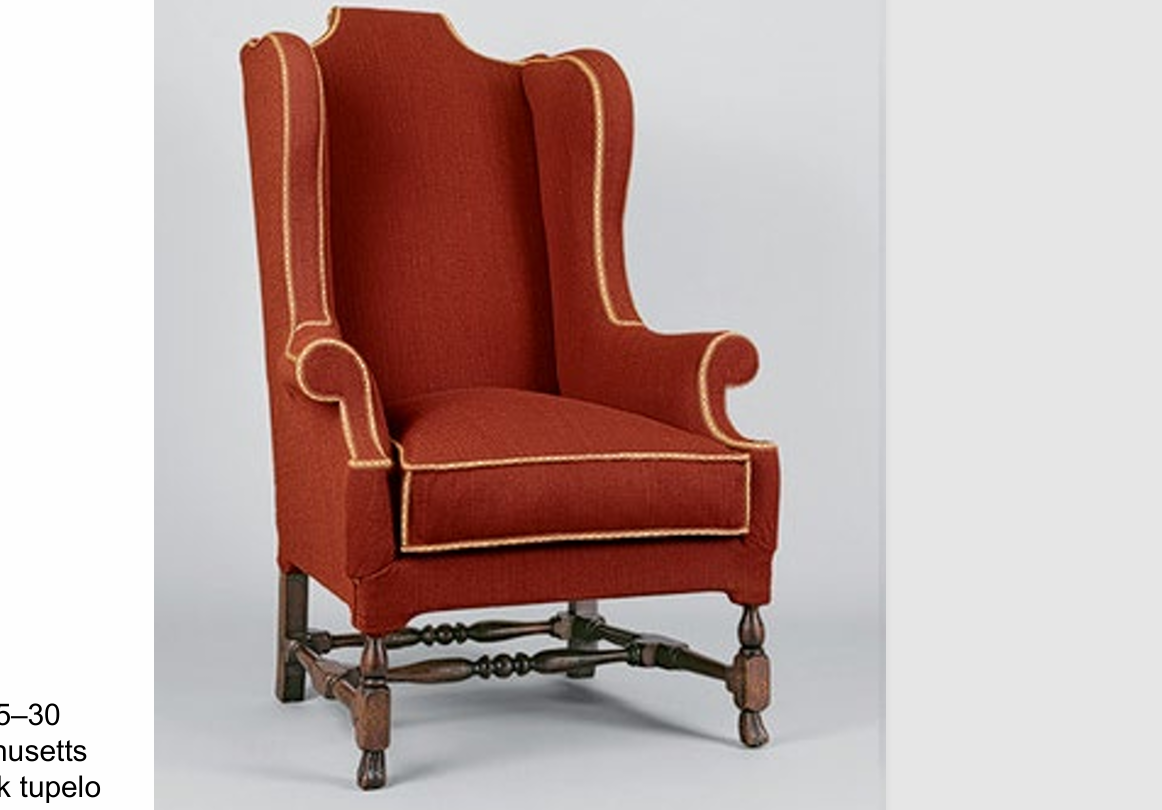
winged back easy chair
made for comfort
not a widespread style