Legibility and Production 1850s-1890s: Architecture in the Modern Age
 Call Kai
 Learn
Learn Practice Test
 Spaced Repetition
 Match
Match Flashcards
 Knowt Play
1/19

There's no tags or description
Looks like no tags are added yet.
Name | Mastery | Learn | Test | Matching | Spaced | Call with Kai |
|---|
No analytics yet
Send a link to your students to track their progress
20 Terms
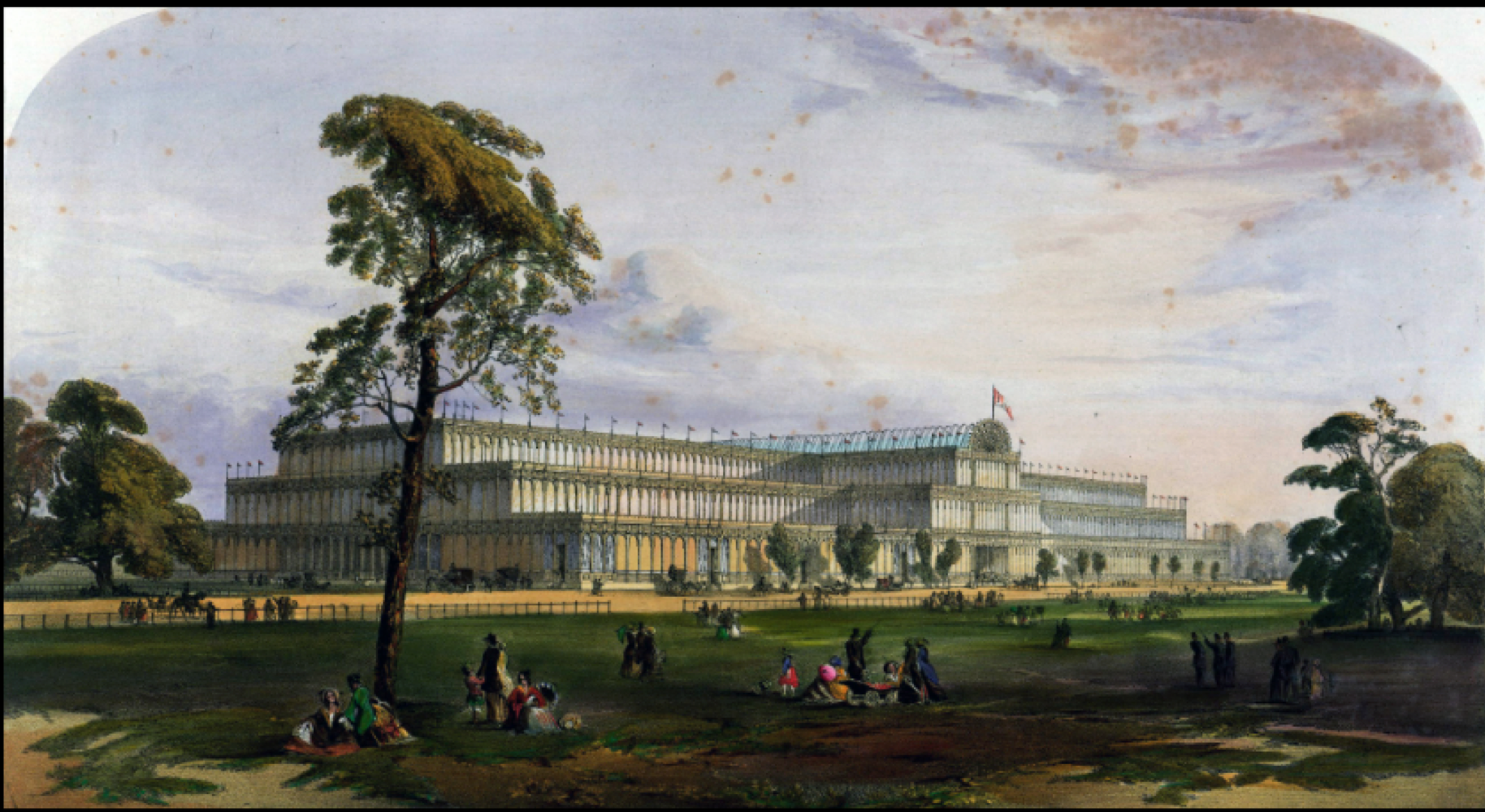
Joseph Paxton (1803-1865)
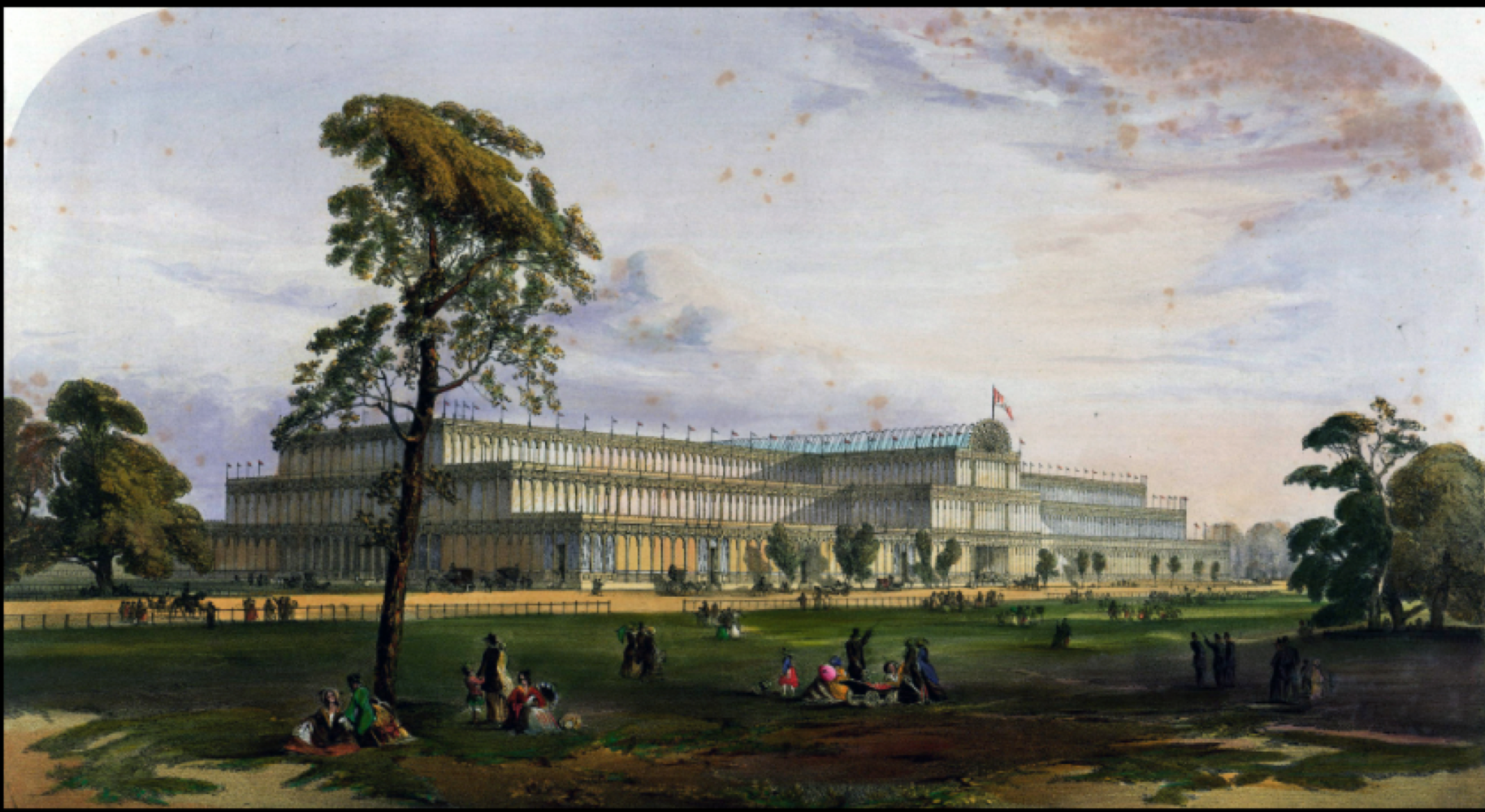
The Crystal Palace, London, U.K., 1851
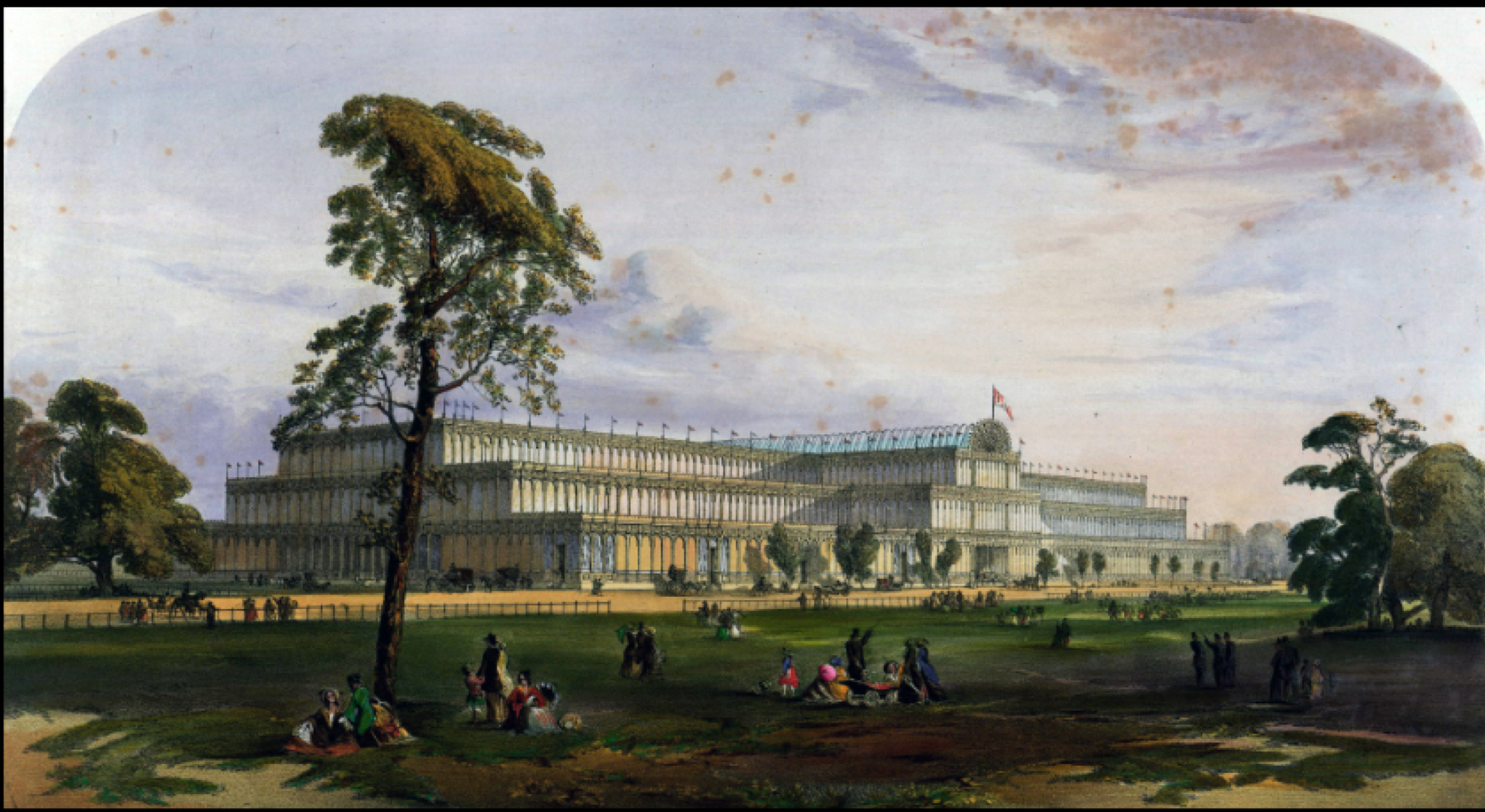
Describe the context of the Crystal Palace and its significance
tangible image of shift towards industrialization, built to be temporary: held worlds fair, show wares of particular places: trade and mercantilism displayed, show demand for foreign made wares and show off London’s, Later re-assembled
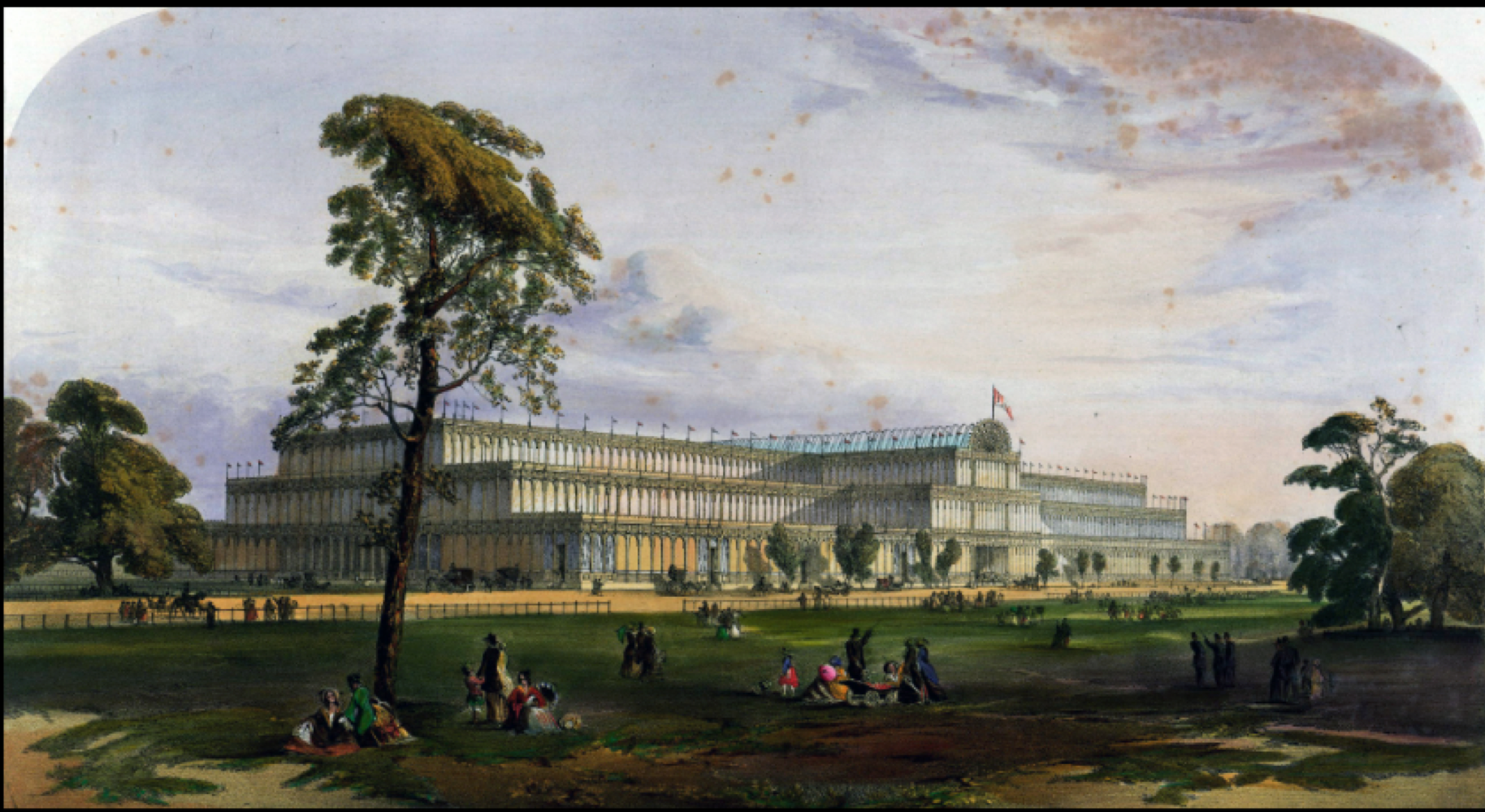
Describe the overall architecture of the Crystal Palace and its significance
Based on conservatories, iron parts re-used, testament to demountability and portability, enter into arched interior, slender columns, diagonal tension rods, glass and iron structure, very large, repetitious and uniform: mimic artisanal craft of coal production= scientific productivism vs. mechanical and human craftsmanship
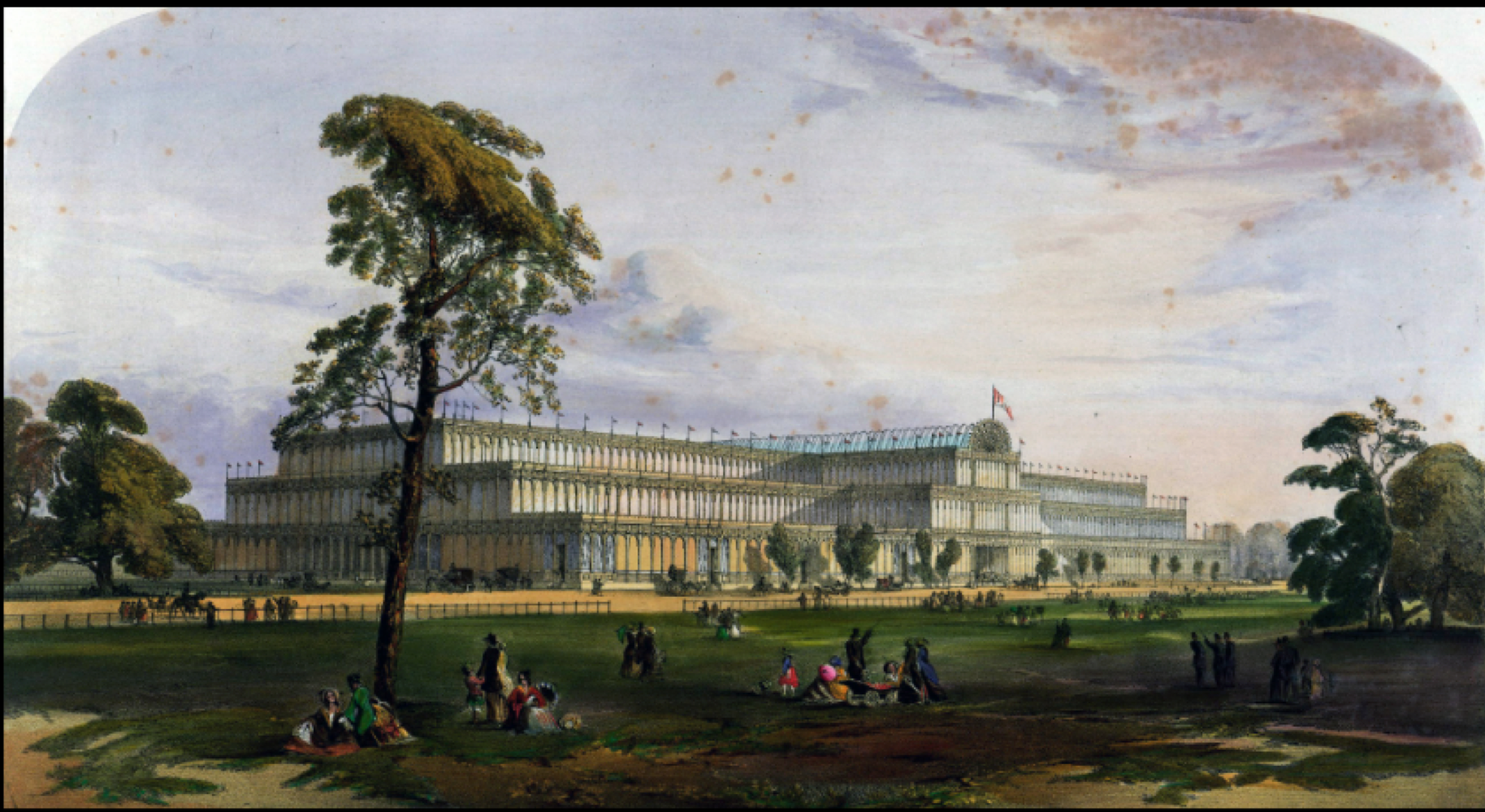
Describe the interior of the Crystal palace and its significance
Preserve elm tree, fountain, toilets: steam engines supply water=architect can subject natural objects under their control, exhibitions and displays slotted neatly into geometric intervals and regularity, long galleries: show heavy machinery=pride, things they processed from elsewhere,
Describe the production for the Crystal Palace and its significance
components designed for mass production=predictability because pieces are modular, assembly rely on animal and human labour, use wood: steps, holds weight, rood=ridge and furrow pattern from greenhouse design, woodworking done on sight
Philip Webb (1831-1915), William Morris (1834-1896), Jane Morris (1839-1914), et. al.
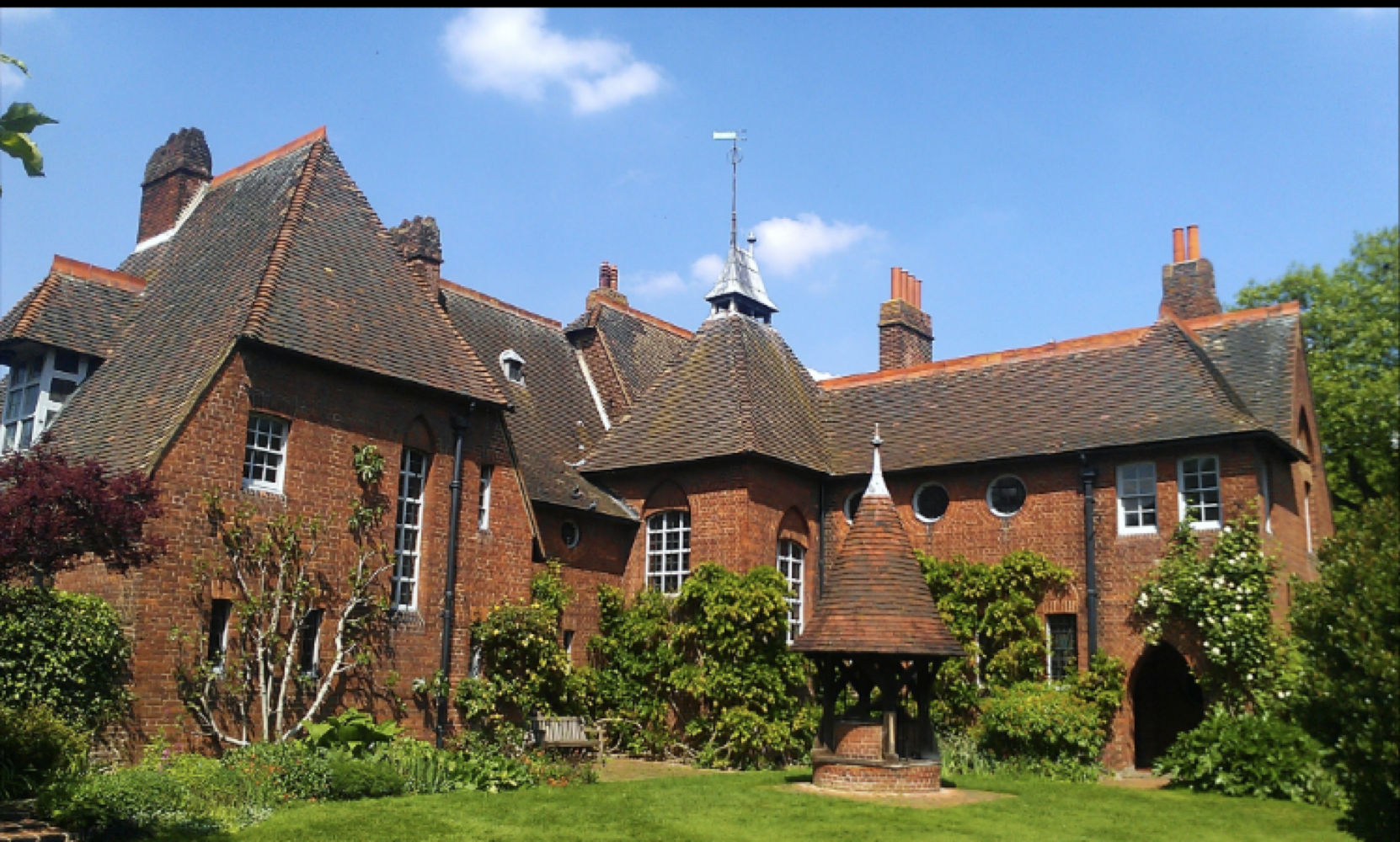
Red House, London, U.K., 1854
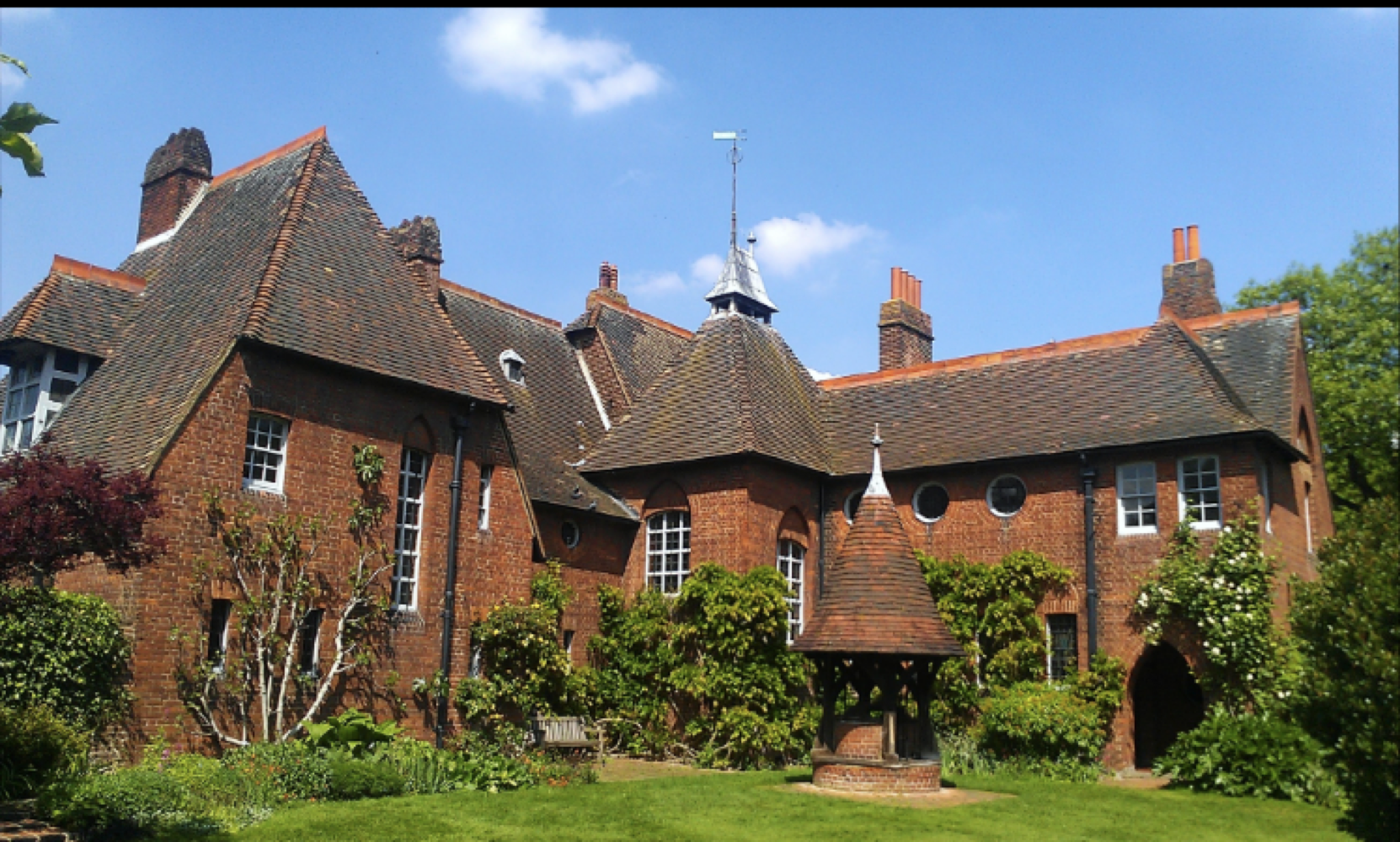
Describe the overall architecture of the Red House and its significance
for textile manufacturist, rebuke to crystal palace: juts in and out, windows all different shapes, protruding parts, non-uniform architecture, convey its eccentricities, aesthetic as weapon against capitalism, L shaped plan: made from inside-out=against repetition, celebration of irregularity
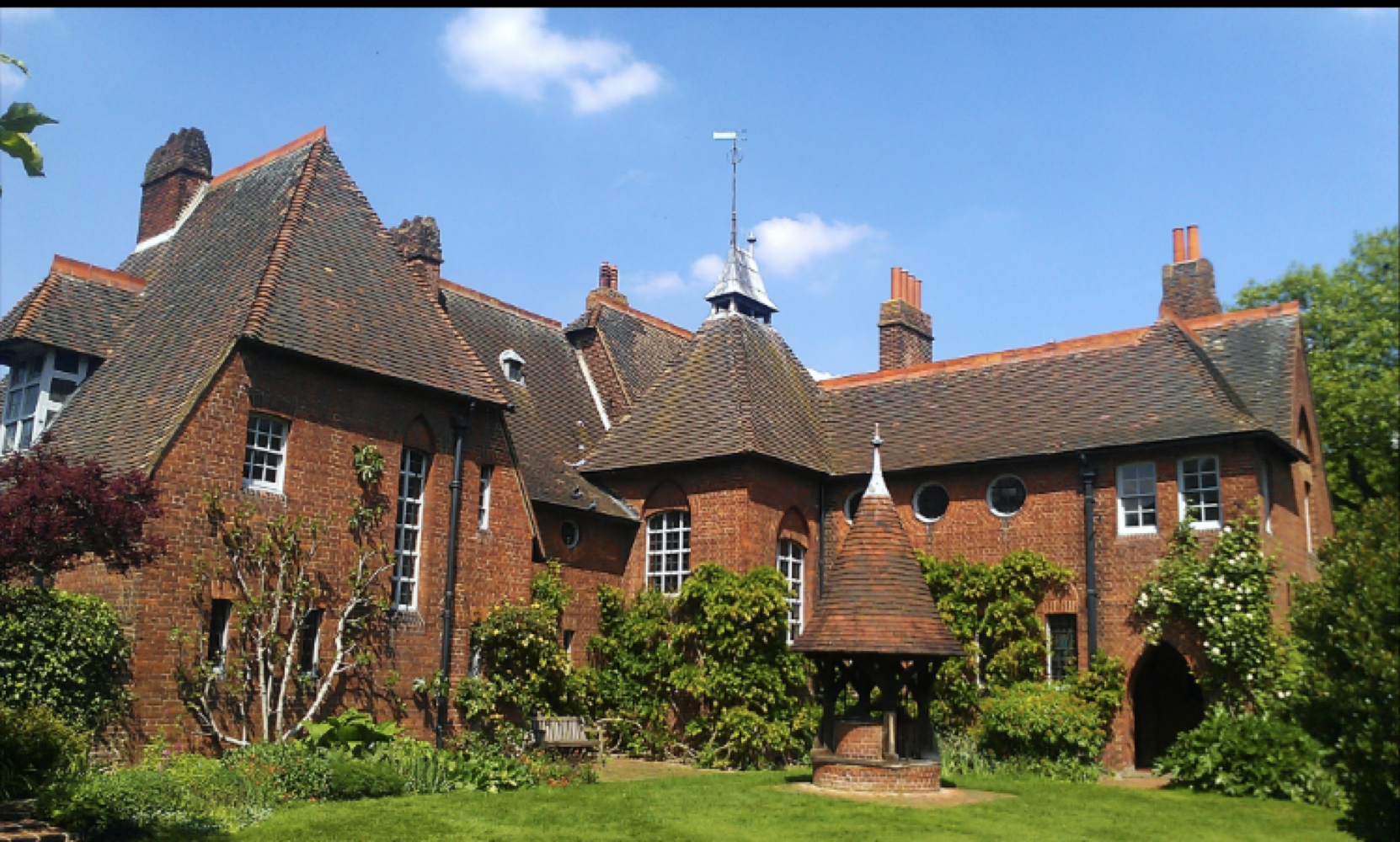
Describe the production for the Red House and its significance
brickwork and ironwork by local builders, iron parts of wrought iron=blacksmith made individually, woodwork carved by hand by collective artists, painted circular windows=intention to act and transform world, visible labor with saw marks
George-Eugène Haussmann (1809-1891), et. al.
Paris renovations, Paris, France, 1853-1870
Describe the context of the Paris Renovations and its significance
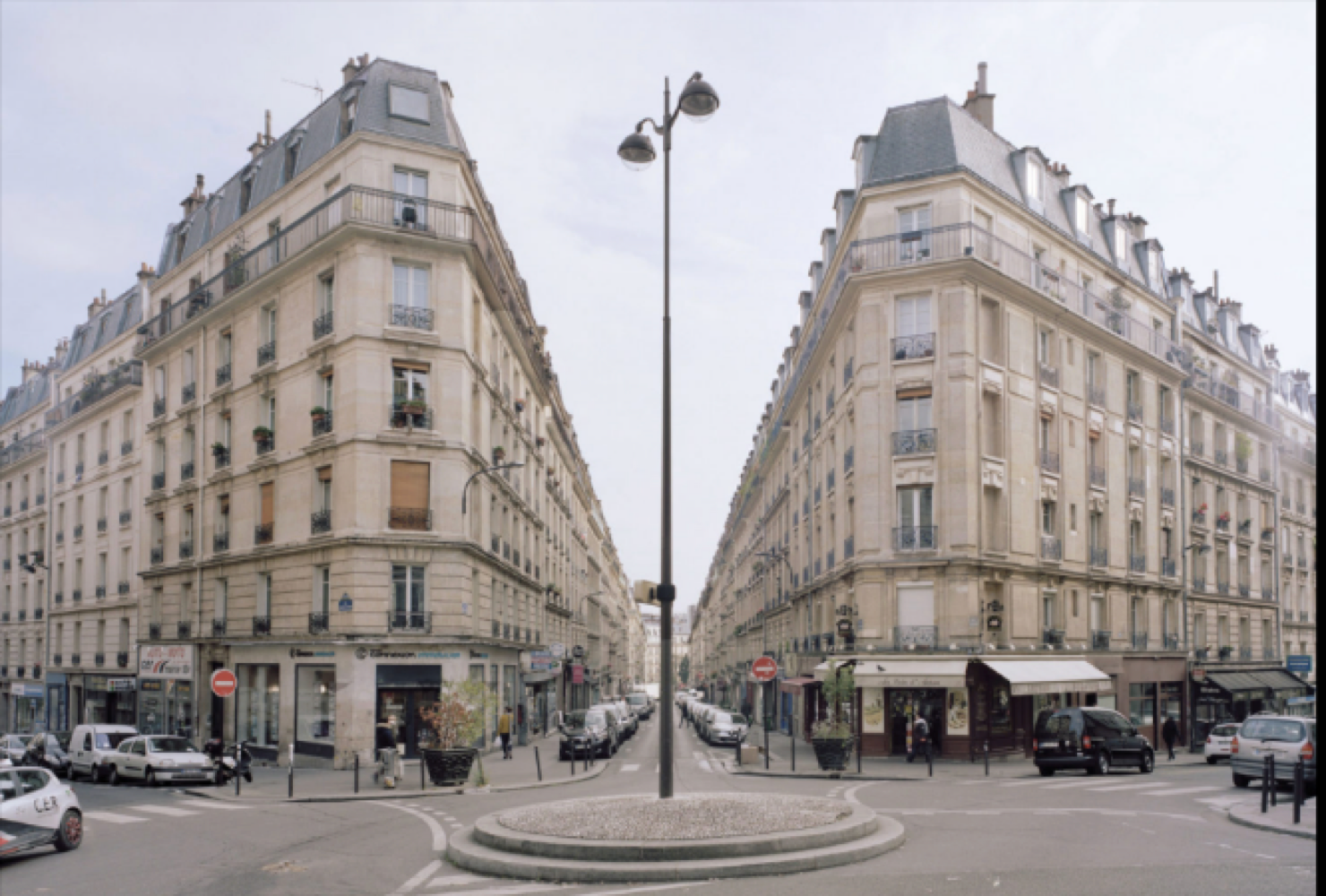
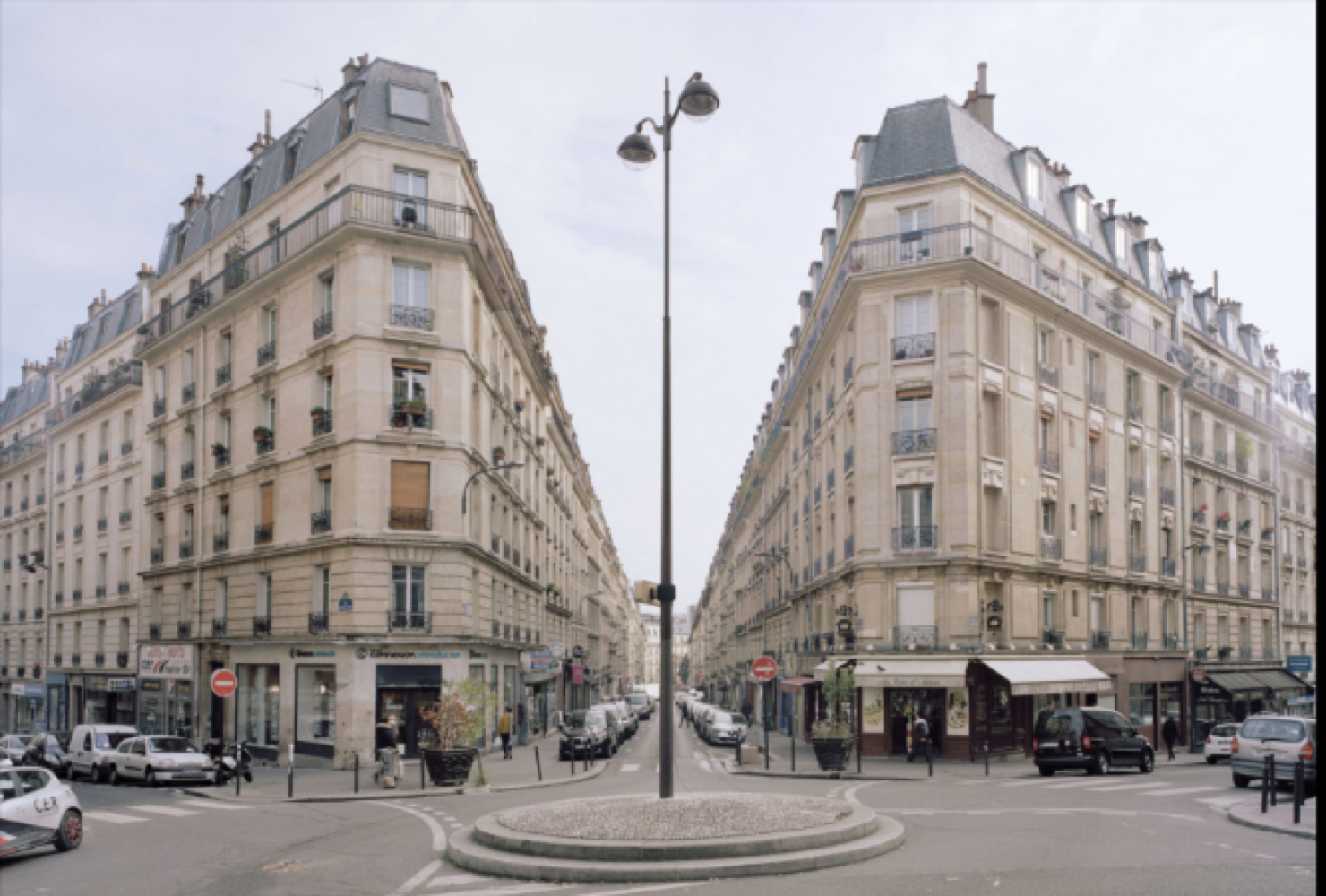
new apartment blocks: displaced people, re-fashioned city as place for people/bourgeoisie, water system remodeled=became tourist attraction
Describe the overall architecture of the Paris Renovation apartment buildings and its significance
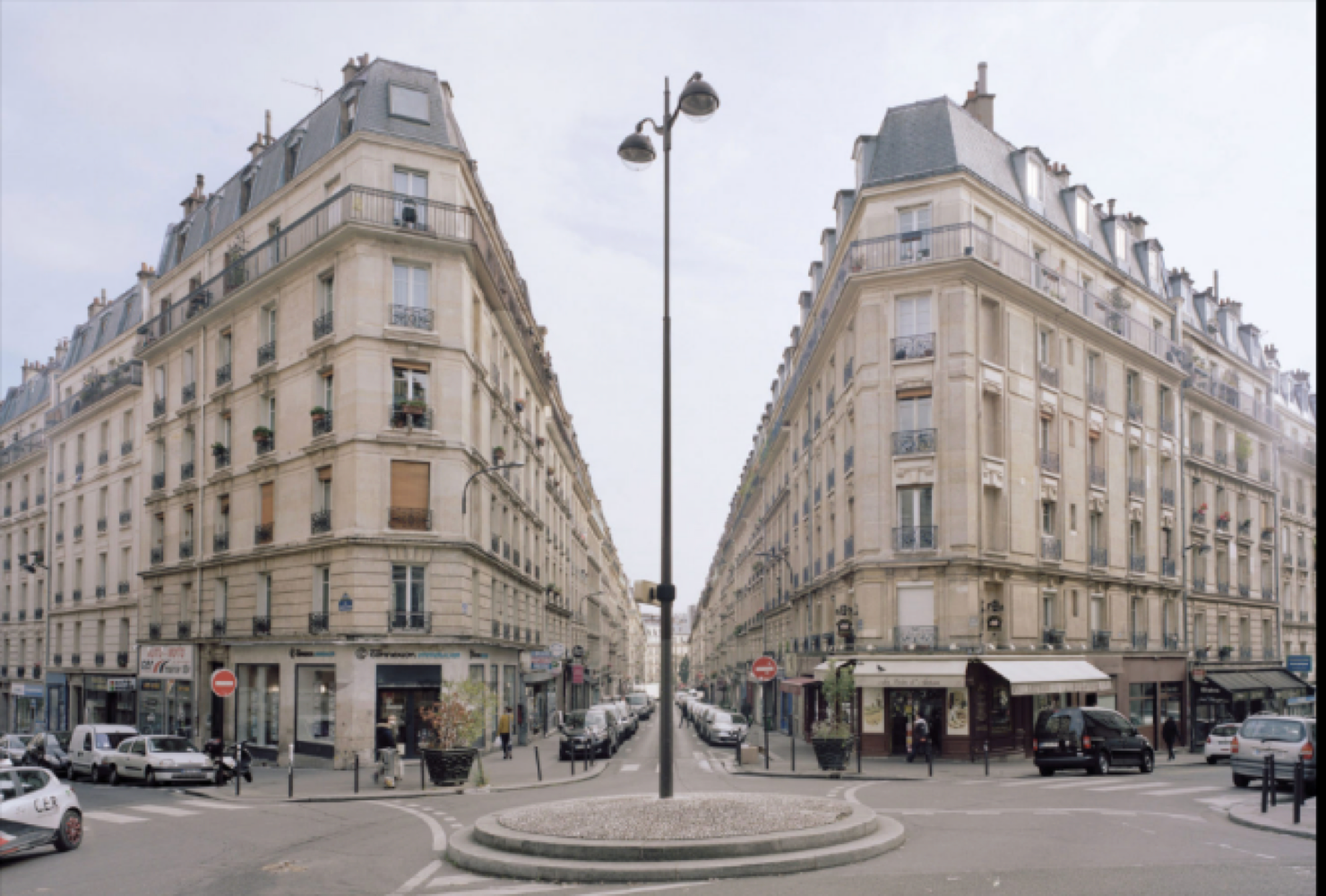
6 stories, local limestone, zinc roofs, consistent overall landscape, fit into regularity=plan outside to in, machines for social segregation: best room on 2nd floor, 3rd floor modest, 4th and up=artists and leaky roofs, each blvd was separate project, led to opera house
Describe the overall architecture of the opera house and its significance
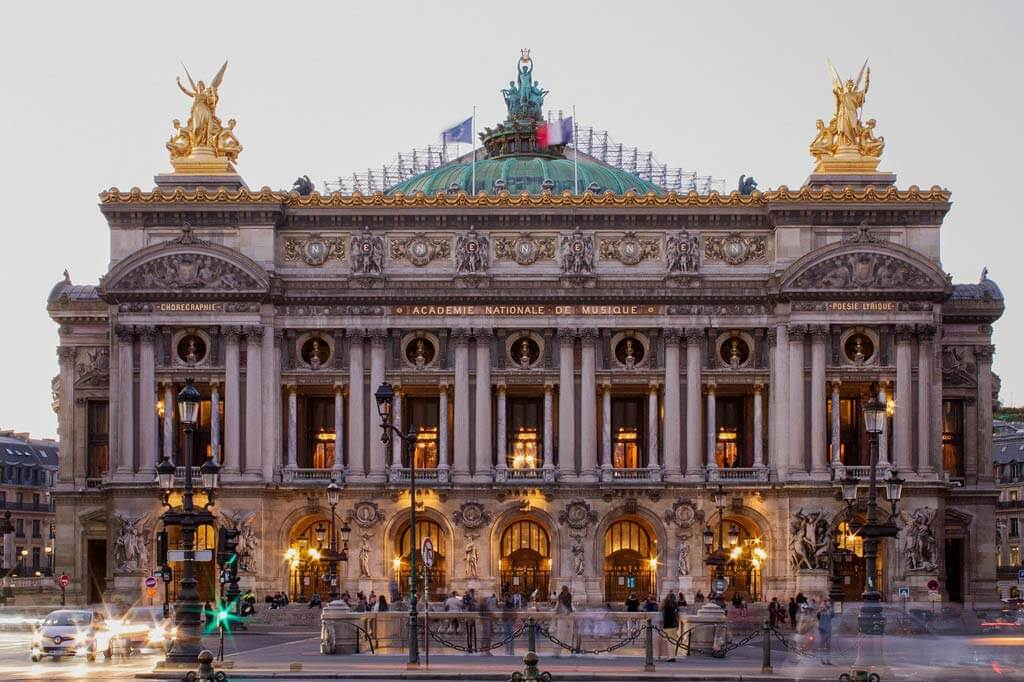
baroque centerpiece, plan for theatrical experience=procession from entrance, big space for back-of-house activity, labor concealed by theatricality, entry divided by social classes, vestibule stairway, balconies overlook hall= people are objects of display and spectacle
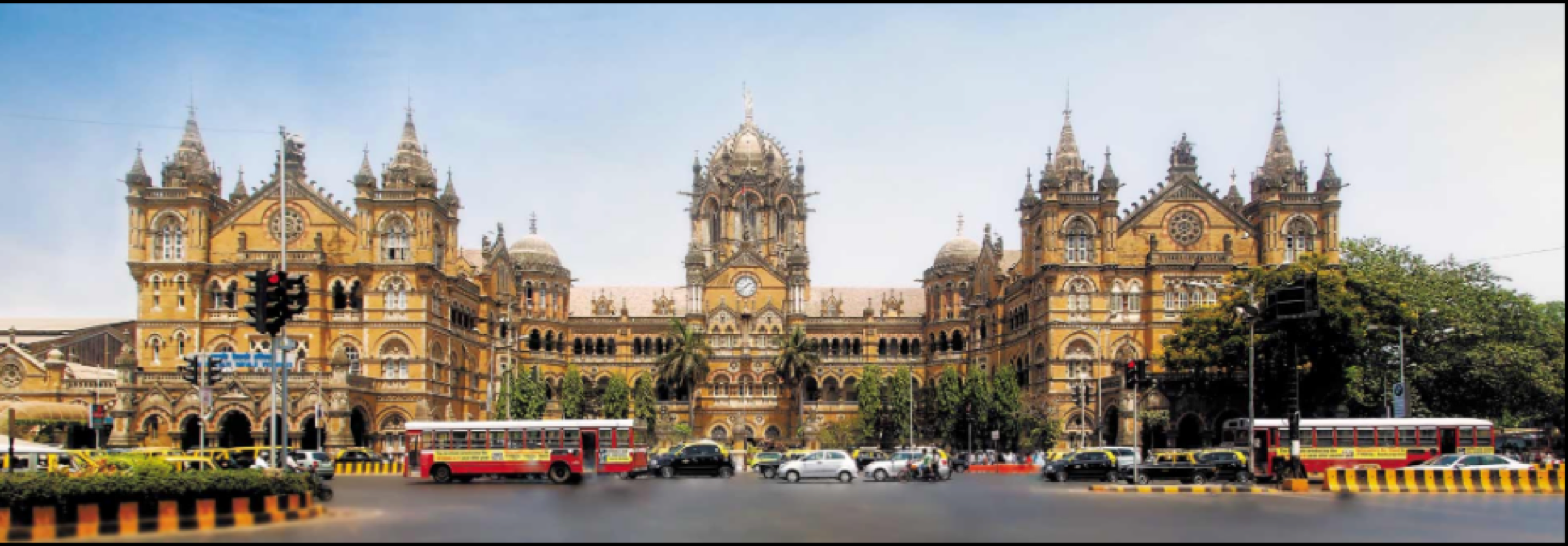
Frederick William Stevens (1847-1900)
Chhatrapati Shivaji Terminus, Mumbai, 1878-1887
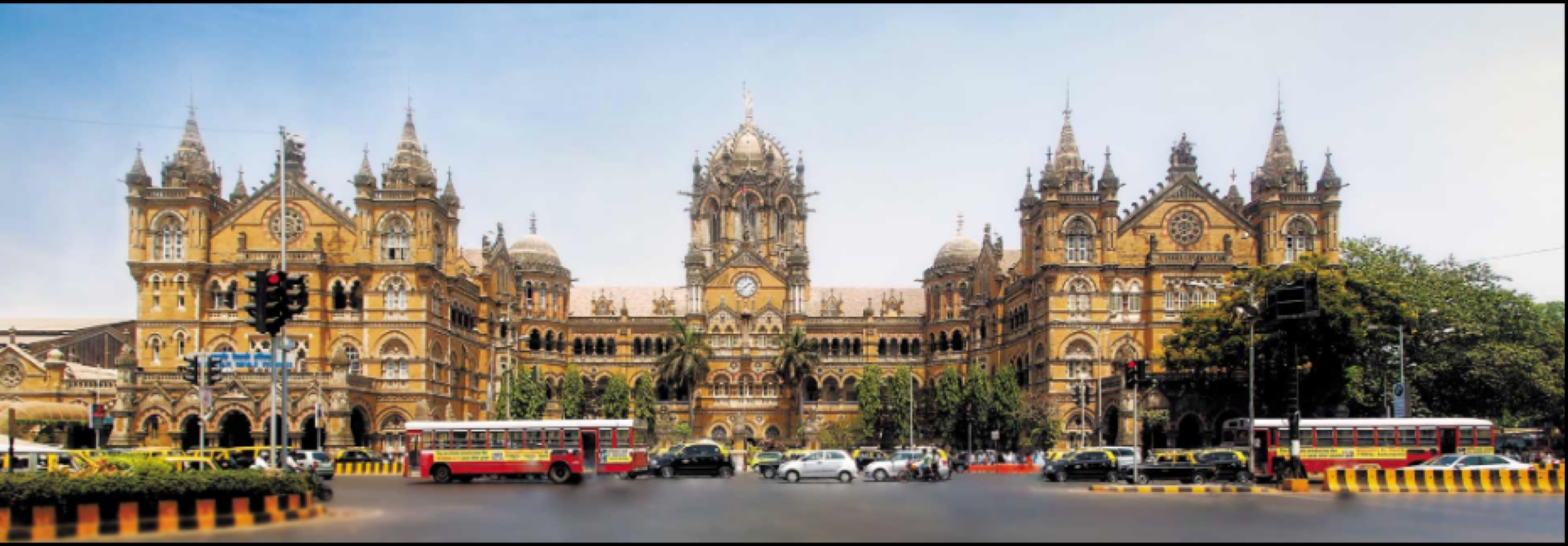
Describe the context of the Mumbai train station and its significance
represented British imperial might, RR conveyed raw material export and deployed British military
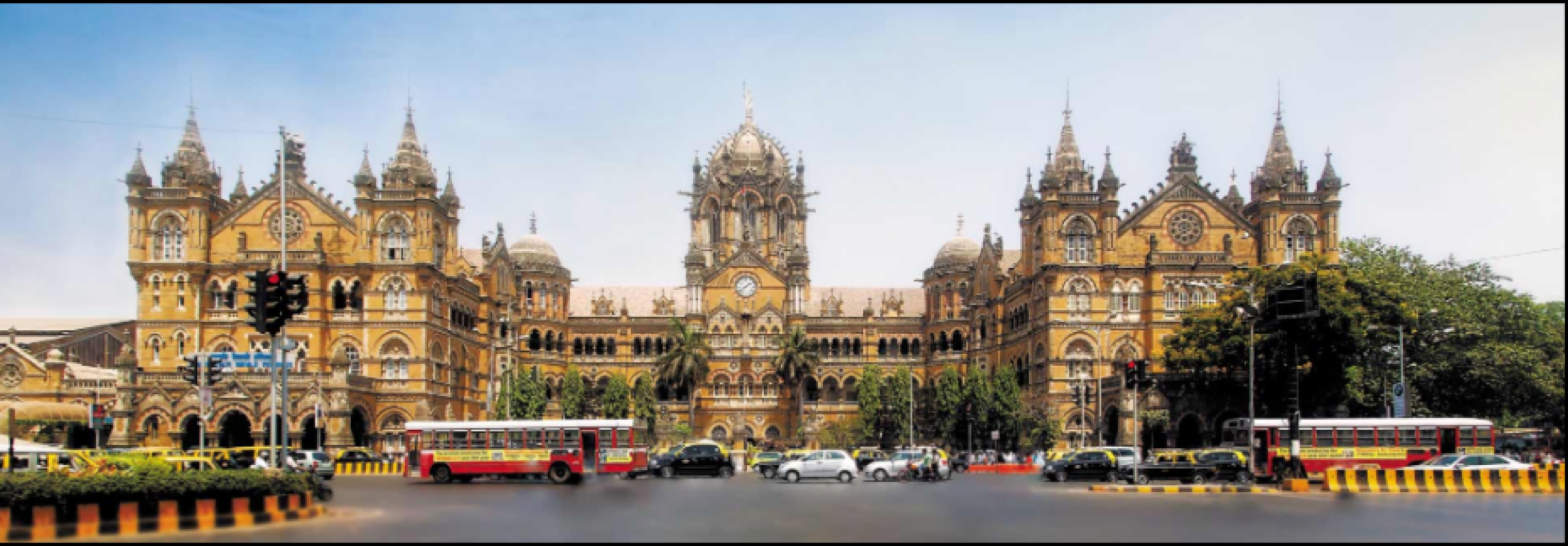
Describe the overall architecture of the Mumbai station and its significance
clocktower=mechanical order of time, gothic expression with Spain and Islam: exoticism and mystery, ABCBA pattern: two wings, waiting rooms segregated by gender and class, 3 stories, buttress corners, accentuate verticality with pointed arches, stakes claim to certain modernity: heterogenous parts=interconnected world
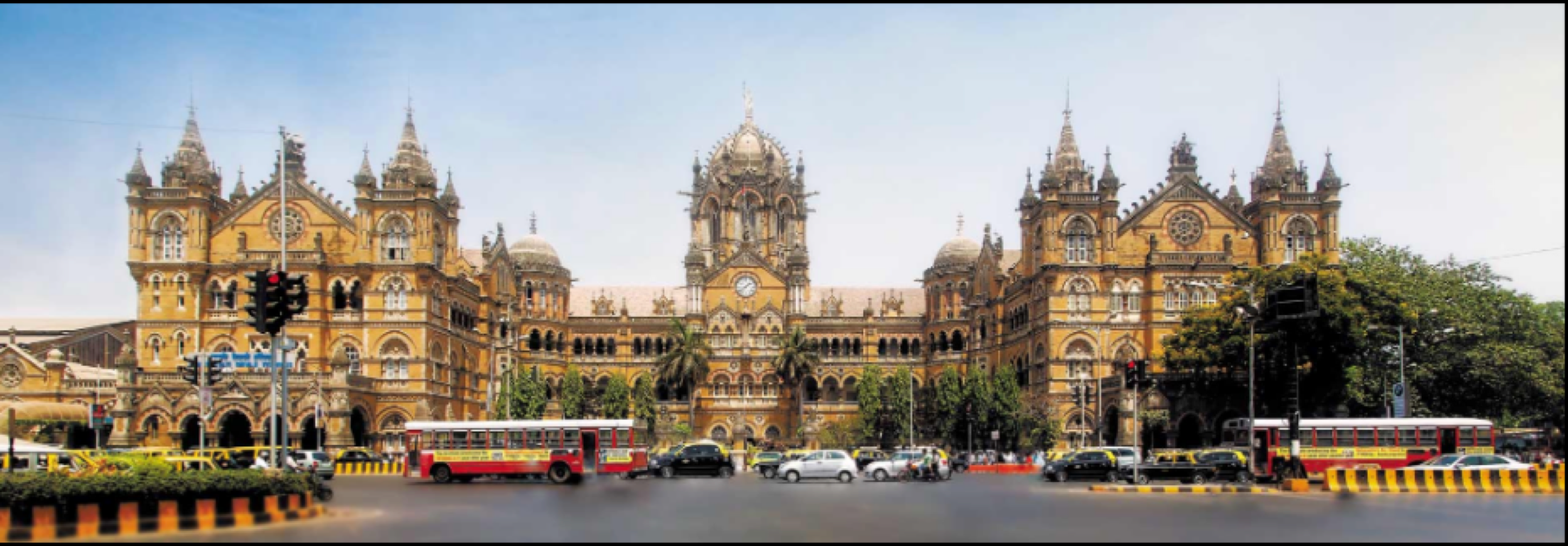
Describe the interior of the Mumbai station and its significance
iron stairs, British iconography with lion holding shield with elephant= Indian primitivity vs. train
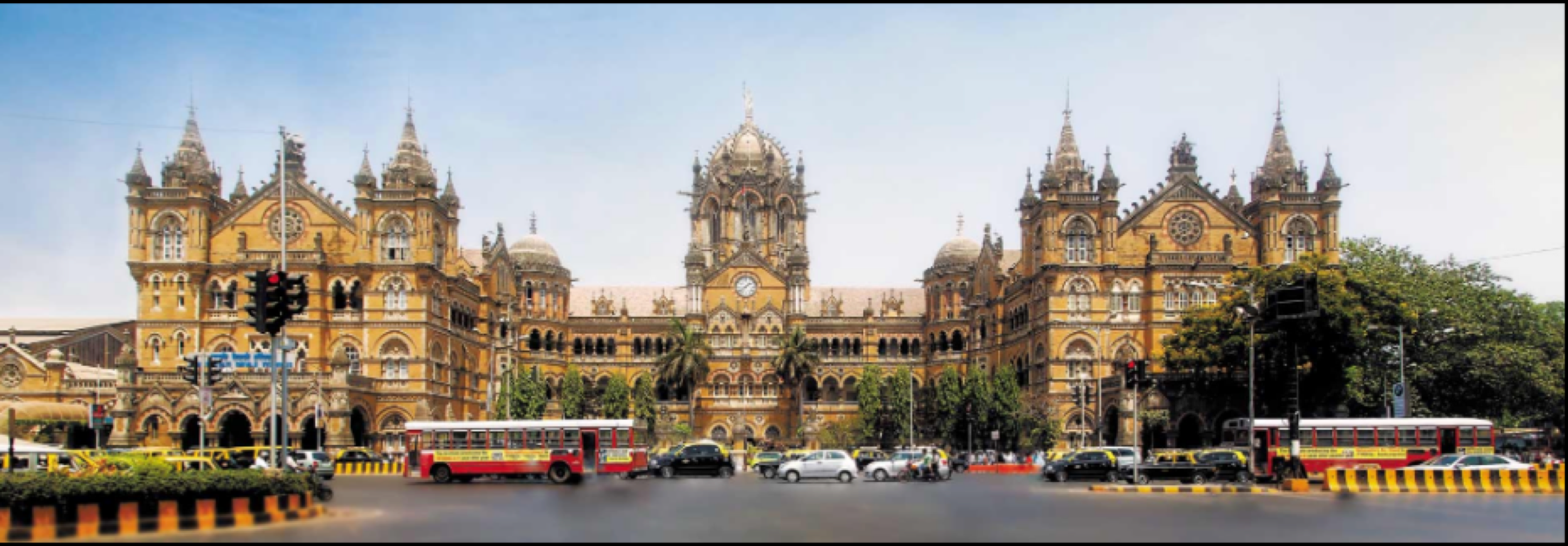
Describe the exterior of the Mumbai station and its significance
Shed horizontal and utilitarian: 2 bay pattern, no centrality, propulsive movement, Dome with personified progress on top, carvings to embrace irregularity, bust of man who funded it, high ornamentation: symbols of British and Indian imagery
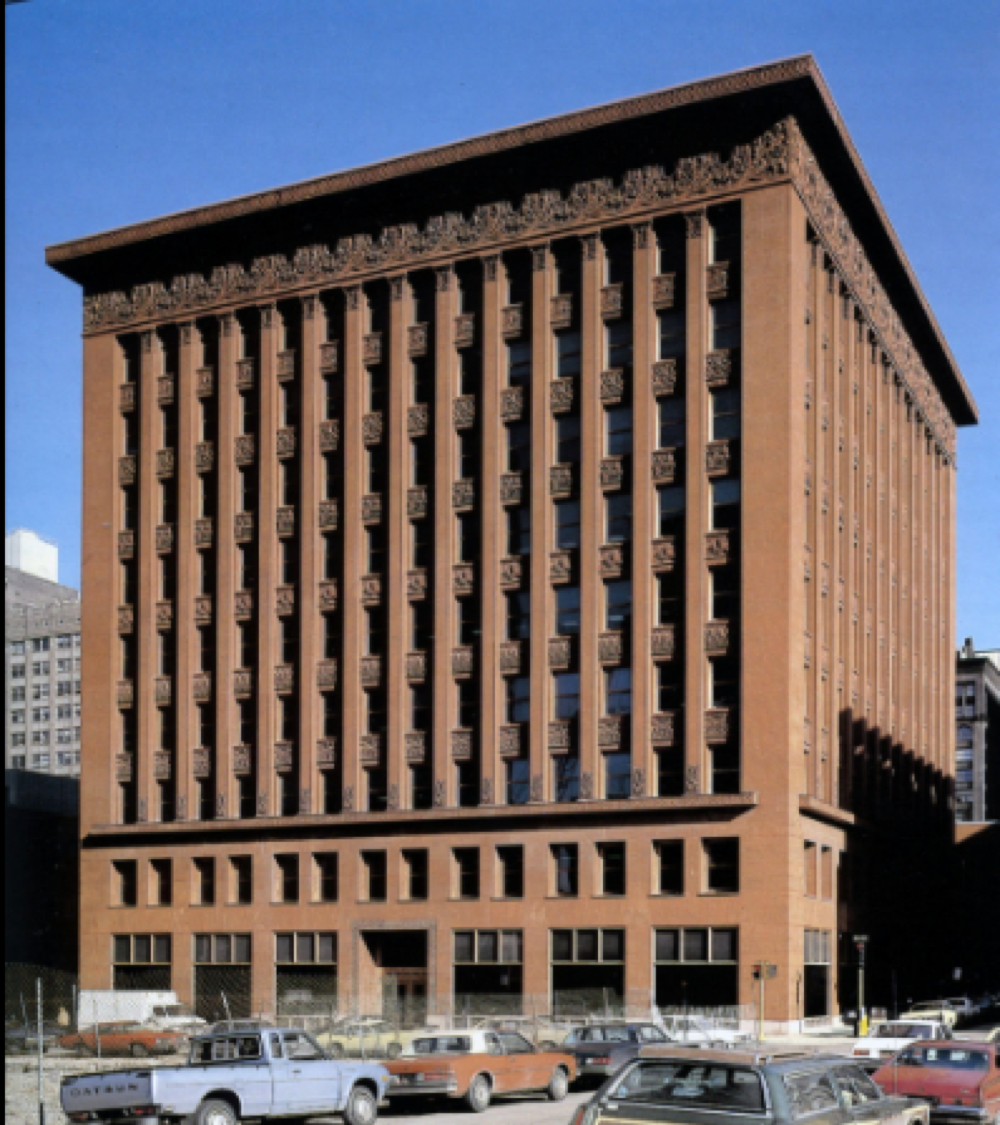
Louis Sullivan (1856-1924)
Wainwright Building, St. Louis, MO, 1891
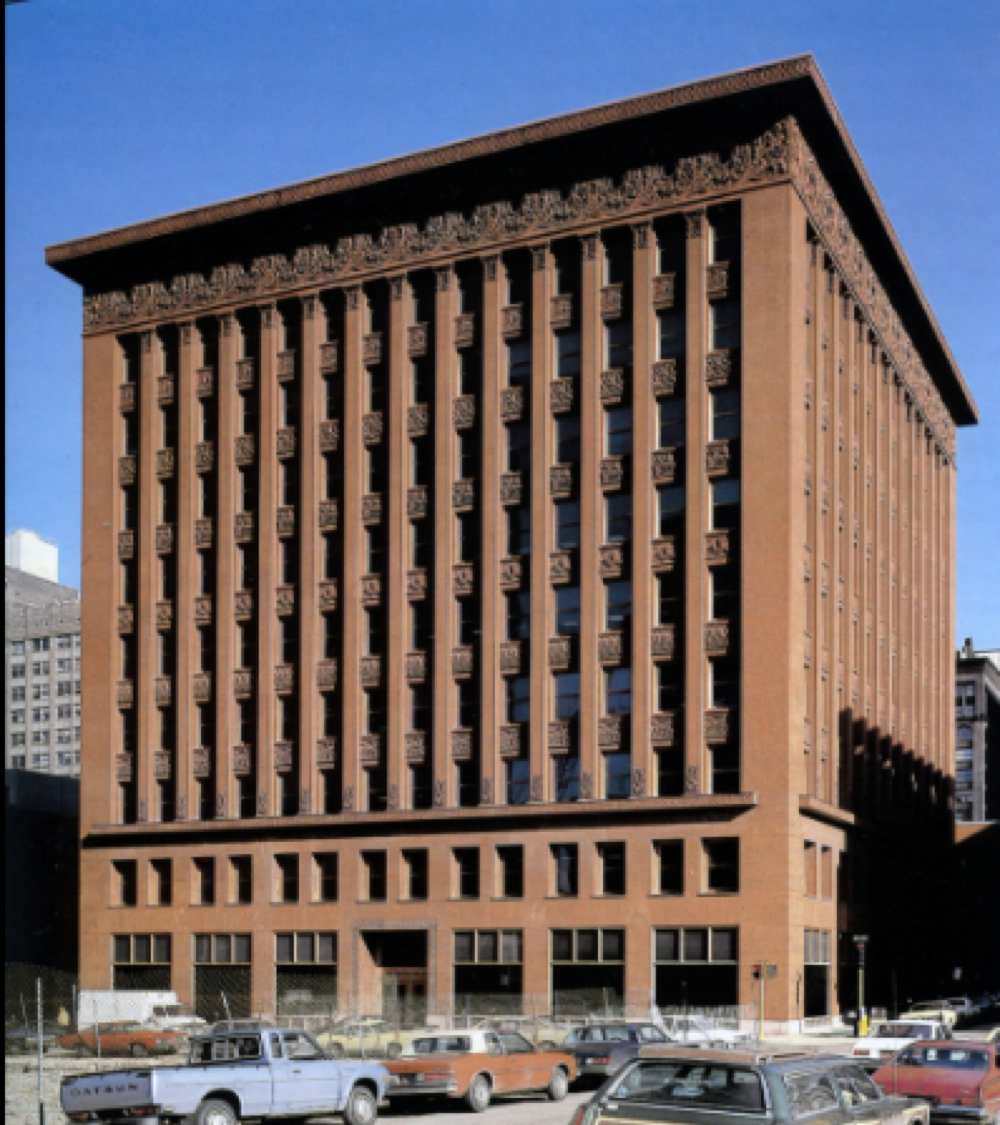
Describe the overall architecture of the Wainwright building and its significance
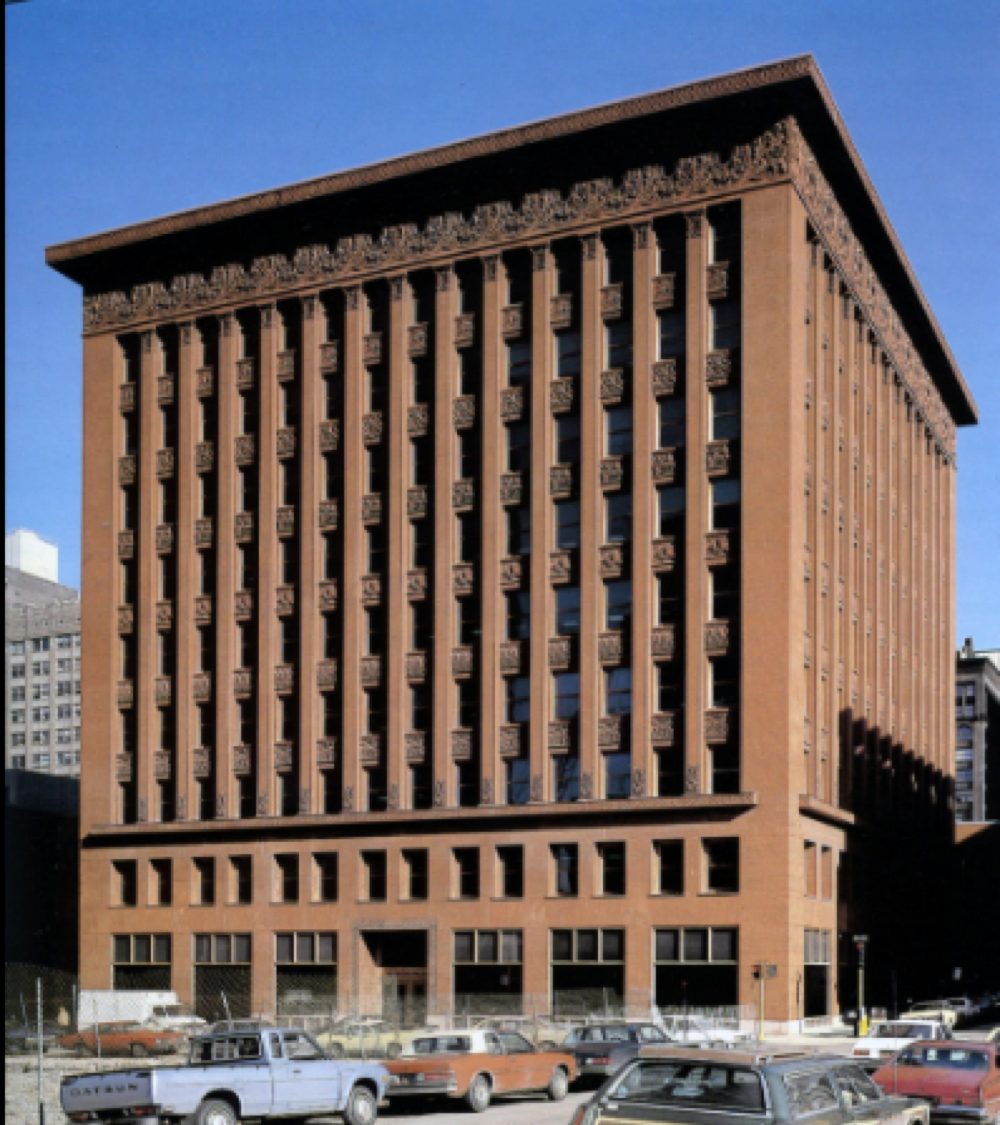
In boom town: brought agricultural wealth for export, steel frame, light materials, faster than conventional techniques, first sky scraper,10 stories, tri-partide composition: express and emphasize height, maximize profit, U shaped floor-plan=access to daylight, repetitive tile panels=machine aesthetic: uniform exterior separate from interior
Describe the construction/production for the Red House and its significance
iron and steel extensions embedded, power on world scene, columns=model for new architectural type, top=distinct layer, botanical metaphor: ornate texture from coal-fired steam machinery=more efficient and uniform=replicate-able, geometricized to seem continuous , expend minimal labour with Terracotta for designs and uniform replicability= gave agency to architect