DM- Ch 5 Direct Polymeric Restorative Materials PT 1
 Call Kai
 Learn
Learn Practice Test
 Spaced Repetition
 Match
Match Flashcards
 Knowt Play
1/55

There's no tags or description
Looks like no tags are added yet.
Name | Mastery | Learn | Test | Matching | Spaced | Call with Kai |
|---|
No analytics yet
Send a link to your students to track their progress
56 Terms
Direct Polymeric Restorations
Polymeric restorations fabricated and placed directly into a prepared tooth cavity and hardened/polymerized chairside
-Tooth colored filling materials
Monomers
Small molecules
• Can form a repeating pattern when covalently bonded to one another
• Covalent bonding is the sharing of electrons between atoms
Covalent bonding
2 atoms share a pair of electrons
- Non-metals only
Polymers
chemical compound that is formed by chemically reacting molecular monomers that connect by covalent bonds
Polymers arrangement
simple repeating structure to form a larger molecule,
a macromolecule
- Multiple monomers connected by covalent bonds
Polymers shaped
like long chains; they can be linear in structure,
branched or cross-linked
Polymerization
chemical reaction that joins two or more monomer molecules together to produce a larger polymer molecule (macromolecule)
Two Types of Polymerization Reactions
1. Condensation Polymerization
2. Addition Polymerization
Condensation Polymerization (step-growth polymerization)
Reaction between two monomers, repeats itself as monomers are condensed to create a polymer
-Impression materials
Addition Polymerization (chain-growth polymerization)
• Acrylic resins
• Composite materials
• Cements
• Sealants
• Adhesives
Condensation Polymerization involves
a condensation reaction meaning byproducts such as water are released
• This is the type of reaction was discussed with impression materials
Addition Polymerization
Reaction between monomers, repeats itself as monomers are added to polymer, occurs in stages
• A chain reaction that adds new monomer units to the growing polymer molecule one at a time, the reaction creates NO BYPRODUCTS
Addition polymerization is
EXOTHERMIC
- reaction generates heat because the process breaks the weaker bonds in monomers and replaces them with stronger, more stable bonds in the resulting polymer chain
Addition polymerization involves
Carbon-to-Carbon double bond with side groups bonded to them that determine the chemical and physical properties
• Acrylic resins and composite materials (restorative materials, cements, sealants, and adhesives) are all set by Addition Polymerization
Types of Polymers
-Thermoplastic
-Thermoset
Thermoplastic Polymers involve
a physical change when converting soft to hard material
• Materials that can be heated (thermos) and molded or shaped (plastic) after the polymerization reaction
Example of thermoplastic polymers
You heat a mouthguard to soften it and bite into it to take on the shape of your teeth, as it cools, you have a harder material with the replica of your teeth
This reaction involved polymers
with linear chains, these melt easily
• Cross-linked polymers tend not to melt
These materials can be easily recycled
because they can be re-melted and reprocessed
Thermoset Polymers materials
with cross-linked structure, they don't melt, they decompose
• Cross-linking increases toughness and strength
Thermoset polymers cannot be heated and molded
they must be in their final shape when polymerized
Thermoset Polymers tend to
be STRONGER and tougher than thermoplastic materials
Most dental resins are cross-linked
and are THERMOSET
Steps of Addition Polymerization
• Initiation
• Propagation
• Termination
Initiation
Before anything can connect, the chemicals inside the resin need to be activated/energized to produce FREE RADICALS
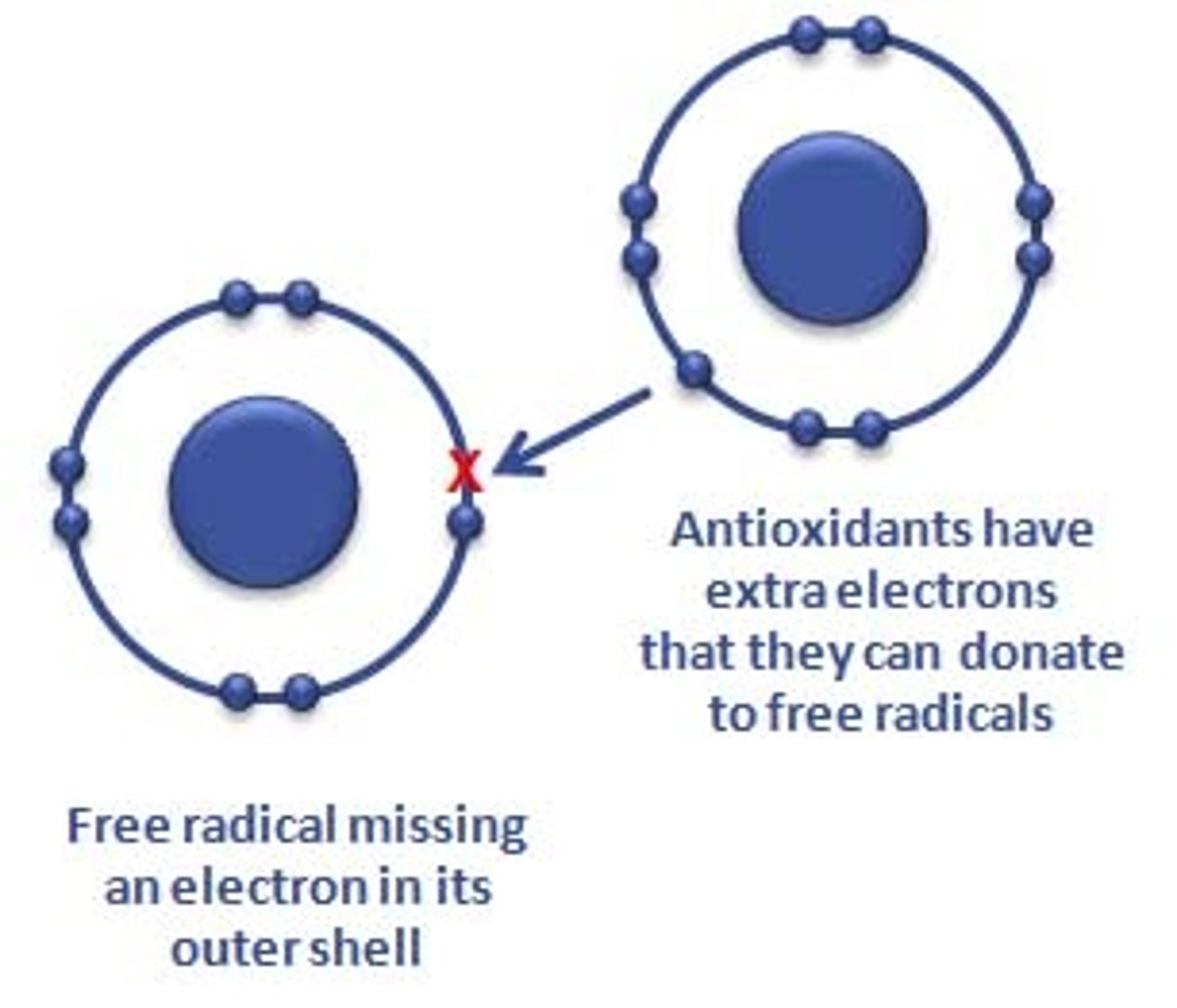
Free radicals
atoms containing an unpaired electron
• This makes an unstable number of electrons in the outer shell making the atom in constant search to bind w/ another atom or molecule to stabilize themselves
Initiation Pt 1
A catalyst activates the reaction
• Occurs when the initiator molecule is activated to trigger the polymerization reaction
Initiation Pt 2
Free radicals, highly reactive particles with an unpaired electron that attack monomer molecules to start polymer chain reaction
Initiation Pt 3
Involves several activation methods
• Reaction can be initiated by heat, light, or a chemical reaction
A chemical reaction can
begin with two chemicals being mixed or started by light
Materials are classified by their activation methods
Heat, chemically, light, or dual cure activated
Heat activated
Heat cure
Chemically activated
Cold cure or chemical cure
Light activated
Photo or light cure
Dual Cure Activated
Cured by light and chemical activation
Activation of Addition Polymerization
• Heat Activated Acrylic Resins
• Chemically Activated Acrylic Resins
• Light Activated Dental Materials
• Dual-Cure Materials
Heat-Activated Acrylic Resins
Powder and liquid are mixed to create a dough material, molded, polymerized when heated, typically in a hot water bath
• Denture bases
Chemically Activated Acrylic Resins
Variety of chemicals used as the activator
• Typically a powder and a liquid mixed together causing a polymerization via chemical reaction
• Used to make temporary crowns, custom trays, orthodontic retainers, etc.
Light-Activated Dental Materials
Activator absorbs light, reacts with initiator, polymerization occurs due to light
• Single paste, no mixing required
• Commonly composite restorative materials, a few acrylic products
Dual-Cure Materials
Polymerization started with light, deeper material by chemical activation
Propagation
second reaction occurs no matter the activation method used in the first reaction
• Occurs when the free radical, which has an unpaired electron (unhappy) wants to form an atomic bond with one of the electron pairs of the carbon-carbon (C=C) pairs of the monomer
Instead of a group of three electrons during propagation
single C-C bond and another free radical on the end of the growing chain are formed
Propagation is the
initiation of chain-growth, explosive chain reaction and occurs repeatedly adding to the chain until there is no longer a free radical
As monomers join
they shift the free electron to the very end of the growing chain
Termination
The chain reaction does not go on forever, the chain growth ultimately stops
Chain growth ultimately stops when
• Two growing chains collide and their active free electrons cancel each other out
• All available monomers have been used up in the mixture
• The activation method halts, no more free radicals are produced
Working Time
The time to place, mold and shape the restoration
• It is longer with chemical activated and shorter with light activated
To be able to use dental materials properly,
an INHIBITOR is added to slow the rapid polymerization reaction to allow time to complete the task
• Usually involves destroying free radicals
Shelf Life
How long you can keep the resin before it expires
• There are added inhibitors in the liquid component to preserve and lengthen the shelf life
Acrylic Resins were
once used for anterior restorations
Acrylic resins
• They were very susceptible to recurrent decay
• Became obsolete when composites became available
• Currently, acrylic resins continue to be used primarily for denture bases
Dental composites come
in a variety of shades and colors
Handling Characteristics of Composites
• Can be flowable, more of a viscous liquid state
• Can be condensable, packed into a preparation
Components of Dental Composites
1. Matrix
2. Fillers
3. Silane Coupling Agents
4. Polymerization Systems
Factors of fillers
• Size
• Evolution
• Content
Polymerization Systems of Composites
• Chemically Activated Materials
• Light Activated Materials