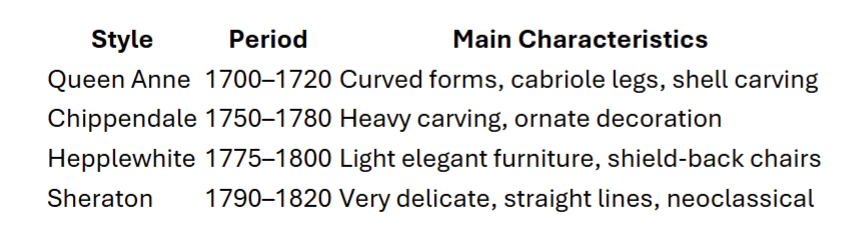
Queen Anne, Georgian (including Chippendale) & Neoclassical (including Hepplewhite and Sheraton) Influences on Late Colonial America
 Call Kai
 Learn
Learn Practice Test
 Spaced Repetition
 Match
Match Flashcards
 Knowt Play
1/30

There's no tags or description
Looks like no tags are added yet.
Name | Mastery | Learn | Test | Matching | Spaced | Call with Kai |
|---|
No analytics yet
Send a link to your students to track their progress
31 Terms
Connections Between Countries
- French Rococo influenced Early Georgian England.
- English styles influenced Late Colonial America.
- Later Neoclassicism influenced Federal style America
Queen Anne Period (1700-1720)
- England became a center for: silverware, wallpaper, carpets, porcelain
- major social influence was Sarah Churchill, Duchess of Marlborough
Queen Anne Style Characteristics
- Understated
- Refined
- Modest
- Reaction against heavy French Baroque decoration.
Queen Anne's Furniture characteristics
• Cabriole legs
• Ball-and-claw feet
• Shell motifs
• Splat-back chairs
• Curving organic forms.
Queen Anne's Furniture Materials
• Walnut commonly used
• Limited gilding
• Shell carvings popular
Queen Anne's Common furniture pieces
• Wingback chair
• Tea tables
• Highboy (tall chest)
• Secretary desk
• Side chairs
Queen Anne's Decorative Motifs
• Shell carving
• Flame finials
• Swan-neck pediments
• Escutcheons (metal plate around keyhole).
Interior Design in the Queen Anne Period
• Paneled walls
• Carved moldings
• Fireplaces
• Period furniture.
Woodworking Techniques
- Veneers
- Crossbanding
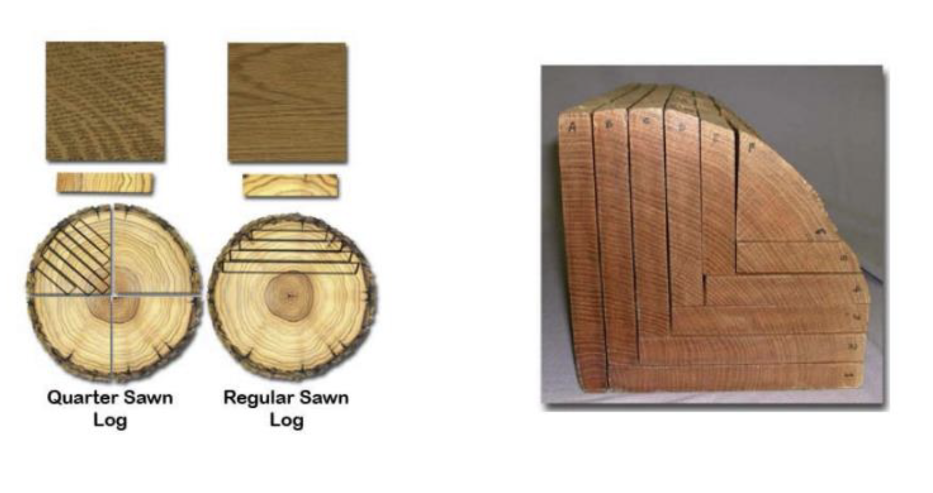
- Quarter-Sawn Wood
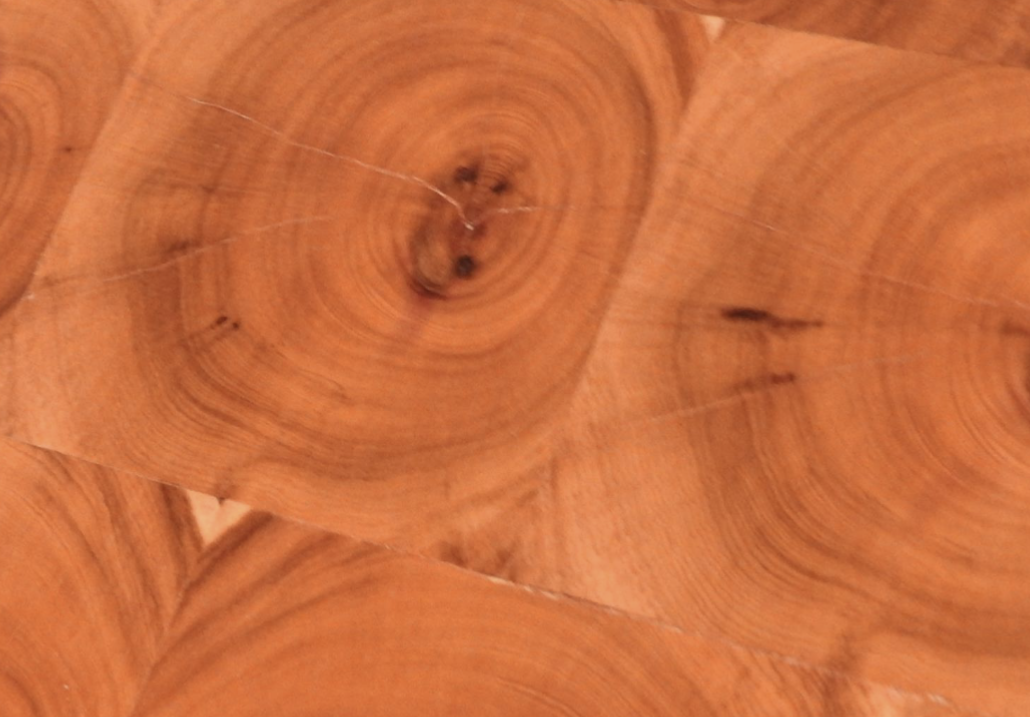
- Oystering
Veneers
Thin layers of wood applied to furniture surfaces to create decorative grain patterns.
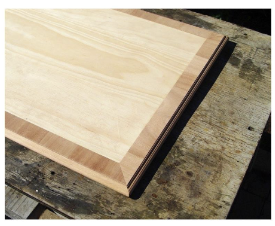
Crossbanding
Decorative border created by placing veneer grain at right angles.
Quarter-Sawn Wood
Produces straight, uniform grain patterns.
Oystering
Decorative veneer technique using circular wood grain patterns.
Georgian Period (After Queen Anne)
- After Queen Anne died, her cousin George I became king.
Design styles from this era are called Georgian styles. • Palladian architecture
• Neo-Palladian architecture
• Chippendale furniture styles.
Palladian / Neo-Palladian Architecture
Key Characteristics
• Symmetry
• Classical proportions
• Straight lines
• Controlled ornamentation
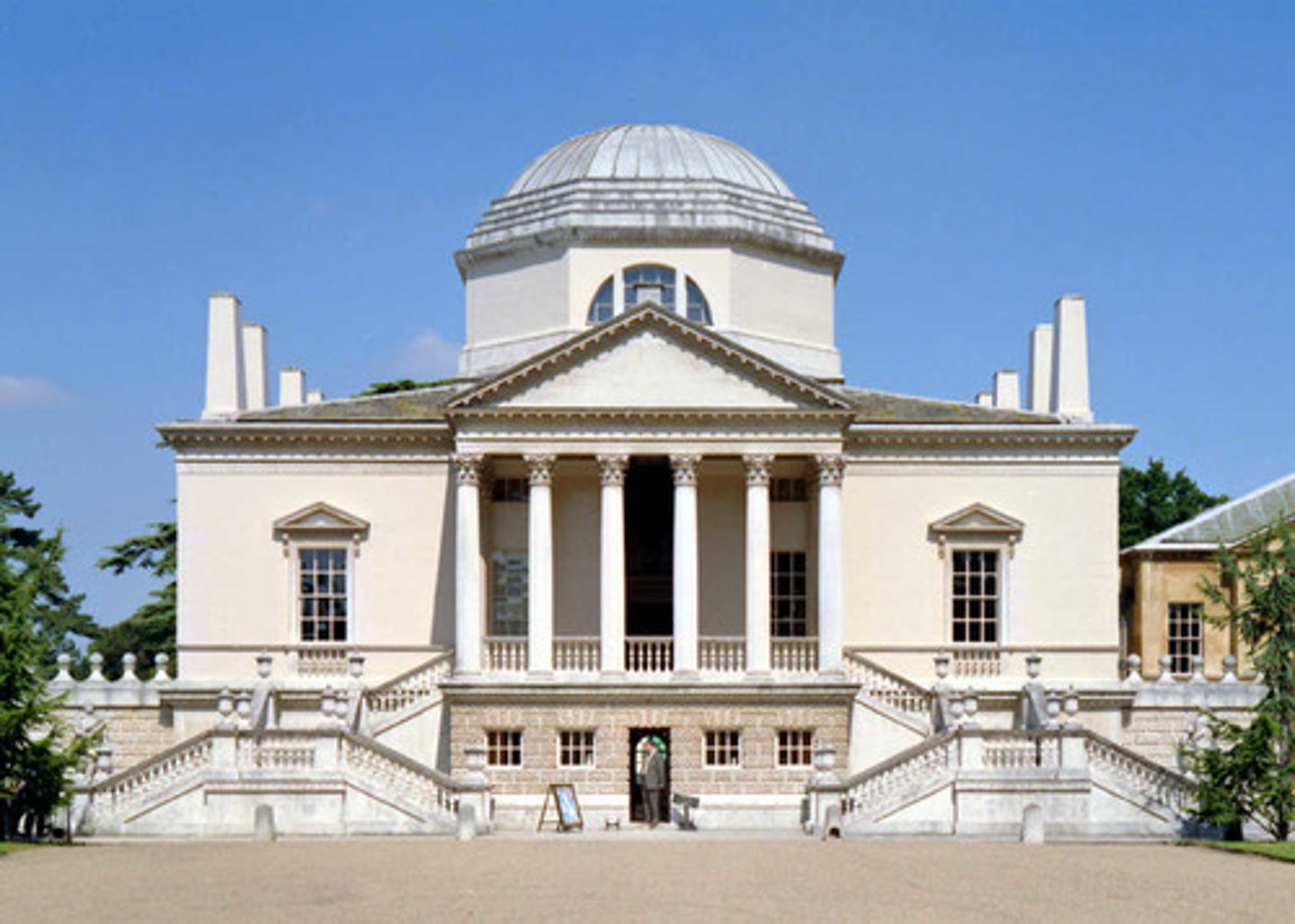
Chiswick House (1729) in England
- English Palladium or Neo-Palladium Style
- Designed by Richard Boyle (Lord Burlington) and William Kent
Thomas Chippendale
- one of the most famous furniture designers in history
Thomas Chippendale's Book
- Published "The Gentleman and Cabinet-Maker's Director" (1754), the first major furniture design catalog.
- This book allowed furniture makers across the world to copy his designs.
Chippendale's Legs
• Cabriole legs
• Ball-and-claw feet
• Lion's paw feet.
Chippendale's Decoration
• Elaborate carvings
• Shells
• Acanthus leaves
• Scrolls
• Floral patterns
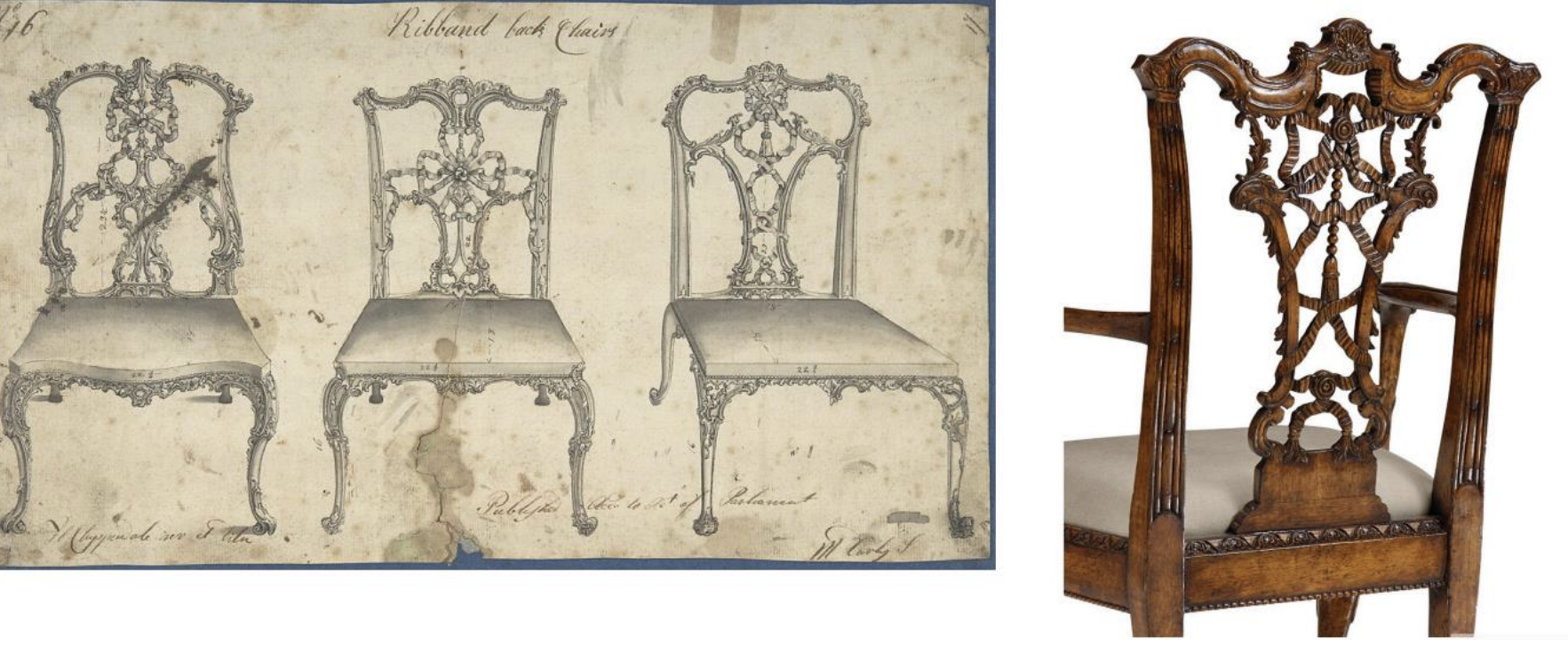
Chippendale's Chair Design
• Ribband back chairs
• Yoke-shaped crest rails
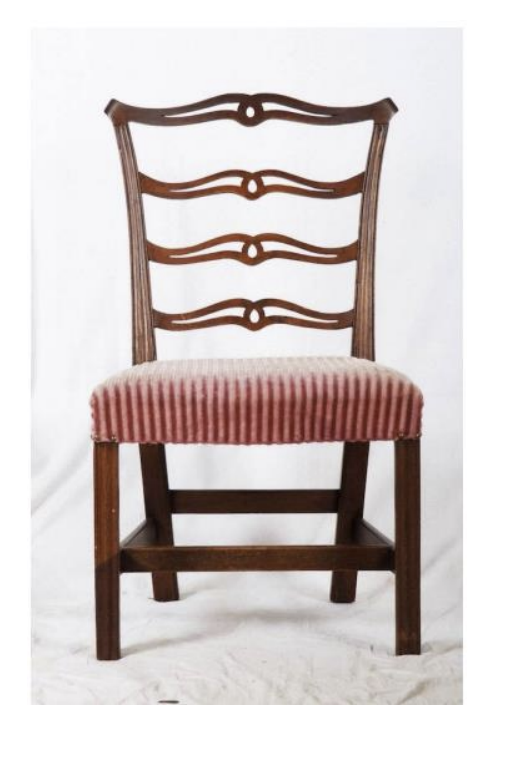
Chippendale's Design Influences
- Rococo: Curved ornate decoration
- Gothic Revival: Pointed arches
- Chinoiserie: Asian motifs and lattice patterns.
Chippendale in America
- Chippendale furniture became extremely popular in Colonial America
- Major centers of production:
• Philadelphia
• Boston
• Newport.
- American craftsmen often used: Caribbean mahogany, local woods
Hepplewhite Furniture (1775-1800)
- George Hepplewhite
- His design book: The Cabinet-Maker and Upholsterer's Guide (1788)
helped spread the style internationally.
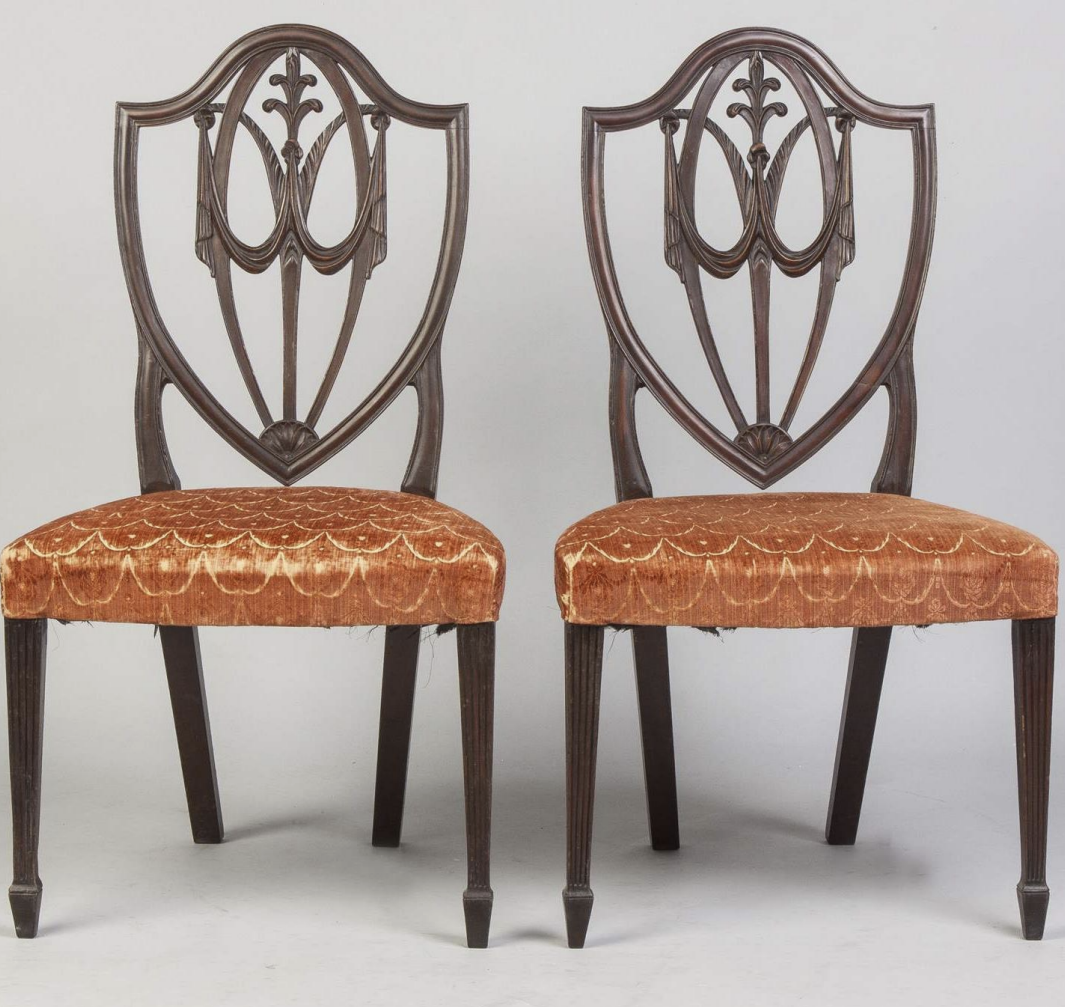
Hepplewhite Furniture's Key Characteristics
• Light and elegant
• Shield-back chairs
• Straight tapered legs
• Fine inlay decoration
• Symmetrical designs
Hepplewhite Furniture's Common materials
- Mahogany
- Satinwood
- Rosewood
Sheraton Furniture (1790-1820)
- Thomas Sheraton
- Part of the Neoclassical design movement
Sheraton Furniture's Key Features
• Straight slender legs
• Refined geometry
• Elegant lightweight appearance
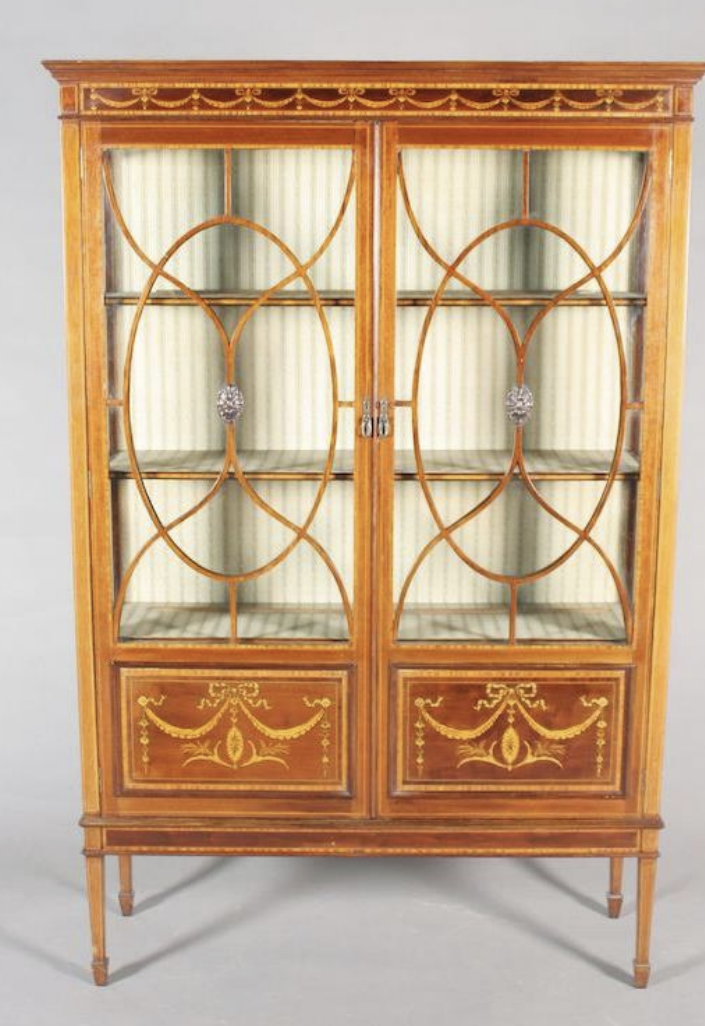
Sheraton Furniture's Decorations
• Urns
• Swags
• Garlands
• Bellflowers
• Prince of Wales feathers
Sheraton Furniture's Common technique
• Veneers
• Marquetry
• Decorative inlays
Comparison of Major Styles