Pesticide Application
 Call Kai
 Learn
Learn Practice Test
 Spaced Repetition
 Match
Match Flashcards
 Knowt Play
1/29

There's no tags or description
Looks like no tags are added yet.
Name | Mastery | Learn | Test | Matching | Spaced | Call with Kai |
|---|
No analytics yet
Send a link to your students to track their progress
30 Terms
List 5 things on a pesticide label
Brand name
Pesticide type (herbicide, fungicide, insecticide)
Active ingredient(s)
Common name
Formulation
Inert ingredient(s)
Classification (pre-emergence, post-emergence, seed treatment)
Signal word (danger, warning, caution)
Precautionary statement
PPE
Directions for use
Application rates
REI
5 common pesticide application methods
Band
Broadcast
Foliar
Directed or spot spray
Soil fumigation/injection
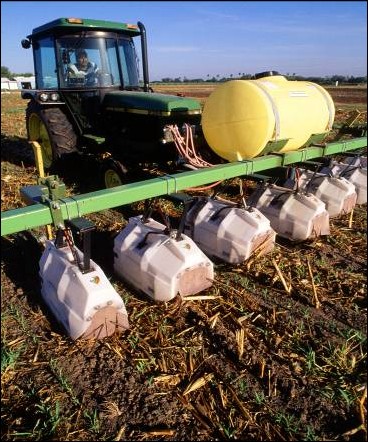
Which application method places the pesticide in a strip either over or beside a crop row?
Band application
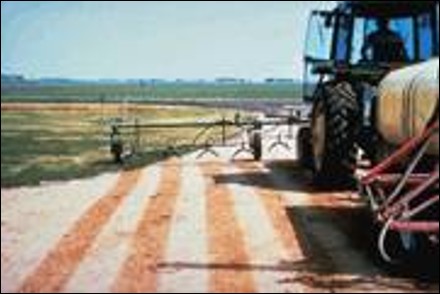
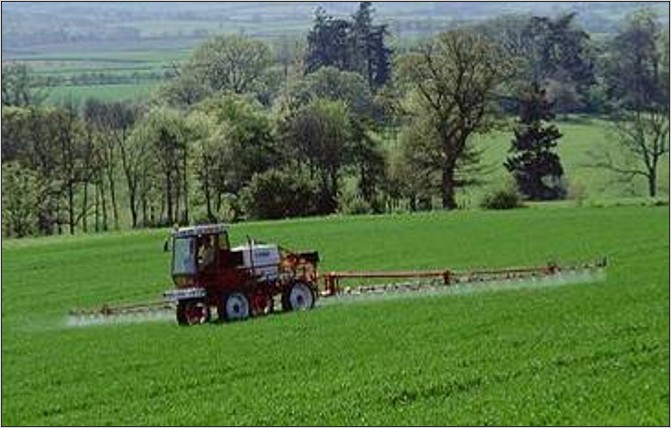
Which application method applies a pesticide uniformly over an area?
Broadcast
Which application method applies a pesticide directly to the top portion of a plant?
Foliar
Which application method directs a pesticide at a target in small, discrete areas?
Directed or spot spray
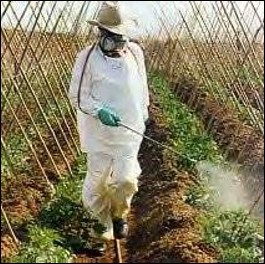
Which application method applies the pesticide beneath the soil surface or incorporated into the soil?
Soil fumigation/injection
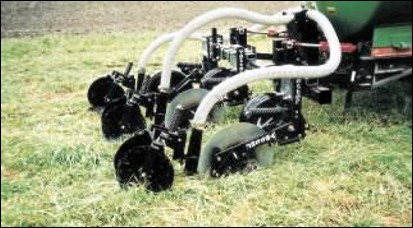
Which dry formulation equipment blows fine particles of pesticide dusts onto the target surface?
Dusters
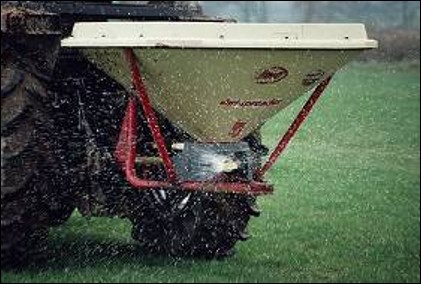
Which dry formulation equipment is designed to apply course, dry particles that are uniform in size to soil, water, and in some cases foliage?
Granule spreaders
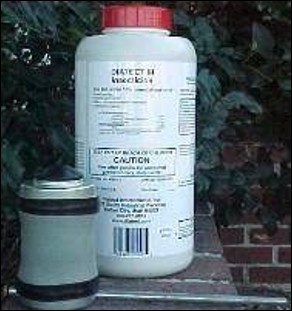
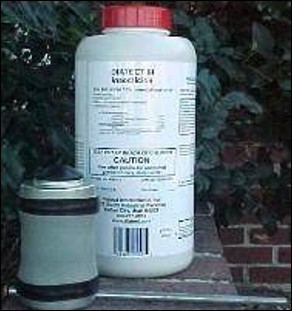
4 advantages of dusters
Lightweight
Relatively cheap
Fast acting
Don’t require water
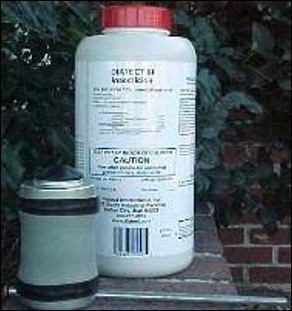
3 disadvantages of dusters
Highly visible
Drift easily
Difficult to control
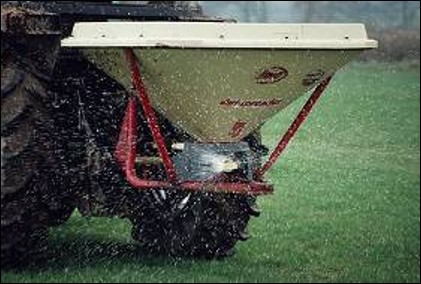
5 advantages of granule spreaders
Equipment is light
Relatively simple
Easy to calibrate
No water
Granules are uniform in size and flow easily
5 types of sprayers
Hand operated sprayers
Low pressure boom sprayers
High pressure sprayers
Air blast sprayers
Ultra-low volume sprayers
3 functions of a sprayer nozzle
Regulate the flow of the liquid
Atomize the liquid stream into droplets
Spread droplets in a specific pattern
If droplets are too small →
If droplets are too big →
small → drift
big → poor retention
4 materials used to construct spray nozzles
Brass
Plastic
Stainless steel
Ceramic
Which material is most common for spray nozzles?
a. Brass
b. Ceramic
c. Plastic
d. Stainless steel
a. Brass
Which material is the most durable for spray nozzles?
a. Brass
b. Ceramic
c. Plastic
d. Stainless steel
d. Stainless steel
Which material is least resistant to wear?
a. Brass
b. Ceramic
c. Plastic
d. Stainless steel
a. Brass
In order to double the flow rate, pressure must be increased how many times?
4x
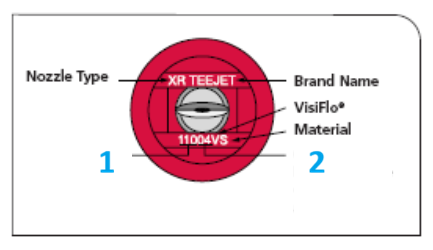
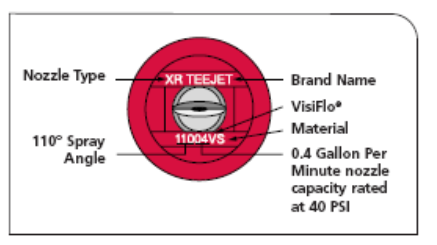
What does the first number on the nozzle represent?
The spray angle
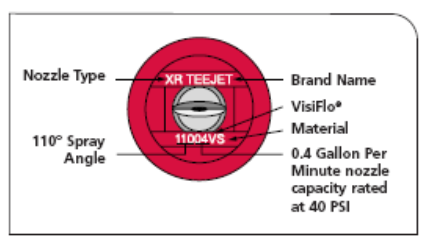
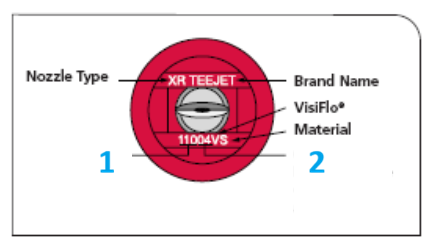
What does the second number on the nozzle represent?
The flow rate
Increase in speed → _________ application
decreased
Increased pressure → ________ flow rate
increased
Increased pressure → ________ drops
smaller
Wider angle → ______ drops
smaller
higher boom → covers _______ area
wider
lower boom → covers _______ area
narrower
higher angle → covers _______ area
wider
lower angle → covers ________ area
narrower