Dissociation of an Acid
 Call Kai
 Learn
Learn Practice Test
 Spaced Repetition
 Match
Match Flashcards
 Knowt Play
1/6

There's no tags or description
Looks like no tags are added yet.
Name | Mastery | Learn | Test | Matching | Spaced | Call with Kai |
|---|
No analytics yet
Send a link to your students to track their progress
7 Terms
Acid (HA)
Acid (HA) donates a proton (H). Conjugate Base (A-) is what’s left after H is donated. Acid will have more H on the reactant side
Base
proton acceptor, will have an extra H on the product side.
Dissociation of an Acid
HA + H2O —> A- + H3O+ (Acid + Base will give you a conjugate base of an acid and conjugate acid of a base)
Remember pka
pKa: -logKa, the smaller your pKa, the stronger your acid. EX: pKa of HCl is -7, making it very strong
Formal Charge Formula
# of Valence Electrons - ½ bonding - nonbonded = Formal Charge
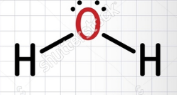
EX: H-O-H (see image) Formal Charge of Oxygen: Oxygen has 6 Valence electrons, in this case, it has 4 unbonded (2 lone pairs) and 2 bonded (2 single bonds)
6 - ½ 2 (1) - 4 = +1
Resonance Structure
Resonance shows different ways to draw electron placement. Only lone pairs and pi bonds can be moved. Atoms and single pairs cannot be moved.
Radical
1 lone unpaired electron. Highly reactive