week 5 3rd semester lab
 Call Kai
 Learn
Learn Practice Test
 Spaced Repetition
 Match
Match Flashcards
 Knowt Play
1/310

There's no tags or description
Looks like no tags are added yet.
Name | Mastery | Learn | Test | Matching | Spaced | Call with Kai |
|---|
No analytics yet
Send a link to your students to track their progress
311 Terms
Analyte
a chemical substance that is the subject of chemical analysis
Aneuploidy
abnormal chromosome number
Doppler
Noninvasive ultrasound test that measures blood flow
Hypoxemia
low oxygen in the blood
Idiopathic
Without known cause
Intrauterine Growth Restriction (IUGR)
Estimated fetal weight less than the 10th percentile for the gestational age
Low Birth Weight (LBW)
Birth weight below 2,500 grams (g) or 5 lbs 8 oz
Morbidity
Incidence of a specific disease in a population for a set amount of time
Mortality
the frequency of deaths in a population
Nonstress Test (NST)
Method of assessing fetal well-being by observing the fetal heart rate response to fetal movement
Oligohydramnios
low amniotic fluid
Placental Mosaicism
Condition characterized by the discrepancy between the chromosomal makeup of the fetus and placenta
Preeclampsia
Hypertension and protein in the urine, occurring during pregnancy
Sensitivity
The proportion of people who test positive for a disease who actually have the disease
Small for Gestational Age (SGA)
Diagnosis used to describe an infant that is smaller than expected for the gestational age
Specificity
The proportion of people who test negative for the disease that do not have the disease
Trisomy
Having three copies of a specific chromosome
Velocimetry
Noninvasive measurement of volume and velocity of blood flow
Polyhydramnios
High amniotic fluid levels
Macrosomic
Weight greater than 4200 - 4500 grams
Oligohydromnios
Low amniotic fluid levels
IUGR
Conditions such as poor maternal weight gain, previous IUGR infant, maternal complications, and inadequate symphysis to fundal height growth are suggestive of:
macrosomia
Select the description that does not characterize IUGR:
a.growth two SD below the mean for gestational age
b.fetal lagging abdominal circumference
c.an EFW <10th percentile
d.macrosomia
maternal hypertension
A cause of intrauterine growth restriction is:
redistributing it to the fetal brain
IUGR affects the fetal blood flow by:
anorexia
IUGR can cause poor health for the fetus into adulthood. They include all except:
a.hypertension
b.diabetes
c.anorexia
d.atherosclerosis
is a condition where elevated protein is discovered in the maternal urine
Preeclampsia:
Placental abnormalities
A common cause of IUGR is:
infectious conditions
Herpes simplex virus, cytomegalovirus, rubella, and varicella zoster are ____________, which relate to fetal growth restriction.
asymmetric
Atypical growth patterns where the fetal AC lags the BPD, HC, and FL is known as:
symmetric IUGR
Infection, congenital malformation, drugs, and chromosomal abnormalities are usually responsible for:
serum analytes
Identification of growth-restricted fetuses is done through sonographic EFW, fundal height, and:
delivery of the fetus would be considered.
BPP should be performed only when:
3
A fundal height measurement difference of more than __ centimeters less than expected after 20 weeks' gestation is cause for suspicion of IUGR.
not less than 3 weeks
If IUGR is suspected, the recommended interval between growth evaluations is:
increases
The predictive error of ultrasound _______ as the gestation increases.
nonimpact exercise
Common maternal treatments to increase growth in an IUGR fetus include all except:
two or more accelerations within 20 minutes
A normal nonstress test displays:
IUGR
Hypothermia, hematologic complications, and hypoglycemia are conditions related to:
low blood pressure
IUGR children, especially preterm, have an elevated risk of all except:
a.low blood pressure
b.behavioral problems
c.inferior school performance
d.neurologic damage
SGA
Select the correct fetal category for a fetus displaying biometric parameters below 10% without a known cause, possibly relating to parental habitus and family history, small AC/BPD/HC/FL measurements, normal AFI, normal BPD/AC ratio, and normal placenta.
a.macrosomia
b.symmetrical IUGR
c.asymmetrical IUGR
d.SGA
fivefold to tenfold increased
The fetus with poor intrauterine growth has an _________ risk for perinatal mortality compared with the fetus of normal size.
velamentous cord insertion, single umbilical artery
Cord anomalies that increase the risk of for IUGR are _________ and _________.
18 years
IUGR infants usually achieve normal growth at the age of _________.
prenatal, postnatal
Growth restriction can cause adverse effects of _________ and _________ life.
chromosomal
Poor intrauterine growth and subsequent LBW are common features of many _________ abnormalities.
Patau, Downs, Edwards
The most common chromosomal abnormalities that increase a fetus' risk for IUGR are _________ syndrome, _________ syndrome, and _________ syndrome.
Lower
Birth weight at higher altitudes is _________ than that of infants born at sea level.
multifactoral
The cause of IUGR may be idiopathic or _________.
decrease, fundal height
The accuracy of measuring all biometric parameters _________ with advancing gestational age. The measurement of _________ is least affected.
Decrease
Maternal medical conditions that affect blood circulation result in a _________ in uteroplacental blood flow and can lead to IUGR
hypertension
Maternal _________ in pregnancy is one of the leading causes of IUGR.
increase
Multiple measurements in fetal ultrasound have been used to _________ accuracy.
high, forward
In a normal fetus, the MCA is a _________ impedance circulation with continuous _________ flow.
Umbilical Artery
_________ Doppler may help differentiate a constitutionally small fetus and a pathologic IUGR fetus.
Maternal, fetal, placental
Risk factors or etiologies of IUGR can be divided into three groups: _________, _________, and _________.
weight, amniotic
Estimated fetal _________, sonographic biometry, Doppler flow, and _________ fluid changes assist in identification of growth restricted fetuses.
weight
Avoidance and cessation of smoking during pregnancy can increase fetal _________.
20
BPP observations are made within a _________ -minute time frame
heart rate, movement
Advanced acidemia, hypoxemia, and hypercapnia affect fetal _________ and _________, two of the four biophysical features of a BPP.
NST, BPP, Doppler, AFV
Antenatal surveillance is done with four fetal growth assessments: _________, _________, _________, and _________.
otherwise healthy and grows at a constant rate
A fetus that is constitutionally small falls below the 10th percentile for gestational age, but is
sonographic EFW, serum analytes, and funal height
Identification of growth-restricted fetuses is done through:
Fundal height
Commonly used to screen for IUGR
early ultrasound or last known menstrual period
Diagnosis of IUGR is centered on ultrasound biometry and is dependent on accurate dating by an
doppler evaluation
the cornerstone for the management of an IUGR fetus.
UA, MCA, UTA, DV, and UV.
Doppler parameters to aid in IUGR diagnosis include flow changes to the:
poor outcome
Absent or reversed end-diastolic flow in an UA is indicative of:
fetal brain sparing
A CPR below 1.08 is an indication of
omnious finding
A reversal of a-wave in the DV is abnormal and is an
oligohydramnios
a complication of IUGR.
gestational age, doppler values, growth, and BPP
Management of IUGR is limited and timing of delivery for a fetus with IUGR should be individualized on the basis of:
asymmetric IUGR
Large head size relativeto small abdomen
Symmetric IUGR
Small head and abdominal size
Extrinsic:
Placental factors
Maternal vascular factors
Etiology for Asymmetric IUGR:
Instrinsic:
Chromosomal abnormalities
Congenital malformations
Drugs
Infections
Pre-eclampsia (early onset)
Etiology for Symmetric IUGR:
umbilical vein flow, and cardiac output
IUGR causes decreased:
mortality, cerebral circulation
IUGR causes increased:
short and long-term morbidity
learning disabilities
short stature
reduced cognitive function
high blood pressure
diabetes
stroke
Increased postnatal effects of IUGR:
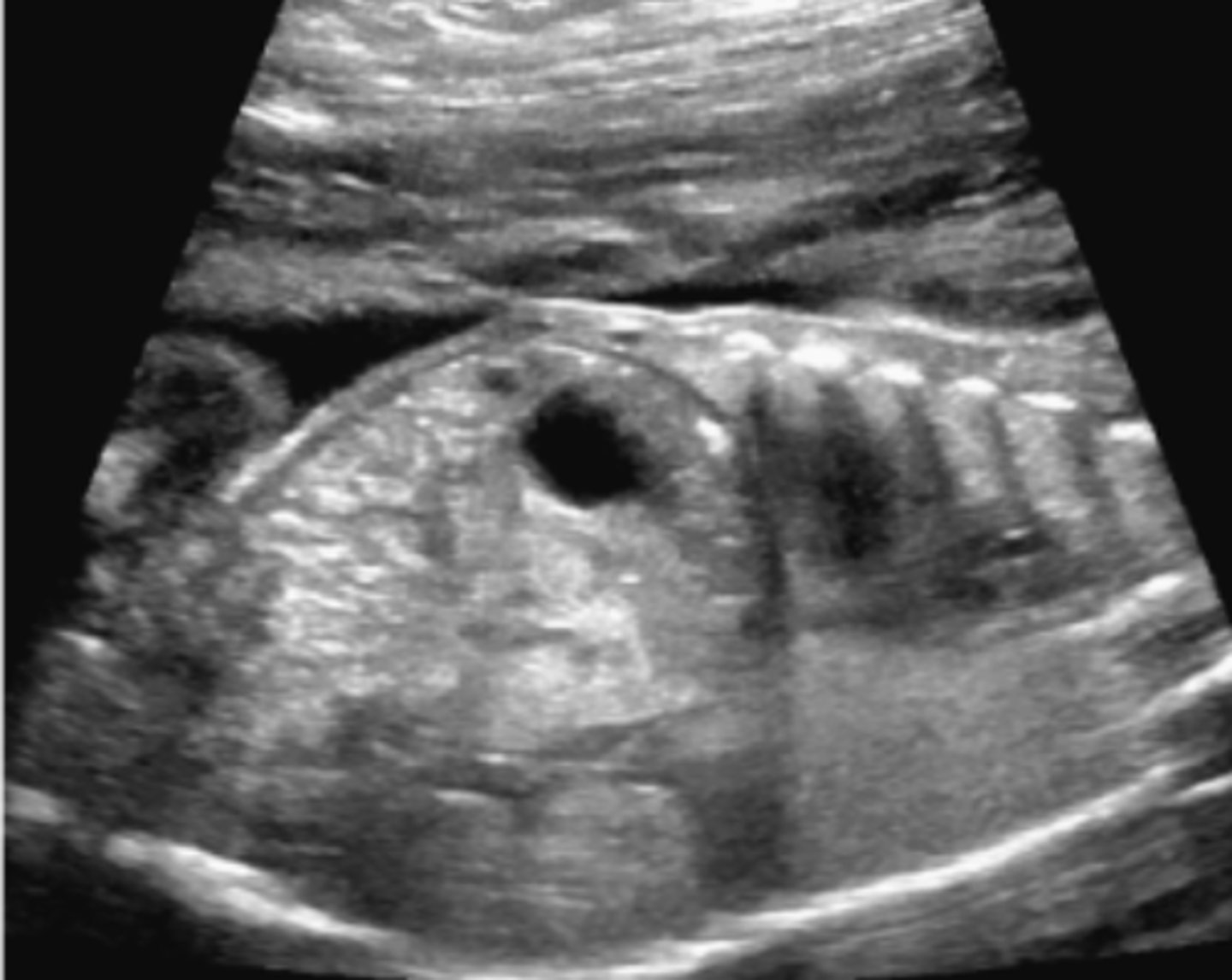
Echogenic bowel- 25 weeks gestation
Uterine Artery Doppler
Umbilical Artery
Middle Cerebral Artery (MCA)
Ductus Venosus (DV)
Doppler uses:
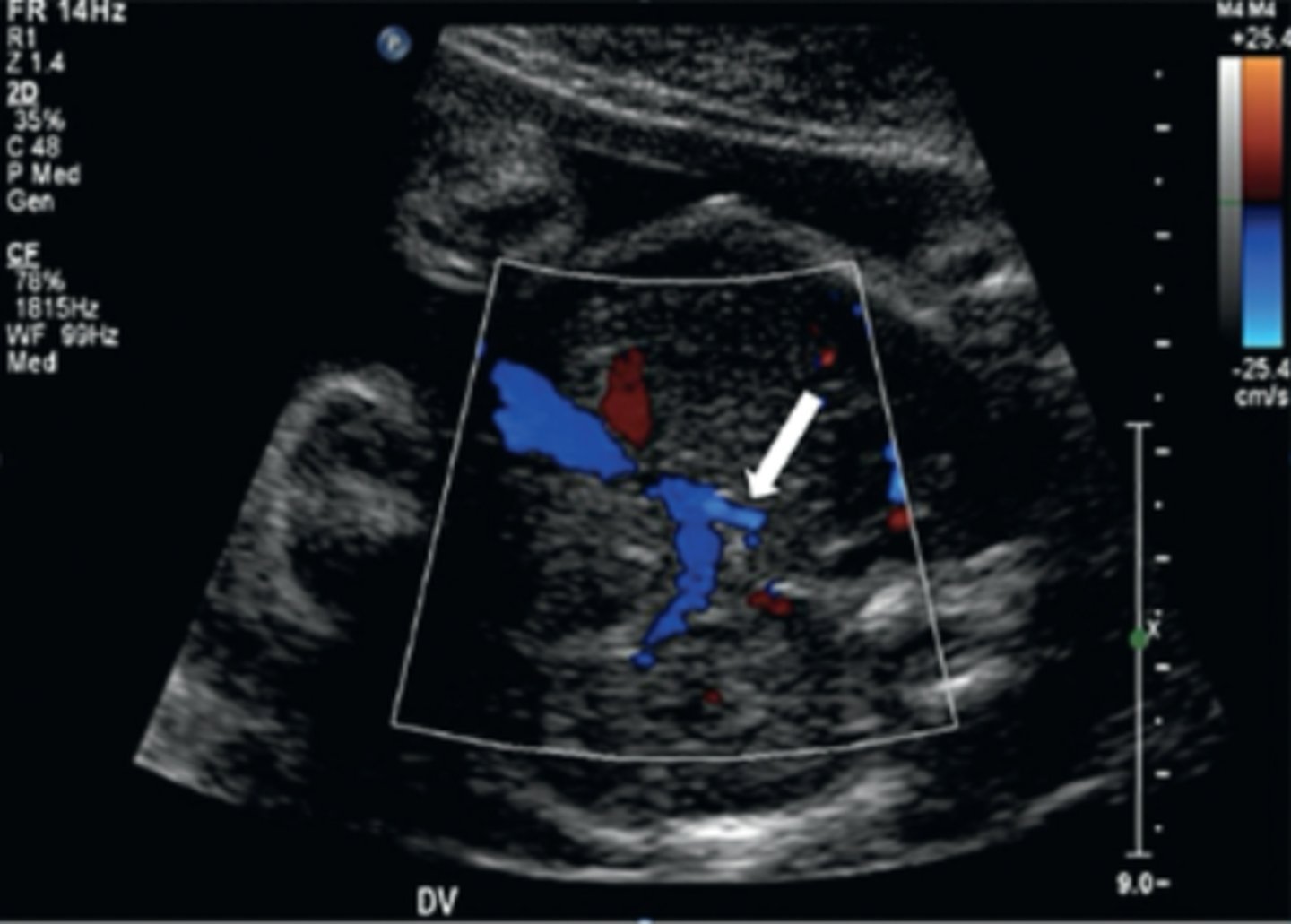
Ductus Venosus
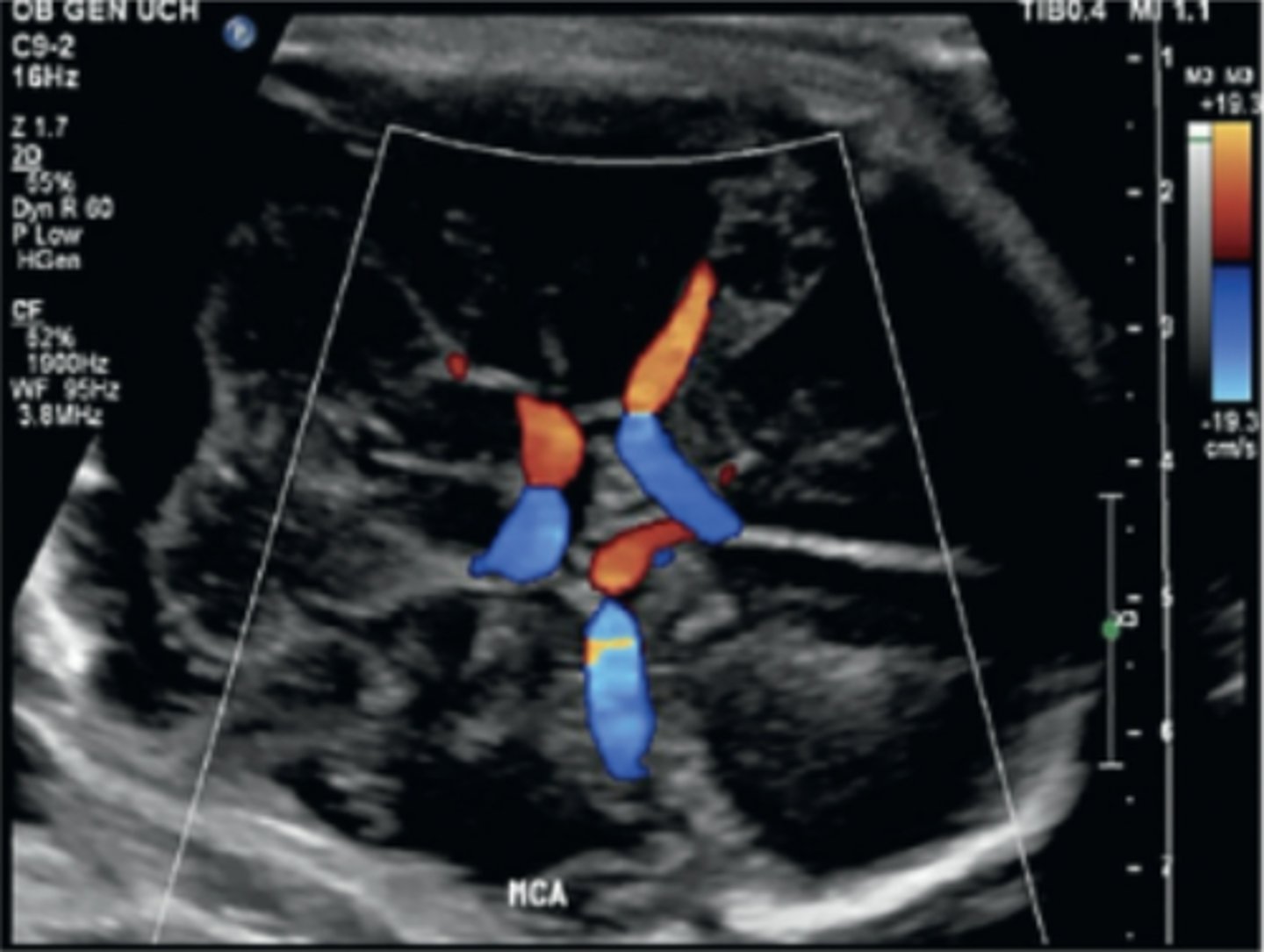
Middle Cerebral Artery
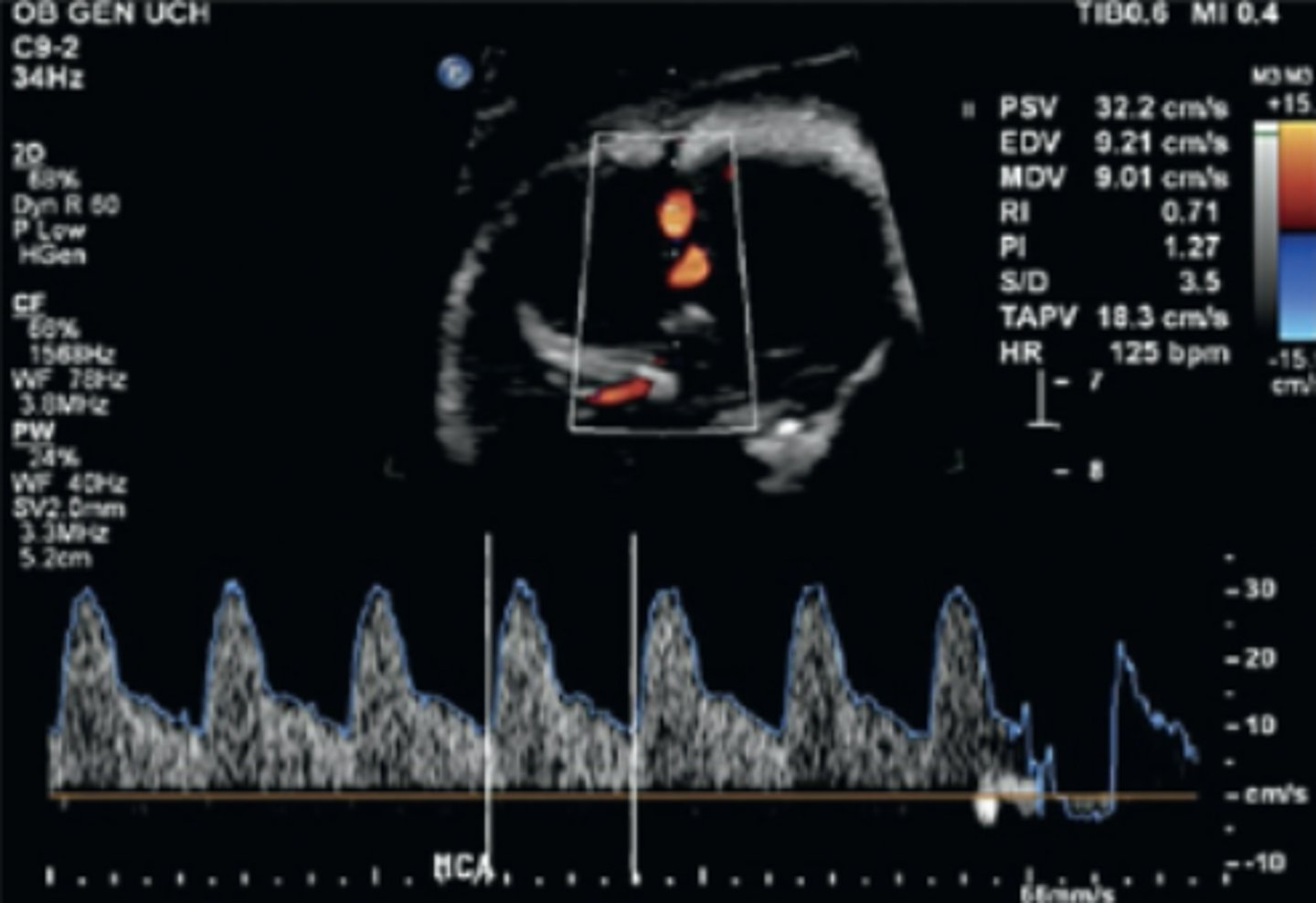
Spectral Doppler Waveform- MCA
Normal Waveform- Uterine Artery
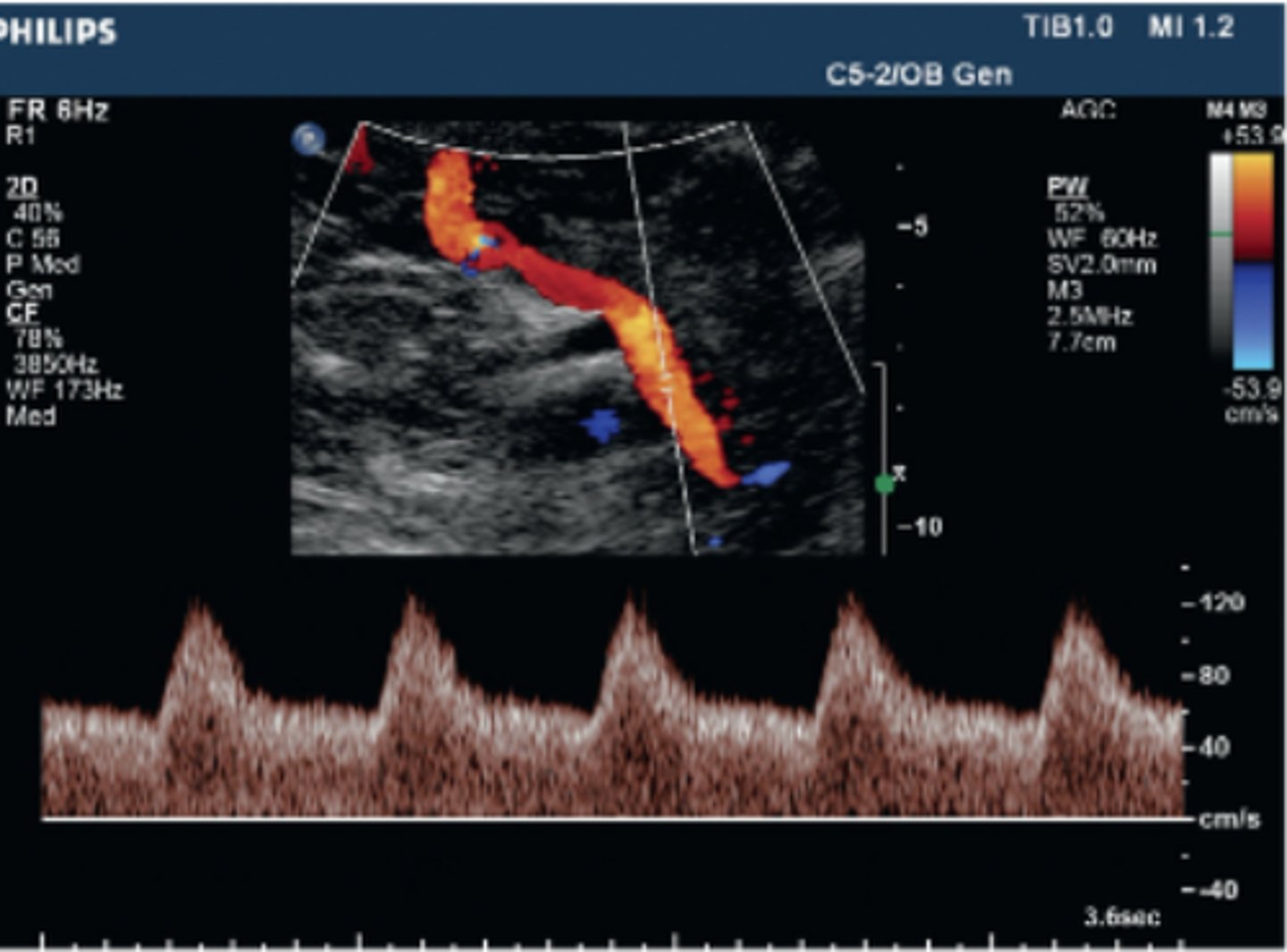
Normal Waveform- Ductus Venosus
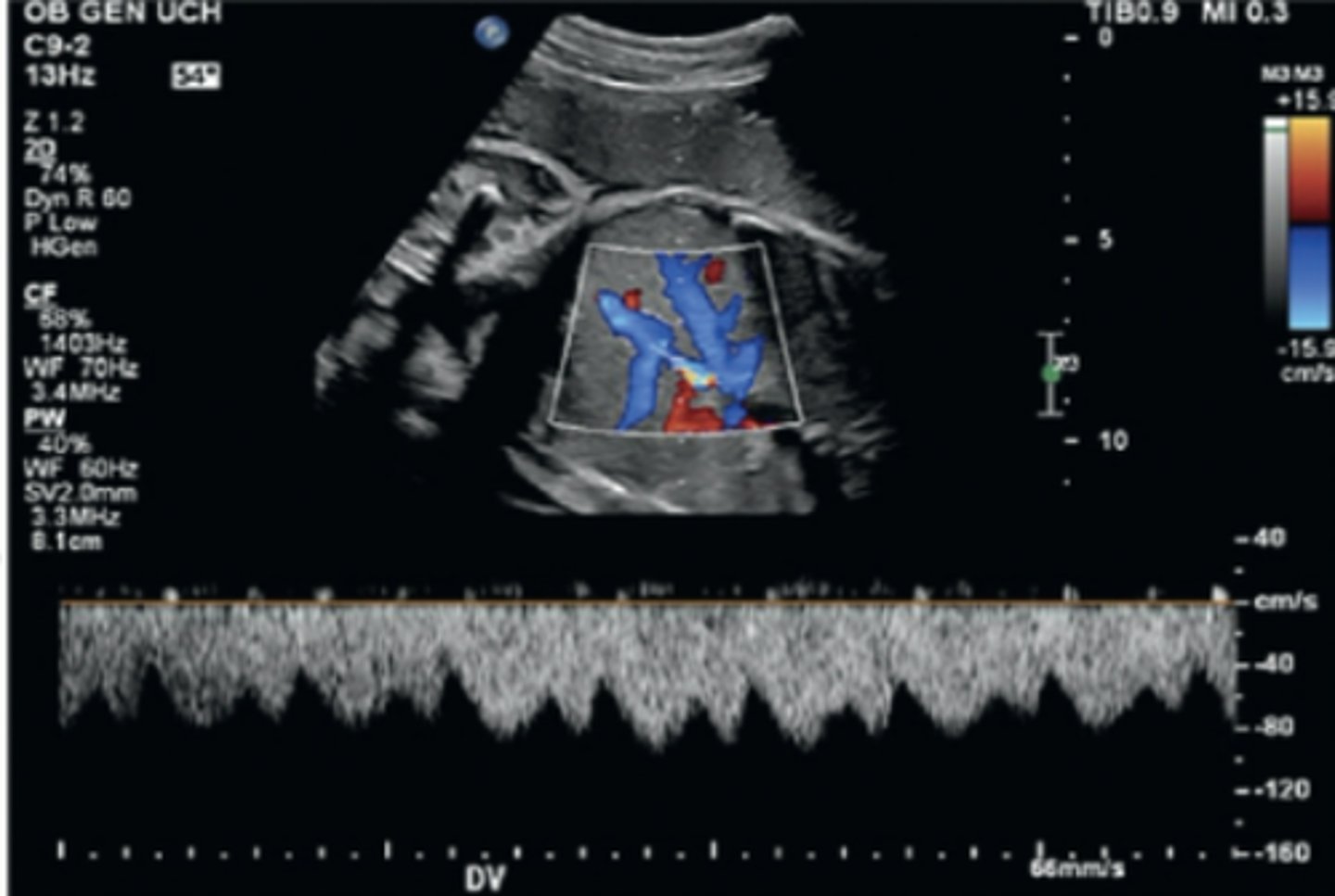
Abnormal Waveform- Ductus Venosus
Severely compromised fetus
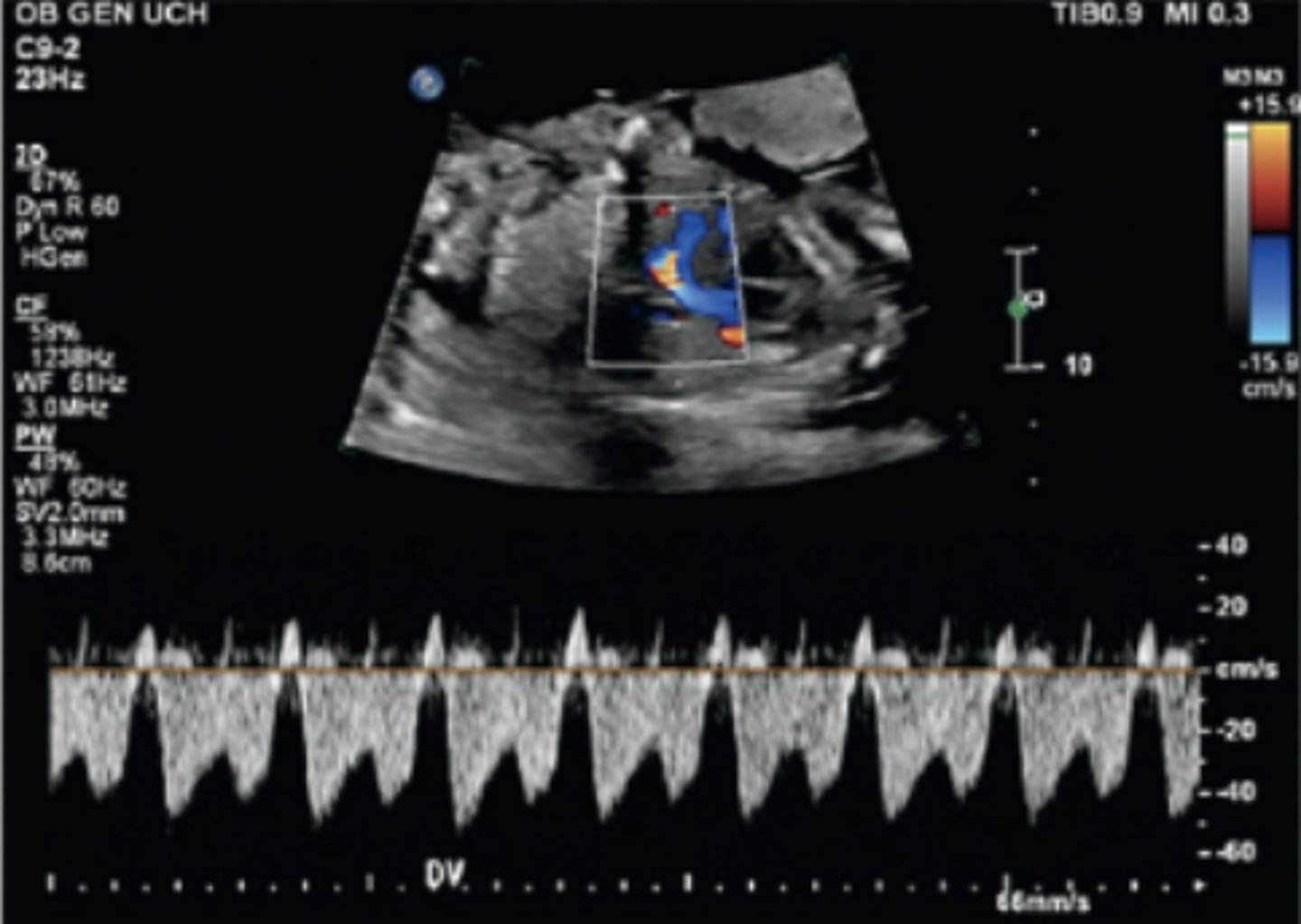
Abnormal Waveform- Umbilical Vein
Fetus with IUGR- pulsations in the umbilical vein
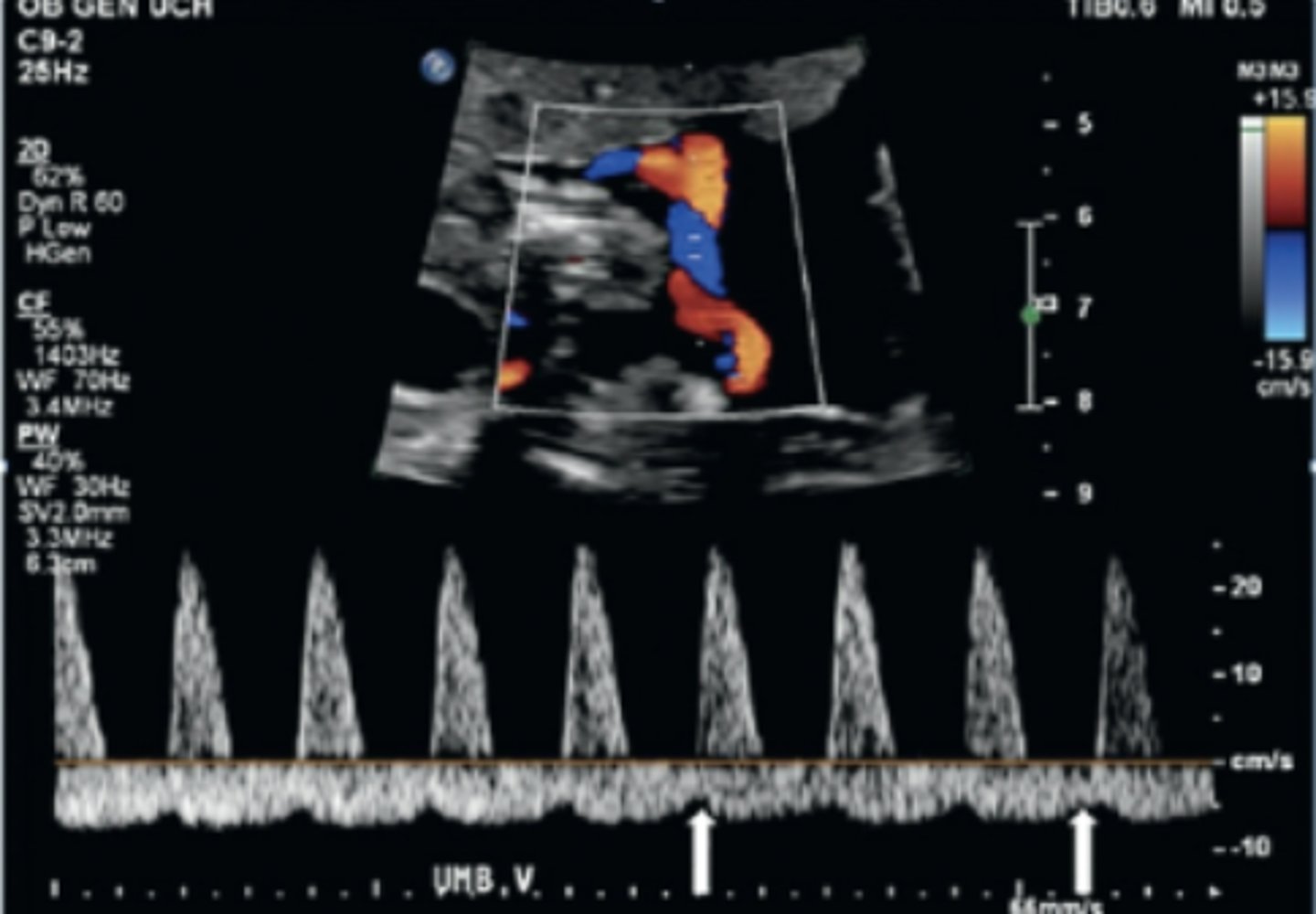
State the name of the virus that may cause fetal micropthalmia and brain calcifications.
Varicella zoster (chickenpox)
(microphtalmia-small orbits)
Provide the name of the virus that causes mononucleosis.
Epstein-barr virus
List the name of 2 common parasitic diseases associated pregnancy.
Toxoplasmosis, malaria
List what the acronym TORCH stands for.
Toxoplasmosis, other, rubella, cytomegalovirus, herpes
Includes common maternal infections assoc. with congenital anomalies
State the 3 ways that toxoplasmosis is transmitted.
Undercooked/raw meat, contact w/ cat feces, food/contaminated water
Provide the name of the sexually transmitted disease that may cause cataracts, deafness, and/or seizures.
syphillis
Provide the alternative name for German measles.
rubella/3 day measles
One of the first recognized mat. Inf. that resulted in fetal anomalies
State the name of the virus that affects 33% of children by the age of 5.
Cytomegalovirus (CMV) - one of the TORCH viruses
State the most common metabolic disorder of pregnancy.
gestational diabetes metillus
Describe the 2 types of diabetes.
type 1 - insulin dependent (former-juvenile-onset)type 2 - noninsulin dependent (former-adult-onset diabetes, diet can help)
-gestational diabetes - only during pregnancy)
-impaired glucose tolerance
-other/secondary-caused by panc. dz, pancreatectomy, hormones, drugs, chemicals, certain genetic syndromes
increased incidence of fetal anomalies seen w all
Explain the glucose tolerance test.
Between 24-28 weeks, drink glucose solution, wait 1 hour have glucose level checked
Normal < 140 mg/dl140 or above: fail (will have 3 hour glucose tolerance test/double of first one)
If 3 hour test fails, diagnose with gestational diabetes
Provide the alternative name for Rh isoimmunization.
Erythroblastosis fetalis (fetal blood cells will die/RBC be attacked)